
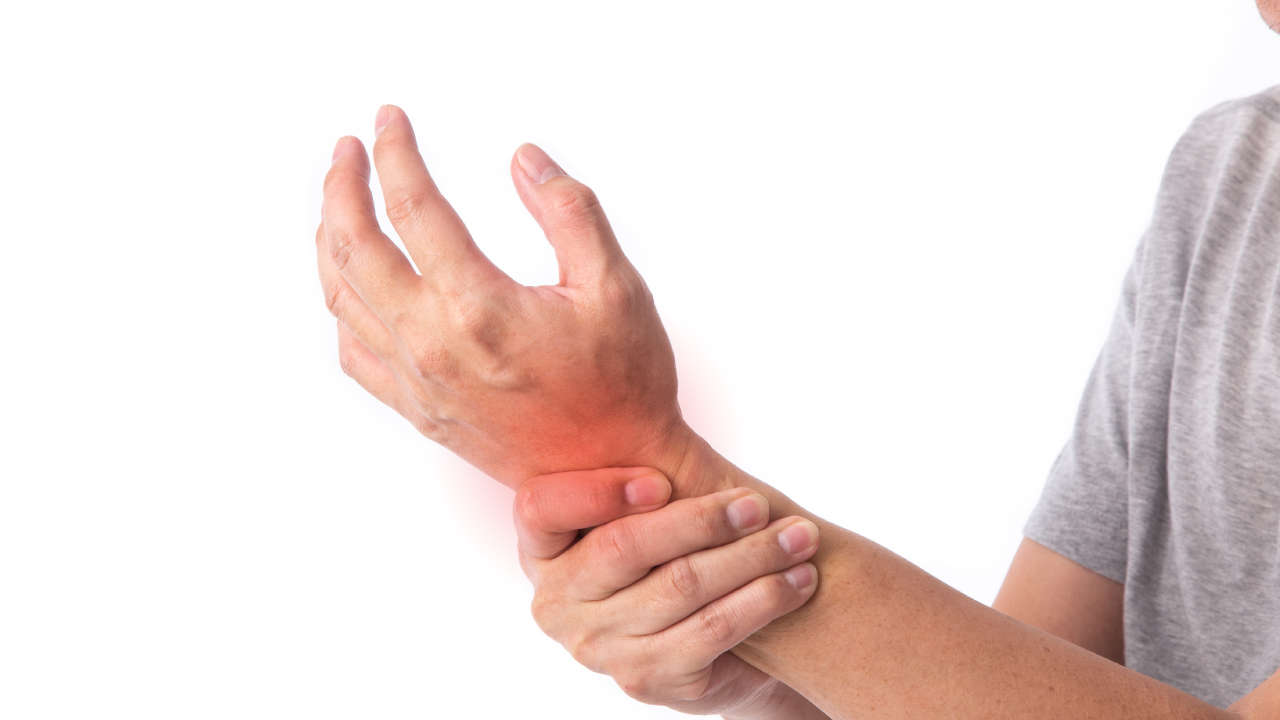
Wrist Pain in Woodbridge, ON
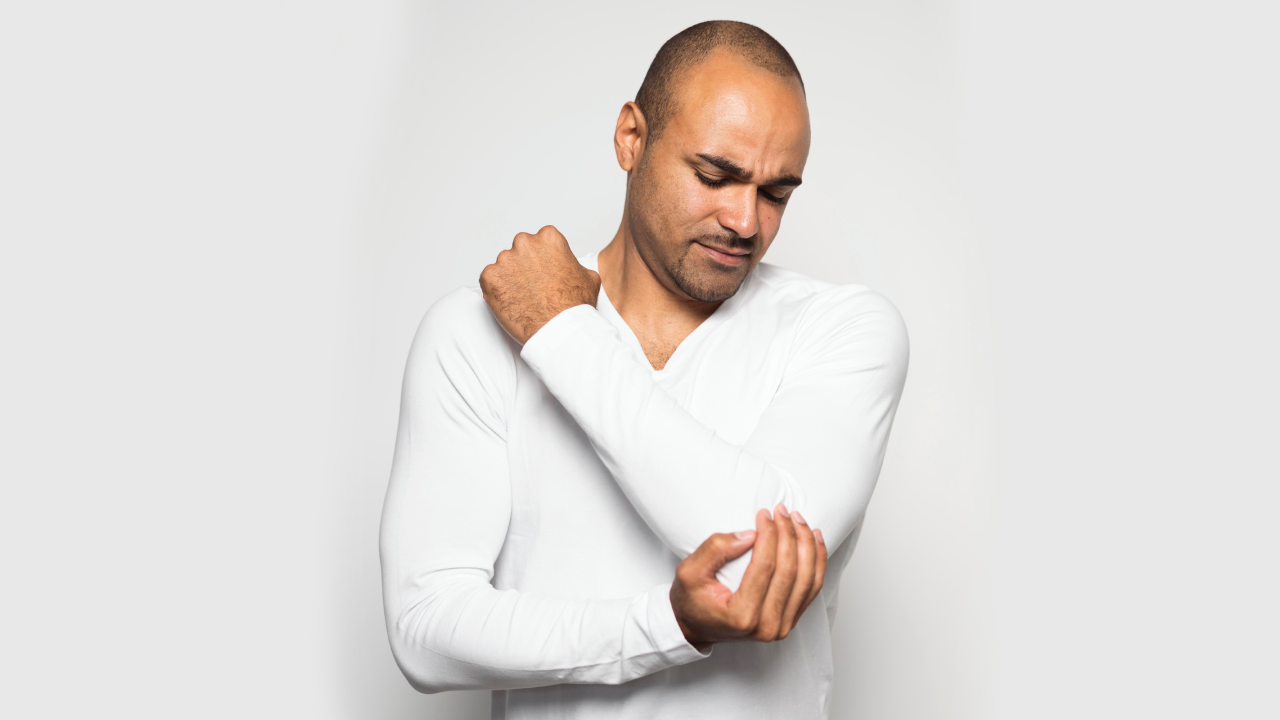
Wrist discomfort can make ordinary tasks harder, from typing and lifting to gripping a cup or turning a door handle. It may begin after a fall, sports activity, repetitive work, prolonged computer use, or gradually without one clear cause. Wrist Pain in Woodbridge, ON, can involve the muscles, tendons, ligaments, joints, nerves, or bones around the wrist and hand.
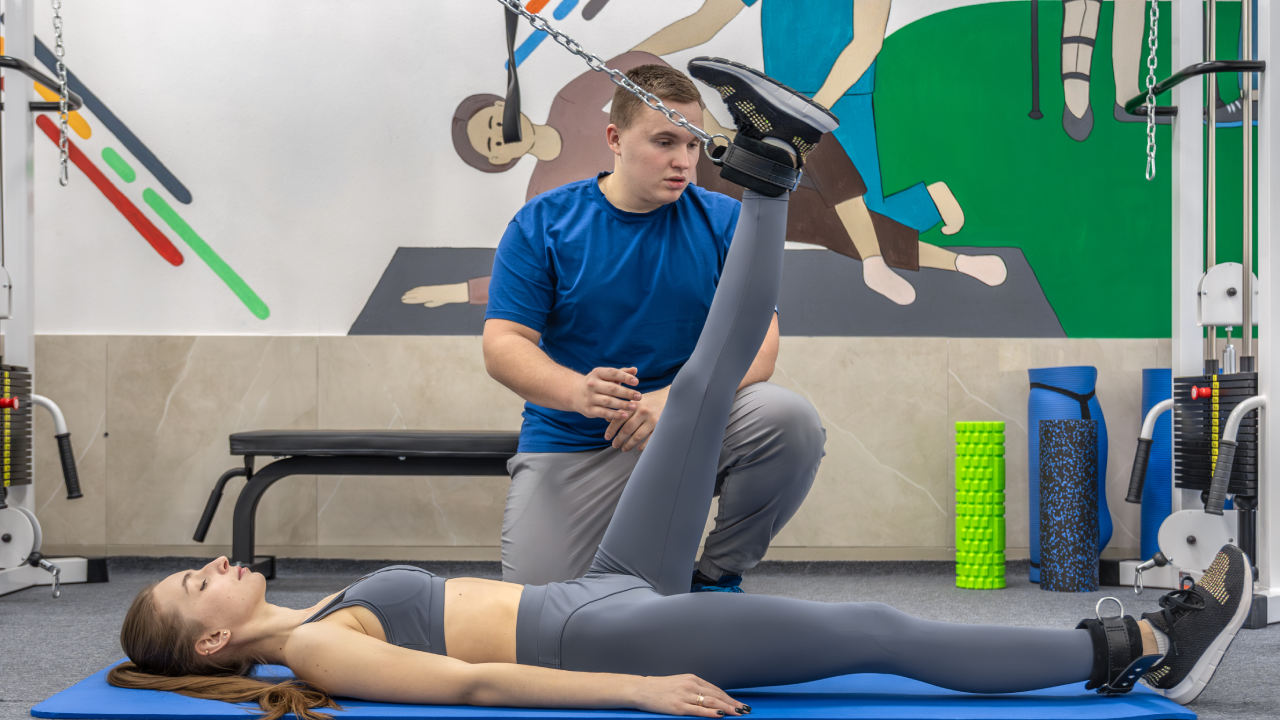
At Spinal Solution and Rehab, we assess wrist symptoms by looking at movement, strength, grip function, surrounding joints, and the activities that may be contributing to the problem. Care can then focus on reducing irritation, restoring wrist movement, improving strength, and helping you return to daily activities.
What Is Wrist Pain?
Wrist pain refers to discomfort, soreness, stiffness, weakness, or sensitivity around the wrist joint and nearby structures. The wrist contains several small bones, joints, ligaments, tendons, nerves, and muscles that work together to allow the hand and fingers to move.
Because the wrist is involved in many daily activities, even a relatively minor issue can affect work, exercise, household tasks, and hobbies.
Wrist symptoms can develop suddenly or gradually. Some people notice discomfort after an injury, while others develop symptoms after repeated movements such as typing, using tools, playing an instrument, lifting, or participating in sports.
Common symptoms may include:
- Wrist soreness during movement
- Stiffness after rest or activity
- Swelling around the wrist
- Reduced grip strength
- Difficulty holding objects
- Tingling or numbness in the hand
- Discomfort while typing
- Pain when twisting or turning the wrist
- Sensitivity when placing weight through the hand
- Reduced range of motion
- Symptoms that increase during repetitive activity
The location and pattern of symptoms can provide useful information during an assessment. For example, discomfort on the thumb side of the wrist can have different causes from symptoms on the little-finger side.
Common Conditions Associated With Wrist Pain
There are several conditions that can affect the wrist. Identifying the likely source of symptoms is an important part of planning care.
Wrist Sprains
A wrist sprain can occur when a ligament is stretched or damaged. Falls onto an outstretched hand are a common cause, although sports and sudden twisting movements can also contribute.
Symptoms may include swelling, tenderness, reduced movement, and discomfort when gripping or placing weight through the hand.
Tendon Irritation
Tendons connect muscles to bones and help control wrist and hand movement. Repeated gripping, lifting, typing, sports, or tool use can place repeated stress on these tissues.
Tendon-related symptoms may become more noticeable during specific wrist or thumb movements.
De Quervain’s Tenosynovitis
De Quervain’s tenosynovitis affects tendons located on the thumb side of the wrist. Repeated thumb movement, gripping, lifting, and certain hand activities can aggravate the area.
People may notice discomfort when moving the thumb, grasping objects, or turning the wrist.
Carpal Tunnel Syndrome
Carpal tunnel syndrome involves pressure on the median nerve as it passes through the wrist. Symptoms may include numbness, tingling, burning sensations, weakness, or discomfort affecting the hand and fingers.
Symptoms can become more noticeable during sleep or after prolonged wrist positions.
Arthritis-Related Wrist Symptoms
Arthritis can affect wrist joints and may contribute to stiffness, swelling, reduced movement, and discomfort. Symptoms may vary depending on the type of arthritis and the joints involved.
Assessment can help determine how wrist movement, hand function, and nearby joints are being affected.
Wrist Fractures
A fracture can occur after a fall, collision, sports injury, or other impact. Significant swelling, deformity, severe pain, or an inability to use the hand may require prompt medical assessment.
Physiotherapy may form part of recovery after a fracture has been medically assessed and managed.
Repetitive Strain
Repeated wrist movements can gradually irritate muscles and tendons. This can occur in office workers, tradespeople, musicians, athletes, and people whose daily activities require frequent gripping or hand use.
Care may include movement changes, strengthening exercises, mobility work, and strategies for managing workload.
Who May Need Care for Wrist Symptoms?
Wrist problems can affect people across different age groups and occupations. At Spinal Solution and Rehab, assessment may be relevant for people experiencing wrist symptoms related to:
- Office and computer work
- Construction and skilled trades
- Manual labour
- Weight training
- Racquet sports
- Hockey and other sports
- Cycling
- Musical instruments
- Household activities
- Repetitive gripping
- Previous wrist injuries
- Falls or accidents
- Post-surgical recovery
For people who spend several hours each day typing or using a mouse, prolonged wrist positioning can contribute to symptoms. For workers who repeatedly grip tools or lift objects, physical workload may play a role.
Athletes may develop wrist symptoms after falls, impact, repetitive movement, or changes in training volume.
Problems Wrist Care Can Address
When assessing these symptoms, consider workstation setup, wrist positioning, movement breaks, and strengthening.
Common concerns include:
- Difficulty gripping objects
- Reduced wrist flexibility
- Weakness during lifting
- Difficulty typing or using a mouse
- Discomfort during exercise
- Trouble opening jars or turning handles
- Symptoms during sports
- Stiffness after an injury
- Reduced hand function
- Difficulty returning to work after an injury
- Symptoms that increase with repetitive activity
The goal of assessment is not simply to look at the wrist itself. The forearm, elbow, shoulder, and hand can also influence wrist movement and function.
What Can Wrist Physiotherapy Include?
The exact approach depends on the findings from your assessment and the nature of your symptoms.
Physical Assessment
The first stage involves reviewing your symptoms, medical history, activity levels, and daily demands.
A physiotherapist may assess:
- Wrist range of motion
- Grip strength
- Hand function
- Thumb movement
- Forearm movement
- Elbow and shoulder movement
- Swelling or tenderness
- Movement patterns
- Functional activities
This information helps identify factors that may be contributing to your symptoms.
Manual Therapy
Hands-on techniques may be used to address restricted movement in the wrist, hand, forearm, or nearby joints.
The specific methods depend on your symptoms and assessment findings.
Therapeutic Exercise
Exercise can help restore movement, strength, coordination, and functional capacity.
Exercises may focus on:
- Wrist mobility
- Forearm strength
- Grip strength
- Thumb strength
- Hand coordination
- Gradual loading
- Functional movement
Exercises can be adjusted as your capacity changes.
Activity Modification
If a particular task repeatedly aggravates your wrist, changes to how you perform that activity may help reduce unnecessary strain.
This may involve adjusting workstation positioning, changing lifting methods, modifying training volume, taking movement breaks, or changing repetitive tasks.
Home Exercise Program
Your physiotherapist may provide exercises to perform between appointments. The program can focus on the specific movements and physical demands relevant to your daily routine.
Consistency can help maintain progress between clinic visits.
How the Process Works
1. Consultation
Your first visit begins with a discussion about your symptoms, when they started, activities that affect them, previous injuries, and your current goals.
2. Assessment
The physiotherapist evaluates wrist and hand movement, strength, function, and nearby areas that may influence wrist mechanics.
3. Care Planning
The findings are used to establish a care plan based on your condition, activity demands, and functional goals.
4. Treatment
Depending on the assessment, care may include manual therapy, therapeutic exercise, mobility work, strengthening, and activity modification.
5. Progress Review
Your symptoms, movement, strength, and ability to perform relevant activities can be reviewed during follow-up visits.
6. Return to Activities
As wrist capacity improves, exercises and activities can be progressed according to your functional demands.
Practical Benefits of Addressing Wrist Symptoms
Seeking care for wrist problems can help you work toward several practical goals.
These may include:
- Improved wrist movement
- Increased grip capacity
- Greater tolerance for daily activities
- Improved hand and wrist coordination
- Easier participation in exercise
- Gradual return to sports
- Improved tolerance for workplace tasks
- Greater confidence with lifting and gripping
- Reduced dependence on activity avoidance
The timeframe varies according to the cause, severity, duration, and individual factors involved.
Conditions We Treat at Spinal Solution and Rehab
Wrist-related care may be relevant for several conditions, including:
- Wrist sprains
- Tendon irritation
- De Quervain’s tenosynovitis
- Carpal tunnel syndrome
- Arthritis-related wrist symptoms
- Repetitive strain injuries
- Sports-related wrist injuries
- Work-related wrist injuries
- Post-fracture rehabilitation
- Post-surgical rehabilitation
- Wrist stiffness
- Grip weakness
- Hand and wrist movement limitations
Not every wrist condition is managed through physiotherapy alone. When symptoms suggest a fracture, serious injury, nerve involvement, or another condition requiring medical investigation, further assessment may be recommended.
Frequently Asked Questions
What causes wrist pain?
Wrist symptoms can result from falls, sprains, repetitive movements, tendon irritation, nerve compression, arthritis, fractures, sports injuries, or workplace activities. In some cases, symptoms develop gradually without a single identifiable event.
When should I seek physiotherapy for wrist pain?
Consider an assessment when wrist symptoms interfere with work, exercise, sleep, sports, gripping, typing, or household activities. Persistent or recurring symptoms can also warrant an assessment.
Can physiotherapy help with wrist injuries?
Physiotherapy can be part of recovery for many wrist injuries. Treatment may focus on movement, strength, coordination, load tolerance, and a gradual return to normal activities.
How long does wrist rehabilitation take?
Recovery time varies. A mild strain may require less time than a fracture, surgical recovery, nerve-related condition, or persistent tendon problem. Your assessment can provide a clearer idea of what may be involved.
Can computer work contribute to wrist symptoms?
Long periods of keyboard and mouse use can place repeated demands on the wrist and hand. Workstation setup, wrist positioning, movement breaks, and strengthening may be considered when assessing these symptoms.
Can I exercise with wrist pain?
That depends on the cause and severity of your symptoms. Some activities may be modified while the wrist is recovering. A physiotherapist can help determine suitable movements and loading levels.
Do I need a referral?
Referral requirements can vary depending on your circumstances and coverage. You can contact Spinal Solution and Rehab to ask about the process before scheduling an appointment.
Wrist Pain in Woodbridge, ON
If you are searching for Wrist Pain in Woodbridge, ON, Spinal Solution and Rehab provides assessment and physiotherapy care for wrist and hand conditions.
Our clinic serves people dealing with wrist symptoms related to work, sports, repetitive activities, injuries, and everyday movement. Care begins with an assessment so that the plan can reflect your symptoms and functional needs.
Why Choose Spinal Solution and Rehab?
Spinal Solution and Rehab focuses on physiotherapy and rehabilitation services for musculoskeletal conditions and movement-related concerns.
For wrist problems, the assessment can consider more than the wrist itself. The hand, thumb, forearm, elbow, and shoulder may also be assessed when relevant to your symptoms.
Our approach centres on identifying movement limitations, strength deficits, activity-related factors, and functional concerns that may influence your wrist.
Related Physiotherapy Services
If wrist symptoms are connected to another area of the body, related services may also be relevant. These can include:
- Physiotherapy
- Sports physiotherapy
- Orthopaedic rehabilitation
- Work injury rehabilitation
- Post-surgical rehabilitation
- Hand and upper-limb rehabilitation
- Exercise therapy
- Manual therapy
Get Started
Wrist symptoms can affect work, exercise, sports, and simple daily activities. Getting the cause assessed can help clarify what may be contributing to the problem and what steps may be appropriate.
Address: 8300 Hwy 27, Woodbridge, ON L4H 0R9
Phone: +1 905-739-3100
If you are looking for Wrist Pain in Woodbridge, ON, contact Spinal Solution and Rehab to schedule an assessment. Our team can discuss your symptoms, review your functional concerns, and explain the next steps based on your assessment.