Muscle Strains in Woodbridge, ON
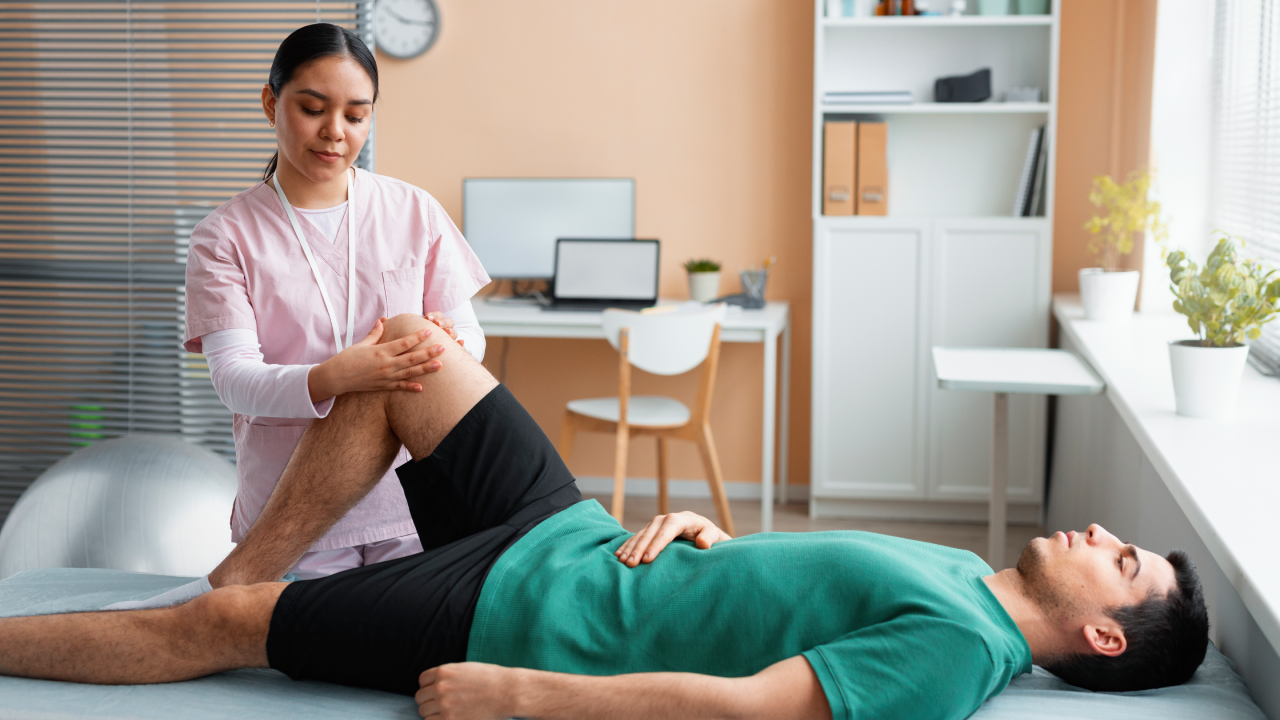
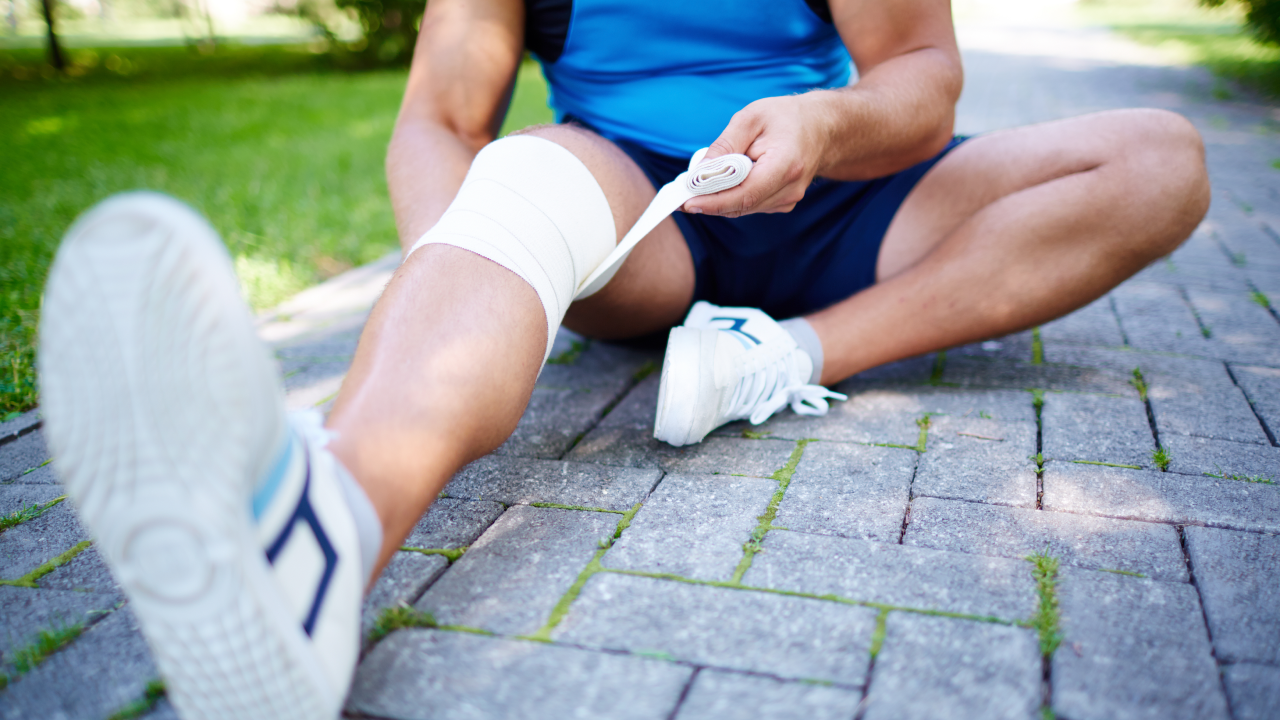
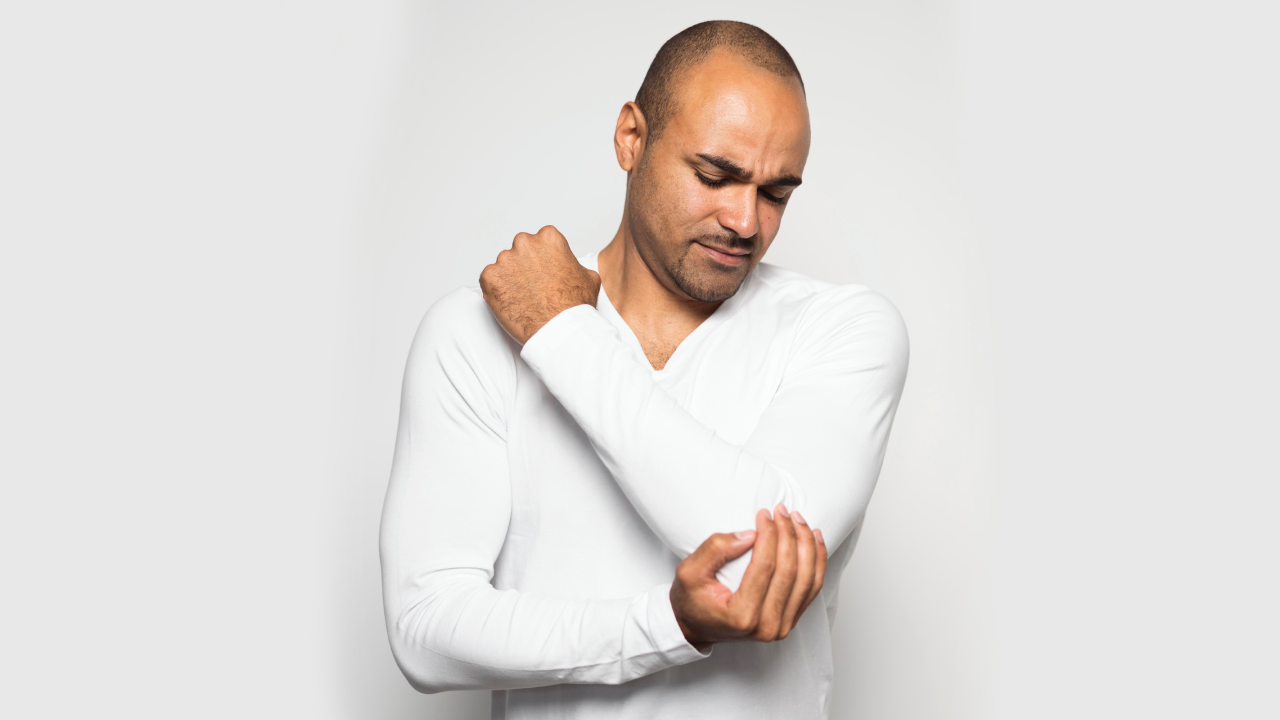
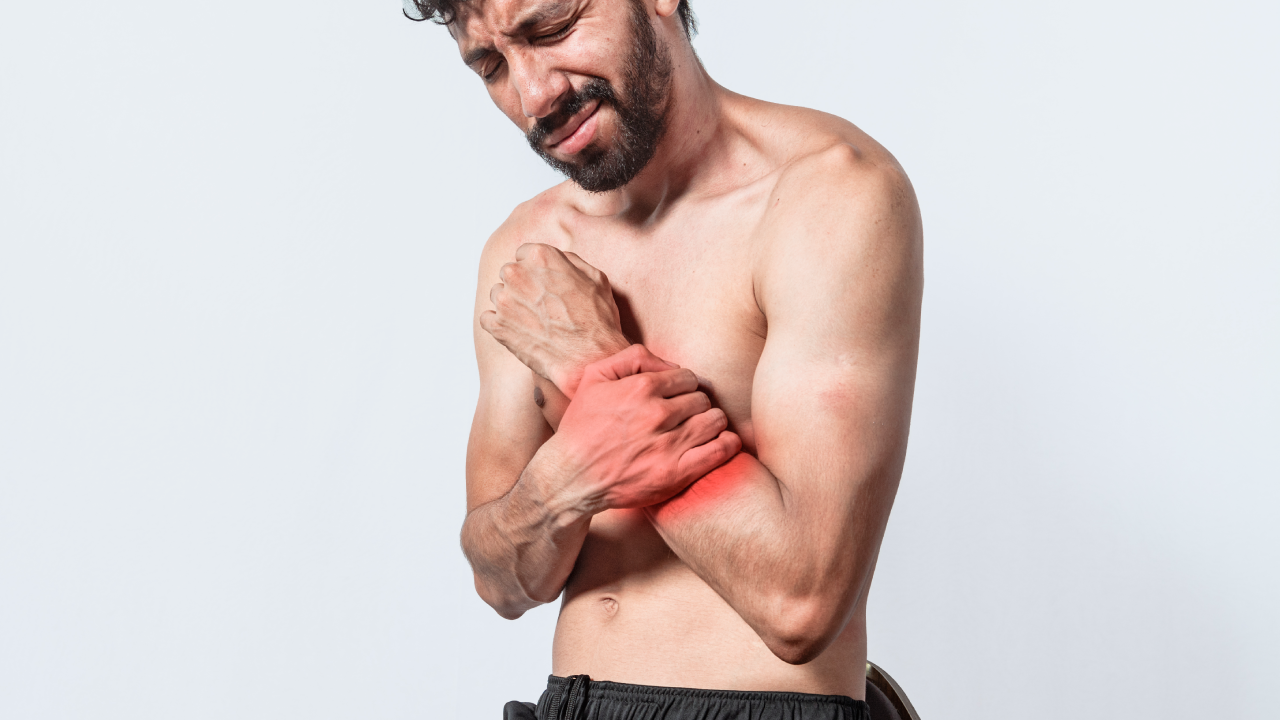
Muscle strains become more noticeable during movement or touch and occur during sports, exercise, work, household activities, or everyday life. A sudden twist, heavy lift, awkward movement, or repeated physical activity may stretch or tear muscle fibres, leading to soreness, swelling, weakness, or reduced mobility. At Spinal Solution and Rehab, we assess muscle strains and create a care plan based on the affected area, symptoms, activity level, and functional needs.
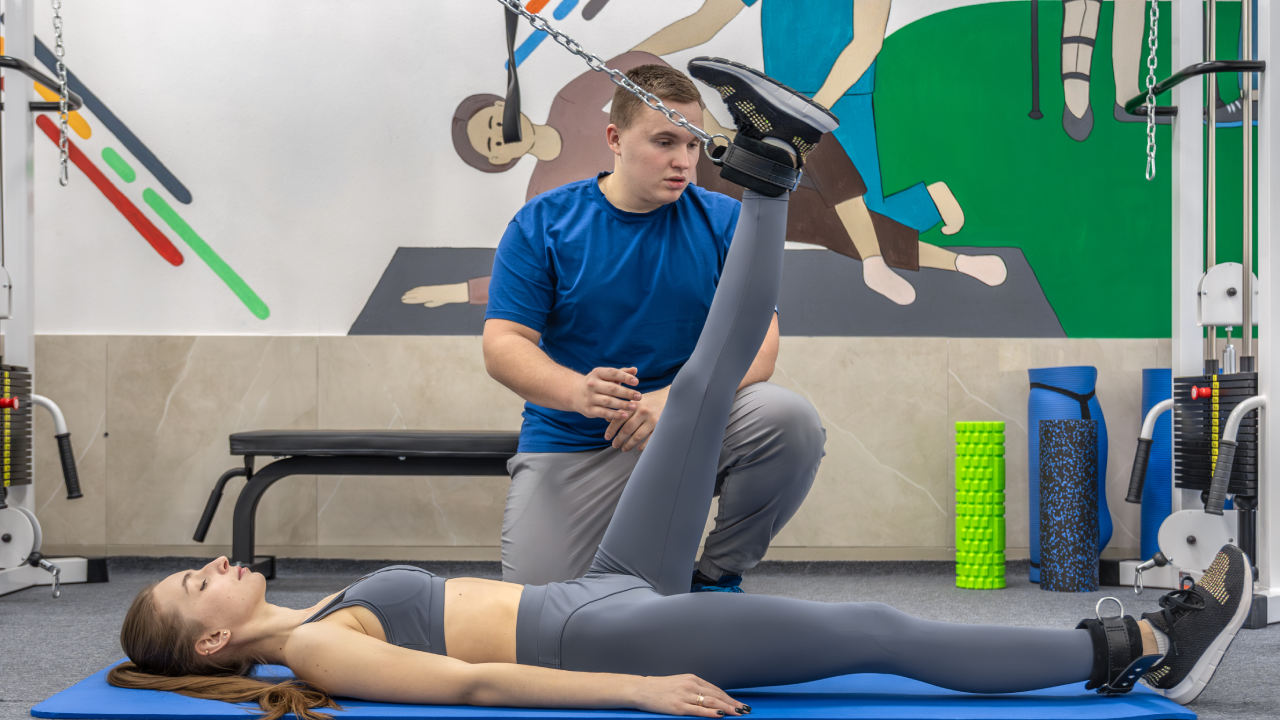
If you are searching for muscle strains in Woodbridge, ON, our clinic provides physiotherapy and rehabilitation services focused on helping you return to normal movement and daily activities. Care may include exercise-based rehabilitation, movement training, manual techniques, education, and activity modification where appropriate.
What Are Muscle Strains?
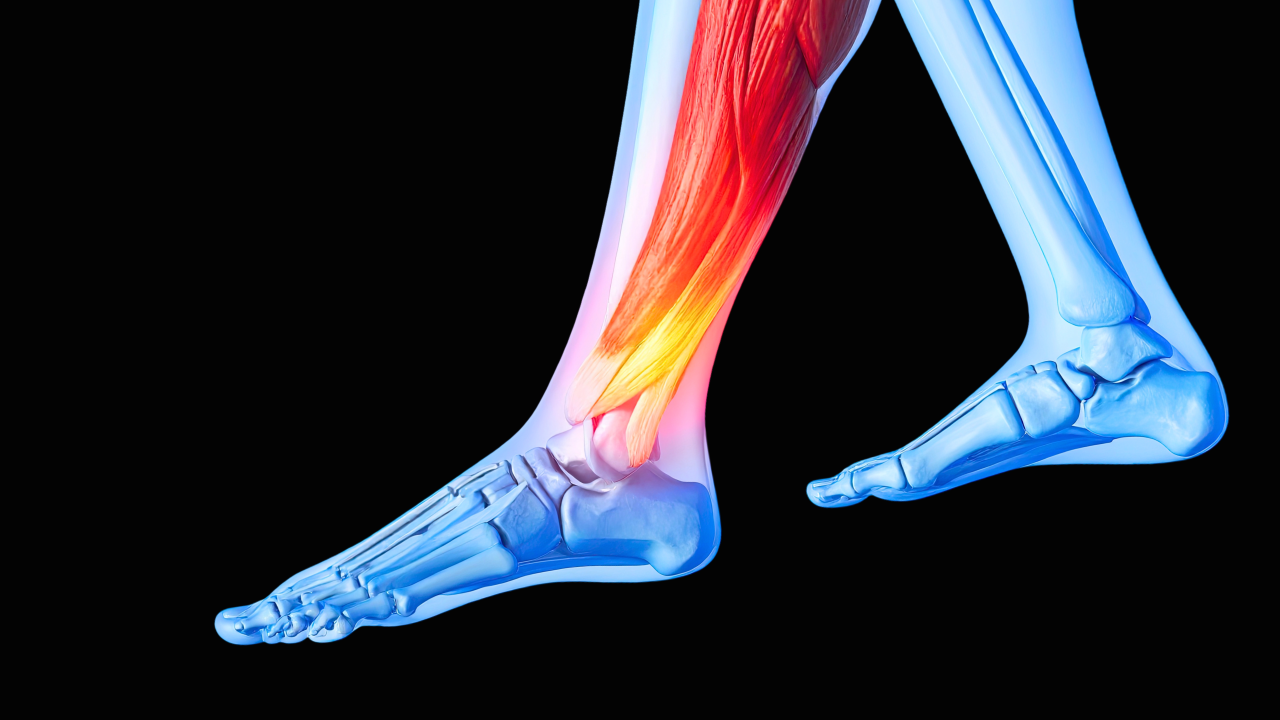
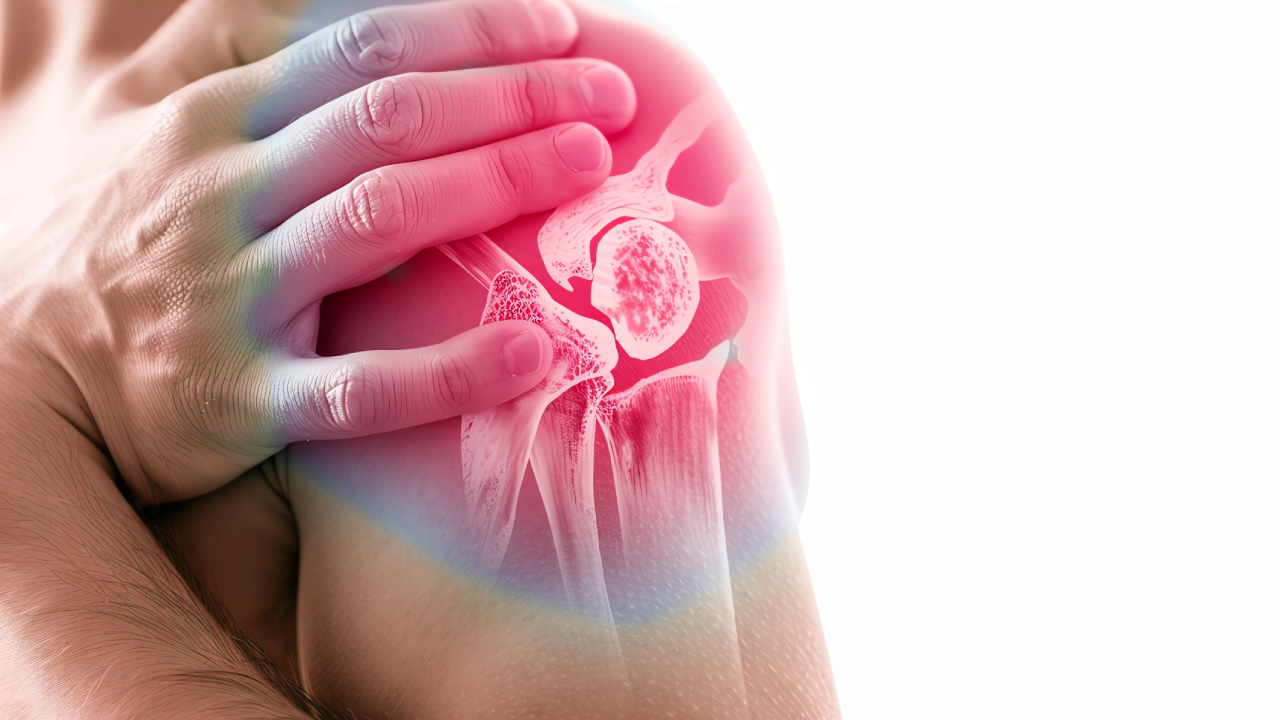
A muscle strain occurs when a muscle or tendon is stretched beyond its normal capacity. In some cases, muscle fibres can develop small tears. Strains can range from mild stretching to more significant tissue damage.
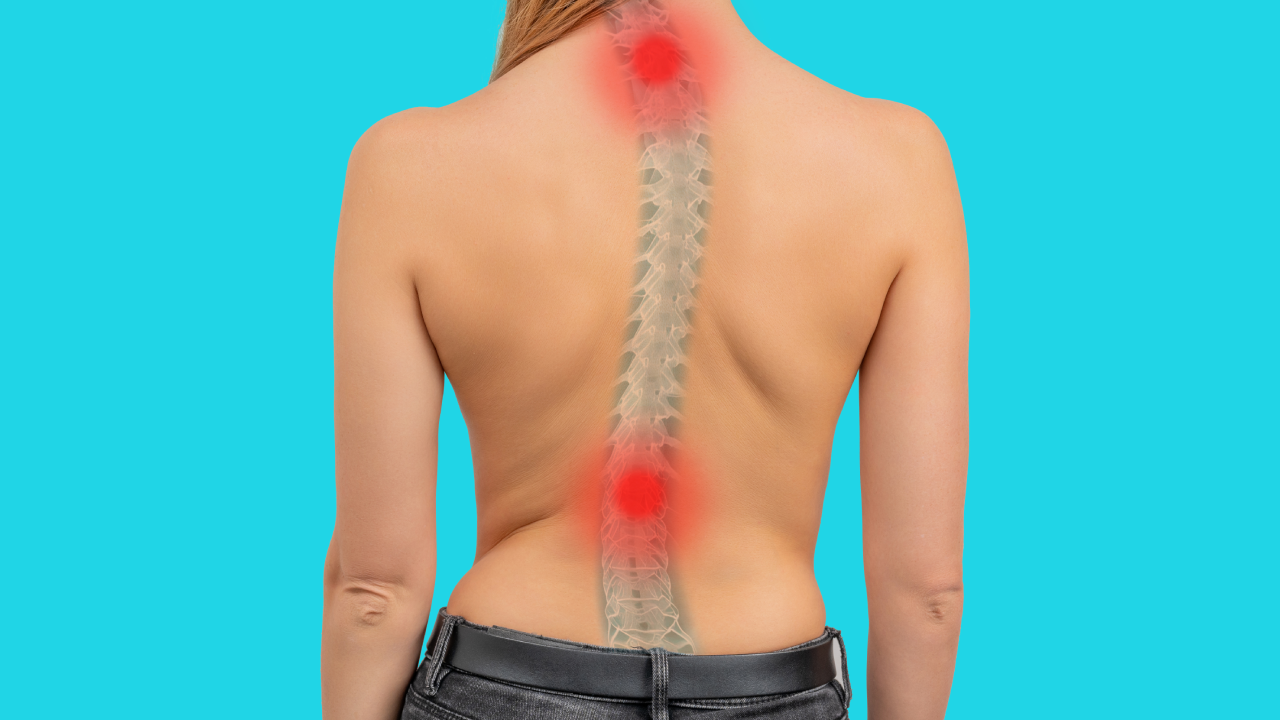
Muscle strains can affect almost any area of the body. Common locations include:
- Lower back
- Neck
- Shoulders
- Upper back
- Hamstrings
- Quadriceps
- Calves
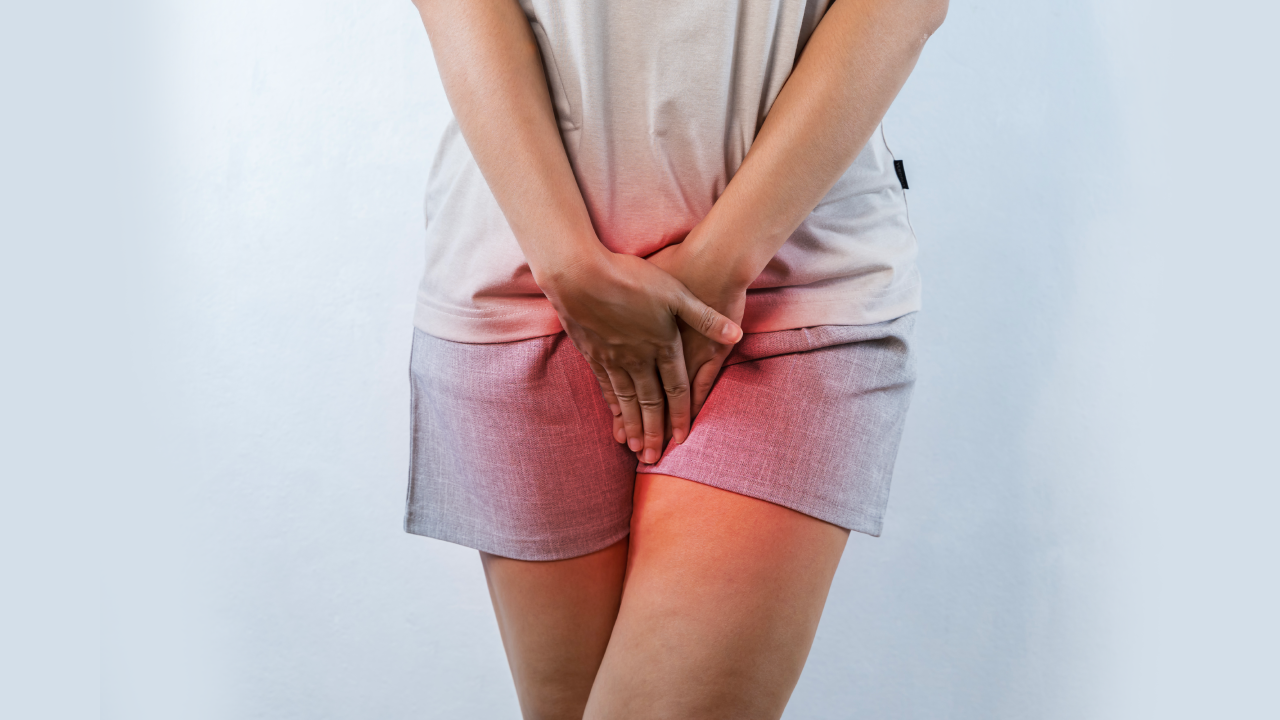
- Groin
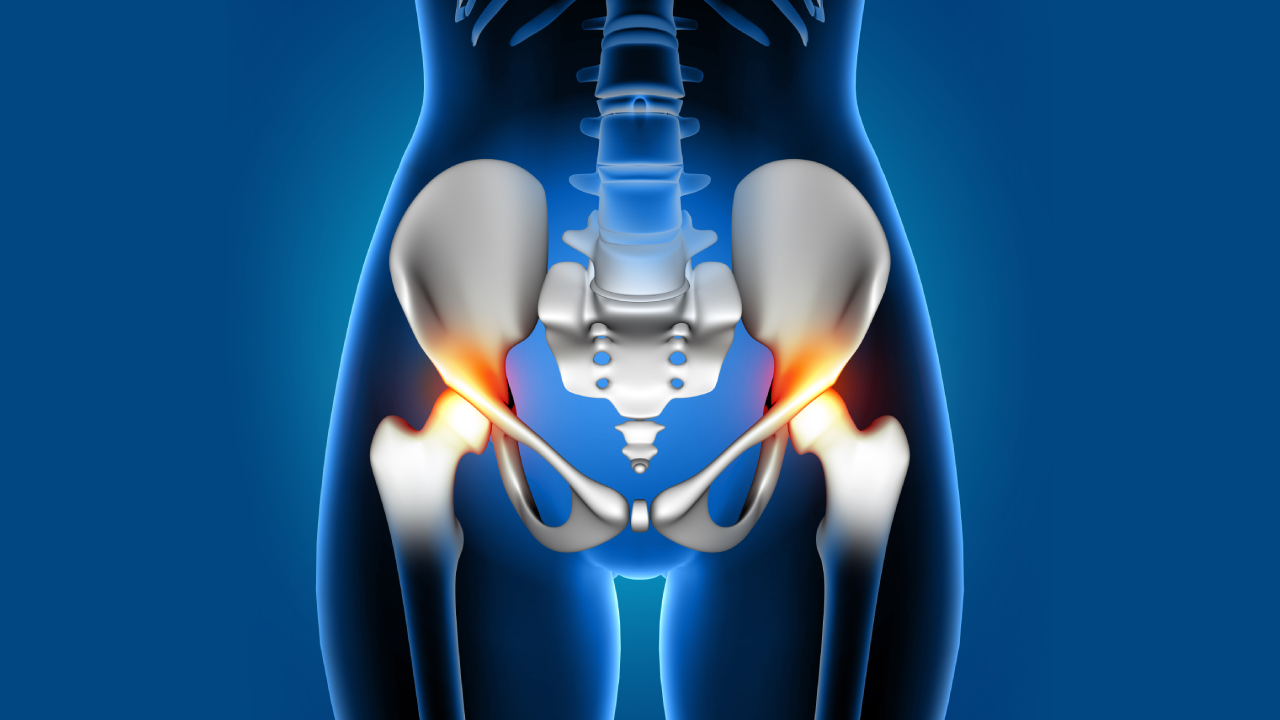
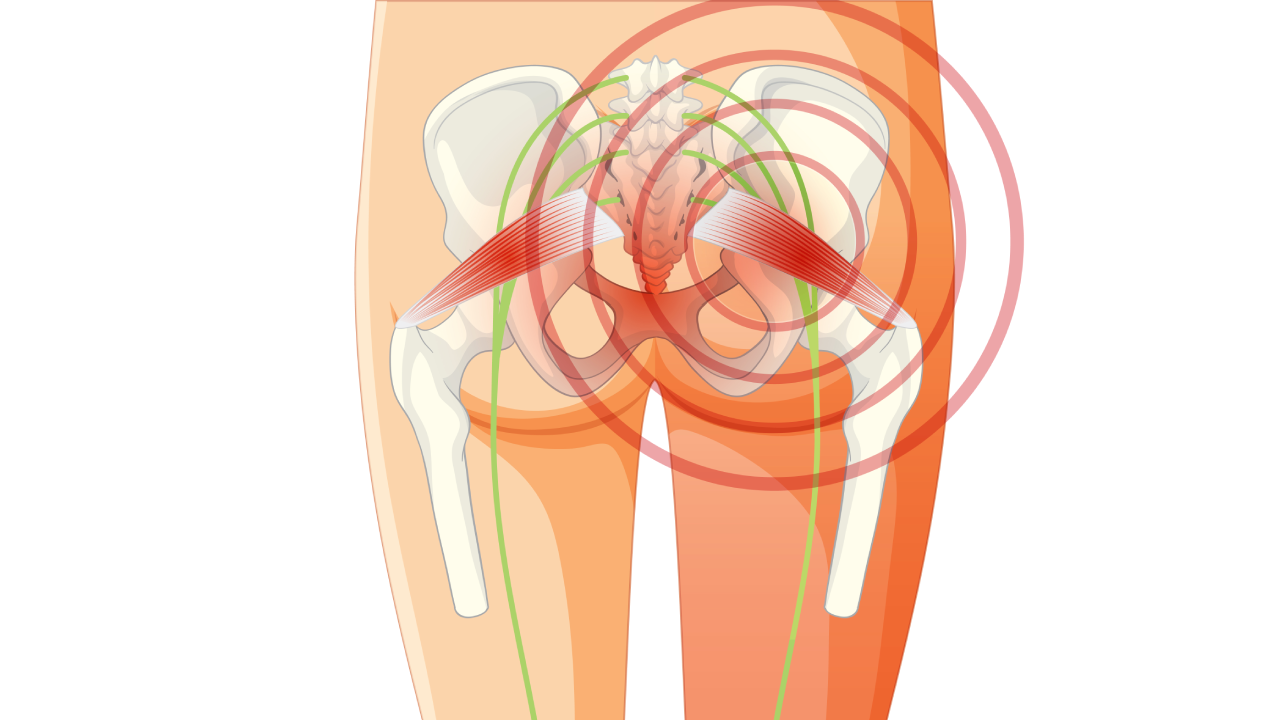
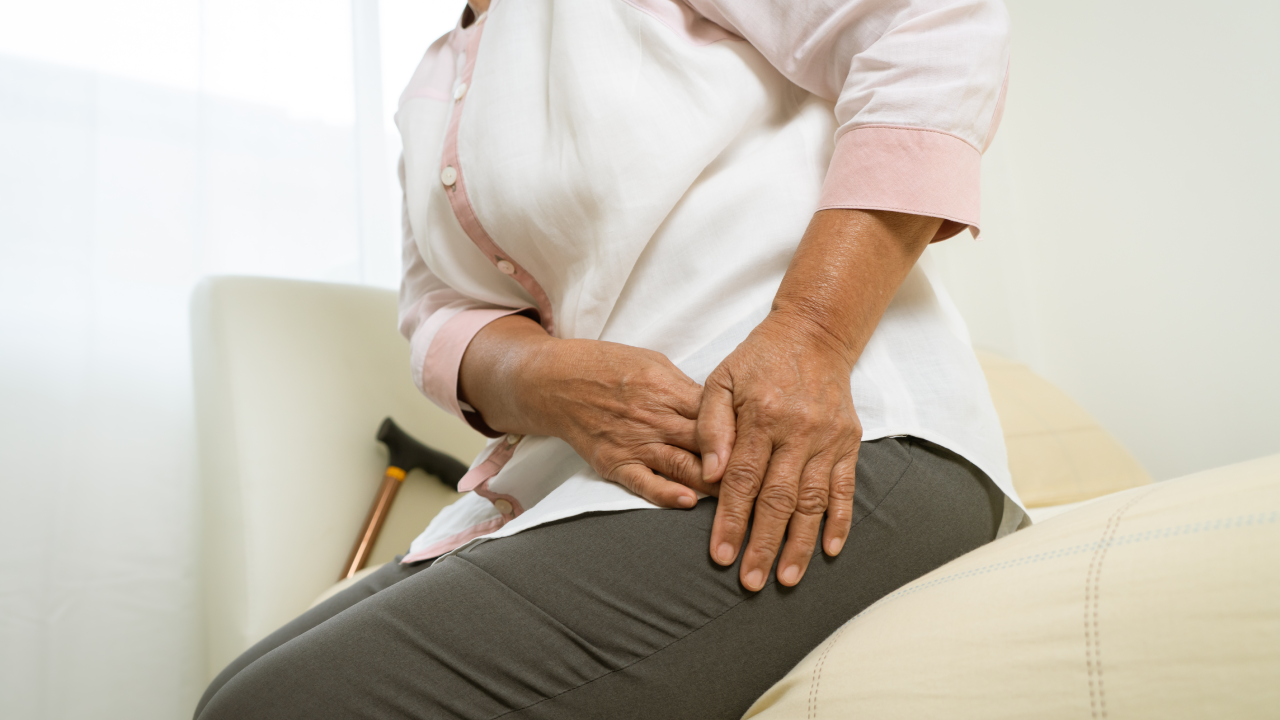
- Hip
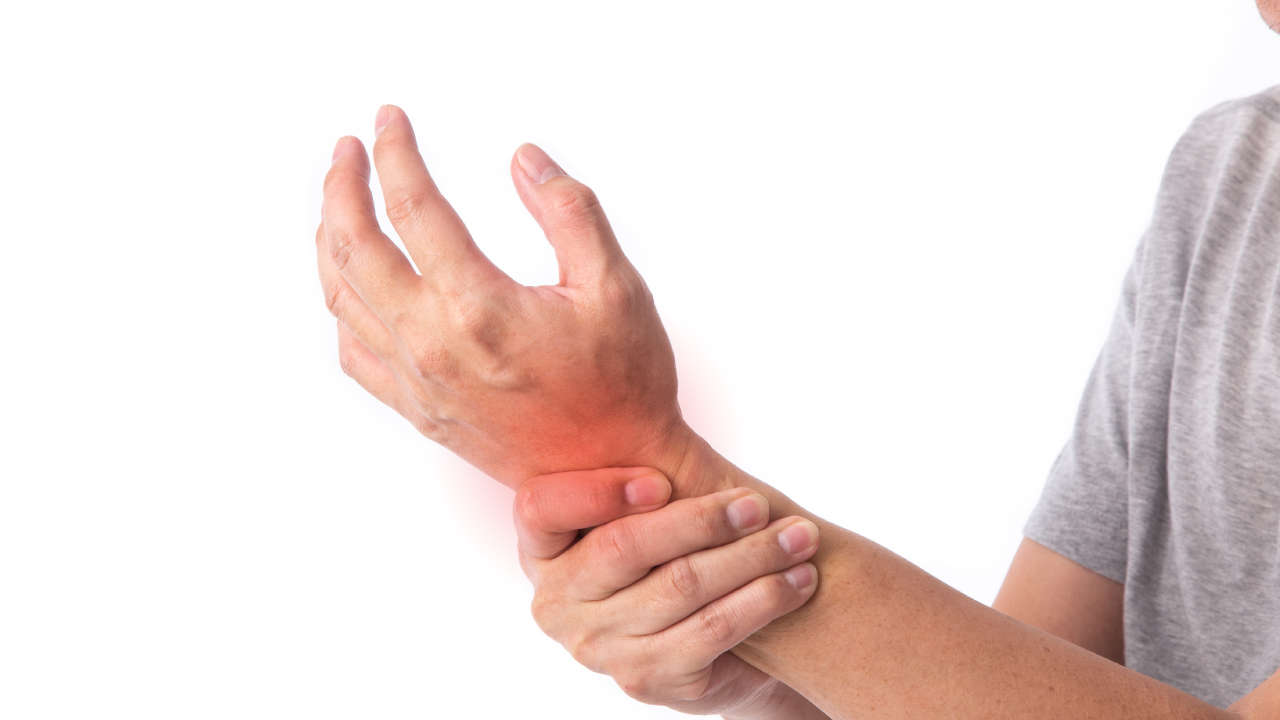
- Forearm
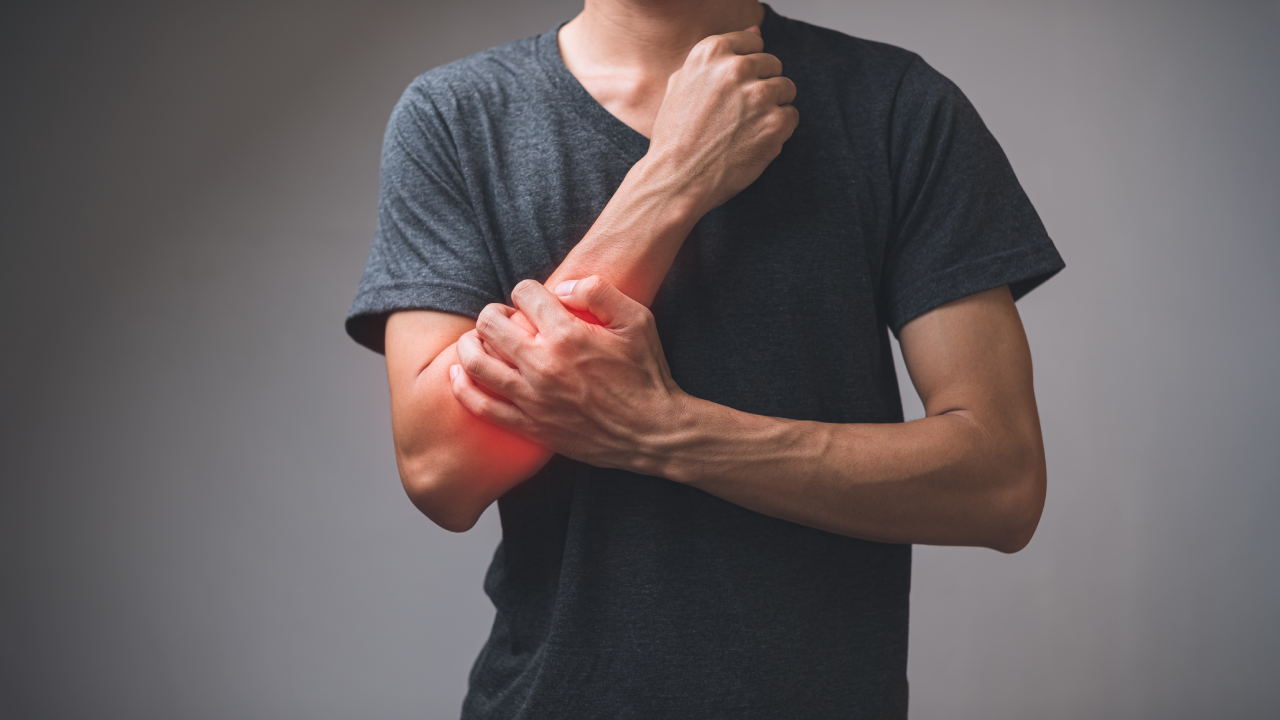
- Upper arm
Some strains occur suddenly. Others develop gradually after repeated loading or physical activity.
For example, lifting a heavy object with poor body positioning may place excess stress on the lower back. A runner may strain a hamstring after increasing training volume too quickly. Someone working at a desk may develop neck or shoulder muscle symptoms after prolonged positioning.
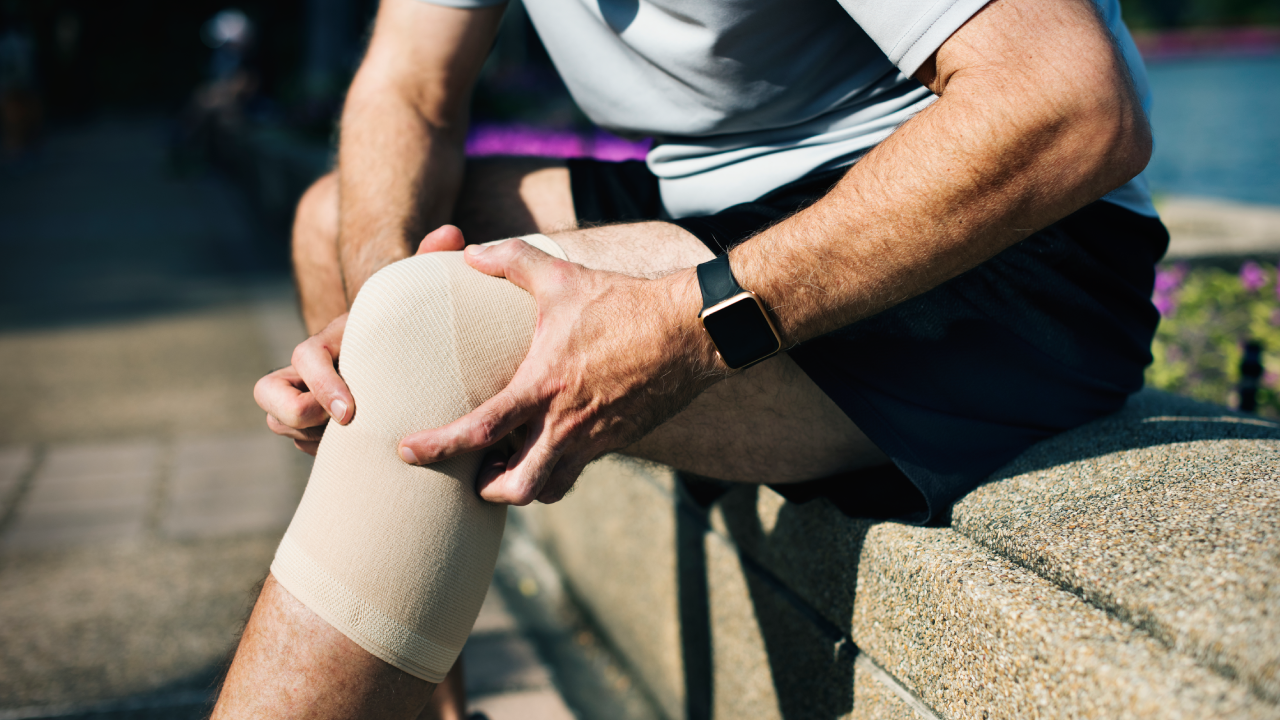
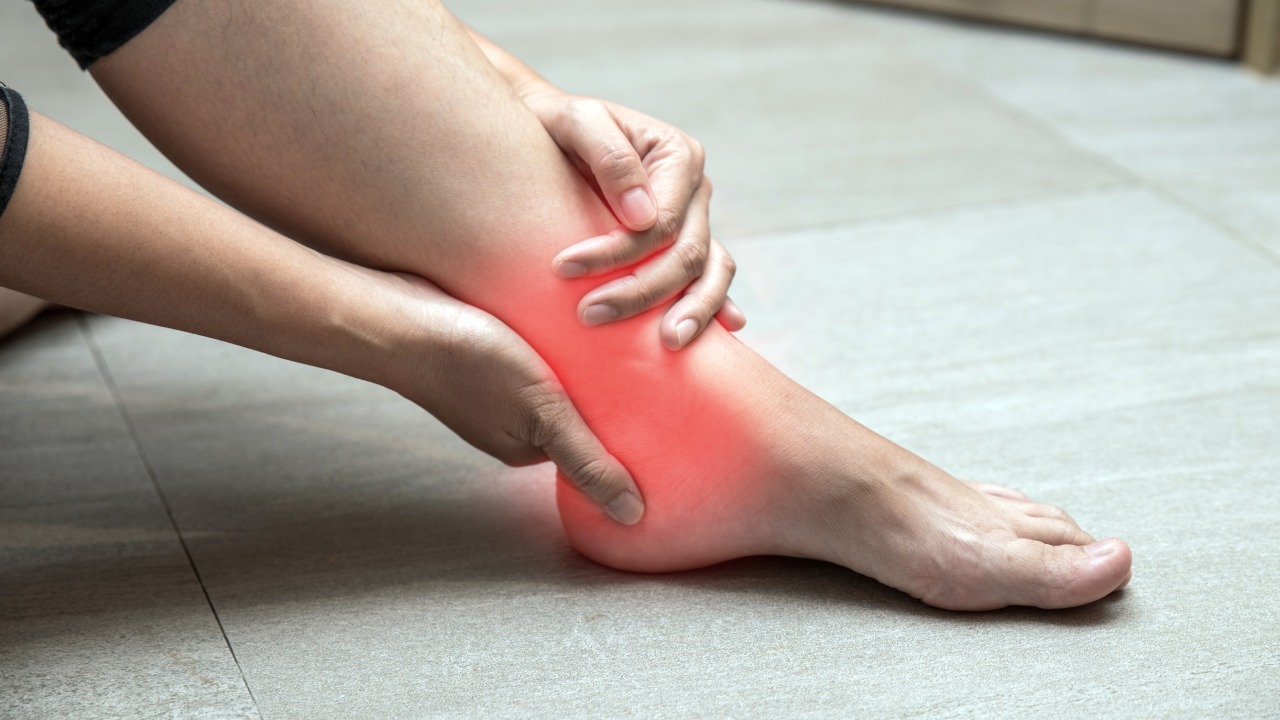
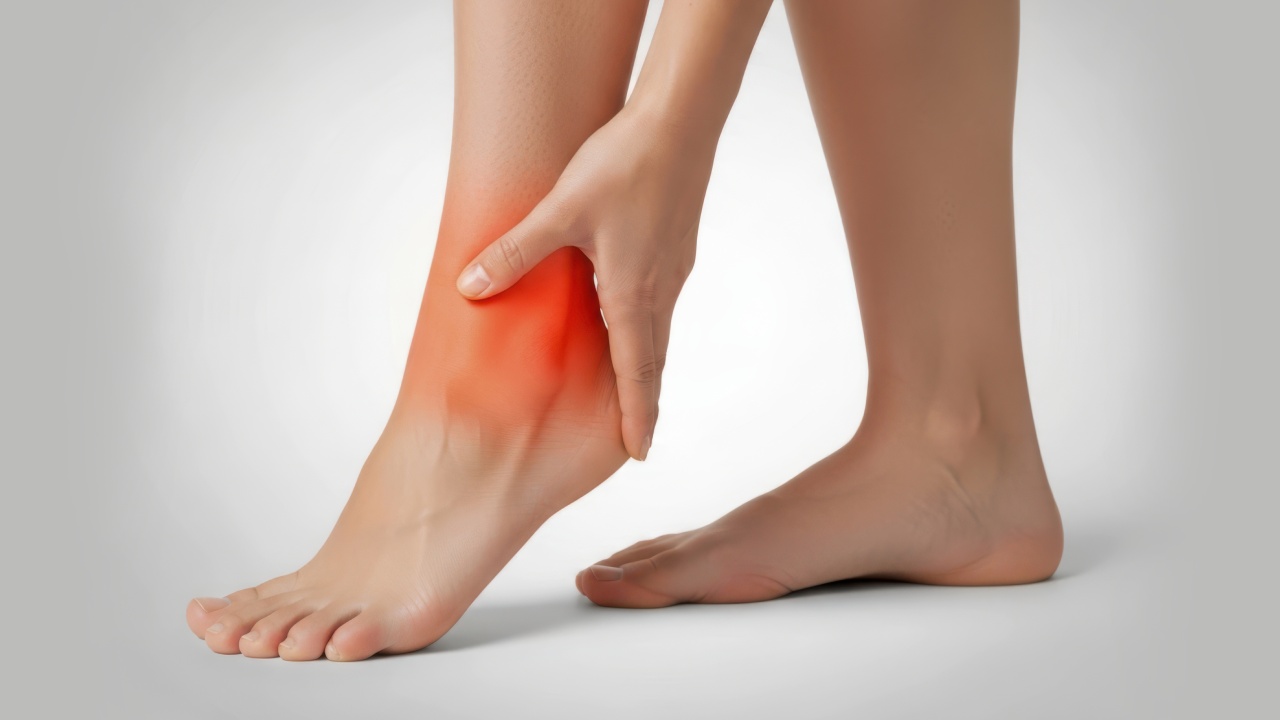
The symptoms can vary depending on the location and severity of the strain. Common signs include localized soreness, tenderness, stiffness, swelling, reduced strength, muscle spasms, and difficulty using the affected area.
Who Can Develop Muscle Strains?
Muscle strains can affect people across different age groups and activity levels. You do not have to participate in competitive sports to develop one.
At Spinal Solution and Rehab, care may be relevant for:
- Athletes returning from a sports-related strain
- People who exercise at a gym
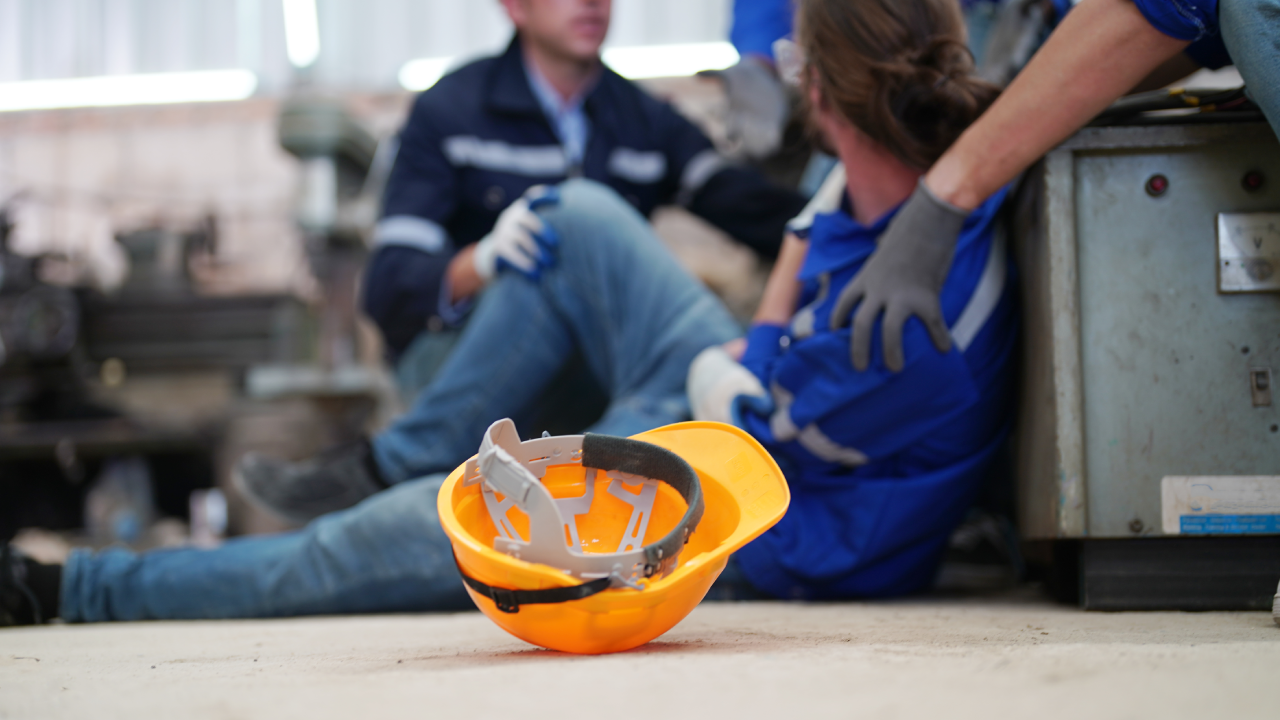
- Workers performing lifting or repetitive tasks
- Individuals with physically demanding jobs
- People who developed symptoms after household activities
- Adults returning to activity after a period of inactivity
- Individuals with recurring muscle strains
- People dealing with stiffness after prolonged sitting or standing
A muscle strain may also occur when a person suddenly performs an activity that their body is not accustomed to. For instance, moving furniture after several months without heavy lifting can place considerable demand on muscles.
Common Problems Associated With Muscle Strains
A muscle strain can create more than temporary soreness. Depending on the affected muscle, symptoms may interfere with work, recreation, sleep, exercise, or routine activities.
Common concerns include:
Muscle Soreness
Soreness may develop around the affected muscle and can become more noticeable during movement or when the area is touched.
Stiffness
A strained muscle may feel tight or restricted. This condition can make certain movements uncomfortable or difficult.
Reduced Strength
Some people notice weakness after a strain. Reduced muscle capacity may make lifting, walking, climbing stairs, running, or other activities harder.
Limited Movement
A strain may reduce the comfortable range of motion around a joint. For example, a hamstring strain may make bending or walking uncomfortable.
Swelling or Bruising
More significant strains can involve swelling or bruising around the affected area.
Recurring Symptoms
Returning to demanding activity before the muscle has adequately recovered may contribute to recurring symptoms. A rehabilitation plan can help address strength, movement, flexibility, and activity tolerance.
Muscle Strains We Treat
Spinal Solution and Rehab works with different types of muscle strains affecting various parts of the body.
Lower Back Muscle Strains
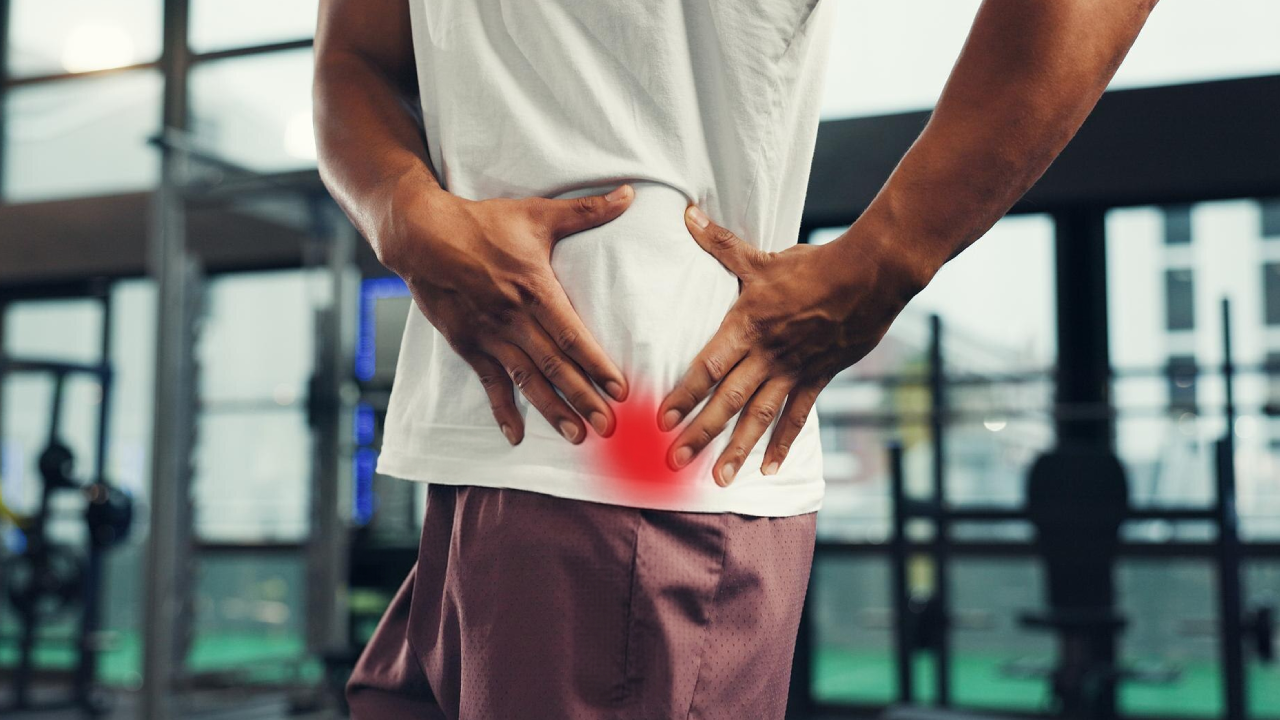
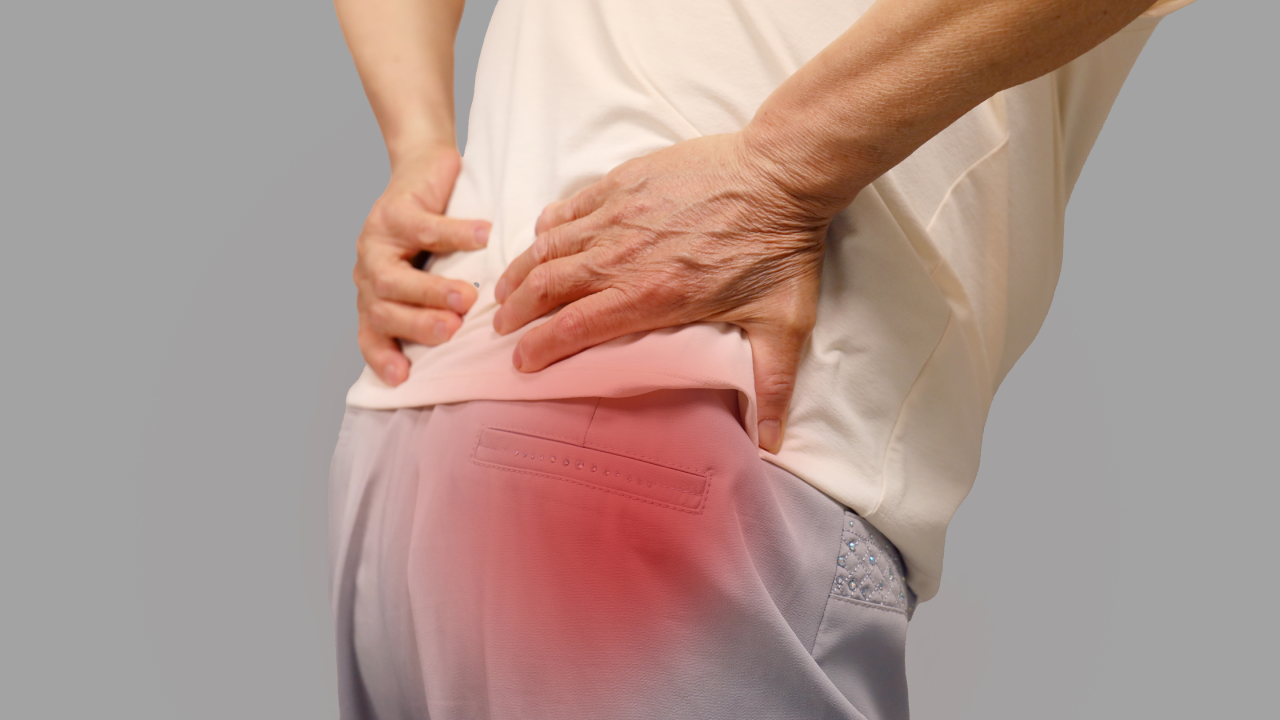
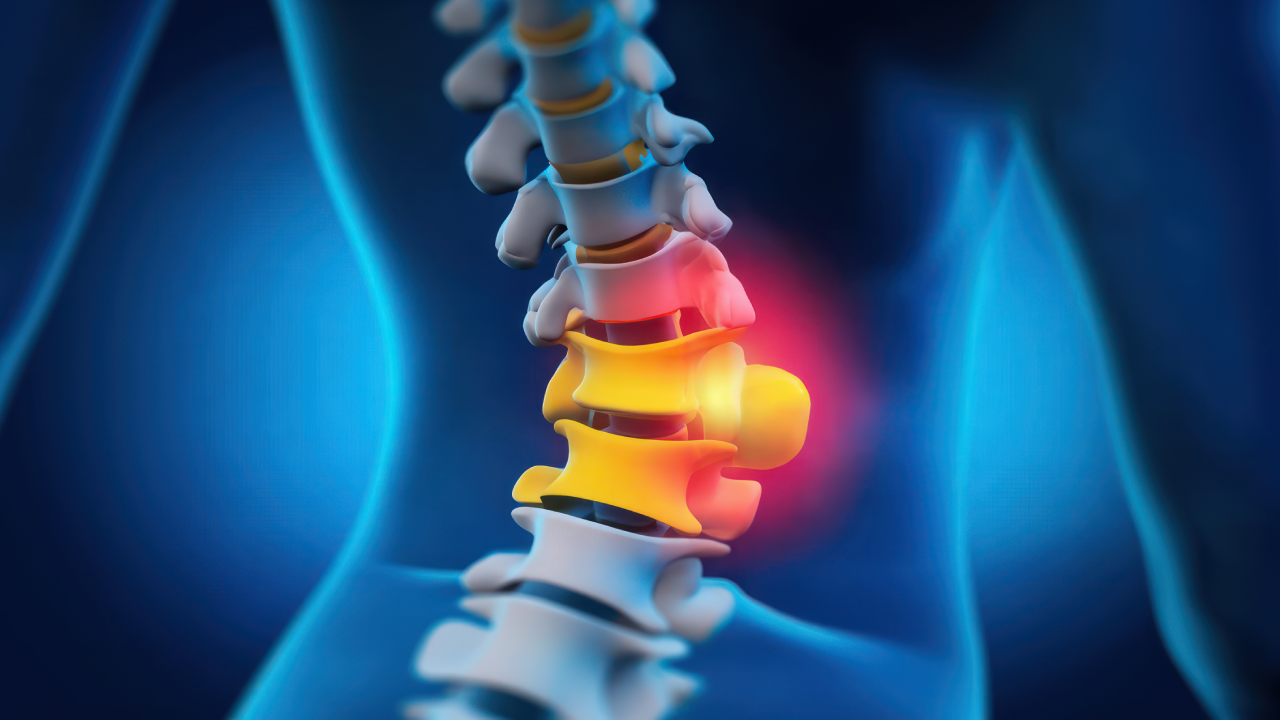
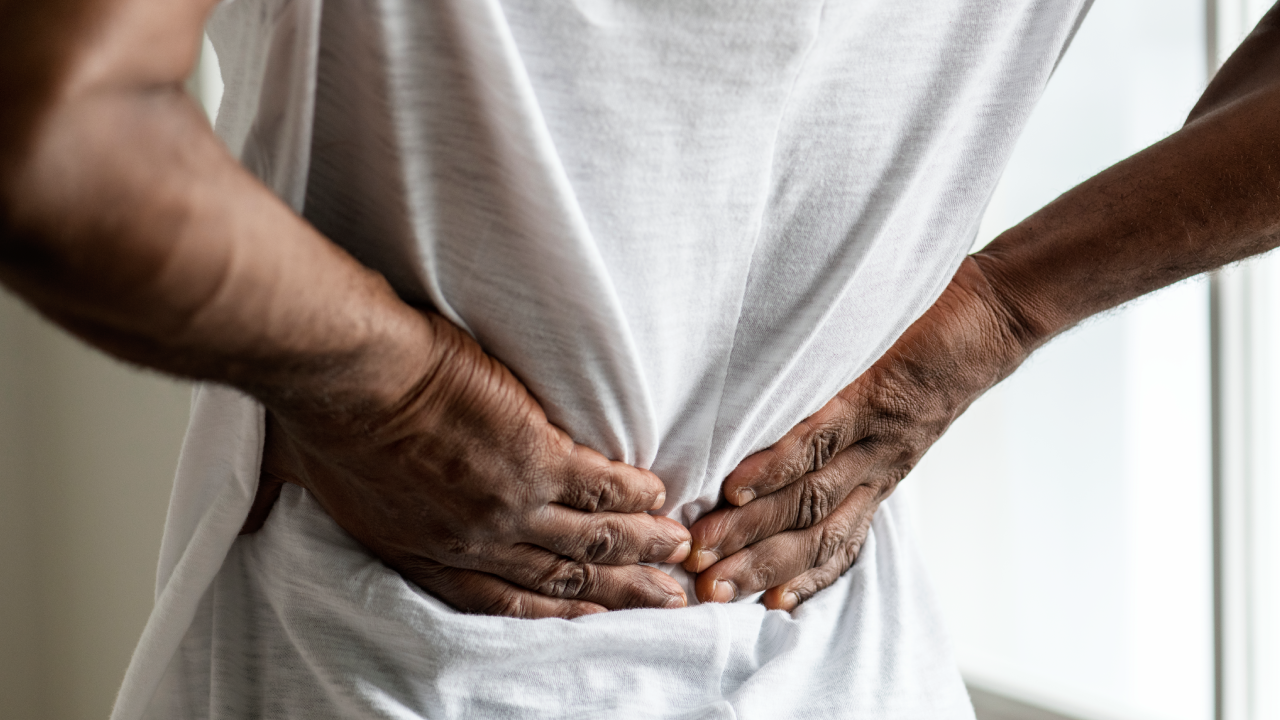
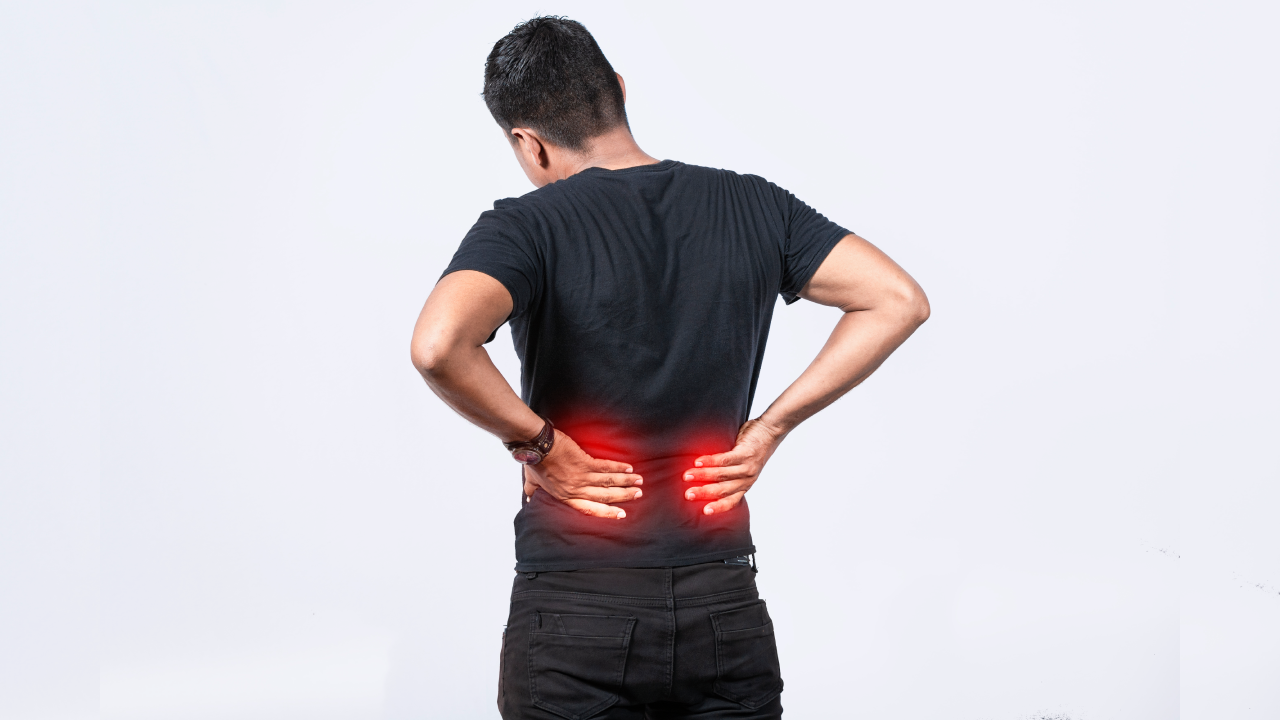
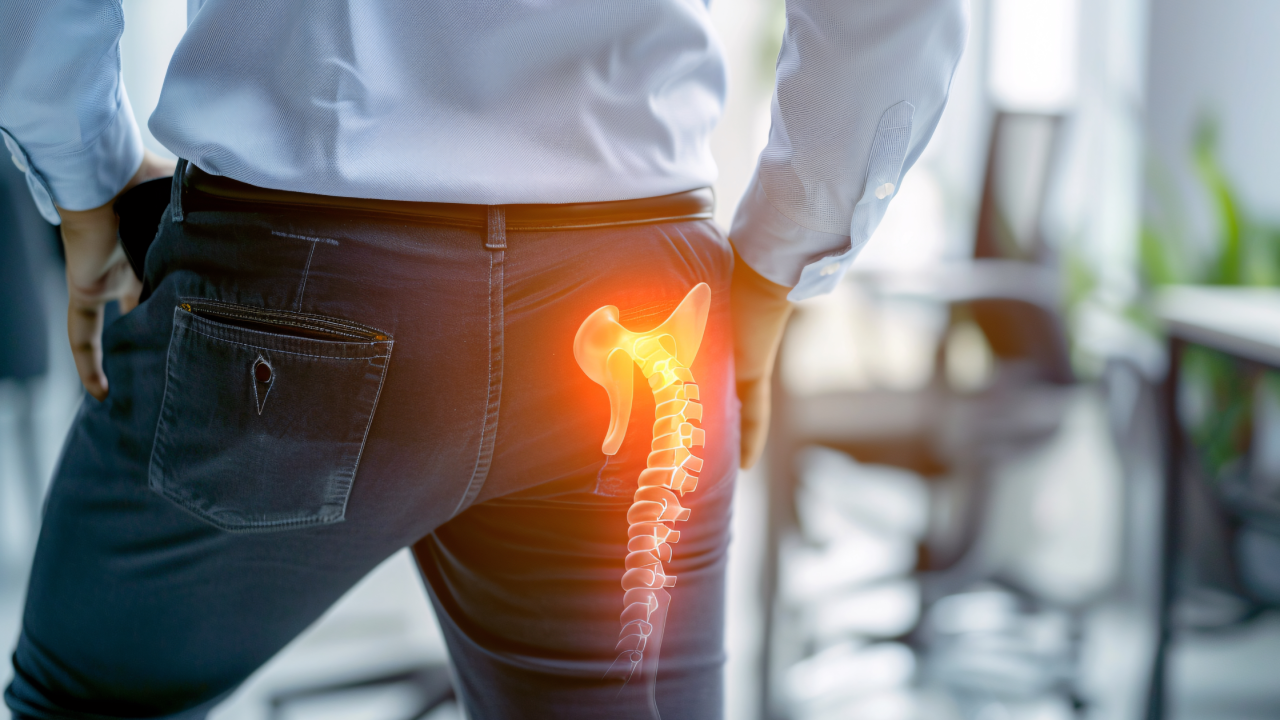
Lower back strains are common after lifting, bending, twisting, sudden movements, or repetitive physical tasks. Symptoms may include localized soreness, stiffness, muscle guarding, and difficulty with certain movements.
Physiotherapy may focus on movement assessment, gradual strengthening, mobility work, posture during activities, and techniques that support a return to daily tasks.
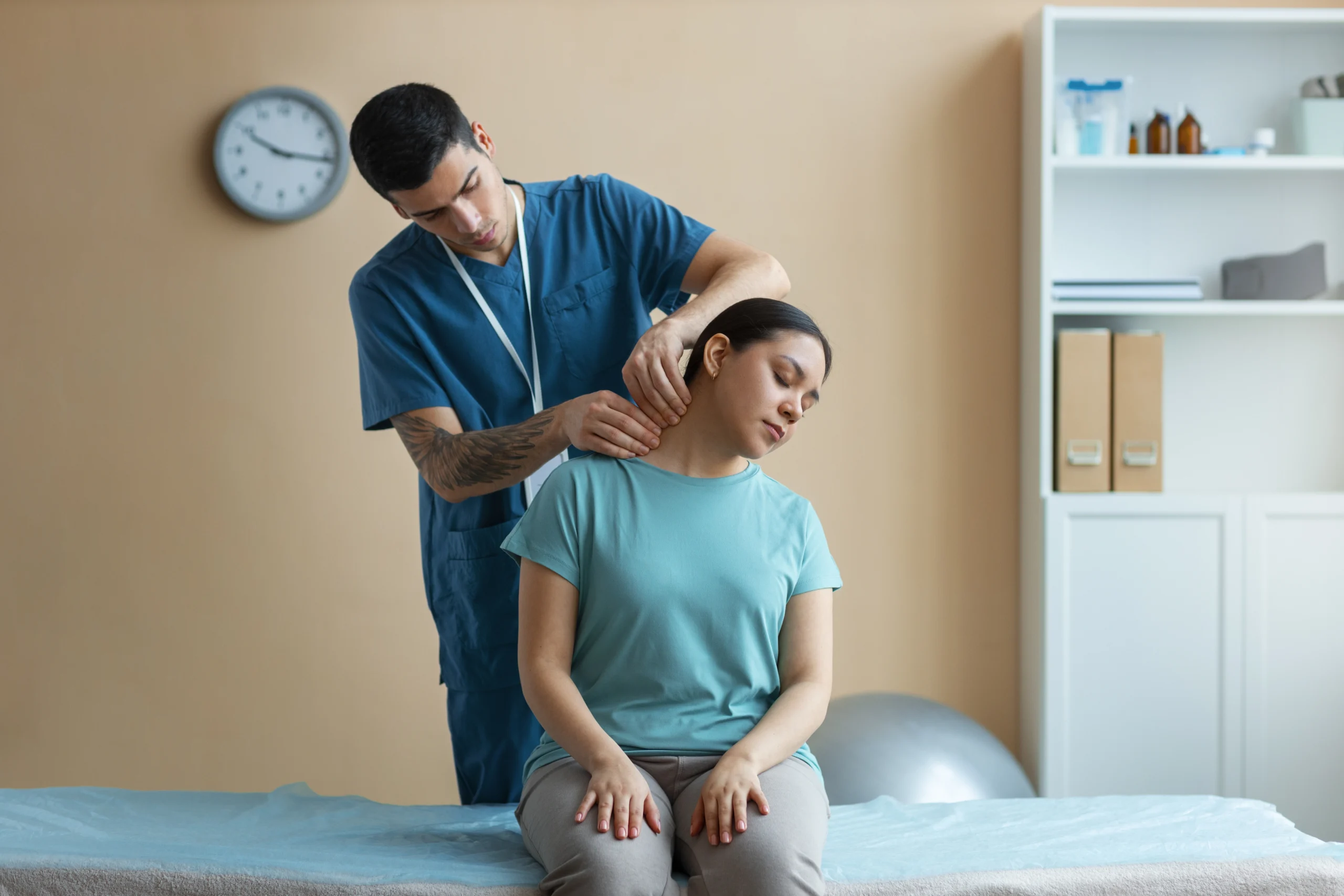
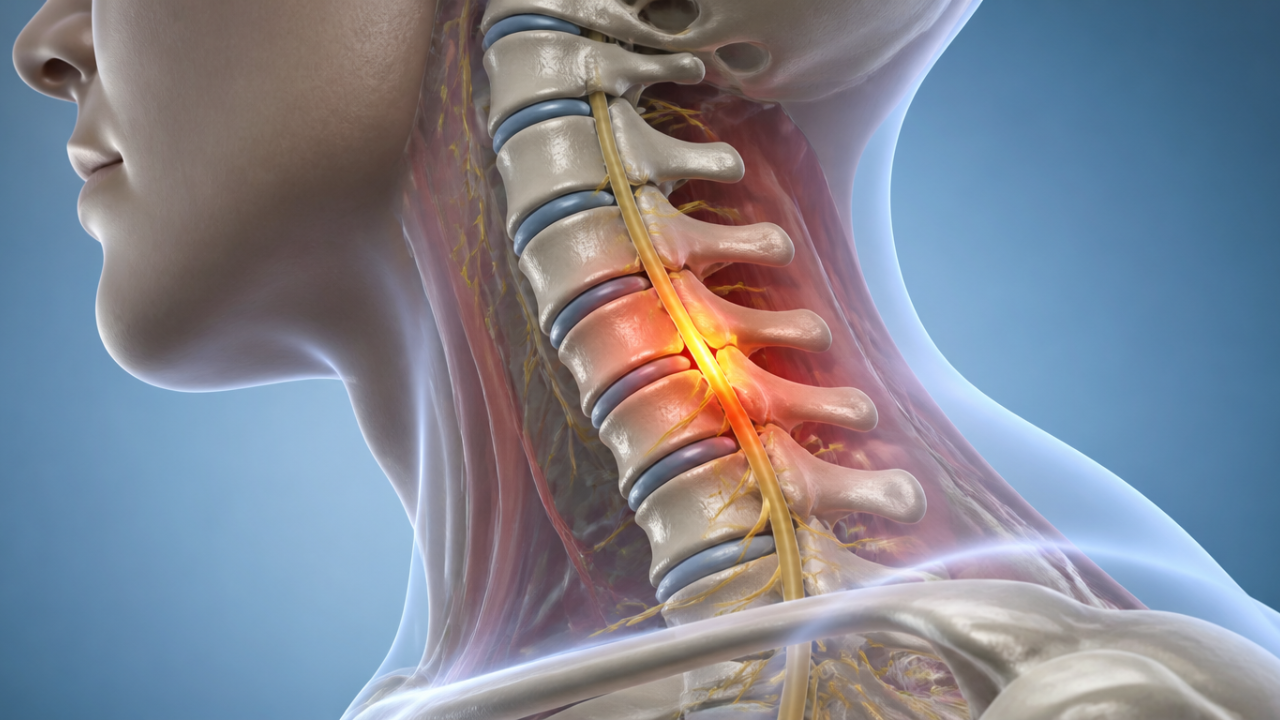
Neck Muscle Strains
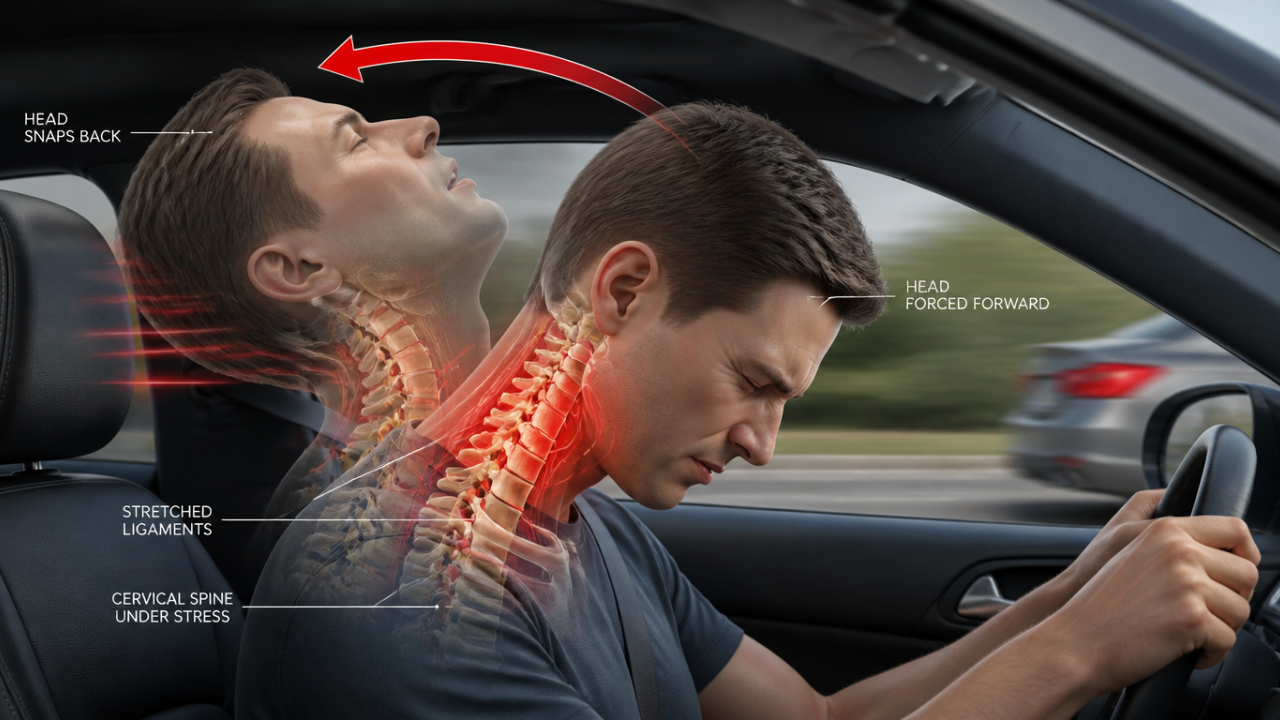
Neck strains may occur following sudden movement, prolonged positioning, sports activity, or physical work. Symptoms can include neck stiffness, tenderness, restricted movement, and discomfort during turning or looking up and down.
Care may include mobility exercises, strengthening, movement education, and strategies for managing activities that place stress on the neck.
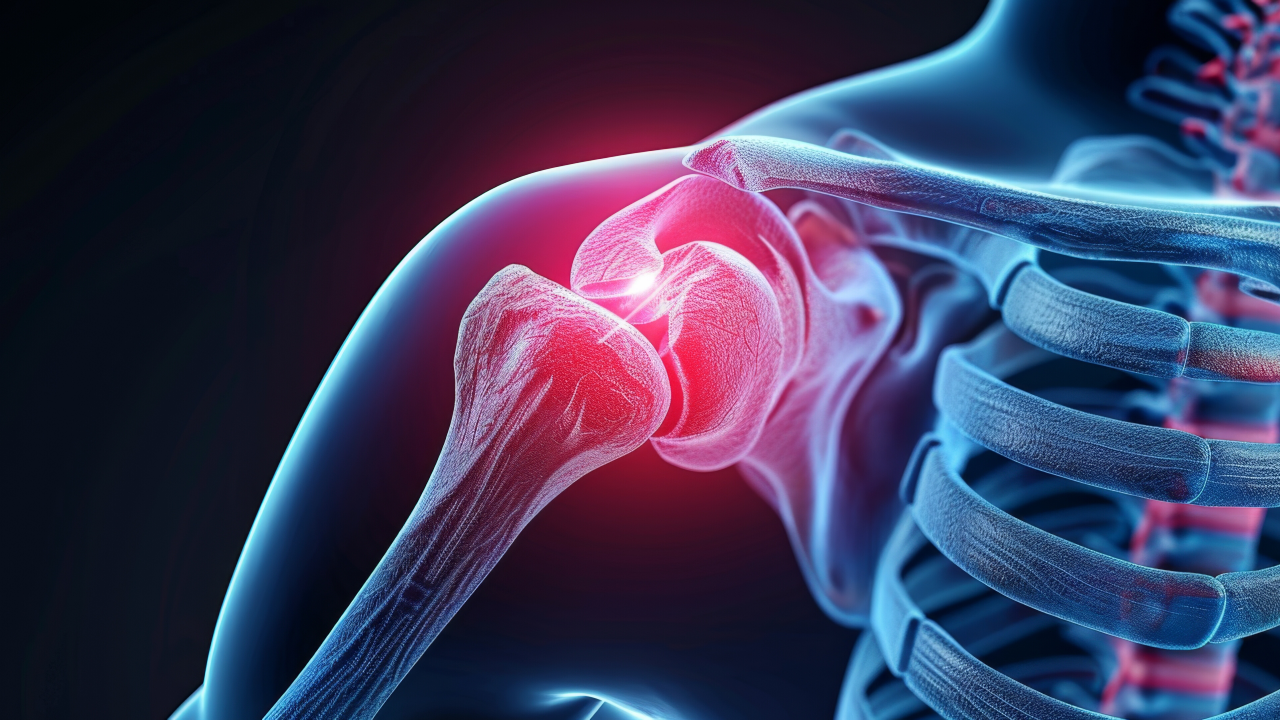
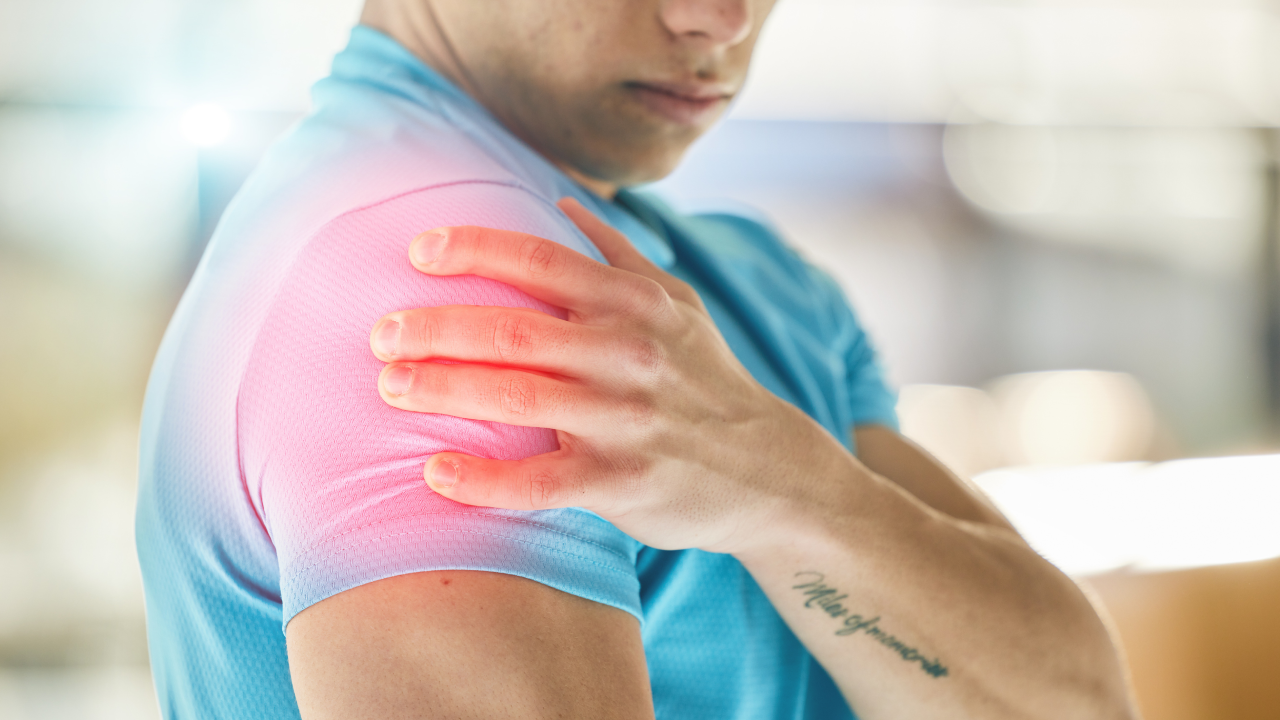
Shoulder Muscle Strains
Shoulder strains can occur during lifting, throwing, gym workouts, repetitive work, or sudden movements. Depending on the muscle involved, reaching overhead, carrying objects, or moving the arm may become difficult.
Assessment can help identify movement limitations and determine which muscles and activities require attention.
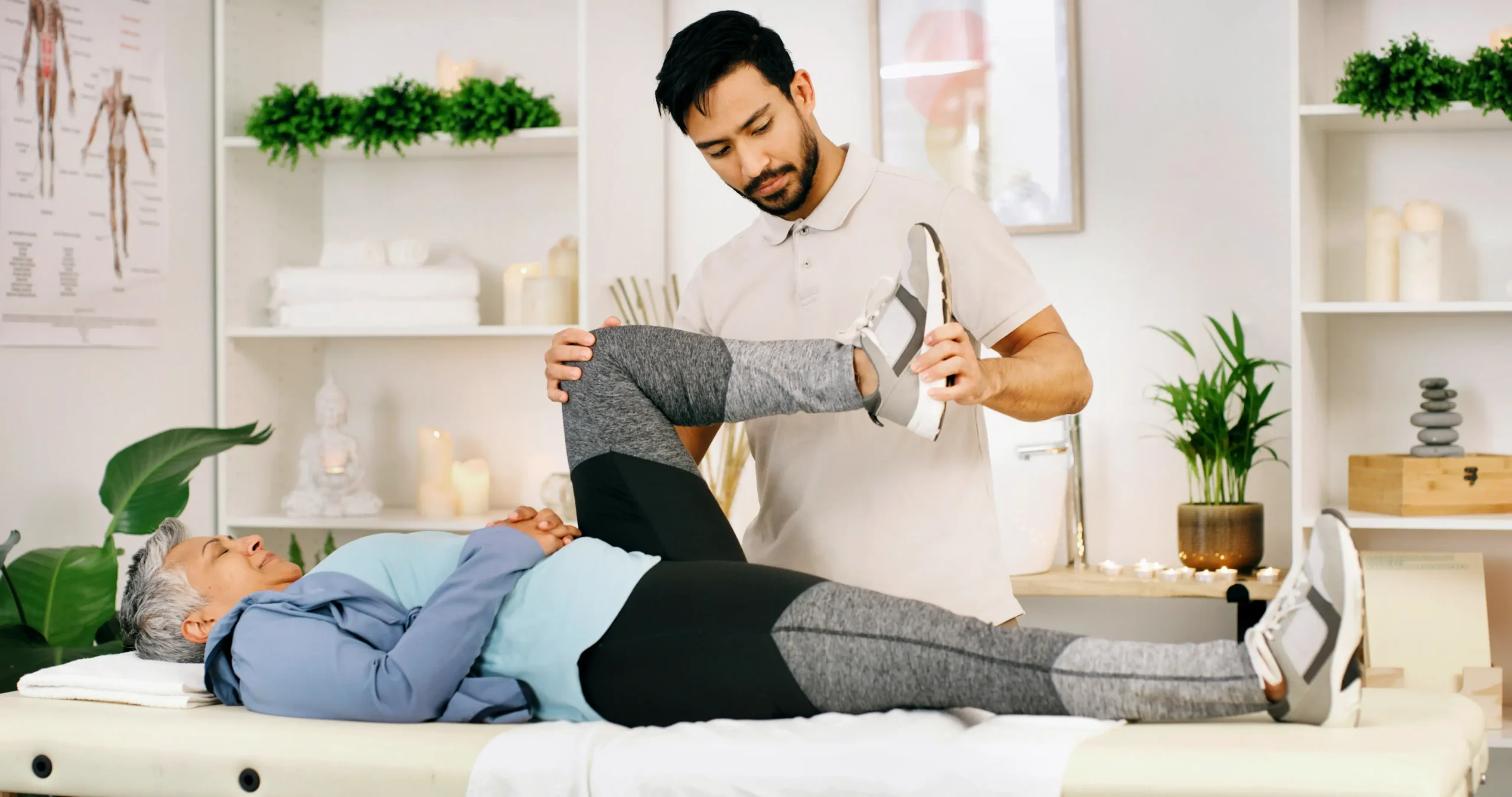
Hamstring Strains
Hamstring strains are frequently associated with running, sprinting, jumping, or sudden acceleration. Symptoms can appear at the back of the thigh and may include soreness, weakness, and difficulty with activities requiring speed or lengthened muscle positions.
Rehabilitation commonly progresses from controlled movement toward strengthening and activity-specific exercises.
Quadriceps Strains
The quadriceps are located at the front of the thigh and play a major role in walking, running, jumping, and climbing stairs. A strain may occur during sports, gym training, or sudden forceful movements.
Rehabilitation can include progressive strengthening, mobility work, balance exercises, and gradual return to physical activity.
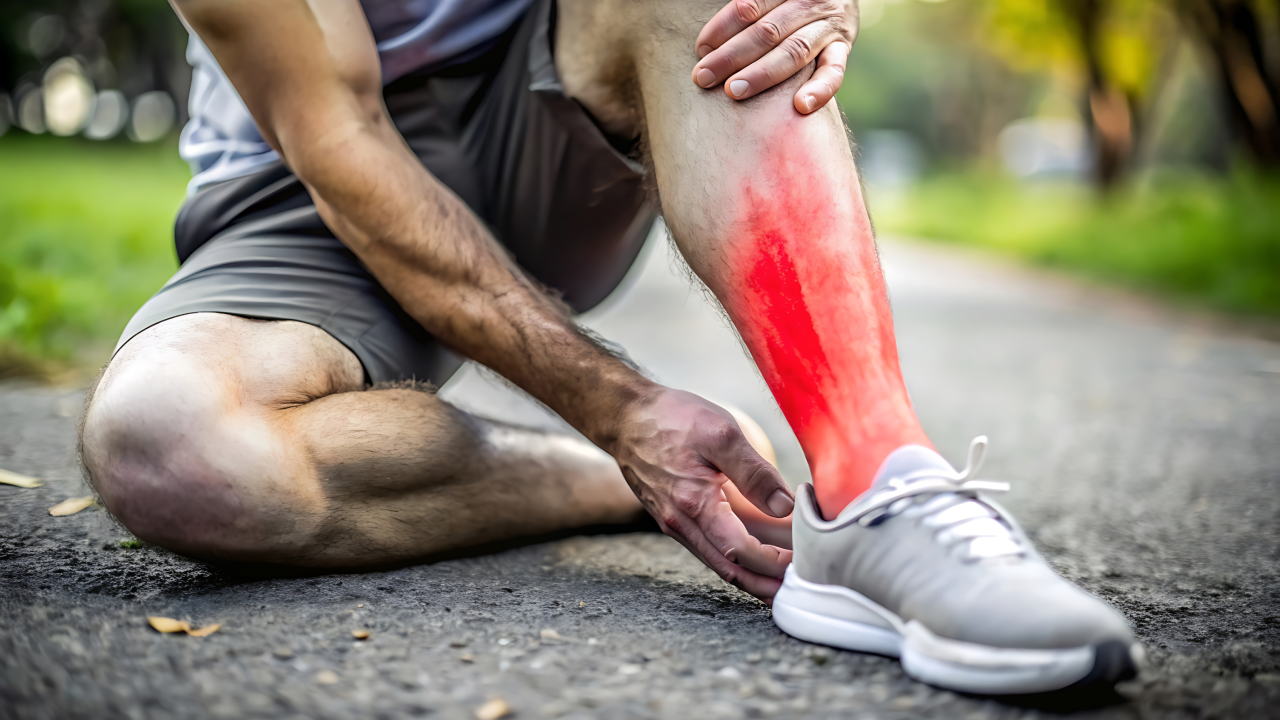
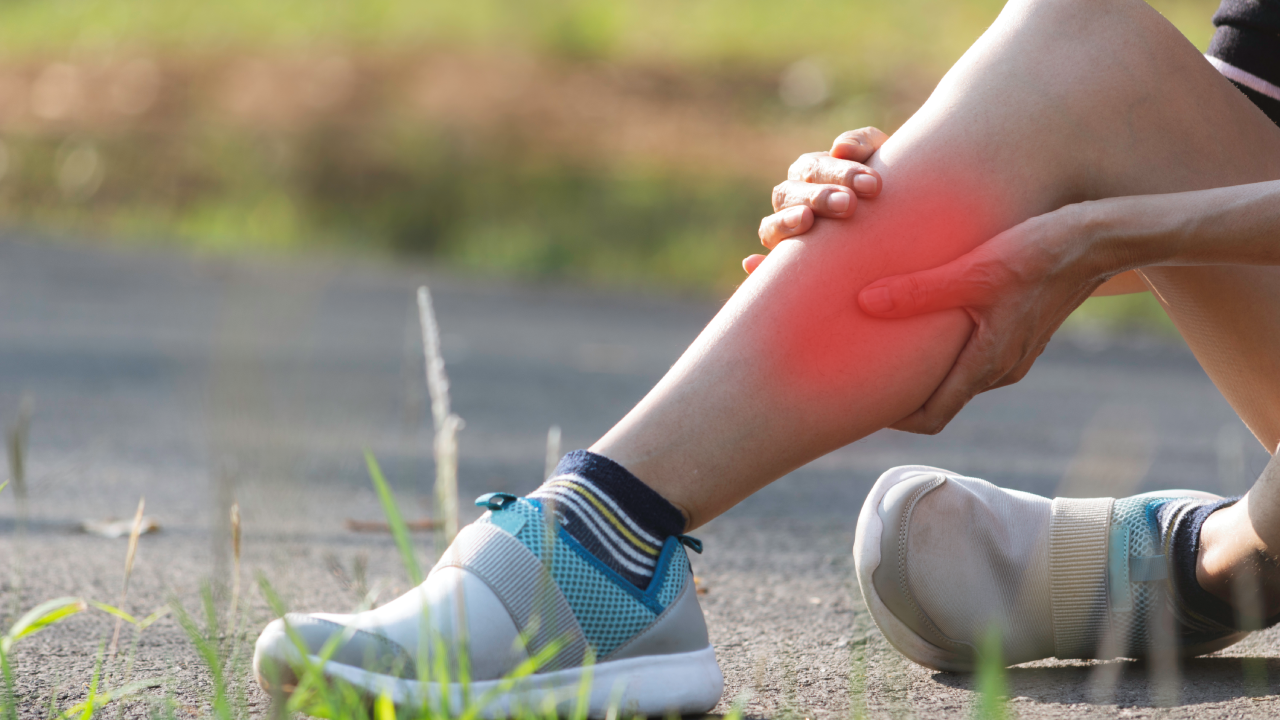
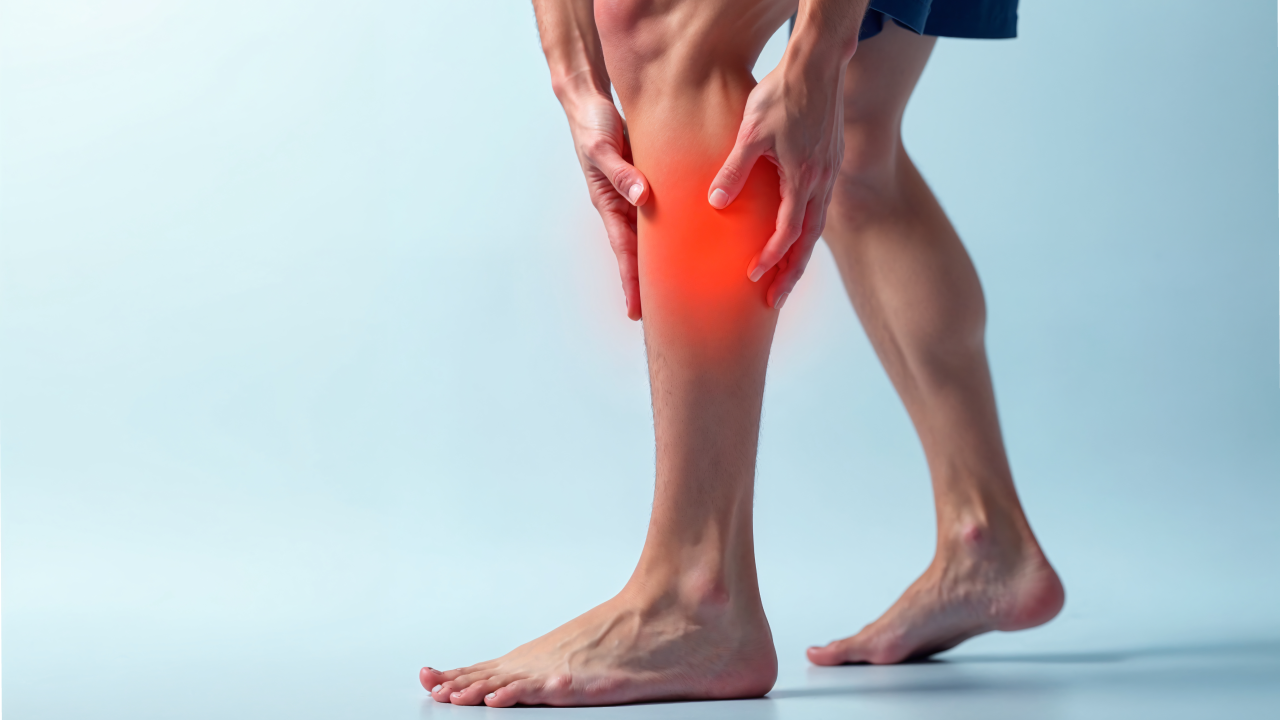
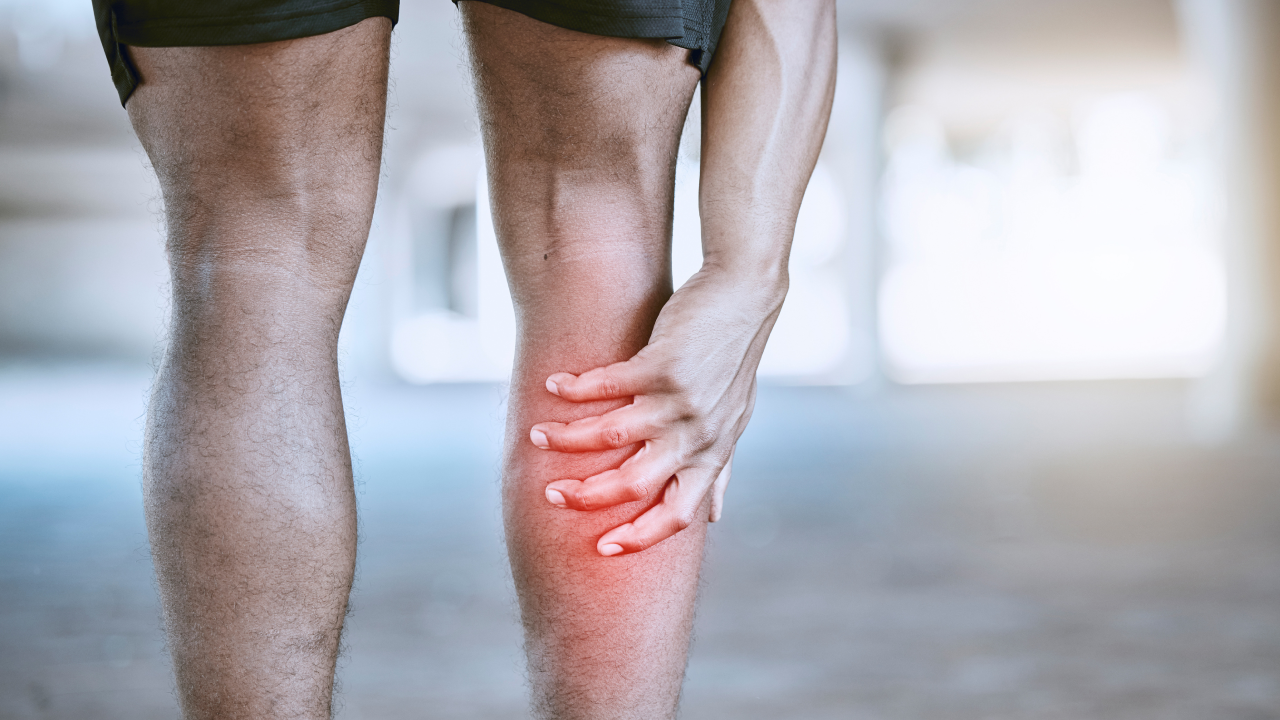
Calf Muscle Strains
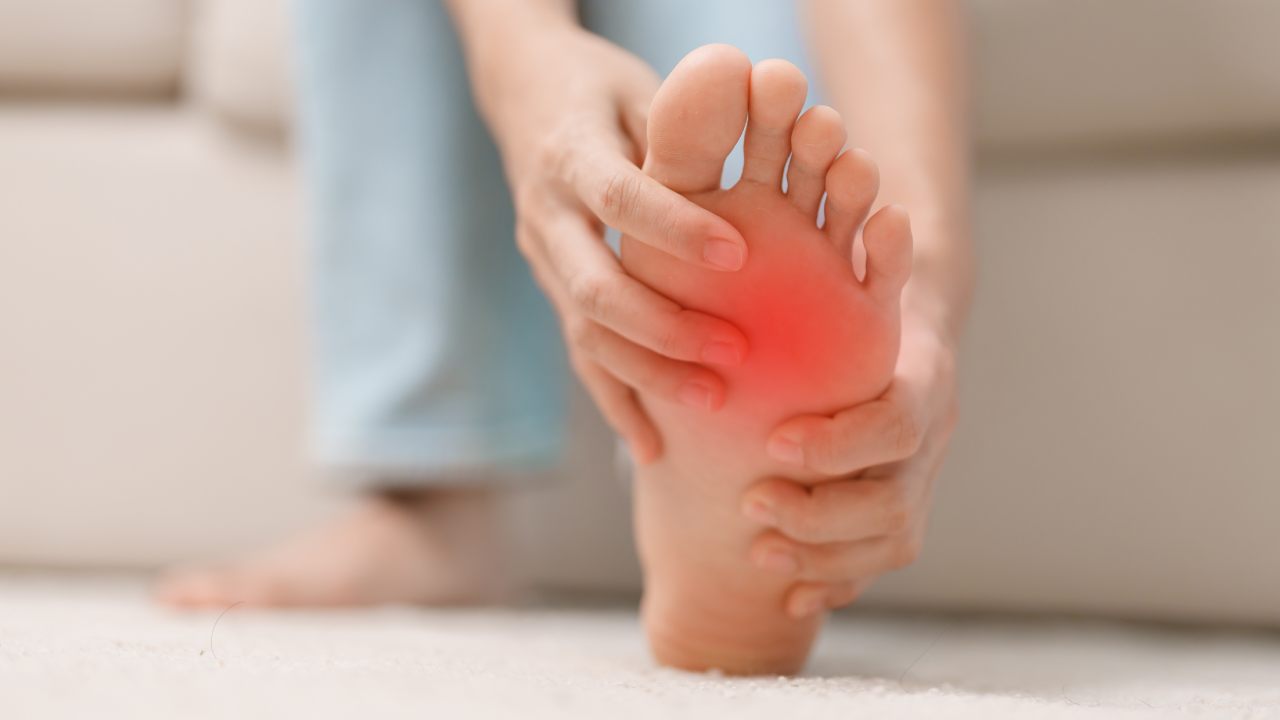
Calf strains can happen during running, jumping, sports, or sudden changes in direction. Walking quickly, climbing stairs, or pushing off the foot may become uncomfortable.
A physiotherapy assessment can help determine movement limitations and establish an appropriate progression for activity.
Groin Muscle Strains
Groin strains often involve muscles used for bringing the leg inward and stabilizing the hip. They may occur during sports involving rapid direction changes, kicking, or sudden lateral movements.
Rehabilitation may include hip and thigh strengthening, mobility exercises, balance work, and gradual return to sport.
What Does Muscle Strain Physiotherapy Include?
Care at Spinal Solution and Rehab is based on the presentation of each individual case. The process may include several components.
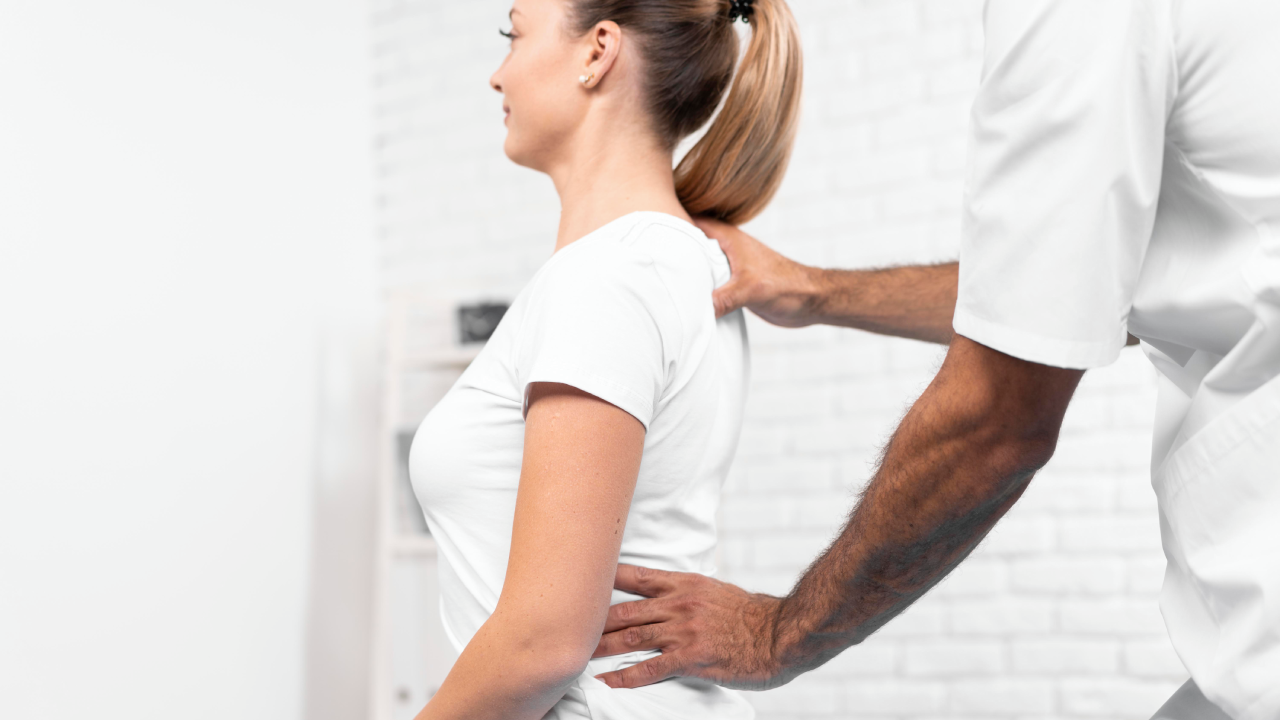
Physical Assessment
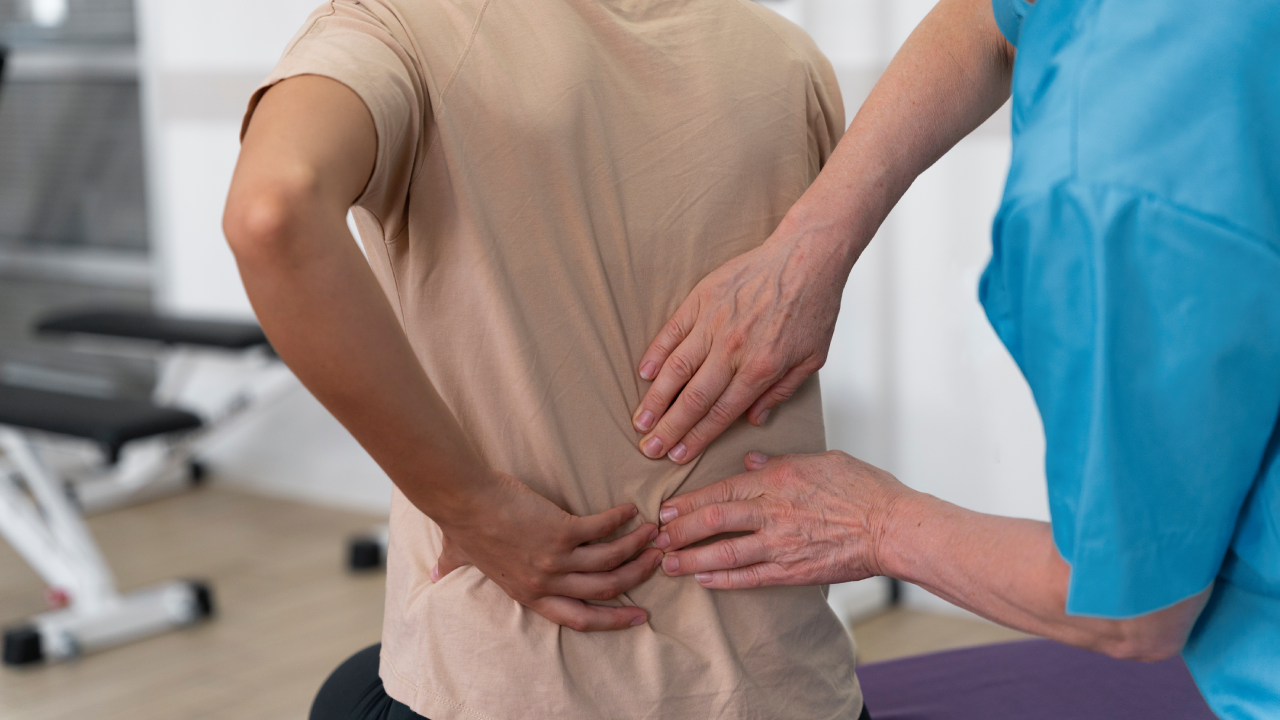
The physiotherapist reviews your symptoms, activities, injury history, movement patterns, strength, flexibility, and functional limitations. This helps identify factors that may be contributing to the problem.
Movement Assessment
Specific movements may be assessed to determine how the affected muscle responds to stretching, loading, resistance, and functional activity.
Exercise Rehabilitation
Exercises may be introduced according to your current ability. These can include mobility exercises, isometric work, strengthening, balance exercises, and functional movements.
Manual Techniques
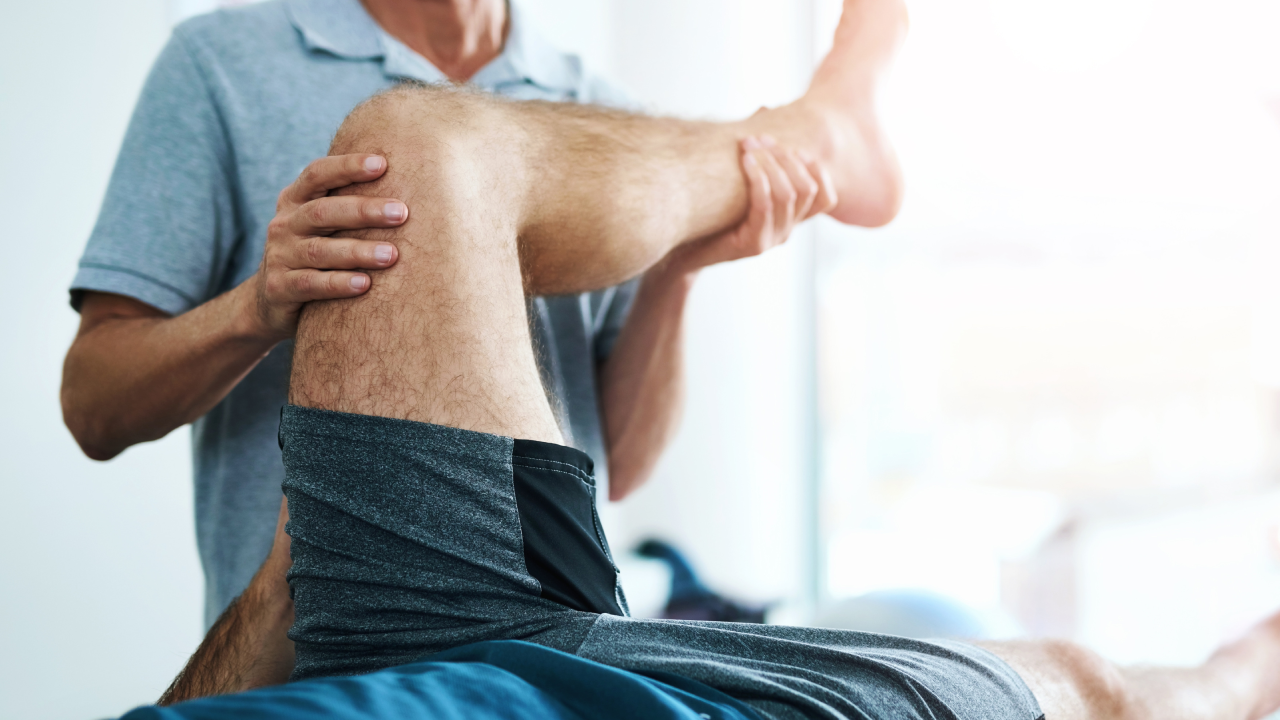
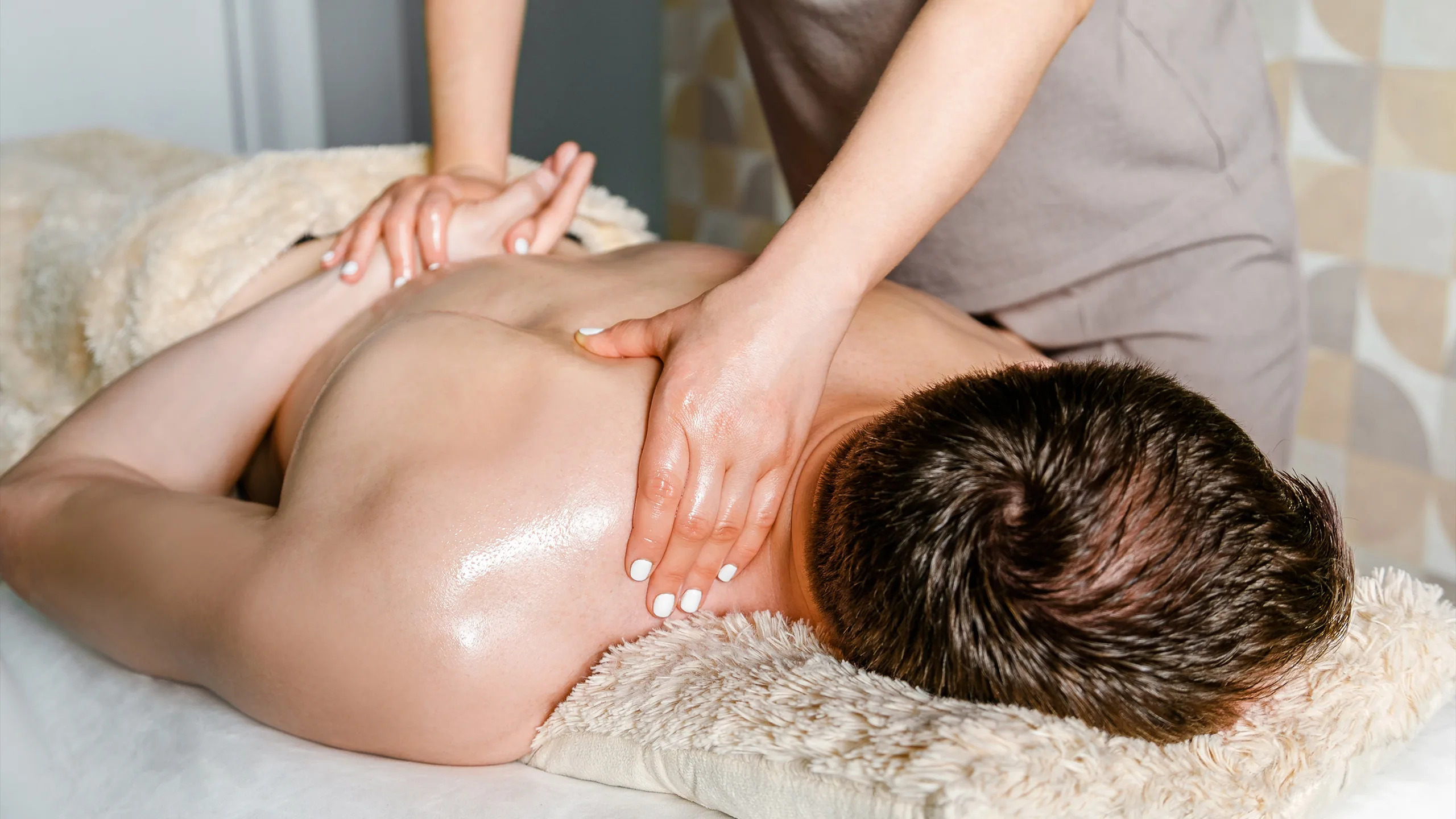
Hands-on physiotherapy techniques may be used when appropriate to address movement restrictions and muscle tension.
Activity Modification
You may receive practical recommendations for adjusting work, exercise, sports, or household activities while the affected area is recovering.
Progressive Loading
Muscles generally need gradual exposure to increasing loads before returning to demanding activities. Your rehabilitation program can progress as strength and movement capacity improve.
How the Muscle Strain Rehabilitation Process Works
1. Consultation
We begin by discussing how the strain happened, where symptoms are located, what activities are affected, and how the problem has changed over time.
2. Assessment
Our physiotherapist assesses movement, strength, flexibility, and functional limitations. If symptoms suggest that further medical investigation may be required, you may be advised to seek appropriate medical assessment.
3. Planning
Based on the findings, we establish a rehabilitation plan focused on your current abilities and daily requirements.
4. Implementation
Your program may include therapeutic exercises, mobility work, manual techniques, movement education, and gradual loading.
5. Review
Progress is monitored through changes in movement, strength, activity tolerance, and symptoms. Exercises can be adjusted as your capacity changes.
6. Ongoing Support
As you return to work, sport, exercise, or regular activities, the program may shift toward conditioning and strategies that reduce the chance of another strain.
Benefits of Physiotherapy for Muscle Strains
Physiotherapy can play a role at different stages of muscle strain rehabilitation. Depending on your condition and goals, care may help with:
- Improving movement around the affected area
- Building muscle strength
- Increasing tolerance to physical activity
- Addressing movement limitations
- Supporting a gradual return to exercise
- Improving functional capacity
- Teaching safer ways to perform demanding activities
- Preparing the body for work or sports demands
- Reducing the likelihood of returning to high activity levels too quickly
The goal is not simply to focus on the area that hurts. Rehabilitation also considers how the affected muscle functions during the activities you need to perform.
Muscle Strains and Return to Activity
Returning to normal activity can require a gradual approach. Going from rest directly into intense exercise may place excessive demand on a recovering muscle.
For athletes, this can mean progressing through running, acceleration, direction changes, jumping, or sport-specific movements. For workers, it may involve gradually increasing lifting, carrying, bending, reaching, or standing demands.
The appropriate progression depends on the muscle involved, severity of the strain, current strength, symptoms, and activity requirements.
When Should You Seek Physiotherapy for a Muscle Strain?
Consider an assessment if muscle symptoms are affecting your ability to work, exercise, walk, sleep, or perform routine activities.
An assessment may also be useful when:
- Symptoms continue after the initial injury.
- Movement remains restricted
- The area feels weak
- You have had repeated strains.
- You are uncertain when to return to exercise.
- Symptoms return after resuming activity.
- Your work requires physical effort.
- You want a structured return-to-sport plan.
Seek prompt medical assessment for severe swelling, significant bruising, inability to use the affected limb, major weakness, deformity, or symptoms following a serious injury.
Frequently Asked Questions
What causes muscle strains?
Muscle strains can result from sudden movements, excessive force, overstretching, repetitive loading, poor preparation for activity, or a sudden increase in physical demands.
How long does a muscle strain take to recover?
Recovery varies according to the muscle involved and the severity of the injury. A mild strain may settle within a relatively short period, while a more significant injury can require a longer rehabilitation period.
Can I exercise with a muscle strain?
This depends on the severity and stage of the strain. Some controlled exercises may be appropriate, while activities that significantly increase symptoms may need to be modified temporarily.
Can muscle strains come back?
Yes. Recurring strains can occur, particularly when strength, mobility, conditioning, movement patterns, or activity progression have not been adequately addressed.
What happens during a muscle strain assessment?
A physiotherapist reviews your symptoms and injury history before assessing movement, strength, flexibility, and functional capacity. The findings help determine an appropriate rehabilitation plan.
Do I need a referral?
Referral requirements depend on your insurance plan and circumstances. Contact Spinal Solution and Rehab to ask about the requirements that apply to your situation.
Can physiotherapy help with sports-related muscle strains?
Yes. Physiotherapy can address strength, mobility, movement control, conditioning, and gradual return to sports activities following a muscle strain.
Industries and Activities We Serve
Muscle strains can affect people in many settings, including:
- Construction
- Warehousing
- Manufacturing
- Transportation
- Office work
- Retail
- Fitness
- Recreational sports
- Competitive sports
- Household activities
Whether your strain happened at work, during exercise, or while performing an everyday task, the rehabilitation process can be adjusted around the activities you need to resume.
Service Areas
Spinal Solution and Rehab serves people searching for Muscle Strains in Woodbridge, ON, and surrounding communities.
Our location provides access to physiotherapy and rehabilitation services for people dealing with muscle strains affecting the back, neck, shoulder, hip, thigh, calf, groin, and other areas.
Our local service area may include:
- Woodbridge
- Vaughan
- Kleinburg
- Maple
- Vellore Village
- Concord
- Nearby Vaughan communities
If travelling to the clinic is difficult, contact our team to ask about available service options and whether your situation can be accommodated.
Why Choose Spinal Solution and Rehab?
Spinal Solution and Rehab focuses on assessment, physiotherapy, rehabilitation, and functional movement. Our approach considers the specific muscle involved, the activities that led to the strain, current physical capacity, and the activities you want to return to.
Rather than relying on a single exercise or technique for every person, the rehabilitation plan can be adjusted according to assessment findings and progress.
Our team can also help people who need to transition back to physically demanding work, recreational activity, gym training, or sports following a muscle strain.
Related Services
Depending on your condition and rehabilitation goals, related services may include:
- Physiotherapy
- Sports rehabilitation
- Back rehabilitation
- Neck physiotherapy
- Shoulder rehabilitation
- Exercise therapy
- Manual therapy
- Post-injury rehabilitation
- Workplace injury rehabilitation
- Mobility and strengthening programs
These services can be used alongside muscle strain rehabilitation when appropriate.
Get Started
A muscle strain can affect simple activities such as walking, lifting, reaching, sitting, running, or climbing stairs. Knowing when and how to increase activity can also be difficult, particularly when symptoms improve before strength and movement capacity have fully returned.
If you are searching for Muscle Strains in Woodbridge, ON, Spinal Solution and Rehab can assess your condition and discuss the available physiotherapy and rehabilitation options.
Address: 8300 Hwy 27, Woodbridge, ON L4H 0R9
Phone: +1 905-739-3100
Contact Spinal Solution and Rehab in Woodbridge, ON, to schedule an assessment and discuss your muscle strain.