

Pelvic Pain in Woodbridge, ON
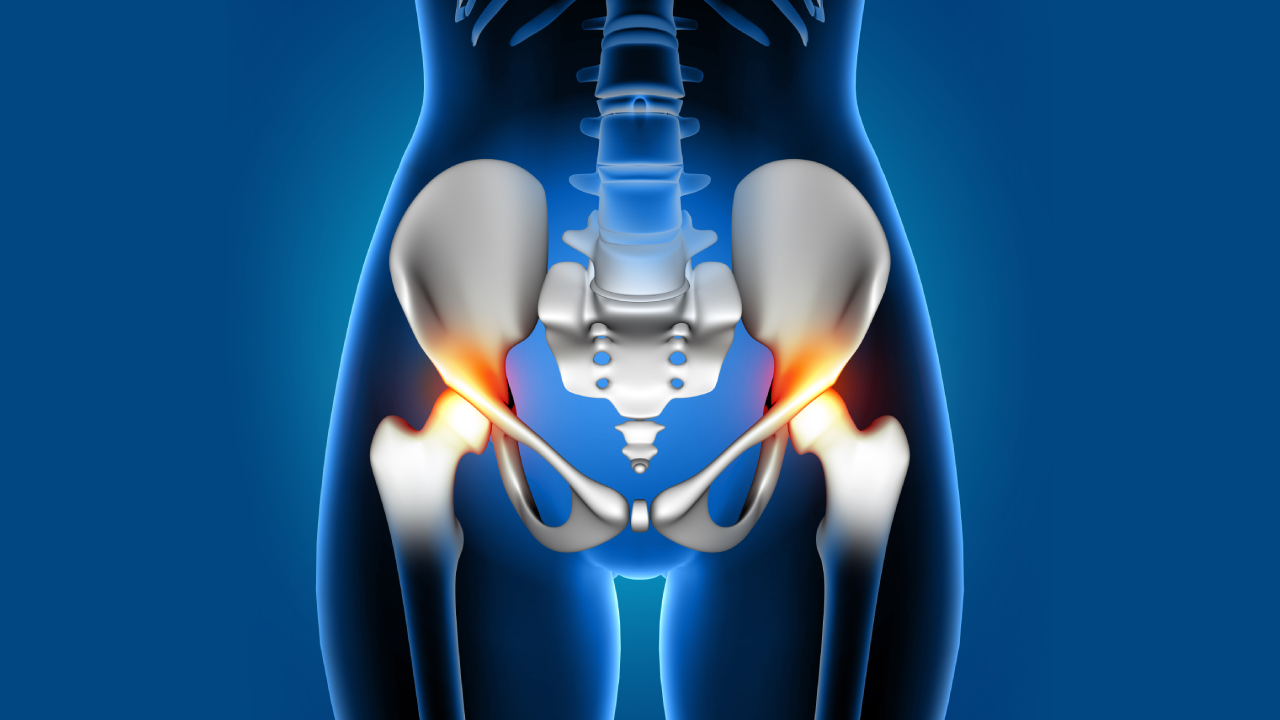
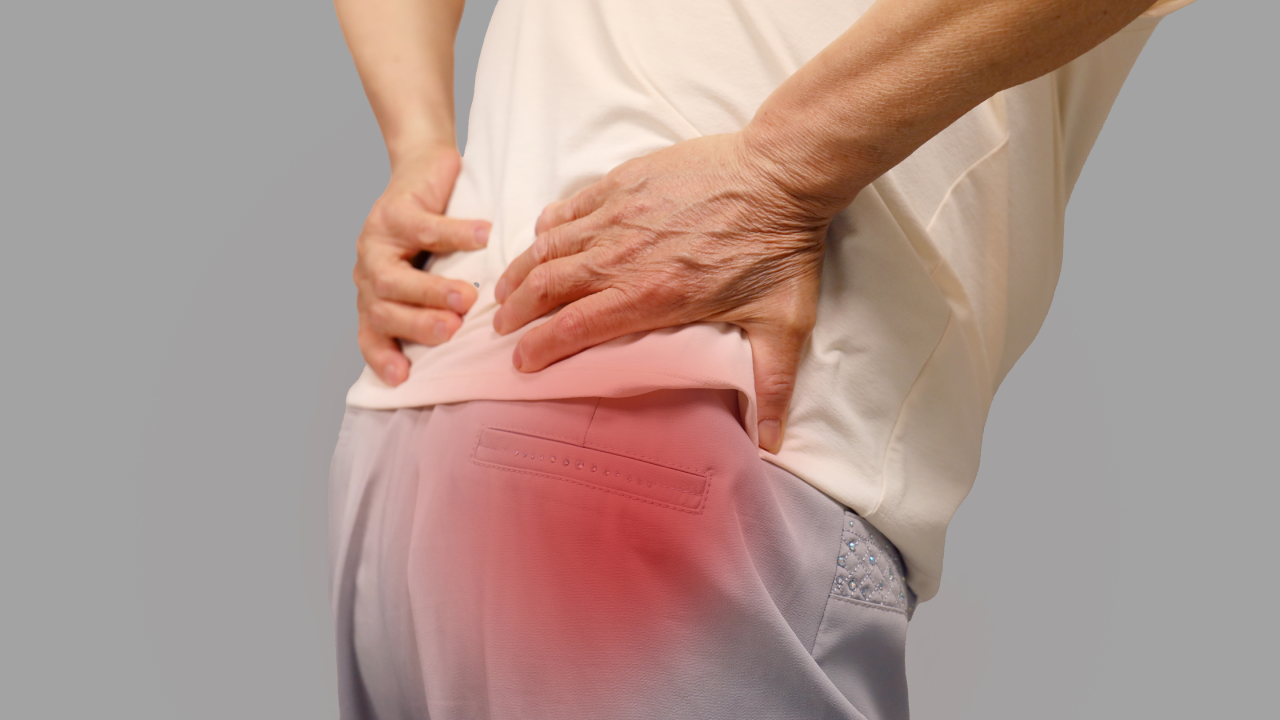
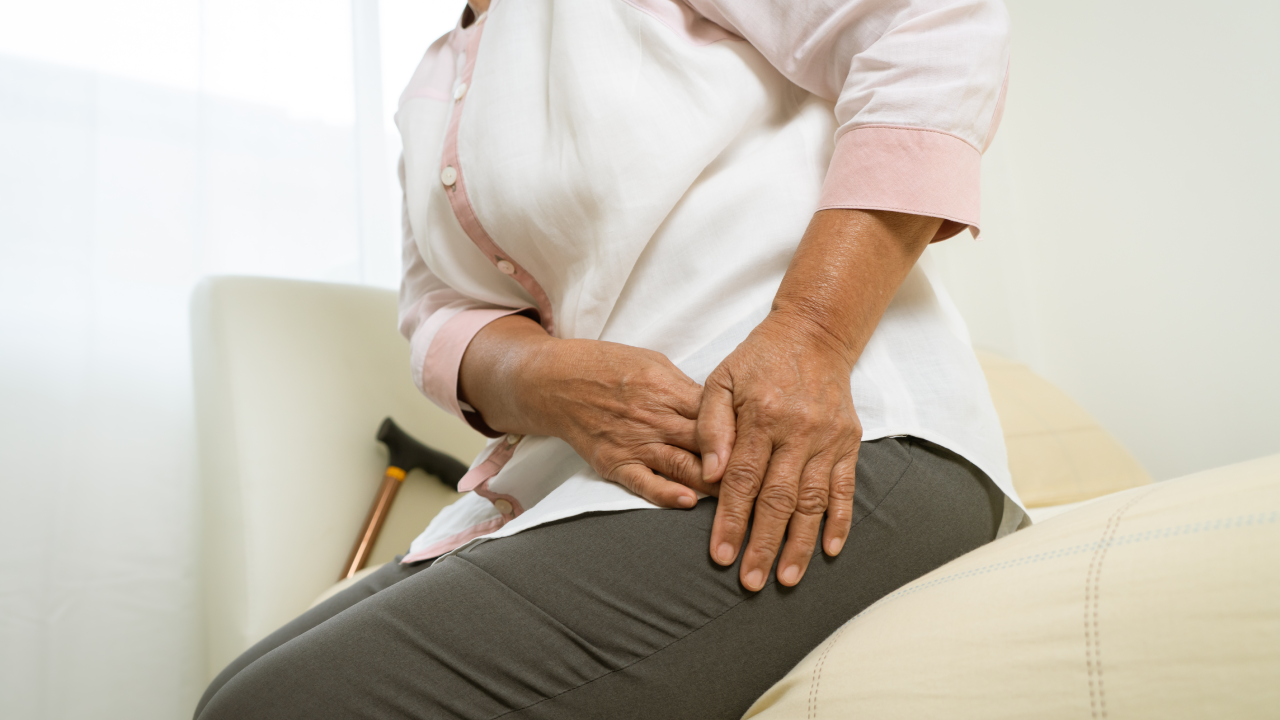
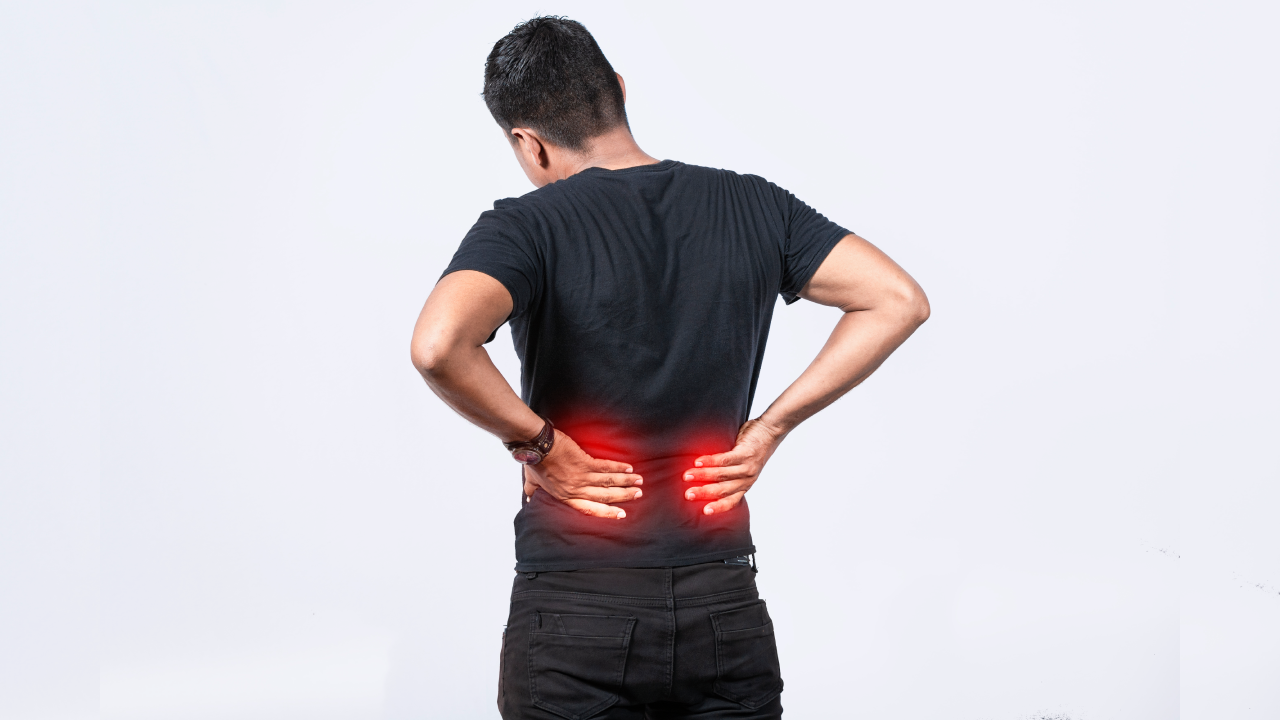
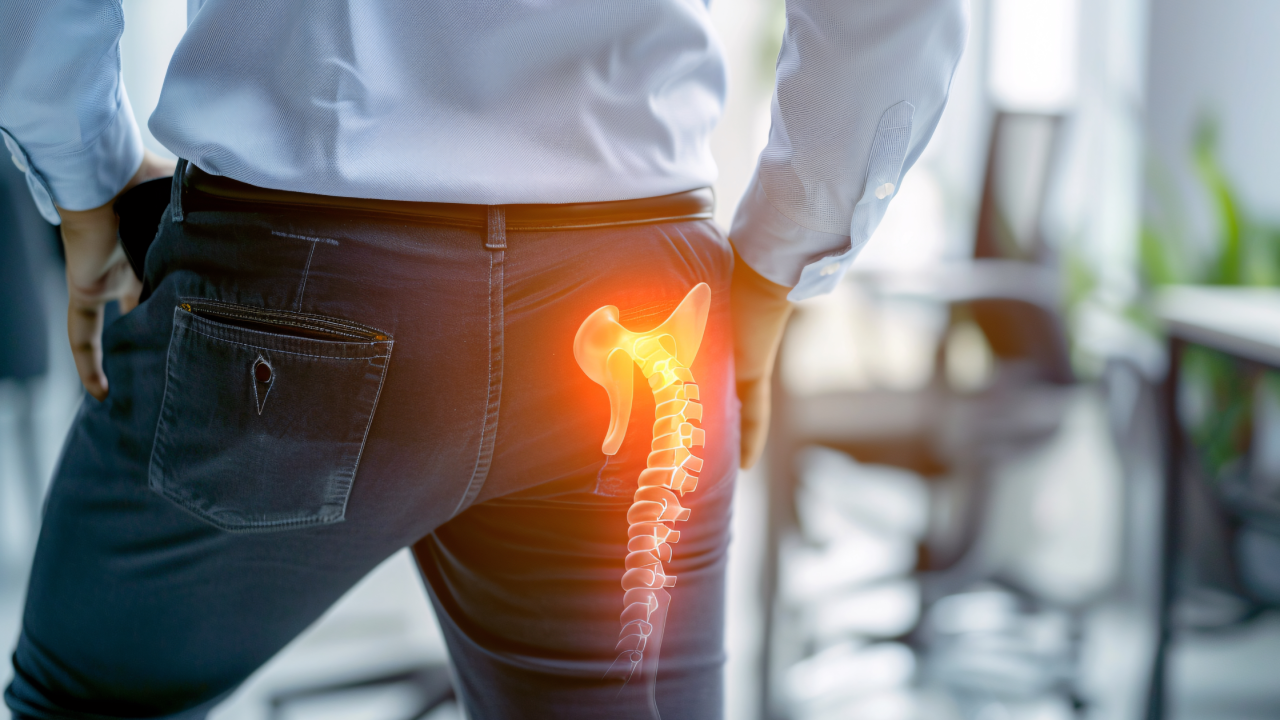
Pelvic pain can affect daily movement, sitting, exercise, sleep, work, and intimate activities. It may feel like pressure, aching, burning, cramping, tightness, or sharp discomfort around the lower abdomen, pelvis, hips, groin, tailbone, or lower back. The cause can vary from muscle tension and joint problems to pregnancy-related changes, bladder or bowel concerns, post-surgical changes, or other medical conditions.
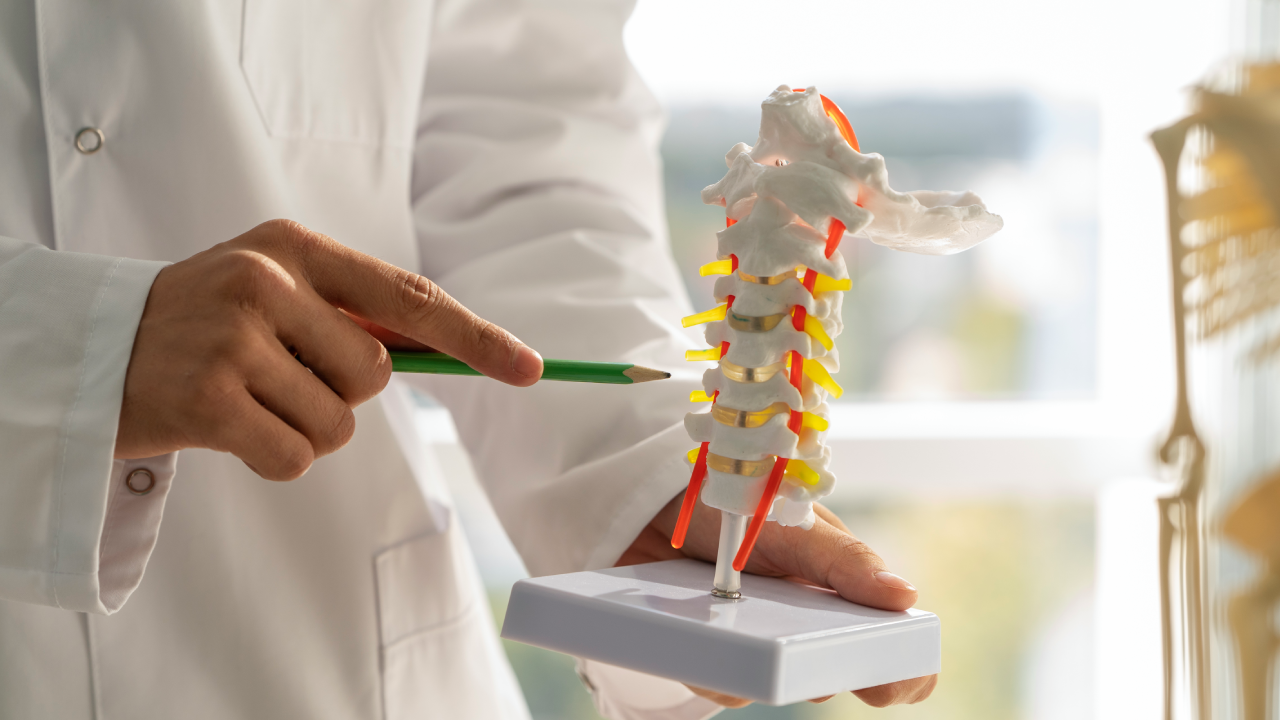
At Spinal Solution and Rehab, we assess movement, muscle function, posture, strength, and other factors that may contribute to pelvic symptoms. Our physiotherapy approach focuses on identifying the factors involved and creating a care plan based on your presentation. If symptoms suggest a medical condition outside physiotherapy, we can recommend speaking with your physician or another appropriate healthcare provider.
If you are searching for Pelvic Pain in Woodbridge, ON, our clinic provides physiotherapy care for people dealing with pelvic discomfort and related movement concerns.
What Is Pelvic Pain?
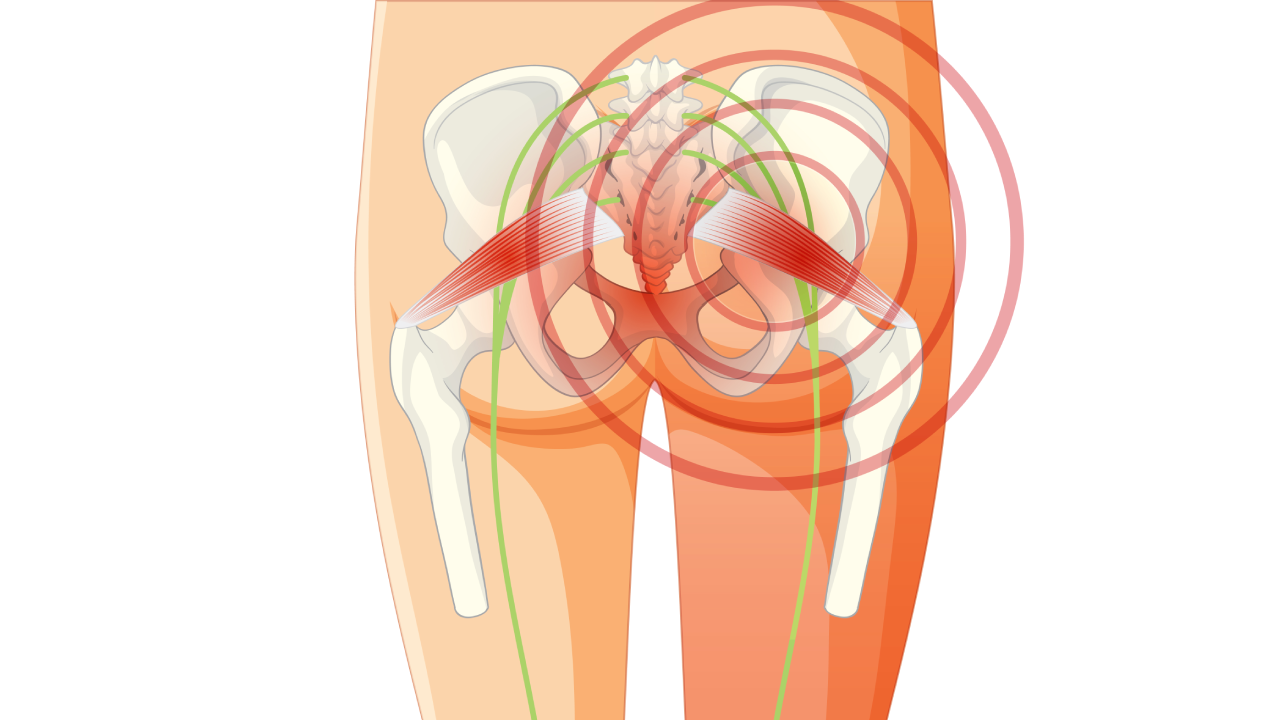
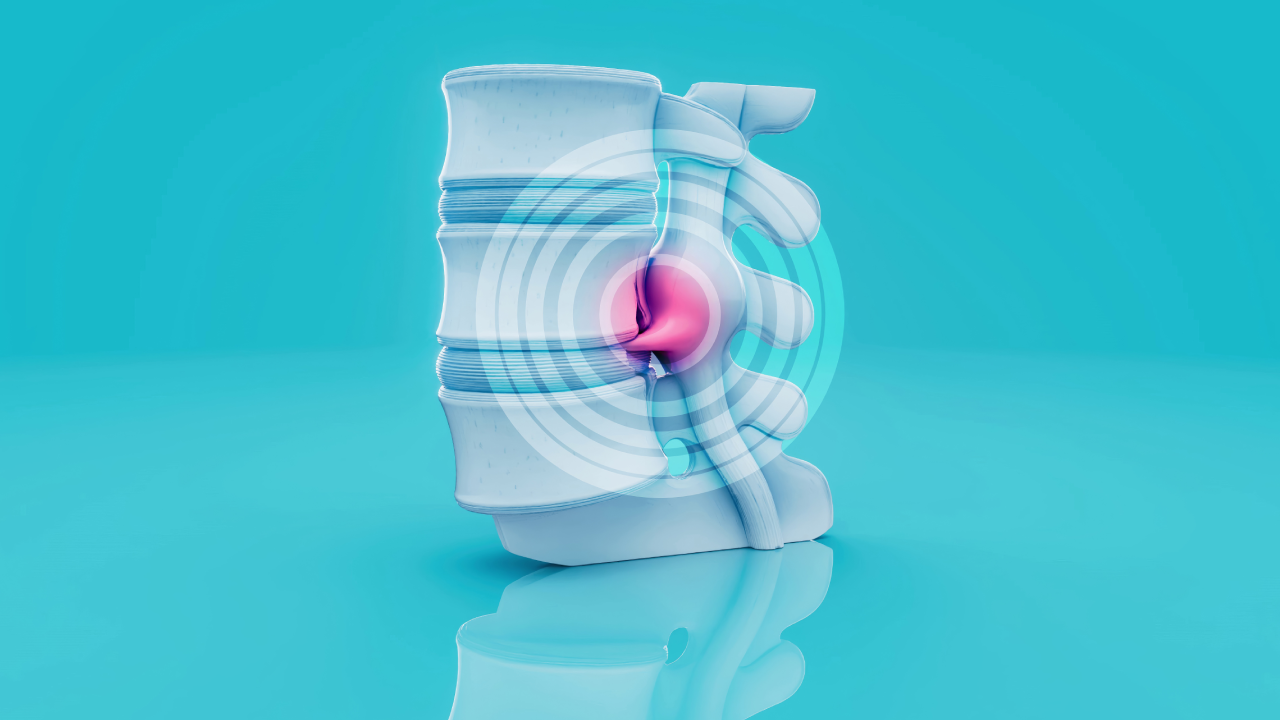
Pelvic pain refers to discomfort located in or around the pelvic region. The pelvis contains muscles, joints, nerves, connective tissues, and organs that work together during walking, sitting, lifting, exercise, urination, bowel movements, and other daily activities.
Pelvic pain may occur suddenly or develop gradually. Some people notice symptoms after an injury, pregnancy, surgery, prolonged sitting, repetitive activity, or changes in exercise. Others may have symptoms without an obvious event that started them.
Physiotherapy may address the musculoskeletal factors associated with pelvic pain. These can include pelvic floor muscle tension, weakness, reduced coordination, hip mobility restrictions, lower-back movement issues, breathing patterns, posture, and movement habits.
Common Types of Pelvic Symptoms
Pelvic symptoms can appear in several forms, including:
- Aching or pressure in the pelvic area
- Lower abdominal discomfort
- Pain around the hips or groin
- Tailbone discomfort
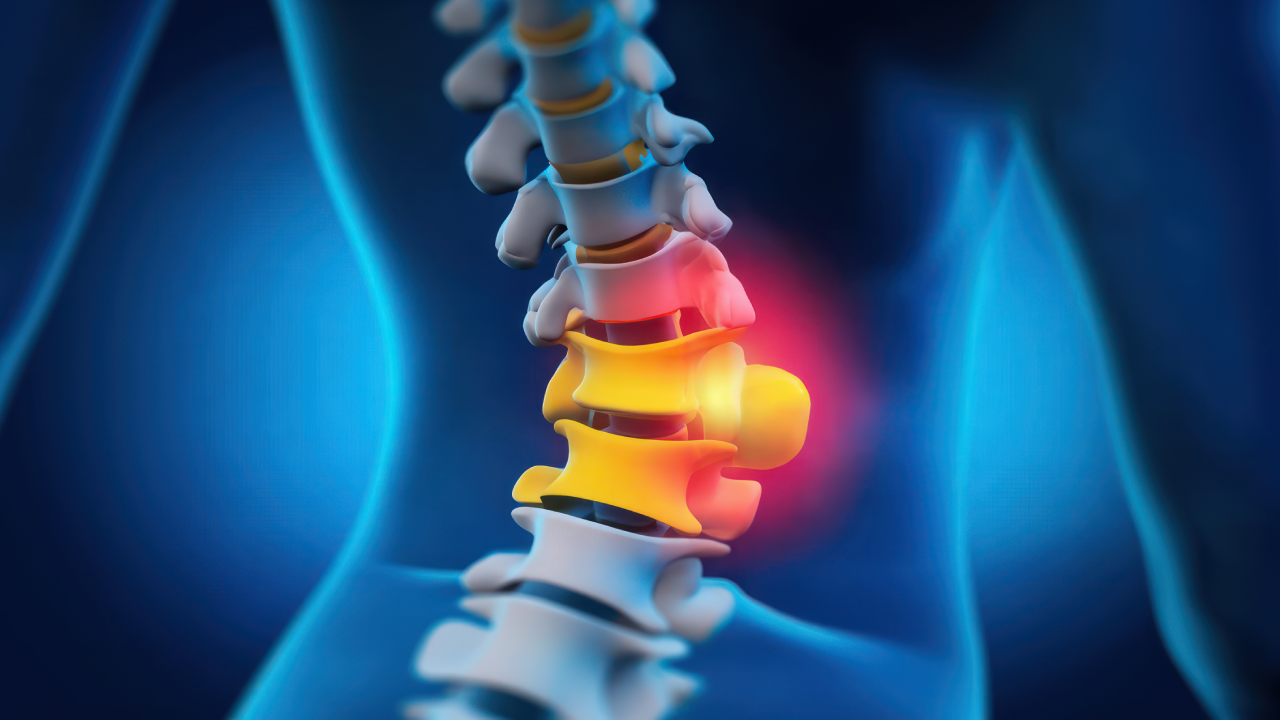
- Lower-back symptoms associated with pelvic movement
- Pelvic floor muscle tightness
- Discomfort during prolonged sitting
- Symptoms during walking, running, or exercise
- Discomfort associated with certain movements
- Urinary or bowel-related symptoms that may involve pelvic floor dysfunction
- Pelvic discomfort following pregnancy or childbirth
- Symptoms following pelvic or abdominal surgery
Because pelvic symptoms can have many causes, an assessment is important before beginning exercises or other physiotherapy care.
Who Can Benefit From Pelvic Pain Physiotherapy?
Pelvic pain physiotherapy may be appropriate for adults dealing with musculoskeletal pelvic symptoms. At Spinal Solution and Rehab, we work with people whose symptoms affect movement, physical activity, sitting, work, or daily routines.
People During or After Pregnancy
Pregnancy can place additional demands on the pelvis, hips, lower back, abdominal wall, and pelvic floor. Changes can continue after childbirth as the body adapts to new physical demands.
Physiotherapy may address movement, strength, coordination, breathing, and pelvic floor function during the postpartum period.
People With Pelvic Floor Muscle Problems
The pelvic floor muscles help support pelvic organs and contribute to bladder and bowel control. These muscles may become weak, tense, poorly coordinated, or difficult to relax.
Physiotherapy can assess how these muscles function and determine whether strengthening, relaxation work, coordination exercises, or other approaches may be appropriate.
People Returning to Exercise
Running, lifting, cycling, gym workouts, and other activities can place load through the pelvis and surrounding structures. Pelvic symptoms may sometimes appear when activity levels change.
A physiotherapy assessment can examine movement patterns, strength, mobility, and load tolerance.
People After Surgery
Some people develop pelvic or abdominal symptoms after surgery. Scar tissue, changes in movement, muscle guarding, reduced activity, and altered strength can affect how the body moves.
Physiotherapy may be considered once medical clearance is appropriate.
Problems Pelvic Pain Physiotherapy May Address
Pelvic pain can involve several overlapping physical factors. At Spinal Solution and Rehab, the assessment may include:
- Pelvic floor muscle tension or weakness
- Hip mobility limitations
- Reduced core strength
- Lower-back movement problems
- Pelvic joint movement concerns
- Poor muscle coordination
- Breathing and pressure-management patterns
- Reduced tolerance for sitting
- Difficulty returning to physical activity
- Movement changes following pregnancy
- Post-surgical movement limitations
- Muscular tension around the hips, abdomen, groin, or lower back
Physiotherapy does not replace medical assessment when pelvic symptoms may arise from an internal medical condition. A physician or appropriate healthcare provider should assess severe, unexplained, sudden, or worsening symptoms.
Key Features and Deliverables
Initial Physiotherapy Assessment
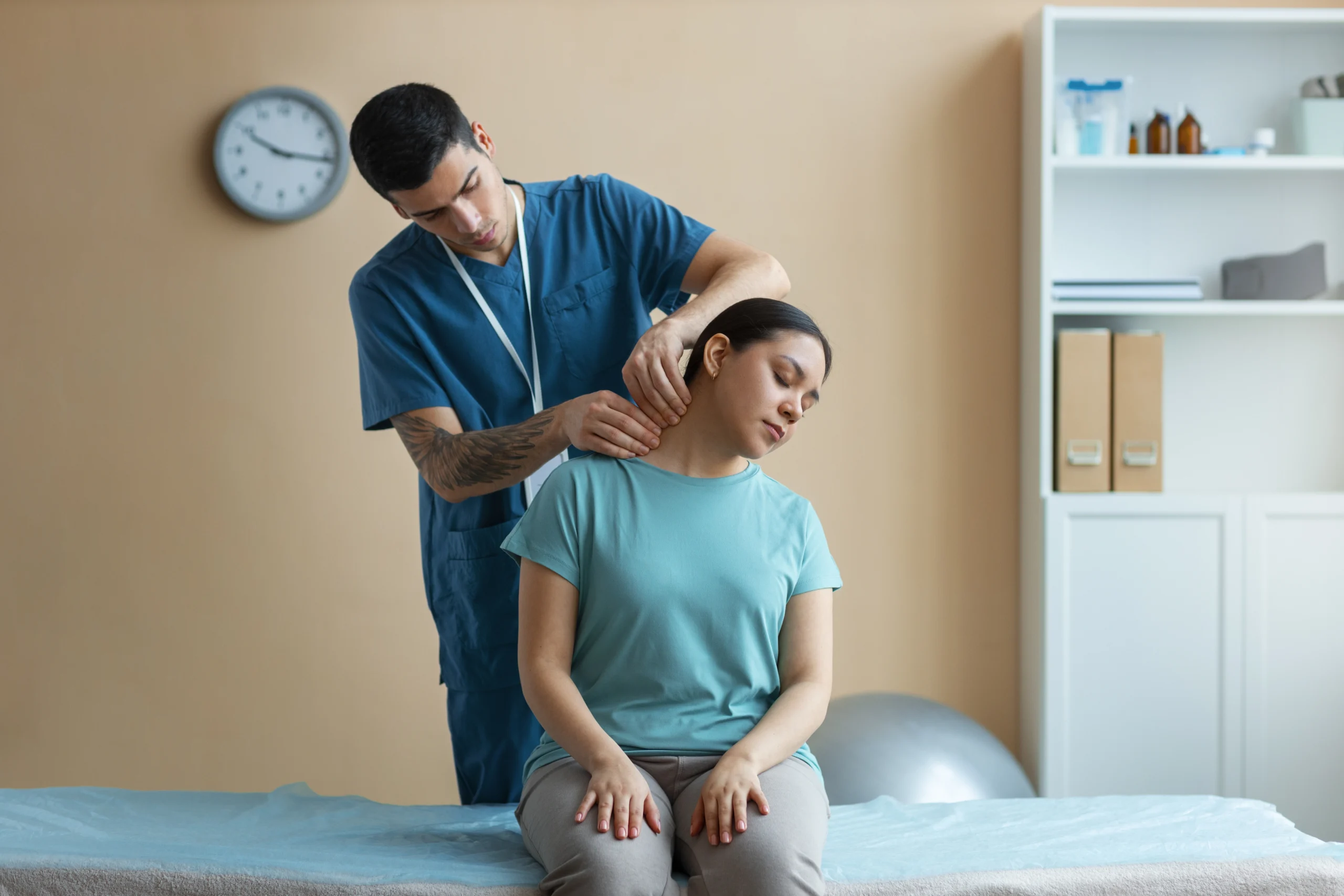
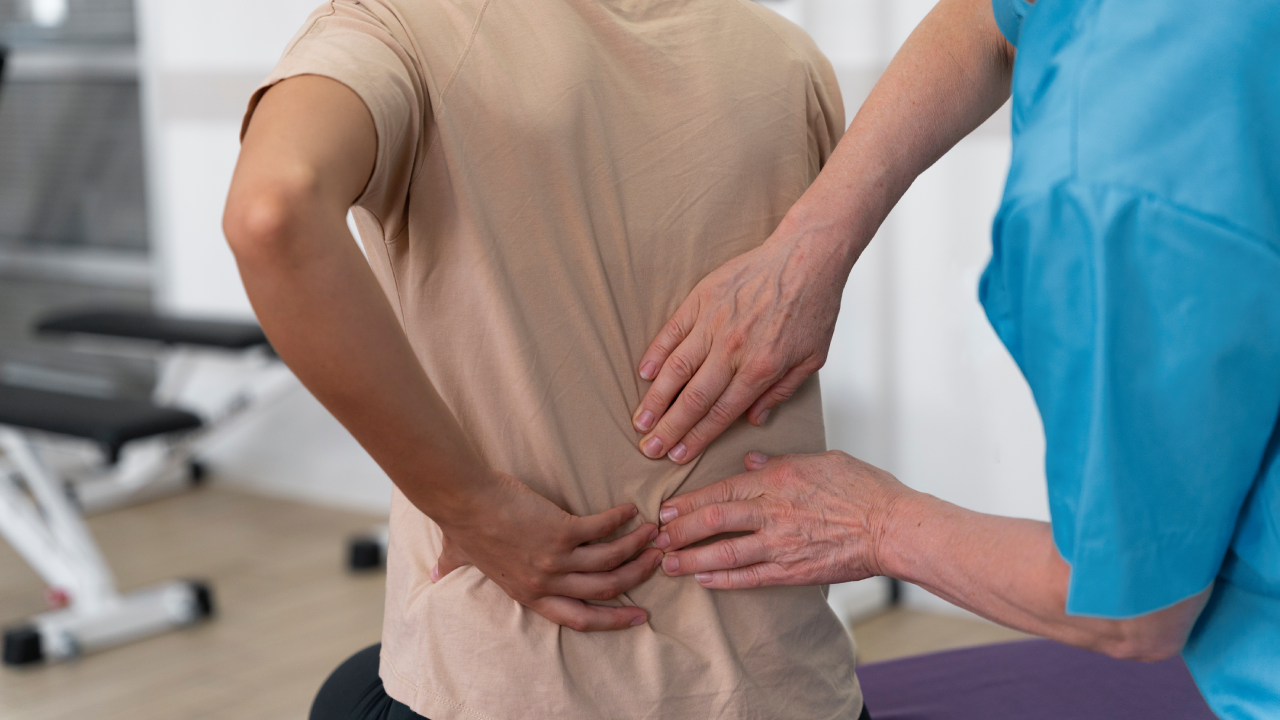
Your first appointment includes a discussion about your symptoms, medical history, activity levels, daily demands, and goals. We may assess movement, posture, hip and lower-back mobility, muscle function, strength, and other relevant physical factors.
The assessment helps establish which areas may be contributing to your symptoms.
Pelvic Floor Assessment
When appropriate and with consent, pelvic floor function may be assessed. This can involve looking at muscle control, relaxation, coordination, and strength.
An internal pelvic floor assessment is not required in every case. The assessment method depends on your symptoms, comfort, clinical needs, and consent.
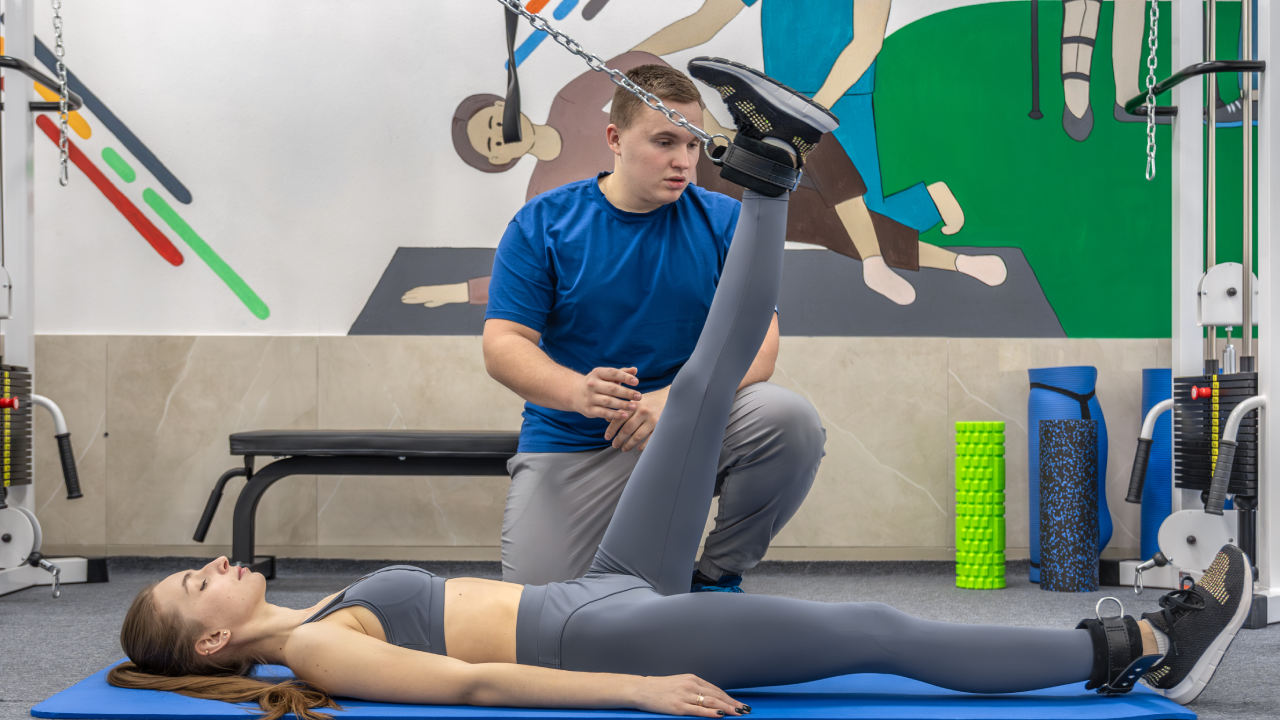
Exercise Therapy
Exercises may focus on areas such as:
- Pelvic floor coordination
- Core control
- Hip strength
- Mobility
- Breathing mechanics
- Postural control
- Functional movement
- Gradual return to activity
Exercises are selected according to your presentation rather than applying one routine to everyone.
Manual Physiotherapy
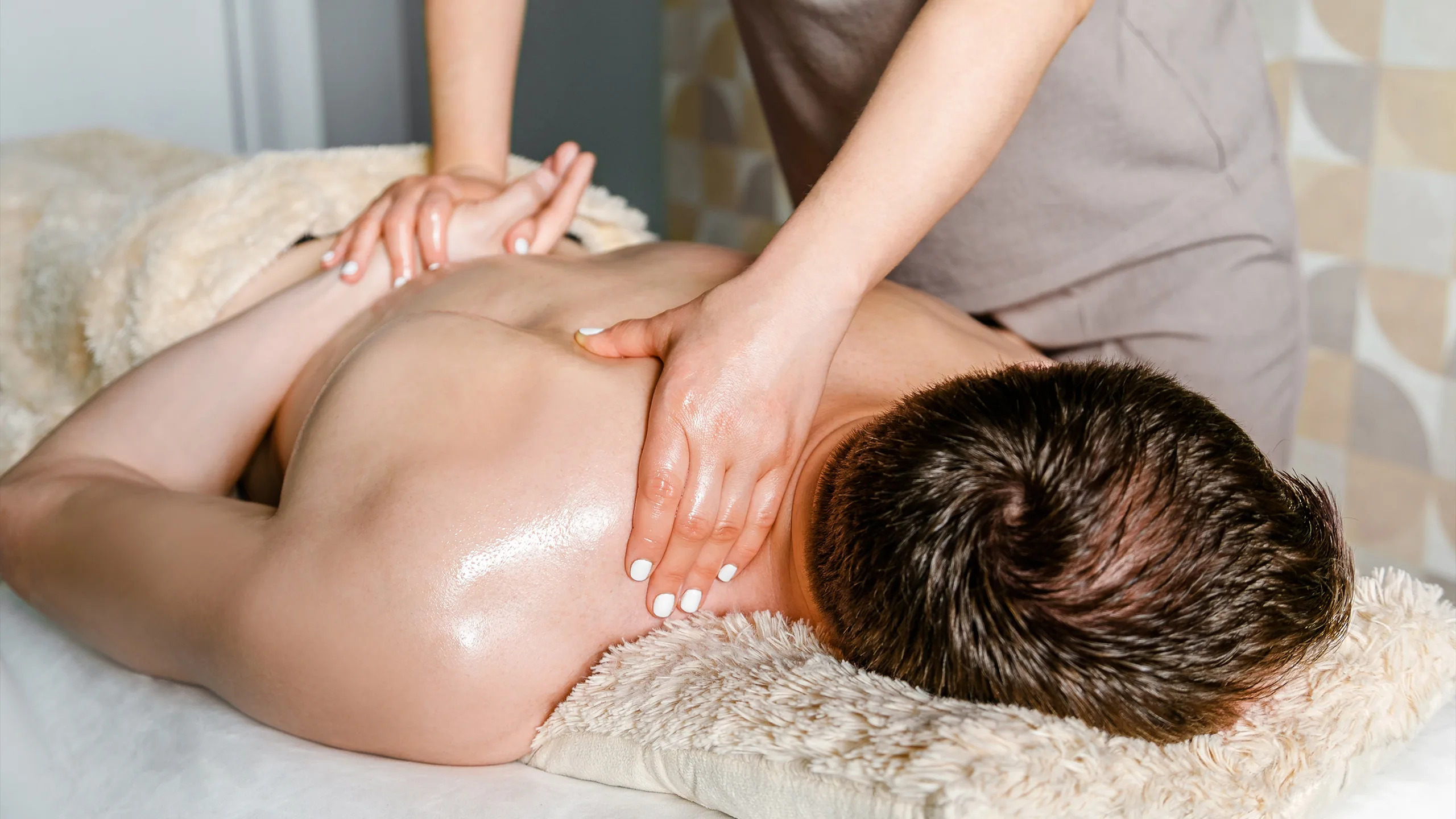
Where clinically appropriate, hands-on physiotherapy may be used to address movement restrictions or muscular tension around the pelvis, hips, lower back, or related areas.
Activity Modification
Certain activities may increase symptoms. We can discuss changes to sitting, lifting, exercise, work routines, and other movements that may reduce unnecessary strain while you continue normal activity where appropriate.
How the Process Works
1. Consultation
We begin by discussing your symptoms, when they started, activities that affect them, and any relevant medical history.
2. Assessment
Our physiotherapy team evaluates movement, strength, mobility, coordination, and other relevant factors.
3. Care Planning
The findings are used to establish a physiotherapy plan that matches your symptoms, physical needs, and daily activities.
4. Implementation
Your sessions may include exercise therapy, movement training, manual physiotherapy, education, and activity modification.
5. Review
Your symptoms and physical function are reviewed as care progresses. Exercises and activities can be adjusted based on how your body responds.
6. Ongoing Support
As your function changes, your physiotherapy plan can be updated. The aim is to help you manage your activities while addressing relevant physical factors.
Benefits of Pelvic Pain Physiotherapy
Physiotherapy can support several practical areas when pelvic symptoms have a musculoskeletal component.
Improved Movement
Addressing mobility, strength, and coordination may make everyday movements easier to perform.
Greater Activity Tolerance
A gradual exercise program can help some people return to walking, gym activities, running, lifting, or other physical tasks.
Improved Muscle Coordination
Pelvic floor and core muscles need to contract and relax at appropriate times. Physiotherapy may help improve coordination when this is part of the problem.
Better Awareness of Movement
Learning how posture, breathing, lifting, sitting, and exercise affect symptoms can help you make informed activity choices.
Support After Pregnancy
Physiotherapy can address changes involving pelvic floor function, abdominal strength, hip strength, and movement following pregnancy and childbirth.
Support Following Surgery
When medically appropriate, physiotherapy can assist with restoring movement and physical function following certain procedures.
Conditions and Situations We Treat
At Spinal Solution and Rehab, pelvic physiotherapy may be considered for a range of conditions and presentations, including:
- Pelvic floor dysfunction
- Pelvic muscle tension
- Pelvic muscle weakness
- Pregnancy-related pelvic discomfort
- Postpartum pelvic symptoms
- Tailbone pain
- Hip and pelvic movement problems
- Groin discomfort associated with musculoskeletal factors
- Lower-back symptoms connected with pelvic movement
- Pelvic symptoms associated with exercise
- Pelvic symptoms following surgery
- Difficulty coordinating pelvic floor muscles
- Urinary symptoms involving pelvic floor dysfunction
- Bowel symptoms involving pelvic floor muscle coordination
- Discomfort associated with prolonged sitting
- Reduced physical function related to pelvic symptoms
The cause of pelvic pain differs from person to person. Physiotherapy is appropriate only when the presentation falls within its scope.
Industries and Customers Served
Pelvic pain can affect people from many backgrounds and occupations. Our clinic serves people in Woodbridge and surrounding communities, including:
- Office workers
- Healthcare workers
- Teachers
- Drivers
- Tradespeople
- Athletes
- Recreational runners
- Gym participants
- Parents
- People returning to work after pregnancy
- People recovering after surgery
- Older adults
- People with physically demanding jobs
Your daily activities and physical demands are considered when developing your physiotherapy program.
Frequently Asked Questions About Pelvic Pain
What causes pelvic pain?
Pelvic pain can have many causes. Musculoskeletal contributors may include pelvic floor dysfunction, muscle tension, weakness, hip problems, lower-back issues, movement limitations, pregnancy-related changes, or post-surgical changes. Other causes can involve internal organs or medical conditions, so persistent or unexplained symptoms should receive appropriate medical assessment.
Can physiotherapy help pelvic pain?
Physiotherapy can help when pelvic symptoms involve musculoskeletal or pelvic floor factors. Assessment is used to determine whether physiotherapy is appropriate for your presentation.
Do I need a pelvic floor assessment?
Not necessarily. The assessment depends on your symptoms and clinical needs. If a pelvic floor assessment is appropriate, the physiotherapist will explain what it involves and obtain your consent.
What happens during the first appointment?
The first appointment generally includes a discussion of your symptoms and medical history, followed by a physical assessment. Your physiotherapist may examine movement, strength, mobility, posture, breathing, and muscle coordination.
How many appointments will I need?
The number of appointments varies. It depends on the cause of symptoms, their duration, your physical findings, your response to care, and your goals.
Can pelvic pain be related to the hips or lower back?
Yes. The pelvis, hips, and lower back work together during many movements. Problems in one area may affect movement in another area. An assessment can examine these relationships.
Can I exercise while dealing with pelvic pain?
Often, some activity can continue, but the appropriate level depends on your symptoms and the cause. Your physiotherapist can help determine which activities may be appropriate and how to progress them.
When should I see a doctor instead of a physiotherapist?
Seek medical assessment for severe, sudden, unexplained, or worsening pelvic symptoms, particularly when symptoms involve fever, significant bleeding, unexplained weight changes, fainting, new bowel or bladder changes, or other concerning signs. Physiotherapy can work alongside medical care when appropriate.
Service Areas
If you are searching for Pelvic Pain in Woodbridge, ON, Spinal Solution and Rehab provides physiotherapy assessment and care for pelvic and related musculoskeletal concerns.
Our clinic serves Woodbridge and nearby communities, with care focused on movement, physical function, pelvic floor health, and day-to-day activity.
Our local service area may include:
- Woodbridge
- Vaughan
- Kleinburg
- Maple
- Vellore Village
- Concord
- Nearby Vaughan communities
Pelvic symptoms can affect work, exercise, sitting, walking, sleep, and other parts of daily life. Finding the factors involved starts with an assessment.
Why Choose Spinal Solution and Rehab?
At Spinal Solution and Rehab, our approach starts with listening to your symptoms and assessing the physical factors relevant to your presentation.
We focus on:
- One-on-one physiotherapy assessment
- Pelvic floor and musculoskeletal assessment when appropriate
- Exercise-based care
- Movement assessment
- Hip and lower-back evaluation
- Postpartum physiotherapy
- Post-surgical rehabilitation
- Education about activity and movement
- Progress reviews throughout care
Our physiotherapy team also recognizes when symptoms may require medical assessment outside physiotherapy. In those situations, we can recommend that you speak with your physician or another healthcare provider.
Related Physiotherapy Services
Pelvic symptoms may overlap with other physical concerns. Depending on your presentation, related services may include:
- Physiotherapy
- Pelvic Floor Physiotherapy
- Prenatal Physiotherapy
- Postpartum Physiotherapy
- Orthopaedic Physiotherapy
- Sports Physiotherapy
- Manual Physiotherapy
- Core Strengthening
- Post-Surgical Rehabilitation
- Lower Back Physiotherapy
- Hip Physiotherapy
- Exercise Therapy
Get Started
If pelvic symptoms are affecting your daily activities, exercise, work, or comfort while sitting and moving, an assessment can help identify relevant physical factors.
Contact Spinal Solution and Rehab in Woodbridge, ON, to discuss your symptoms and arrange a physiotherapy appointment. During your first visit, we can review your concerns, assess your movement and physical function, and determine whether physiotherapy is appropriate for your situation.
Address: 8300 Hwy 27, Woodbridge, ON L4H 0R9
Phone: +1 905-739-3100
Searching for Pelvic Pain in Woodbridge, ON? Contact Spinal Solution and Rehab to schedule an assessment.