
Pinched Nerve in Woodbridge, ON
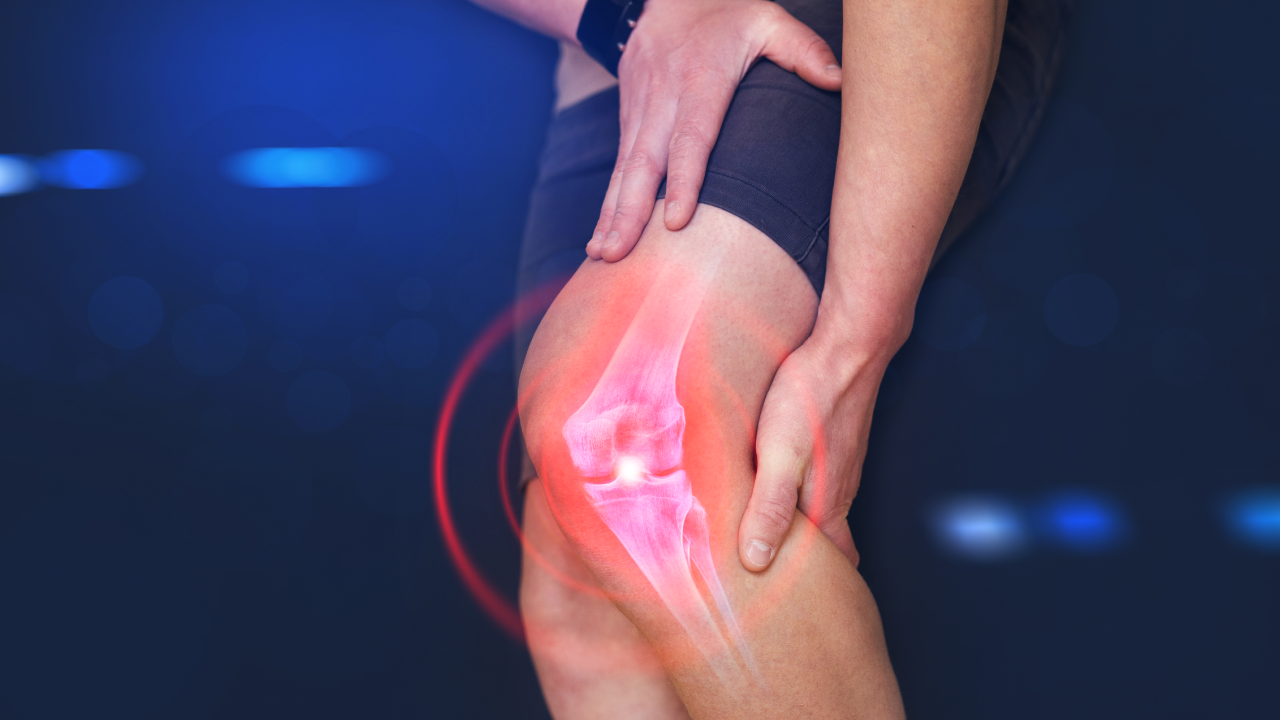
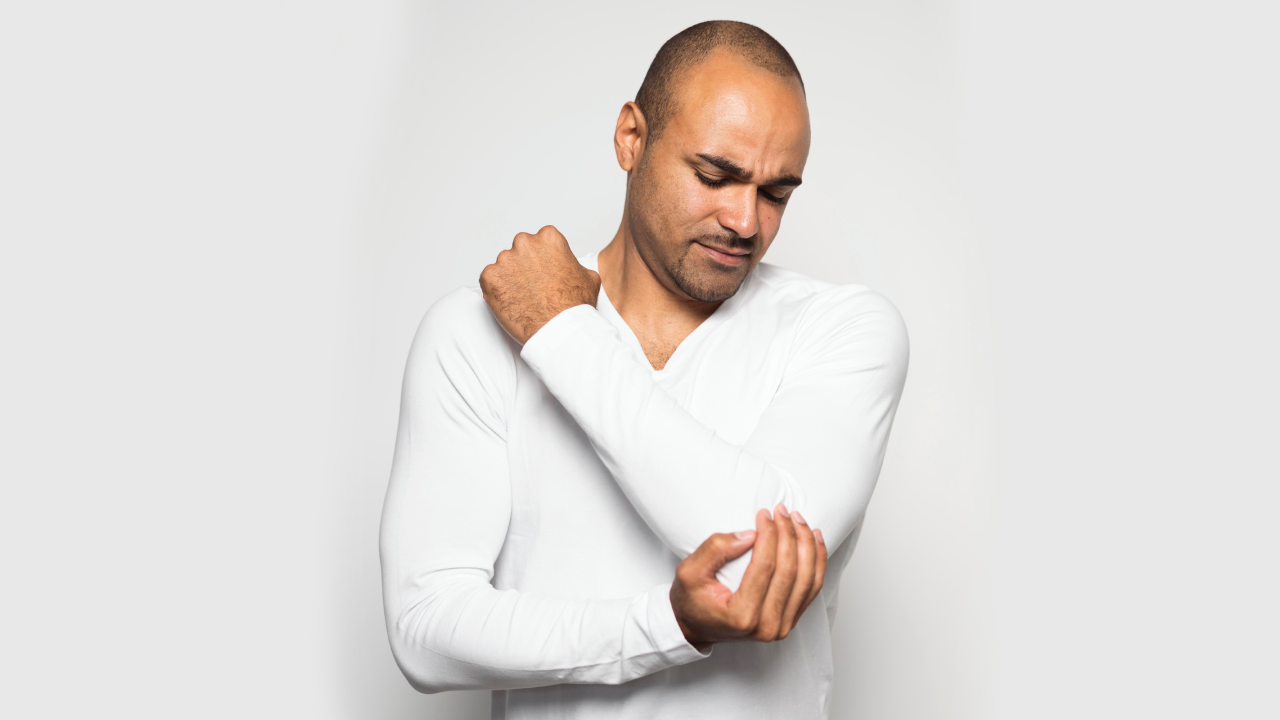
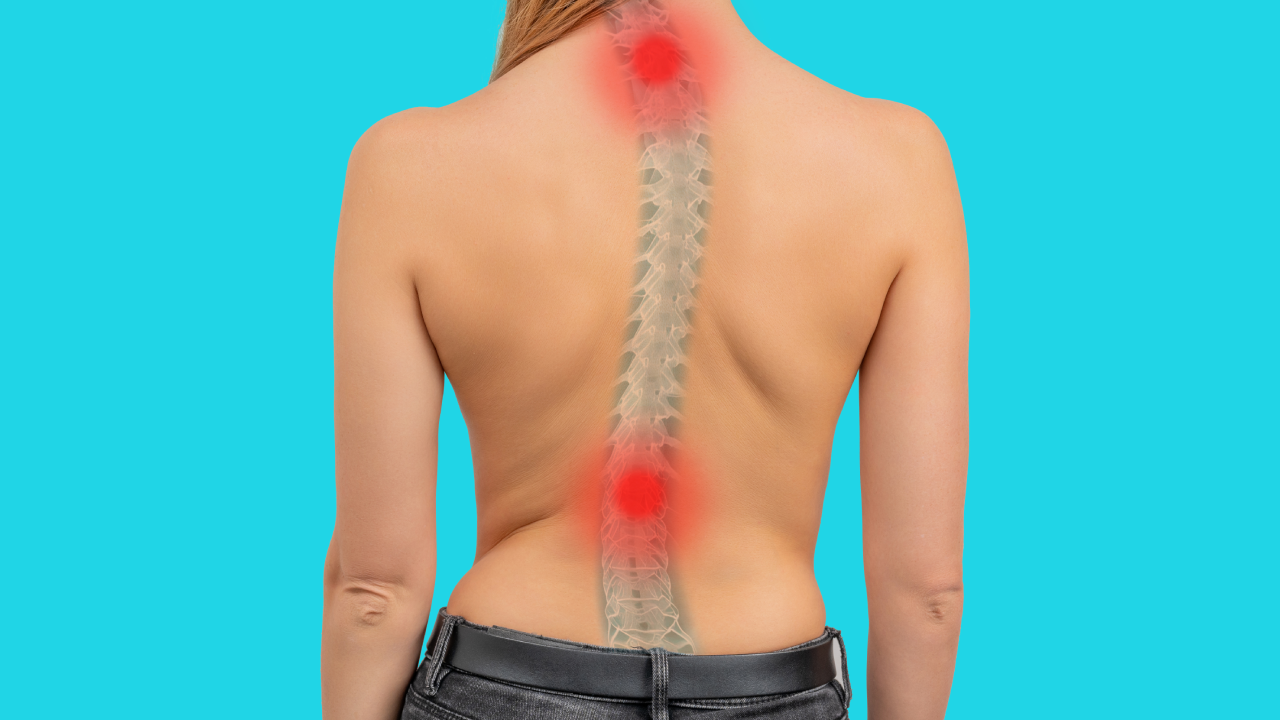
A pinched nerve in the neck can cause more than local neck discomfort. Pressure or irritation around a cervical nerve may send symptoms into the shoulder, arm, wrist, or hand. Some people notice tingling, numbness, weakness, stiffness, or pain that changes with certain neck movements.
At Spinal Solution and Rehab, we assess the source of your symptoms and create a care plan based on your condition, movement, symptoms, and daily activities. Our clinic provides care for people seeking help with a Pinched Nerve in Woodbridge, ON, whether symptoms developed gradually, followed an injury, or started after prolonged sitting, repetitive work, or another activity.
What Is a Pinched Nerve in the Neck?
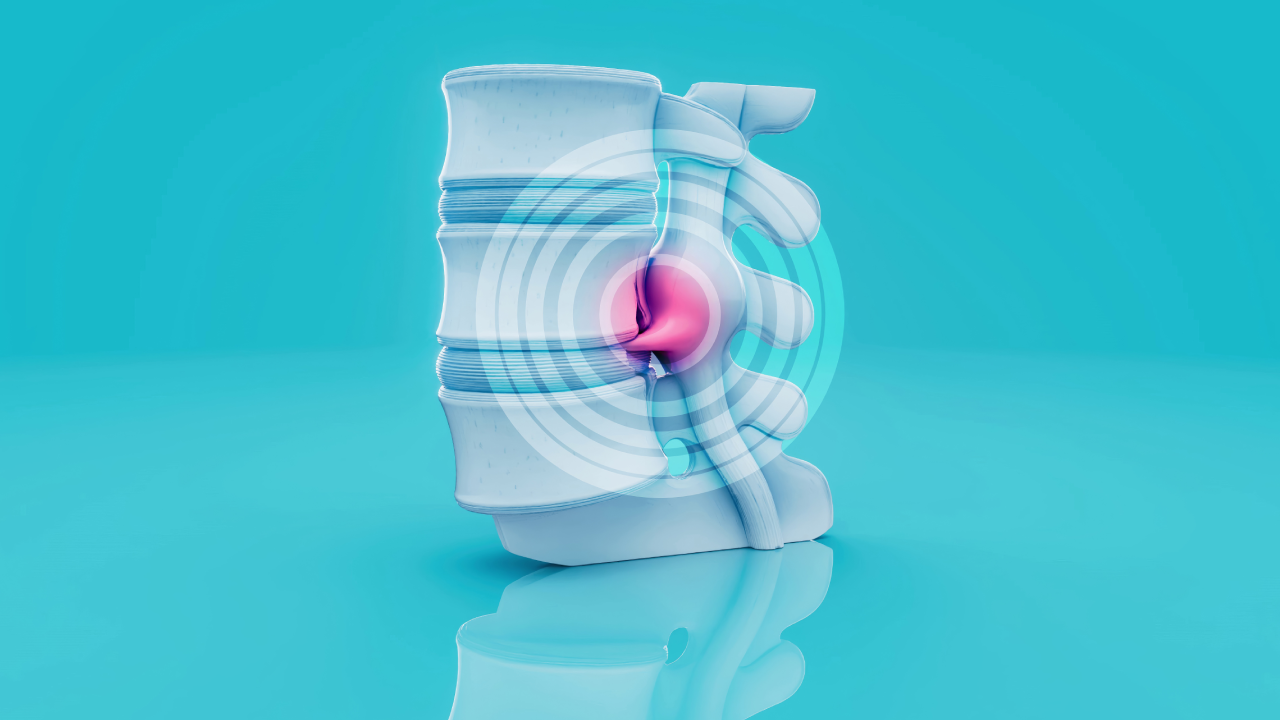
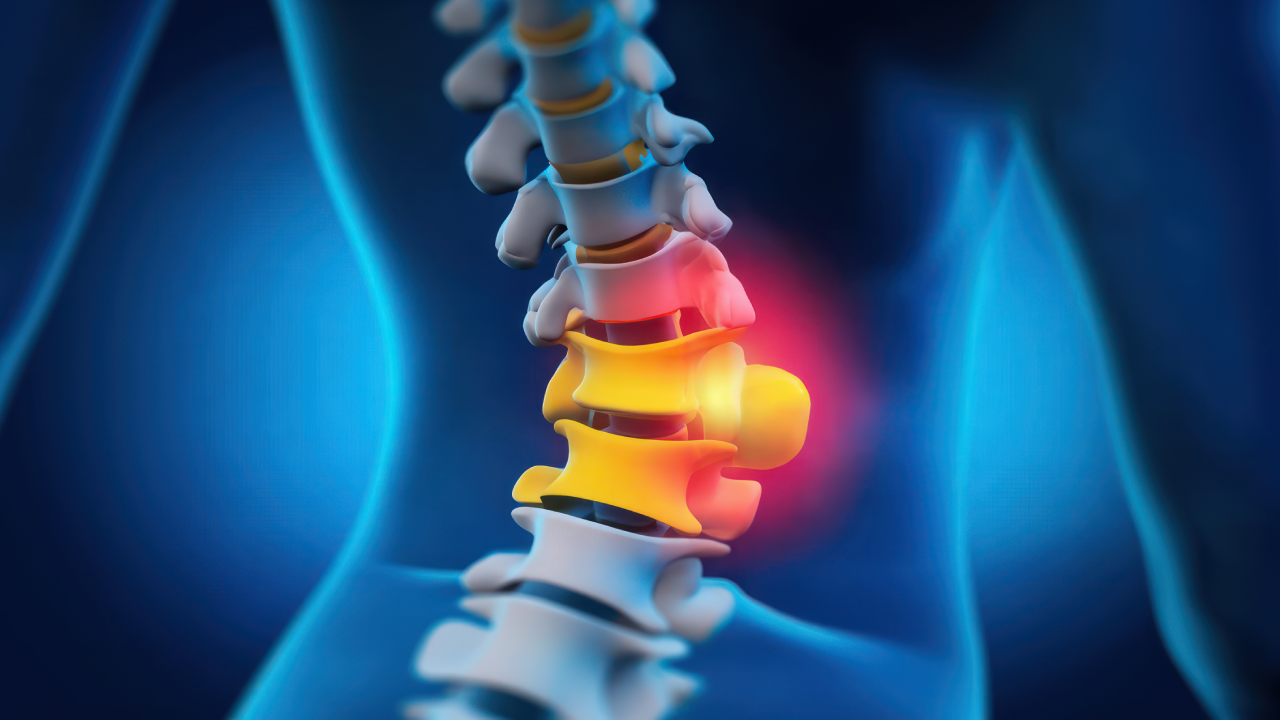
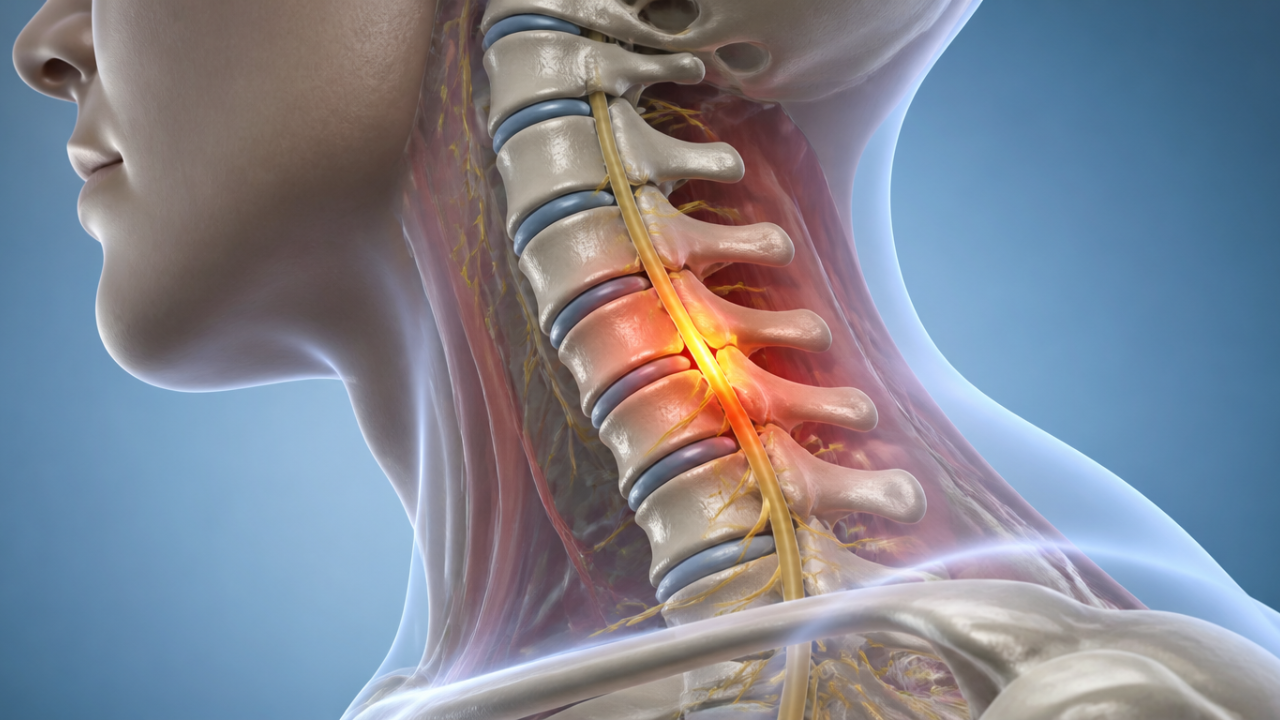
A pinched nerve in the neck, also called cervical nerve compression or cervical radiculopathy, occurs when a nerve leaving the cervical spine becomes irritated or compressed.
The cervical spine contains seven vertebrae. Between many of these vertebrae are discs that help absorb load and allow movement. Nerves exit the spinal column through small openings and travel toward the shoulders, arms, and hands.
A nerve may become irritated because of:
- A bulging or herniated disc
- Age-related changes in the cervical spine
- Narrowing around the nerve opening
- Joint changes
- Muscle tension
- Poor posture
- Repetitive neck movements
- A sudden injury
- Whiplash or another neck trauma
Symptoms can vary depending on which nerve is affected. Some people feel symptoms mainly around the neck and shoulder, while others notice sensations travelling down the arm.
Who Can Benefit From Care for a Pinched Nerve?
Care may be suitable for adults who have neck symptoms accompanied by arm or shoulder symptoms and have been assessed as having a cervical nerve problem.
You may seek care if you:
- Spend many hours working at a desk
- Frequently use a computer or mobile device
- Perform repetitive lifting or overhead work
- Have recently been involved in a motor vehicle collision
- Have developed neck symptoms after physical activity
- Notice tingling or numbness travelling into your arm
- Have stiffness that limits neck movement
- Have been told that a cervical disc or joint may be affecting a nerve
- Are returning to normal activities after a neck injury
The appropriate approach depends on the cause and severity of the symptoms. A clinical assessment can help determine whether physiotherapy or another form of medical care is appropriate.
Problems Associated With a Pinched Nerve
A cervical nerve problem may be associated with several symptoms. Common complaints include:
- Neck pain or aching
- Shoulder discomfort
- Pain travelling into the arm
- Tingling or pins-and-needles sensations
- Numbness in the arm or hand
- Reduced neck movement
- Muscle tightness
- Arm weakness
- Difficulty maintaining one position for long periods
- Symptoms may change when you turn or extend your neck.
Symptoms may occur on one side or, less commonly, both sides.
If you develop sudden or increasing weakness, significant loss of sensation, problems with walking or coordination, or changes in bladder or bowel control, seek urgent medical assessment.
Assessment and Care for a Pinched Nerve
Clinical Assessment
Our team reviews your symptoms, medical history, daily activities, and movement patterns. The assessment may include:
- Neck movement testing
- Shoulder and arm movement assessment
- Muscle strength checks
- Sensory testing
- Reflex assessment when appropriate
- Postural assessment
- Review of previous injuries
- Review of imaging or medical reports when available
The findings help determine the likely source of your symptoms and whether physiotherapy is appropriate.
Movement-Based Care
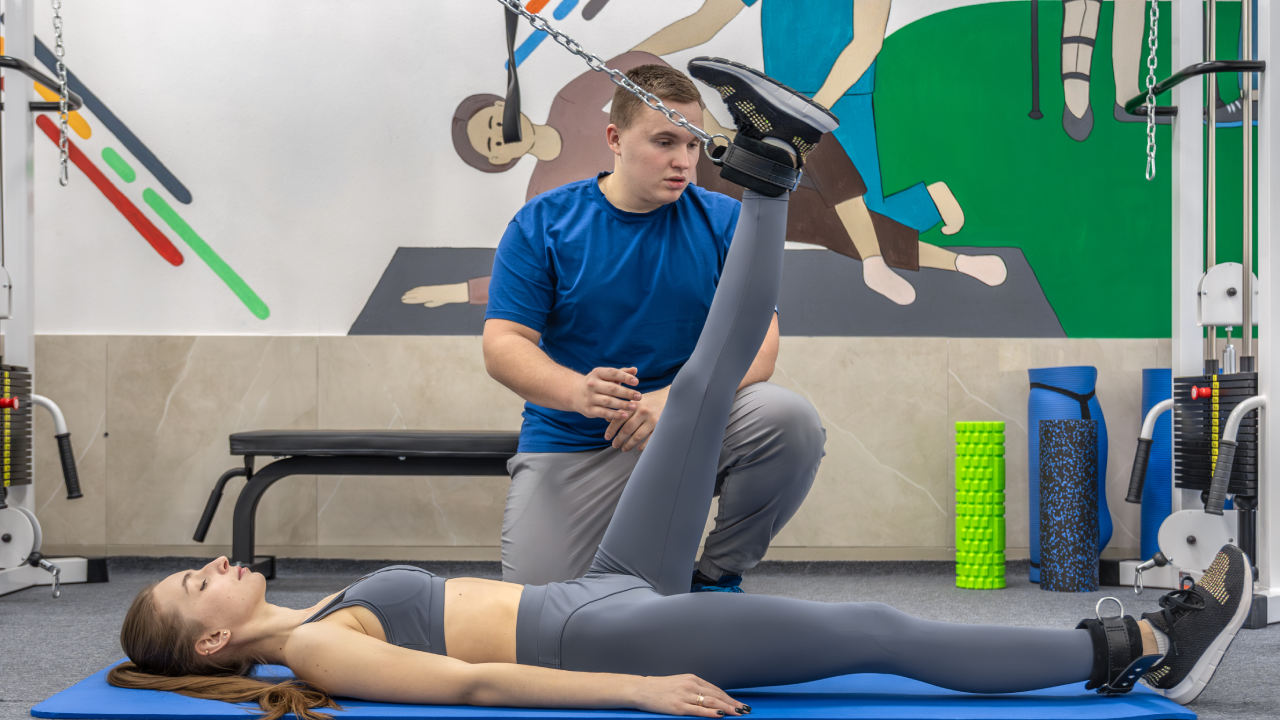
Your plan may include exercises aimed at improving cervical movement, shoulder mobility, and strength.
Depending on your assessment, exercises may include:
- Gentle neck mobility exercises
- Cervical stabilization exercises
- Shoulder blade strengthening
- Upper-back mobility work
- Postural exercises
- Nerve mobility exercises
- Gradual strengthening for the arm and shoulder
Exercises are adjusted according to your symptoms and physical capacity.
Manual Therapy
Hands-on treatment may be used when appropriate. This can include techniques directed at the neck, upper back, shoulder, or surrounding muscles.
The choice of technique depends on your assessment and symptom presentation.
Activity Modification
Daily habits can influence neck symptoms. We may discuss changes involving:
- Desk setup
- Monitor height
- Sitting position
- Sleeping position
- Lifting habits
- Mobile device use
- Workstation breaks
- Exercise routines
The goal is to help you manage activities while your symptoms are being addressed.
How the Process Works
1. Consultation
You discuss your symptoms, when they began, what worsens them, and how they affect work, sleep, exercise, or daily activities.
2. Assessment
We assess neck and upper-limb movement, strength, sensation, and other relevant factors.
3. Planning
Based on the findings, we discuss suitable physiotherapy options and establish treatment goals.
4. Treatment
Your sessions may include therapeutic exercises, manual therapy, movement work, and education about daily activities.
5. Review
Your symptoms and movement are reviewed as care continues. Exercises and treatment methods can be adjusted according to your progress.
6. Ongoing Care
As your symptoms change, the focus may shift toward strength, mobility, activity tolerance, and strategies for managing future flare-ups.
Potential Benefits of Physiotherapy for a Pinched Nerve
Physiotherapy may help address several aspects of a cervical nerve problem, depending on its cause.
Potential outcomes include:
- Improved neck mobility
- Improved shoulder and upper-back movement
- Increased muscle strength
- Improved posture and movement habits
- Greater ability to perform daily activities
- Improved tolerance for sitting or computer work
- Improved confidence with exercise and movement
- Strategies for managing recurring symptoms
Results vary from person to person. The underlying cause, duration of symptoms, severity, general health, and response to treatment can all influence progress.
Conditions and Symptoms We Treat Alongside Pinched Nerve
At Spinal Solution and Rehab, care may also address conditions that can occur alongside cervical nerve symptoms, including:
- Neck pain
- Cervical radiculopathy
- Cervical disc problems
- Whiplash-related neck symptoms
- Shoulder pain
- Upper-back stiffness
- Postural-related neck discomfort
- Muscle strain
- Nerve-related arm symptoms
- Reduced cervical mobility
A proper assessment is important because neck and arm symptoms can have several possible causes.
Frequently Asked Questions
What does a pinched nerve in the neck feel like?
A pinched nerve may cause neck pain along with tingling, numbness, burning sensations, or discomfort that travels into the shoulder, arm, wrist, or hand. Some people also notice weakness.
Can physiotherapy help a pinched nerve?
Physiotherapy can help some people with cervical nerve problems by addressing mobility, strength, movement patterns, and activity habits. The appropriate approach depends on the cause and severity of the condition.
How long does a pinched nerve take to improve?
The timeframe varies. Mild cases may change over a relatively short period, while symptoms associated with disc problems or significant nerve compression can take longer. Your assessment can provide additional information about your situation.
Do I need imaging for a pinched nerve?
Not every case requires imaging. A clinician may recommend imaging when symptoms are severe or persistent, associated with significant neurological changes, or when another condition needs to be ruled out.
Can a pinched nerve cause arm numbness?
Yes. A cervical nerve can carry sensation toward parts of the arm and hand. Irritation or compression may therefore produce numbness or tingling in those areas.
Can I exercise with a pinched nerve?
Some forms of exercise may be appropriate, but activities that increase symptoms may need to be modified temporarily. Your physiotherapist can help determine suitable movements based on your assessment.
When should I seek medical attention?
Seek prompt medical assessment if you develop significant or worsening weakness, major loss of sensation, balance or coordination problems, or bladder or bowel changes. Sudden severe symptoms should also receive urgent assessment.
Service Area
Spinal Solution and Rehab provides care for people looking for a Pinched Nerve in Woodbridge, ON.
Our Woodbridge service area may include people travelling from:
- Woodbridge
- Vaughan
- Kleinburg
- Maple
- Concord
- Thornhill
- Richmond Hill
- North York
- Etobicoke
- Nearby York Region communities
Why Choose Spinal Solution and Rehab?
Spinal Solution and Rehab focuses on musculoskeletal and spine-related concerns through assessment, movement-based care, exercise, and hands-on treatment when appropriate.
When you visit us for a Pinched Nerve in Woodbridge, ON, our process starts with an assessment rather than assuming that every neck condition has the same cause.
Your clinician can review your symptoms, physical findings, daily activities, and treatment history before discussing the next steps.
Related Services
If your neck symptoms involve other areas of the body, you may also benefit from exploring related services at Spinal Solution and Rehab, such as:
- Physiotherapy
- Neck pain treatment
- Back pain physiotherapy
- Shoulder physiotherapy
- Sports injury physiotherapy
- Postural assessment
- Exercise-based rehabilitation
- Manual therapy
Get Started
If neck symptoms are travelling into your shoulder, arm, wrist, or hand, an assessment can help identify what may be contributing to them. To get started with care for a Pinched Nerve in Woodbridge, ON, contact Spinal Solution and Rehab to schedule an assessment.
Address: 8300 Hwy 27, Woodbridge, ON L4H 0R9
Phone: +1 905-739-3100
During your visit, we can review your symptoms, assess your movement and neurological function, and discuss suitable next steps.