
Ligament Sprains in Woodbridge, ON
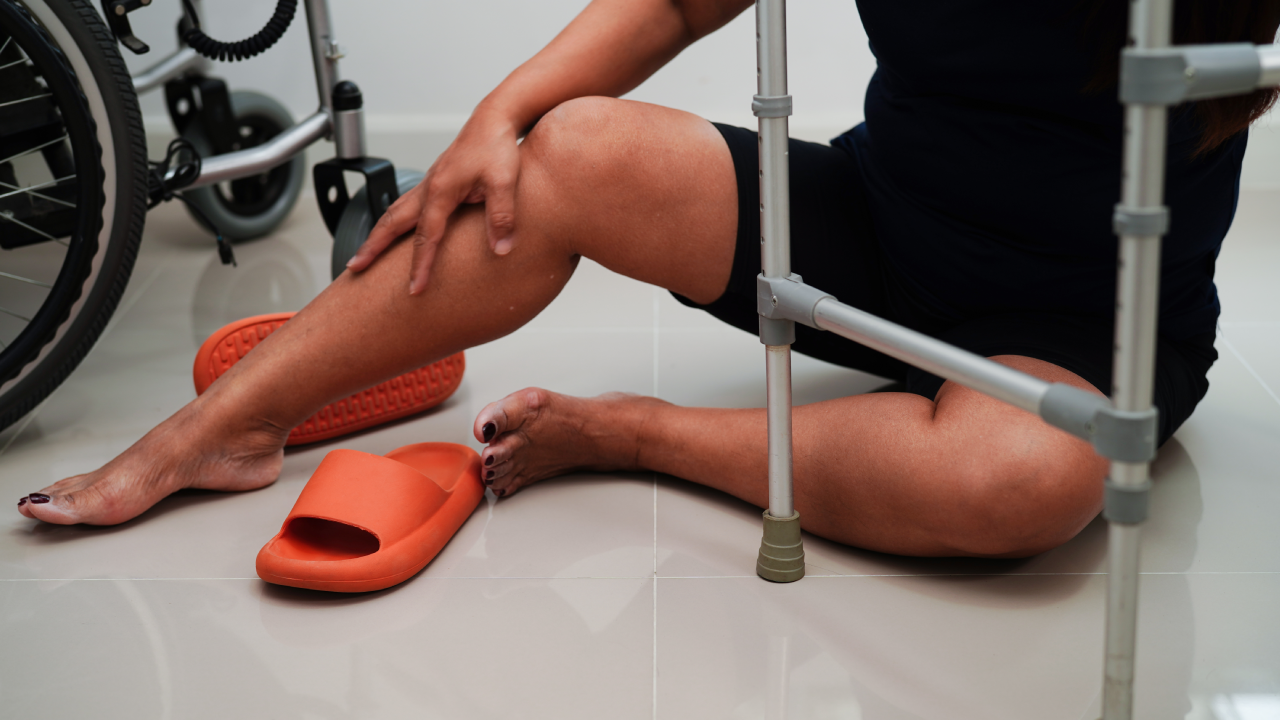
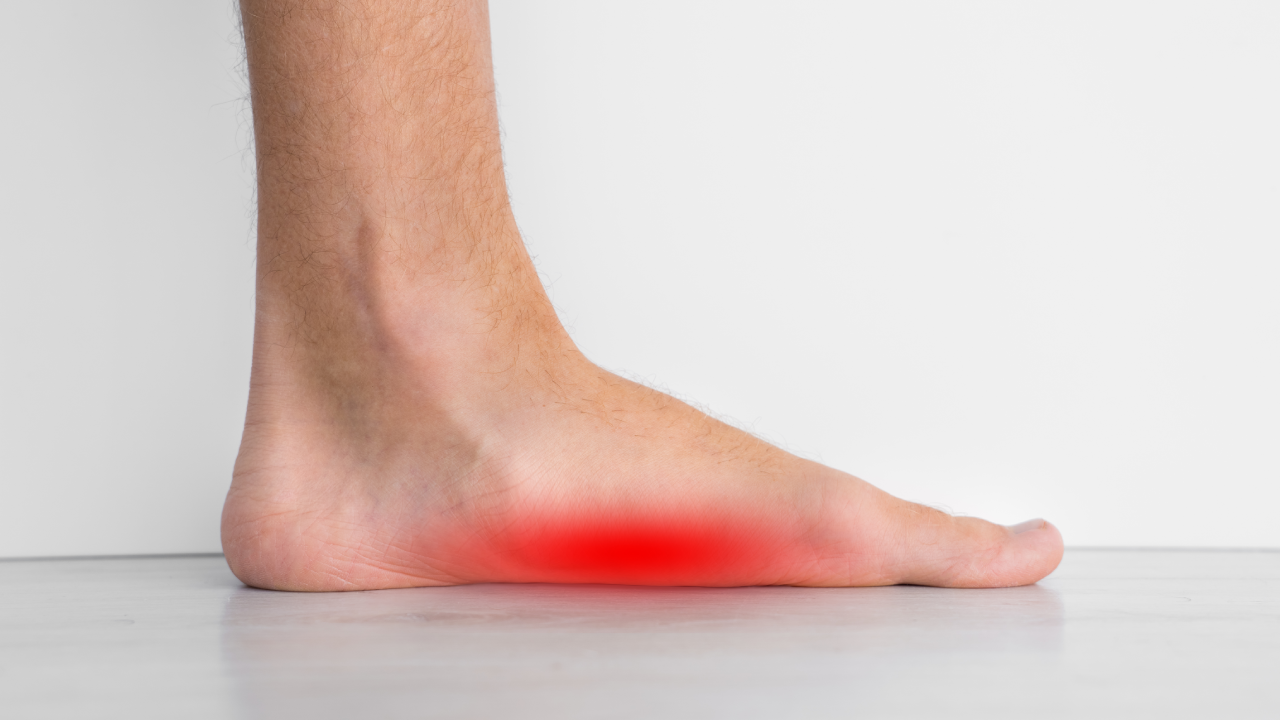
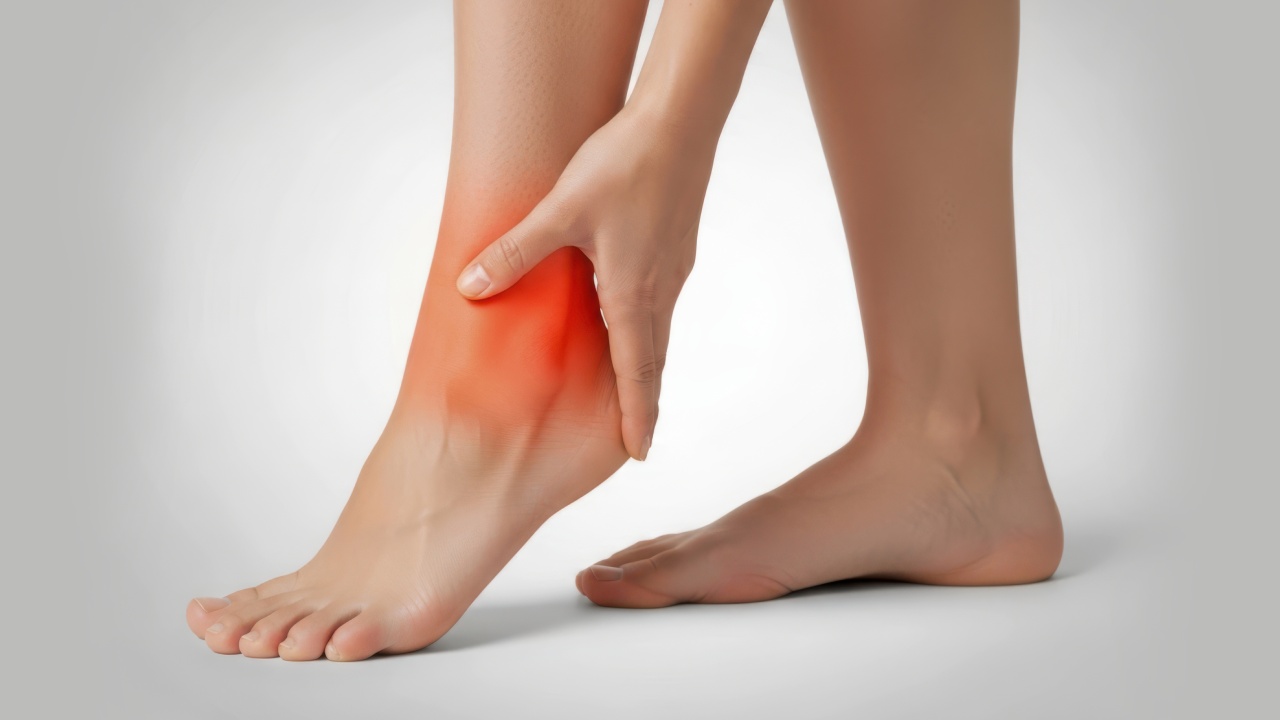
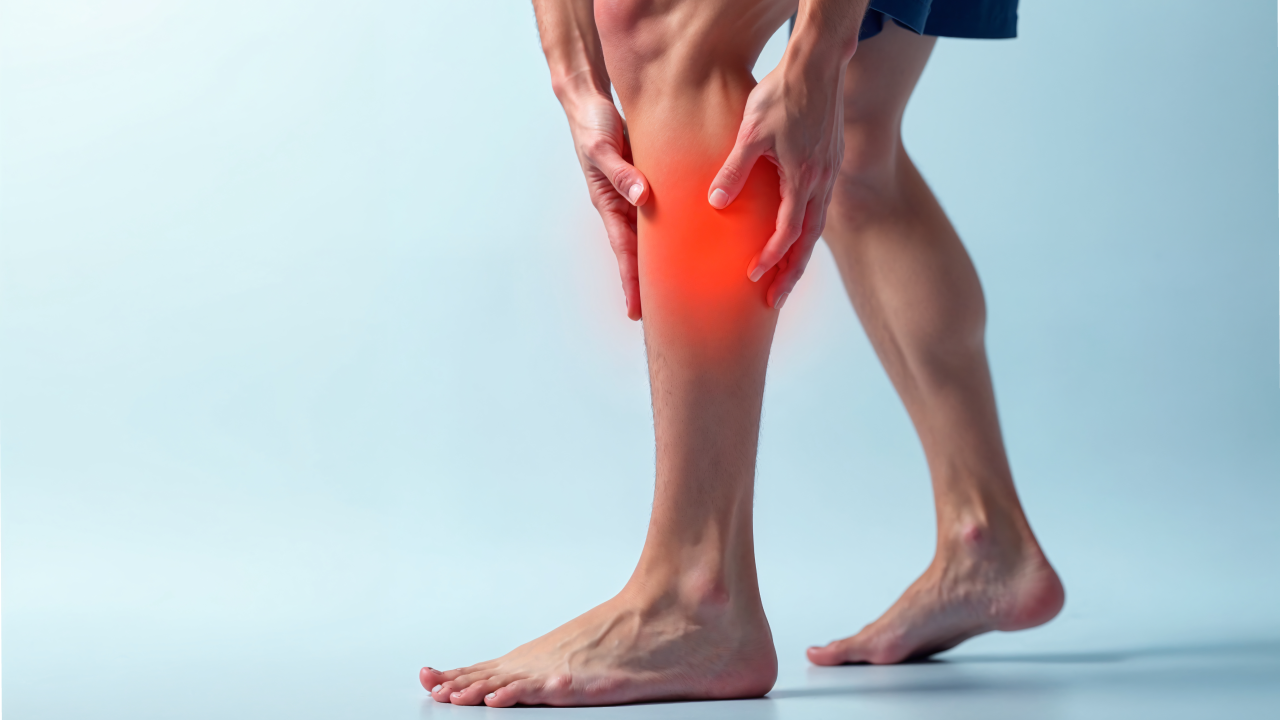
A ligament sprain can happen when a joint is twisted, stretched, or forced beyond its normal range. It may occur during sports, a workplace incident, a fall, a motor vehicle collision, or an everyday movement. Symptoms can include swelling, tenderness, bruising, reduced movement, weakness, and difficulty putting weight through the affected area.
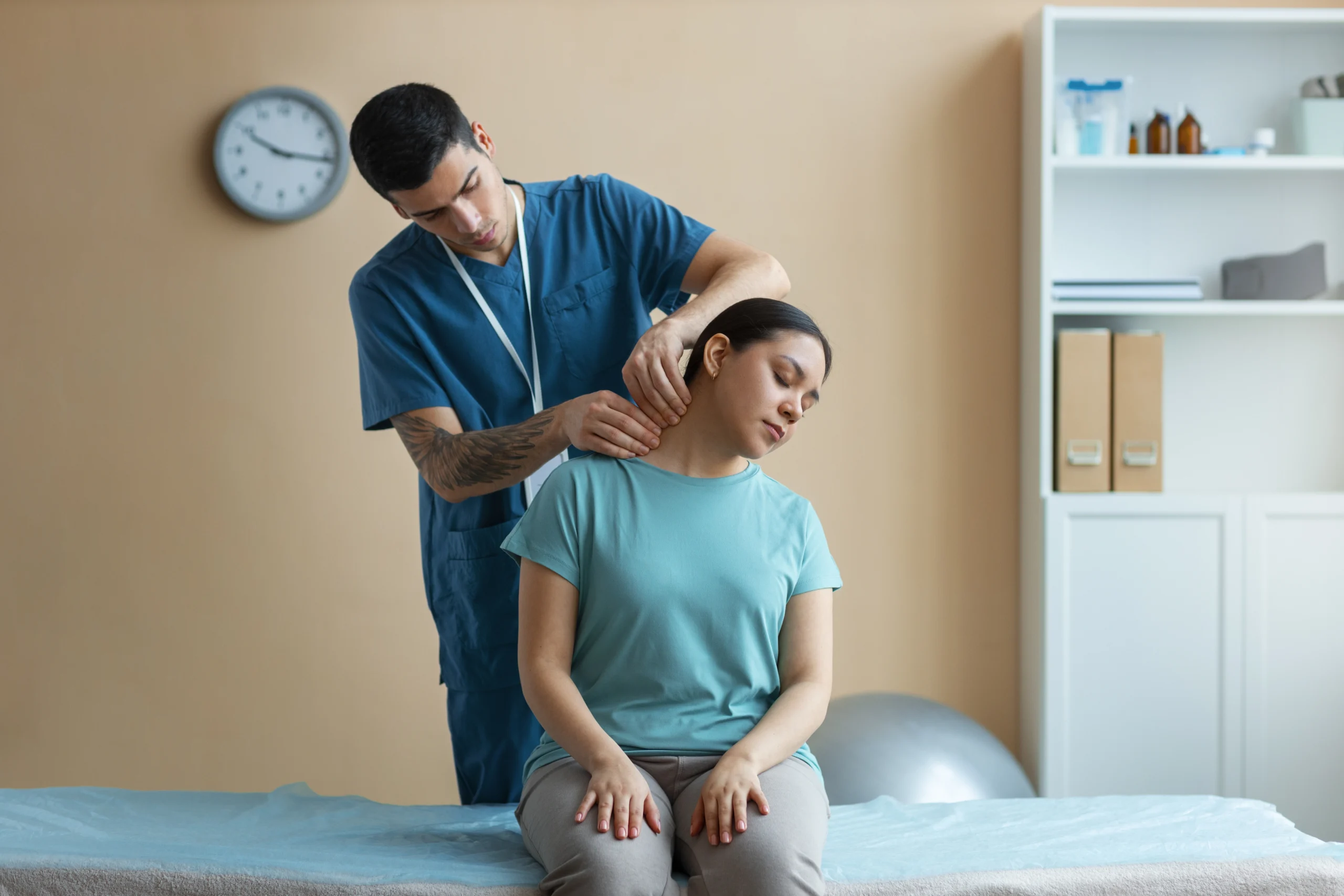
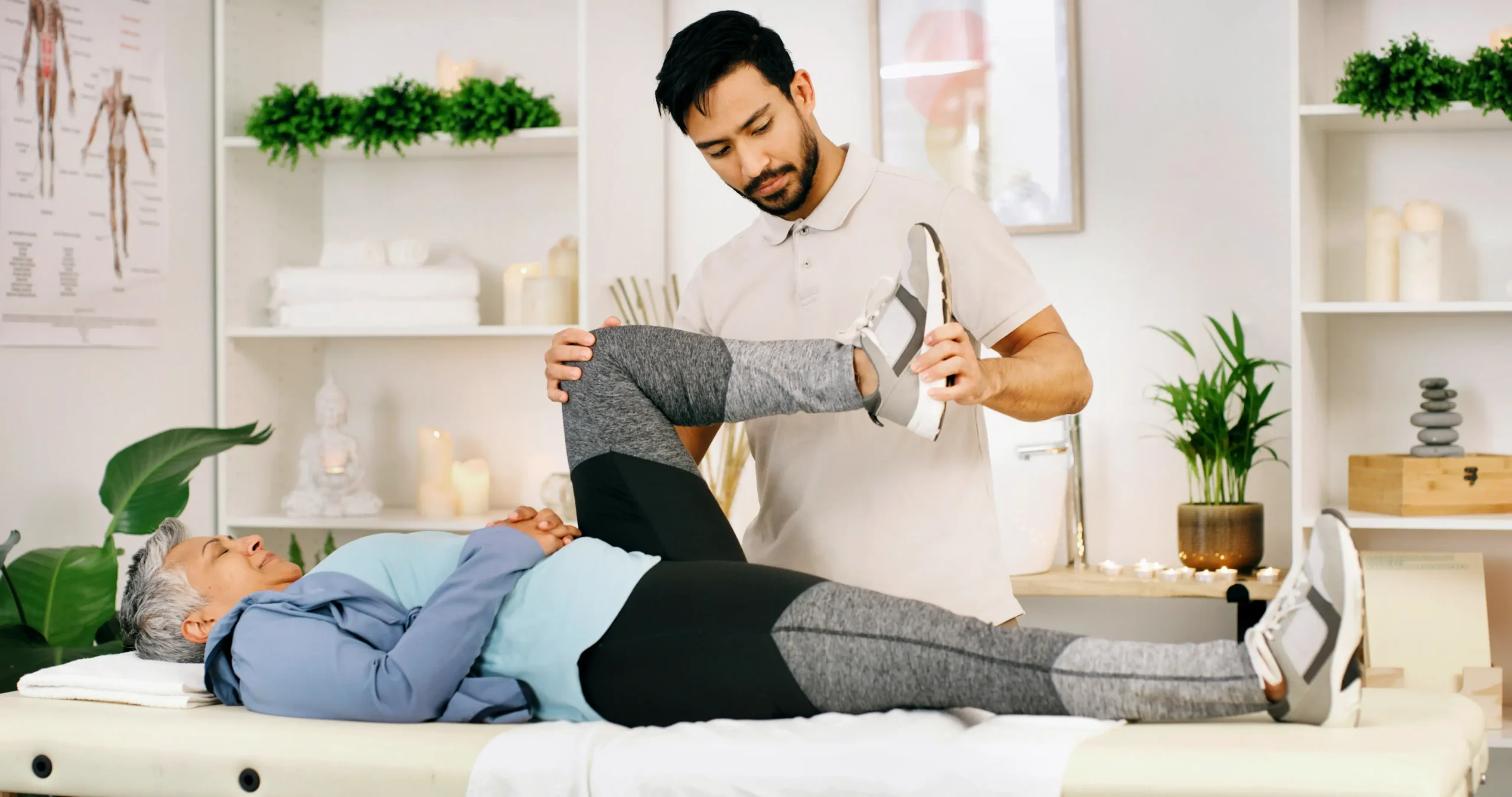
At Spinal Solution and Rehab, we provide physiotherapy care for people dealing with Ligament Sprains in Woodbridge, ON. Our approach focuses on identifying the affected area, assessing movement and joint function, and creating a rehabilitation plan based on the injury and your current abilities.
What Are Ligament Sprains?
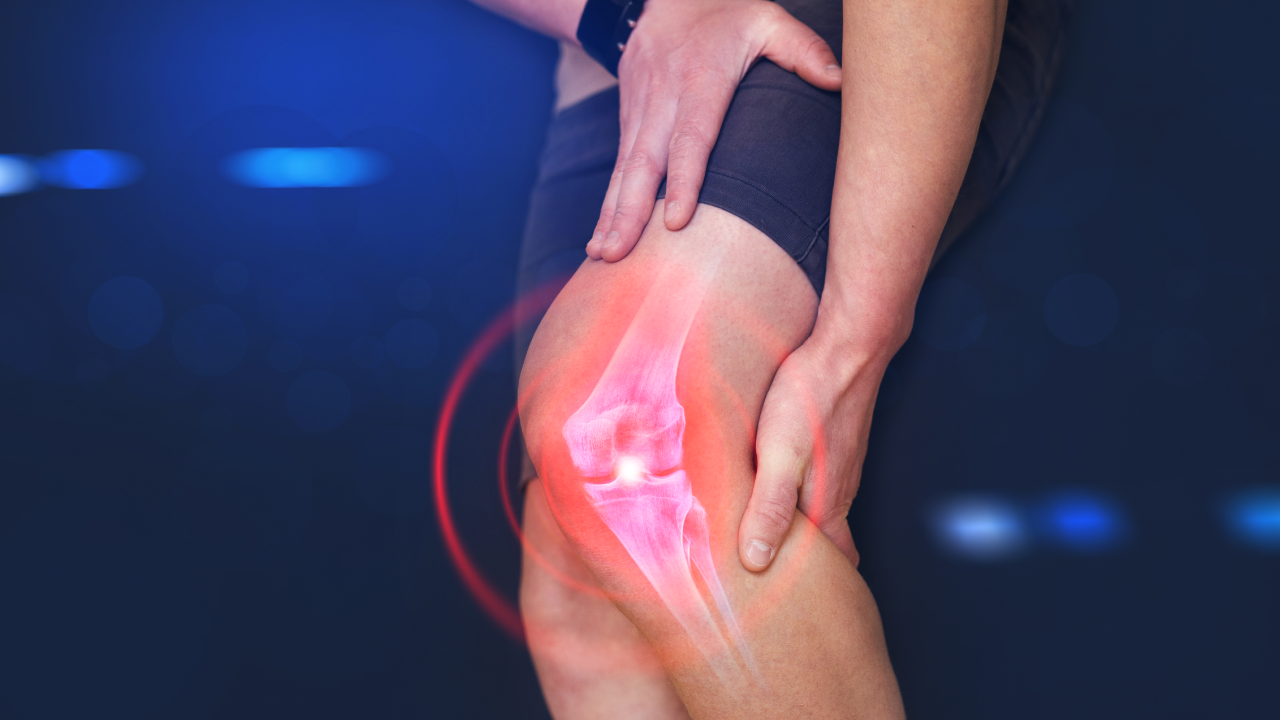
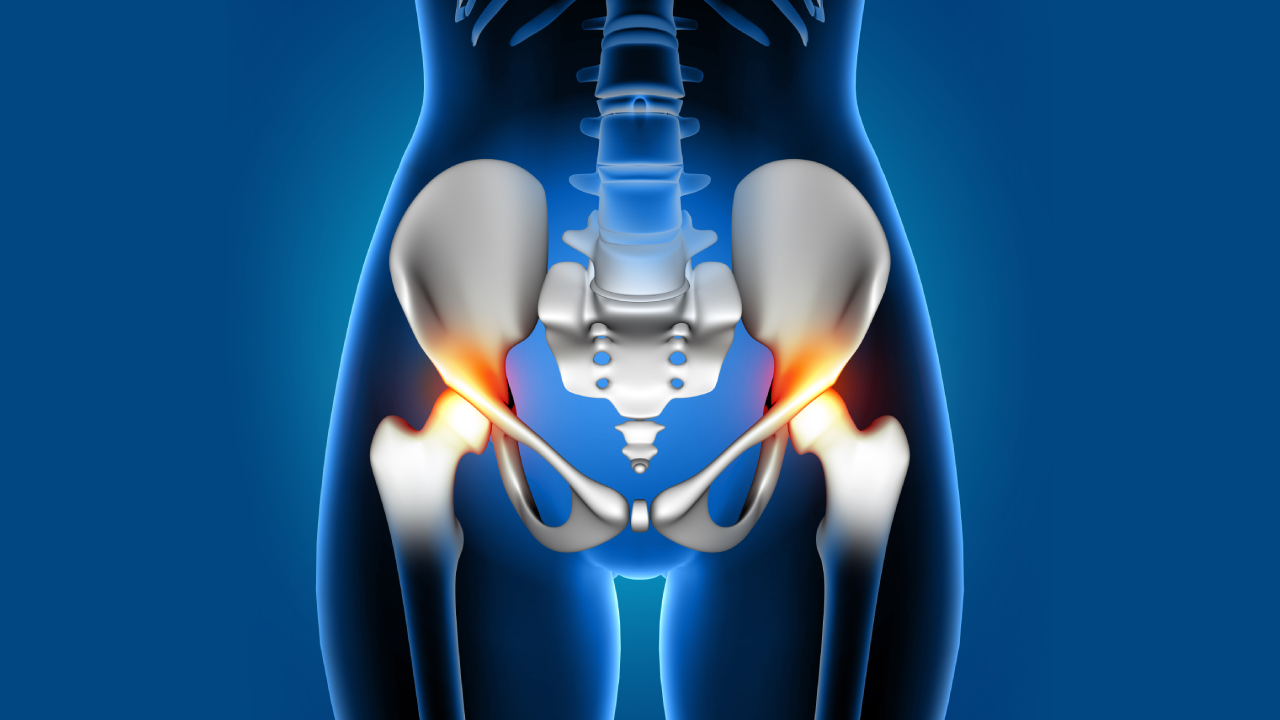
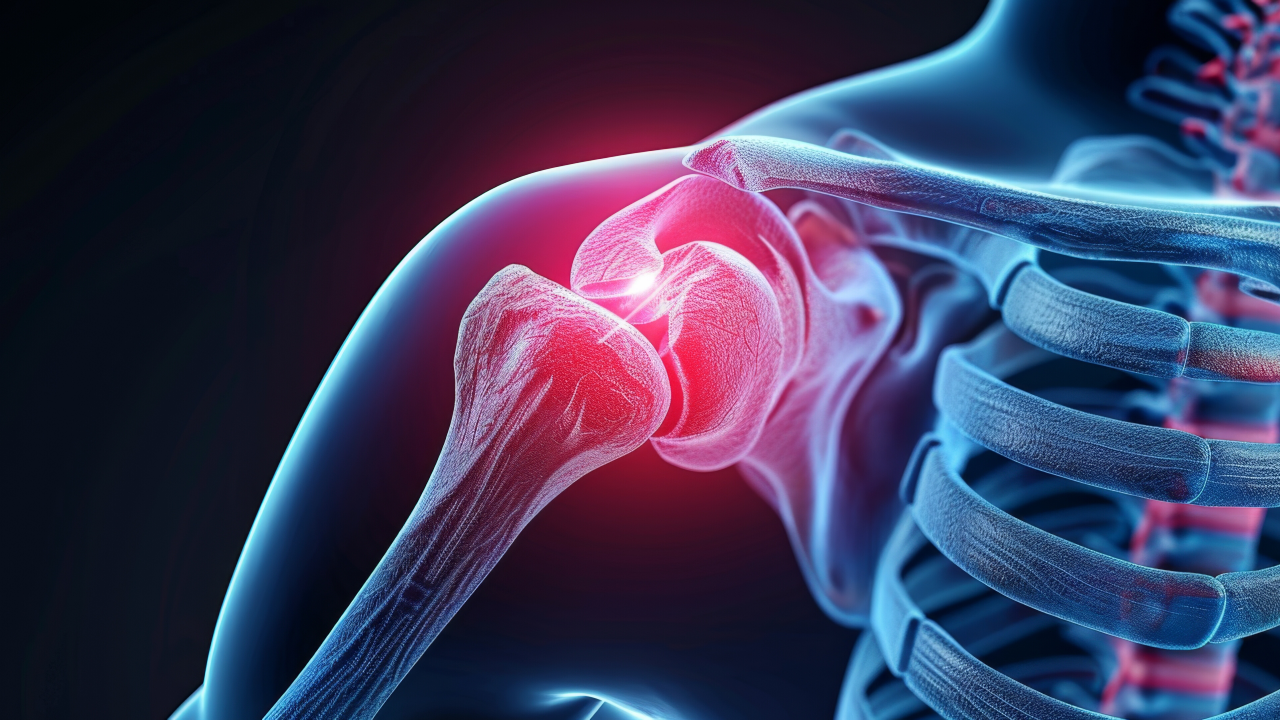
Ligaments are strong bands of connective tissue that connect bones and help keep joints stable. They are found throughout the body, including the ankle, knee, wrist, elbow, shoulder, thumb, and other joints.
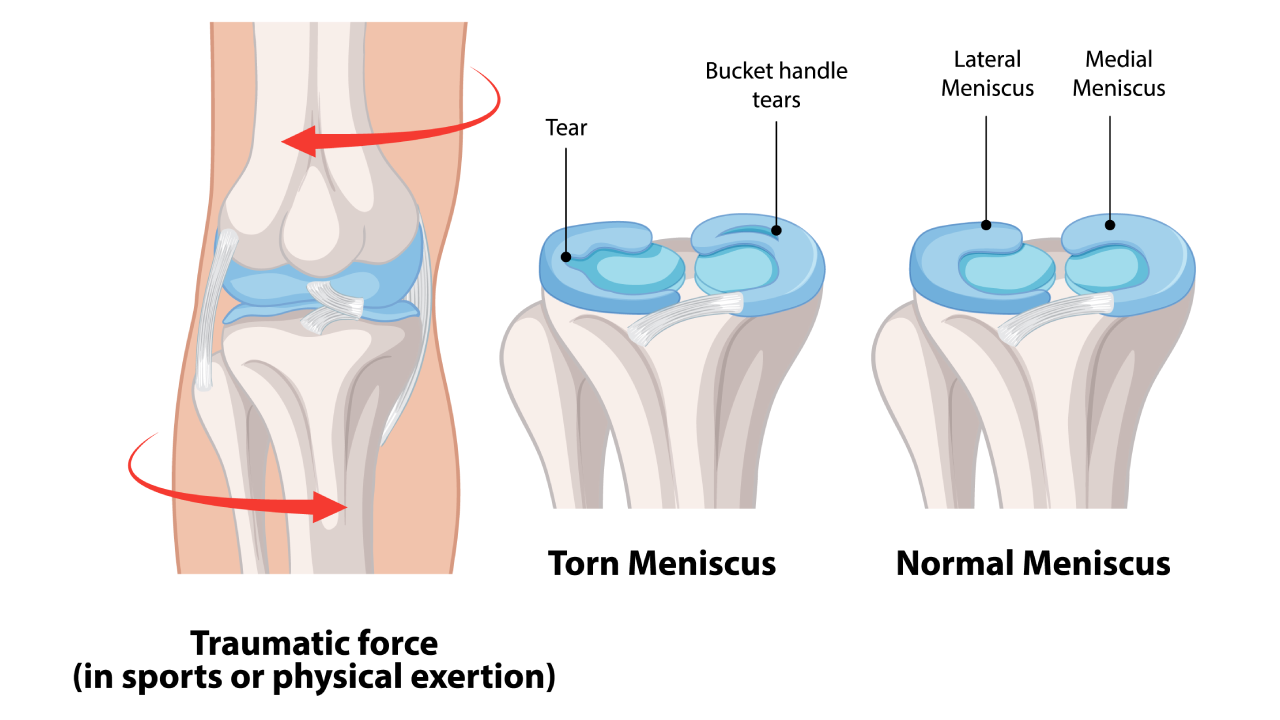
A ligament sprain occurs when one or more ligaments are stretched beyond their normal capacity. Depending on the force involved, the ligament may be overstretched or partially torn. A complete tear of the ligament may occur in more severe injuries.
Sprains are commonly classified into three grades:
Grade 1 Sprain
A Grade 1 sprain generally involves stretching or minor damage to the ligament. There may be tenderness, mild swelling, and some discomfort with movement. Joint stability is often maintained.
Grade 2 Sprain
A Grade 2 sprain involves a partial ligament tear. Swelling, bruising, tenderness, weakness, and reduced joint movement may be more noticeable. Some instability can occur.
Grade 3 Sprain
A Grade 3 sprain involves a complete ligament tear. The joint may feel unstable, and walking or using the affected limb can become difficult. Medical assessment may be appropriate, particularly when significant trauma has occurred.
Symptoms alone do not always determine the severity of a sprain. A physical assessment can help identify movement restrictions, strength deficits, joint instability, and other factors that may affect recovery.
Who Can Benefit From Physiotherapy for Ligament Sprains?
Physiotherapy may be useful for people with ligament injuries at different stages of recovery. Care may be considered for:
- Athletes returning from a sports-related sprain
- People recovering from an ankle or knee injury
- Individuals who have sustained a workplace injury
- People involved in a motor vehicle collision
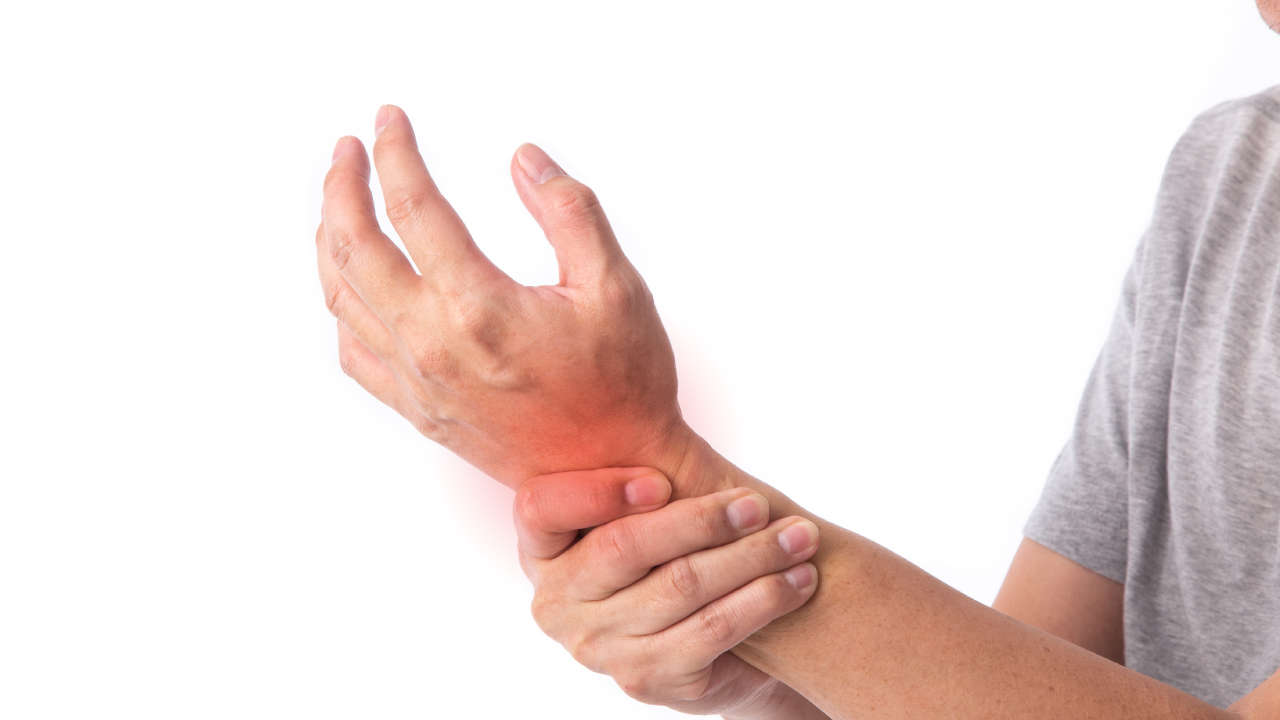
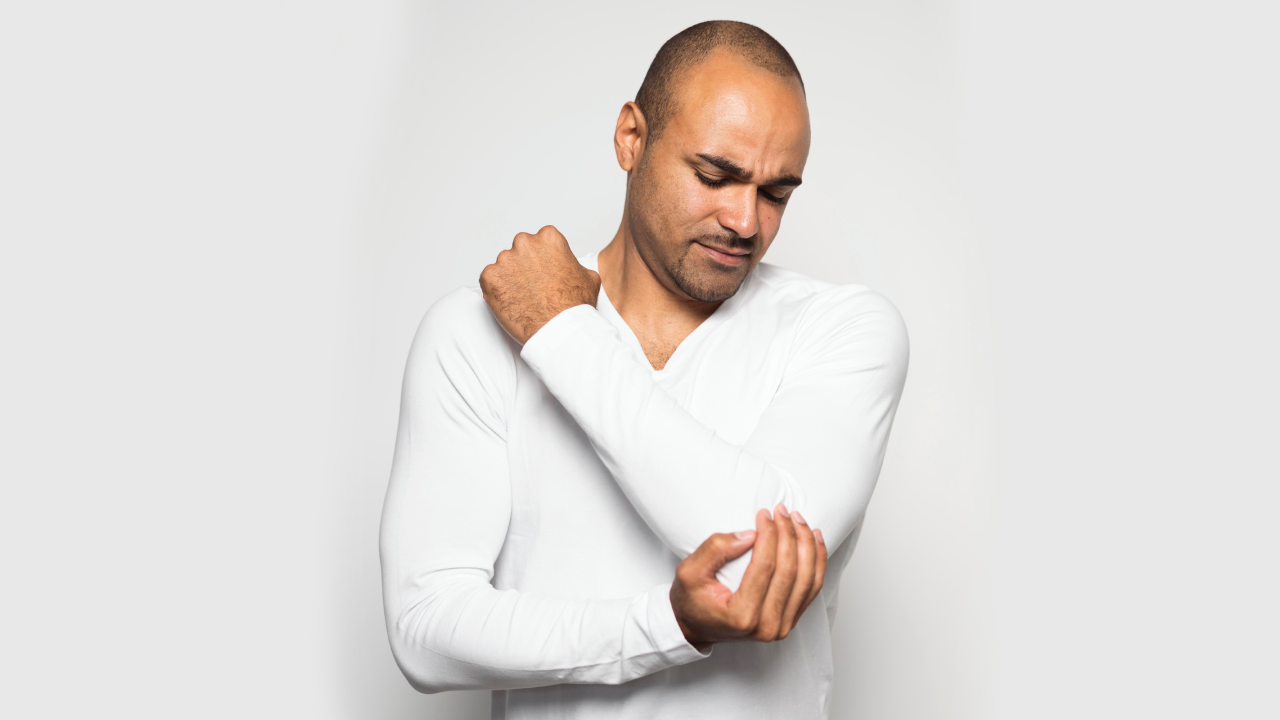
- Adults who have injured a wrist, elbow, shoulder, or thumb
- Individuals dealing with recurring joint instability
- People returning to work after an injury
- Those who want to restore movement and strength after a period of reduced activity
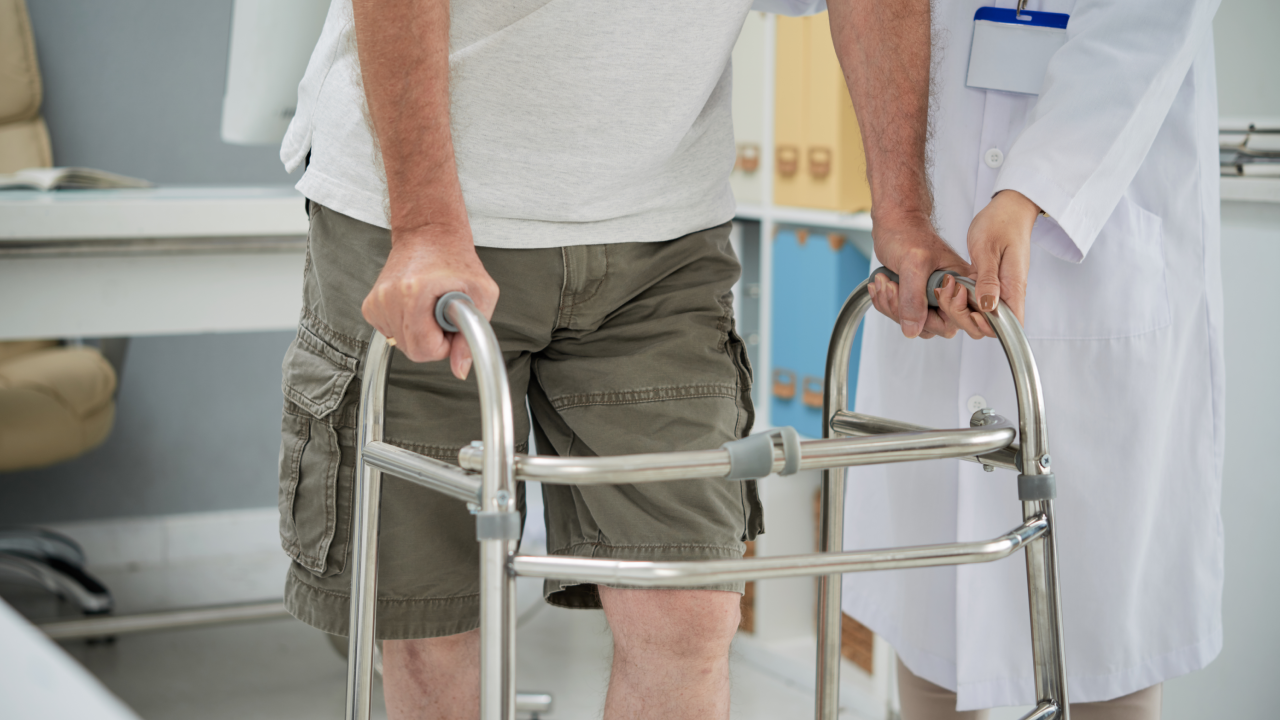
For example, an ankle sprain may initially make walking uncomfortable. As symptoms settle, the focus may shift toward restoring ankle movement, strength, balance, and coordination.
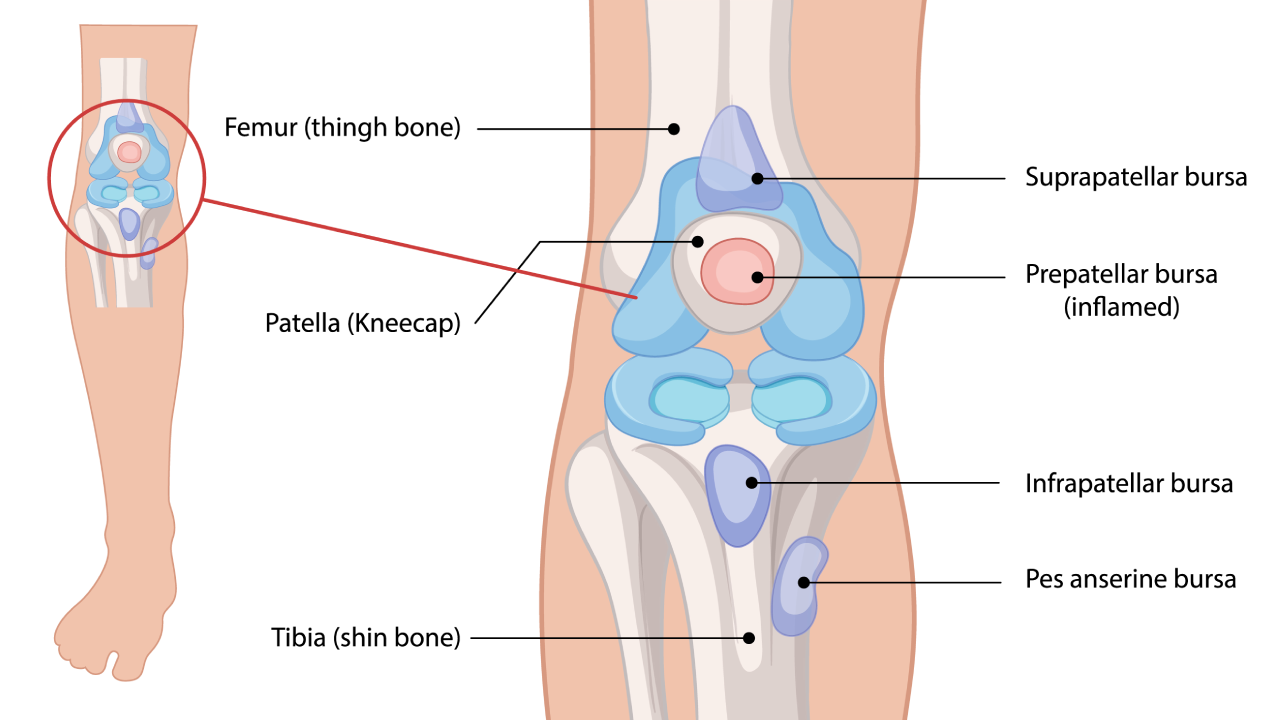
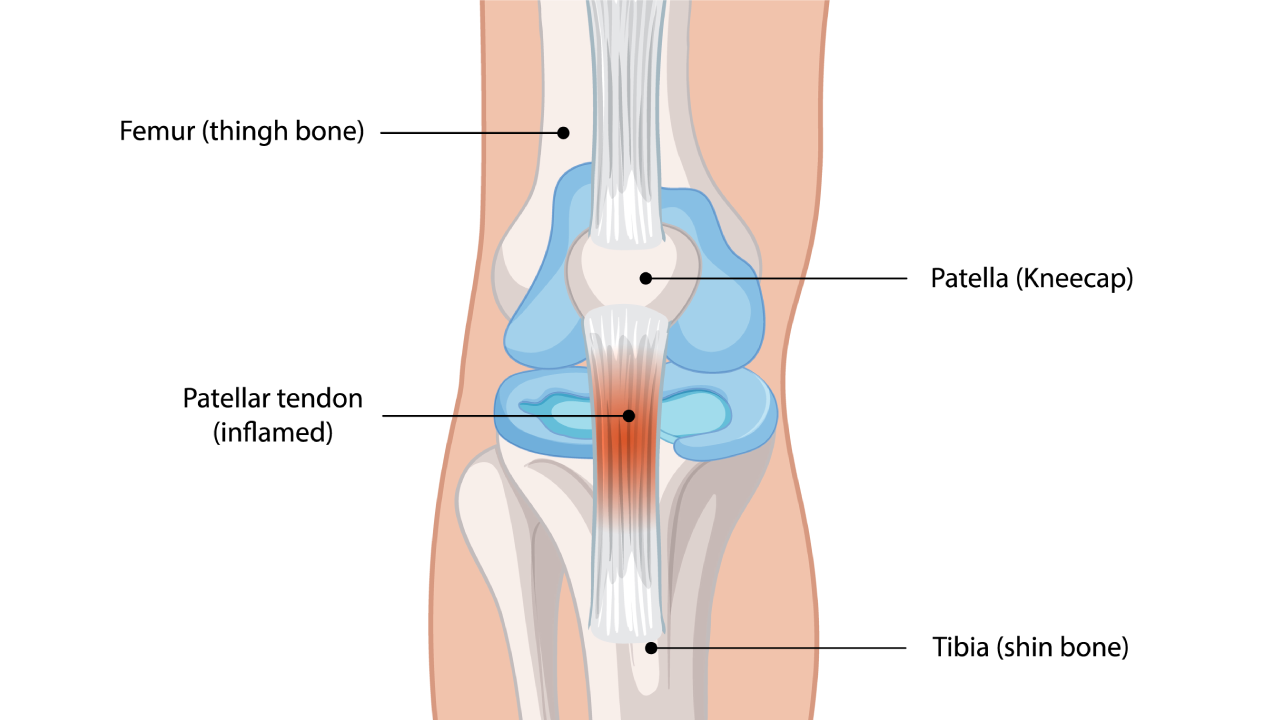
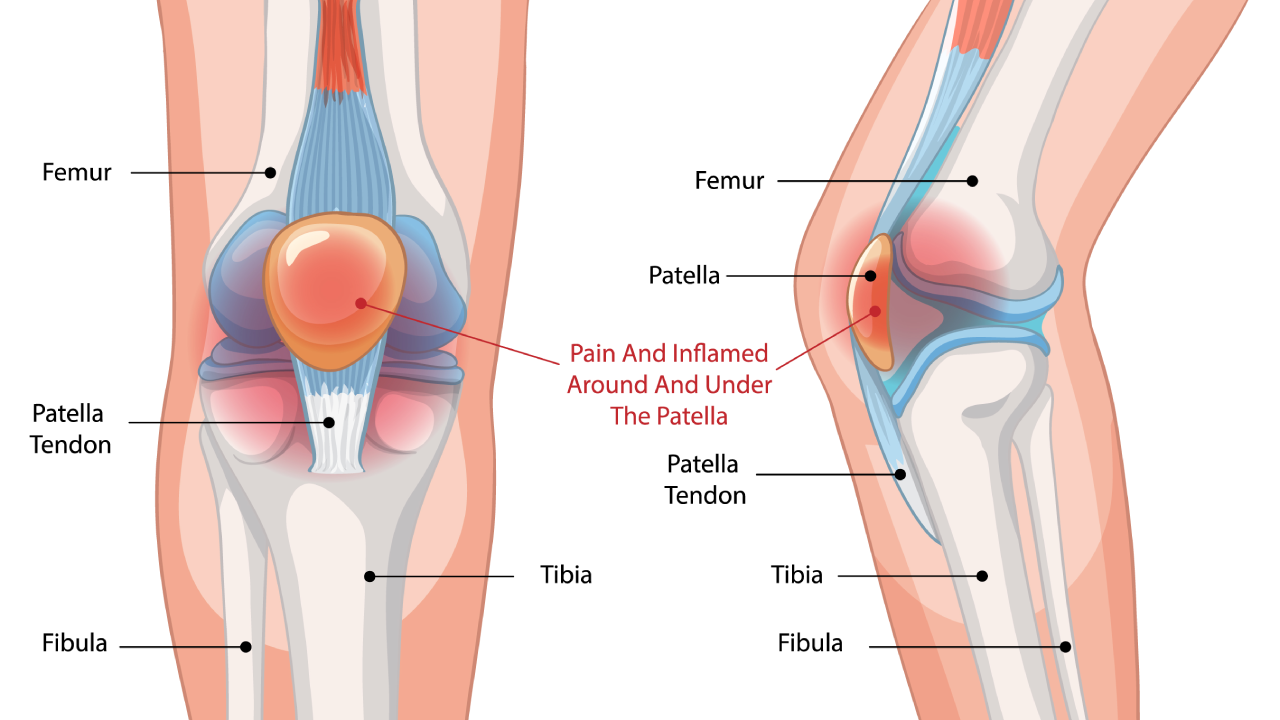
A knee ligament injury may require a different rehabilitation plan because the knee has different stability demands and may be affected by activities such as walking, running, climbing stairs, or changing direction.
Common Problems Associated With Ligament Sprains
A sprain can affect more than the injured ligament itself. Changes in movement may cause a person to rely on other muscles or alter the way they use the affected joint.
Common concerns include:
- Swelling around the joint
- Bruising
- Tenderness
- Reduced range of motion
- Joint stiffness
- Muscle weakness
- Difficulty walking
- Reduced balance
- Trouble using stairs
- Difficulty returning to sports
- Reduced confidence during movement
- Repeated sprains
- A feeling that the joint may give way
These issues can vary according to the location and severity of the injury.
For people searching for Ligament Sprains in Woodbridge, ON, the first step is identifying what is contributing to the current symptoms. A sprain may occur alongside other injuries, so an assessment can help determine whether further medical evaluation is needed.
What Physiotherapy for Ligament Sprains May Include
Physiotherapy for a ligament sprain is based on the affected joint, injury severity, symptoms, activity requirements, and stage of recovery.
Movement Assessment
The physiotherapist may assess how the injured joint moves and compare its function with the opposite side when appropriate.
This can help identify restrictions in mobility and areas that may need attention during rehabilitation.
Strength Assessment
Muscle weakness can occur after an injury, particularly when activity has been reduced. Strength testing may help identify which muscle groups require progressive exercise.
Range of Motion Exercises
Gentle mobility exercises may be introduced according to the injury and current tolerance. The aim is to gradually restore functional movement without placing unnecessary stress on the injured area.
Strengthening Exercises
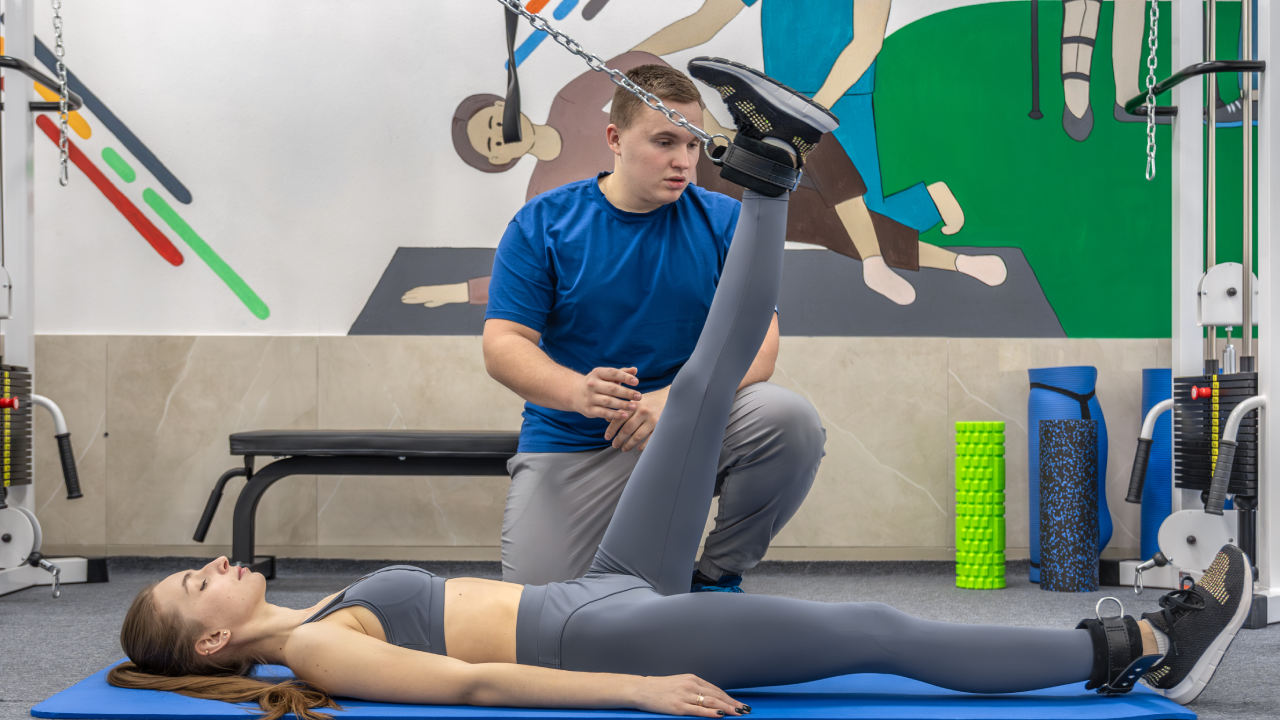
As the joint becomes more tolerant of activity, strengthening exercises may be progressed. These can include controlled movements using body weight, resistance bands, weights, or other exercise equipment.
Balance and Coordination Work
Balance exercises can be useful following certain ankle and lower-limb sprains. They can help train the body’s ability to respond to changes in position and movement.
Functional Training
Rehabilitation should connect with the activities you need to perform. Functional exercises may focus on walking, stairs, lifting, work duties, running, jumping, or sport-specific movements.
Activity Progression
Returning to normal activity too quickly may place unnecessary stress on an injured ligament. A gradual progression can help the joint adapt to increasing demands.
How the Ligament Sprain Rehabilitation Process Works
1. Initial Consultation
The process begins with a discussion about how the injury occurred, current symptoms, previous injuries, daily activities, work requirements, and personal goals.
2. Physical Assessment
The physiotherapist evaluates relevant joint movement, strength, balance, mobility, and functional ability. The assessment may also help identify signs that require further medical investigation.
3. Rehabilitation Planning
The findings are used to establish a rehabilitation plan. Exercises and activities can be adjusted according to the stage of recovery and the demands placed on the injured joint.
4. Exercise and Treatment
Your rehabilitation may include therapeutic exercises, mobility work, strengthening, balance training, functional activities, and other physiotherapy techniques appropriate to your condition.
5. Progress Review
Your response to rehabilitation is monitored over time. Exercises may be adjusted as strength, mobility, balance, and activity tolerance change.
6. Return to Activity
The final stages may focus on returning to normal daily activities, work, recreational activity, or sport. The progression depends on the injury and the demands of your chosen activity.
Practical Benefits of Ligament Sprain Rehabilitation
Physiotherapy can support several aspects of recovery following a ligament injury.
Improved Joint Movement
A sprain may cause stiffness or guarded movement. Mobility exercises can help restore movement as the joint becomes ready for increased activity.
Increased Muscle Strength
Reduced activity can lead to weakness around the injured area. Progressive strengthening can help rebuild muscle capacity.
Improved Balance
Some sprains, particularly ankle sprains, can affect balance and coordination. Balance exercises can help train joint control during movement.
Improved Functional Ability
Rehabilitation can focus on practical activities such as walking, stairs, lifting, running, or sport-related movements.
Reduced Risk of Repeat Problems
Previous sprains can sometimes increase the chance of another injury. Strength, balance, coordination, and movement training can address factors associated with repeated sprains.
Gradual Return to Activity
A structured progression can help you increase activity in stages rather than making a sudden jump from restricted movement to demanding physical tasks.
Ligament Sprains We Commonly Address
At Spinal Solution and Rehab, physiotherapy care may be relevant to several types of ligament injuries, including:
- Ankle ligament sprains
- Knee ligament sprains
- Wrist ligament sprains
- Elbow ligament sprains
- Shoulder ligament injuries
- Thumb ligament injuries
- Sports-related ligament sprains
- Work-related ligament injuries
- Recurrent ankle sprains
- Joint instability following a previous sprain
The rehabilitation approach depends on the specific joint and the structures involved.
When Should You Seek Assessment for a Ligament Sprain?
Some minor sprains may settle with basic care and gradual activity. However, assessment may be appropriate when symptoms persist, movement remains restricted, or the joint feels unstable.
Consider seeking professional assessment if you have:
- Significant swelling
- Extensive bruising
- Difficulty putting weight on the affected limb
- Persistent joint instability
- Severe or increasing symptoms
- Restricted movement that does not improve
- Repeated sprains
- Difficulty returning to normal activities
- Symptoms following significant trauma
Urgent medical assessment may be necessary when there is severe deformity, inability to use the affected limb, major trauma, or concern about a fracture or serious structural injury.
Ligament Sprains and Sports
Athletes may be particularly familiar with ligament sprains because many sports involve running, jumping, sudden stops, rapid changes in direction, and physical contact.
An ankle can roll during a landing. A knee can twist during a change of direction. A wrist can be forced backward during a fall.
Returning to sport requires more than simply waiting for symptoms to settle. The joint may also need adequate strength, mobility, balance, coordination, and tolerance for sport-specific movements.
Rehabilitation can gradually introduce movements that resemble the demands of the sport. Depending on the activity, this may include jogging, directional changes, jumping, landing, resistance exercises, and controlled sport-specific drills.
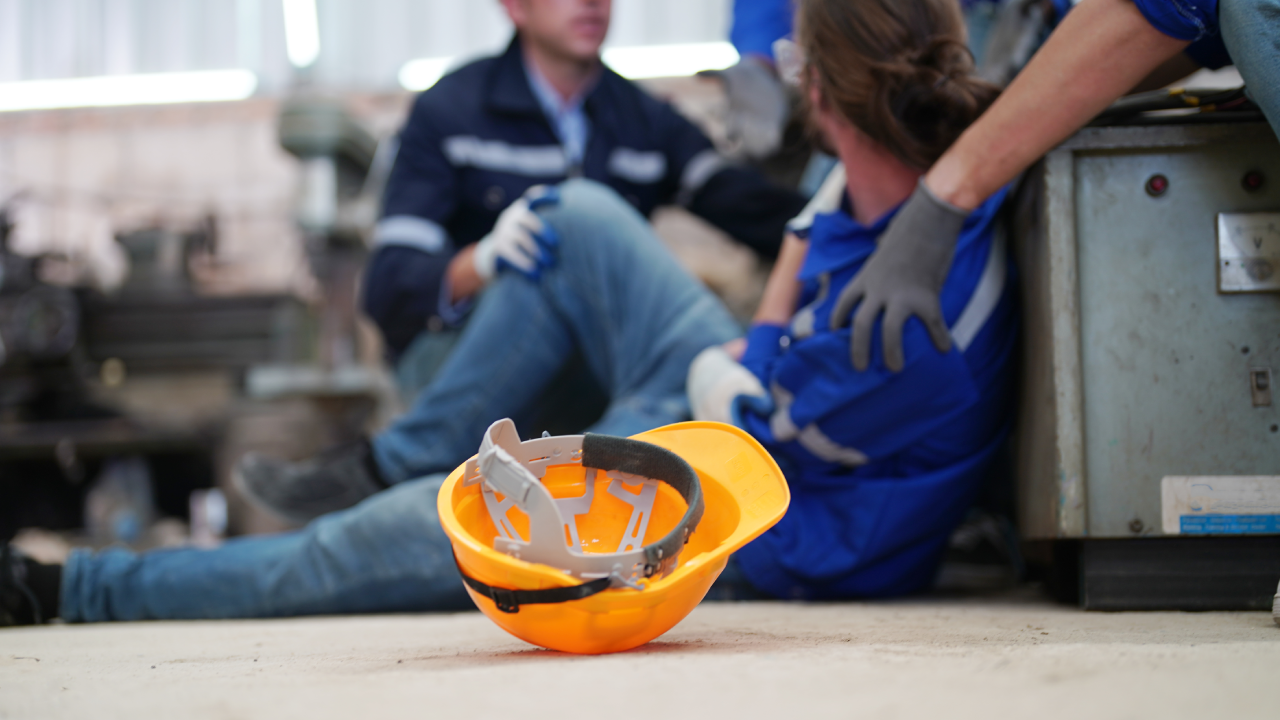
Ligament Sprains and Workplace Injuries
A ligament injury can also affect work. Jobs involving standing, walking, lifting, carrying, climbing, repetitive movements, or physical labour may place substantial demands on an injured joint.
Physiotherapy can focus on the movements required for your job. This may include lifting mechanics, lower-limb strength, balance, upper-limb function, and gradual increases in work-related activity.
If a workplace injury has affected your ability to perform your usual duties, discuss the requirements of your job during your assessment so rehabilitation can account for those demands.
FAQs
How long does a ligament sprain take to recover?
Recovery time varies according to the ligament involved, severity of the injury, general health, activity demands, and rehabilitation progress. Minor sprains may improve within weeks, while more significant injuries can require a longer rehabilitation period.
Can I walk with a ligament sprain?
Some people can walk with a mild sprain, while others may have difficulty putting weight through the injured limb. If walking is very difficult or symptoms are severe, medical assessment may be appropriate.
Should I exercise after a ligament sprain?
Exercise can be part of rehabilitation, but the type and intensity should match the stage of recovery. Starting with movements that the injured joint cannot tolerate may aggravate symptoms.
Can a ligament sprain happen again?
Yes. Previous sprains can be associated with recurrent injuries, particularly when strength, balance, mobility, or joint control have not fully returned.
Do all ligament sprains require imaging?
Not necessarily. Imaging decisions depend on the injury, symptoms, physical findings, and clinical concerns. A healthcare professional can determine whether further assessment is appropriate.
Can physiotherapy help after an ankle sprain?
Yes. Physiotherapy may address ankle mobility, strength, balance, coordination, walking mechanics, and gradual return to activity.
When can I return to sports?
Return to sport depends on the injury and the physical demands involved. A gradual progression may include strength work, balance exercises, running, jumping, directional changes, and sport-specific activity.
Service Areas
Spinal Solution and Rehab serves people seeking physiotherapy for Ligament Sprains in Woodbridge, ON, and surrounding communities.
People from Woodbridge and nearby areas may seek care for sports injuries, workplace injuries, falls, recreational injuries, and other causes of ligament sprains.
Our local service area may include:
- Woodbridge
- Vaughan
- Kleinburg
- Maple
- Vellore Village
- Concord
- Nearby Vaughan communities
If you are searching for physiotherapy for a ligament sprain in Woodbridge, our clinic can assess your condition and discuss suitable rehabilitation options based on your symptoms and functional needs.
Why Choose Spinal Solution and Rehab?
Spinal Solution and Rehab provides physiotherapy services for musculoskeletal and movement-related conditions. Our team assesses each person’s current symptoms, physical function, activity requirements, and rehabilitation needs before developing a course of care.
For ligament sprains, this may involve:
- Joint and movement assessment
- Strength testing
- Mobility work
- Therapeutic exercise
- Balance training
- Functional rehabilitation
- Activity progression
- Return-to-work planning
- Return-to-sport preparation
- Progress monitoring
Our approach is centred on practical rehabilitation and measurable changes in movement and function.
Related Physiotherapy Services
A ligament sprain may occur alongside other musculoskeletal concerns. Depending on your condition, related services may include:
- Sports Physiotherapy
- Physiotherapy for Work Injuries
- Motor Vehicle Accident Physiotherapy
- Knee Physiotherapy
- Ankle Physiotherapy
- Manual Therapy
- Therapeutic Exercise
- Balance Rehabilitation
- Injury Rehabilitation
The appropriate service depends on the findings from your assessment.
Get Started
A ligament sprain can affect how you walk, work, exercise, play sports, and manage everyday activities. Identifying the affected structures and gradually rebuilding movement, strength, balance, and function can form an important part of rehabilitation.
If you are searching for Ligament Sprains in Woodbridge, ON, Spinal Solution and Rehab can assess your condition and discuss the next steps for physiotherapy care.
Address: 8300 Hwy 27, Woodbridge, ON L4H 0R9
Phone: +1 905-739-3100
Contact Spinal Solution and Rehab in Woodbridge, ON, to schedule an assessment.