Achilles Tendinitis in Woodbridge, ON
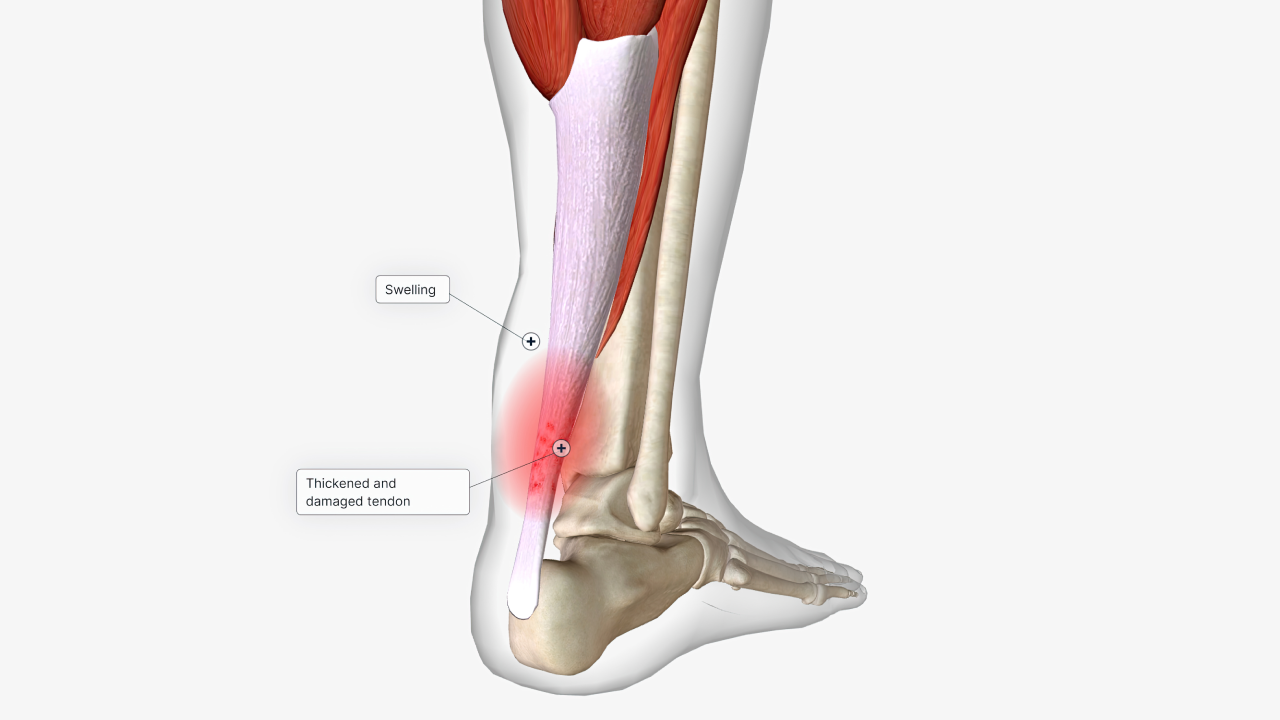
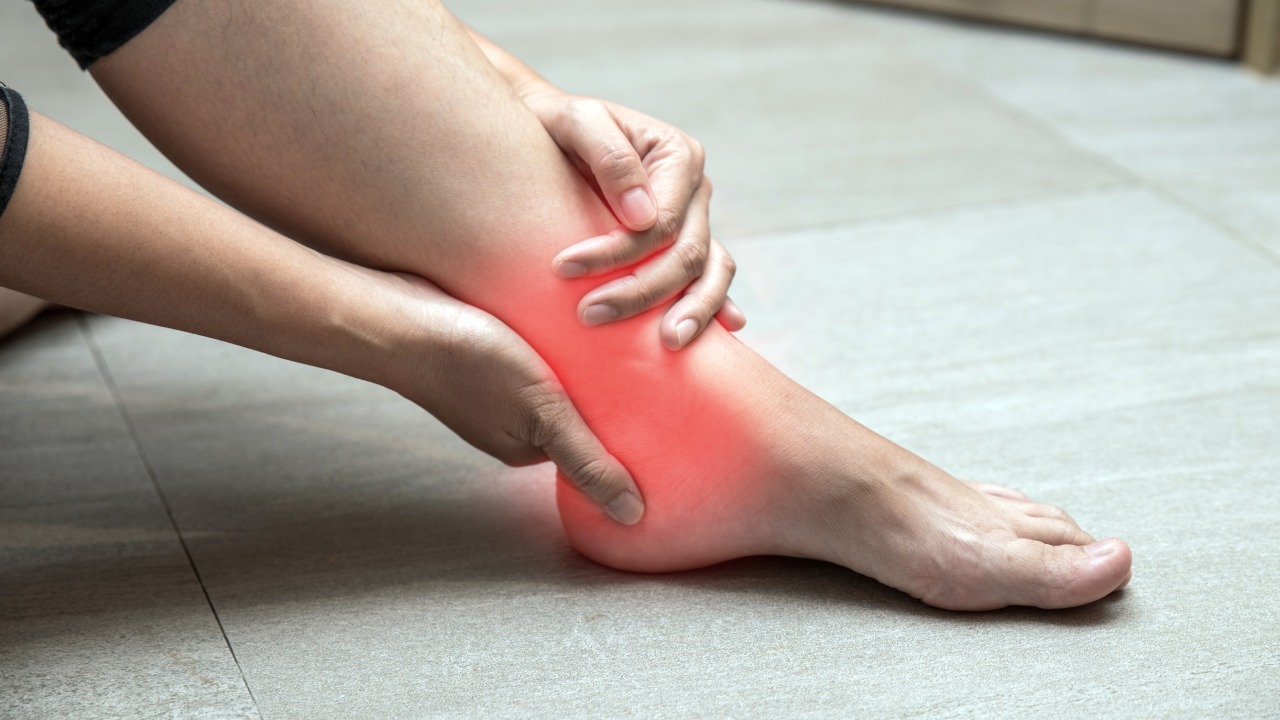
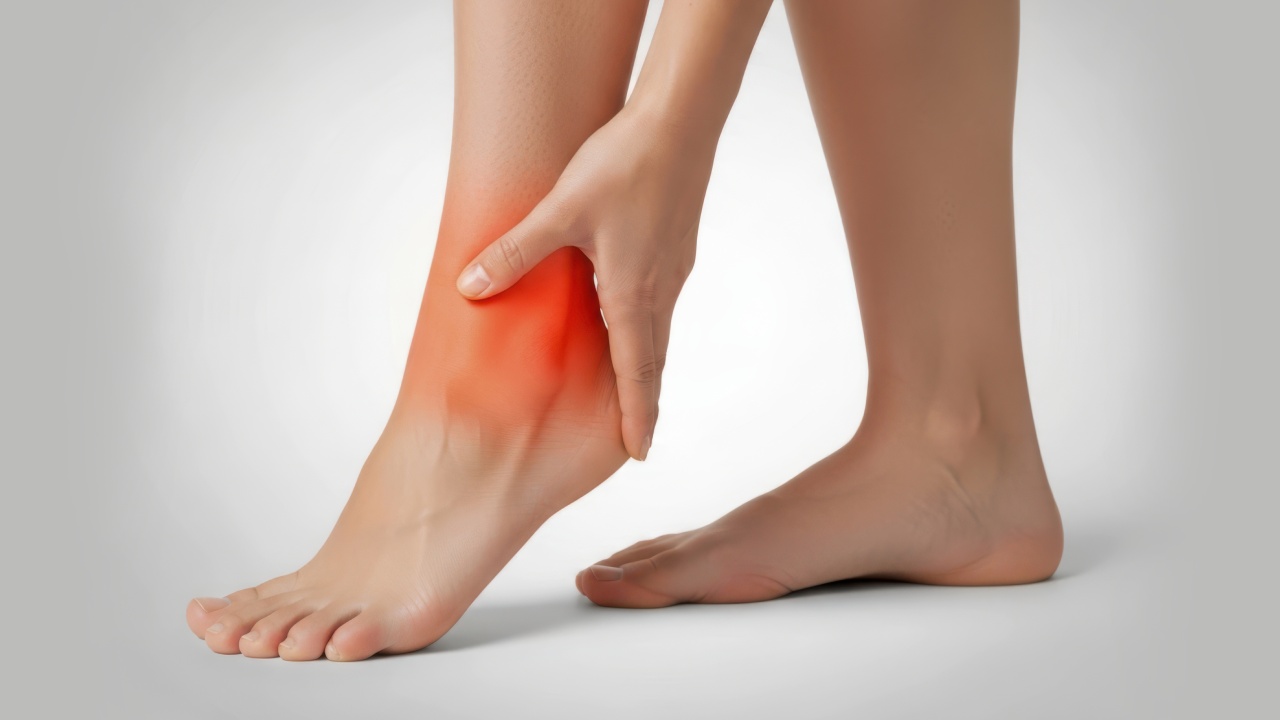
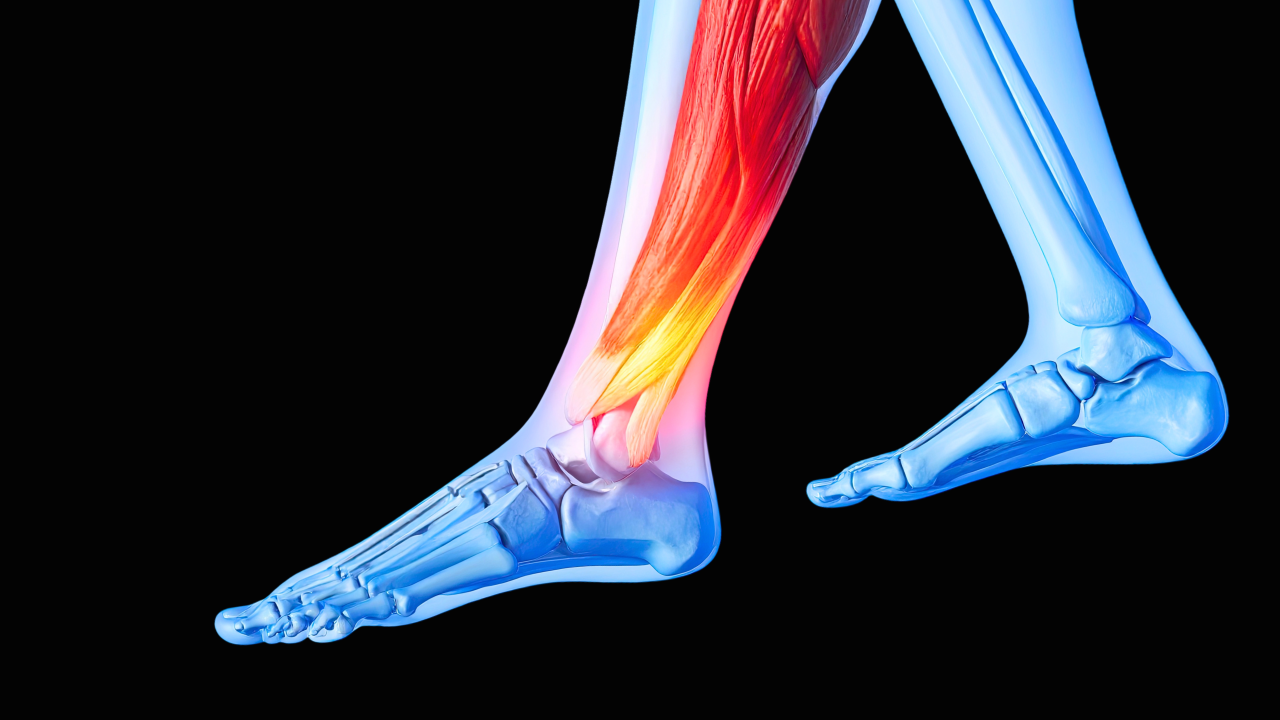
Achilles tendinitis affects the thick band of tissue connecting the calf muscles to the heel bone. It can cause soreness, stiffness, swelling, or tenderness around the back of the ankle. The condition often develops when the Achilles tendon is placed under repeated stress without enough time to adapt. Running, jumping, sudden increases in activity, prolonged standing, and changes in footwear can all contribute.
At Spinal Solution and Rehab, we assess movement patterns, activity levels, symptoms, and contributing factors when working with people seeking Achilles Tendinitis in Woodbridge, ON. Our physiotherapy care focuses on helping patients manage symptoms, improve lower-leg function, build tendon capacity, and return to everyday activities or sport in a gradual manner.
What Is Achilles Tendinitis?
Achilles tendinitis is irritation and degeneration that affects the Achilles tendon. This tendon sits at the back of the ankle and connects the calf muscles to the heel bone. It plays an important role when walking, running, climbing stairs, jumping, and pushing the body forward.
The condition may develop gradually or appear after a sudden increase in physical activity. A person who starts running after several months of inactivity, increases weekly mileage quickly, or begins a demanding sports program may place more load on the tendon than it can currently handle.
Achilles tendon problems are often grouped according to where symptoms occur.
Mid-Portion Achilles Tendinitis
Mid-portion symptoms usually occur several centimetres above the heel bone. Tenderness, stiffness, or discomfort may become noticeable during walking, running, or jumping.
Some people notice greater stiffness after waking or after sitting for a period. Symptoms may decrease as movement begins but can return when activity increases.
Insertional Achilles Tendinitis
Insertional symptoms occur where the Achilles tendon attaches to the heel bone. Discomfort may become noticeable when walking uphill, climbing stairs, running, or wearing footwear that presses against the back of the heel.
This form may also involve changes around the tendon attachment and heel area.
Common Symptoms
People looking for Achilles Tendinitis in Woodbridge, ON, may notice:
- Pain or soreness at the back of the ankle
- Morning stiffness around the Achilles tendon
- Tenderness when touching the tendon
- Swelling or thickening around the tendon
- Discomfort during running or jumping
- Difficulty pushing off while walking
- Symptoms after increased physical activity
- Reduced tolerance for stairs or hills
- Stiffness after sitting for extended periods
- Reduced ability to participate in sport
Symptoms can vary from person to person. A clinical assessment can help determine whether the Achilles tendon is involved and whether another condition may be causing similar symptoms.
Who Can Develop Achilles Tendinitis?
Achilles tendon problems can affect athletes, recreational exercisers, active workers, and people who have recently changed their activity levels.
Runners
Running places a repeated load on the calf and Achilles tendon. Changes in distance, speed, hills, surfaces, or training frequency may increase tendon stress.
Athletes
Sports involving repeated sprinting, jumping, cutting, and rapid acceleration can place substantial demand on the Achilles tendon. Basketball, soccer, tennis, volleyball, and similar activities may involve these movements.
Active Adults
A sudden return to exercise after a period of limited activity can create a mismatch between current tendon capacity and physical demand.
Workers
Jobs involving prolonged standing, walking, climbing, or repeated physical activity may contribute to ongoing tendon loading.
Older Adults
Age-related changes in tendon structure can influence how the Achilles tendon responds to physical load. This does not mean activity should be avoided. Instead, activity levels may need to increase gradually.
Problems Achilles Tendinitis Care Can Address
Achilles tendon symptoms can interfere with many parts of daily life. Physiotherapy may address issues such as:
- Difficulty walking comfortably
- Reduced ability to climb stairs
- Problems returning to running
- Reduced tolerance for jumping
- Calf weakness
- Limited ankle movement
- Stiffness after periods of rest
- Reduced tolerance for prolonged standing
- Difficulty returning to recreational sport
- Symptoms that repeatedly return after activity
A key part of care is identifying what may be contributing to the tendon problem. This can include training volume, recovery time, calf strength, ankle mobility, footwear, movement habits, and recent changes in physical activity.
Assessment for Achilles Tendinitis in Woodbridge, ON
At Spinal Solution and Rehab, the assessment begins with a discussion about your symptoms and activity history.
Our physiotherapy team may ask when the symptoms started, what activities increase them, whether your training has changed, and how the problem affects walking, work, exercise, or sport.
The physical assessment may include:
- Observation of walking
- Ankle mobility testing
- Calf strength assessment
- Single-leg movement assessment
- Tendon tenderness assessment
- Functional movement testing
- Balance assessment
- Review of training and activity patterns
The findings help establish an appropriate care plan based on your current function and activity demands.
Key Features of Achilles Tendinitis Physiotherapy
Movement Assessment
We examine how the ankle, calf, foot, and lower limb work during relevant movements.
This can help identify movement limitations or strength deficits that may influence tendon loading.
Load Management
Tendon rehabilitation often involves adjusting physical activity rather than stopping all movement.
We can help determine which activities may need temporary modification and how activity can be increased as tolerance develops.
Calf Strengthening
The calf muscles play a major role in Achilles tendon function. Progressive strengthening can help build the capacity needed for walking, running, jumping, and other activities.
Exercises may include calf raises, seated calf work, single-leg strengthening, and progressive loading exercises.
Mobility Work
Limited ankle movement can affect lower-limb mechanics. Where appropriate, mobility exercises may form part of the rehabilitation program.
Balance and Functional Training
For people returning to sport or demanding activities, rehabilitation may progress beyond isolated exercises. Balance, coordination, single-leg control, jumping, and sport-specific movements may be introduced as appropriate.
Activity Progression
Returning to running or sport too quickly can cause symptoms to flare. A gradual progression can help match physical demands with current tendon capacity.
How Achilles Tendinitis Rehabilitation Works
1. Consultation
We begin by discussing your symptoms, daily activities, exercise routine, work demands, previous injuries, and recent changes in physical activity.
2. Assessment
A physiotherapist assesses the Achilles tendon, ankle, calf, and lower-limb function. The findings help identify factors that may be contributing to your symptoms.
3. Planning
A rehabilitation plan is created around your current abilities and daily requirements. Someone who wants to return to running may need a different progression from someone whose main goal is comfortable walking.
4. Rehabilitation
Your program may include strengthening, mobility exercises, balance work, movement training, and activity modification.
Exercises are progressed according to how the tendon responds.
5. Review
Your symptoms, strength, movement, and activity tolerance are reviewed during follow-up visits. Exercises can then be adjusted according to your progress.
6. Ongoing Support
As your capacity changes, the program can progress toward work, recreation, running, or sport-specific demands.
Practical Benefits of Physiotherapy
Physiotherapy for Achilles tendon problems can help with several practical goals.
Improved Activity Tolerance
Progressive loading can help the tendon adapt to physical demands over time.
Greater Calf Strength
Strength training can support the calf-Achilles system during walking, running, and jumping.
Improved Movement
Addressing ankle mobility, balance, and lower-limb control may help improve movement during everyday and athletic tasks.
Return to Exercise
A structured progression can help people move from modified activity toward their usual exercise routine.
Reduced Activity Disruption
Learning how to adjust training volume and intensity can make it easier to remain active while the tendon is being rehabilitated.
Greater Confidence With Movement
Knowing how to progress activity can reduce uncertainty around returning to exercise.
Who We Serve in Woodbridge
Spinal Solution and Rehab works with people in Woodbridge and surrounding communities who are dealing with musculoskeletal and movement-related concerns.
Achilles tendon physiotherapy may be relevant for:
- Runners
- Soccer players
- Basketball players
- Tennis players
- Volleyball players
- Gym-goers
- Recreational athletes
- Active adults
- People returning to exercise
- Workers who stand or walk for extended periods
- Adults with recurring ankle and calf symptoms
Frequently Asked Questions About Achilles Tendinitis
What causes Achilles tendinitis?
It can develop when repeated tendon loading exceeds the tendon’s current capacity. Sudden increases in running, jumping, walking, training volume, or physical workload may contribute.
How long does Achilles tendinitis take to improve?
Recovery varies based on symptom duration, severity, activity demands, tendon capacity, and adherence to rehabilitation. Some cases improve over weeks, while persistent tendon problems can require a longer rehabilitation period.
Should I stop running?
Not always. Complete rest is not automatically required. The appropriate activity level depends on symptoms and tendon tolerance. A physiotherapist can help determine whether running should be modified, reduced, or temporarily paused.
Can I exercise with Achilles tendinitis?
Often, selected exercises can form an important part of rehabilitation. Exercise selection and loading should reflect your current symptoms and capacity.
Can Achilles tendinitis come back?
Symptoms can return when tendon loading increases faster than the tendon can tolerate. Gradual progression and continued strength work can help support activity capacity.
Do I need imaging?
Not every Achilles tendon problem requires imaging. A clinical assessment can often provide useful information. Imaging may be considered when the presentation is unclear or when another condition needs investigation.
Can physiotherapy help with Achilles tendinitis?
Physiotherapy may help address strength, mobility, load management, movement, and activity progression. The program depends on the individual assessment.
When should I seek medical assessment?
Sudden severe pain, a popping sensation, major swelling, significant weakness, or difficulty pushing off the foot can indicate a more serious tendon injury. Prompt medical assessment is appropriate in these situations.
Service Areas
Spinal Solution and Rehab provides physiotherapy care for people searching for Achilles Tendinitis in Woodbridge, ON.
Our Woodbridge service area may include patients from:
- Woodbridge
- Vaughan
- Kleinburg
- Maple
- Concord
- Thornhill
- North York
- Surrounding York Region communities
If travelling to the clinic is difficult, contact our team to ask about available appointment options and whether your needs can be accommodated.
Why Choose Spinal Solution and Rehab?
Spinal Solution and Rehab focuses on assessment, rehabilitation, movement, and functional recovery for musculoskeletal conditions.
For Achilles tendon concerns, care can include:
- Individual clinical assessment
- Exercise-based rehabilitation
- Strength progression
- Mobility work
- Functional movement assessment
- Activity modification
- Return-to-sport planning
- Progress reviews
Rather than relying on one exercise for every patient, the rehabilitation program can be adjusted according to symptoms, physical demands, activity goals, and changes observed during follow-up.
Related Physiotherapy Services
People seeking care for Achilles tendon symptoms may also require assessment of related areas. Spinal Solution and Rehab provides services addressing a range of musculoskeletal concerns, including:
- Ankle and foot physiotherapy
- Sports injury rehabilitation
- Knee physiotherapy
- Hip physiotherapy
- Back physiotherapy
- Neck physiotherapy
- Exercise rehabilitation
- Manual therapy
- Strength and mobility programs
The appropriate service depends on the findings from your assessment.
Get Started
Persistent Achilles tendon symptoms can make running, exercise, work, and everyday movement difficult. Waiting for symptoms to disappear without changing the factors contributing to tendon overload may not address the underlying issue.
If you are searching for Achilles Tendinitis in Woodbridge, ON, Spinal Solution and Rehab can assess your symptoms and discuss suitable physiotherapy options.
Address: 8300 Hwy 27, Woodbridge, ON L4H 0R9
Phone: +1 905-739-3100
Contact Spinal Solution and Rehab to arrange an assessment and discuss your Achilles tendon concerns. Our team can explain what the assessment involves, answer your questions, and outline the next steps based on your presentation.