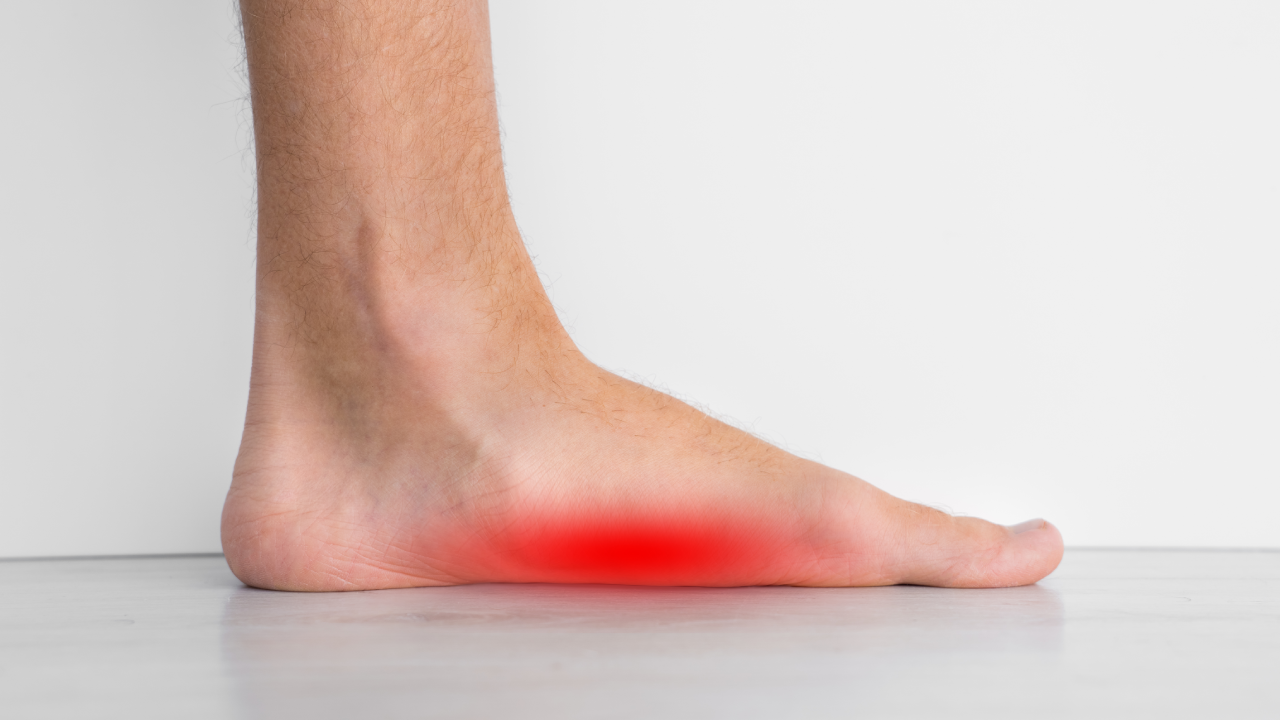
Flat Feet in Woodbridge, ON
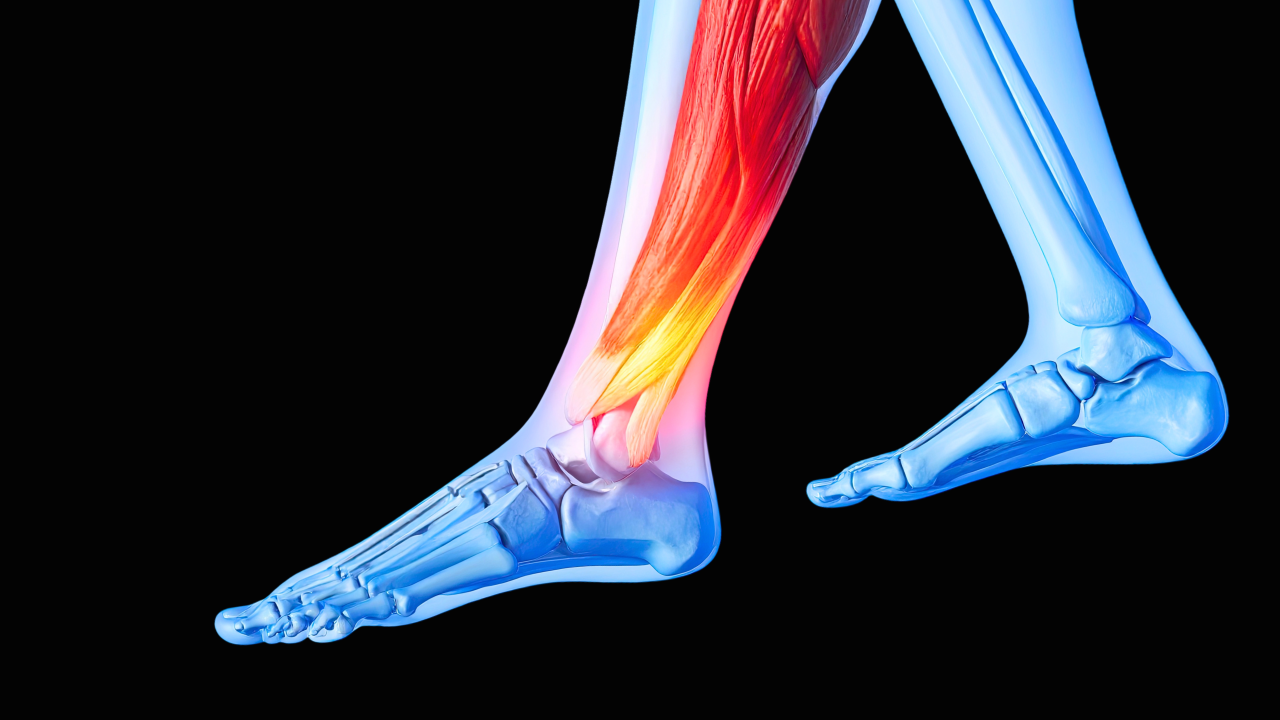
Flat feet and overpronation can affect how your feet, ankles, knees, hips, and lower back move during everyday activities. At Spinal Solution and Rehab, we assess movement patterns and physical factors that may contribute to foot discomfort, altered walking mechanics, and strain through the lower body.
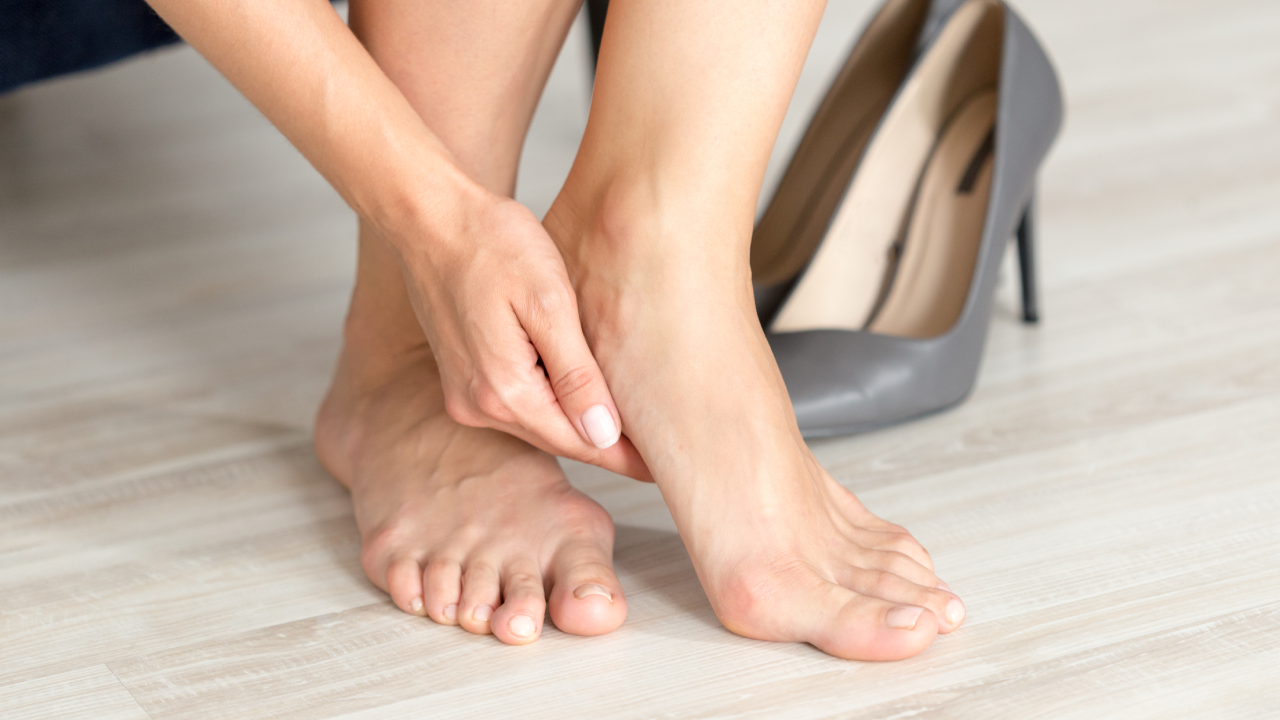
People searching for Flat Feet in Woodbridge, ON, may notice that their arches appear low, their shoes wear unevenly, or their feet become tired after standing or walking. Others looking for Overpronation in Woodbridge, ON, may notice their ankles rolling inward while walking, running, or exercising.
Our team works with patients to assess these patterns and create a physiotherapy plan based on their symptoms, movement, activity level, and daily needs.
What Are Flat Feet and Overpronation?
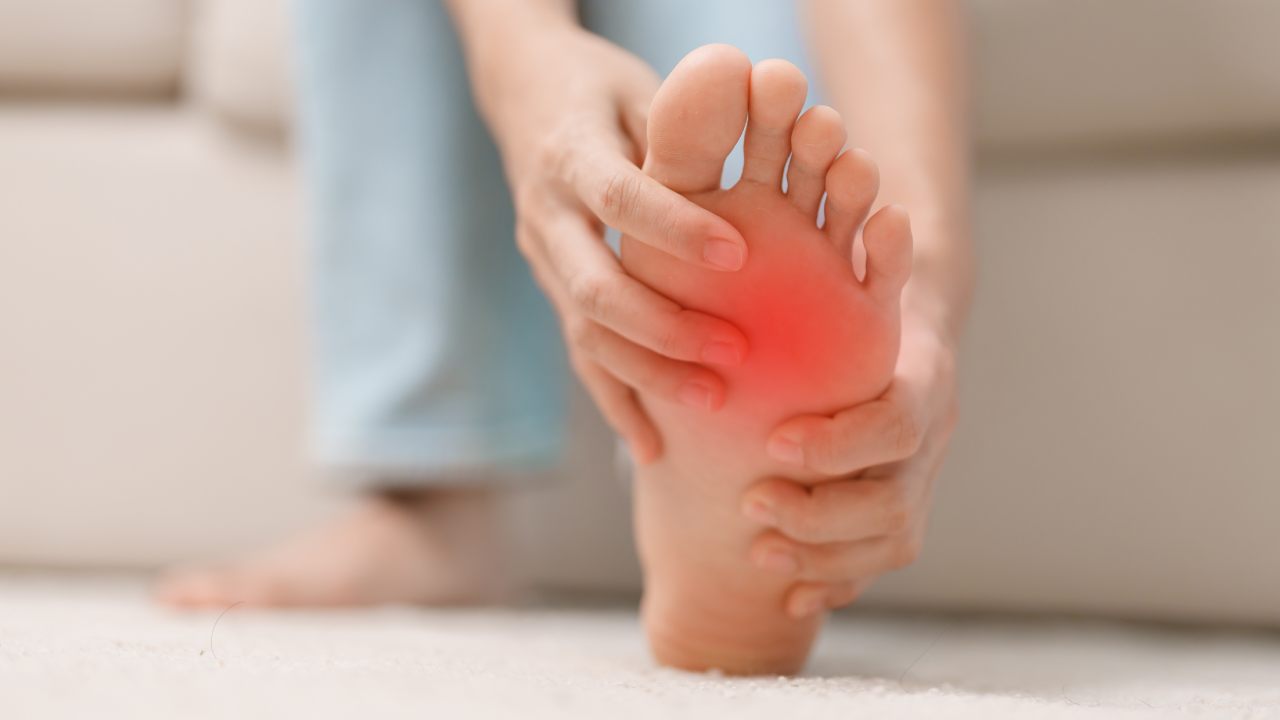
Flat feet, also called pes planus, occur when the arches along the inside of the feet sit lower than usual or become less visible when standing. Some people have low arches from childhood and have no symptoms. Others develop symptoms after changes in activity, injury, weight-bearing demands, footwear, or the structures that support the foot.
A foot does not remain completely rigid while you walk. It naturally moves through several positions as your body transfers weight from the heel toward the toes. Some inward movement is normal. Overpronation refers to a greater inward rolling movement of the foot and ankle during weight bearing.
These two conditions can occur together, although they are not identical.
A person with flat feet may have little or no discomfort. Another person may develop aching around the feet, ankles, knees, or hips. Overpronation can also change how force travels through the lower limb during walking, running, jumping, and other activities.
When you search for Flat Feet in Woodbridge, ON, the key question is not simply whether your arches look low. A clinical assessment can look at how your feet function while you stand, walk, squat, climb stairs, or perform other movements.
Likewise, people searching for Overpronation in Woodbridge, ON, may benefit from looking beyond the position of the foot itself. Strength, mobility, footwear, training habits, previous injuries, and movement patterns can all play a role.
Who May Need Care for Flat Feet or Overpronation?
Flat feet and overpronation can affect people at many stages of life. Physiotherapy may be considered when these foot mechanics are associated with symptoms or difficulties during daily activities.
Adults With Foot Discomfort
Adults may notice aching in the arches, heels, ankles, or soles after standing or walking. Some may also develop discomfort farther up the leg.
Runners and Active Adults
Running places repeated demands on the feet and lower limbs. Changes in training volume, footwear, running surfaces, or strength can sometimes coincide with symptoms.
Children and Teenagers
Low arches are common in children, and foot shape changes as they grow. Persistent symptoms, difficulty with activities, or noticeable movement changes may warrant assessment.
People Who Stand for Long Periods
Jobs involving prolonged standing can place repeated demands on the feet and lower limbs. Symptoms may become more noticeable near the end of a workday.
People Returning to Activity
After an injury or period of reduced activity, changes in strength and movement may influence how the foot handles load.
Older Adults
Changes in strength, balance, mobility, footwear, and foot structure can influence walking patterns and stability.
Problems Linked With Flat Feet and Overpronation
Not everyone with flat feet or overpronation develops symptoms. When problems do occur, they may include:
- Foot fatigue after walking or standing
- Aching along the arch
- Heel discomfort
- Ankle soreness
- Swelling around the foot or ankle
- Shoes wearing unevenly
- A feeling that the ankle rolls inward
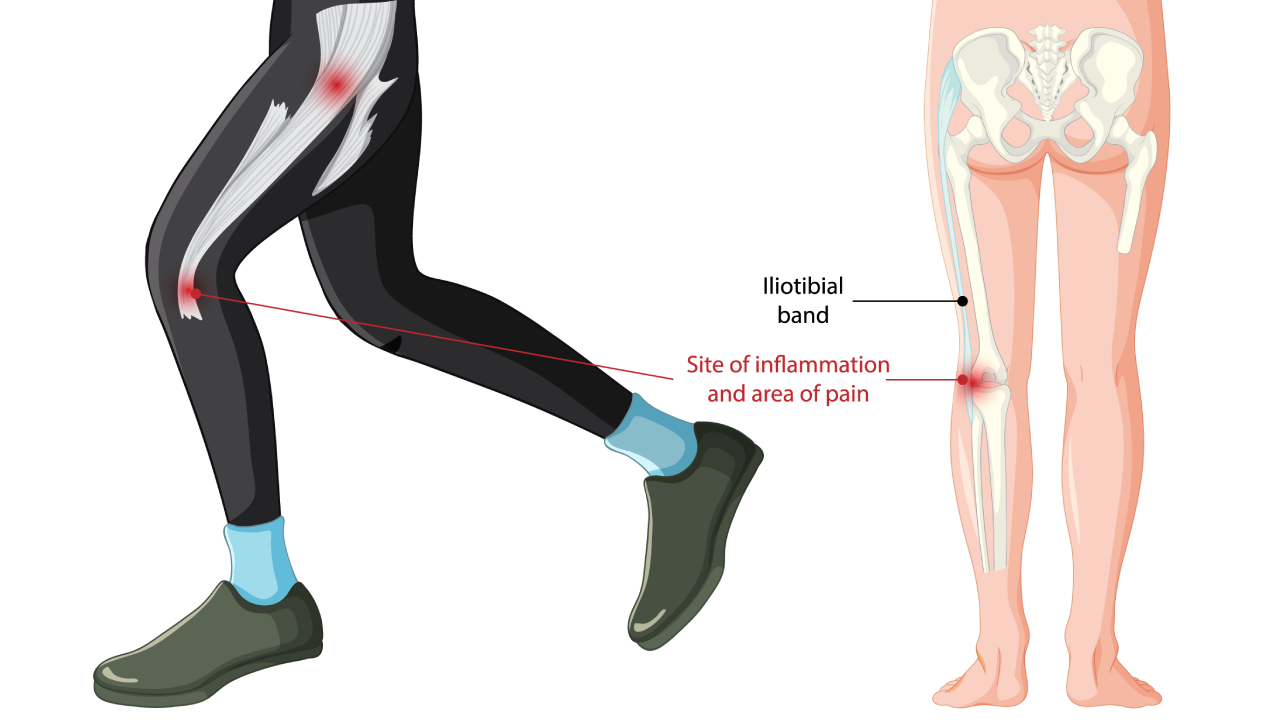
- Knee discomfort during walking or exercise
- Hip or lower-back strain associated with altered movement
- Difficulty running, jumping, or changing direction
- Reduced tolerance for prolonged standing
- Balance difficulties
- Symptoms that increase after changes in activity
The location of discomfort does not always identify the source. For example, someone may feel knee symptoms while the contributing movement pattern involves the foot and ankle. This is why a broader movement assessment can be useful.
What Can Physiotherapy Include?
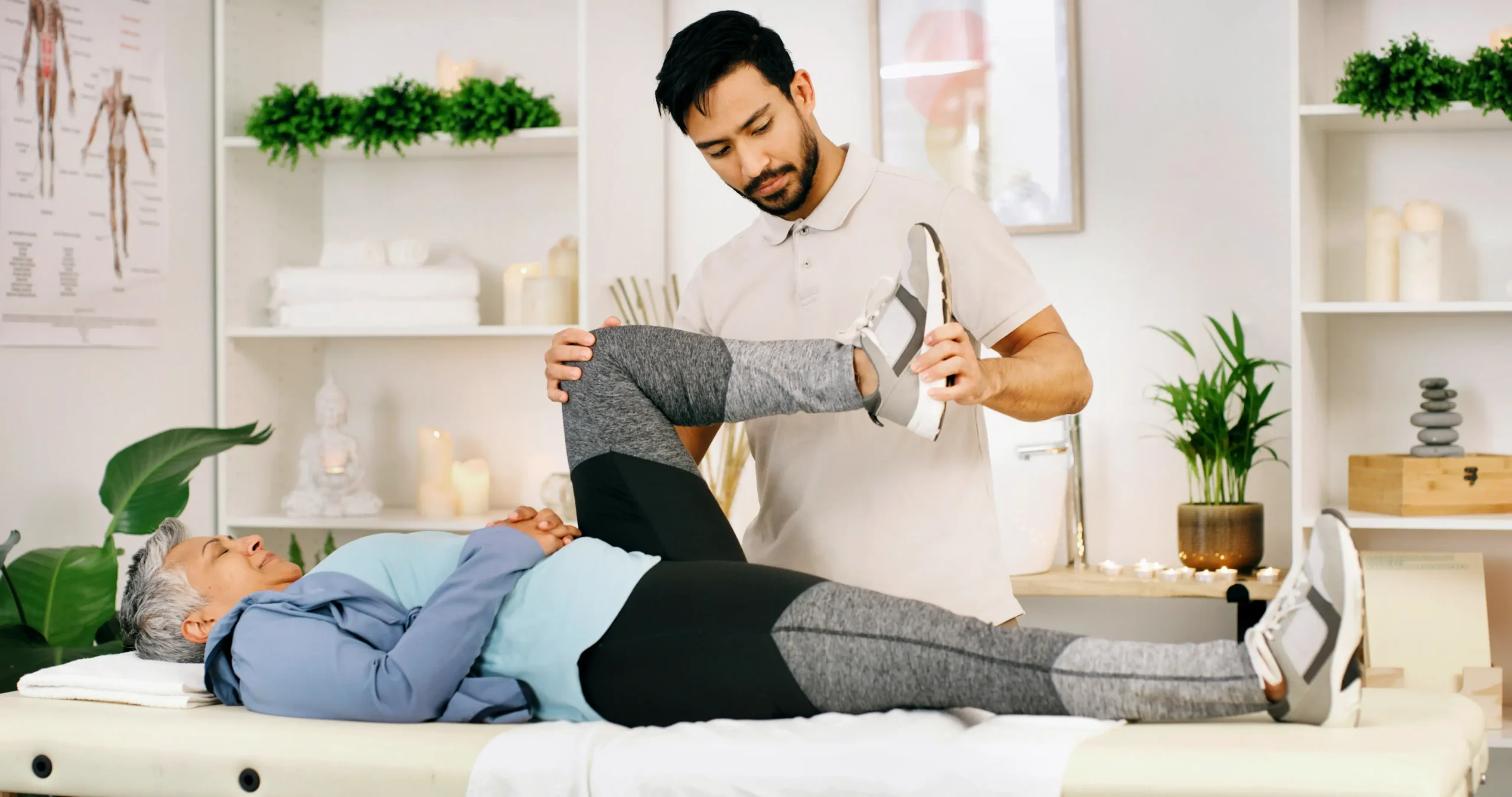
Care for flat feet and overpronation varies from person to person. At Spinal Solution and Rehab, the assessment may consider several parts of the lower limb rather than focusing only on the arch.
Foot and Ankle Assessment
We may examine foot position, ankle movement, weight distribution, range of motion, and movement during weight-bearing tasks.
This helps identify whether restricted mobility or altered mechanics may be contributing to symptoms.
Walking and Movement Assessment
Walking, standing, squatting, stair movement, and other functional activities can provide information about how the foot interacts with the rest of the body.
Strength Assessment
Muscles around the foot, ankle, calf, knee, and hip can influence lower-limb movement. Strength testing may help identify areas that require attention.
Mobility Work
Limited ankle or lower-limb mobility can influence how the foot moves during weight bearing. Exercises and hands-on physiotherapy may be used when appropriate.
Exercise Planning
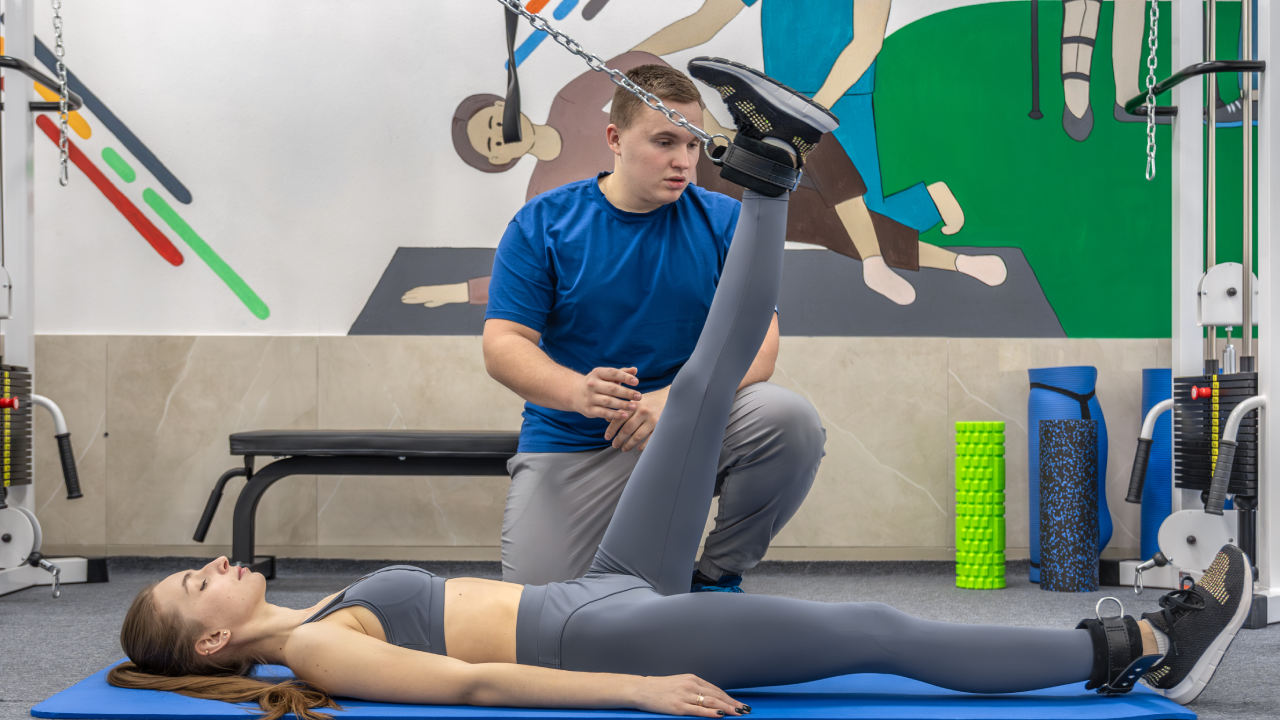
A program may include exercises for the feet, ankles, calves, knees, hips, and core. The selection depends on the findings from the assessment.
Footwear Discussion
Footwear can influence comfort and how the foot handles repeated loading. We may discuss your current shoes and activity demands as part of the assessment.
Activity Modification
If symptoms are linked with walking, running, sport, work, or another activity, temporary changes may help manage the amount of load placed on the affected area while capacity is built.
How the Assessment and Care Process Works
1. Initial Consultation
We begin by discussing your symptoms, when they started, what activities increase them, and how they affect your routine.
2. Physical Assessment
The assessment may include foot and ankle movement, walking mechanics, strength, balance, flexibility, and functional movements.
3. Clinical Planning
Once the findings are reviewed, we explain what may be contributing to your symptoms and discuss suitable physiotherapy options.
4. Physiotherapy Treatment
Your program may include therapeutic exercises, mobility work, manual therapy, movement retraining, balance activities, and activity modifications where appropriate.
5. Progress Review
Your symptoms, movement, strength, and activity tolerance can be reviewed as your program continues. Exercises may be adjusted according to your progress.
6. Ongoing Self-Management
You may receive exercises or activity recommendations to continue outside the clinic. The aim is to help you manage your foot and lower-limb demands as part of your routine.
What Can Care Help With?
Physiotherapy for flat feet and overpronation can focus on practical goals such as:
- Improving foot and ankle movement
- Building lower-limb strength
- Increasing tolerance for walking or standing
- Improving balance and control
- Supporting running and exercise activities
- Addressing movement patterns linked with symptoms
- Reducing strain during everyday tasks
- Helping you return to activities after an interruption
- Improving confidence with movement
- Developing a home exercise routine
Results vary according to the underlying cause, symptom duration, activity demands, and other health factors. Physiotherapy does not necessarily aim to change the physical shape of every foot. Instead, care may focus on function, strength, movement, load management, and symptom control.
Conditions and Activities That May Occur Alongside Flat Feet
Flat feet and overpronation can appear alongside other lower-limb concerns. These may include:
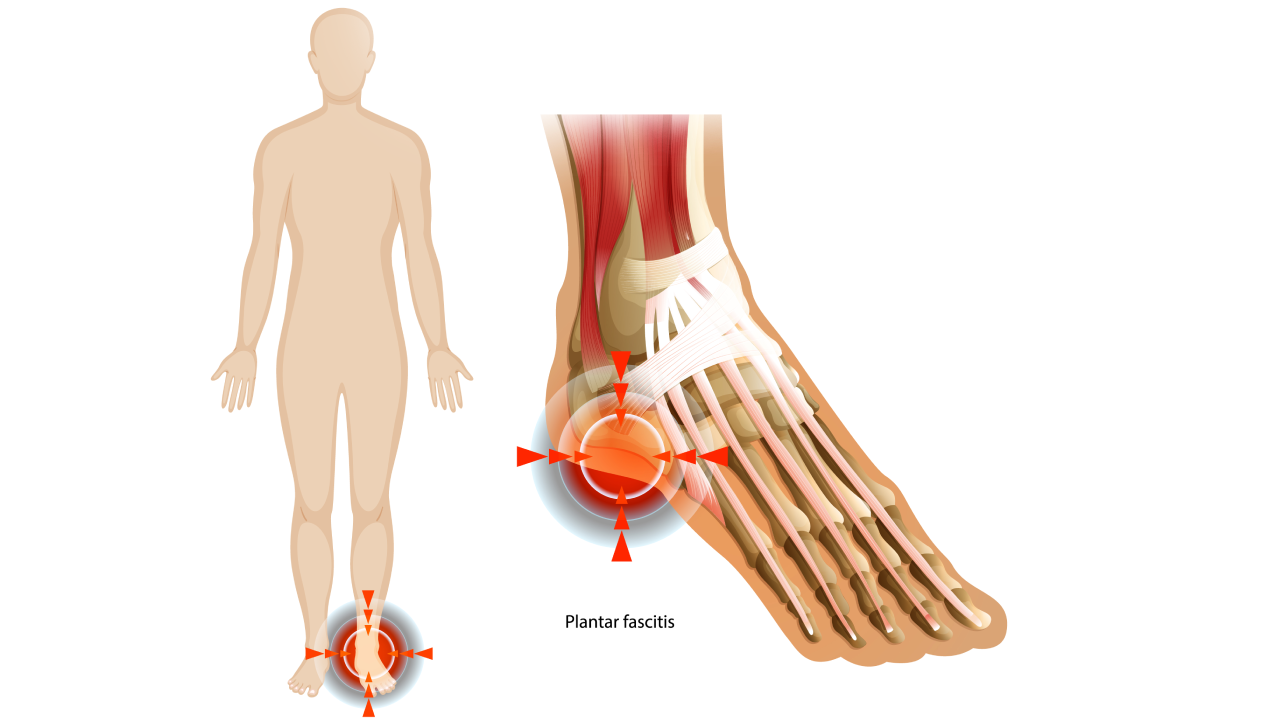
- Plantar fascia irritation
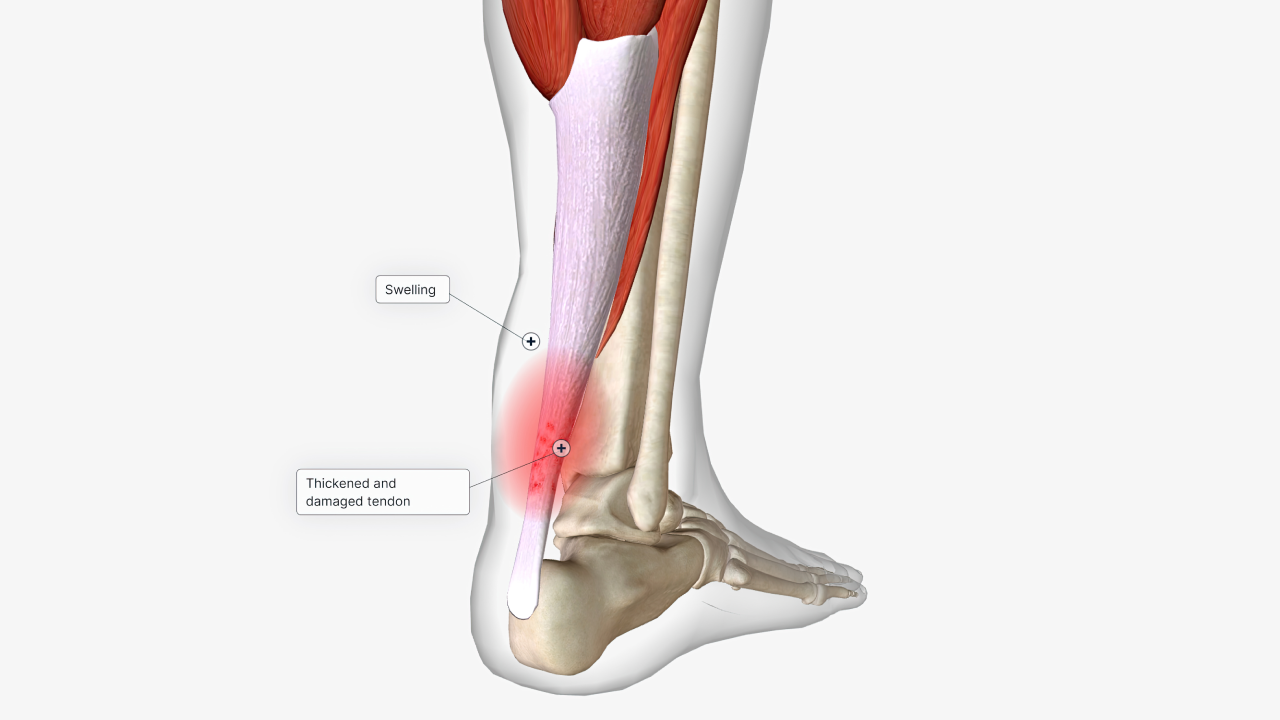
- Achilles tendon problems
- Shin discomfort
- Ankle instability
- Knee tracking issues
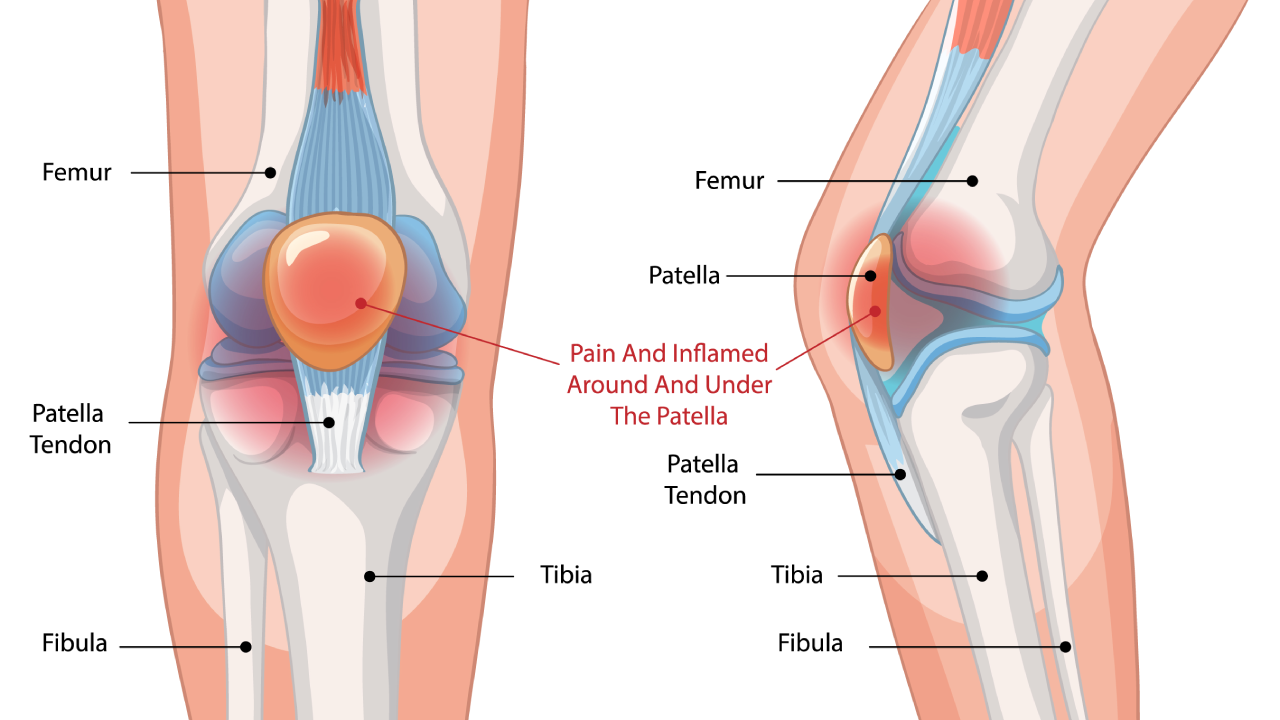
- Patellofemoral symptoms
- Calf tightness
- Hip movement problems
- Balance difficulties
- Walking-related discomfort
- Running-related symptoms
Having flat feet does not automatically mean one of these conditions is present. A proper assessment is needed to determine whether there is a connection between your foot mechanics and symptoms.
Flat Feet in Woodbridge, ON
For people searching for Flat Feet in Woodbridge, ON, Spinal Solution and Rehab provides assessment and physiotherapy care for foot and lower-limb concerns.
You may consider an assessment if you have noticed:
- Your arches appear lower than before.
- Your feet become exhausted quickly.
- One foot seems to roll inward more than the other.
- Your shoes show uneven wear.
- Walking or standing has become uncomfortable.
- You have recurring foot or ankle symptoms.
- Your activity level has changed because of foot discomfort.
A clinical assessment can help determine whether factors such as foot structure, movement mechanics, strength, mobility, footwear, or activity demands may be contributing to the problem.
Overpronation in Woodbridge, ON
People searching for Overpronation in Woodbridge, ON, may notice their ankles moving inward during walking, running, or exercise.
Some inward movement is part of normal foot function. The concern arises when movement is associated with symptoms, reduced function, instability, or difficulty tolerating activity.
At Spinal Solution and Rehab, we can assess how your feet and lower limbs move during functional tasks. This may include looking at your walking pattern, ankle mobility, lower-limb strength, balance, and movement control.
The goal is to identify factors that may be relevant to your symptoms and build a physiotherapy plan around those findings.
Frequently Asked Questions
Are flat feet always a problem?
No. Many people have low arches without symptoms or activity restrictions. Care may be considered when flat feet are associated with discomfort, weakness, balance issues, or difficulty with activities.
Can overpronation cause knee discomfort?
It can be associated with changes in lower-limb movement, which may influence how forces are distributed through the knee. However, knee discomfort can have many causes, so assessment is needed before linking symptoms to foot mechanics.
Can flat feet be corrected with exercise?
Exercise cannot necessarily change the structural shape of every foot. However, strengthening and movement exercises may improve muscle capacity, control, balance, and activity tolerance.
Do I need orthotics for flat feet?
Not everyone with flat feet needs orthotics. Their suitability depends on your symptoms, foot mechanics, activities, footwear, and clinical findings.
Can I continue running with overpronation?
That depends on your symptoms and running tolerance. Some runners with overpronation have no problems. If running causes recurring symptoms, an assessment can help identify factors that may need attention.
How long does physiotherapy take?
The timeframe varies. It depends on symptom duration, contributing factors, activity demands, and how your body responds to the program. Your physiotherapist can discuss a likely timeframe after assessment.
What should I bring to my appointment?
Bring comfortable clothing that allows movement. If footwear seems relevant to your symptoms, bringing your usual walking or running shoes can also be useful.
Service Areas
Spinal Solution and Rehab serves people looking for physiotherapy care in Woodbridge, ON, and surrounding communities.
Our clinic can assess foot, ankle, knee, hip, and movement-related concerns that may occur alongside flat feet or overpronation.
Our local service area may include:
- Woodbridge
- Vaughan
- Kleinburg
- Maple
- Vellore Village
- Concord
- Nearby Vaughan communities
If you are searching for Flat Feet in Woodbridge, ON, or Overpronation in Woodbridge, ON, you can contact our clinic to discuss your symptoms and arrange an assessment.
Why Choose Spinal Solution and Rehab?
At Spinal Solution and Rehab, care starts with an assessment rather than assuming that every person with flat feet has the same problem.
We consider your symptoms, movement patterns, physical findings, activity demands, and daily routine when discussing your care plan.
Our approach may include:
- A review of your symptoms and activity history
- Foot and ankle assessment
- Functional movement assessment
- Strength and mobility testing
- Exercise planning
- Movement retraining
- Progress reviews
- Home exercises when appropriate
This process allows the physiotherapy program to focus on the factors identified during your assessment.
Related Physiotherapy Services
Flat feet and overpronation may occur alongside other musculoskeletal concerns. Depending on your symptoms, you may also be interested in:
- Physiotherapy
- Sports Physiotherapy
- Ankle Rehabilitation
- Knee Physiotherapy
- Hip Physiotherapy
- Balance Training
- Running Injury Rehabilitation
- Manual Therapy
- Exercise Therapy
Ask our team which services may be relevant to your symptoms after your assessment.
Get Started
Foot mechanics can impact not only the feet but also other areas of the body. If walking, standing, running, or exercise has become difficult because of recurring foot or lower-limb symptoms, an assessment can help identify possible contributing factors.
For Flat Feet in Woodbridge, ON, and Overpronation in Woodbridge, ON, contact Spinal Solution and Rehab to arrange an appointment.
Address: 8300 Hwy 27, Woodbridge, ON L4H 0R9
Phone: +1 905-739-3100
During your visit, we can review your symptoms, assess your movement, discuss the findings, and explain the next steps for physiotherapy care.