
IT Band Syndrome in Woodbridge, ON
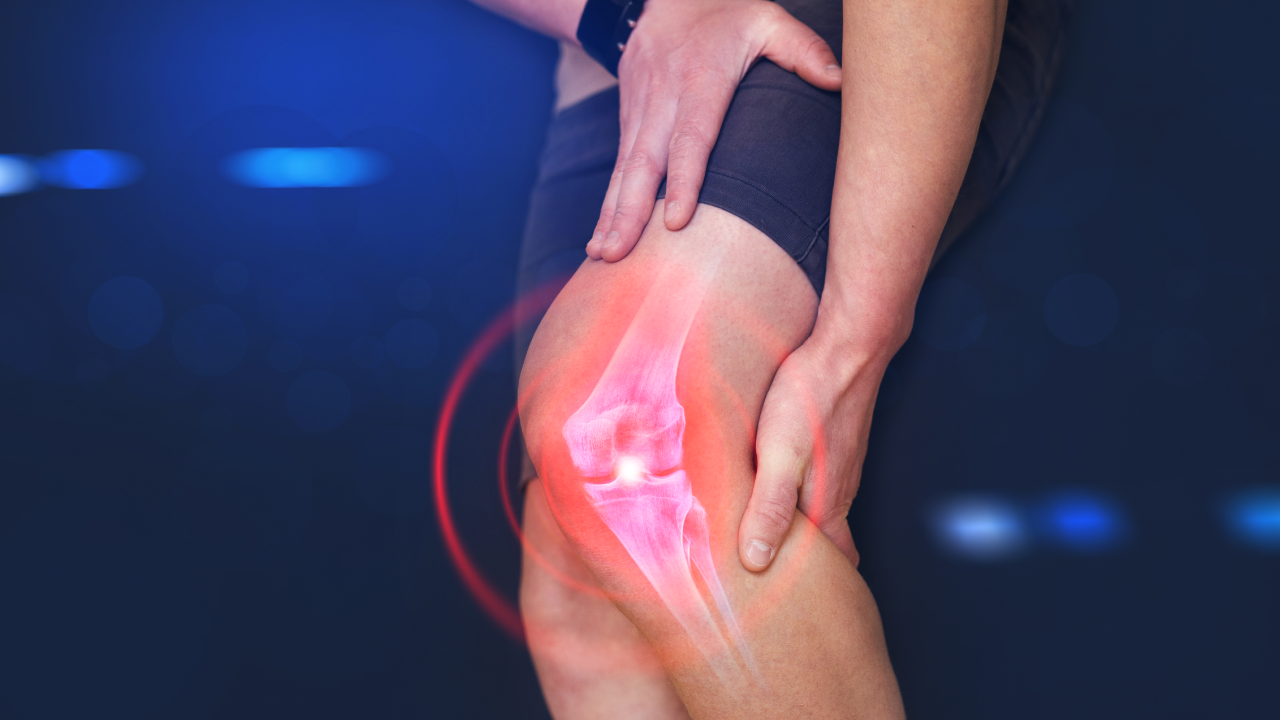
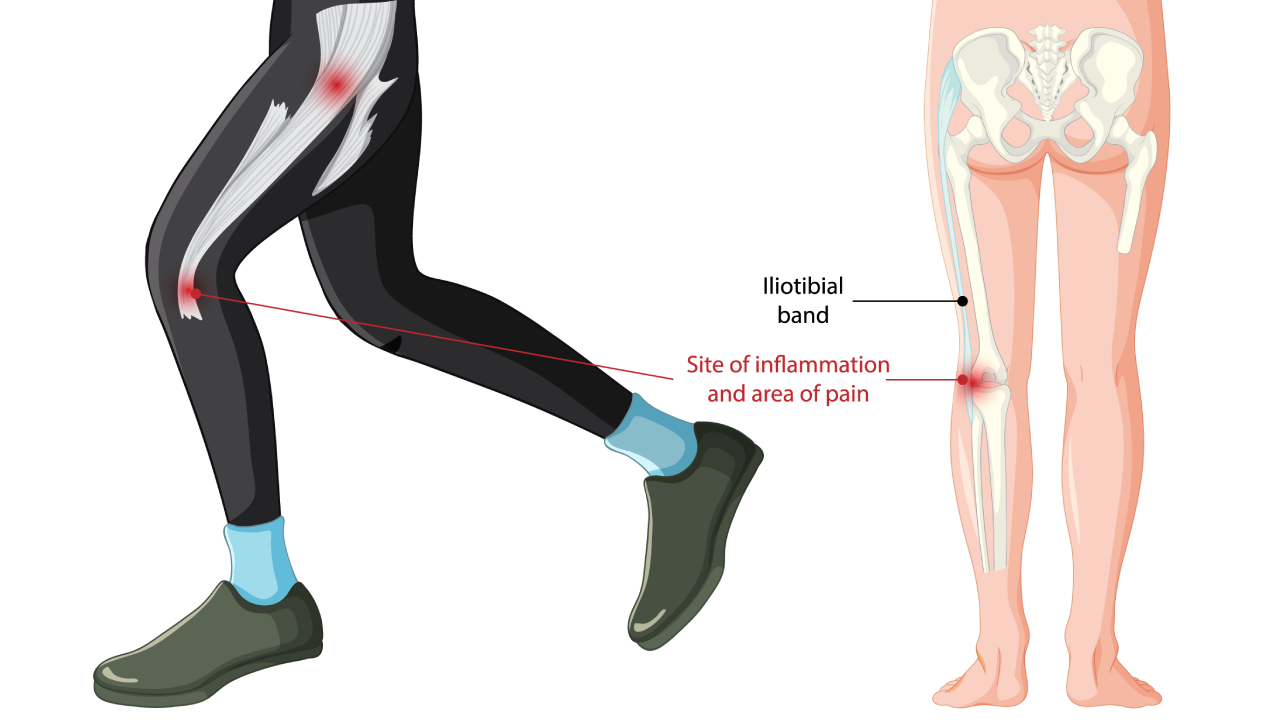
Pain along the outside of the knee can make running, walking, climbing stairs, and everyday movement difficult. IT Band Syndrome in Woodbridge, ON, is a common overuse condition involving the iliotibial band, a strong strip of connective tissue that runs from the outer hip toward the outside of the knee.
At Spinal Solution and Rehab, we assess movement patterns, activity levels, muscle strength, joint mobility, and other factors that may contribute to symptoms. Care may include exercise therapy, hands-on treatment, activity modification, mobility work, and a gradual return to normal activities.
What Is IT Band Syndrome?
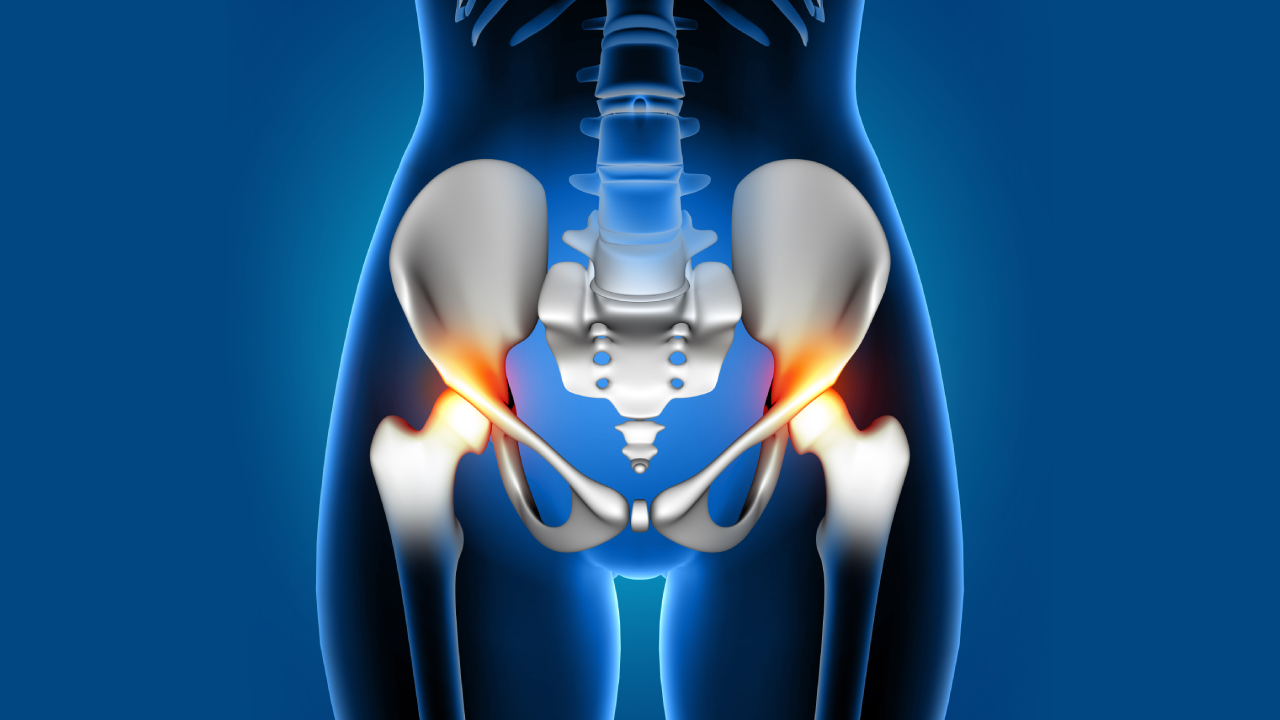
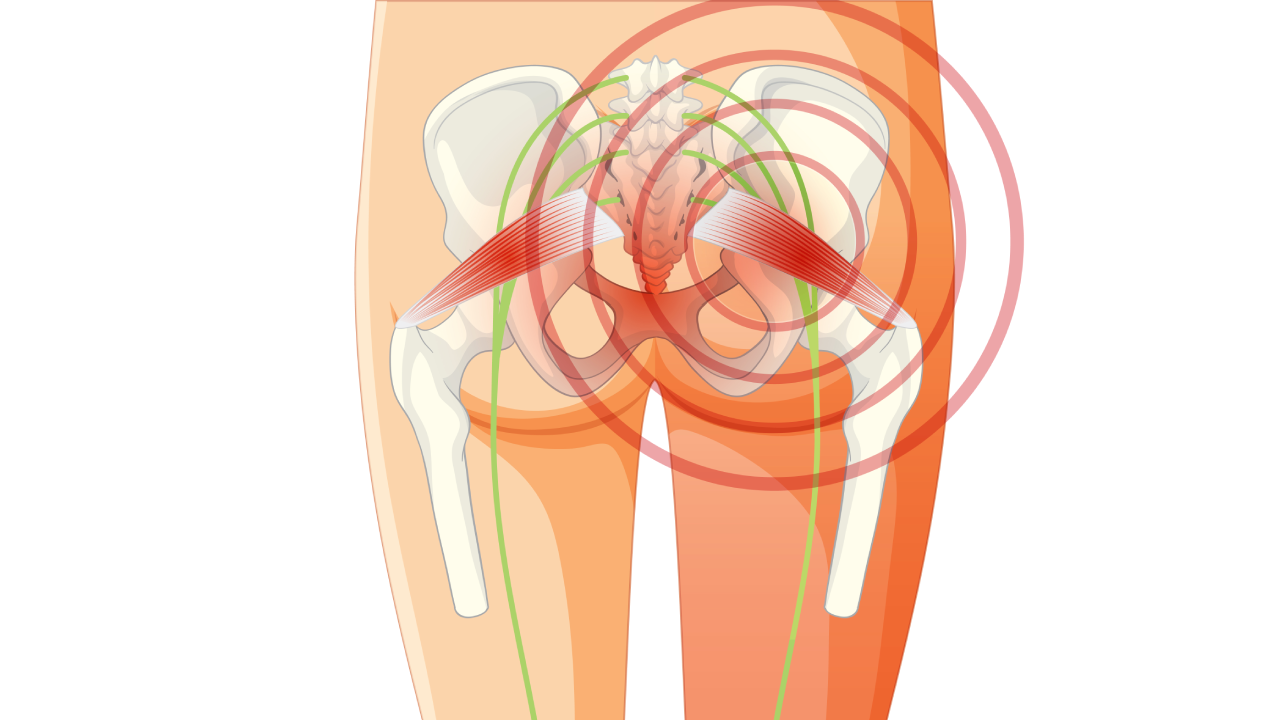
IT Band Syndrome, often called ITBS, is a condition associated with irritation around the outer portion of the knee where the iliotibial band passes near the knee joint. The iliotibial band is a thick band of connective tissue extending along the outside of the thigh.
It helps provide stability around the hip and knee during activities such as walking, running, cycling, and climbing stairs. Repetitive knee movement can place repeated stress on the tissues around the outer knee.
Symptoms often appear gradually rather than following one clear injury. A runner may notice discomfort after several kilometres. A cyclist may notice symptoms during longer rides. Someone who has recently increased their walking routine may notice discomfort when going up or down stairs.
ITBS can involve several contributing factors, including:
- Sudden increases in running or walking distance
- Repetitive knee bending and straightening
- Weakness around the hip or thigh
- Limited mobility around the hip, knee, or ankle
- Changes in training surfaces
- Running on uneven or sloped surfaces
- Poor recovery between demanding activities
- Changes in footwear or training routines
- Biomechanical movement patterns
The symptoms can vary from person to person. Some people notice a sharp or burning sensation around the outer knee. Others describe aching or tightness that develops during activity.
Who Can Benefit From Care for IT Band Syndrome?
People in Woodbridge and surrounding communities may seek physiotherapy when outer-knee symptoms interfere with exercise, work, recreation, or daily movement.
Runners
Distance runners, recreational runners, and people preparing for races may develop symptoms after increasing mileage or changing their training schedule.
Cyclists
Repeated knee movement during cycling can contribute to symptoms, particularly after changes in riding duration, terrain, or training volume.
Active Adults
People who regularly participate in hiking, fitness classes, sports, or gym workouts may notice symptoms when activity levels increase.
Workers With Repetitive Movement
Jobs involving frequent walking, stairs, squatting, or prolonged standing may place repeated demands on the lower body.
People Returning to Activity
After a period of reduced activity, returning too quickly to previous training levels may place additional stress on the tissues around the hip and knee.
Problems Associated With IT Band Syndrome
IT Band Syndrome may interfere with many activities that involve repeated knee movement. Common concerns include:
- Pain on the outside of the knee during running
- Discomfort while walking for longer periods
- Symptoms when climbing or descending stairs
- Pain during cycling
- Tightness along the outside of the thigh
- Symptoms that increase as activity continues
- Difficulty maintaining a normal exercise routine
- Reduced tolerance for longer walks
- Changes in running or walking patterns
- Concern about returning to sports
Some people observe that symptoms settle when they stop the activity and return when they resume it. This pattern can make it tempting to ignore the issue until activity levels increase again.
Common Symptoms of IT Band Syndrome
ITBS does not look exactly the same in every person. Symptoms may include:
Outer Knee Pain
The most common symptom is discomfort around the outside of the knee. It may become noticeable during repetitive activities.
Pain During Running
Some runners notice symptoms after a particular distance rather than immediately when they begin running.
Tightness Around the Outer Thigh
A feeling of tension may occur along the outside of the thigh, particularly after repetitive activity.
Stair Discomfort
Going up or down stairs may increase symptoms because the knee repeatedly bends and straightens under load.
Cycling Symptoms
Longer rides or changes in cycling volume may increase discomfort around the outer knee.
A physiotherapy assessment can help determine whether the symptoms are consistent with ITBS or whether another condition may be involved.
Assessment for IT Band Syndrome
At Spinal Solution and Rehab, assessment starts with a discussion about your symptoms, activity levels, medical history, training changes, and daily routines.
Your physiotherapist may assess:
- Knee movement
- Hip movement
- Ankle mobility
- Muscle strength
- Balance
- Walking patterns
- Running mechanics where appropriate
- Squatting and functional movement
- Areas of tenderness
- Activity-related symptoms
The assessment helps identify factors that may be contributing to the problem.
Outer-knee pain can have several possible causes. Conditions involving the knee joint, muscles, tendons, or other structures may produce similar symptoms. For this reason, assessment is important before starting an exercise program.
Treatment for IT Band Syndrome
Care for IT Band Syndrome varies according to symptoms, activity demands, physical findings, and recovery progress.
Activity Modification
Temporary changes to activities that trigger symptoms may reduce repeated stress on the area. This does not necessarily mean stopping all movement.
Your physiotherapist may suggest changes to running distance, cycling duration, exercise frequency, or other activities while symptoms settle.
Strength Exercises
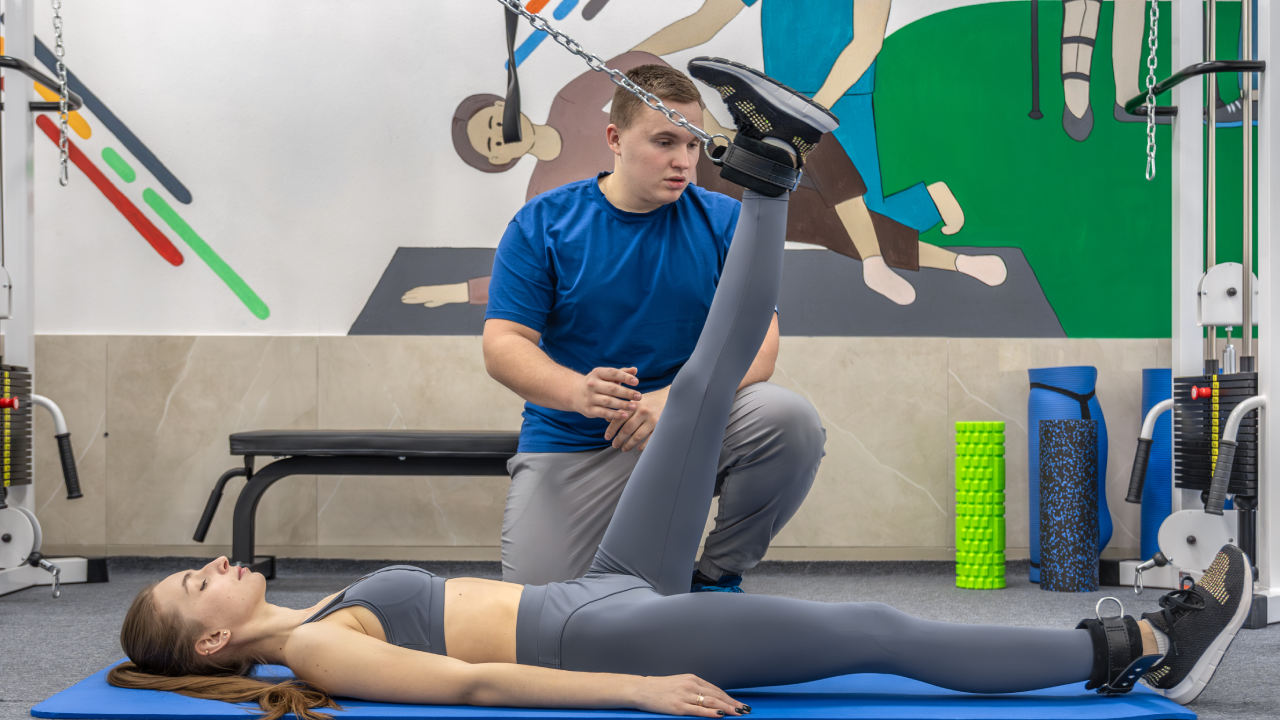
Exercises may focus on muscles around the hip, thigh, and lower leg. Strength work can help improve how the lower limb manages load during movement.
Exercises may include:
- Side-lying leg raises
- Hip abduction exercises
- Glute bridges
- Squats
- Step-down exercises
- Resistance-band exercises
- Single-leg balance activities
The exercise selection depends on your assessment findings and current ability.
Mobility Work
Limited mobility around the hip, ankle, or other areas may influence movement patterns. Mobility exercises can be incorporated when appropriate.
Manual Therapy
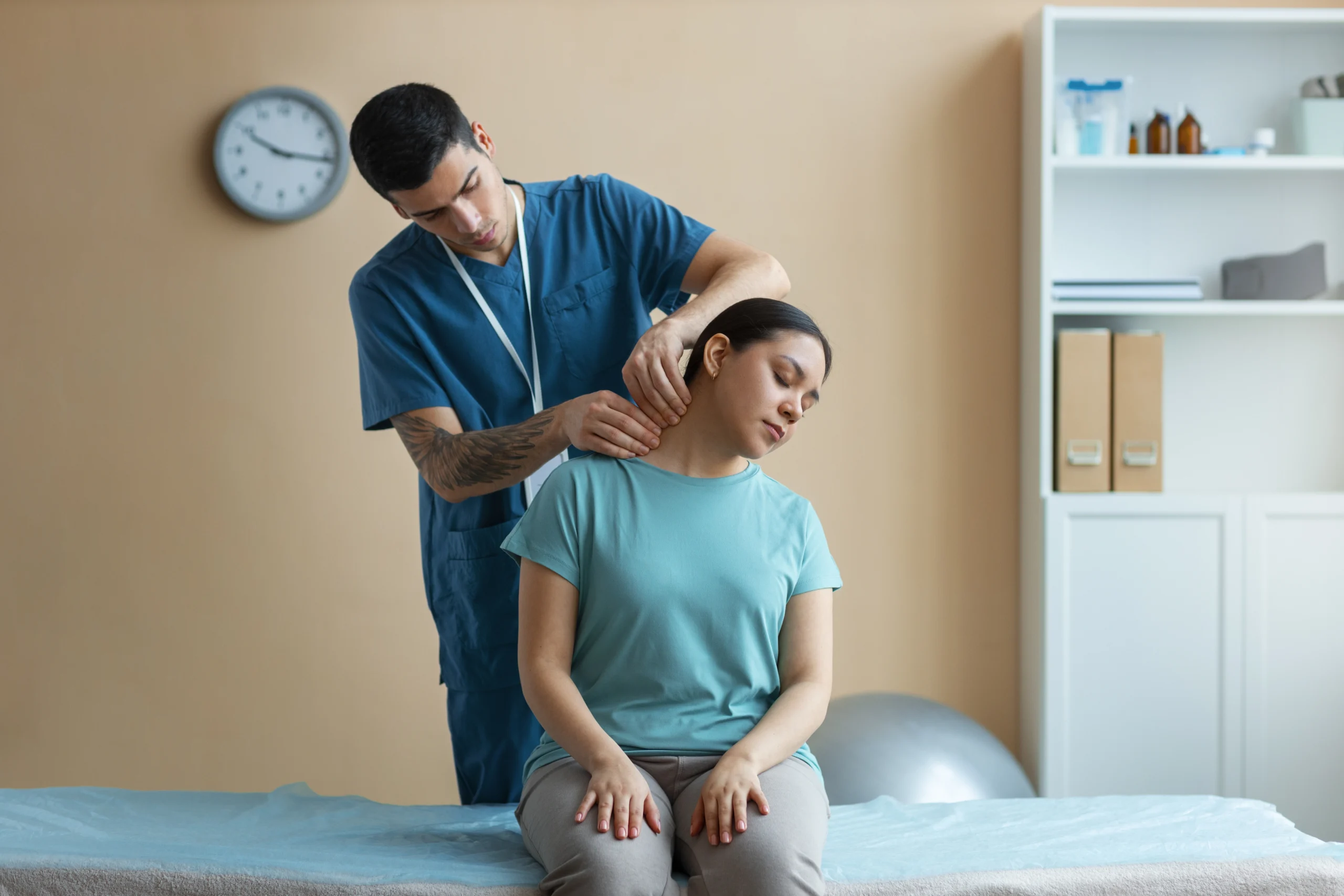
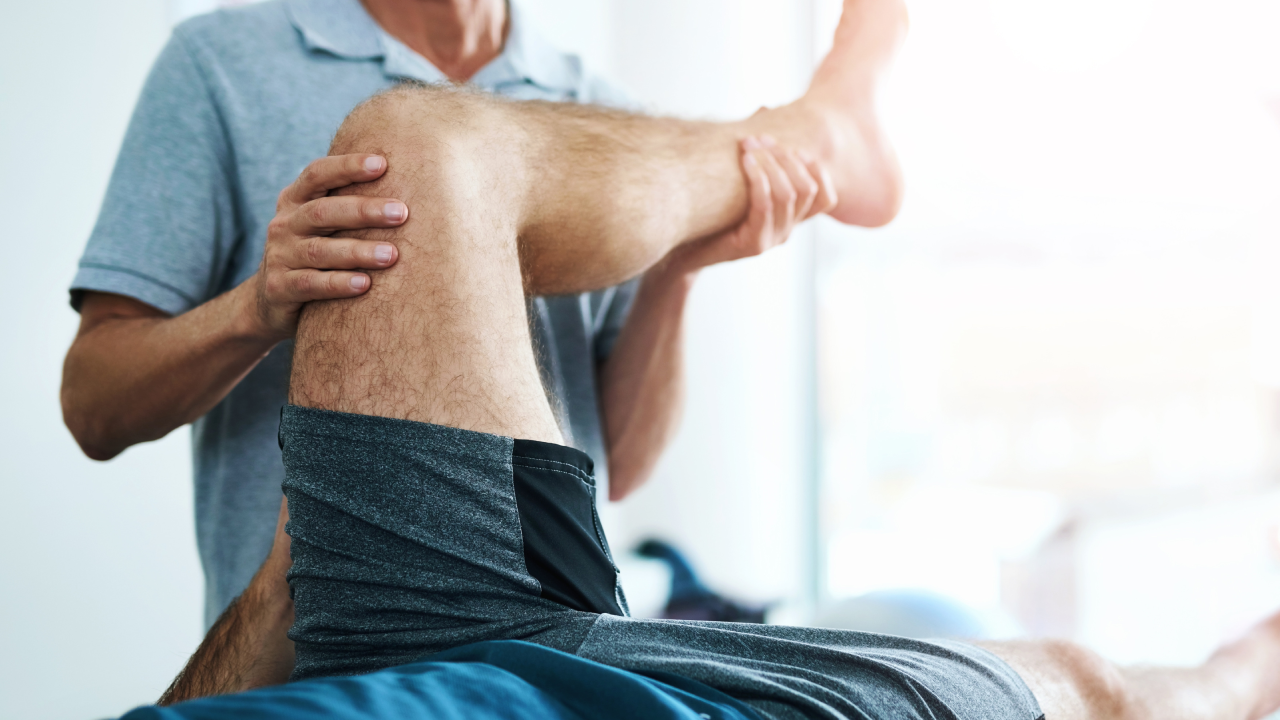
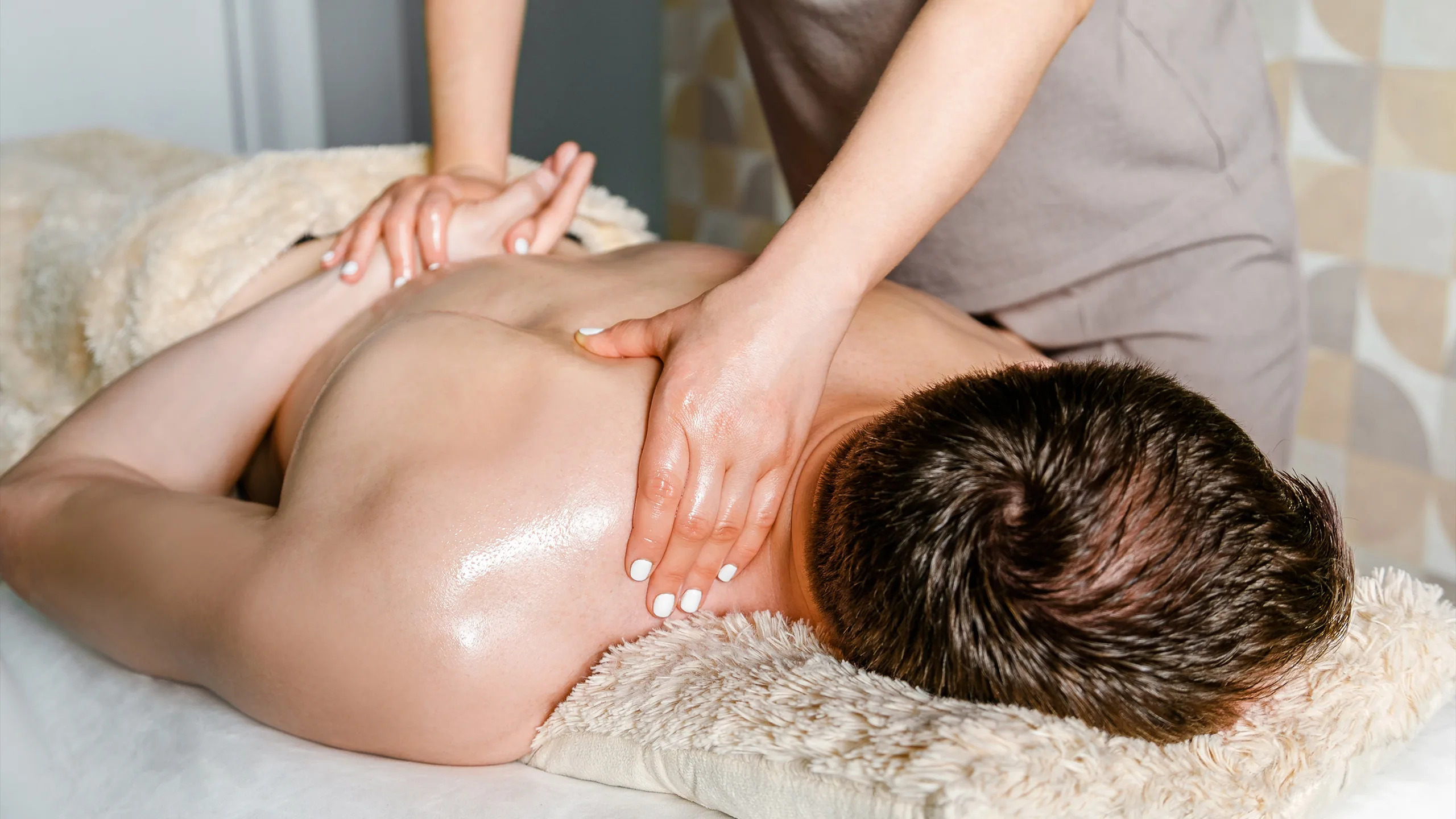
Hands-on physiotherapy may be used to address areas of stiffness or muscle tension. Techniques may involve the hip, thigh, knee, or surrounding structures based on the assessment.
Movement Retraining
For runners and athletes, movement patterns may be reviewed. Small changes in training volume, running mechanics, cadence, footwear, or terrain may be considered when relevant.
Gradual Return to Activity
Returning to running, cycling, sport, or exercise too quickly may cause symptoms to return. A gradual progression can help the body adapt to increasing workloads.
How the Process Works
1. Consultation
The first visit begins with a discussion about your symptoms, activity history, work demands, exercise routine, and goals.
2. Assessment
Your physiotherapist evaluates movement, strength, mobility, balance, and areas related to your symptoms.
3. Care Plan
The findings are used to establish a treatment and exercise plan based on your current condition and activity needs.
4. Treatment
Sessions may include therapeutic exercises, mobility work, manual therapy, and movement-based strategies.
5. Progress Review
Your symptoms, strength, movement, and activity tolerance can be reviewed as you progress.
6. Return to Activity
Exercise and activity levels can be increased gradually as your tolerance improves.
Practical Benefits of Physiotherapy for IT Band Syndrome
Physiotherapy can help you:
- Identify factors contributing to recurring outer-knee symptoms
- Improve hip and lower-limb strength
- Increase movement capacity
- Build tolerance for physical activity
- Modify training loads
- Improve movement control
- Develop a structured exercise routine
- Prepare for a gradual return to running or sport
- Reduce unnecessary interruptions to exercise
- Monitor changes during recovery
The goal is not simply to focus on the location of the symptoms. Your physiotherapist can also look at how your hip, knee, ankle, and movement habits work together during activity.
Who We Serve in Woodbridge
Spinal Solution and Rehab provides physiotherapy care for people with IT Band Syndrome in Woodbridge, ON, including:
- Recreational runners
- Competitive athletes
- Cyclists
- Gym-goers
- Active adults
- Walkers and hikers
- People returning to exercise
- Workers with physically demanding routines
- Adults dealing with recurring outer-knee symptoms
People from nearby Vaughan communities may also seek care when symptoms interfere with exercise, work, or everyday activities.
Frequently Asked Questions About IT Band Syndrome
What does IT Band Syndrome feel like?
ITBS commonly causes discomfort around the outside of the knee. Some people describe the sensation as sharp, aching, burning, or tight. Symptoms may increase during repetitive activities such as running, cycling, or stair climbing.
Can IT Band Syndrome go away on its own?
Some cases improve when aggravating activities are reduced and the contributing factors are addressed. Persistent or recurring symptoms may warrant an assessment to determine what is contributing to the problem.
Should I stop running?
Not everyone needs to stop running completely. Your activity level may need adjustment depending on symptom severity and how your body responds to exercise. A physiotherapist can help determine an appropriate activity level.
How long does IT Band Syndrome take to improve?
The timeline varies. It depends on symptom duration, activity demands, contributing factors, training volume, strength, mobility, and how the body responds to changes in activity.
Can physiotherapy help runners with ITBS?
Yes. Physiotherapy may include strength exercises, movement assessment, training modifications, mobility work, and a gradual return-to-running plan.
Can cycling cause IT Band Syndrome?
Cycling involves repeated knee movement, so changes in riding duration, training volume, terrain, or bike setup may contribute to symptoms in some people.
Do I need imaging?
Imaging is not always required for ITBS. A clinical assessment can often provide useful information. If your symptoms suggest another condition or require further investigation, your healthcare provider may recommend additional assessment.
Can I exercise while recovering?
Often, modified activity is possible. Exercises that do not increase symptoms may remain part of your routine while aggravating activities are adjusted.
When should I seek assessment?
Consider seeking assessment when outer-knee symptoms continue, repeatedly return during activity, affect walking or stairs, or prevent you from participating in normal exercise.
Service Areas
If you are searching for IT Band Syndrome in Woodbridge, ON, Spinal Solution and Rehab can assess your symptoms and movement patterns to determine whether physiotherapy is appropriate.
Our local service area may include:
- Woodbridge
- Vaughan
- Kleinburg
- Maple
- Vellore Village
- Concord
- Nearby Vaughan communities
Our team can work with runners, cyclists, active adults, and people dealing with recurring outer-knee symptoms. Care may include exercise therapy, mobility work, manual therapy, activity modification, and gradual return-to-sport planning.
Why Choose Spinal Solution and Rehab?
Spinal Solution and Rehab focuses on assessment, movement, exercise, and practical treatment planning for musculoskeletal conditions.
For ITBS, this means looking beyond the painful area and considering factors involving the hip, knee, ankle, strength, mobility, activity levels, and movement habits.
Our physiotherapy team can also communicate with other healthcare providers when additional assessment is appropriate.
Rather than relying on one approach for every person, treatment can be adjusted according to your symptoms, physical findings, daily activities, and progress.
Related Physiotherapy Services
Depending on your symptoms and assessment findings, related services may include:
- Sports Physiotherapy
- Physiotherapy for Knee Conditions
- Physiotherapy for Hip Conditions
- Exercise Therapy
- Manual Therapy
- Running Injury Rehabilitation
- Injury Prevention Programs
- Athletic Rehabilitation
Service Area
Spinal Solution and Rehab serves people looking for physiotherapy for IT Band Syndrome in Woodbridge, ON, and surrounding Vaughan communities.
If you live, work, exercise, or train in Woodbridge and are dealing with recurring outer-knee symptoms, you can contact Spinal Solution and Rehab to arrange an assessment.
Get Started
Recurring outer-knee symptoms do not have to be ignored. If running, cycling, walking, stairs, or exercise keeps triggering discomfort, an assessment can help identify factors that may be contributing to the problem.
Address: 8300 Hwy 27, Woodbridge, ON L4H 0R9
Phone: +1 905-739-3100
Contact Spinal Solution and Rehab to discuss your symptoms and arrange an appointment for IT Band Syndrome in Woodbridge, ON.