Meniscus Injuries in Woodbridge, ON
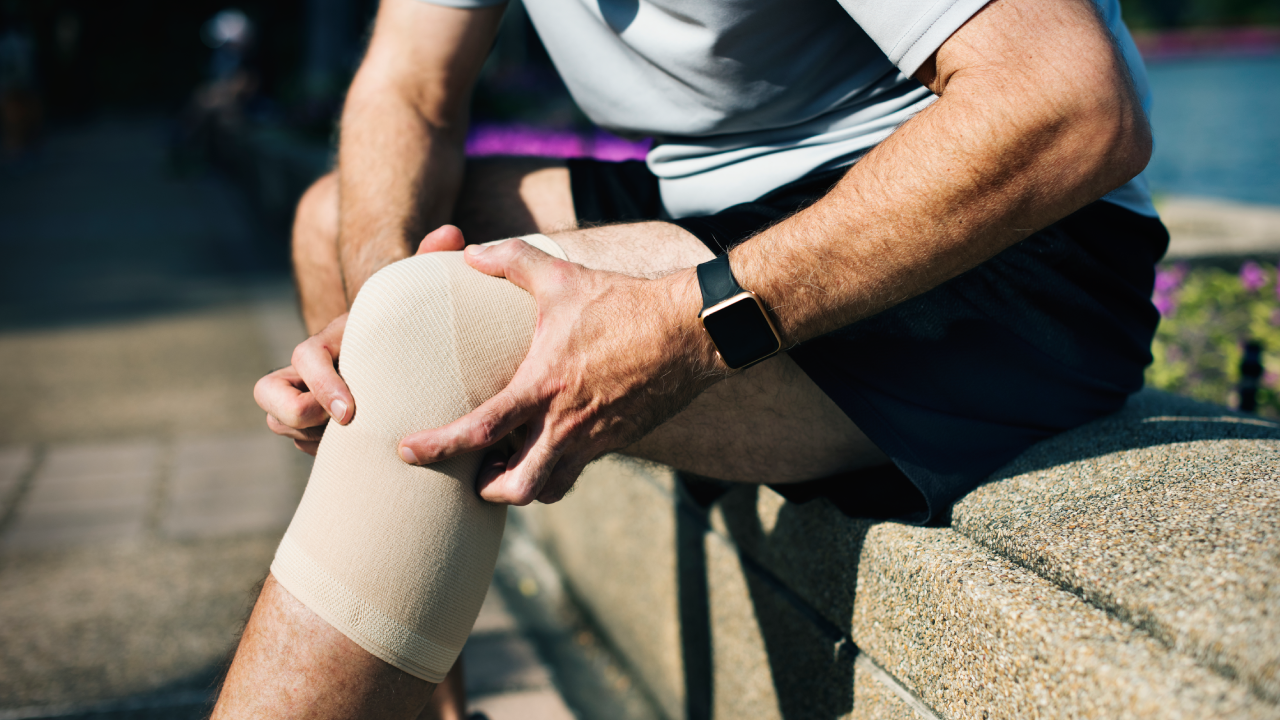
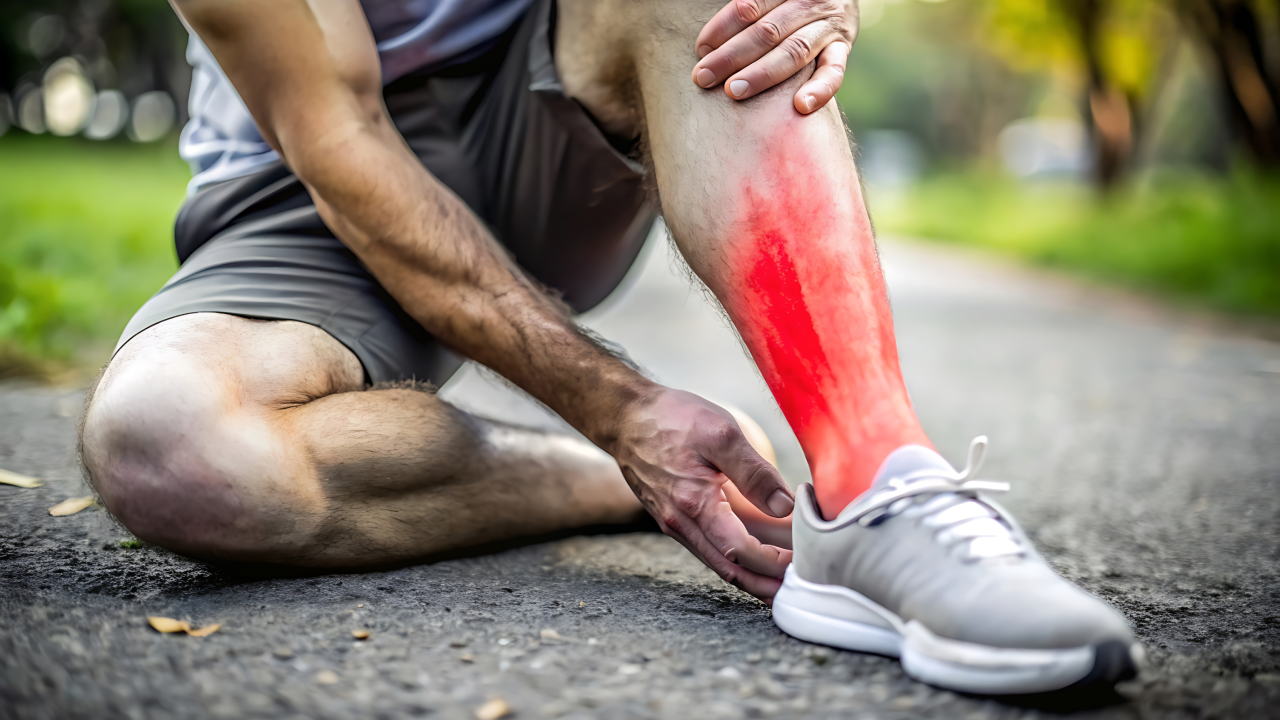
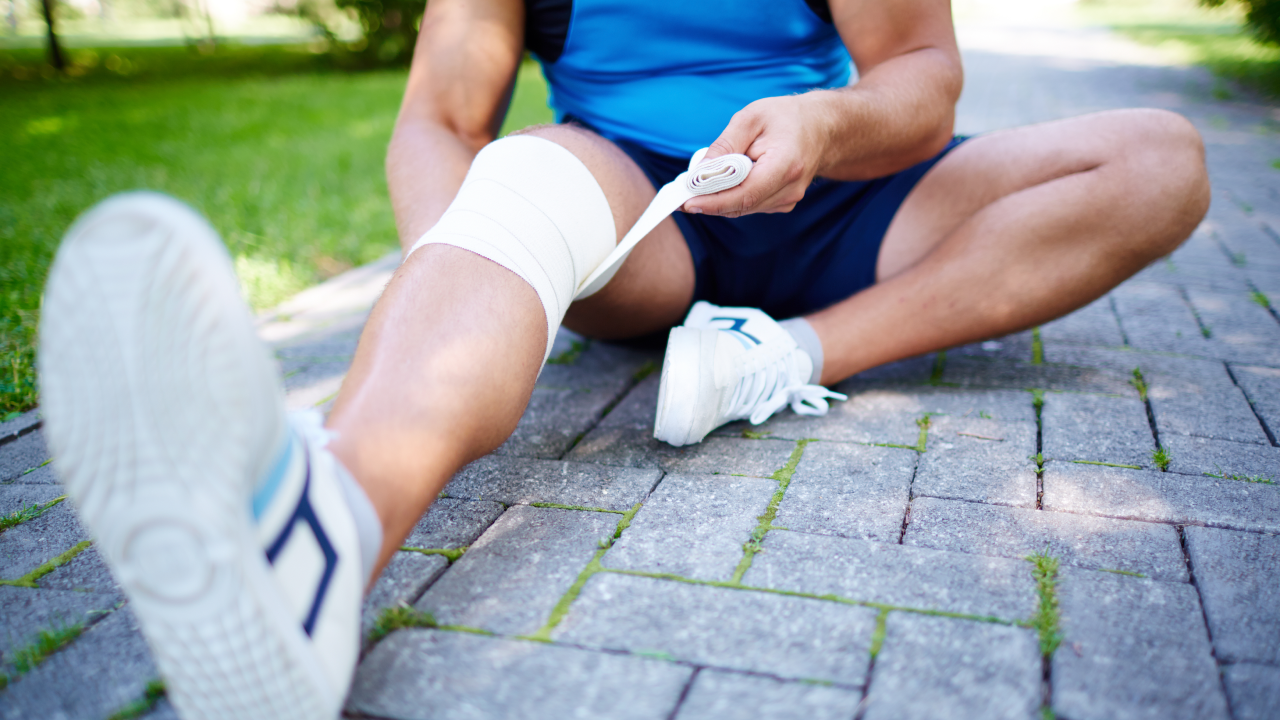
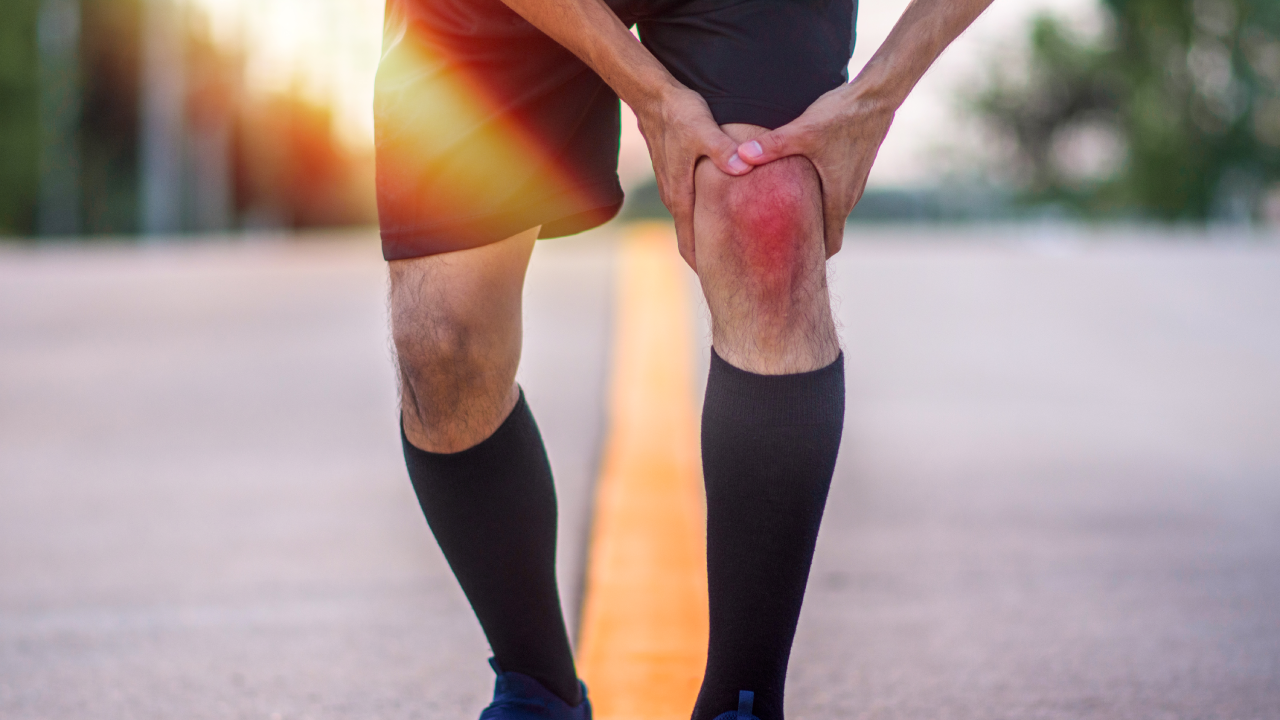
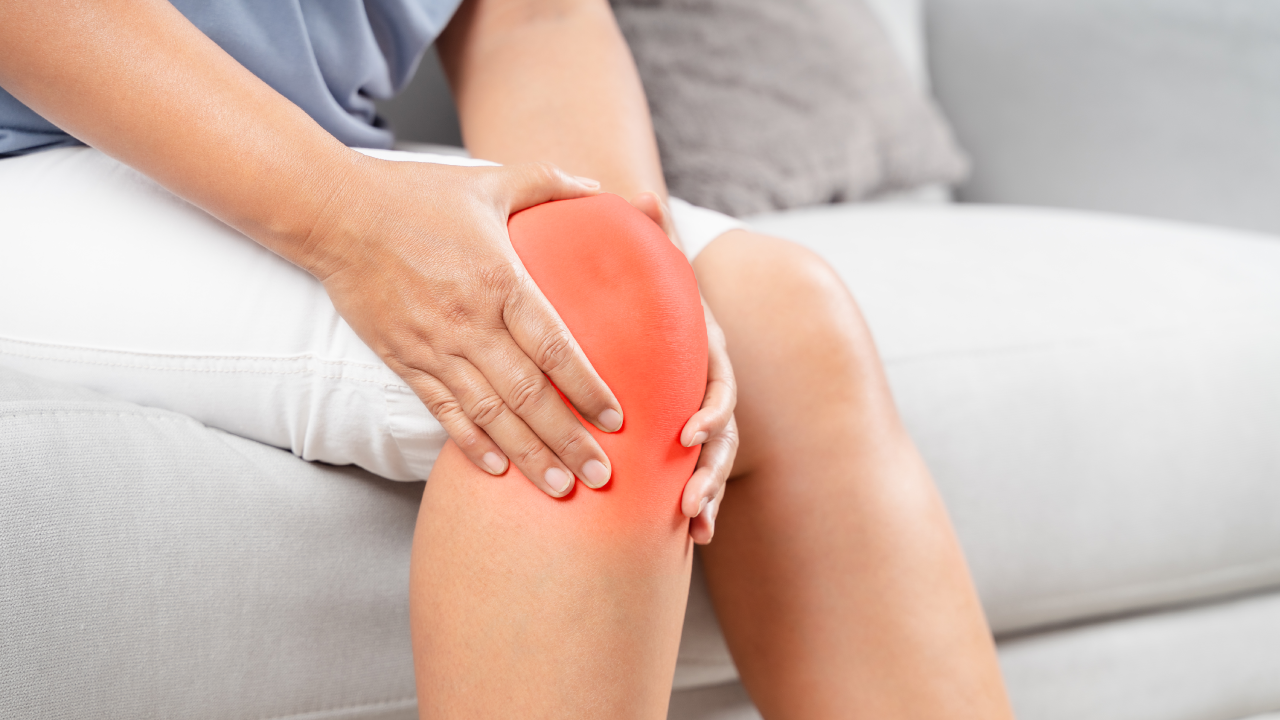
A meniscus injury can make everyday knee movements difficult. Turning, squatting, climbing stairs, kneeling, running, or getting out of a chair may trigger discomfort, swelling, stiffness, or a feeling that it functions during walking, stairs, squatting, or sports. At Spinal Solution and Rehab, we assess knee symptoms and create rehabilitation plans based on the injury, your movement patterns, activity level, and functional goals.
Meniscus Injuries in Woodbridge, ON, can happen during sports, workplace activities, exercise, or routine movements. Some injuries occur suddenly when the knee twists while the foot remains planted. Others develop gradually as the meniscus changes with age.
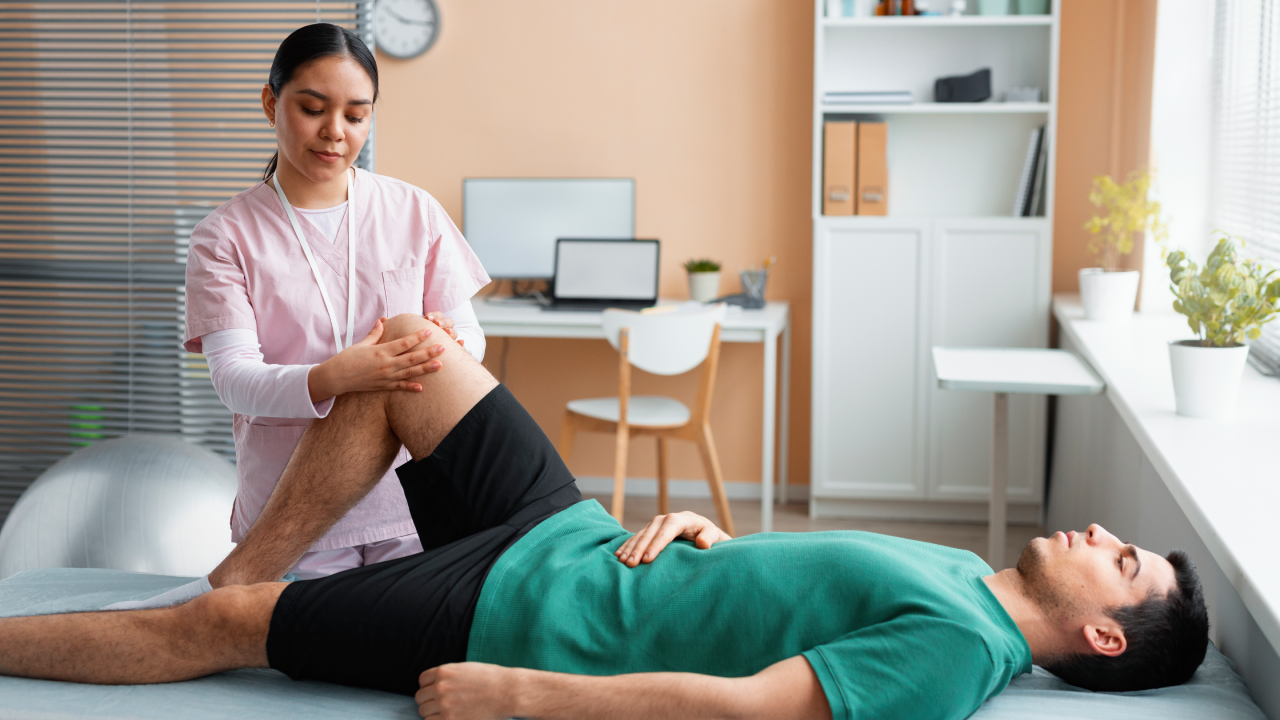
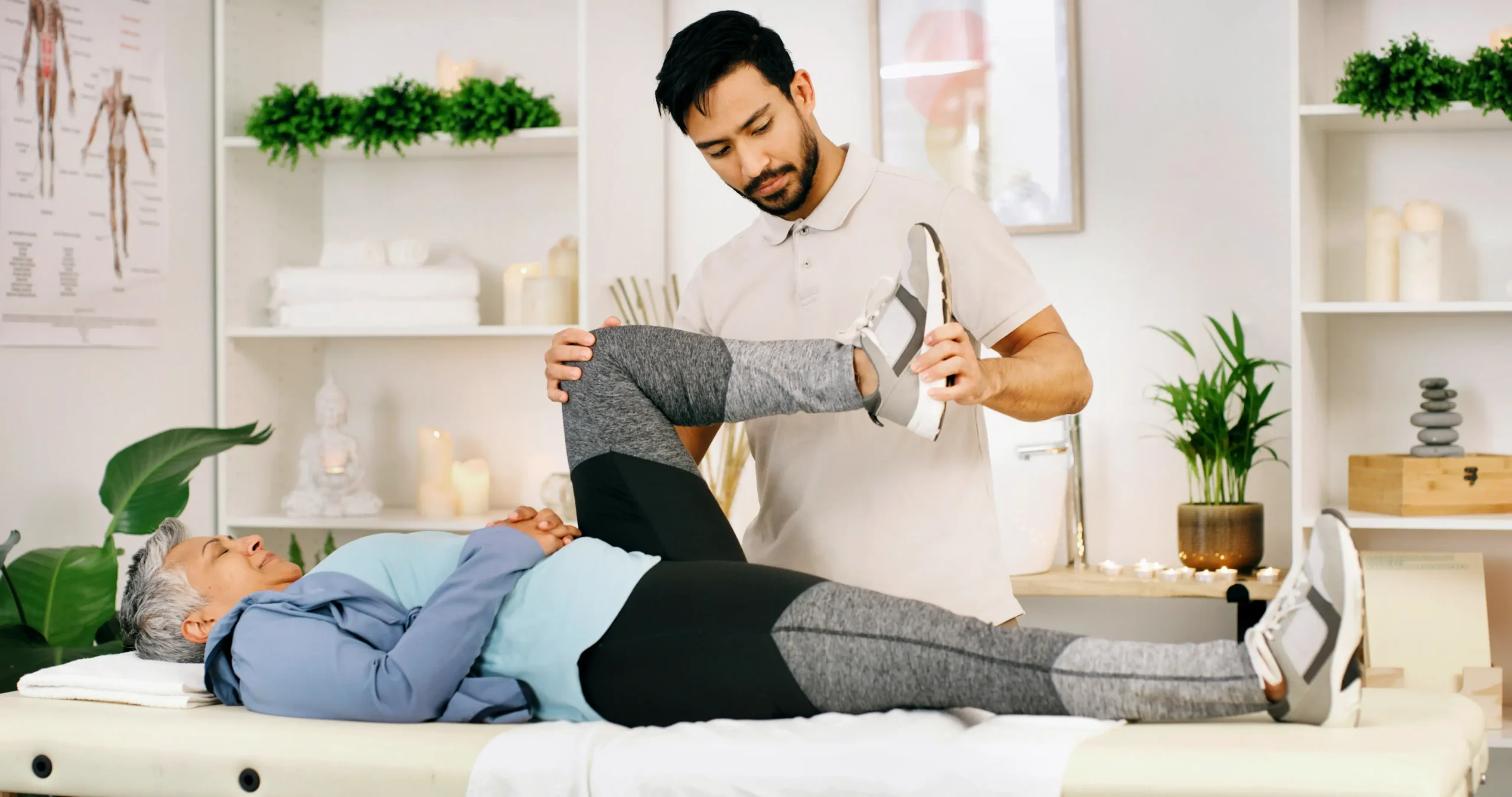
Our physiotherapy team can assess the knee, identify movement limitations, and provide rehabilitation focused on strength, mobility, balance, and functional movement.
What Are Meniscus Injuries?
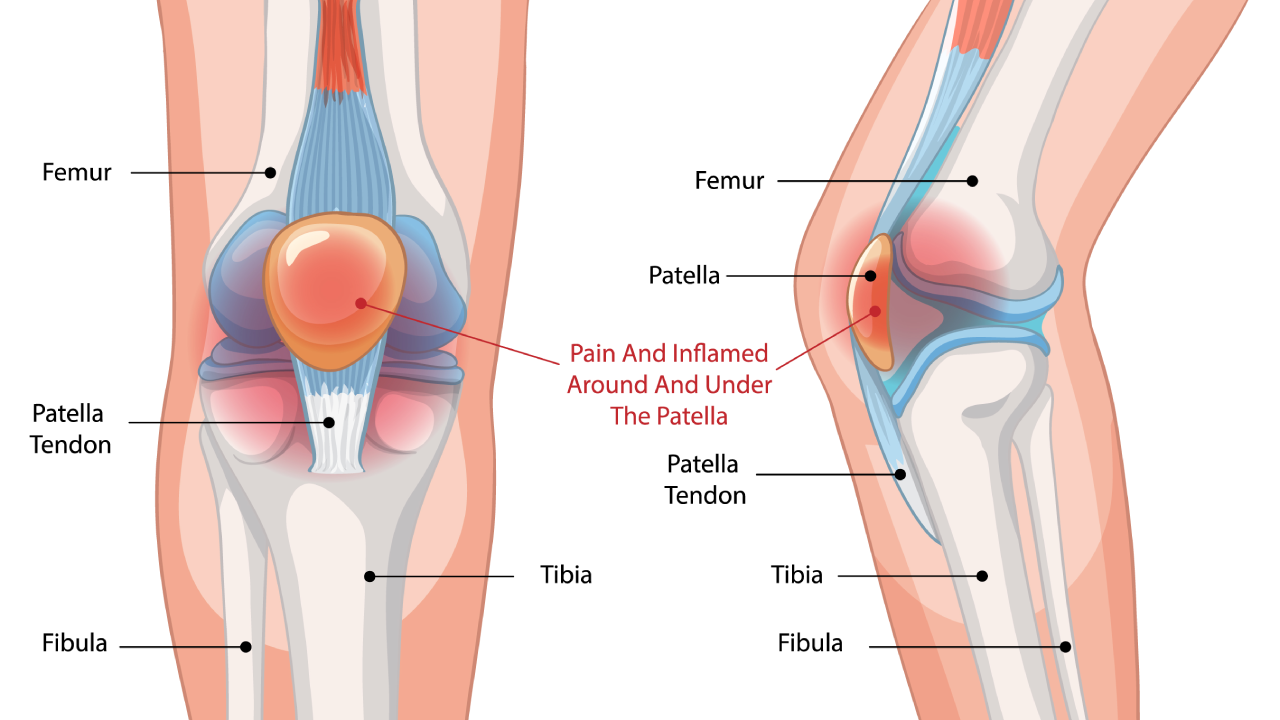
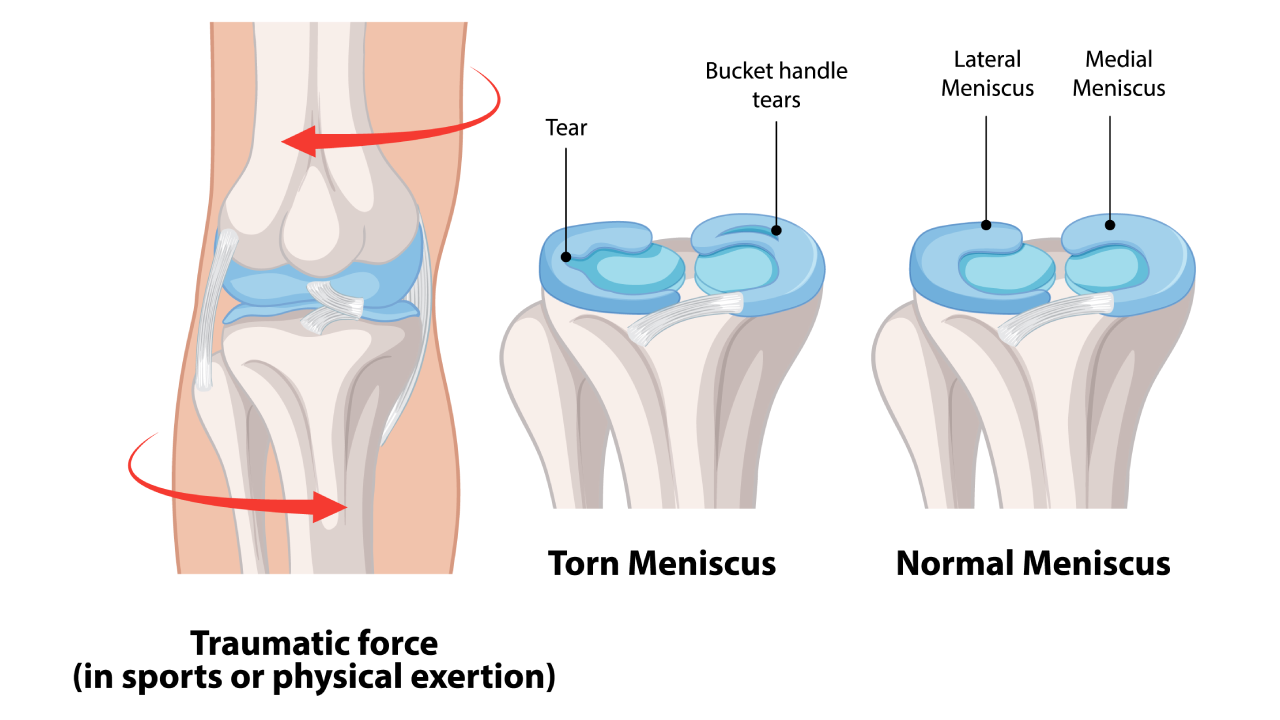
The menisci are two crescent-shaped pieces of cartilage located between the thigh bone and shin bone inside each knee. They help distribute load across the joint, assist with shock absorption, and contribute to knee stability during movement.
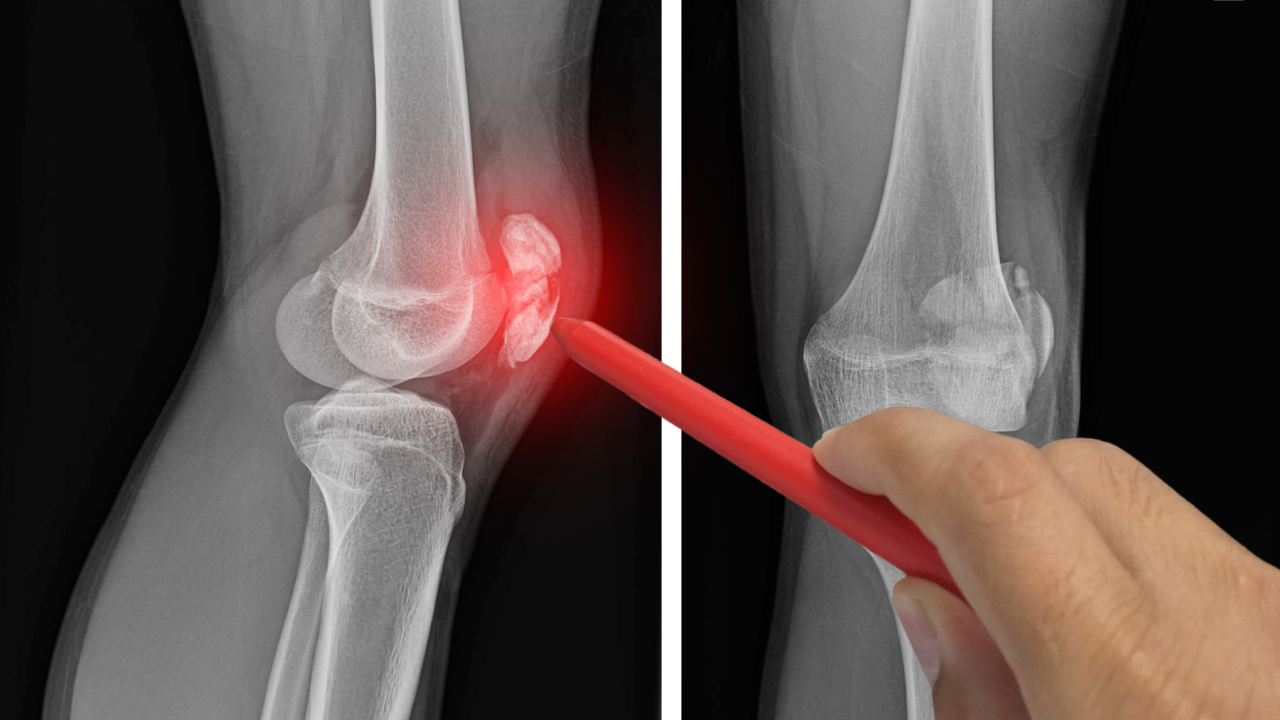
A meniscus injury occurs when this cartilage becomes torn or damaged. A tear can vary in size, location, and pattern. Some tears happen during a sudden twisting motion. Others may develop gradually from repeated loading or age-related changes.
Common symptoms include:
- Knee pain during twisting or turning
- Swelling around the knee
- Stiffness after sitting or resting
- Difficulty bending or straightening the knee
- Clicking or catching sensations
- A feeling that the knee may give way
- Difficulty with stairs
- Discomfort while squatting or kneeling
- Reduced tolerance for running or jumping
- Limited participation in sports or physical activities
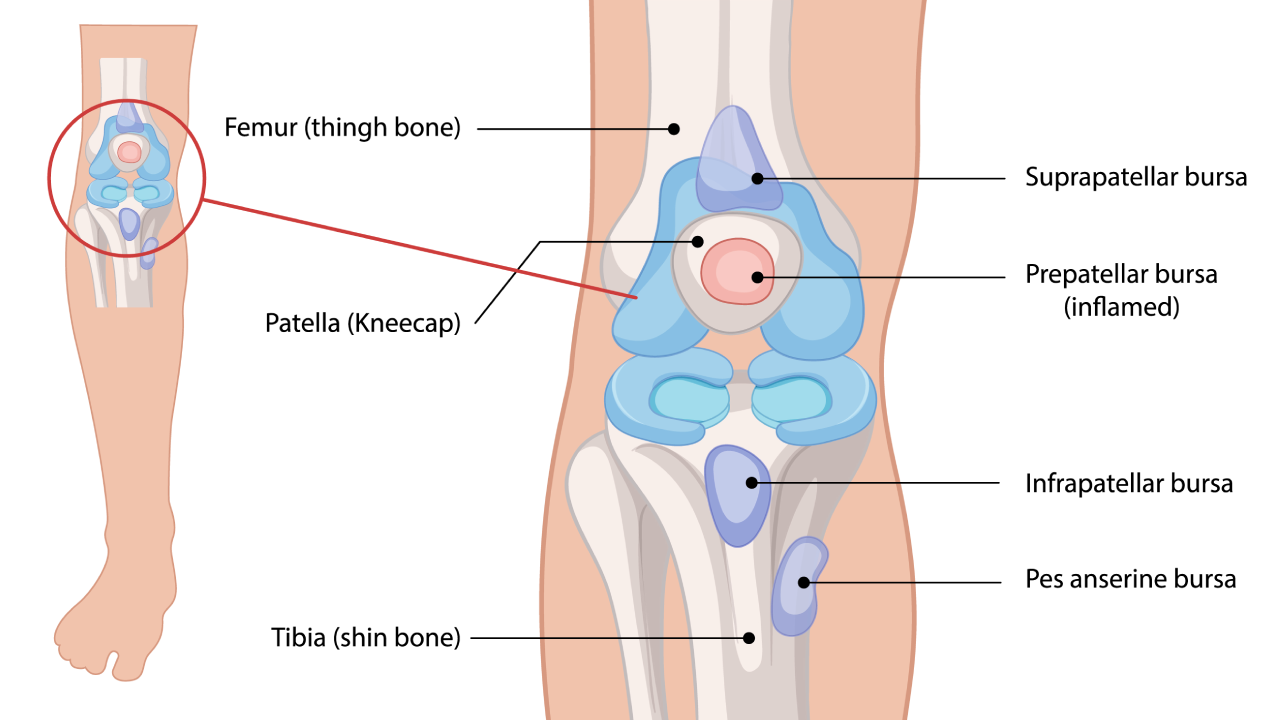
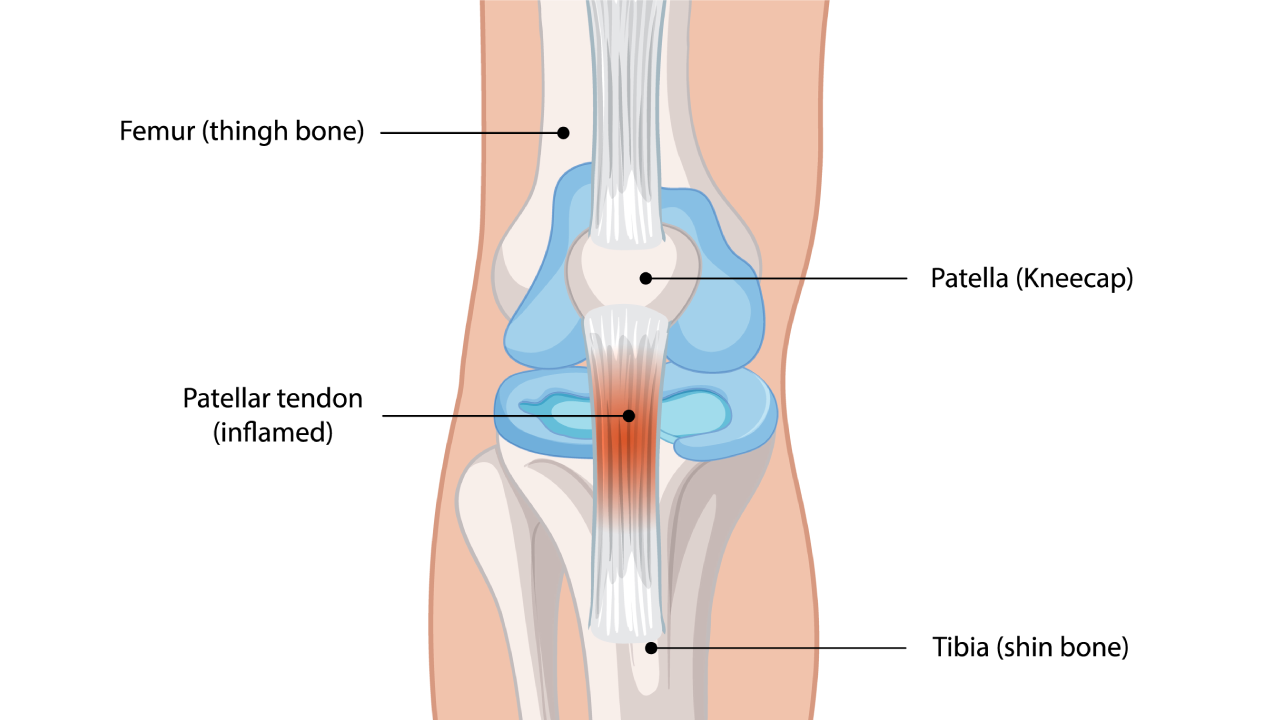
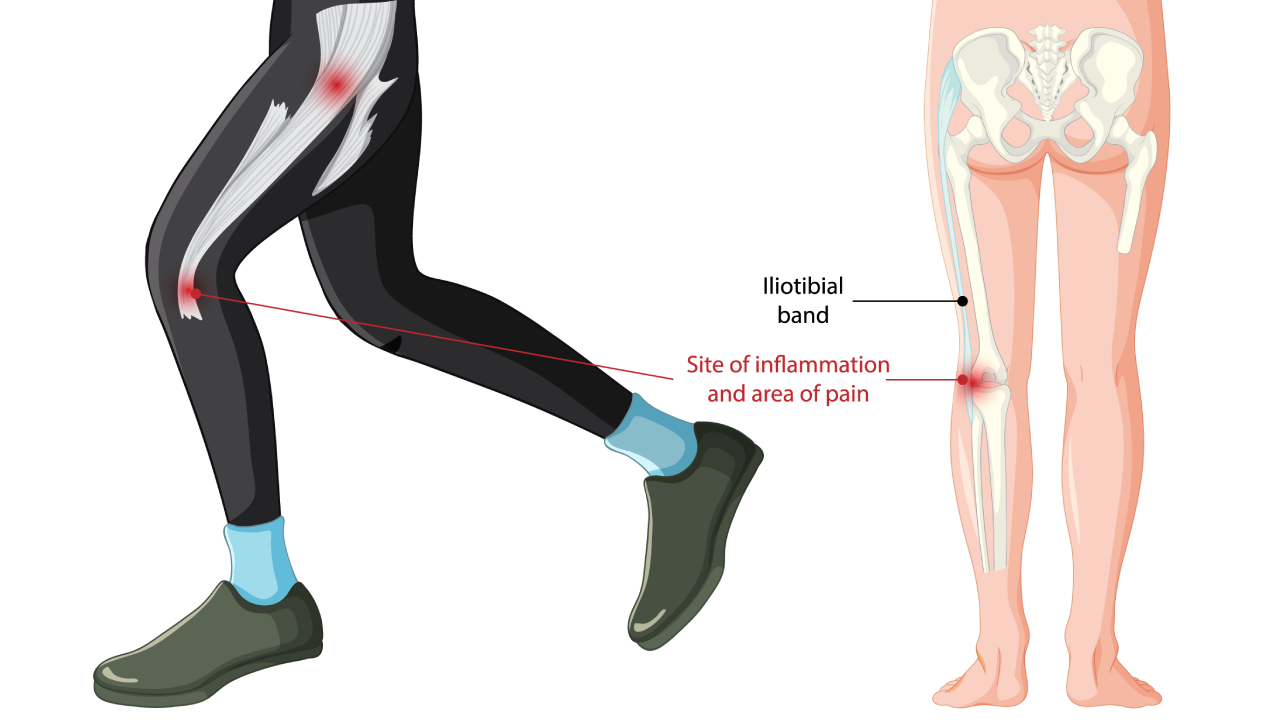
Not every knee symptom means there is a meniscus tear. Ligament injuries, tendon problems, arthritis, patellar conditions, and other knee issues can create similar symptoms. A clinical assessment can help determine what may be contributing to your symptoms.
Who May Develop a Meniscus Injury?
Meniscus injuries can affect people across different age groups and activity levels.
Athletes and Active Adults
Sports involving sudden changes in direction can place substantial rotational force through the knee. Soccer, basketball, hockey, tennis, skiing, and other activities may involve movements associated with meniscus tears.
An athlete may notice symptoms after a tackle, landing, pivot, sudden stop, or awkward change of direction.
Gym and Fitness Participants
Exercises involving deep squats, loaded movements, jumping, or rapid changes in position may aggravate an already irritated knee. Poor movement control may also increase stress through certain areas of the joint.
Workplace Injuries
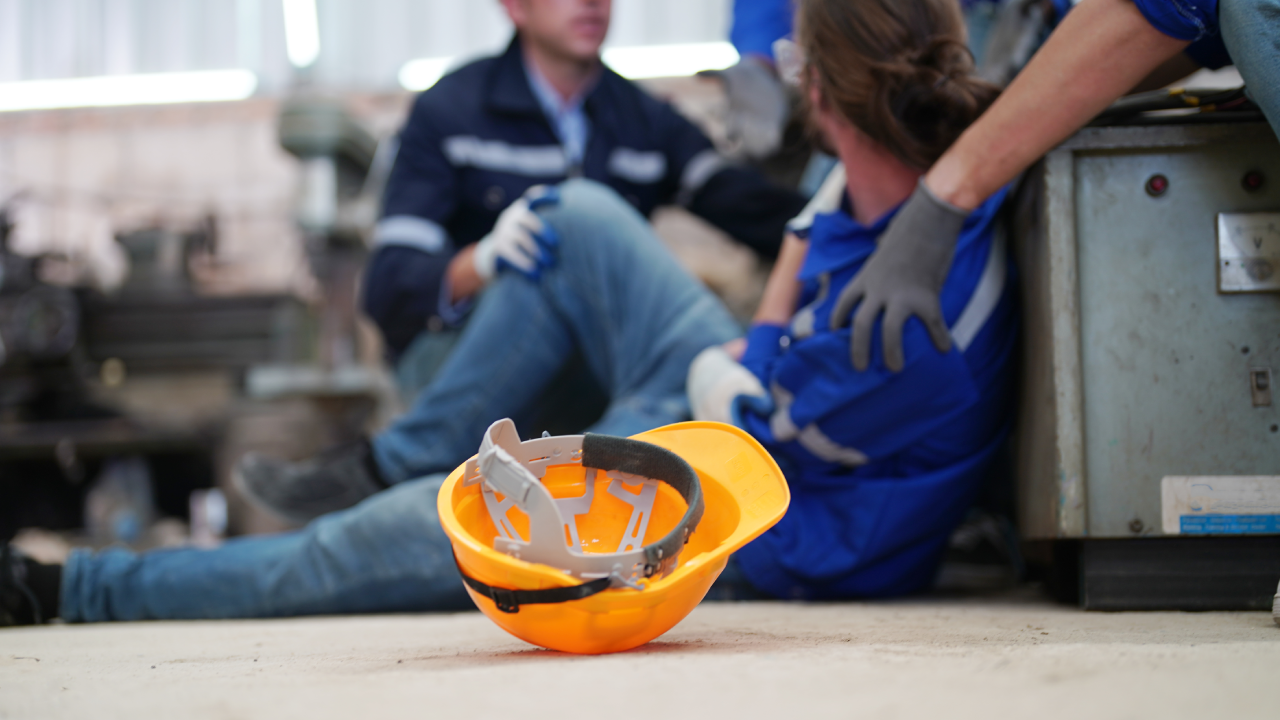
Jobs involving kneeling, squatting, lifting, climbing, or repeated changes in direction can place ongoing demands on the knee. A sudden twist while carrying an object can also result in an acute injury.
Older Adults
Meniscal tissue can become more susceptible to damage as the knee changes over time. In some cases, a relatively minor movement can trigger symptoms when age-related changes are already present.
Problems Associated With Meniscus Injuries
A meniscus tear can affect much more than the knee itself. When movement becomes uncomfortable, people often change how they walk, climb stairs, exercise, or perform work duties.
At Spinal Solution and Rehab, we commonly assess issues such as:
- Difficulty walking for longer periods
- Reduced knee mobility
- Trouble using stairs
- Difficulty getting up from a chair
- Reduced tolerance for squatting
- Problems with kneeling
- Avoidance of recreational activities
- Reduced leg strength
- Poor balance or movement control
- Difficulty returning to sport
- Reduced confidence during turning movements
A person may also begin compensating through the hip, ankle, or opposite leg. These changes can alter movement mechanics and place additional demands on other parts of the body.
Assessment for Meniscus Injuries
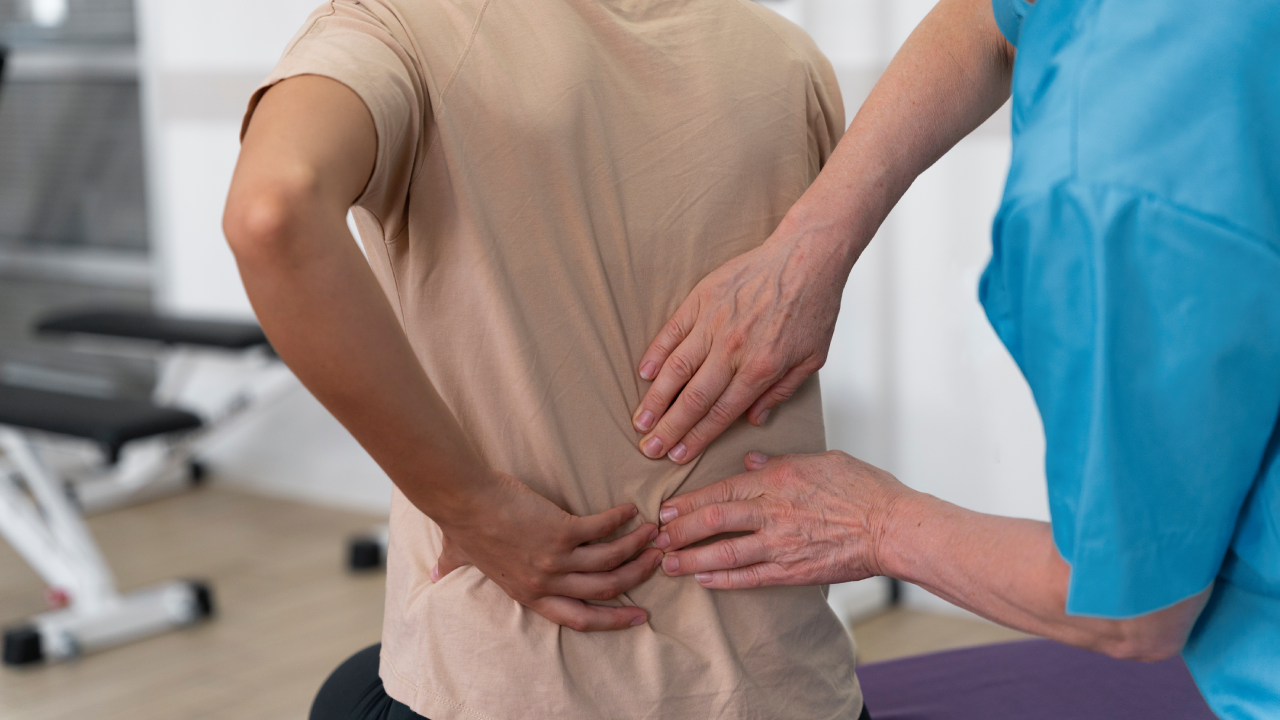
A physiotherapy assessment starts with a discussion about your symptoms and how they began. We may ask when the symptoms appeared, whether there was a specific incident, which movements aggravate the knee, and how the problem affects work, exercise, walking, or daily activities.
The physical assessment may include:
Knee Mobility
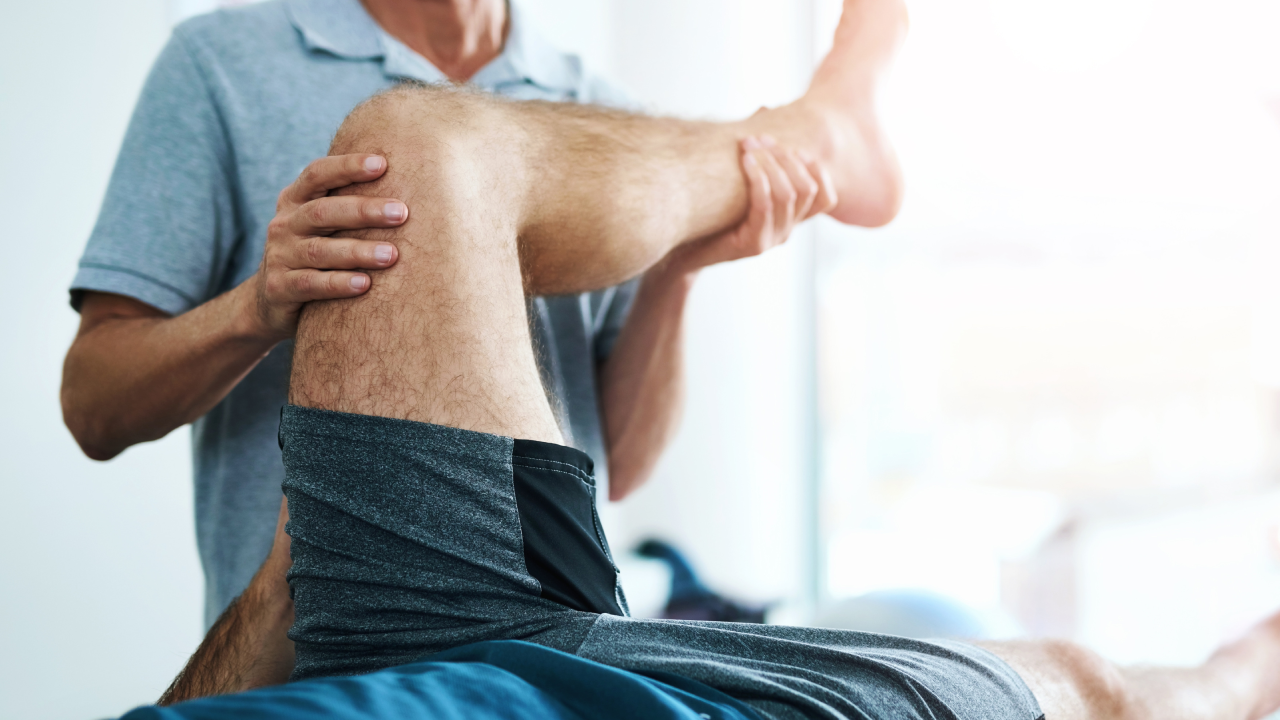
We assess how comfortably the knee bends and straightens. Differences between sides may provide useful information about movement restrictions.
Strength Testing
The muscles around the knee and hip play an important role in lower-limb movement. We may assess strength in the quadriceps, hamstrings, gluteal muscles, and other supporting muscle groups.
Movement Assessment
We may observe movements such as walking, sitting, standing, squatting, stepping, or other activities relevant to your daily routine.
Balance and Control
Single-leg balance and lower-limb control can provide information about how the knee functions during weight-bearing activities.
Symptom Review
Your symptoms, injury history, activity level, and physical findings are considered together rather than relying on one test alone.
If symptoms suggest a more serious injury or another medical condition, referral to a physician or other healthcare provider may be appropriate. Imaging such as an MRI may be considered by a physician when clinically indicated.
Rehabilitation for Meniscus Injuries
Rehabilitation depends on factors such as the type of tear, symptom severity, age, activity level, physical findings, and whether surgery has been recommended.
At Spinal Solution and Rehab, rehabilitation may include several components.
Mobility Exercises
Gentle movement can help maintain or restore knee mobility when stiffness is limiting normal activity. Exercises are selected according to current tolerance.
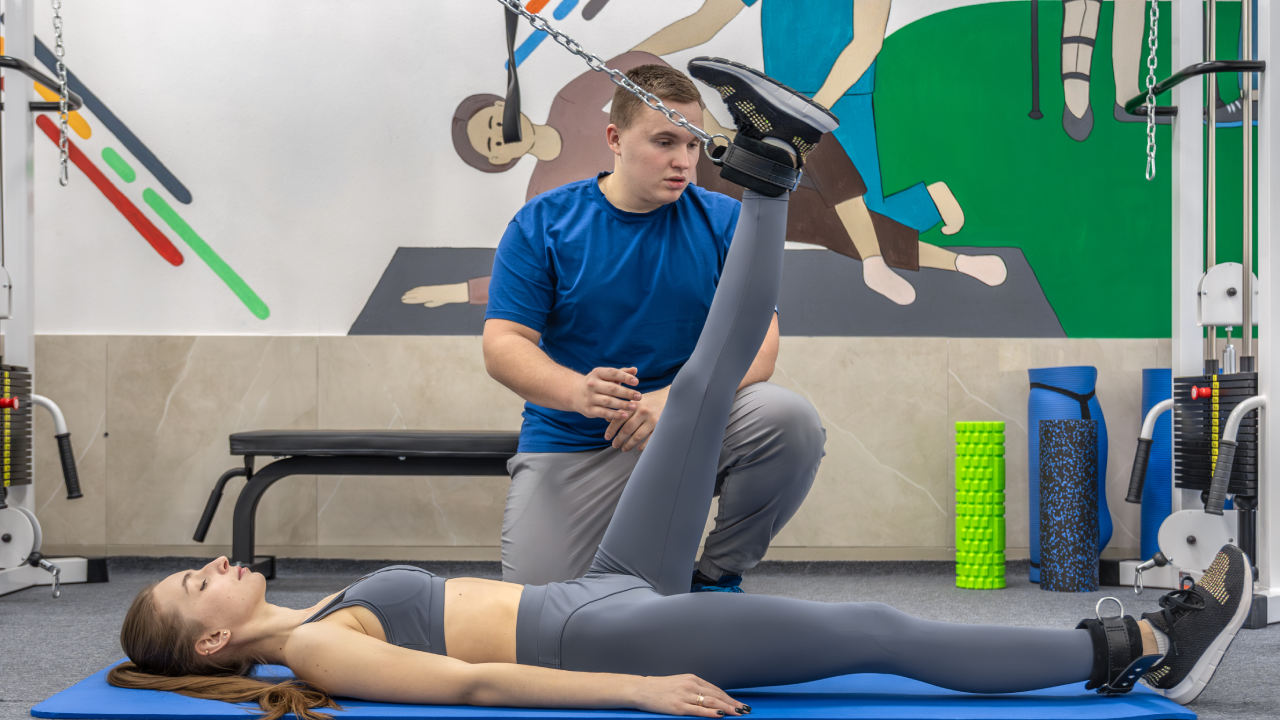
Strength Training
Strength work may focus on the quadriceps, hamstrings, gluteal muscles, calves, and other muscles involved in lower-limb function.
Improved muscular capacity can help you perform everyday tasks such as walking, climbing stairs, standing, and sitting.
Balance Training
Balance exercises can help improve lower-limb control during standing and movement. This may be particularly relevant for people returning to sport or physically demanding work.
Movement Retraining
Certain activities may need to be modified while symptoms settle. We can assess movement patterns and gradually introduce tasks that resemble your work, sport, or daily routine.
Activity Progression
Returning to activity too quickly may aggravate symptoms. Rehabilitation can progress from simpler movements toward more demanding tasks as your knee tolerates the workload.
Rehabilitation After Meniscus Surgery
Some meniscus injuries require surgical treatment. The rehabilitation process following surgery depends on the procedure performed and instructions provided by the surgical team.
After surgery, physiotherapy may focus on:
- Restoring knee movement
- Managing swelling
- Rebuilding leg strength
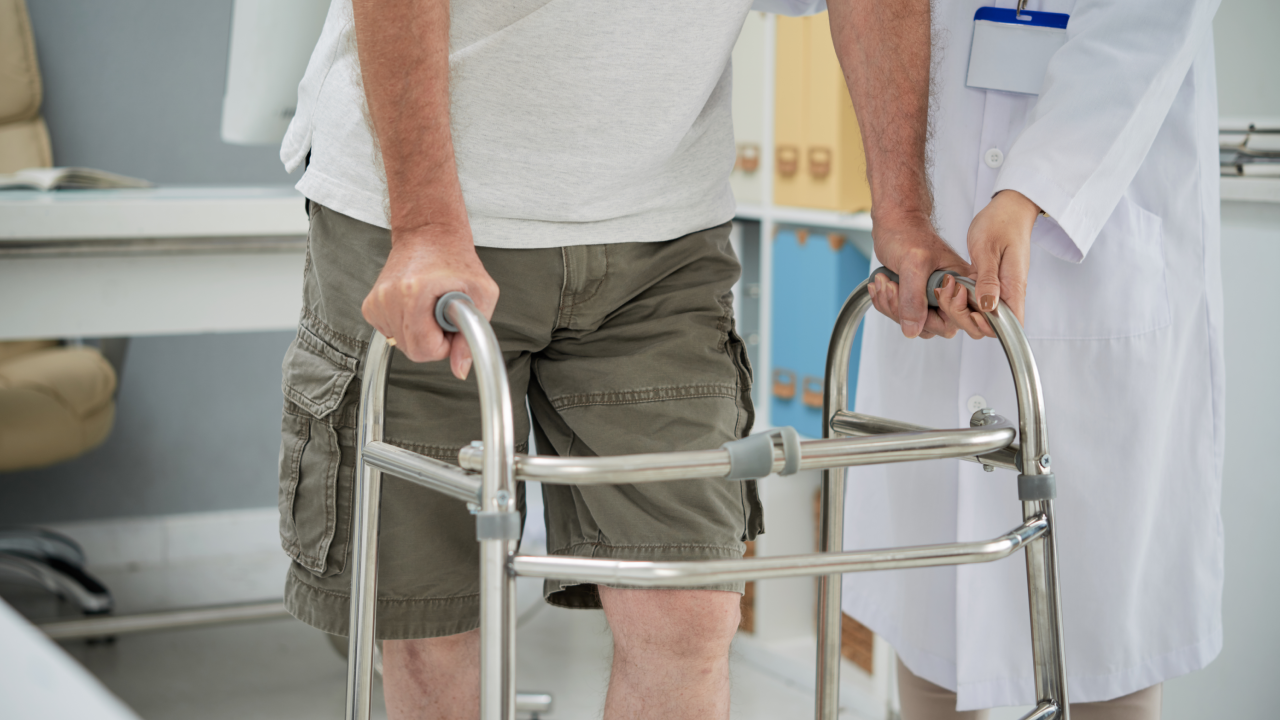
- Improving walking mechanics
- Restoring balance
- Progressing weight-bearing activities as permitted
- Preparing for work duties
- Preparing for sport-specific movements
The timeline can vary significantly depending on the surgical procedure and individual circumstances. Follow the restrictions provided by your surgeon during the recovery period.
How the Process Works
1. Consultation
We begin by discussing your knee symptoms, injury history, activity level, work demands, and current limitations.
2. Assessment
Our physiotherapy team examines knee movement, strength, balance, functional movement, and other relevant factors.
3. Rehabilitation Planning
Based on the findings, we establish a rehabilitation plan that fits your current abilities and activity requirements.
4. Treatment and Exercise
Sessions may include therapeutic exercises, mobility work, movement training, balance activities, and other physiotherapy approaches suited to your condition.
5. Progress Review
Your symptoms, movement, strength, and functional abilities are monitored as rehabilitation progresses.
6. Activity Progression
Exercises and activities can gradually become more demanding as your knee capacity improves. The goal is to help you move toward your regular activities while respecting symptom response and medical restrictions.
Benefits of Physiotherapy for Meniscus Injuries
Physiotherapy may help address several areas associated with knee injuries.
Improved Knee Mobility
Exercises and movement work can help address stiffness and restricted knee motion.
Increased Leg Strength
Progressive strengthening can improve the ability of the leg to handle everyday and recreational activities.
Improved Movement Control
Training can address movement patterns involving the knee, hip, and ankle.
Return to Daily Activities
Rehabilitation can focus on practical activities such as walking, stairs, squatting, sitting, standing, and workplace movements.
Sport Preparation
For athletes, rehabilitation may gradually introduce running, jumping, cutting, balance, and other sport-related movements when appropriate.
Reduced Activity Restrictions
As physical capacity improves, some people can gradually return to activities that had previously become difficult.
Conditions and Situations We Treat
At Spinal Solution and Rehab, our physiotherapy services can address a range of knee-related concerns alongside meniscus injuries, including:
- Acute knee injuries
- Knee stiffness
- Knee weakness
- Sports-related knee injuries
- Workplace knee injuries
- Post-surgical knee rehabilitation
- Difficulty with stairs
- Movement-related knee symptoms
- Reduced lower-limb strength
- Balance and coordination concerns
- Activity-related knee discomfort
A clinical assessment can help determine the next step if you’re unsure whether your symptoms are related to the meniscus.
Who We Serve in Woodbridge
Spinal Solution and Rehab serves people in Woodbridge and surrounding communities who are dealing with knee injuries and movement limitations.
Our patients may include:
- Athletes
- Recreational runners
- Gym participants
- Active adults
- Office workers
- Tradespeople
- Older adults
- Post-surgical patients
- People recovering from workplace injuries
We can also work with people who need rehabilitation support for returning to work, exercise, sport, or everyday activities.
Frequently Asked Questions
What is a meniscus injury?
A meniscus injury involves damage or tearing of one of the cartilage structures located between the thigh bone and the shin bone in the knee.
What causes a meniscus tear?
A tear can occur during twisting, pivoting, sudden changes in direction, awkward landings, or other movements that place rotational stress through the knee. Age-related tissue changes can also contribute.
What are common symptoms?
Symptoms may include knee pain, swelling, stiffness, catching, clicking, difficulty bending or straightening the knee, and problems with activities such as squatting or stairs.
Can physiotherapy help with a meniscus injury?
Physiotherapy can help address mobility, strength, balance, movement control, and activity tolerance. The appropriate approach depends on the type and severity of the injury.
Do all meniscus tears require surgery?
No. Some meniscus tears can be managed without surgery, while others may require surgical assessment. The appropriate decision depends on factors such as tear characteristics, symptoms, age, activity requirements, and clinical findings.
How long does rehabilitation take?
Recovery time varies. Factors include the type of tear, symptom severity, treatment approach, whether surgery was performed, and the demands of your work or sport.
Can I exercise with a meniscus injury?
Some forms of exercise may be appropriate, while certain movements may need temporary modification. A physiotherapist can assess your current capacity and help determine suitable activities.
Should I seek medical assessment?
If your knee is severely swollen, locked, unstable, significantly injured, or difficult to bear weight on, medical assessment may be appropriate. Sudden severe symptoms following an injury should not be ignored.
Service Areas
If you are searching for Meniscus Injuries in Woodbridge, ON, Spinal Solution and Rehab provides physiotherapy services for people dealing with knee injuries, movement limitations, sports injuries, workplace injuries, and post-surgical rehabilitation.
Our local service area may include:
- Woodbridge
- Vaughan
- Kleinburg
- Maple
- Vellore Village
- Concord
- Nearby Vaughan communities
Whether your symptoms started during sports, work, exercise, or an everyday movement, we can assess your knee and discuss appropriate physiotherapy options.
Why Choose Spinal Solution and Rehab?
At Spinal Solution and Rehab, our approach begins with assessment rather than assuming that every knee injury is the same.
Your rehabilitation plan may take into account:
- Your current symptoms
- Injury history
- Knee mobility
- Leg strength
- Balance
- Work requirements
- Sports participation
- Daily activities
- Previous injuries
- Surgical history, when applicable
We also track functional changes throughout rehabilitation so that exercises can be adjusted according to your progress and tolerance.
Our clinic focuses on practical movement. Rather than looking only at the knee, we consider how the knee functions during walking, stairs, squatting, sport, work, and other activities that matter to your routine.
Related Physiotherapy Services
People seeking care for meniscus injuries may also require support for related movement concerns. Depending on your assessment, relevant services may include:
- Sports Physiotherapy
- Knee Rehabilitation
- Post-Surgical Rehabilitation
- Workplace Injury Rehabilitation
- Physiotherapy for Acute Injuries
- Strength and Conditioning
- Balance Training
- Mobility Rehabilitation
These services can be incorporated into a rehabilitation plan when clinically appropriate.
Get Started
If knee pain, stiffness, swelling, catching, or movement limitations are interfering with your routine, contact Spinal Solution and Rehab in Woodbridge, ON.
During your initial appointment, we can discuss your symptoms, assess your movement, and explain the available physiotherapy options.
Address: 8300 Hwy 27, Woodbridge, ON L4H 0R9
Phone: +1 905-739-3100
If you are looking for Meniscus Injuries in Woodbridge, ON, contact Spinal Solution and Rehab to schedule an assessment and take the next step toward returning to your regular activities.