
Shoulder Impingement in Woodbridge, ON
Shoulder impingement can make everyday arm movements uncomfortable. Reaching overhead, putting on a jacket, lifting an object, or sleeping on one side may become difficult. At Spinal Solution and Rehab, we provide physiotherapy care for people dealing with Shoulder Impingement in Woodbridge, ON.
Shoulder impingement is commonly associated with irritation or compression of tissues around the shoulder as the arm moves. It may develop gradually from repetitive activity, changes in shoulder mechanics, sports participation, work demands, or an injury. A physiotherapy assessment can help identify contributing factors and establish a treatment plan based on your symptoms, movement, strength, and daily activities.
What Is Shoulder Impingement?
Shoulder impingement refers to shoulder pain that can occur when structures around the shoulder become irritated during certain movements. The rotator cuff tendons and the bursa are among the tissues that may become involved.
The shoulder has a wide range of motion because the joint allows the arm to move in many directions. This mobility also means that coordinated movement between the shoulder joint, shoulder blade, muscles, and surrounding tissues is important.
Activities involving repeated or sustained overhead movement may increase irritation in some people. Examples include swimming, tennis, baseball, weight training, painting, construction work, shelving, and other tasks that require frequent arm elevation.
The term “impingement” is sometimes used broadly to describe shoulder pain associated with movement. However, shoulder pain can have several causes, including rotator cuff problems, bursitis, arthritis, referred pain from the neck, or other conditions. For this reason, an assessment is important before deciding what is causing the symptoms.
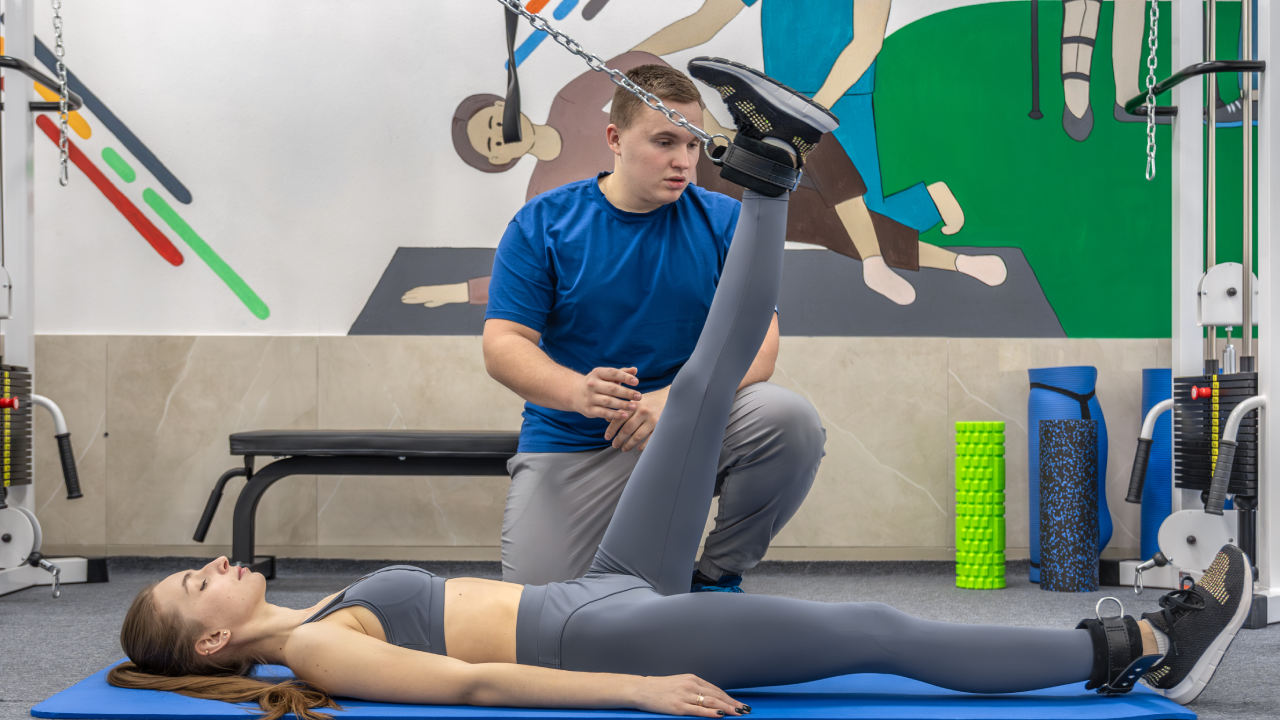
At Spinal Solution and Rehab, our physiotherapy assessment looks at how your shoulder moves and how surrounding areas contribute to your symptoms. This can include shoulder strength, range of motion, posture, shoulder-blade movement, functional tasks, and the activities that trigger discomfort.
Common Signs of Shoulder Impingement
Symptoms can vary from person to person. Common signs may include:
- Pain when lifting the arm overhead
- Discomfort when reaching behind the back
- Pain while putting on or removing clothing
- Difficulty reaching into a cupboard
- Shoulder discomfort during exercise
- Pain when sleeping on the affected side
- Reduced shoulder movement
- Weakness during lifting or reaching
- Discomfort after repetitive arm activity
- A painful sensation during certain ranges of motion
Some people notice symptoms mainly during activity, while others may also have discomfort when resting or sleeping.
Shoulder symptoms can also change over time. A person may initially notice discomfort after a workout or work shift and later find that ordinary movements such as reaching for a seatbelt or washing their hair become difficult.
Who Can Benefit From Physiotherapy for Shoulder Impingement?
Physiotherapy may be suitable for people whose shoulder symptoms are affecting movement, work, exercise, recreation, or everyday activities.
Active Adults
People who participate in gym workouts, swimming, tennis, volleyball, baseball, or other activities involving repeated shoulder movement may develop symptoms associated with shoulder irritation.
Office Workers
Long periods at a desk can contribute to changes in posture and movement habits. While posture alone does not explain every case of shoulder pain, it can be one factor considered during an assessment.
Manual Workers
Pain may develop or increase among people whose work involves lifting, reaching, carrying, painting, installation, construction, or repeated overhead tasks.
Older Adults
Shoulder pain can become more common with age because muscles, tendons, joints, and other tissues may undergo structural changes. A physiotherapy assessment can help determine which movements and activities are contributing to symptoms.
Recreational Athletes
People who have increased their training volume, changed exercise routines, or returned to sport after time away may notice shoulder symptoms when activity levels rise.
Problems Shoulder Impingement Treatment Can Address
Shoulder physiotherapy may focus on several issues that can contribute to movement-related shoulder symptoms.
Limited Range of Motion
Reduced movement can make dressing, reaching, bathing, lifting, and household activities more difficult.
Reduced Shoulder Strength
Weakness around the rotator cuff and shoulder blade can affect how the shoulder performs during movement.
Movement Coordination
The shoulder joint and shoulder blade work together during arm elevation. Physiotherapy may assess how these areas coordinate during functional tasks.
Activity-Related Symptoms
Some people notice symptoms during particular exercises, work tasks, or sports. Identifying these triggers can help shape the treatment plan.
Sleep Disruption
Shoulder discomfort may become noticeable when lying on the affected side or changing position during sleep.
Difficulty Returning to Activity
People who have reduced their gym, work, or sports activities because of shoulder symptoms may need a gradual progression back toward their usual routine.
What Is Included in Shoulder Impingement Physiotherapy?
Treatment depends on the assessment findings, symptoms, health history, and daily requirements.
Physiotherapy Assessment
The first stage involves discussing your symptoms, previous injuries, activities, work demands, and goals. Your physiotherapist may assess:
- Shoulder range of motion
- Shoulder and arm strength
- Rotator cuff function
- Shoulder-blade movement
- Posture and movement patterns
- Neck movement when relevant
- Pain during specific movements
- Functional activities
This information helps identify factors that may be contributing to your symptoms.
Exercise Therapy
Exercise may form an important part of shoulder rehabilitation. Depending on the assessment, exercises may focus on:
- Rotator cuff strength
- Shoulder-blade control
- Shoulder mobility
- Upper-back movement
- Arm strength
- Movement coordination
- Gradual return to activity
Exercises are progressed according to tolerance and physical capacity.
Manual Therapy
Hands-on physiotherapy may be used where clinically appropriate. Depending on the assessment, the treatment may include techniques directed toward the shoulder, upper back, or surrounding soft tissues.
Manual therapy is generally used alongside active rehabilitation rather than as the only component of care.
Activity Modification
Certain movements may temporarily aggravate shoulder symptoms. Your physiotherapist can help identify activities that may need adjustment while you continue working toward normal function.
This does not necessarily mean stopping all activity. Often, modifying load, frequency, range, or technique can allow continued participation while the shoulder is rehabilitated.
Home Exercise Program
A home program may be provided to support the work completed during clinic visits. The exercises can be adjusted as your movement, strength, and tolerance change.
How the Shoulder Impingement Process Works
1. Initial Consultation
We begin by discussing your shoulder symptoms, when they started, what worsens them, and how they affect your routine.
2. Physical Assessment
Your physiotherapist examines shoulder movement, strength, mobility, and functional patterns. Other areas, such as the neck or upper back, may also be assessed when relevant.
3. Treatment Planning
The findings are used to establish a physiotherapy plan based on your current presentation and activity requirements.
4. Active Rehabilitation
Treatment may include therapeutic exercises, mobility work, manual therapy, education, and activity modification.
5. Progress Review
Throughout the rehabilitation process, we review your movement, strength, symptoms, and ability to perform daily activities.
6. Return to Regular Activities
As capacity improves, exercises and activities can be progressed toward work, sport, gym training, and other routine tasks.
Benefits of Physiotherapy for Shoulder Impingement
Physiotherapy may help address several practical concerns associated with shoulder symptoms.
Improved Shoulder Movement
Mobility exercises and active rehabilitation can support movement needed for reaching, lifting, dressing, and other daily activities.
Increased Strength
A progressive exercise program can help develop strength in the shoulder and surrounding muscles.
Greater Activity Capacity
Gradual loading can help prepare the shoulder for work, exercise, sports, and recreational activities.
Improved Movement Control
Exercises can focus on coordination between the shoulder joint, shoulder blade, and surrounding muscles.
Reduced Activity Restrictions
As the shoulder becomes more capable of handling movement and load, some people may gradually return to activities they had reduced because of symptoms.
Education About Shoulder Loading
Learning how activity levels, exercise volume, movement patterns, and recovery interact can help you make informed choices about your shoulder routine.
Shoulder Impingement and Daily Activities
Shoulder symptoms can affect many ordinary tasks.
For example, reaching into an upper cupboard may become uncomfortable. Putting on a coat may require more time. Washing or styling your hair may cause discomfort. Lifting groceries may become difficult, while sleeping on one side may disturb your rest.
Work can also be affected. A person who regularly reaches overhead may notice symptoms during a shift, while someone who works at a desk may notice discomfort after sitting for extended periods.
Physiotherapy can focus on the movements that matter most in your routine rather than looking only at isolated shoulder exercises.
Shoulder Impingement and Exercise
Exercise-related shoulder symptoms can occur with activities such as:
- Overhead presses
- Lateral raises
- Swimming
- Tennis
- Volleyball
- Baseball
- Weight training
- Push-ups
- Pull-ups
- Repetitive lifting
This does not mean every exercise needs to be stopped. The appropriate approach depends on the cause of the symptoms, current capacity, exercise technique, workload, and assessment findings.
A physiotherapist can help determine how to modify training while gradually rebuilding shoulder capacity.
When Should You Seek Physiotherapy?
Consider arranging an assessment if shoulder symptoms are:
- Continuing for several days or weeks
- Returning whenever you resume activity
- Limiting your shoulder movement
- Affecting work tasks
- Interrupting sleep
- Making exercise difficult
- Affecting household activities
- Associated with weakness
A sudden traumatic injury, major loss of movement, visible deformity, significant swelling, or severe symptoms may require prompt medical assessment. Physiotherapy can also be coordinated with medical care when another condition needs to be investigated.
Frequently Asked Questions
What causes shoulder impingement?
Shoulder symptoms can have several contributing factors. Repetitive activity, increased training load, muscle weakness, movement patterns, previous injury, age-related tissue changes, and other shoulder conditions may be involved.
How is shoulder impingement diagnosed?
A physiotherapist can assess your symptoms, movement, strength, functional limitations, and relevant medical history. In some situations, further medical assessment or imaging may be appropriate.
How long does shoulder physiotherapy take?
The timeframe varies according to symptom duration, severity, physical capacity, contributing factors, daily demands, and response to rehabilitation. Your physiotherapist can discuss likely milestones after the initial assessment.
Can I exercise with shoulder impingement?
Often, some activity can continue with appropriate modifications. Exercises that significantly increase symptoms may need to be adjusted while shoulder capacity is developed.
Do I need imaging?
Not every person with shoulder pain requires imaging. A clinical assessment can help determine whether further investigation is appropriate.
Can shoulder impingement affect sleep?
Yes. Some people notice increased discomfort when lying on the affected shoulder or when moving the arm during sleep.
Can physiotherapy help with recurring shoulder symptoms?
Physiotherapy can address strength, mobility, movement patterns, activity load, and exercise habits that may contribute to recurring symptoms. The approach depends on the findings of the assessment.
What should I bring to my appointment?
Bring information about previous shoulder injuries, relevant medical reports, a list of activities that trigger symptoms, and details about your work or exercise routine.
Shoulder Impingement Physiotherapy in Woodbridge, ON
Spinal Solution and Rehab provides physiotherapy care for people seeking help with Shoulder Impingement in Woodbridge, ON. Our clinic serves people dealing with shoulder symptoms related to work, exercise, sports, daily activities, and previous injuries.
A shoulder assessment can help identify movement limitations, strength deficits, activity-related factors, and other findings that may be relevant to your symptoms.
Our approach can include exercise therapy, mobility work, manual therapy, education, activity modification, and progressive rehabilitation.
Why Choose Spinal Solution and Rehab?
At Spinal Solution and Rehab, treatment begins with an assessment rather than applying the same program to every shoulder complaint.
Our physiotherapy team considers your symptoms, movement, strength, work requirements, exercise routine, and daily activities when establishing your rehabilitation plan.
The clinic can also help you monitor changes throughout the rehabilitation process and adjust exercises as your physical capacity changes.
Whether shoulder symptoms developed gradually or appeared after a change in activity, an assessment can provide a clearer picture of what may be contributing to the problem.
Related Physiotherapy Services
Depending on your needs, related services may include:
- Physiotherapy
- Sports Injury Rehabilitation
- Manual Therapy
- Exercise Therapy
- Neck Physiotherapy
- Back Physiotherapy
- Workplace Injury Rehabilitation
- Post-Injury Rehabilitation
- Mobility and Strength Training
These services may be used individually or alongside shoulder rehabilitation when appropriate.
Get Started
Shoulder pain can interfere with work, exercise, sleep, and ordinary movements. Finding out what is contributing to your symptoms is an important first step.
If you are looking for Shoulder Impingement in Woodbridge, ON, contact Spinal Solution and Rehab to arrange a physiotherapy assessment. Our team can review your symptoms, examine your shoulder movement and strength, and discuss the next steps for your rehabilitation.
Address: 8300 Hwy 27, Woodbridge, ON L4H 0R9
Phone: +1 905-739-3100
Contact Spinal Solution and Rehab today to schedule your assessment in Woodbridge, ON.