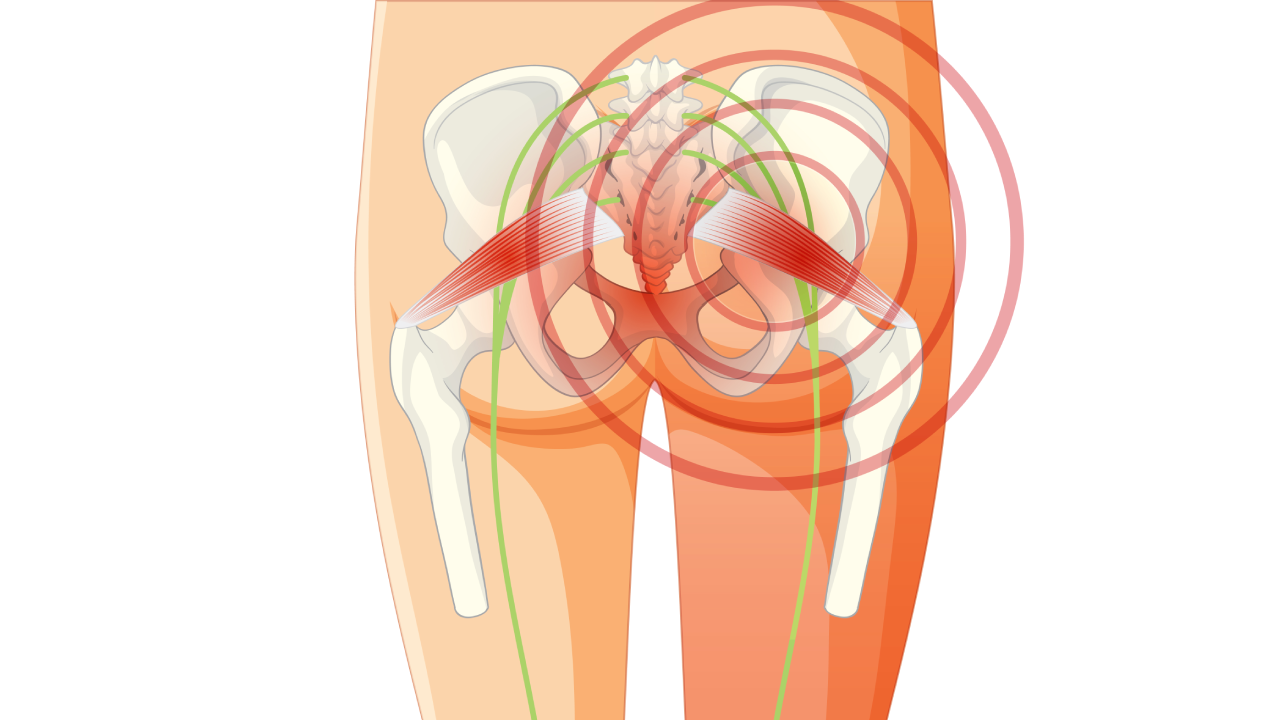
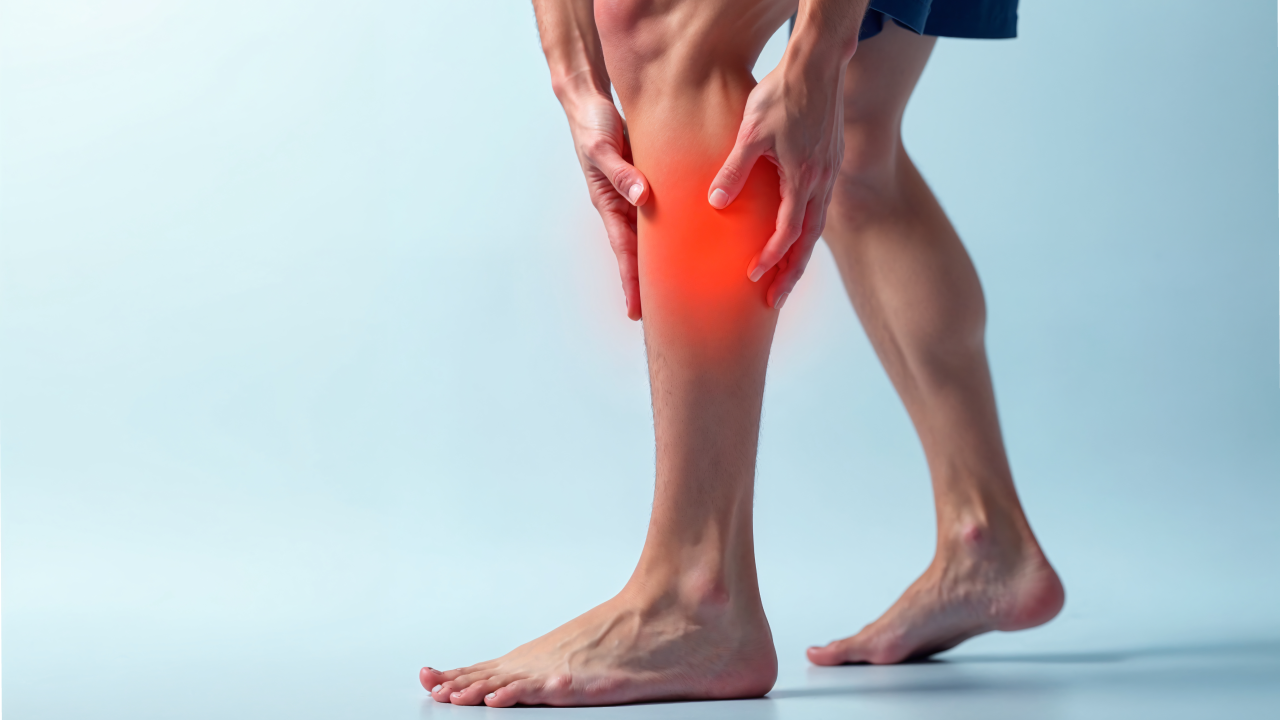
Calf Pain in Woodbridge, ON
Calf discomfort can make ordinary activities feel difficult. Walking, climbing stairs, standing at work, exercising, or getting out of bed may all become uncomfortable when the muscles or other structures around the lower leg are affected. At Spinal Solution and Rehab, we assess calf symptoms in the context of your movement, activity level, injury history, and overall physical function.
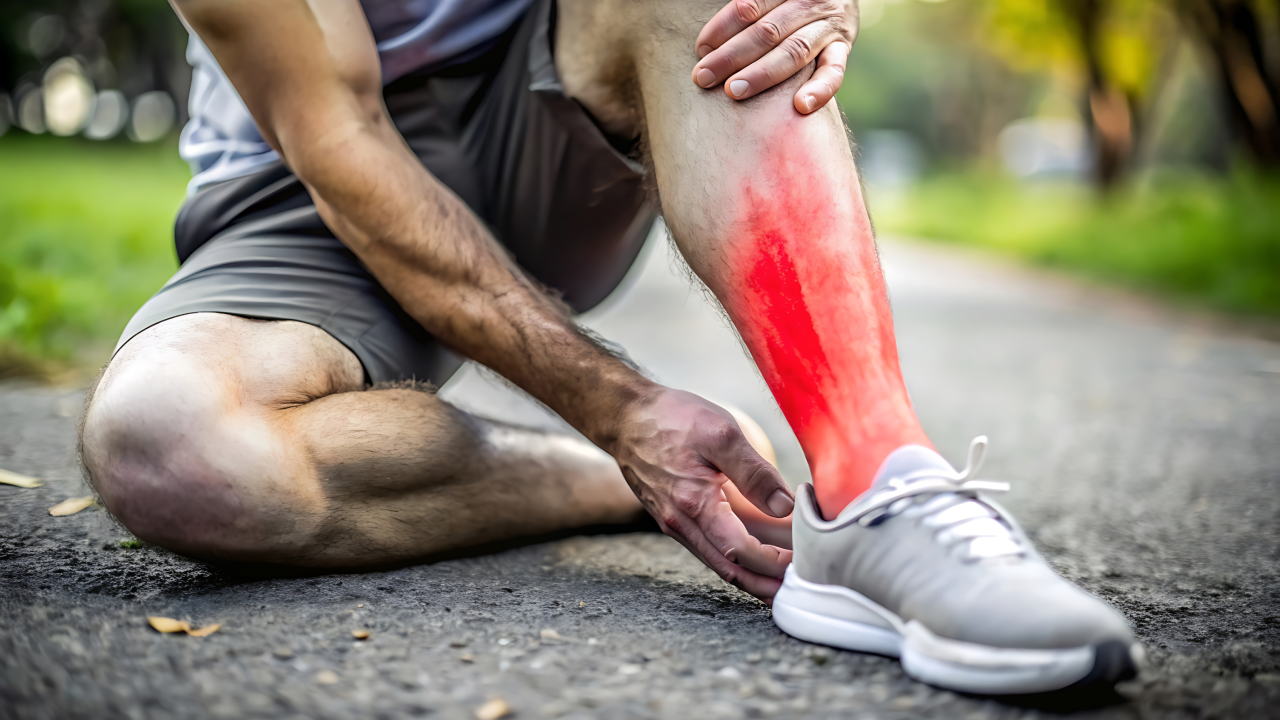
Calf Pain in Woodbridge, ON, can have many possible causes. A sudden sports injury may involve a strained calf muscle, while gradual discomfort may be linked to repetitive activity, reduced mobility, muscle tension, or changes in how the leg is being used. In some situations, calf symptoms can also point to a condition requiring prompt medical assessment.
Our clinic in Woodbridge provides assessment and rehabilitation services for people dealing with calf discomfort associated with injuries, movement problems, exercise, work activities, and other musculoskeletal conditions.
What Is Calf Pain?
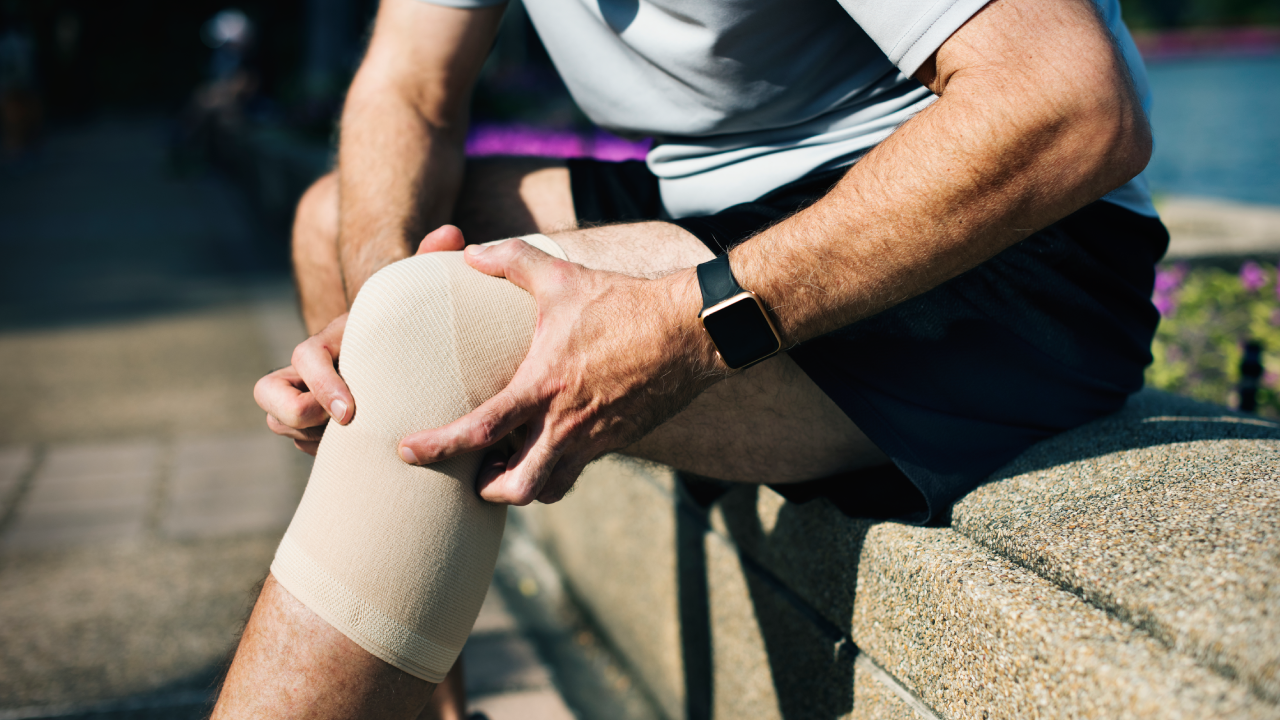
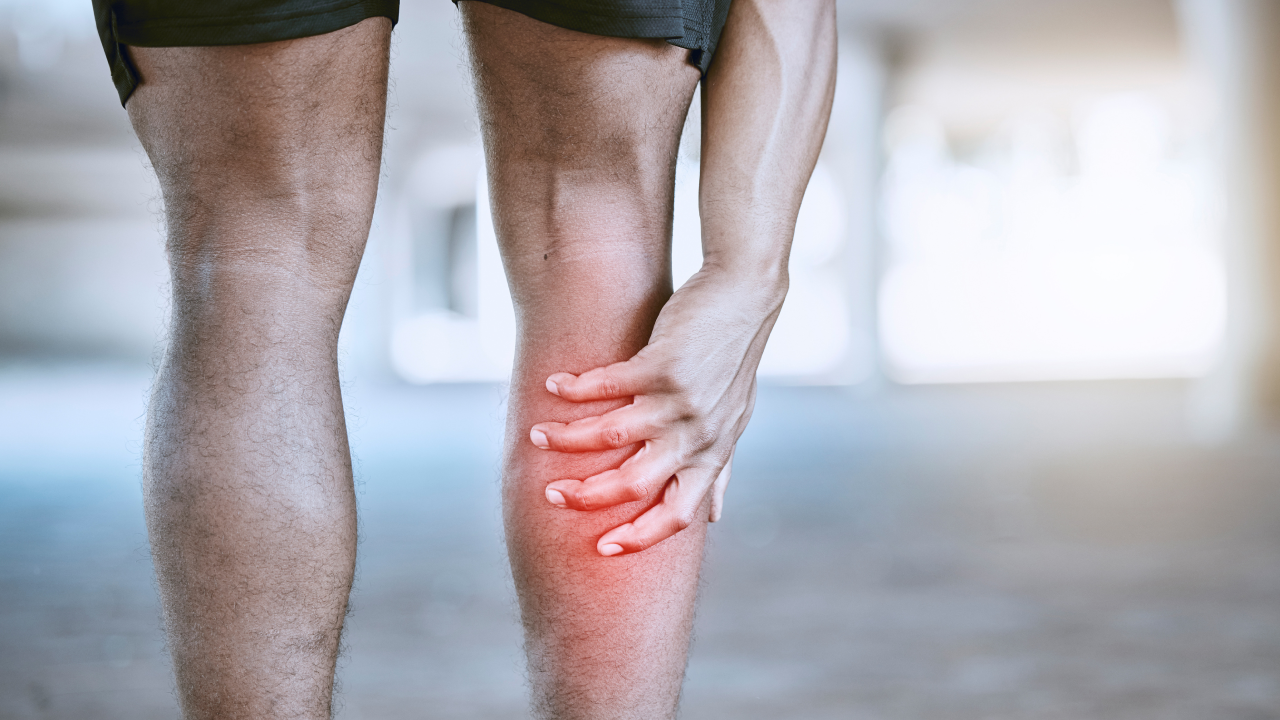
Calf pain refers to discomfort located in the area between the knee and ankle. The calf contains several muscles, tendons, blood vessels, nerves, and connective tissues. Because several structures occupy this region, symptoms can arise for different reasons.
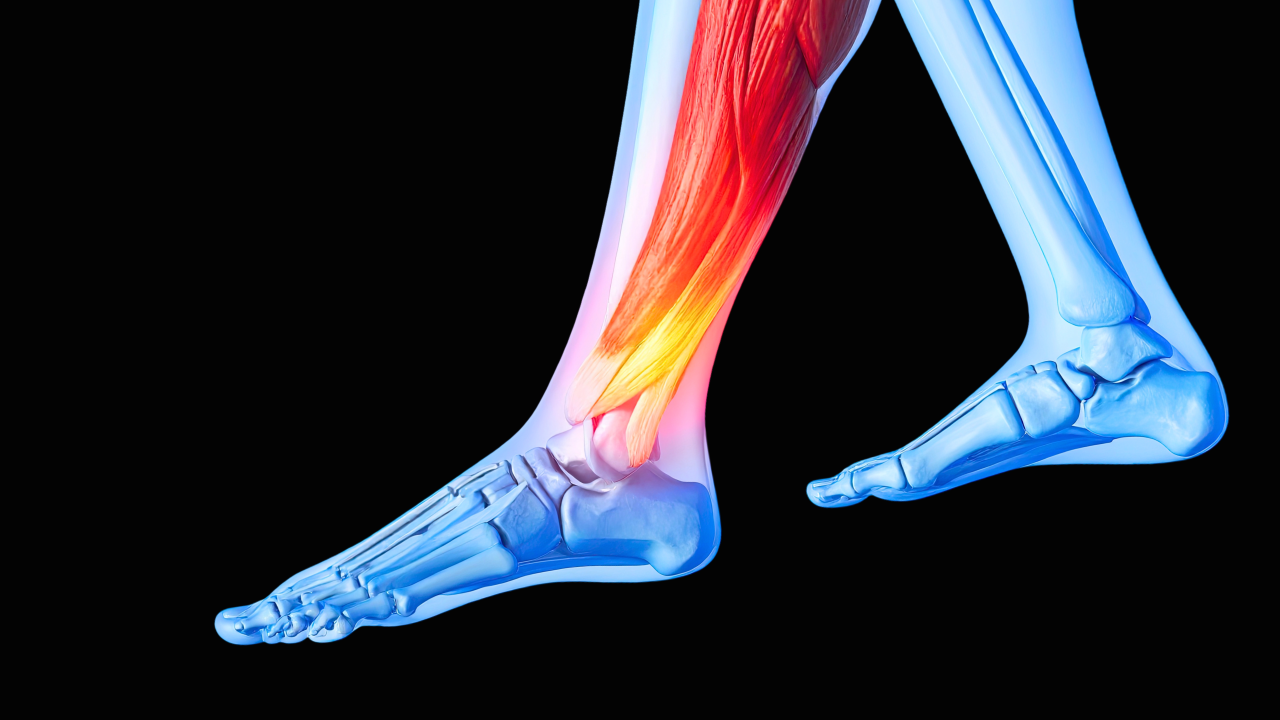
The two primary calf muscles are the gastrocnemius and soleus. They help with walking, running, jumping, climbing stairs, and pushing the foot against the ground. The Achilles tendon connects calf muscles to the heel and also plays an important role in lower-leg movement.
Calf symptoms may appear suddenly after an incident or develop gradually over days or weeks.
Common descriptions include:
- Aching or soreness
- Tightness in the calf
- Sharp discomfort during movement
- Tenderness when touching the area
- Swelling
- Bruising
- Muscle weakness
- Cramping
- Difficulty walking
- Discomfort when running or jumping
- Reduced ankle movement
The location, timing, intensity, and pattern of symptoms can provide useful information during an assessment.
Common Causes of Calf Symptoms
Several conditions can affect the calf.
Calf muscle strain
A strain can occur when muscle fibres are stretched beyond their normal capacity. Running, sprinting, jumping, sudden changes in direction, and other high-load activities may increase the risk.
Overuse
Repeated walking, running, standing, or exercise can place considerable demand on the calf. Increasing activity too quickly may contribute to soreness and stiffness.
Muscle cramps
A sudden involuntary contraction can cause intense calf discomfort. Cramps may occur during exercise, at night, or after prolonged activity.
Achilles-related problems
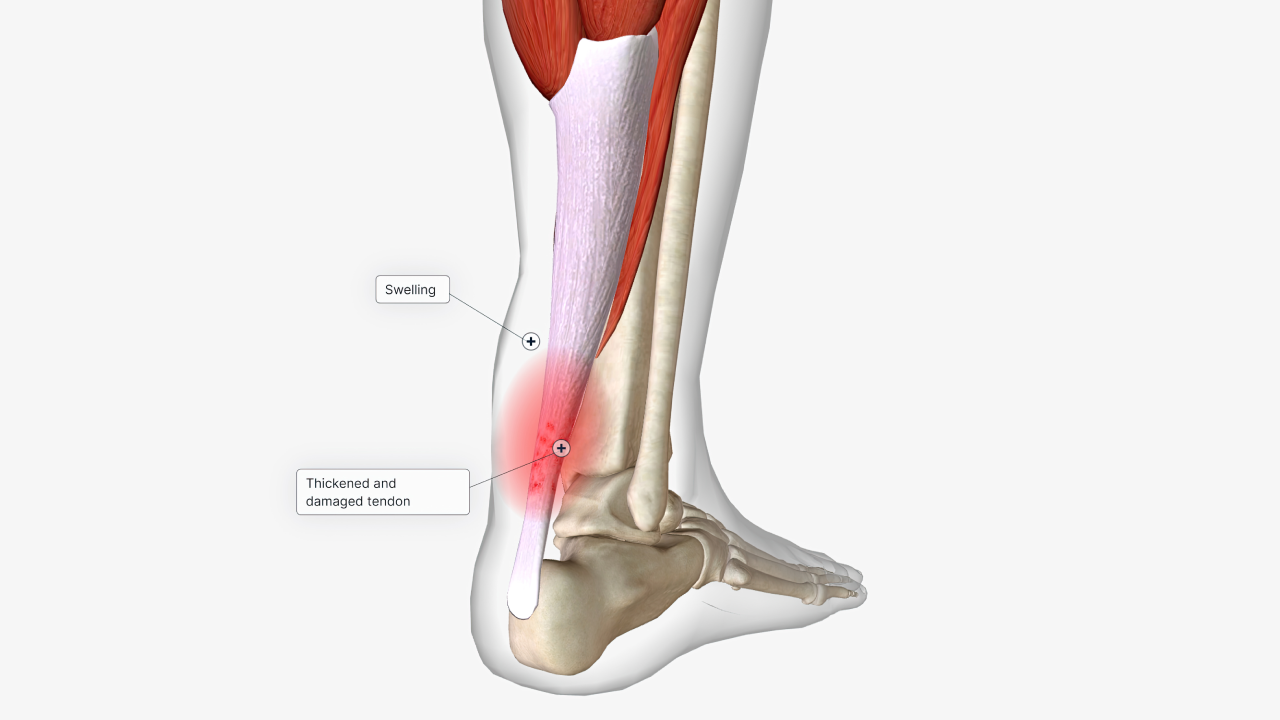
Because the calf muscles connect to the Achilles tendon, symptoms in one area may affect movement in the other. Achilles tendon problems can cause discomfort around the back of the ankle and lower calf.
Reduced mobility
Limited ankle movement can change how forces travel through the lower leg. This may influence walking mechanics and activity tolerance.
Nerve-related symptoms
Irritation involving nerves from the lower back or leg can sometimes produce symptoms that travel into the calf.
Circulatory conditions
Some calf symptoms may arise from vascular problems. A swollen, warm, red, or unusually tender calf can require prompt medical assessment, particularly when symptoms appear suddenly.
Who Can Benefit From Calf Pain Rehabilitation?
People of different ages and activity levels may seek care for calf symptoms.
Athletes and Active Adults
Runners, football players, hockey players, basketball players, cyclists, and gym participants place repeated demands on their lower legs. A sudden increase in training volume or intensity can contribute to calf problems.
Workers Who Stand or Walk Frequently
People working in retail, healthcare, construction, hospitality, warehouses, and other physically active environments may spend many hours on their feet. Repeated loading can contribute to calf soreness or stiffness.
People Returning to Activity
After an injury, surgery, illness, or extended period of reduced activity, the calf may not tolerate previous activity levels immediately. A gradual rehabilitation plan can help restore movement and strength.
Older Adults
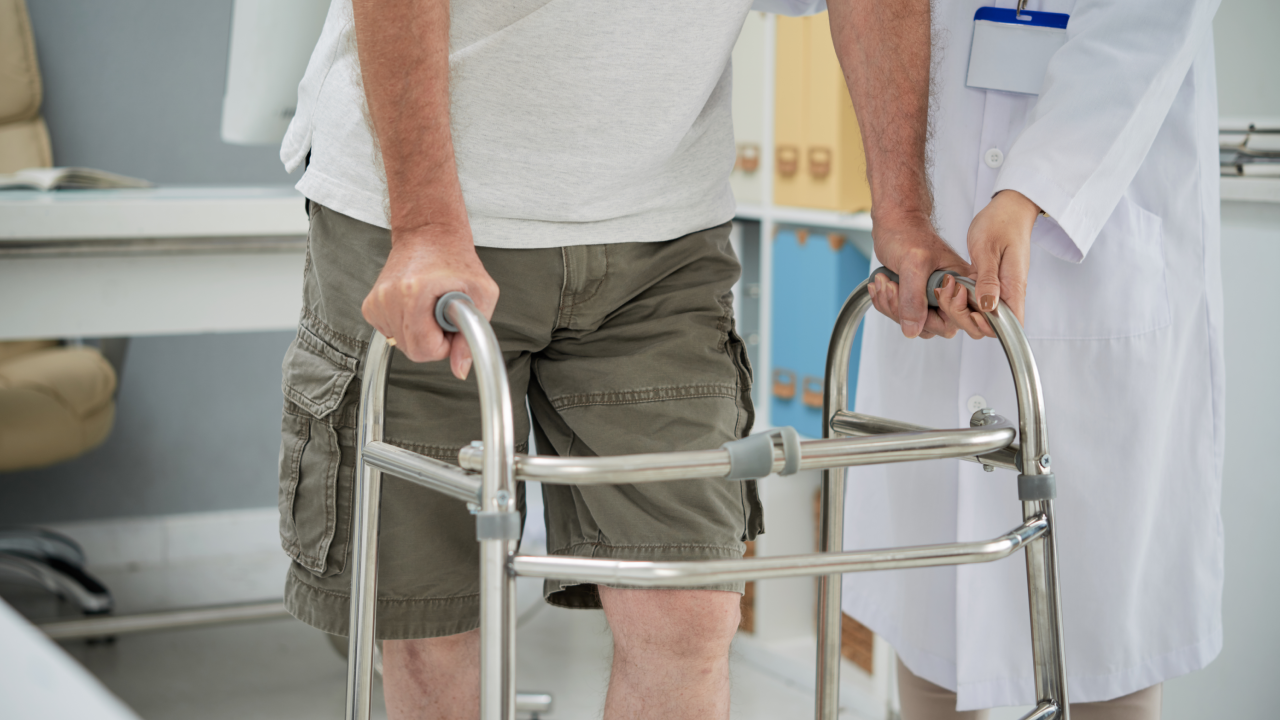
Changes in strength, balance, mobility, and activity levels can affect the lower leg. Assessment may help identify movement limitations that influence walking and daily activities.
Problems Associated With Calf Symptoms
Calf discomfort can interfere with more than exercise. It may affect daily routines and physical activity.
Common problems include:
- Difficulty walking longer distances
- Reduced ability to climb stairs
- Trouble running or jumping
- Avoidance of recreational activities
- Difficulty standing for extended periods
- Reduced ankle movement
- Lower-leg weakness
- Changes in walking patterns
- Recurring symptoms after exercise
- Difficulty returning to work or sport after an injury
Trying to ignore recurring symptoms may also lead someone to change how they move. Those changes can place additional demand on the ankle, knee, hip, or other areas.
Conditions We Treat at Spinal Solution and Rehab
At Spinal Solution and Rehab, calf rehabilitation may be appropriate for several musculoskeletal conditions.
Calf Muscle Strains
A calf strain may happen during sprinting, jumping, running, or another sudden movement. Symptoms can include sudden discomfort, tenderness, swelling, weakness, or difficulty pushing off with the foot.
Rehabilitation can focus on restoring movement, strength, flexibility, balance, and activity tolerance as appropriate for the individual.
Calf Tightness
A tight calf may make walking, squatting, running, or ankle movement uncomfortable. Limited flexibility may also affect how the foot and ankle move during activity.
Assessment can help determine whether calf tightness is related to activity levels, mobility restrictions, muscle weakness, or another factor.
Exercise-Related Calf Soreness
Changes in exercise frequency, duration, intensity, terrain, or footwear can increase demand on the calf. Symptoms that repeatedly appear after training may warrant an assessment of movement and activity patterns.
Achilles Tendon-Related Calf Symptoms
The Achilles tendon works closely with the calf muscles. Problems affecting this tendon can influence walking, running, jumping, and stair climbing.
A rehabilitation program may include progressive strengthening and movement work based on the findings of an assessment.
Post-Injury Calf Weakness
After a calf injury, reduced activity can lead to weakness. Returning to demanding activities before strength and movement have returned may increase the risk of another problem.
Rehabilitation can progress from basic movement and strength exercises toward activities that match work, sport, or daily demands.
Mobility-Related Lower-Leg Problems
Restricted ankle movement can affect lower-leg mechanics. Addressing mobility, strength, balance, and movement patterns may be part of rehabilitation when clinically appropriate.
Key Features and Services
Initial Assessment
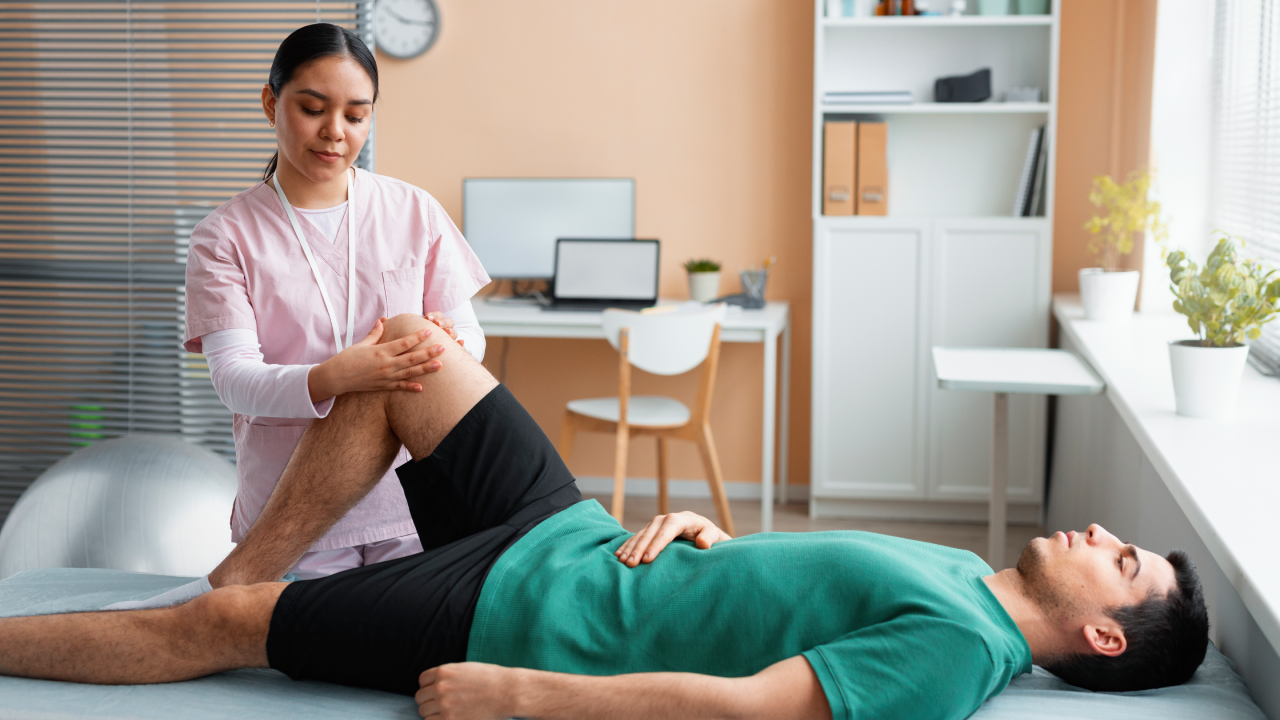
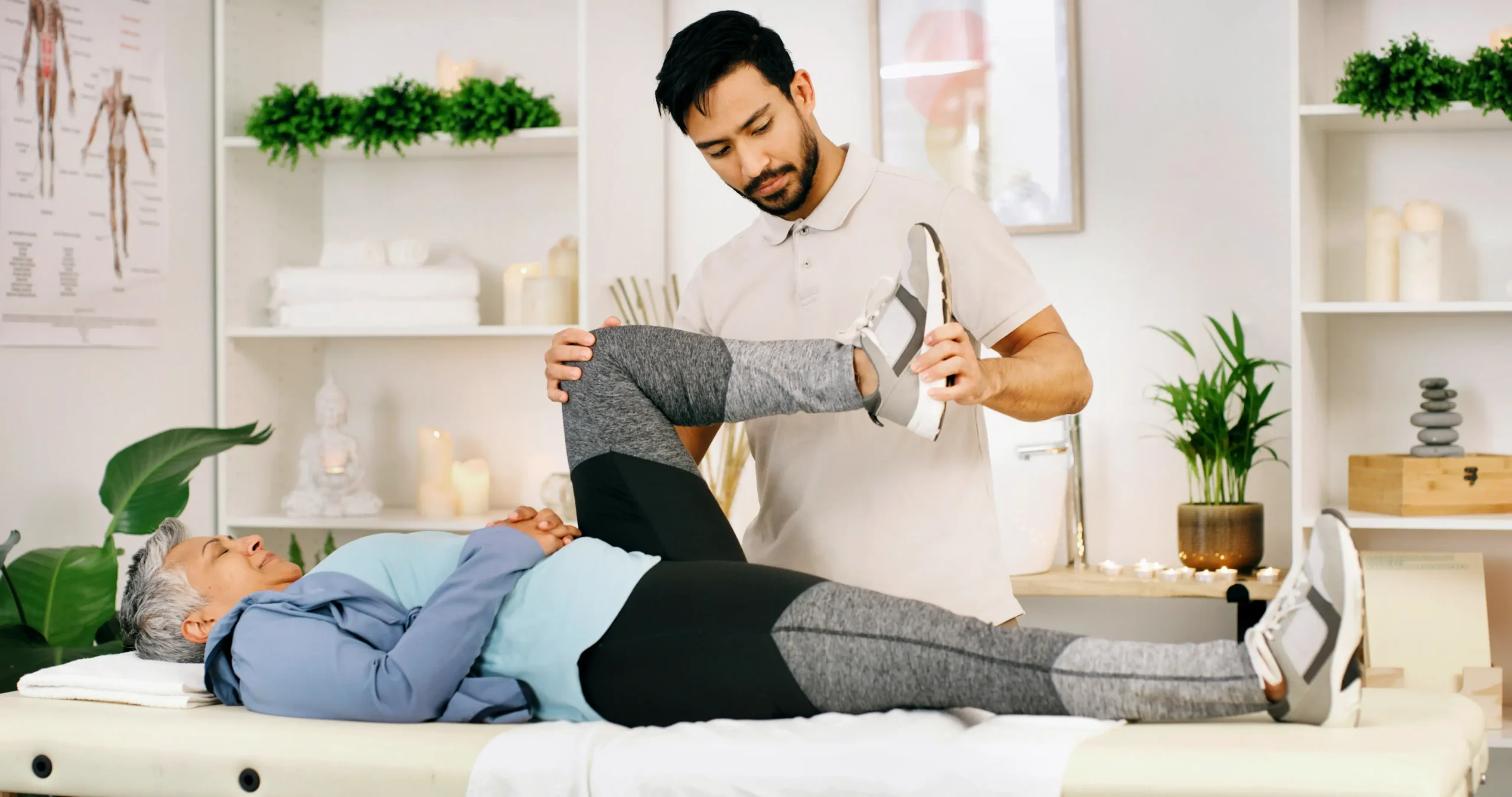
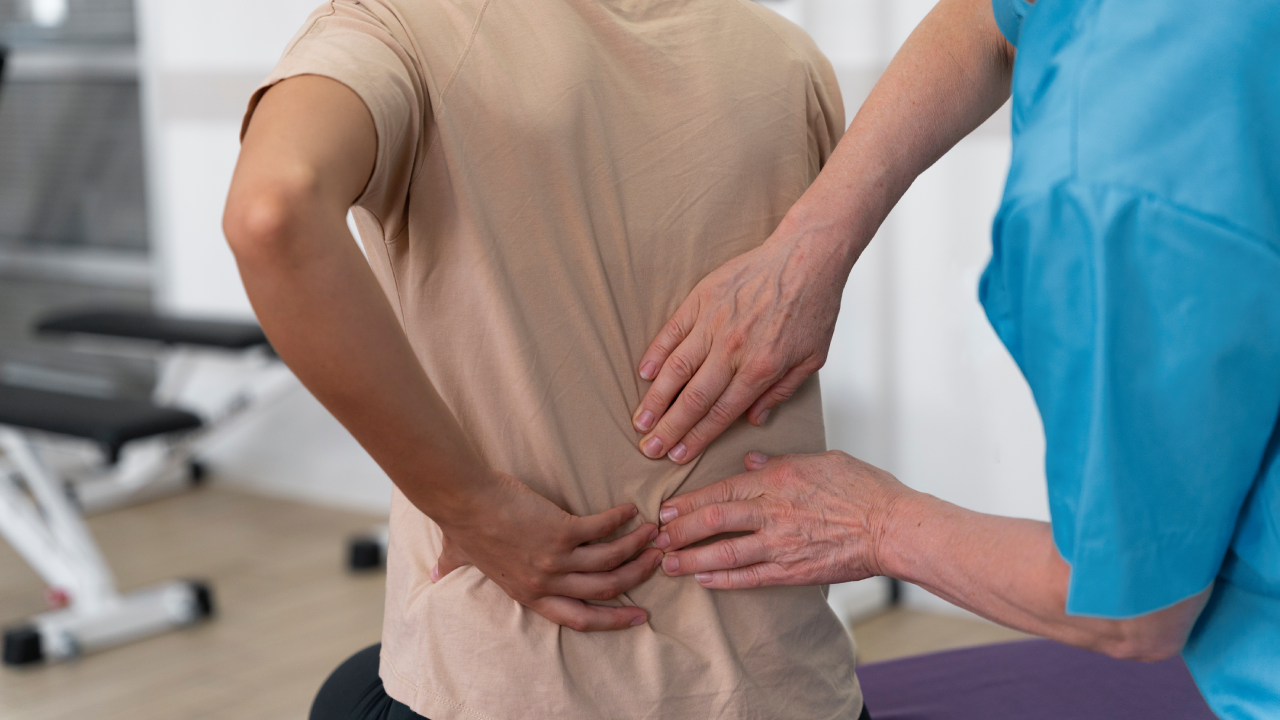
The process begins with a review of your symptoms, medical history, activities, injury mechanism, and current limitations. Physical assessment may include movement, strength, flexibility, balance, gait, and functional tasks.
Movement Assessment
We look at how the ankle, knee, hip, and lower leg work together. This can help identify movement patterns that may contribute to symptoms or limit activity.
Exercise-Based Rehabilitation
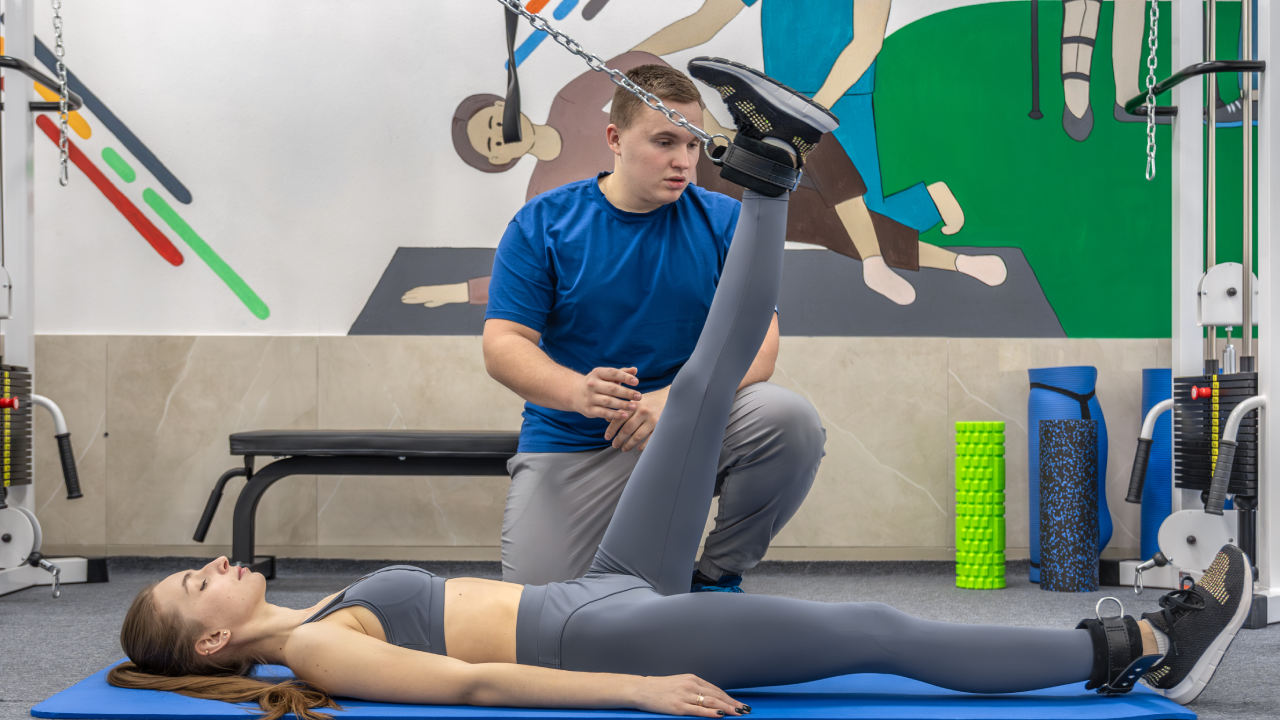
Exercises may target calf strength, ankle mobility, balance, coordination, and gradual loading. The program can change as your function changes.
Manual Therapy
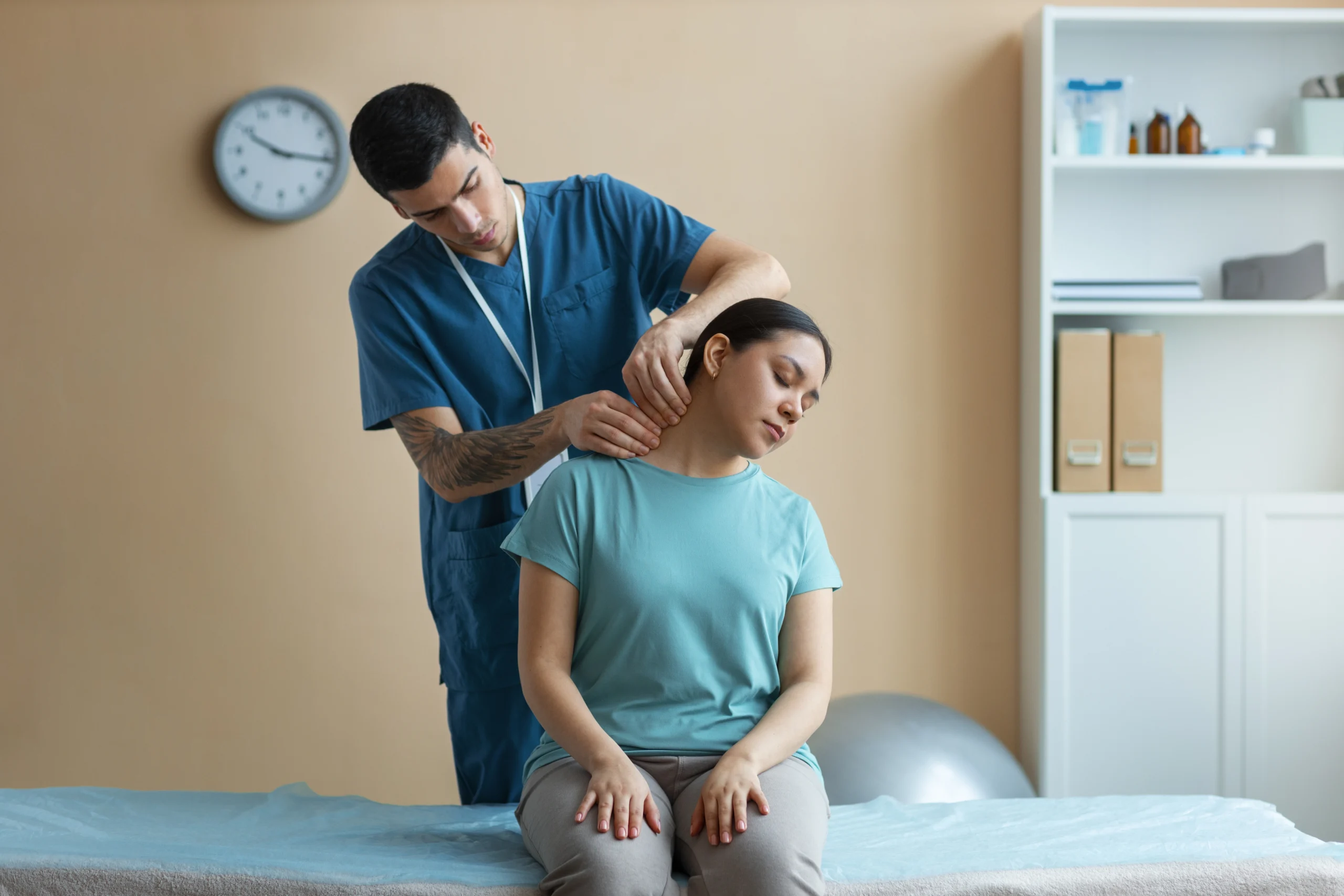
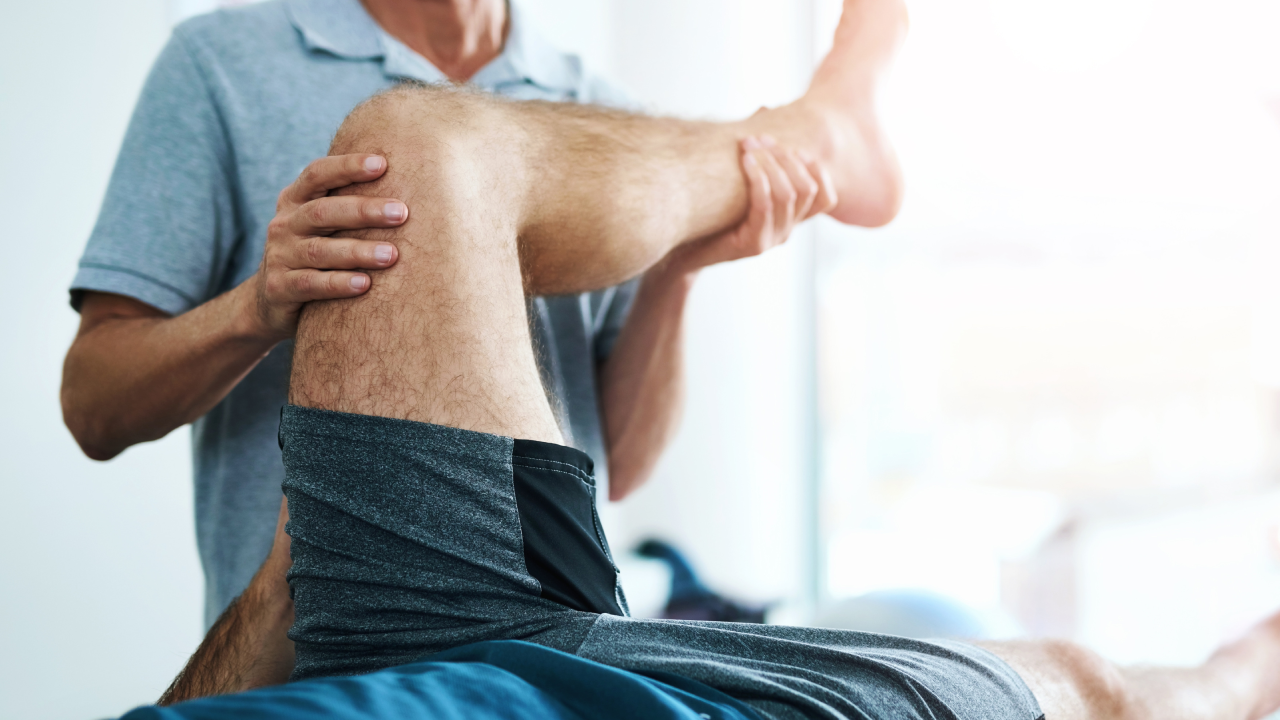
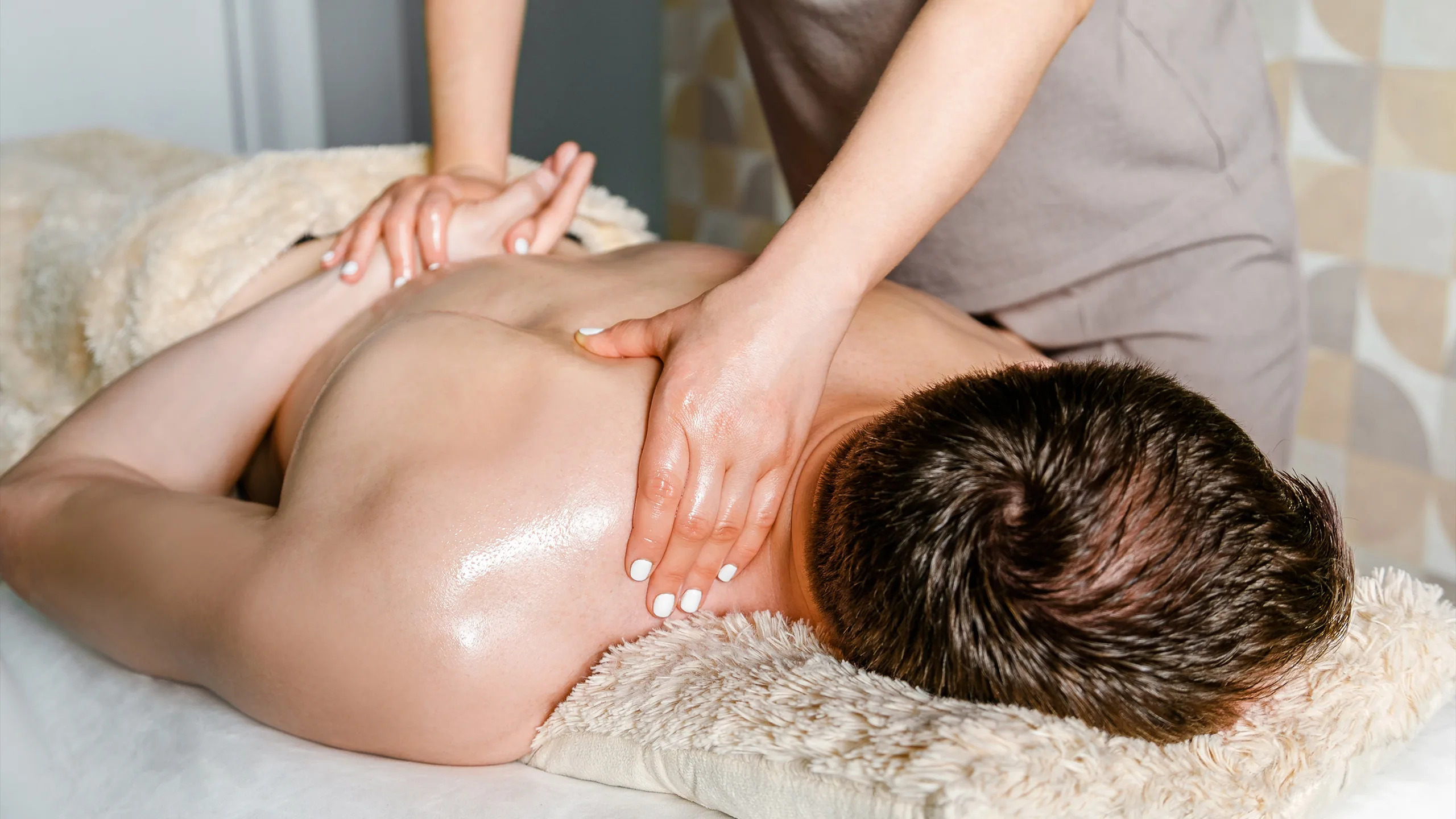
Hands-on techniques may be used when appropriate to address movement restrictions and soft-tissue limitations. Their use depends on the findings from your assessment.
Activity Progression
Returning to normal activity requires more than simply reducing symptoms. Rehabilitation may include gradual increases in walking, running, lifting, jumping, or sport-specific activity.
Home Exercise Planning
Exercises may be provided for use between appointments. The aim is to support consistent participation in your rehabilitation plan while fitting exercises around daily routines.
How the Process Works
1. Consultation
We begin by discussing your symptoms, when they started, what makes them worse or better, and how they impact your daily life.
2. Assessment
Our team examines movement, strength, flexibility, balance, gait, and other relevant physical factors.
3. Planning
Based on the assessment, we establish rehabilitation goals and identify appropriate treatment methods.
4. Implementation
Treatment may include exercise, mobility work, manual therapy, education, and gradual activity progression.
5. Review
Your progress is reviewed during follow-up visits. Exercises and activity levels can be adjusted according to your response.
6. Ongoing Support
As function improves, rehabilitation can move toward the activities that matter to you, including work duties, recreational activity, walking, running, or sport.
Benefits of Calf Rehabilitation
Appropriate rehabilitation may help with:
- Improved calf strength
- Greater ankle mobility
- Improved balance
- Increased tolerance for walking
- Improved movement during exercise
- Gradual return to sport
- Improved confidence with physical activity
- Reduced limitations during daily tasks
- Better control during lower-leg movements
- A structured approach to returning to activity
Results vary according to the underlying condition, injury severity, health history, activity demands, and participation in the rehabilitation program.
When Should You Seek Medical Assessment?
Not every calf problem is a routine muscle issue.
Seek urgent medical attention if calf swelling develops suddenly, particularly when the area is warm, red, or unusually tender. Calf swelling accompanied by chest pain, difficulty breathing, fainting, or other serious symptoms requires emergency medical care.
A sudden calf injury with significant swelling, bruising, inability to walk, or major weakness may also require prompt medical assessment.
Physiotherapy is not a substitute for emergency medical care. If your symptoms suggest a medical condition outside the scope of rehabilitation, appropriate medical referral may be necessary.
Who We Serve
Spinal Solution and Rehab serves people in Woodbridge and surrounding communities who need assessment and rehabilitation for calf and lower-leg problems.
Our services may be relevant to:
- Runners
- Recreational athletes
- Gym participants
- Office workers
- Retail workers
- Healthcare workers
- Construction workers
- Warehouse workers
- Older adults
- People returning to activity after injury
- People with recurring lower-leg symptoms
Frequently Asked Questions
What causes calf pain?
Common causes include muscle strains, overuse, cramps, Achilles-related problems, reduced ankle mobility, and changes in activity. Some calf symptoms can also arise from nerve or circulatory conditions.
How is a calf strain assessed?
An assessment may include questions about how the injury occurred, symptom location, walking ability, strength, flexibility, ankle movement, and functional activities. The findings help determine the appropriate rehabilitation approach.
How long does calf rehabilitation take?
The timeframe varies. A mild strain may require a shorter period than a significant injury. Your activity demands, symptom severity, previous injuries, and response to rehabilitation can all influence the timeline.
Can I exercise with calf discomfort?
That depends on the cause and severity of your symptoms. Continuing demanding activity through significant discomfort may not be appropriate. An assessment can help determine which activities are suitable for you and how to progress your activity level safely.
Can calf problems return?
Yes. Recurring symptoms may occur when activity increases rapidly, strength has not fully returned, or contributing movement factors remain. A gradual return to activity can help manage loading during rehabilitation.
Do I need physiotherapy for calf pain?
Not every case requires physiotherapy. However, an assessment may be useful when symptoms persist, return repeatedly, interfere with daily activities, or follow an injury.
Can calf symptoms come from the lower back?
In some cases, irritation involving nerves in the lower back can produce symptoms that travel into the leg or calf. An assessment can help determine whether the pattern appears consistent with a local calf problem or another source.
Service Areas
Spinal Solution and Rehab provides physiotherapy and rehabilitation services in Woodbridge, Ontario.
Our local service area may include:
- Woodbridge
- Vaughan
- Kleinburg
- Maple
- Vellore Village
- Concord
- Nearby Vaughan communities
If travelling to the clinic is difficult, contact our team to ask about available service options.
Why Choose Spinal Solution and Rehab?
Choosing a clinic for calf rehabilitation starts with knowing what the process involves. At Spinal Solution and Rehab, we begin with an assessment rather than assuming every calf problem has the same cause.
Our approach considers:
- Your symptoms
- Your injury history
- Your daily activities
- Your work requirements
- Your exercise routine
- Your movement patterns
- Your current strength and mobility
- Your rehabilitation goals
Treatment is then adjusted according to clinical findings and progress.
Related Services
Calf symptoms can sometimes occur alongside problems involving other areas of the lower body. Depending on your assessment, related services may include:
- Physiotherapy
- Sports physiotherapy
- Manual therapy
- Exercise rehabilitation
- Lower-back rehabilitation
- Knee rehabilitation
- Ankle rehabilitation
- Achilles tendon rehabilitation
- Balance and mobility training
- Post-injury rehabilitation
These services can address different aspects of movement and function when they are clinically appropriate.
Get Started
If you are searching for Calf Pain in Woodbridge, ON, Spinal Solution and Rehab can assess your symptoms and discuss appropriate rehabilitation options.
We can discuss your symptoms, their impact on your daily life, and possible causes during your first visit. From there, we can establish a rehabilitation plan based on the assessment findings.
Address: 8300 Hwy 27, Woodbridge, ON L4H 0R9
Phone: +1 905-739-3100
Call Spinal Solution and Rehab in Woodbridge, ON, to schedule an assessment for calf symptoms.