
Hip Arthritis in Woodbridge, ON
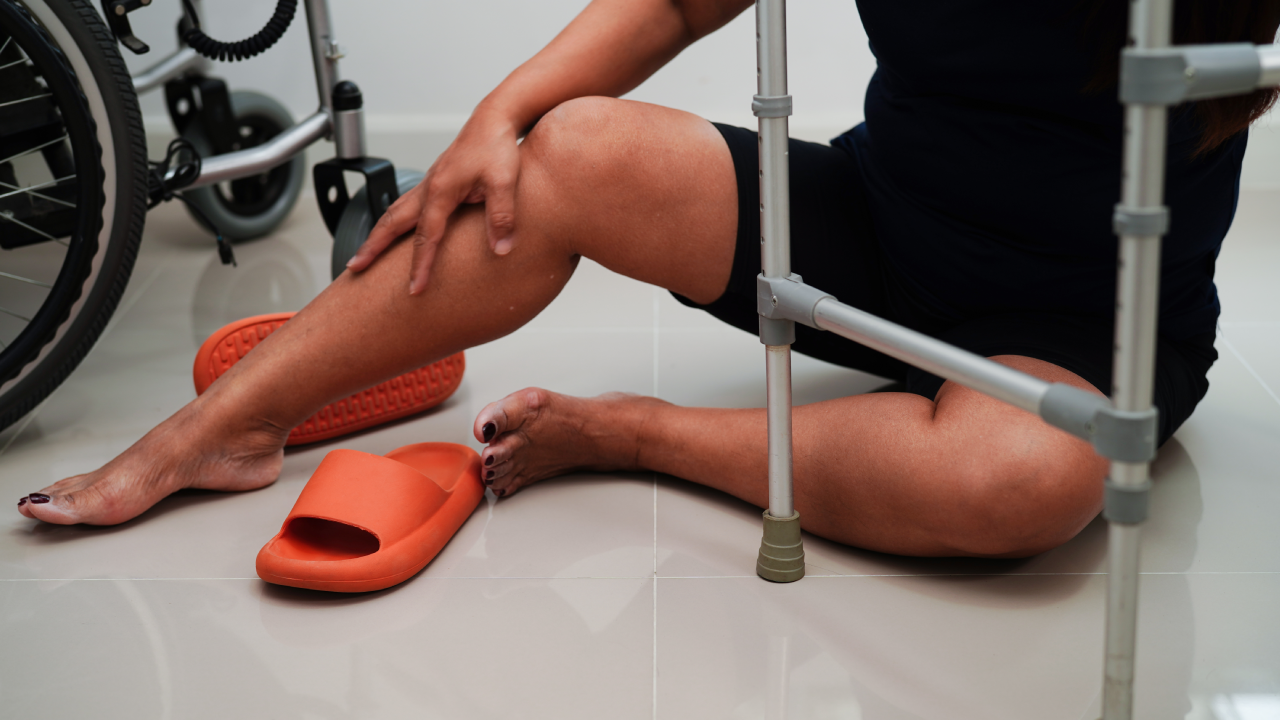
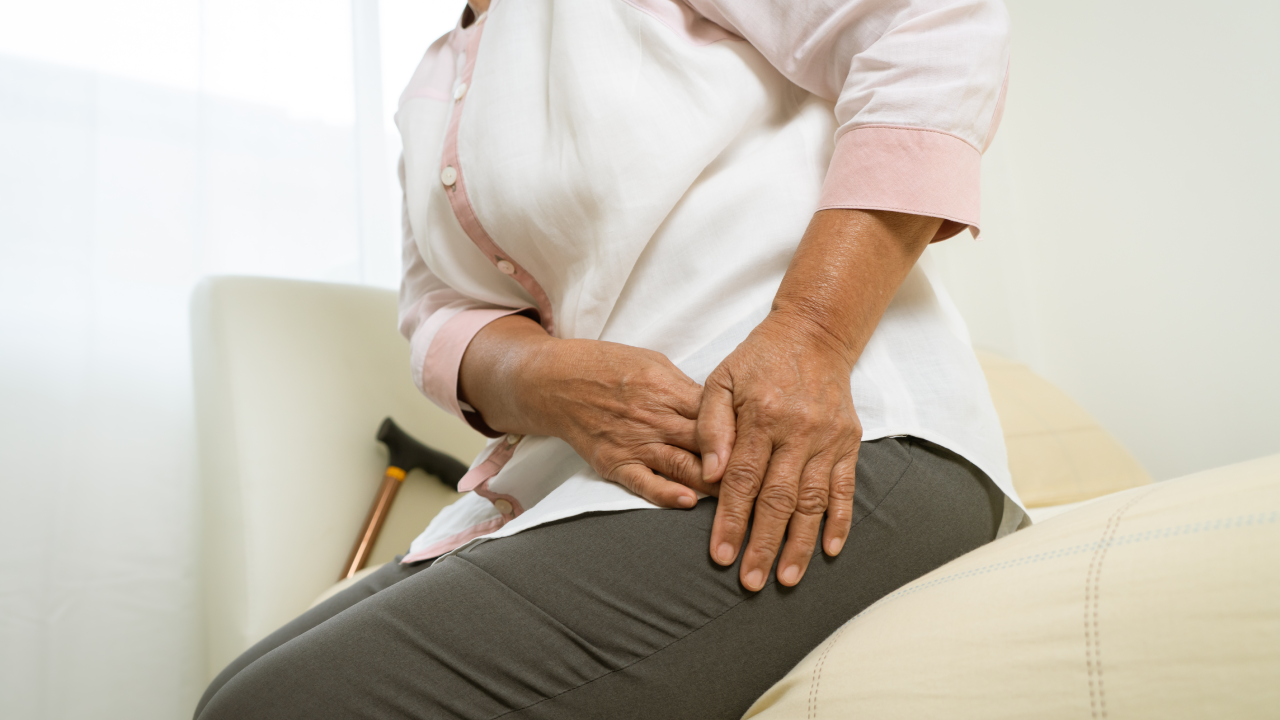
Hip arthritis can make everyday movements such as walking, standing, climbing stairs, getting into a car, or putting on shoes increasingly difficult. At Spinal Solution and Rehab, we provide physiotherapy-based care for people dealing with hip arthritis in Woodbridge, ON.
Hip arthritis develops when the cartilage within the hip joint becomes worn or damaged. As the joint changes, movement may become uncomfortable, stiffness may increase, and strength around the hip can decline. Physiotherapy can focus on movement, strength, flexibility, balance, and activity tolerance while taking the person’s symptoms and daily needs into account.
Our team works with adults who want support with managing hip arthritis and maintaining their ability to participate in everyday activities.
What Is Hip Arthritis?
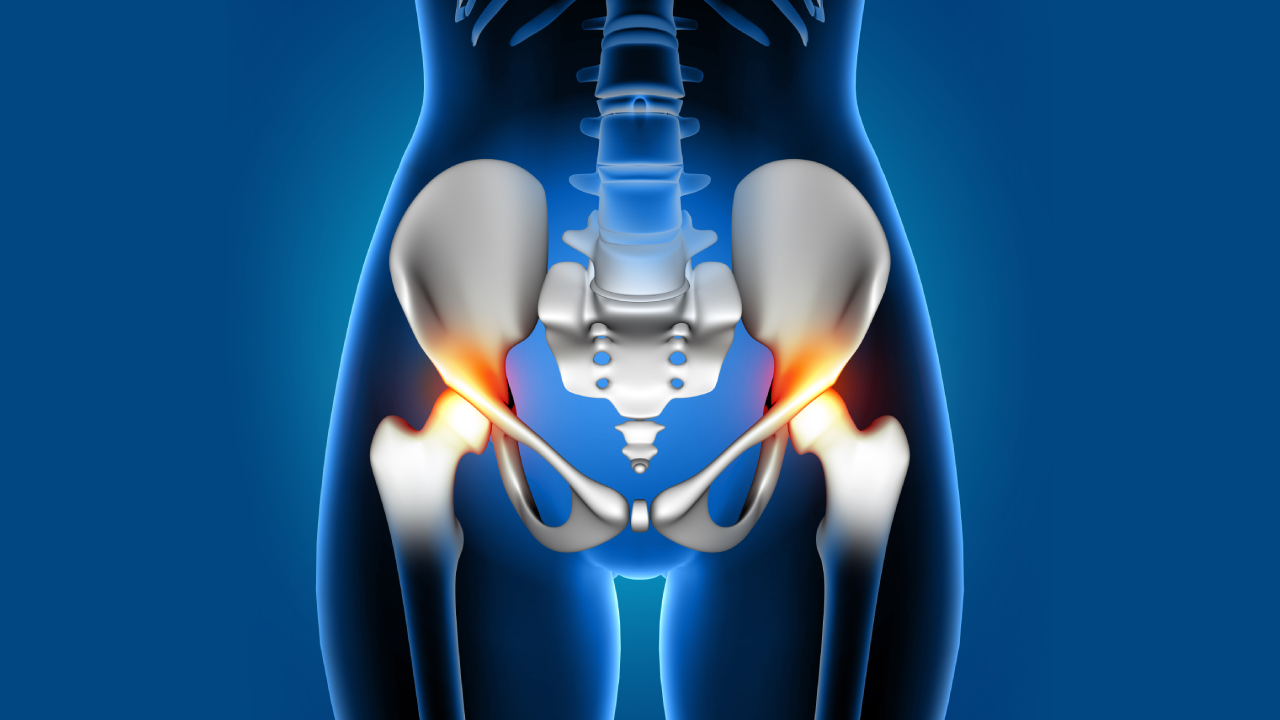
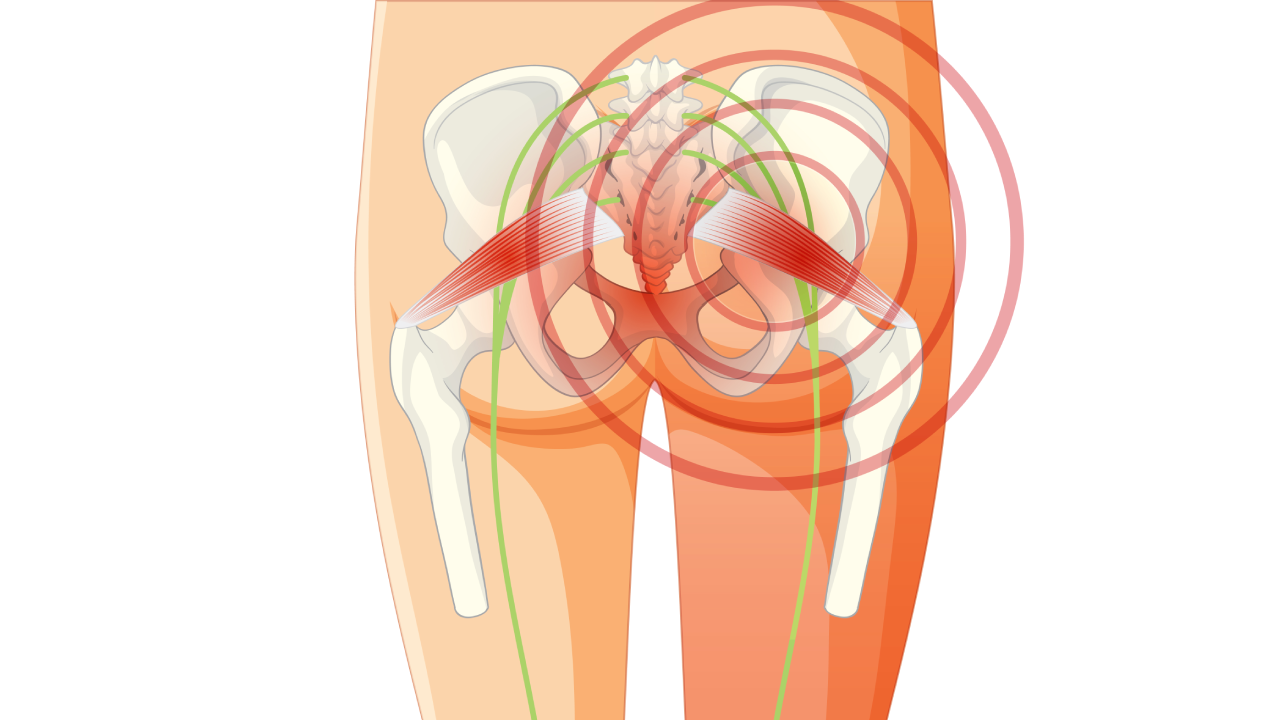
Hip arthritis refers to changes within the hip joint that can affect how the joint moves and handles load. Osteoarthritis is a common form of hip arthritis. The hip is a ball-and-socket joint where the head of the thigh bone fits into the socket of the pelvis.
Healthy cartilage helps the joint surfaces move smoothly. With osteoarthritis, cartilage can gradually become thinner or damaged. Changes may also occur in the surrounding bone and joint tissues.
Common symptoms include:
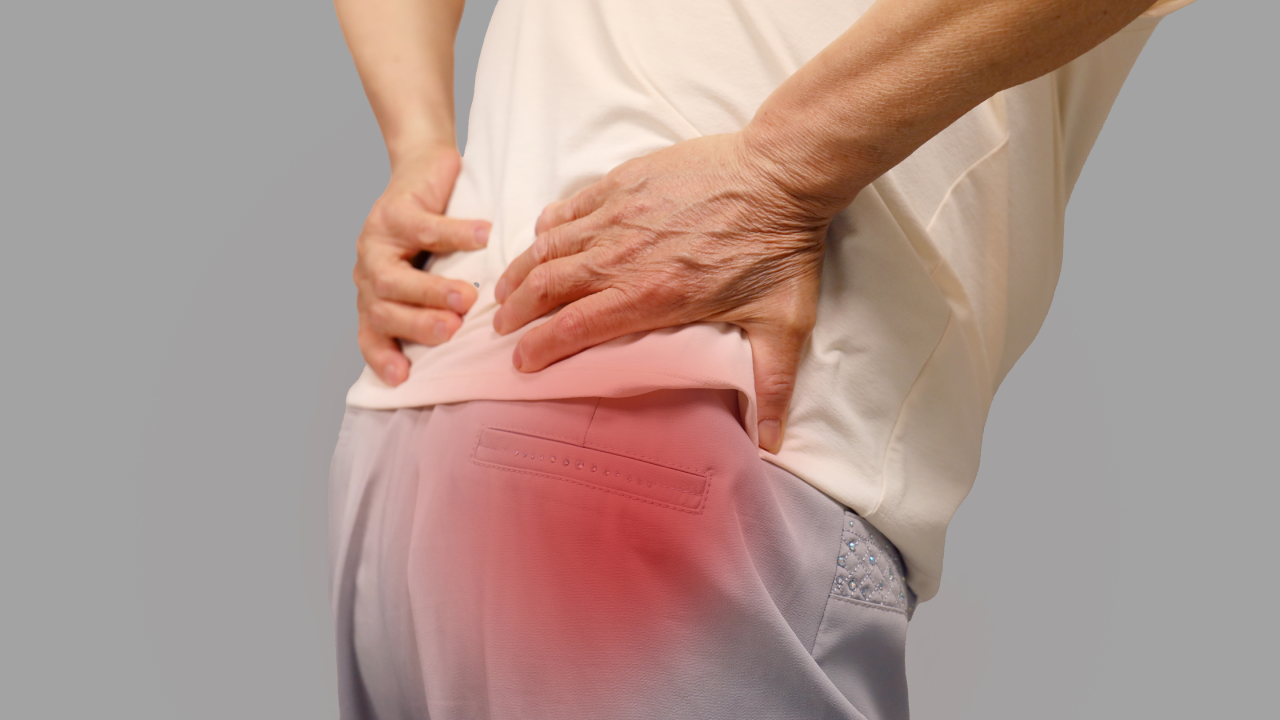
- Pain around the front of the hip or groin
- Aching around the outer hip or thigh
- Hip stiffness after sitting or resting
- Discomfort when walking for longer periods
- Difficulty climbing stairs
- Reduced hip movement
- Difficulty putting on socks or shoes
- Discomfort when getting into or out of a vehicle
- Reduced leg strength
- Changes in walking patterns
- Symptoms that increase after prolonged activity
Hip arthritis does not affect everyone in the same way. Some people notice mild stiffness, while others may have more significant limitations with walking, household tasks, work, recreation, or sleep.
Physiotherapy does not reverse structural changes within the joint. Instead, treatment can focus on improving movement capacity, muscle strength, physical function, and the ability to manage activities.
Who Can Benefit From Hip Arthritis Physiotherapy?
People looking for physiotherapy for hip arthritis may include adults who have recently received an arthritis diagnosis or those who have noticed gradually increasing hip symptoms.
Treatment may be appropriate for people who:
- Have hip stiffness that affects daily movement
- Experience discomfort during walking
- Have difficulty using stairs
- Notice reduced hip or leg strength
- Want to remain active while managing arthritis
- Have difficulty with household activities
- Need support following a medical assessment
- Are preparing for or recovering from hip surgery
- Have changed their walking pattern because of hip symptoms
- Want to learn exercises that can be performed at home
For example, someone in Woodbridge may notice discomfort after walking around a shopping centre. Another person may discover that getting out of a low chair has become difficult. Someone else may struggle with stairs or getting dressed because of reduced hip movement.
A physiotherapy assessment can help identify which movements, muscles, activities, and physical limitations are contributing to the person’s difficulties.
Problems Associated With Hip Arthritis
Hip arthritis can affect more than the hip joint itself. Reduced activity may lead to lower muscle strength and reduced physical capacity. Changes in walking can also alter how other parts of the body handle movement.
Common problems associated with hip arthritis include:
- Difficulty walking longer distances
- Stiffness after periods of inactivity
- Reduced hip mobility
- Reduced strength in the hips and legs
- Difficulty standing from a chair
- Challenges with stairs
- Difficulty getting into a vehicle
- Reduced participation in exercise
- Changes in walking mechanics
- Difficulty with household activities
- Reduced tolerance for prolonged standing
- Difficulty sleeping due to hip discomfort
These problems can create a cycle in which discomfort leads to less activity, reduced activity contributes to weakness, and weakness can make daily movement more demanding.
A physiotherapy program can address this cycle through appropriate movement and strengthening work.
What Does Hip Arthritis Treatment Include?
Treatment for hip arthritis at Spinal Solution and Rehab can vary according to the person’s symptoms, mobility, strength, activity level, and goals.
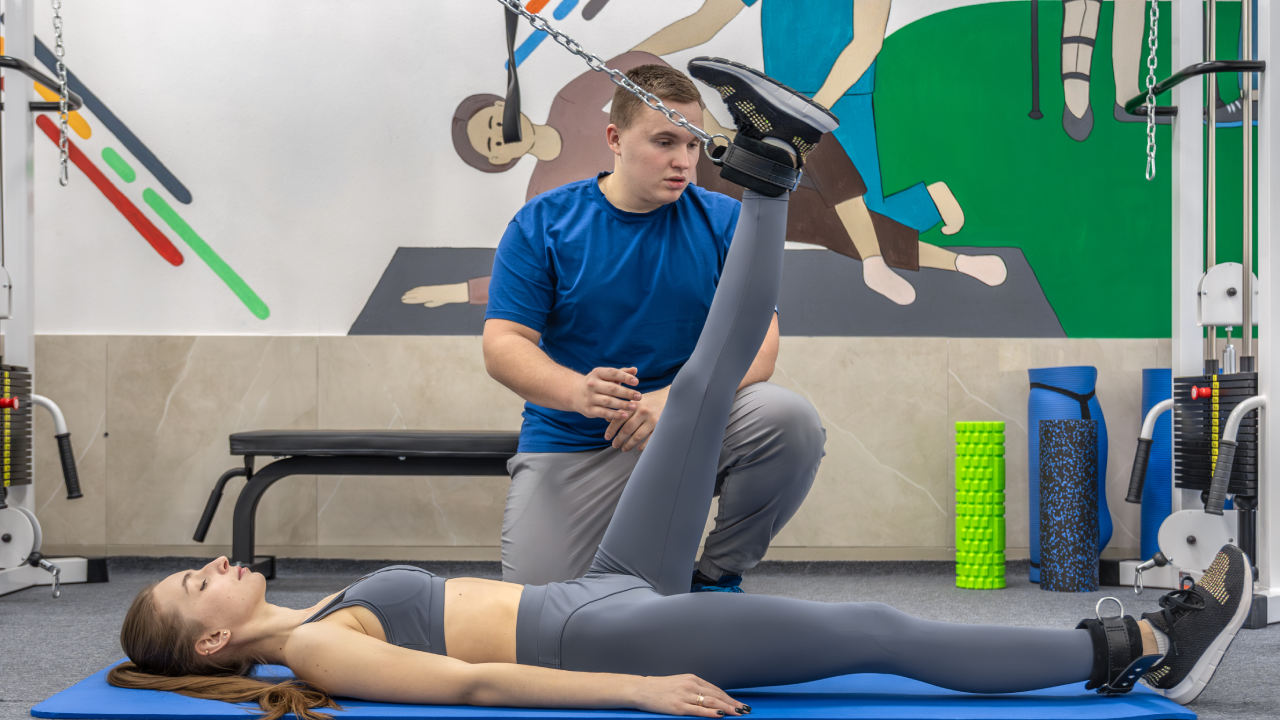
Physiotherapy Assessment
The first stage involves reviewing symptoms, movement limitations, medical history, activity levels, and daily challenges.
The physiotherapist may assess:
- Hip range of motion
- Leg and hip strength
- Walking patterns
- Balance
- Functional movements
- Flexibility
- Ability to climb stairs
- Sit-to-stand movement
- Activity tolerance
The assessment helps establish which physical limitations may be contributing to difficulty with everyday tasks.
Therapeutic Exercise
Exercise can play an important role in managing hip arthritis. A program may include movements for the hip, thigh, pelvis, and core.
Depending on the assessment, exercises may focus on:
- Hip strengthening
- Glute strengthening
- Quadriceps strengthening
- Core stability
- Hip mobility
- Leg control
- Balance
- Functional movement
Exercises can be adjusted according to current ability. The aim is to build physical capacity without unnecessarily aggravating symptoms.
Mobility Exercises
Hip arthritis can reduce the available range of movement. Mobility exercises may help maintain movement within a comfortable range.
Your physiotherapist may introduce movements involving:
- Hip flexion
- Hip extension
- Hip rotation
- Leg movement
- Pelvic mobility
The exercises selected depend on the individual’s mobility and symptoms.
Manual Therapy
Where appropriate, physiotherapy may include hands-on techniques directed at the hip and surrounding areas.
These techniques may be used alongside exercise to support joint movement and physical function.
Activity Modification
Daily activities may need to be adjusted when symptoms increase. Activity modification can involve changing how frequently an activity is performed, taking planned breaks, adjusting movement patterns, or selecting lower-impact activities.
The aim is not necessarily to stop physical activity. Instead, the focus is on finding practical ways to remain active while managing symptoms.
Home Exercise Program
A home program can help people continue their physiotherapy work between appointments.
Exercises may include mobility, strengthening, balance, or functional movements. Instructions can include repetitions, frequency, and progression based on the person’s current ability.
How Does Hip Arthritis Physiotherapy Work?
1. Initial Consultation
The process begins with a discussion about your hip symptoms, daily activities, medical history, and current concerns.
2. Physical Assessment
The physiotherapist assesses movement, strength, mobility, balance, walking, and functional tasks.
3. Treatment Planning
The findings are used to establish a physiotherapy plan focused on the person’s physical limitations and activity needs.
4. Physiotherapy Treatment
Treatment may include exercise, mobility work, manual therapy, functional training, and activity modification.
5. Progress Review
Movement, strength, activity tolerance, and functional abilities can be reviewed during follow-up visits.
6. Ongoing Exercise
As physical capacity changes, exercises can be adjusted to maintain appropriate challenge and support continued participation in daily activities.
Practical Benefits of Physiotherapy for Hip Arthritis
Physiotherapy can support several areas of physical function for people with hip arthritis.
Potential areas of improvement include:
- Greater hip mobility
- Increased leg and hip strength
- Improved walking capacity
- Improved balance
- Greater tolerance for daily activities
- Improved ability to use stairs
- Easier sit-to-stand movements
- Greater participation in physical activity
- Improved movement confidence
- Better management of activity levels
Results vary between individuals. Factors such as joint changes, age, strength, physical activity, general health, and consistency with the exercise program can influence progress.
Physiotherapy can also help people learn how to monitor their response to activity and make sensible adjustments when symptoms change.
Managing Hip Arthritis During Daily Activities
Small changes to daily routines may make certain activities easier to manage.
For walking, some people may benefit from shorter walks with planned breaks rather than one prolonged walk.
For stairs, strengthening the hip and thigh muscles may help with the physical demands of climbing and descending.
For sitting, changing position periodically can reduce the amount of time spent in one posture.
For exercise, lower-impact activities such as cycling, swimming, or controlled strengthening may be considered depending on the individual’s physical capacity.
For household activities, dividing demanding tasks into smaller periods may help manage overall activity load.
These strategies should be considered alongside the person’s symptoms and physical assessment.
When Should You Seek Help for Hip Symptoms?
Persistent hip discomfort, increasing stiffness, reduced mobility, or difficulty performing normal activities may warrant assessment by a healthcare professional.
A physiotherapist can assess movement and function, but some hip symptoms require medical investigation.
Seek prompt medical attention if hip symptoms follow significant trauma, if you cannot put weight through the leg, or if you have severe or rapidly worsening symptoms.
A healthcare provider may also recommend imaging or other assessment when clinically appropriate.
Frequently Asked Questions About Hip Arthritis in Woodbridge, ON
What is the most common type of hip arthritis?
Osteoarthritis is a common form of arthritis affecting the hip. It involves changes to cartilage, bone, and other joint tissues over time.
Can physiotherapy help with hip arthritis?
Physiotherapy can help address mobility, strength, balance, walking capacity, and functional limitations associated with hip arthritis. It does not reverse cartilage changes within the joint.
What exercises are used for hip arthritis?
Exercises may include hip strengthening, glute strengthening, leg strengthening, mobility work, balance exercises, and functional movements. Exercise selection depends on the person’s assessment.
Can I exercise if I have hip arthritis?
Many people with hip arthritis can remain physically active. The type, duration, intensity, and frequency of activity may need to be adjusted according to symptoms and physical capacity.
How often should I attend physiotherapy?
Visit frequency varies. Some people may attend more frequently during the initial stage, followed by less frequent visits as they become more comfortable with their exercise program.
Can hip arthritis affect walking?
Yes. Hip stiffness, weakness, discomfort, and reduced joint movement can affect walking patterns and walking tolerance.
Can physiotherapy be used before hip replacement?
Yes. Physiotherapy may be used before surgery to work on strength, mobility, balance, and functional capacity. The program should reflect the person’s medical situation and surgical plan.
Is physiotherapy used after hip replacement?
Physiotherapy is commonly part of rehabilitation following hip replacement. The program depends on surgical instructions, recovery stage, mobility, strength, and functional goals.
Does hip arthritis always require surgery?
No. Surgery is not required for every person with hip arthritis. Management depends on symptom severity, functional limitations, medical findings, and response to non-surgical care.
Service Areas
Spinal Solution and Rehab provides physiotherapy services for people seeking care for hip arthritis in Woodbridge, ON.
Our clinic can work with adults dealing with hip stiffness, reduced mobility, weakness, walking difficulties, and activity limitations associated with hip arthritis.
The clinic is located in Woodbridge and serves people from surrounding Vaughan communities. If travelling to the clinic is difficult, ask the team about available appointment options and whether your circumstances can be accommodated.
Why Choose Spinal Solution and Rehab?
Spinal Solution and Rehab focuses on physiotherapy and rehabilitation services for musculoskeletal and movement-related concerns.
For people with hip arthritis, care may include:
- Physical assessment
- Exercise-based rehabilitation
- Mobility work
- Strength training
- Functional movement training
- Manual therapy where appropriate
- Home exercise planning
- Activity modification
- Progress monitoring
The treatment plan is based on the findings from the assessment rather than using the same exercise program for every person.
Clear communication is also important. Patients can discuss changes in symptoms, difficulties with exercises, and challenges with daily activities during follow-up appointments.
Related Physiotherapy Services
People dealing with hip arthritis may also require care for other movement-related concerns.
Related services may include:
- Physiotherapy
- Back pain physiotherapy
- Knee rehabilitation
- Sports injury rehabilitation
- Post-operative rehabilitation
- Joint mobility treatment
- Strength and conditioning
- Balance training
- Manual therapy
- Exercise rehabilitation
Addressing related physical limitations can be useful when hip symptoms have affected walking, strength, or general activity levels.
Get Started
If hip stiffness, reduced movement, weakness, or walking difficulties are affecting your routine, a physiotherapy assessment can help identify the physical factors involved.
At Spinal Solution and Rehab, the process starts with an assessment of your symptoms, movement, strength, and daily activities. From there, the physiotherapist can discuss appropriate treatment options and exercises.
Address: 8300 Hwy 27, Woodbridge, ON L4H 0R9
Phone: +1 905-739-3100
To ask about Hip Arthritis in Woodbridge, ON, contact Spinal Solution and Rehab to arrange an appointment and discuss your current hip concerns.