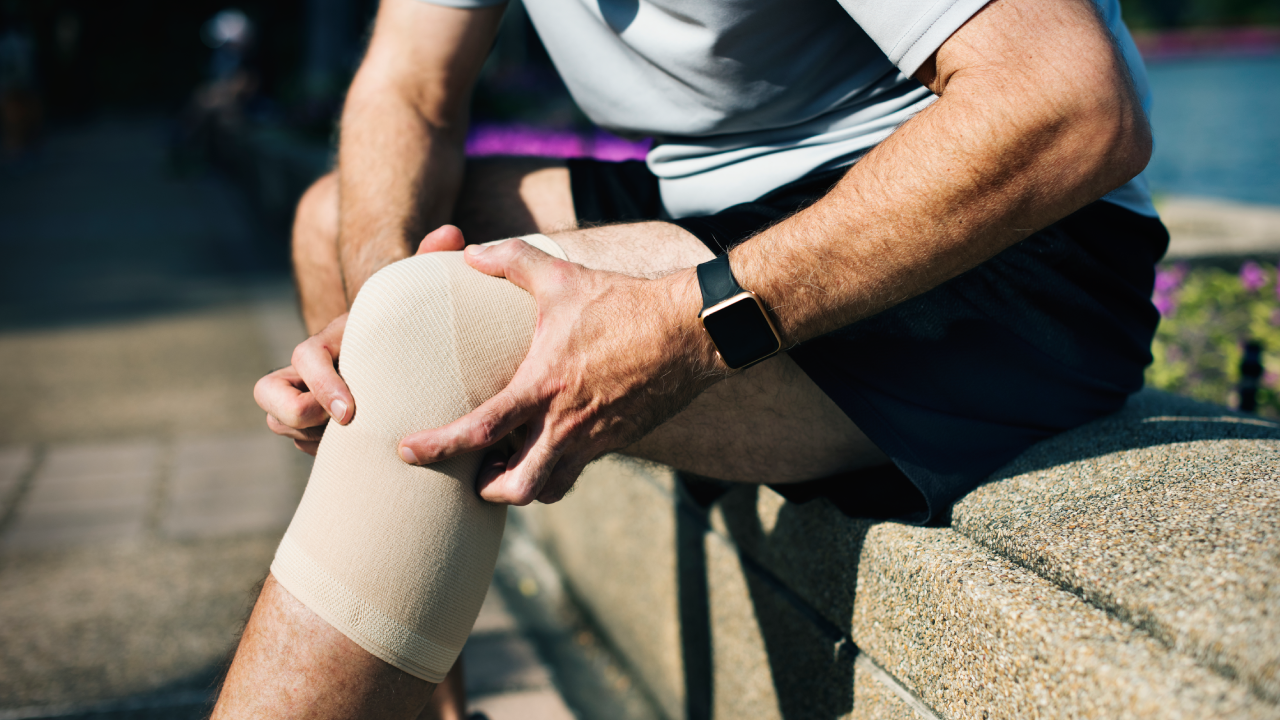
Joint Injuries in Woodbridge, ON
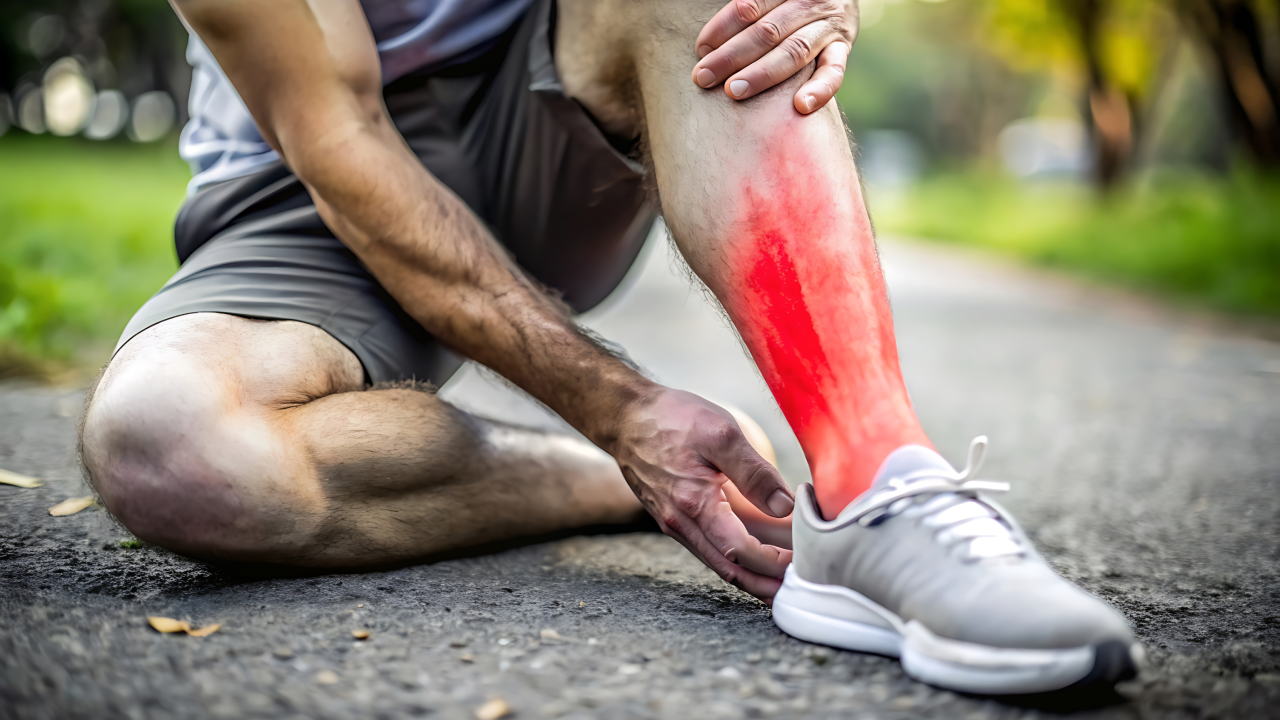
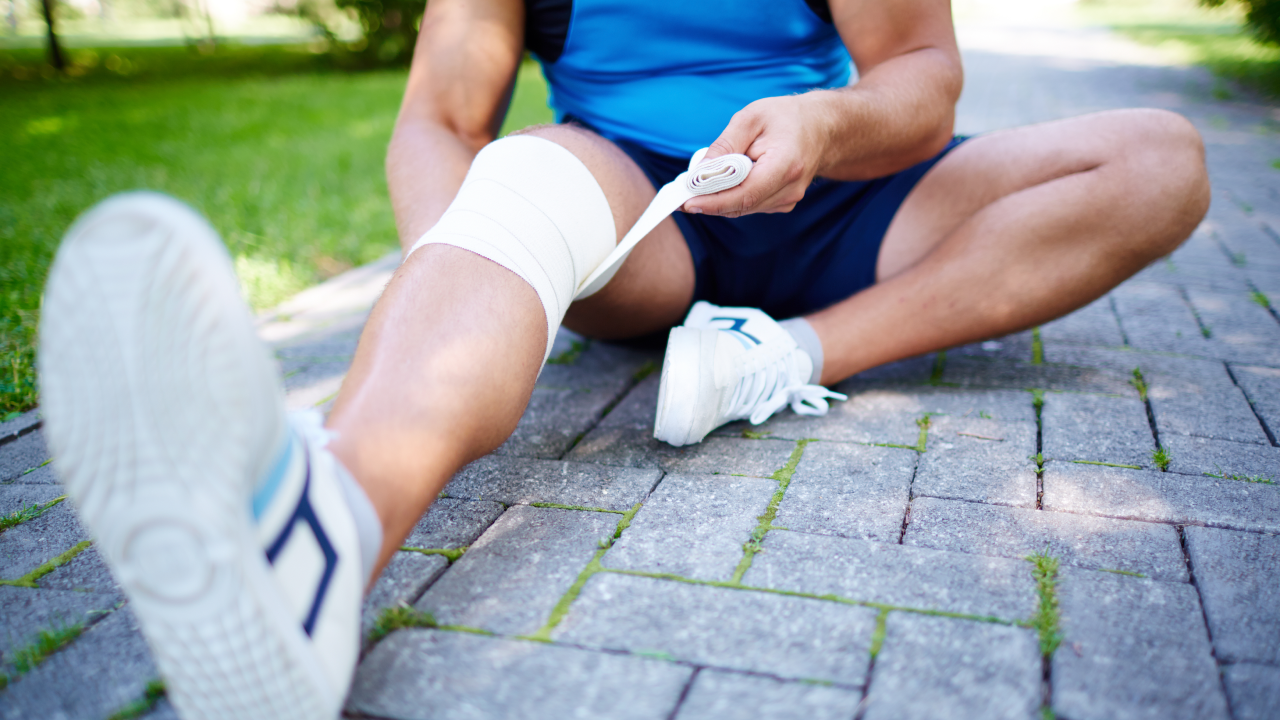
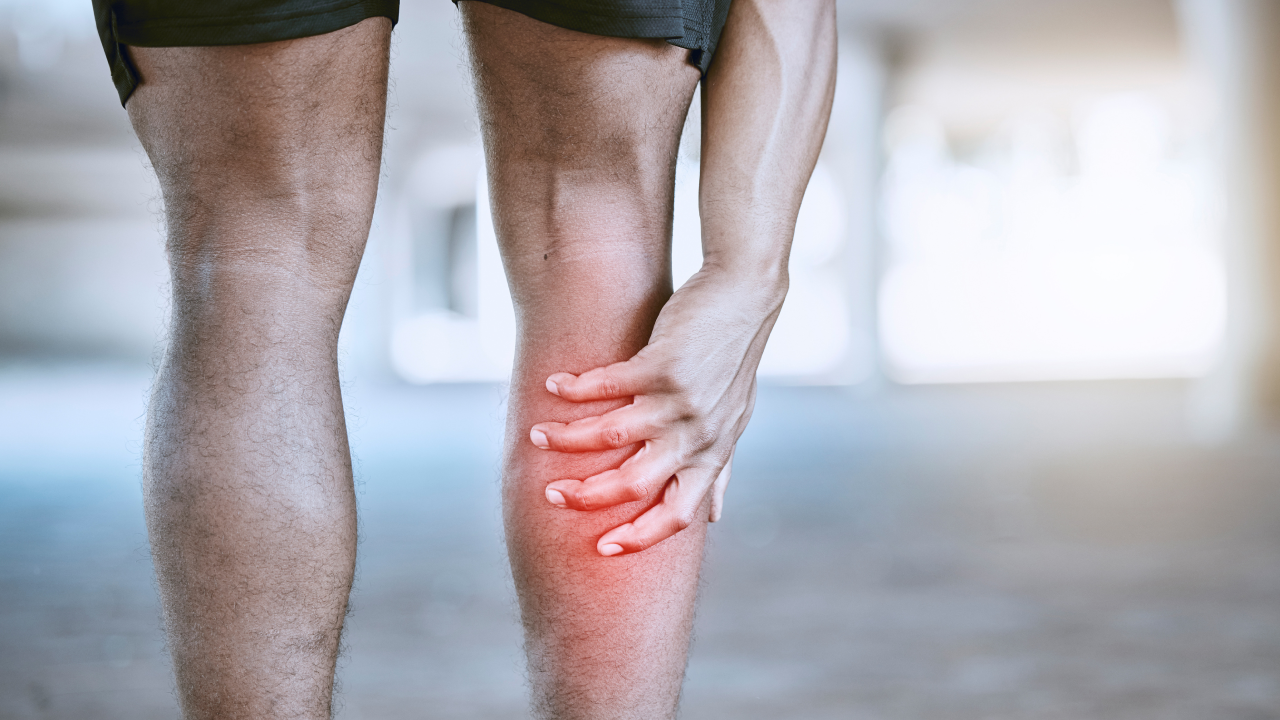
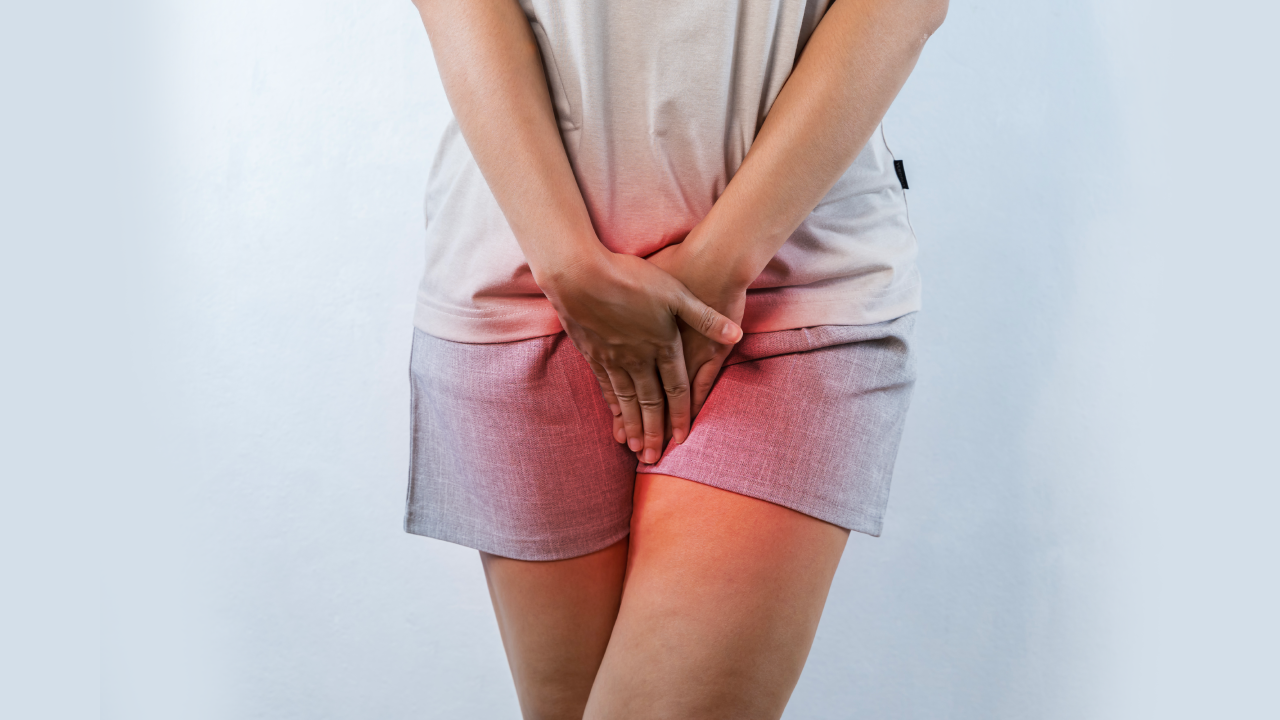
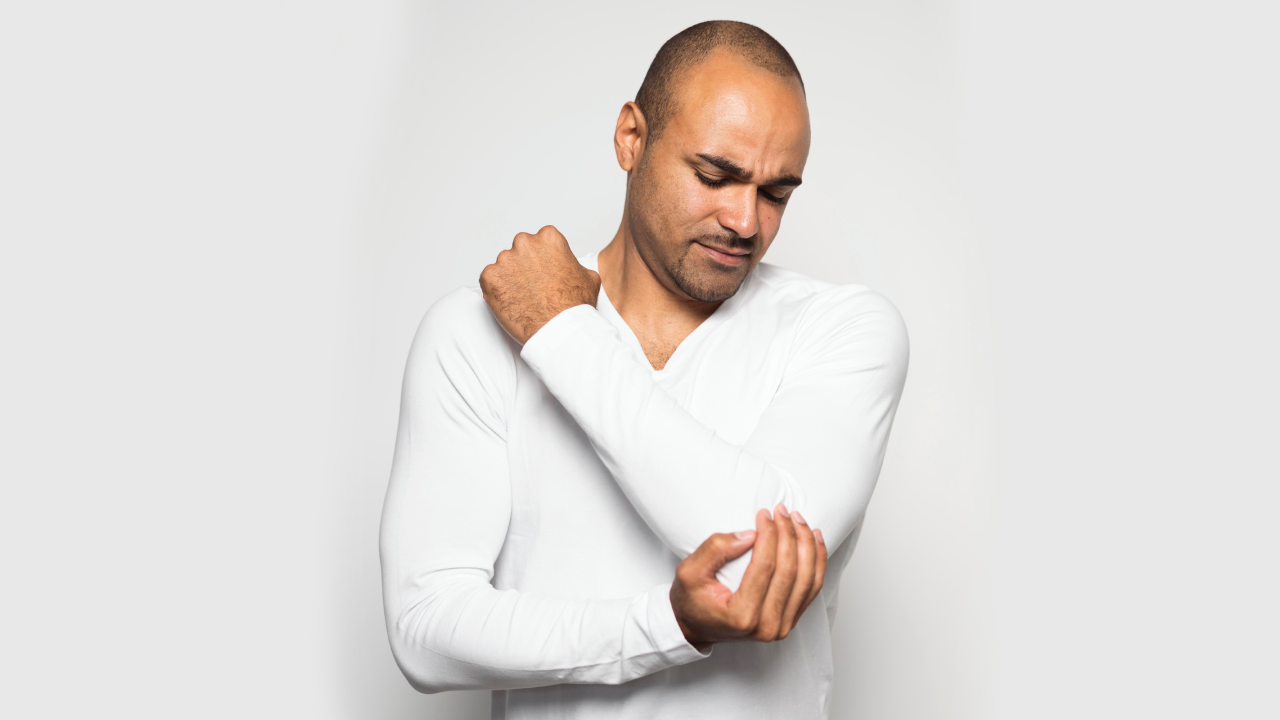
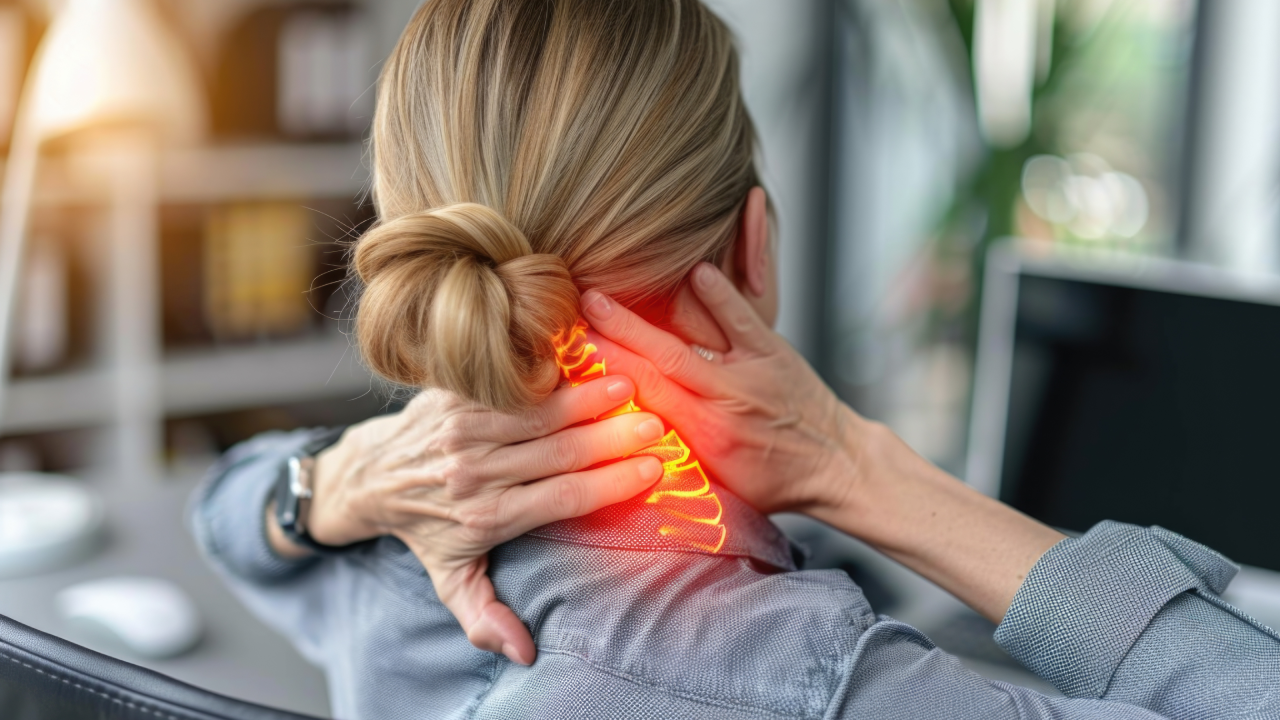
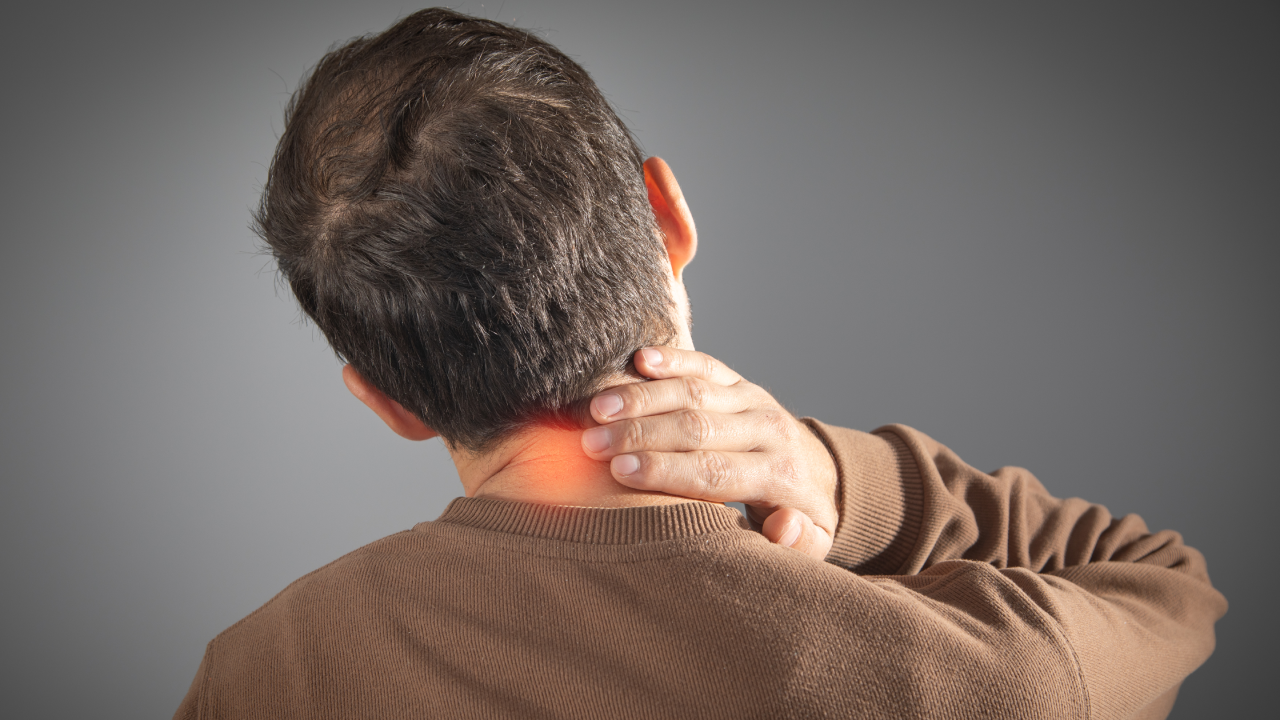
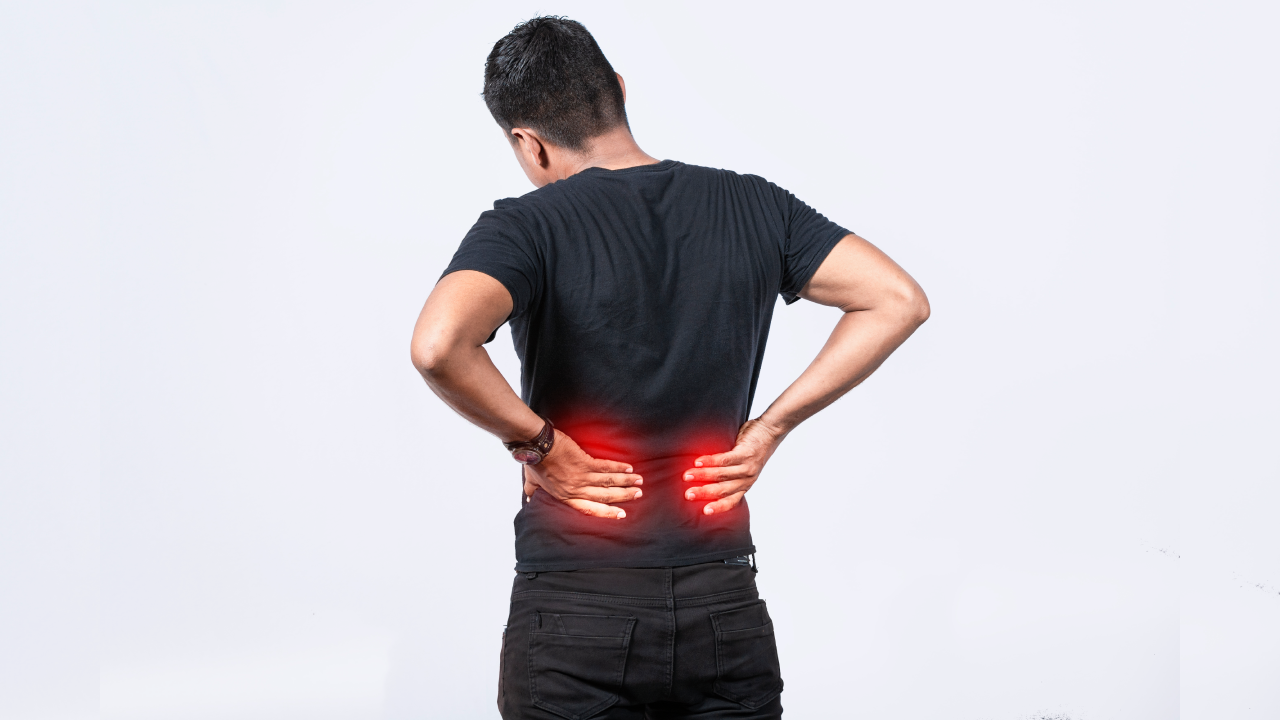
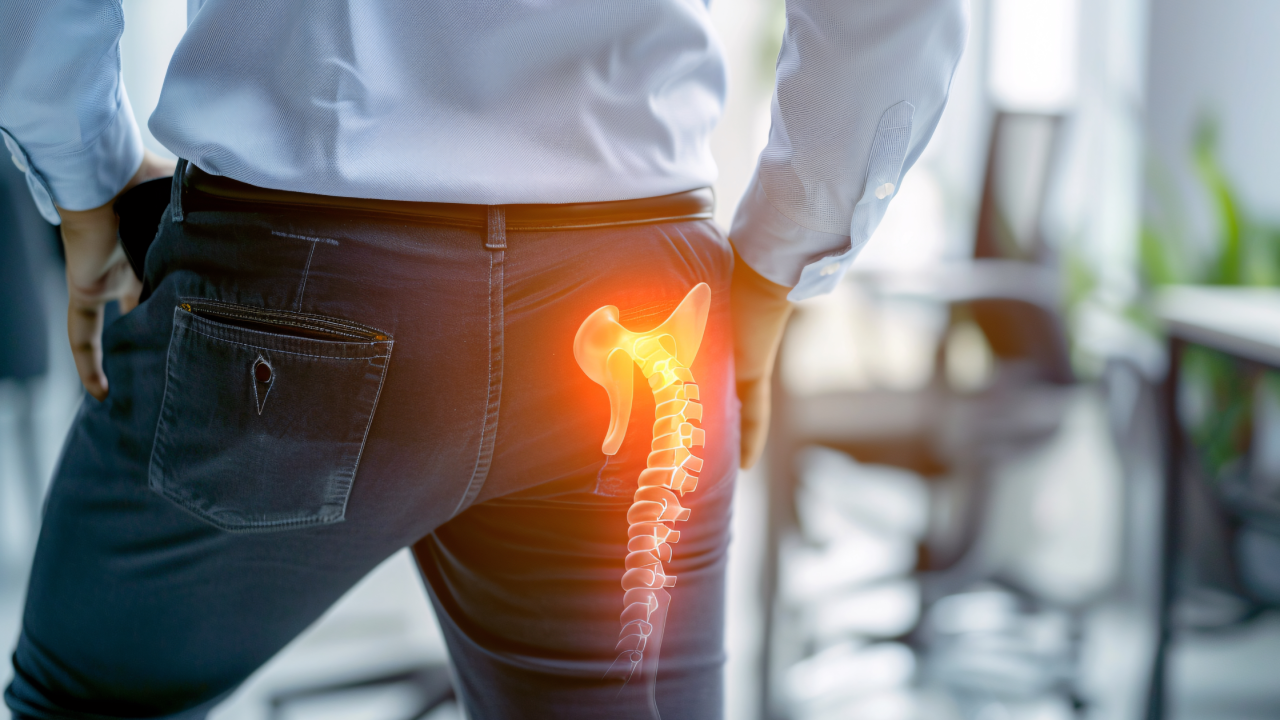
Joint injuries can affect the way you walk, work, exercise, sleep, and manage everyday activities. A sudden fall, sports incident, vehicle collision, repetitive movement, or gradual strain can affect the structures around a joint and make ordinary movements difficult.
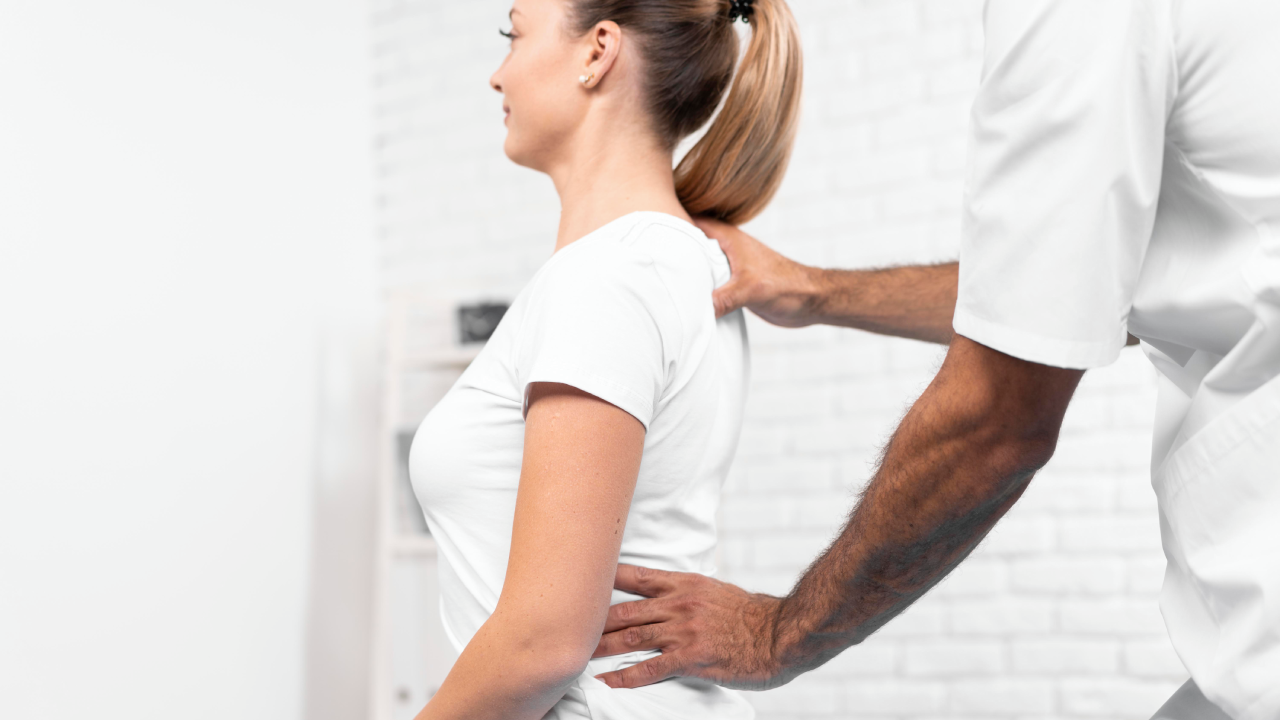
At Spinal Solution and Rehab, we provide physiotherapy and rehabilitation services for people dealing with joint-related injuries in Woodbridge, ON. Our approach begins with an assessment of the affected area, your movement patterns, symptoms, strength, flexibility, and daily activities. From there, we create a rehabilitation plan based on your condition and functional goals.
If you are searching for Joint Injuries in Woodbridge, ON, this page explains the types of joint problems we treat, what rehabilitation may involve, who may benefit, and what you can expect when working with our team.
What Are Joint Injuries?
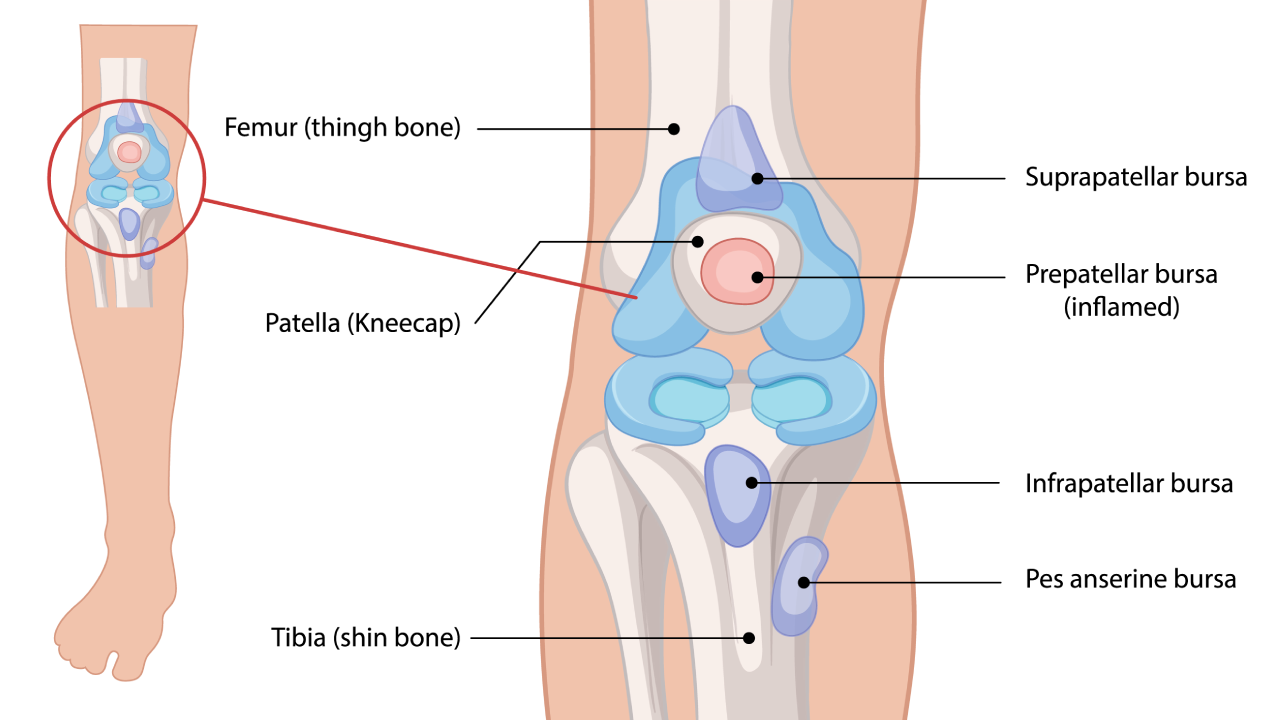
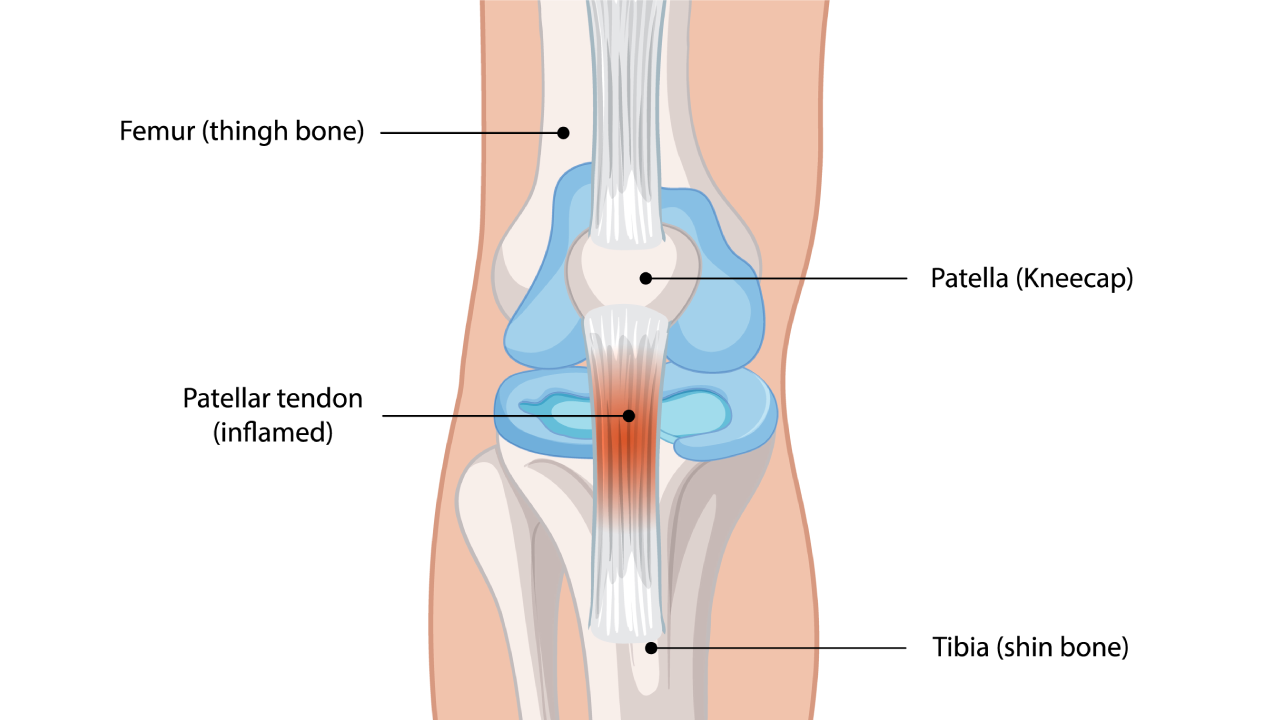
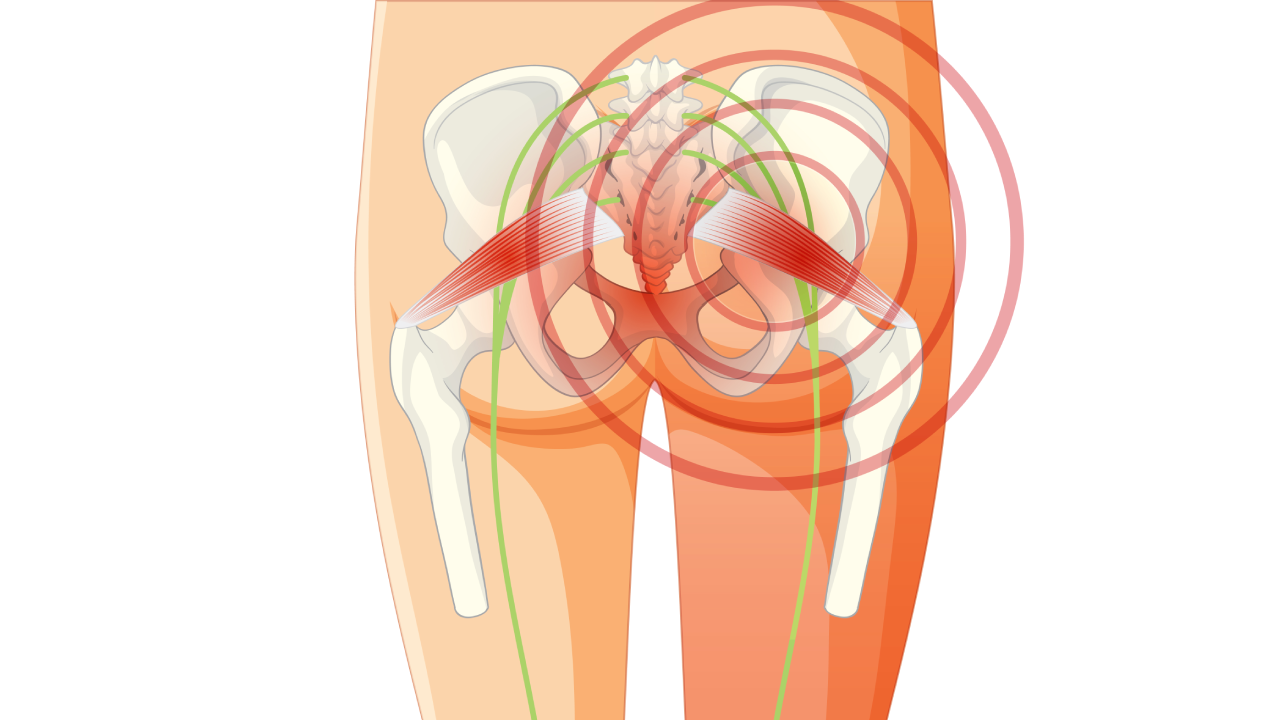
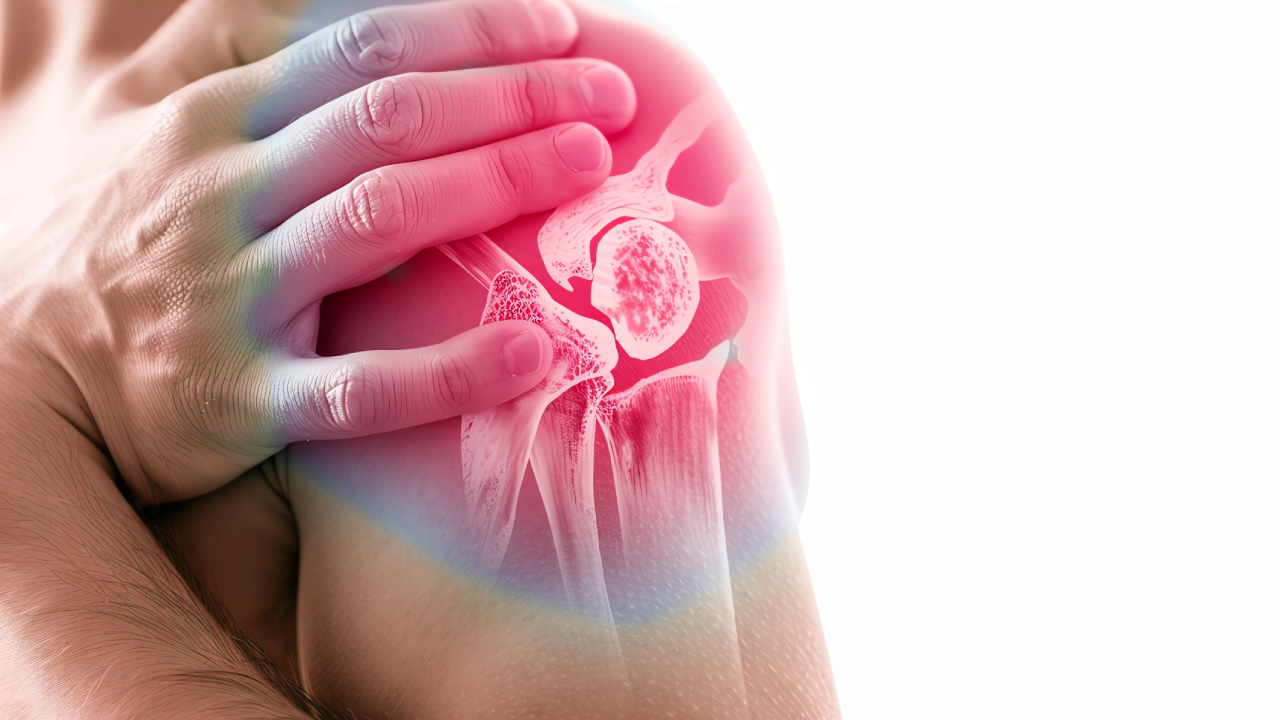
A joint is where two or more bones meet and allow movement. Joints rely on structures such as muscles, tendons, ligaments, cartilage, and surrounding tissues to support movement and stability.
A joint injury can involve one or several of these structures. The severity and type of injury can vary considerably. Some injuries occur suddenly, while others develop gradually through repetitive loading or changes in movement.
Common causes include:
- Falls and direct impacts
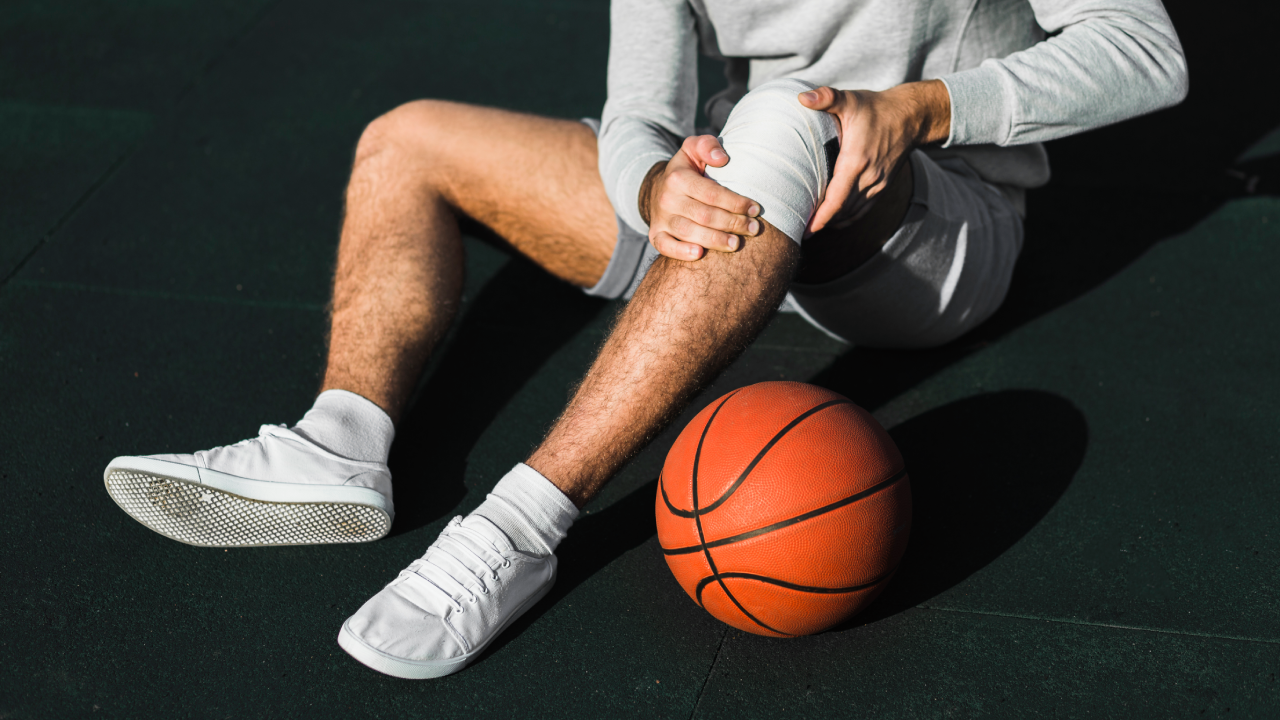
- Sports-related incidents
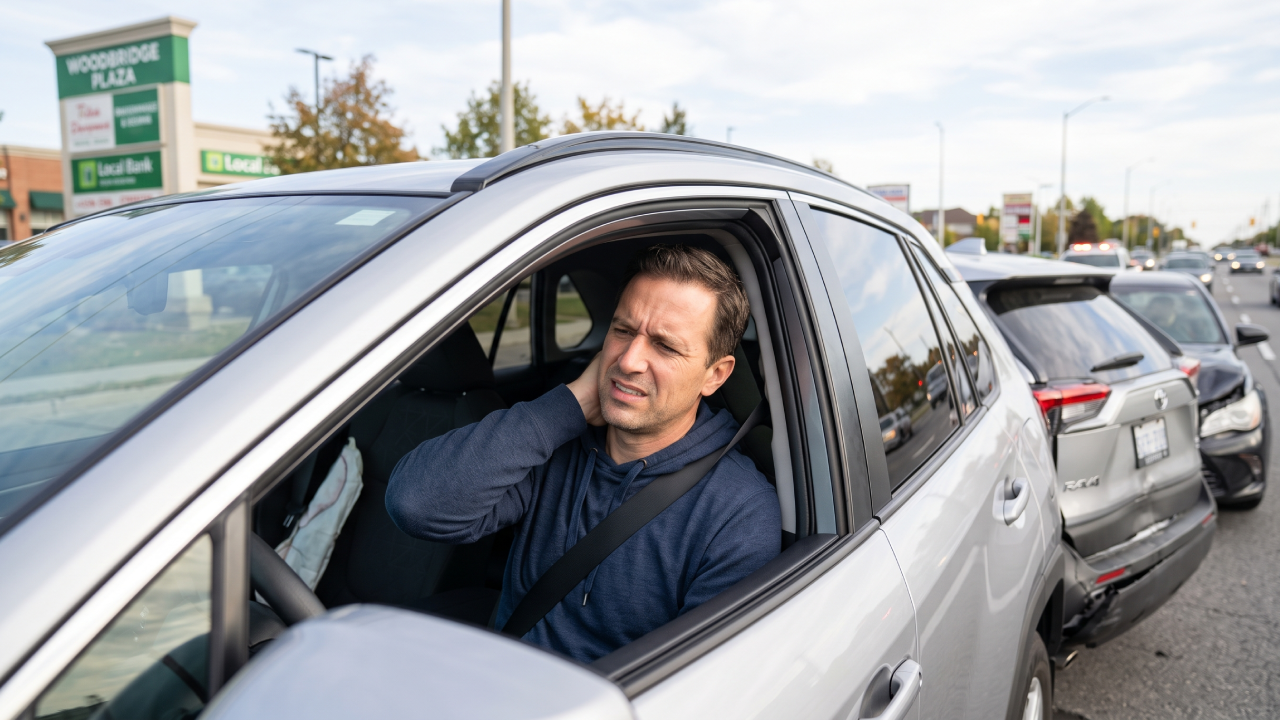
- Motor vehicle accidents
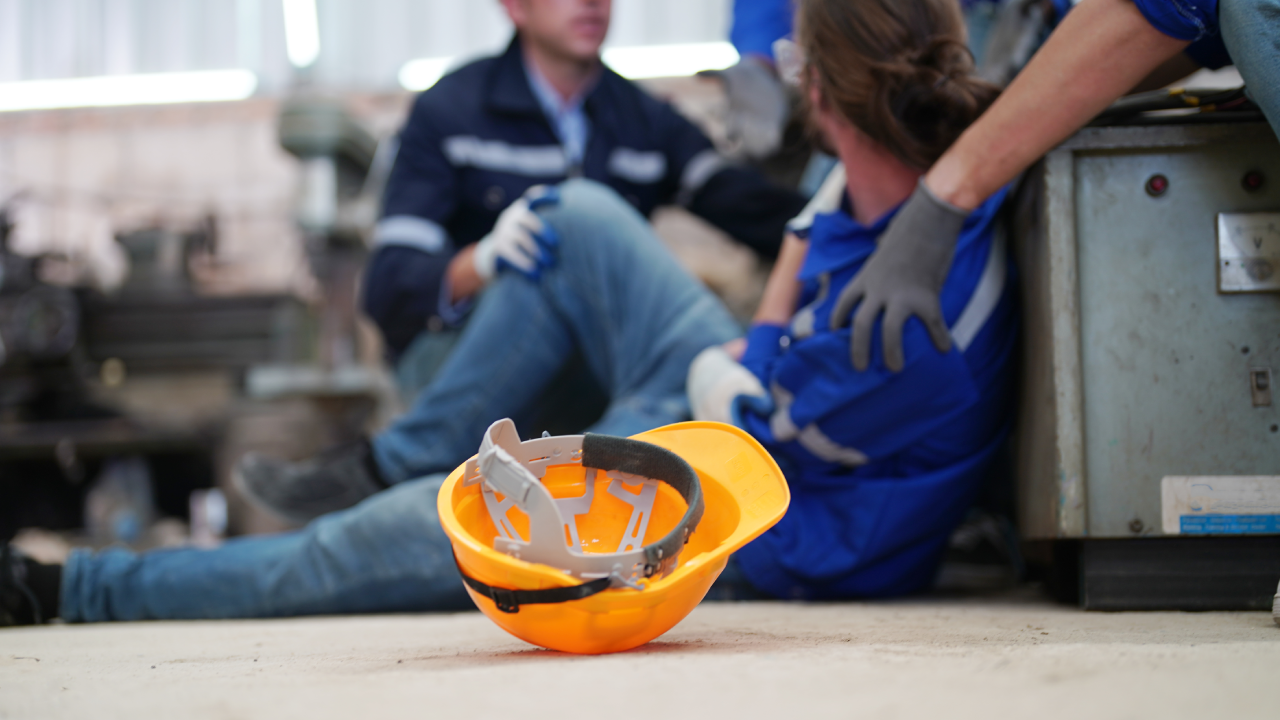
- Workplace injuries
- Repetitive movements
- Sudden twisting or turning
- Lifting or carrying loads
- Muscle weakness affecting joint mechanics
- Reduced flexibility
- Previous injuries
- Overuse during physical activity
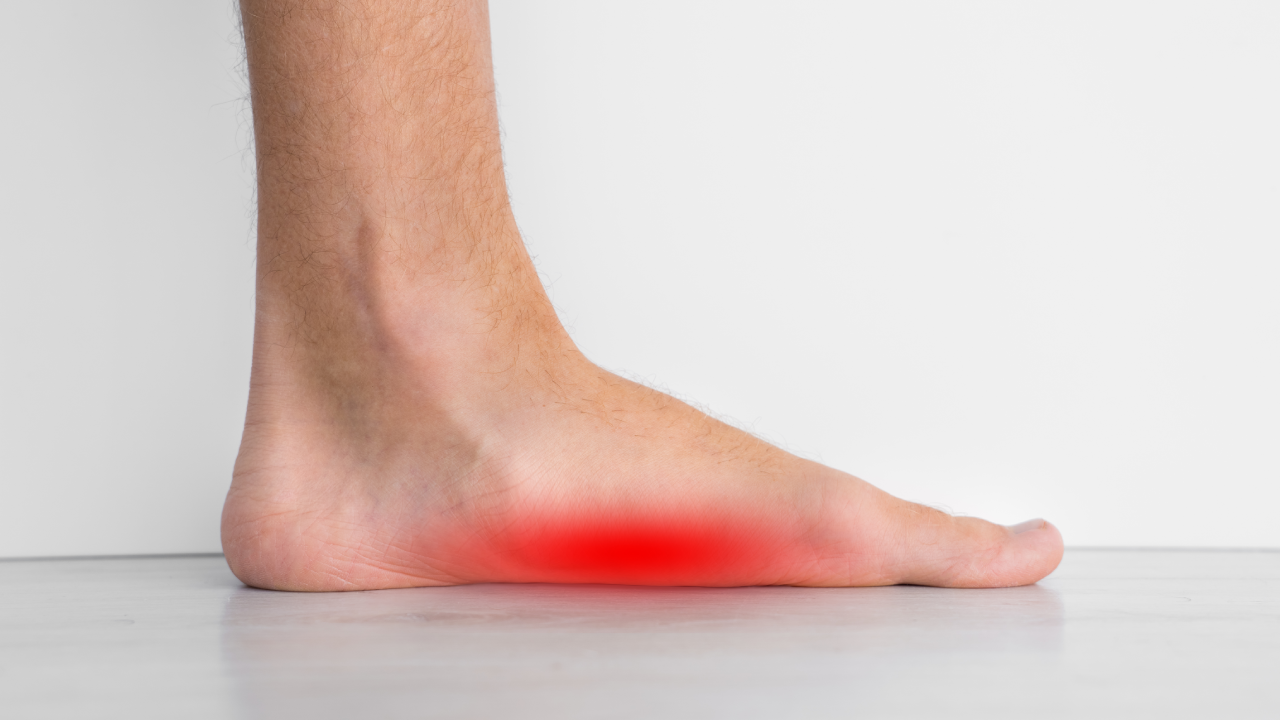
Joint injuries can affect many areas of the body, including the shoulder, elbow, wrist, hip, knee, ankle, and other joints.
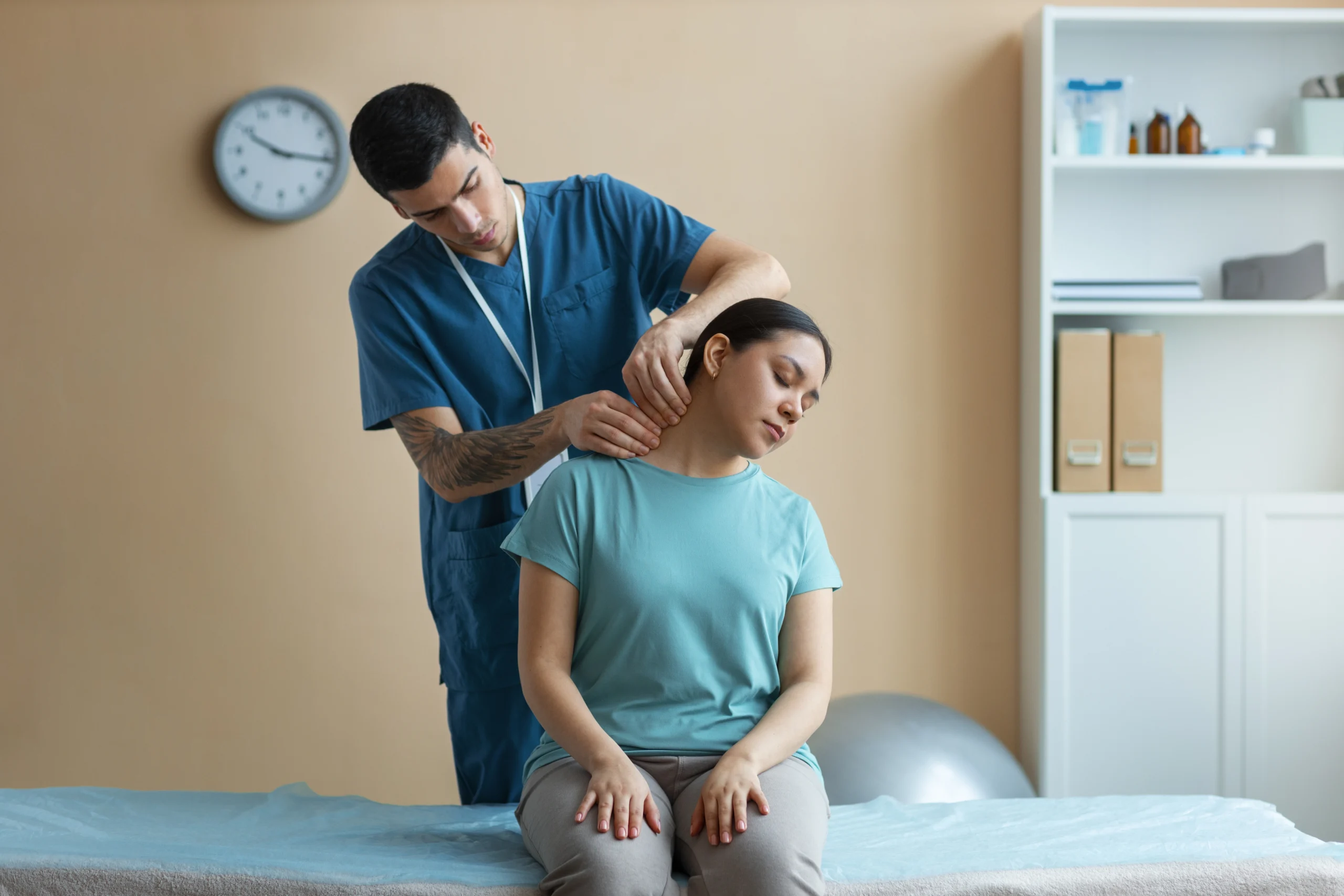
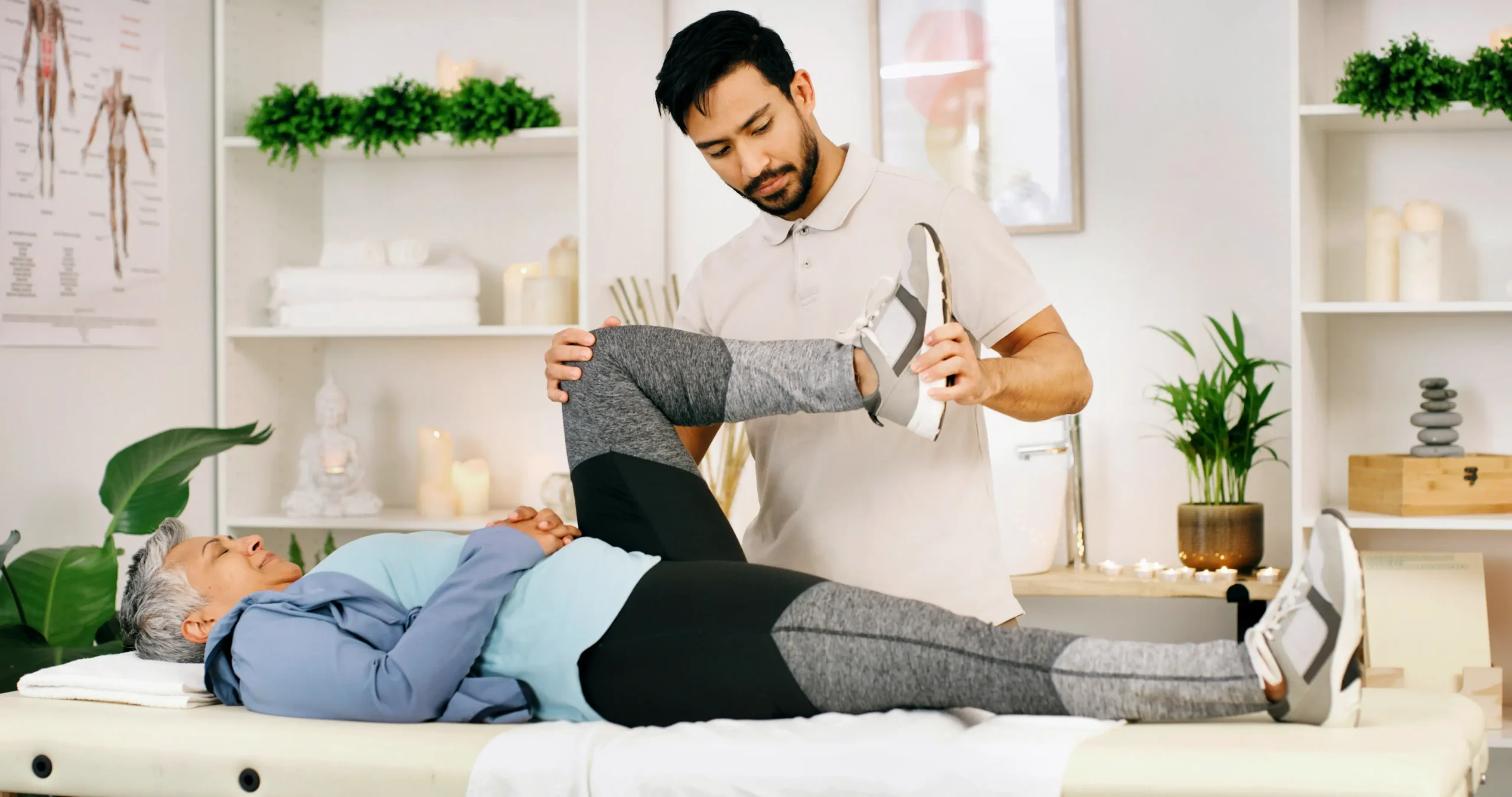
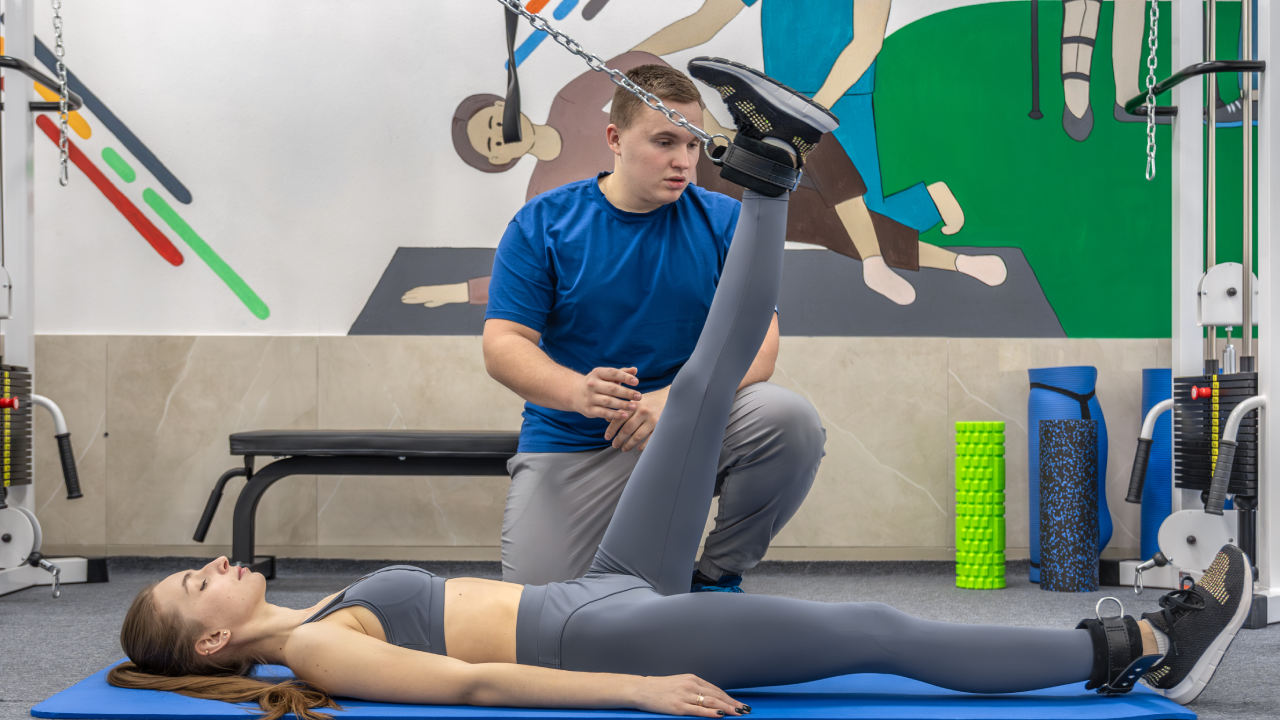
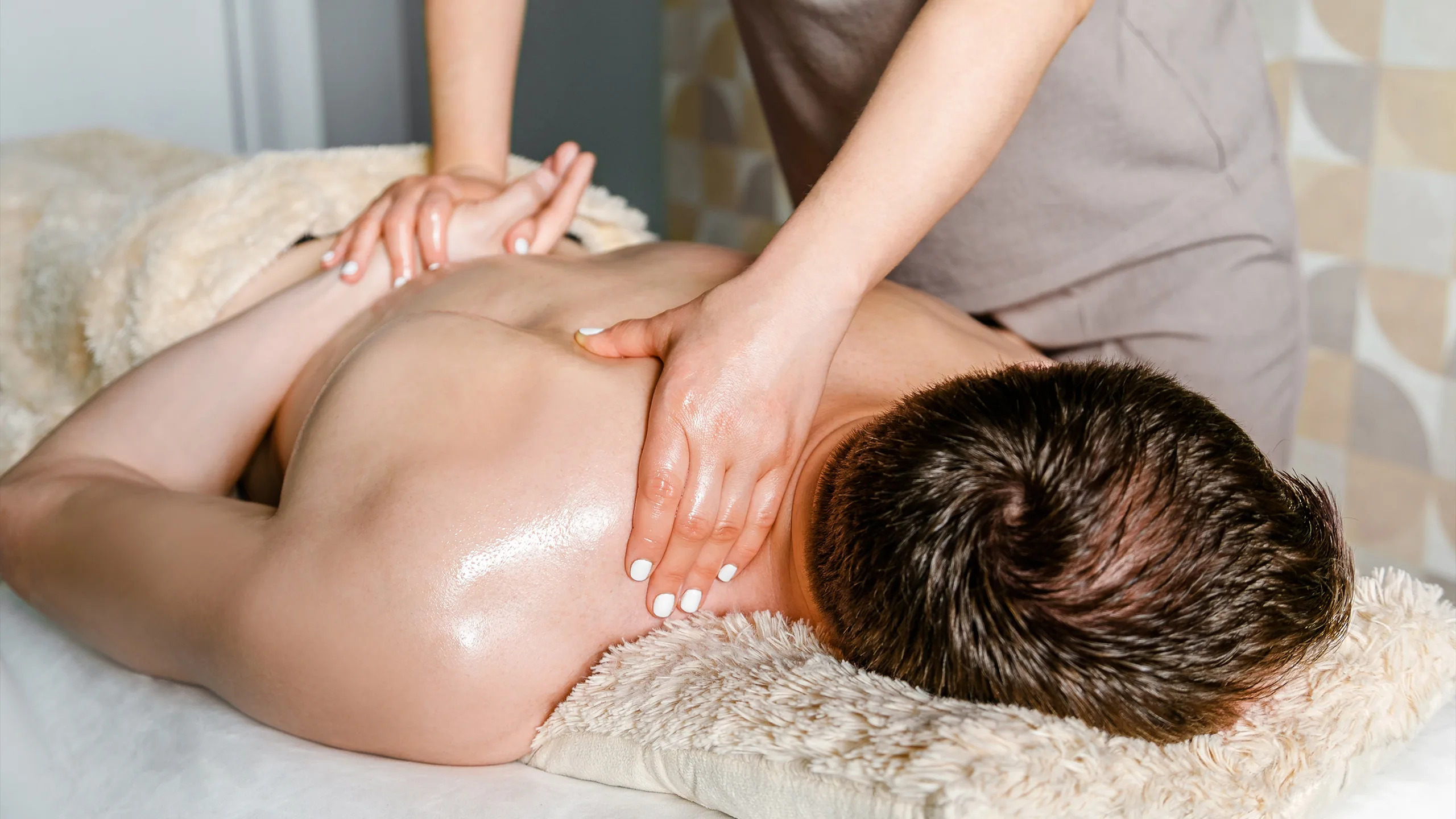
Physiotherapy can be used to assess movement and function and to support rehabilitation following an injury. Treatment may include therapeutic exercises, manual therapy, mobility work, strength training, balance activities, and education about activity modification.
Who Can Benefit From Joint Injury Rehabilitation?
Joint injury rehabilitation may be suitable for people with recent injuries as well as those dealing with recurring joint problems.
Athletes and Active Adults
Running, jumping, throwing, lifting, and rapid changes in direction can place considerable demands on joints. Rehabilitation can focus on strength, mobility, balance, coordination, and gradual return to activity.
Workplace Injury Patients
Some occupations involve lifting, standing, climbing, repetitive movements, or physically demanding tasks. A joint injury can interfere with work duties and everyday movement.
People Recovering From Accidents
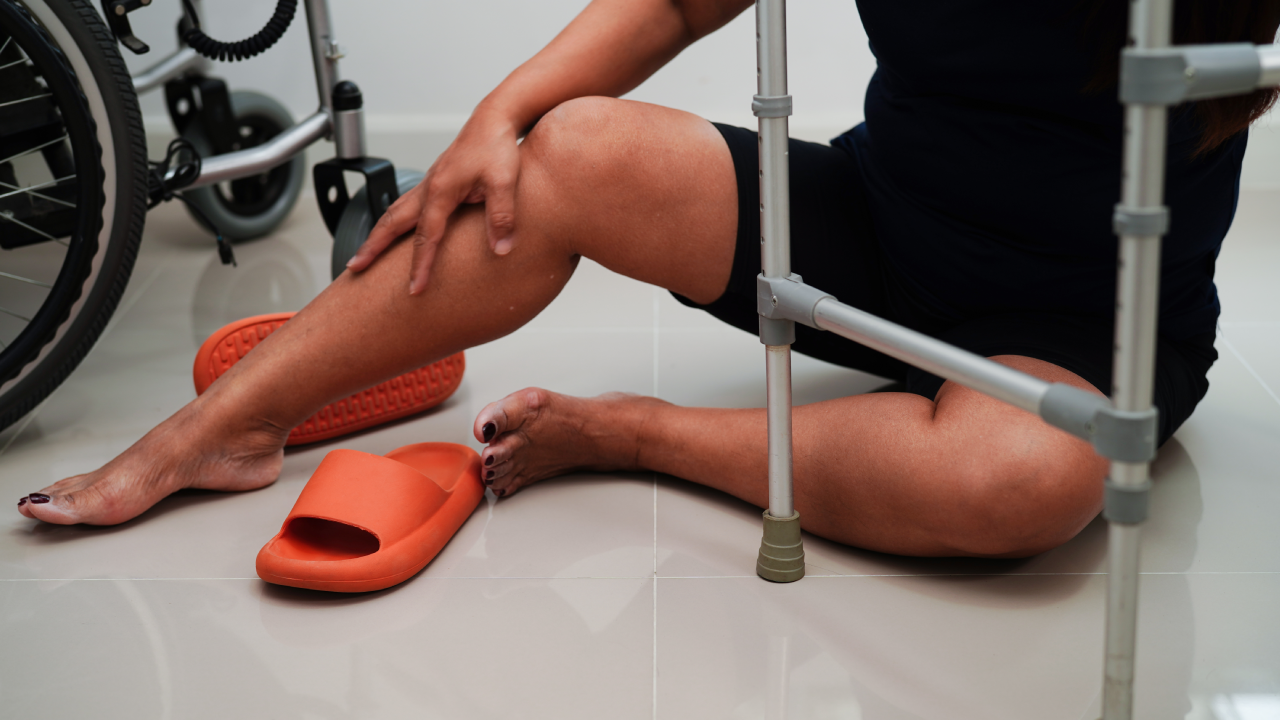
Falls, vehicle collisions, and other accidents can affect several joints at once. A structured rehabilitation plan can address movement limitations and functional difficulties following an accident.
Older Adults
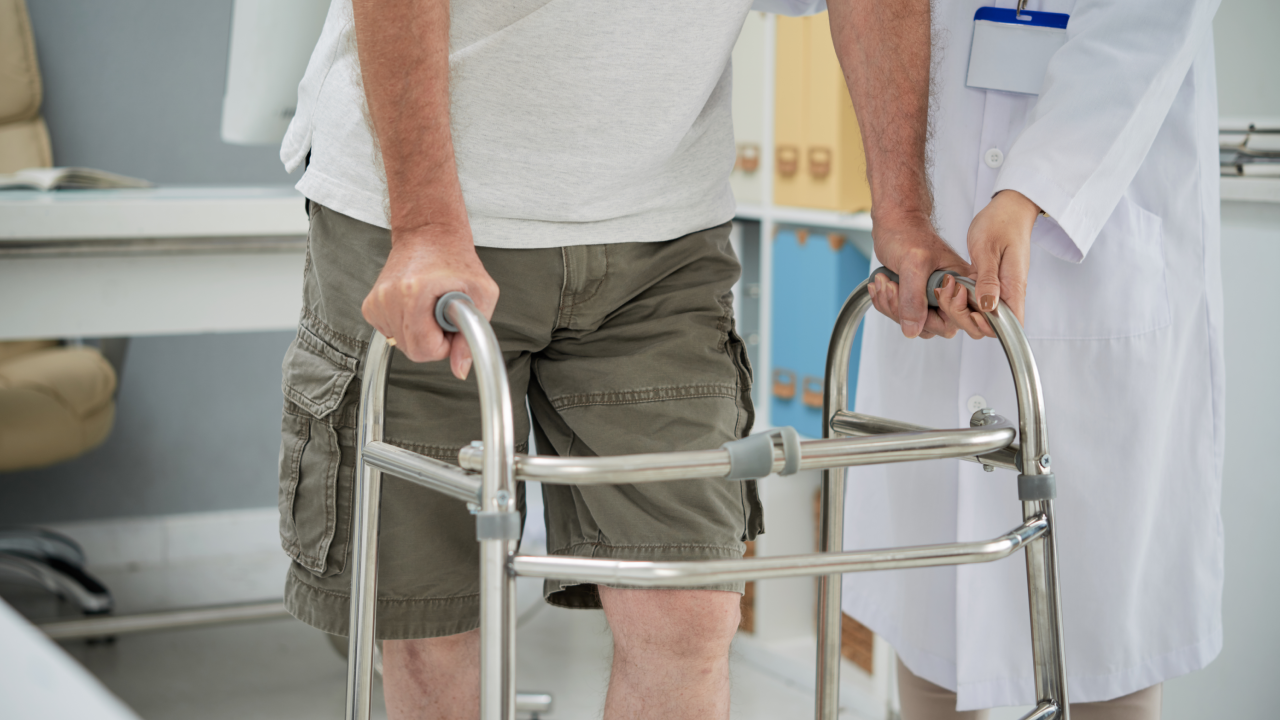
Changes in strength, mobility, and balance may affect joint function. Physiotherapy can focus on maintaining movement and supporting everyday activities.
People With Recurring Joint Problems
Some people notice joint symptoms that return during particular activities. Assessment can help identify movement limitations, strength deficits, and other factors that may contribute to recurring problems.
Joint Injuries We Treat
At Spinal Solution and Rehab, our rehabilitation services may address a range of joint-related conditions.
Knee Injuries
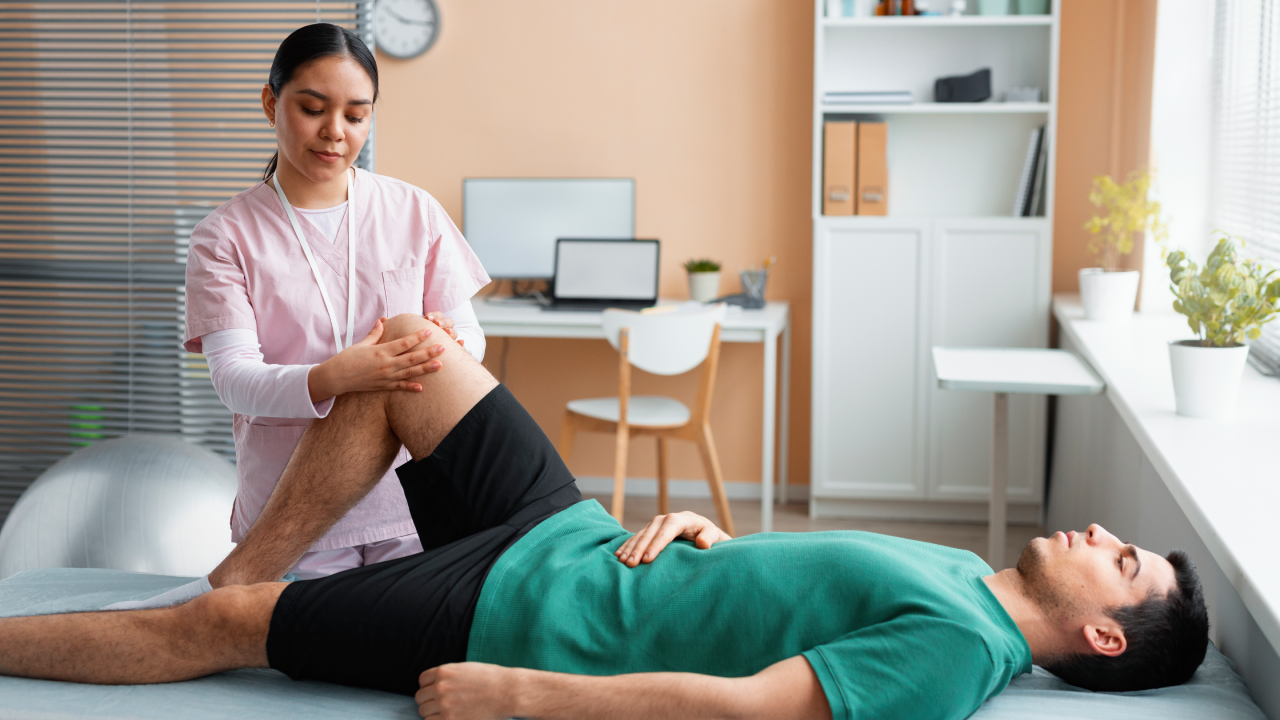
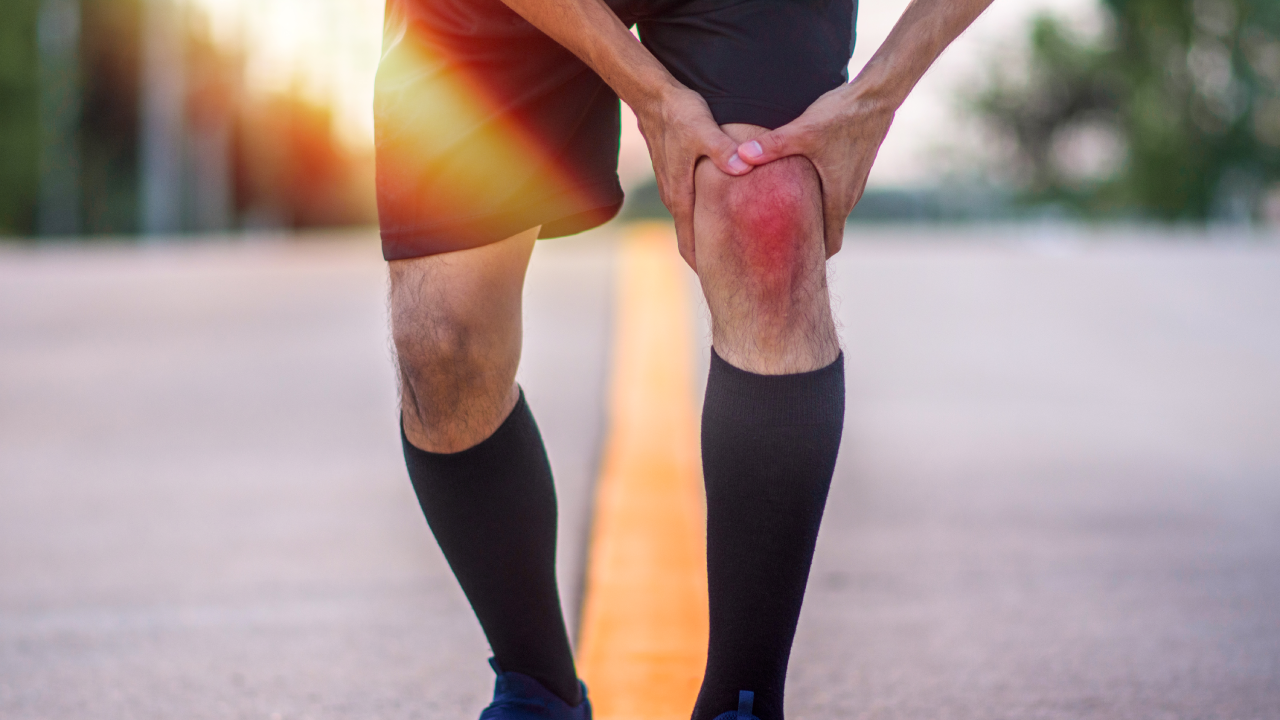
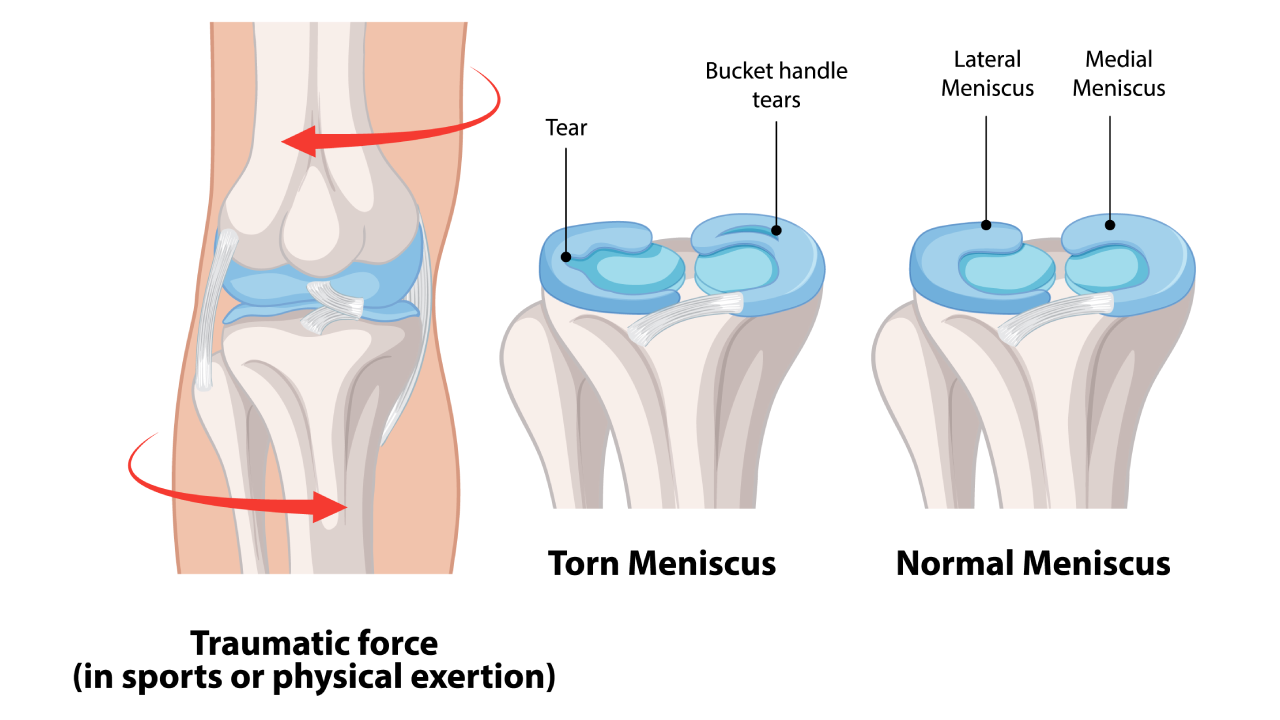
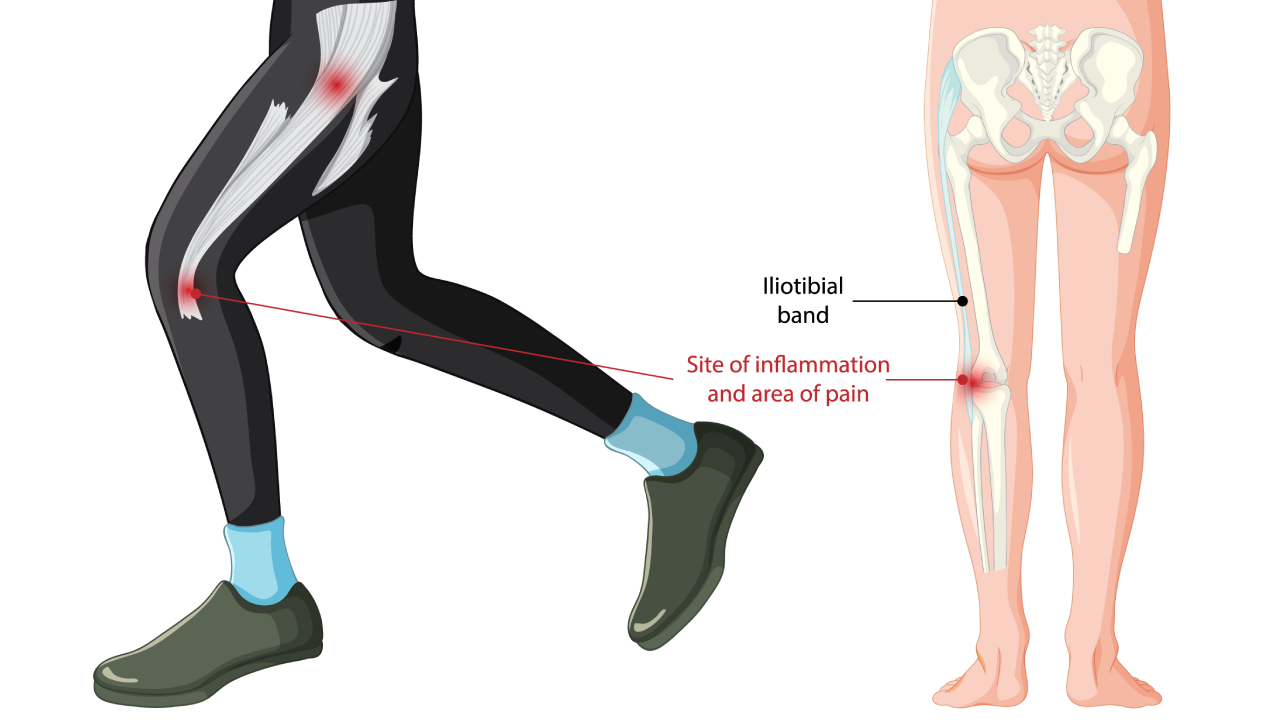
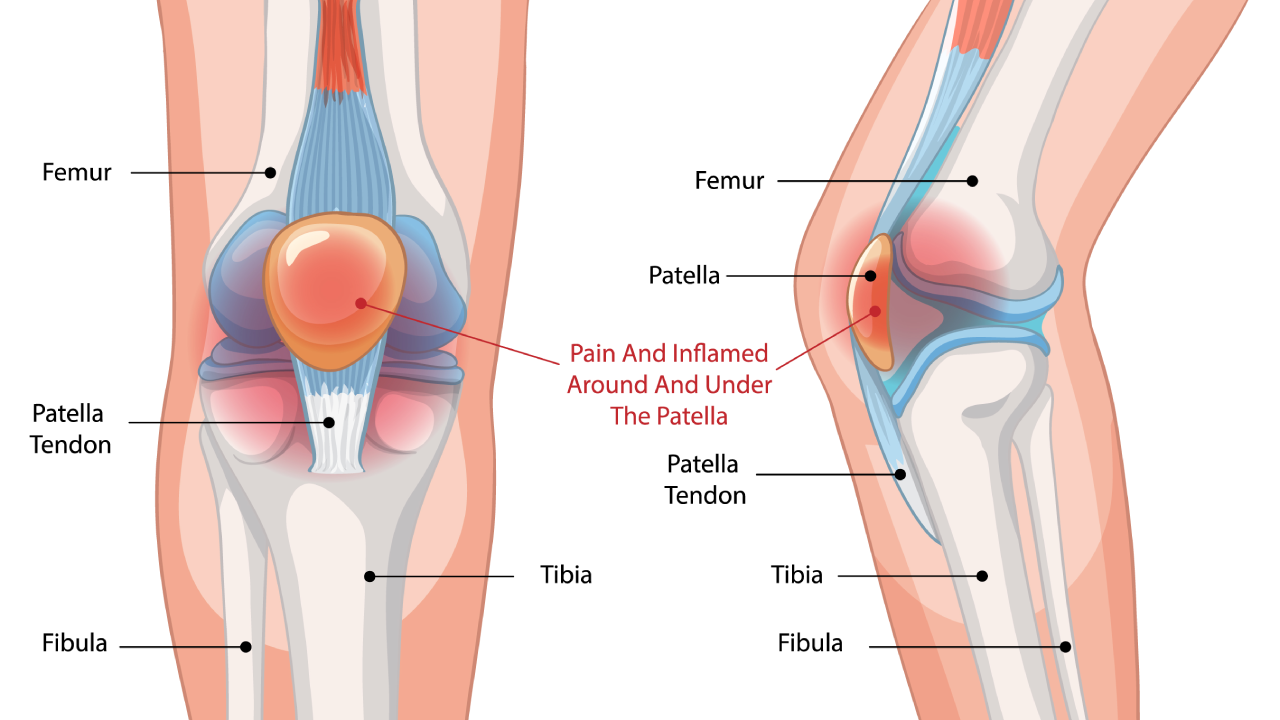
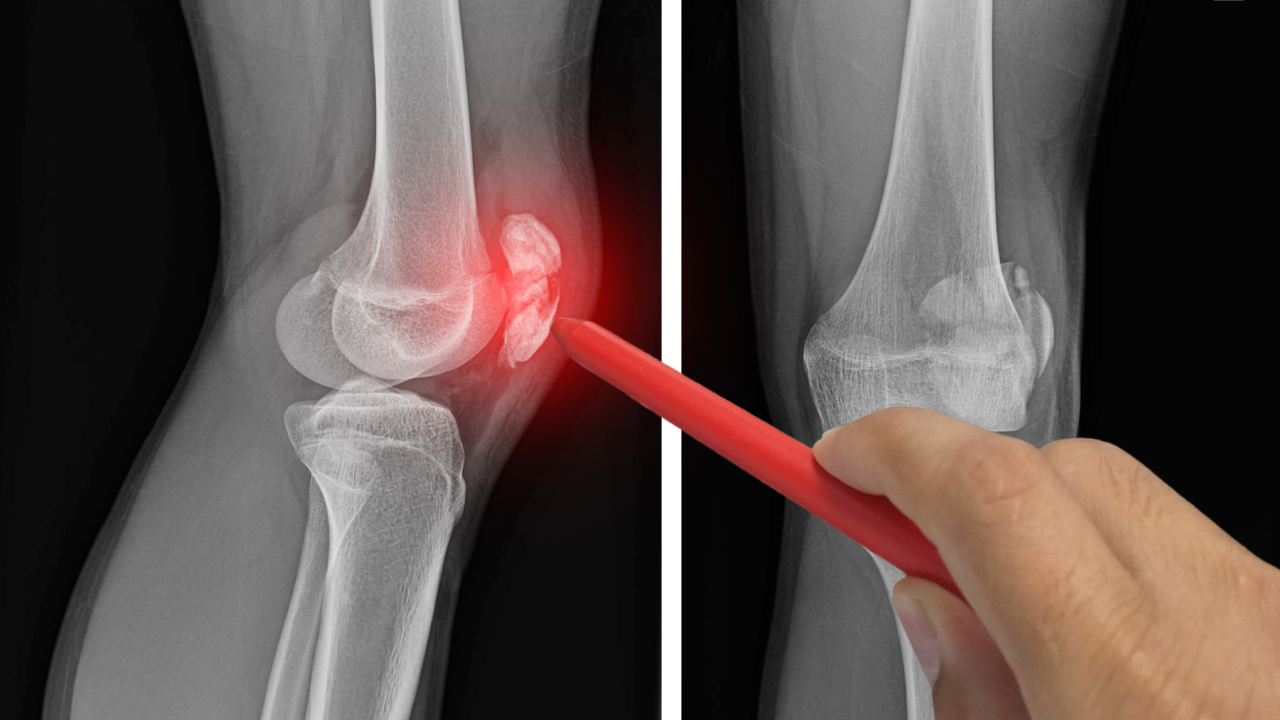
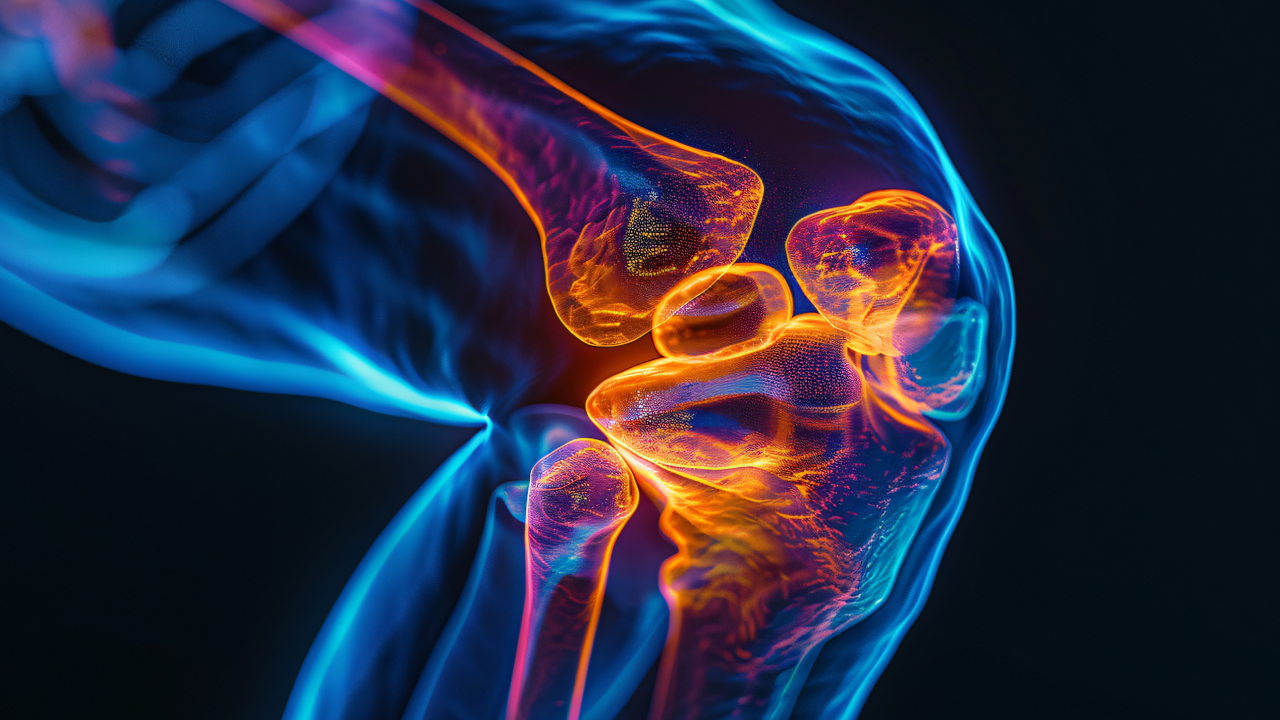
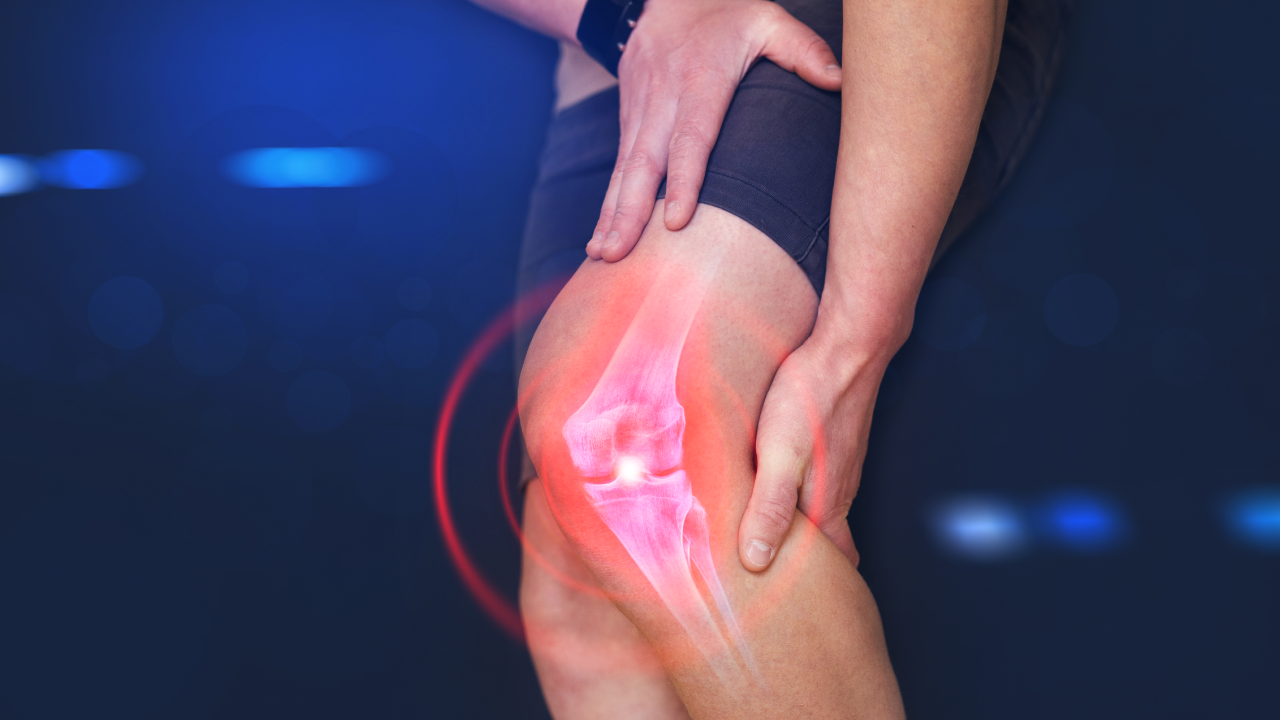
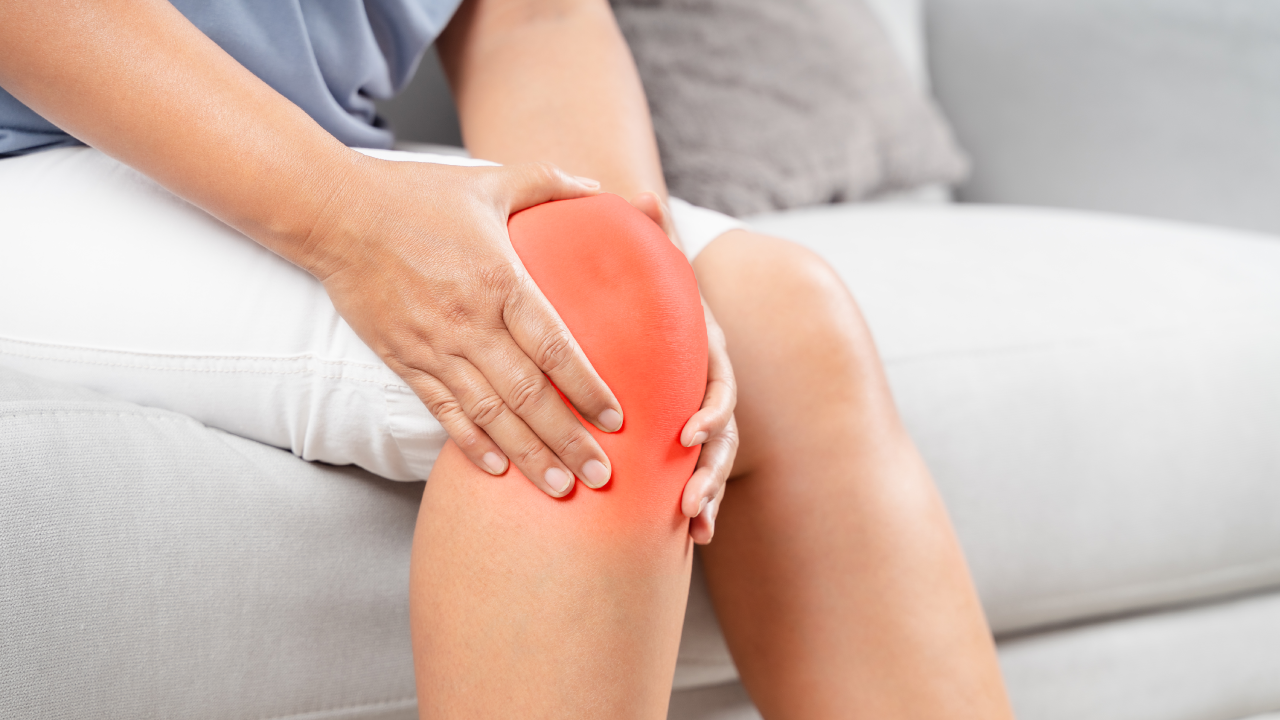
Knee injuries can occur during sports, falls, workplace activities, or everyday movement. Common problems include ligament injuries, meniscus injuries, patellar problems, sprains, strains, and symptoms following surgery.
Rehabilitation may include exercises for the quadriceps, hamstrings, hips, and surrounding muscles, along with mobility, balance, and movement training.
Shoulder Injuries
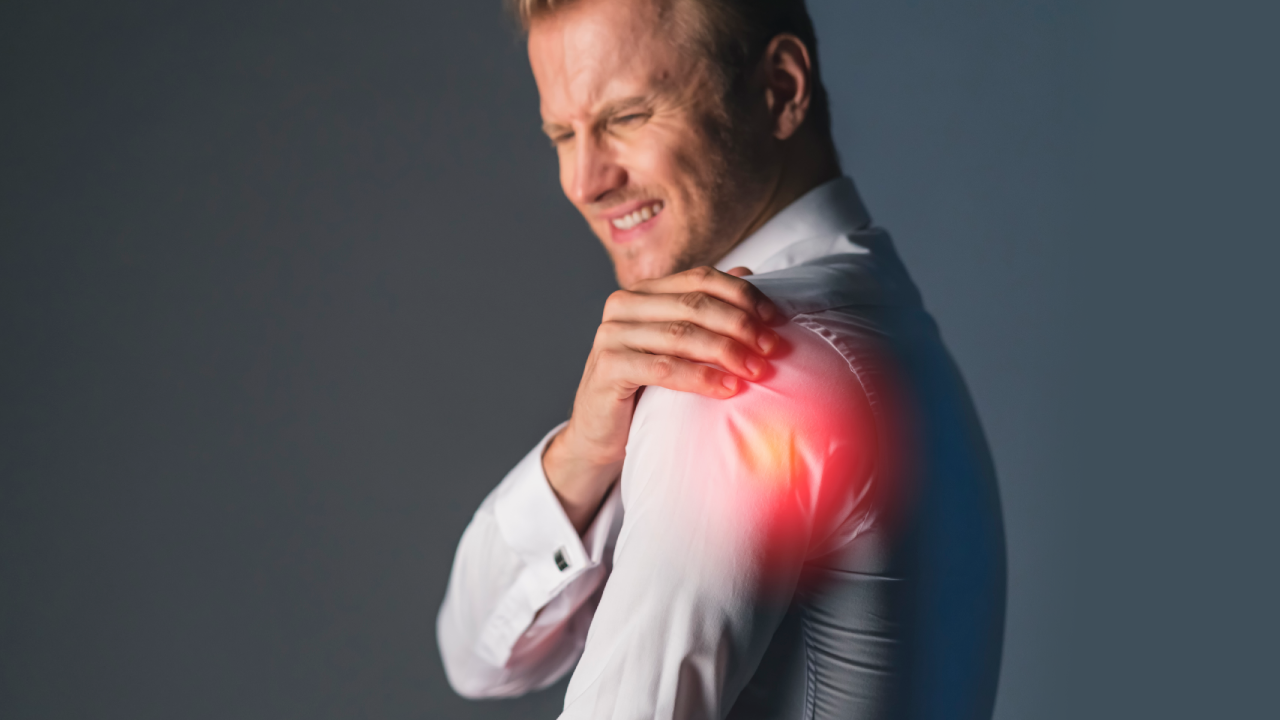
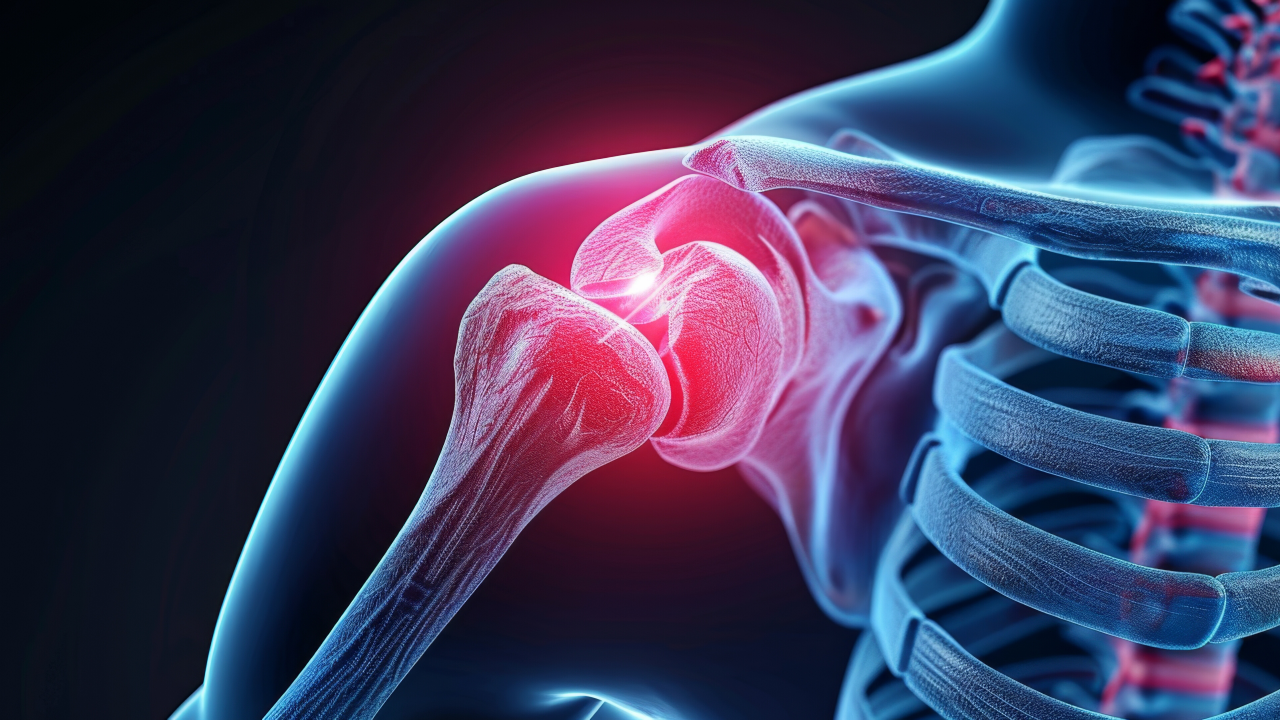
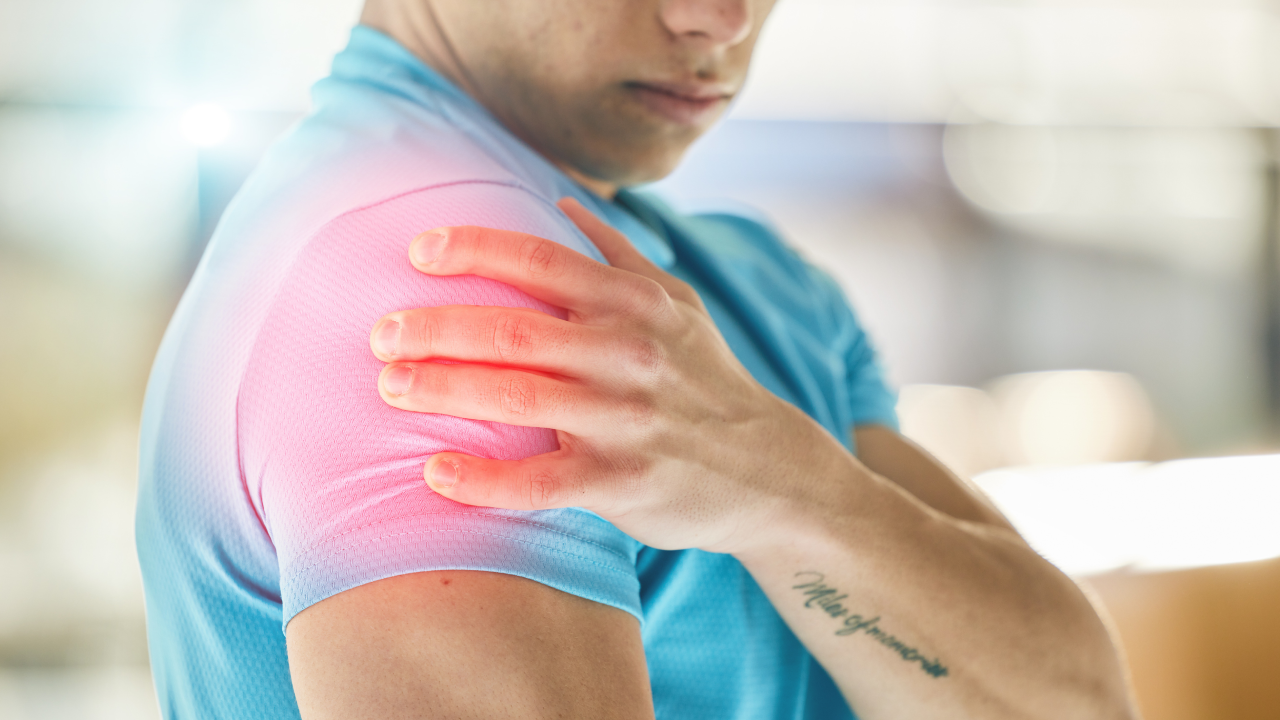
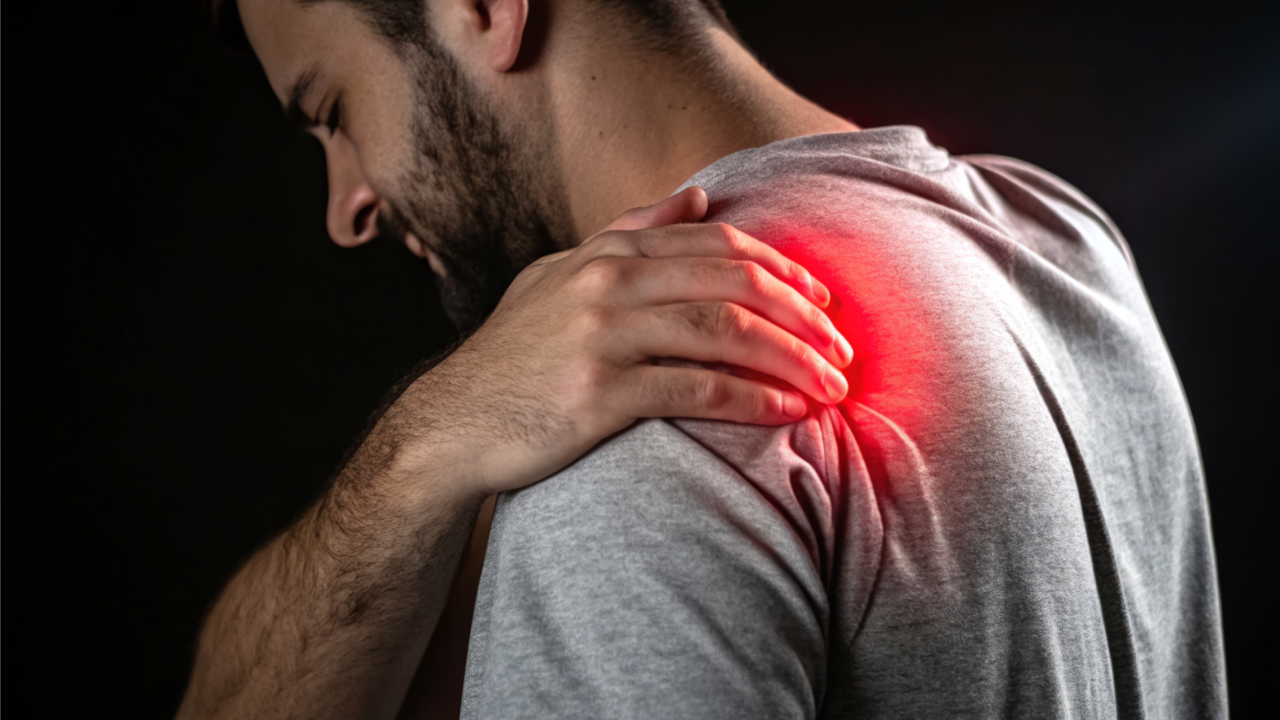
The shoulder has a wide range of motion and relies on several muscles and connective tissues for stability. Shoulder injuries may develop after falls, lifting, sports, repetitive overhead activity, or direct impacts.
Physiotherapy may address shoulder mobility, strength, posture, movement control, and functional activities.
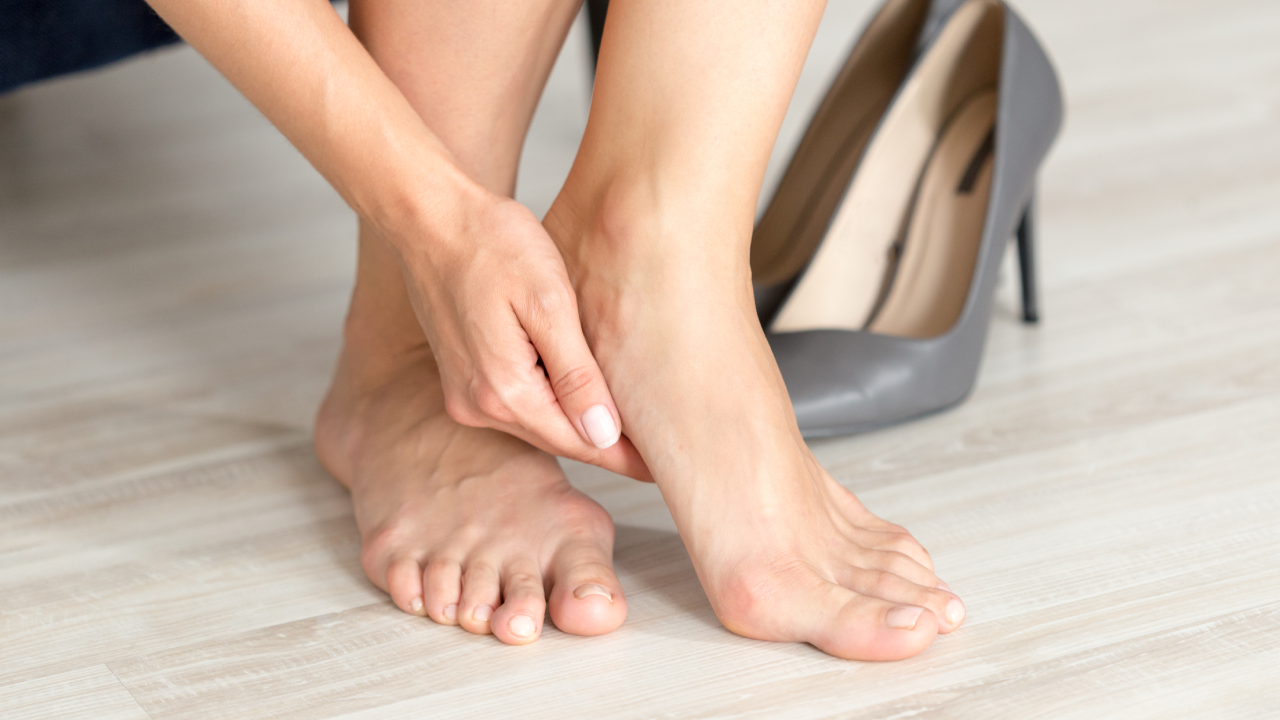
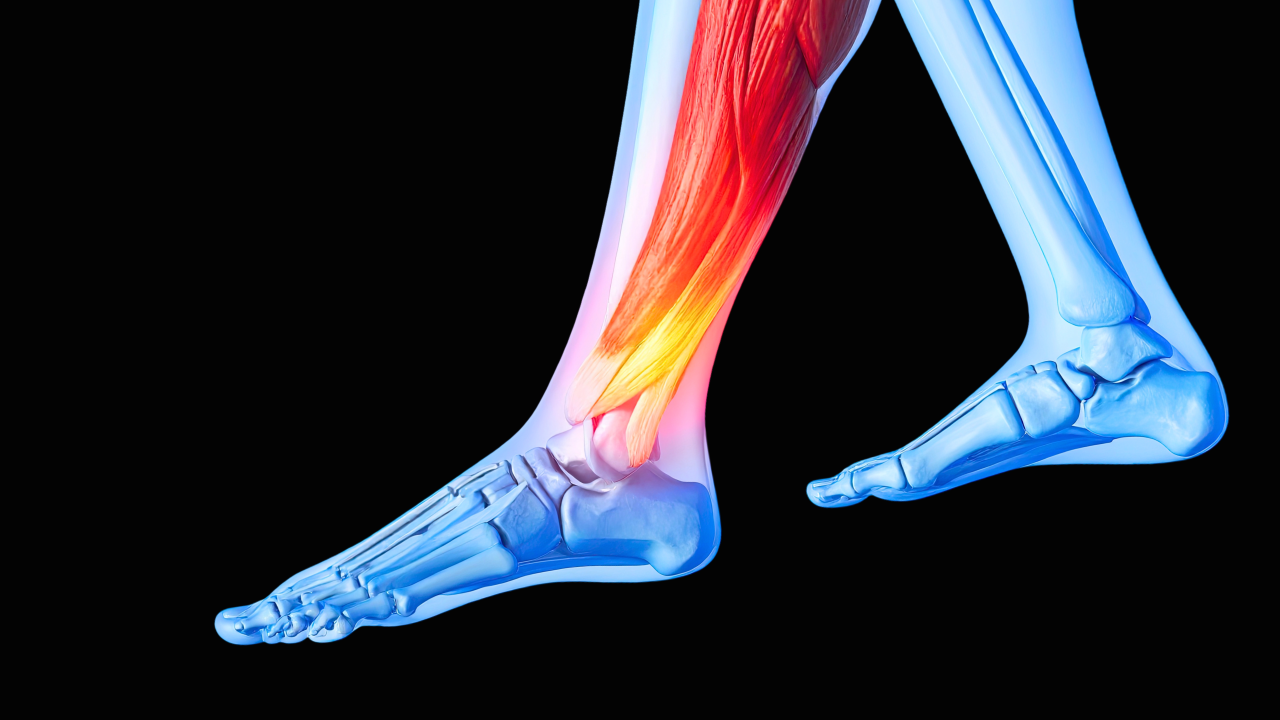
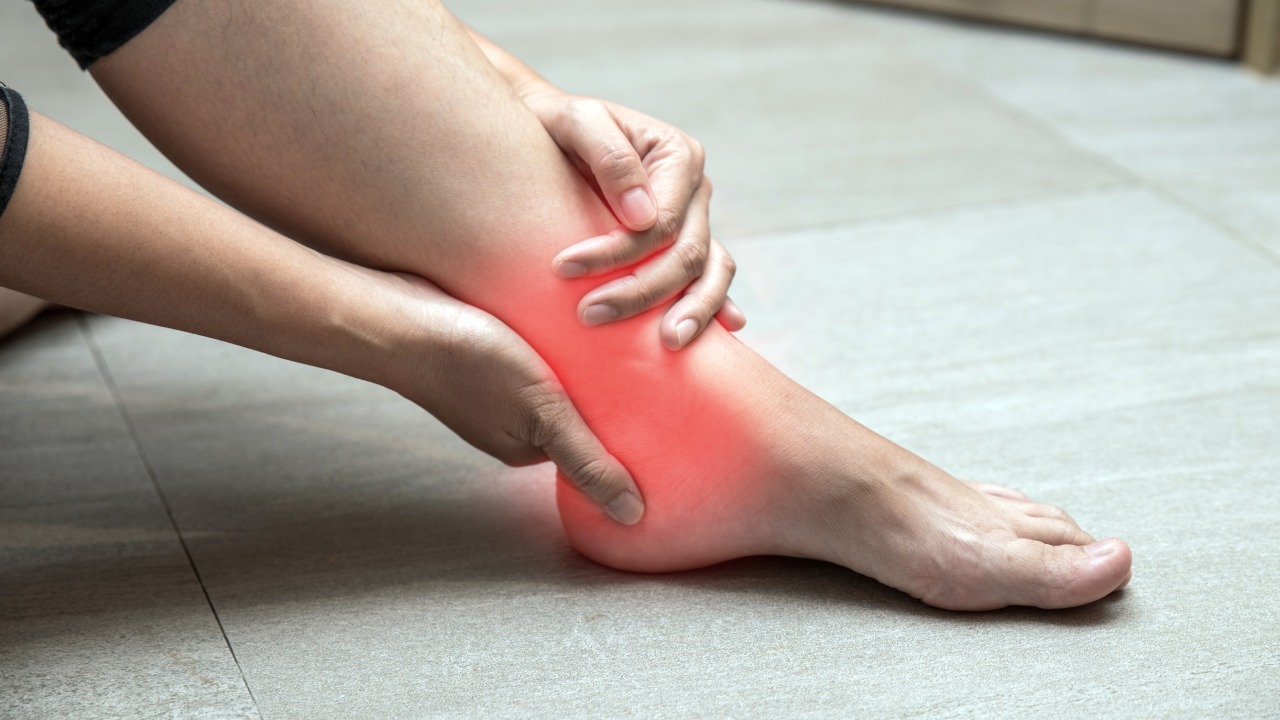
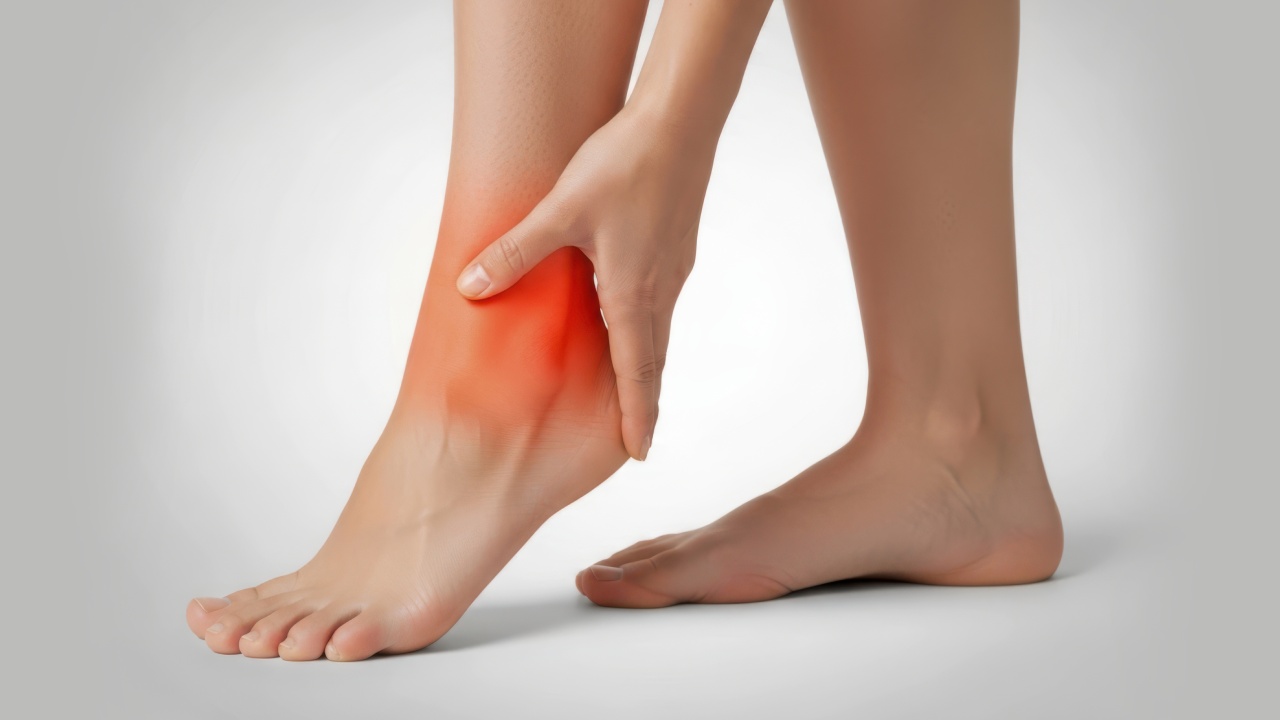
Ankle Injuries
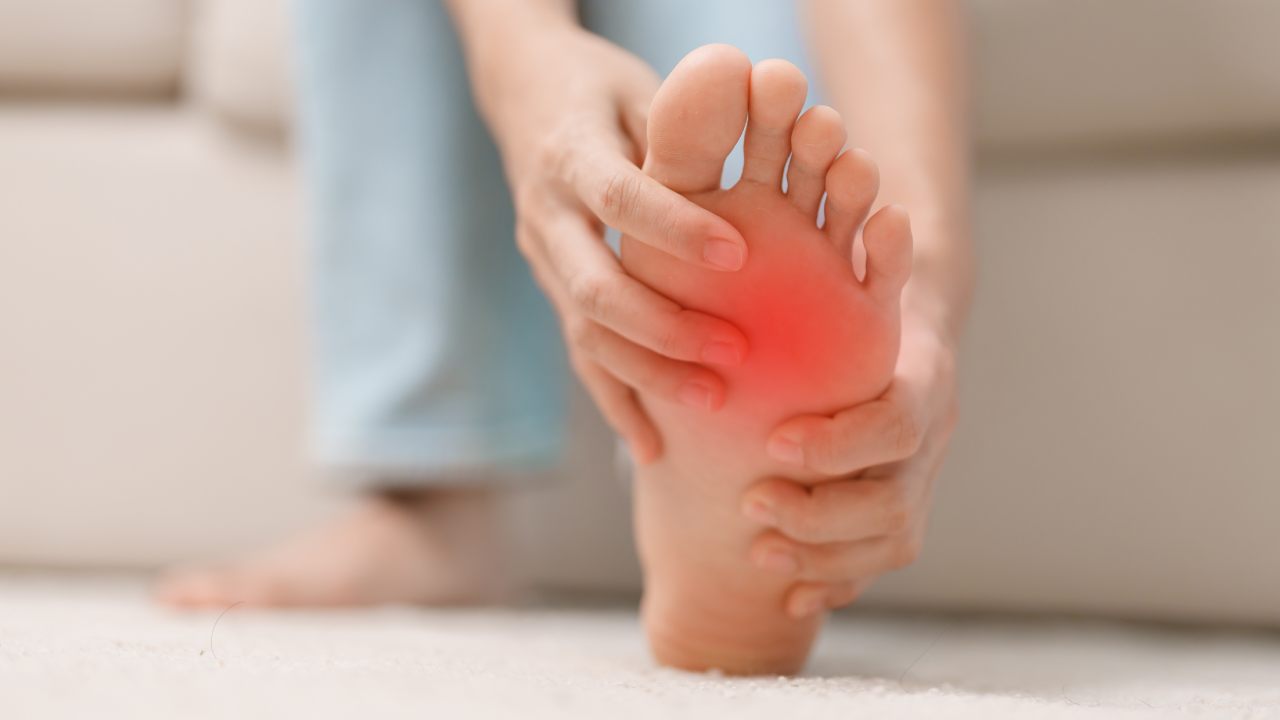
Ankle sprains are common during sports, walking on uneven surfaces, or sudden changes in direction. Rehabilitation can include mobility exercises, strengthening, balance work, and gradual activity progression.
Hip Injuries
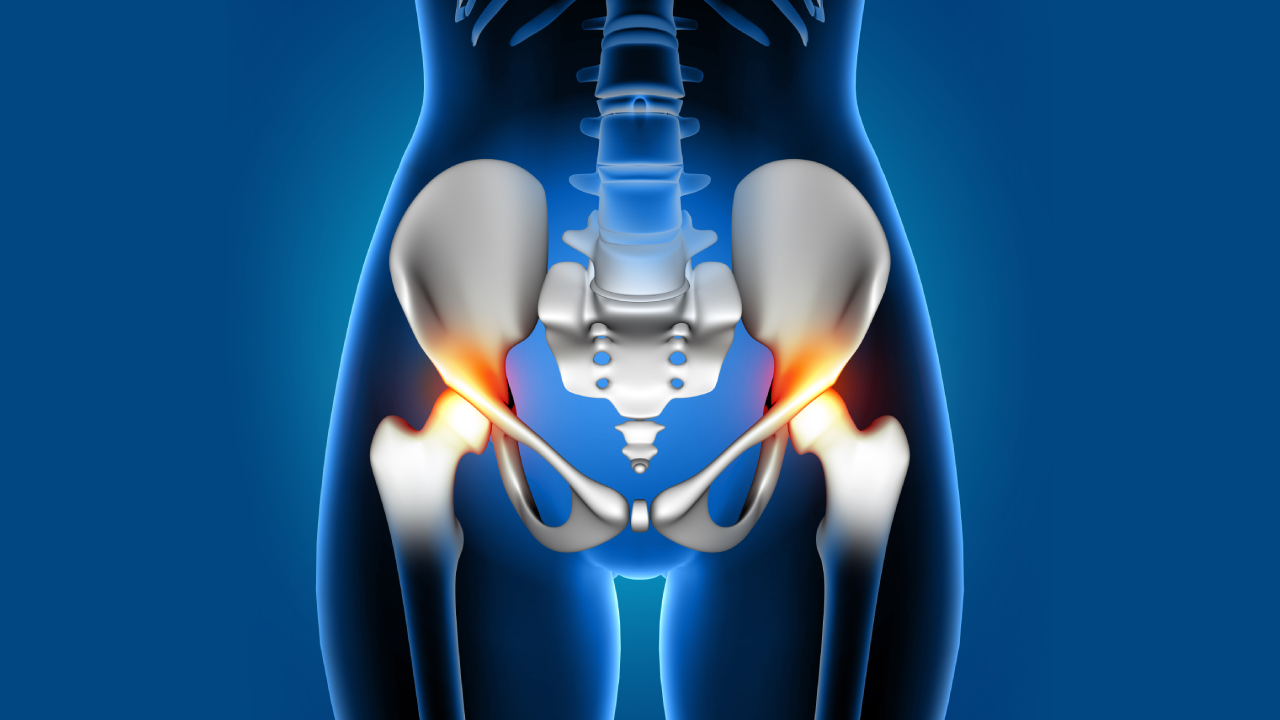
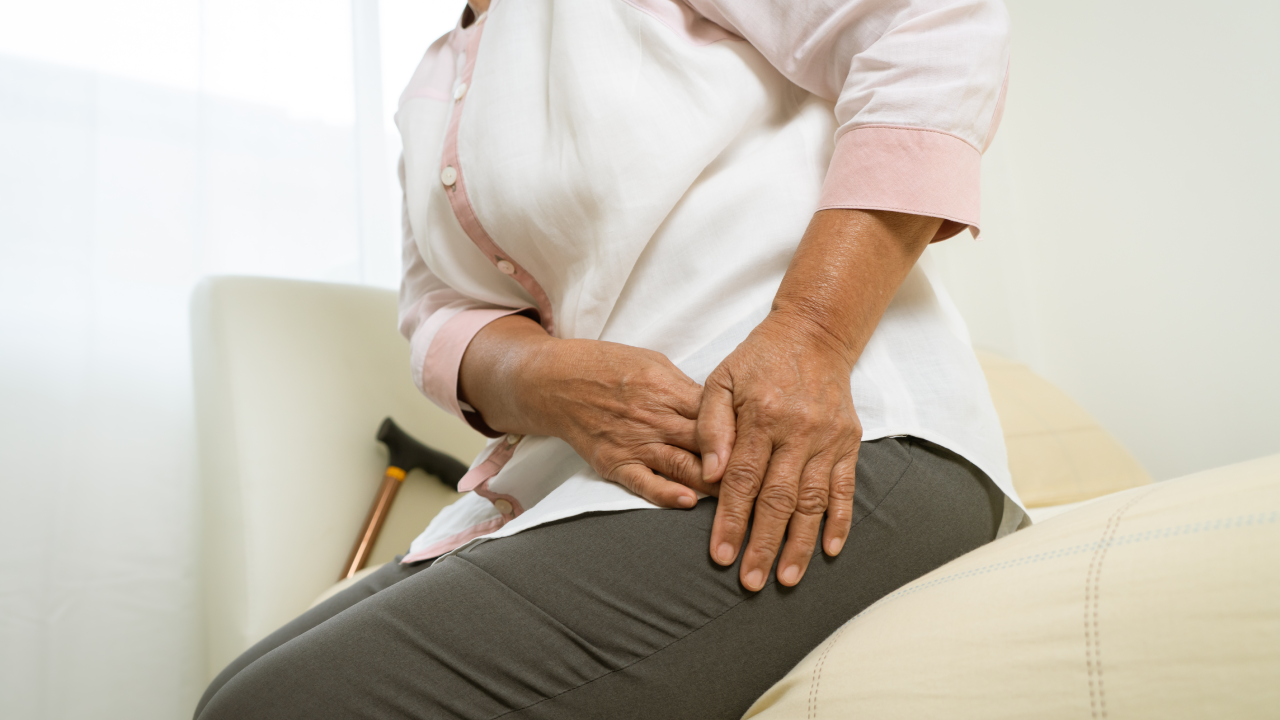
Hip problems may affect walking, stairs, sitting, standing, or exercise. Rehabilitation may focus on hip mobility, strength, movement patterns, and functional activities.
Elbow Injuries
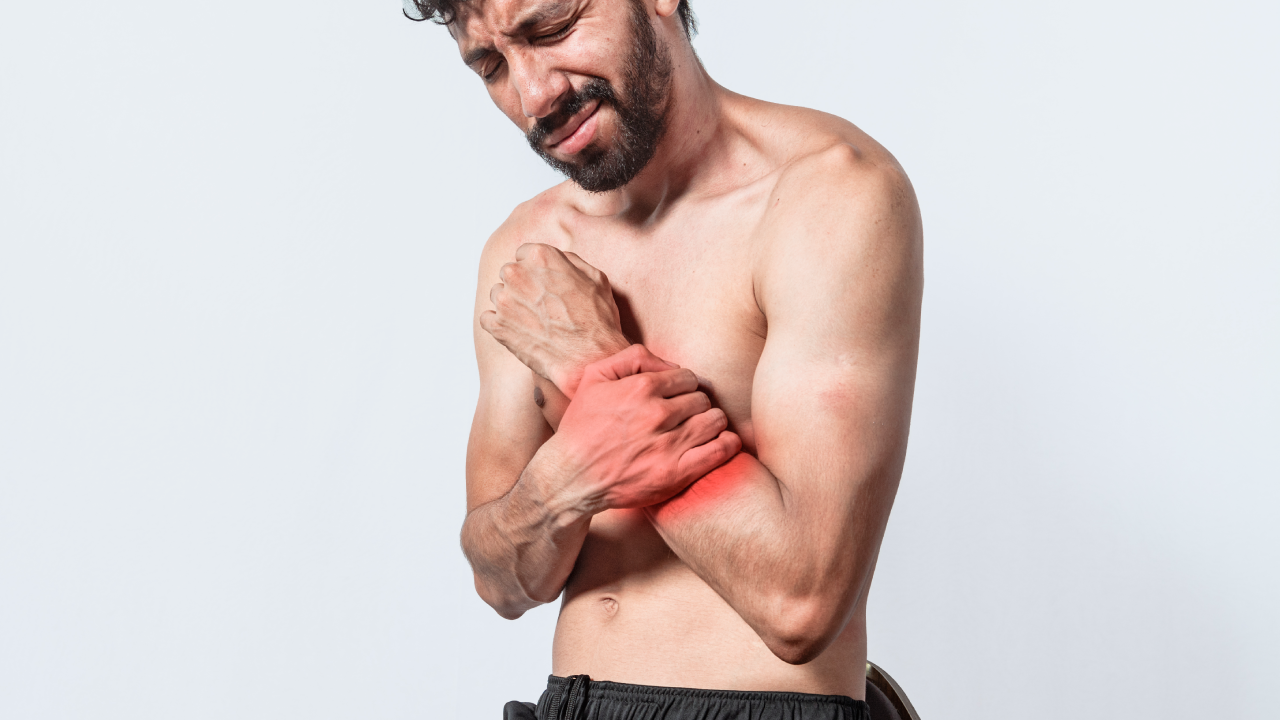
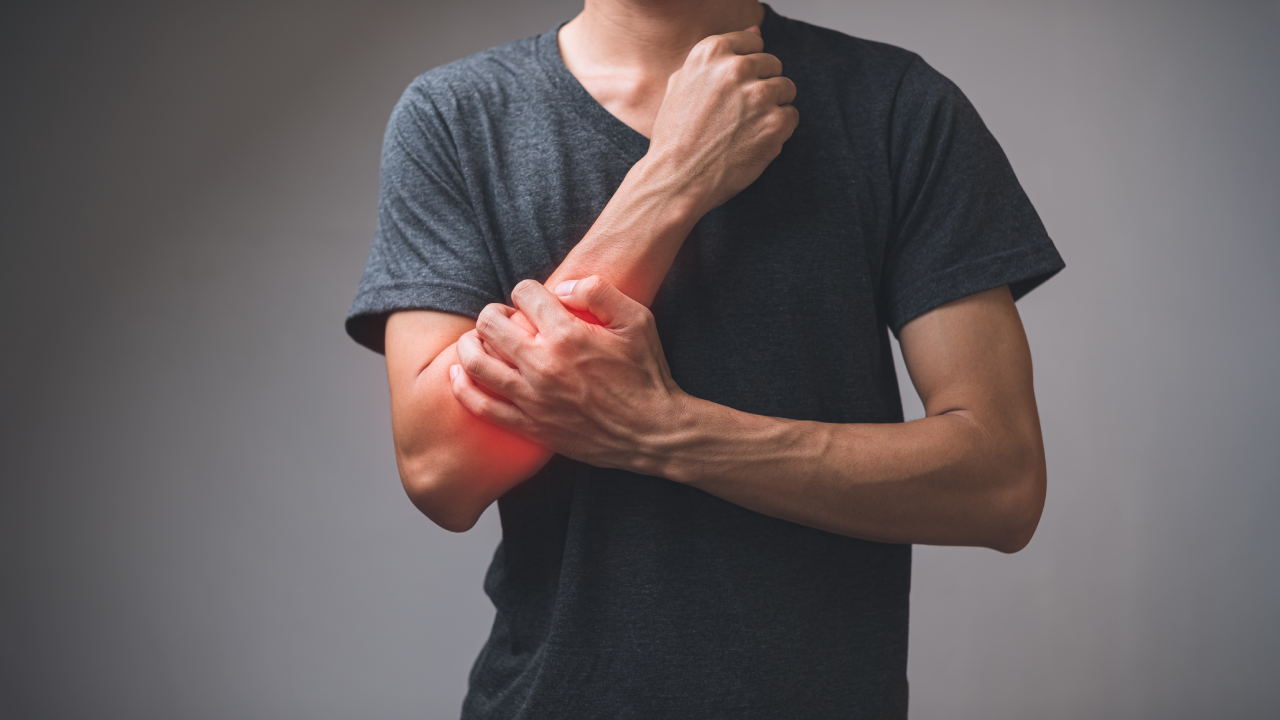
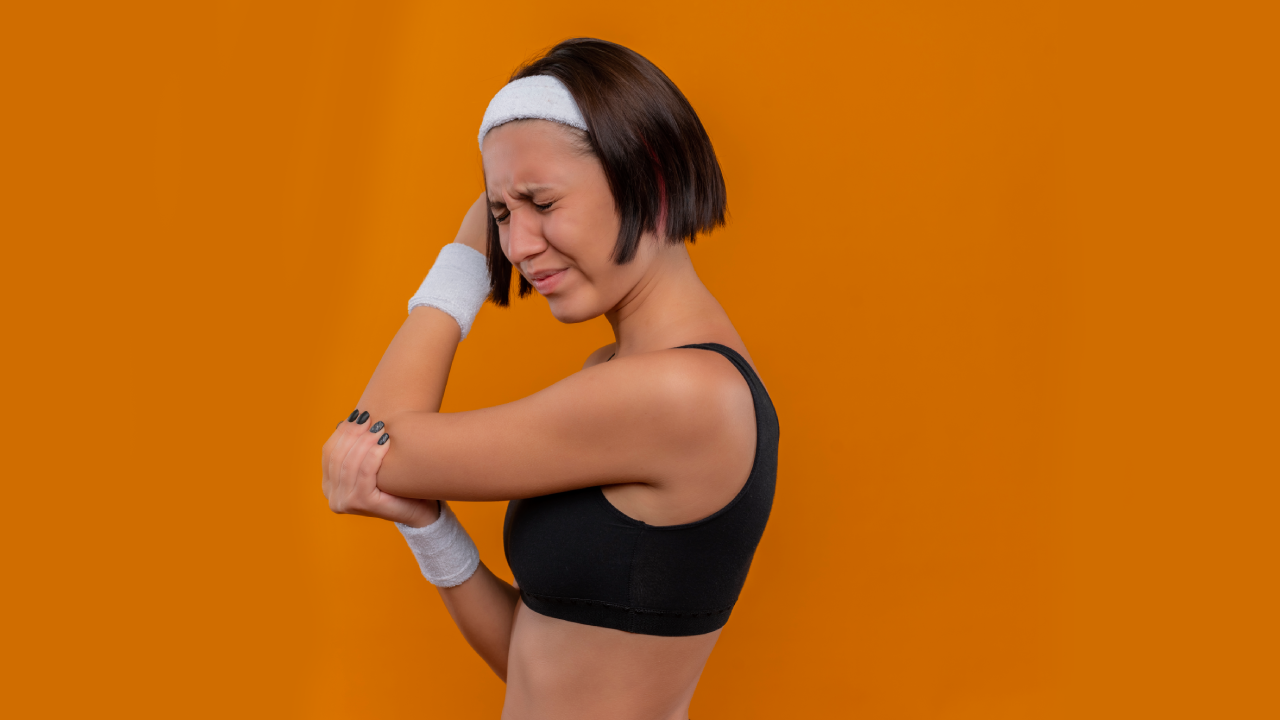
Elbow problems can occur through repetitive work, sports, lifting, falls, or direct impact. Physiotherapy may address movement, strength, grip function, and activity-related symptoms.
Wrist and Hand Injuries
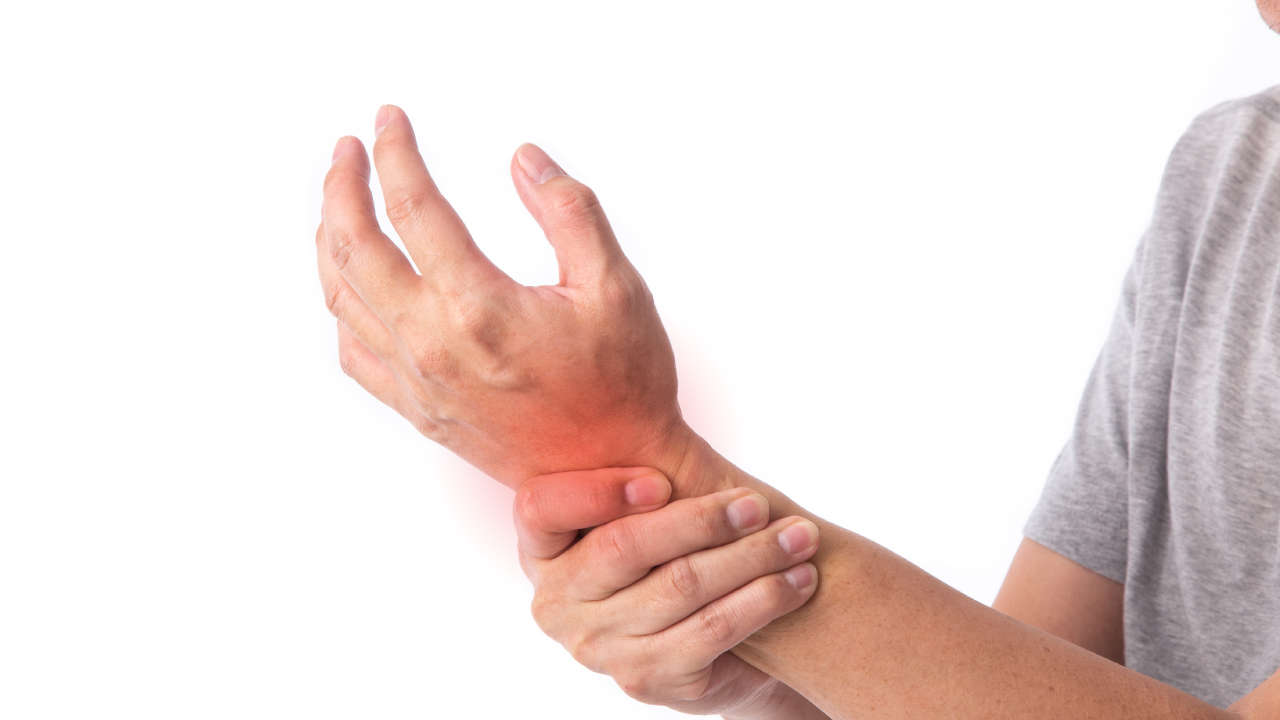
The wrist and hand are involved in typing, gripping, lifting, sports, and many work activities. Rehabilitation may include mobility exercises, strengthening, grip work, and functional retraining.
Problems Joint Rehabilitation Can Address
People seek physiotherapy for many different reasons following a joint injury. Common concerns include:
- Joint stiffness
- Reduced range of motion
- Swelling
- Weakness
- Difficulty walking
- Difficulty using stairs
- Reduced balance
- Trouble lifting or carrying objects
- Reduced grip strength
- Difficulty returning to sports
- Problems with work-related movements
- Reduced confidence with movement
- Symptoms following surgery
- Recurring symptoms after previous injuries
The appropriate rehabilitation plan depends on the joint involved, the type of injury, its severity, medical history, and current functional ability.
What Is Included in Joint Injury Rehabilitation?
Initial Assessment
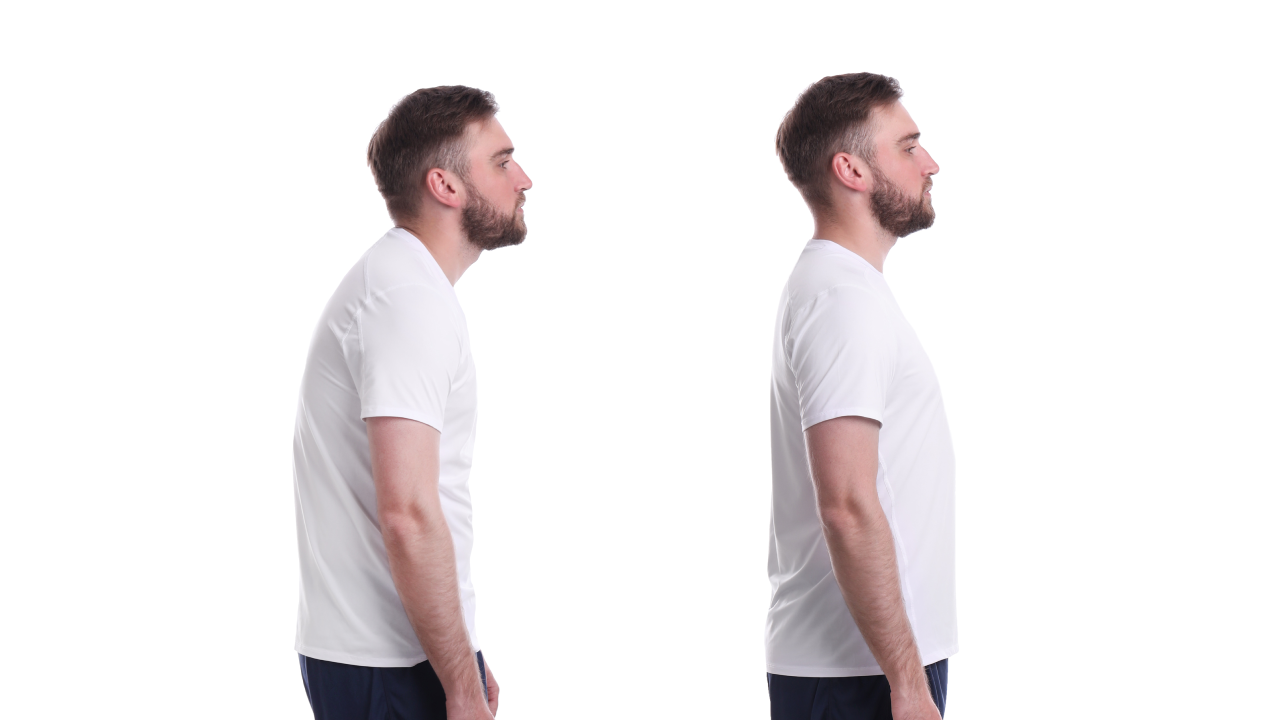
We begin by discussing your symptoms, injury history, daily activities, work requirements, exercise habits, and functional concerns. We may assess joint movement, muscle strength, flexibility, balance, coordination, and movement patterns.
Rehabilitation Planning
After the assessment, we identify functional priorities and establish a rehabilitation plan. The plan can change as your movement and abilities change.
Therapeutic Exercise
Exercises may focus on strength, mobility, balance, coordination, endurance, and movement control. Exercises are selected according to the joint and the stage of rehabilitation.
Manual Therapy
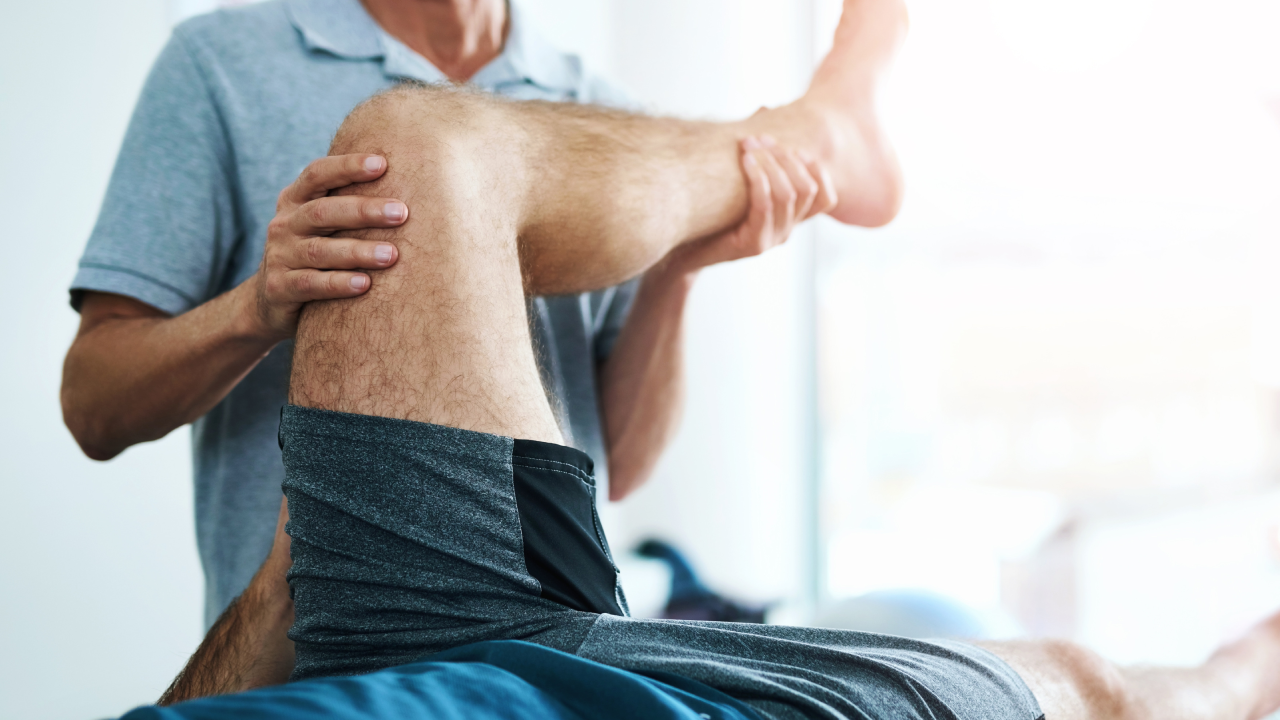
Where appropriate, hands-on techniques may be used to address joint and soft-tissue mobility. These techniques are combined with active rehabilitation rather than used as the sole component of care.
Movement Education
We can discuss body mechanics, activity modification, exercise progression, and strategies for managing daily tasks during rehabilitation.
Functional Training
If your injury affects work, sports, or daily activities, rehabilitation can include movements that relate to those activities.
How the Process Works
1. Consultation
Your first appointment begins with a discussion about the injury and your current concerns. We ask about when the problem began, what activities affect it, and how it influences daily life.
2. Assessment
Our physiotherapy team evaluates relevant areas such as movement, strength, flexibility, balance, and functional ability.
3. Planning
We use the assessment findings to establish rehabilitation priorities. Exercises and other physiotherapy methods are selected according to your condition.
4. Implementation
You begin the rehabilitation program in the clinic and may receive exercises to complete between appointments.
5. Review
Progress is reviewed throughout the rehabilitation process. Exercises can be adjusted as your movement, strength, and functional capacity change.
6. Ongoing Support
Some joint injuries require continued rehabilitation after the initial phase. Follow-up appointments can focus on maintaining progress, improving function, and preparing for a return to normal activities.
Benefits of Physiotherapy for Joint Injuries
Physiotherapy can support several practical aspects of joint rehabilitation, including:
- Improved joint mobility
- Increased muscle strength
- Improved balance and coordination
- Greater movement control
- Improved functional capacity
- Support during recovery after surgery
- Preparation for returning to work
- Preparation for returning to sport
- Education about safe activity progression
- Strategies for managing everyday movement
Results vary according to the injury, age, general health, activity level, and consistency with the rehabilitation plan. Some conditions may also require assessment by another healthcare professional.
Joint Injuries After Motor Vehicle Accidents
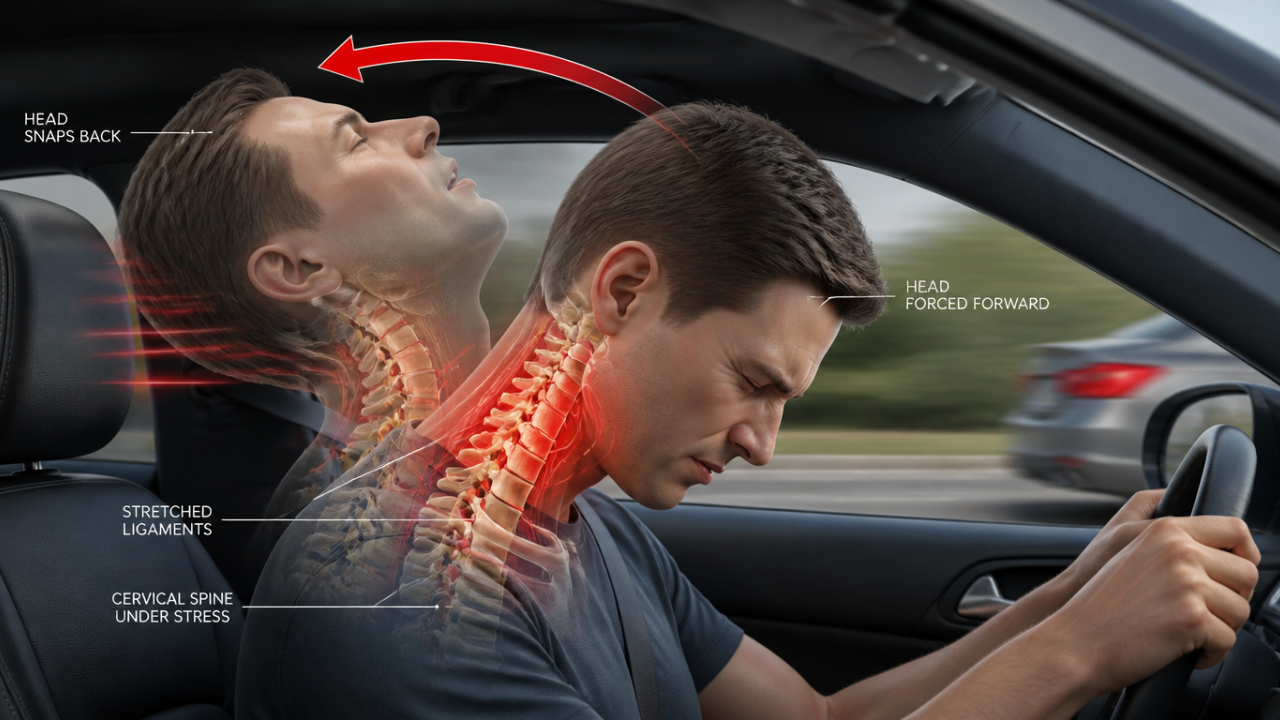
Motor vehicle accidents can affect the knees, shoulders, hips, wrists, ankles, and other joints. The impact may also affect muscles and connective tissues around the joint.
Symptoms may appear immediately or become noticeable later. If you have been involved in a collision and have new symptoms, medical assessment may be appropriate.
At Spinal Solution and Rehab, rehabilitation following an accident can focus on restoring movement and helping you return to everyday activities. Treatment depends on the findings from your assessment and any recommendations from your healthcare providers.
Joint Injuries From Sports
Sports place repeated demands on joints. Running, jumping, cutting, throwing, contact, and sudden stops can all contribute to injuries.
Rehabilitation for sports-related joint injuries may include:
- Strength training
- Balance exercises
- Mobility work
- Coordination drills
- Movement retraining
- Sport-specific exercises
- Gradual return-to-activity planning
Returning to demanding activity too quickly can place additional stress on an injured area. A gradual progression can help you monitor how the joint responds to increasing activity.
Industries and Customers We Serve
Our joint injury rehabilitation services may be relevant to people from many backgrounds and occupations, including:
- Office workers
- Construction workers
- Warehouse employees
- Drivers
- Healthcare workers
- Teachers
- Retail workers
- Tradespeople
- Athletes
- Recreational fitness participants
- Older adults
- People recovering after accidents
- People recovering after orthopedic procedures
Each person’s work and daily routine can place different demands on an injured joint. Rehabilitation can take these requirements into account when establishing functional goals.
Frequently Asked Questions
What types of joint injuries do you treat?
We work with a range of joint-related conditions involving areas such as the knee, shoulder, ankle, hip, elbow, wrist, and hand. The appropriate treatment depends on the findings from your assessment.
When should I see a physiotherapist for a joint injury?
Consider seeking an assessment when an injury affects movement, work, exercise, walking, daily activities, or your ability to use the affected joint normally. Severe injuries or suspected fractures require prompt medical assessment.
How long does joint injury rehabilitation take?
There is no single timeline. Recovery can depend on the type and severity of the injury, previous health history, treatment requirements, and response to rehabilitation.
Do I need a referral?
Referral requirements can vary depending on your circumstances and insurance coverage. You can contact our clinic to discuss your situation before booking.
Can physiotherapy help after joint surgery?
Physiotherapy is commonly used during rehabilitation after various orthopedic procedures. The program depends on the procedure, surgical instructions, current movement, strength, and functional goals.
Can I continue exercising during rehabilitation?
This depends on the injury and the activities involved. Your physiotherapist can help determine which movements are appropriate and how activity can be progressed.
How often will I need appointments?
Appointment frequency depends on the condition, rehabilitation stage, and individual needs. Your schedule can be reviewed as your function changes.
Service Area
Spinal Solution and Rehab serves people looking for Joint Injuries in Woodbridge, ON, and surrounding communities.
Our location makes physiotherapy accessible to people living or working in Woodbridge and nearby parts of Vaughan and the Greater Toronto Area.
Our local service area may include:
- Woodbridge
- Vaughan
- Kleinburg
- Maple
- Vellore Village
- Concord
- Nearby Vaughan communities
If you are unsure whether your joint problem is suitable for physiotherapy, contact our clinic and describe the issue. Our team can explain the next step based on the information you provide.
Why Choose Spinal Solution and Rehab?
Spinal Solution and Rehab focuses on physiotherapy and rehabilitation for musculoskeletal and movement-related conditions.
Our approach includes:
- Assessment before treatment planning
- Exercise-based rehabilitation
- Functional movement training
- Manual therapy where appropriate
- Progress reviews
- Activity and movement education
- Rehabilitation following injuries and surgery
- Programs that account for work, sport, and daily activities
Rather than using the same program for every joint problem, we base rehabilitation on the affected area, assessment findings, current abilities, and functional goals.
Related Services
We can connect joint rehabilitation with other physiotherapy services. Depending on your situation, you may also want to explore:
- Sports Injury Rehabilitation
- Motor Vehicle Accident Rehabilitation
- Post-Surgical Rehabilitation
- Physiotherapy
- Manual Therapy
- Therapeutic Exercise
- Work Injury Rehabilitation
- Balance and Mobility Training
Our team can explain which services may be relevant after assessing your condition.
Get Started
A joint injury can affect much more than the injured area. It can change how you walk, work, exercise, sleep, or perform everyday tasks.
If you are searching for Joint Injuries in Woodbridge, ON, Spinal Solution and Rehab can assess your movement and discuss suitable physiotherapy options.
Address: 8300 Hwy 27, Woodbridge, ON L4H 0R9
Phone: +1 905-739-3100
Contact Spinal Solution and Rehab to schedule an assessment and discuss your joint injury, current symptoms, and rehabilitation goals.