Post-Surgical Rehabilitation in Woodbridge, ON
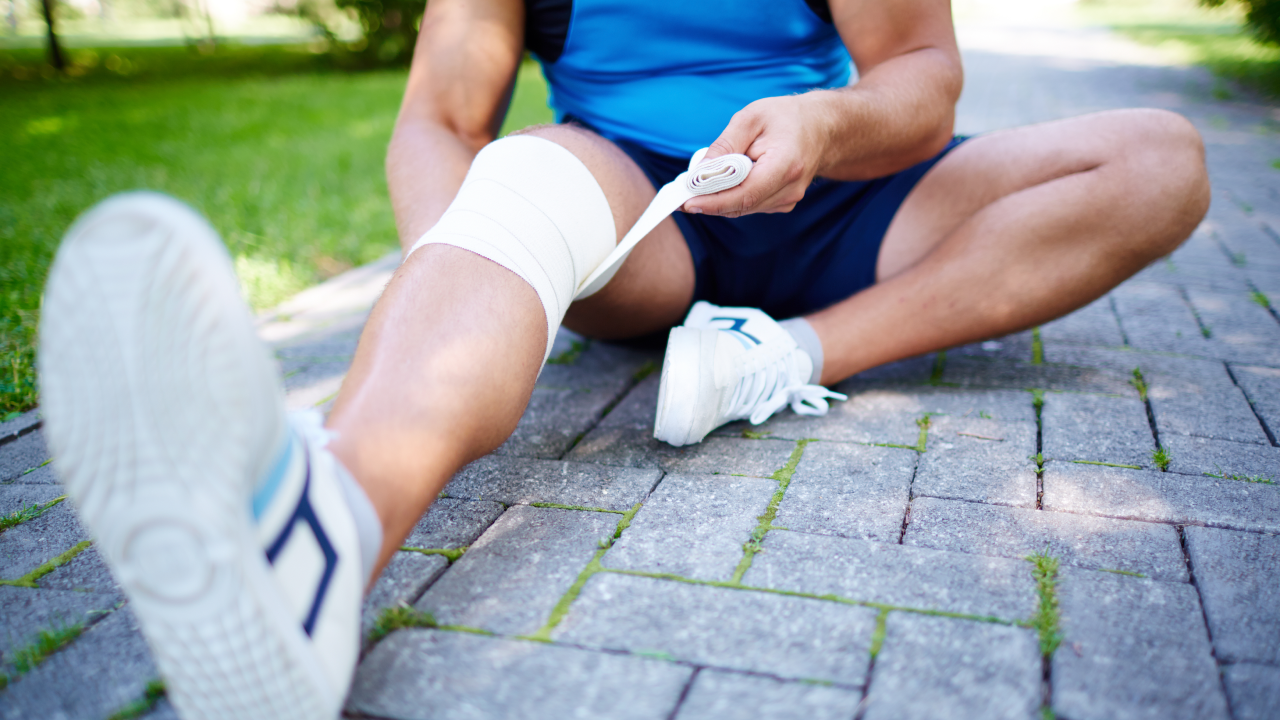
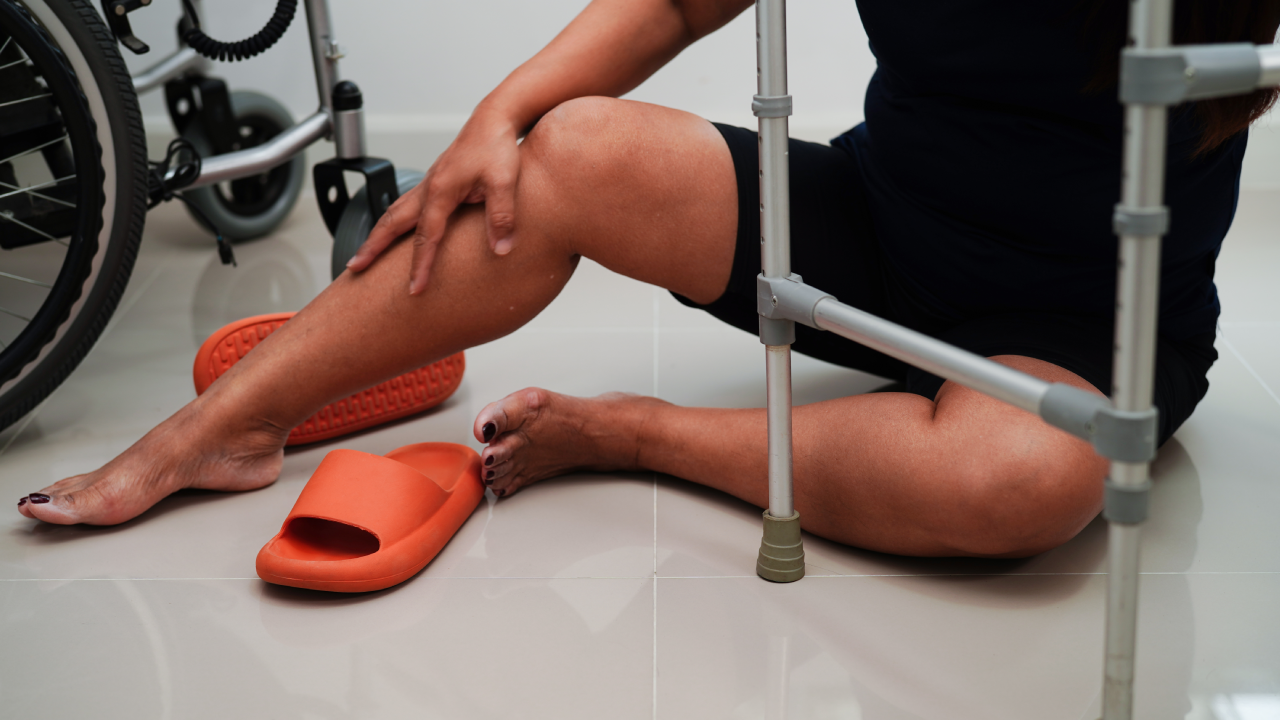
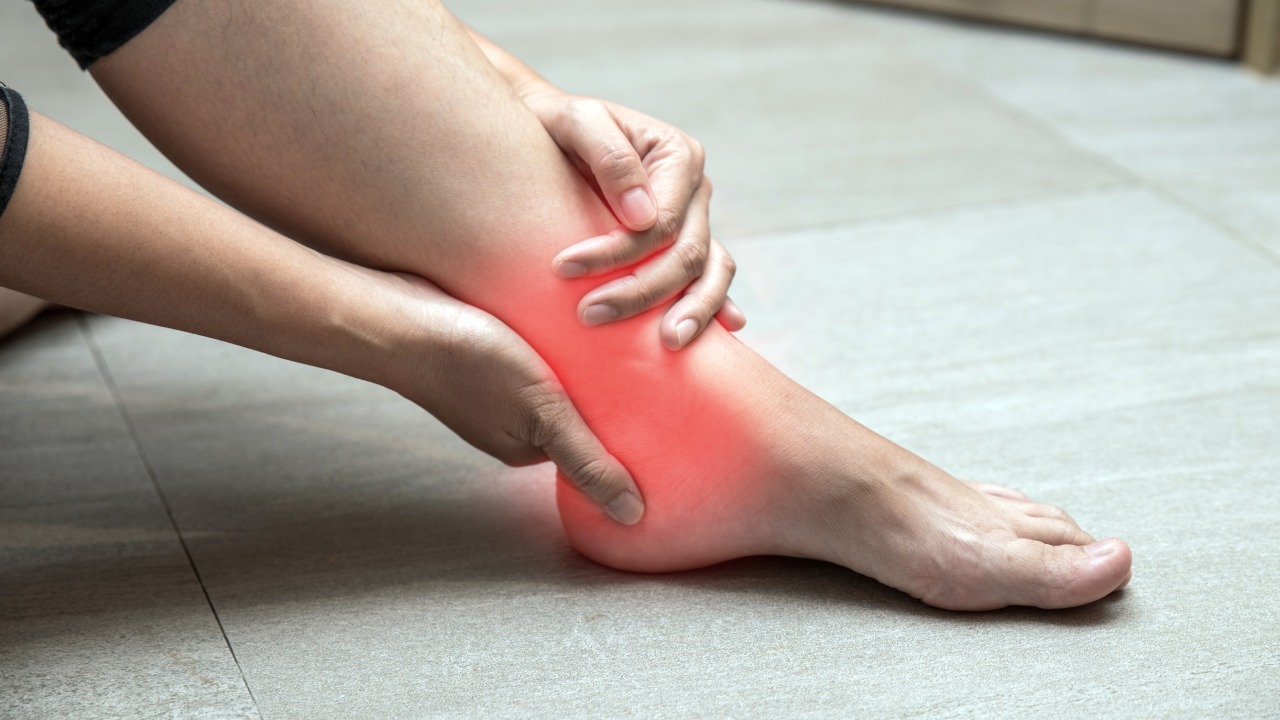
Recovering after surgery involves more than waiting for the incision to close. Muscles can become weaker, joints may feel stiff, movement can change, and everyday activities may become difficult. Post-Surgical Rehabilitation in Woodbridge, ON, provides structured physiotherapy care to help people work through these changes after an operation.
At Spinal Solution and Rehab, our rehabilitation programs focus on restoring movement, building strength, improving balance, and helping you return to daily activities. The exercises and treatment methods used depend on the type of surgery, your current mobility, healing stage, medical instructions, and functional goals.
Whether you are recovering from orthopedic surgery, joint replacement, spinal surgery, sports-related surgery, or another procedure that affects movement, rehabilitation can form an important part of the recovery process.
What Is Post-Surgical Rehabilitation?
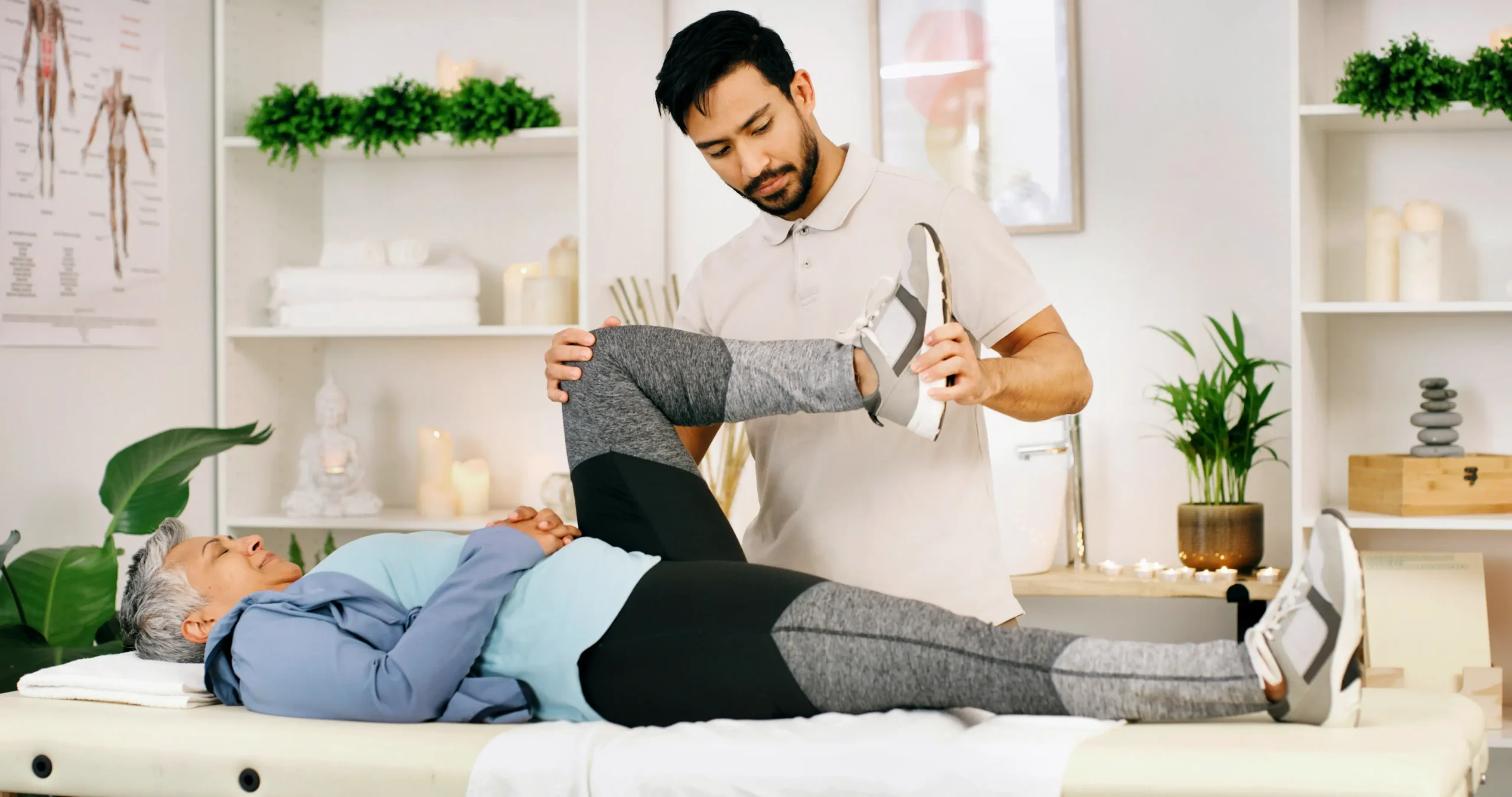
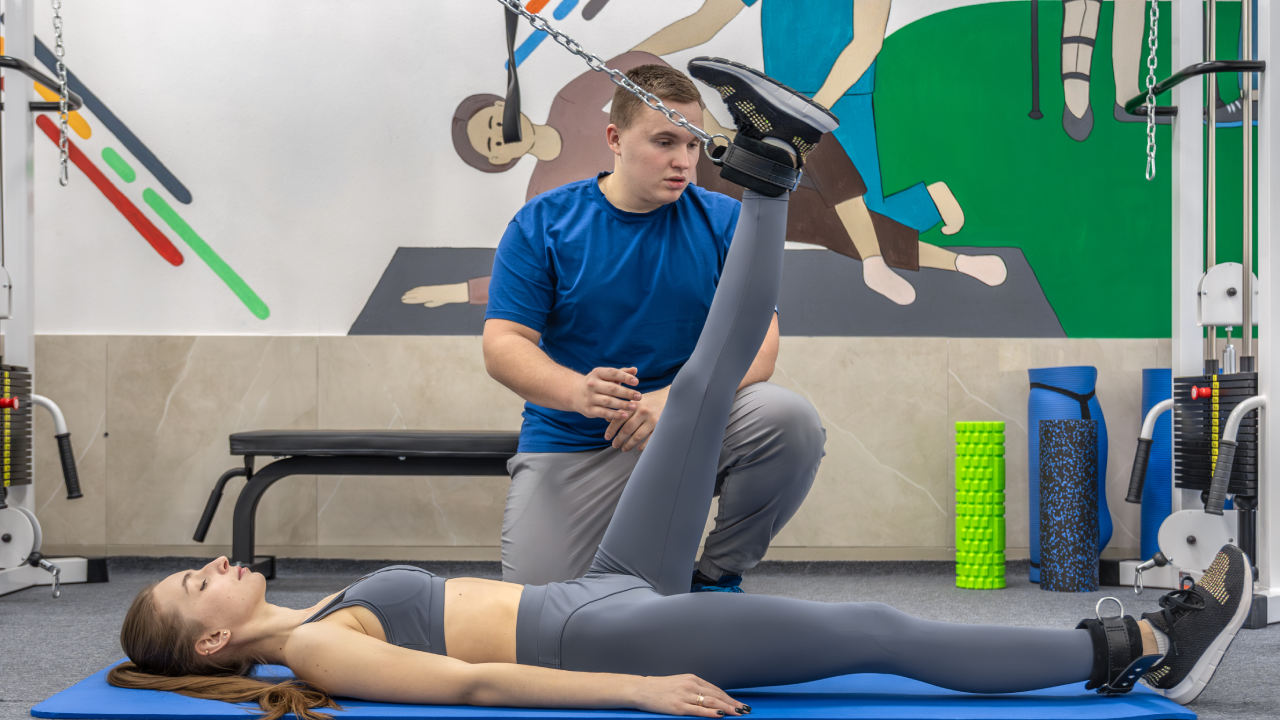
Post-surgical rehabilitation is a physiotherapy-based process that supports physical recovery following an operation. The program may begin with basic movement and gradually progress toward strengthening, mobility work, balance exercises, functional training, and activity-specific exercises.
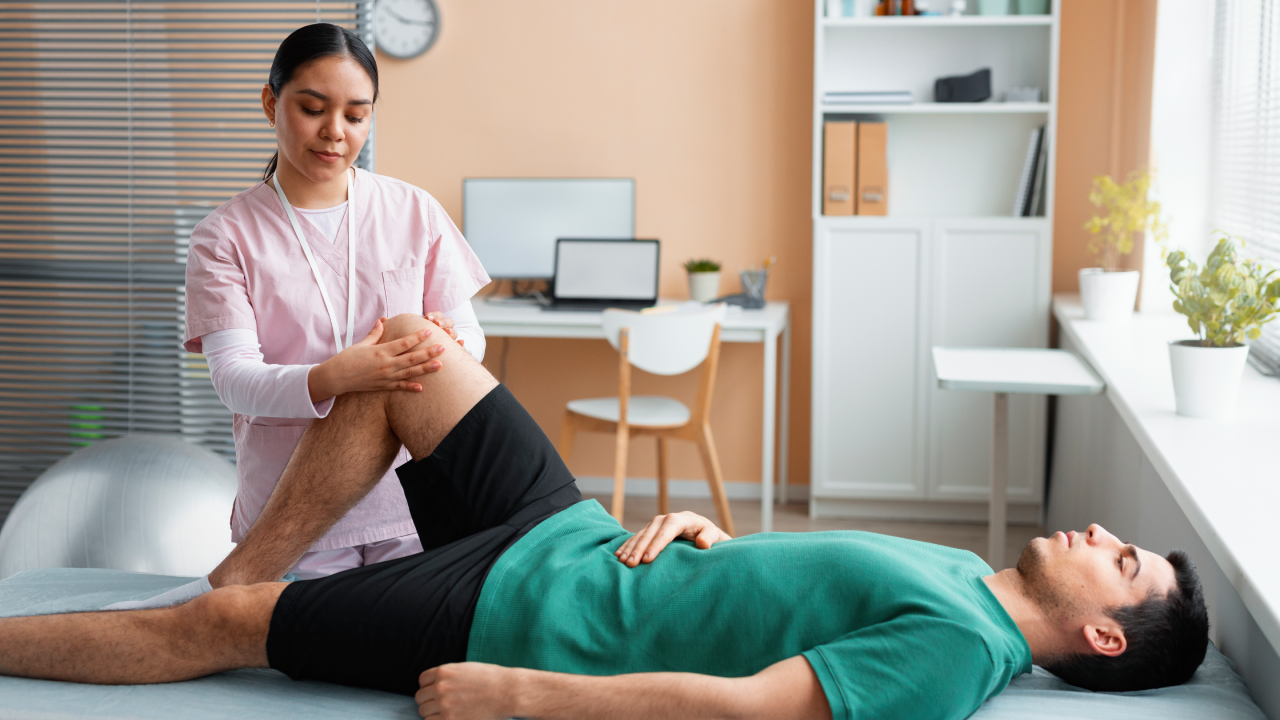
The exact plan varies from person to person. Someone recovering from knee surgery may need work focused on knee mobility, leg strength, walking mechanics, and stair use. Someone recovering from spinal surgery may require different exercises focused on posture, controlled movement, core strength, and functional activities.
At Spinal Solution and Rehab, our team reviews your condition and surgical history before selecting appropriate rehabilitation activities. Your surgeon’s restrictions and instructions remain an important part of the process.
Post-Surgical Rehabilitation in Woodbridge, ON, may be used following procedures involving:
- Knees
- Hips
- Shoulders
- Ankles
- Feet
- Spinal structures
- Muscles and tendons
- Ligaments
- Other parts of the musculoskeletal system
The purpose is not simply to exercise. Rehabilitation focuses on helping you move safely and gradually increase physical capacity according to your stage of recovery.
Conditions We Treat After Surgery
Different operations can create different rehabilitation needs. At Spinal Solution and Rehab, physiotherapy may address movement limitations, weakness, balance changes, reduced endurance, and functional difficulties following a range of surgical procedures.
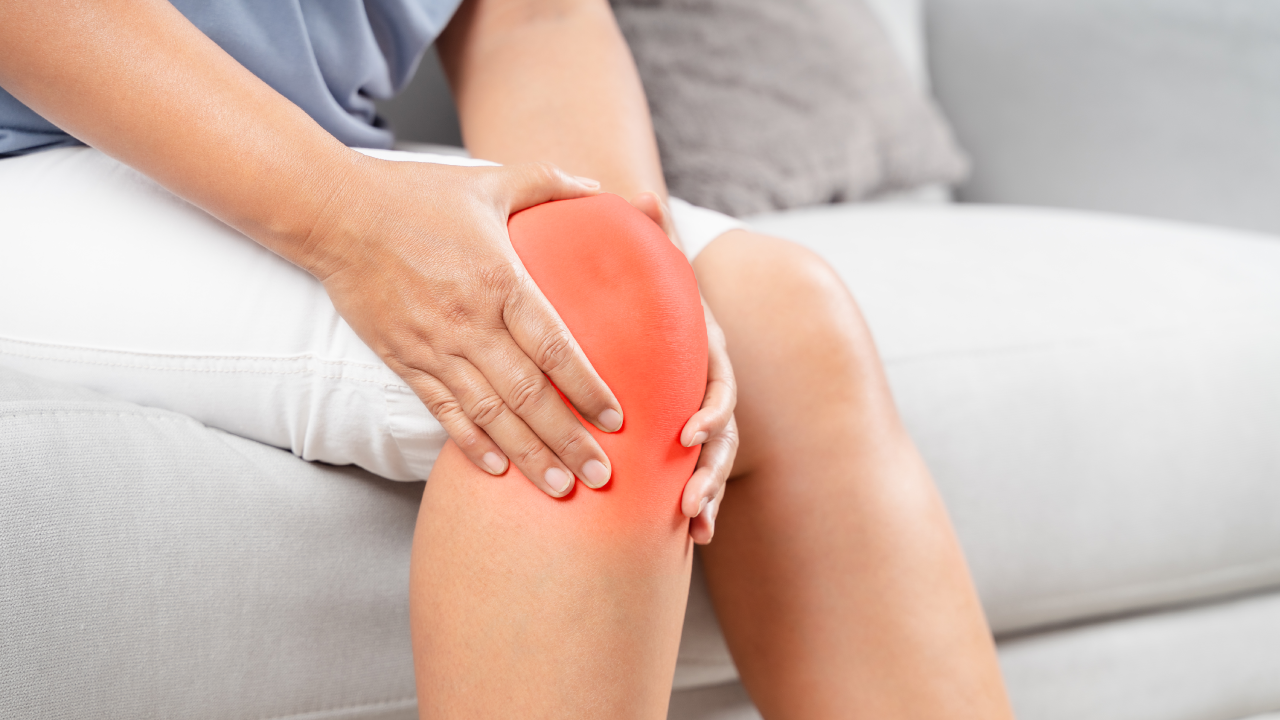
Knee Surgery Recovery
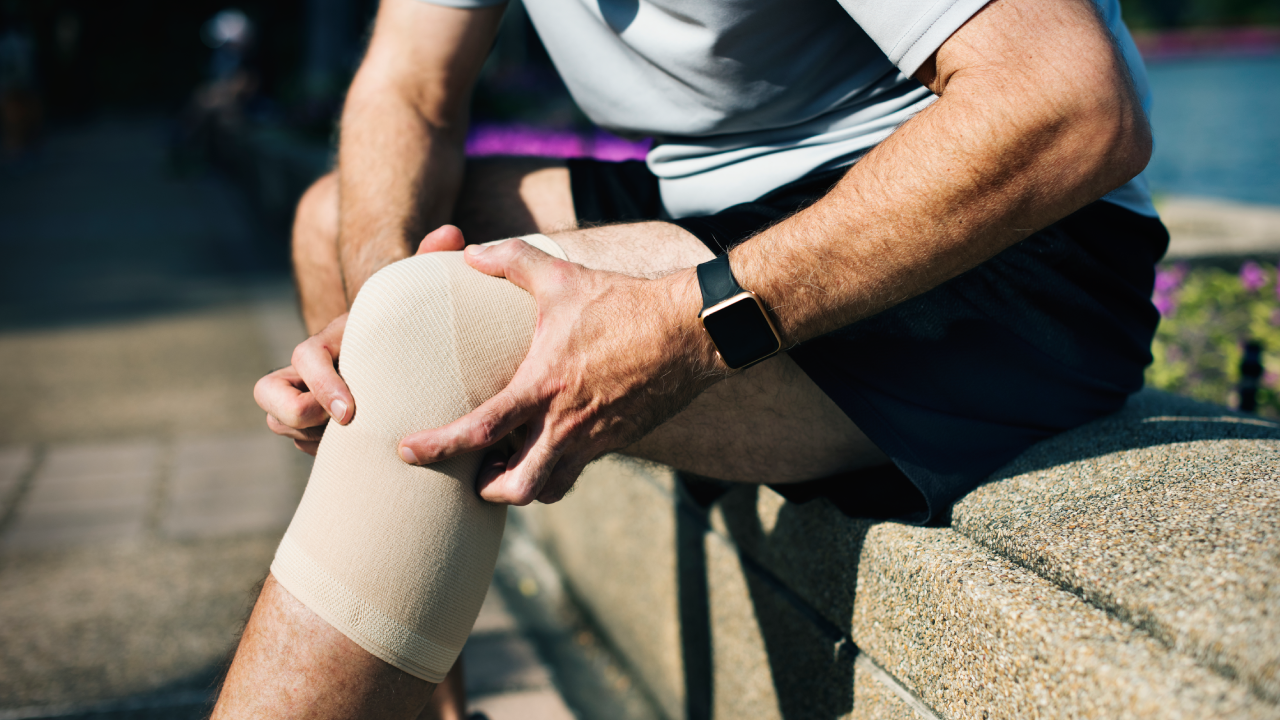
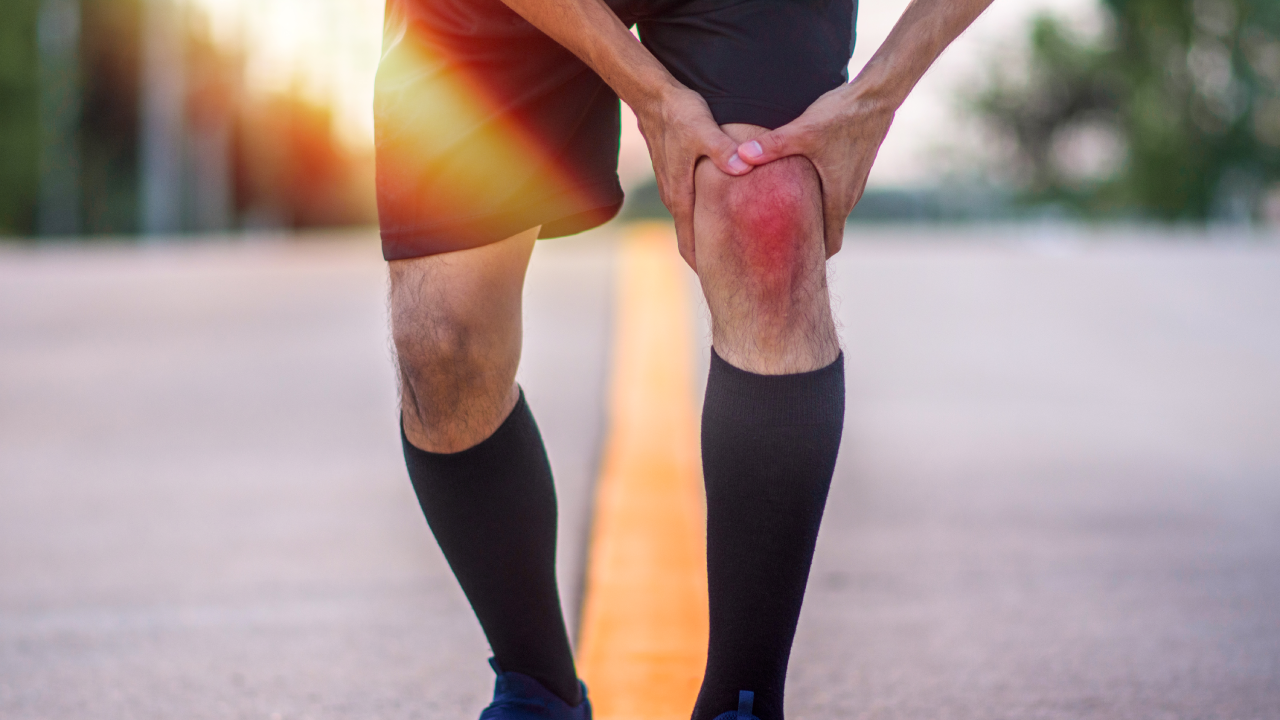
Knee operations can temporarily affect walking, bending, straightening, balance, and leg strength. Rehabilitation may be appropriate after procedures such as:
- ACL reconstruction
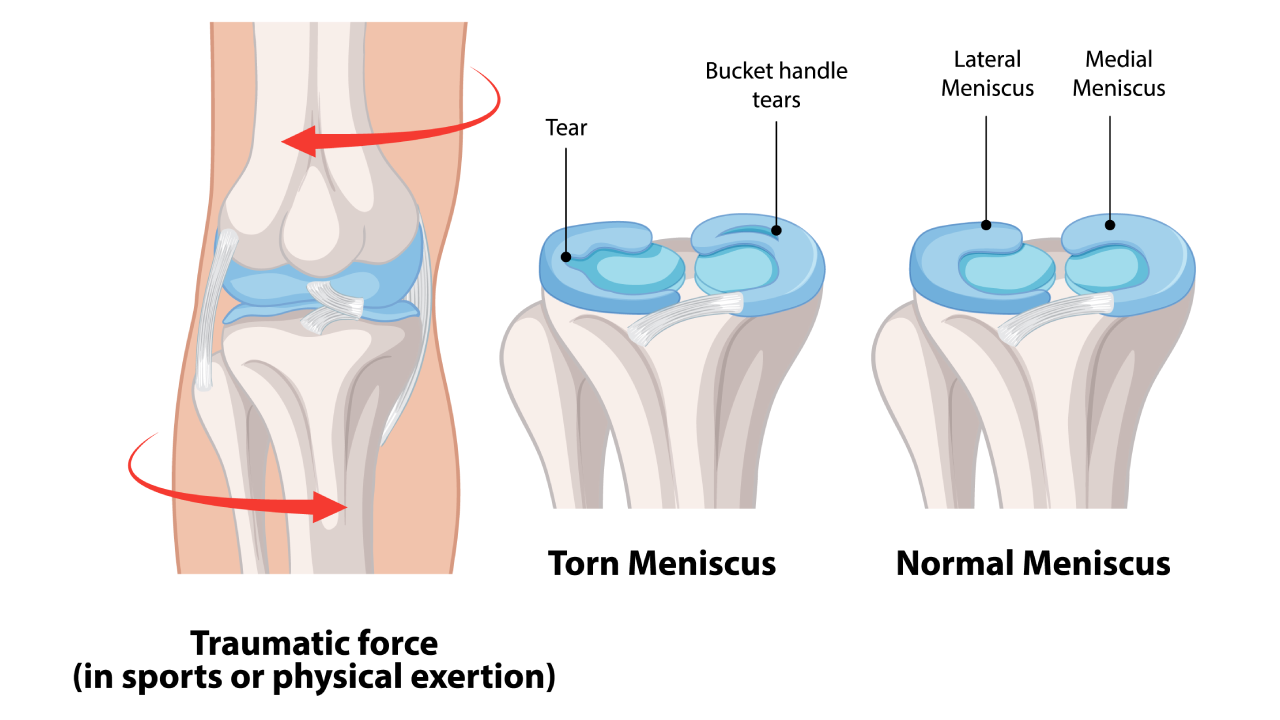
- Meniscus surgery
- Knee replacement
- Patellar procedures
- Ligament repair
- Cartilage procedures
Treatment may include controlled range-of-motion exercises, strengthening, gait training, balance work, and functional activities. The progression depends on the procedure and instructions provided by your surgical team.
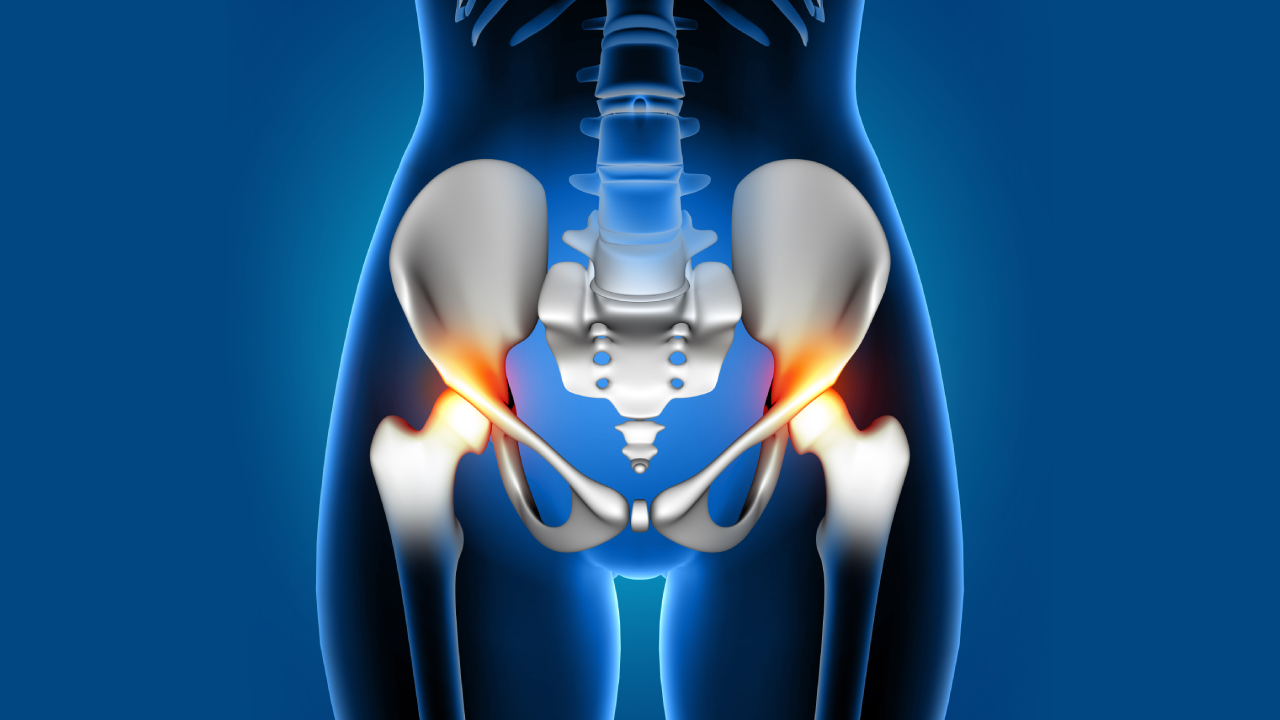
Hip Surgery Recovery
Hip surgery can affect walking, lower-body strength, balance, and everyday movements such as sitting, standing, climbing stairs, and getting into a vehicle.
Rehabilitation may be used following:
- Hip replacement
- Hip fracture surgery
- Labral procedures
- Tendon repair
- Other hip operations
Physiotherapy can focus on restoring hip movement, improving leg strength, practising walking patterns, and gradually returning to everyday activities.
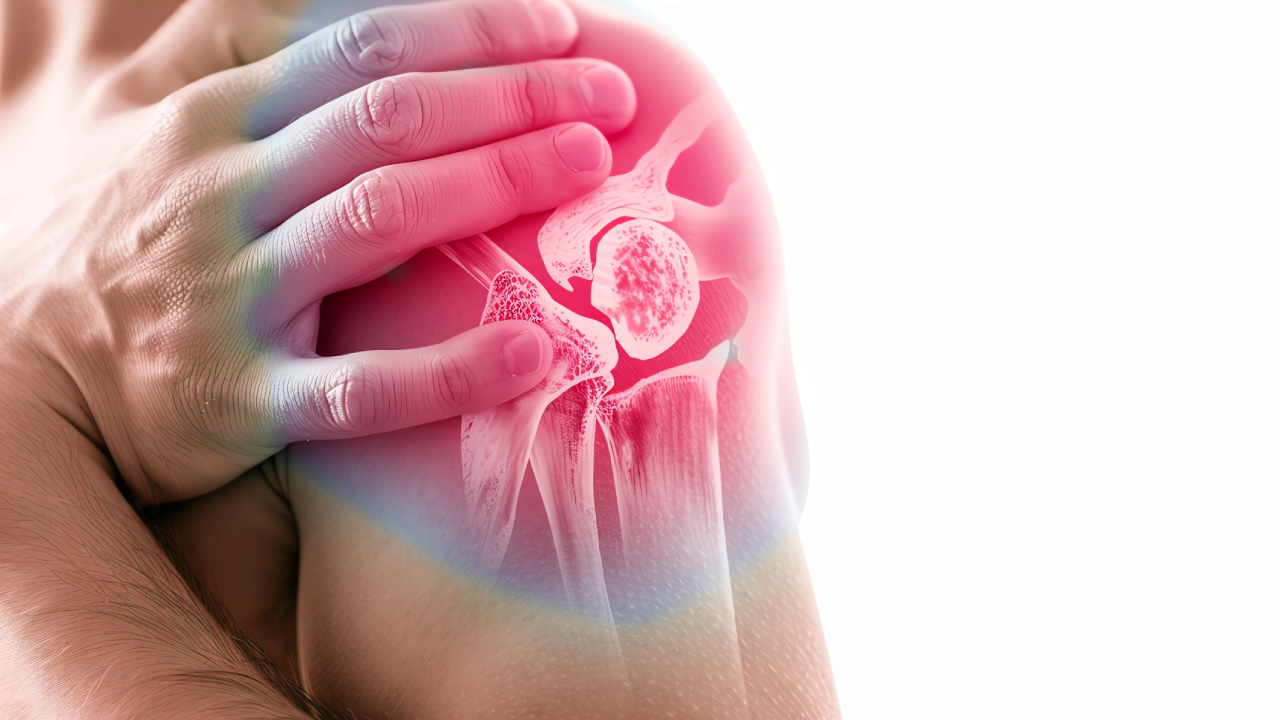
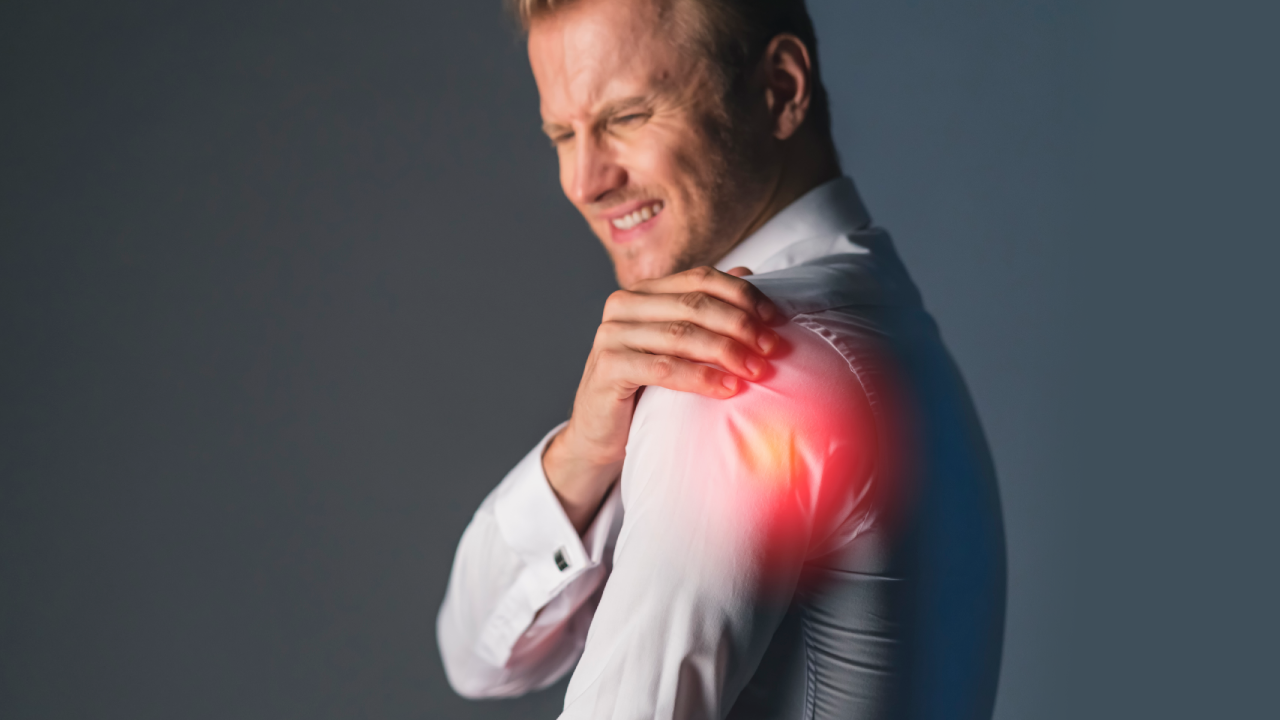
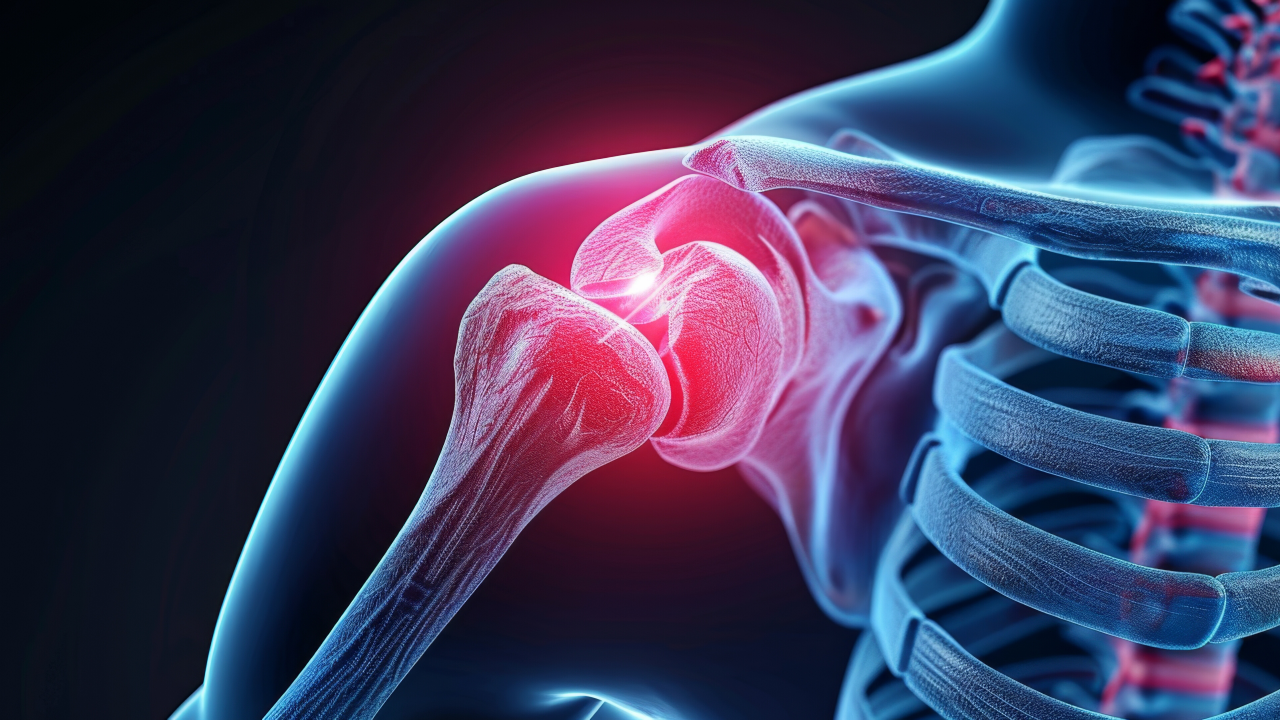
Shoulder Surgery Recovery
Shoulder procedures can temporarily restrict arm movement and make tasks such as dressing, reaching, lifting, sleeping, and working difficult.
Post-surgical rehabilitation may be used after:
- Rotator cuff repair
- Shoulder replacement
- Labral repair
- Shoulder stabilization procedures
- Other shoulder operations
Exercises are generally progressed according to surgical precautions. Early work may focus on controlled movement, while later stages may involve active motion, strengthening, coordination, and functional activities.
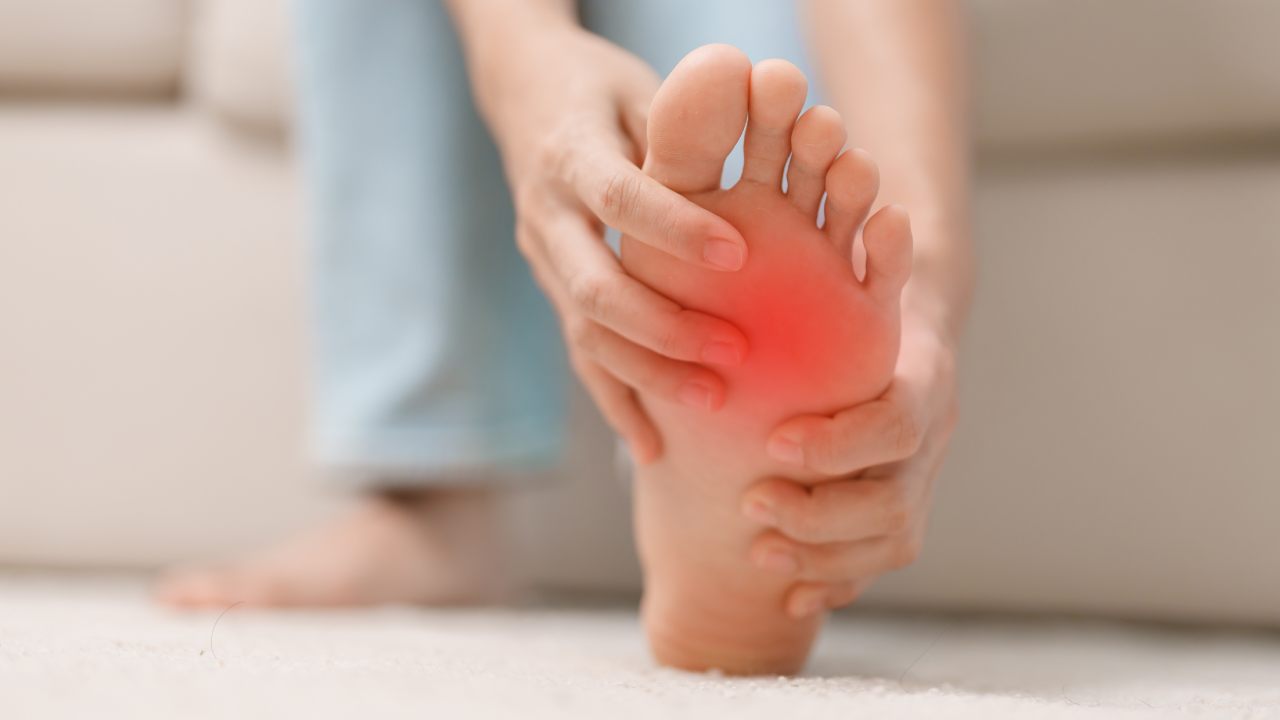
Ankle and Foot Surgery Recovery
Foot and ankle procedures can affect weight-bearing, walking, balance, and lower-limb strength.
Rehabilitation may follow:
- Ankle fracture surgery
- Ligament repair
- Achilles tendon procedures
- Foot reconstruction
- Joint procedures
- Other lower-limb operations
A physiotherapy program may include mobility exercises, gait training, balance activities, strengthening, and gradual weight-bearing activities when permitted.
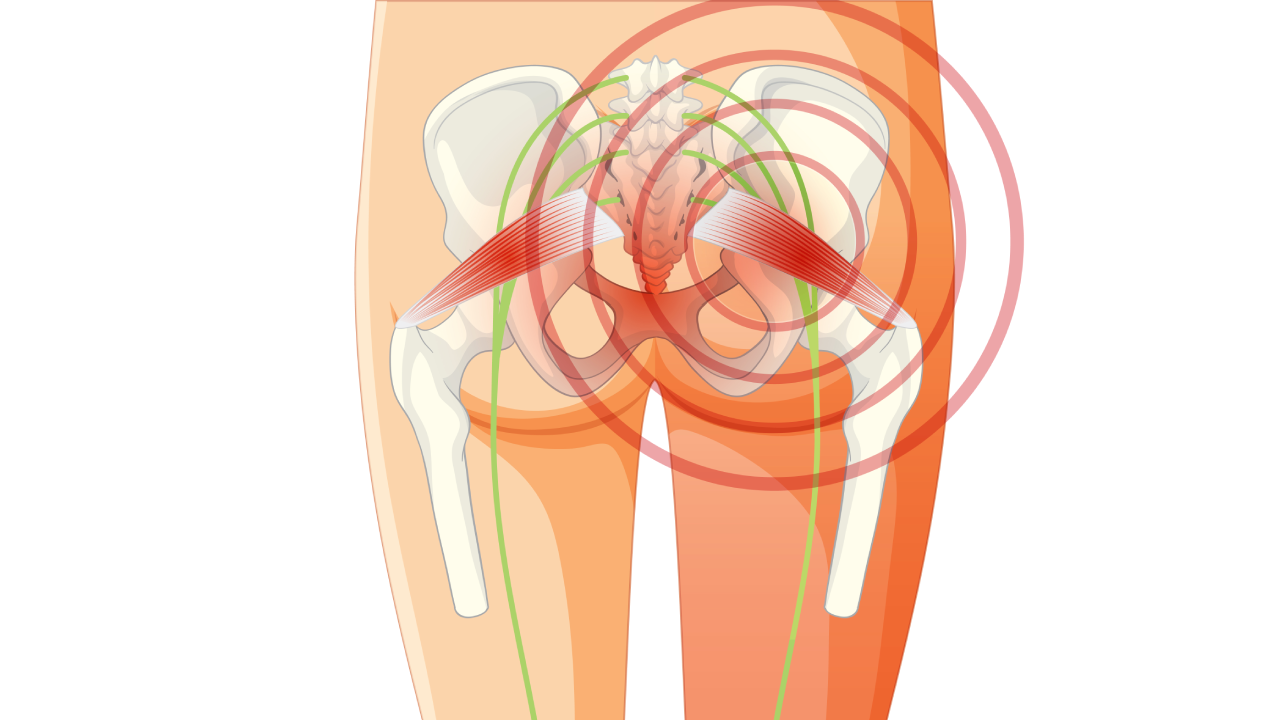
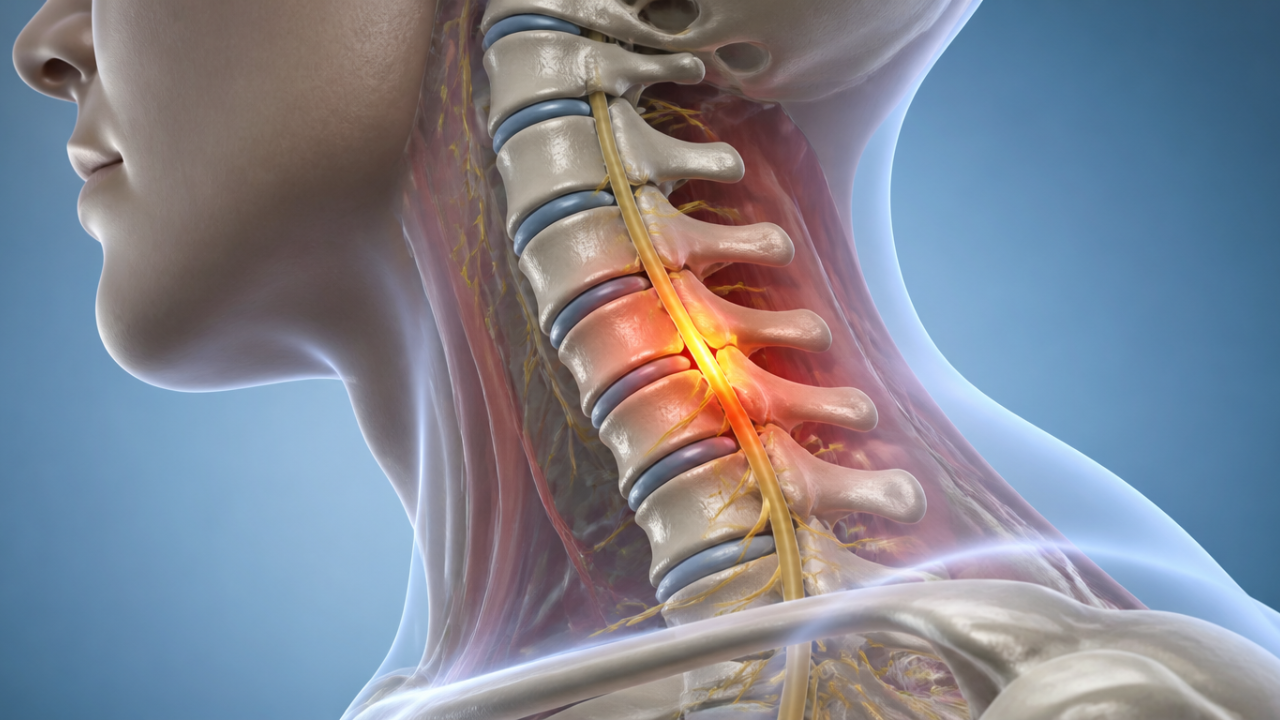
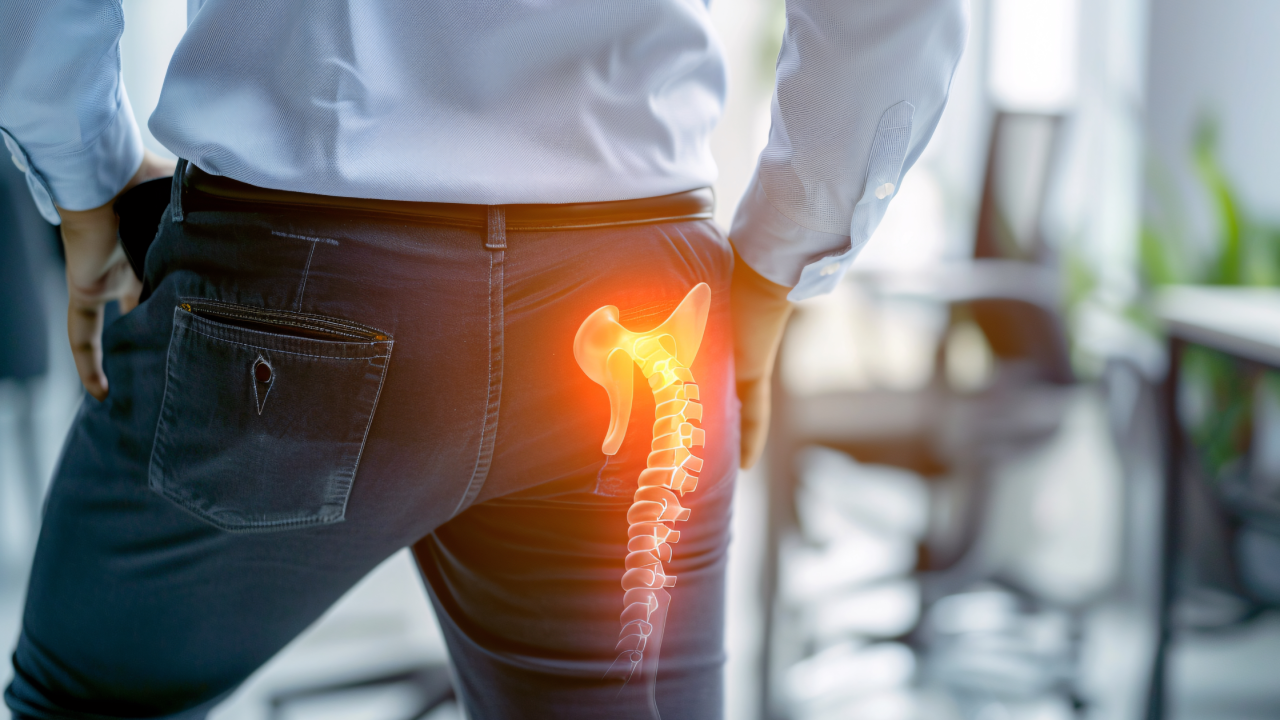
Spinal Surgery Recovery
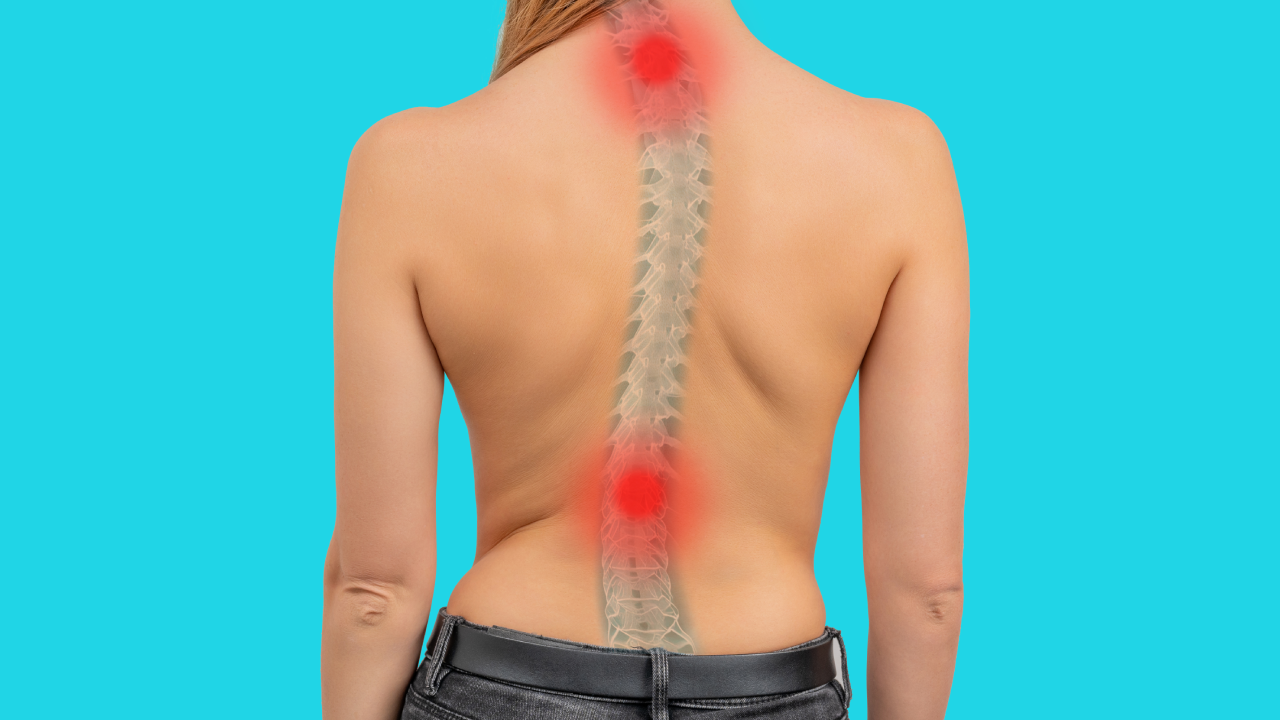
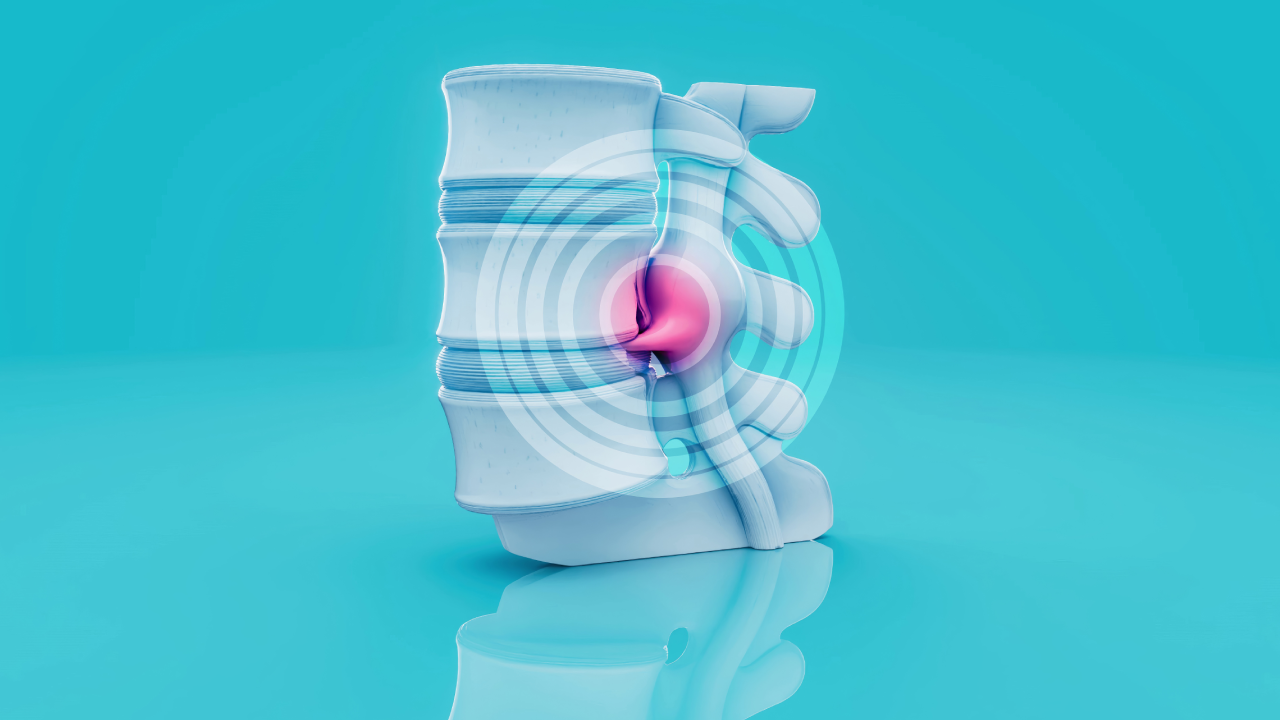
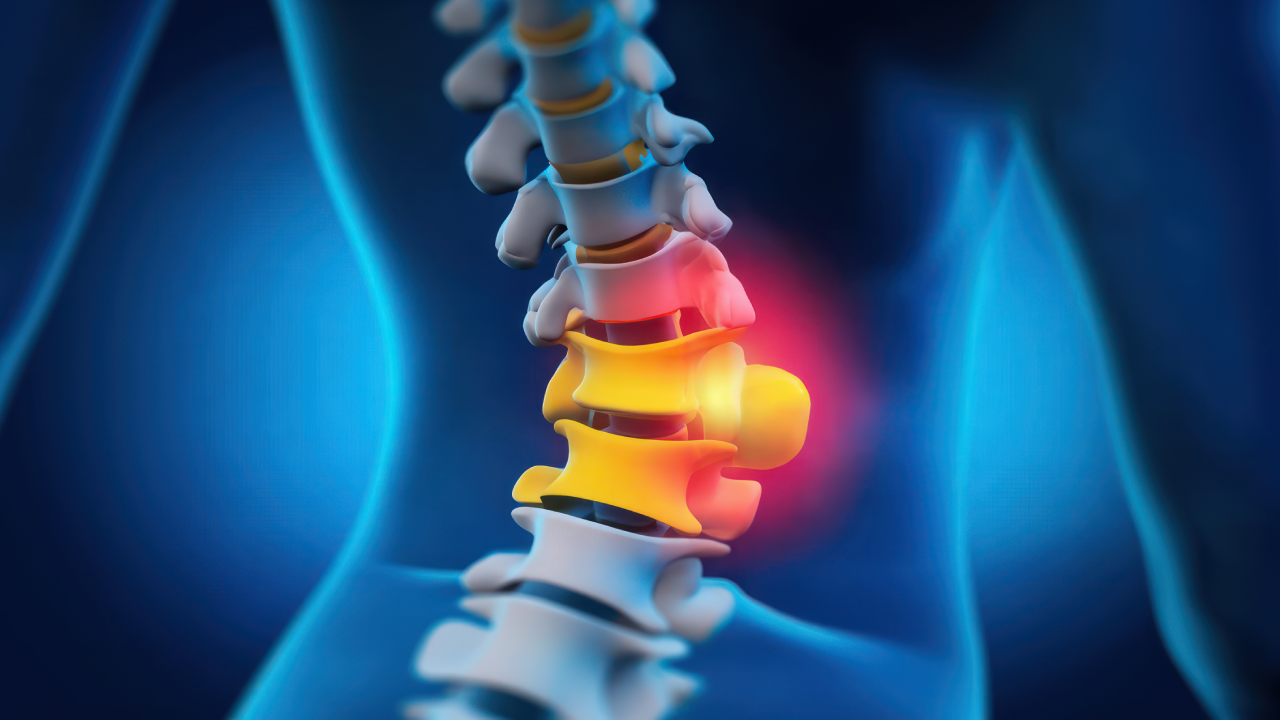
Spinal procedures can create temporary changes in mobility, posture, strength, and tolerance for sitting, standing, walking, or other activities.
Post-surgical rehabilitation may be considered after procedures such as:
- Spinal decompression
- Discectomy
- Laminectomy
- Spinal fusion
- Other spinal procedures
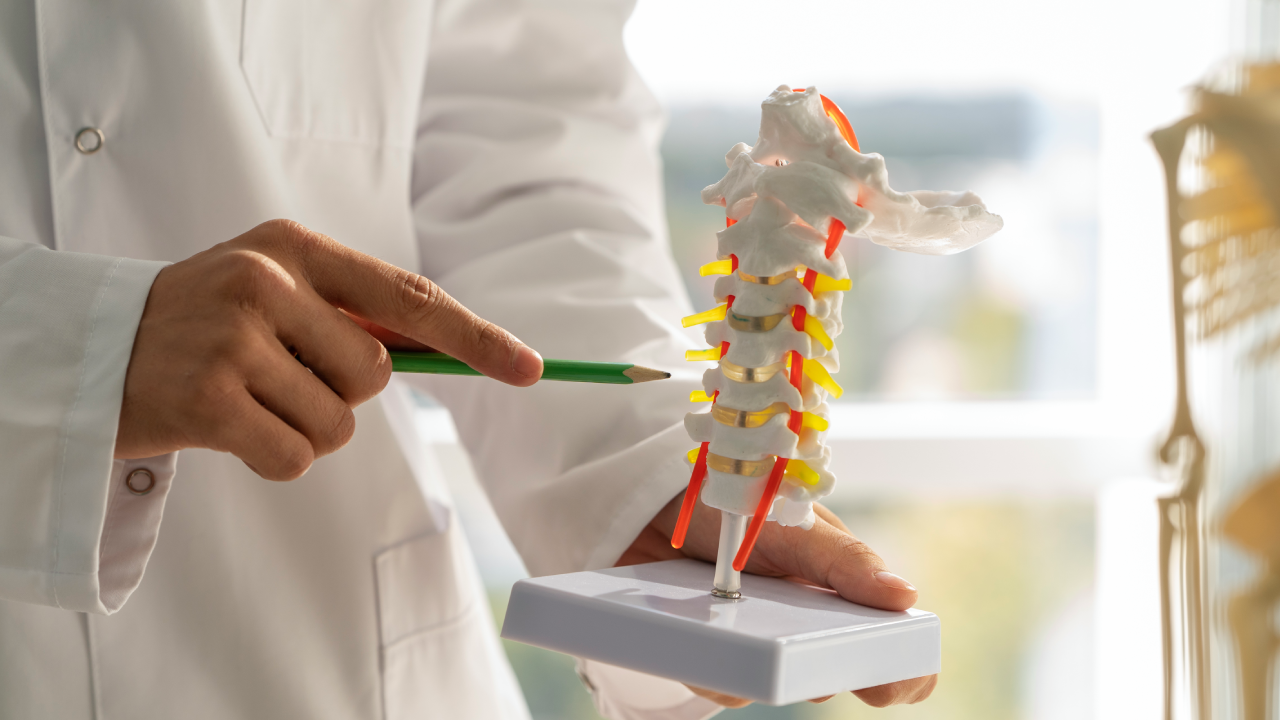
The rehabilitation process depends on the operation and the instructions from the surgical team. Physiotherapy may focus on movement patterns, functional mobility, strength, posture, and gradual activity progression.
Sports Surgery Recovery
Athletes may require rehabilitation following procedures involving the knee, shoulder, ankle, hip, or other areas affected by sports injuries.
Recovery may include staged exercises that address strength, mobility, coordination, balance, and sport-related movement. Returning to training should follow the restrictions and progression established by the healthcare team.
Who Can Benefit From Post-Surgical Rehabilitation?
Post-surgical physiotherapy may be appropriate for adults recovering from procedures that affect movement or physical function.
It may be considered when someone:
- Has difficulty walking after surgery
- Has reduced joint movement
- Feels weaker after a period of restricted activity
- Needs help returning to normal daily tasks
- Has difficulty with stairs
- Needs support with balance and coordination
- Wants structured exercises during recovery
- Is preparing to return to work
- Is working toward returning to recreational activities
Rehabilitation needs can differ significantly even when two people have undergone the same operation. Age, activity level, surgical procedure, previous injuries, general physical condition, and medical restrictions can all affect the rehabilitation process.
Problems Post-Surgical Rehabilitation Can Address
After surgery, people may notice several changes that interfere with everyday life. Physiotherapy can address many movement-related concerns, including:
- Joint stiffness
- Reduced range of motion
- Muscle weakness
- Difficulty walking
- Altered walking patterns
- Balance problems
- Reduced endurance
- Difficulty using stairs
- Trouble standing from a chair
- Reduced ability to perform household activities
- Difficulty returning to work
- Reduced tolerance for physical activity
- Loss of strength after extended inactivity
Normal recovery may involve these problems, especially when movement has been restricted. A structured rehabilitation program can help monitor progress and gradually increase physical activity within appropriate limits.
What Is Included in Post-Surgical Rehabilitation?
Initial Assessment
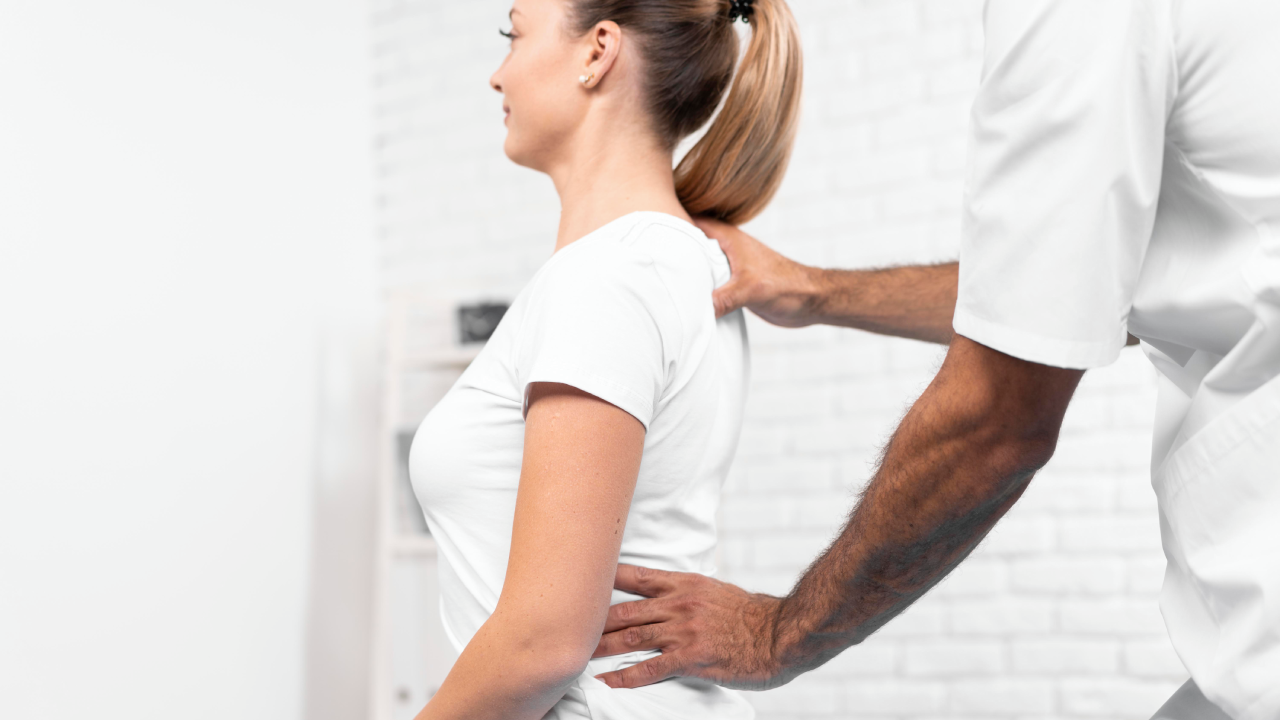
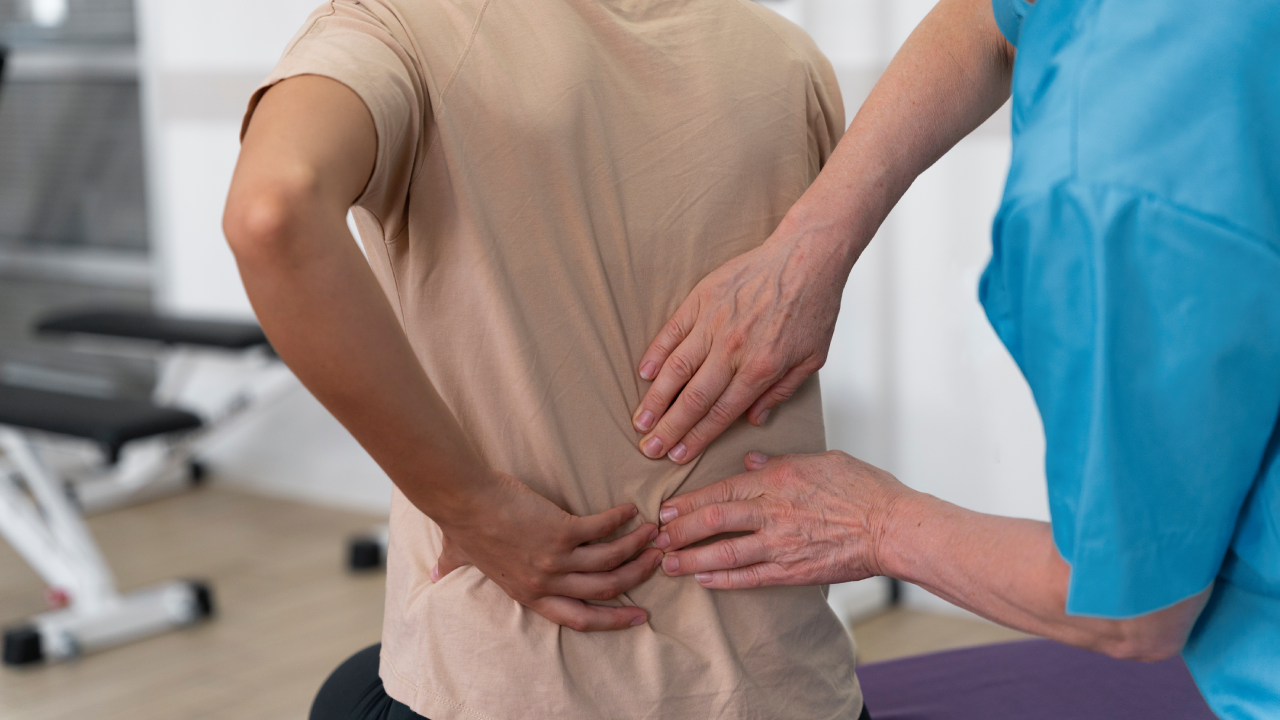
The first visit may include a review of your surgery, medical instructions, current symptoms, movement abilities, strength, mobility, balance, and functional limitations.
This information helps the physiotherapist identify areas that require attention and determine which activities are appropriate for your recovery stage.
Mobility Exercises
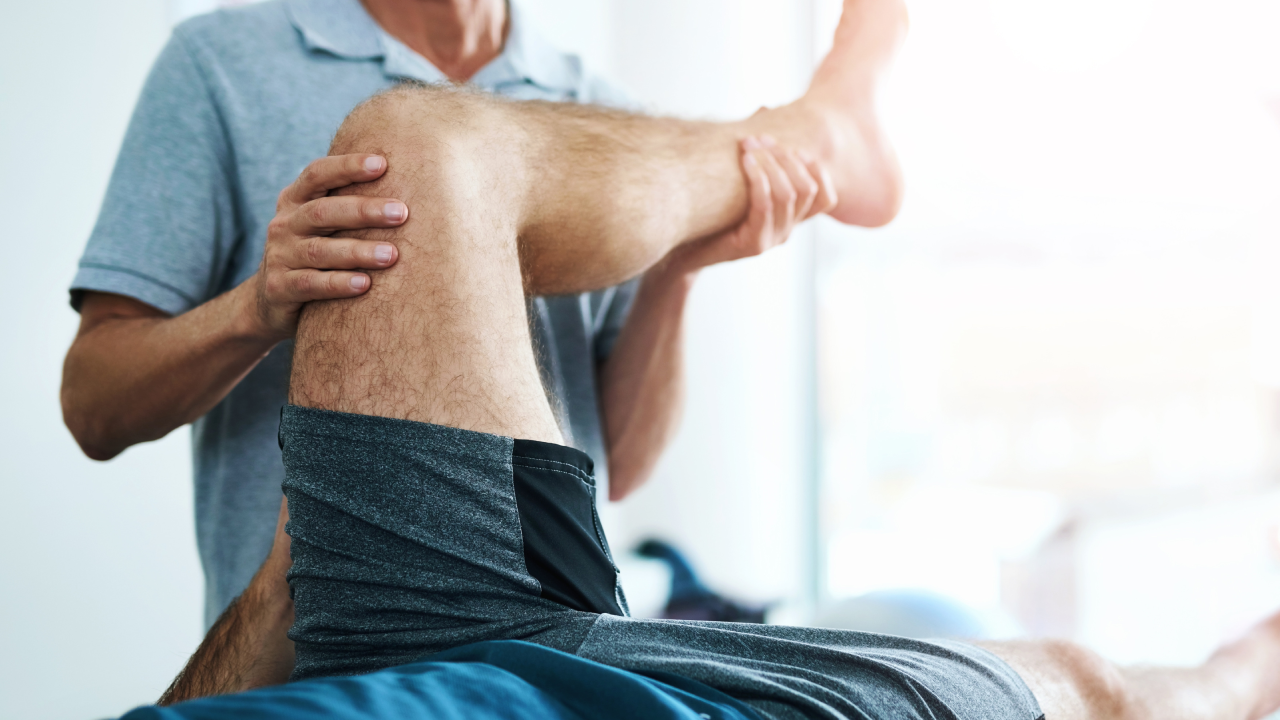
Restricted movement after surgery can contribute to stiffness. Appropriate mobility exercises may help improve movement within the limits set for your procedure.
Strength Training
Muscles can lose strength after surgery or periods of reduced activity. Progressive strengthening may target the muscles involved in walking, lifting, reaching, balance, or other daily activities.
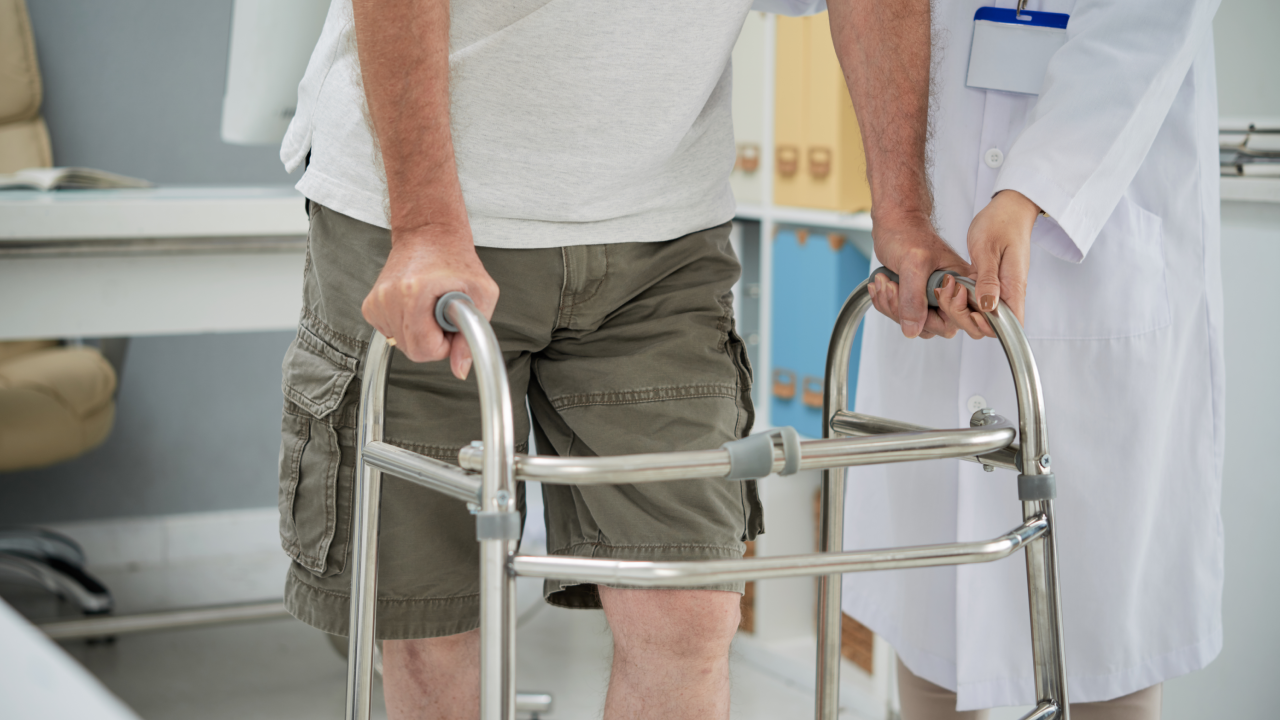
Walking and Gait Training
Following lower-body or spinal surgery, walking patterns may change. Physiotherapy may include walking practice, movement correction, balance exercises, and gradual increases in walking activity.
Balance Training
Balance work may be useful after procedures affecting the lower limbs or after periods of reduced physical activity. Exercises can be progressed as your stability improves.
Functional Training
Rehabilitation is connected to everyday activities. Exercises may therefore include movements related to getting up from a chair, climbing stairs, reaching, carrying objects, or other tasks relevant to your routine.
Home Exercise Program
You may receive exercises to perform between clinic visits. A home program can help maintain consistency and support the progression established during your appointments.
How the Process Works
1. Consultation
Your first appointment begins with a discussion about your surgery, current concerns, activity limitations, and rehabilitation goals.
2. Assessment
The physiotherapist reviews movement, strength, mobility, balance, and functional ability while considering surgical restrictions.
3. Planning
A rehabilitation program is established based on your current stage of recovery and the requirements of your procedure.
4. Implementation
Treatment and exercises are introduced gradually. Activities may include mobility work, strengthening, balance training, walking practice, and functional exercises.
5. Review
Your progress is monitored throughout rehabilitation. Exercises can be adjusted as your abilities change.
6. Ongoing Support
As recovery progresses, activities may become more demanding. The aim is to help you move from basic rehabilitation exercises toward everyday and work-related activities when appropriate.
Benefits of Post-Surgical Rehabilitation
A structured rehabilitation program can support several aspects of physical recovery, including:
- Improved joint movement
- Increased muscle strength
- Improved walking ability
- Greater physical capacity
- Improved balance
- Improved movement control
- Increased tolerance for daily activities
- Support for returning to work
- Support for returning to recreational activities
- Greater confidence with movement
Progress depends on the type of surgery, the individual’s physical condition, adherence to medical restrictions, and other factors affecting recovery.
Surgeries and Patients We Serve
Spinal Solution and Rehab in Woodbridge may work with people recovering from procedures involving:
- Knee surgery
- Hip surgery
- Shoulder surgery
- Ankle surgery
- Foot surgery
- Spinal surgery
- Sports-related surgery
- Tendon repair
- Ligament repair
- Joint replacement
- Fracture repair
We also work with people whose recovery needs involve returning to household activities, employment, exercise, recreation, or other physical routines.
Frequently Asked Questions
When should post-surgical physiotherapy begin?
The timing depends on the procedure and your surgeon’s instructions. Some rehabilitation activities may begin soon after surgery, while other procedures require a longer period of protection before certain movements or exercises are introduced.
How often will I need physiotherapy?
Frequency varies according to the surgery, recovery stage, physical condition, and rehabilitation goals. Your physiotherapist can discuss an appointment schedule after assessing your needs.
Can physiotherapy help after knee replacement?
Yes. Physiotherapy is commonly used following knee replacement to work on mobility, leg strength, walking, balance, and functional activities.
Can I have rehabilitation after spinal surgery?
Yes, you can have rehabilitation after spinal surgery if physiotherapy is appropriate for your specific procedure. The program should account for your surgical restrictions and instructions from your surgical team.
What should I bring to my first appointment?
Bring information about your surgery, current medical instructions, relevant reports if available, and a list of activities that are currently difficult.
How long does rehabilitation take?
There is no fixed timeline for every surgery. Recovery can vary based on the procedure, age, physical condition, surgical restrictions, progress, and daily activity level.
Can rehabilitation help me return to work?
Physiotherapy may help address strength, mobility, endurance, balance, and functional movement needed for work. Return-to-work timing should also follow medical advice and workplace requirements.
Can I exercise at home between appointments?
A home exercise program may be provided when appropriate. Exercises should follow the instructions given for your surgery and current stage of recovery.
Service Areas
Spinal Solution and Rehab serves people in Woodbridge and surrounding communities who need physiotherapy following surgery. Our clinic can work with patients recovering from orthopedic, spinal, joint, sports-related, and other musculoskeletal procedures.
Our local service area may include:
- Woodbridge
- Vaughan
- Kleinburg
- Maple
- Vellore Village
- Concord
- Nearby Vaughan communities
If you are searching for Post-Surgical Rehabilitation in Woodbridge, ON, our team can assess your current movement and discuss the next stage of your rehabilitation based on your surgical instructions.
Why Choose Spinal Solution and Rehab?
Choosing a rehabilitation clinic after surgery involves more than location. It is useful to consider whether the clinic works with your type of procedure, communicates with your medical team when required, and can adapt exercises as your physical abilities change.
At Spinal Solution and Rehab, rehabilitation sessions focus on the functional issues that can arise after surgery, including mobility restrictions, weakness, balance changes, walking difficulties, and challenges with daily activities.
Your surgical instructions remain central to the rehabilitation process. If a particular movement or activity has been restricted by your surgeon, the physiotherapy program should account for that restriction.
Related Physiotherapy Services
Depending on your condition and recovery needs, related services may include:
- Physiotherapy
- Sports Physiotherapy
- Spinal Rehabilitation
- Manual Therapy
- Exercise Therapy
- Balance Training
- Gait Training
- Injury Rehabilitation
- Mobility Training
Your physiotherapist can discuss which services may be appropriate based on your current condition.
Get Started
Recovering from surgery can involve several stages. Early movement may look very different from later-stage strengthening and functional training. Having a structured process can help you track changes in mobility, strength, balance, and daily function as you progress.
Address: 8300 Hwy 27, Woodbridge, ON L4H 0R9
Phone: +1 905-739-3100
If you are looking for Post-Surgical Rehabilitation in Woodbridge, ON, contact Spinal Solution and Rehab to arrange an assessment. Bring your surgical information and any instructions provided by your surgeon so our physiotherapy team can review your current situation and discuss appropriate next steps.