
Tennis Elbow in Woodbridge, ON
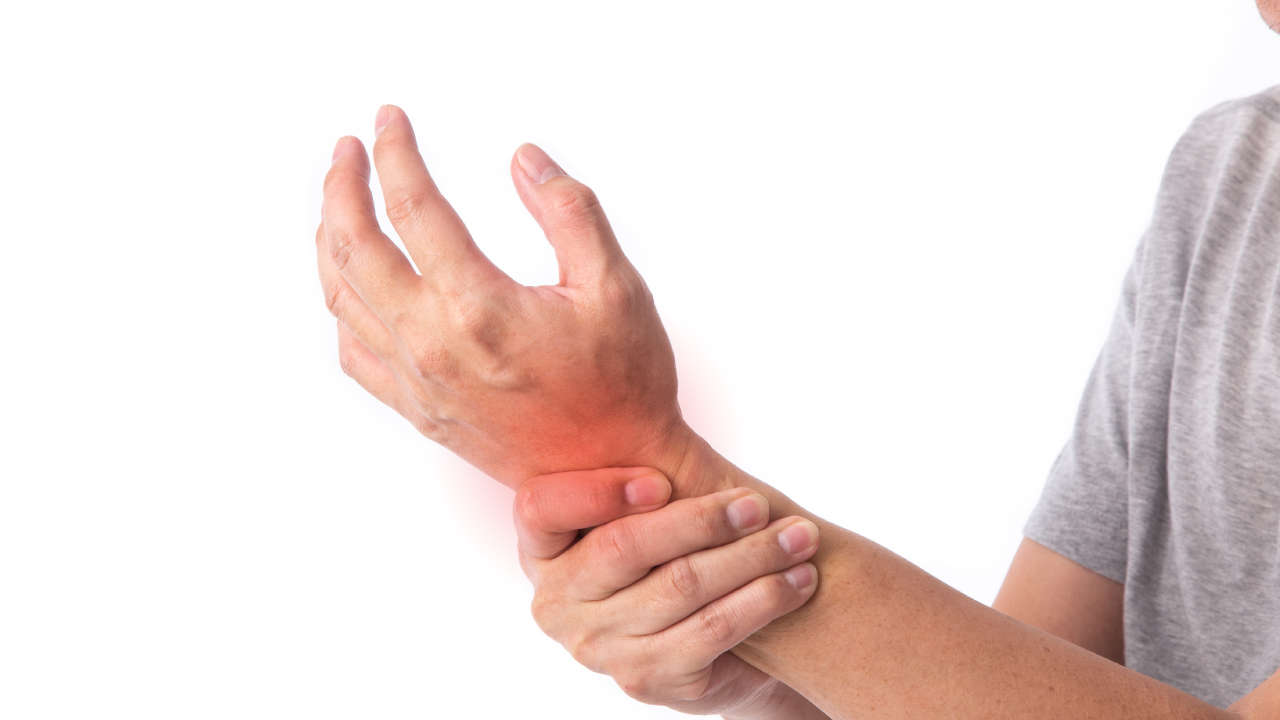
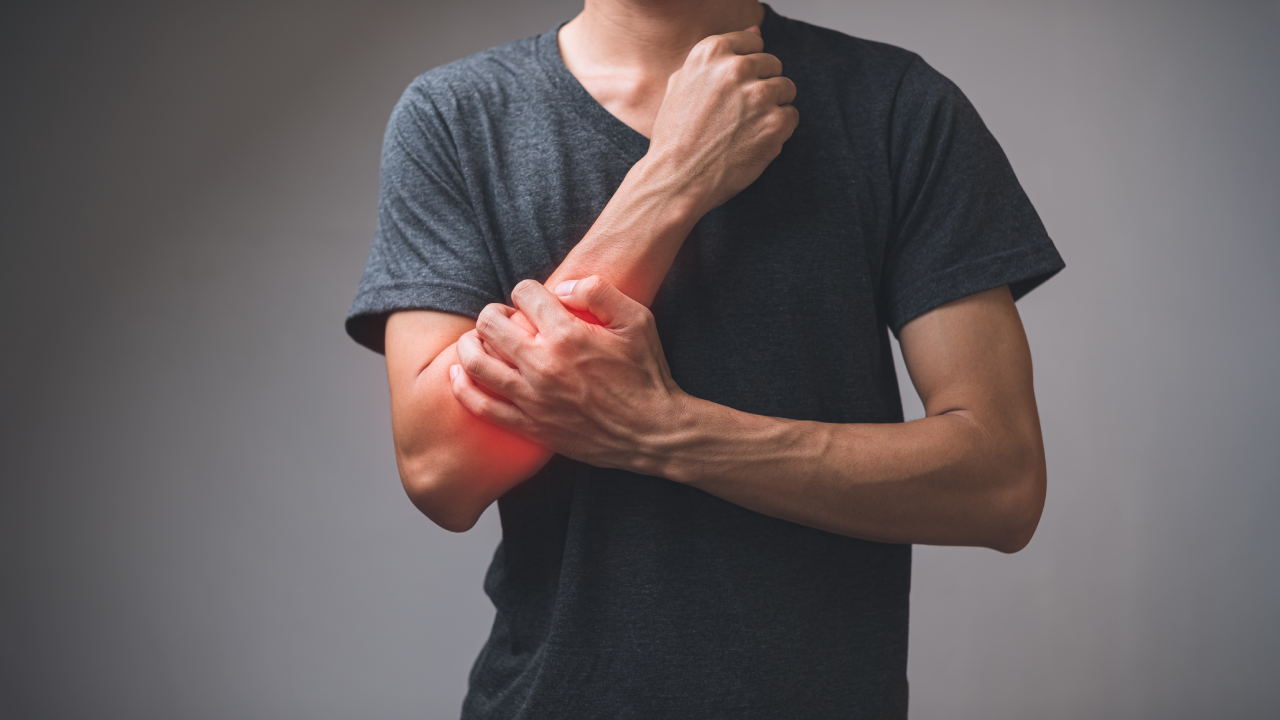
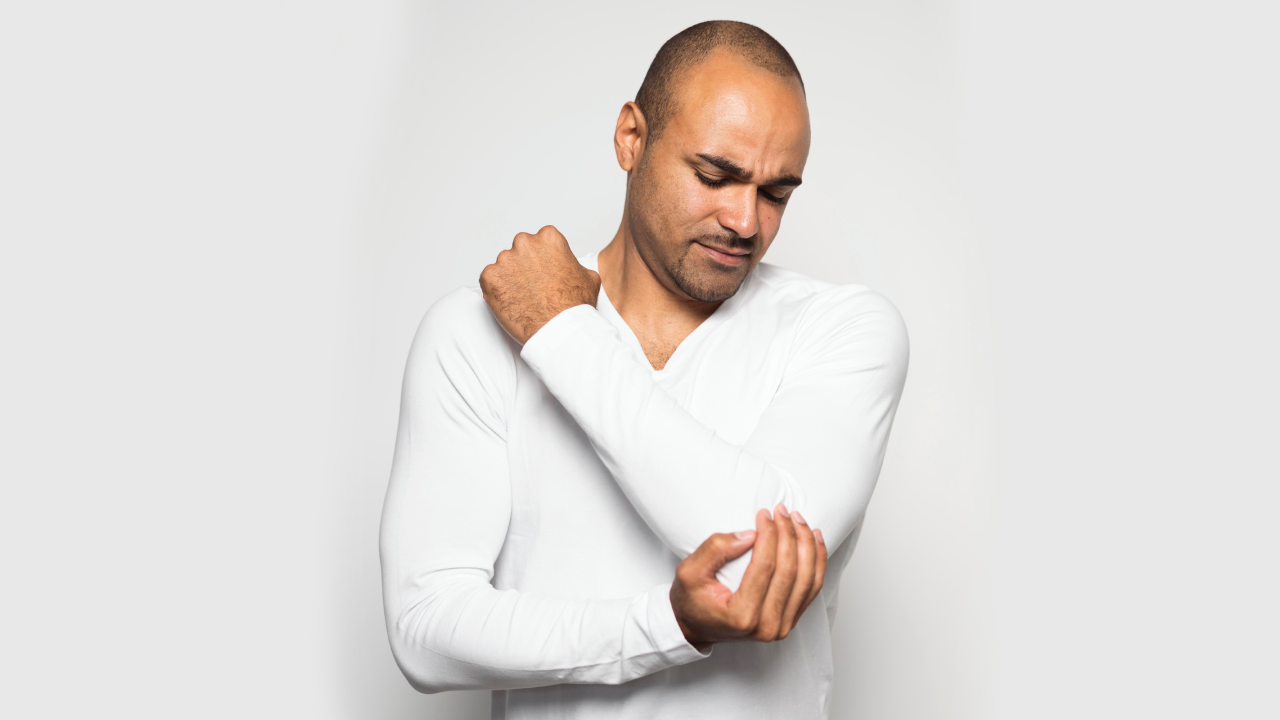
Tennis elbow is a condition that involves pain and irritation around the outer part of the elbow. Despite its name, it does not only affect tennis players. Repeated gripping, lifting, typing, tool use, racquet sports, and other arm movements can place repeated stress on the tendons near the elbow.
At Spinal Solution and Rehab, we provide physiotherapy-based care for people dealing with Tennis Elbow in Woodbridge, ON. Our approach starts with an assessment of the elbow, wrist, forearm, shoulder, and movement patterns that may be contributing to your symptoms. Care may include exercise, manual therapy, activity modification, mobility work, and other physiotherapy methods based on your condition and daily activities.
What Is Tennis Elbow?
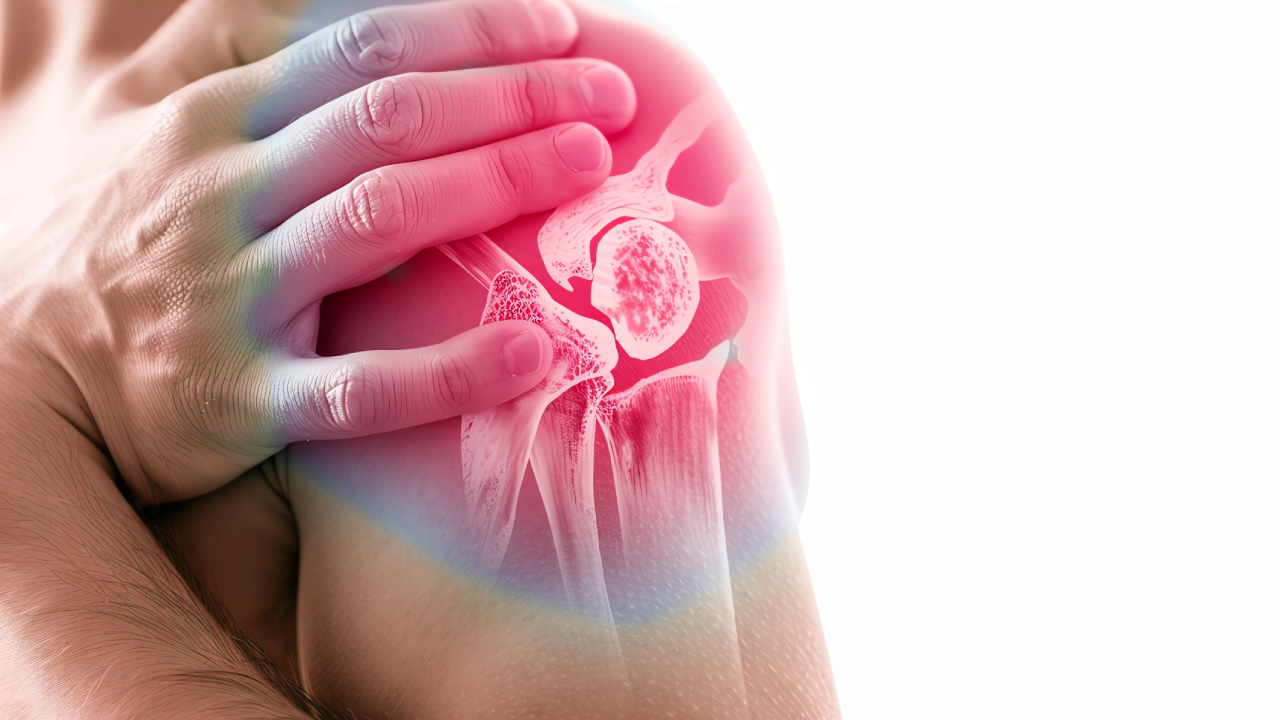
Tennis elbow, medically known as lateral epicondylalgia, is commonly associated with pain around the outside of the elbow. The condition often involves the tendons that connect forearm muscles to the bony area on the outer elbow.
These tendons help control movements of the wrist and fingers. Repeated loading can irritate the tendon and make everyday activities uncomfortable.
The name can be misleading. Tennis players can develop the condition, but many people with tennis elbow have never played tennis.
Common activities associated with tennis elbow include:
- Repeated gripping
- Lifting objects with the palm facing downward
- Using hand tools
- Racquet sports
- Weight training
- Repetitive computer or desk work
- Gardening
- Painting
- Manual labour
- Repeated wrist movements
- Carrying children or heavy bags
Symptoms can develop gradually rather than after one obvious injury. Some people notice discomfort during a particular activity first. Over time, the symptoms may become noticeable during routine movements such as opening a jar, shaking hands, lifting a cup, or carrying groceries.
For people searching for Tennis Elbow in Woodbridge, ON, identifying the activities that place stress on the elbow can be an important part of the assessment.
Who Can Develop Tennis Elbow?
Tennis elbow can affect adults from many occupations, hobbies, and activity levels.
Athletes
Tennis, badminton, pickleball, squash, and other racquet sports involve repeated gripping and wrist movements. Training volume, technique, equipment, and sudden increases in activity can all influence elbow loading.
Office Workers
Desk work can involve prolonged keyboard and mouse use. Although these activities are not always the primary cause, repetitive hand and wrist movements may contribute to symptoms in some people.
Tradespeople
Carpenters, electricians, plumbers, mechanics, painters, and other tradespeople may repeatedly grip tools or perform wrist movements during work.
Gym-Goers
Exercises involving pulling, gripping, lifting, or wrist positioning may place additional load through the forearm and elbow.
People Performing Repetitive Household Tasks
Gardening, cleaning, cooking, carrying bags, and other household activities can involve repeated forearm use.
Common Signs of Tennis Elbow
Tennis elbow does not look identical in every person. Symptoms can vary based on activity levels and the amount of tendon loading.
Common signs include:
- Pain on the outside of the elbow
- Tenderness around the outer elbow
- Discomfort when gripping
- Pain while lifting objects
- Wrist movement that aggravates symptoms
- Reduced tolerance for repetitive arm activities
- Forearm discomfort
- Weakness during gripping
- Pain when shaking hands
- Difficulty carrying objects
Some people notice symptoms only during activity. Others may notice discomfort after activity or during routine movements.
If elbow pain is severe, follows a significant injury, involves marked swelling or deformity, or is accompanied by numbness or weakness in the hand, medical assessment may be appropriate.
Problems Tennis Elbow Treatment Can Address
People commonly seek physiotherapy when elbow symptoms begin interfering with work, recreation, exercise, or household activities.
Physiotherapy care may address:
- Repeated elbow discomfort
- Reduced grip tolerance
- Difficulty lifting objects
- Pain during sports
- Difficulty using workplace tools
- Reduced wrist and forearm capacity
- Movement limitations
- Activity-related symptoms
- Reduced participation in hobbies
- Difficulty returning to exercise
The goal is not simply to focus on the painful area. The assessment can also look at how the wrist, forearm, elbow, shoulder, and surrounding joints work together.
Tennis Elbow Assessment at Spinal Solution and Rehab
When you visit Spinal Solution and Rehab for Tennis Elbow in Woodbridge, ON, the assessment begins with a discussion about your symptoms and daily activities.
We may ask:
- When did the symptoms begin?
- Was there a specific incident?
- Which activities make symptoms worse?
- Does gripping increase discomfort?
- What does your work involve?
- Do you play sports?
- What exercises do you perform?
- Have you received previous treatment?
- What activities are currently difficult?
A physical assessment may then examine elbow movement, wrist movement, grip function, forearm strength, shoulder movement, and areas of tenderness.
The assessment also helps identify whether your symptoms fit the pattern of tennis elbow or whether another condition may need consideration.
Physiotherapy for Tennis Elbow
Treatment varies according to your symptoms, activity level, work demands, and physical findings.
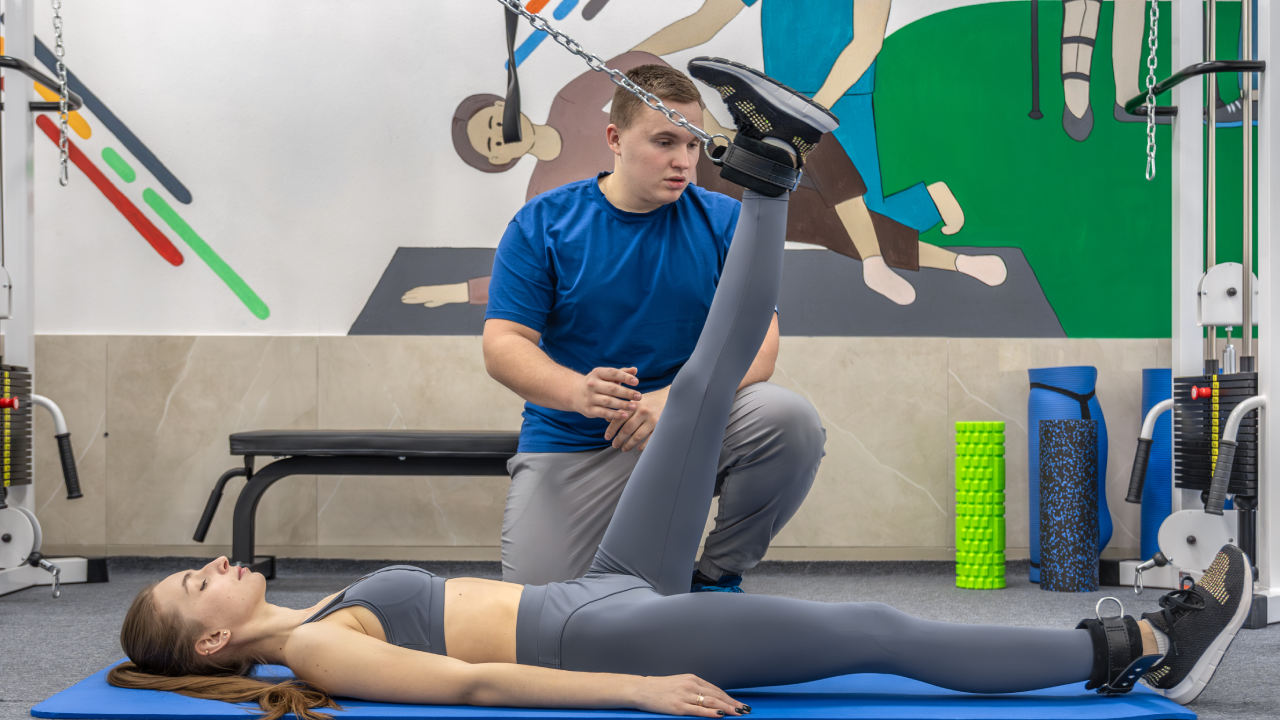
Therapeutic Exercise
Exercise can help develop the capacity of the forearm and surrounding muscles.
Your program may include:
- Wrist strengthening
- Forearm strengthening
- Grip exercises
- Isometric exercises
- Eccentric loading
- Shoulder strengthening
- Mobility exercises
- Progressive resistance work
Exercise selection and loading can change as your tolerance improves.
Manual Therapy
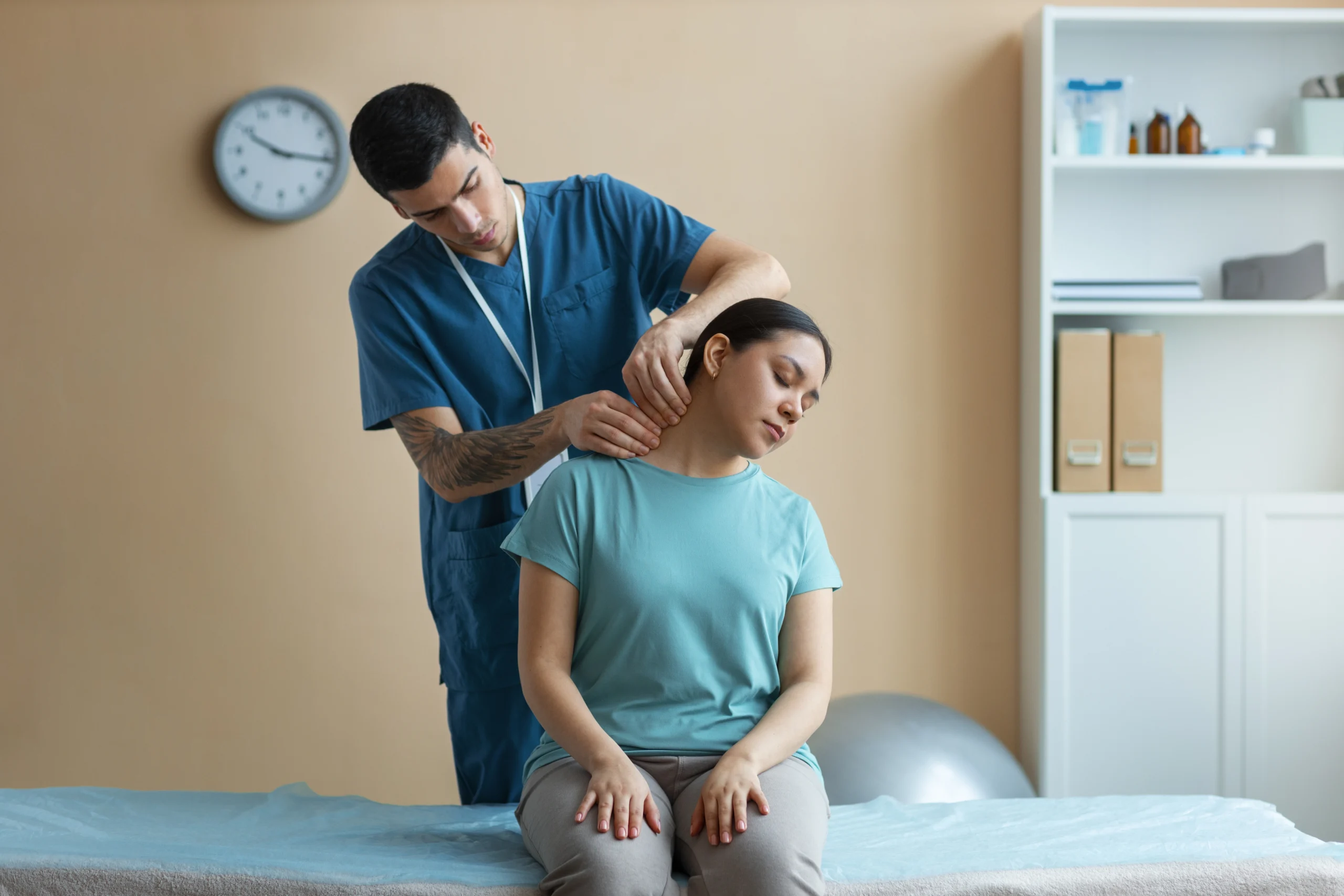
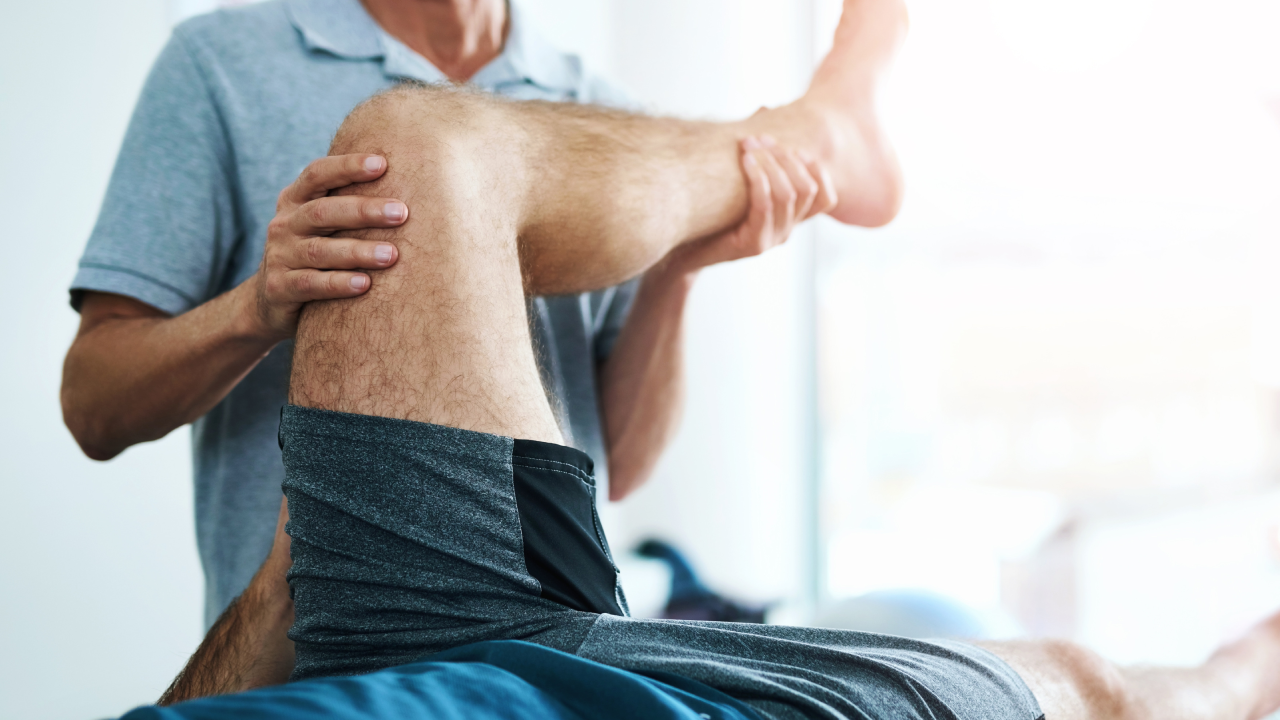
Manual therapy may be used as part of physiotherapy care when appropriate. Techniques can address movement restrictions involving the elbow, wrist, forearm, or nearby joints.
Manual therapy may be combined with active exercise rather than used as the only form of care.
Activity Modification
You may not need to stop every activity that uses your arm. Instead, certain movements may need temporary changes in frequency, duration, load, or technique.
For example, a person working with hand tools may need to modify how long they perform repetitive tasks before taking a break.
An athlete may need changes to training volume while gradually building arm capacity again.
Progressive Loading
Tendons respond to mechanical loading. For this reason, a gradual strengthening program can be part of managing tennis elbow.
The amount of resistance and repetitions can be adjusted according to symptoms and physical capacity.
Workplace Considerations
For people whose elbow symptoms are connected to work, physiotherapy may include discussion of workstation setup, tool handling, task rotation, lifting patterns, and break scheduling.
The aim is to help you manage the demands placed on your arm while working toward increased activity tolerance.
How the Tennis Elbow Process Works
1. Consultation
We begin by discussing your symptoms, work, sports, hobbies, previous injuries, and current activity level.
2. Assessment
A physical assessment examines relevant movement, strength, grip function, and areas around the elbow and forearm.
3. Care Planning
Based on the findings, we establish a physiotherapy plan that addresses your current symptoms and activity requirements.
4. Treatment
Your sessions may include exercise, manual therapy, mobility work, education, and activity modification.
5. Progress Review
Your response to treatment is reviewed as your activity level changes. Exercises can be adjusted according to your progress.
6. Return to Activity
The focus can gradually shift toward the activities that matter to you, such as work, sports, gym training, or household tasks.
Benefits of Physiotherapy for Tennis Elbow
Physiotherapy can provide several practical advantages for people managing elbow symptoms.
Improved Arm Capacity
Progressive strengthening can help the forearm tolerate everyday loads.
Improved Grip Function
Grip-focused exercises may help address reduced tolerance for gripping and lifting.
More Comfortable Daily Activities
Treatment can help you work toward activities such as carrying groceries, opening containers, using tools, or exercising with fewer limitations.
Activity Planning
You can learn how to modify demanding activities while maintaining appropriate movement and exercise.
Return to Sport
Athletes can gradually increase training demands instead of immediately returning to their previous workload.
Workplace Support
Physiotherapy can address physical demands associated with repetitive hand and arm activities.
How Long Does Tennis Elbow Take to Improve?
The timeline varies from person to person.
Factors that can affect recovery include:
- Duration of symptoms
- Daily workload
- Sports participation
- Strength and conditioning
- Sleep and recovery
- Activity levels
- Previous elbow problems
- Consistency with prescribed exercises
- Amount of repetitive loading
Some people notice changes within the early stages of care, while others require a longer period of progressive loading.
A physiotherapist can monitor your response and modify the exercise program as your capacity changes.
Preventing Tennis Elbow From Returning
Once symptoms settle, maintaining appropriate strength can help prepare the arm for future demands.
Useful strategies may include:
- Gradually increasing training volume
- Maintaining forearm strength
- Avoiding sudden increases in repetitive activity
- Taking breaks during prolonged tasks
- Reviewing sports technique
- Using appropriate equipment
- Maintaining shoulder and wrist strength
- Preparing for demanding work periods
- Returning to activities gradually after a break
Prevention strategies depend on what caused or contributed to your symptoms.
Who We See for Tennis Elbow in Woodbridge, ON
At Spinal Solution and Rehab, physiotherapy care for tennis elbow may be relevant to:
- Tennis players
- Pickleball players
- Badminton players
- Office workers
- Construction workers
- Tradespeople
- Mechanics
- Warehouse workers
- Fitness enthusiasts
- Parents
- People with repetitive work duties
You do not need to play tennis to have tennis elbow.
Frequently Asked Questions
What is tennis elbow?
Tennis elbow is a condition commonly involving the tendons around the outside of the elbow. Repeated loading of the forearm and wrist can contribute to symptoms.
Can you get tennis elbow without playing tennis?
Yes. Repetitive gripping, lifting, tool use, sports, gym activities, and other movements can place stress on the tendons around the elbow.
What does tennis elbow feel like?
Common symptoms include pain or tenderness around the outside of the elbow, discomfort with gripping, and pain during lifting or wrist movements.
How is tennis elbow assessed?
A physiotherapist can review your symptoms and examine your elbow, wrist, forearm, grip, and related movement. Your work and recreational activities may also be considered.
Can physiotherapy help tennis elbow?
Physiotherapy can include progressive exercise, manual therapy, activity modification, education, and gradual return to demanding activities.
Should I stop exercising if I have tennis elbow?
Not necessarily. Some exercises may need to be modified temporarily. Your physiotherapist can help determine which activities and loading levels are appropriate.
Can I continue working with tennis elbow?
This depends on your symptoms and job demands. In some cases, changes to task frequency, workload, technique, or breaks may help you continue working while managing symptoms.
How long does tennis elbow take to improve?
Recovery varies. The duration of symptoms, physical workload, activity levels, and response to progressive exercise can all affect the timeline.
When should I seek physiotherapy for elbow pain?
Consider an assessment when elbow symptoms persist, interfere with work or exercise, or make everyday activities difficult.
Can tennis elbow return?
Yes. Symptoms may return if the arm is exposed to a sudden increase in workload or repetitive activity. Maintaining strength and gradually increasing activity can help manage future loading.
Tennis Elbow Physiotherapy in Woodbridge, ON
If you are searching for Tennis Elbow in Woodbridge, ON, Spinal Solution and Rehab provides physiotherapy care for elbow and forearm conditions.
Our clinic serves people dealing with sports-related symptoms, workplace demands, repetitive activities, and everyday elbow problems. Treatment can be adapted according to your symptoms, physical findings, work requirements, and activity goals.
Service Area
Spinal Solution and Rehab serves Woodbridge and surrounding communities in Vaughan and the Greater Toronto Area.
People searching for Tennis Elbow in Woodbridge, ON, may also come from:
- Woodbridge
- Vaughan
- Kleinburg
- Maple
- Vellore Village
- Concord
- North York
- Thornhill
- Richmond Hill
Contact the clinic to confirm current service availability and appointment details.
Why Choose Spinal Solution and Rehab?
Spinal Solution and Rehab provides physiotherapy services for musculoskeletal conditions affecting movement and daily function.
For tennis elbow, our assessment can consider more than the location of the symptoms. We look at the elbow, wrist, forearm, shoulder, movement patterns, physical demands, and activities that may be contributing to the problem.
Your treatment plan can then be adjusted as your strength and activity tolerance change.
Rather than focusing only on short-term symptom changes, physiotherapy can also address the physical capacity needed for work, exercise, sports, and everyday activities.
Related Physiotherapy Services
If you are dealing with elbow symptoms, other services at Spinal Solution and Rehab may also be relevant depending on your assessment.
These may include:
- Physiotherapy
- Sports injury rehabilitation
- Orthopaedic physiotherapy
- Shoulder physiotherapy
- Wrist and hand rehabilitation
- Strength and conditioning
- Workplace injury rehabilitation
- Exercise therapy
- Manual therapy
Your physiotherapist can determine which services are relevant to your condition.
Get Started
Persistent elbow symptoms can make ordinary activities such as gripping, lifting, working, exercising, and playing sports more difficult.
If you are looking for Tennis Elbow in Woodbridge, ON, contact Spinal Solution and Rehab to arrange an assessment.
During your appointment, you can discuss your symptoms, daily activities, work demands, and physical goals. The physiotherapy team can then assess your condition and discuss the next steps.
Address: 8300 Hwy 27, Woodbridge, ON L4H 0R9
Phone: +1 905-739-3100
Call Spinal Solution and Rehab to book a physiotherapy assessment in Woodbridge, ON.