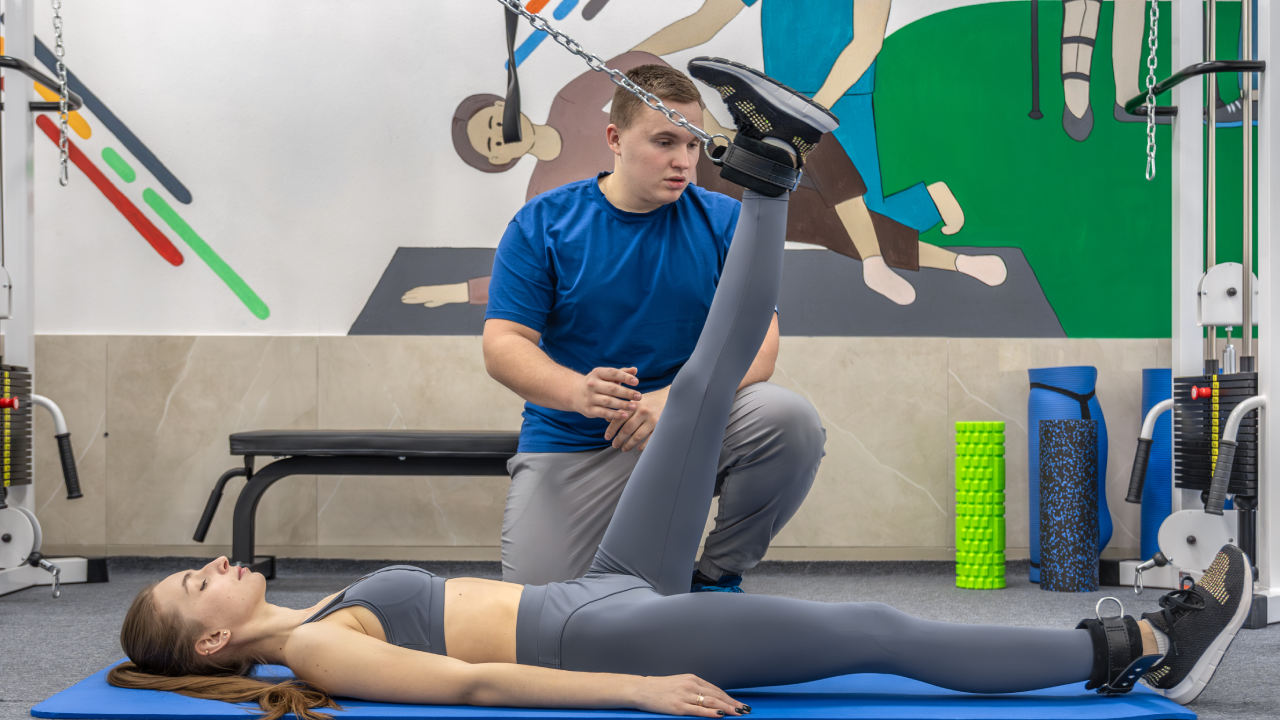
Mobility & Range-of-Motion in Woodbridge, ON
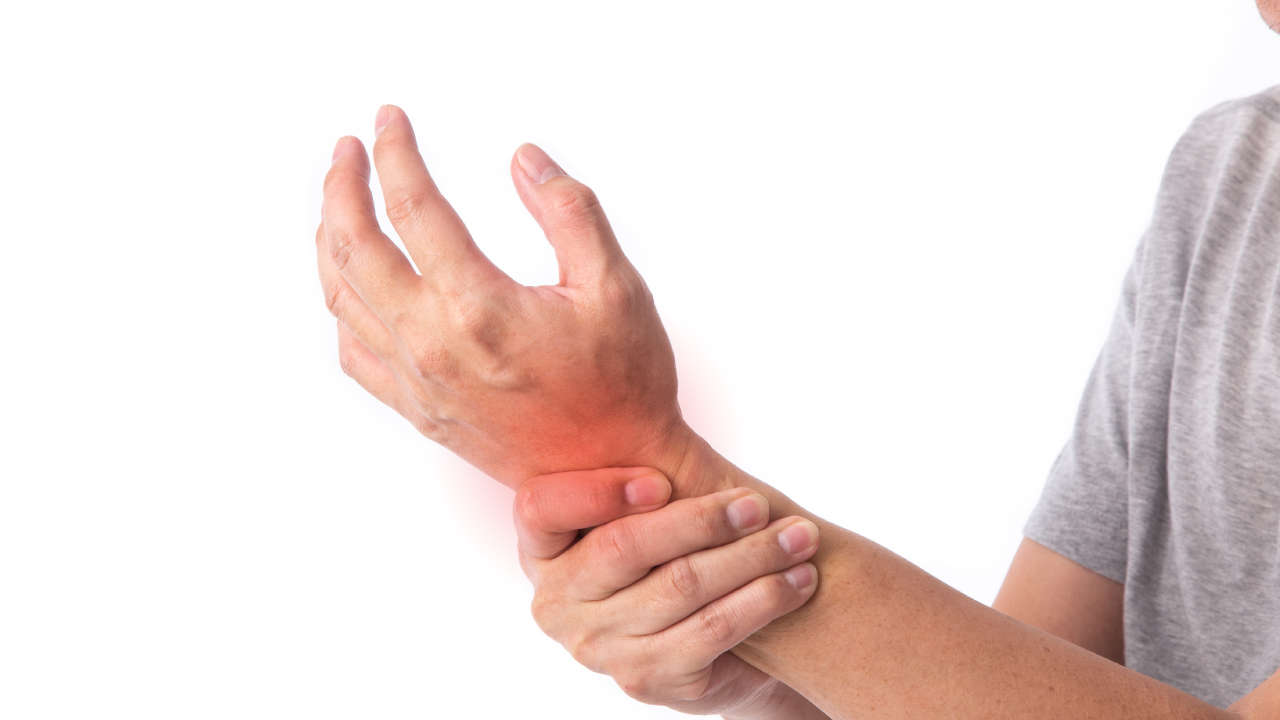
Mobility and range of motion play an important role in how you walk, sit, stand, reach, bend, lift, turn, and complete everyday activities. When a joint becomes stiff or movement becomes difficult, even simple tasks can become frustrating. At Spinal Solution and Rehab, our Mobility & Range-of-Motion in Woodbridge, ON services focus on movement limitations that may develop after an injury, surgery, prolonged inactivity, repetitive strain, or certain musculoskeletal conditions.
Our team assesses how your joints, muscles, soft tissues, posture, strength, and movement patterns work together. We then use physiotherapy-based care to address restrictions and support safer, more comfortable movement.
What Is Mobility & Range-of-Motion Care?
Mobility refers to how freely a joint or body region can move. Range of motion describes the amount of movement available at a particular joint.
For example, your shoulder needs sufficient movement for reaching overhead. Your hip needs mobility for walking, climbing stairs, and getting into a vehicle. Your knee needs appropriate motion for sitting, standing, squatting, and walking. Your spine also needs coordinated movement for turning, bending, and maintaining different positions.
When movement becomes restricted, several factors may contribute, including:
- Joint stiffness
- Muscle tightness
- Swelling
- Scar tissue
- Reduced strength
- Previous injuries
- Surgery
- Prolonged inactivity
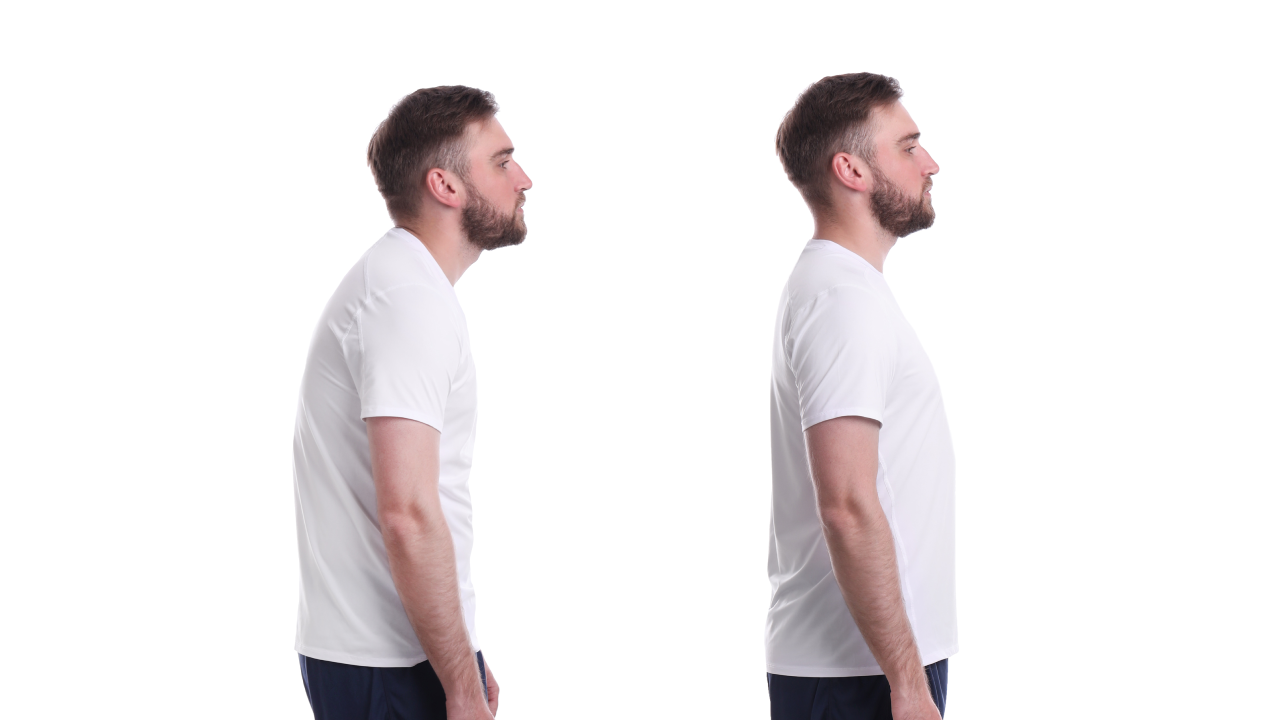
- Poor movement habits
- Repetitive physical demands
- Age-related changes
- Neurological or musculoskeletal conditions
Mobility & Range-of-Motion in Woodbridge, ON, can involve assessment and treatment of one joint or several areas of the body. Care may include therapeutic exercises, mobility drills, stretching, manual therapy, strengthening, balance work, posture exercises, and functional movement activities.
The goal is not simply to make a joint move farther. Movement needs to be controlled and appropriate for your daily activities, work demands, sport, or rehabilitation needs.
Who Can Benefit From Mobility & Range-of-Motion Care?
People seek mobility care for many different reasons. Some notice stiffness after sitting for several hours, while others develop movement restrictions after an injury or operation.
Our services may be suitable for people dealing with:
Adults With Joint Stiffness
Stiff hips, shoulders, knees, ankles, or the spine can make everyday movements more difficult. Mobility-focused physiotherapy can assess the source of the restriction and identify movements that may support improved joint function.
People Recovering From Injuries
A sprain, strain, fracture, dislocation, or other injury can temporarily reduce movement. As the affected area recovers, gradual mobility work can help restore movement needed for everyday tasks.
Post-Surgical Patients
After surgery, movement may be limited because of swelling, tissue changes, weakness, or protective movement patterns. A physiotherapy program can help introduce movement in stages according to the procedure and clinical recommendations.
Athletes and Active Individuals
Sports often require specific movement ranges. Limited ankle, hip, shoulder, or spinal mobility can affect how an athlete runs, jumps, throws, lifts, or changes direction.
People With Sedentary Lifestyles
Long periods of sitting can contribute to stiffness around the hips, spine, shoulders, and neck. Regular movement and exercise can help address these limitations.
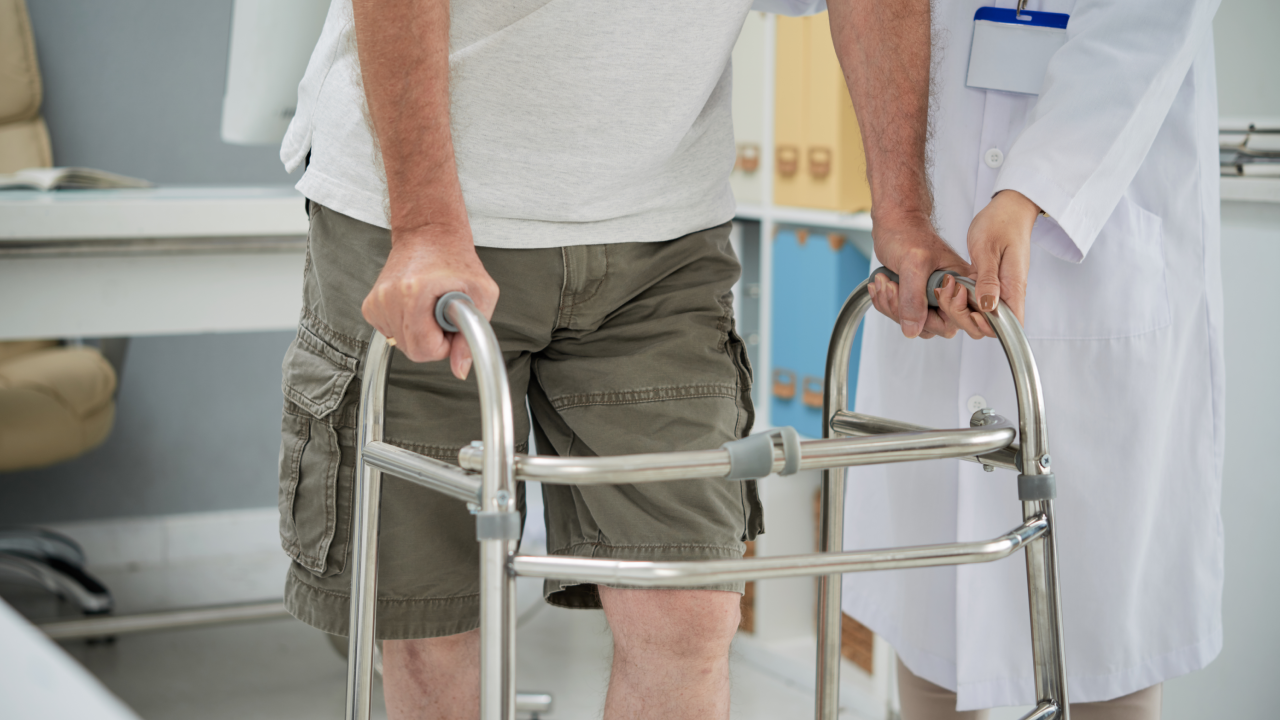
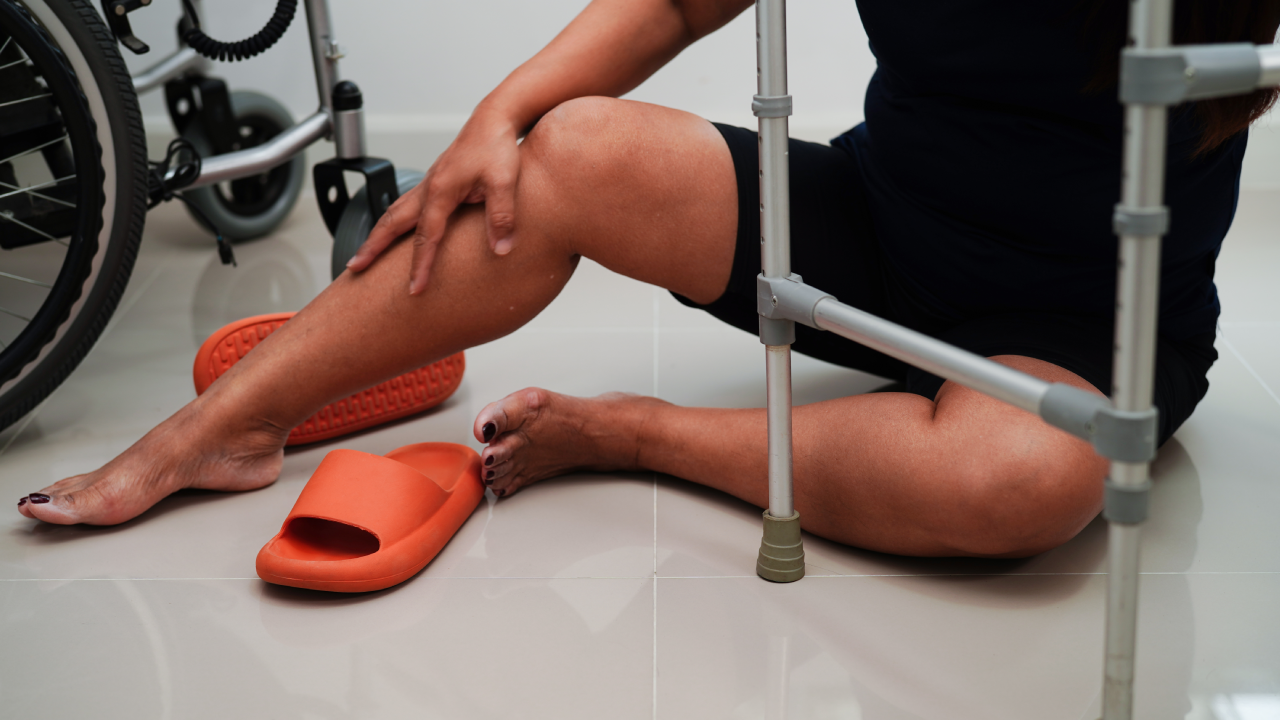
Older Adults
Reduced mobility can affect walking, transfers, balance, reaching, and other daily activities. Physiotherapy can focus on movement, strength, coordination, and functional tasks.
Conditions We Treat
Mobility restrictions can occur with many musculoskeletal conditions. At Spinal Solution and Rehab, we assess movement limitations within the context of your symptoms and daily activities.
Back and Spinal Stiffness
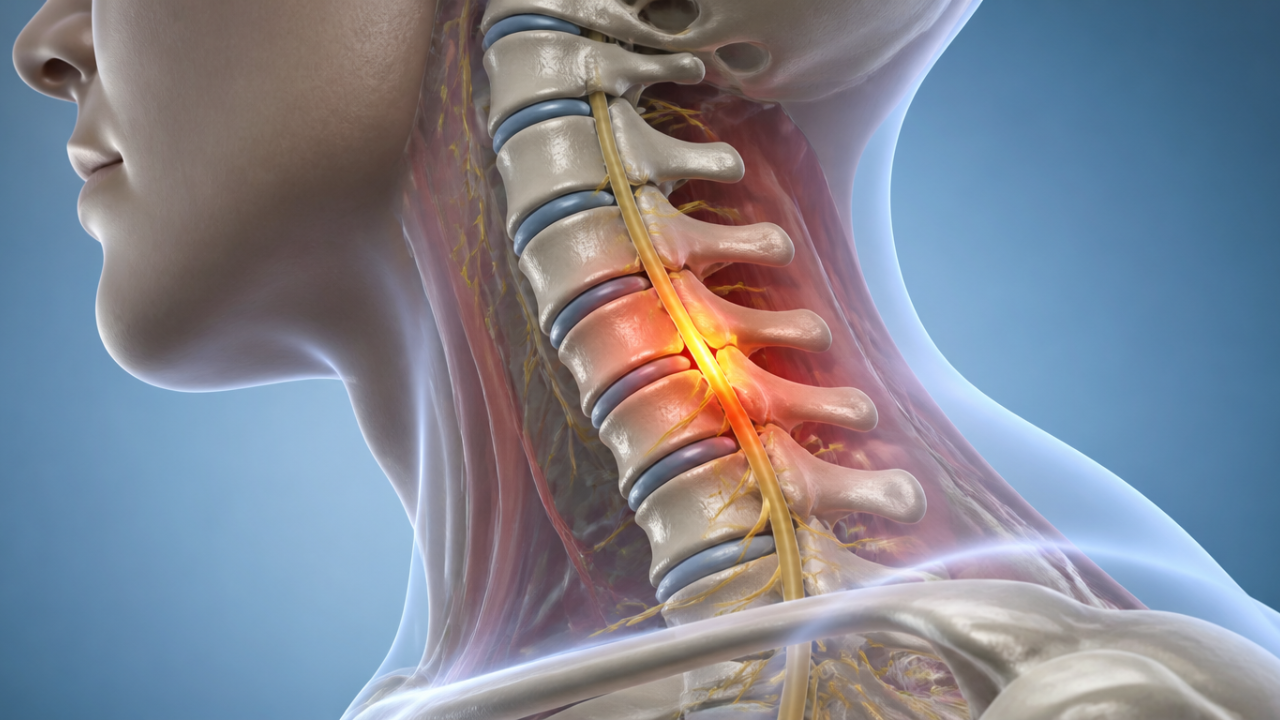
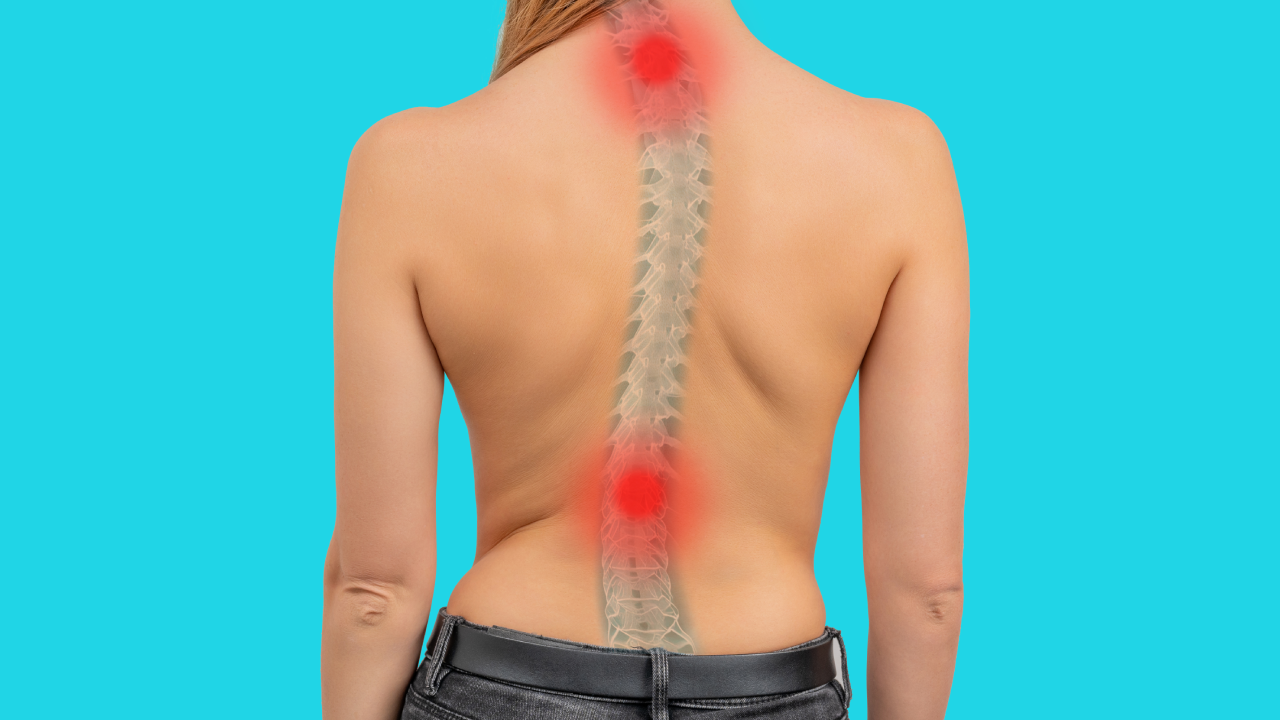
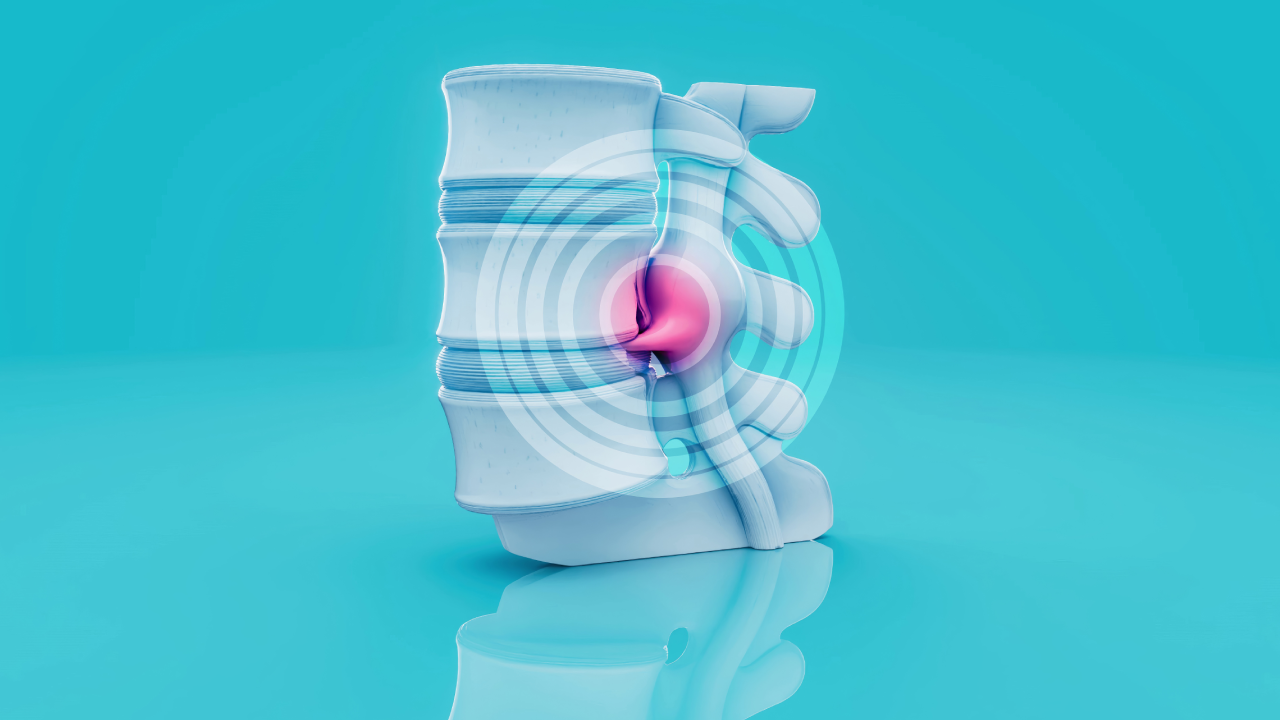
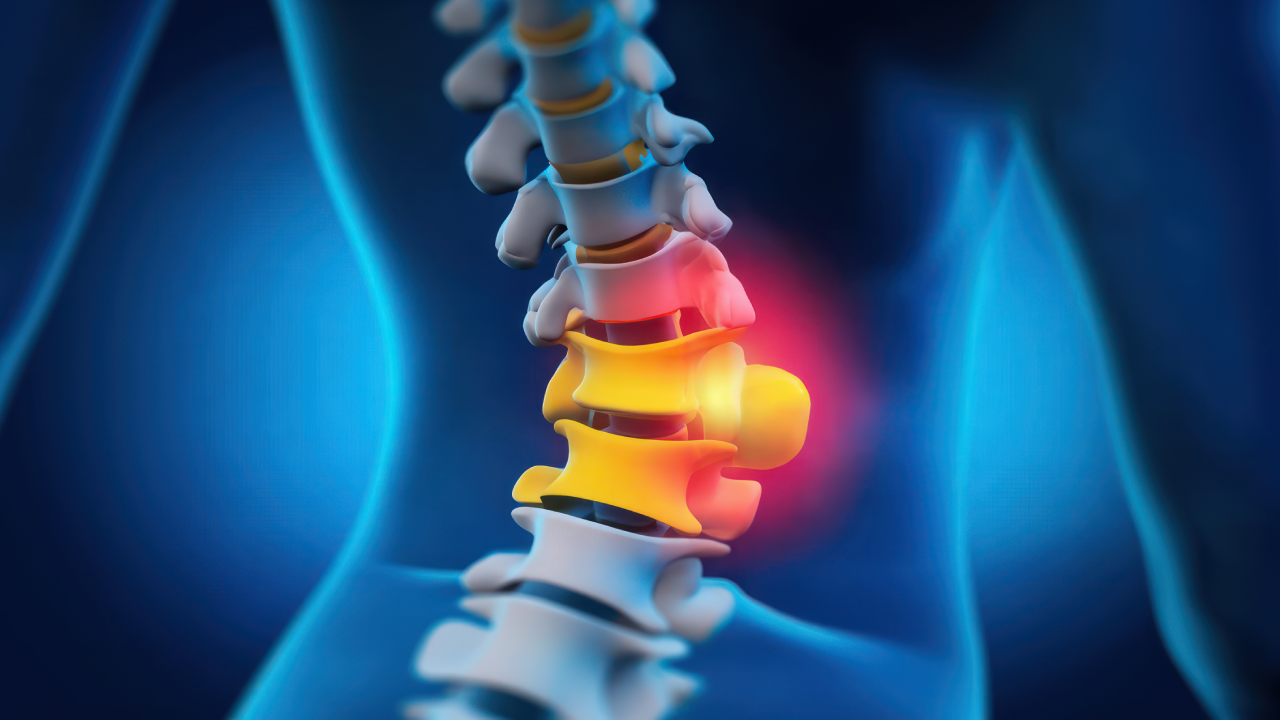
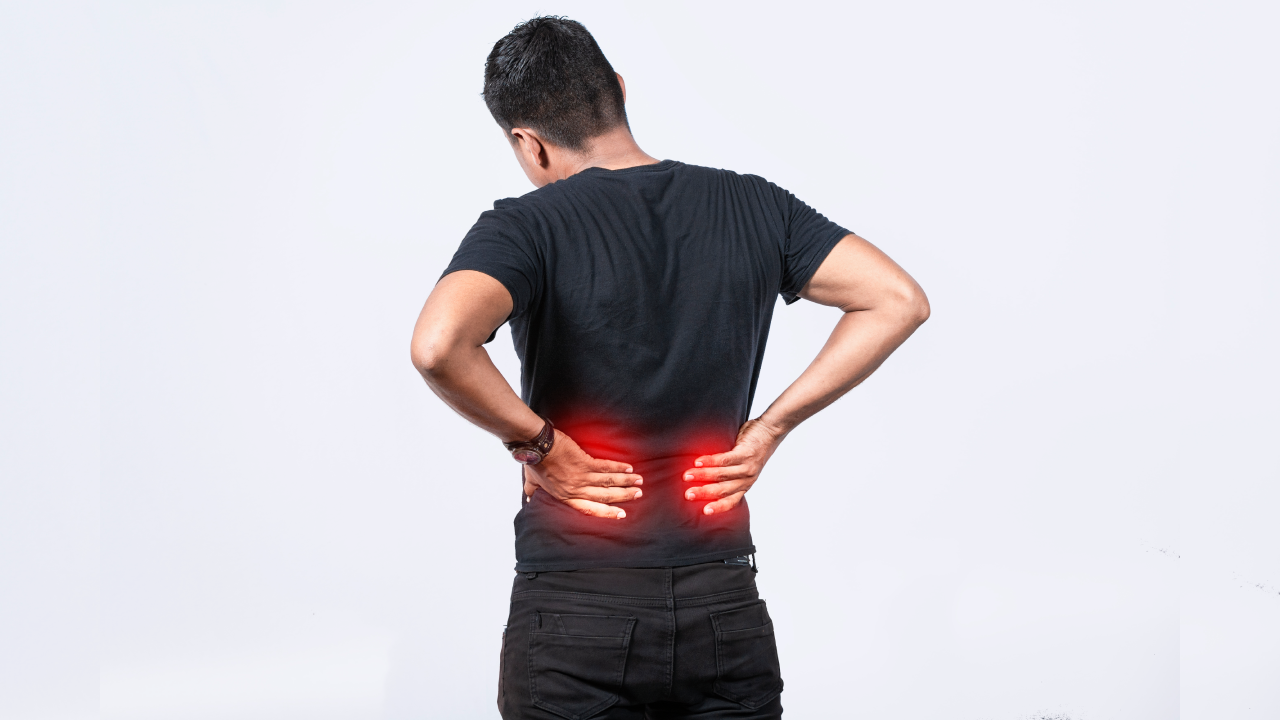
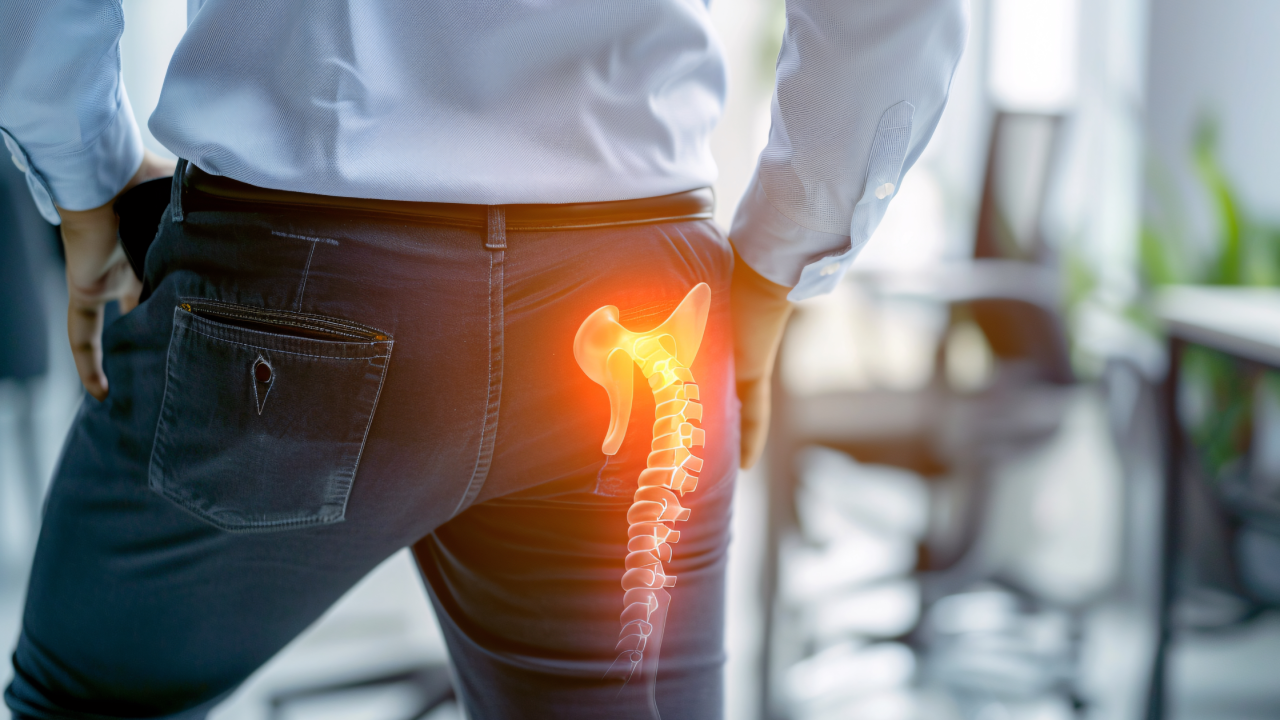
Spinal stiffness can make bending, rotating, sitting, standing, or walking uncomfortable. Reduced spinal movement may also occur alongside muscle tightness, joint irritation, previous injuries, or prolonged inactivity.
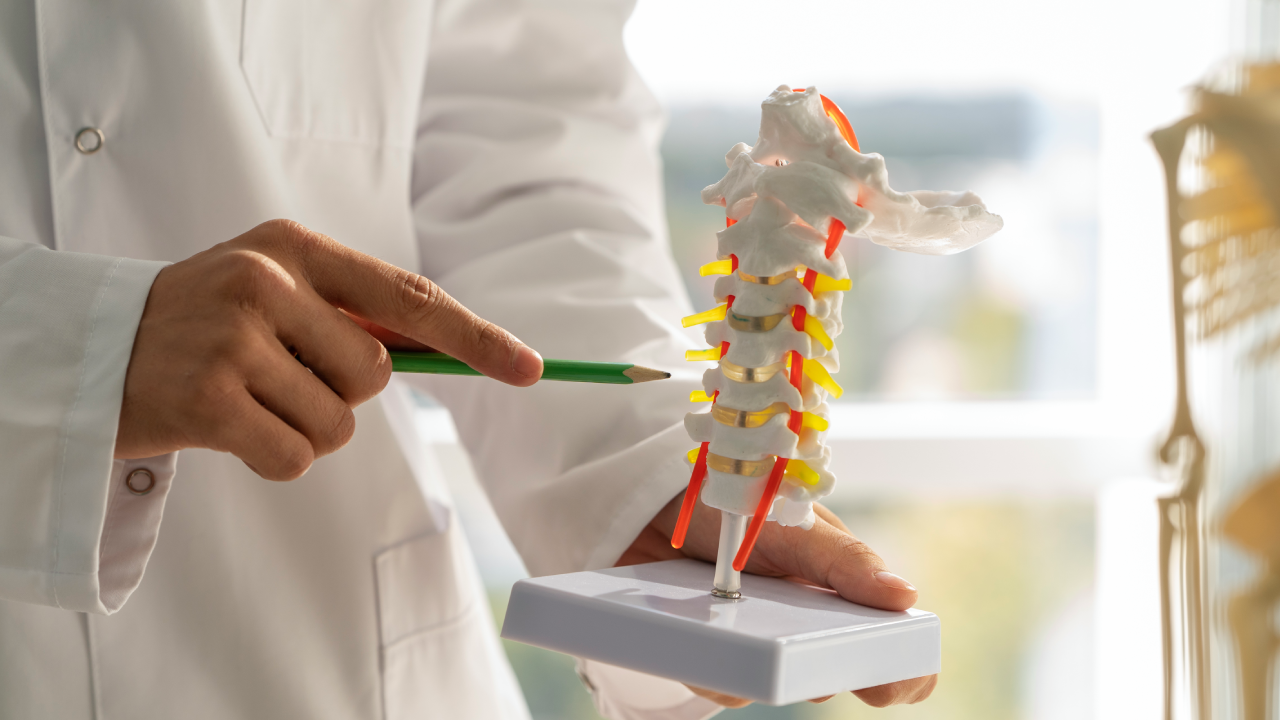
Mobility exercises can focus on the lumbar, thoracic, or cervical regions depending on the assessment.
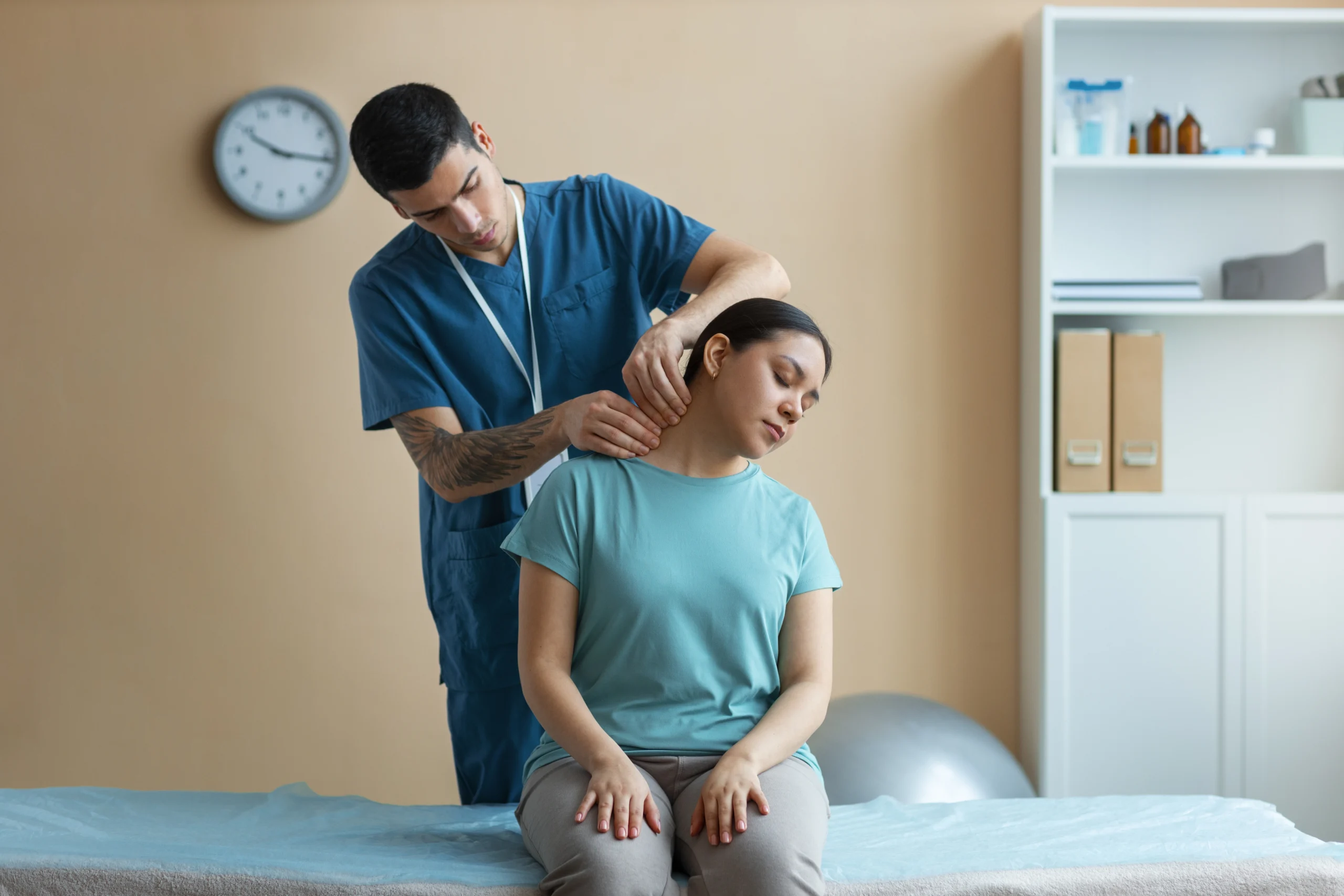
Neck Stiffness
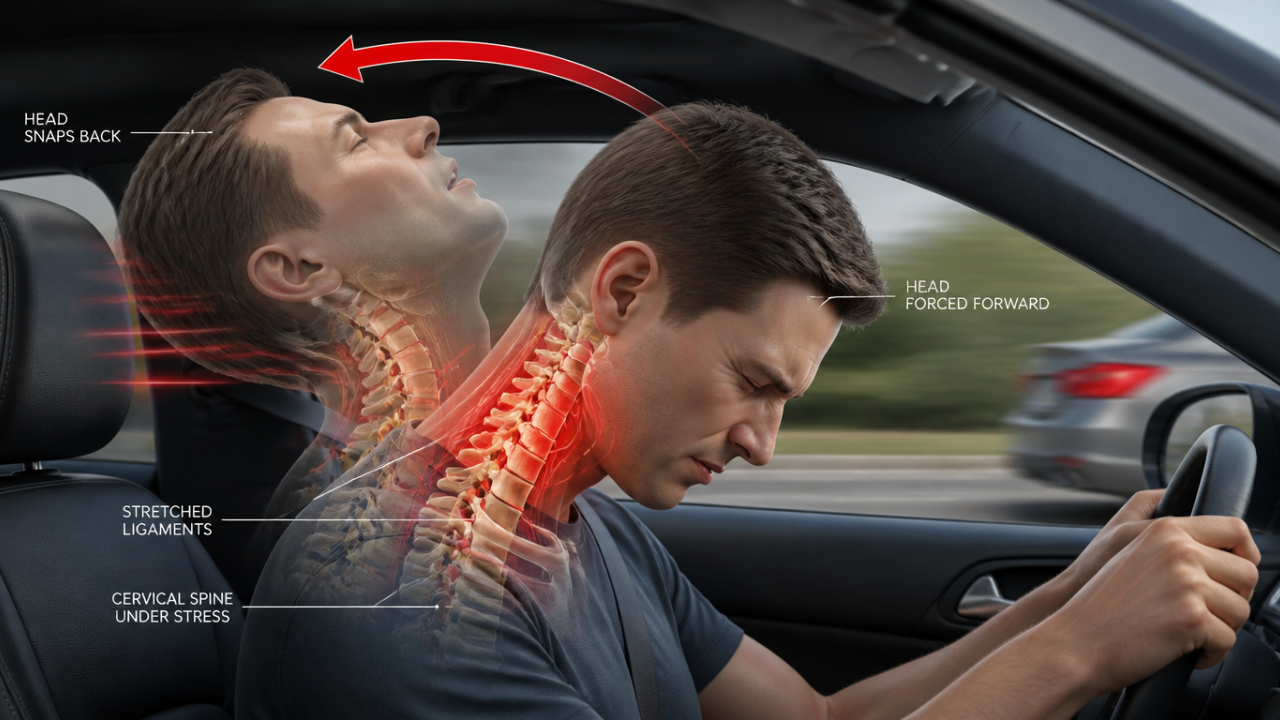
Neck movement can become restricted after prolonged computer use, awkward sleeping positions, whiplash, muscle strain, or other causes. Limited rotation may make checking blind spots while driving or turning your head during daily activities difficult.
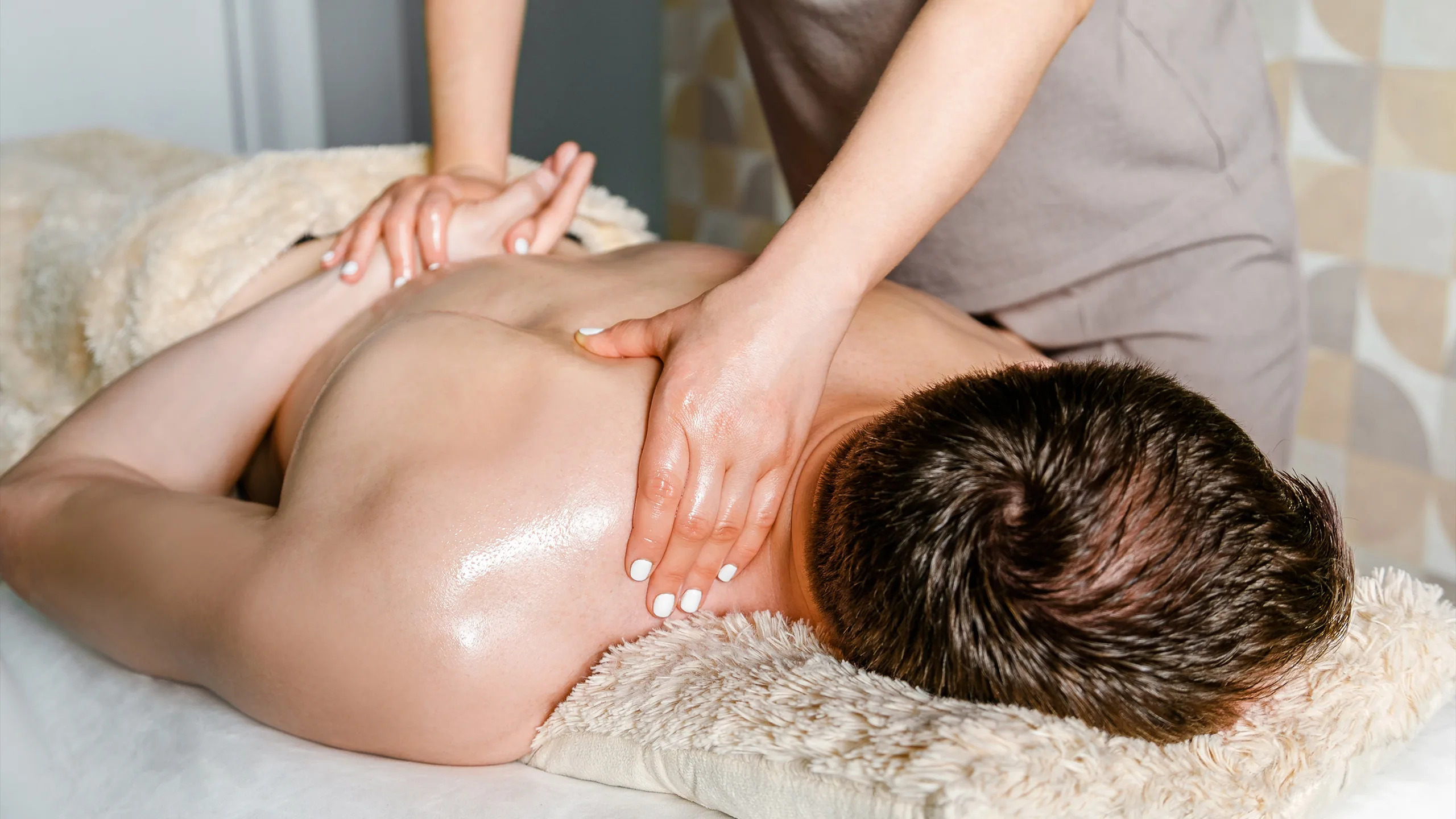
Treatment may include gentle mobility exercises, postural work, strengthening, and manual therapy when appropriate.
Shoulder Stiffness
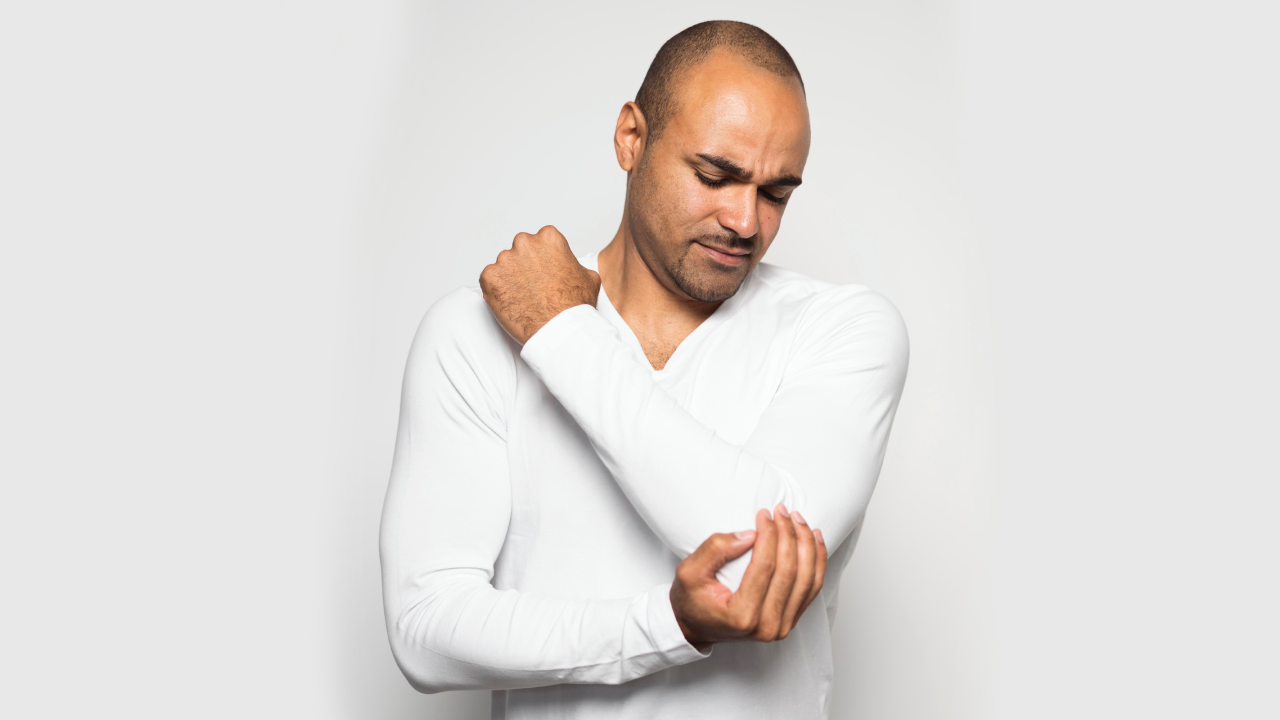
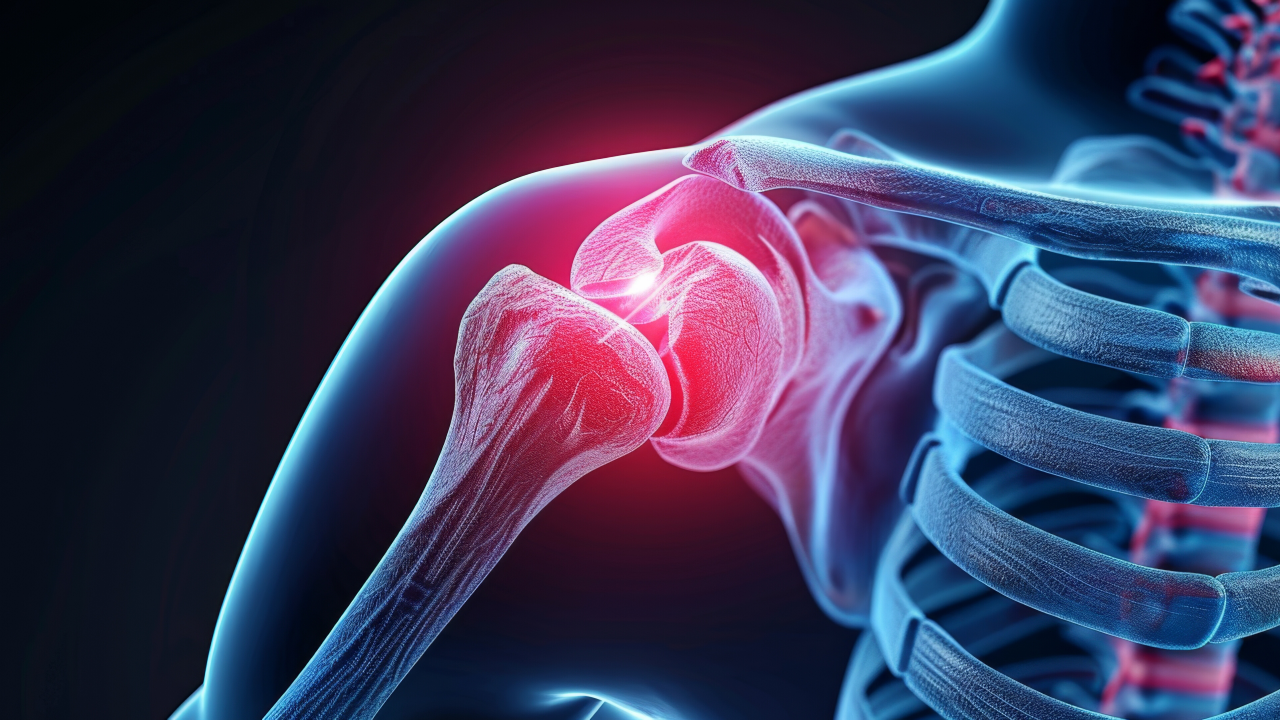
Shoulder movement can become restricted following injury, surgery, prolonged immobilization, repetitive work, or conditions such as a frozen shoulder.
Common difficulties include:
- Reaching overhead
- Putting on clothing
- Reaching behind the back
- Lifting objects
- Sleeping in certain positions
- Performing recreational activities
Mobility work can address available shoulder movement while also considering strength and shoulder-blade mechanics.
Frozen Shoulder
Frozen shoulder can cause significant restrictions in shoulder movement. Reaching overhead or behind the back may become difficult, and daily tasks can take more effort.
Physiotherapy may involve gradual mobility exercises, stretching, functional movements, and strengthening as appropriate for the stage of the condition.
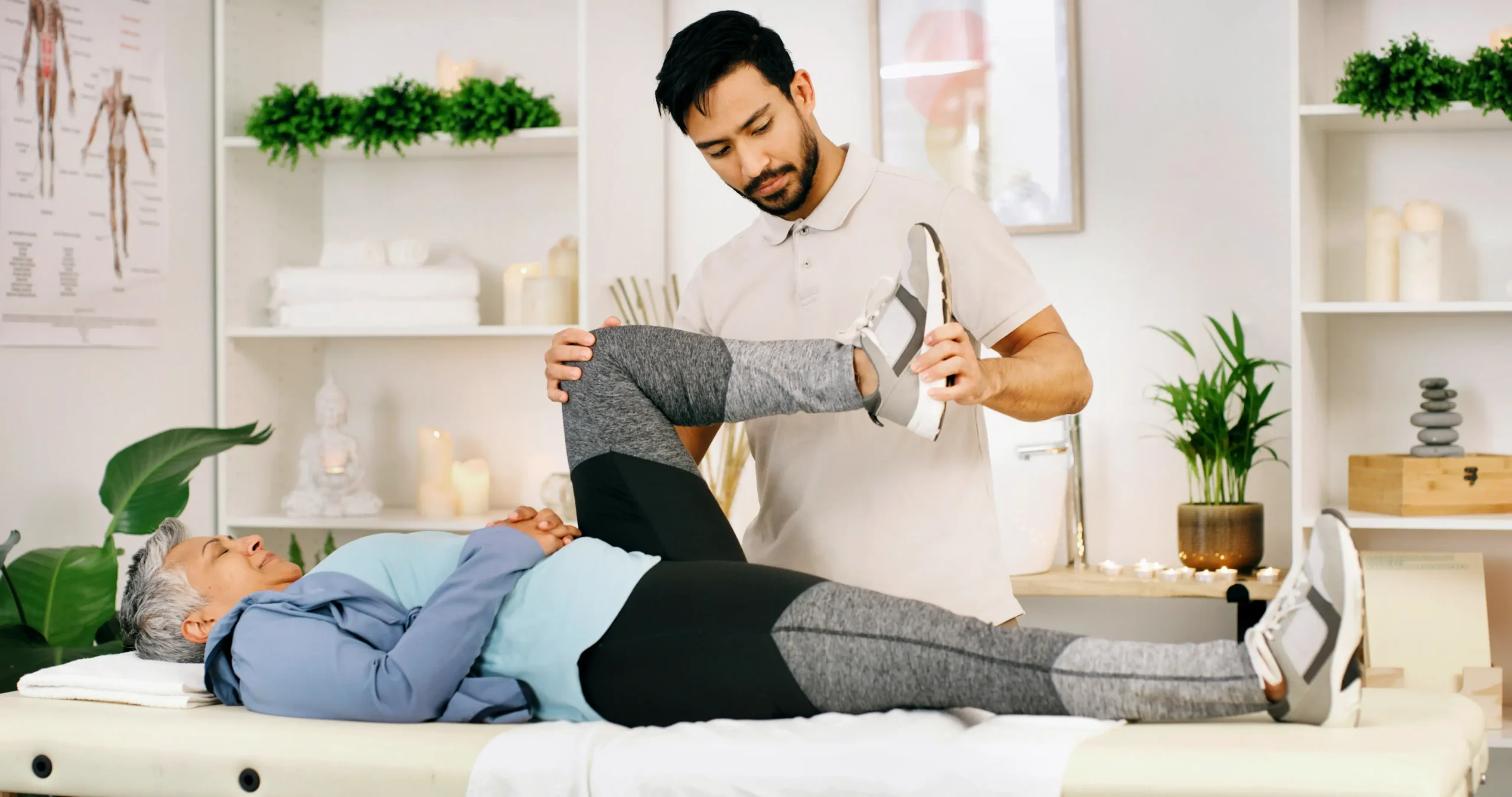
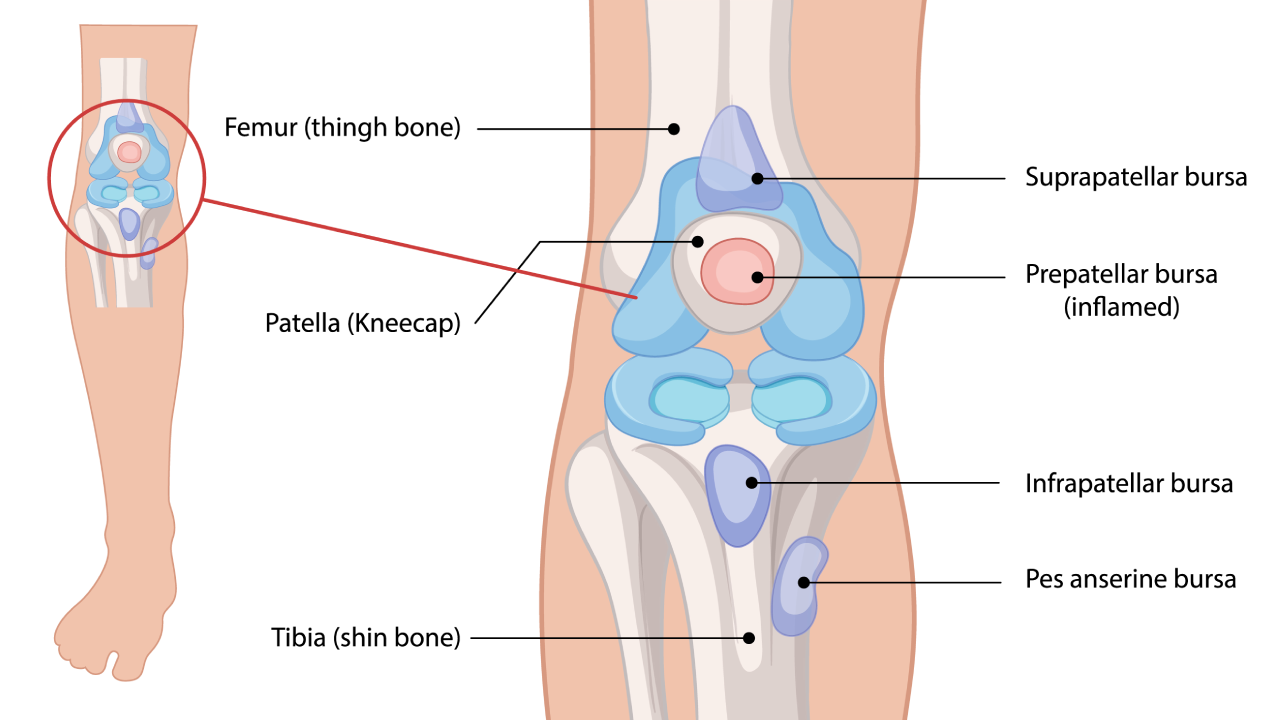
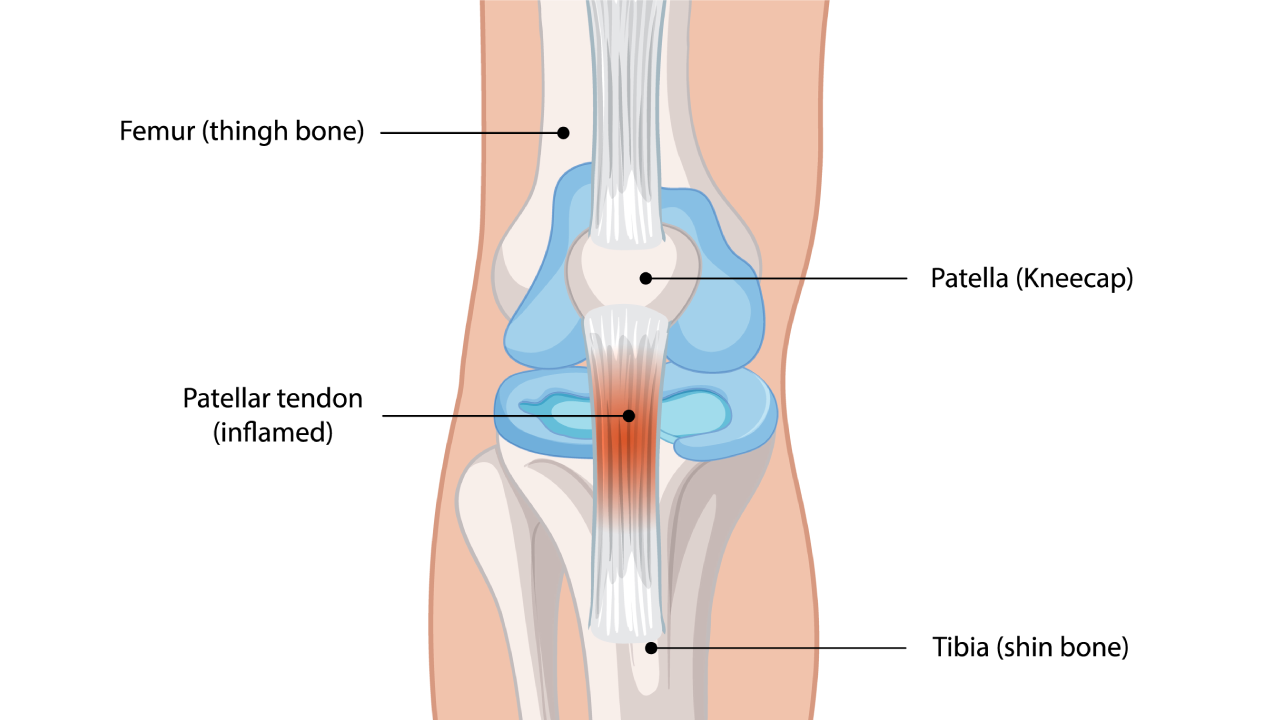
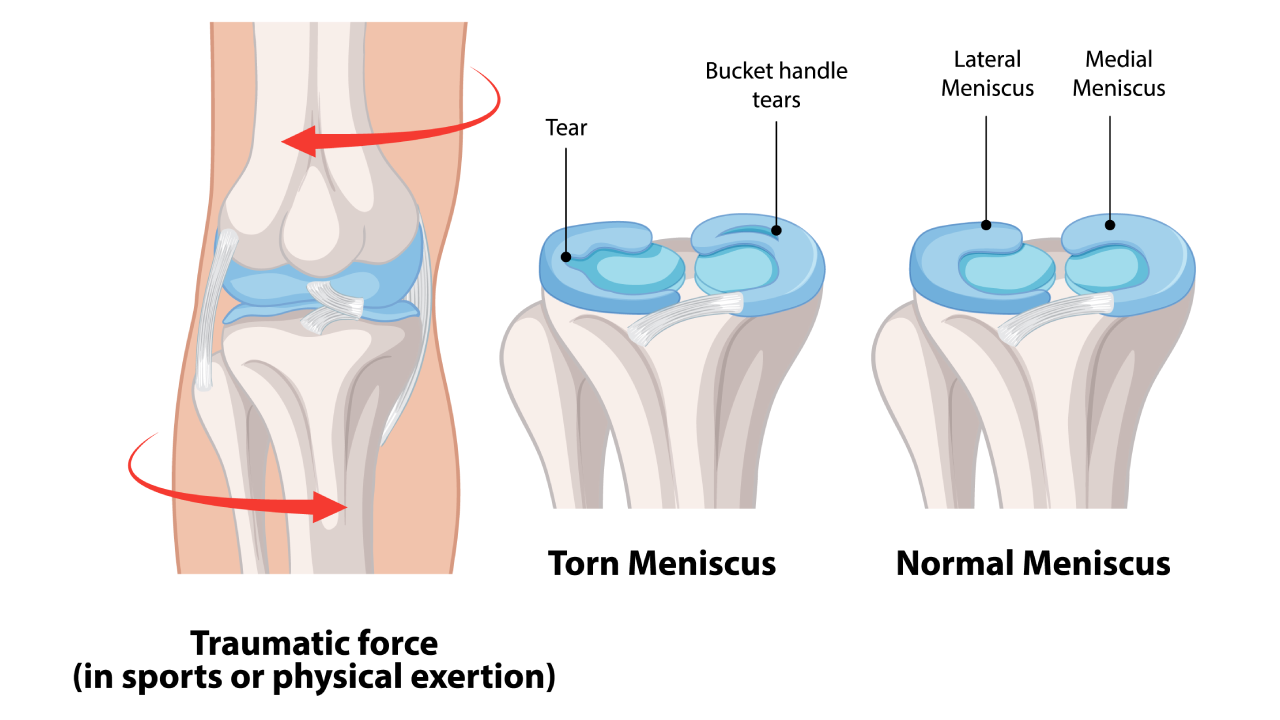
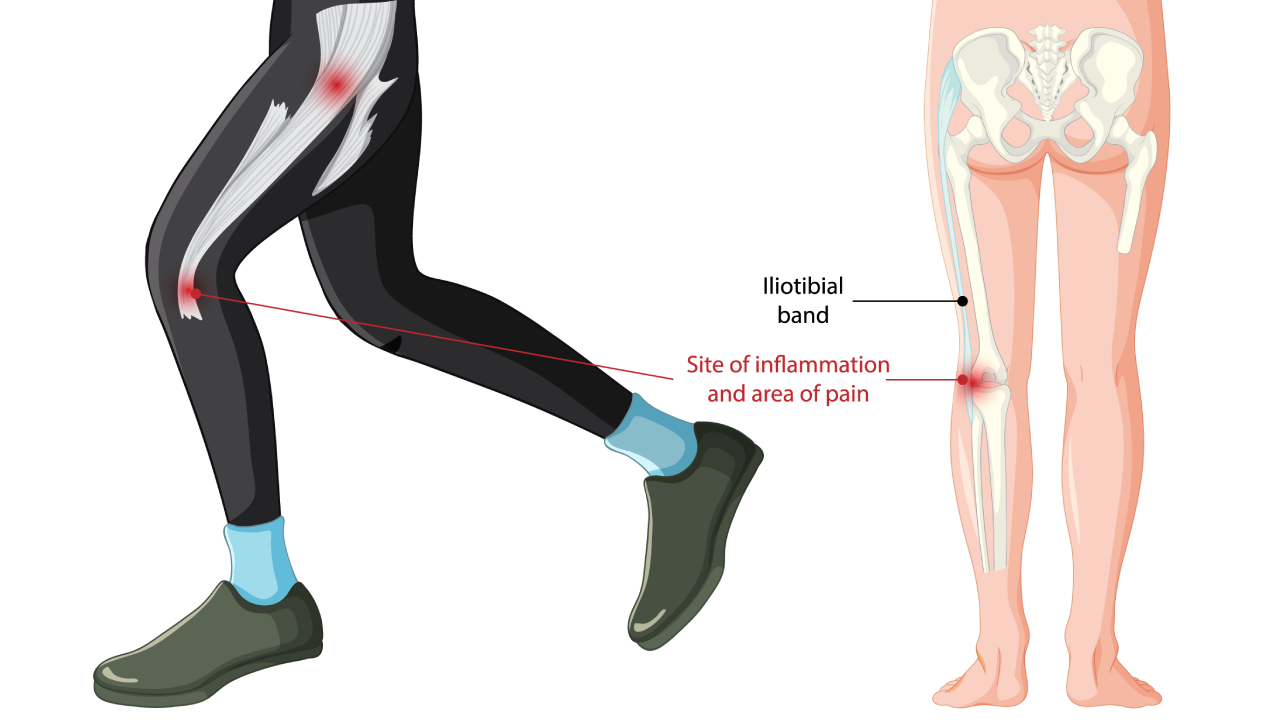
Knee Stiffness
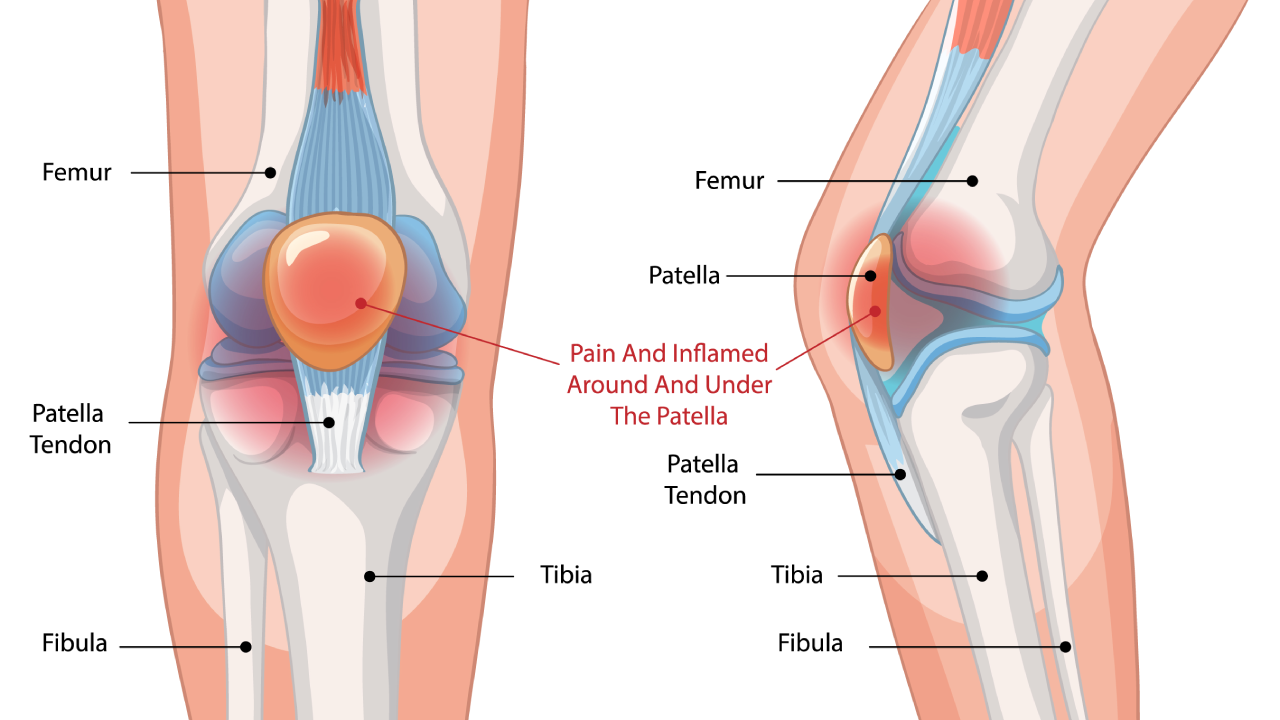
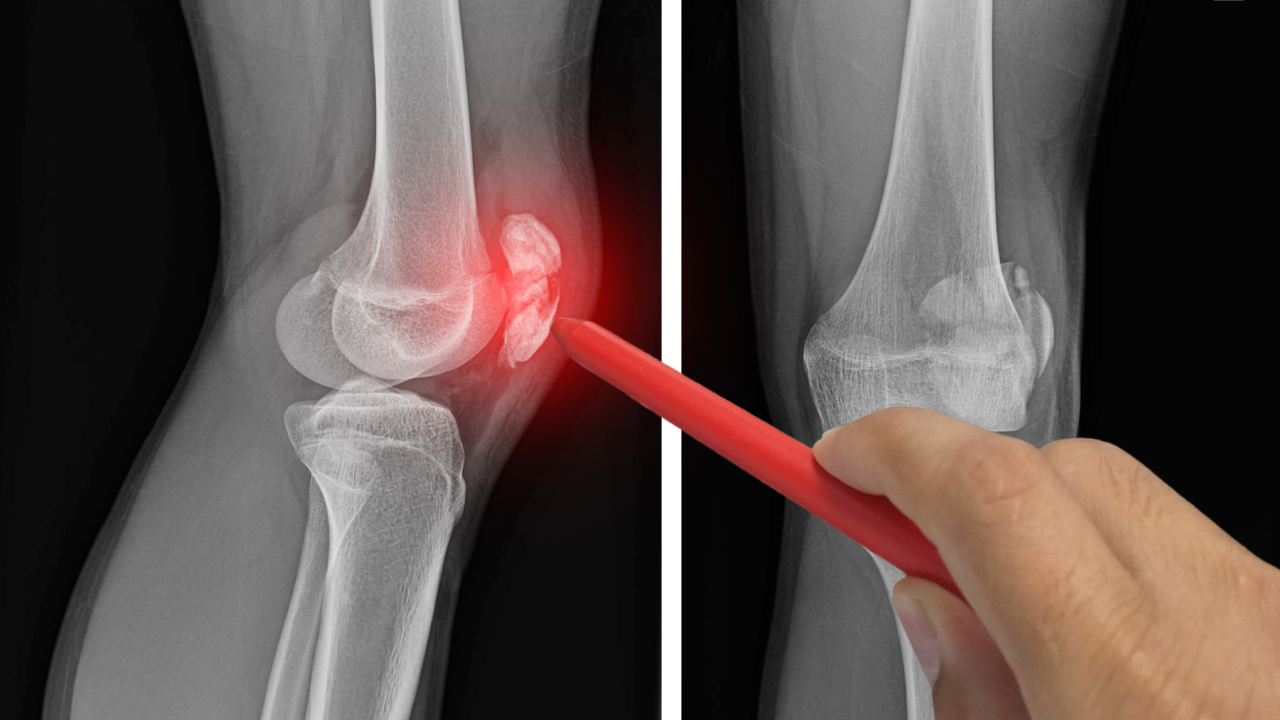
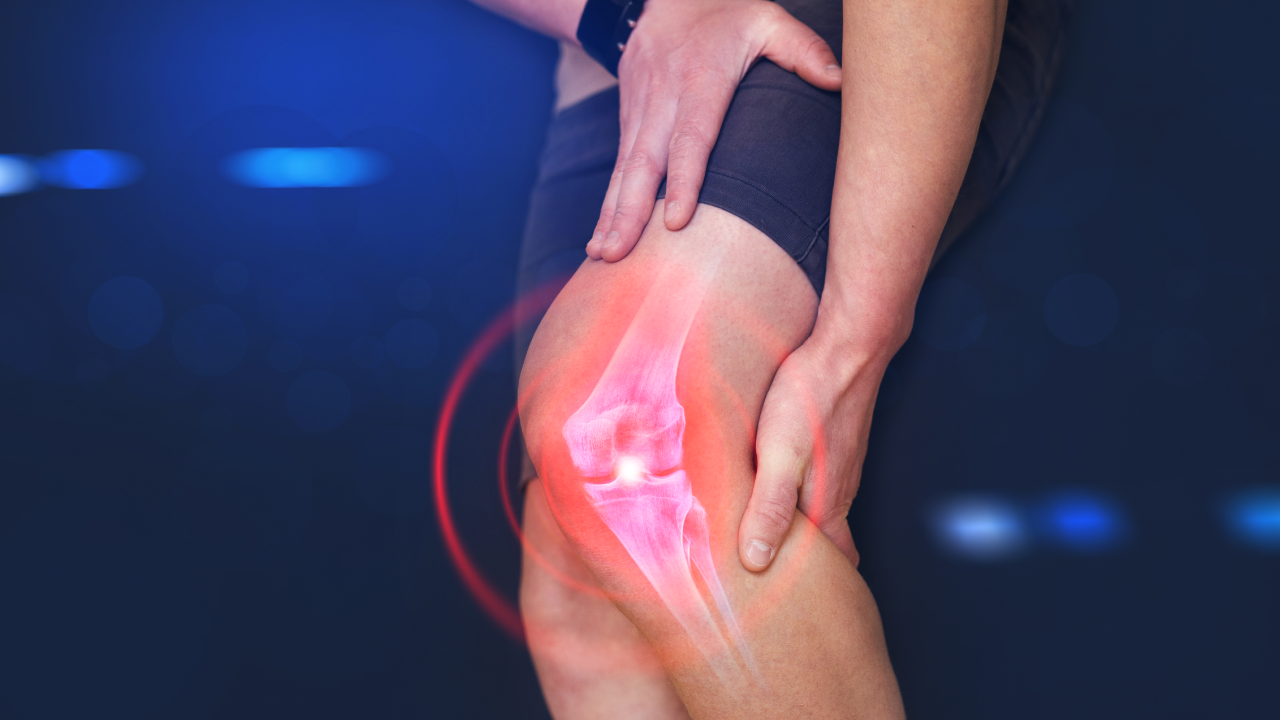
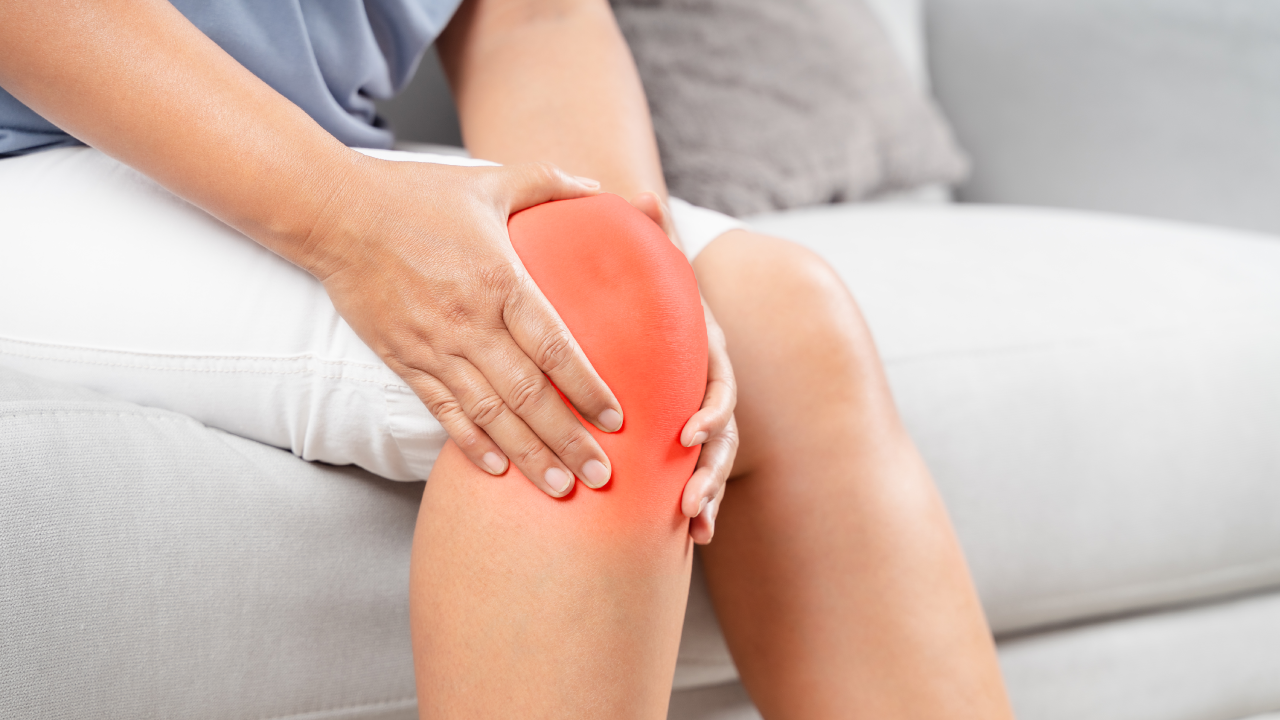
Knee movement can become restricted following sports injuries, surgery, prolonged rest, arthritis, or other musculoskeletal problems.
Limited knee motion may affect walking, stairs, squatting, getting into a chair, or returning to physical activity. A physiotherapy assessment can examine knee movement alongside strength, balance, and lower-limb mechanics.
Hip Mobility Restrictions
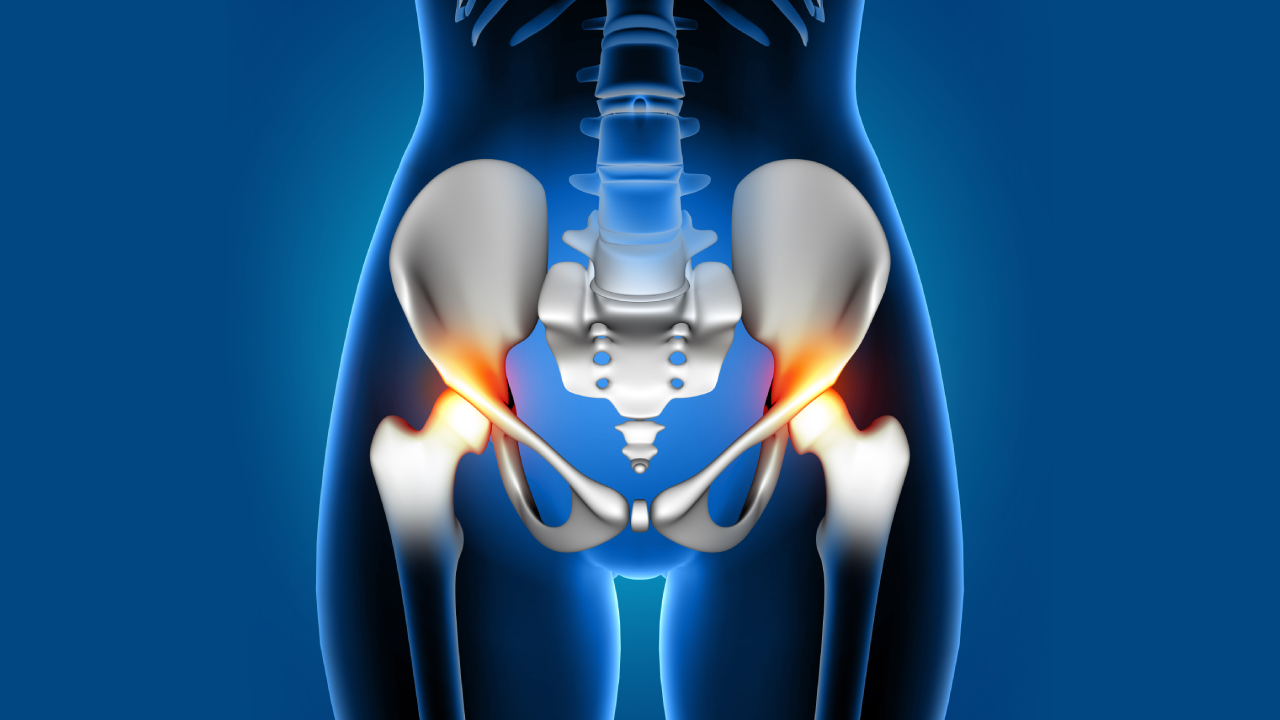
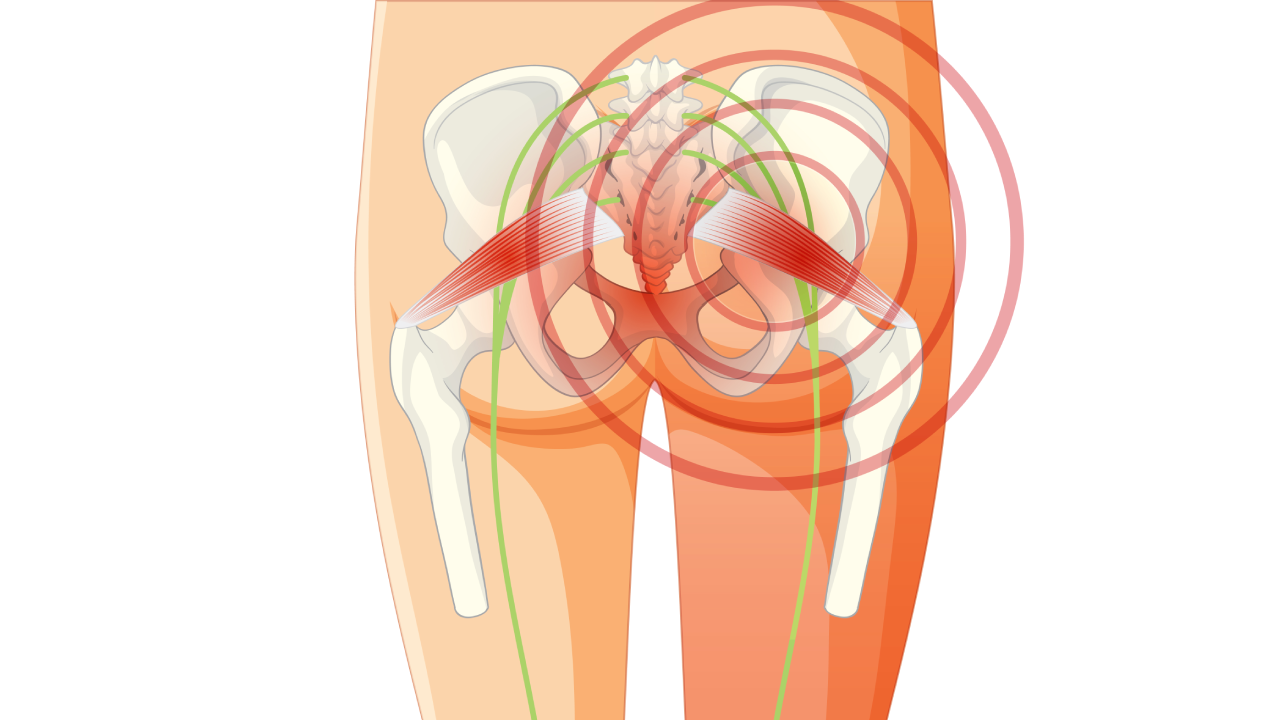
Hip stiffness can affect walking, sitting, squatting, stairs, and getting in and out of a vehicle.
Mobility work may address hip movement while also examining the pelvis, lower back, surrounding muscles, and functional movement patterns.
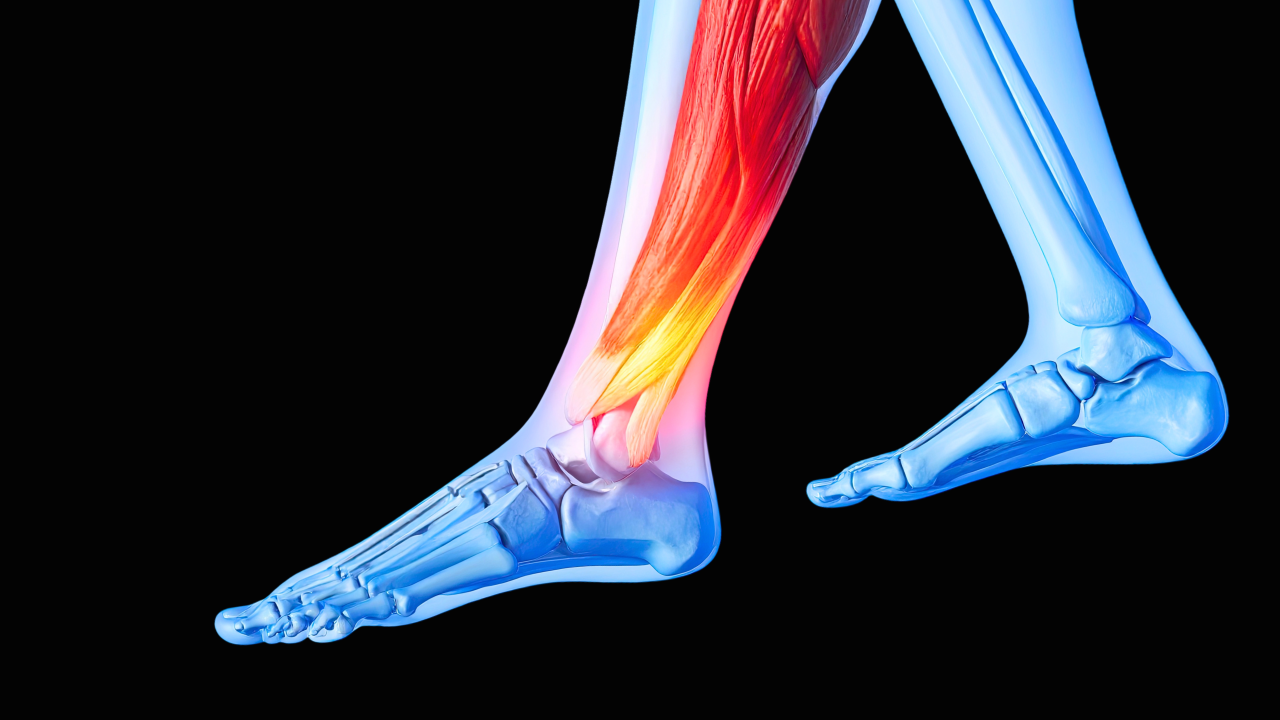
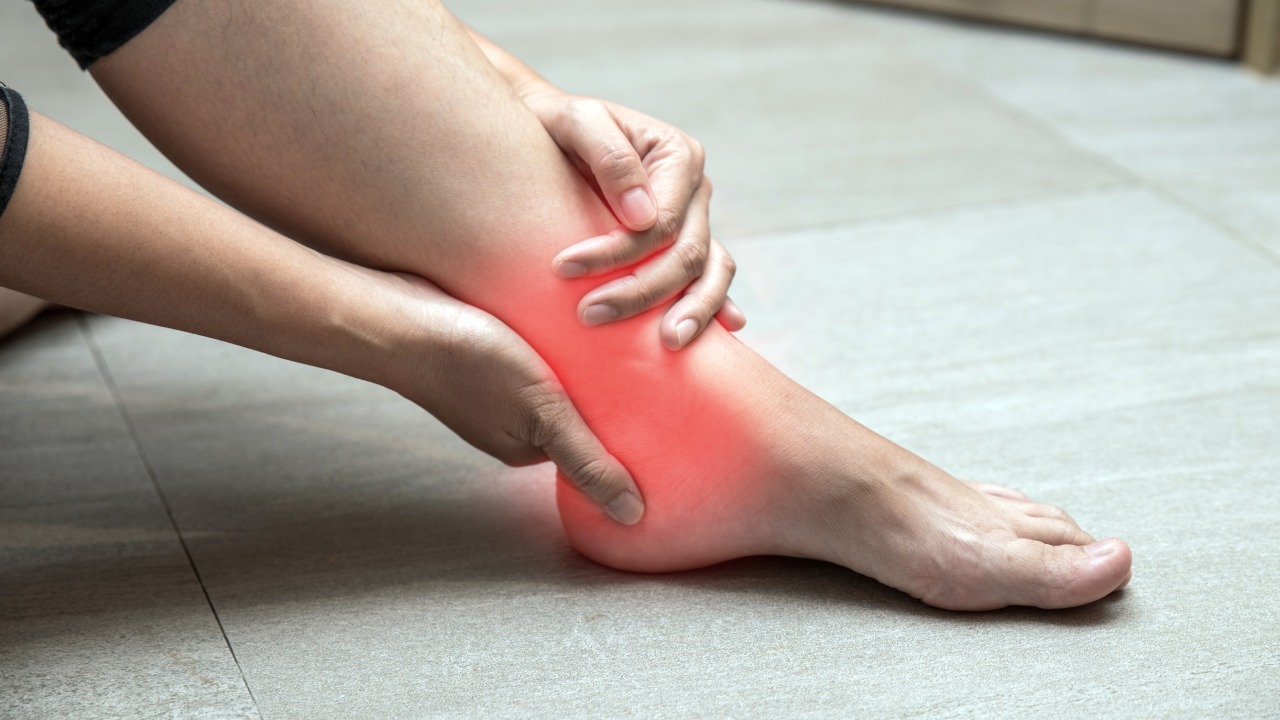
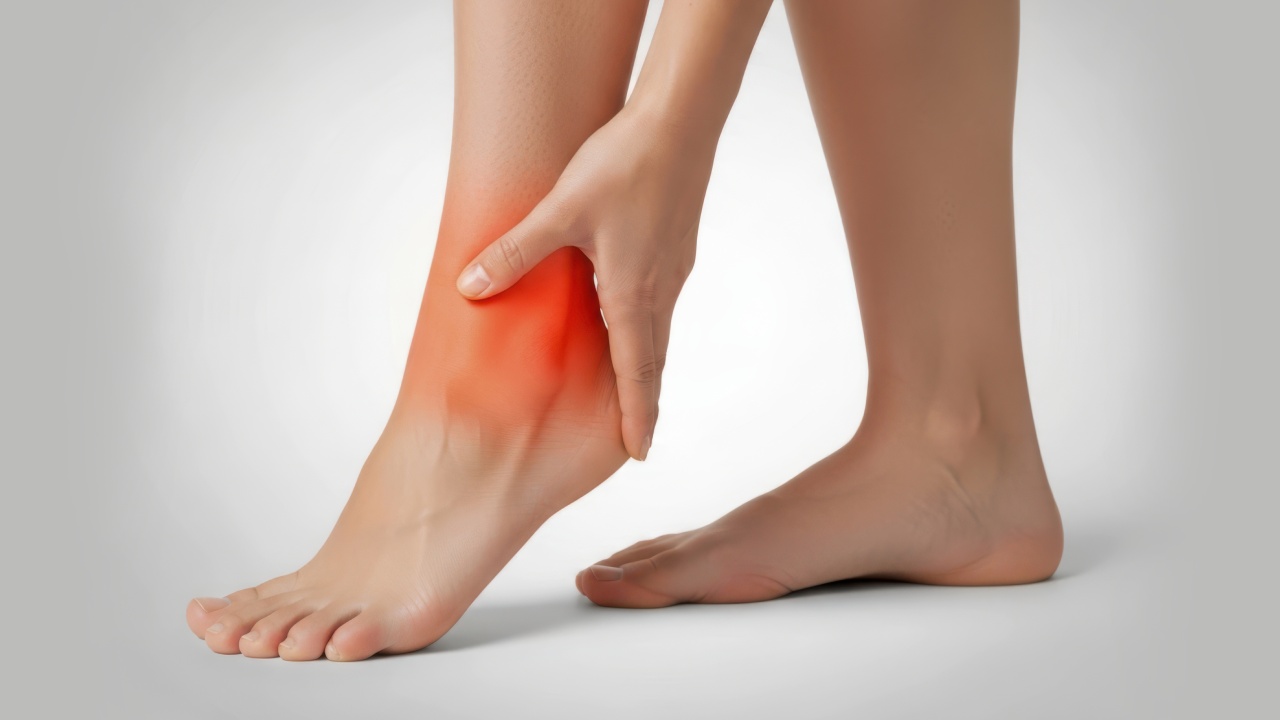
Ankle Stiffness
Ankle mobility has an important role in walking, running, jumping, and squatting. Reduced ankle movement may occur after an ankle sprain, fracture, surgery, prolonged immobilization, or periods of reduced activity.
Physiotherapy may include ankle mobility drills, calf stretching, strengthening, balance exercises, and movement retraining.
Arthritis-Related Stiffness
Osteoarthritis and other forms of arthritis can affect joint movement and daily function. Symptoms may vary from day to day.
A movement program may focus on maintaining available joint motion, building strength, improving functional capacity, and supporting regular physical activity.
Post-Injury Movement Restrictions
After an injury, people may unconsciously change how they move. This can create stiffness or weakness around the affected area.
Mobility care can examine the injured region and surrounding joints to identify movement limitations that may affect daily activities or a return to work and sport.
Post-Surgical Mobility Limitations
Surgery can temporarily affect joint movement, strength, coordination, and confidence in movement.
Physiotherapy can provide staged exercises based on the procedure, healing stage, clinical instructions, and current movement ability.
Muscle Tightness and Reduced Flexibility
Tight muscles can restrict movement around the hips, shoulders, legs, back, or neck. Mobility programs may combine stretching with active movement and strengthening.
Problems Mobility Care Can Address
Restricted movement can affect more than one joint. Common concerns include:
- Difficulty bending or reaching
- Trouble climbing stairs
- Stiffness after sitting
- Reduced walking tolerance
- Difficulty getting up from a chair
- Limited shoulder movement
- Reduced hip or ankle mobility
- Difficulty turning the neck
- Problems with squatting
- Reduced movement after surgery
- Challenges returning to exercise
- Changes in movement following an injury
- Reduced balance and coordination
The source of a movement restriction can differ from person to person. That is why an assessment is an important part of the process.
Key Components of Mobility & Range-of-Motion Care
Movement Assessment
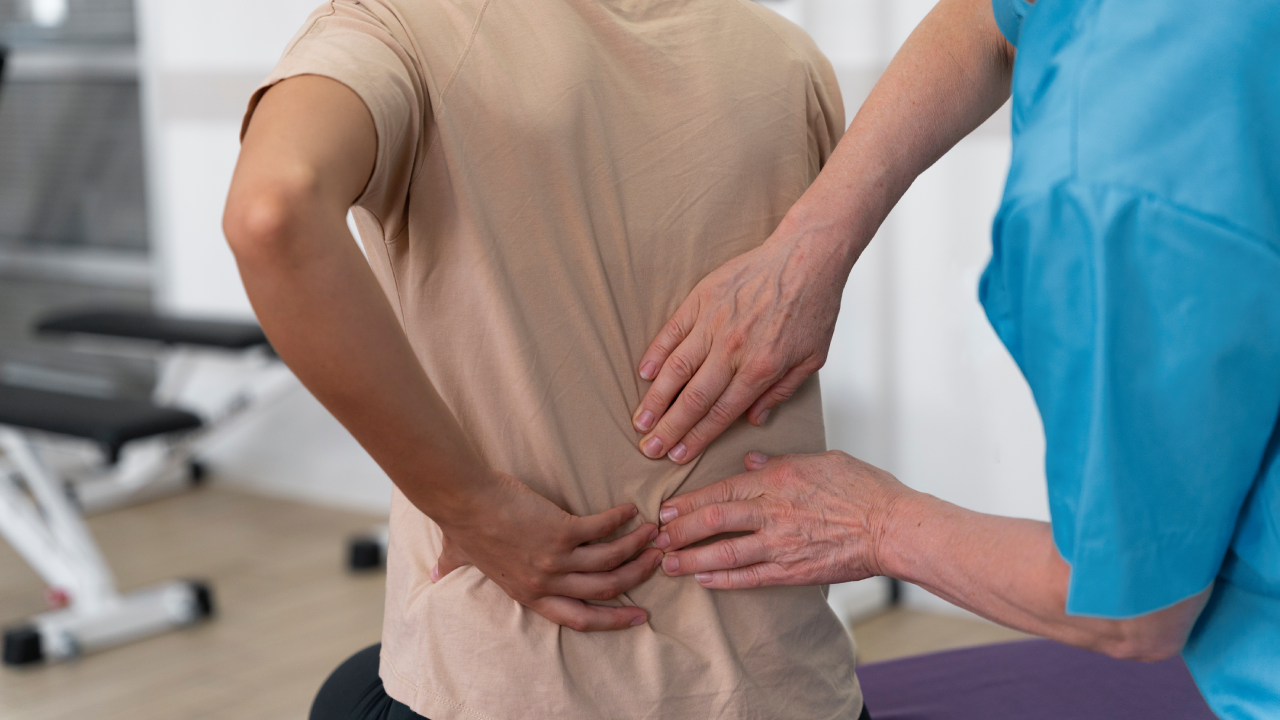
We assess joint movement, muscle flexibility, strength, posture, balance, coordination, and functional activities. The assessment helps identify which movements are limited and how those restrictions affect daily activities.
Joint Mobility Exercises
Specific movements may be used to encourage available joint motion. Exercises vary according to the body region and the reason for the restriction.
Stretching
Stretching may be included when muscle or soft-tissue tightness contributes to restricted movement. The type, duration, and intensity depend on the individual’s condition.
Strength Training
Strength and mobility work often go together. Stronger muscles can support controlled movement and help people perform functional activities.
Functional Movement Training
Exercises can mirror real activities such as walking, stairs, reaching, lifting, squatting, or getting up from a chair.
Balance and Coordination Work
For people with movement limitations affecting stability, balance and coordination exercises may form part of physiotherapy care.
How the Process Works
1. Consultation
We begin by discussing your main concerns, symptoms, injury history, activity levels, work requirements, and daily challenges.
2. Assessment
Our physiotherapy team examines movement, joint range, strength, flexibility, balance, posture, and functional ability.
3. Planning
Based on the findings, we establish a physiotherapy plan focused on the movement restrictions that matter most to your daily activities.
4. Treatment
Sessions may include mobility exercises, stretching, strengthening, manual therapy, balance exercises, and functional movement training.
5. Progress Review
Movement and functional ability are reviewed as care continues. Exercises can be adjusted according to changes in mobility, strength, symptoms, and activity demands.
6. Ongoing Support
You may receive exercises to complete between appointments. These activities can help maintain the movement work performed during physiotherapy sessions.
Practical Benefits of Mobility & Range-of-Motion Care
Mobility-focused physiotherapy may help with:
- Easier movement during daily activities
- Improved joint motion
- Greater flexibility
- Improved strength and control
- More efficient movement patterns
- Increased confidence with physical activity
- Improved walking and stair performance
- Support during post-surgical rehabilitation
- Preparation for returning to sport or exercise
- Greater ability to perform work-related movements
Results vary according to the condition, severity, health status, consistency with exercises, and other factors.
Who We Serve in Woodbridge
Spinal Solution and Rehab provides mobility-focused physiotherapy for people with different activity levels and movement needs.
Our clients may include:
- Office workers
- Tradespeople
- Drivers
- Athletes
- Recreationally active adults
- Older adults
- Post-surgical patients
- People recovering from workplace injuries
- People recovering from motor vehicle accidents
- Individuals dealing with joint stiffness
- People returning to exercise
Whether movement is limited in your neck, back, shoulder, hip, knee, or ankle, an assessment can help identify what may be contributing to the restriction.
Frequently Asked Questions
What does Mobility & Range-of-Motion care include?
Care may include movement assessment, joint mobility exercises, stretching, strengthening, balance work, manual therapy, posture exercises, and functional movement training.
How long does a mobility program take?
The timeframe varies. It depends on the cause of the restriction, how long it has been present, the affected body area, your current mobility, and your response to physiotherapy.
Can mobility physiotherapy help after surgery?
It may be used during post-surgical rehabilitation when permitted by the surgeon or treating healthcare provider. Exercises are selected according to the procedure and stage of recovery.
Can I receive mobility care after an injury?
Yes. Mobility work is commonly included in rehabilitation following many injuries. The exercises should match the injury and current stage of recovery.
Will I receive exercises to do at home?
Home exercises may be included. These can help maintain movement between appointments and support progress made during sessions.
Do I need a referral?
Referral requirements can vary depending on the situation and insurance plan. Contact Spinal Solution and Rehab to discuss your circumstances.
Is Mobility & Range-of-Motion in Woodbridge, ON, suitable for athletes?
It can be useful for athletes who have restricted movement affecting running, lifting, throwing, jumping, or other activities. Mobility work can be combined with strength and functional training.
Can mobility treatment help with stiffness from sitting?
Prolonged sitting can contribute to stiffness, particularly around the hips, spine, and shoulders. A physiotherapy assessment can identify movement restrictions and exercises that may be appropriate.
Service Areas
Spinal Solution and Rehab provides Mobility & Range-of-Motion in Woodbridge, ON, for people throughout Woodbridge and nearby communities.
Our local service area may include:
- Woodbridge
- Vaughan
- Kleinburg
- Maple
- Vellore Village
- Concord
- Nearby Vaughan communities
Contact our clinic to confirm availability for your location.
Why Choose Spinal Solution and Rehab?
Spinal Solution and Rehab focuses on physiotherapy and rehabilitation services for musculoskeletal and movement-related concerns.
Our approach includes:
- One-on-one assessment of movement
- Exercise-based rehabilitation
- Functional movement training
- Mobility and flexibility exercises
- Strength and conditioning work
- Balance and coordination exercises
- Progress reviews
- Home exercise recommendations
We focus on the movement problems that affect your daily activities, work, recreation, and physical goals.
Related Services
Mobility work may be combined with other rehabilitation services depending on your condition.
Related services at Spinal Solution and Rehab may include:
- Physiotherapy
- Injury Rehabilitation
- Sports Injury Rehabilitation
- Motor Vehicle Accident Rehabilitation
- Manual Therapy
- Therapeutic Exercise
- Strength and Conditioning
- Post-Surgical Rehabilitation
- Balance Training
- Chronic Pain Rehabilitation
A physiotherapist can help determine which services may fit your current needs.
Get Started
If stiffness, restricted joint movement, or reduced flexibility is affecting your daily activities, contact Spinal Solution and Rehab to arrange an assessment.
Our team can discuss your symptoms, review your movement concerns, and explain what the next steps may involve.
For people searching for Mobility & Range-of-Motion in Woodbridge, ON, Spinal Solution and Rehab provides physiotherapy-based care focused on movement, function, strength, and mobility.
Address: 8300 Hwy 27, Woodbridge, ON L4H 0R9
Phone: +1 905-739-3100
Contact Spinal Solution and Rehab today to schedule an appointment in Woodbridge, ON.