Workplace Injuries in Scarborough, ON
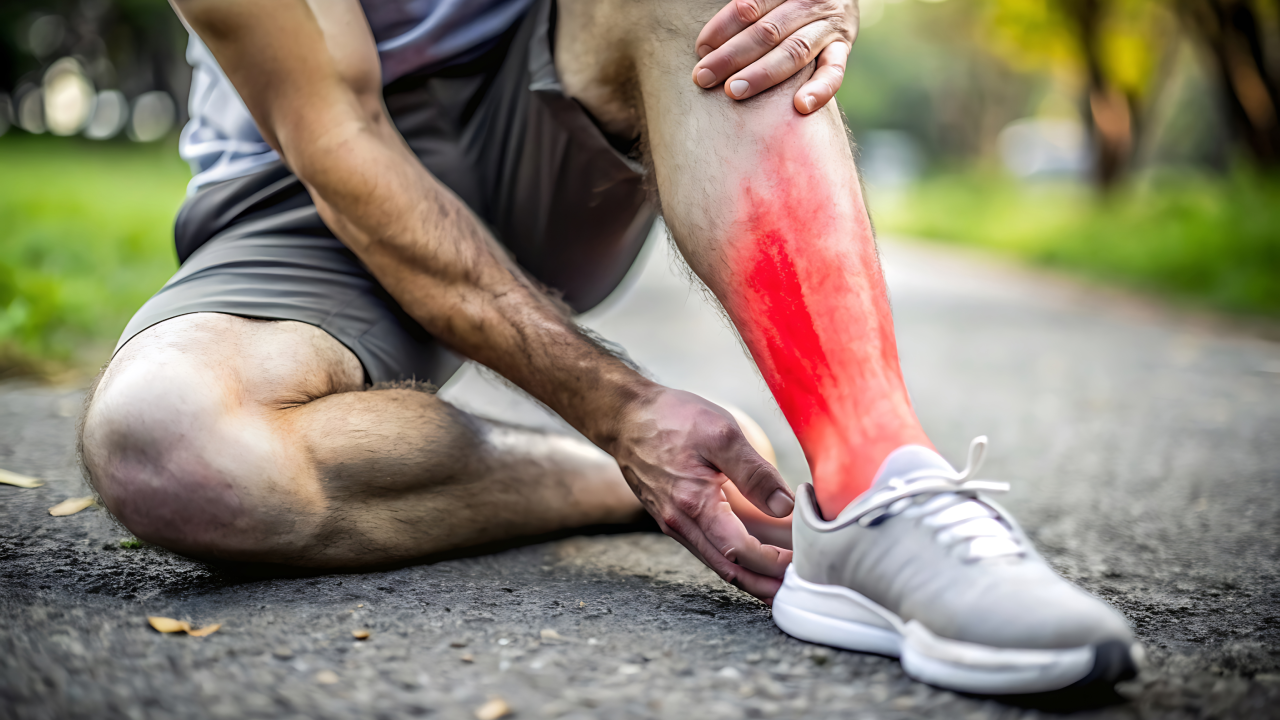
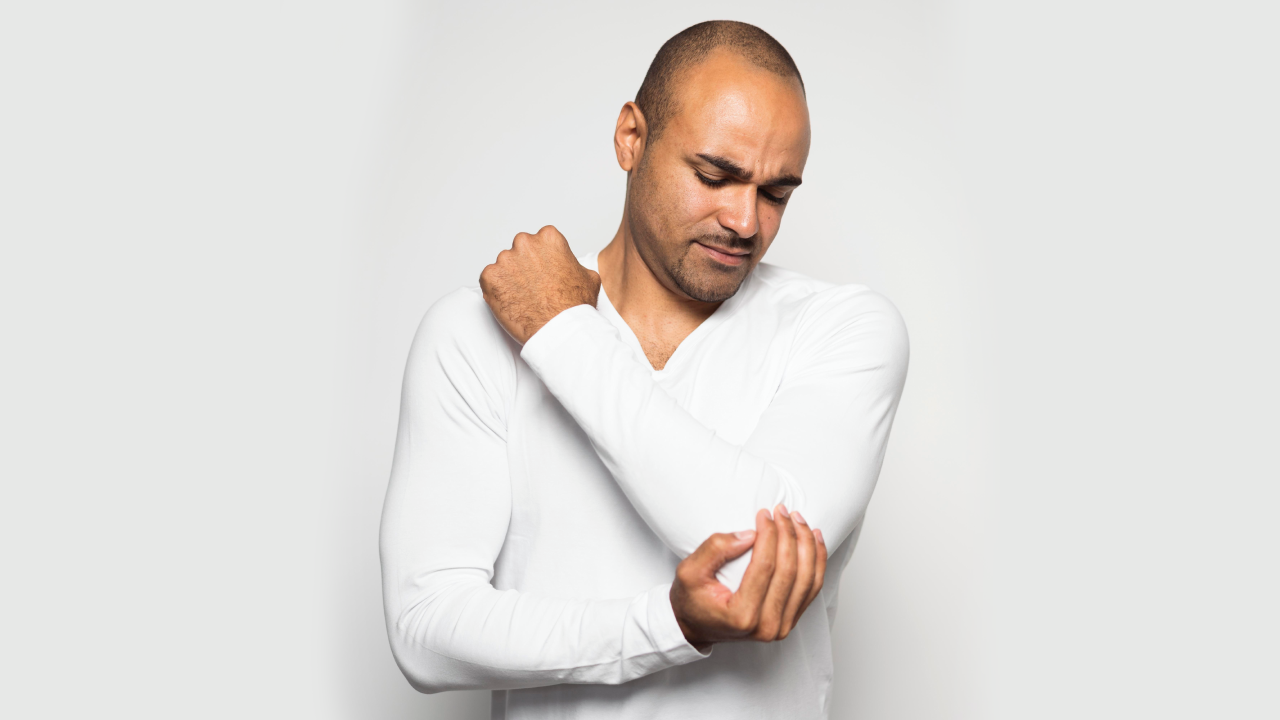
Work-related injuries can affect movement, strength, mobility, and the ability to manage regular job duties. They may happen after a sudden accident or develop gradually from repetitive tasks, lifting, awkward positions, prolonged standing, or physically demanding work.
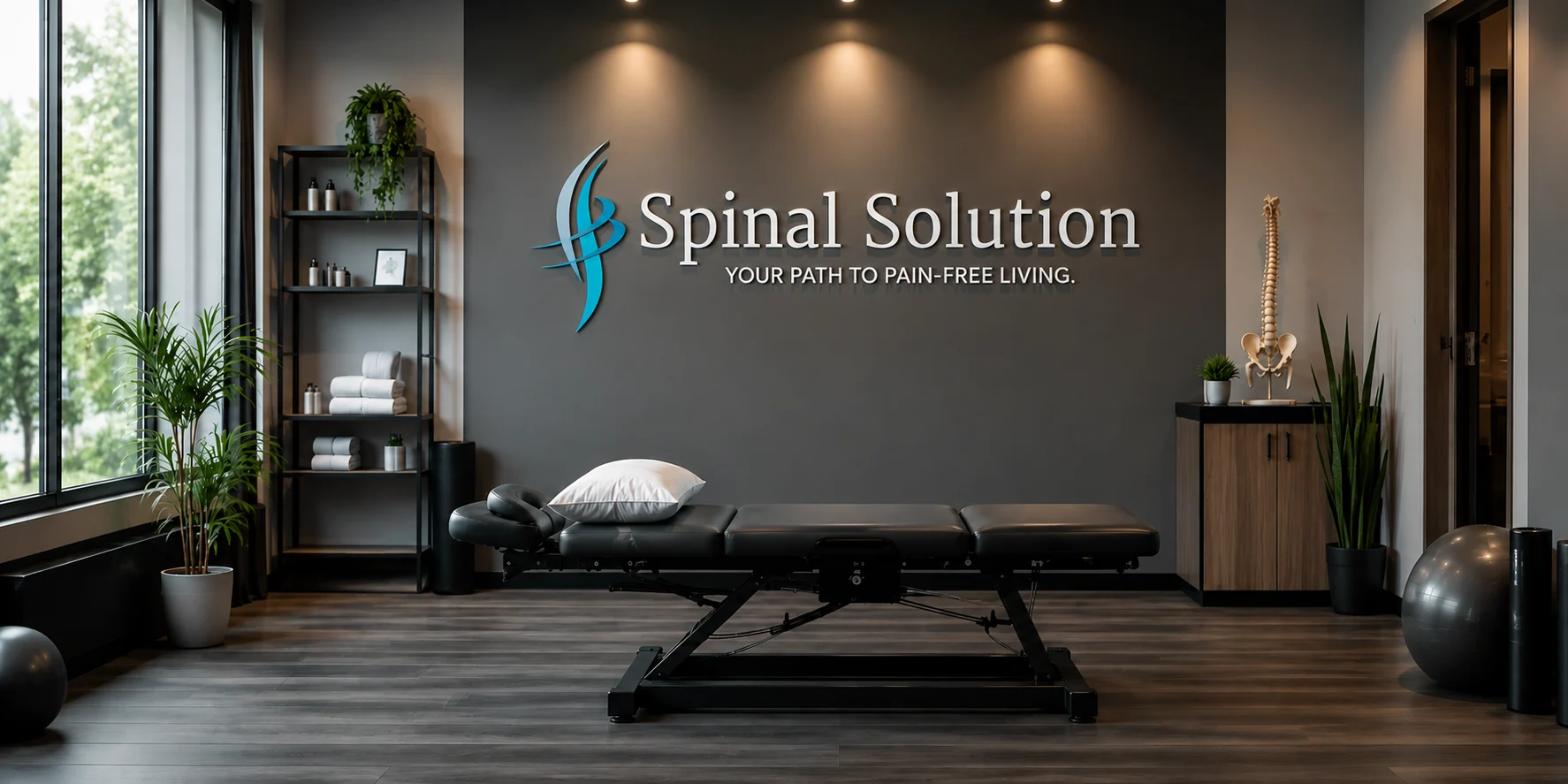
At Spinal Solution and Wellness, we provide physiotherapy and rehabilitation care for a range of musculoskeletal conditions associated with workplace incidents and job-related strain. Assessment focuses on the affected area, movement, strength, mobility, functional limitations, and the physical requirements of your job.
If you are searching for Workplace Injuries in Scarborough, ON, our clinic can assess your condition and discuss rehabilitation options based on your current needs and work demands.
What Are Workplace Injuries?
Workplace injuries are physical conditions that occur because of an accident at work or develop from repeated physical demands connected with a person’s occupation. They can involve muscles, joints, ligaments, tendons, nerves, and other musculoskeletal structures.
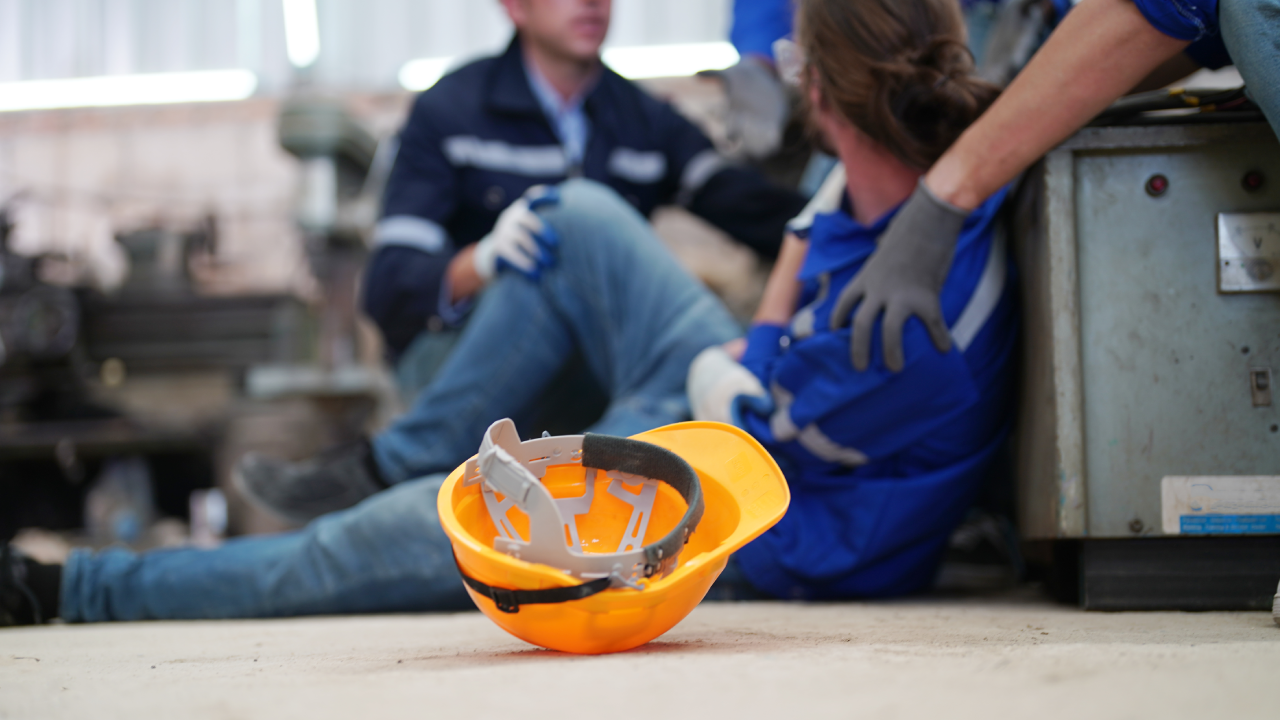
Some injuries occur suddenly. A worker may slip, fall, lift a heavy object, twist, reach awkwardly, or experience an impact. Other conditions can develop gradually due to repetitive movements, prolonged sitting or standing, frequent reaching, workstation positioning, or physically demanding duties.
Work-related injuries can affect people in many occupations. Construction workers may develop back or shoulder problems from lifting and carrying, while office employees may experience neck or wrist symptoms associated with prolonged computer use. Warehouse workers can develop strains from repeated material handling, while healthcare workers may experience musculoskeletal problems from patient transfers and physically demanding tasks.
Common workplace-related conditions include:
- Lower back strains
- Neck strains
- Shoulder injuries
- Rotator cuff conditions
- Tennis elbow
- Golfer’s elbow
- Wrist and hand injuries
- Knee strains
- Ankle injuries
- Muscle strains
- Ligament injuries
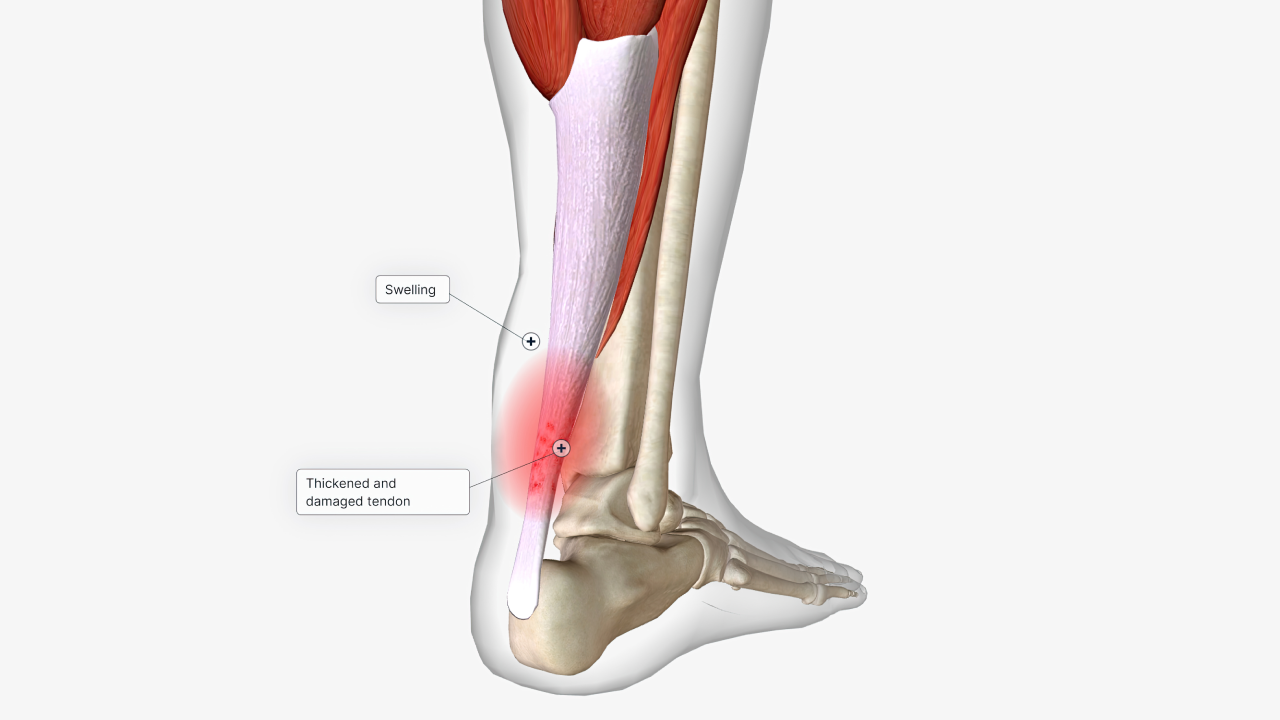
- Tendon conditions
- Repetitive strain injuries
- Work-related sprains
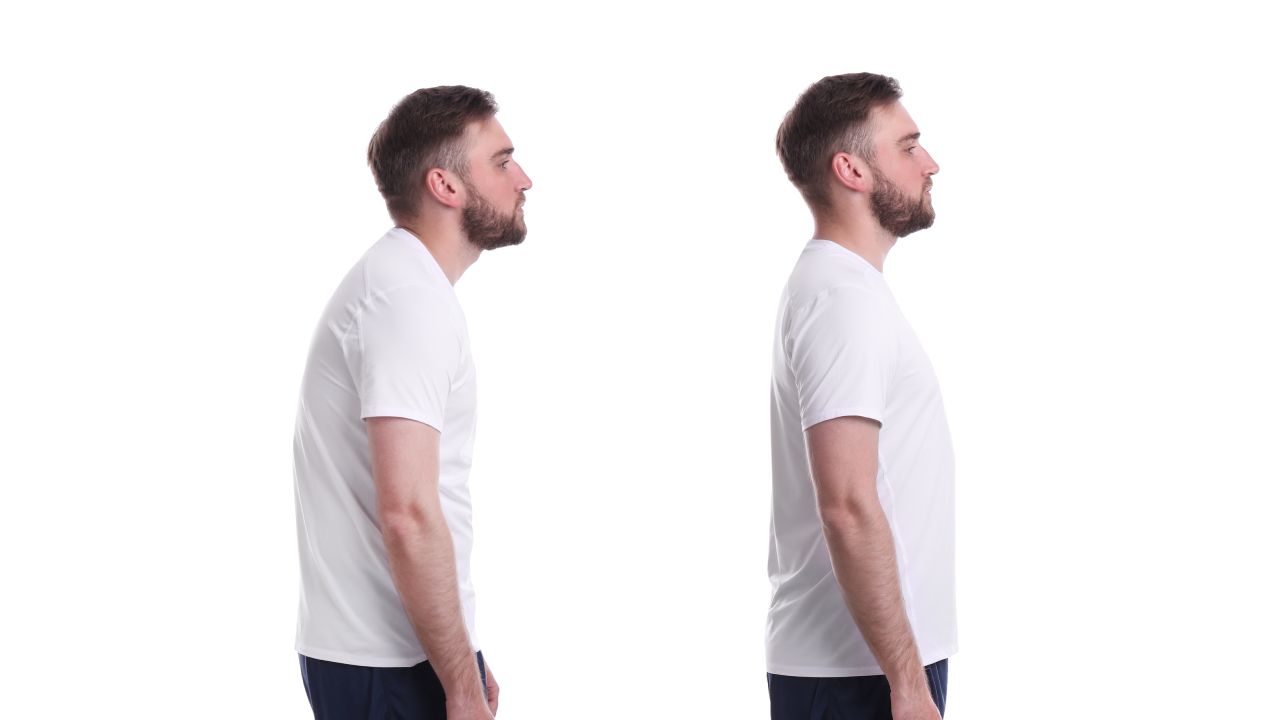
- Postural problems
- Joint stiffness following an injury
The rehabilitation plan depends on the type of injury, symptoms, medical history, job requirements, and findings from the physical assessment.
Who May Need Workplace Injury Rehabilitation?
Workplace injury rehabilitation may be suitable for employees experiencing physical symptoms after an accident, repetitive activity, or demanding work task.
Office Workers
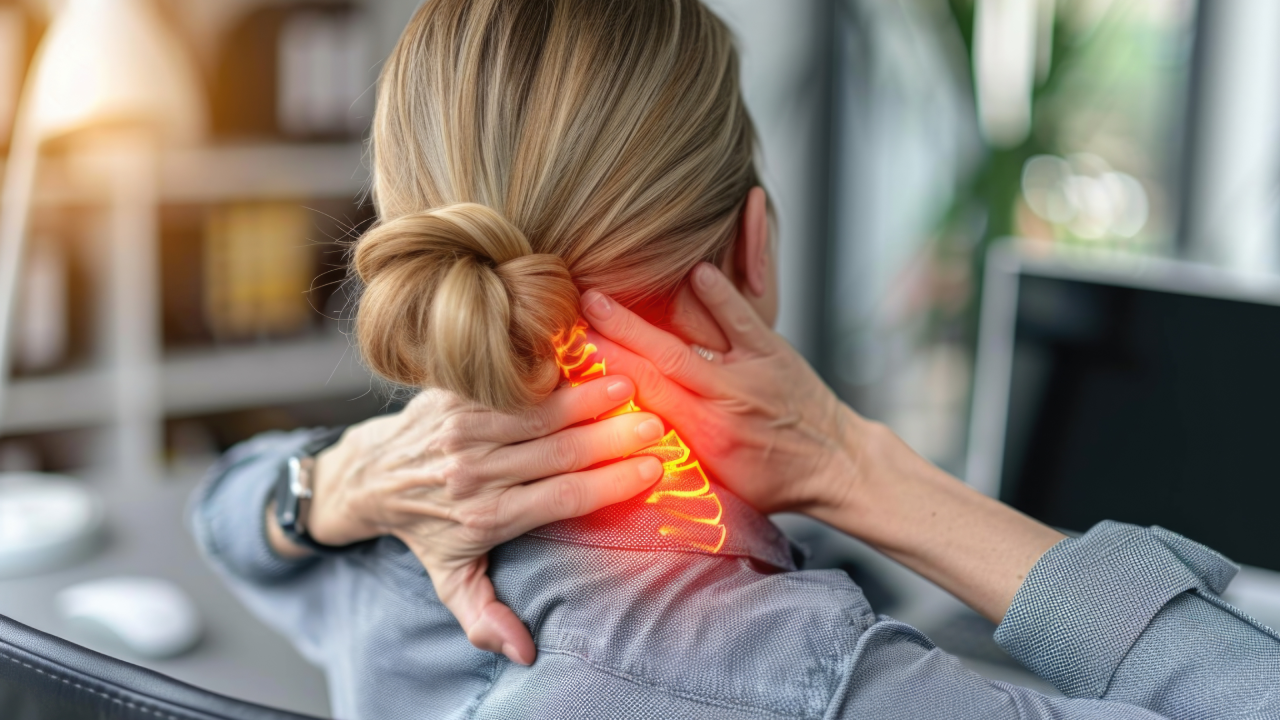
Desk-based work can place repeated demands on the neck, shoulders, wrists, and lower back. Limited movement, prolonged computer use, and workstation positioning may contribute to stiffness and discomfort.
Common concerns include:
- Neck strain
- Shoulder tension
- Lower back discomfort
- Wrist problems
- Repetitive strain
- Postural issues
Construction Workers
Construction work may involve lifting, carrying, climbing, kneeling, bending, pushing, pulling, and working in restricted or awkward positions. These activities can place considerable stress on the musculoskeletal system.
Common concerns include back strains, shoulder injuries, knee problems, ankle injuries, and muscle strains.
Warehouse and Manufacturing Workers
Repeated lifting, box handling, machinery operation, prolonged standing, and frequent reaching can contribute to physical strain.
Rehabilitation may address concerns involving the back, shoulders, elbows, wrists, hips, knees, and ankles.
Healthcare Workers
Healthcare professionals and support staff may perform patient transfers, prolonged standing, bending, reaching, and other physically demanding activities.
These duties can contribute to neck, back, shoulder, and wrist problems.
Retail and Service Workers
Retail employees, restaurant staff, cleaners, and other service workers may spend many hours standing, walking, lifting, carrying, or performing repeated movements.
These demands can affect the feet, ankles, knees, hips, back, and shoulders.
Conditions We Treat
At Spinal Solution and Wellness, workplace injury rehabilitation may address various musculoskeletal conditions.
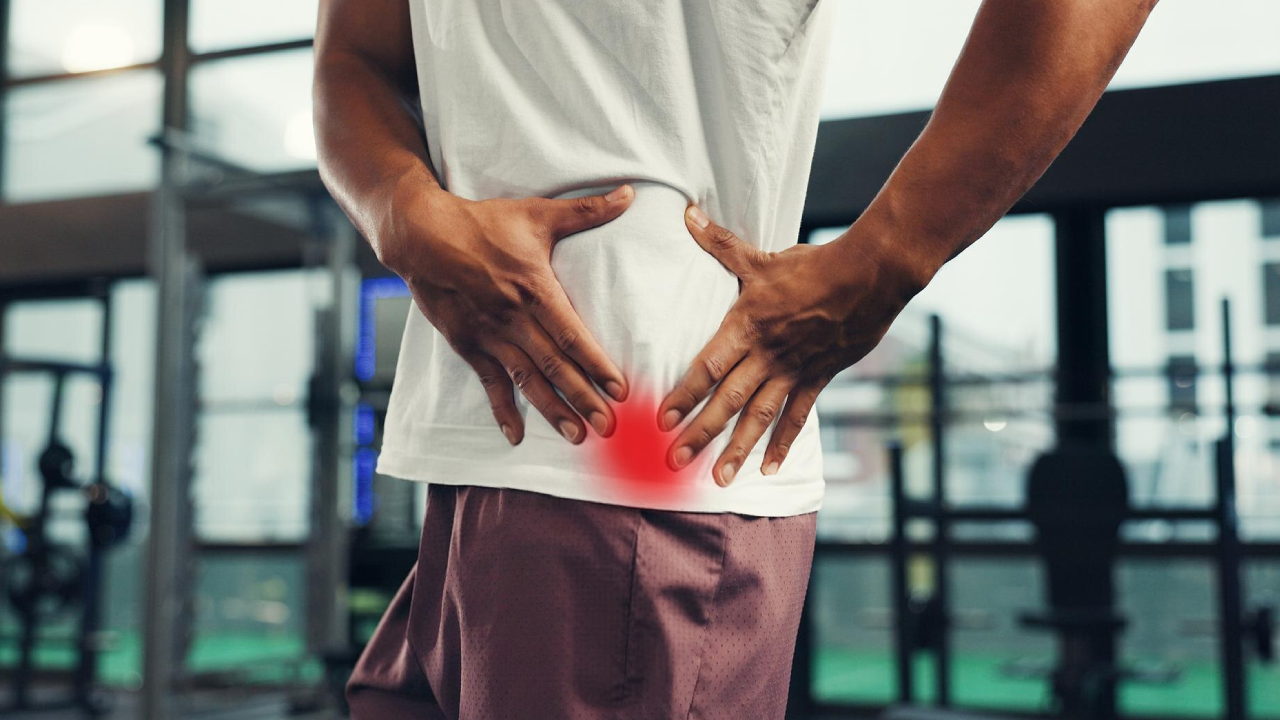
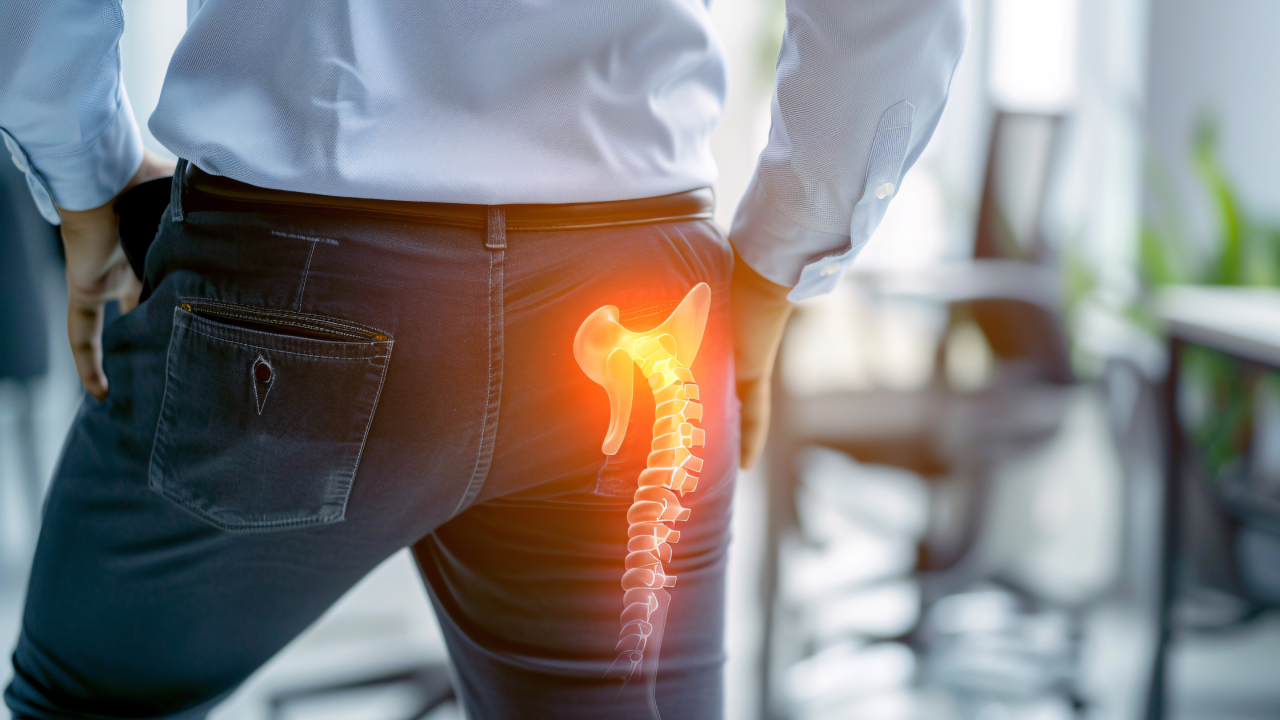
Lower Back Injuries
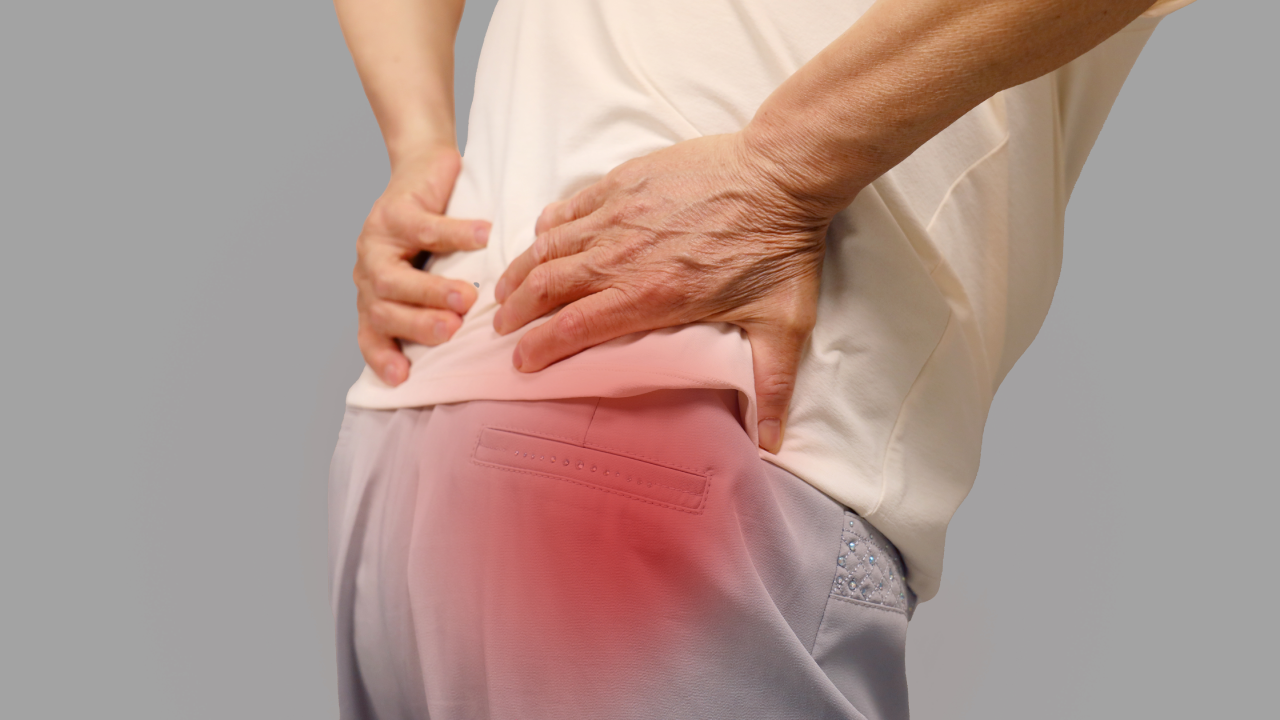
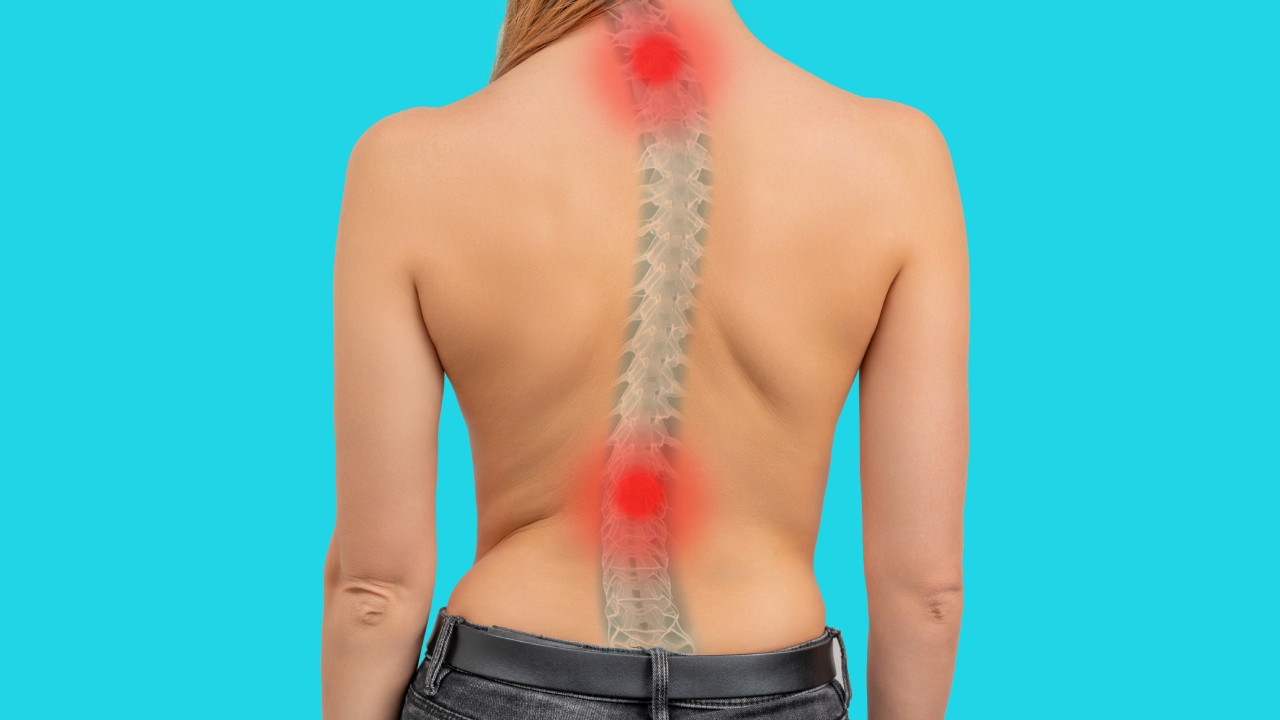
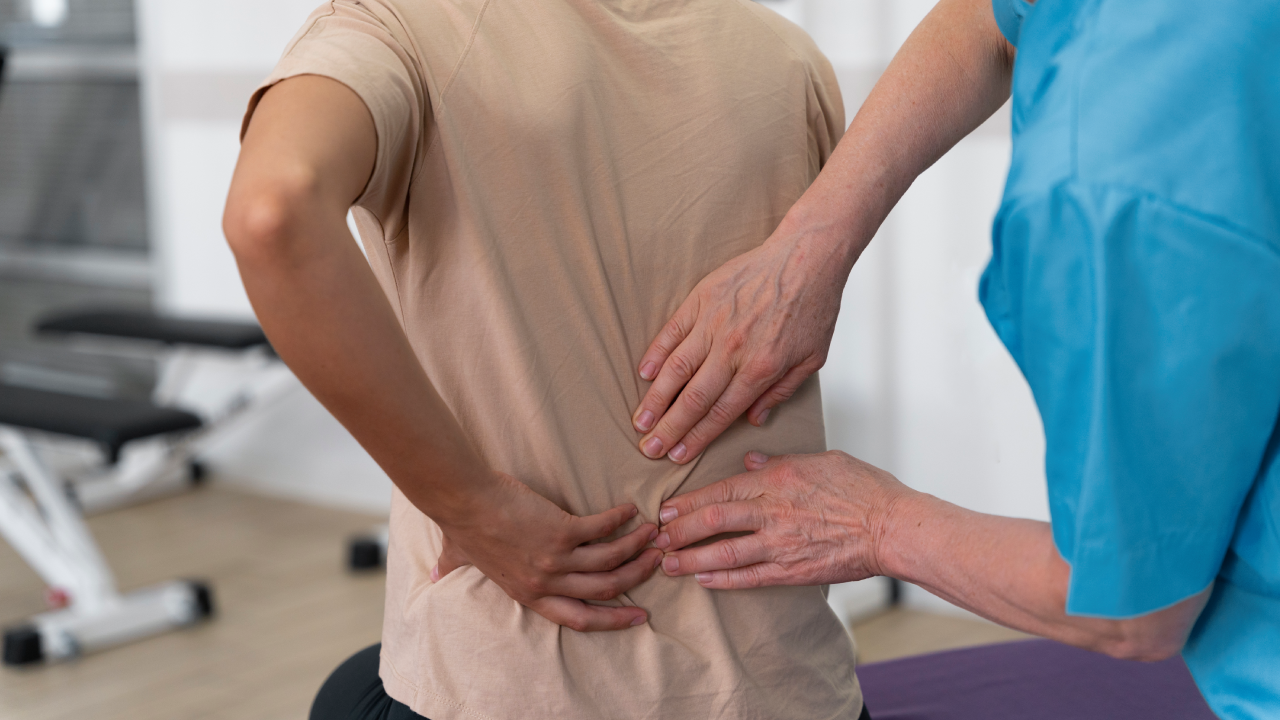
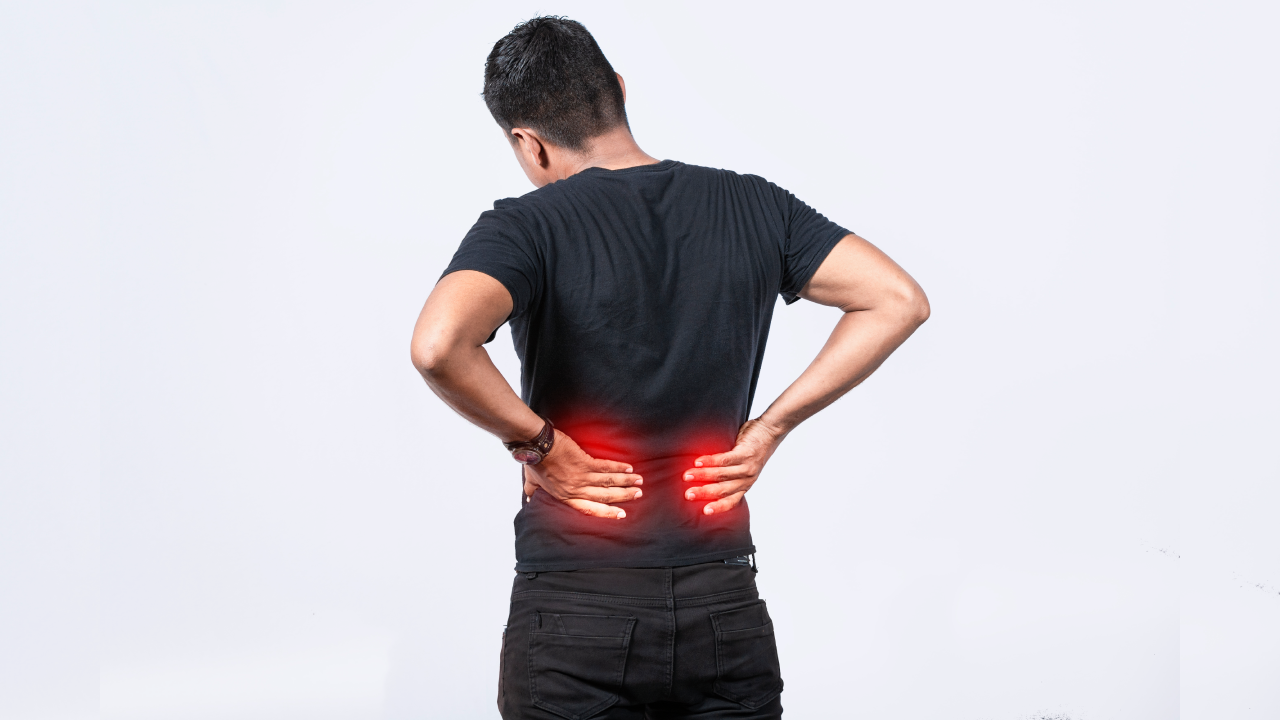
Back injuries can occur during lifting, bending, twisting, carrying, or prolonged sitting. Symptoms may include stiffness, restricted movement, localized discomfort, or symptoms extending toward the leg.
An assessment can examine movement limitations and factors that may interfere with work and daily activities.
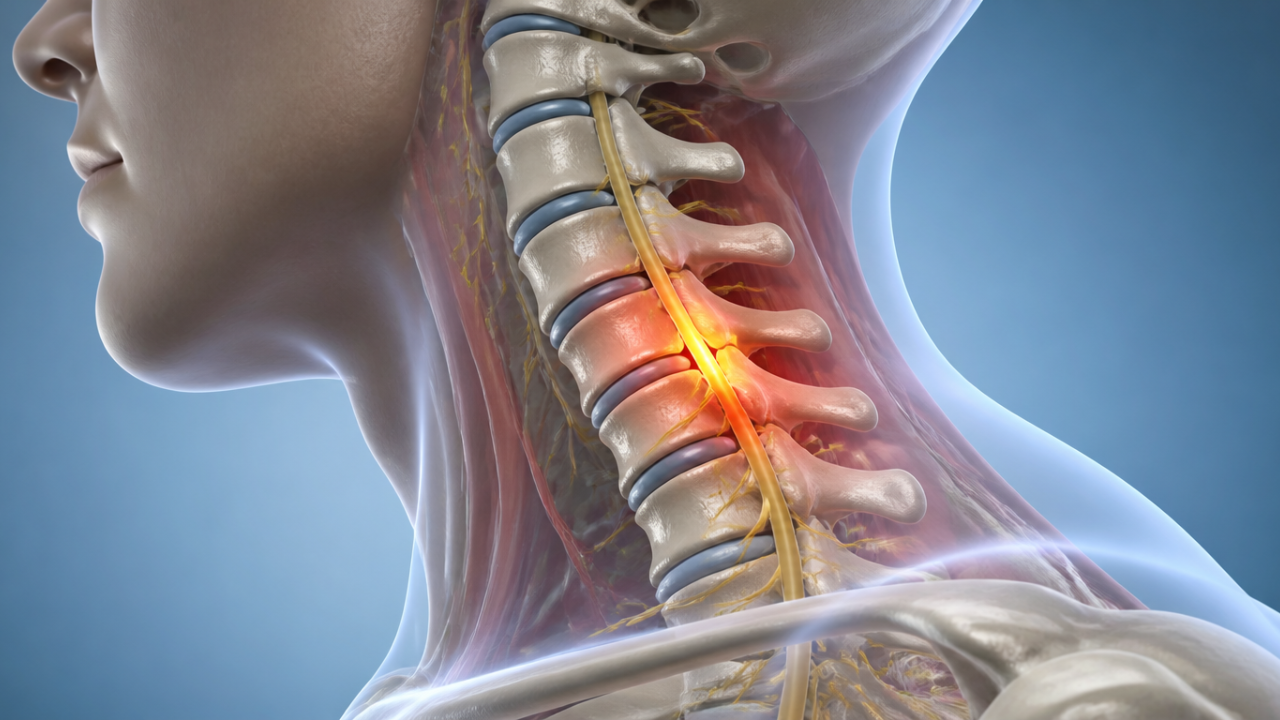
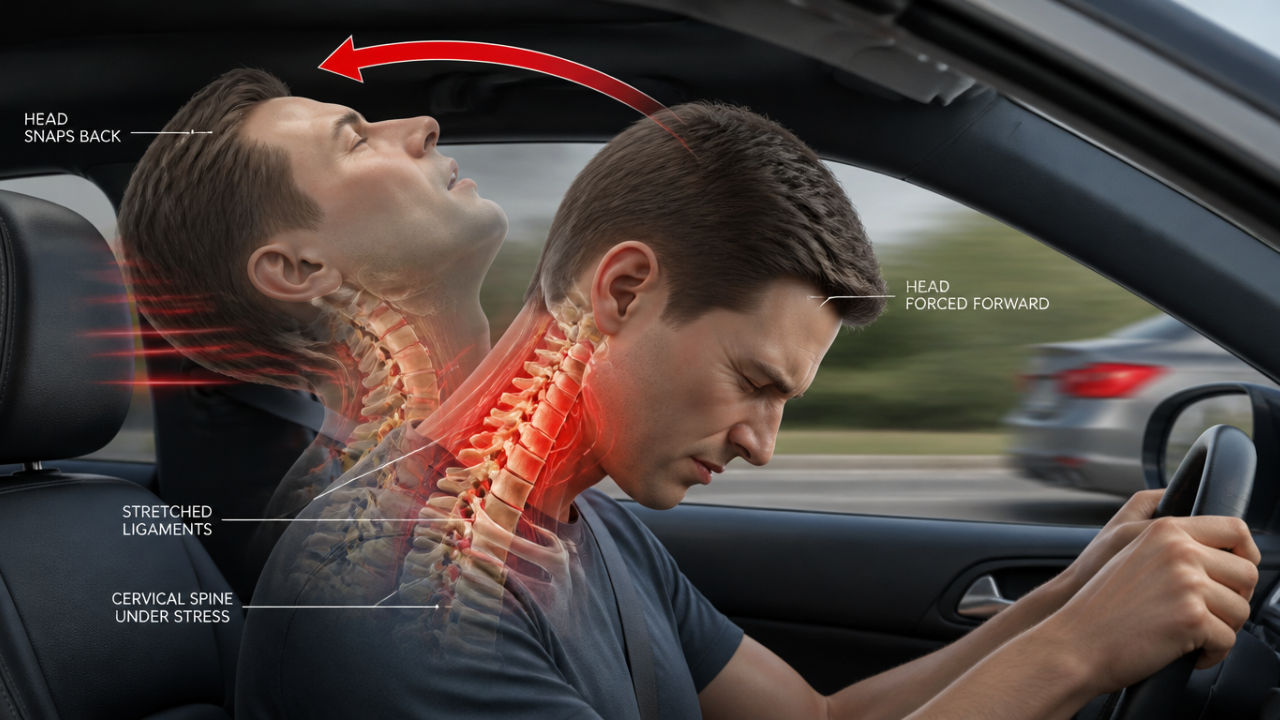
Neck Injuries
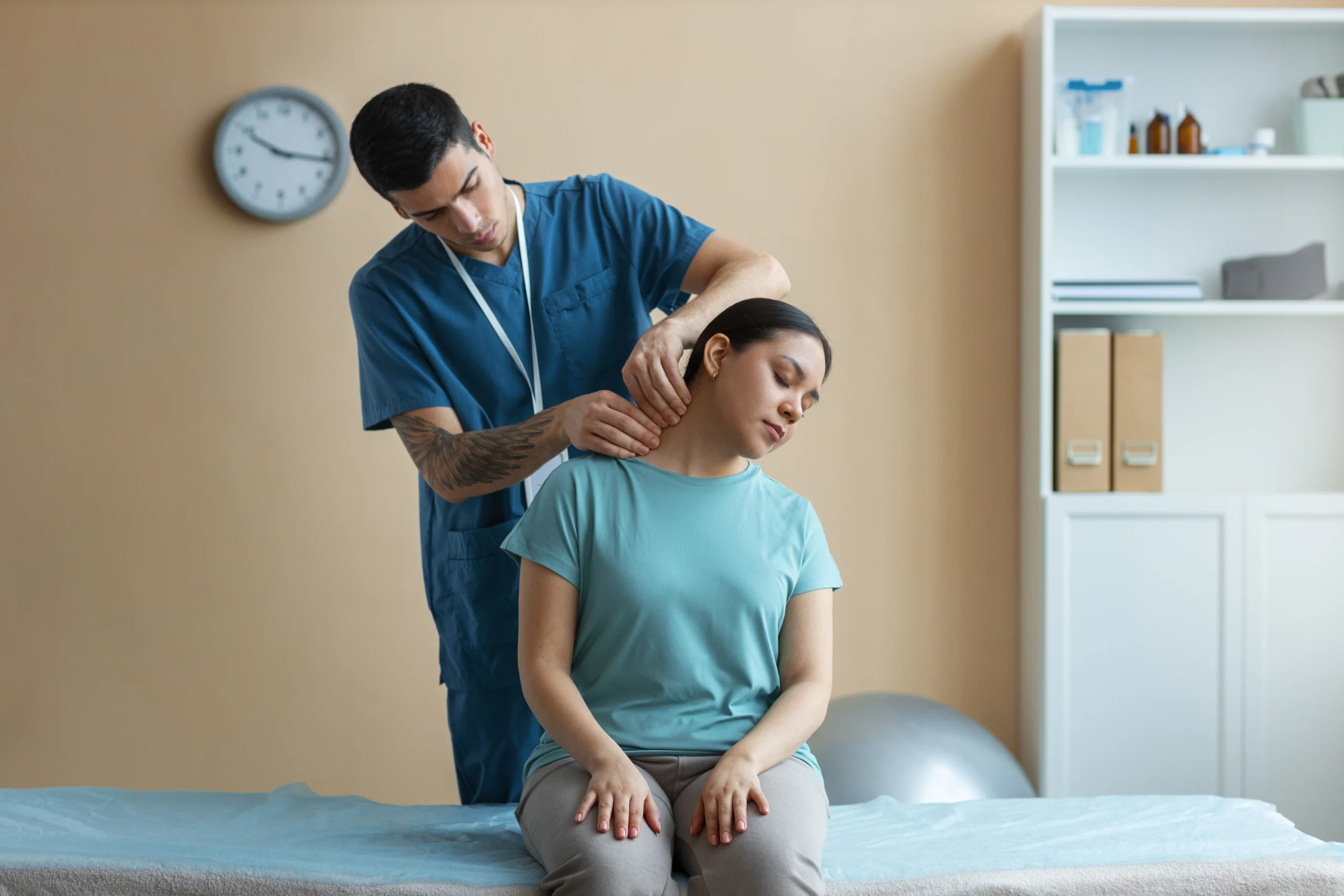
Work-related neck problems may develop after a sudden incident or through repeated postures and movements. Desk work, driving, lifting, and overhead activities can place stress on the neck.
Symptoms may include stiffness, restricted movement, muscle tension, and discomfort around the neck and upper shoulder area.
Shoulder Injuries
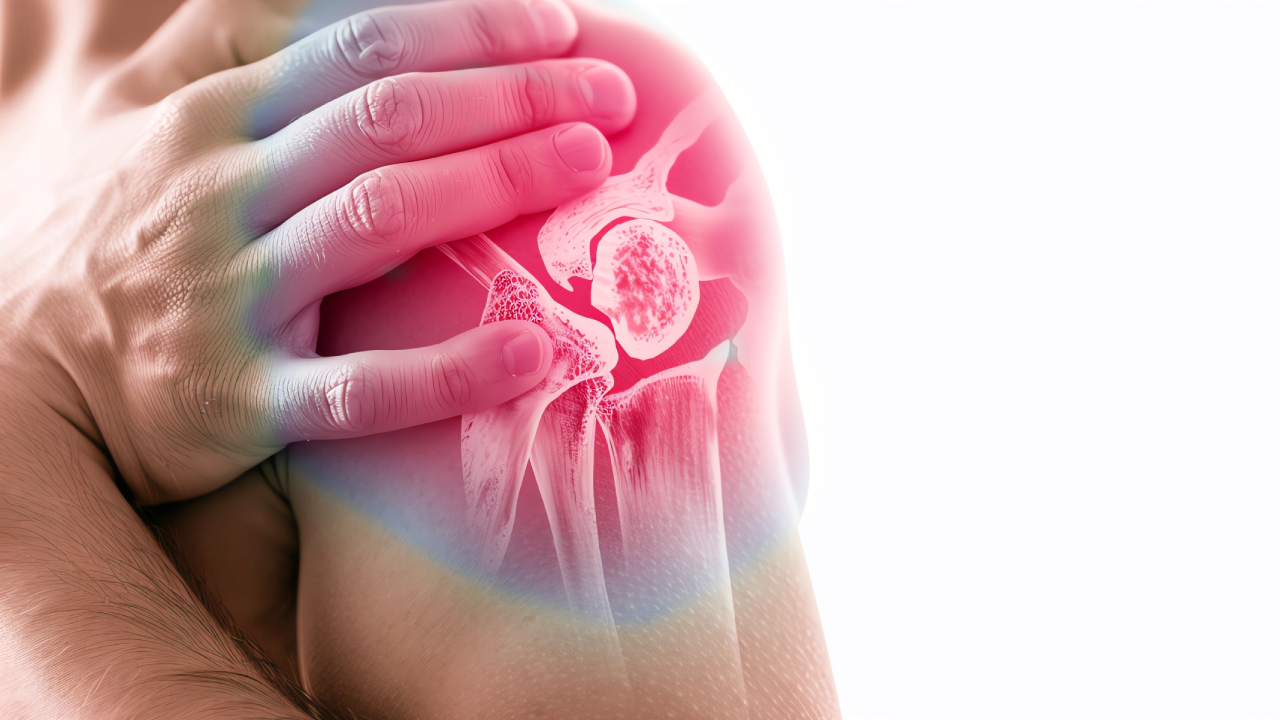
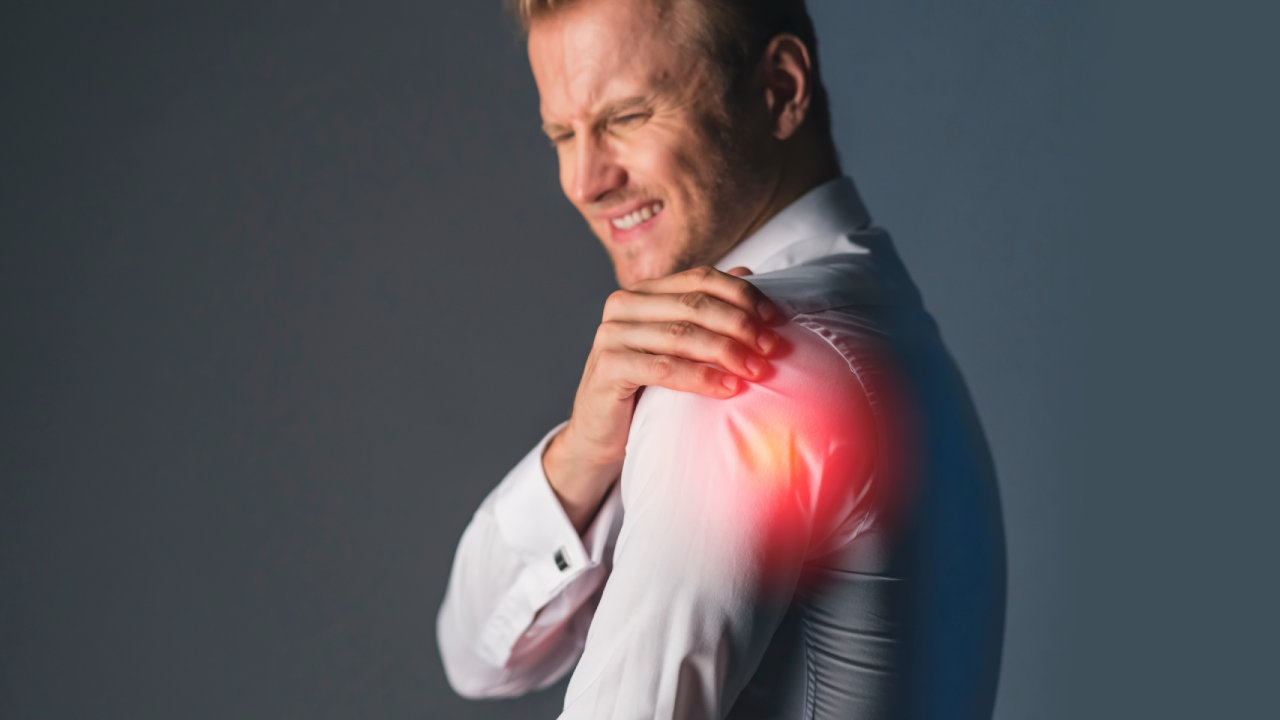
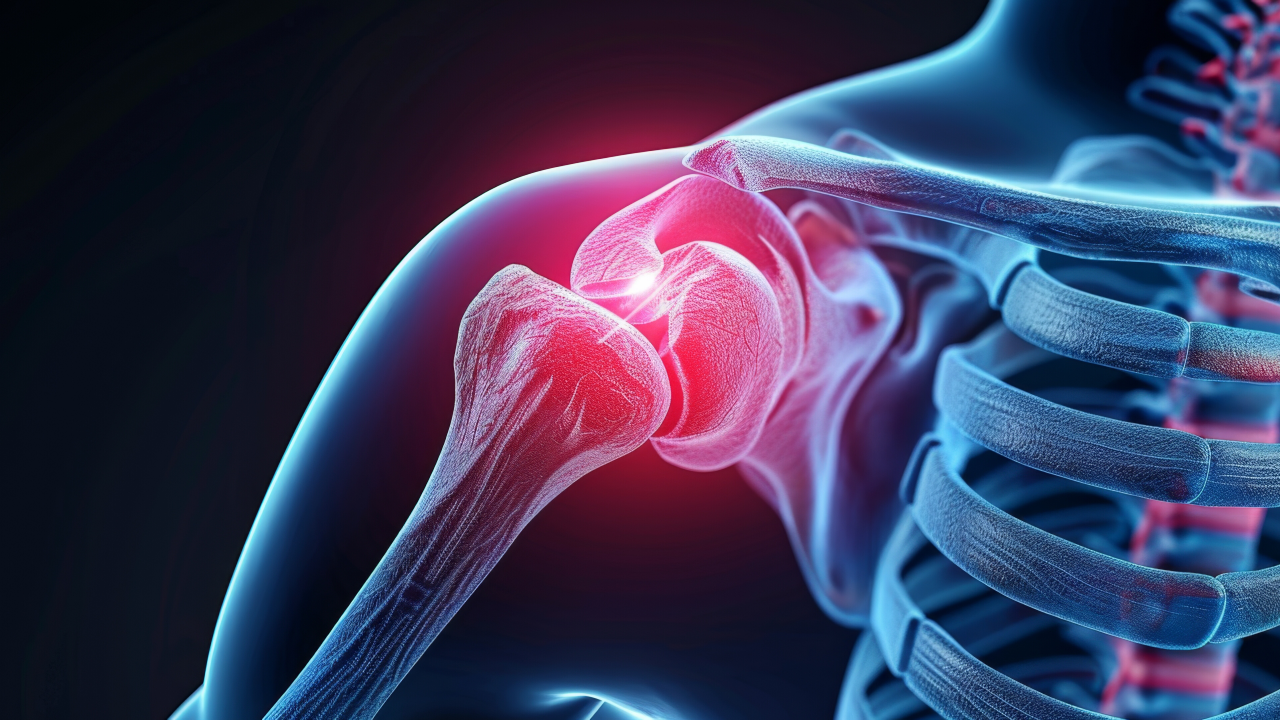
Lifting, reaching, pushing, pulling, and repeated overhead activity can place considerable demands on the shoulder. Workplace shoulder conditions may involve muscles, tendons, joints, or surrounding structures.
Common concerns include shoulder strains, rotator cuff conditions, restricted movement, and difficulty with lifting or reaching.
Elbow Injuries
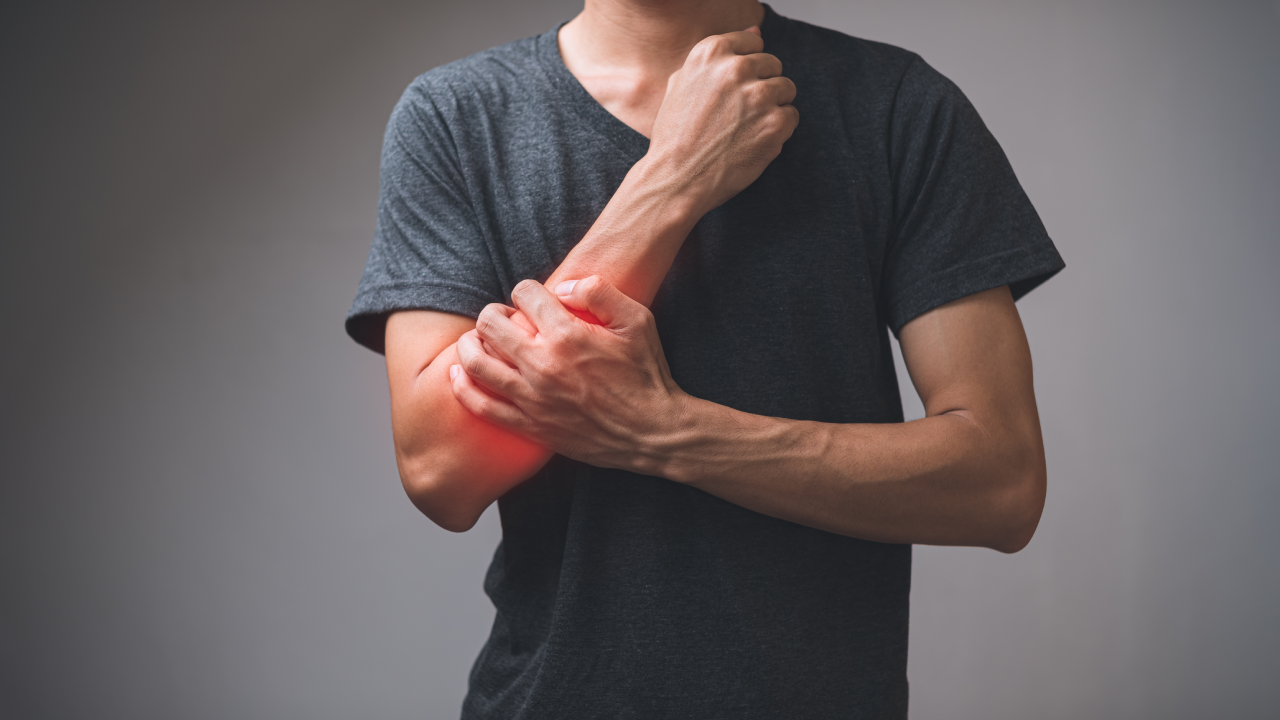
Repeated gripping, lifting, typing, tool use, and wrist movements can contribute to elbow conditions. Tennis elbow and golfer’s elbow may make gripping, carrying, and repetitive job duties difficult.
Rehabilitation may focus on movement, strength, load tolerance, and gradual progression toward work activities.
Wrist and Hand Injuries
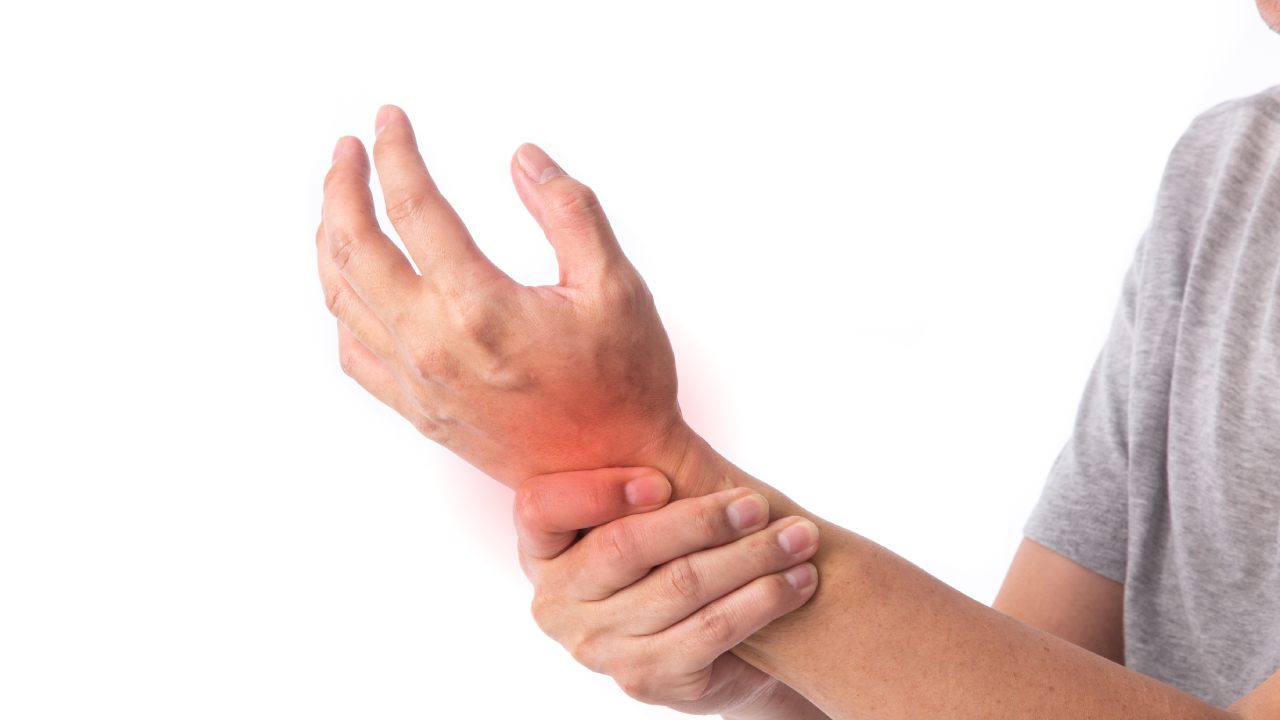
Workers who type, use tools, package products, handle materials, or perform repeated hand movements may develop wrist and hand symptoms.
Assessment may examine wrist mobility, grip strength, movement patterns, and activities that increase symptoms.
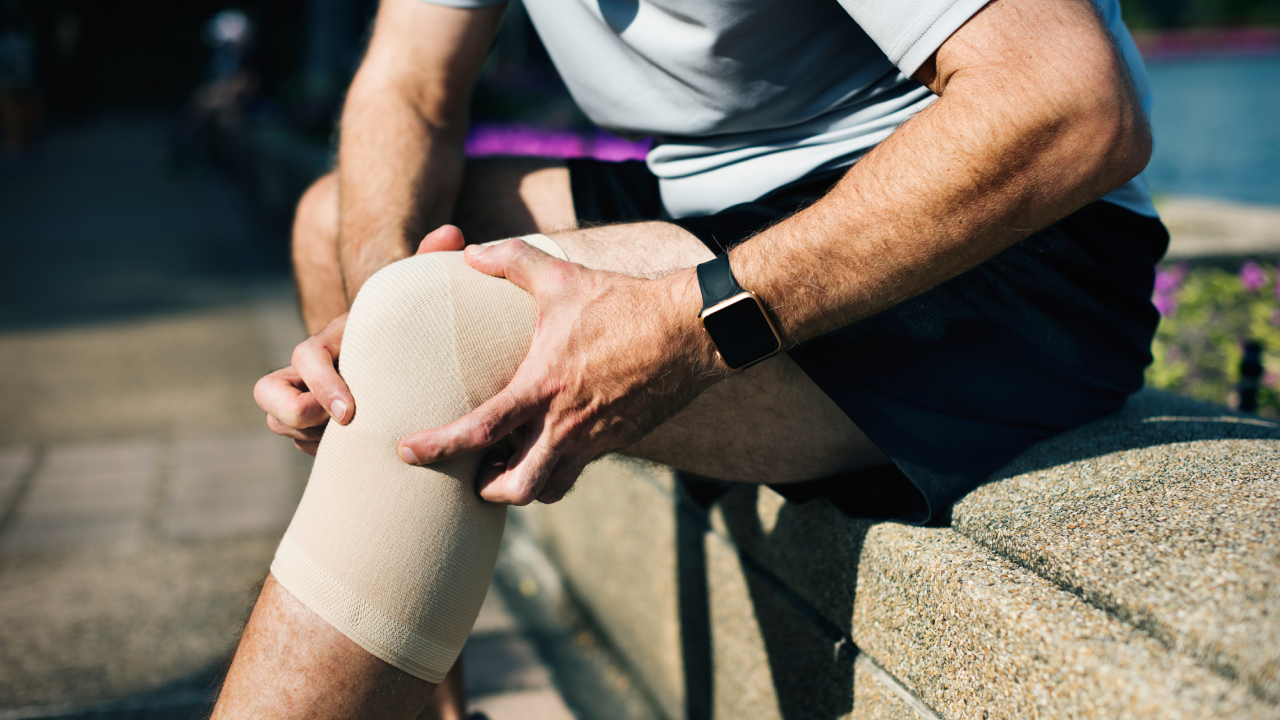
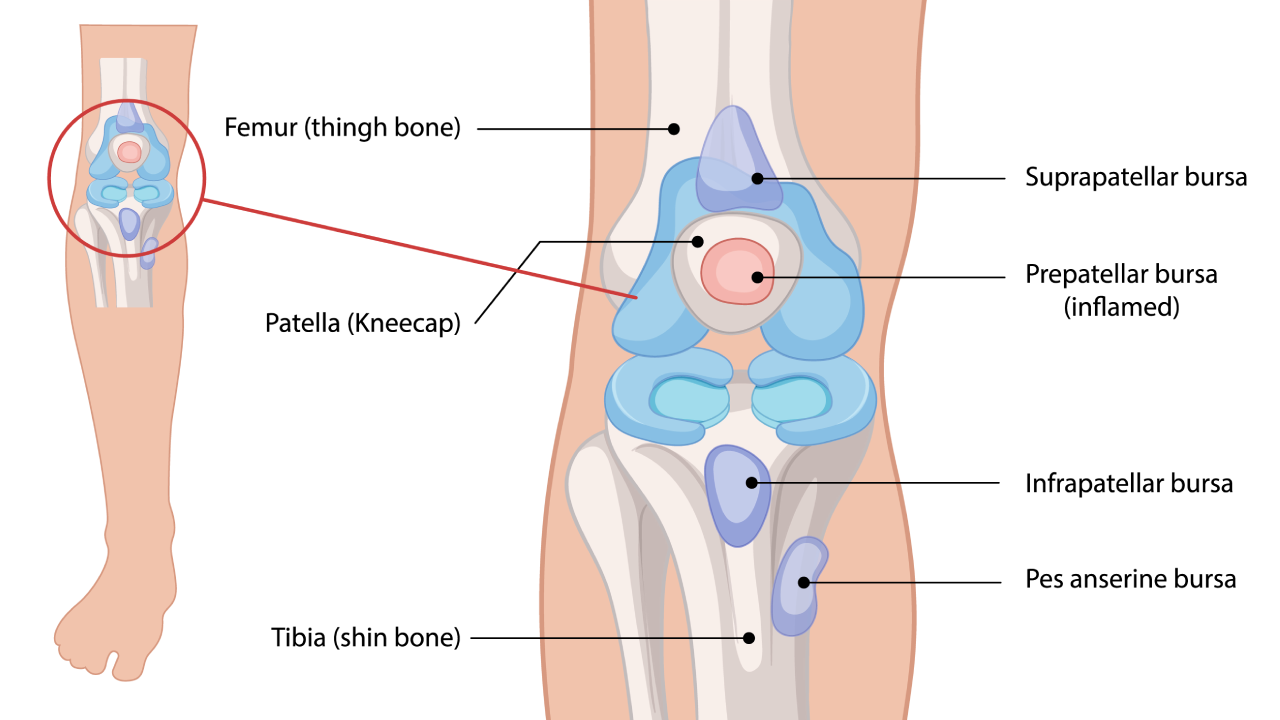
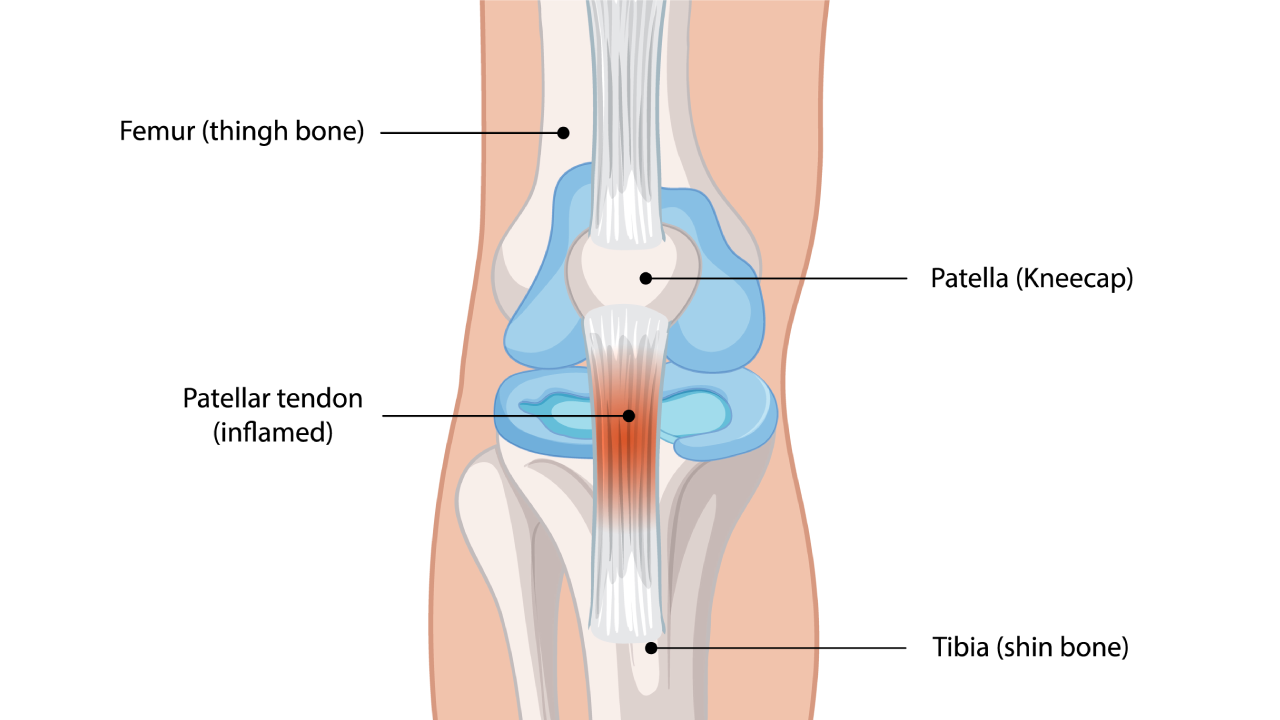
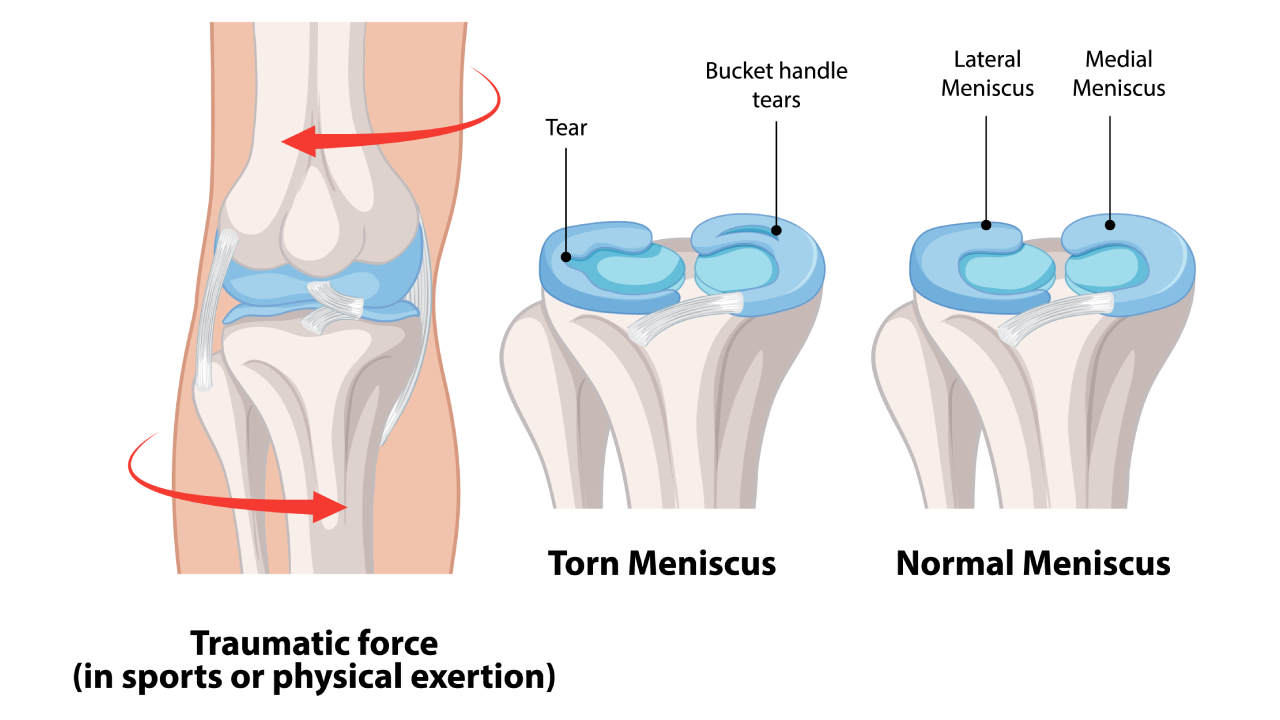
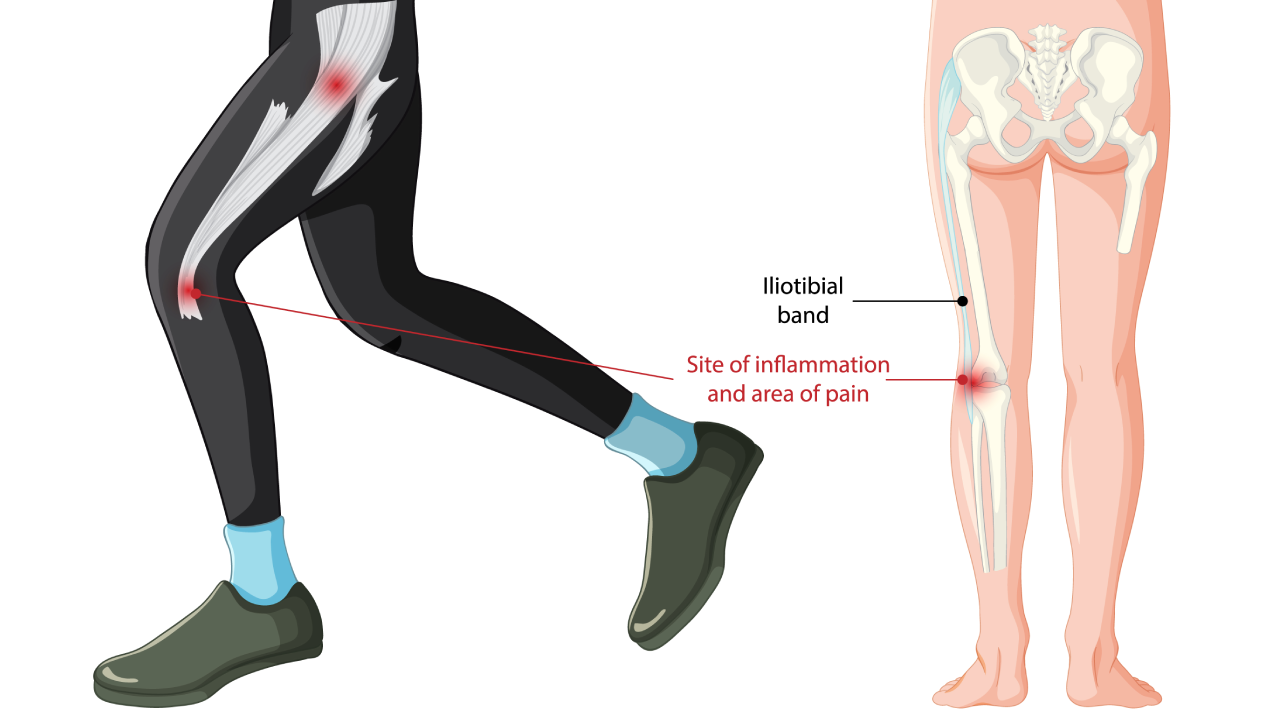
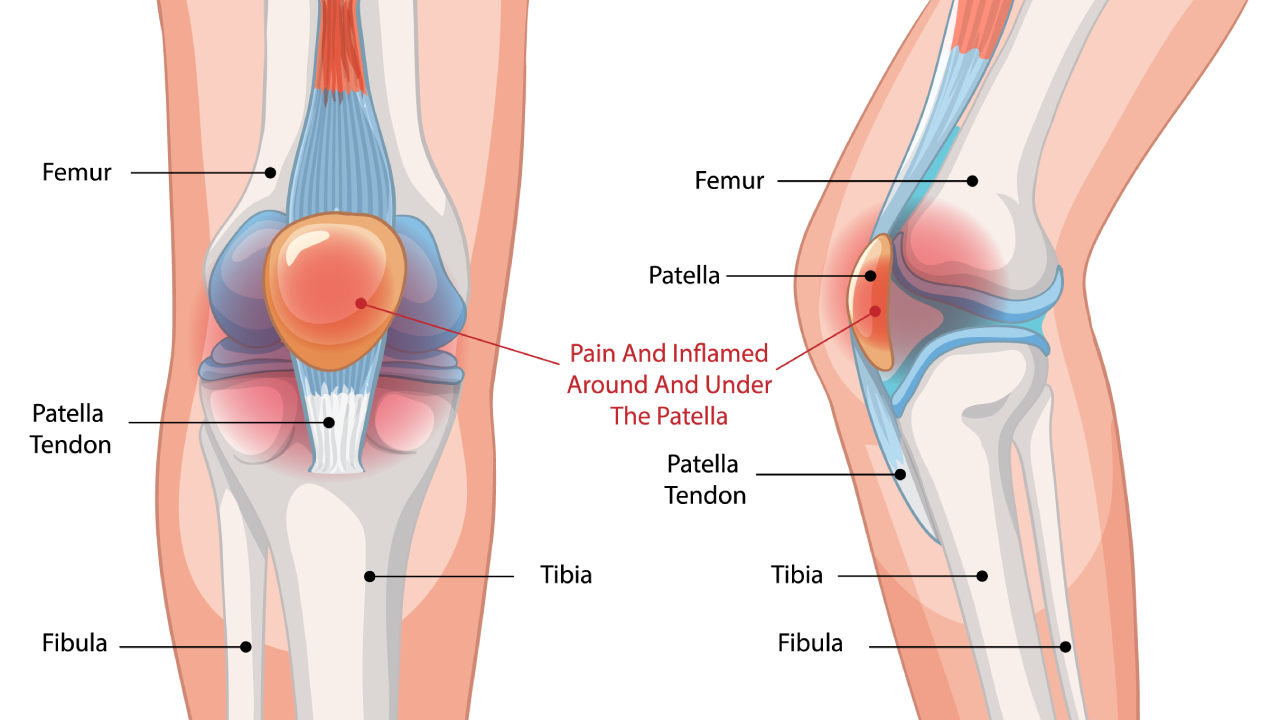
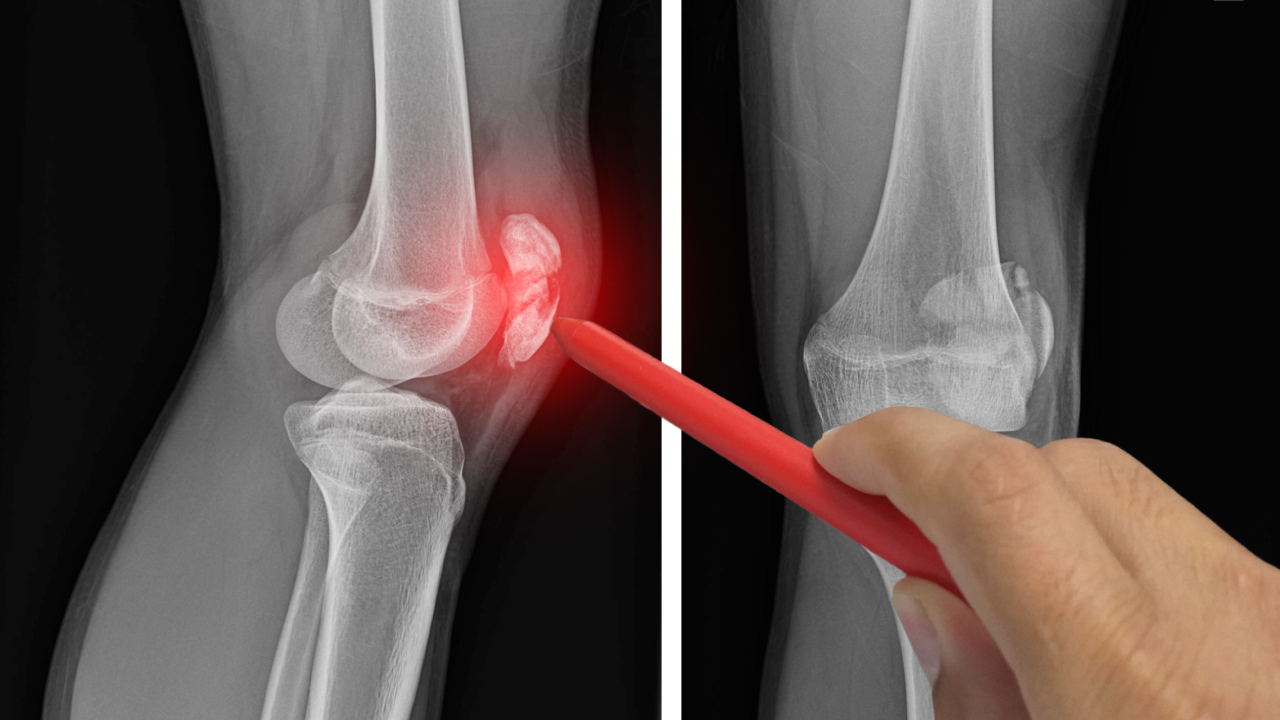
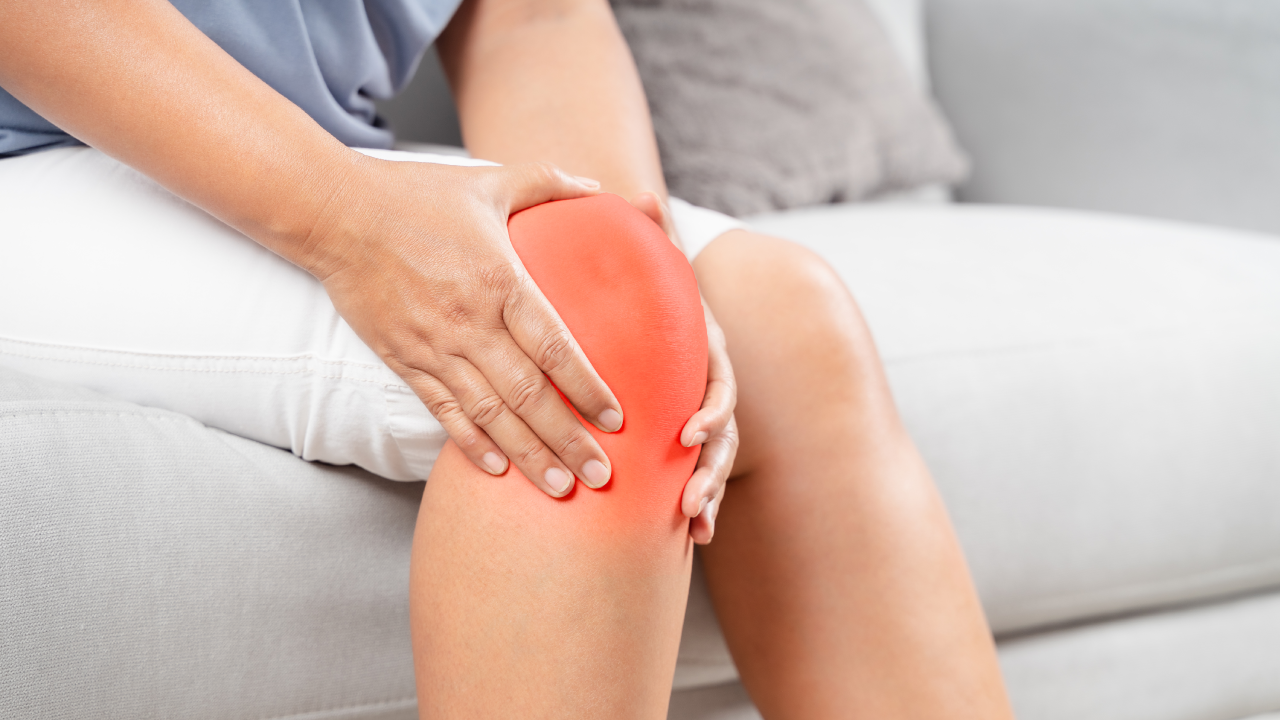
Knee Injuries
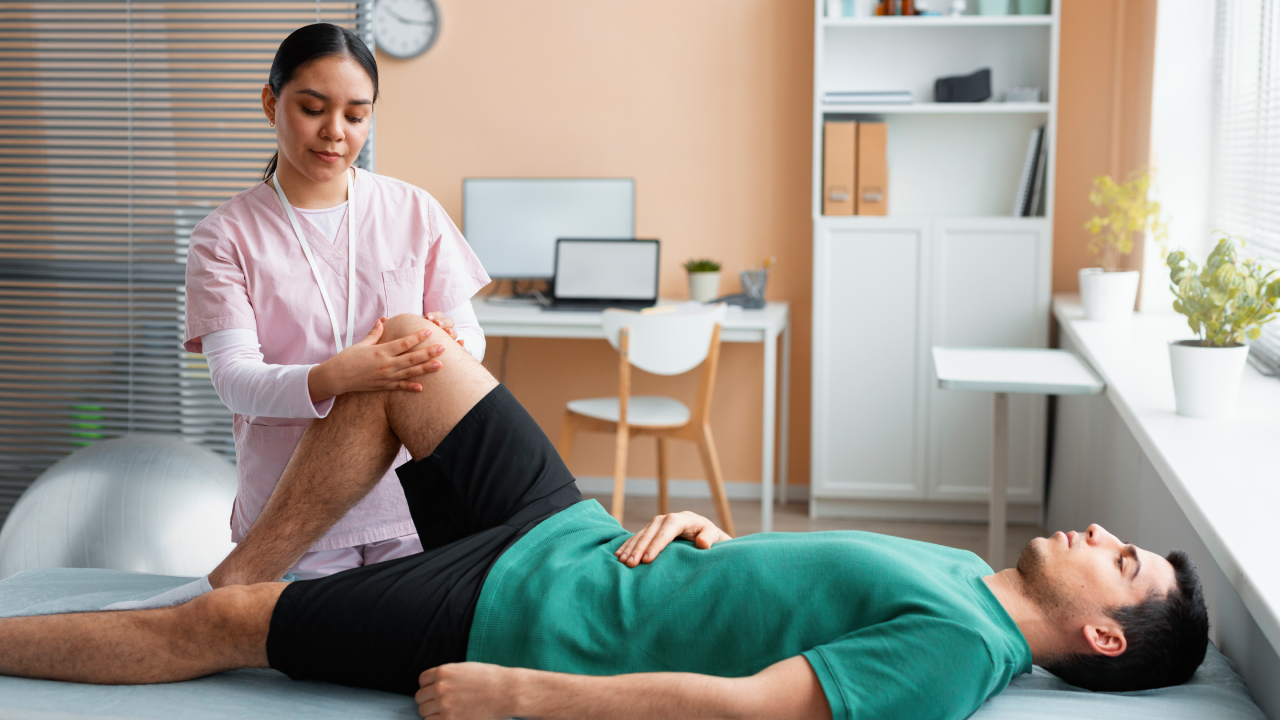
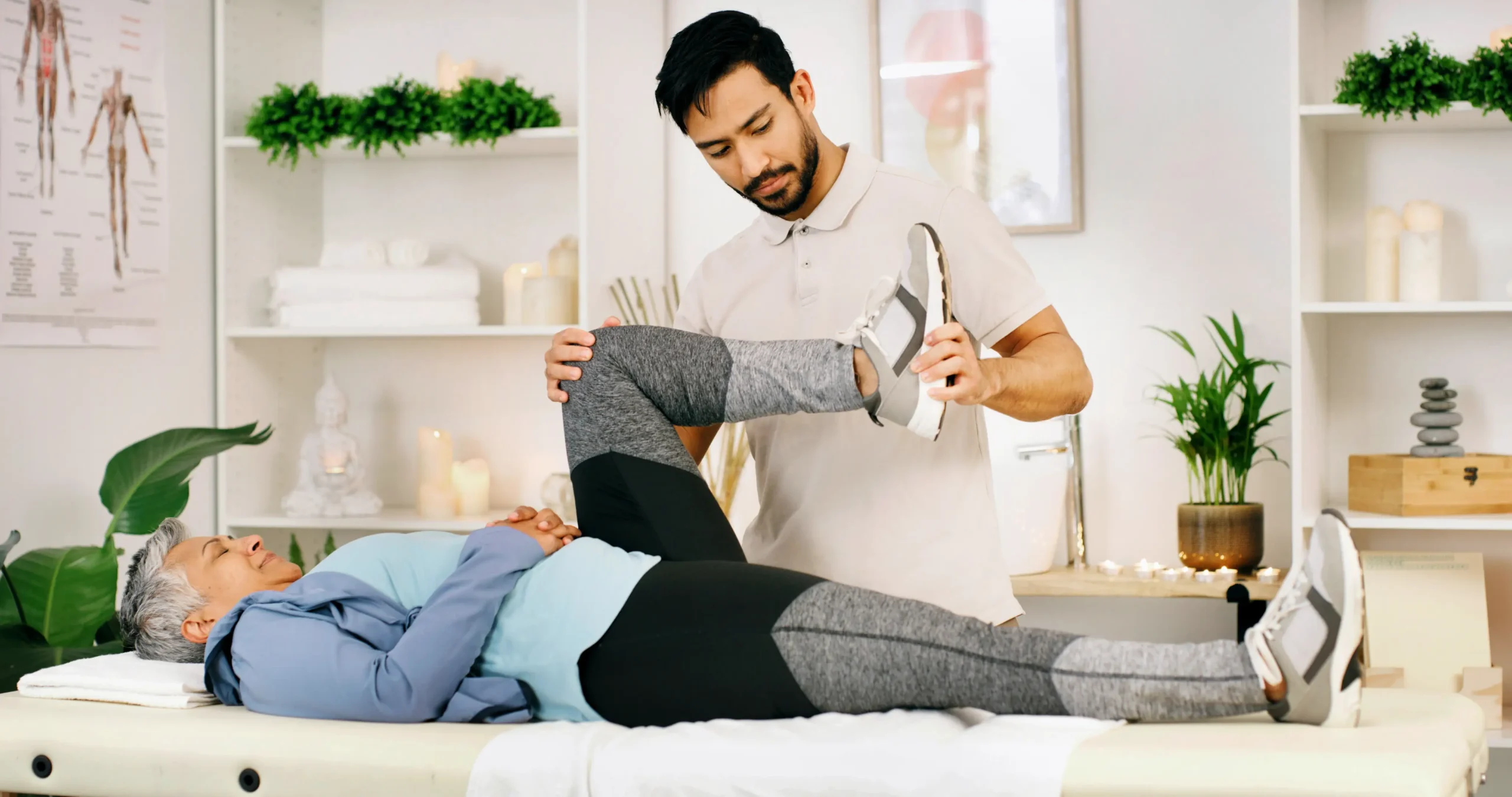
Kneeling, squatting, lifting, climbing stairs, and sudden changes in direction can place stress on the knees. Workplace knee injuries may result from a specific incident or repeated physical demands.
Rehabilitation may include work on strength, mobility, balance, and task-related movement.
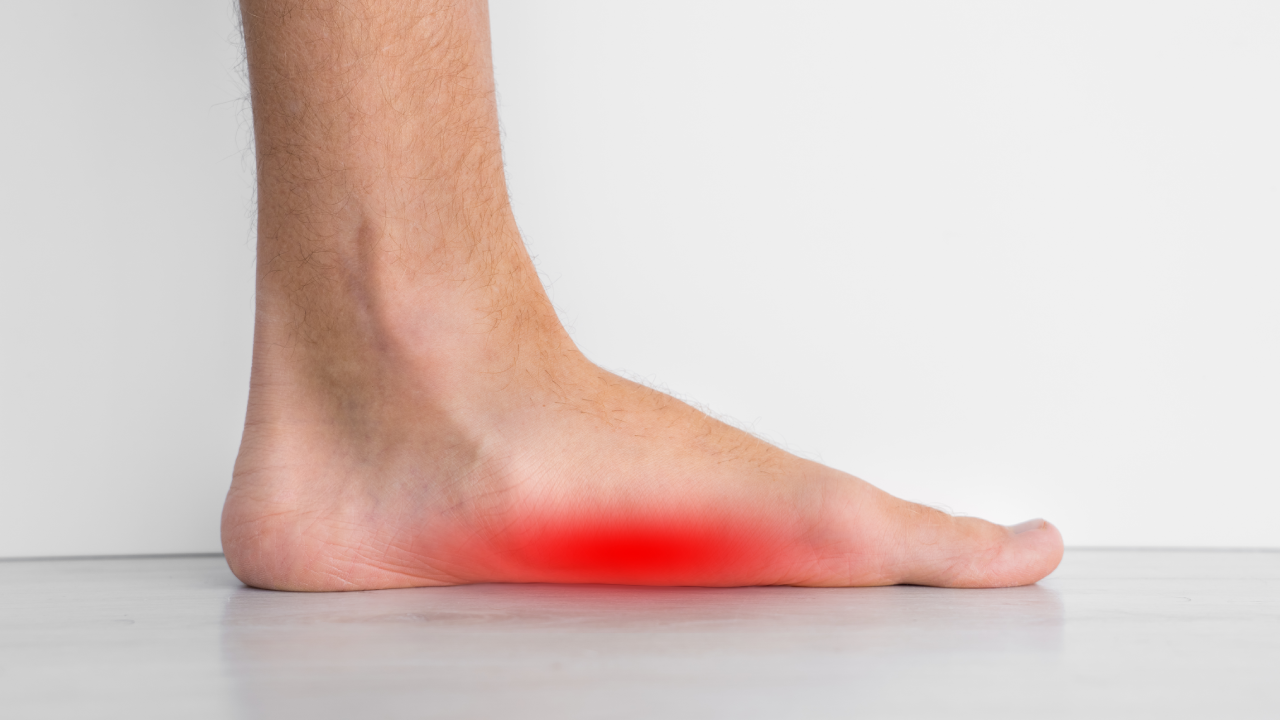
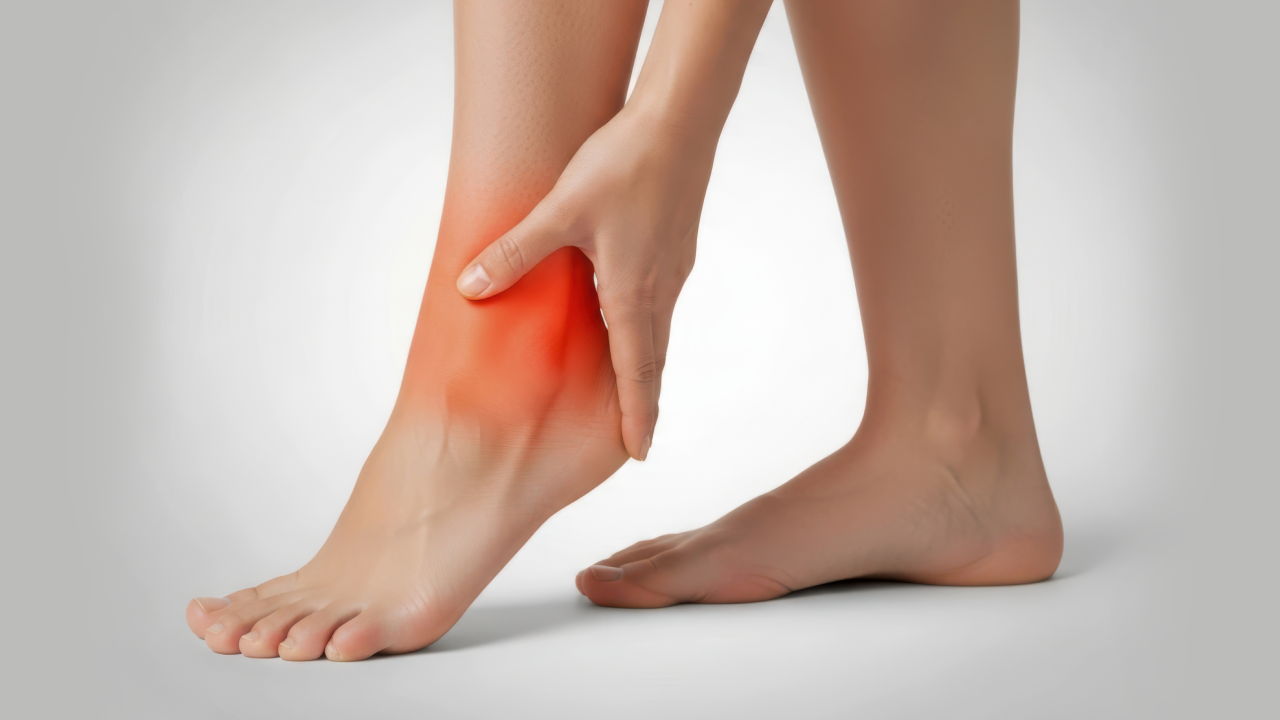
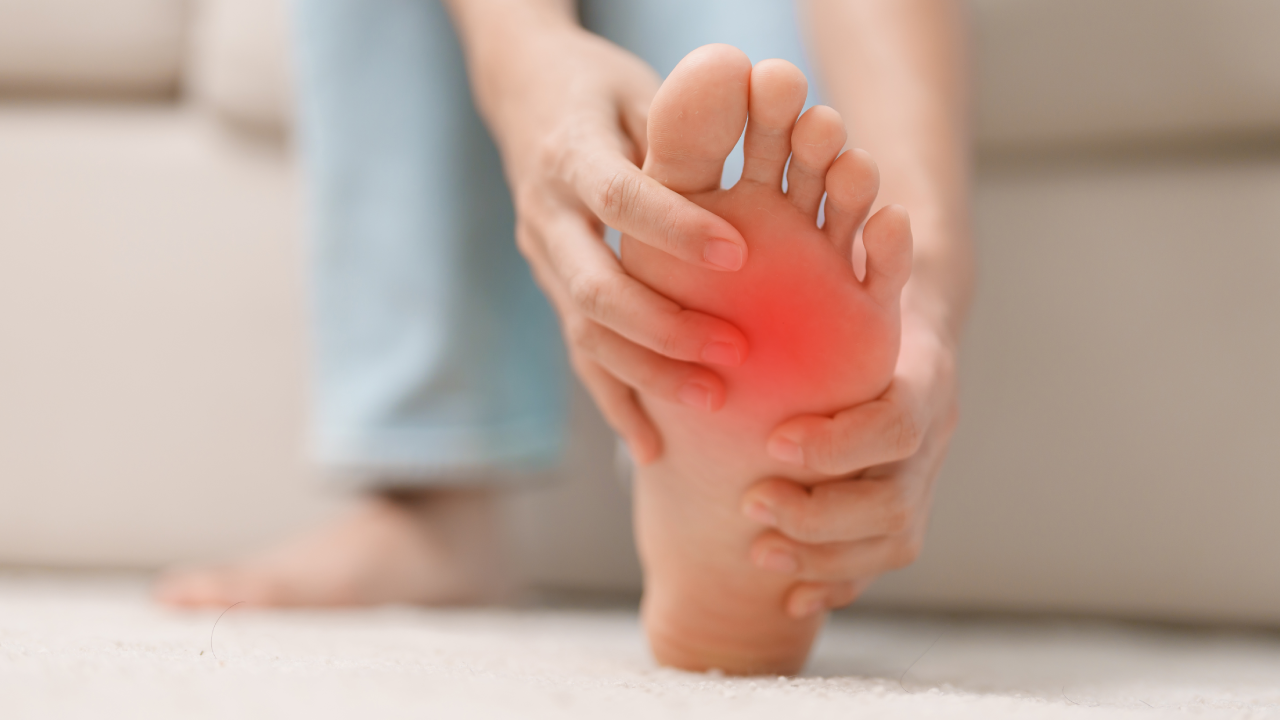
Ankle and Foot Injuries
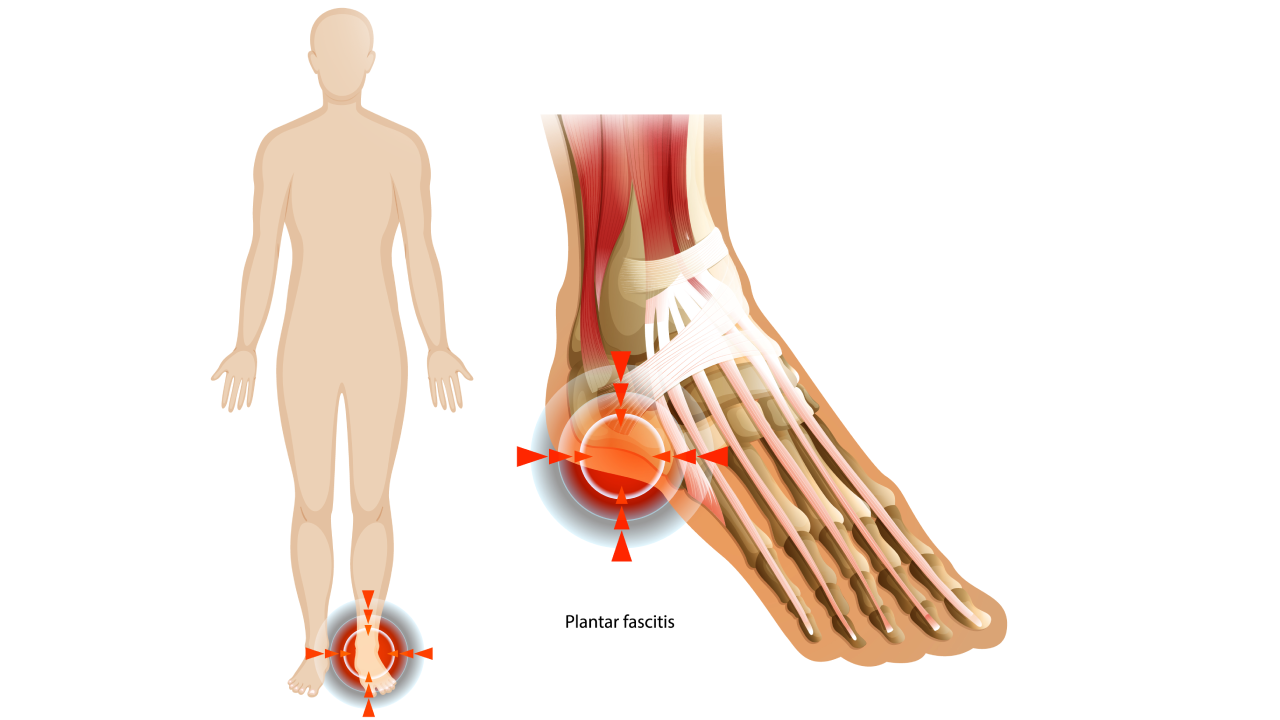
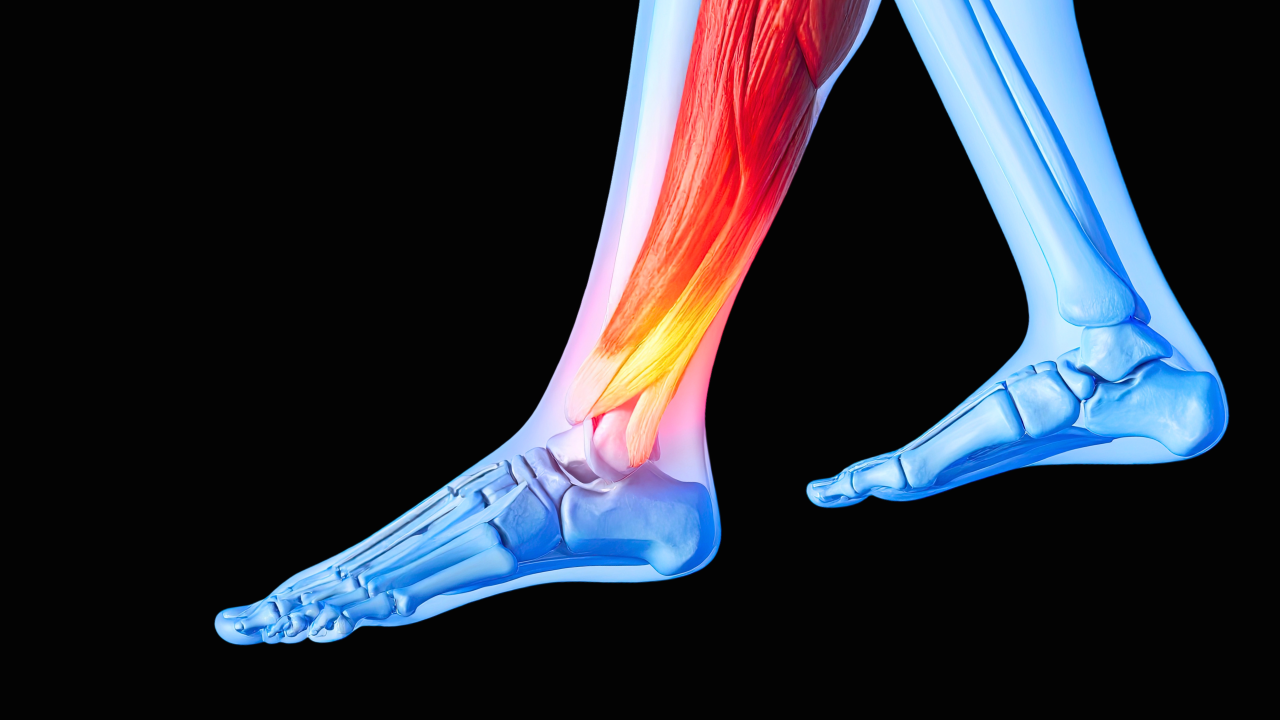
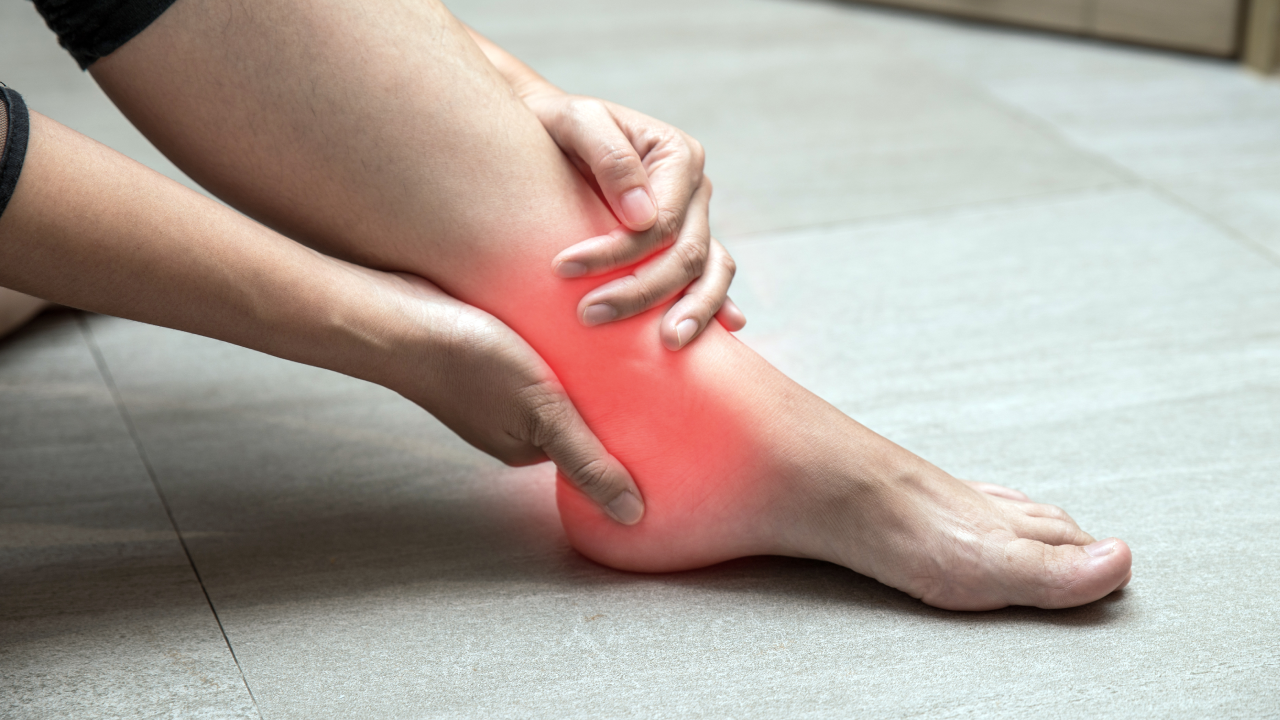
Slips, trips, falls, uneven surfaces, prolonged standing, and physically demanding work can contribute to ankle and foot conditions.
Common concerns include sprains, strains, stiffness, walking difficulties, and reduced tolerance for prolonged standing.
Muscle Strains
A muscle strain may occur when a muscle is stretched beyond its normal capacity or exposed to excessive force. Lifting, pulling, reaching, sudden movements, and repetitive tasks can contribute to muscle strains.
Rehabilitation may focus on restoring movement and gradually rebuilding strength for daily and work activities.
Repetitive Strain Injuries
Repetitive strain can develop when the same movement is performed frequently over time. Typing, assembly work, gripping, scanning, lifting, and similar tasks may contribute to these conditions.
Rehabilitation may include movement assessment, exercise, activity adjustments, and gradual progression toward job-related tasks.
Problems Workplace Injury Rehabilitation May Address
A workplace injury can affect more than the injured body part. It may also change the way a person walks, lifts, sits, reaches, carries, or performs routine job duties.
Rehabilitation may address:
- Reduced range of motion
- Muscle weakness
- Joint stiffness
- Balance difficulties
- Reduced tolerance for physical activity
- Difficulty lifting
- Difficulty standing for extended periods
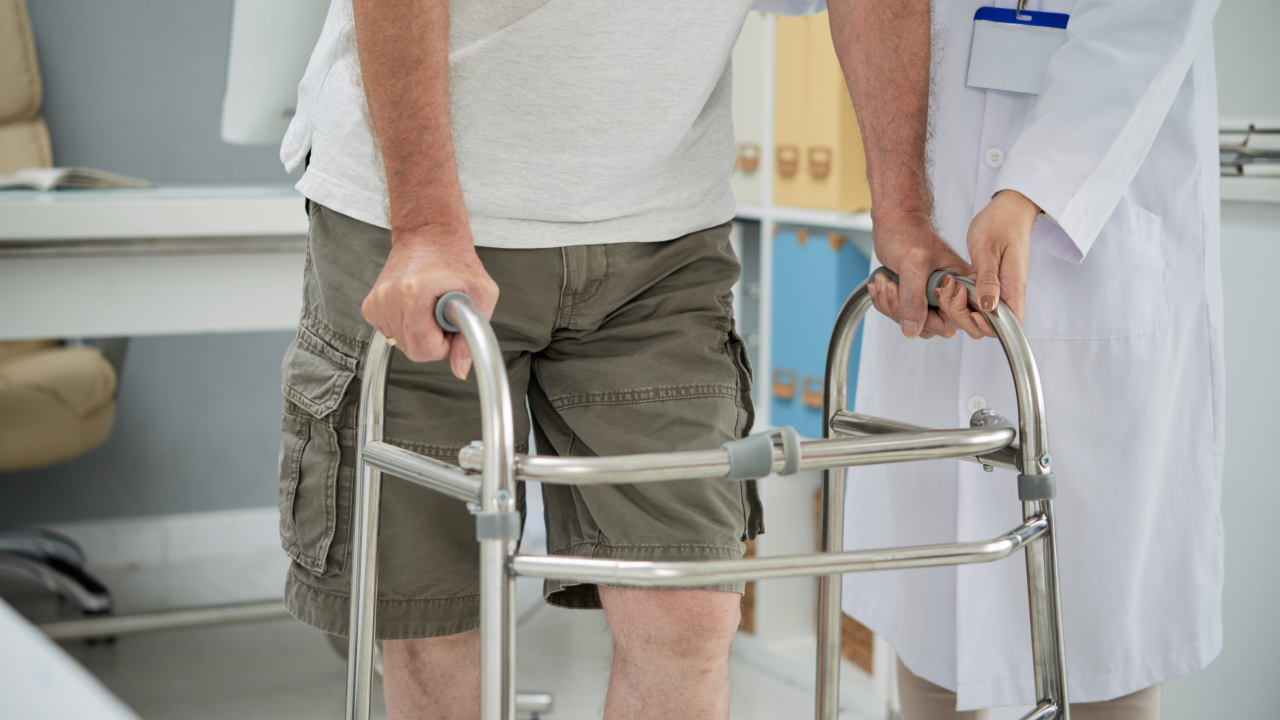
- Difficulty walking
- Difficulty reaching overhead
- Reduced grip strength
- Difficulty with repetitive tasks
- Movement restrictions following an injury
- Reduced ability to perform job-related activities
The goal is to identify these limitations and establish a rehabilitation plan based on the person’s current condition and functional requirements.
What May Be Included in Workplace Injury Rehabilitation?
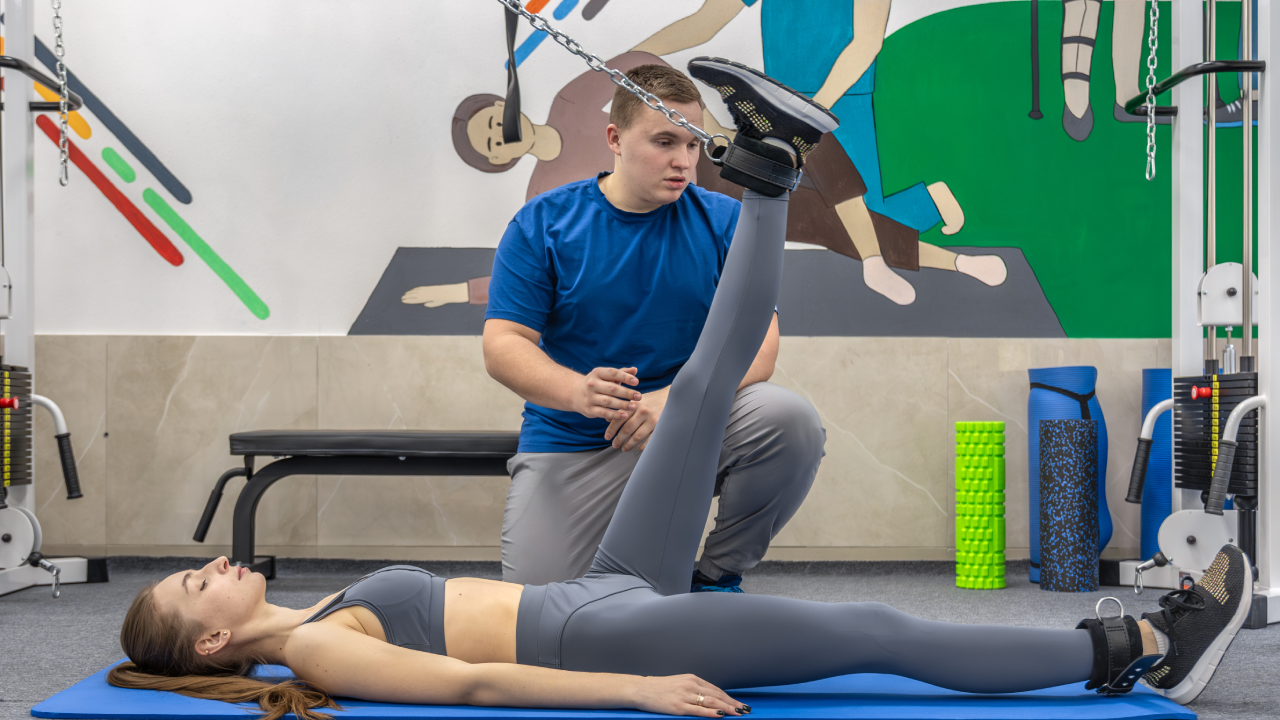
Physical Assessment
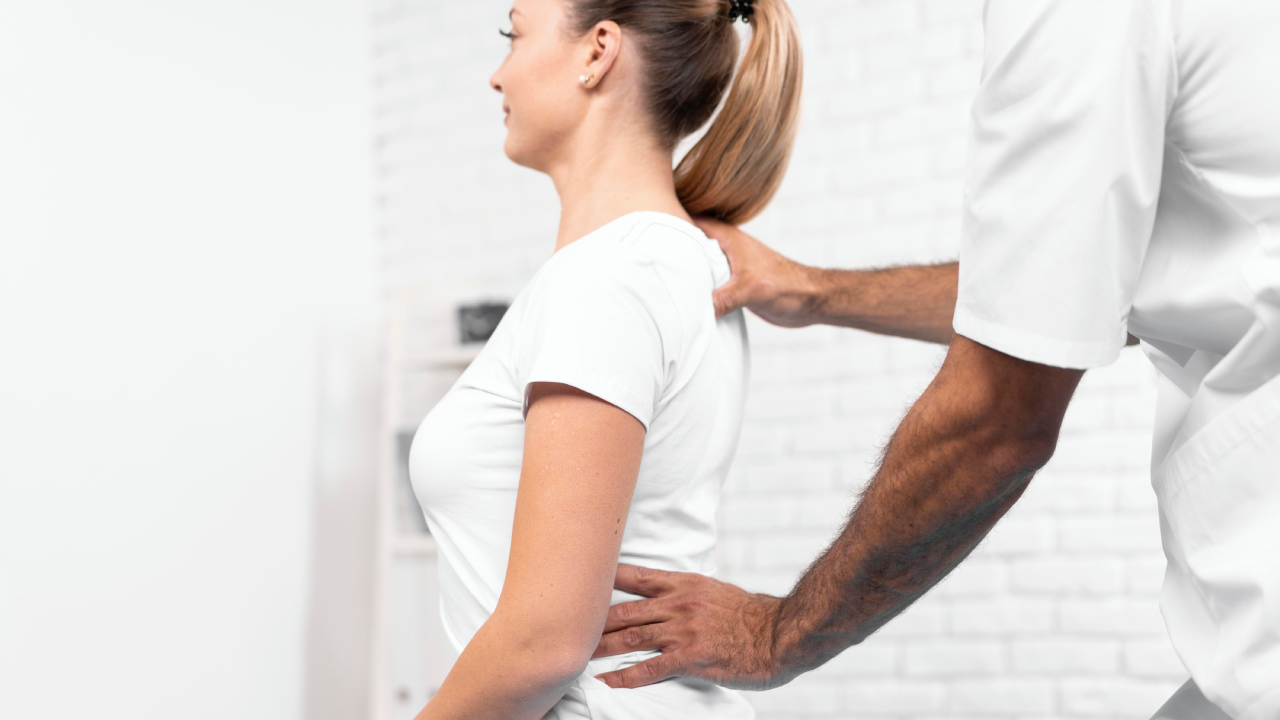
The process may begin with an assessment of the affected area, movement, strength, flexibility, balance, and functional abilities.
Exercise-Based Rehabilitation
Exercises may be used to work on strength, mobility, balance, coordination, and tolerance for physical activity.
Movement Training
Many occupations require specific physical movements. Rehabilitation may include exercises related to lifting, reaching, bending, carrying, walking, climbing, or other work duties.
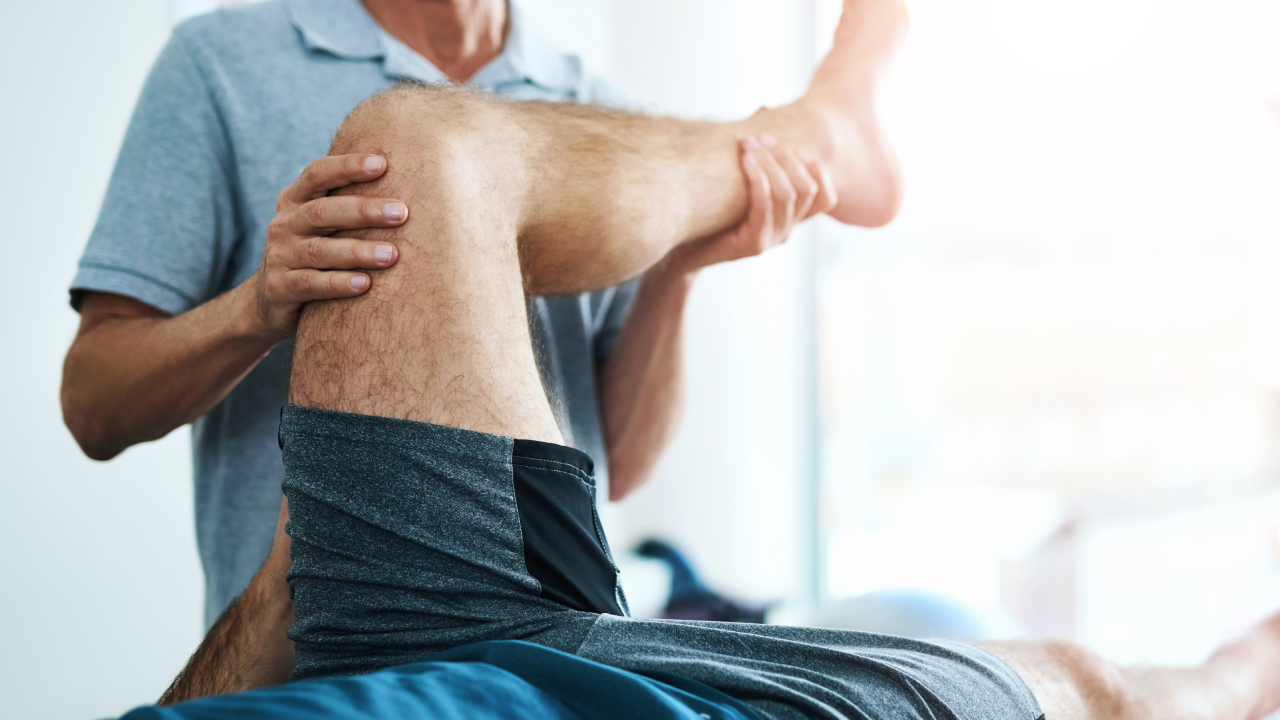
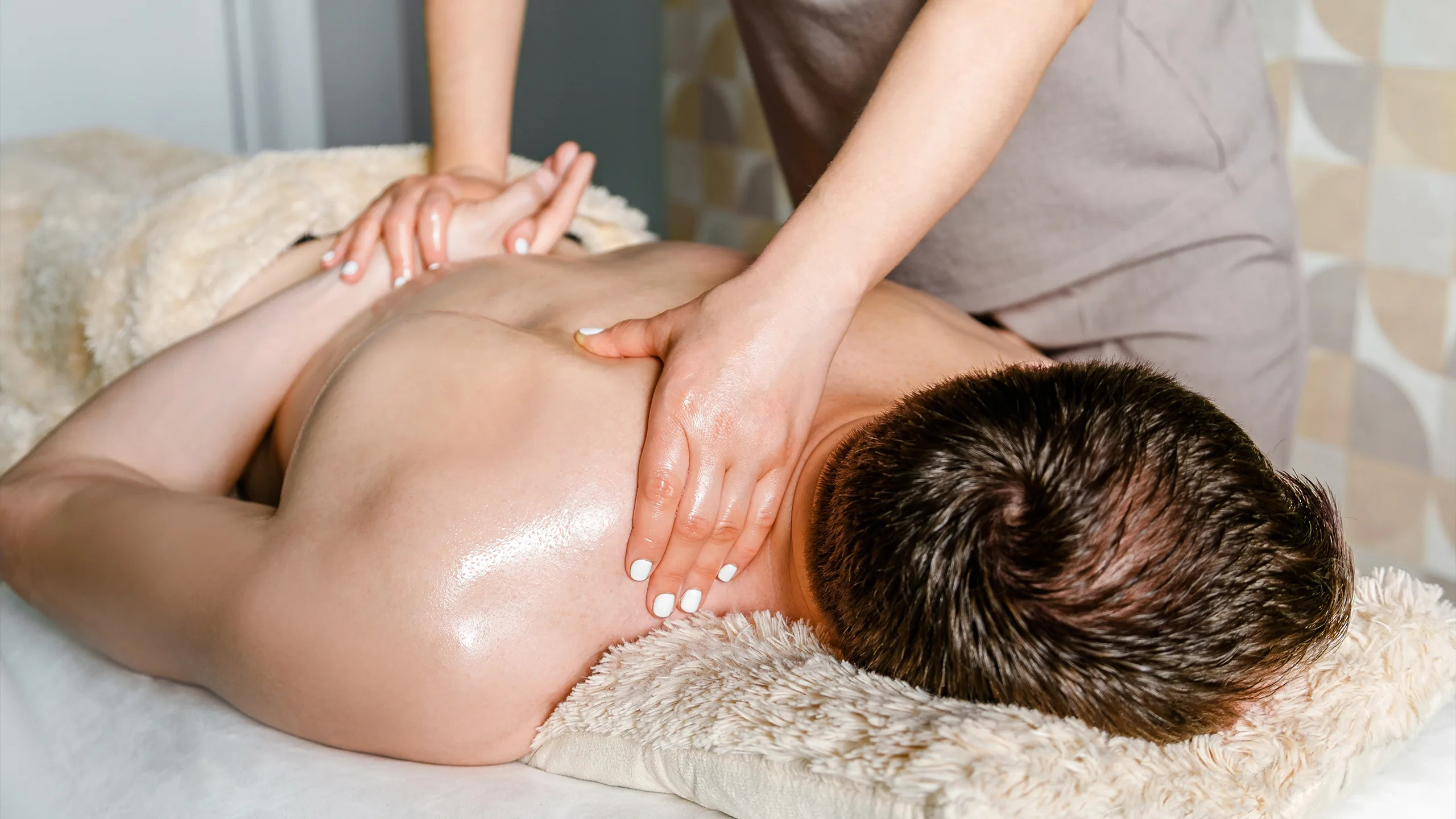
Manual Therapy
Depending on the condition and assessment findings, hands-on techniques may be incorporated alongside exercise and movement-based rehabilitation.
Activity Modification
Temporary adjustments to certain activities may be discussed when particular movements or tasks aggravate symptoms.
Return-to-Work Planning
When appropriate, rehabilitation may include gradual progression toward job-related tasks while considering the physical demands of the occupation.
How Does the Process Work?
1. Initial Consultation
The first appointment may include a discussion about the workplace incident or condition, current symptoms, job duties, and activities that have become difficult.
2. Physical Assessment
Movement, strength, mobility, balance, and functional limitations are assessed. Previous injuries and relevant medical information may also be considered.
3. Rehabilitation Planning
A rehabilitation plan is established based on the assessment findings and physical requirements of the person’s job.
4. Rehabilitation Sessions
The plan may include therapeutic exercise, manual therapy, movement training, and activity recommendations.
5. Progress Review
Progress may be monitored through changes in movement, strength, mobility, function, and tolerance for work-related activities.
6. Plan Adjustments
As the person’s condition changes, exercises and activities may be adjusted according to progress, remaining limitations, and workplace requirements.
Potential Benefits of Workplace Injury Rehabilitation
Workplace injury rehabilitation can address functional limitations that interfere with employment duties and everyday activities.
Possible outcomes may include:
- Improved joint mobility
- Increased muscle strength
- Improved balance
- Greater tolerance for physical activity
- Improved movement patterns
- Increased ability to perform work tasks
- Greater confidence with movement
- A structured return-to-work progression
- Increased awareness of factors that may contribute to recurring strain
Results vary according to the type and severity of the condition, job demands, general health, previous injuries, and participation in the rehabilitation plan.
Industries We Serve in Scarborough
Spinal Solution and Wellness can work with people from a range of employment settings, including:
- Construction
- Manufacturing
- Warehousing
- Transportation
- Healthcare
- Retail
- Hospitality
- Office and administrative work
- Landscaping
- Skilled trades
- Cleaning services
- Automotive
- Delivery services
- Property maintenance
Whether your job involves a desk, tools, machinery, vehicles, lifting, standing, or repetitive movements, rehabilitation can focus on the physical requirements associated with your role.
Service Areas
If you are searching for Workplace Injuries in Scarborough, ON, Spinal Solution and Wellness serves people with work-related musculoskeletal conditions in Scarborough and surrounding communities.
The local service area may include:
- Agincourt
- Agincourt South-Malvern West
- Malvern
- Morningside
- West Hill
- Guildwood
- Wexford
- Bendale
- Dorset Park
- Clairlea
- Birch Cliff
- Scarborough Junction
- Port Union
- Don Mills
- East York
- Markham
If visiting the clinic is appropriate for your situation, you can discuss your symptoms, work duties, and rehabilitation needs during your appointment.
Why Choose Spinal Solution and Wellness?
Spinal Solution and Wellness focuses on physiotherapy and rehabilitation for musculoskeletal and movement-related conditions. Care begins with an assessment rather than assuming that every workplace injury requires the same approach.
Factors considered may include:
- The nature of the workplace incident
- Current symptoms
- Movement limitations
- Strength and mobility
- Physical job demands
- Activities that aggravate symptoms
- Previous injuries
- Functional goals
These details help establish a rehabilitation plan that reflects the person’s condition and occupational requirements.
Related Services
Depending on the condition, related services may include:
- Physiotherapy
- Sports injury rehabilitation
- Back rehabilitation
- Neck rehabilitation
- Shoulder rehabilitation
- Knee rehabilitation
- Exercise therapy
- Manual therapy
- Mobility training
- Functional rehabilitation
Frequently Asked Questions
What are common workplace injuries?
Common workplace injuries include back strains, neck injuries, shoulder conditions, elbow problems, wrist injuries, knee injuries, ankle sprains, muscle strains, and repetitive strain conditions.
When should I seek rehabilitation after a workplace injury?
Consider an assessment when an injury affects movement, walking, lifting, reaching, sitting, standing, or regular job duties. Severe injuries, significant weakness, loss of sensation, or a suspected fracture may require prompt medical assessment.
Can physiotherapy help with workplace injuries?
Physiotherapy can assess and rehabilitate many musculoskeletal workplace injuries. Care may include exercise, manual therapy, movement training, and functional rehabilitation.
How long does workplace injury rehabilitation take?
The timeframe varies from person to person. Factors may include the type and severity of the injury, duration of symptoms, physical job demands, previous injuries, and progress during rehabilitation.
Do I need a referral?
Referral requirements may vary depending on the circumstances and coverage involved. Contact Spinal Solution and Wellness to discuss your situation and determine what documentation may be required.
Can rehabilitation address repetitive workplace strain?
Yes. Rehabilitation can examine movement patterns, strength, mobility, workload, and repeated activities that may contribute to physical strain. The rehabilitation plan can then address the relevant physical factors.
Can rehabilitation help with returning to work?
Rehabilitation can focus on the physical requirements of your occupation and gradually build capacity for work-related activities. Return-to-work decisions should also take medical recommendations and workplace requirements into account.
Get Started
A workplace injury can make routine job duties difficult, particularly when lifting, walking, reaching, sitting, standing, or repetitive movements are part of your daily responsibilities.
If you are searching for Workplace Injuries in Scarborough, ON, contact Spinal Solution and Wellness to discuss your condition and arrange an assessment. Our team can review your symptoms, work requirements, and functional limitations and explain the rehabilitation options that may be suitable for your situation.
Phone: +1 416-307-1076
Address: 5995 Steeles Ave E, Scarborough, ON M1V 5P6, Canada
Call Spinal Solution and Wellness in Scarborough, ON, to schedule an appointment and discuss the next steps for your rehabilitation.