
Piriformis Syndrome in Scarborough, ON
Piriformis syndrome can lead to discomfort, tingling, numbness, or aching in the buttock and may sometimes cause symptoms that extend down the back of the leg. Symptoms can become more noticeable with prolonged sitting, walking, running, stair climbing, or activities that place repeated demands on the hip and pelvic region.
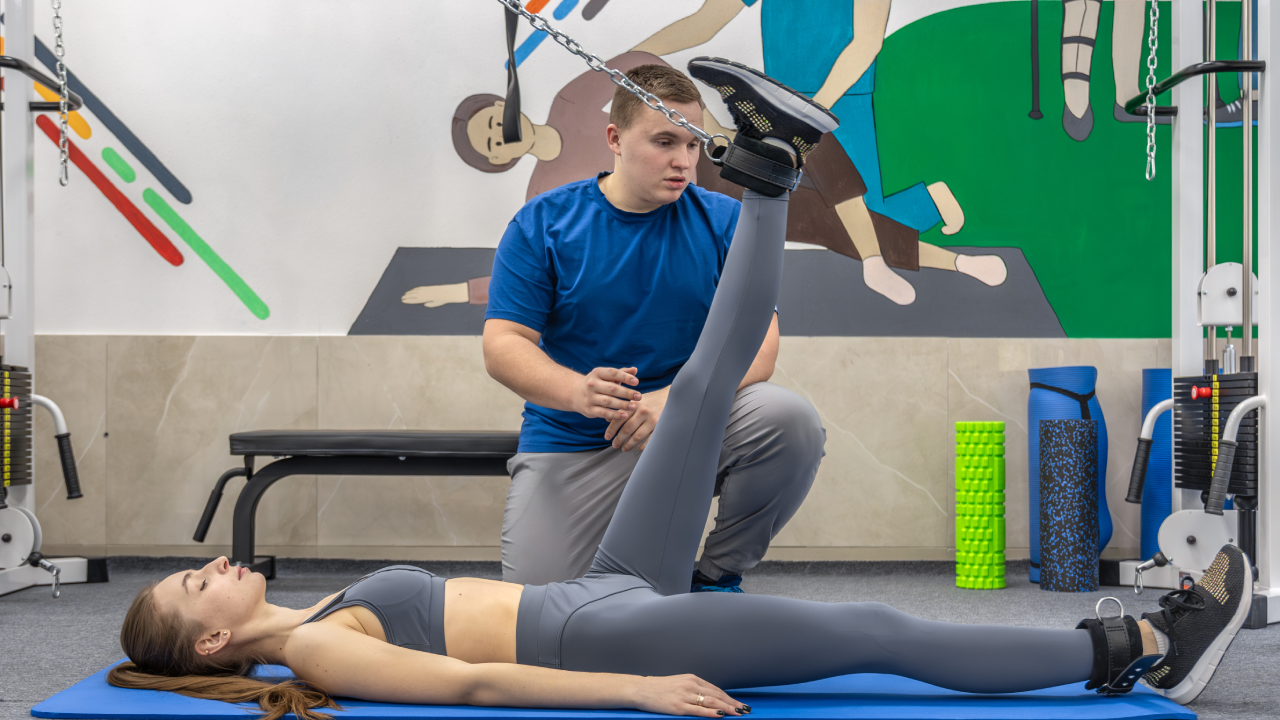
At Spinal Solution and wellness, we assess movement patterns, muscle function, joint mobility, symptom behaviour, and activity demands when working with people seeking care for Piriformis Syndrome in Scarborough, ON. Our physiotherapy process looks at factors that may be contributing to symptoms and uses the assessment findings to establish a rehabilitation plan suited to the individual’s presentation and daily activities.
What Is Piriformis Syndrome?
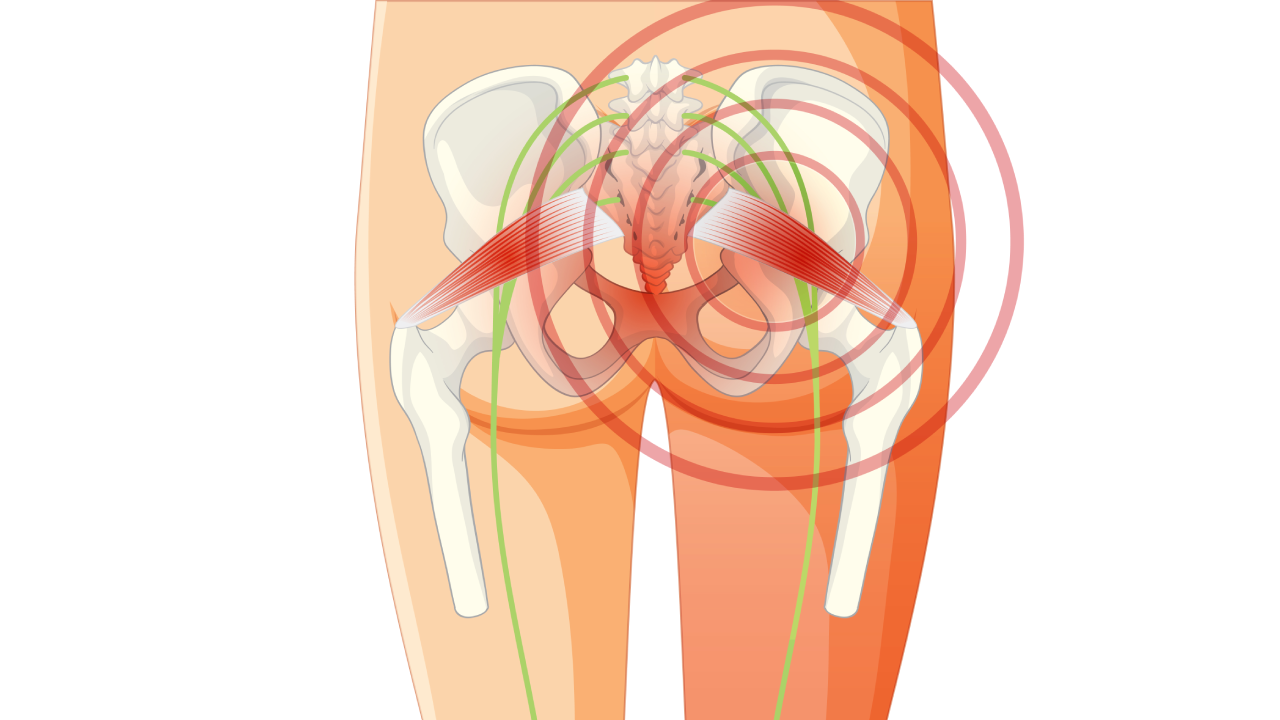
Piriformis syndrome describes symptoms that may develop when the piriformis muscle irritates or places pressure on the sciatic nerve or nearby tissues.
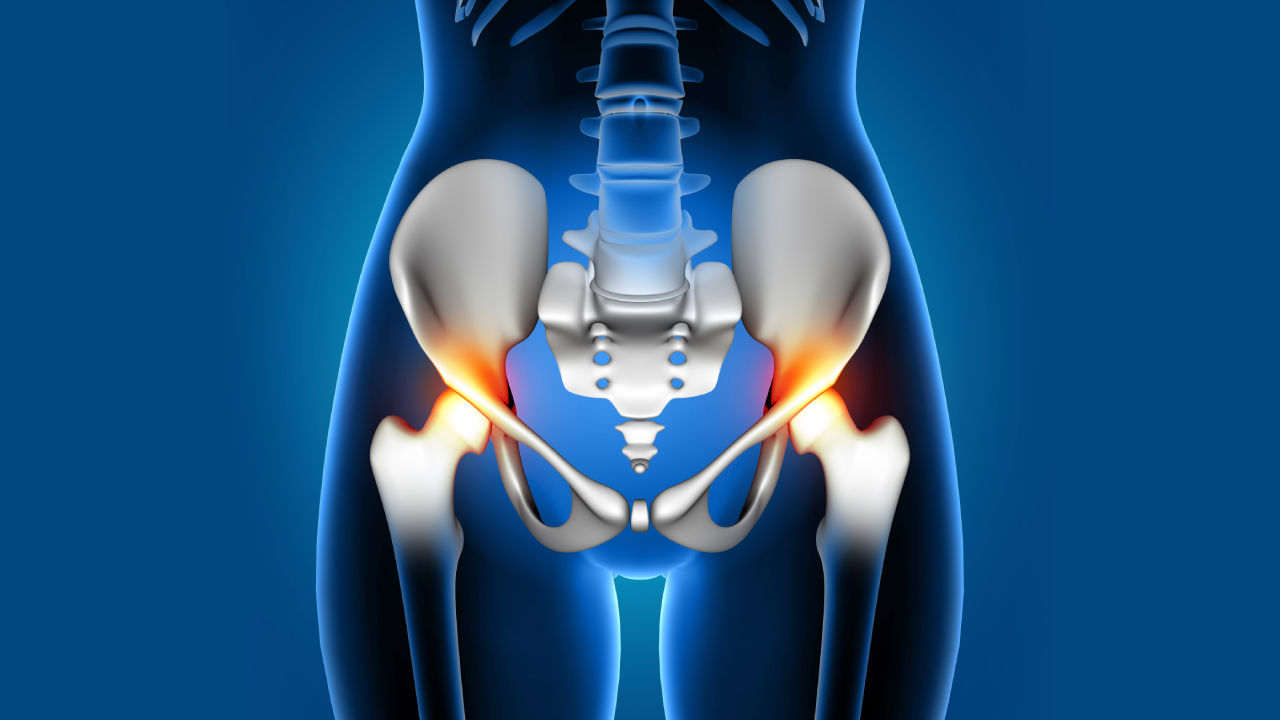
The piriformis is a small muscle located deep within the buttock. It connects the lower pelvic region with the upper portion of the thigh bone and contributes to hip movement and stability.
In many people, the sciatic nerve passes beneath the piriformis muscle, although anatomical variations can occur. Irritation in this area may produce symptoms that resemble other sources of sciatic-type discomfort.
Common symptoms may include:
- Deep aching in the buttock
- Discomfort extending toward the back of the thigh
- Tingling or numbness
- Symptoms that increase after extended sitting
- Discomfort while walking or running
- Symptoms with particular hip movements
- Tightness around the hip or buttock
- Difficulty sitting for prolonged periods
Piriformis syndrome can resemble conditions involving the lumbar spine, sacroiliac joint, hamstrings, hip, or sciatic nerve. A clinical assessment can help distinguish between possible sources instead of assuming that the piriformis muscle is responsible.
Who Can Develop Piriformis Syndrome?
Piriformis-related symptoms can occur in people with many different lifestyles and activity levels. The condition is not limited to athletes.
Runners and Athletes
Running, cycling, field sports, strength training, and activities involving repetitive hip movement can place significant demands on the muscles surrounding the pelvis.
Changes in training volume, exercise technique, running surfaces, recovery habits, or activity levels may also influence symptoms.
Office Workers
Spending several hours seated each day may aggravate buttock symptoms in some individuals. Discomfort may appear during the workday, while driving, or after sitting through a lengthy meeting.
Active Adults
Walking, hiking, recreational sports, gym sessions, and other physical activities can place repeated loads on the hip and pelvic region.
People Returning to Activity
Symptoms can sometimes appear when someone moves from a period of limited activity to a sudden increase in walking, exercise, running, or recreational movement.
People With Hip or Pelvic Movement Changes
Alterations in hip mobility, muscle strength, coordination, or movement patterns may contribute to increased stress around the piriformis region.
Common Problems Associated with Piriformis Syndrome
People searching for Piriformis Syndrome in Scarborough, ON, may report a variety of symptoms depending on the underlying factors.
Buttock Discomfort
A deep ache or sharper sensation on one side of the buttock is a common complaint. Symptoms may increase with prolonged sitting or certain hip movements.
Sciatic-Type Symptoms
Some individuals notice sensations extending from the buttock toward the thigh or lower leg. Tingling, numbness, burning sensations, or aching may also occur.
Sitting Discomfort
Remaining seated for extended periods may increase symptoms for some people. Driving can also become uncomfortable because the hip remains in a sustained position.
Activity-Related Symptoms
Running, squatting, stair climbing, lunging, or other movements may increase symptoms depending on the source of the problem.
Recurring Symptoms
Symptoms may settle temporarily and return when activity levels rise. Repeated flare-ups can interfere with exercise, work, recreation, and everyday routines.
Conditions That May Resemble Piriformis Syndrome
Not every case of buttock or leg discomfort originates from the piriformis muscle.
Similar symptoms can occur with conditions affecting the lumbar spine, hip, sacroiliac region, hamstrings, or sciatic nerve.
A physiotherapy assessment can help identify movement and symptom patterns that may point toward one source rather than another. If findings suggest a condition outside physiotherapy care, referral to an appropriate healthcare professional may be recommended.
Seek urgent medical attention if symptoms occur with significant weakness, loss of bladder or bowel control, numbness around the groin or saddle region, fever, major trauma, or other concerning signs.
What We Assess at Spinal Solution and wellness
When you visit Spinal Solution and wellness, the assessment may cover several areas related to your symptoms and physical activity.
Symptom History
We discuss when the symptoms began, where they occur, which activities increase them, and whether sensations travel into the leg.
Movement Assessment
Walking, squatting, stepping, hip movements, and other functional activities may be assessed according to your symptoms and daily requirements.
Hip and Pelvic Mobility
Movement around the hip and pelvis can influence how surrounding muscles function during exercise and everyday activities.
Muscle Function
Strength, endurance, coordination, and control of the hip and surrounding muscles may be examined.
Neurological Screening
When symptoms include numbness, tingling, or radiating sensations, appropriate neurological checks may help identify signs involving the sciatic nerve or lumbar spine.
Functional Assessment
We also consider activities that are important to your routine, including sitting, driving, walking, working, exercising, or participating in sports.
Physiotherapy Treatment Options for Piriformis Syndrome
Treatment is based on assessment findings rather than applying the same approach to every person.
Exercise Therapy
A physiotherapist may recommend exercises involving hip strength, mobility, pelvic control, trunk function, and movement coordination.
Exercises can be progressed or modified as your physical capacity changes.
Mobility Exercises
Specific mobility exercises may be included when restrictions around the hip or surrounding structures appear relevant to your symptoms.
Manual Therapy
Hands-on techniques may be used when appropriate to address movement restrictions or muscle tension.
Movement Retraining
Some individuals may benefit from modifying how they perform activities such as running, squatting, lifting, stair climbing, or other movements.
Activity Modification
Temporary adjustments to exercise volume, sitting habits, training intensity, or aggravating activities may help manage unnecessary strain while rehabilitation continues.
Home Exercise Program
Your physiotherapist may recommend exercises to complete between appointments. The program can be adjusted according to symptoms, physical demands, and changes in your function.
How the Piriformis Syndrome Rehabilitation Process Works
1. Initial Consultation
Your first appointment begins with a discussion about your symptoms, medical history, work requirements, exercise routine, activities, and physical goals.
2. Physical Assessment
We examine relevant movement patterns, hip mobility, muscle function, and neurological signs when indicated.
3. Rehabilitation Planning
Assessment findings are used to establish a rehabilitation plan based on the factors identified during your appointment.
4. Physiotherapy Treatment
Treatment may include exercise therapy, manual therapy, mobility work, movement retraining, and activity modification.
5. Progress Review
Your symptoms, movement, and functional abilities are reviewed during follow-up appointments. Exercises and activity recommendations may be adjusted as your capacity changes.
6. Activity Progression
As your movement and activity tolerance change, rehabilitation can progress toward your work, exercise, recreational, or sporting requirements.
Practical Benefits of Physiotherapy for Piriformis Syndrome
Physiotherapy may support several practical goals when piriformis-related symptoms interfere with everyday activities.
Improved Movement Capacity
Exercise and movement work can address limitations involving the hip, pelvis, and surrounding muscles.
Increased Activity Tolerance
A gradual rehabilitation program can help you work toward walking, running, exercising, or other activities according to your current physical capacity.
Fewer Activity Restrictions
Identifying movements and habits that aggravate symptoms can make it easier to modify activities while maintaining suitable physical movement.
Exercise Planning
People returning to exercise may require adjustments to training volume, exercise selection, technique, or progression.
Confidence With Movement
Knowing how to manage activity during different stages of rehabilitation can make returning to work, exercise, and everyday routines more manageable.
Who We Treat in Scarborough
At Spinal Solution and wellness, physiotherapy care for piriformis-related symptoms may be suitable for:
- Office workers
- Drivers
- Runners
- Cyclists
- Recreational athletes
- Gym members
- Manual workers
- Older adults
- People returning to exercise
- People with recurring buttock or sciatic-type symptoms
We also see people whose symptoms affect sitting, walking, work responsibilities, exercise, recreation, or sports participation.
Frequently Asked Questions
What does piriformis syndrome feel like?
Piriformis syndrome may feel like a deep ache, sharp discomfort, tingling, numbness, or burning in the buttock. Some people may also notice sensations extending down the back of the thigh or leg.
Can sitting make piriformis syndrome worse?
Extended sitting can aggravate symptoms in some people because the hip remains in a sustained position and surrounding tissues may experience increased stress.
Can physiotherapy help piriformis syndrome?
Physiotherapy may address factors such as mobility restrictions, muscle weakness, movement coordination, activity load, and exercise habits that may contribute to symptoms.
How long does piriformis syndrome take to improve?
Recovery time varies from person to person. Factors can include the underlying cause, symptom duration, activity requirements, general health, and response to rehabilitation. Your physiotherapist can discuss possible timeframes following an assessment.
Should I stop exercising?
Not necessarily. Complete rest may not be required in every situation. A physiotherapist can help determine which activities may need temporary modification and which movements can remain part of your routine.
Can piriformis syndrome return?
Symptoms can recur, particularly when contributing factors remain present or activity levels increase quickly. Progressive exercise and sensible activity management may help reduce the likelihood of repeated flare-ups.
Is piriformis syndrome the same as sciatica?
No. Sciatica describes symptoms associated with irritation or compression of the sciatic nerve, while piriformis syndrome refers to symptoms associated with the piriformis region that may affect the sciatic nerve.
When should I see a physiotherapist?
Consider an assessment when buttock or leg symptoms continue, interfere with sitting or walking, affect exercise, or repeatedly return despite changes to your routine.
Service Areas
If you are searching for Piriformis Syndrome in Scarborough, ON, Spinal Solution and wellness provide physiotherapy assessment and rehabilitation for people dealing with buttock, hip, and sciatic-type symptoms.
Our clinic serves Scarborough and nearby communities, including
- Agincourt
- Agincourt South-Malvern West
- Malvern
- Morningside
- West Hill
- Guildwood
- Wexford
- Bendale
- Dorset Park
- Clairlea
- Birch Cliff
- Scarborough Junction
- Port Union
- Don Mills
- East York
- Markham
Why Choose Spinal Solution and wellness?
Selecting a physiotherapy clinic involves more than the name of a service. It can be useful to choose a clinic where symptoms are assessed in relation to movement, physical activities, work requirements, and everyday demands.
At Spinal Solution and wellness, our physiotherapy process may include:
- One-to-one assessment
- Review of symptom history
- Movement and functional assessment
- Hip and pelvic assessment when indicated
- Exercise-based rehabilitation
- Manual therapy when appropriate
- Activity modification
- Home exercise planning
- Progress reviews
- Discussion of next steps
Our process connects assessment findings with practical rehabilitation steps rather than focusing only on a diagnosis.
Related Services
People with piriformis-related symptoms may also require assessment of other areas depending on their presentation.
Related services may include:
- Back Pain Physiotherapy
- Sciatica Physiotherapy
- Hip Physiotherapy
- Sports Physiotherapy
- Physiotherapy for Running Injuries
- Manual Therapy
- Exercise Therapy
- Mobility Rehabilitation
- Post-Injury Rehabilitation
The appropriate service depends on the findings from your assessment.
Get Started
Persistent buttock or leg symptoms can interfere with sitting, walking, work, exercise, recreation, and everyday movement. Piriformis syndrome is one possible source, while similar symptoms can also arise from several other conditions.
An assessment can help identify the pattern of your symptoms and relevant physical or movement factors.
If you are looking for Piriformis Syndrome in Scarborough, ON, contact Spinal Solution and wellness to schedule a physiotherapy assessment.
Phone: +1 416-307-1076
Address: 5995 Steeles Ave E, Scarborough, ON M1V 5P6, Canada
Our team can discuss your symptoms, assess your movement, and explain the next steps based on the findings from your appointment.