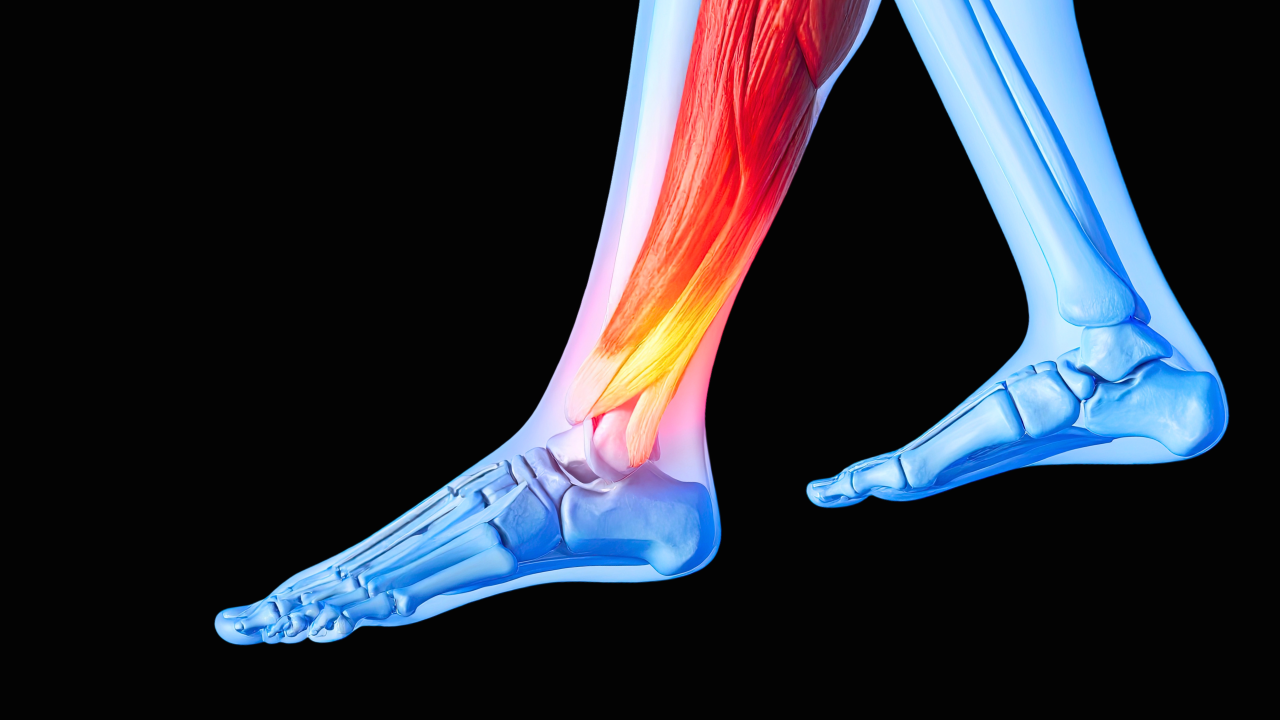
Achilles Tendinitis in Scarborough, ON
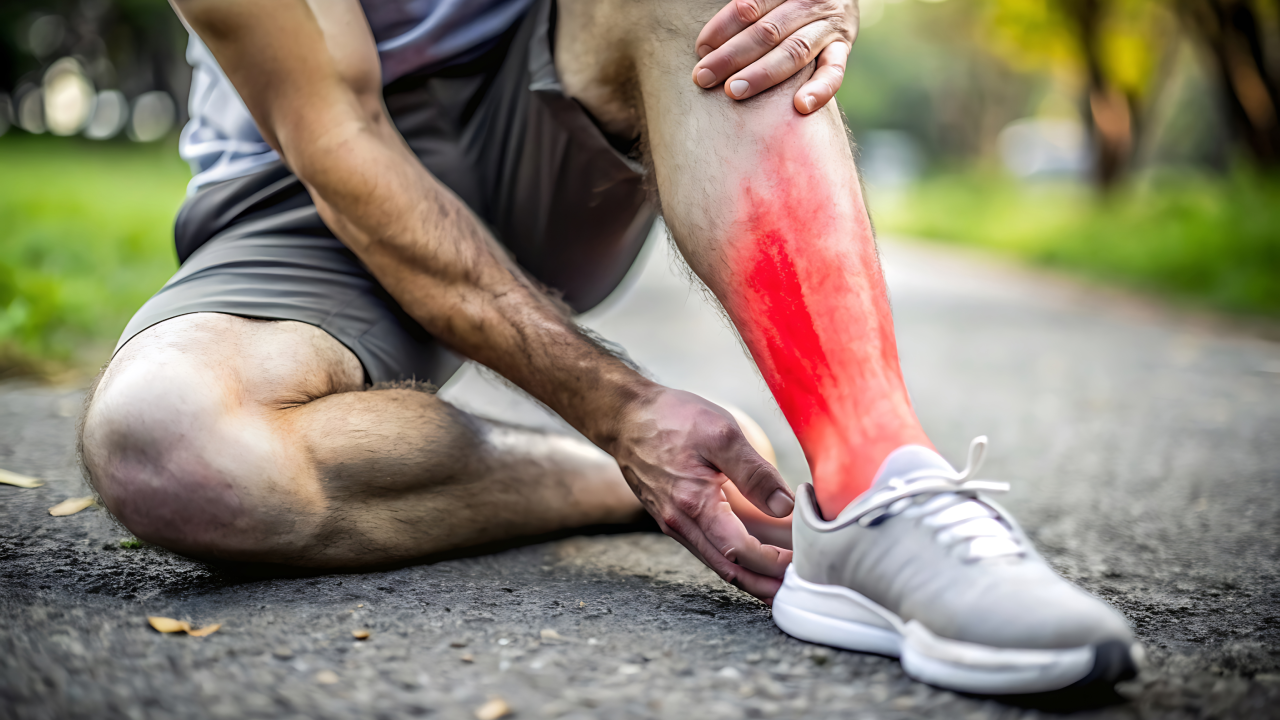
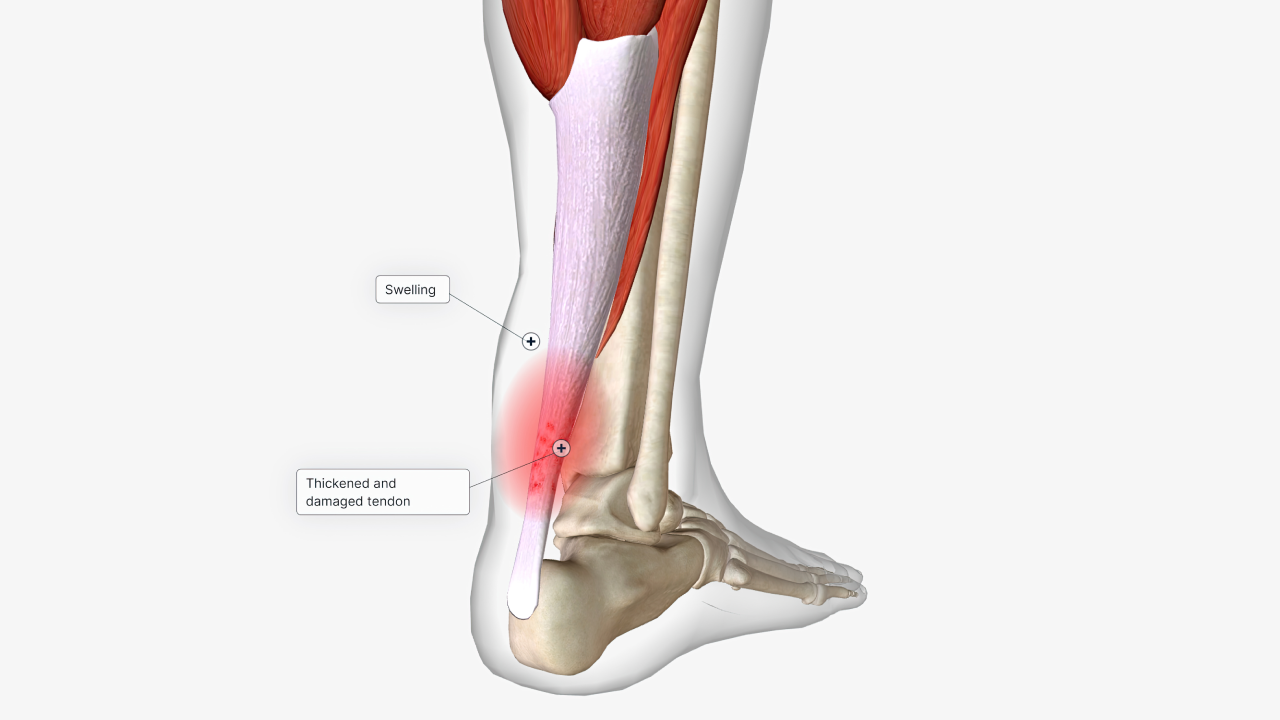
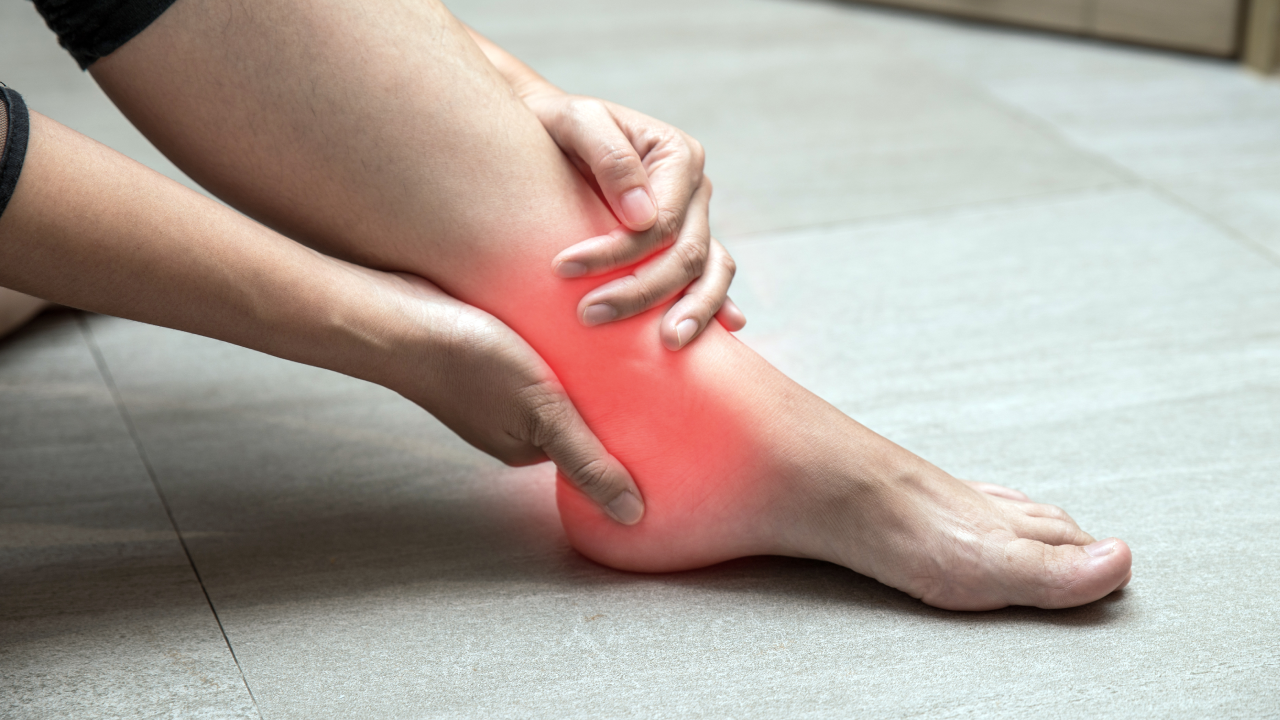
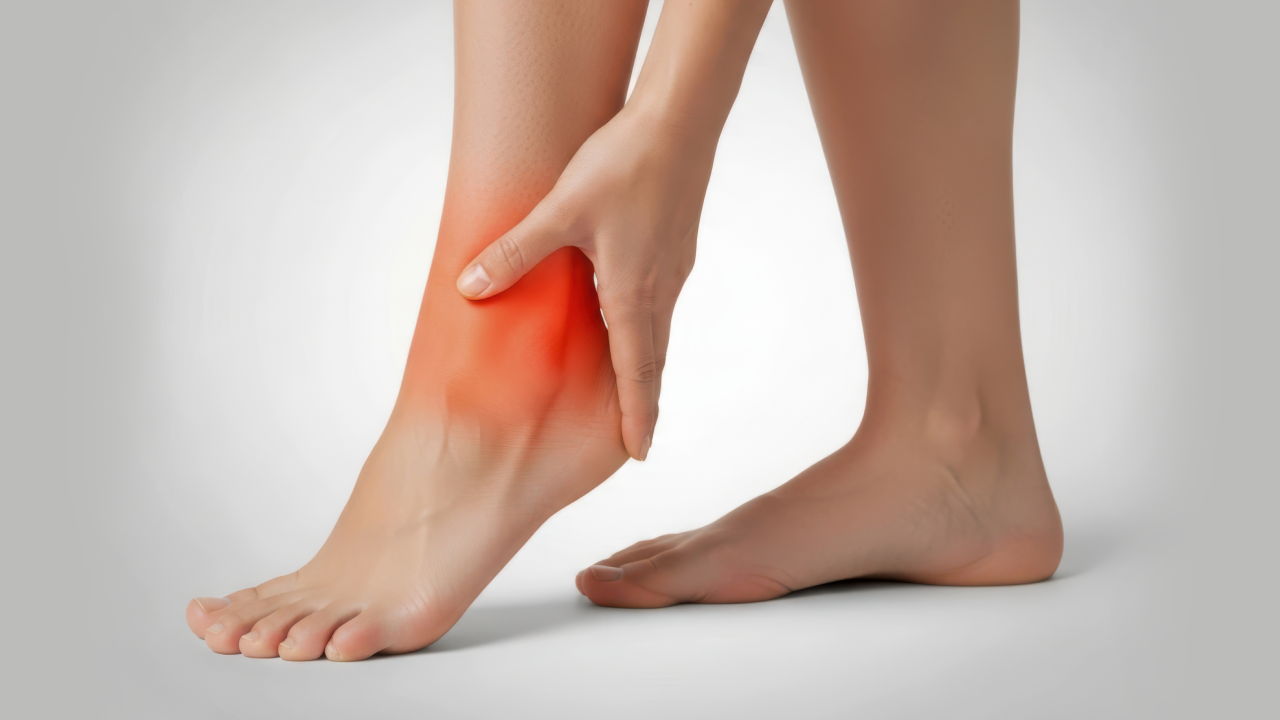
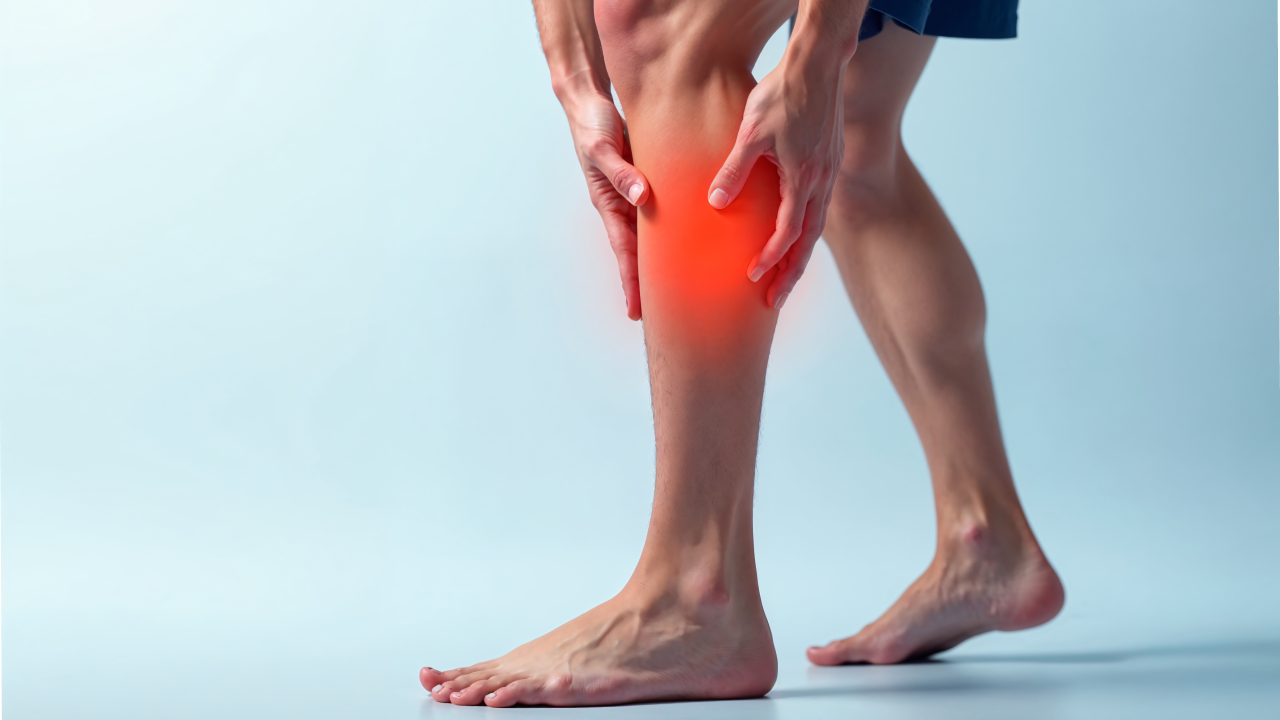
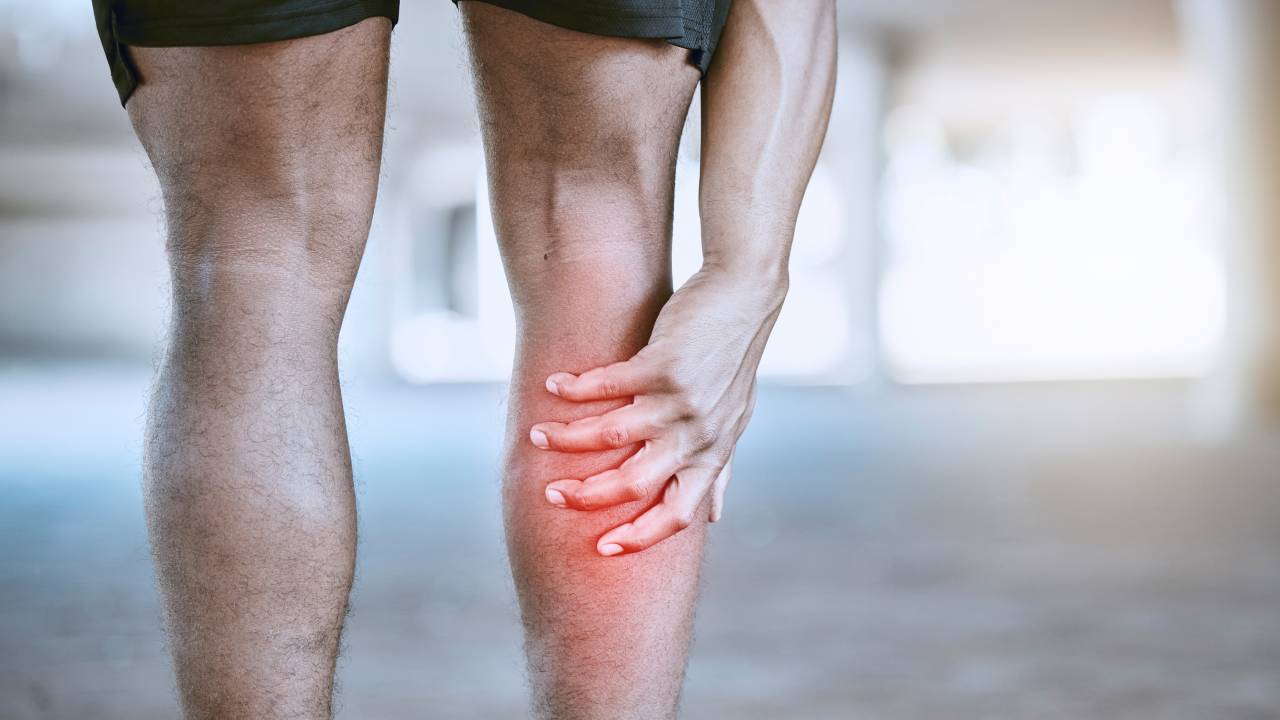
Achilles tendinitis involves the thick tendon that connects the calf muscles to the heel bone. When this tendon is repeatedly loaded, it may become irritated and develop symptoms such as soreness, stiffness, swelling, or tenderness around the back of the ankle. Activities such as running, jumping, prolonged standing, sudden increases in exercise, and changes in footwear may contribute to tendon irritation.
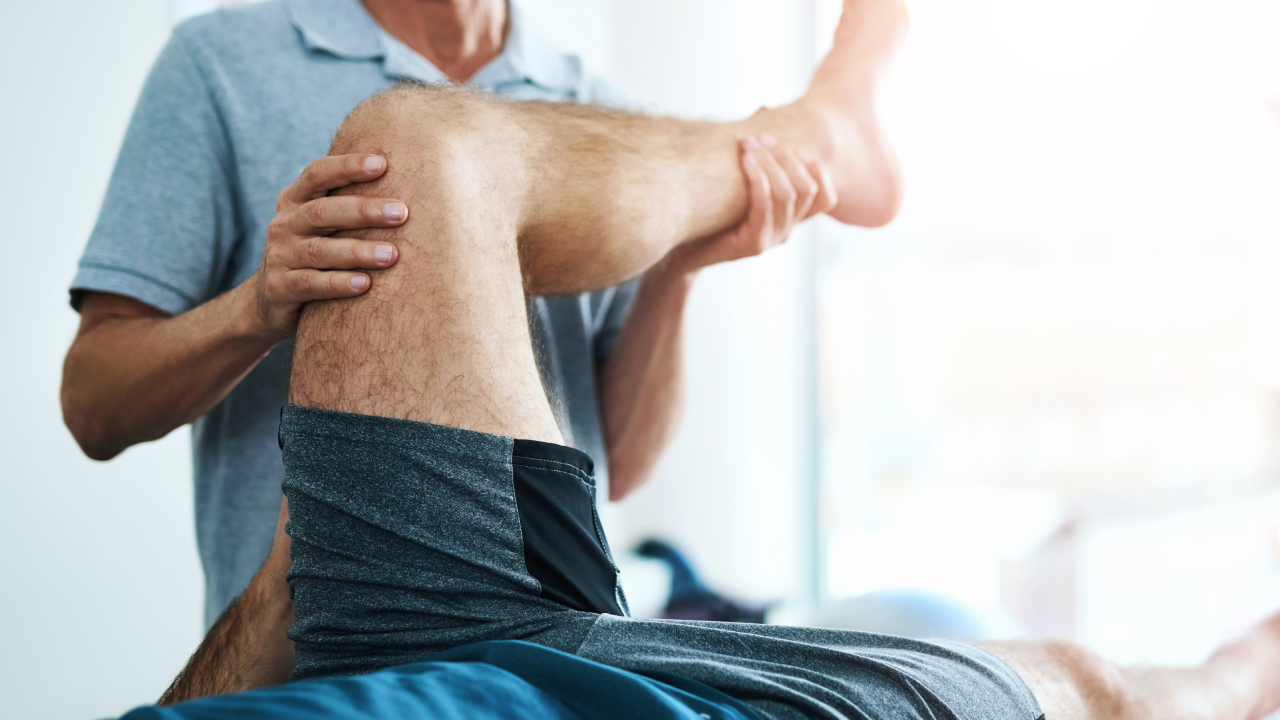
At Spinal solution and wellness, we assess your symptoms, activity level, movement patterns, and physical demands when providing care for Achilles Tendinitis in Scarborough, ON. Physiotherapy may focus on managing symptoms, improving calf and ankle function, increasing tendon capacity, and gradually returning you to everyday activities, exercise, or sport.
What Is Achilles Tendinitis?
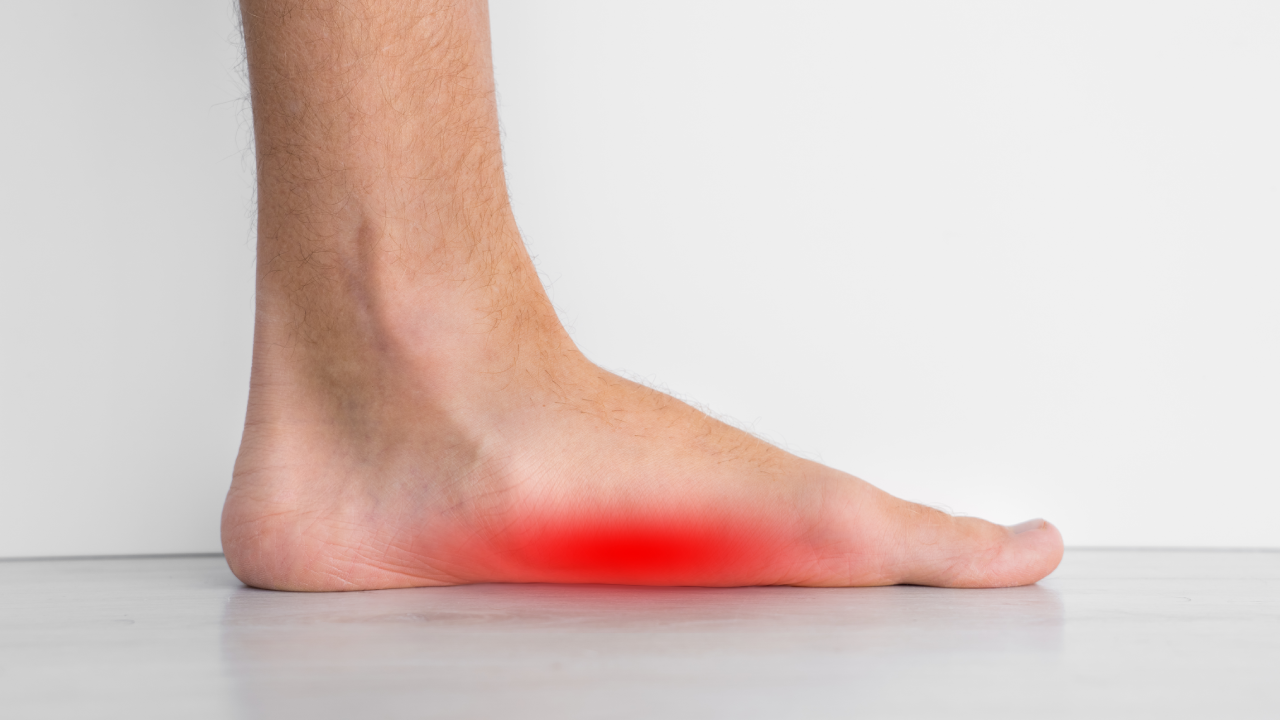
Achilles tendinitis refers to irritation and structural changes affecting the Achilles tendon. Located at the back of the ankle, this strong tendon connects the calf muscles with the heel bone. It is involved in walking, running, climbing stairs, jumping, and pushing the foot against the ground.
Achilles tendon symptoms may develop gradually or follow a change in physical activity. For example, someone returning to running after a period of inactivity may increase their tendon workload faster than their current capacity allows. Similar issues may occur when running distance, speed, hills, sports participation, or training frequency increases suddenly.
Achilles tendon conditions are commonly described according to the area where symptoms occur.
Mid-Portion Achilles Tendinitis
Mid-portion symptoms generally occur a few centimetres above the heel bone. Soreness, tenderness, or stiffness may become noticeable during walking, running, jumping, or other weight-bearing activities.
Some people experience more stiffness after waking or following a prolonged period of sitting. Movement may initially reduce the stiffness, although symptoms can return when activity levels increase.
Insertional Achilles Tendinitis
Insertional Achilles tendinitis affects the area where the Achilles tendon attaches to the heel bone. Symptoms may increase during activities such as running, climbing stairs, walking uphill, or wearing footwear that puts pressure against the rear of the heel.
Changes around the tendon attachment and heel area may also occur with this form of Achilles tendon irritation.
Common Symptoms
People searching for Achilles Tendinitis in Scarborough, ON, may experience:
- Soreness or pain at the back of the ankle
- Morning stiffness around the Achilles tendon
- Tenderness when the tendon is touched
- Swelling or thickening around the tendon
- Discomfort during running or jumping
- Difficulty pushing off while walking
- Symptoms following increased activity
- Reduced tolerance for stairs or hills
- Stiffness after sitting for extended periods
- Difficulty participating in sports
Symptoms differ between individuals. A clinical assessment can help determine whether the Achilles tendon is contributing to the problem and whether another condition may be producing similar symptoms.
Who Can Develop Achilles Tendinitis?
Achilles tendon problems can affect people across different activity levels. Athletes, runners, recreational exercisers, physically active workers, and people returning to exercise may all experience tendon-related symptoms.
Runners
Running creates repeated loading through the calf and Achilles tendon. Increasing mileage, pace, hills, training frequency, or running on a different surface may change the amount of stress placed on the tendon.
Athletes
Sports involving sprinting, jumping, cutting, and quick acceleration can place considerable demand on the Achilles tendon. Basketball, soccer, tennis, volleyball, and similar sports involve many of these movements.
Active Adults
Returning to exercise after several weeks or months of limited activity may increase tendon loading quickly. Gradual increases in exercise can allow the body to adjust to new physical demands.
Workers
Occupations involving extended standing, frequent walking, climbing, lifting, or repetitive lower-limb activity may place ongoing demands on the calf and Achilles tendon.
Older Adults
Changes in tendon structure associated with age may affect how the Achilles tendon responds to loading. Physical activity can still be maintained, but increases in workload may need to happen gradually.
Problems Achilles Tendinitis Physiotherapy Can Address
Achilles tendon symptoms can interfere with work, exercise, recreation, and routine movement. Physiotherapy may address concerns such as
- Difficulty walking comfortably
- Trouble climbing stairs
- Difficulty returning to running
- Reduced tolerance for jumping
- Calf weakness
- Limited ankle mobility
- Stiffness following rest
- Reduced tolerance for prolonged standing
- Difficulty returning to recreational sports
- Symptoms that repeatedly appear after activity
A key part of rehabilitation is identifying factors that may be contributing to the tendon problem. These can include training volume, recovery periods, calf strength, ankle mobility, footwear, movement habits, and recent changes in activity.
Assessment for Achilles Tendinitis in Scarborough, ON
At Spinal solution and wellness, your assessment begins with a discussion about your symptoms, activity levels, work demands, and exercise history.
A physiotherapist may ask when your symptoms began, which activities increase them, whether your exercise routine has changed, and how the condition affects walking, work, exercise, or sport.
The physical assessment may include:
- Walking observation
- Ankle mobility testing
- Calf strength testing
- Single-leg movement assessment
- Achilles tendon tenderness assessment
- Functional movement testing
- Balance assessment
- Review of training and activity patterns
The information gathered during the assessment helps establish a rehabilitation plan that reflects your current abilities and physical demands.
Key Components of Achilles Tendinitis Physiotherapy
Movement Assessment
The way your ankle, foot, calf, and lower limb move can influence how forces are distributed through the Achilles tendon. Movement assessment can help identify mobility restrictions, strength deficits, or control issues that may affect tendon loading.
Load Management
Achilles tendon rehabilitation does not always require complete activity restriction. In many situations, adjusting the amount, frequency, or intensity of activity can help manage tendon loading.
Your physiotherapist can discuss which activities may need modification and how they can be gradually increased as your tolerance changes.
Calf Strengthening
The calf muscles contribute significantly to Achilles tendon function. Progressive strengthening exercises can build the capacity required for walking, running, jumping, and other weight-bearing activities.
Depending on your assessment, exercises may include calf raises, seated calf exercises, single-leg strengthening, and progressive resistance work.
Mobility Exercises
Ankle mobility can influence lower-limb mechanics during walking, running, squatting, stair climbing, and other activities. Mobility exercises may be included when restrictions are identified during assessment.
Balance and Functional Training
For people preparing to return to sport or physically demanding activities, rehabilitation may progress beyond individual strengthening exercises.
Balance, coordination, single-leg control, jumping, landing, and sport-related movements may be introduced according to activity requirements.
Gradual Activity Progression
Returning to running or sport too quickly can increase tendon loading before sufficient capacity has developed. A gradual progression helps align activity demands with your current physical abilities.
How Achilles Tendinitis Rehabilitation Works
1. Consultation
The first step involves discussing your symptoms, daily routine, exercise habits, work requirements, previous injuries, and recent changes in physical activity.
2. Physical Assessment
The physiotherapist assesses the Achilles tendon, ankle, calf, and lower-limb function. This helps identify physical and activity-related factors that may be contributing to your symptoms.
3. Rehabilitation Planning
Your rehabilitation plan is based on your current function and activity requirements. Someone preparing to return to running may require a different progression from someone whose primary goal is comfortable everyday walking.
4. Active Rehabilitation
Your program may include strengthening exercises, mobility work, balance activities, movement training, and activity modification.
Exercises and activity levels can be adjusted according to how your symptoms and function respond.
5. Progress Reviews
Follow-up appointments can be used to review symptoms, strength, movement, and tolerance for daily or athletic activities. Exercises may then be progressed or modified according to your response.
6. Return to Activity
As your physical capacity changes, rehabilitation can progress toward work duties, recreational activities, running, jumping, or sport-specific demands.
Practical Benefits of Physiotherapy
Physiotherapy for Achilles tendon concerns may support several functional goals.
Improved Activity Tolerance
Progressive tendon loading can help the tendon adapt to the demands placed on it over time.
Increased Calf Strength
Strengthening the calf can support the calf-Achilles system during walking, running, jumping, and other activities.
Improved Movement
Addressing ankle mobility, balance, strength, and lower-limb control may support more efficient movement during everyday and athletic tasks.
Return to Exercise
A gradual activity plan can help you move from modified exercise toward your regular training routine.
Managing Training Demands
Learning how to adjust training volume, frequency, and intensity can help you remain active while rehabilitation is underway.
Greater Confidence with Activity
Knowing how to monitor symptoms and progress, exercise can make returning to physical activity more structured and predictable.
Who We Serve in Scarborough
Spinal solution and wellness provides physiotherapy care for people in Scarborough and nearby communities dealing with musculoskeletal and movement-related concerns.
Achilles tendon physiotherapy may be suitable for:
- Runners
- Soccer players
- Basketball players
- Tennis players
- Volleyball players
- Gym-goers
- Recreational athletes
- Active adults
- People returning to exercise
- Workers who stand or walk for extended periods
- Adults with recurring ankle or calf symptoms
Frequently Asked Questions
What causes Achilles tendinitis?
Achilles tendinitis may occur when repeated tendon loading exceeds the tendon’s current capacity. Sudden increases in running, jumping, walking, training volume, or physical workload may contribute.
How long does Achilles tendinitis take to improve?
The timeframe varies depending on symptom duration, severity, physical demands, tendon capacity, activity levels, and participation in rehabilitation. Some cases improve over several weeks, while persistent symptoms may require a longer rehabilitation period.
Should I stop running if I have Achilles tendinitis?
Complete rest is not always necessary. The appropriate running level depends on your symptoms and how your tendon responds to loading. A physiotherapist can help determine whether running should be reduced, modified, or temporarily stopped.
Can I exercise with Achilles tendinitis?
In many cases, selected exercises can be part of rehabilitation. Exercise type, intensity, frequency, and progression should reflect your current symptoms and physical capacity.
Can Achilles tendinitis return?
Symptoms may return if tendon loading increases faster than the tendon can tolerate. Gradual increases in activity and ongoing strength work may help support the tendon as physical demands change.
Do I need imaging for Achilles tendinitis?
Imaging is not required for every Achilles tendon problem. A clinical assessment can provide useful information in many cases. Imaging may be considered when the presentation is unclear or another condition needs investigation.
Can physiotherapy help with Achilles tendinitis?
Physiotherapy may address strength, mobility, tendon loading, movement patterns, activity modification, and progression toward daily or sporting activities. The rehabilitation program depends on the findings from your assessment.
When should I seek medical assessment?
Sudden severe pain, a popping sensation, significant swelling, marked weakness, or difficulty pushing off the foot may indicate a more serious tendon injury. Prompt medical assessment is recommended in these situations.
Service Areas
Spinal solution and wellness provides physiotherapy care for people searching for Achilles Tendinitis in Scarborough, ON.
Patients may visit from communities and neighbourhoods, including:
- Agincourt
- Agincourt South-Malvern West
- Malvern
- Morningside
- West Hill
- Guildwood
- Wexford
- Bendale
- Dorset Park
- Clairlea
- Birch Cliff
- Scarborough Junction
- Port Union
- Don Mills
- East York
- Markham
If travelling to the clinic is difficult, contact the team to ask about appointment options and whether your needs can be accommodated.
Why Choose Spinal solution and wellness?
Spinal solution and wellness focuses on physiotherapy, rehabilitation, movement assessment, and functional care for musculoskeletal conditions.
For Achilles tendon concerns, care may include:
- Clinical assessment
- Exercise-based rehabilitation
- Strength progression
- Mobility exercises
- Functional movement assessment
- Activity modification
- Return-to-sport planning
- Progress reviews
Rather than applying the same exercise program to everyone, rehabilitation can be adjusted according to symptoms, physical demands, activity goals, and changes identified during follow-up visits.
Related Services
People with Achilles tendon symptoms may also require assessment of the foot, ankle, knee, hip, or other areas of the lower limb. Spinal solution and wellness provides physiotherapy services for a range of musculoskeletal concerns, including:
- Ankle and foot physiotherapy
- Sports injury rehabilitation
- Knee physiotherapy
- Hip physiotherapy
- Back physiotherapy
- Neck physiotherapy
- Exercise rehabilitation
- Manual therapy
- Strength and mobility programs
The appropriate service depends on the findings of your clinical assessment.
Get Started
Achilles tendon symptoms can interfere with running, exercise, work, sport, and everyday movement. Identifying changes in activity, strength, mobility, and tendon loading may help address factors associated with recurring symptoms.
If you are searching for Achilles Tendinitis in Scarborough, ON, a spinal solution and wellness can assess your symptoms and discuss physiotherapy options suited to your current needs.
Phone: +1 416-307-1076
Address: 5995 Steeles Ave E, Scarborough, ON M1V 5P6, Canada: +1 416-307-1076
Contact Spinal solution and wellness to arrange an assessment and discuss your Achilles tendon concerns. The team can explain the assessment process, answer your questions, and discuss appropriate next steps based on your presentation.