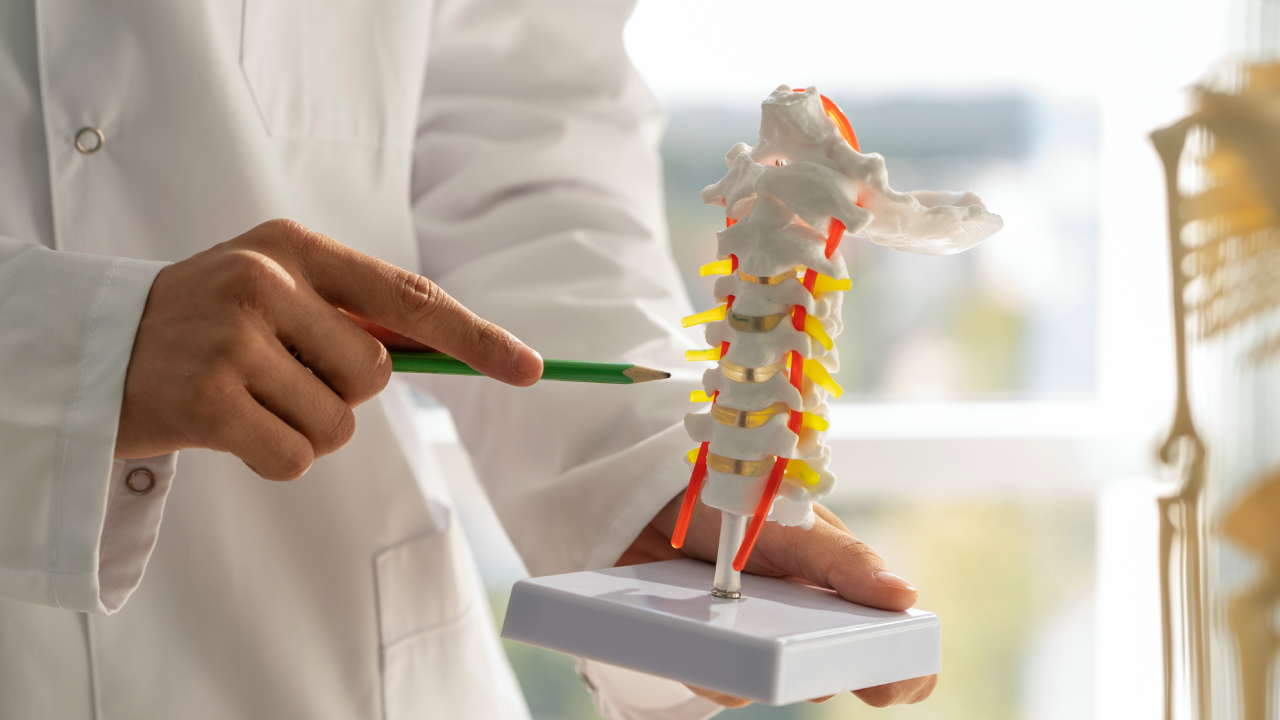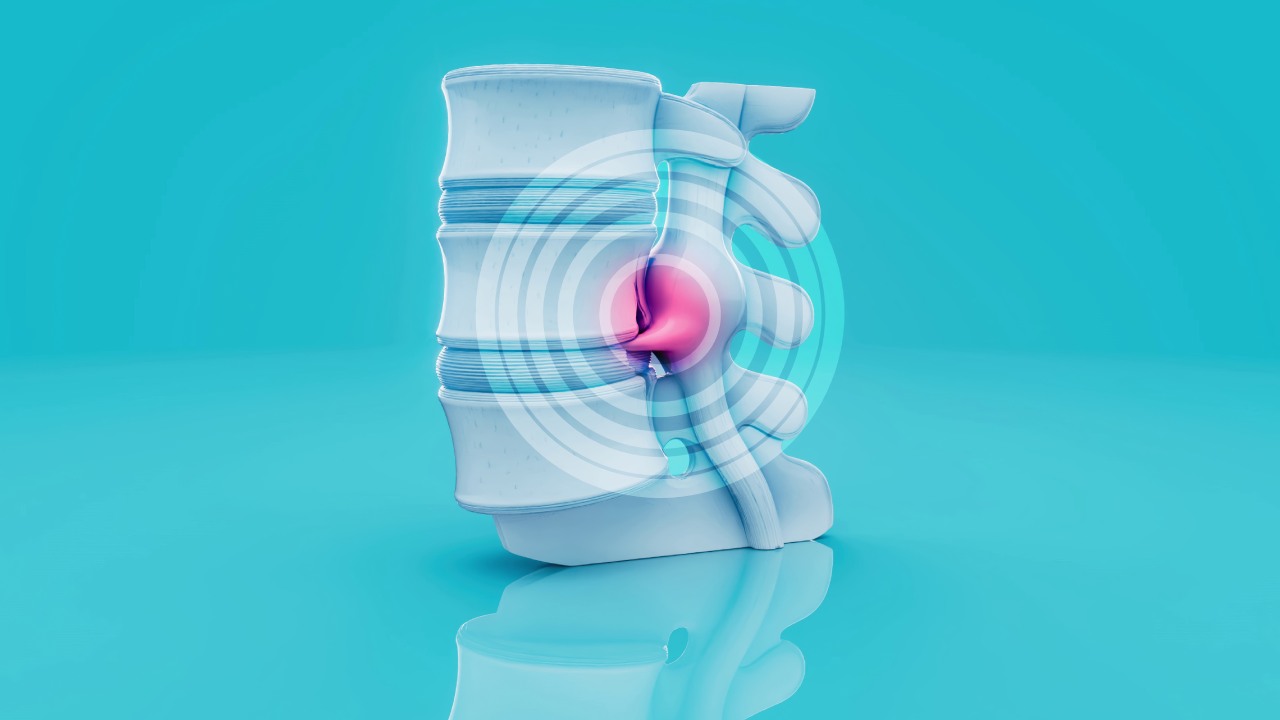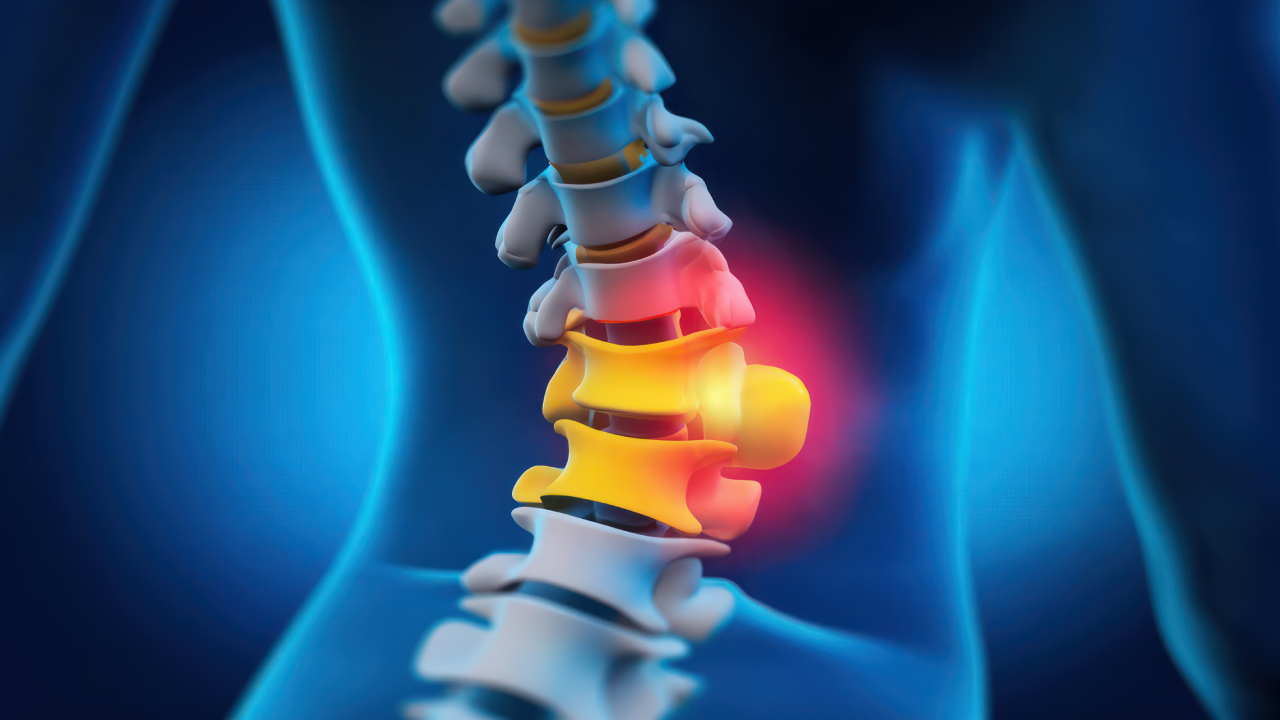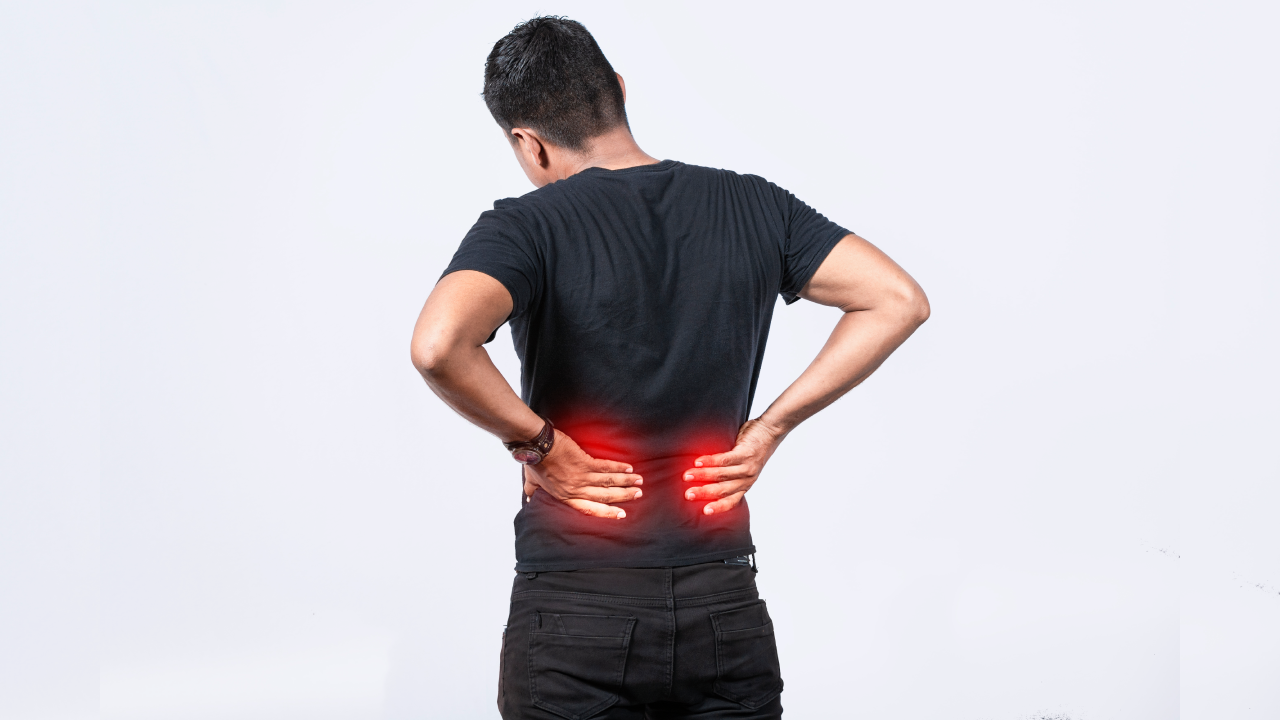
Slip & Fall Injuries in Scarborough, ON
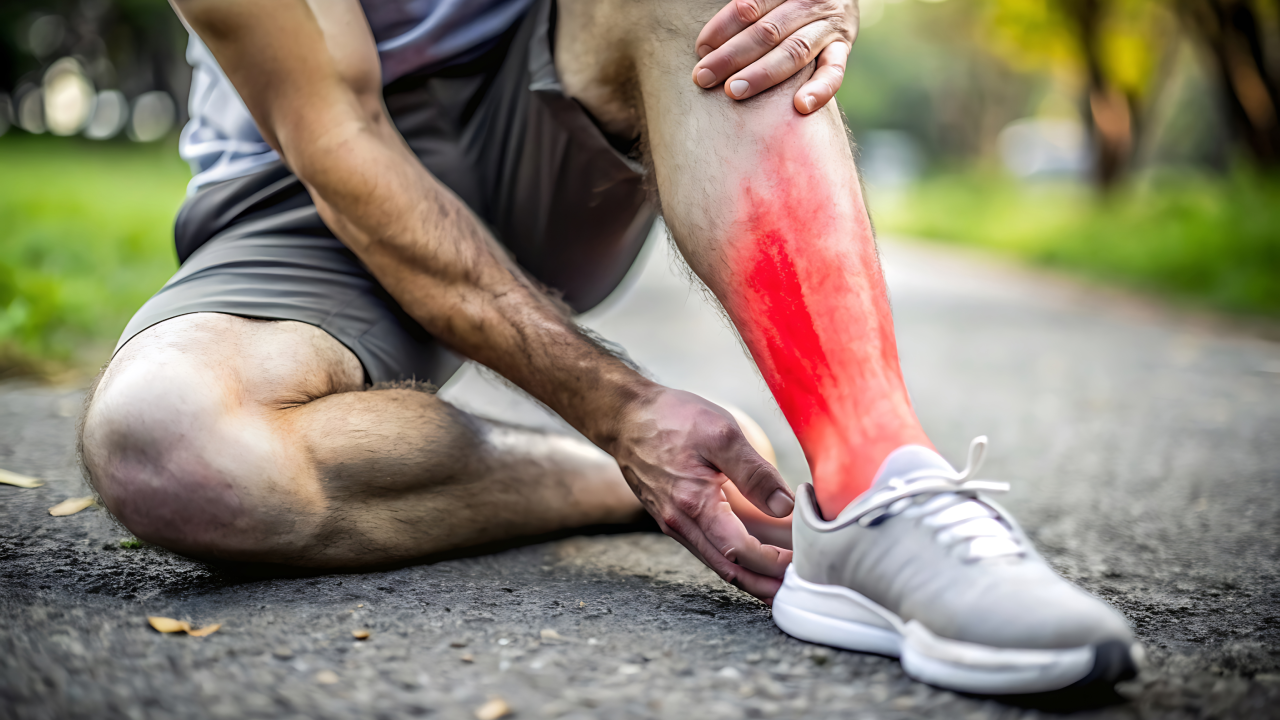
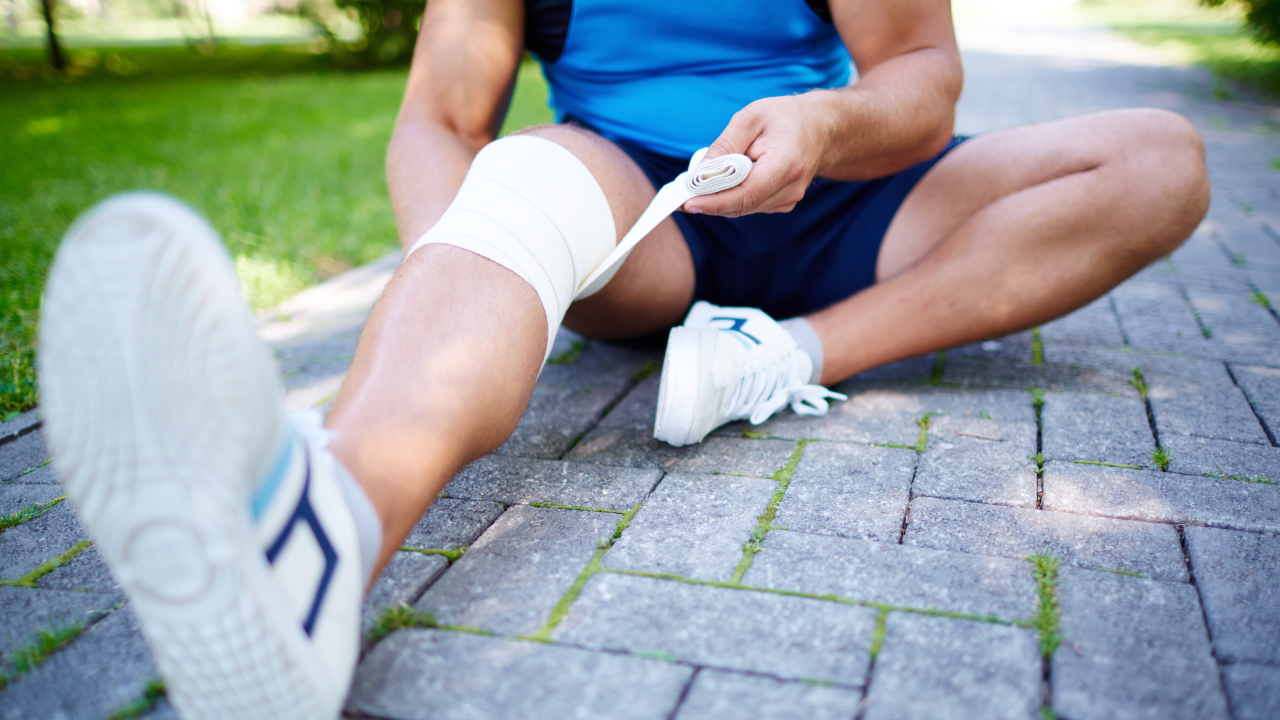
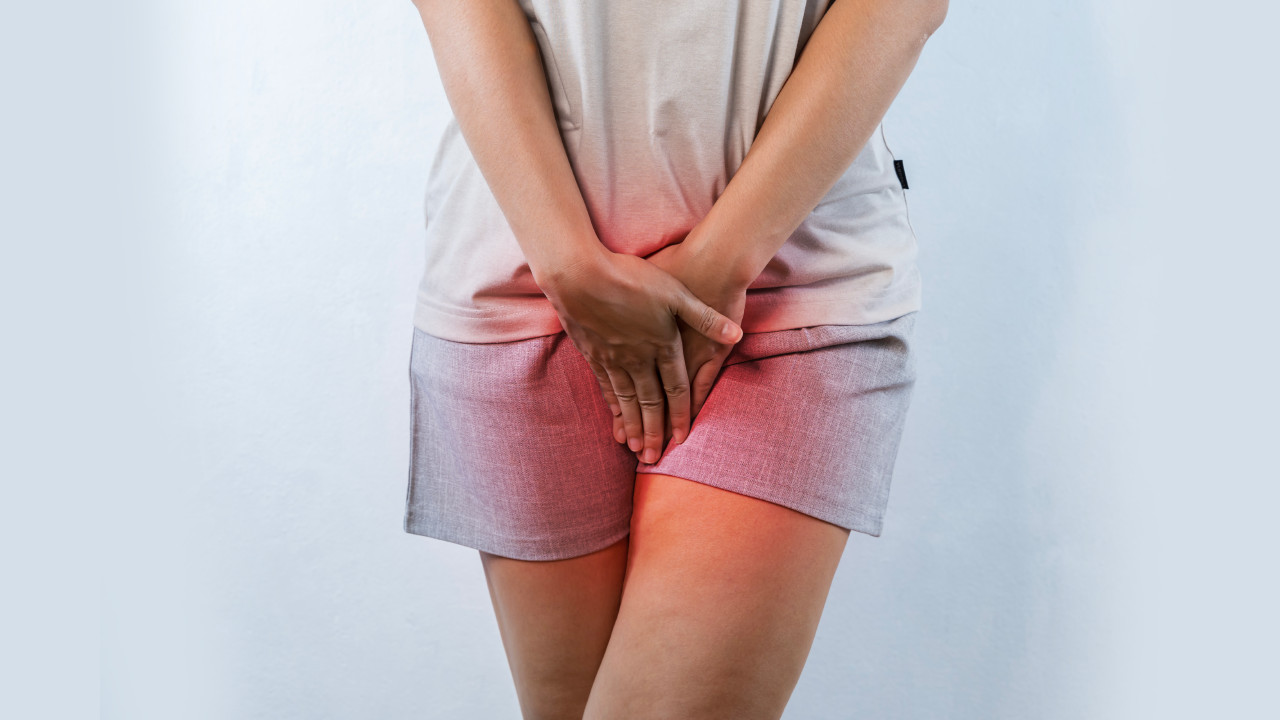
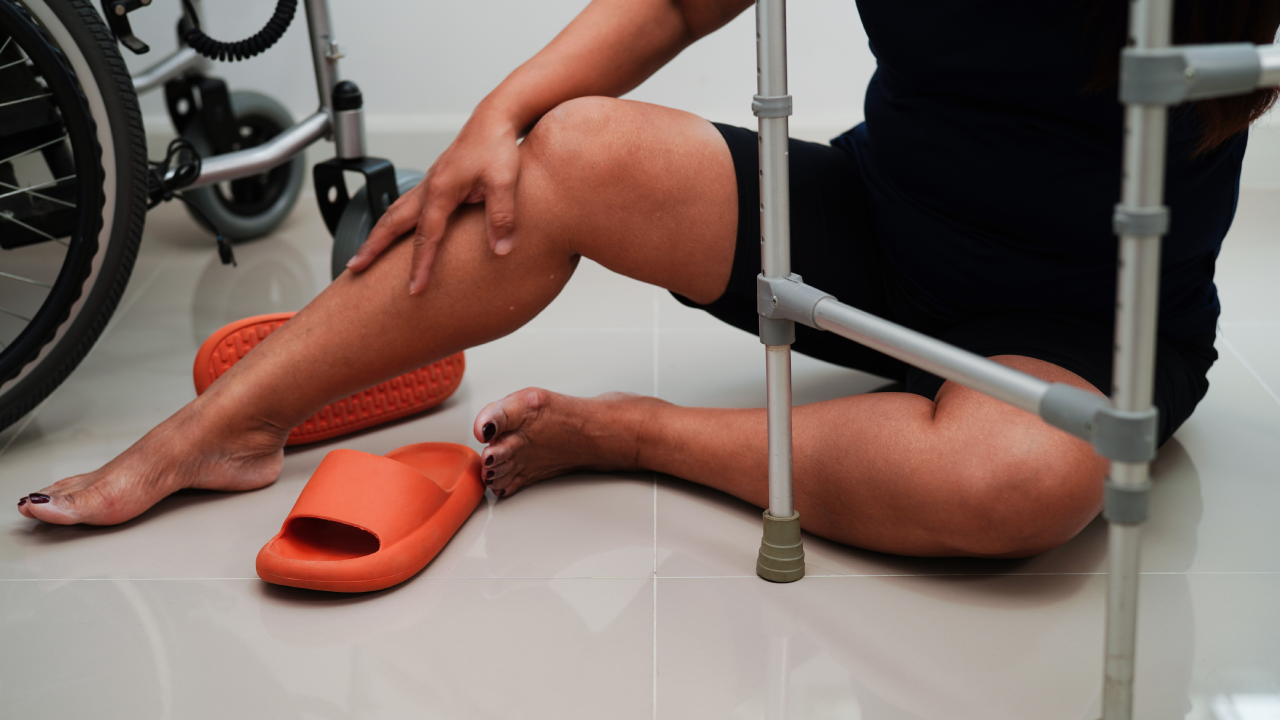
A slip, trip, or fall can occur unexpectedly and may affect movement, strength, balance, and daily activities. Some people notice symptoms immediately, while others develop stiffness, swelling, soreness, weakness, or restricted movement several hours or days later.
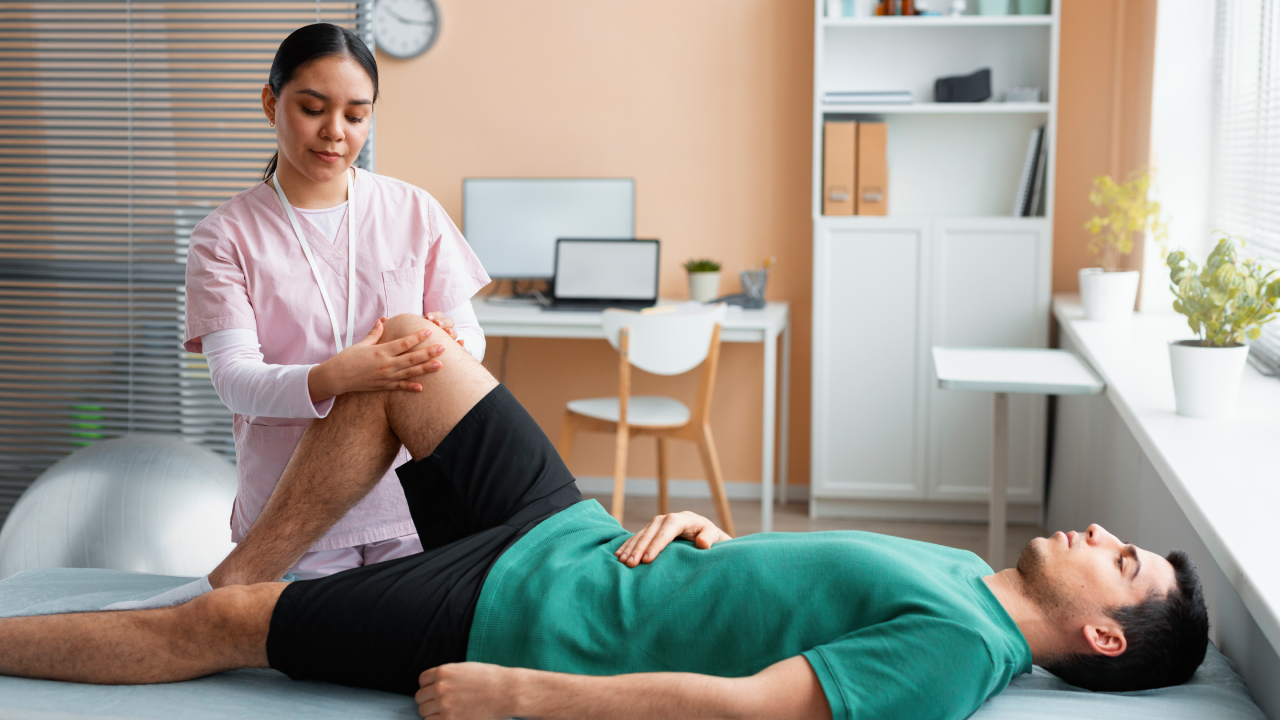
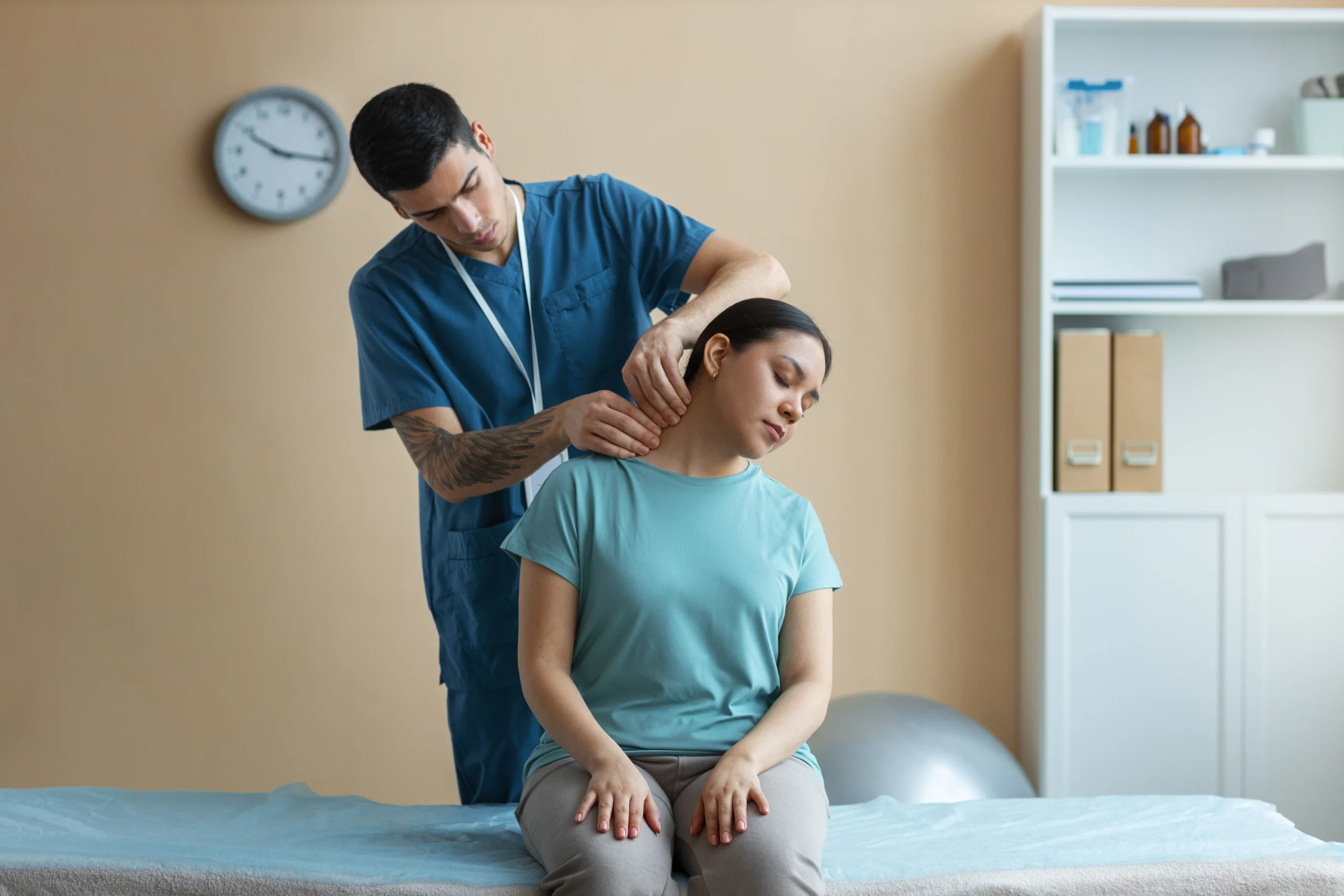
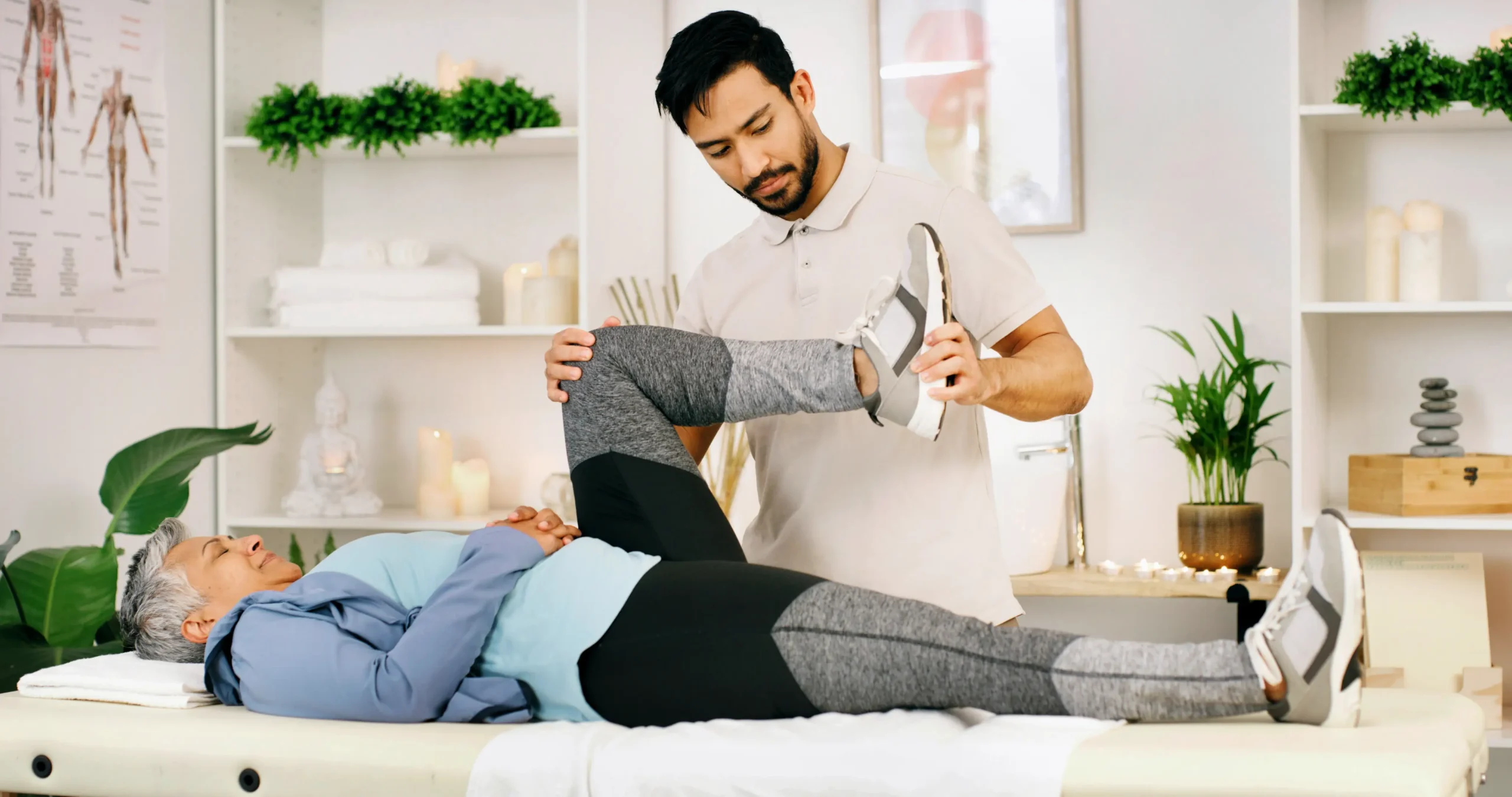
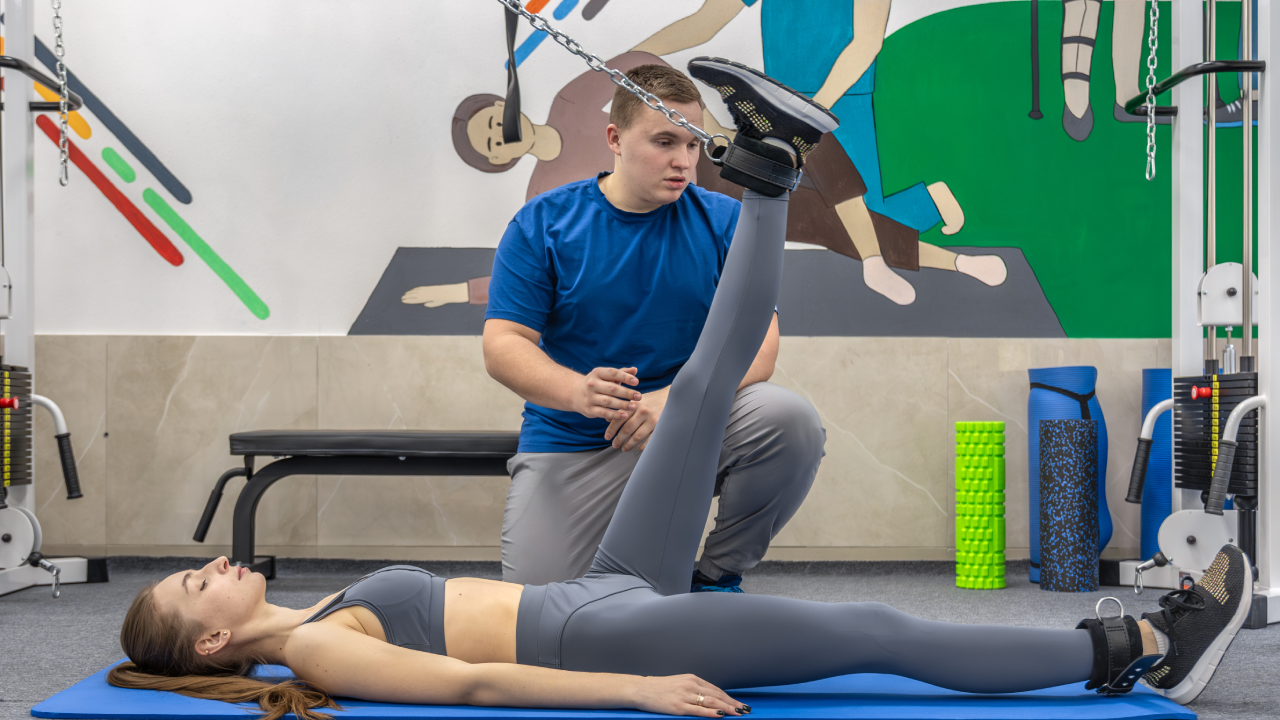
At Spinal Solution and Wellness, we assess musculoskeletal concerns associated with falls, including muscle strains, joint injuries, neck and back symptoms, shoulder problems, knee injuries, ankle sprains, and soft-tissue injuries. Physiotherapy may include mobility work, therapeutic exercise, strengthening, balance training, manual therapy, and activity-based rehabilitation based on assessment findings.
If you are searching for Slip & Fall Injuries in Scarborough, ON, this page explains common fall-related injuries, physiotherapy treatment options, the assessment process, and situations where medical assessment may be needed.
What Are Slip & Fall Injuries?
Slip and fall injuries are physical conditions that occur when someone loses balance, slips on a surface, trips over an object, or falls from standing height or another position.
A fall can place force on different areas of the body. Someone may land directly on a joint, twist while trying to regain balance, or use their hands to break the fall. This can affect the:
- Neck
- Back
- Shoulders
- Wrists
- Hands
- Elbows
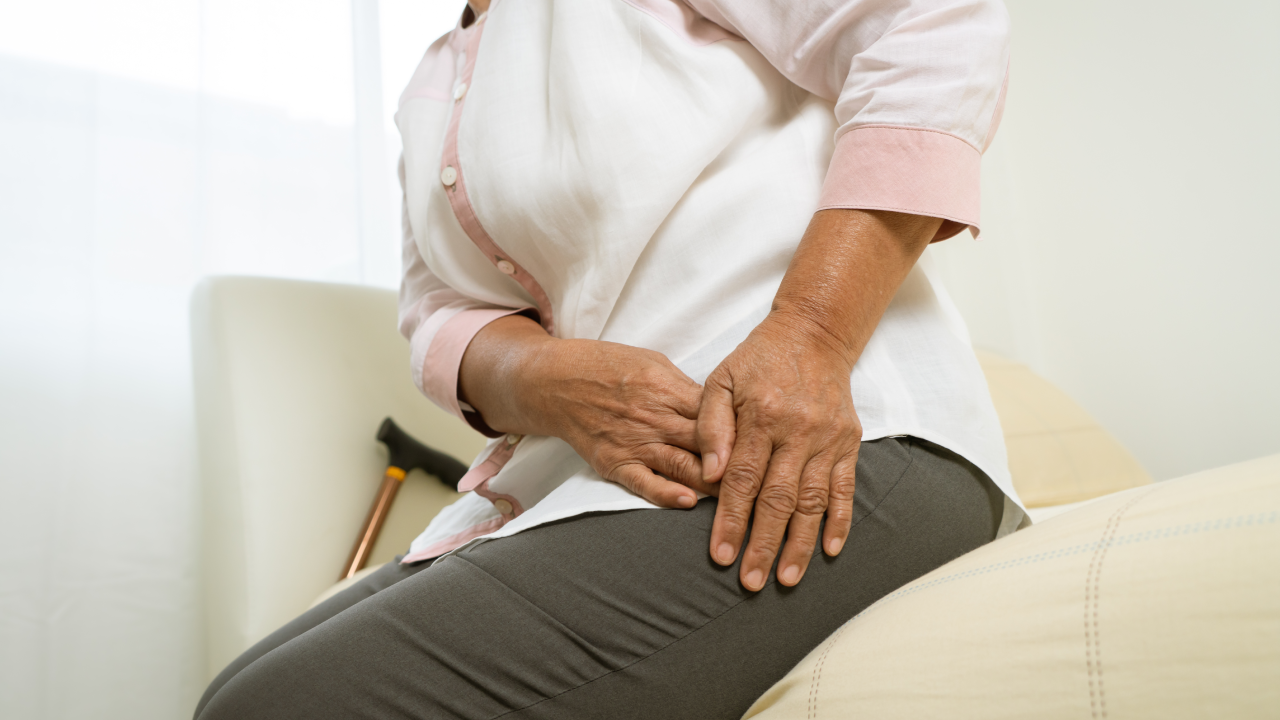
- Hips
- Knees
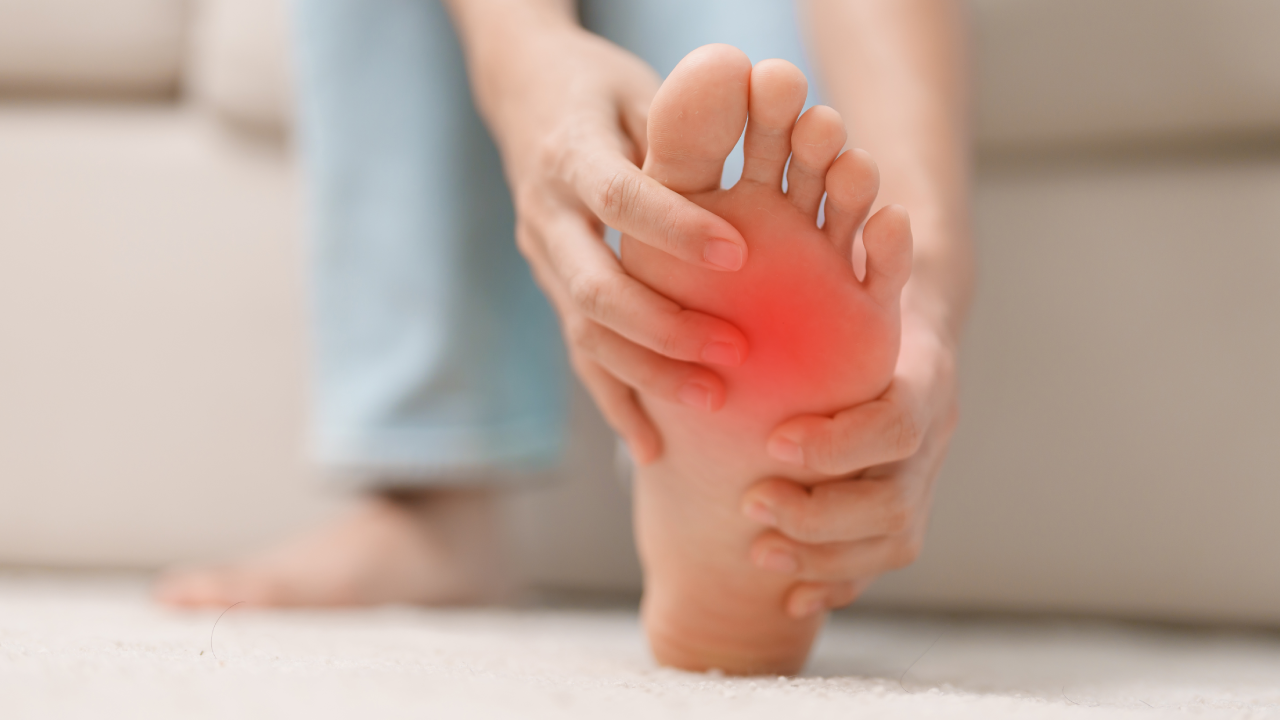
- Ankles
- Feet
Symptoms vary depending on the force and type of impact. Some injuries are noticeable right away, while others become more apparent as stiffness, swelling, or muscle soreness develops.
When a fall causes a musculoskeletal problem, physiotherapy can form part of the recovery process. Care may include movement assessment, therapeutic exercise, manual therapy, mobility exercises, strength training, balance work, and activity recommendations.
Who Can Develop Injuries After a Fall?
Slip and fall injuries can affect people of different ages and activity levels. The nature of an injury may depend on the direction of the fall, the surface involved, the body part that absorbed the impact, and whether the body twisted during the incident.
Physiotherapy may be considered following:
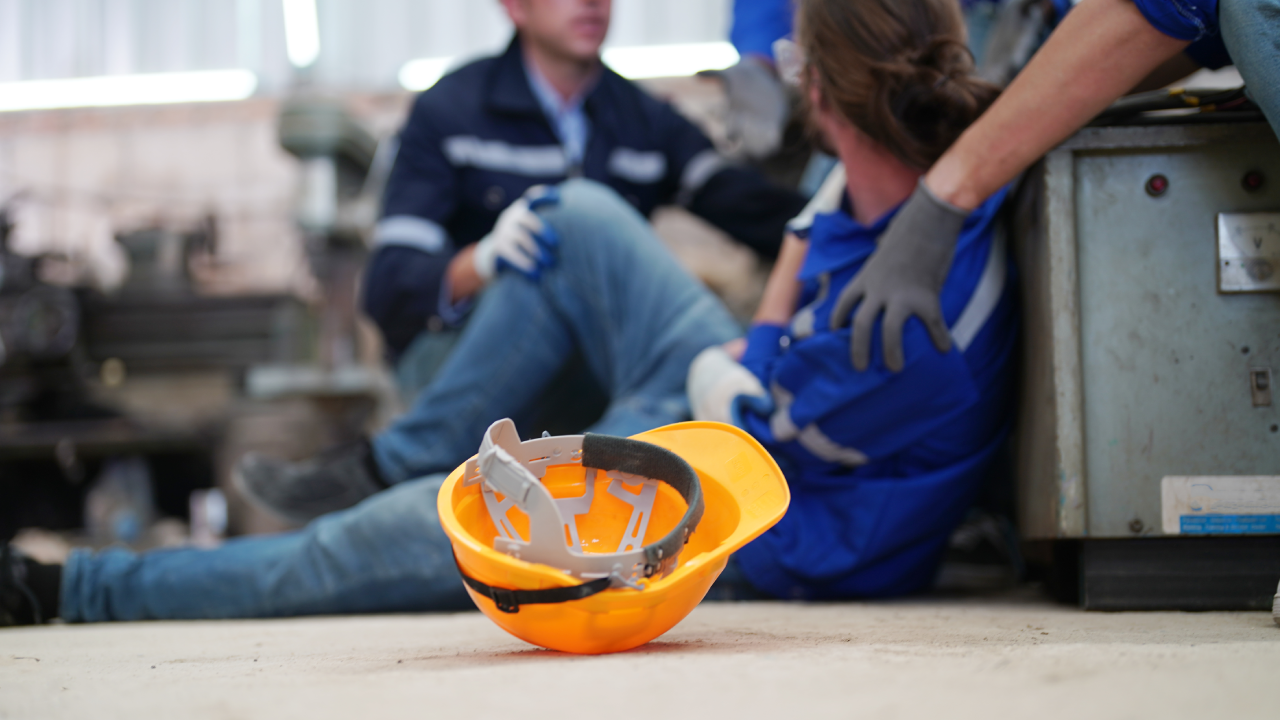
- A workplace slip or trip
- A fall on stairs
- A wet-floor accident
- A fall on an uneven walkway
- A parking-area fall
- A recreational activity
- A household accident
- A sudden change in direction
- A fall resulting in a muscle or joint injury
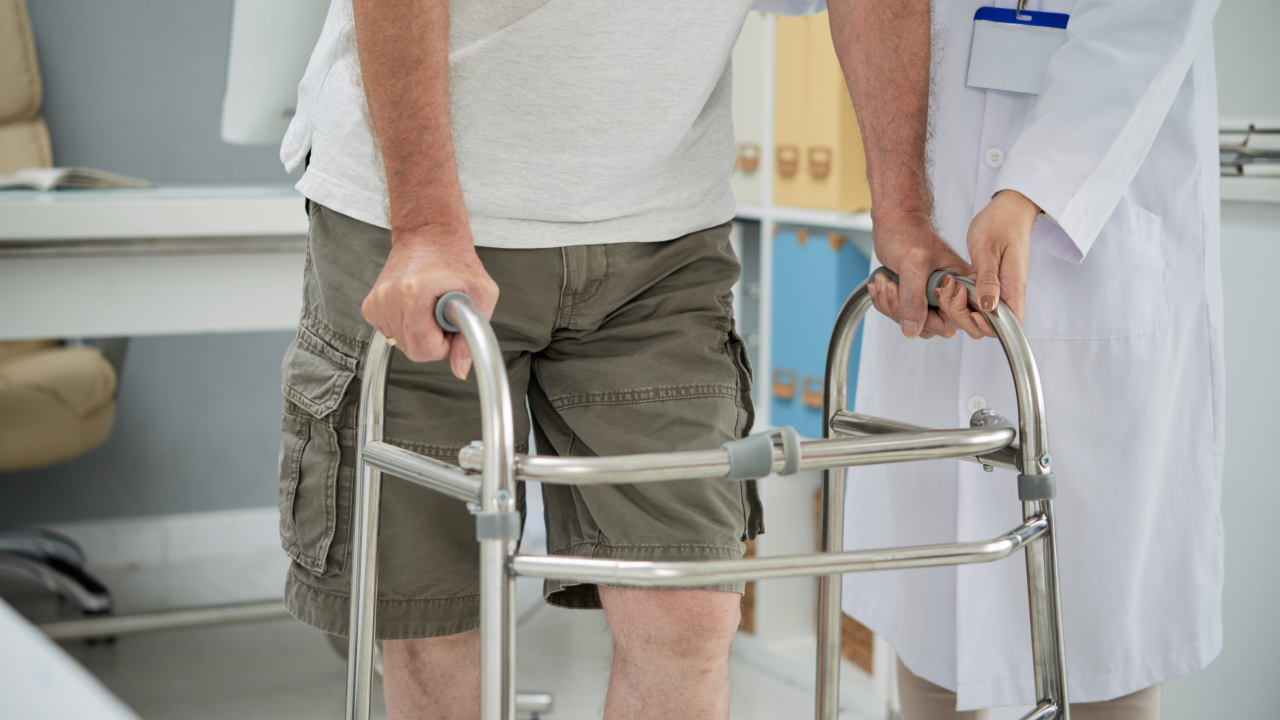
Older adults may have additional concerns when balance or lower-body strength has changed. Active adults and younger people can also sustain significant injuries following a high-force fall.
Common Conditions Treated After Slip and Fall Accidents
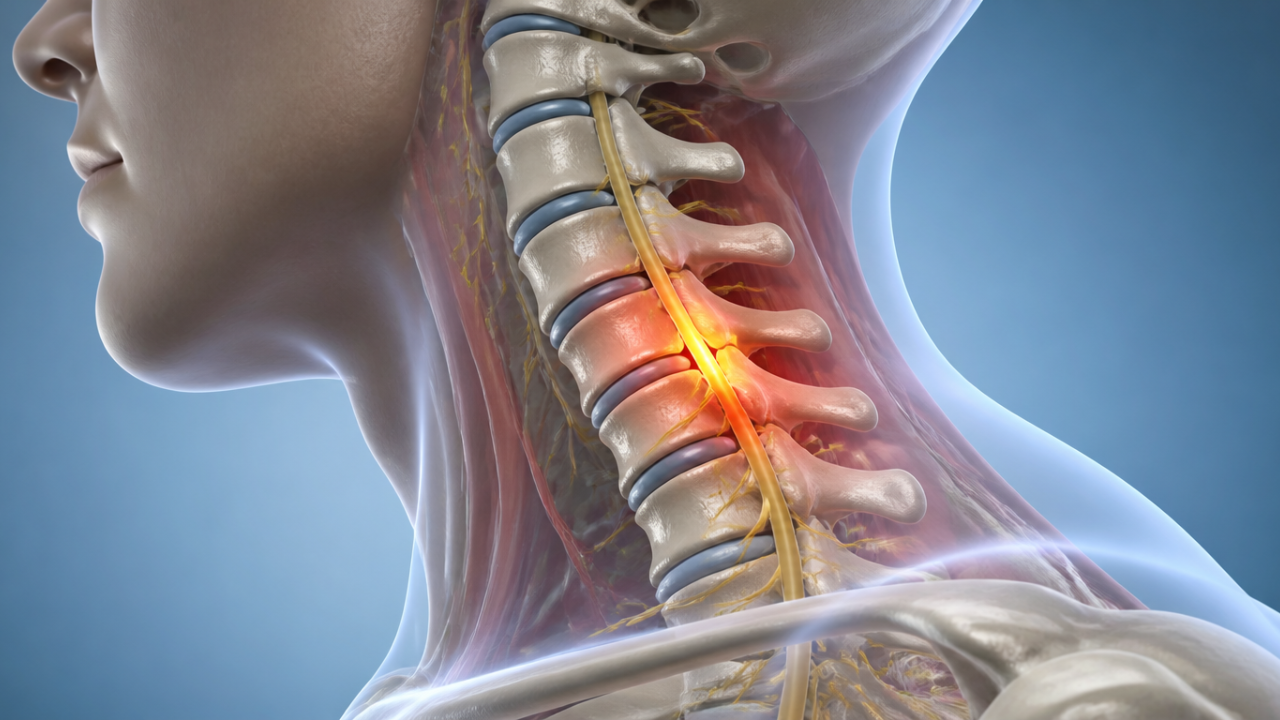
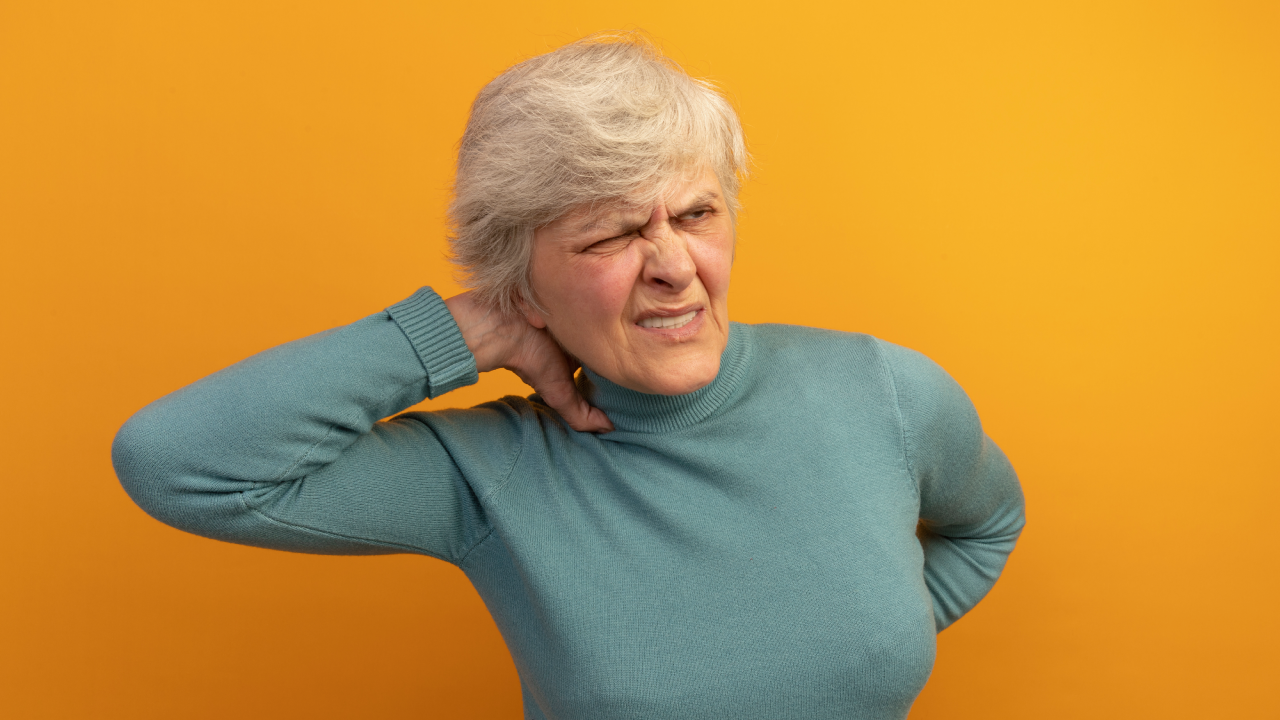
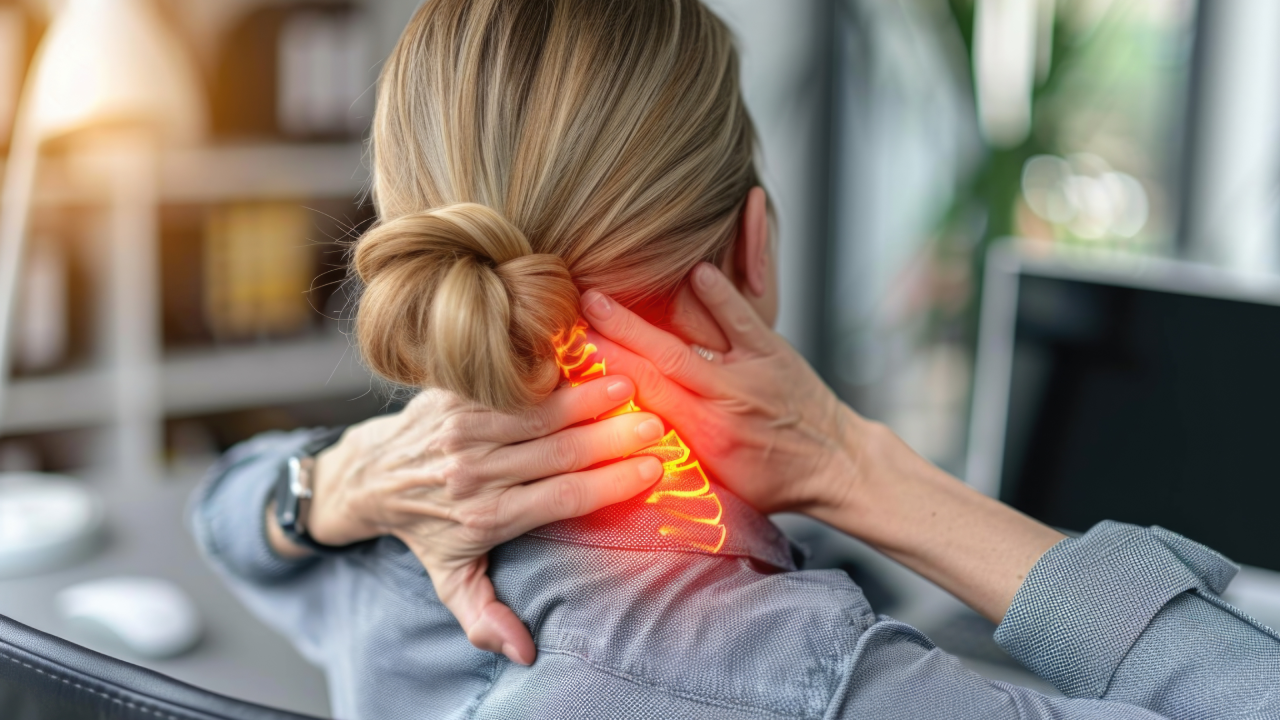
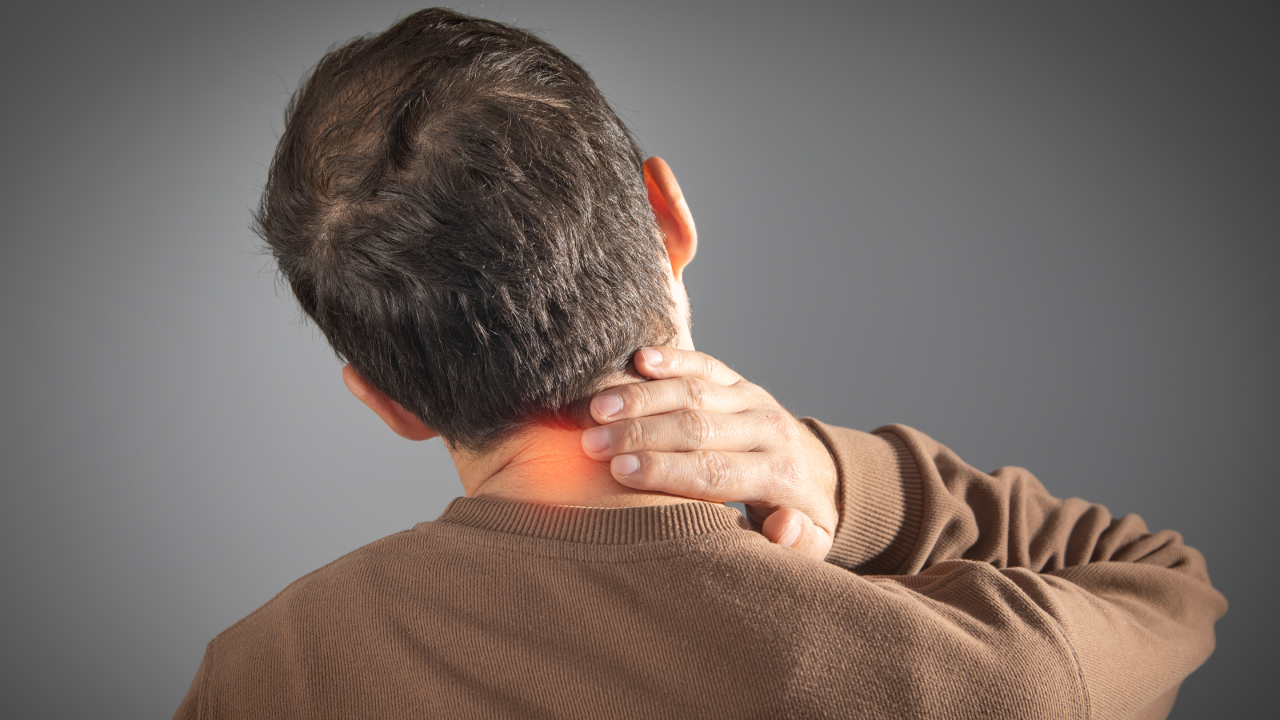
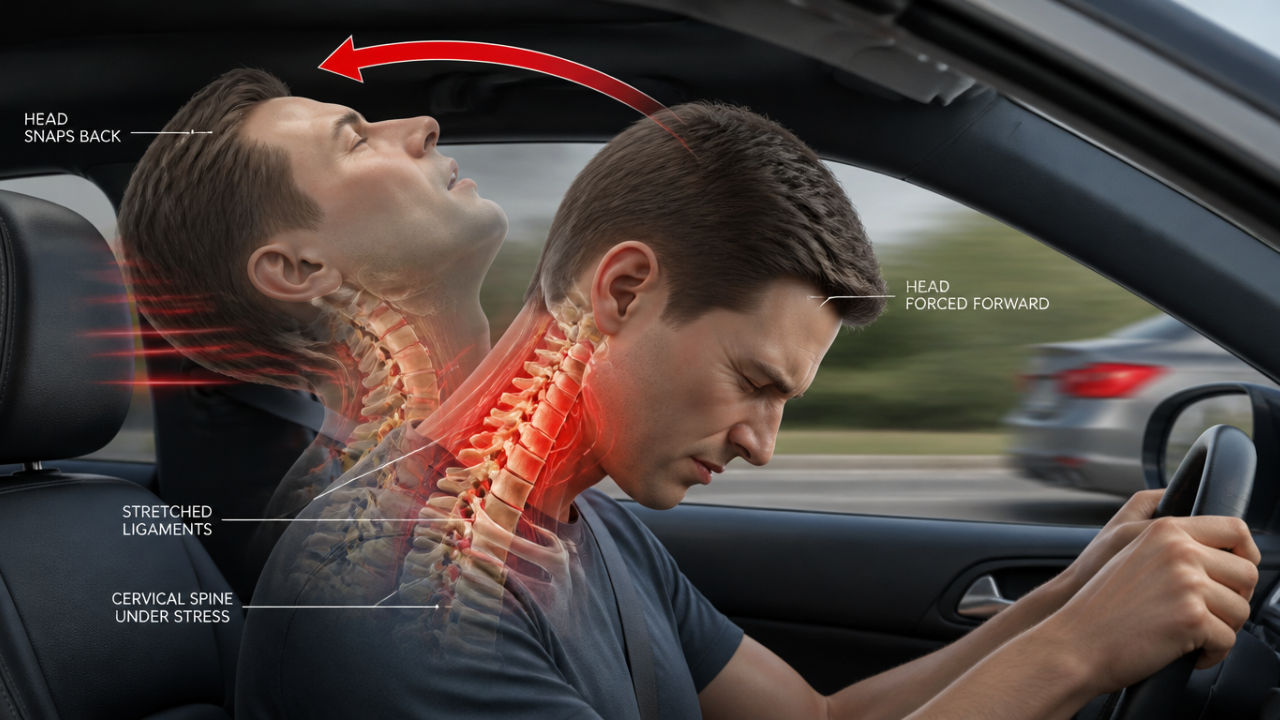
Neck Strains
A fall can cause the head and neck to move quickly in different directions, placing stress on muscles, ligaments, and surrounding tissues.
Possible symptoms include:
- Neck stiffness
- Difficulty turning the head
- Muscle tightness
- Headaches associated with neck tension
- Discomfort during sitting or work activities
Physiotherapy may focus on gradual neck mobility, strengthening, posture, and functional movement.
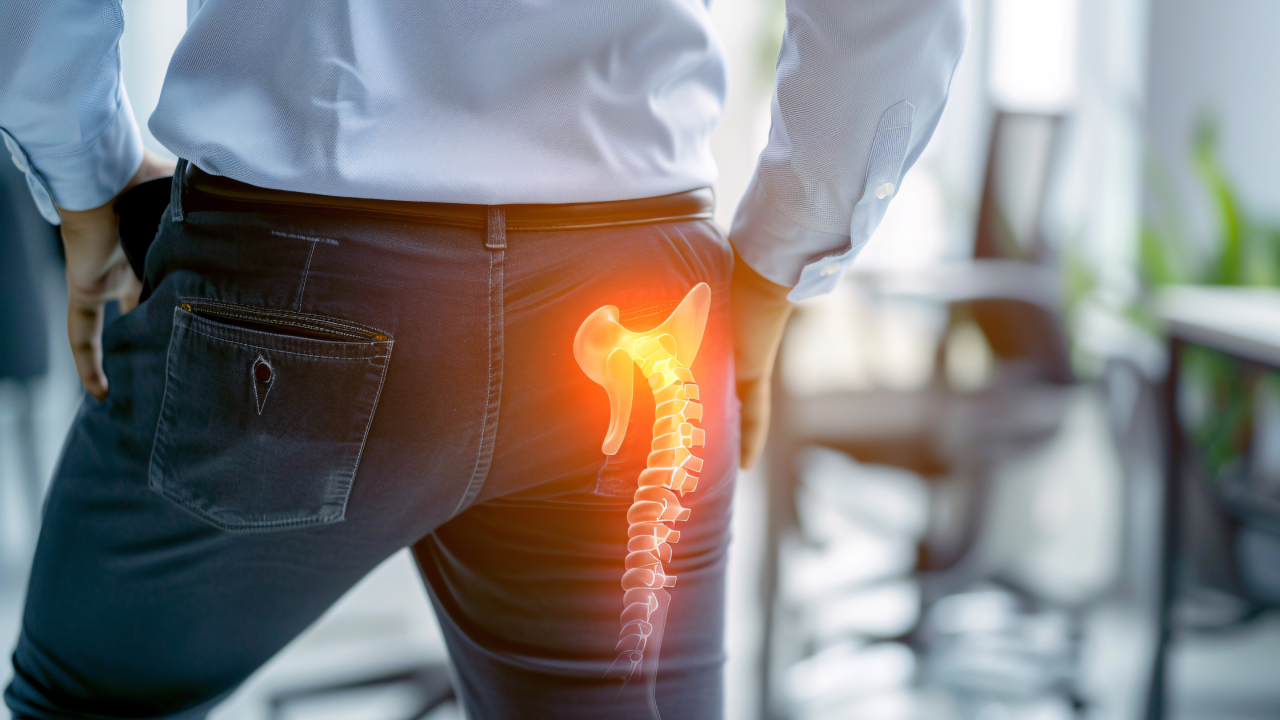
Back Strains
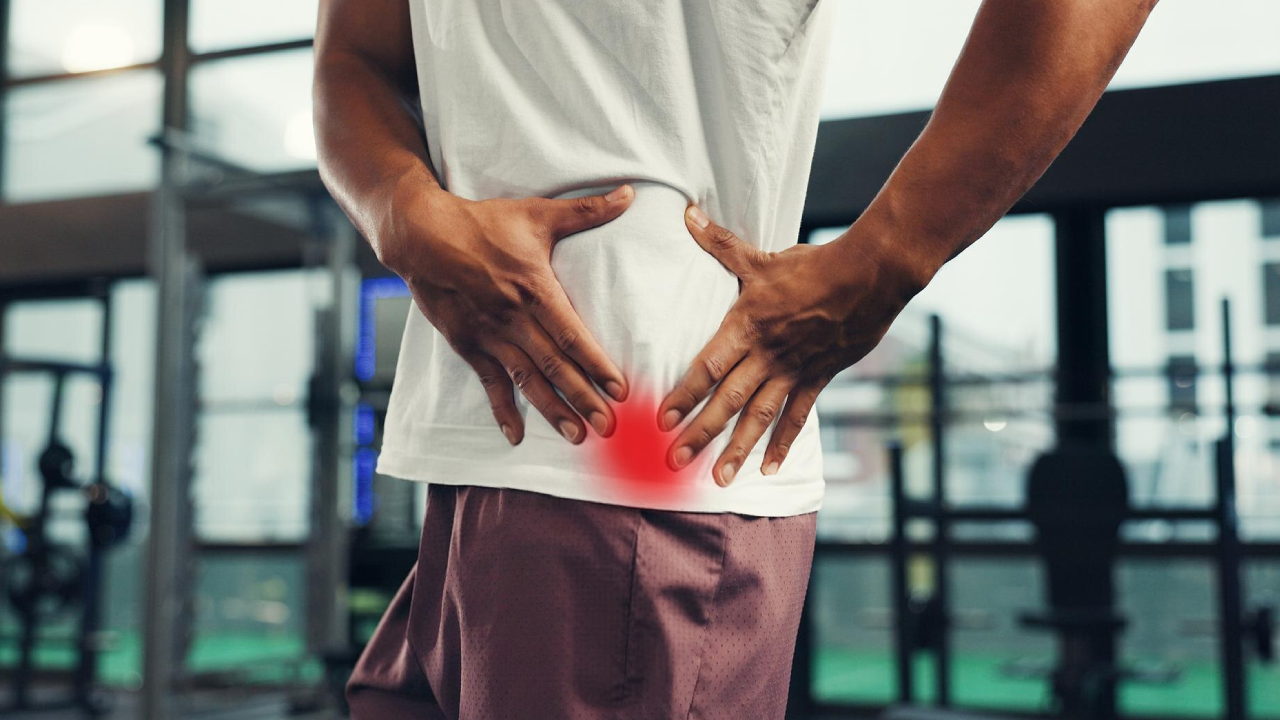
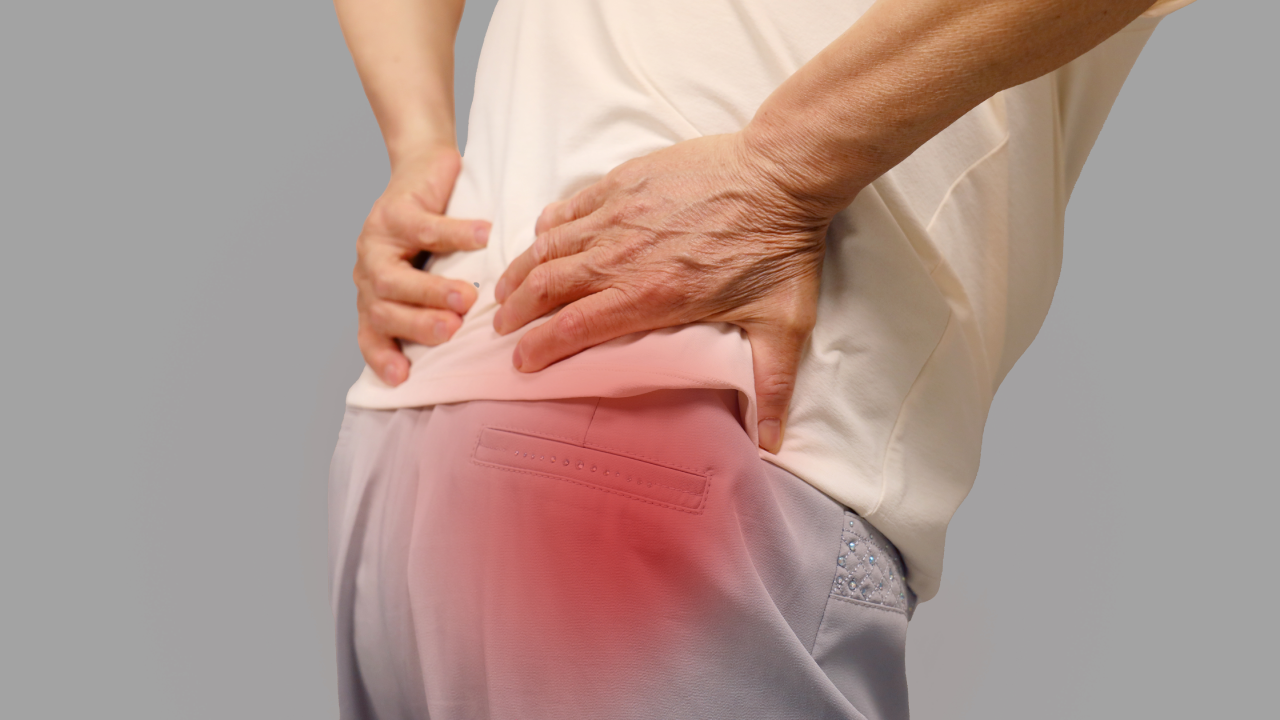
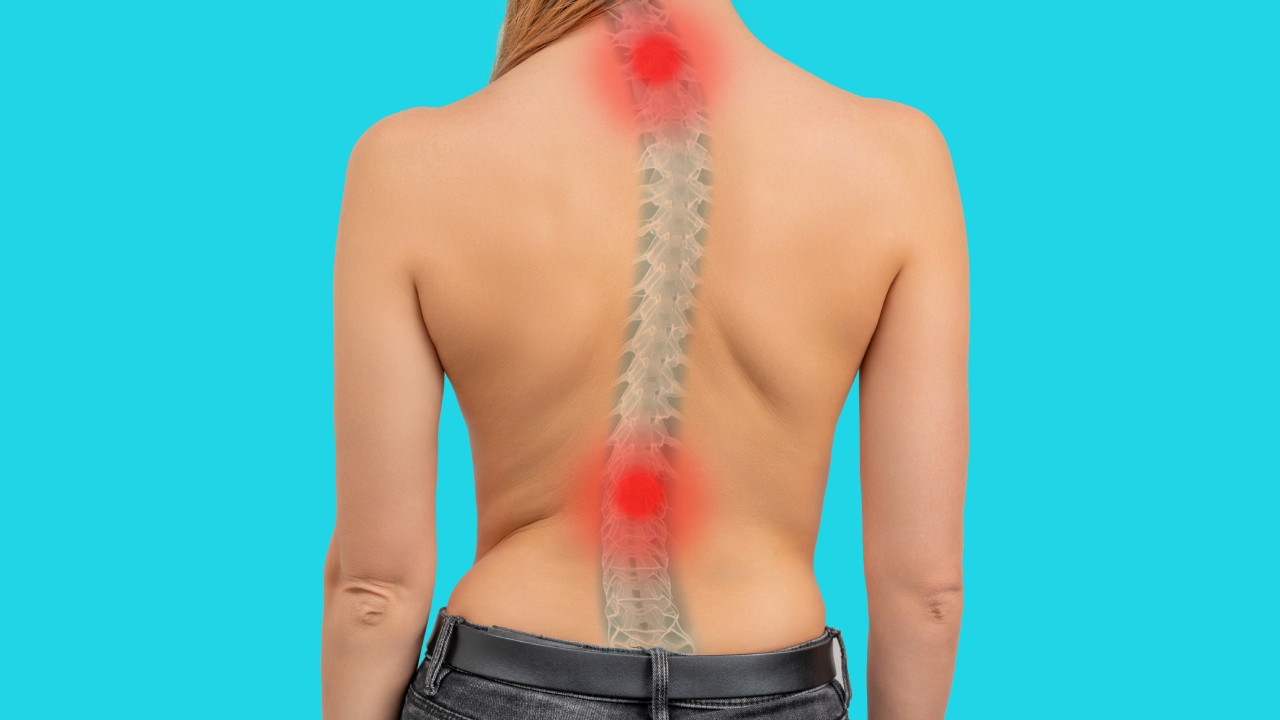
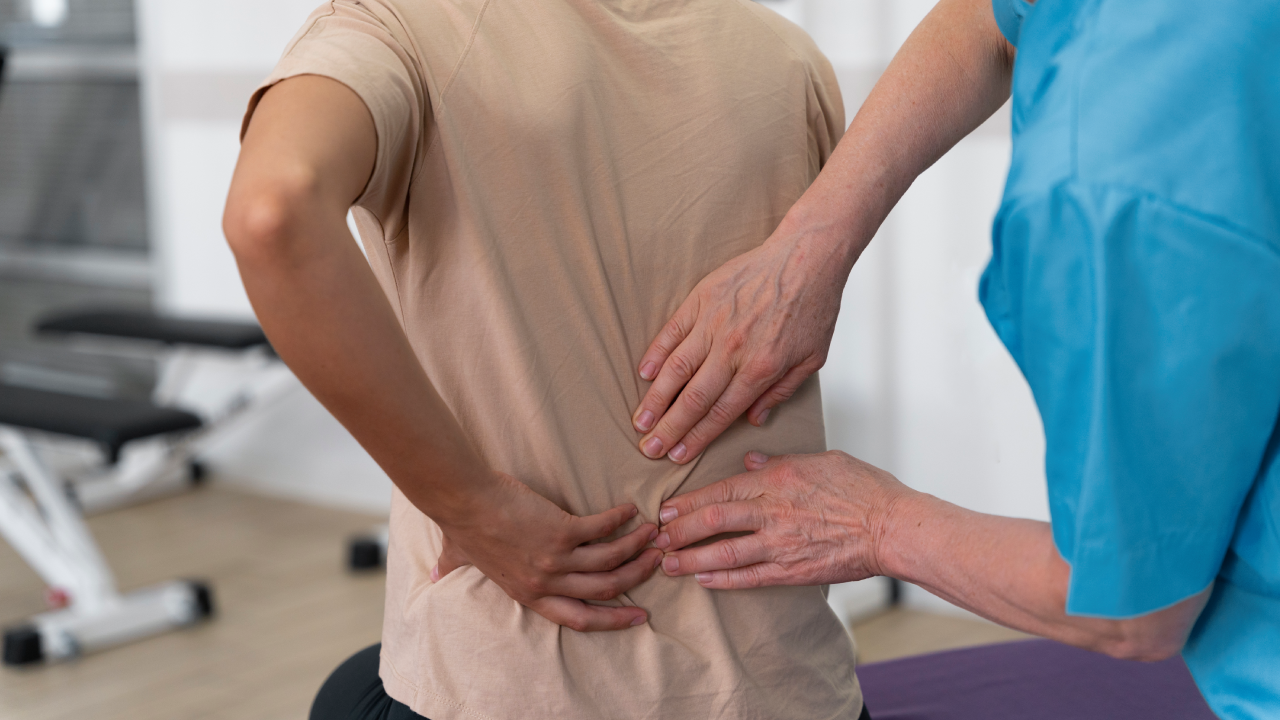
The back may absorb considerable force during a fall. Twisting the torso while attempting to protect yourself can also place stress on the surrounding tissues.
Symptoms may include stiffness, muscle soreness, restricted movement, and difficulty with bending, lifting, standing, or sitting.
Treatment may involve mobility exercises, strengthening, manual therapy, movement education, and gradual activity progression.
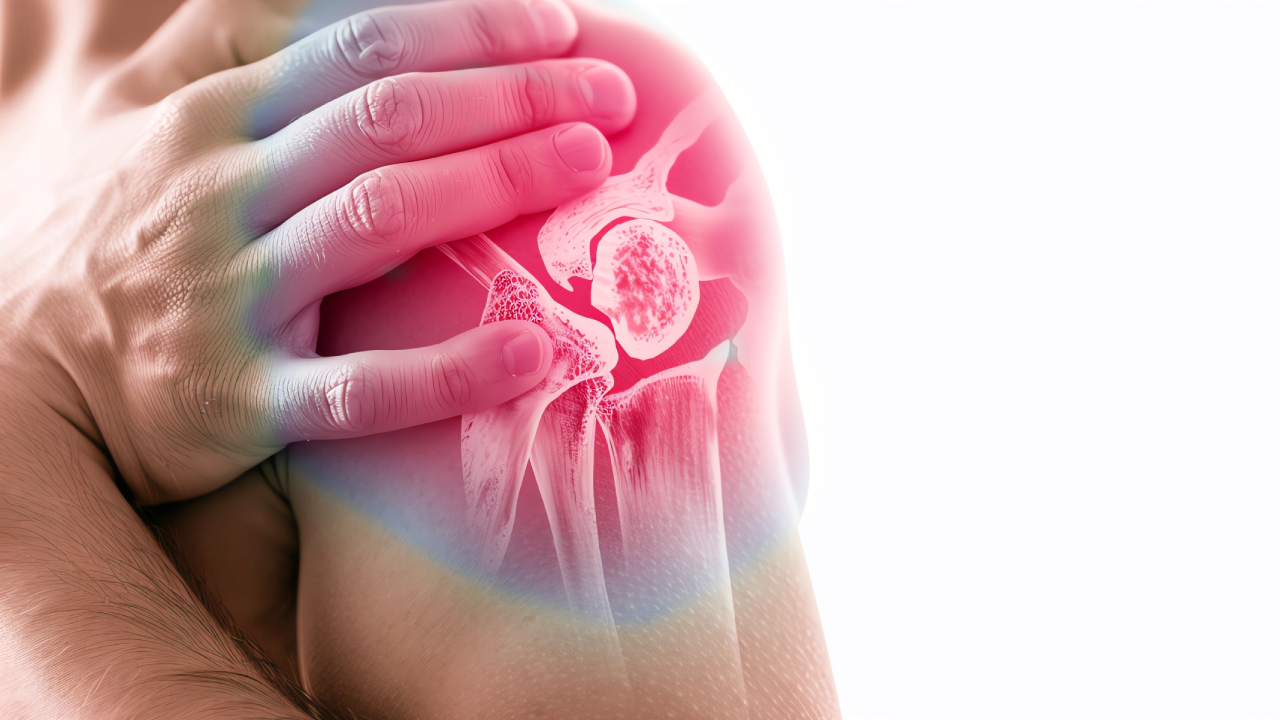
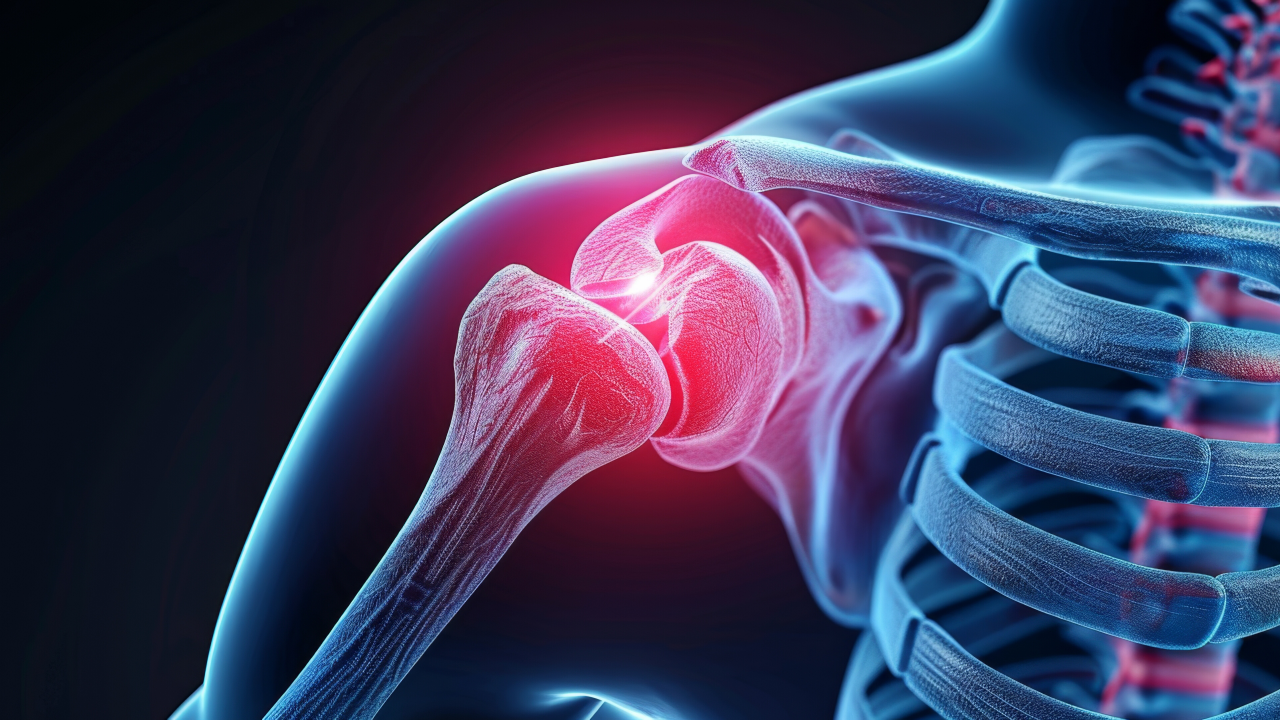
Shoulder Injuries
Many people instinctively extend their arms when falling. Landing on an outstretched hand can transfer force through the wrist, elbow, and shoulder.
Fall-related shoulder problems may include:
- Muscle strains
- Rotator cuff irritation
- Limited shoulder movement
- Joint soreness
- Difficulty reaching overhead
A physiotherapy assessment can examine shoulder mobility, strength, coordination, and functional limitations.
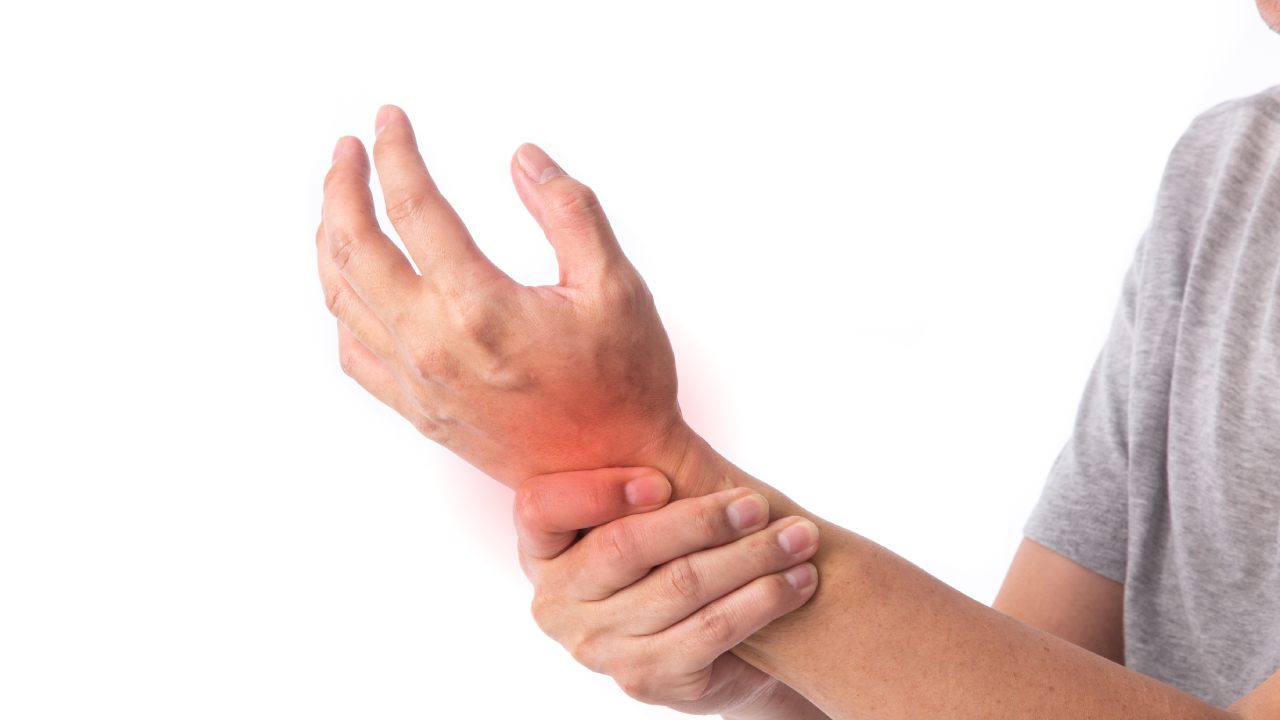
Wrist and Hand Injuries
Placing the hands on the ground during a fall can transmit considerable force to the wrists and hands.
Symptoms may include:
- Swelling
- Stiffness
- Reduced grip strength
- Difficulty using the hand during daily activities
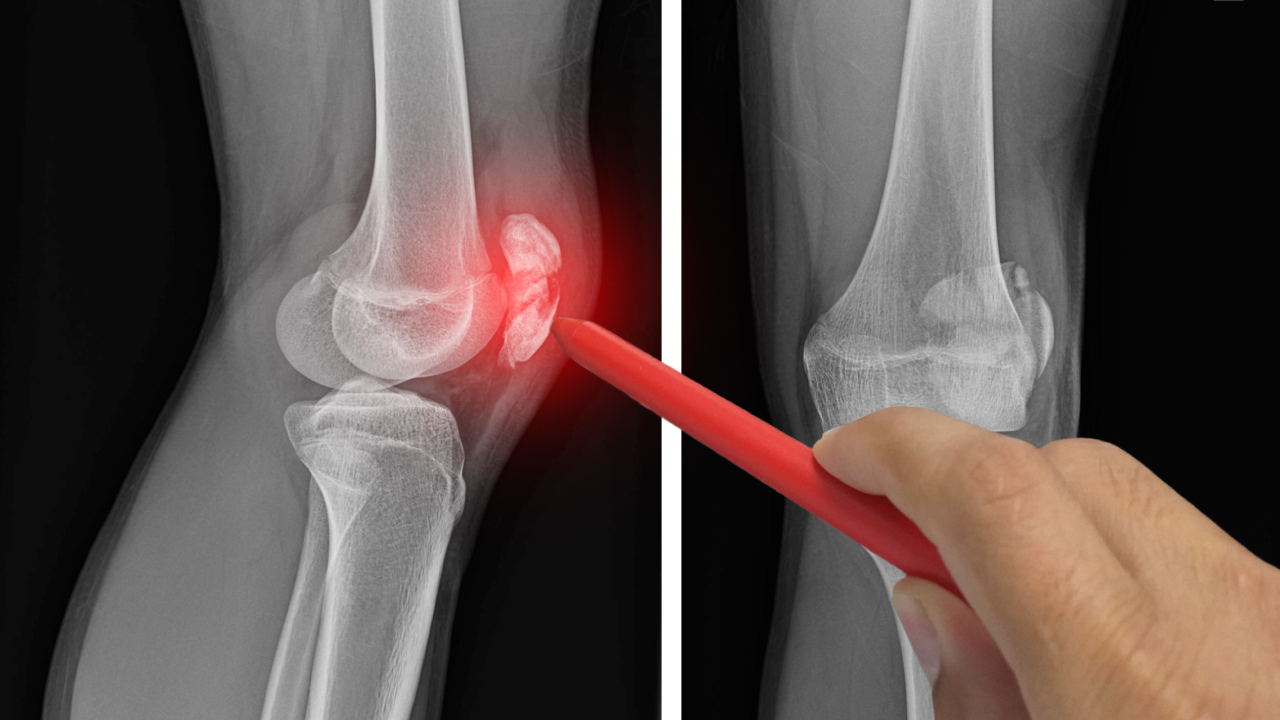
If a fracture or significant structural injury is suspected, medical assessment should take place before physiotherapy.
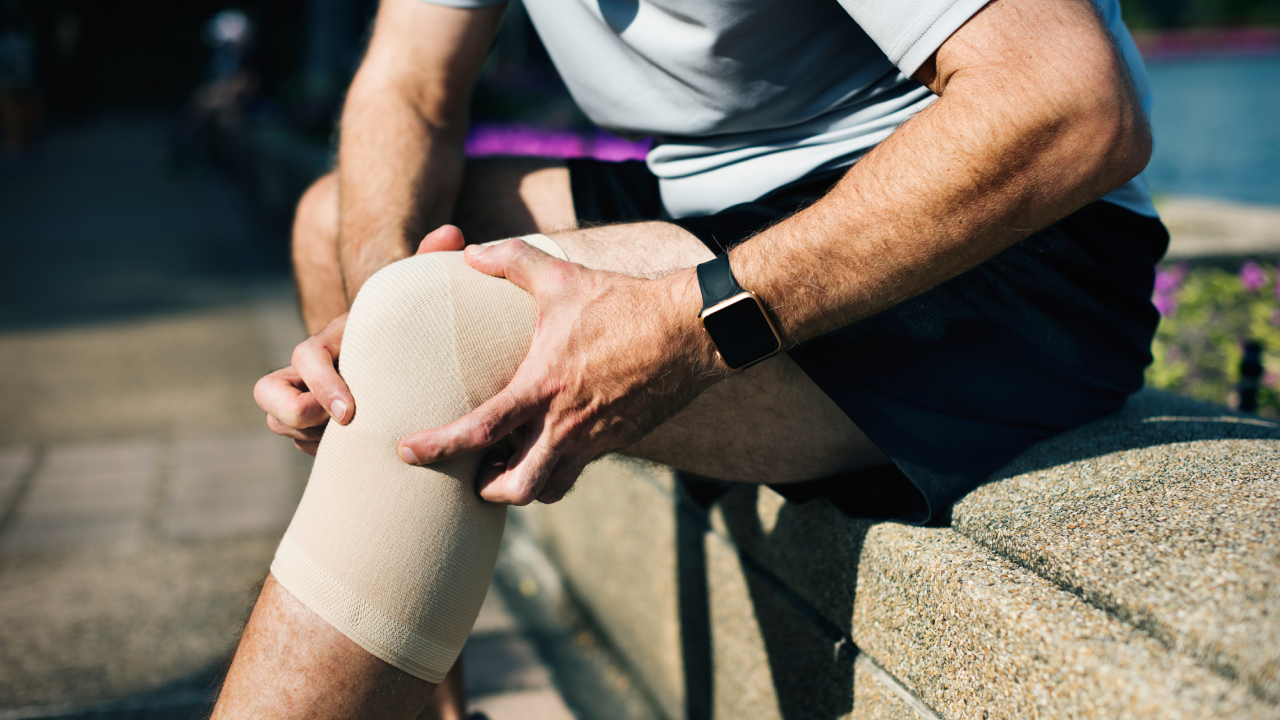
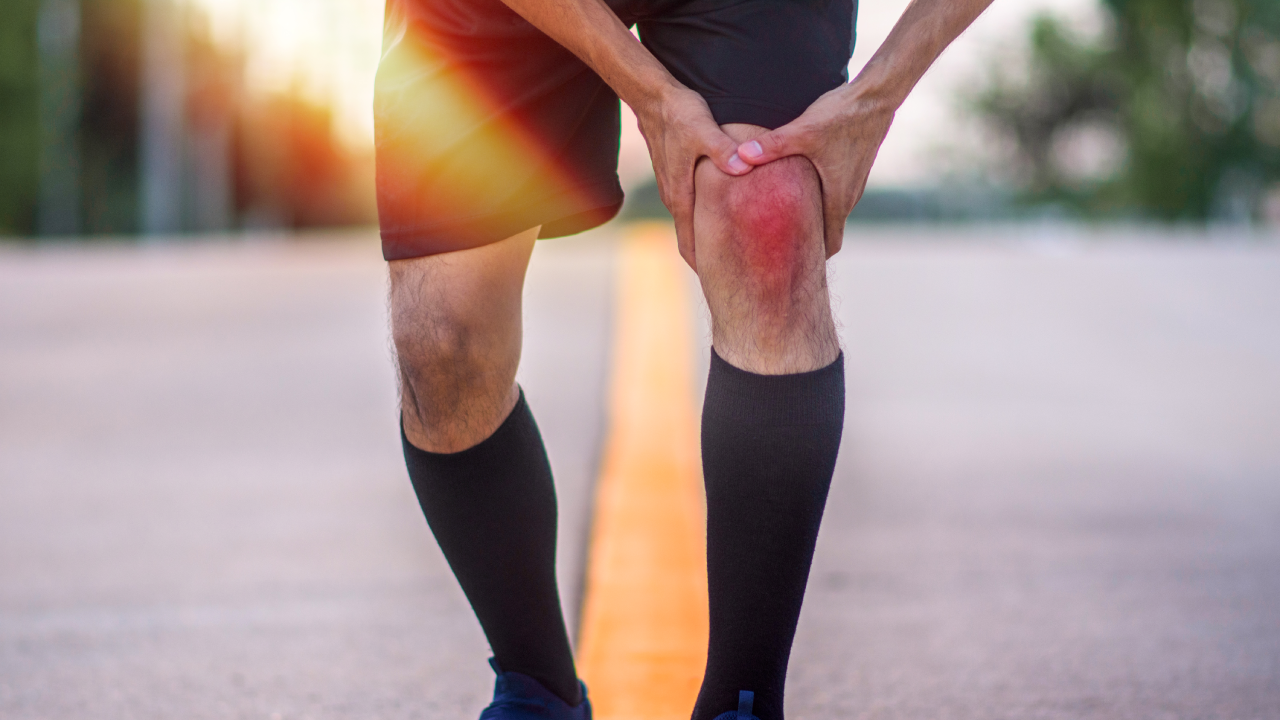
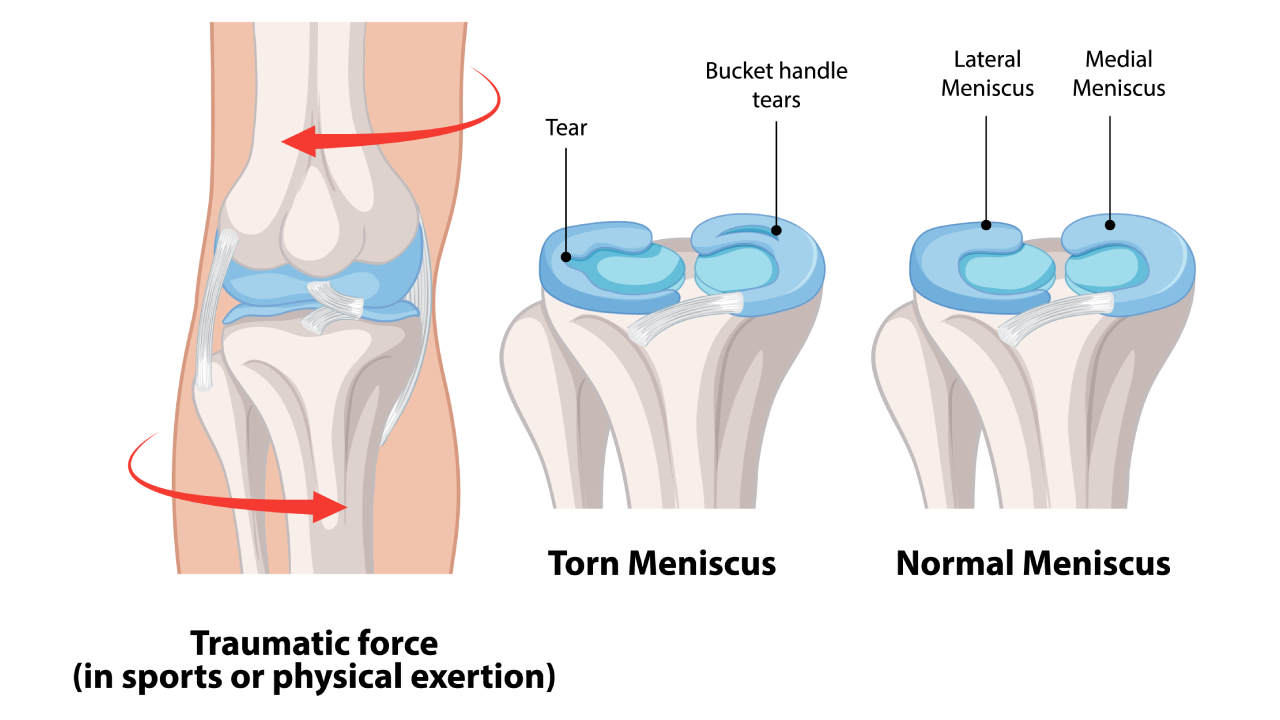
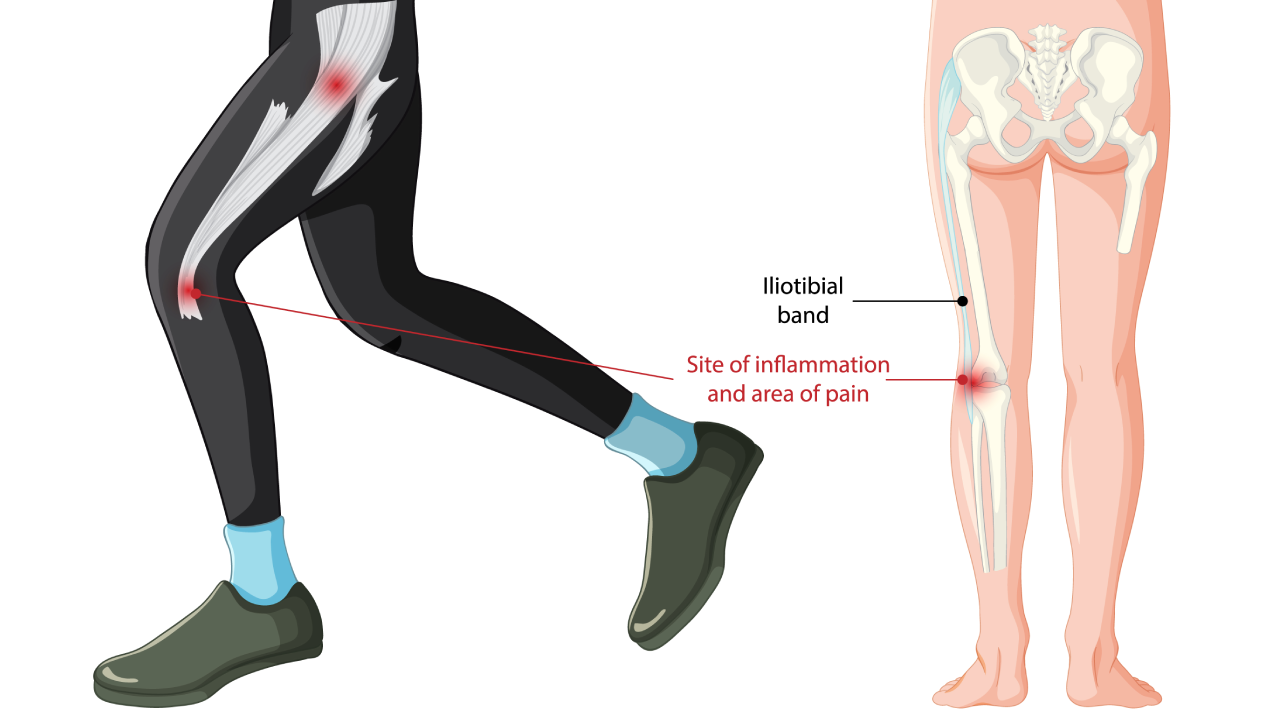
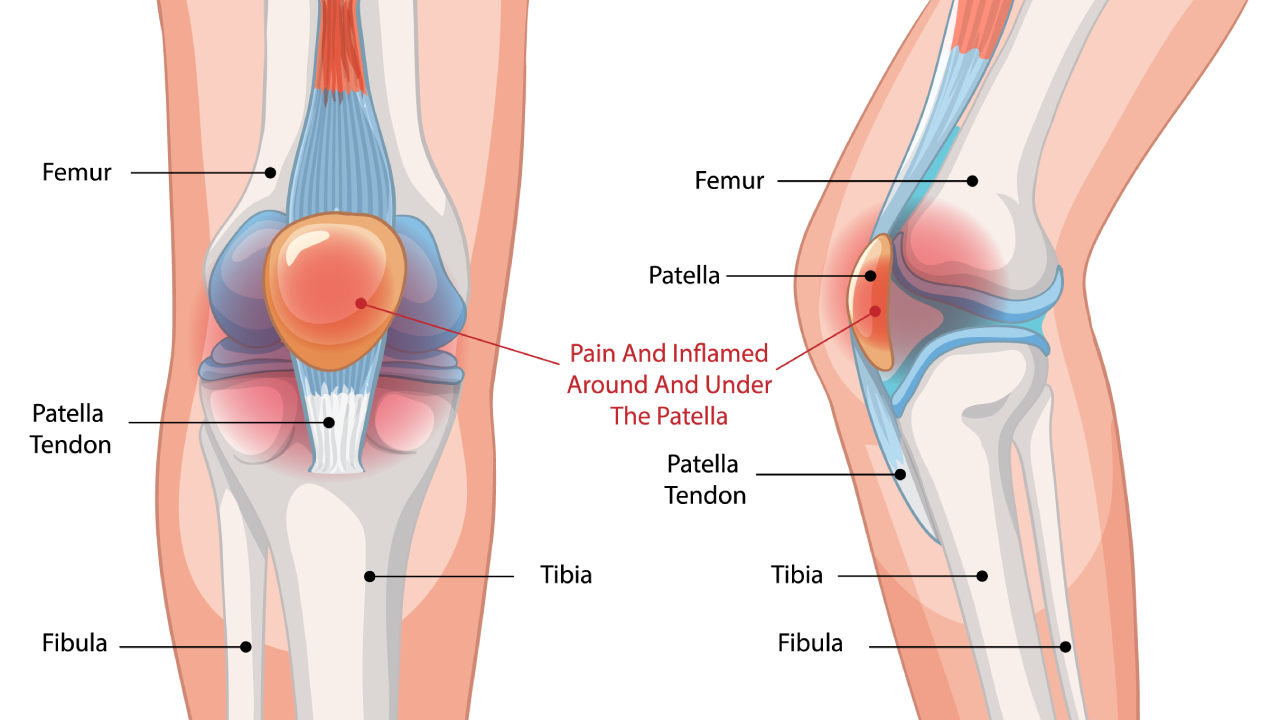
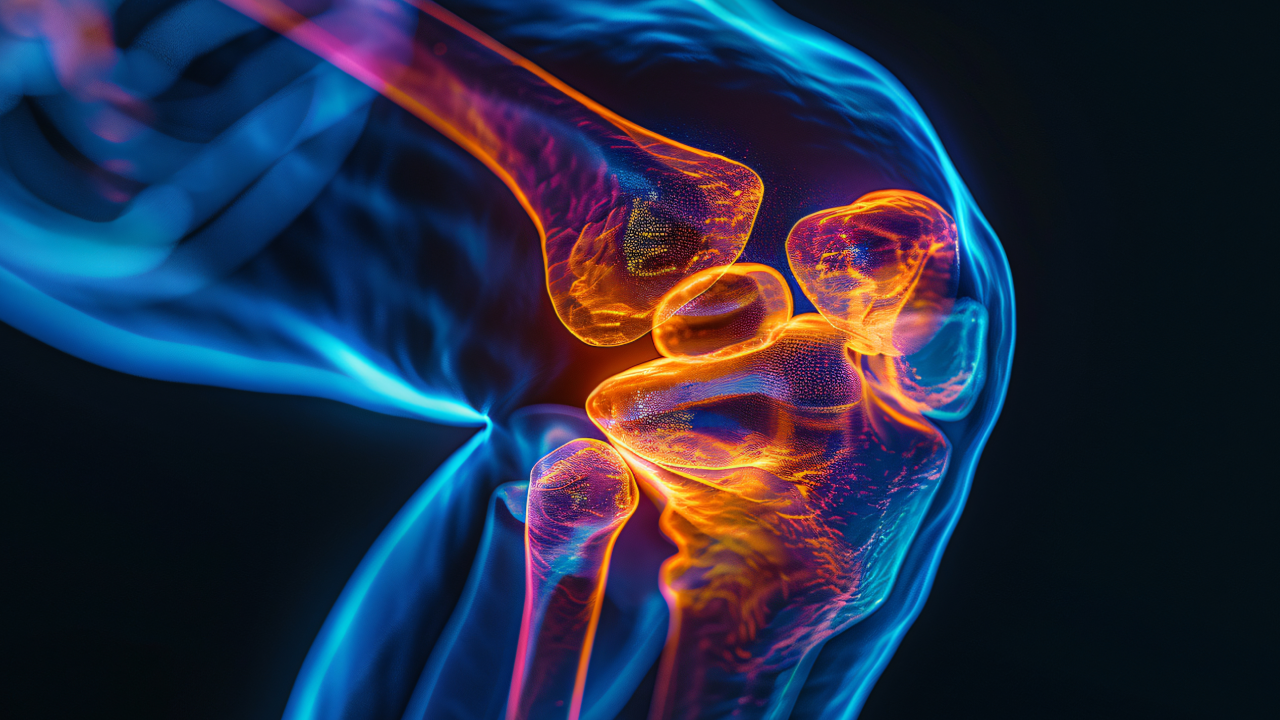
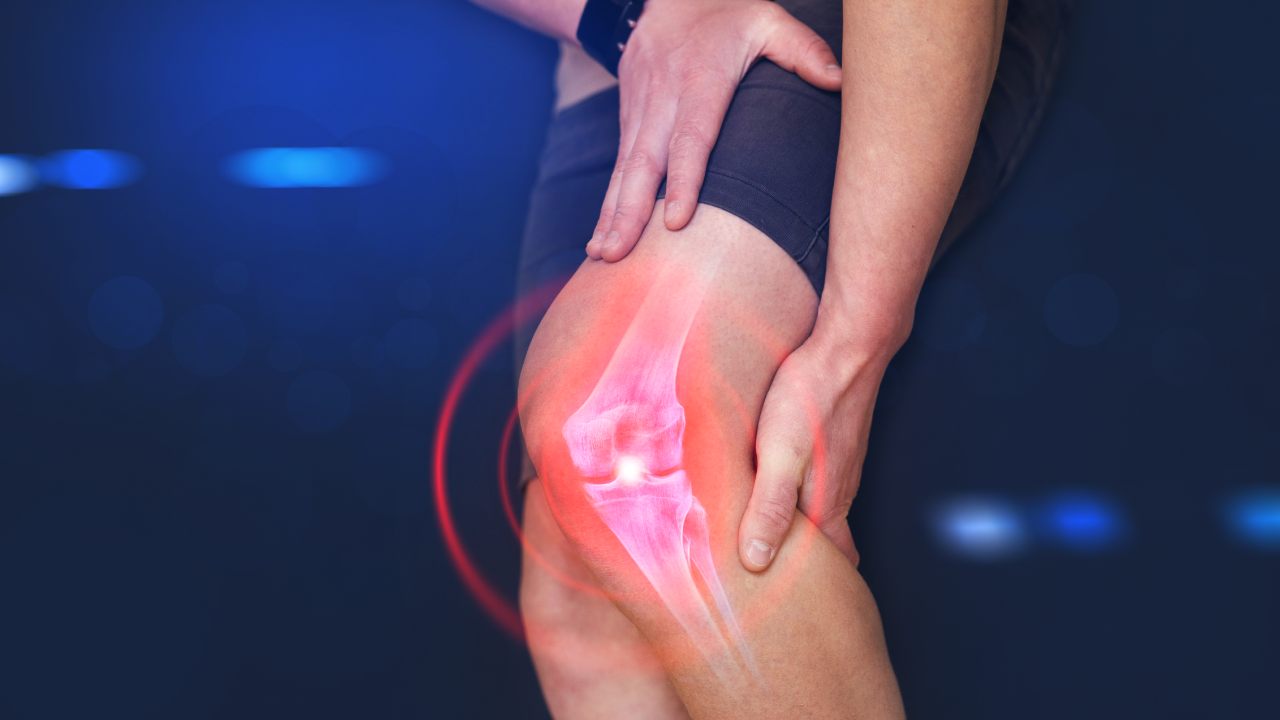
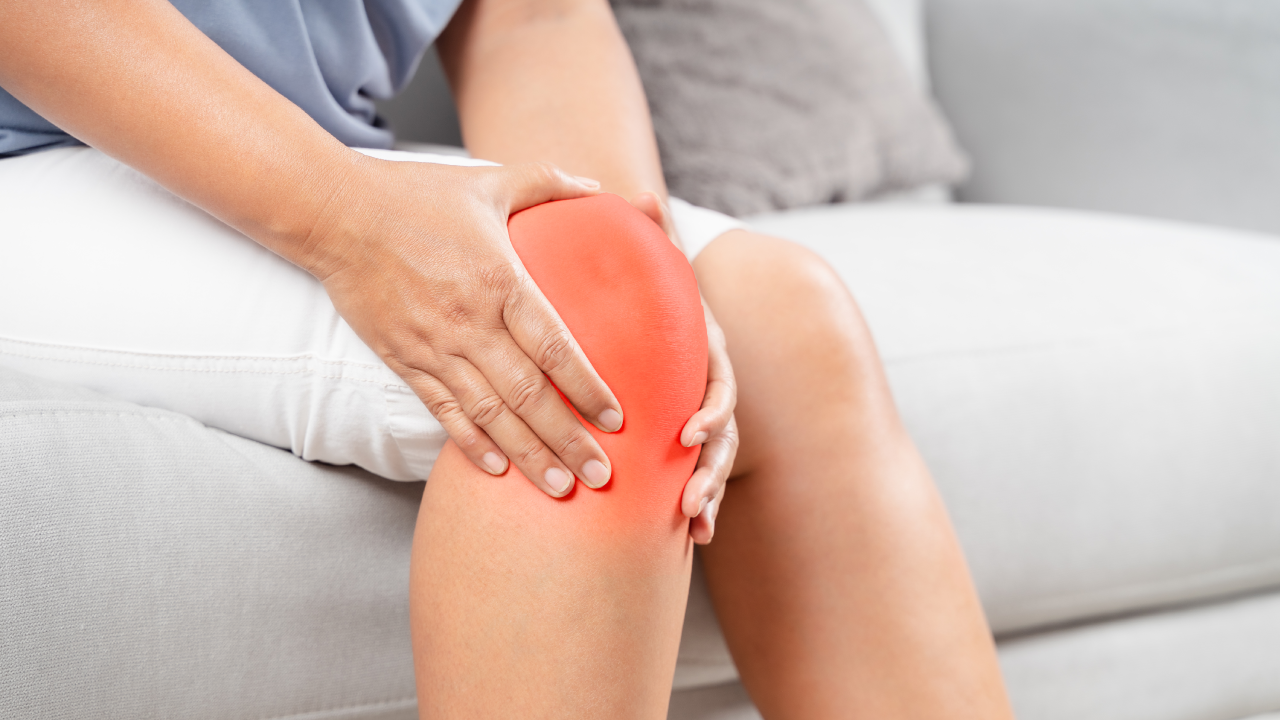
Knee Injuries
A direct impact, twisting motion, or sudden change in direction can affect the knee joint and surrounding tissues.
Common problems include:
- Knee strains
- Ligament irritation
- Muscle injuries
- Swelling
- Reduced range of motion
- Difficulty using stairs
- Difficulty squatting or kneeling
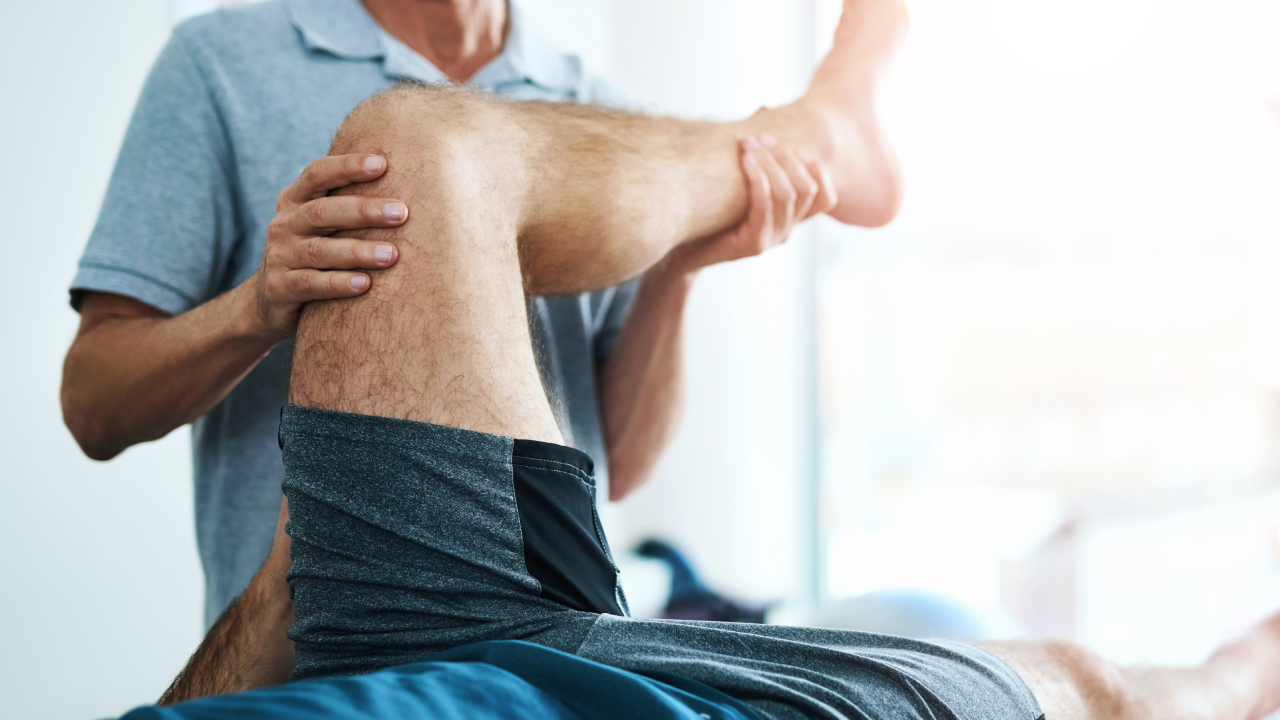
Physiotherapy may focus on knee mobility, lower-limb strength, balance, and gradual return to daily activities.
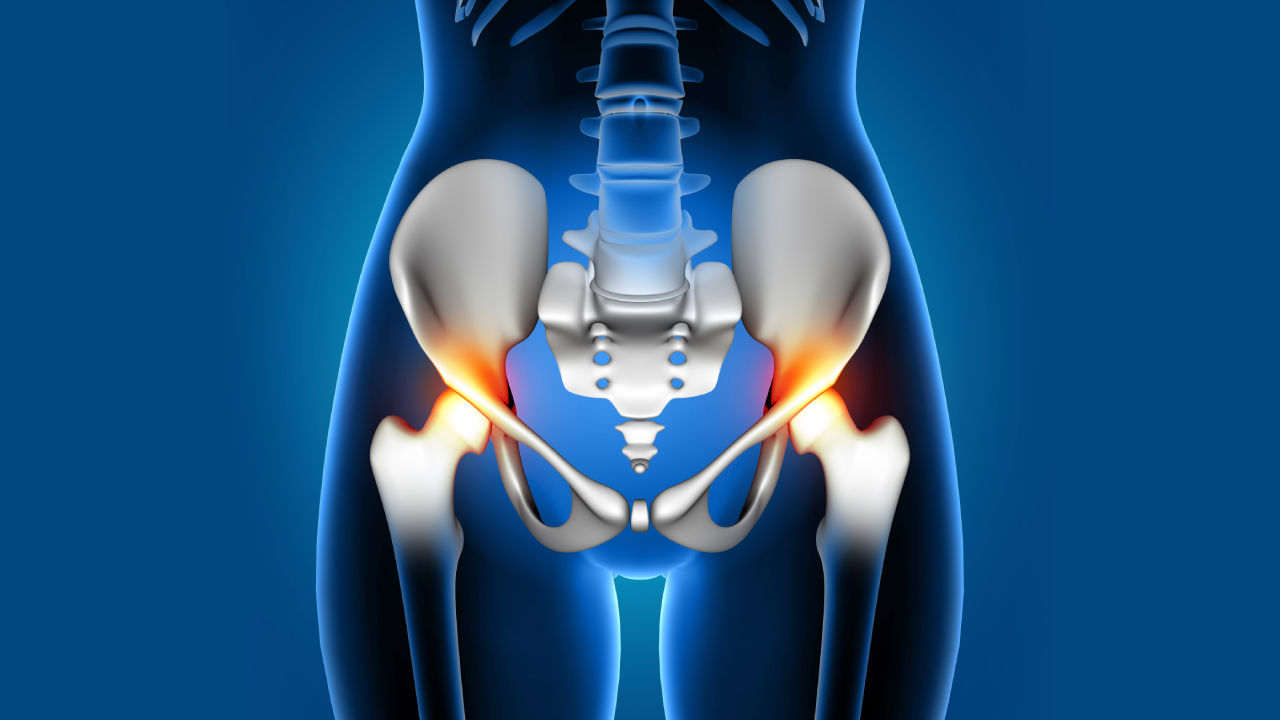
Hip Injuries
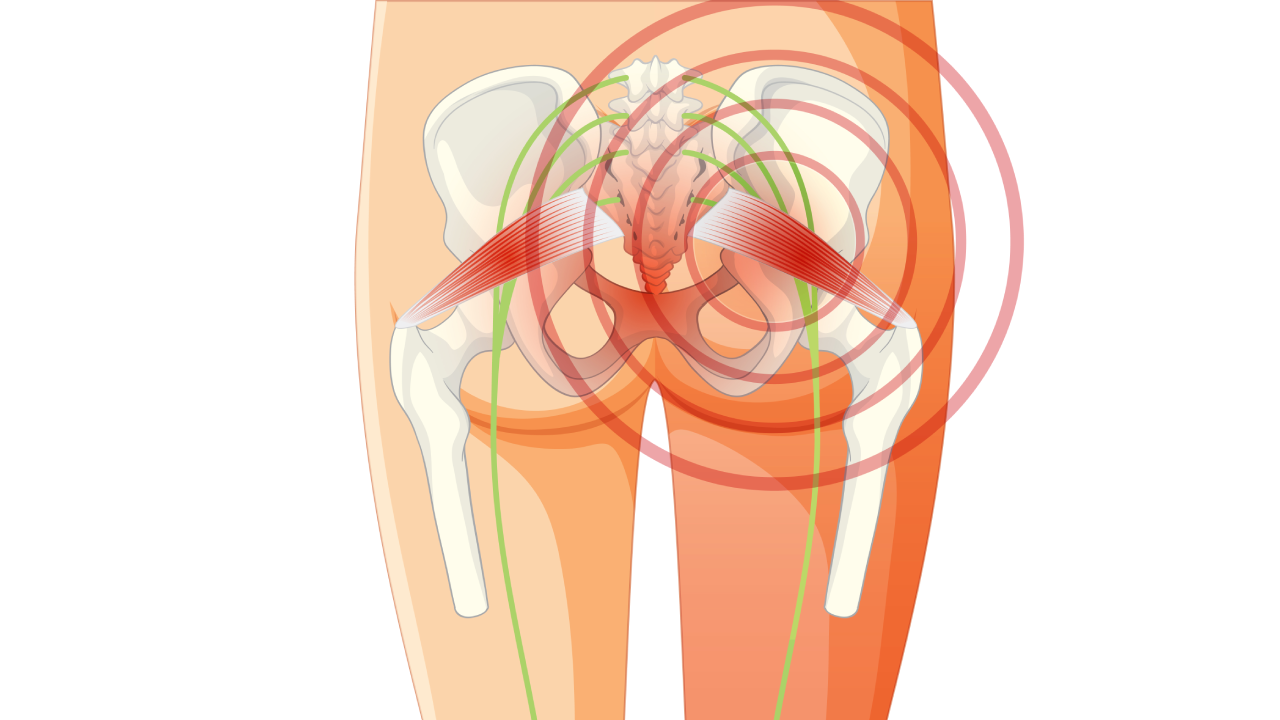
Falling onto the side of the body can place force through the hip and nearby tissues. Bruising and muscle strains may occur, although more serious injuries are also possible.
Persistent hip symptoms, difficulty standing, or difficulty placing weight through the leg should be assessed by an appropriate healthcare professional.
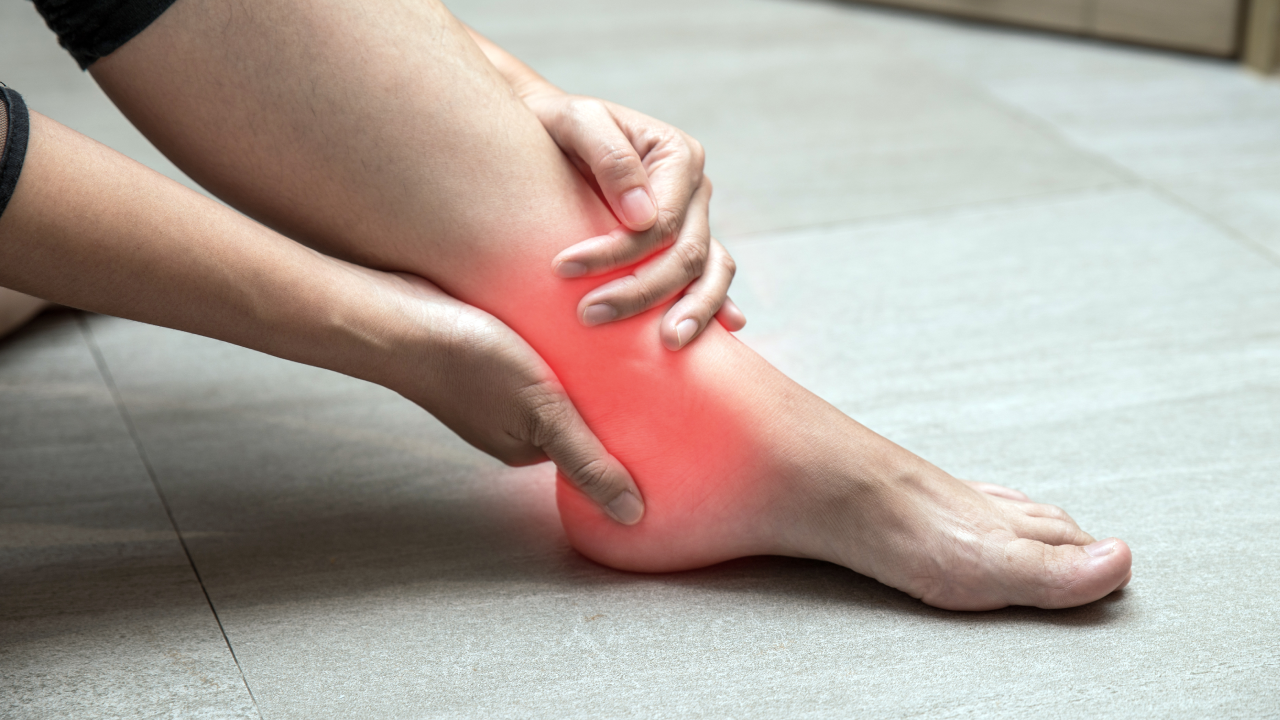
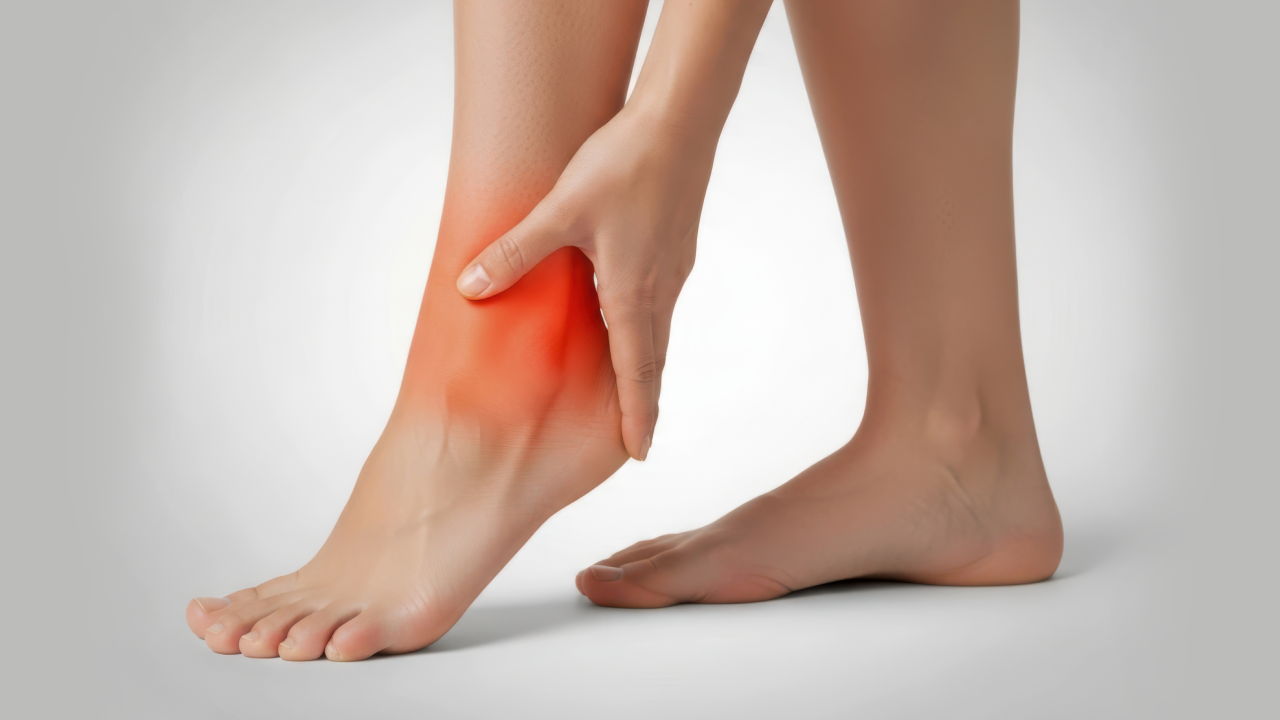
Ankle Sprains
An ankle can roll or twist during a fall, stretching or damaging the ligaments around the joint.
Common symptoms include:
- Swelling
- Tenderness
- Reduced ankle movement
- Difficulty walking
- Reduced balance
- Weakness around the ankle
Physiotherapy may include mobility exercises, progressive strengthening, balance training, walking work, and gradual activity progression.
Muscle Strains
A sudden movement during a fall can overstretch a muscle. Strains may affect the back, neck, shoulders, legs, or other body areas.
Treatment and activity progression depend on the severity of the strain and how well the person tolerates movement.
Soft-Tissue Injuries
Falls can cause bruising and irritation involving muscles, tendons, ligaments, and other soft tissues.
Some symptoms may settle as the body recovers. If stiffness, weakness, or restricted movement continues, physiotherapy can address the resulting functional limitations.
Balance Problems After a Fall
A fall may make someone cautious about walking, using stairs, navigating uneven surfaces, or participating in outdoor activities. This can sometimes lead to reduced physical activity.
Physiotherapy can assess:
- Balance
- Lower-body strength
- Coordination
- Walking patterns
- Movement control
- Functional mobility
Exercises may then focus on these areas and on factors that could contribute to another fall.
Problems We Address After a Slip or Fall
At Spinal Solution and Wellness, physiotherapy may address:
- Muscle stiffness
- Joint restrictions
- Reduced flexibility
- Weakness
- Swelling related to musculoskeletal injuries
- Balance difficulties
- Walking difficulties
- Trouble using stairs
- Difficulty lifting or carrying objects
- Challenges with work duties
- Reduced exercise tolerance
- Movement limitations during daily activities
The treatment approach depends on the injury, assessment findings, and functional needs.
What Is Included in Slip and Fall Injury Physiotherapy?
Initial Assessment
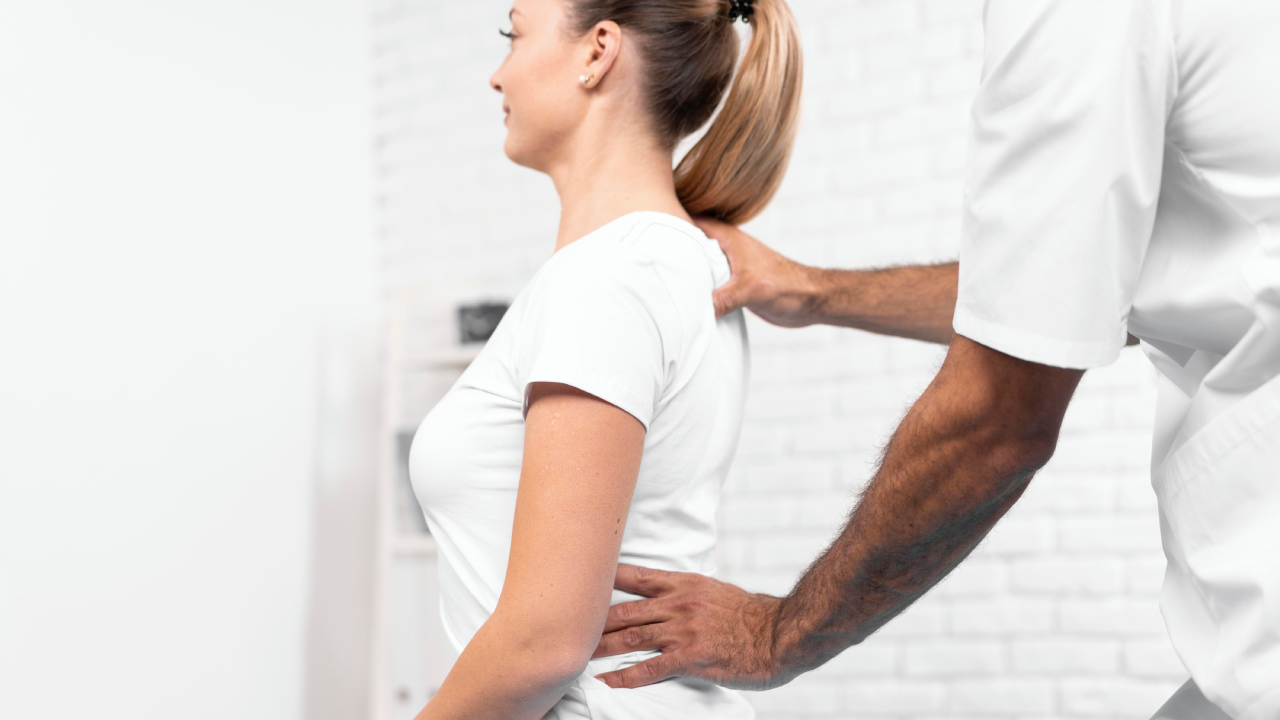
The first appointment may include questions about how the accident occurred, current symptoms, previous injuries, daily activities, and movements that are difficult.
The physiotherapist may assess:
- Joint movement
- Muscle strength
- Flexibility
- Balance
- Walking
- Coordination
- Functional movement
- Areas of tenderness or restriction
Treatment Planning
After the assessment, the physiotherapist identifies the main physical limitations affecting movement and daily function.
The care plan can be adjusted according to symptoms, activity level, goals, and progress.
Therapeutic Exercise
Exercises may address strength, mobility, balance, coordination, and functional capacity.
Examples include:
- Range-of-motion exercises
- Core strengthening
- Lower-body strengthening
- Shoulder exercises
- Balance drills
- Walking exercises
- Functional movement training
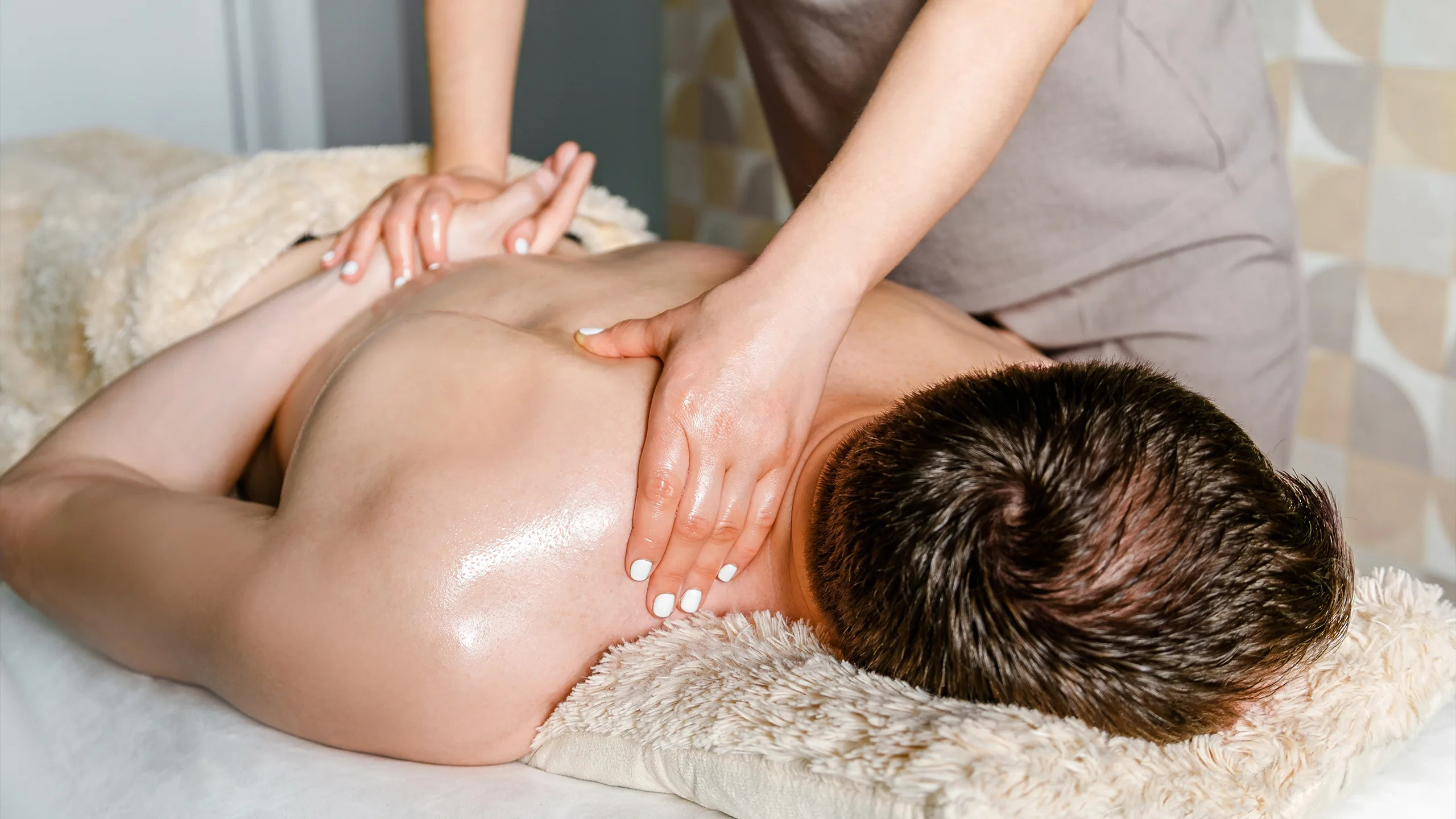
Manual Therapy
When appropriate, hands-on techniques may be used to address joint mobility and soft-tissue restrictions.
Manual therapy is commonly combined with active exercise rather than used as the sole component of care.
Home Exercise Program
A home exercise program may help maintain progress between appointments. Exercises are selected according to the person’s condition, abilities, and current stage of rehabilitation.
Progress Reviews
Progress may be monitored through changes in movement, strength, balance, activity tolerance, and everyday function. Exercises and activities can be modified as physical capacity changes.
How the Process Works
1. Consultation
You discuss the fall, current symptoms, activity limitations, and concerns with the physiotherapy team.
2. Assessment
A physical assessment helps identify movement restrictions, strength deficits, balance concerns, and other musculoskeletal issues.
3. Planning
A treatment plan is established around the assessment findings and functional goals.
4. Treatment
Treatment may include therapeutic exercise, manual therapy, mobility work, strengthening, balance training, and other physiotherapy methods.
5. Review
Progress is reviewed during follow-up appointments. Exercises and activities can be modified according to your response.
6. Ongoing Care
As function changes, treatment may shift toward maintaining strength, mobility, balance, and activity tolerance.
Potential Functional Changes with Physiotherapy
Physiotherapy following a fall may support:
- Improved joint mobility
- Increased muscle strength
- Improved balance
- More controlled movement
- Improved walking ability
- Greater tolerance for daily activities
- Easier stair use
- Gradual return to work tasks
- Gradual return to recreational activities
- Increased confidence with movement
Results vary based on the type and severity of injury, general health, activity level, and participation in the recommended program.
When Should You Seek Medical Assessment?
Physiotherapy is not appropriate for every fall. Prompt medical assessment is important when there is:
- Loss of consciousness
- Confusion
- Severe or worsening headache
- Suspected fracture
- Major swelling or deformity
- Inability to put weight through a limb
- Severe neck or back symptoms
- Numbness or weakness
- Chest pain
- Difficulty breathing
- Sudden vision changes
- Significant bleeding
If you are uncertain about whether physiotherapy is suitable, a healthcare professional can help determine the next step.
Slip & Fall Injuries in Scarborough, ON
Falls may happen at home, at work, on sidewalks, in commercial buildings, parking areas, recreational spaces, and other locations throughout Scarborough.
At Spinal Solution and Wellness, our physiotherapy team works with people dealing with movement and musculoskeletal concerns following accidents and falls. Assessment focuses on current physical findings, functional limitations, strength, mobility, and balance.
For those searching for Slip & Fall Injuries in Scarborough, ON, our clinic provides physiotherapy care focused on movement, strength, balance, and everyday function.
Service Area
Spinal Solution and Wellness serves people seeking physiotherapy care in Scarborough, Ontario, and surrounding communities.
Our local service area may include:
- Agincourt
- Agincourt South-Malvern West
- Malvern
- Morningside
- West Hill
- Guildwood
- Wexford
- Bendale
- Dorset Park
- Clairlea
- Birch Cliff
- Scarborough Junction
- Port Union
- Don Mills
- East York
- Markham
People searching for Slip & Fall Injuries in Scarborough, ON, can contact the clinic to discuss their symptoms and arrange an assessment.
Why Choose Spinal Solution and Wellness?
Spinal Solution and Wellness provides physiotherapy care for musculoskeletal and movement-related concerns. Assessment focuses on physical findings, functional limitations, activity requirements, and individual rehabilitation goals.
Our team can assess areas such as
- Mobility
- Strength
- Balance
- Coordination
- Functional movement
- Walking ability
- Activity tolerance
Treatment plans may be adjusted as physical capacity changes.
Related Services
Depending on your condition, related services may include:
- Physiotherapy
- Manual Therapy
- Therapeutic Exercise
- Balance Training
- Sports Injury Rehabilitation
- Back Physiotherapy
- Neck Physiotherapy
- Knee Rehabilitation
- Shoulder Rehabilitation
- Ankle Rehabilitation
- Post-Injury Rehabilitation
These services may address different physical concerns that can occur alongside a slip or fall injury.
Frequently Asked Questions
What injuries can happen after a slip and fall?
Common injuries include muscle strains, ankle sprains, knee problems, shoulder injuries, wrist injuries, neck strains, back strains, hip problems, and soft-tissue injuries.
Can symptoms appear several hours after a fall?
Yes. Some symptoms may develop later as swelling, stiffness, or muscle tension increases. Persistent or worsening symptoms should be assessed.
How soon should I see a physiotherapist?
Timing depends on the type of injury. If there are signs of a serious injury, seek medical assessment first. For musculoskeletal concerns without emergency signs, a physiotherapy assessment can identify movement and functional issues.
Do I need a doctor’s referral?
Referral requirements can vary based on your circumstances and insurance provider. Contact Spinal Solution and Wellness to discuss the requirements that may apply to you.
Can physiotherapy help with balance after a fall?
Yes. Physiotherapy can assess balance, strength, walking patterns, coordination, and movement control. Exercises can then address the areas requiring attention.
What should I bring to my appointment?
Bring relevant medical documents, imaging reports if available, information about current treatments, and details about the accident. Comfortable clothing can make movement assessment easier.
How long does recovery take?
Recovery time varies considerably. A minor soft-tissue injury may follow a different timeline from a ligament injury, fracture, or significant joint problem. Your physiotherapist can discuss expected progression following assessment.
Can I return to work after a slip and fall?
This depends on the injury and your job duties. Physiotherapy may address strength, mobility, lifting, walking, standing, and other physical requirements related to your work.
Get Started
A fall can affect movement, strength, balance, and everyday activities, even when there is no obvious injury immediately afterward.
If you have symptoms following a slip, trip, or fall, Spinal Solution and Wellness can assess your condition and discuss suitable physiotherapy options.
Phone: +1 416-307-1076
Address: 5995 Steeles Ave E, Scarborough, ON M1V 5P6, Canada
If you have been searching for Slip & Fall Injuries in Scarborough, ON, contact Spinal Solution and Wellness to arrange an assessment and discuss your next steps.