Calf Pain in Scarborough, ON
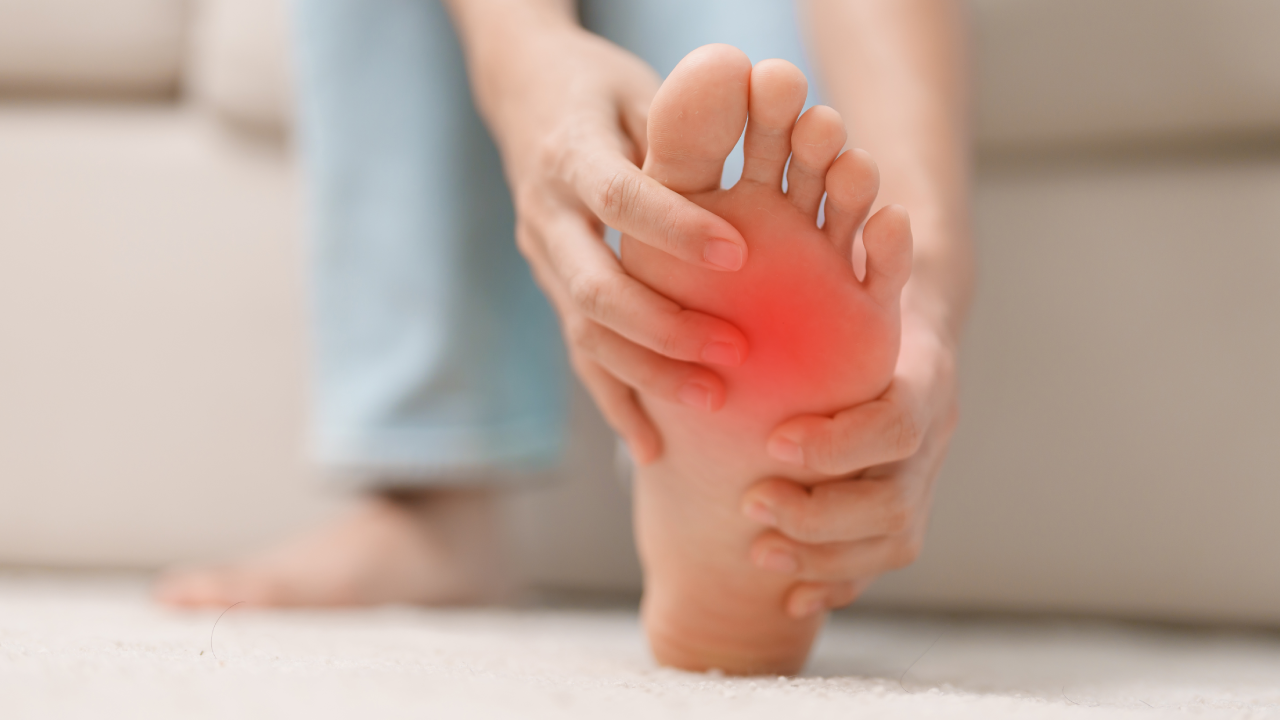
Calf discomfort can interfere with walking, climbing stairs, standing at work, exercising, and other everyday activities. Symptoms may develop after an injury, increased physical activity, repetitive loading, or changes in movement. At Spinal Solution and wellness, we assess calf symptoms by considering your movement patterns, activity level, injury history, strength, mobility, and daily physical demands.
Calf Pain in Scarborough, ON, can develop for many reasons. A sudden movement during sports may result in a calf muscle strain, while gradual symptoms may be associated with repeated activity, muscle tension, reduced ankle mobility, or increased training demands. Some calf symptoms may also indicate a medical condition that requires prompt assessment.
Our clinic in Scarborough provides physiotherapy and rehabilitation for people dealing with calf and lower-leg symptoms related to injuries, exercise, work activities, movement limitations, and musculoskeletal conditions.
What Is Calf Pain?
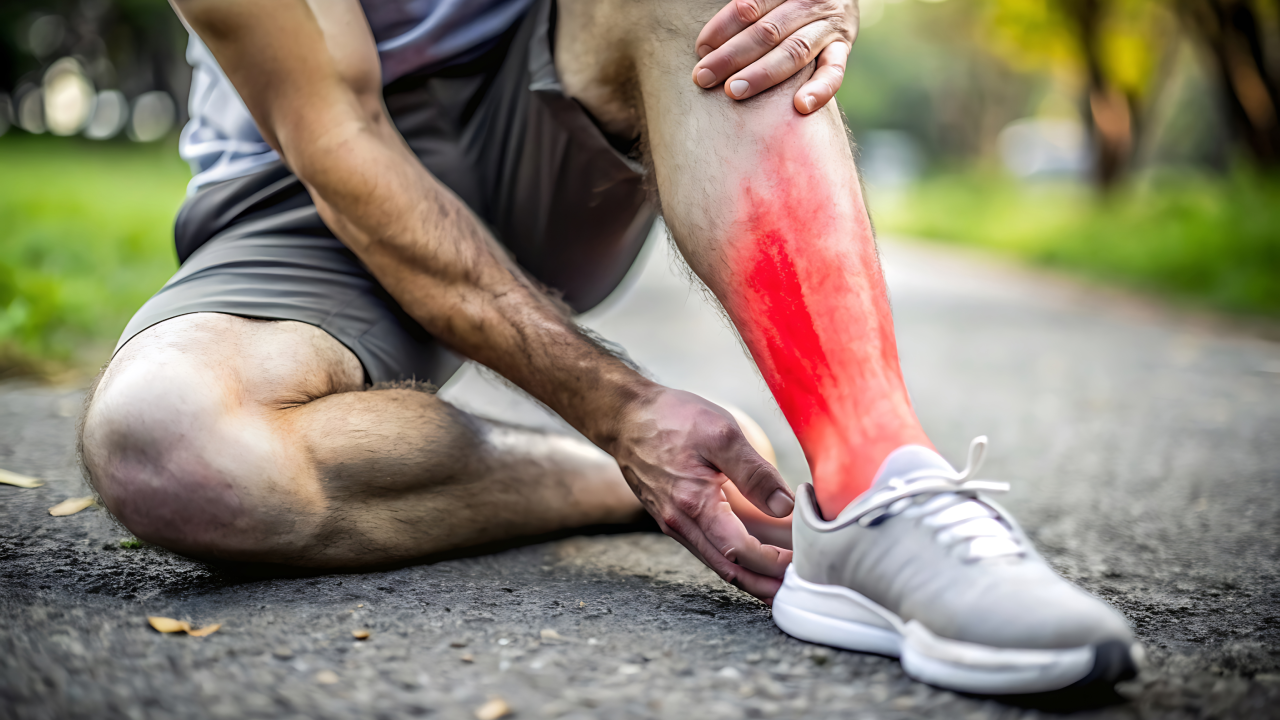
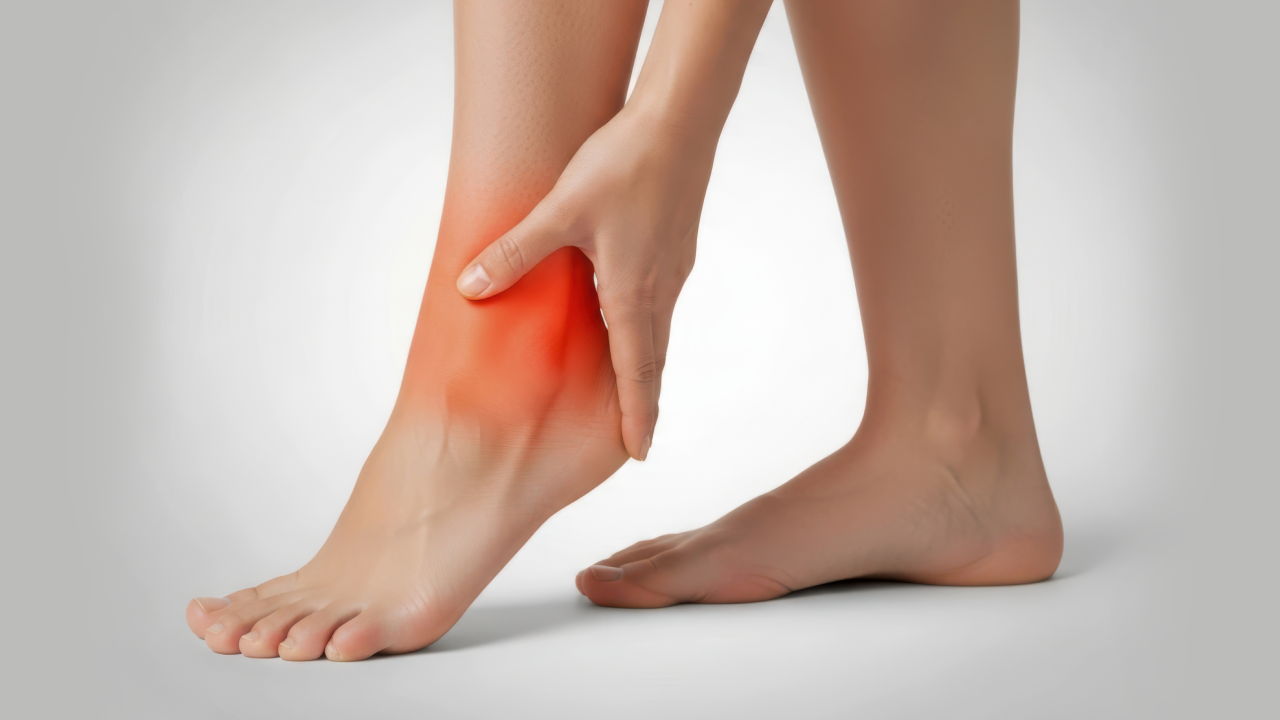
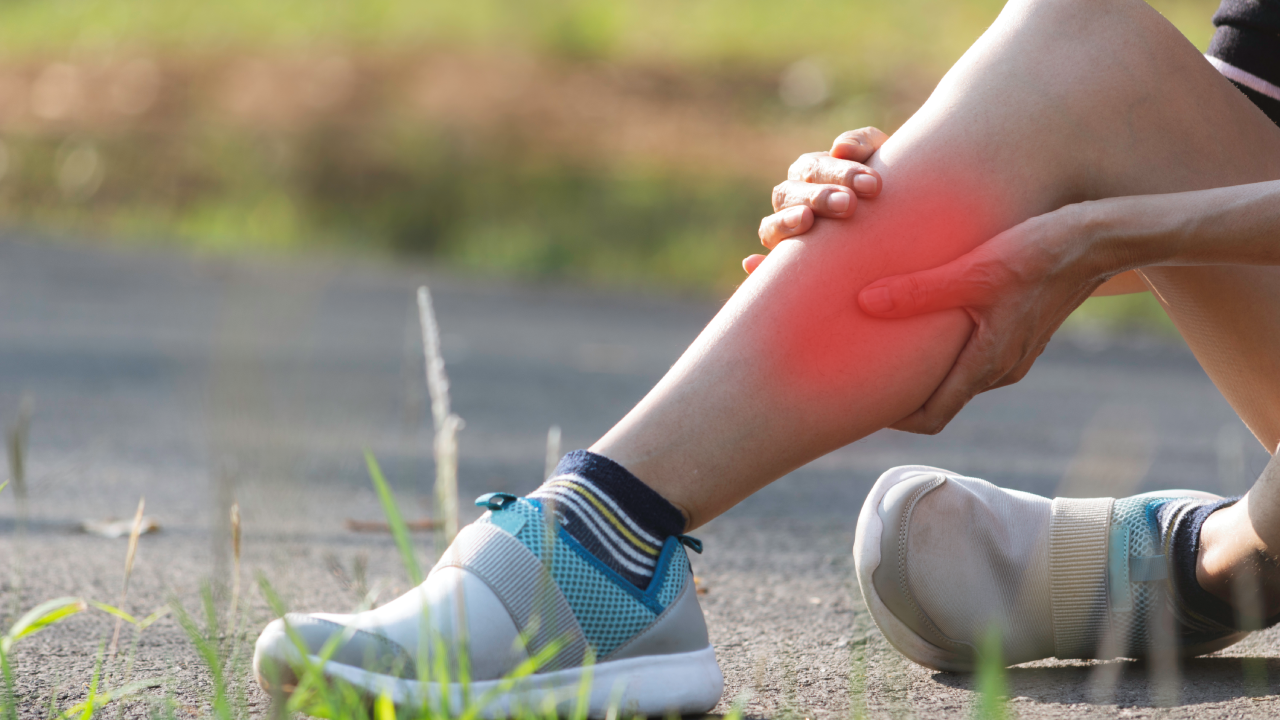
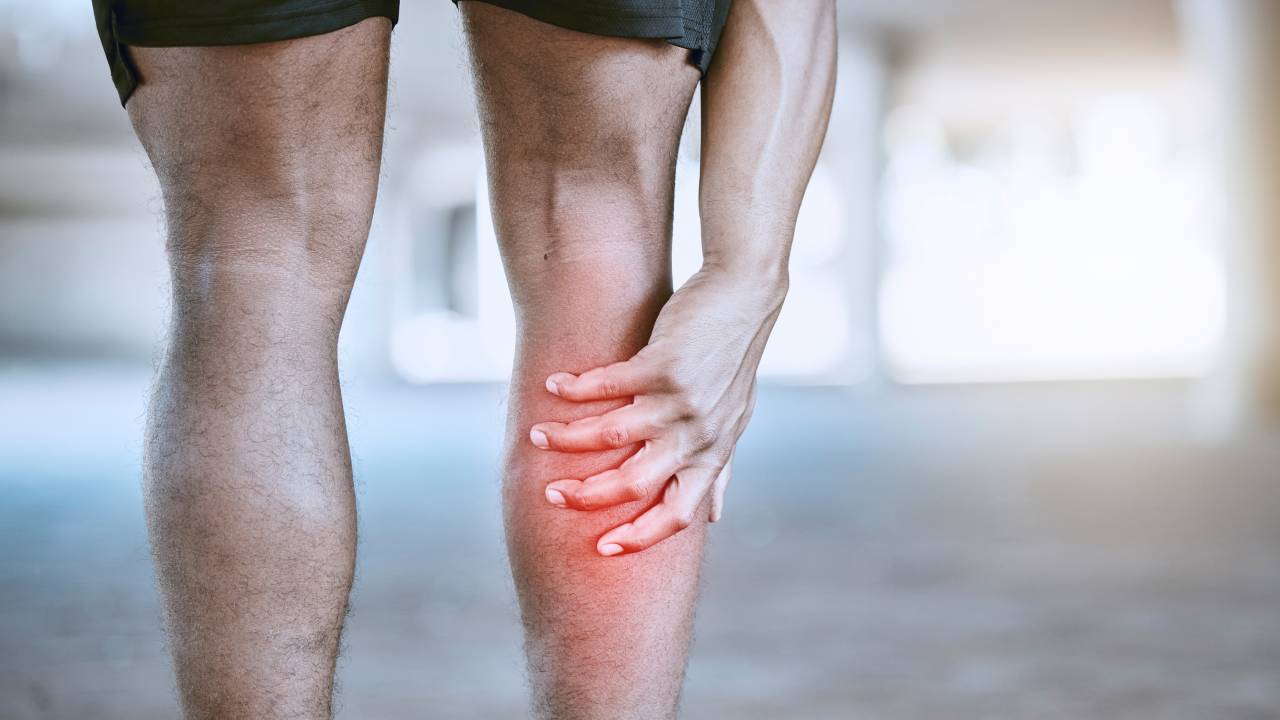
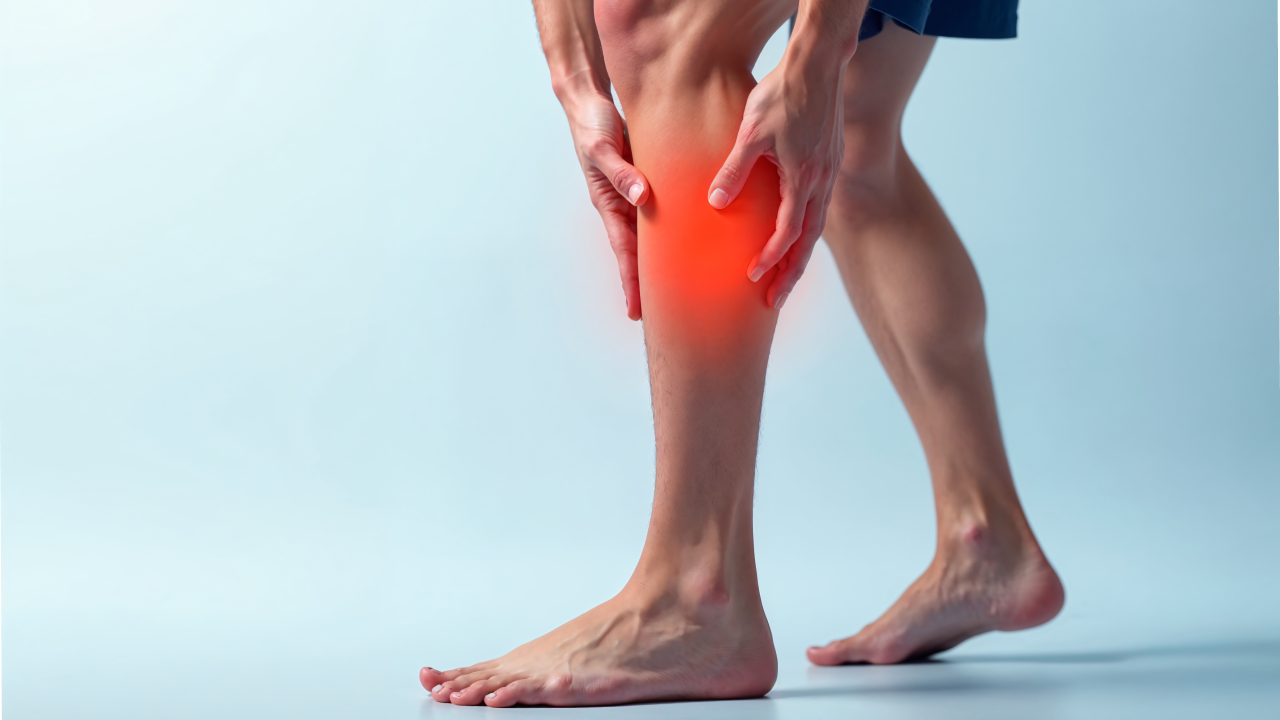
Calf pain refers to discomfort in the area between the knee and ankle. This region contains muscles, tendons, nerves, blood vessels, and connective tissues, meaning symptoms can have several possible causes.
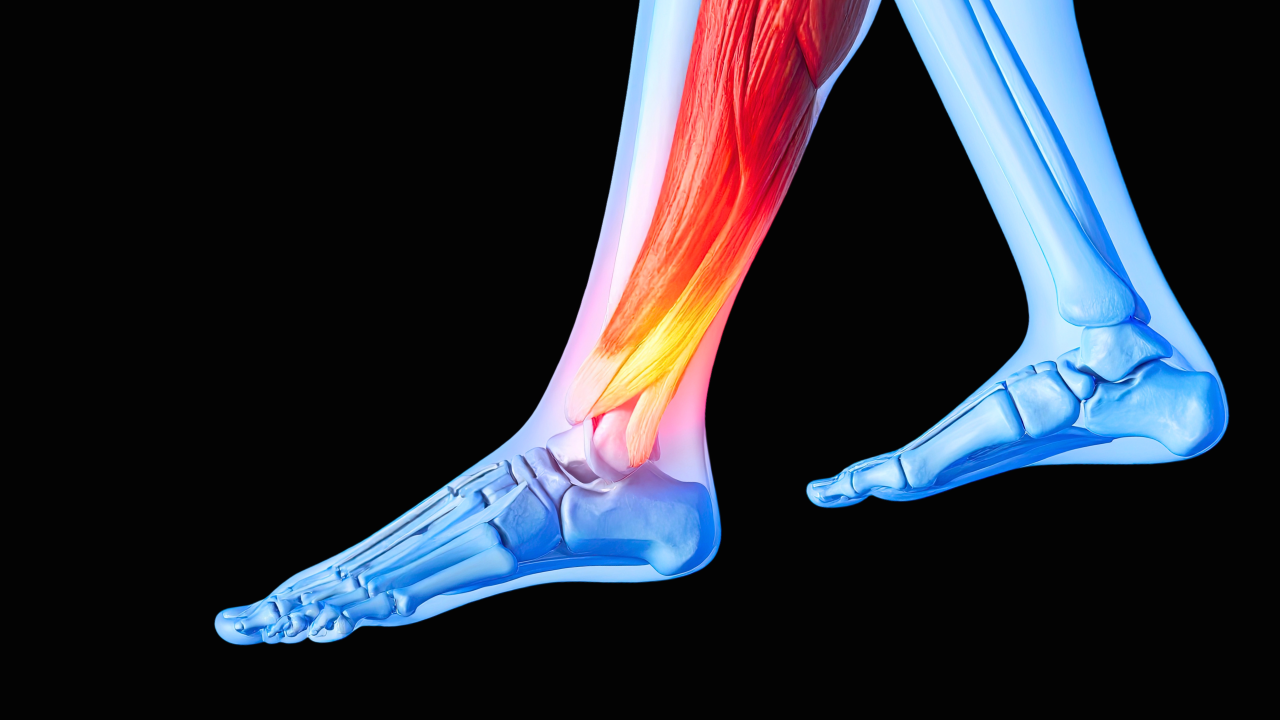
The main calf muscles are the gastrocnemius and soleus. Together, they help with walking, running, jumping, climbing stairs, and pushing the foot against the ground. The calf muscles also connect with the Achilles tendon, which plays an important role in movement around the ankle and heel.
Calf symptoms may begin suddenly following an injury or develop gradually over several days or weeks.
Common symptoms may include:
- Aching or soreness
- Calf tightness
- Sharp discomfort during movement
- Tenderness
- Swelling
- Bruising
- Muscle weakness
- Cramping
- Difficulty walking
- Discomfort while running or jumping
- Reduced ankle mobility
The location, timing, severity, and pattern of your symptoms can help identify factors that may be contributing to the problem.
Common Causes of Calf Symptoms
Different conditions can affect the muscles and structures within the calf.
Calf Muscle Strain
A calf strain can occur when muscle fibres are stretched beyond their normal capacity. Sprinting, running, jumping, sudden direction changes, and other high-load movements can place considerable stress on the calf.
Overuse
Frequent walking, running, standing, or exercise can place repeated demands on the calf muscles. A sudden increase in activity duration, intensity, or frequency may contribute to soreness and stiffness.
Muscle Cramps
Calf cramps involve sudden, involuntary muscle contractions that can cause intense discomfort. They may occur during exercise, at night, or after prolonged physical activity.
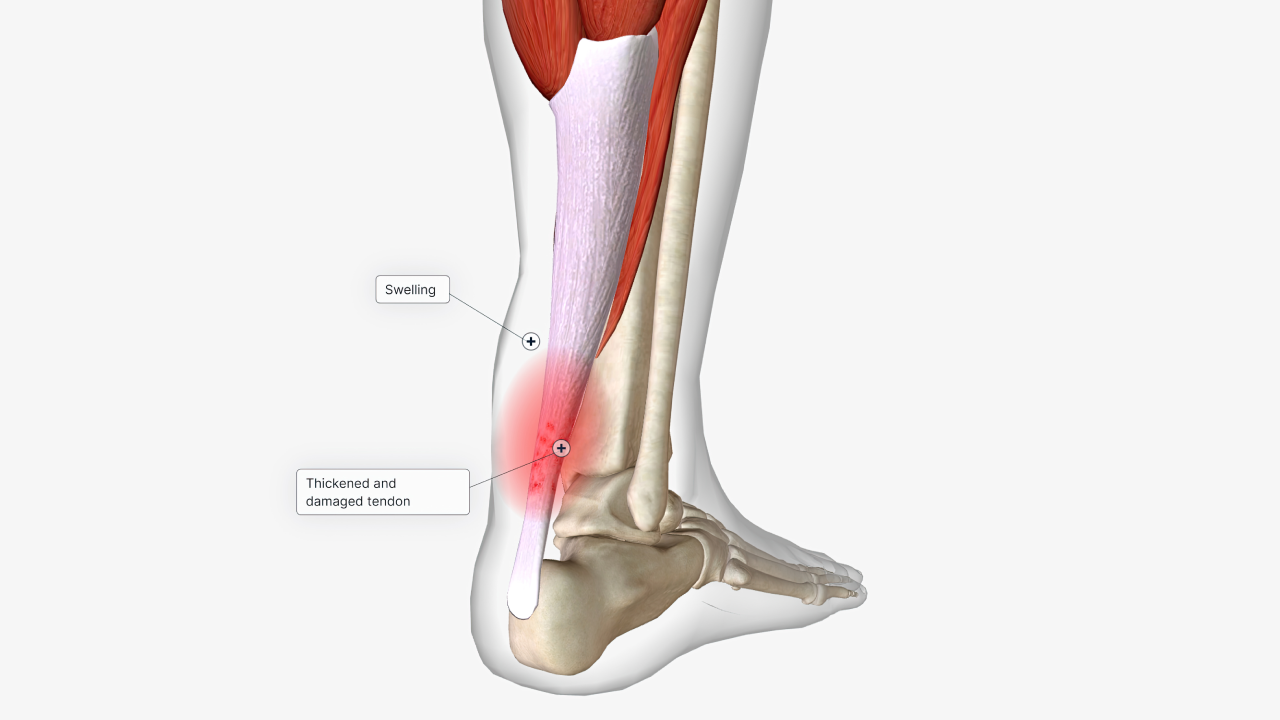
Achilles Tendon Problems
The calf muscles connect with the Achilles tendon, so problems affecting one area can influence movement in the other. Achilles tendon conditions may cause symptoms around the back of the ankle and lower calf.
Reduced Ankle Mobility
Restricted ankle movement can alter how force is distributed through the foot and lower leg. This may affect walking mechanics, exercise performance, and activity tolerance.
Nerve-Related Symptoms
Nerve irritation involving the lower back or leg can sometimes cause symptoms that travel into the calf. The pattern of symptoms can help determine whether the calf itself is the primary source.
Circulatory Conditions
Certain vascular conditions can cause calf swelling, warmth, redness, tenderness, or discomfort. Sudden changes in the calf, particularly when accompanied by other concerning symptoms, require prompt medical assessment.
Who May Seek Calf Rehabilitation?
People with different activity levels and physical demands may seek physiotherapy for calf symptoms.
Athletes and Active Adults
Runners, hockey players, basketball players, soccer players, cyclists, gym participants, and other active individuals place repeated demands on their lower legs. Changes in training volume or intensity may contribute to calf problems.
People Who Stand or Walk for Work
Retail employees, healthcare workers, construction workers, hospitality staff, warehouse employees, and others who spend many hours on their feet may develop calf soreness or stiffness from repeated loading.
People Returning to Physical Activity
After an injury, surgery, illness, or extended period of reduced activity, the calf may require gradual conditioning before returning to previous activity levels.
Older Adults
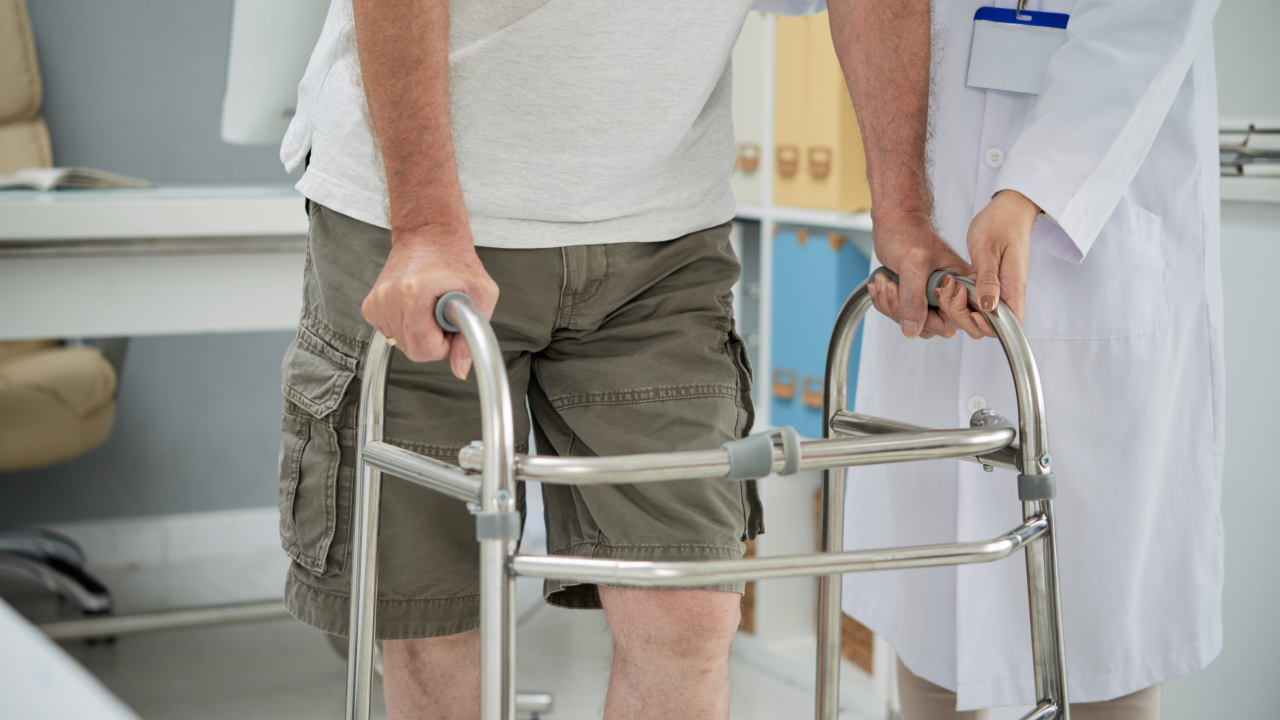
Changes in muscle strength, balance, ankle mobility, and walking patterns can influence lower-leg function. Physiotherapy assessment may help identify movement factors that affect daily activities.
Problems Associated With Calf Symptoms
Calf discomfort can affect more than sports and exercise. It may interfere with work, household activities, walking, and other daily routines.
Common difficulties include:
- Walking shorter distances
- Climbing stairs
- Running or jumping
- Standing for extended periods
- Participating in recreational activities
- Moving the ankle fully
- Maintaining lower-leg strength
- Walking normally
- Returning to work after an injury
- Returning to sport after a calf problem
- Managing recurring symptoms after exercise
When calf symptoms continue, a person may also change the way they walk or move. These changes can place additional demands on the ankle, knee, hip, or other areas.
Calf Conditions Treated at Spinal Solution and wellness
At Spinal Solution and wellness, physiotherapy and rehabilitation may be appropriate for several calf and lower-leg conditions.
Calf Muscle Strains
A calf strain may occur during sprinting, running, jumping, or another sudden movement. Symptoms can include sudden discomfort, tenderness, swelling, weakness, and difficulty pushing off with the foot.
Rehabilitation may focus on restoring calf strength, ankle mobility, flexibility, balance, and activity tolerance according to the assessment findings.
Calf Tightness
Calf tightness may make walking, squatting, running, or ankle movement uncomfortable. Reduced calf flexibility can also influence foot and ankle mechanics.
An assessment can help identify whether tightness may be associated with activity levels, mobility restrictions, muscle weakness, or other contributing factors.
Exercise-Related Calf Soreness
Changes in exercise frequency, duration, intensity, terrain, or footwear can increase the workload placed on the calf muscles. Repeated symptoms after exercise may indicate a need to review movement and training patterns.
Achilles Tendon-Related Calf Symptoms
The Achilles tendon and calf muscles work together during walking, running, jumping, and stair climbing. Problems involving the Achilles tendon can therefore affect calf function and lower-leg movement.
Rehabilitation may include progressive strengthening, mobility work, and gradual loading based on assessment findings.
Calf Weakness After Injury
Reduced activity following a calf injury can result in muscle weakness. Returning to demanding physical activities before strength and movement have been restored may increase the chance of another injury.
Rehabilitation can progress from basic movement and strengthening exercises toward activities that match your work, recreational, or sporting requirements.
Mobility-Related Lower-Leg Problems
Limited ankle mobility can influence how the lower leg functions during walking and exercise. Physiotherapy may address mobility, strength, balance, coordination, and movement patterns when appropriate.
Key Services for Calf Rehabilitation
Initial Assessment
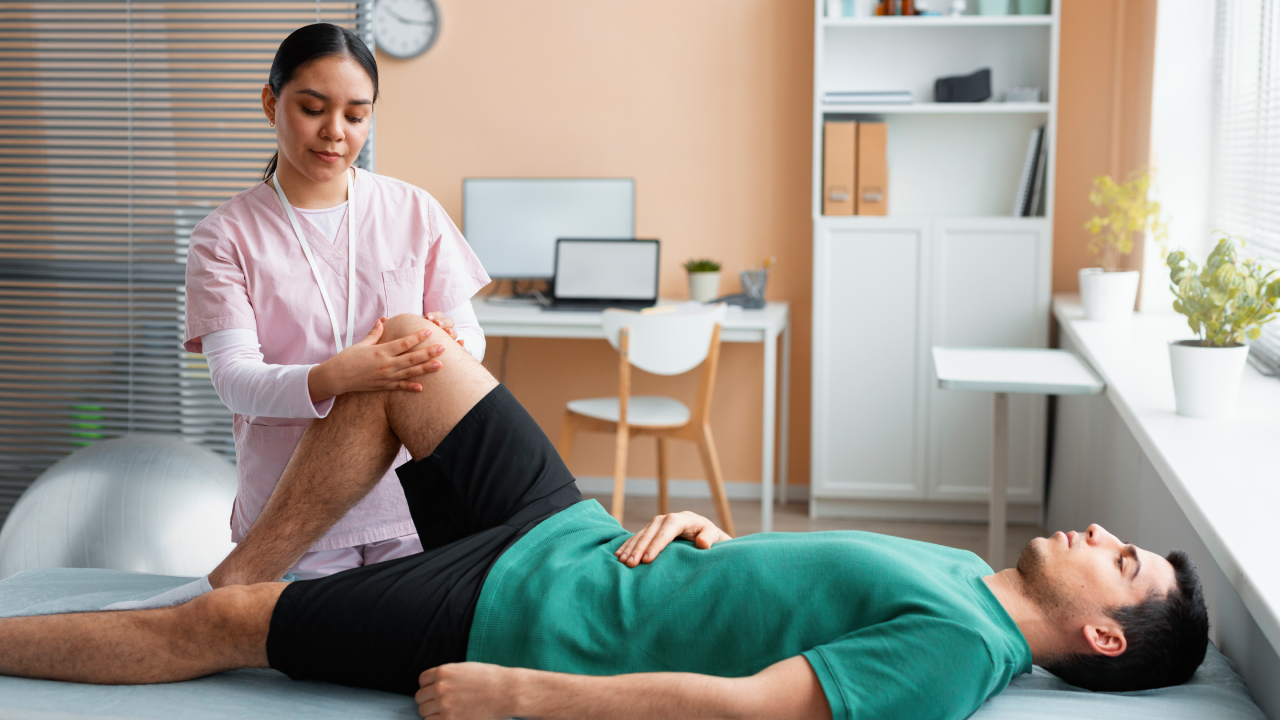
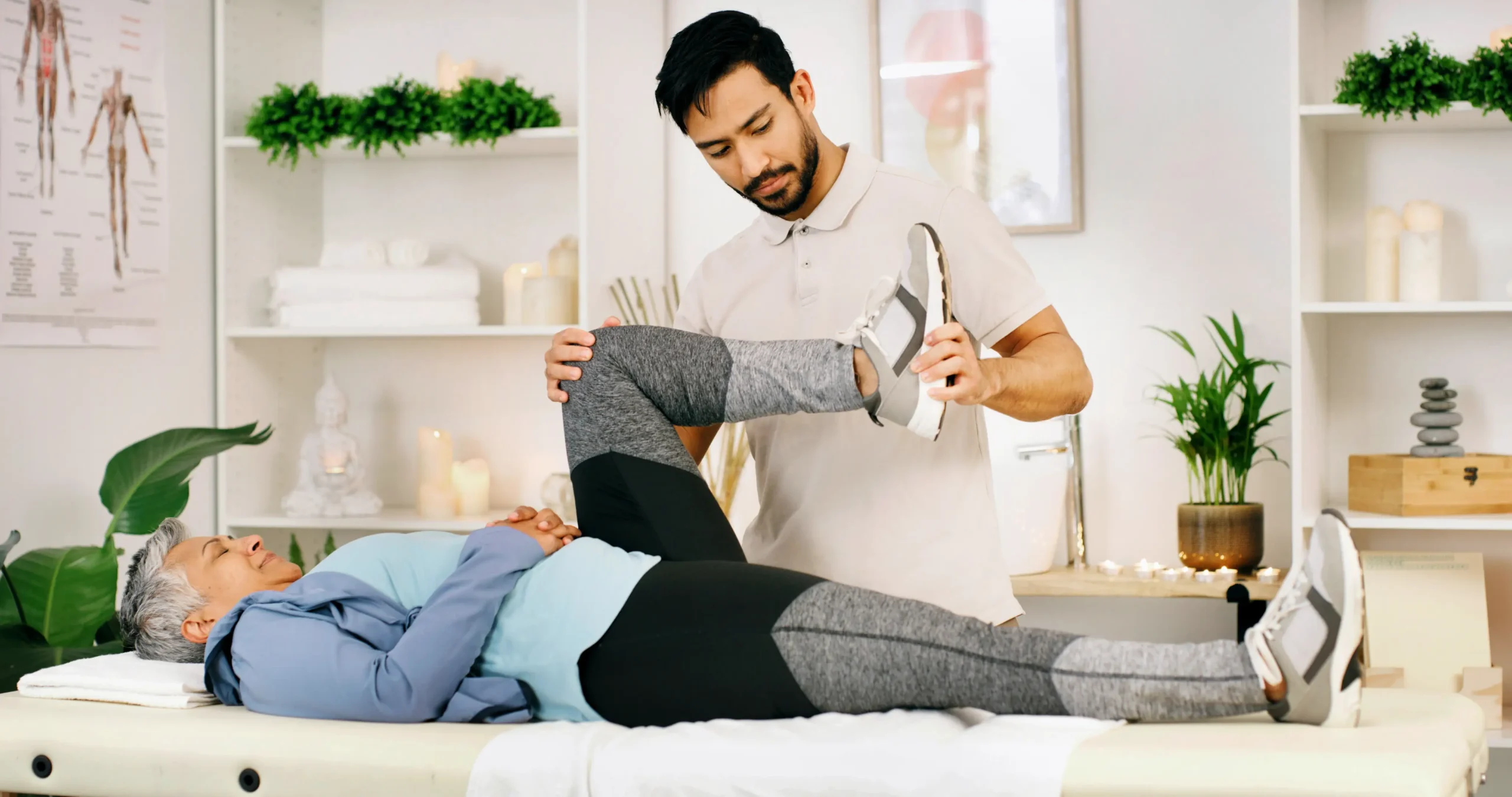
Your first visit includes a discussion of your symptoms, health history, physical activities, injury mechanism, and current limitations. Physical assessment may include strength, flexibility, gait, balance, joint movement, and functional activities.
Movement Assessment
We assess how the ankle, knee, hip, foot, and lower leg work together. This can help identify movement patterns that may contribute to symptoms or restrict activity.
Exercise-Based Rehabilitation
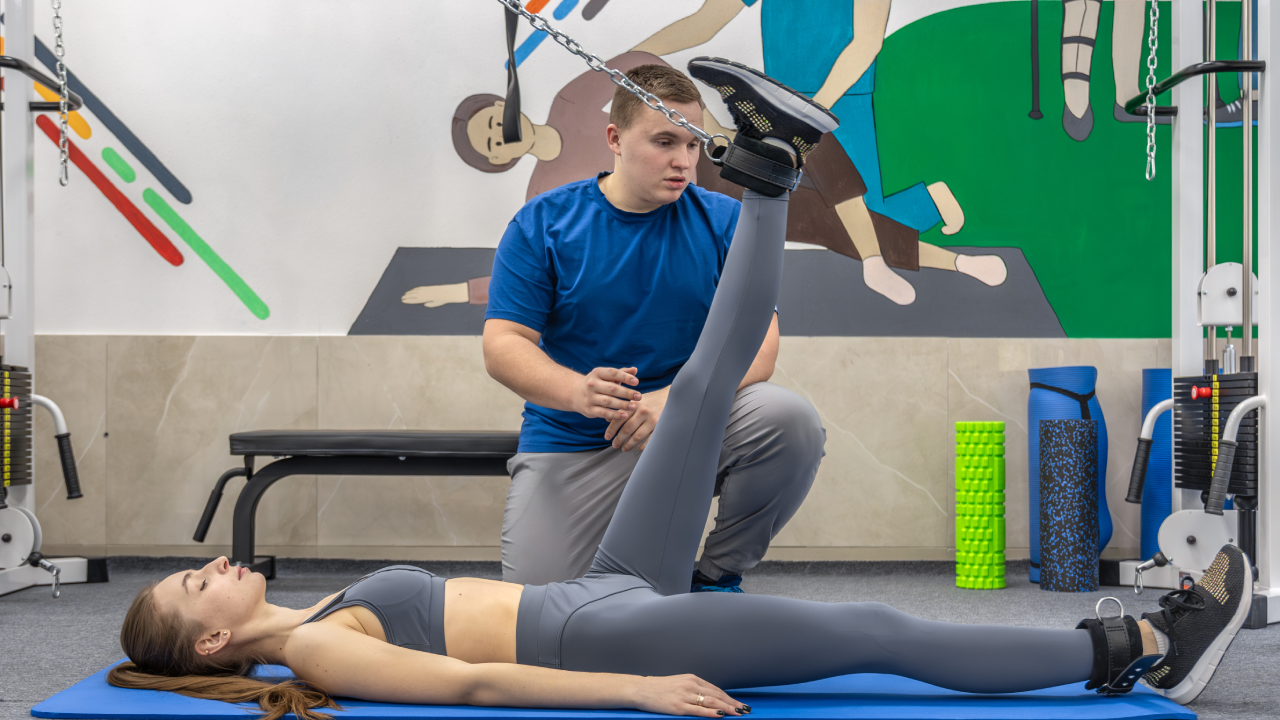
Exercises may focus on calf strength, ankle mobility, balance, coordination, and gradual loading. Exercises can be progressed as your physical function changes.
Manual Therapy
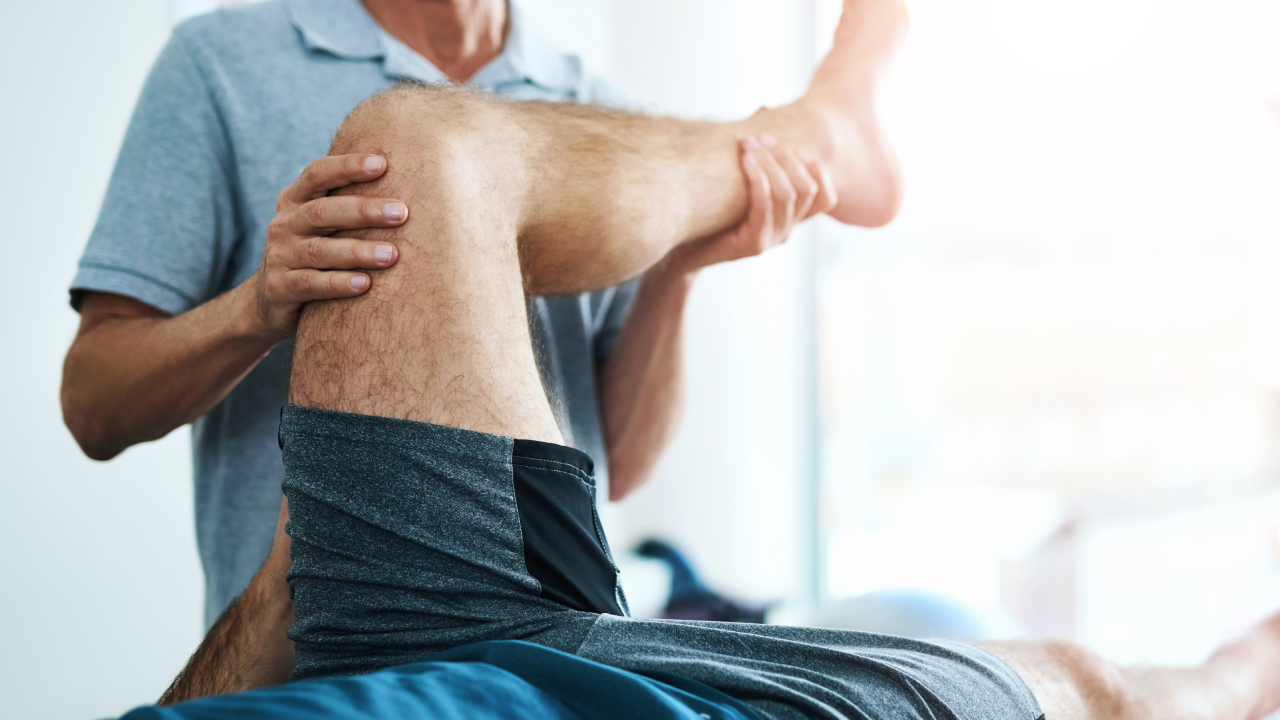
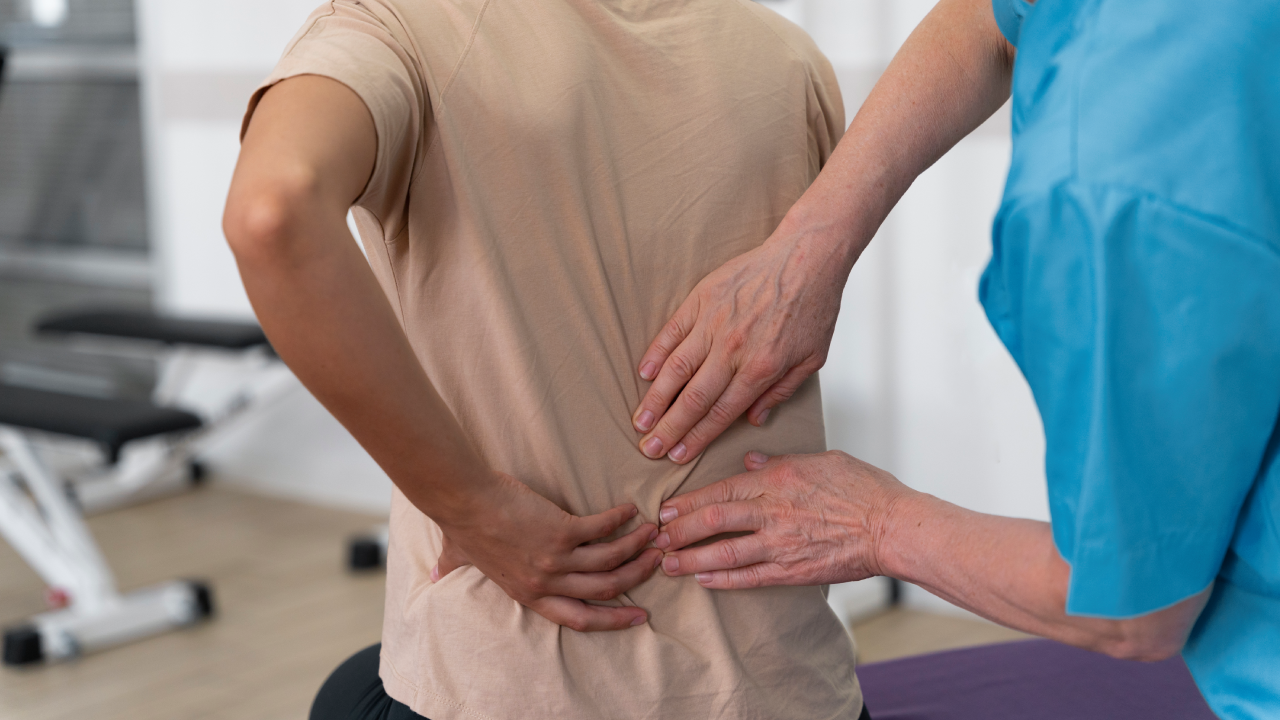
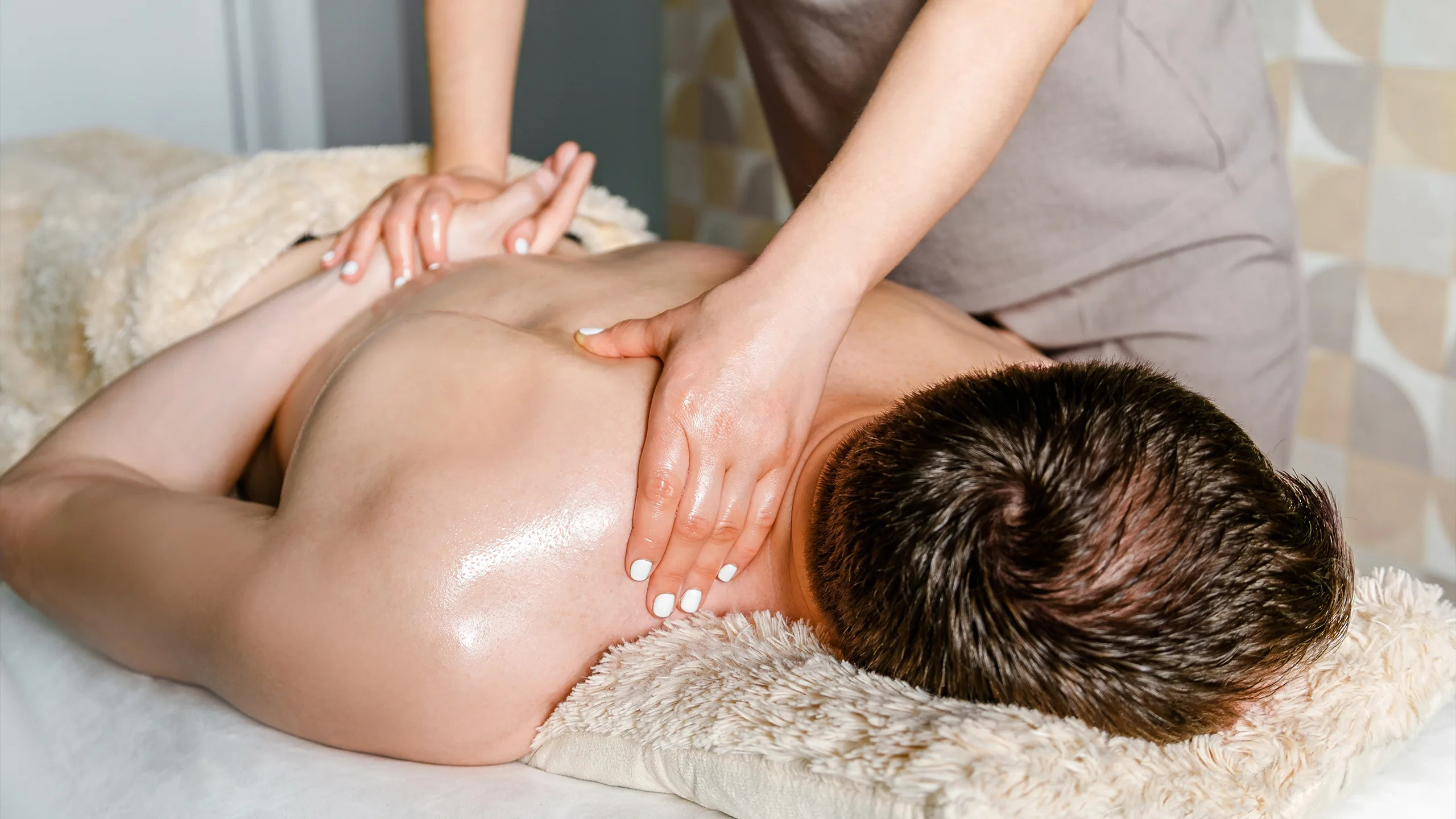
Hands-on treatment may be used when appropriate to address movement restrictions or soft-tissue limitations. The techniques selected depend on the findings from your assessment.
Activity Progression
Returning to regular activity involves gradually increasing physical demands. Rehabilitation may include walking, running, lifting, jumping, or sport-specific movements as appropriate.
Home Exercise Planning
You may receive exercises to complete between appointments. Home exercises can support regular participation in your rehabilitation program while fitting around your daily schedule.
How Calf Rehabilitation Works
1. Consultation
We begin by discussing when your symptoms started, how they developed, what activities affect them, and how they influence your daily routine.
2. Physical Assessment
Our team evaluates relevant areas such as movement, strength, flexibility, balance, gait, ankle mobility, and functional ability.
3. Rehabilitation Planning
The assessment findings are used to establish rehabilitation goals and select suitable treatment methods.
4. Treatment
Your sessions may include therapeutic exercises, mobility work, manual therapy, movement education, and gradual activity progression.
5. Progress Reviews
Your response to treatment is reviewed during follow-up appointments. Exercises and activity levels may be adjusted according to your progress.
6. Return to Activity
As your physical capacity develops, rehabilitation can progress toward activities that are important to you, such as work duties, walking, running, recreational exercise, or sports.
Potential Benefits of Calf Rehabilitation
A suitable rehabilitation program may support:
- Increased calf strength
- Improved ankle mobility
- Improved balance
- Greater walking tolerance
- Improved movement during exercise
- Gradual return to sports
- Greater confidence during physical activity
- Fewer limitations during everyday tasks
- Improved lower-leg control
- A structured return to physical activity
Outcomes can vary depending on the underlying condition, injury severity, health history, activity requirements, and participation in rehabilitation.
When Should You Seek Medical Assessment?
Not every calf problem is caused by a muscle strain or exercise-related issue.
Seek urgent medical attention if you develop sudden calf swelling, particularly if the area becomes warm, red, or unusually tender. Calf swelling accompanied by chest discomfort, breathing difficulty, fainting, or other serious symptoms requires emergency medical care.
A sudden calf injury involving significant swelling, extensive bruising, inability to walk, or major weakness may also require prompt medical assessment.
Physiotherapy does not replace emergency medical care. When symptoms suggest a condition outside the scope of physiotherapy, medical assessment or referral may be required.
Who We Serve in Scarborough
Spinal Solution and wellness provide physiotherapy and rehabilitation services for people in Scarborough, Ontario, dealing with calf and lower-leg problems.
Our services may be suitable for:
- Runners
- Recreational athletes
- Gym participants
- Office workers
- Retail workers
- Healthcare workers
- Construction workers
- Warehouse workers
- Older adults
- People returning to activity after injury
- People with recurring lower-leg symptoms
Frequently Asked Questions
What causes calf pain?
Common causes include calf strains, overuse, muscle cramps, Achilles tendon problems, reduced ankle mobility, and sudden changes in physical activity. Some symptoms may also be related to nerves or circulation.
How is a calf strain assessed?
Assessment may include questions about how the injury occurred, where symptoms are located, walking ability, muscle strength, flexibility, ankle movement, and functional activities. These findings help determine suitable rehabilitation methods.
How long does calf rehabilitation take?
The timeframe varies from person to person. A mild strain may require less rehabilitation time than a significant injury. Symptom severity, activity requirements, previous injuries, and response to treatment can all influence the timeline.
Can I exercise with calf discomfort?
This depends on the cause and severity of the symptoms. Continuing demanding activity when symptoms are significant may not be appropriate. An assessment can help determine which activities are suitable and how physical demands can be increased gradually.
Can calf problems return?
Yes. Calf symptoms can recur when activity levels increase rapidly, strength has not returned sufficiently, or contributing movement factors remain. Gradual progression of activity can help manage loading during rehabilitation.
Do I need physiotherapy for calf pain?
Not every calf problem requires physiotherapy. An assessment may be useful when symptoms continue, return repeatedly, interfere with daily activities, or develop following an injury.
Can calf symptoms come from the lower back?
Yes. In some cases, irritation involving nerves in the lower back can produce symptoms that travel through the leg and into the calf. Assessment can help determine whether symptoms appear to originate from the calf or another area.
Service Areas
Spinal Solution and wellness provide physiotherapy and rehabilitation services in Scarborough, Ontario, and nearby communities.
Our local service area may include:
- Agincourt
- Agincourt South-Malvern West
- Malvern
- Morningside
- West Hill
- Guildwood
- Wexford
- Bendale
- Dorset Park
- Clairlea
- Birch Cliff
- Scarborough Junction
- Port Union
- Don Mills
- East York
- Markham
Contact our clinic to confirm service availability for your area.
Why Choose Spinal Solution and wellness?
Choosing a physiotherapy clinic for calf rehabilitation starts with knowing how your symptoms will be assessed. At Spinal Solution and wellness, we begin by looking at the factors surrounding your calf symptoms rather than assuming every case has the same cause.
Your assessment may consider:
- Your current symptoms
- Your injury history
- Your daily activities
- Your work requirements
- Your exercise routine
- Your walking and movement patterns
- Your current strength and mobility
- Your rehabilitation goals
Treatment can then be adjusted according to clinical findings and changes in your physical function.
Related Services
Calf symptoms can sometimes occur alongside problems affecting other parts of the lower body. Depending on your assessment, related services may include:
- Physiotherapy
- Sports physiotherapy
- Manual therapy
- Exercise rehabilitation
- Lower-back rehabilitation
- Knee rehabilitation
- Ankle rehabilitation
- Achilles tendon rehabilitation
- Balance and mobility training
- Post-injury rehabilitation
These services address different aspects of movement and physical function when clinically appropriate.
Get Started
If you are searching for Calf Pain in Scarborough, ON, Spinal Solution and wellness can assess your symptoms and discuss suitable rehabilitation options.
During your first visit, we can discuss when your symptoms began, how they affect your daily activities, and factors that may be contributing to the problem. Following the assessment, your rehabilitation plan can focus on your current physical needs and activity requirements.
Phone: +1 416-307-1076
Address: 5995 Steeles Ave E, Scarborough, ON M1V 5P6, Canada
Call Spinal Solution and wellness in Scarborough, ON, to schedule an assessment for calf symptoms.