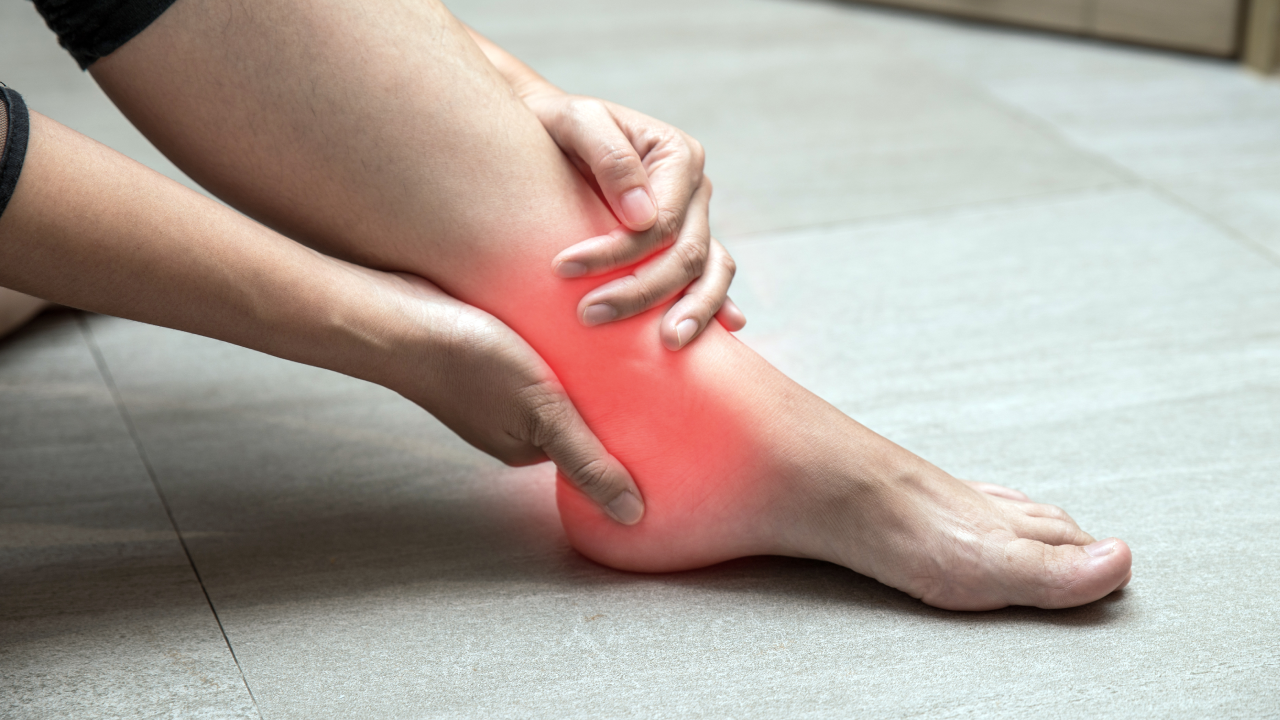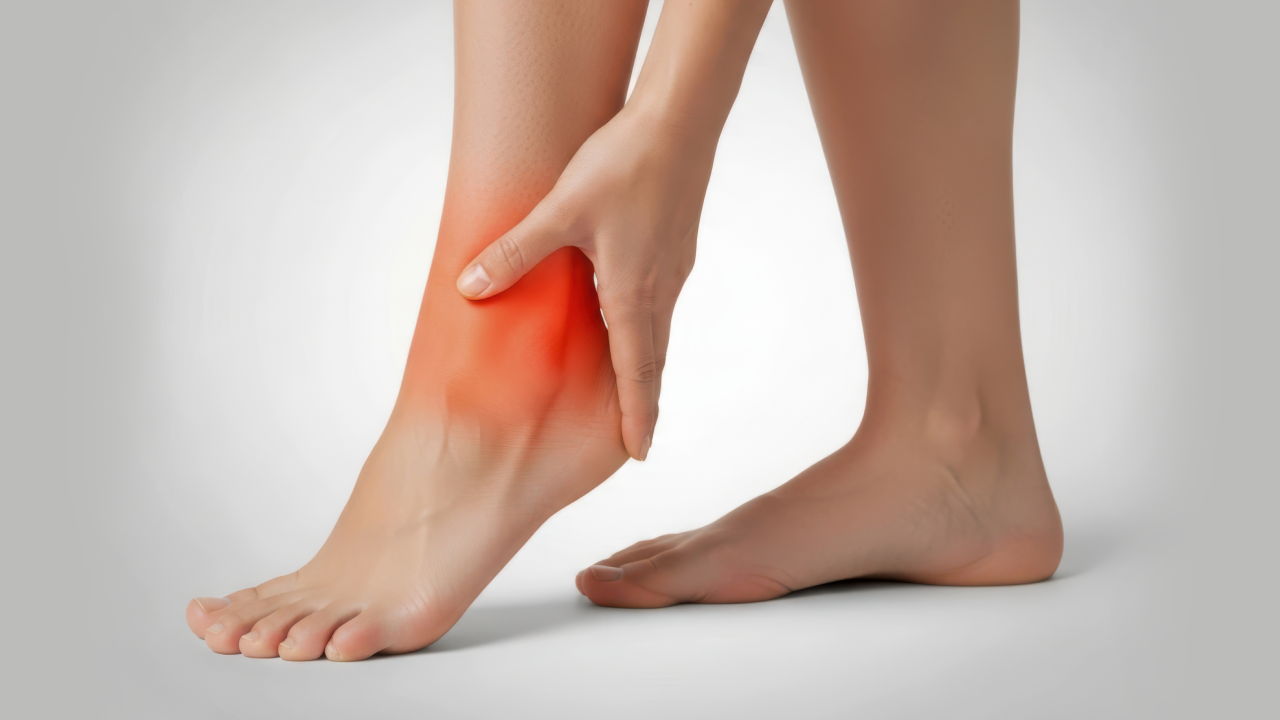
Achilles Tendon Injuries in Scarborough, ON
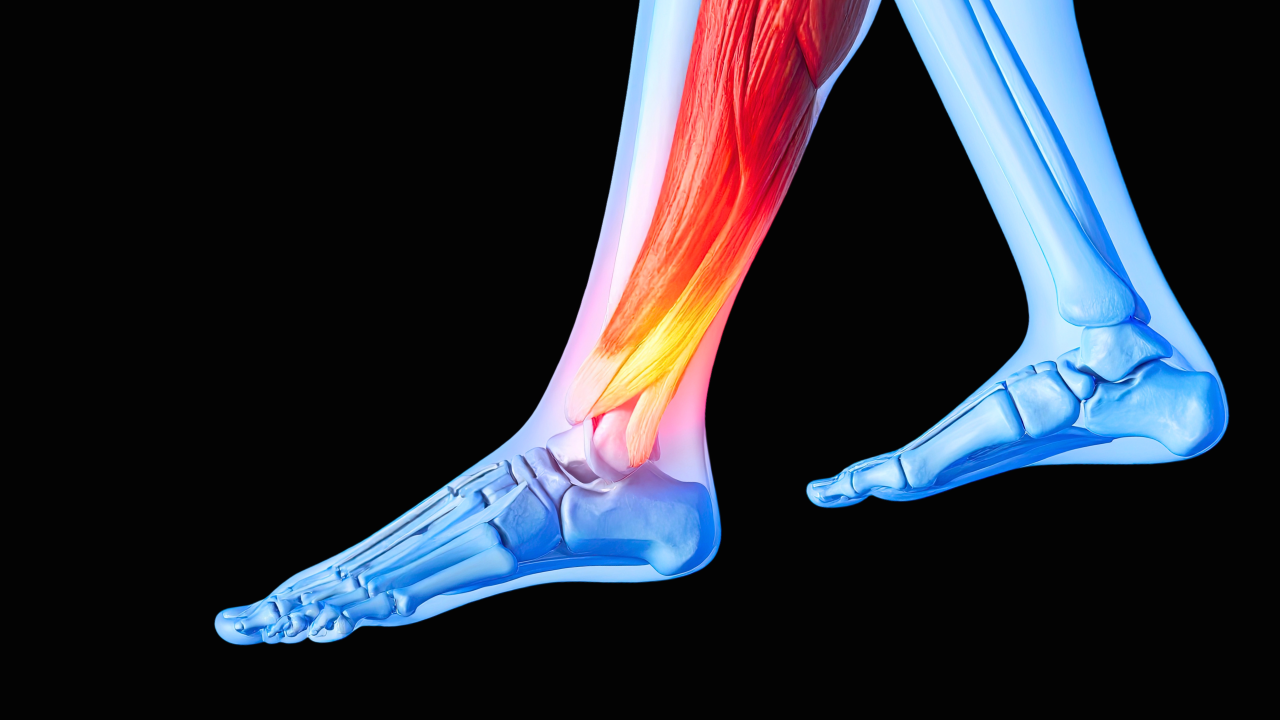
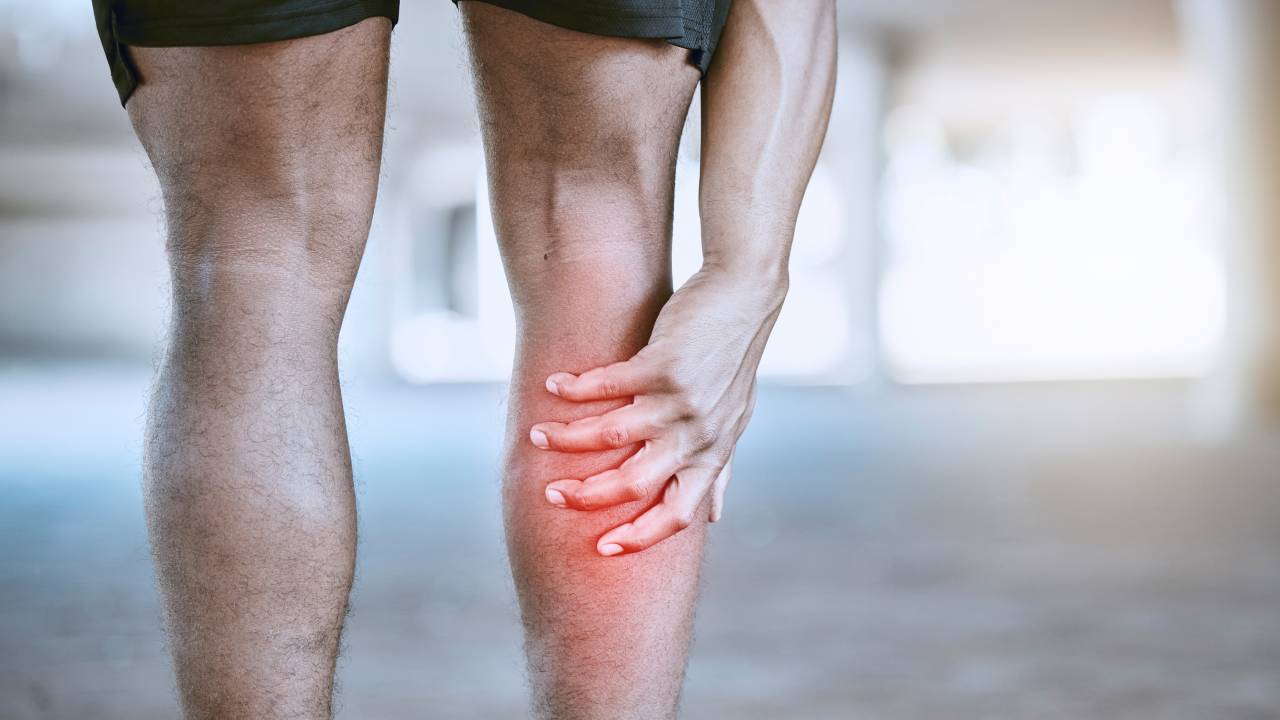
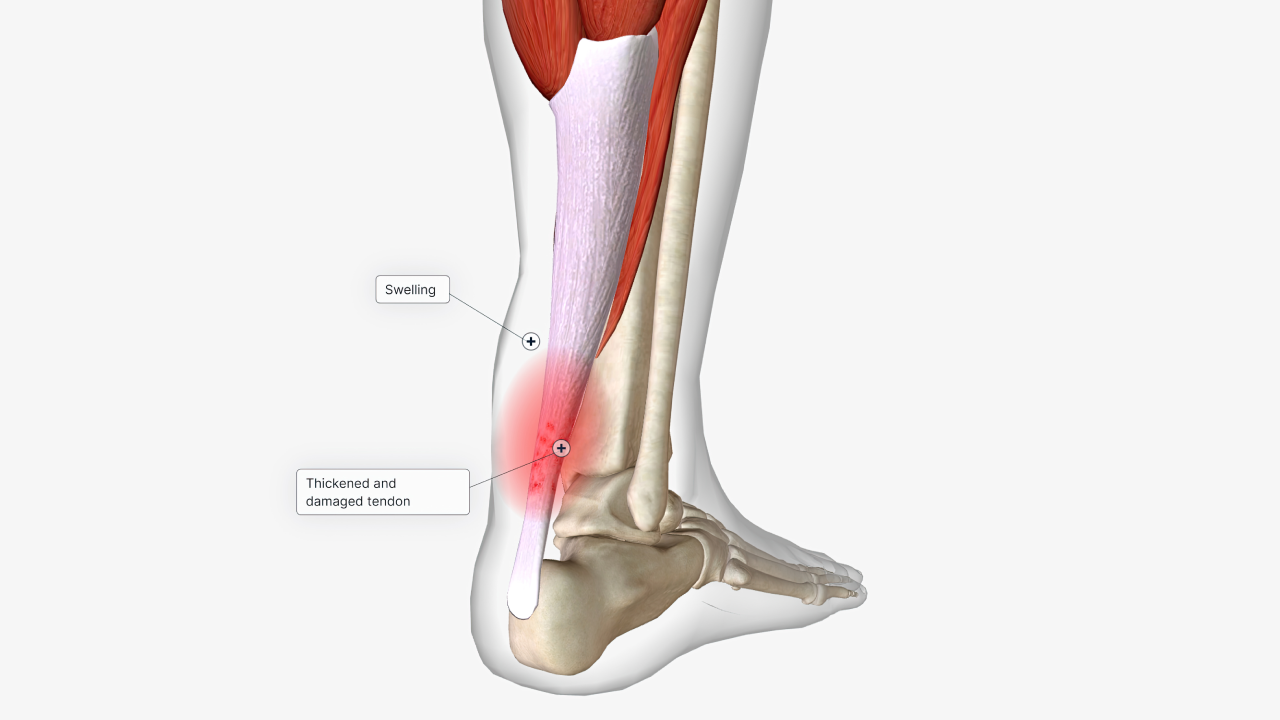
Achilles tendon problems can interfere with walking, running, climbing stairs, exercising, or standing for extended periods. The Achilles tendon is a strong band of tissue that connects the calf muscles to the heel bone and helps the foot push against the ground during movement.
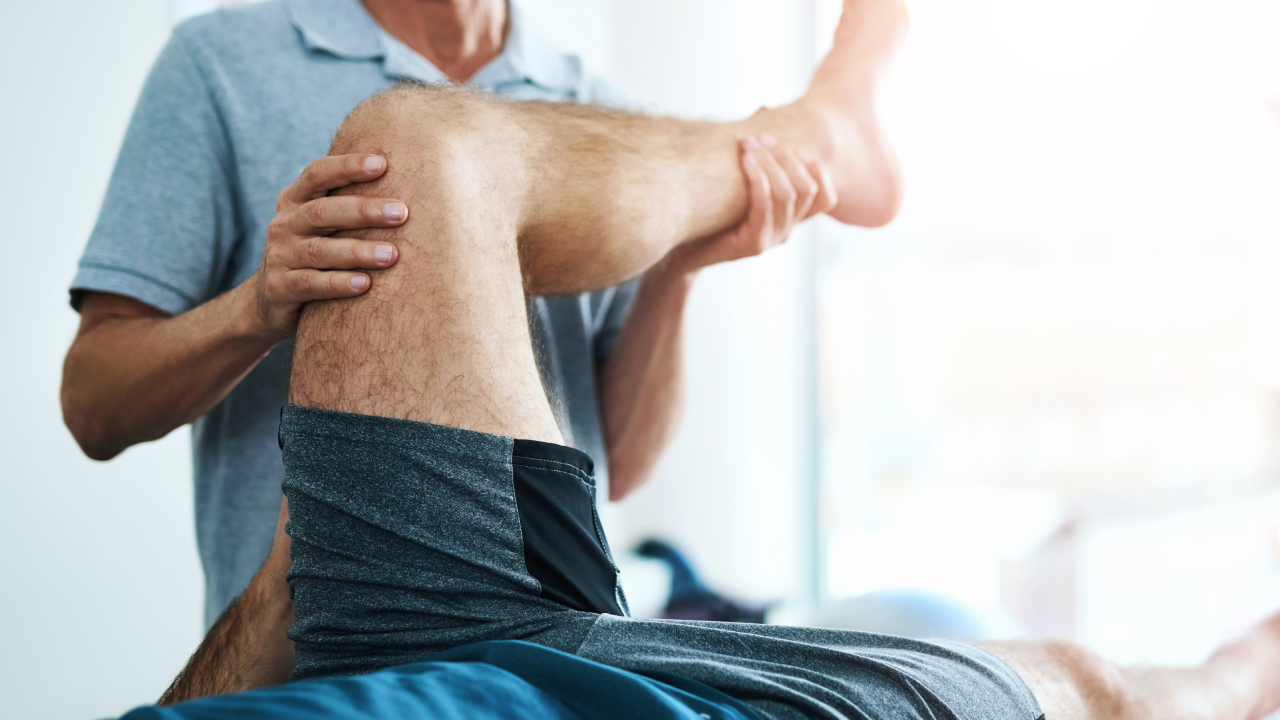
At Spinal solution and wellness, we assess Achilles Tendon Injuries in Scarborough, ON, through physiotherapy-based care that focuses on strength, mobility, movement, activity tolerance, and gradual progression. Symptoms may develop after running, jumping, repetitive activity, a sudden increase in exercise, or an unexpected injury. Our physiotherapy team evaluates the affected area and develops a rehabilitation plan according to your condition and current physical abilities.
What Are Achilles Tendon Injuries?
The Achilles tendon connects the calf muscles to the heel and manages significant forces during walking, running, jumping, sprinting, and other activities involving the lower leg and foot.
Achilles tendon problems can range from irritation and gradual tendon changes to partial tears or complete ruptures. Some conditions develop over time, while others occur suddenly during a forceful movement.
Common Achilles tendon conditions include:
- Achilles tendinopathy
- Achilles tendonitis
- Partial Achilles tendon tears
- Achilles tendon ruptures
- Calf-to-Achilles strain patterns
- Tendon irritation from repetitive loading
- Tendon problems following a sudden increase in physical activity
Achilles tendinopathy may develop when the tendon is repeatedly exposed to loads beyond its current capacity. Running, jumping, hill walking, sports, and rapid increases in training volume can place additional stress on the tendon.
An acute injury can occur during a sudden push-off, jump, sprint, acceleration, or change of direction. A rupture may cause a sudden snapping sensation and significant difficulty walking or pushing off the foot.
The type and severity of the injury determine how rehabilitation should progress. A mild tendon condition may require a different exercise progression than a partial tear or recovery following surgical repair.
Who Can Develop Achilles Tendon Problems?
Achilles tendon conditions can affect people with many different activity levels. Competitive athletes are not the only people who may develop these problems.
People seeking care for Achilles Tendon Injuries in Scarborough, ON, may include:
- Runners with recurring heel or tendon symptoms
- Recreational athletes returning to activity
- People who recently increased their walking or exercise routine
- Individuals participating in basketball, soccer, tennis, volleyball, or similar sports
- Workers who spend many hours standing or walking
- Adults returning to exercise after inactivity
- People recovering after Achilles tendon surgery
- Individuals with weakness following a previous tendon injury
- People whose symptoms developed gradually without a clear injury
For example, someone who begins running several kilometres each week after months of little physical activity may place a sudden increase in workload on the calf muscles and Achilles tendon. Symptoms can appear during exercise or several hours afterward.
Weekend sports can also place substantial demands on the tendon, particularly when physical conditioning during the rest of the week is limited.
Achilles Tendon Problems We Assess
Achilles tendon conditions may produce different symptoms depending on the location, severity, and cause of the problem.
Pain Around the Achilles Tendon
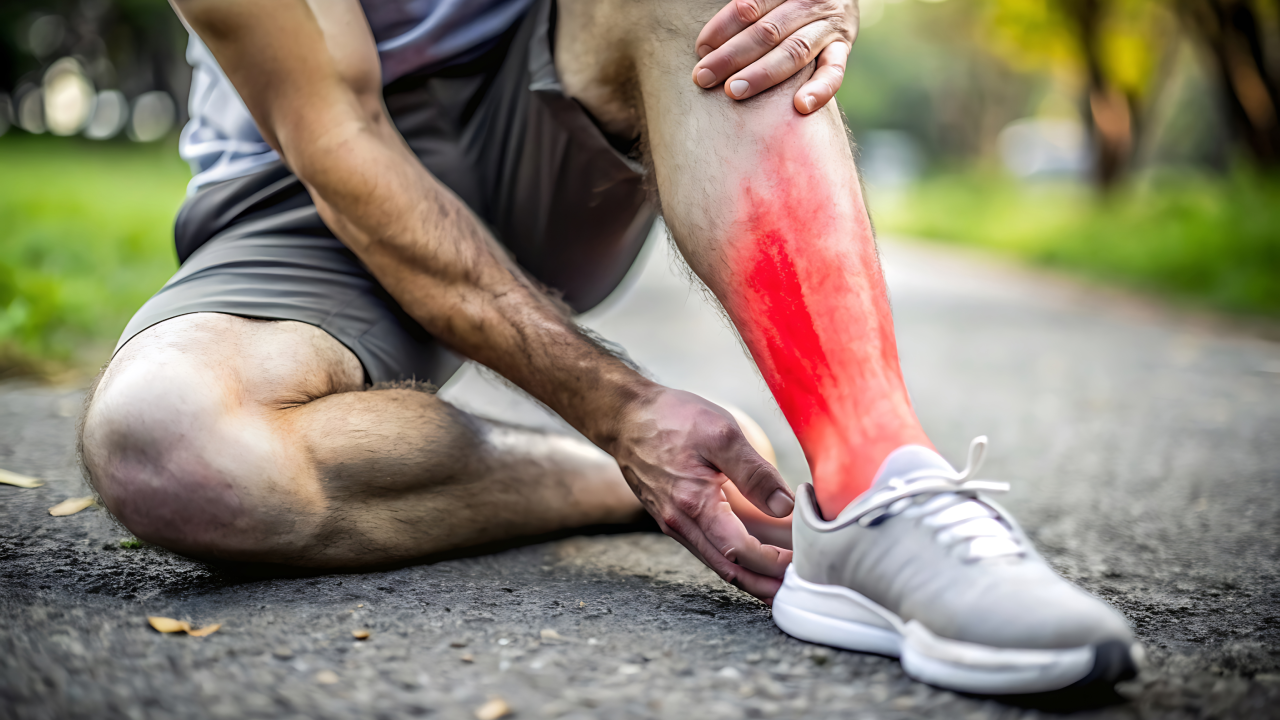
Discomfort may occur above the heel or along the tendon. Some people notice symptoms while walking, while others experience them primarily during running, jumping, or pushing off.
Morning Stiffness
Stiffness around the Achilles tendon may be noticeable when getting out of bed. It can sometimes change after several minutes of movement.
Swelling
Irritation of the tendon may be associated with swelling, tenderness, or thickening around the affected area.
Reduced Ankle Movement
Limited ankle mobility or calf tightness may influence how the foot moves during walking, squatting, stair climbing, and running.
Weakness
An Achilles tendon problem can affect the ability to push off the ground. Tasks such as single-leg heel raises may become difficult or uncomfortable.
Difficulty Running or Jumping
Running, jumping, sprinting, and sports participation may become difficult when the tendon cannot tolerate its previous workload.
Symptoms After Activity
Some people have minimal symptoms while active but notice increased discomfort later in the day. Monitoring this response can help determine whether current activity levels need to be adjusted.
Assessment for Achilles Tendon Injuries
A physical assessment is an important first step. Our physiotherapy team reviews your symptoms, activity history, previous injuries, and current movement limitations.
Your assessment may include:
- Discussion about when your symptoms started
- Review of recent exercise or sports changes
- Observation of walking and lower-limb movement
- Ankle mobility testing
- Calf strength assessment
- Heel-raise testing when appropriate
- Balance and single-leg control assessment
- Examination of surrounding muscles and joints
- Review of activities that increase or reduce symptoms
If the findings suggest a major tear or rupture, additional medical assessment or diagnostic imaging may be required. A suspected rupture should receive prompt assessment from a physician or another appropriate healthcare provider.
Physiotherapy Care for Achilles Tendon Injuries
Rehabilitation for Achilles Tendon Injuries in Scarborough, ON, varies according to the injury type, severity, activity level, physical capacity, and stage of recovery.
Load Management
The amount of stress placed on the tendon is an important part of rehabilitation.
This does not always mean complete rest. In many situations, certain activities can be modified while appropriate movement and exercise continue.
For example, a runner may temporarily reduce running distance or frequency while performing exercises that place a manageable load on the tendon.
Calf Strengthening
The calf muscles and Achilles tendon work together during walking, running, jumping, and pushing off the ground. Progressive strengthening can help prepare the lower leg for increasing physical demands.
Exercises may progress through stages such as
- Seated calf raises
- Supported standing heel raises
- Double-leg heel raises
- Single-leg heel raises
- Controlled eccentric and concentric loading
- Resistance-based strengthening
- Sport-specific loading
The exercise sequence and workload depend on symptoms, strength, movement quality, and functional ability.
Ankle Mobility
Ankle movement can influence how forces travel through the foot and lower limb. Mobility exercises may be included when assessment identifies restricted movement that affects function.
Balance and Lower-Limb Control
Single-leg balance and lower-limb control may become important during later stages of rehabilitation. These exercises can prepare the leg for walking, stairs, running, landing, and sports activities.
Gradual Return to Activity
Returning to running or sport too quickly can place more load on the tendon than it is ready to manage.
A gradual progression may include:
- Normal walking
- Controlled strengthening
- Single-leg loading
- Faster movements
- Hopping and jumping
- Running drills
- Sport-specific movements
- Return to regular activity
Progression should be based on symptoms, strength, movement quality, and physical performance.
How the Physiotherapy Process Works
1. Initial Consultation
We begin by discussing your symptoms, activity level, injury history, and current goals. Let us know which activities are difficult and when your symptoms tend to occur.
2. Physical Assessment
Our physiotherapy team examines ankle movement, calf strength, balance, walking mechanics, and functional movement.
3. Rehabilitation Plan
The assessment findings are used to establish a rehabilitation plan. Depending on your condition, this may include exercise, activity modification, mobility work, strengthening, and movement retraining.
4. Exercise-Based Rehabilitation
Exercises are introduced according to your current physical capacity. As strength and movement improve, exercise difficulty and workload can be gradually increased.
5. Progress Reviews
Your response to exercise and daily activities is monitored throughout the rehabilitation process. Exercises and activity levels can be adjusted as your physical capacity changes.
6. Return to Activity
For active individuals, later rehabilitation may include running, jumping, acceleration, changes of direction, landing, or other movements related to their sport or daily activities.
What Physiotherapy May Help With
Physiotherapy for Achilles tendon problems may address several practical areas of movement and physical function, including:
- Calf strength
- Ankle mobility
- Walking and standing tolerance
- Single-leg control
- Running progression
- Jumping and landing tolerance
- Movement coordination
- Exercise planning
- Gradual return to physical activity
- Confidence with movement
Progress varies according to the type of tendon condition, severity, overall physical health, activity requirements, and consistency with the rehabilitation plan.
Who We Treat in Scarborough
At Spinal solution and wellness, we work with people experiencing Achilles tendon problems across different ages and activity levels.
Our patients may include:
- Runners
- Gym participants
- Recreational athletes
- Soccer players
- Basketball players
- Tennis players
- Volleyball players
- Field-sport participants
- Workers who stand for extended periods
- Older adults looking to maintain mobility
- People returning to activity following surgery
- Individuals recovering from a previous Achilles tendon injury
Rehabilitation can be adjusted according to each person’s daily demands and physical goals. A recreational runner may have different activity requirements from a competitive athlete.
Service Areas
Spinal solution and wellness provides physiotherapy care for Achilles Tendon Injuries in Scarborough, ON, and surrounding communities.
People from Scarborough and nearby areas may seek physiotherapy for Achilles tendon problems associated with running, sports, work, exercise, and everyday movement.
Our local service area may include:
- Agincourt
- Agincourt South-Malvern West
- Malvern
- Morningside
- West Hill
- Guildwood
- Wexford
- Bendale
- Dorset Park
- Clairlea
- Birch Cliff
- Scarborough Junction
- Port Union
- Don Mills
- East York
- Markham
Why Choose Spinal solution and wellness?
When selecting a physiotherapy clinic for Achilles tendon rehabilitation, it can be useful to consider the assessment process, exercise approach, communication, and rehabilitation services available.
At Spinal solution and wellness, our care focuses on:
- Physical assessment before exercise progression
- Exercise-based rehabilitation
- Calf and lower-limb strengthening
- Ankle mobility work when indicated
- Functional movement assessment
- Gradual return-to-running planning
- Sport-specific progression when appropriate
- Progress monitoring throughout rehabilitation
Each case is assessed according to symptoms, physical capacity, daily activities, and the current stage of rehabilitation.
Related Services
Achilles tendon conditions may occur alongside other lower-limb or movement concerns. Depending on your assessment, related services may include:
- Sports Injury Physiotherapy
- Lower-Limb Rehabilitation
- Ankle Physiotherapy
- Foot and Heel Rehabilitation
- Calf Strain Rehabilitation
- Post-Surgical Rehabilitation
- Strength and Conditioning
- Manual Therapy
- Exercise Therapy
- Running Injury Rehabilitation
Frequently Asked Questions
What are common symptoms of an Achilles tendon injury?
Common symptoms may include tenderness around the Achilles tendon, morning stiffness, swelling, weakness, and difficulty with running, jumping, or pushing off the ground.
Can Achilles tendon injuries develop gradually?
Yes. Some Achilles tendon conditions develop through repeated loading. Symptoms may begin as mild stiffness or discomfort and become more noticeable as activity continues.
Can I walk with an Achilles tendon injury?
It depends on the condition. Some mild tendon problems may still allow walking, while a major tear or rupture can make walking very difficult. Sudden severe pain, a snapping sensation, major weakness, or difficulty pushing off should receive prompt medical assessment.
How long does Achilles rehabilitation take?
There is no single timeline. Some tendon conditions may progress over several weeks or months, while major tears and ruptures may require a substantially longer rehabilitation period. The timeframe depends on the injury and how the tendon responds to progressive loading.
Should I stop exercising?
Not necessarily. The appropriate activity level depends on the specific condition. Some movements may need temporary reduction while other forms of exercise remain suitable.
Can physiotherapy help after Achilles tendon surgery?
Yes. Physiotherapy is commonly included following Achilles tendon repair. Exercise progression should follow the surgical protocol and the recommendations of the treating medical team.
When should I seek medical assessment?
Prompt medical attention is recommended after a sudden snapping sensation, significant swelling, major weakness, inability to push off the foot, or difficulty walking after an acute injury.
Can Achilles tendon problems return?
They can. Previous tendon problems, rapid increases in training, limited conditioning, and returning to sport too quickly may contribute to recurring symptoms. Gradual strength and activity progression can help prepare the tendon for increased workloads.
Get Started
If Achilles tendon symptoms are affecting walking, exercise, running, stair climbing, or sports participation, a physiotherapy assessment can help identify factors contributing to the problem.
At Spinal solution and wellness, we assess movement, calf strength, ankle mobility, activity demands, and current symptoms before determining the next stage of rehabilitation.
Phone: +1 416-307-1076
Address: 5995 Steeles Ave E, Scarborough, ON M1V 5P6, Canada
If you are searching for Achilles Tendon Injuries in Scarborough, ON, contact Spinal solution and wellness to schedule an assessment and discuss your symptoms with our physiotherapy team.