Knee Tendinitis in Scarborough, ON
Knee tendinitis can make everyday movements such as walking, climbing stairs, squatting, running, jumping, or standing uncomfortable. At Spinal Solution and Wellness, we assess your knee symptoms, movement patterns, strength, and activity demands to determine the factors contributing to your condition. For people searching for Knee Tendinitis in Scarborough, ON, our physiotherapy care focuses on improving knee function, building strength, managing activity demands, and supporting a gradual return to daily activities, exercise, work, or sport.
What Is Knee Tendinitis?
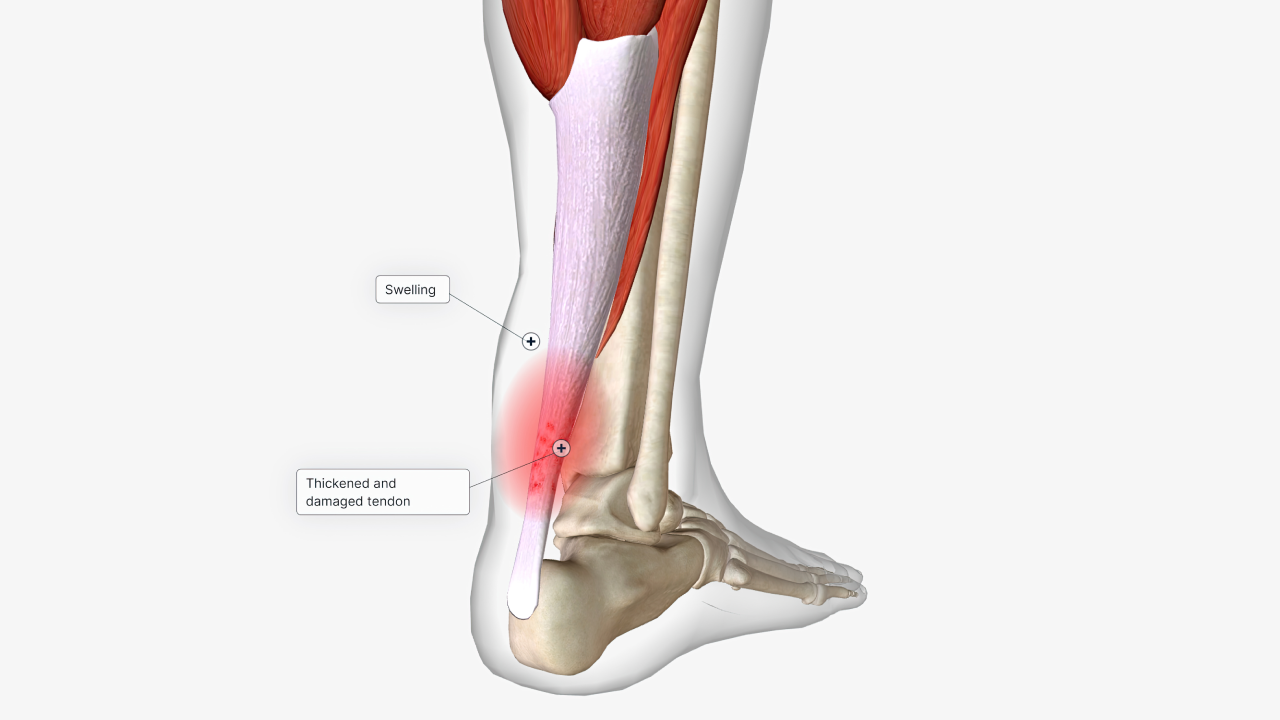
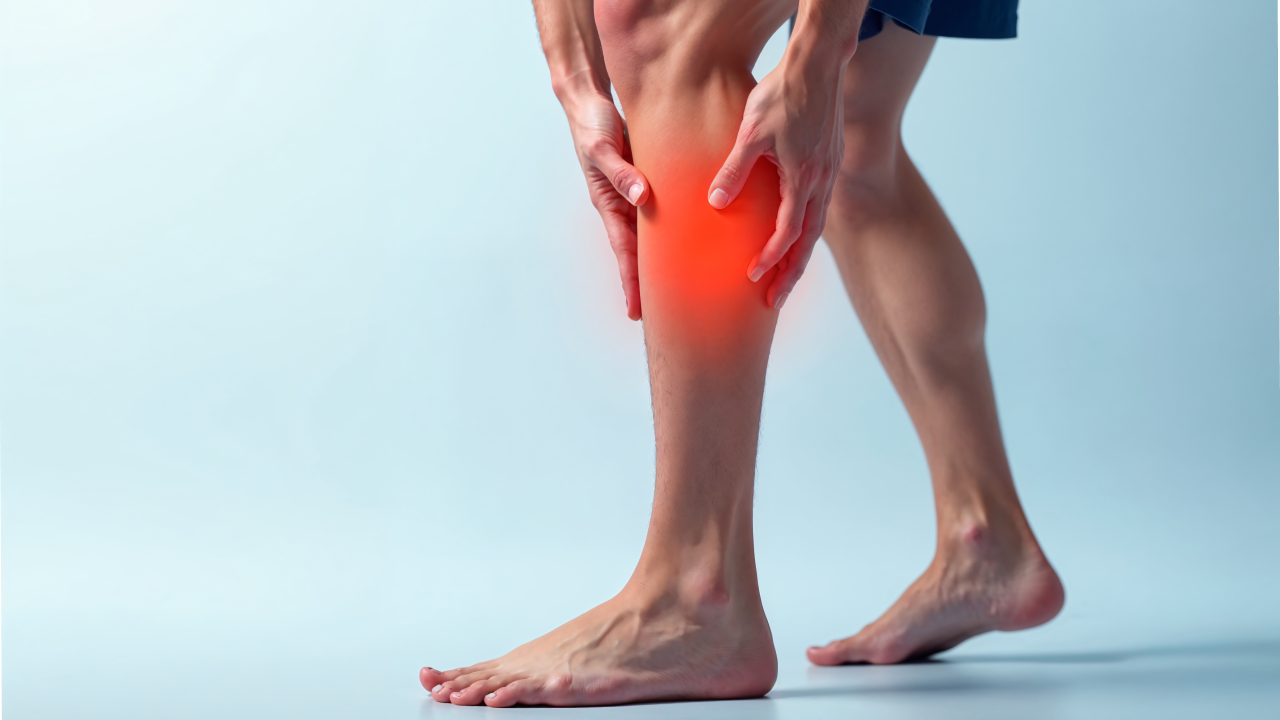
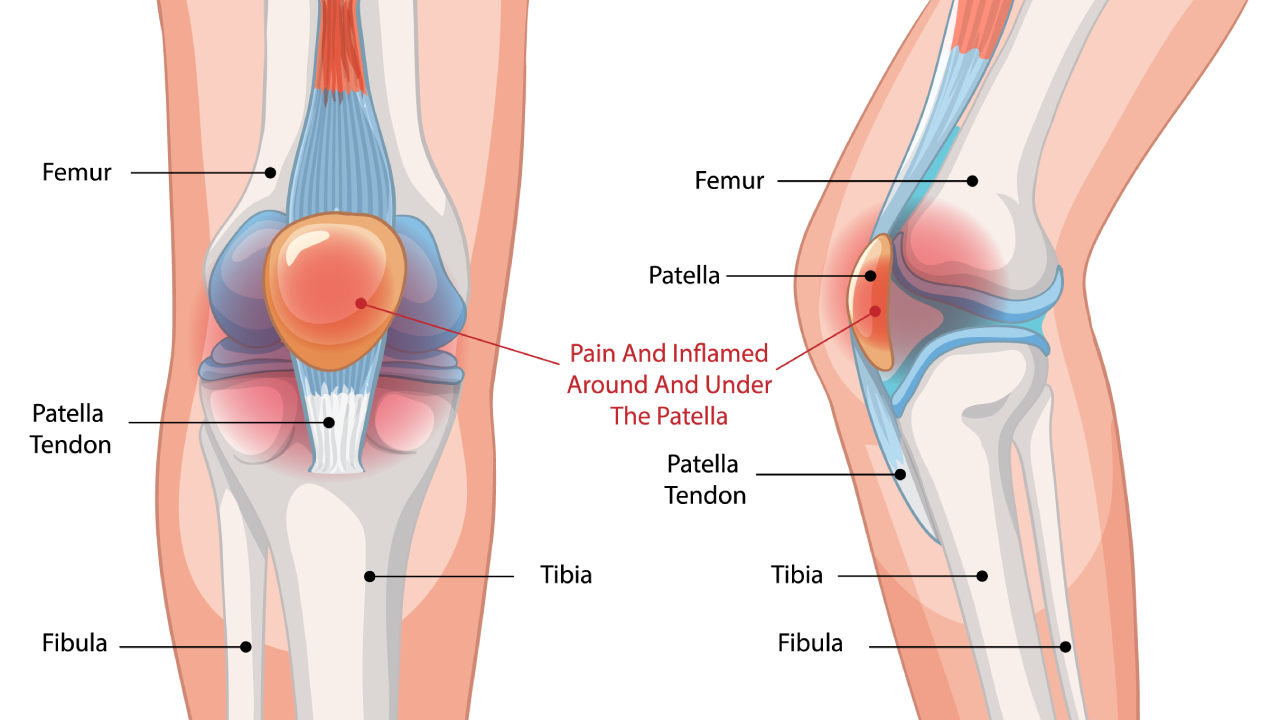
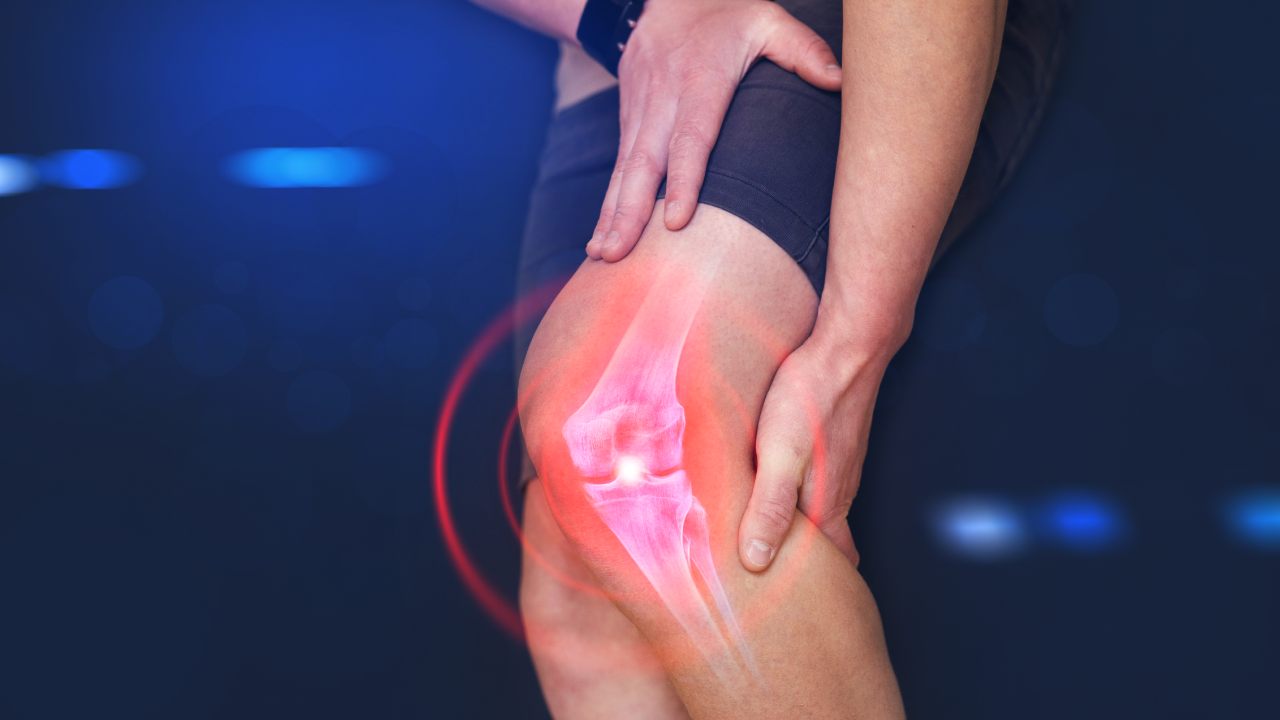
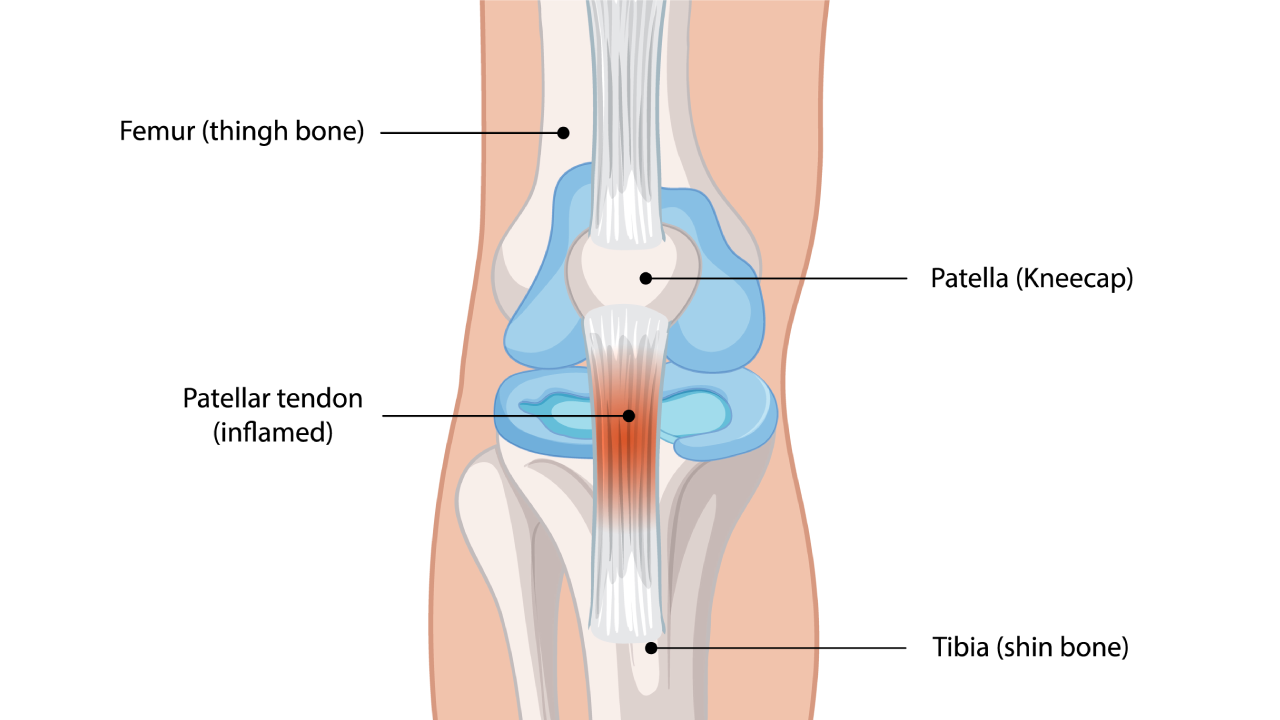
Knee tendinitis is a condition involving irritation and inflammation of a tendon around the knee joint. Tendons are strong connective tissues that attach muscles to bones and help transfer force during movement.
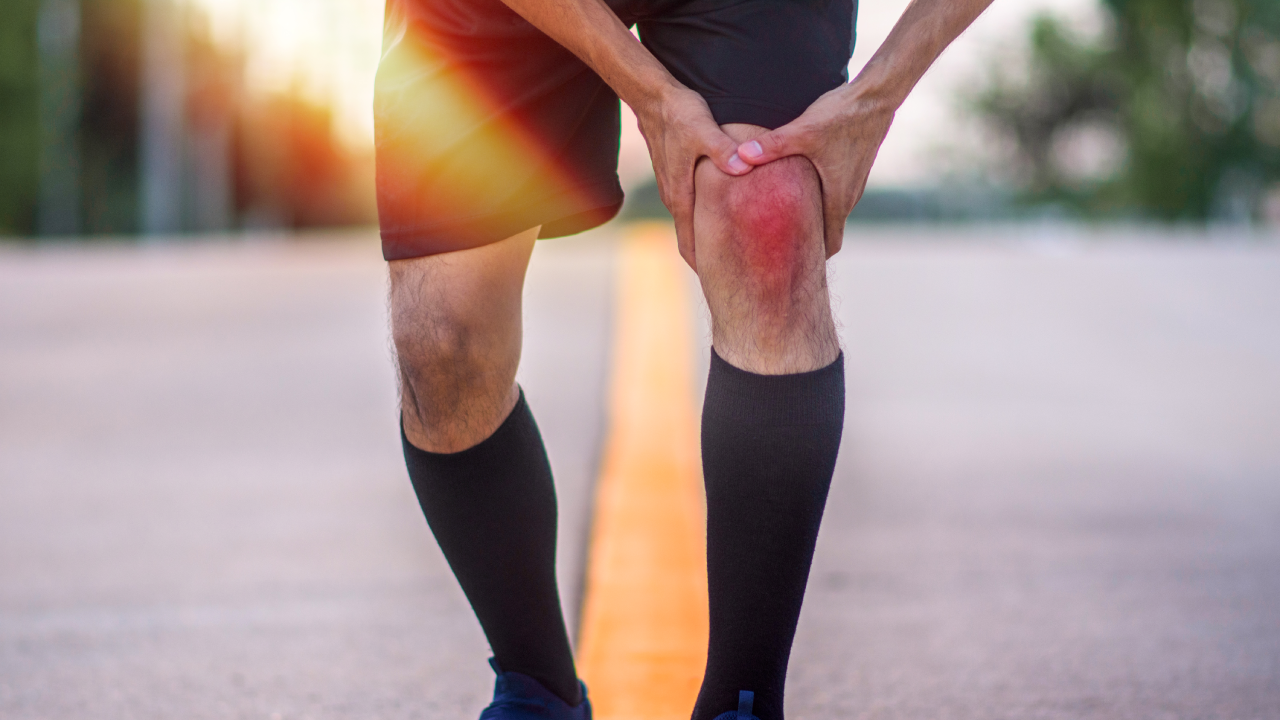
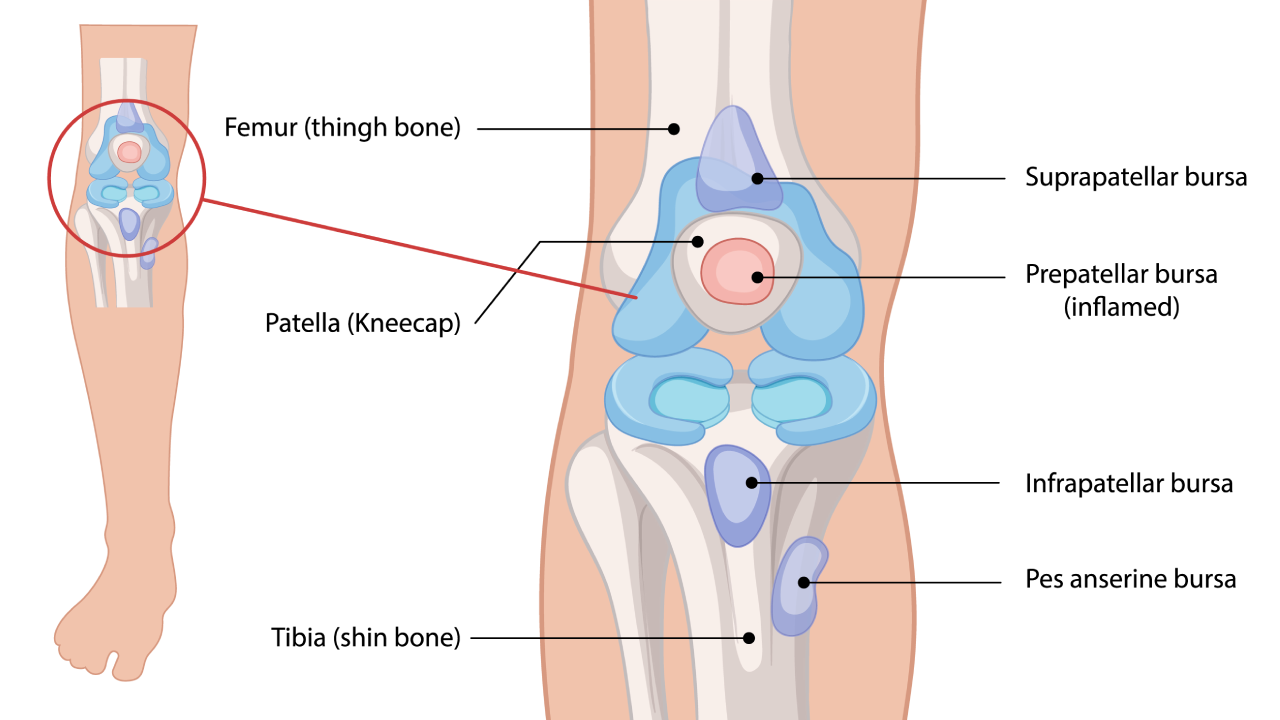
One common type is patellar tendinitis, which affects the tendon connecting the kneecap to the shinbone. Repeated activities such as running, jumping, squatting, and playing sports can place repeated stress on this tendon.
Another form can affect the quadriceps tendon, located above the kneecap. This tendon connects the quadriceps muscles to the patella and helps straighten the knee during activities such as walking, climbing stairs, running, and jumping.
Knee tendinitis can develop gradually when repeated physical demands exceed the body’s ability to adapt. It may also appear following a sudden increase in exercise, changes in training routines, repetitive movements, or increased workload.
Common symptoms may include:
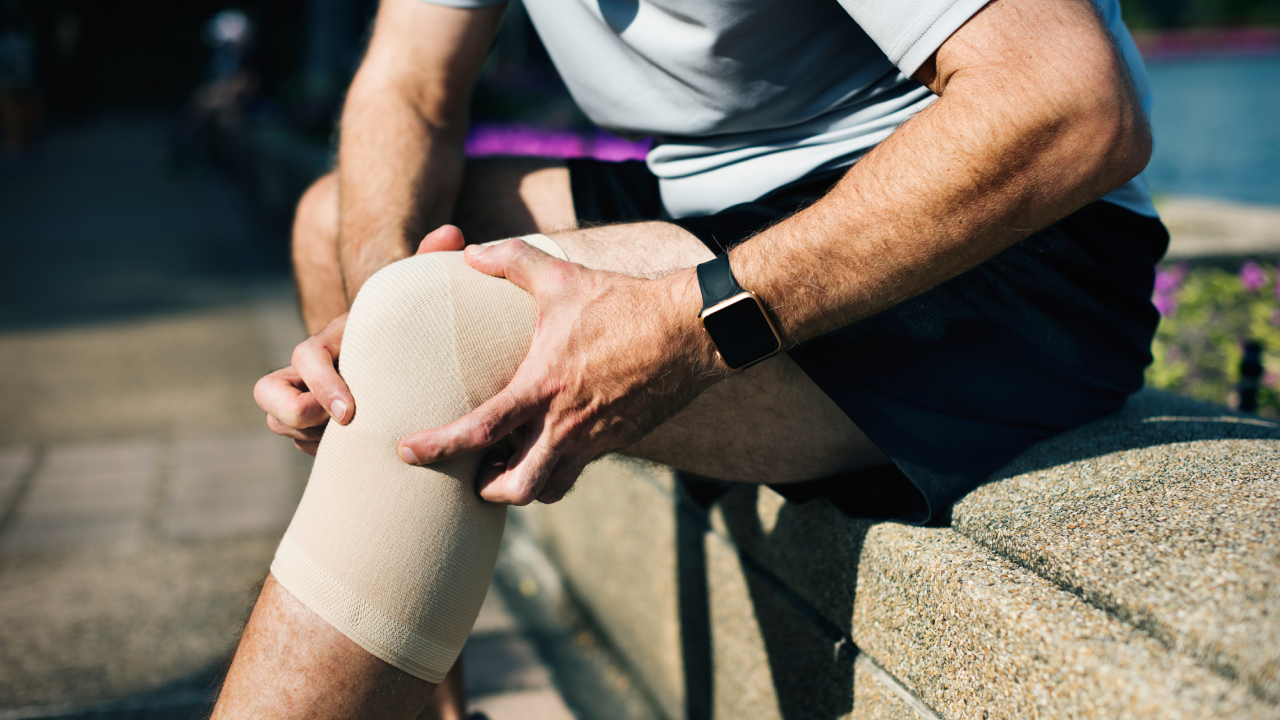
- Pain at the front of the knee
- Tenderness around the affected tendon
- Discomfort during running or jumping
- Pain when climbing or descending stairs
- Symptoms during squats or lunges
- Knee stiffness after inactivity
- Tenderness following exercise
- Reduced tolerance for sports or physical activity
- Discomfort during repeated knee movements
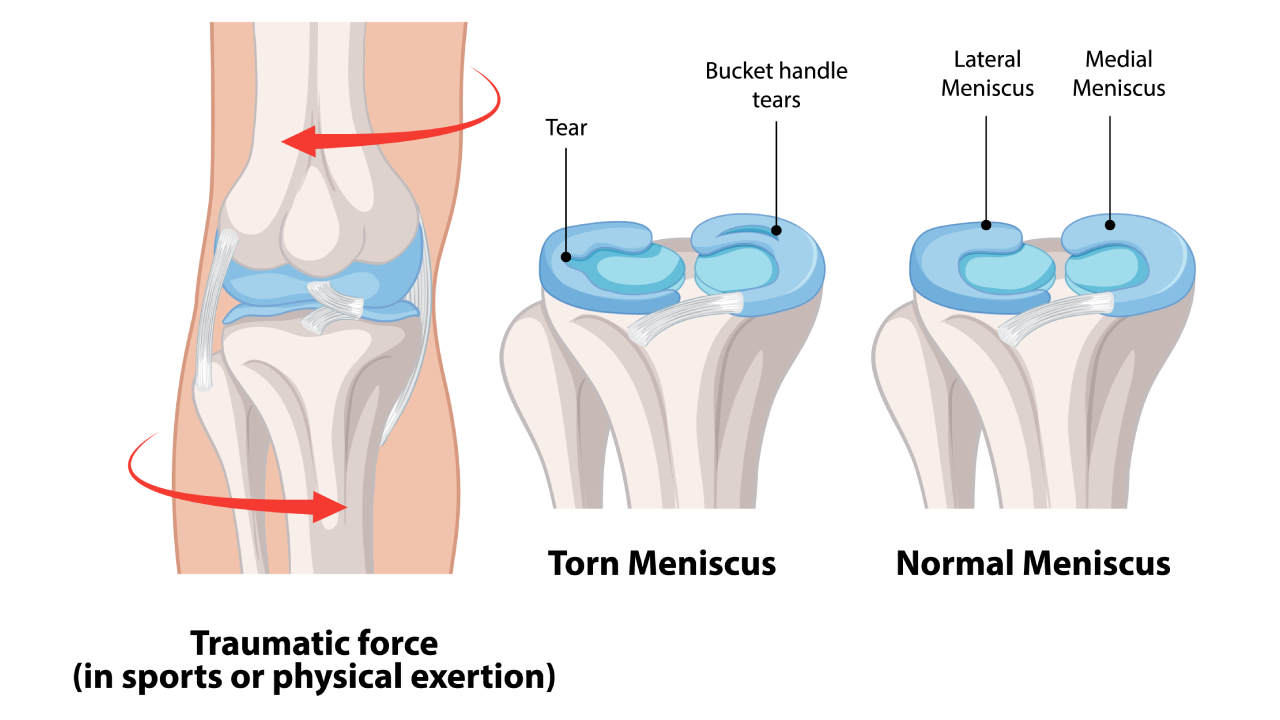
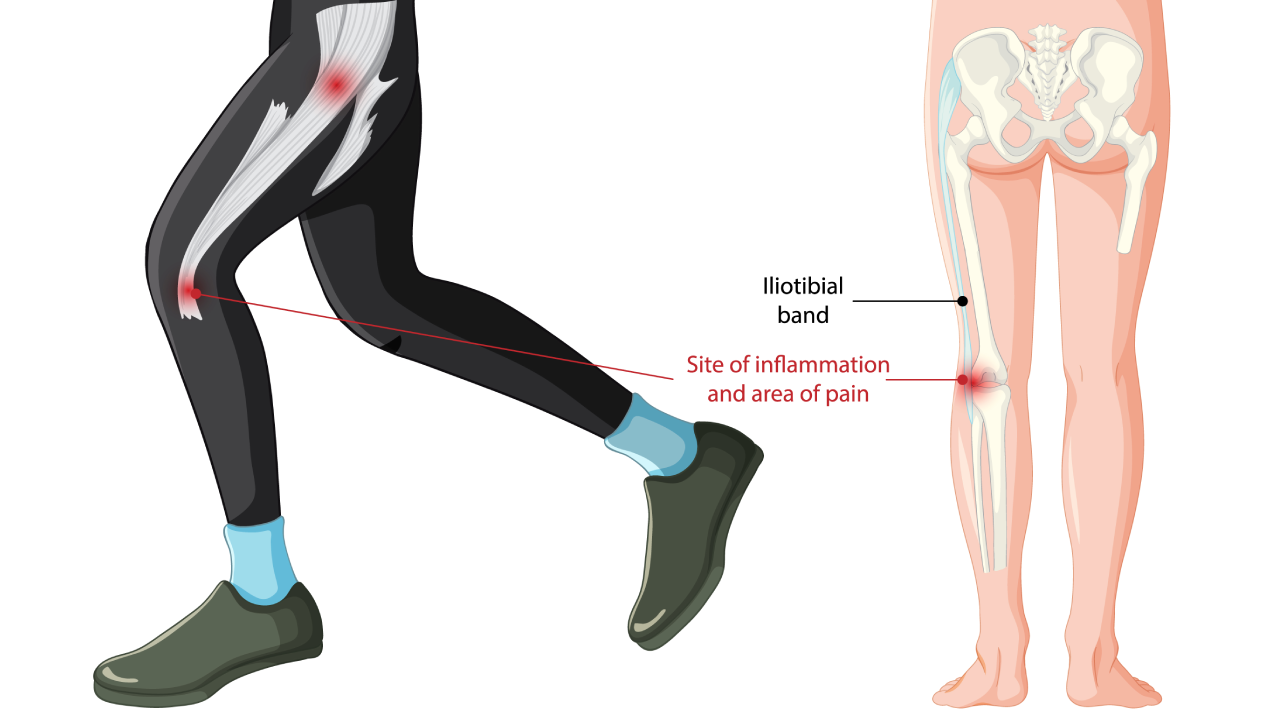
Not every case of knee discomfort is caused by tendinitis. Ligament injuries, cartilage conditions, bursitis, arthritis, referred symptoms, and other knee conditions can produce similar symptoms. A physiotherapy assessment can help determine whether tendon involvement may be contributing to your symptoms.
Who May Benefit from Knee Tendinitis Care?
People looking for Knee Tendinitis in Scarborough, ON, may have different activity levels, occupations, symptoms, and rehabilitation goals. Physiotherapy may be appropriate when knee symptoms interfere with exercise, work, recreation, sports, or everyday movement.
Runners
Running places repeated demands on the knee and surrounding tissues. Increases in mileage, speed training, hill running, or running frequency can increase the workload placed on the tendons.
Athletes
Sports such as basketball, volleyball, soccer, tennis, and other activities involve sprinting, jumping, landing, and changes in direction. These movements can place substantial demands on the patellar and quadriceps tendons.
Active Adults
People who participate in gym workouts or fitness classes may notice knee symptoms after increasing squats, lunges, leg presses, jumping drills, or other lower-body exercises.
Workers With Repetitive Physical Demands
Occupations that involve frequent kneeling, squatting, lifting, climbing, or prolonged standing can place repeated stress on the knee.
People Returning to Exercise
Returning to physical activity after a period of reduced exercise can increase the workload on the knee, particularly when activity levels rise quickly.
Problems Knee Tendinitis Physiotherapy Can Address
Knee tendinitis can affect more than the area around the tendon. Ongoing symptoms may cause changes in the way you walk, climb stairs, exercise, work, or participate in recreational activities.
At Spinal Solution and Wellness, physiotherapy may address concerns such as
- Difficulty walking for extended periods
- Discomfort while using stairs
- Reduced running tolerance
- Pain during squats or lunges
- Difficulty jumping or landing
- Reduced lower-limb strength
- Restricted knee movement
- Difficulty returning to sports
- Symptoms that increase after exercise
- Hesitation when loading the affected leg
- Changes in movement patterns
- Difficulty completing physical work tasks
The assessment may look beyond the painful area. Your physiotherapist may examine knee and hip strength, mobility, movement patterns, exercise load, training habits, and daily activities that may be contributing to repeated stress.
What Is Included in Knee Tendinitis Care?
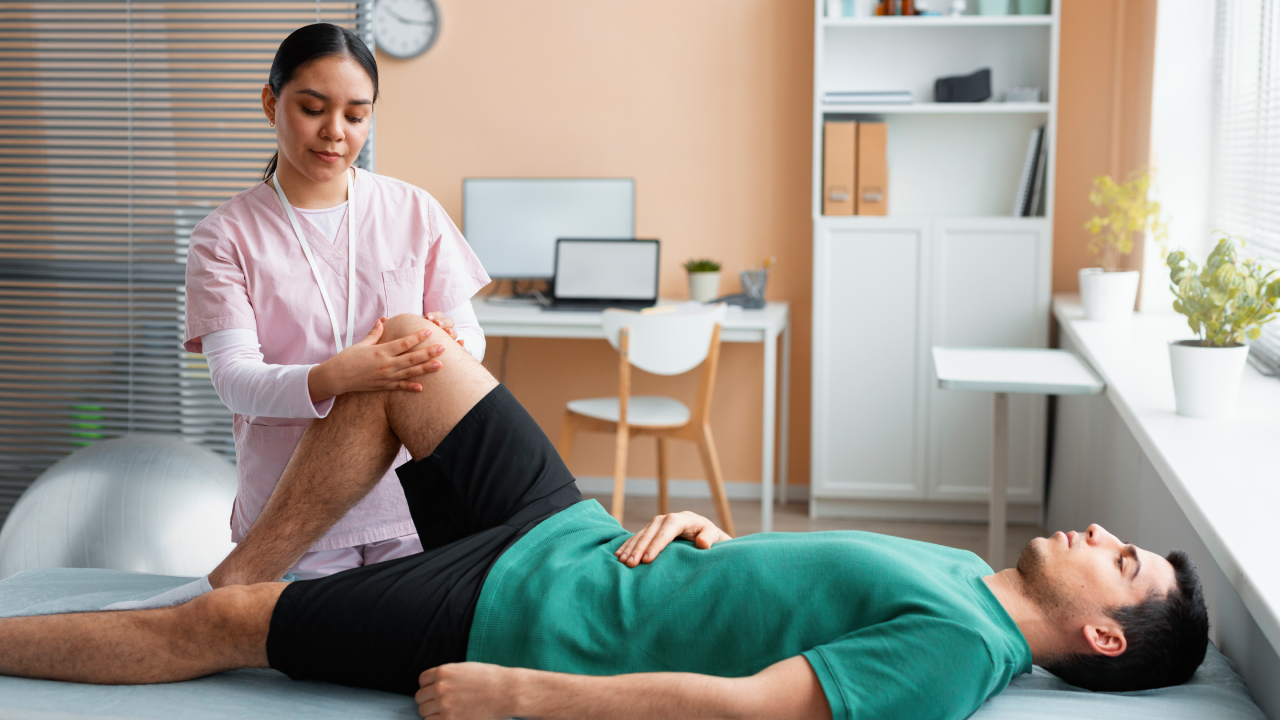
Initial Assessment
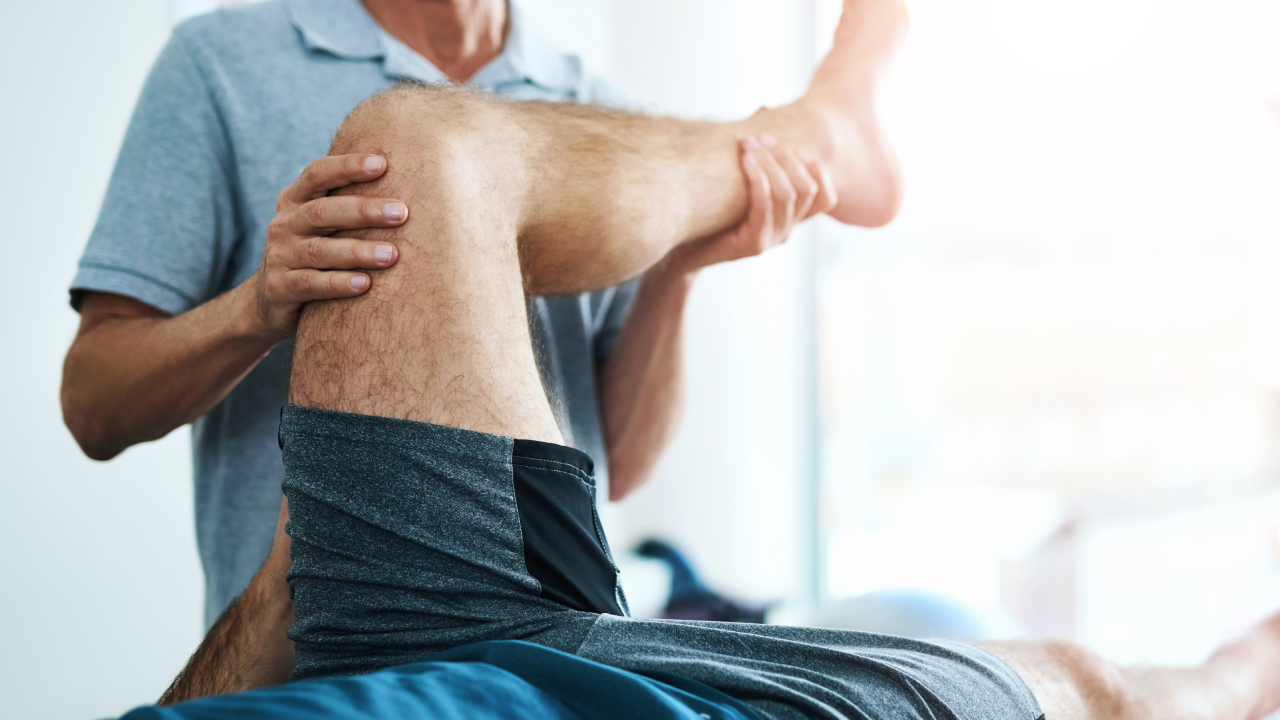
Your first appointment may include a discussion about when your symptoms started, activities that increase discomfort, previous injuries, exercise routines, work demands, and recent changes in physical activity.
Your physiotherapist may assess:
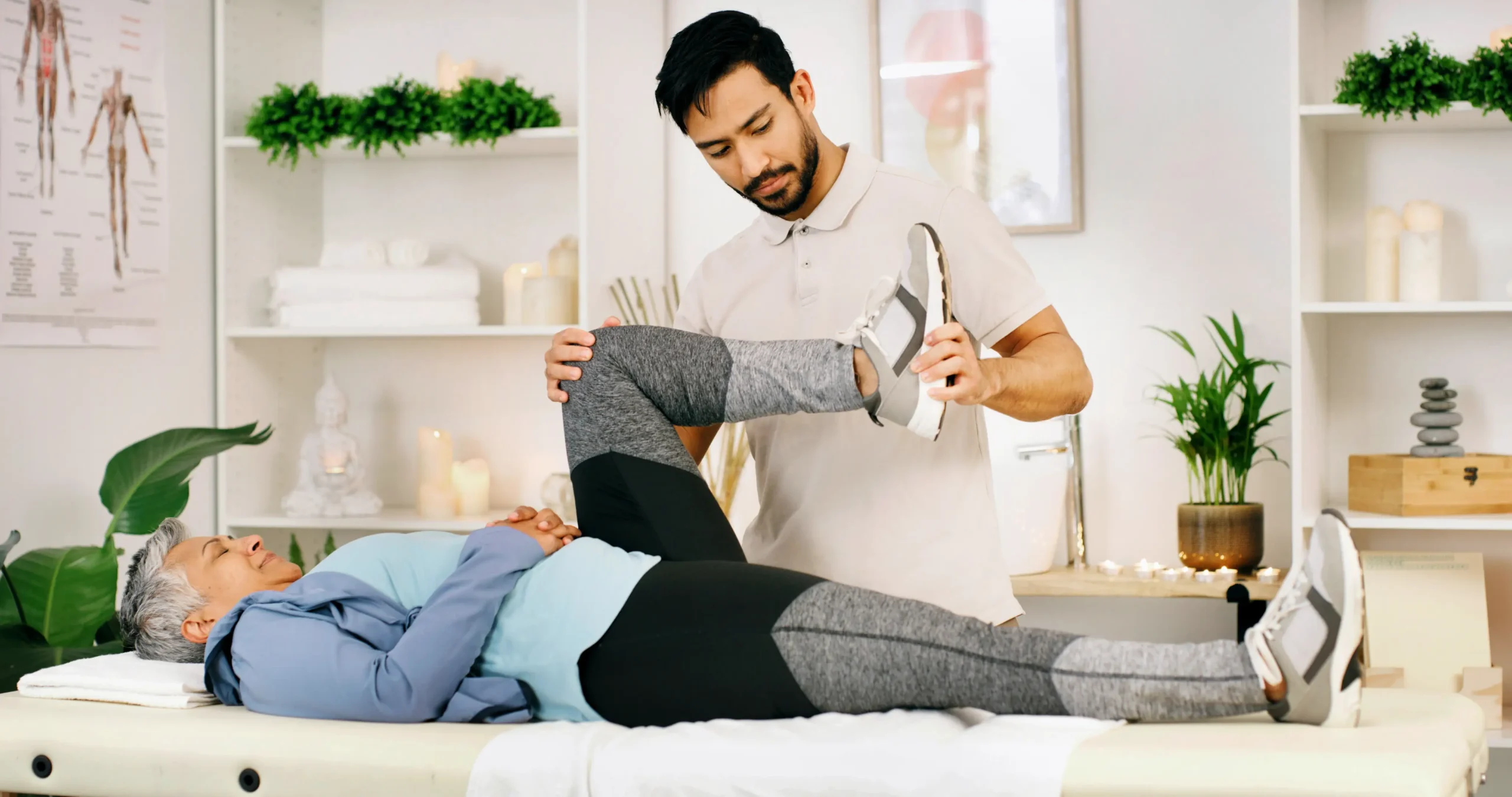
- Knee range of motion
- Leg strength
- Hip strength
- Muscle flexibility
- Tenderness
- Functional movements
- Walking mechanics
- Running mechanics where appropriate
- Squatting and stair movement
- Activity tolerance
The information gathered during the assessment helps establish a clearer picture of your knee condition and functional limitations.
Exercise-Based Rehabilitation
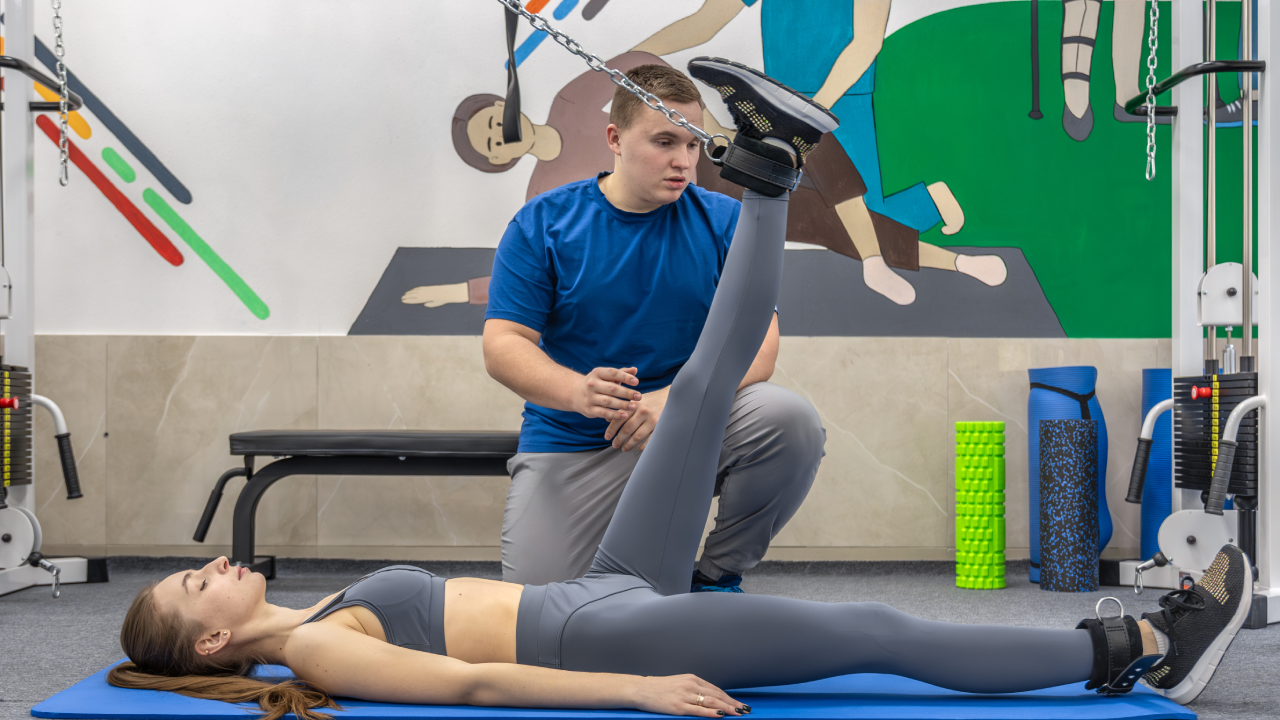
Exercise is commonly included in rehabilitation for tendon-related knee problems. Depending on your symptoms and assessment findings, your program may gradually introduce appropriate tendon and lower-limb loading.
Exercises may include:
- Isometric exercises
- Controlled strengthening
- Squats
- Step exercises
- Leg strengthening
- Hip strengthening
- Balance exercises
- Progressive resistance exercises
- Sport-specific movement drills
Exercise selection and progression depend on your symptoms, strength, activity requirements, and response to loading.
Activity Modification
Complete rest is not always necessary. In many cases, activity can be adjusted by changing the intensity, frequency, duration, or type of exercise.
For example, a runner may temporarily reduce mileage or hill running while continuing appropriate strengthening exercises.
Movement Assessment
Your physiotherapist may observe how your knee and lower limb move during activities such as squatting, stepping, walking, running, jumping, or landing when appropriate.
These observations can help identify movement or strength factors that may need attention during rehabilitation.
Home Exercise Program
You may receive exercises to complete between appointments. A home program can support strength development and gradual increases in activity capacity between clinic visits.
How the Knee Tendinitis Physiotherapy Process Works
1. Consultation
We begin with a discussion about your symptoms, daily activities, work requirements, exercise routine, and functional goals.
2. Assessment
A physical assessment may examine knee movement, strength, flexibility, functional movement, and relevant areas of the lower limb.
3. Rehabilitation Planning
Based on the assessment findings, your physiotherapist establishes a rehabilitation plan that reflects your current activity level and physical requirements.
4. Treatment Sessions
Sessions may include therapeutic exercises, movement training, manual therapy where appropriate, and education related to activity management.
5. Progress Reviews
Your response to rehabilitation is monitored during follow-up appointments. Exercises and activity levels can be adjusted according to changes in symptoms, strength, movement, and function.
6. Functional Progression
As your activity tolerance develops, rehabilitation can progress toward movements that resemble your normal work tasks, exercise routine, running activities, or sport.
Potential Benefits of Physiotherapy for Knee Tendinitis
Physiotherapy may help address several functional issues associated with tendon-related knee problems.
Strength Development
Progressive resistance exercises can help develop strength in the muscles supporting the knee and lower limb.
Activity Tolerance
Gradual loading can help the body adapt to physical demands while reducing sudden changes in workload.
Movement Capacity
Movement assessment and exercise can address strength or mobility limitations that may affect squatting, stepping, running, jumping, and other activities.
Return to Sport
Athletes can progress from foundational strengthening toward movements that reflect the demands of their sport.
Activity Management
A structured rehabilitation program can help you make practical changes to exercise and daily activities instead of stopping all movement.
Load Management Education
Learning how training volume, intensity, frequency, recovery, and exercise selection affect symptoms can help you make informed decisions about physical activity.
Industries and Customers Served
Knee tendon problems can affect people across many occupations and activity levels. Spinal Solution and Wellness serves individuals from Scarborough and surrounding communities, including:
- Office workers
- Construction workers
- Tradespeople
- Retail employees
- Healthcare workers
- Teachers
- Drivers
- Fitness professionals
- Recreational athletes
- Competitive athletes
- Runners
- Gym users
- Active adults
- Older adults
Physical demands can vary considerably from one person to another. A construction worker, for example, may have very different knee-loading requirements from a recreational runner. For this reason, assessment takes daily activities and functional requirements into account.
Frequently Asked Questions
What does knee tendinitis feel like?
Knee tendinitis commonly causes tenderness and discomfort around an affected tendon. Symptoms may increase during activities that place a load on the tendon, including running, jumping, squatting, and stair climbing.
Can physiotherapy help with knee tendinitis?
Physiotherapy may address strength, movement, activity loading, and functional limitations associated with tendon-related knee problems. The appropriate approach depends on the assessment findings.
How long does knee tendinitis physiotherapy take?
The timeframe varies from person to person. Factors may include how long symptoms have been present, activity demands, tendon capacity, strength, workload, and consistency with the rehabilitation program.
Should I stop exercising if my knee hurts?
Not necessarily. Certain activities may need to be reduced or modified while appropriate strengthening continues. Your physiotherapist can assess your symptoms and help determine suitable activity levels.
Can runners receive physiotherapy for knee tendinitis?
Yes. Running-related tendon problems can be assessed through strength testing, movement assessment, training history, and review of activity load.
Can knee tendinitis come back?
Symptoms may return when physical demands increase faster than the body’s capacity to handle them. Gradual progression, strength exercises, appropriate training loads, and attention to symptoms can help manage this risk.
Do I need imaging for knee tendinitis?
Not every case requires imaging. A healthcare professional can determine whether further investigation may be appropriate based on your medical history, symptoms, physical assessment, and response to care.
Can I climb stairs with knee tendinitis?
Stair climbing can increase knee loading and may aggravate symptoms in some people. Your physiotherapist can assess your stair movement and suggest suitable activity adjustments.
What should I bring to my first physiotherapy appointment?
It can be useful to know when your symptoms began, which activities increase them, recent changes in exercise or work demands, previous knee injuries, and any treatments you have already tried.
Local Service Areas
Spinal Solution and Wellness provides physiotherapy services for people searching for KneeTendinitis in Scarborough, ON, as well as nearby communities.
Our local service area includes:
- Agincourt
- Agincourt South-Malvern West
- Malvern
- Morningside
- West Hill
- Guildwood
- Wexford
- Bendale
- Dorset Park
- Clairlea
- Birch Cliff
- Scarborough Junction
- Port Union
- Don Mills
- East York
- Markham
If you are unsure whether your location is within our service area, contact Spinal Solution andWellness for more information.
Why Choose Spinal Solution and Wellness?
At Spinal Solution and Wellness, knee rehabilitation begins with an assessment rather than assuming that every knee condition has the same cause.
Our physiotherapy process may include:
- Review of your symptoms and activity history
- Physical assessment of the knee and lower limb
- Strength and movement testing
- Exercise-based rehabilitation
- Activity-load education
- Progress monitoring
- Adjustments based on your response to rehabilitation
The focus is on practical function. Whether your goal is to walk more comfortably, return to the gym, resume running, manage work activities, or return to sport, your rehabilitation program can reflect the activities you need to perform.
Related Services
Depending on your assessment findings, related services may include:
- Sports Physiotherapy
- Manual Therapy
- Exercise Therapy
- Orthopaedic Physiotherapy
- Post-Injury Rehabilitation
- Strength and Conditioning
- Running Assessment
- Lower-Limb Rehabilitation
- Mobility Training
These services may be incorporated when they are relevant to your assessment findings and functional needs.
Book a Knee Tendinitis Assessment
If knee symptoms are making stairs, running, squatting, exercise, work, or everyday activities difficult, Knee Tendinitis in Scarborough, ON may be relevant to your situation.
At Spinal Solution and Wellness, we begin with an assessment of your symptoms, movement, strength, activity requirements, and functional goals before determining appropriate rehabilitation strategies.
Phone: +1 416-307-1076
Address: 5995 Steeles Ave E, Scarborough, ON M1V 5P6, Canada
Call us to schedule an assessment for Knee Tendinitis in Scarborough, ON. Our team can discuss your symptoms, answer your initial questions, and explain the next steps for physiotherapy care.