
Spinal Stenosis in Scarborough, ON
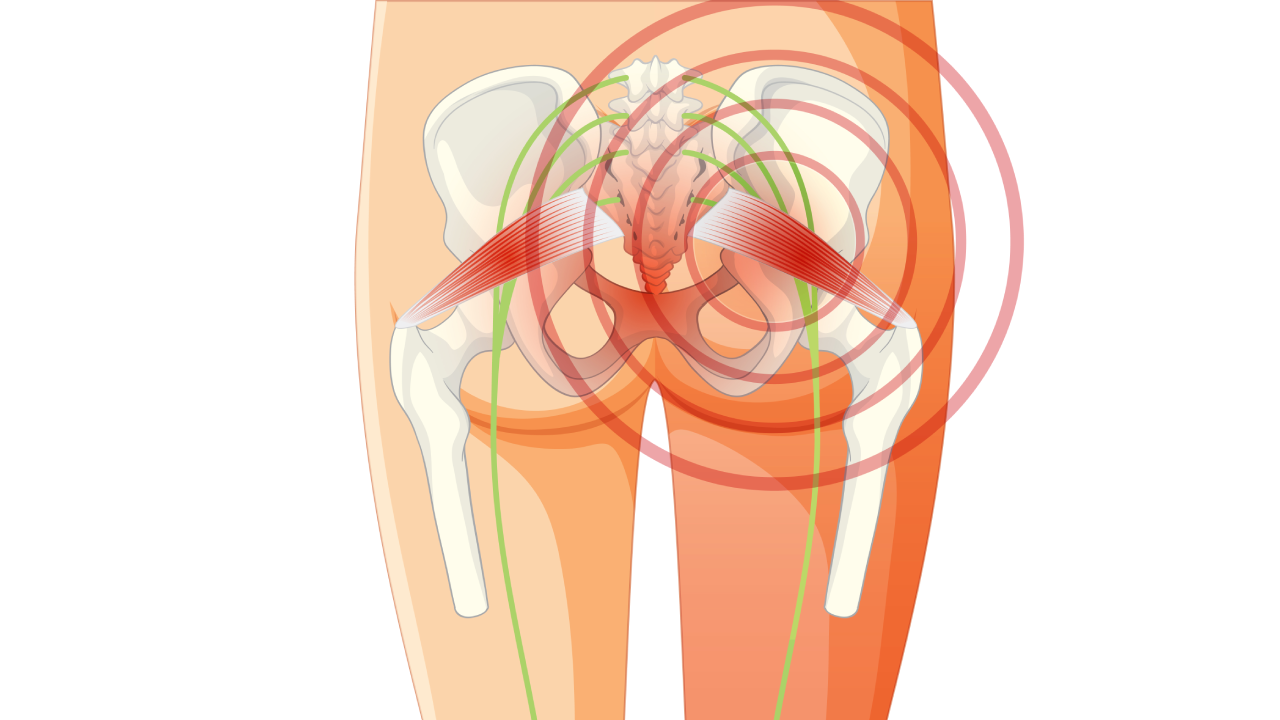
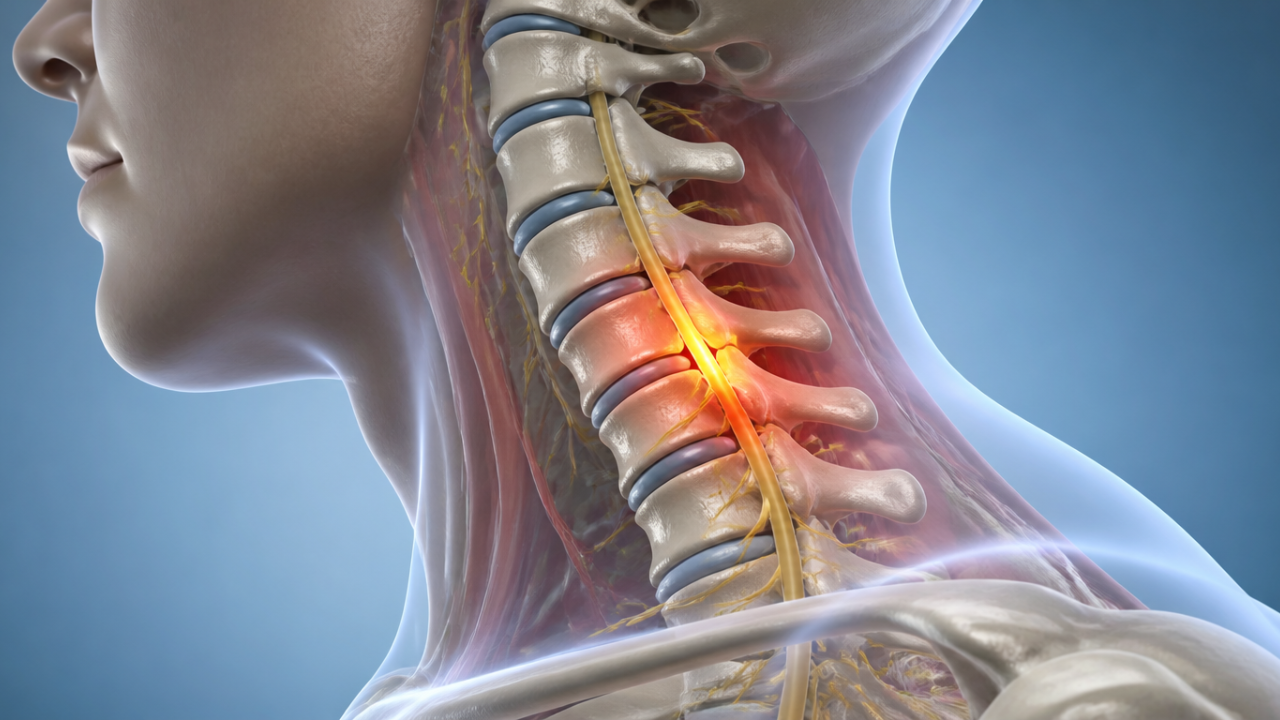
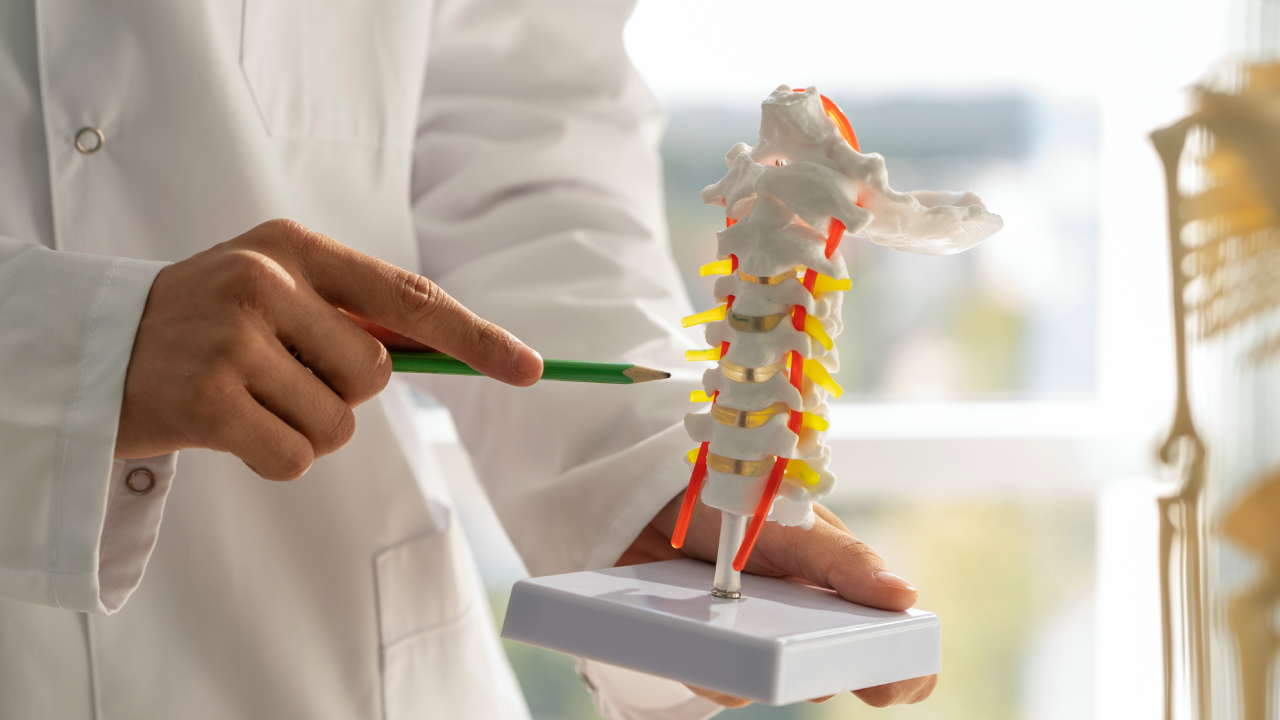
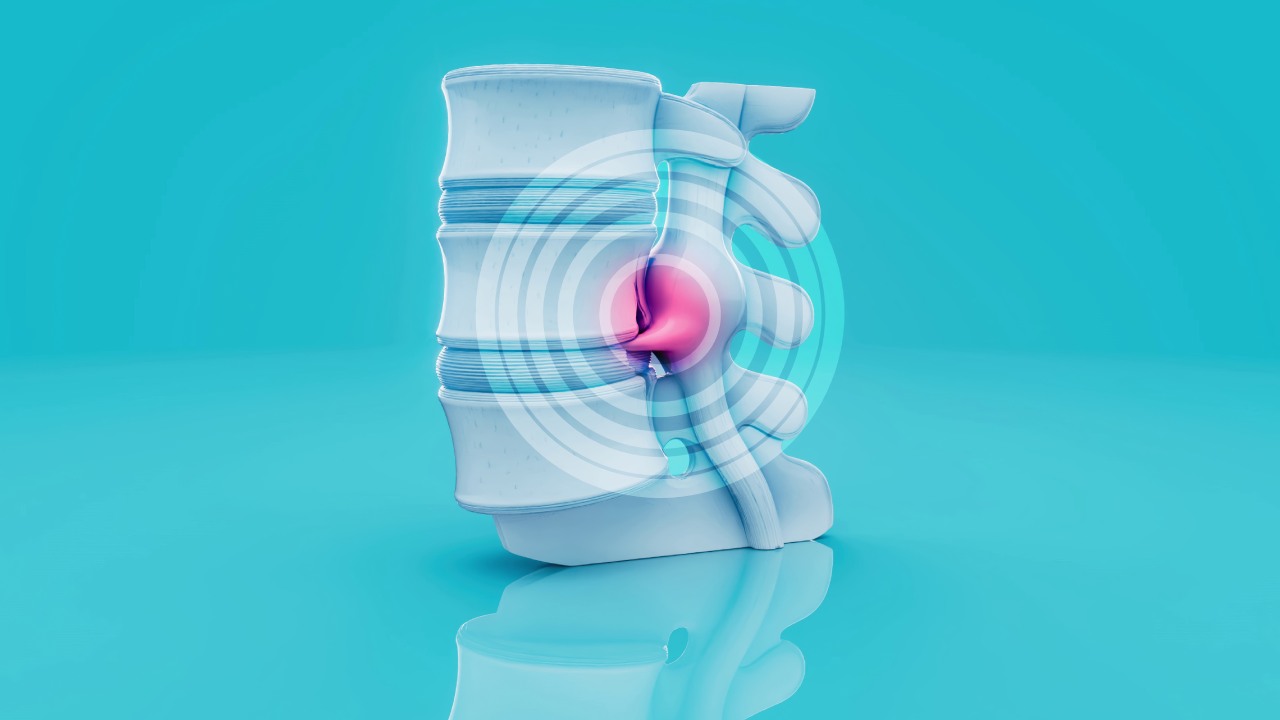
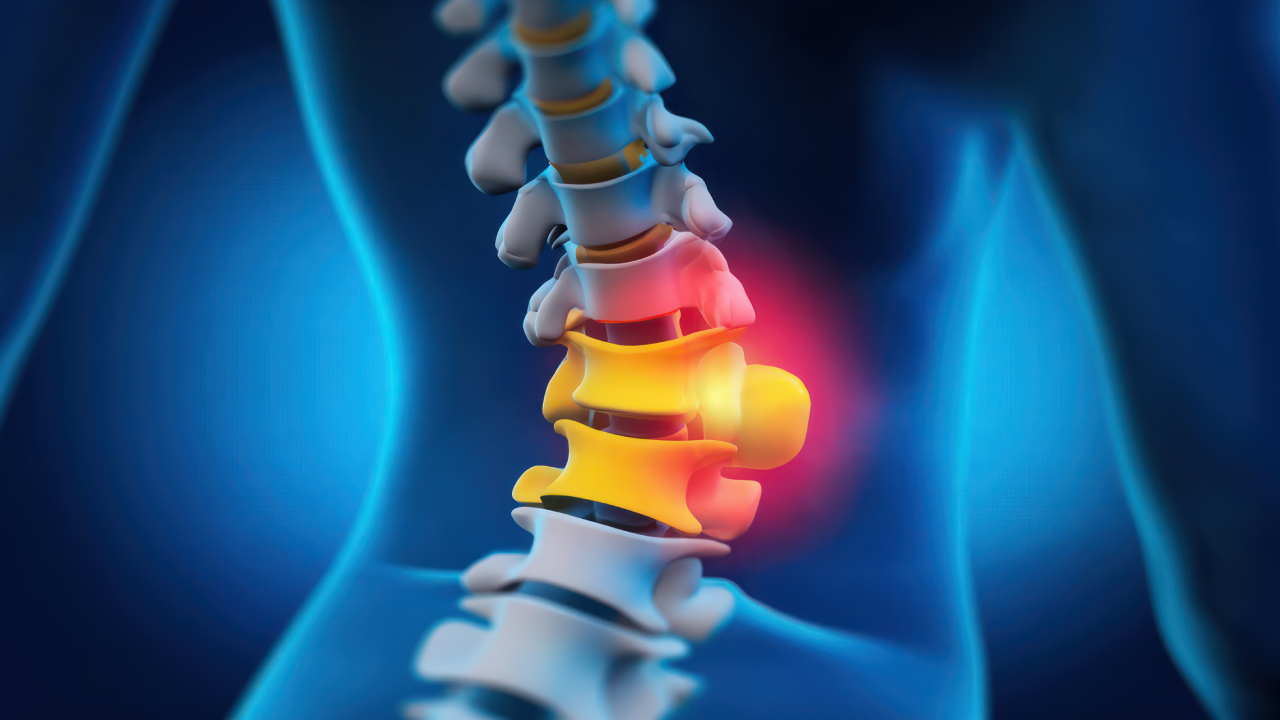
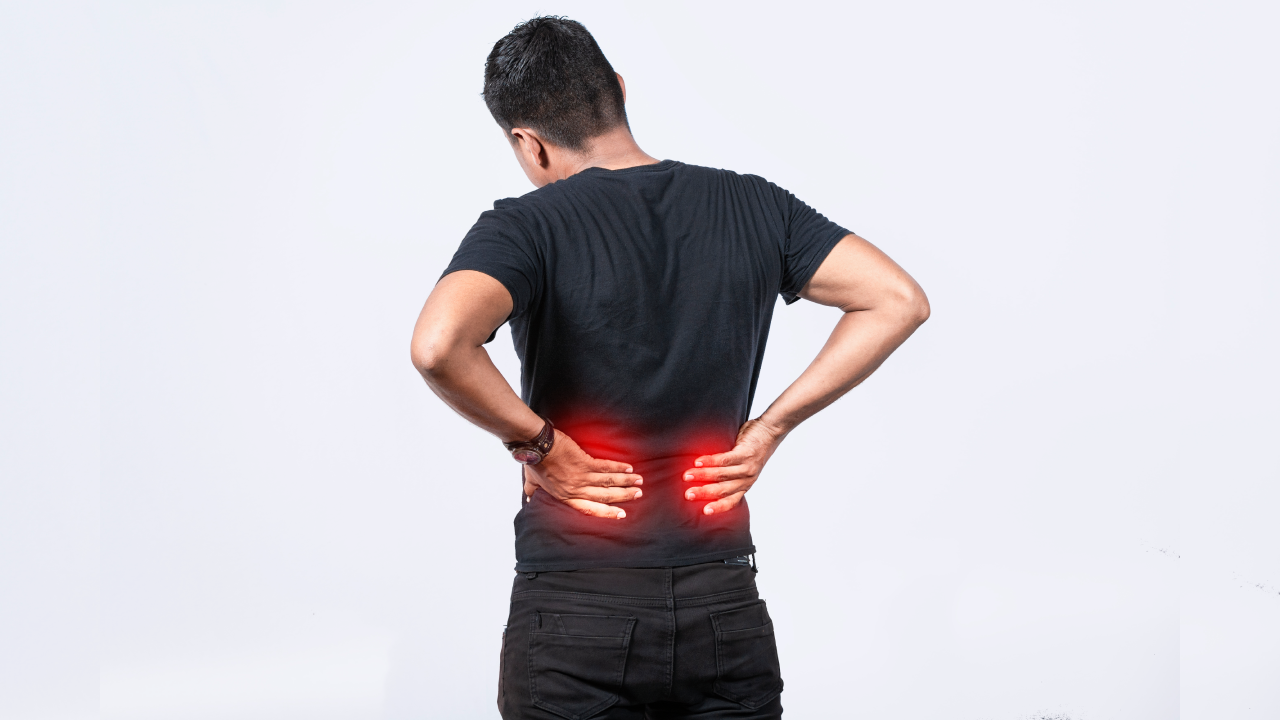
Spinal stenosis occurs when the spaces within the spine become narrower. This narrowing can place pressure on the spinal cord or nearby nerves, potentially leading to back or neck discomfort, numbness, tingling, weakness, or symptoms extending into the arms or legs.
At Spinal Solution and wellness, we provide physiotherapy care for individuals experiencing symptoms related to spinal stenosis in Scarborough, ON. Care starts with an assessment of your symptoms, movement, strength, flexibility, balance, and everyday activities. Based on the findings, your physiotherapist can establish a care plan that focuses on mobility, exercise, physical function, and practical movement strategies.
What Is Spinal Stenosis?
Spinal stenosis refers to a reduction in the space available within the spinal canal or the openings through which spinal nerves travel. When these areas become narrower, nearby nerves or the spinal cord may be compressed.
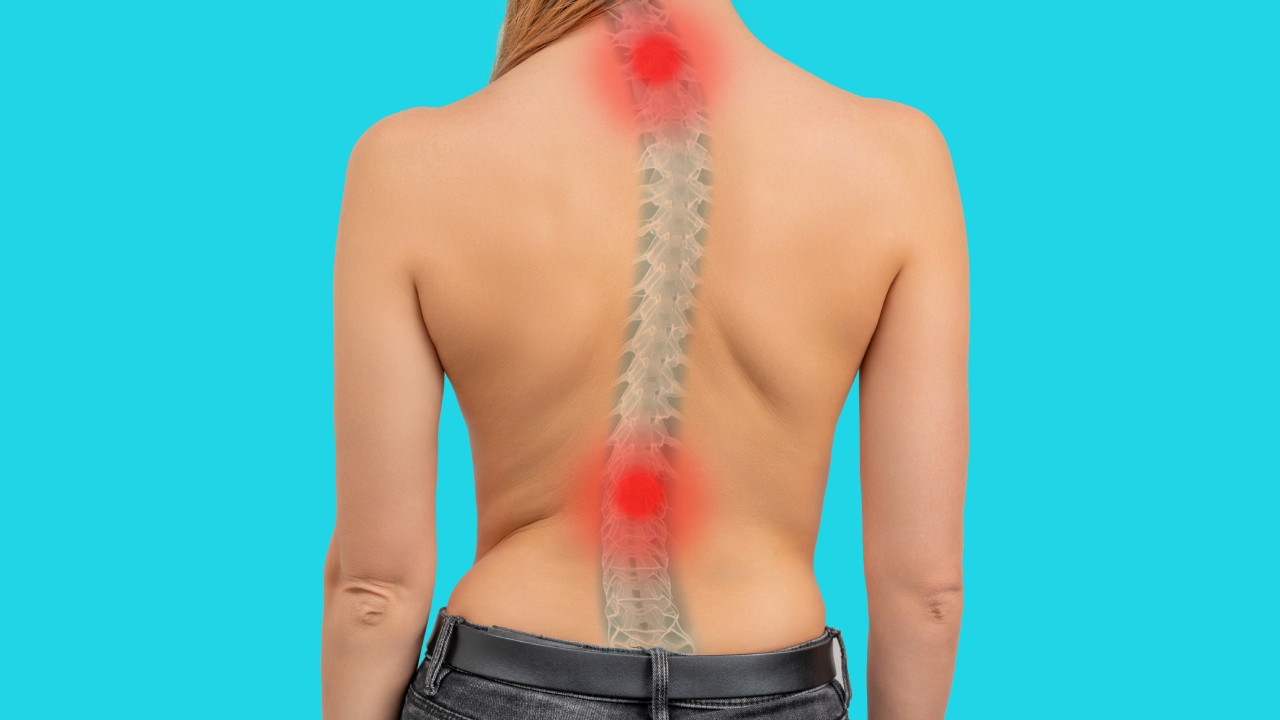
The condition commonly affects the lower back, referred to as lumbar spinal stenosis, or the neck, known as cervical spinal stenosis.
Possible symptoms include:
- Lower back or neck discomfort
- Numbness or tingling
- Weakness affecting the legs, feet, arms, or hands
- Sensations that travel into an arm or leg
- Leg heaviness during standing or walking
- Reduced tolerance for walking
- Difficulty remaining upright for extended periods
- Changes in balance
- Reduced movement capacity
- Symptoms that may decrease when sitting or leaning forward
Spinal stenosis can develop gradually. Age-related changes, arthritis, disc changes, bone growth, and other structural changes may contribute to narrowing around spinal nerves.
Physiotherapy cannot physically widen the narrowed spinal spaces. Instead, treatment can focus on maintaining movement, building strength, improving mobility, supporting physical conditioning, and finding practical ways to manage activities.
Who May Benefit from Spinal Stenosis Physiotherapy?
Physiotherapy may be suitable for people experiencing symptoms associated with spinal stenosis, particularly when these symptoms interfere with walking, exercise, work, household activities, or other daily tasks.
Older Adults
Changes in the spine associated with aging may contribute to narrowing around spinal nerves. Physiotherapy can focus on mobility, lower-body strength, balance, walking ability, and general physical function.
People With Walking Limitations
Lumbar spinal stenosis may cause symptoms that become more noticeable during standing or walking. A physiotherapy assessment can examine walking patterns, strength, mobility, balance, and activity tolerance.
People Experiencing Numbness or Tingling
Pressure affecting spinal nerves may contribute to altered sensation in the arms, hands, legs, or feet. These symptoms should be assessed so suitable care can be considered.
People With Ongoing Back or Neck Symptoms
When spinal symptoms interfere with work, recreation, exercise, or household activities, physiotherapy can focus on movement capacity and functional activity.
People Following Medical or Surgical Treatment
Physiotherapy may be included in rehabilitation following spinal surgery or other medical treatment when appropriate. The timing and type of exercise depend on the procedure, current condition, and instructions from the treating healthcare provider.
Problems with Spinal Stenosis Physiotherapy May Address
Spinal stenosis can influence more than spinal movement. Symptoms may affect the way a person walks, sits, stands, exercises, works, climbs stairs, or completes household activities.
Physiotherapy may address:
- Restricted spinal mobility
- Reduced leg or core strength
- Limited walking tolerance
- Difficulty standing for extended periods
- Balance concerns
- Reduced flexibility
- Difficulty rising from a chair
- Challenges with stairs
- Reduced participation in exercise
- Difficulty completing household tasks
- Changes in movement patterns
- Lower levels of physical activity caused by symptoms
The focus remains on physical function while taking your symptoms, clinical findings, and daily activity requirements into account.
Key Components of Spinal Stenosis Physiotherapy
Physiotherapy Assessment
Your initial assessment includes a review of symptoms, medical history, movement, strength, flexibility, balance, posture, walking ability, and functional limitations.
Why it matters:
An assessment helps identify movement restrictions and factors that may be affecting everyday activities.
What you can expect:
A clearer picture of your current physical function and possible next steps.
Therapeutic Exercise
Exercises may focus on strength, mobility, stability, balance, conditioning, and functional movement.
Why it matters:
Regular physical activity can help maintain strength and physical capacity.
What you can expect:
Exercises selected according to your current abilities and activity requirements.
Mobility Exercises
Your physiotherapist may introduce movement activities based on your symptoms and assessment findings.
Why it matters:
Restricted movement can make routine tasks more challenging.
What you can expect:
Exercises aimed at supporting movement capacity within a suitable range.
Activity Modification
Your physiotherapist can discuss practical ways to modify activities according to your symptoms.
Why it matters:
Changes to sitting, standing, walking, lifting, or exercise habits may make certain tasks easier to manage.
What you can expect:
Practical movement strategies that can be applied during everyday activities.
Home Exercise Program
Exercises may be recommended for practice between clinic appointments.
Why it matters:
Consistent practice helps continue the work completed during physiotherapy sessions.
What you can expect:
A selection of exercises addressing areas such as strength, mobility, balance, and physical function.
Progress Reviews
Your symptoms, movement, activity tolerance, and functional abilities can be reviewed during subsequent visits.
Why it matters:
Your response to care helps determine whether exercises or activity strategies need to be adjusted.
What you can expect:
Ongoing adjustments based on your current physical status and activity needs.
How Spinal Stenosis Physiotherapy Works
1. Initial Consultation
Your first appointment begins with a discussion about your symptoms, medical history, daily routine, physical activities, and current concerns.
2. Physical Assessment
A physiotherapist examines relevant areas such as movement, strength, flexibility, balance, walking ability, posture, and functional tasks.
3. Care Planning
The assessment findings are used to establish a physiotherapy plan based on your symptoms, physical abilities, and daily activities.
4. Physiotherapy Sessions
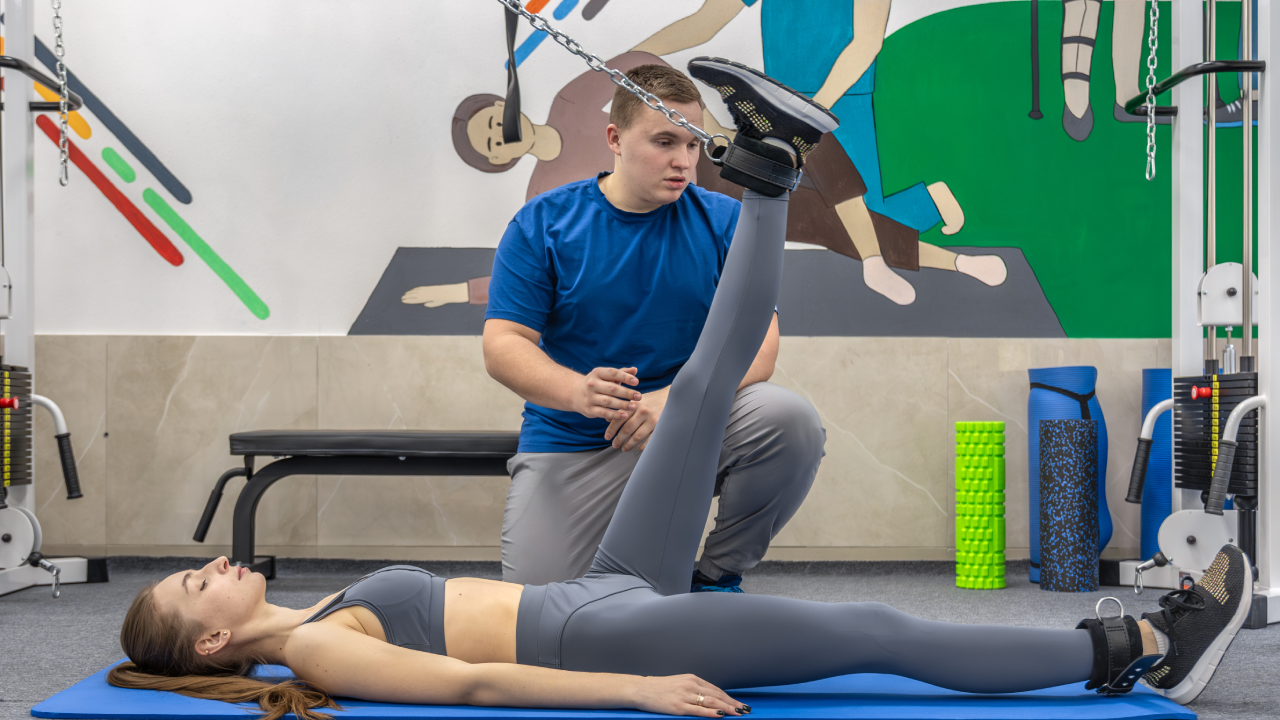
Sessions may include therapeutic exercise, mobility activities, movement training, balance work, activity modification, and other physiotherapy methods considered appropriate.
5. Progress Review
Your symptoms, movement, strength, walking ability, and functional activities are reviewed throughout the course of care.
6. Program Adjustments
Exercises and activity recommendations may change as your physical capacity, symptoms, and everyday requirements change.
Potential Benefits of Physiotherapy for Spinal Stenosis
Physiotherapy may support practical changes such as
- Increased mobility
- Greater lower-body strength
- Improved balance
- Increased activity tolerance
- Improved walking capacity
- More confidence during movement
- Easier participation in household activities
- Support for exercise participation
- Practical activity-management strategies
- Improved physical conditioning
Results vary between individuals. Your response to physiotherapy may depend on factors such as the location and severity of spinal narrowing, nerve involvement, physical condition, activity level, and other health considerations.
Who We Serve in Scarborough
At Spinal Solution and wellness, physiotherapy for spinal stenosis may be suitable for:
- Adults with lumbar spinal stenosis
- Adults with cervical spinal stenosis
- People experiencing walking limitations
- Individuals with back-related symptoms
- Individuals with neck-related symptoms
- People experiencing numbness or tingling
- People managing reduced mobility
- Adults returning to physical activity
- Individuals participating in post-operative rehabilitation
Our Scarborough clinic serves people seeking physiotherapy care for spinal stenosis in Scarborough, ON, and nearby communities.
Frequently Asked Questions
What is spinal stenosis?
Spinal stenosis is a narrowing of spaces within the spine. This narrowing can place pressure on spinal nerves or the spinal cord and may contribute to discomfort, numbness, tingling, weakness, or walking difficulties.
Can physiotherapy help with spinal stenosis?
Physiotherapy may address movement restrictions, weakness, limited flexibility, balance concerns, and activity limitations associated with spinal stenosis. Physiotherapy does not physically widen the narrowed spinal space.
What happens during a spinal stenosis physiotherapy assessment?
The physiotherapist reviews your symptoms and medical history and may assess movement, strength, flexibility, balance, walking, posture, and functional activities.
How long does spinal stenosis physiotherapy take?
The length of physiotherapy varies according to symptoms, assessment findings, activity level, response to care, and functional goals. Your physiotherapist can discuss an appropriate appointment schedule after your assessment.
Can I exercise if I have spinal stenosis?
Many people with spinal stenosis can participate in physical activity, although suitable exercises vary according to symptoms and clinical findings. A physiotherapist can help identify appropriate exercises and activity modifications.
Is spinal stenosis the same as a herniated disc?
No. Spinal stenosis involves narrowing of spaces within the spine, while a herniated disc occurs when disc material extends beyond its normal boundary. Both conditions can sometimes contribute to nerve compression.
When should I seek medical attention?
New or worsening neurological symptoms should be assessed by an appropriate healthcare professional. Urgent medical attention is important if you develop severe or rapidly worsening weakness, loss of bladder or bowel control, numbness around the groin or inner thighs, or sudden neurological changes.
Can physiotherapy be used after spinal surgery?
Physiotherapy may form part of rehabilitation following spinal surgery when approved by the treating surgeon or healthcare provider. The timing, exercises, and activity level depend on the procedure and your recovery status.
Service Areas
Spinal Solution and wellness provide physiotherapy care for people seeking help with spinal stenosis in Scarborough, ON.
Our service area includes:
- Agincourt
- Agincourt South-Malvern West
- Malvern
- Morningside
- West Hill
- Guildwood
- Wexford
- Bendale
- Dorset Park
- Clairlea
- Birch Cliff
- Scarborough Junction
- Port Union
- Don Mills
- East York
- Markham
Residents from surrounding Scarborough and nearby communities can contact the clinic to discuss appointment availability and physiotherapy services.
Why Choose Spinal Solution and wellness?
Spinal Solution and wellness provide physiotherapy care for spinal and musculoskeletal concerns in Scarborough.
Our approach includes:
- A clinical assessment before treatment planning
- Exercise and movement-based physiotherapy
- Progress reviews throughout care
- Home exercises when appropriate
- Activity recommendations based on clinical findings
- Communication regarding changes in symptoms
- Focus on practical daily movement and physical function
Each person’s symptoms, physical findings, activity requirements, and functional goals are considered when establishing a physiotherapy plan.
Related Services
People seeking physiotherapy for spinal stenosis may also have questions about related services, including:
- Back Pain Physiotherapy
- Neck Pain Physiotherapy
- Sciatica Physiotherapy
- Post-Operative Physiotherapy
- Balance and Mobility Physiotherapy
- Arthritis Physiotherapy
- Manual Therapy
- Therapeutic Exercise
- Sports Physiotherapy
- Chronic Pain Physiotherapy
The appropriate service can be discussed following an assessment of your symptoms and physical function.
Get Started
If spinal symptoms are affecting your walking, exercise, work, household activities, or everyday movement, Spinal Solution and wellness can assess your physical function and discuss whether physiotherapy is appropriate.
Contact Spinal Solution and wellness to arrange an assessment for Spinal Stenosis in Scarborough, ON.
Phone: +1 416-307-1076
Address: 5995 Steeles Ave E, Scarborough, ON M1V 5P6, Canada
During your first appointment, our physiotherapy team can review your symptoms, assess movement and physical function, and discuss the next steps for your care.