
Motor Vehicle Accident Injuries in Scarborough, ON
A motor vehicle collision can place sudden stress on different parts of the body. Some symptoms may be noticeable immediately, while others can develop hours or days later. Neck stiffness, headaches, shoulder discomfort, back symptoms, muscle soreness, reduced mobility, and changes in movement can make driving, working, exercising, sleeping, and everyday tasks more difficult.
At Spinal Solution and Wellness, we provide physiotherapy and rehabilitation care for people dealing with Motor Vehicle Accident Injuries in Scarborough, ON. Our care focuses on assessing physical changes after a collision and supporting mobility, strength, function, and participation in daily activities.
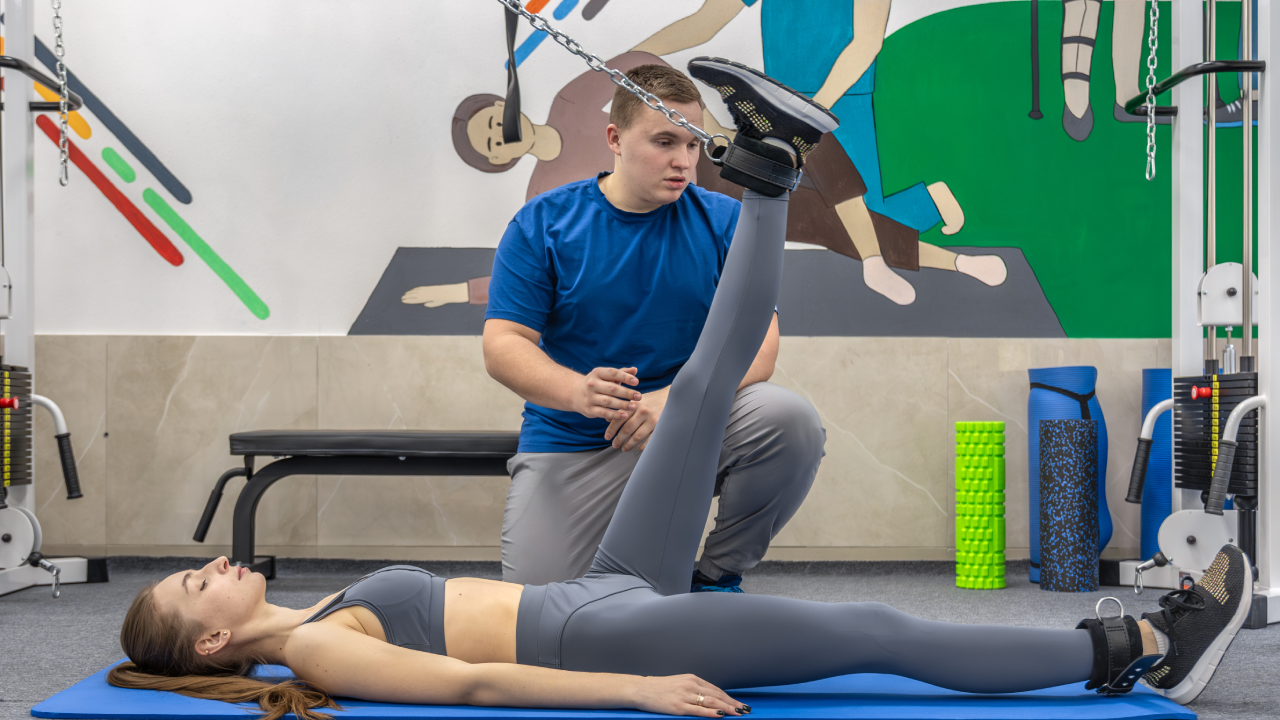
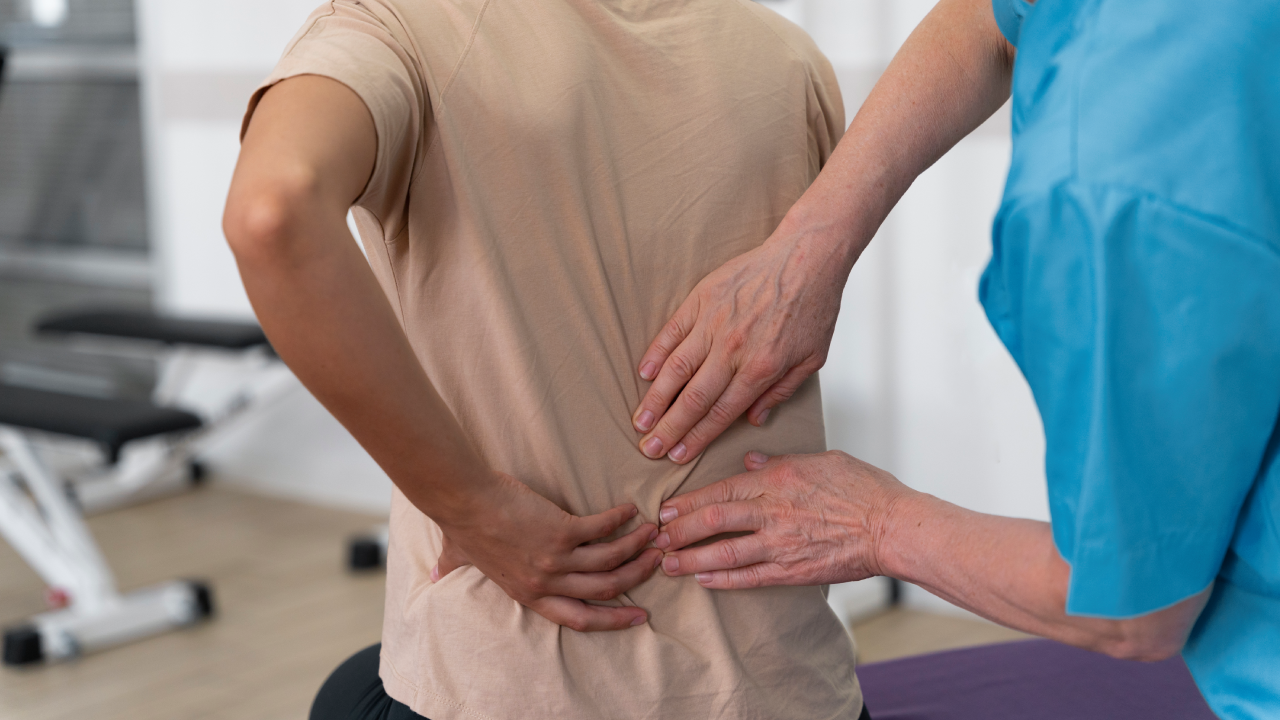
Our physiotherapists begin by reviewing your symptoms, accident history, movement, strength, and functional limitations. Based on the assessment, we establish a treatment plan that can be adjusted as your condition changes.
What Are Motor Vehicle Accident Injuries?
Motor vehicle accident injuries are physical problems that can occur following a collision involving a car, truck, motorcycle, bicycle, or another road vehicle. The force generated during an accident can affect muscles, joints, ligaments, tendons, nerves, and other body structures.
Some injuries are apparent at the scene, while others may become noticeable later as stiffness, swelling, muscle tension, or movement changes develop.
Common accident-related injuries and symptoms include:
- Whiplash
- Neck stiffness and discomfort
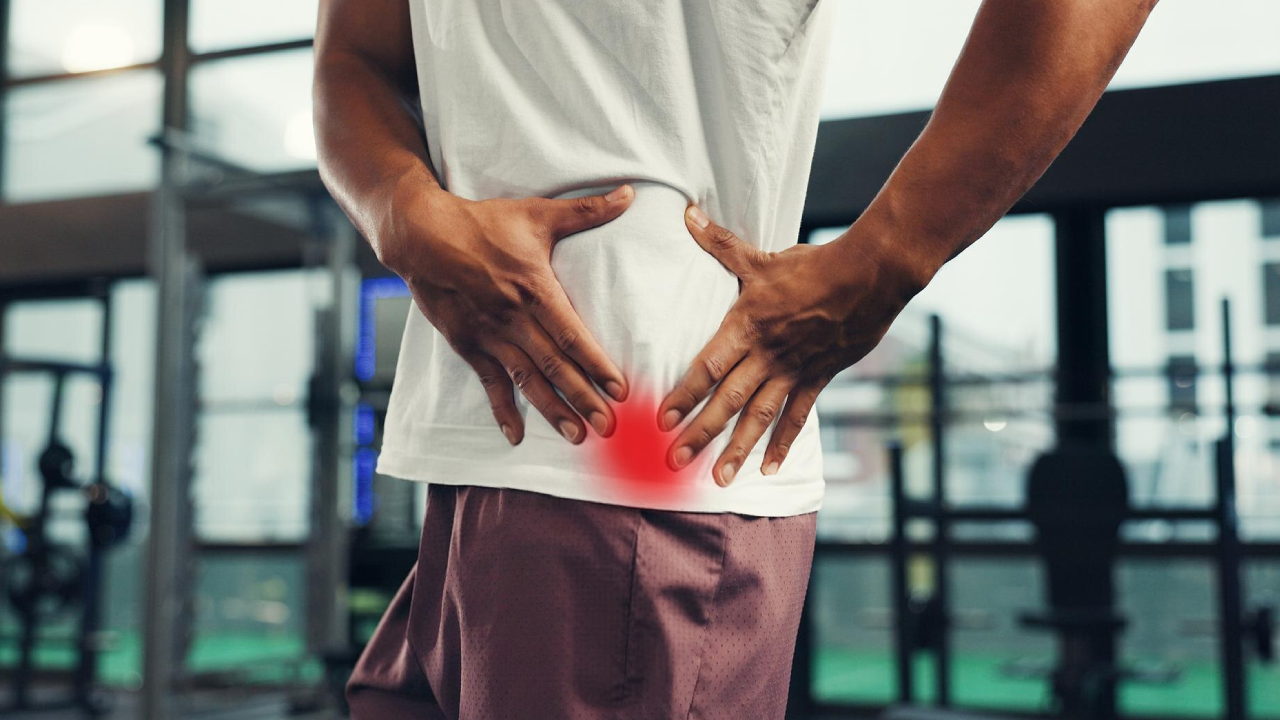
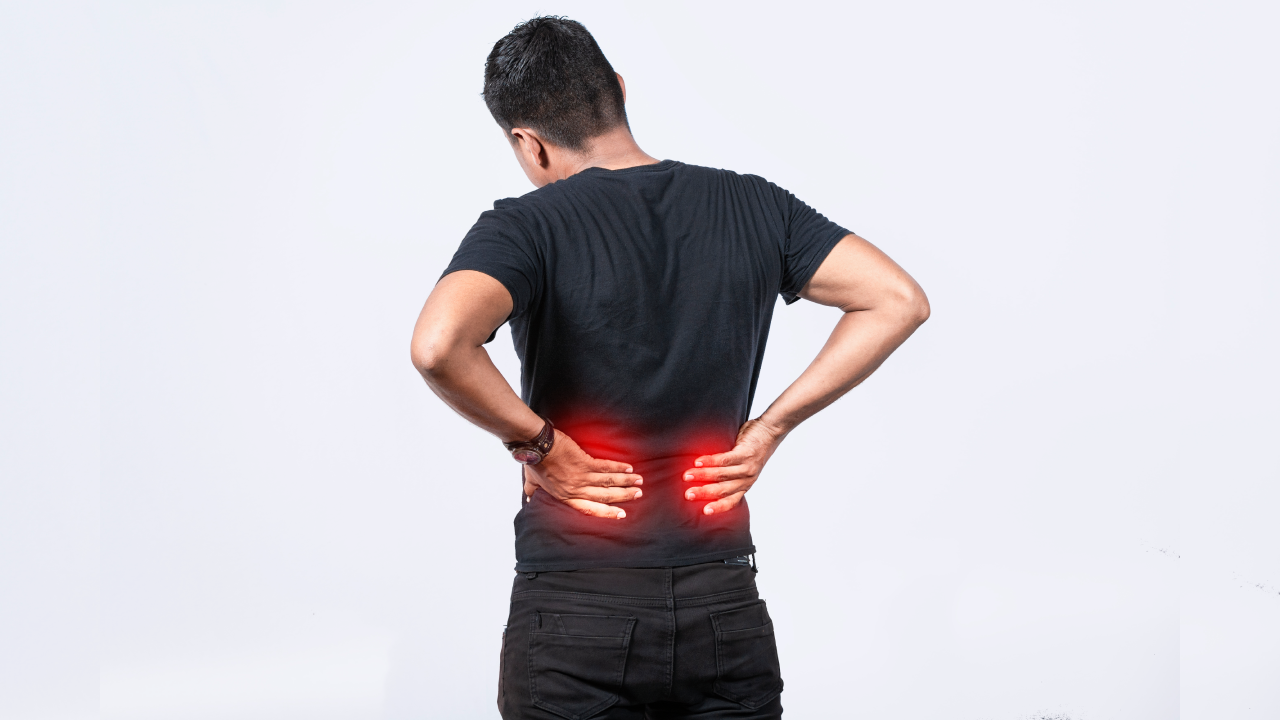
- Back symptoms
- Shoulder injuries
- Muscle strains
- Joint sprains
- Headaches associated with neck problems
- Reduced range of motion
- Muscle tension
- Nerve-related symptoms
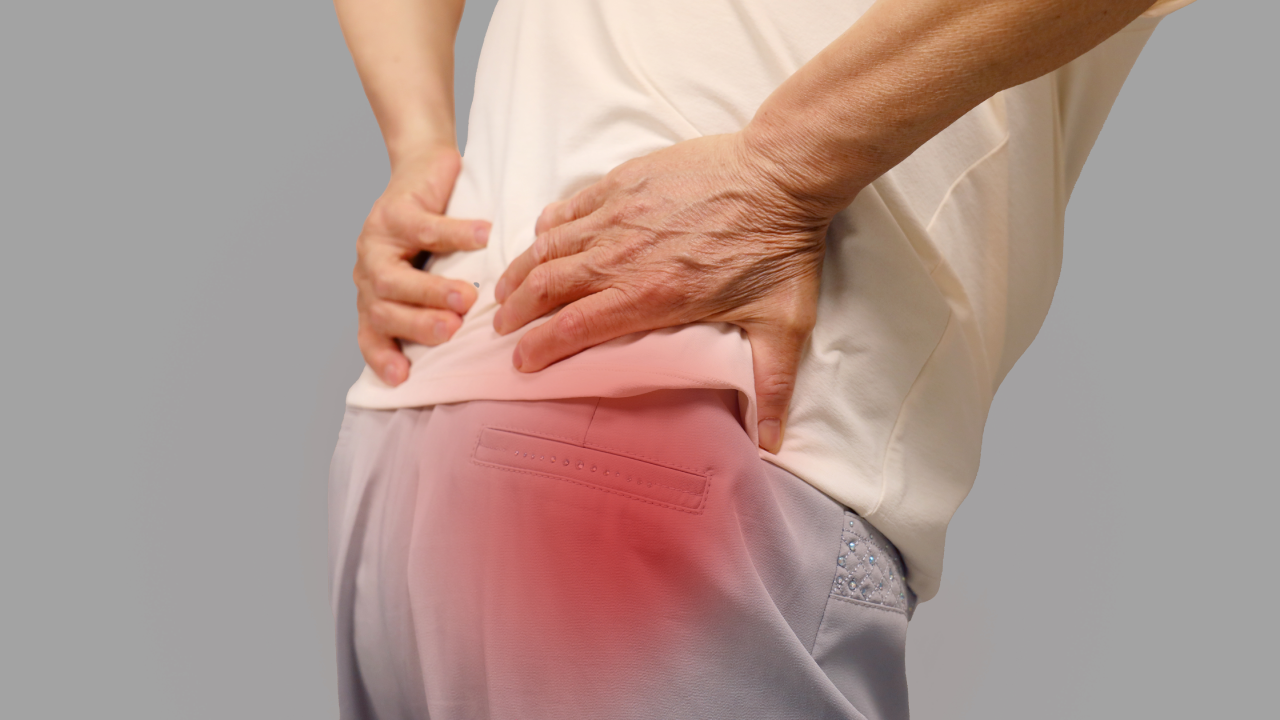
- Hip and pelvic discomfort
- Knee injuries
- Arm and leg injuries
- Balance difficulties
- Soft-tissue injuries
The type and severity of an injury can depend on factors such as the direction of impact, collision force, body position, seatbelt use, previous injuries, and the structures affected.
At Spinal Solution and Wellness, an assessment helps identify physical limitations and how they may be affecting your daily activities.
Who May Need Physiotherapy After a Motor Vehicle Accident?
People involved in collisions can develop different physical symptoms depending on their position in the vehicle, the type of impact, and the structures affected.
Drivers
Drivers may develop neck, shoulder, back, wrist, or knee symptoms following sudden impact or bracing during a collision.
Passengers
Passengers can experience problems involving the neck, back, shoulders, hips, or other areas because of sudden body movement during an accident.
Pedestrians
Pedestrians involved in vehicle collisions may sustain injuries affecting several areas of the body and may require physical assessment as part of their recovery process.
Cyclists
Cyclists involved in road collisions may experience soft-tissue injuries, joint problems, fractures, or restrictions in movement.
People With Delayed Symptoms
Some symptoms may not appear immediately after an accident. A person may initially feel relatively normal and notice stiffness or discomfort later. New, persistent, or worsening symptoms should be assessed by an appropriate healthcare professional.
Conditions We Address After a Motor Vehicle Accident
Whiplash
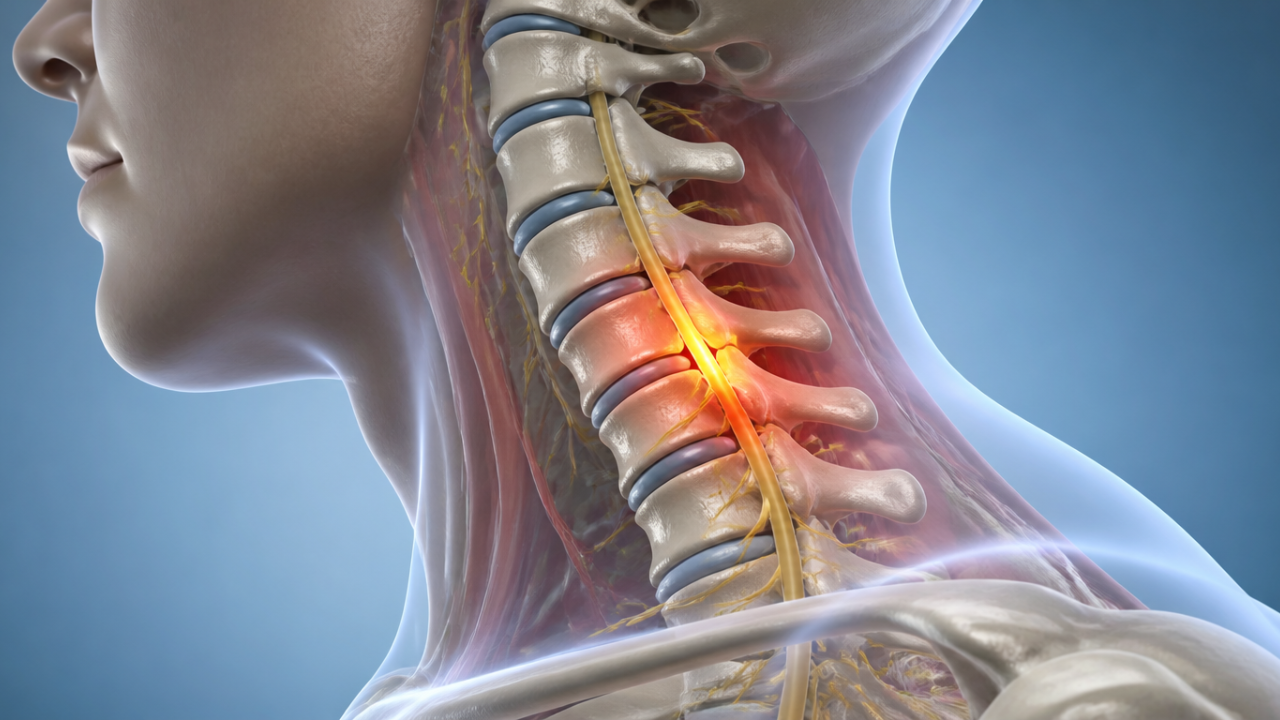
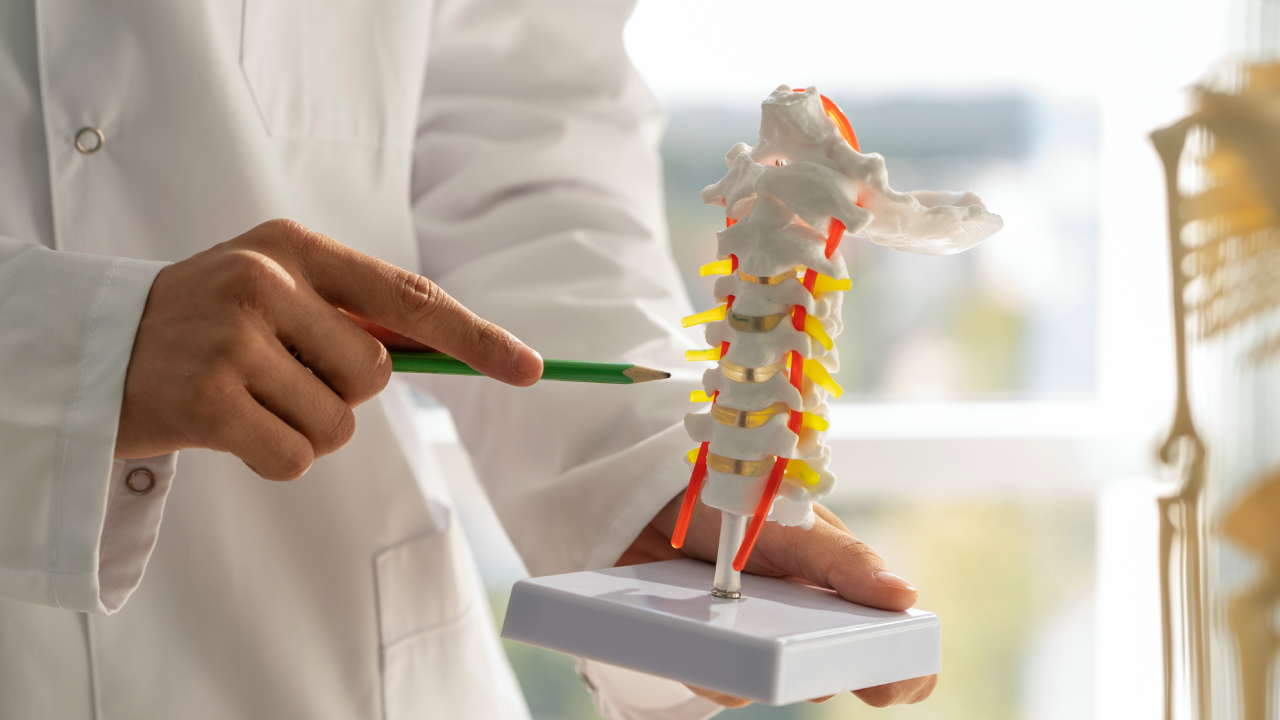
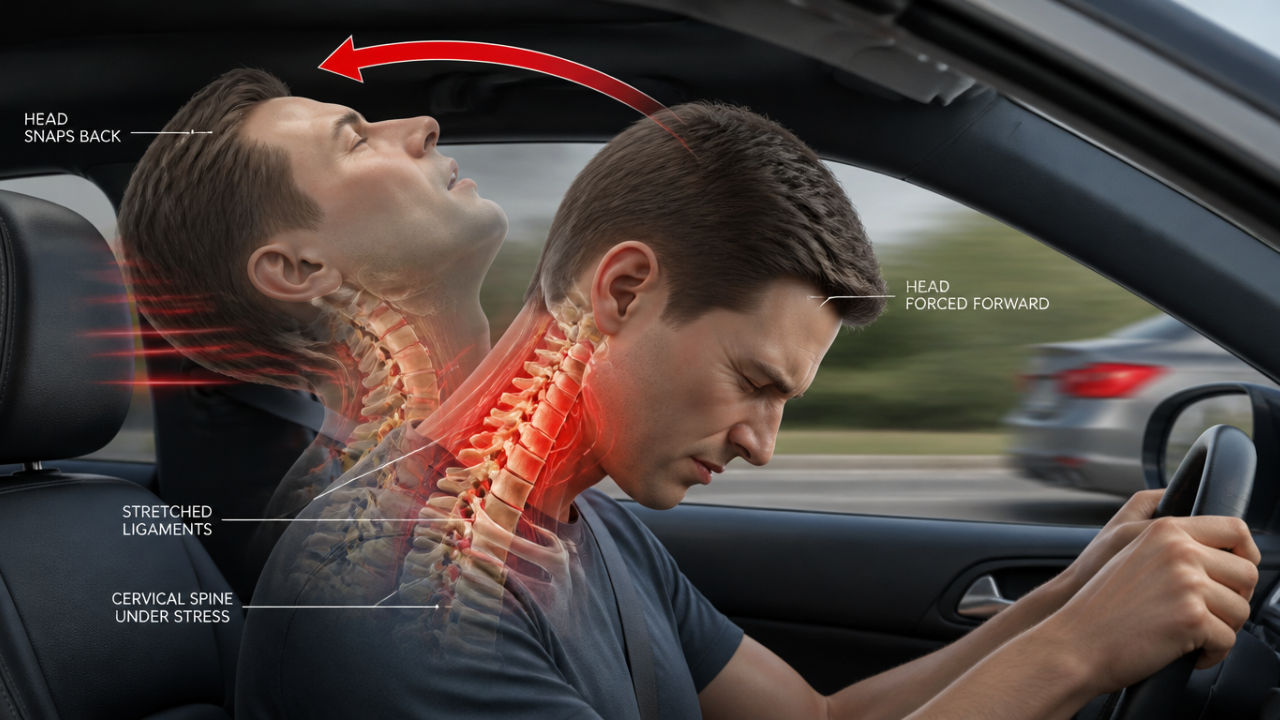
Whiplash can occur when the head and neck move rapidly during a collision. This sudden motion can affect muscles and other tissues around the cervical spine.
Common symptoms include:
- Neck stiffness
- Neck discomfort
- Limited neck movement
- Headaches
- Shoulder tension
- Upper-back discomfort
- Difficulty turning the head
Physiotherapy may include movement assessment, therapeutic exercises, manual therapy, mobility work, and other clinically appropriate care.
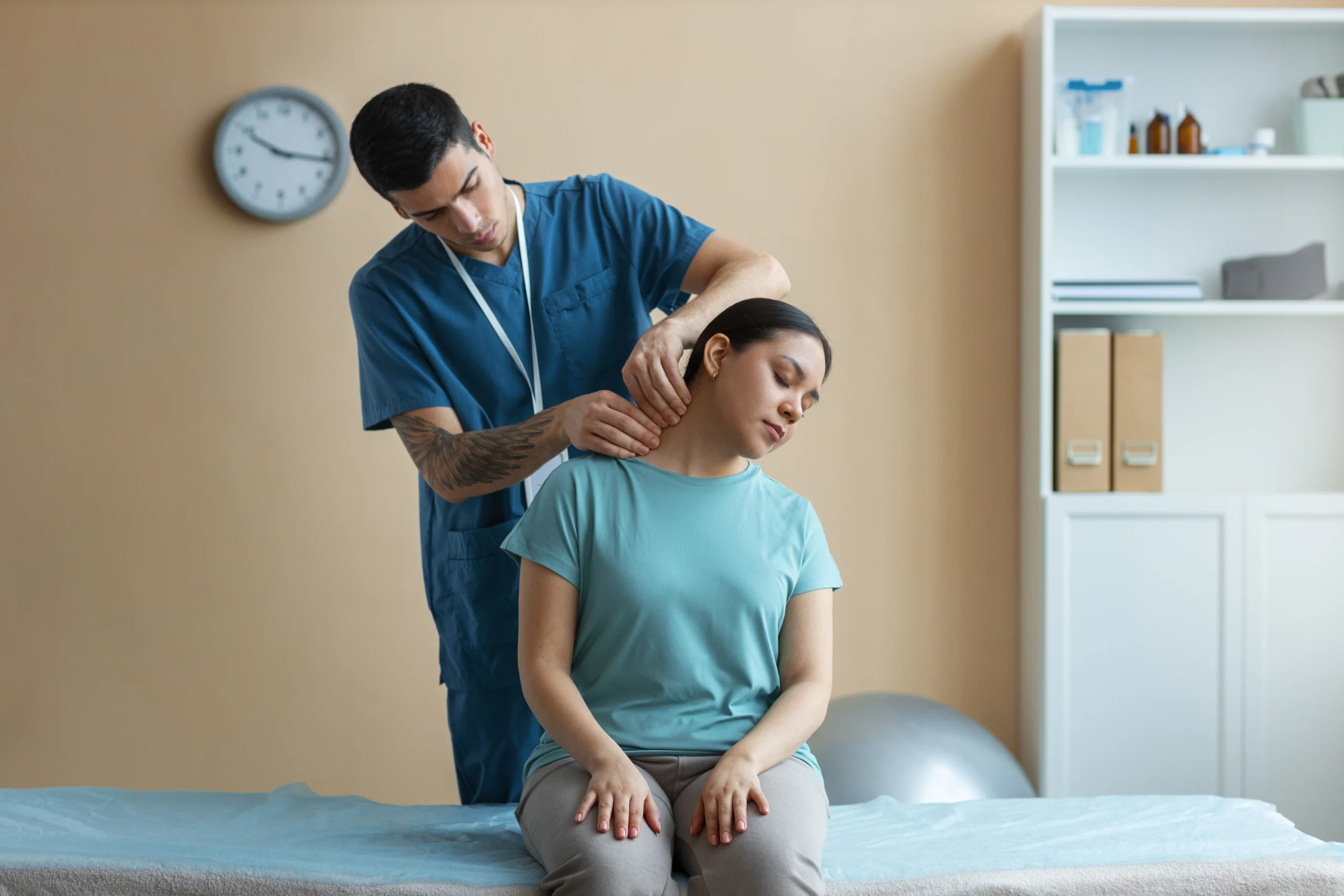
Neck Pain and Stiffness
Neck symptoms are frequently associated with rear-end collisions and other types of impact. Limited movement, muscle tension, and altered posture can make driving, working, sleeping, or checking blind spots more difficult.
Treatment focuses on assessing mobility and addressing physical factors that may be contributing to functional limitations.
Back Injuries
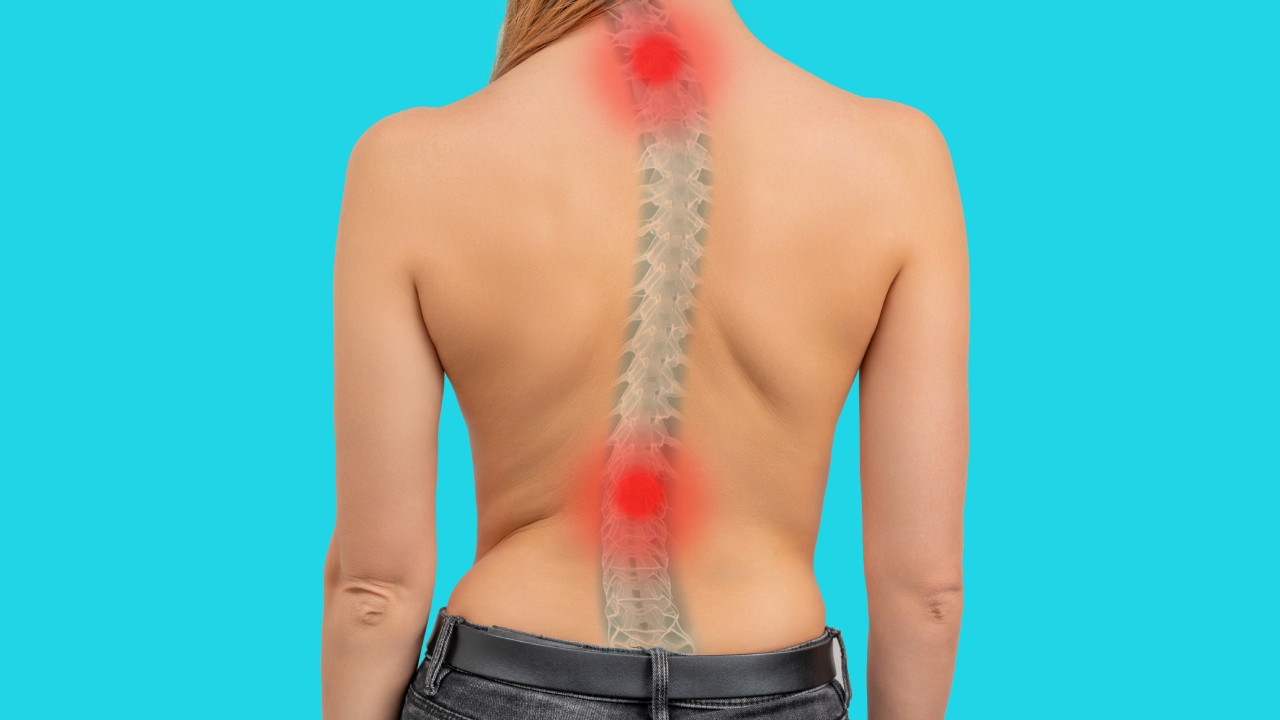
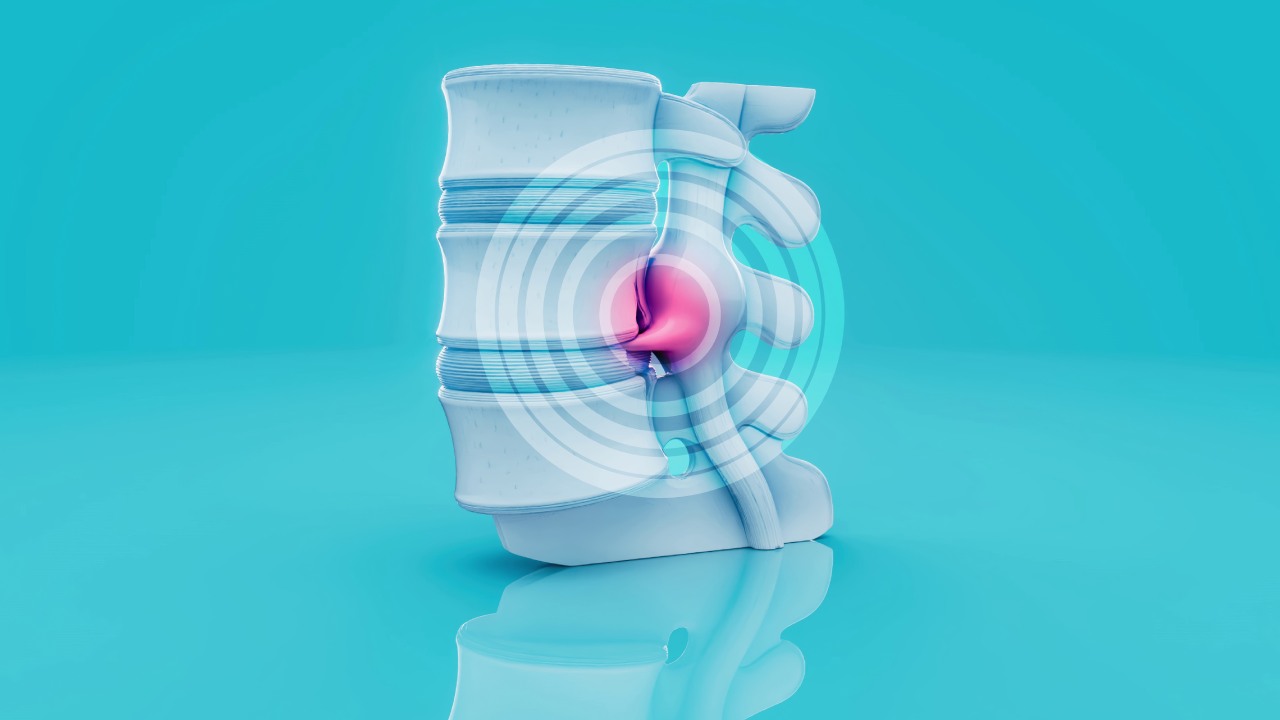
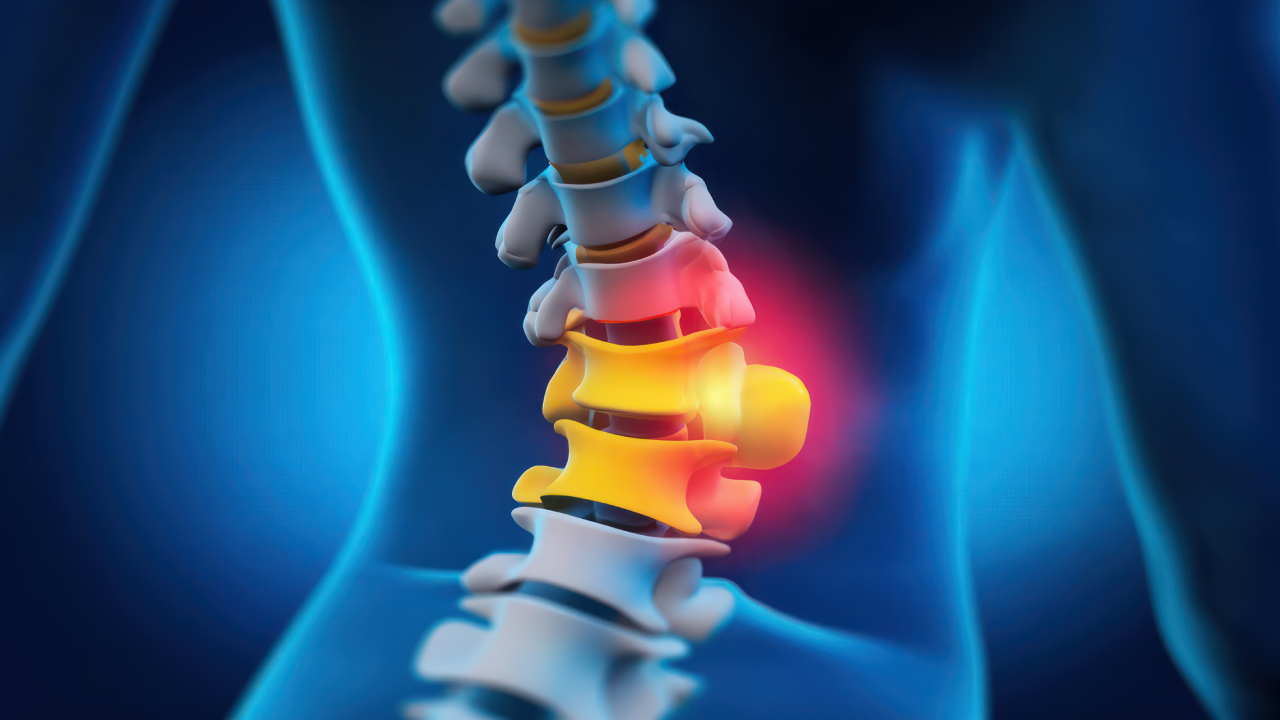
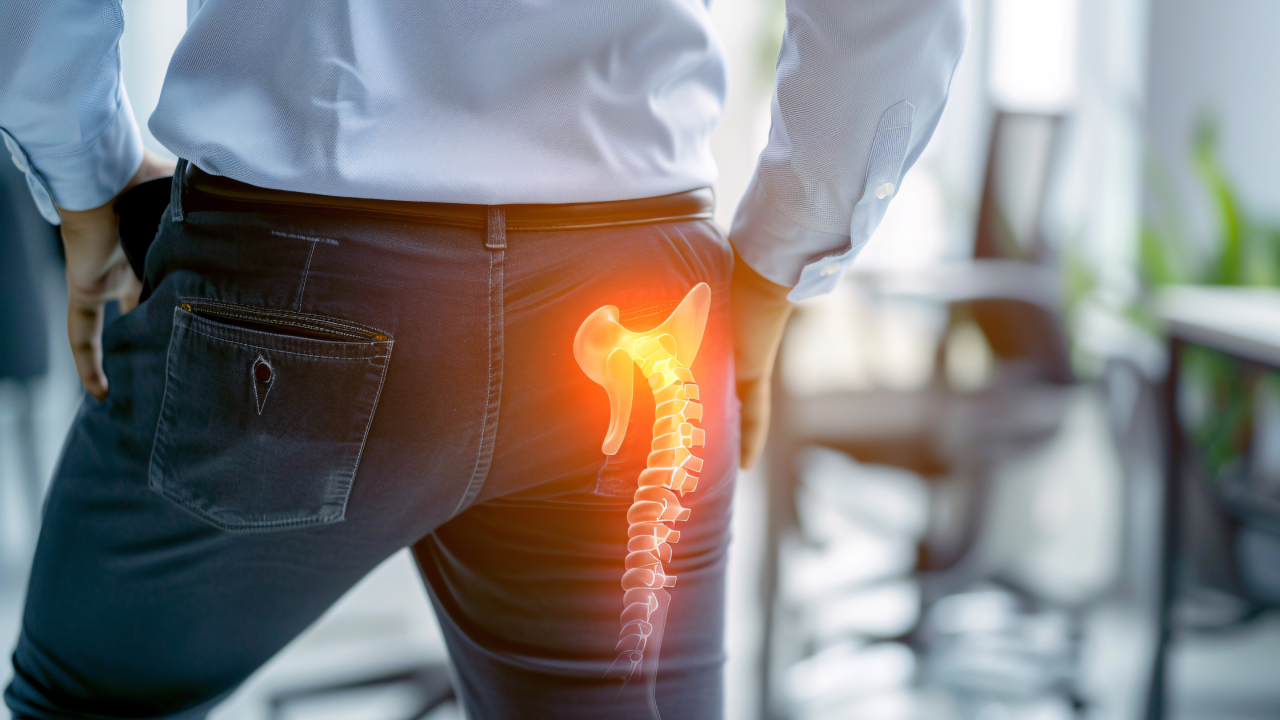
A collision can place sudden force through the spine and surrounding muscles. Symptoms may affect the upper, middle, or lower back depending on the mechanics of the accident.
Physiotherapy may include mobility exercises, strengthening activities, manual therapy, posture work, and gradual progression toward regular movement.
Shoulder Injuries
Shoulders can be affected by seatbelt pressure, sudden movement, direct impact, or bracing during a collision.
Possible symptoms include:
- Shoulder stiffness
- Difficulty raising the arm
- Muscle soreness
- Reduced strength
- Discomfort while reaching
- Limited shoulder mobility
An assessment can help determine how shoulder function has changed following the accident.
Muscle Strains
Sudden forces can stretch muscles beyond their usual capacity. Strains may affect the neck, shoulders, back, hips, arms, or legs.
Physiotherapy may focus on restoring mobility while gradually rebuilding strength and tolerance for everyday activities.
Joint Sprains
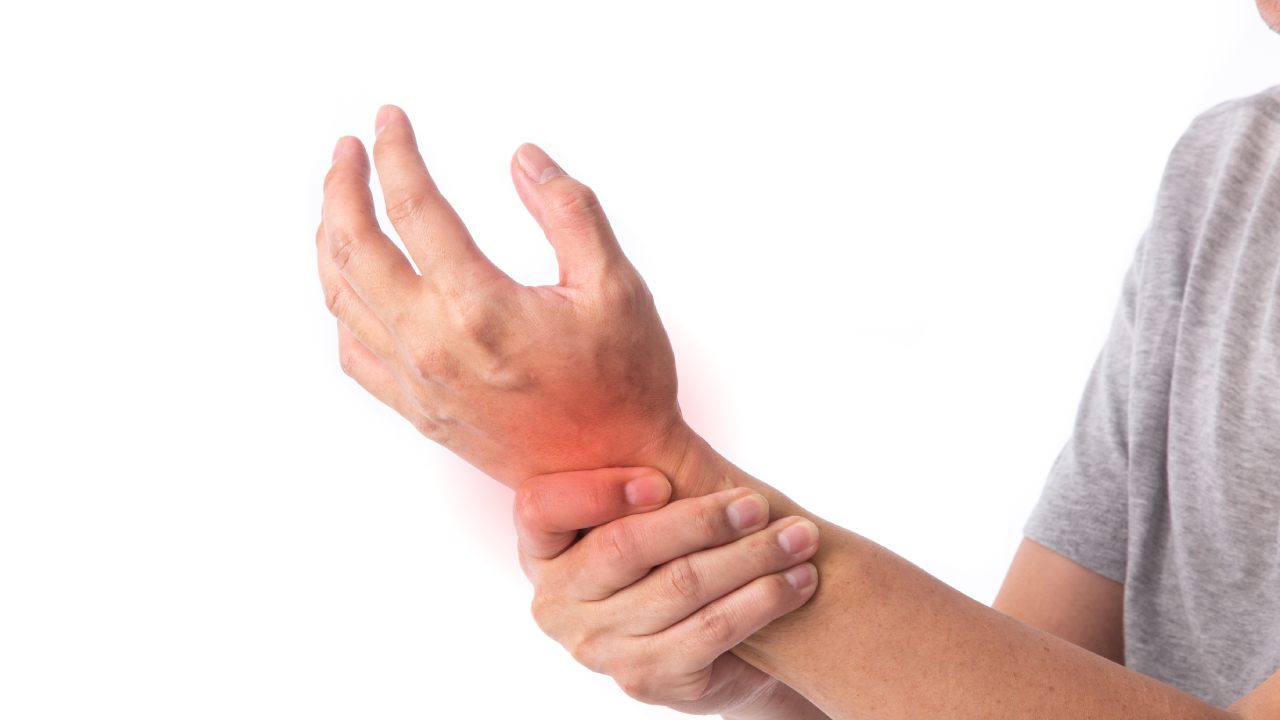
Sudden movement, direct impact, or bracing during a collision can affect different joints. Sprains may involve the neck, shoulder, wrist, knee, ankle, or other areas.
Care depends on the joint involved, injury severity, symptoms, and current physical function.
Headaches Associated With Neck Problems
Headaches can occur alongside neck injuries after a collision. Neck stiffness and changes in movement may contribute to headache symptoms in some cases.
Since headaches can have many causes, new headaches following an accident should be assessed appropriately.
Reduced Range of Motion
After a crash, normal movements may become difficult. You may have trouble turning your head, bending your back, raising an arm, squatting, walking, or performing other everyday movements.
Physiotherapy can address mobility restrictions through appropriate movement exercises and physical rehabilitation.
Muscle Tension
Muscle guarding can develop following an injury and may contribute to tightness around the neck, shoulders, upper back, or lower back.
A physiotherapy assessment can examine movement patterns and help determine suitable exercises and hands-on care.
Nerve-Related Symptoms
Certain accident-related injuries may affect nerves or surrounding structures. Symptoms can include:
- Tingling
- Numbness
- Weakness
- Changes in sensation
- Altered movement
These symptoms require careful assessment. Severe or rapidly worsening neurological symptoms require prompt medical attention.
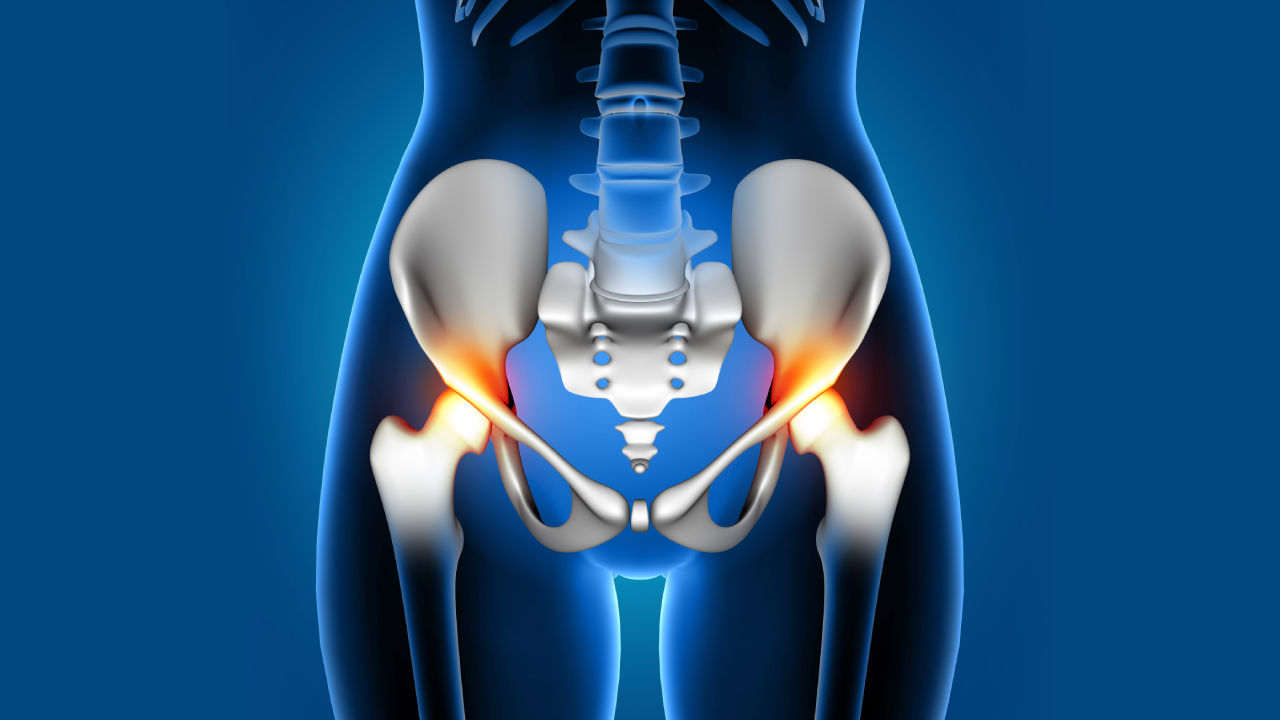
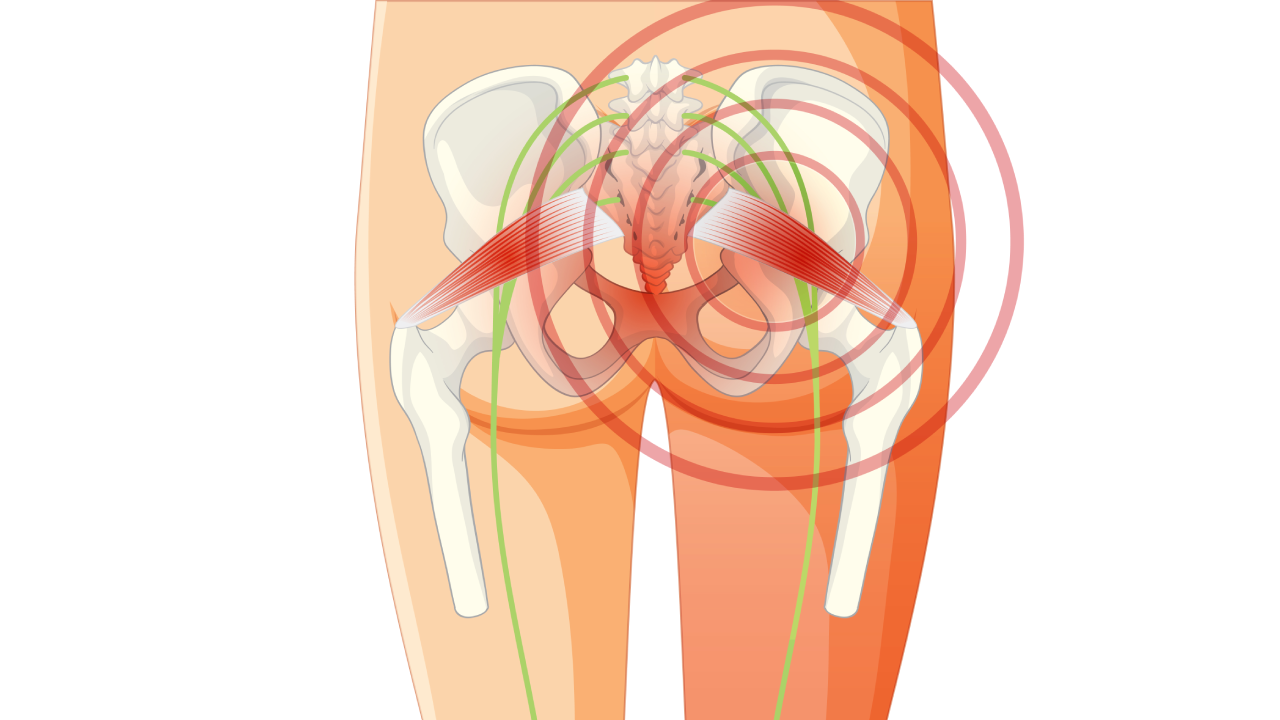
Hip and Pelvic Injuries
The hips and pelvis may be affected by impact, seatbelt positioning, or sudden movement during a collision.
Symptoms may become noticeable while walking, sitting, entering or exiting a vehicle, or changing position.
Treatment depends on the affected structures and the person’s functional limitations.
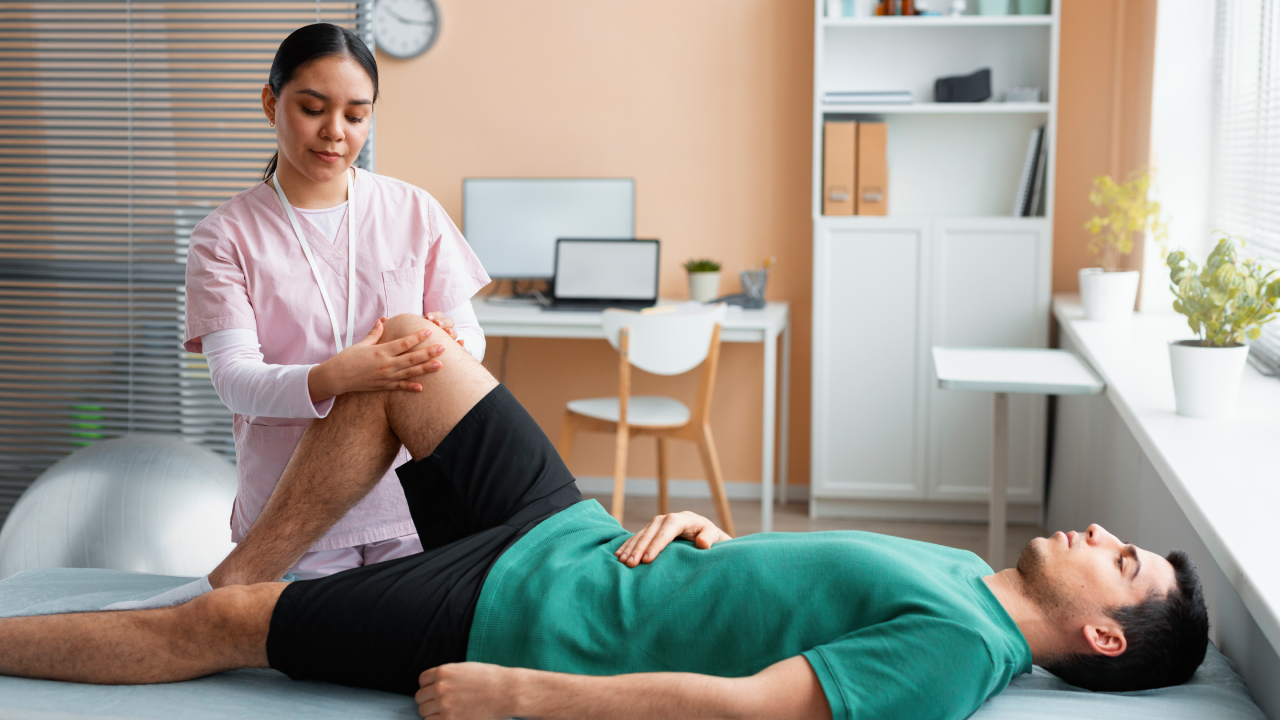
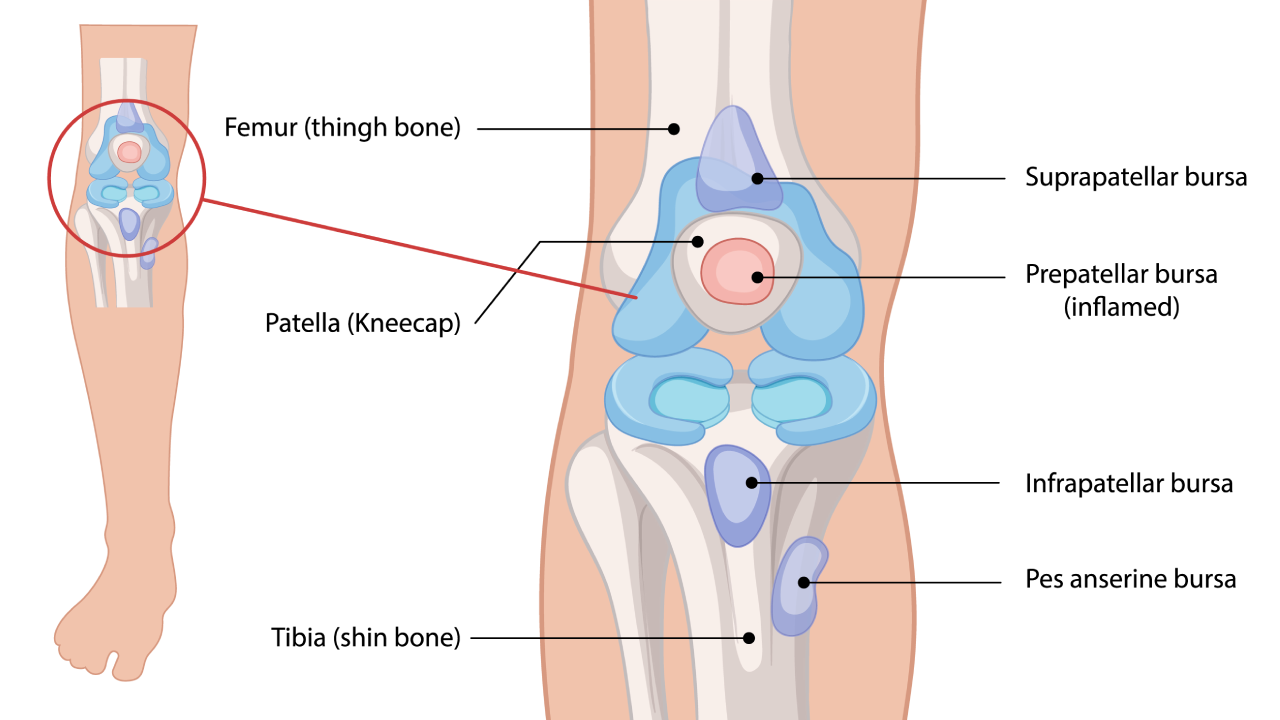
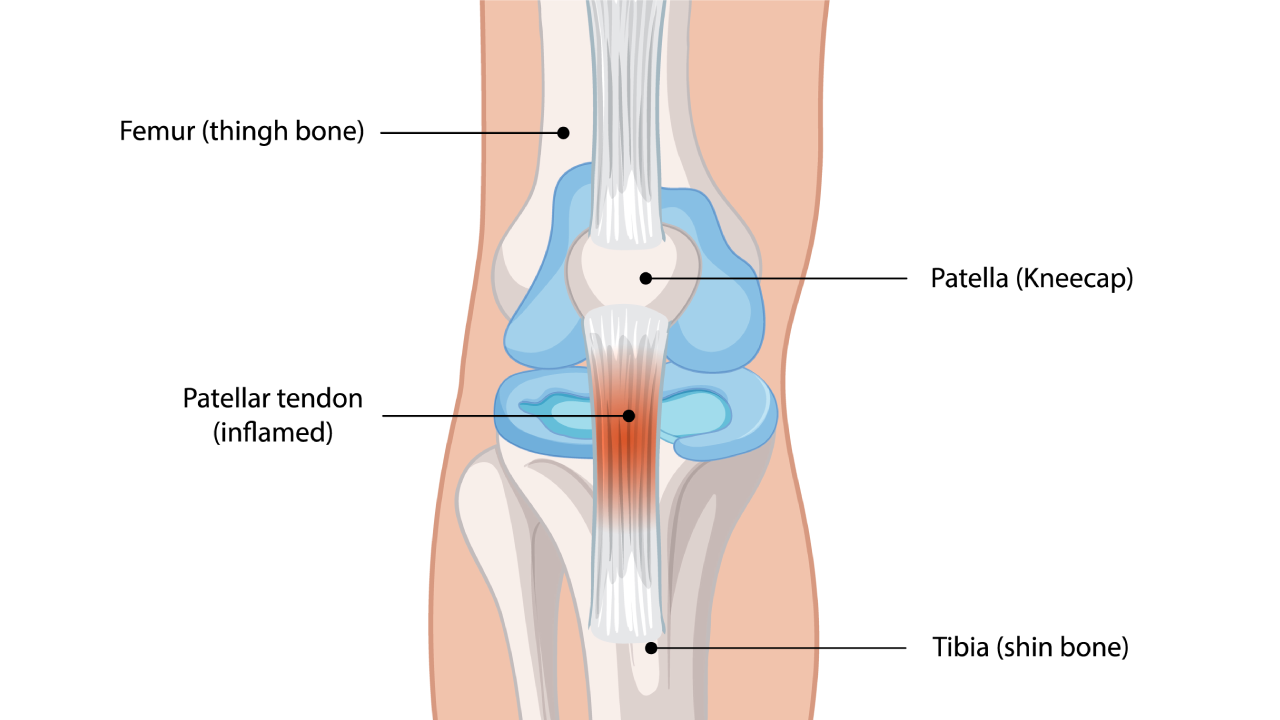
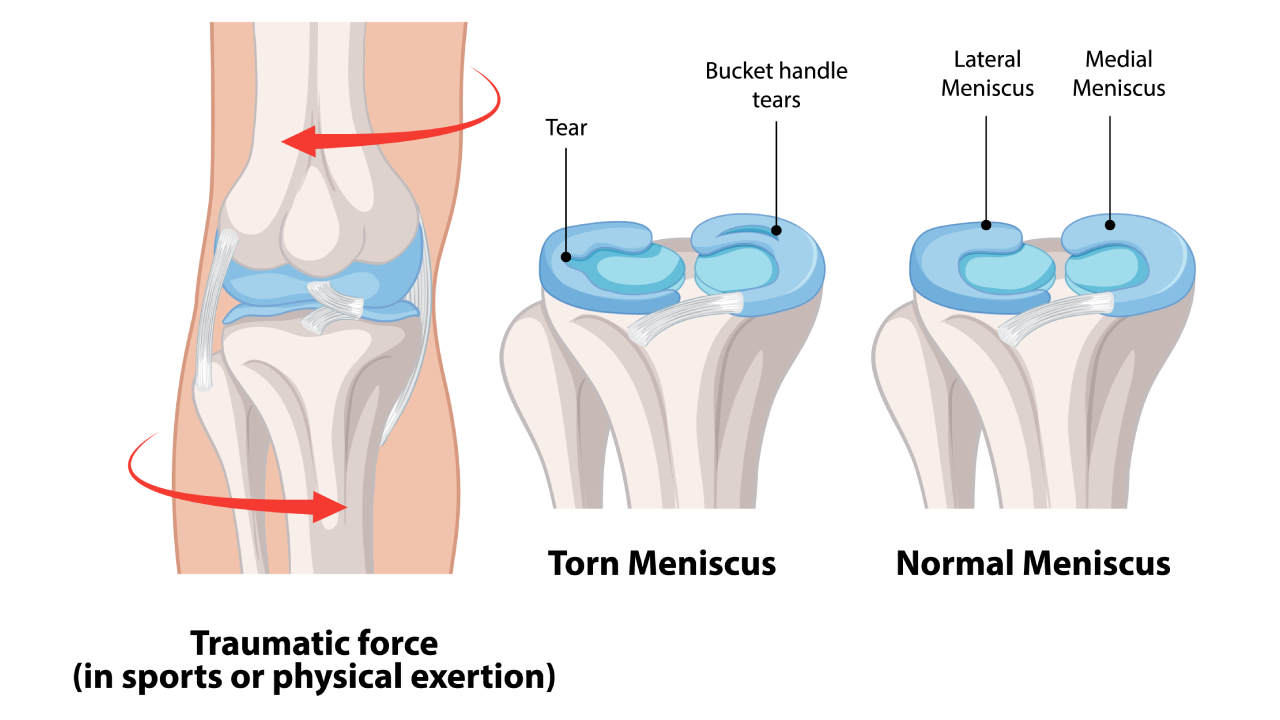
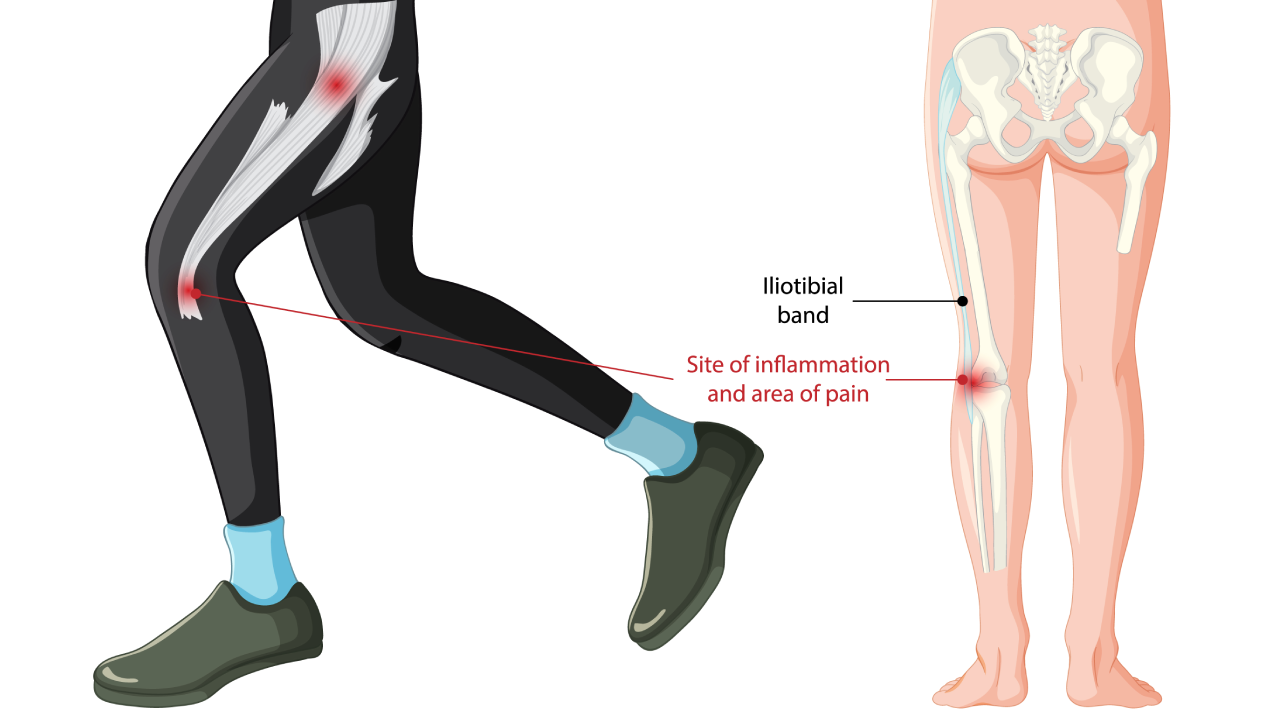
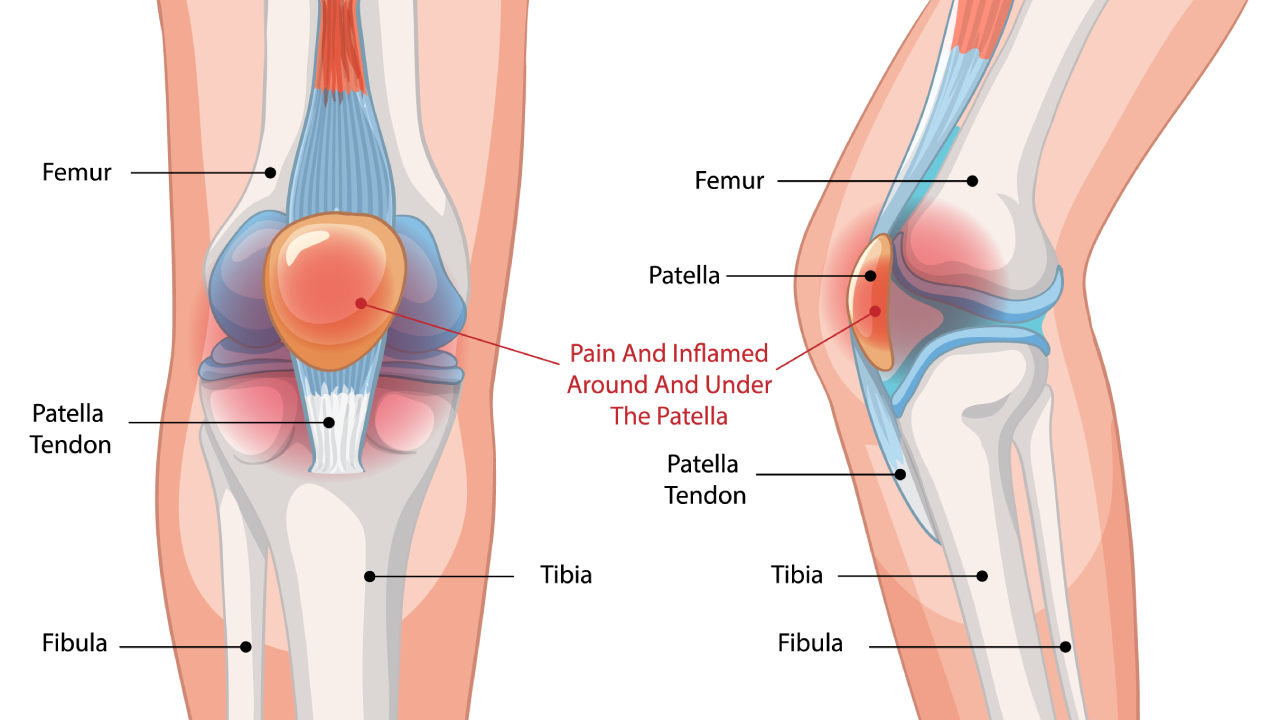
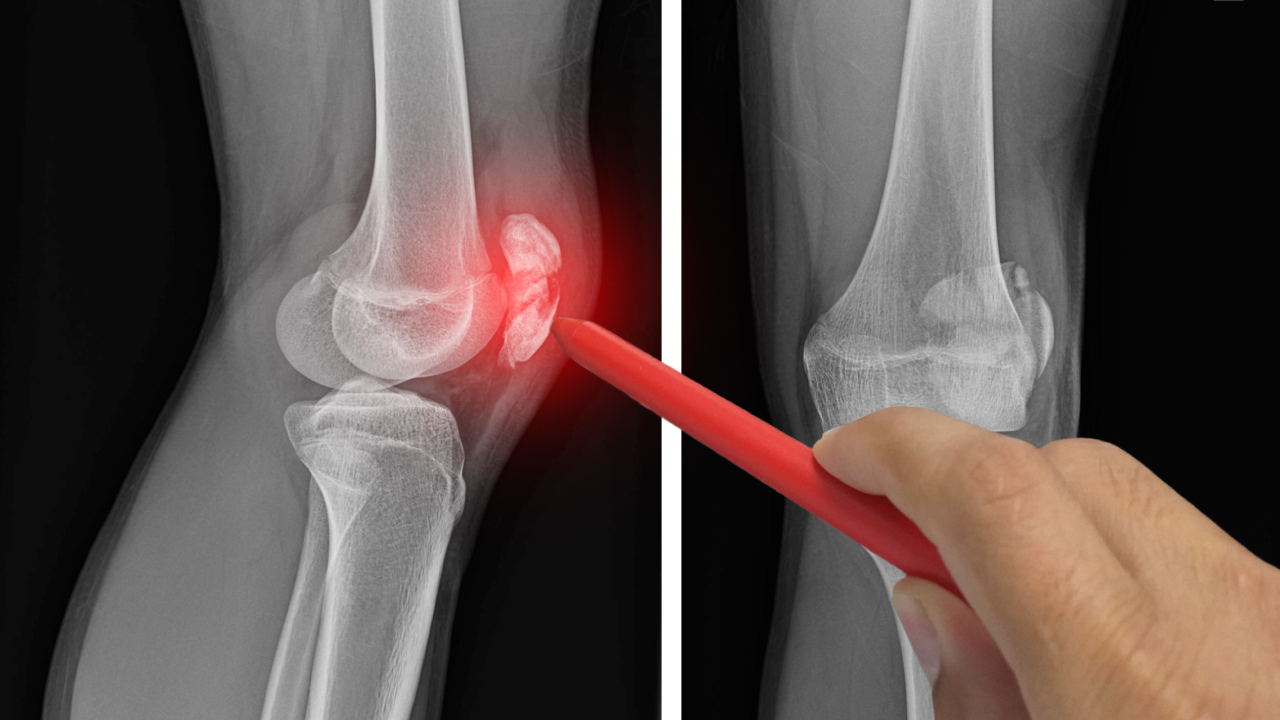
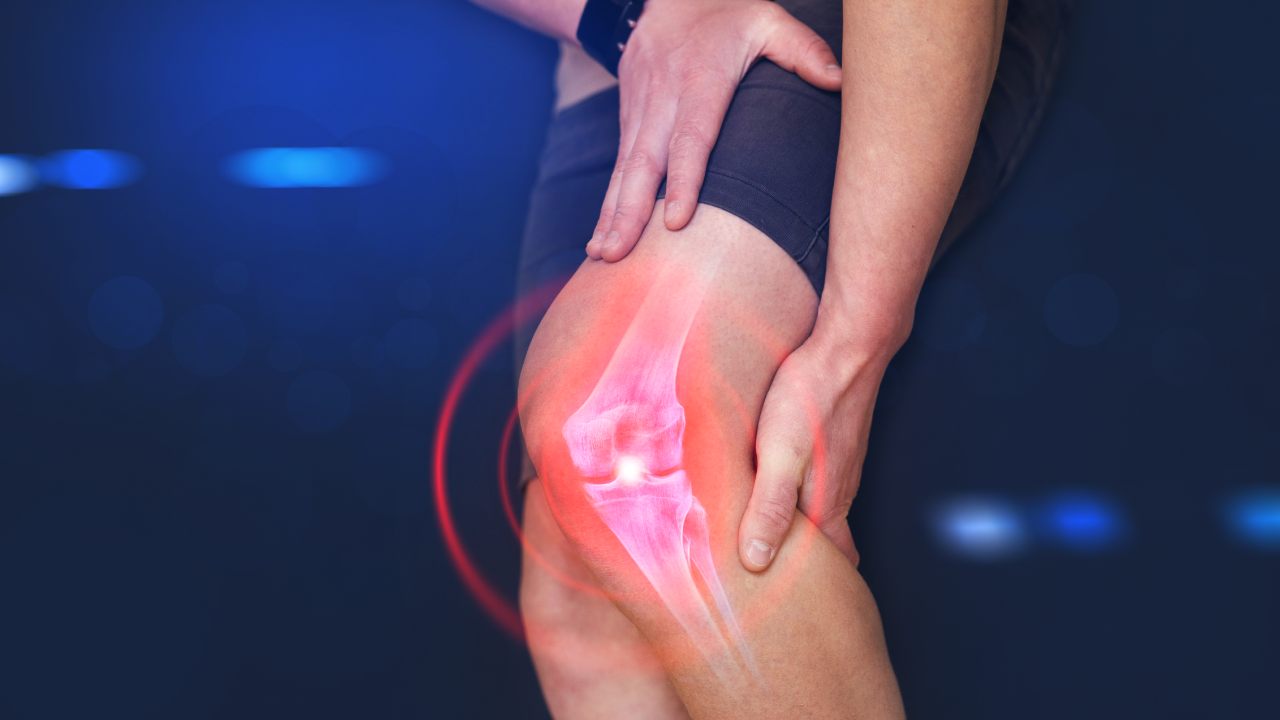
Knee Injuries
The knees may be affected by direct impact against vehicle components or sudden movement during a crash.
Symptoms can include:
- Swelling
- Stiffness
- Reduced movement
- Difficulty walking
- Reduced strength
A physical assessment can help identify movement restrictions and determine whether physiotherapy is appropriate.
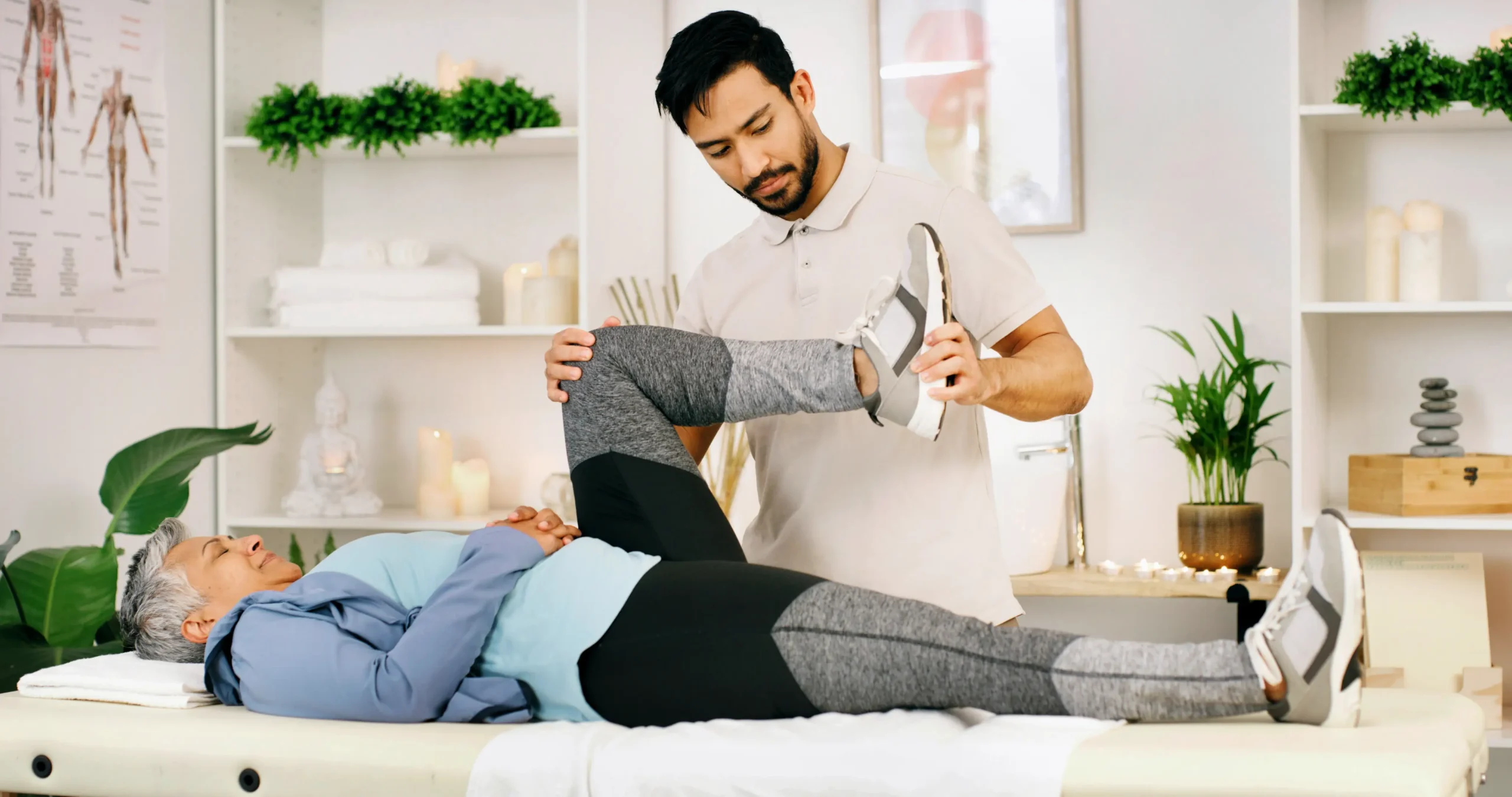
Arm and Leg Injuries
The arms and legs may be affected by direct impact, sudden movement, or protective bracing during an accident. Muscles, joints, tendons, and other tissues can be involved.
Physiotherapy can focus on mobility, strength, coordination, and tolerance for daily tasks.
Problems Physiotherapy Can Address After a Collision
People may seek physiotherapy when accident-related symptoms begin interfering with ordinary activities.
Common concerns include:
- Difficulty turning the head while driving
- Trouble sitting for extended periods
- Discomfort while working at a desk
- Difficulty sleeping comfortably
- Reduced ability to exercise
- Problems lifting or carrying objects
- Stiffness after sitting or resting
- Difficulty walking or climbing stairs
- Restricted range of motion
- Muscle weakness
- Changes in posture or movement
- Difficulty returning to work
- Reduced participation in regular routines
The focus of treatment is to address physical limitations while supporting a gradual return to suitable activities.
What Is Included in Physiotherapy for Motor Vehicle Accident Injuries?
Initial Assessment
Your first appointment may include a discussion about the collision, current symptoms, previous injuries, daily activities, and functional concerns.
Your physiotherapist may assess:
- Range of motion
- Muscle strength
- Joint movement
- Posture
- Balance
- Walking patterns
- Functional movement
- Areas of tenderness or sensitivity
Treatment Planning
Following the assessment, your physiotherapist can explain the findings and discuss suitable treatment options. Your plan may be modified as your symptoms, mobility, and physical function change.
Therapeutic Exercise
Exercises may focus on:
- Mobility
- Strength
- Coordination
- Posture
- Stability
- Functional movement
- Activity tolerance
Exercise selection depends on your current condition and physical capacity.
Manual Therapy
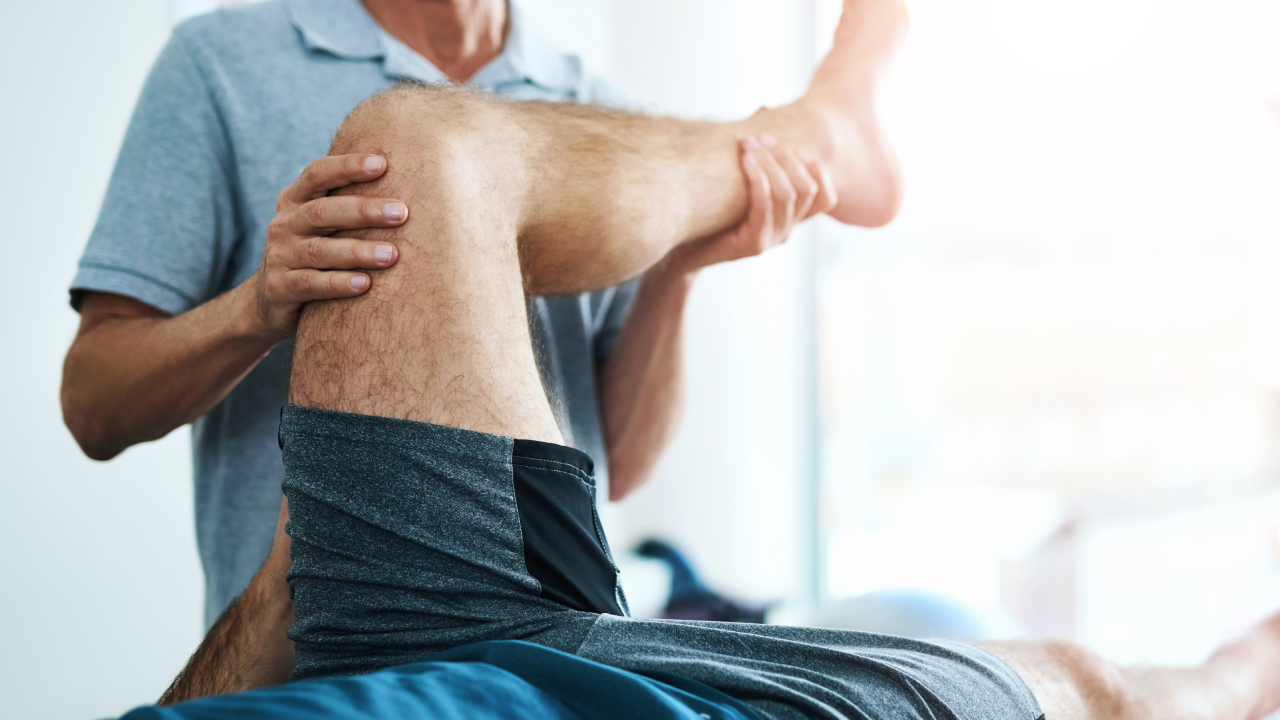
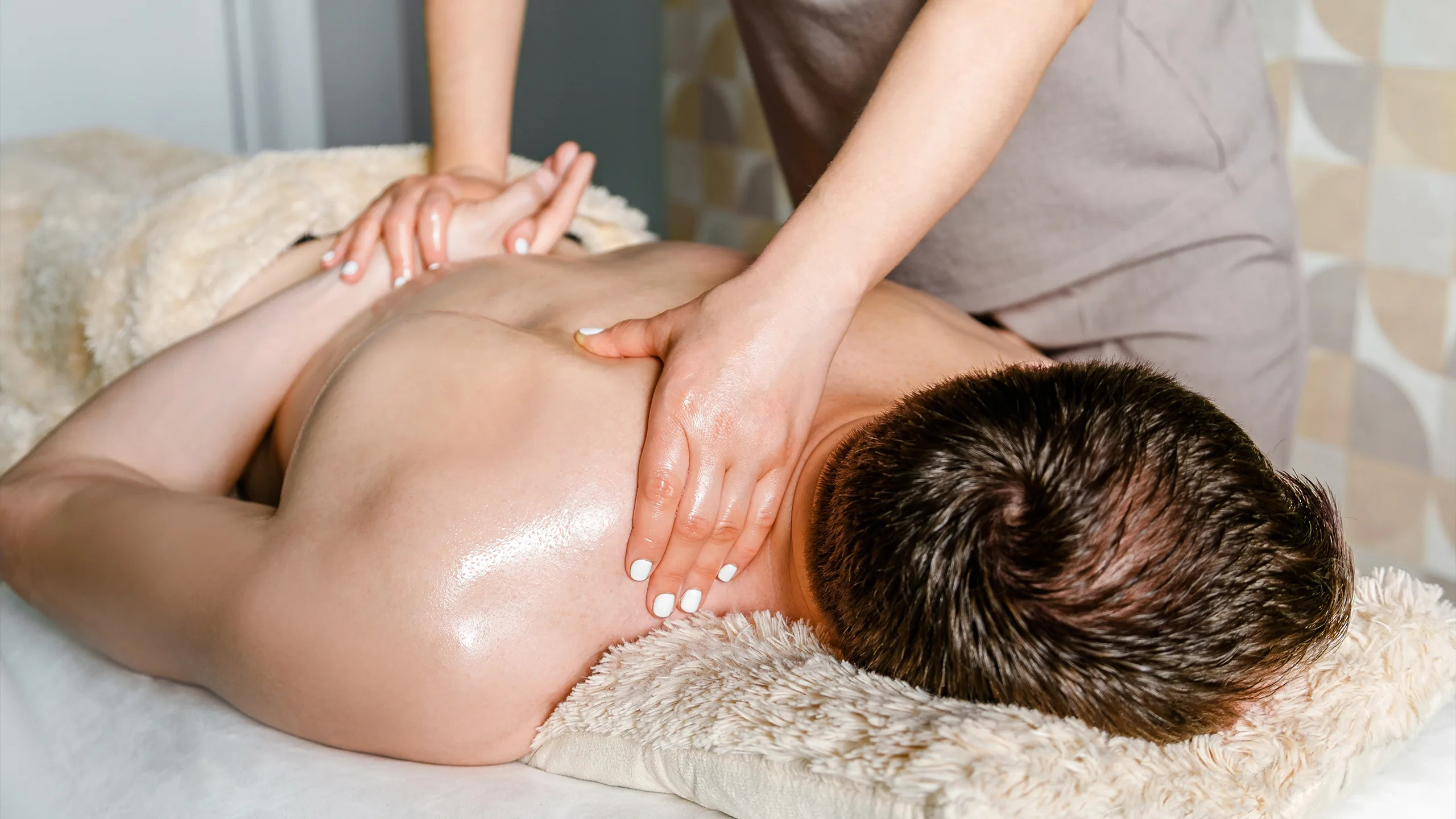
Hands-on techniques may be used when clinically appropriate to address joint or soft-tissue restrictions and support movement.
Movement Education
You may receive information about posture, body positioning, activity levels, exercises, and ways to gradually resume regular activities.
Progress Reviews
Your physical function can be reassessed during treatment to monitor changes in mobility, strength, symptoms, and activity tolerance.
How Physiotherapy After a Motor Vehicle Accident Works
1. Consultation
Contact Spinal Solution and Wellness to discuss your accident, symptoms, and current concerns.
2. Assessment
A physiotherapist reviews your accident history, symptoms, movement, strength, and functional limitations.
3. Treatment Planning
Assessment findings are used to establish a treatment plan based on your current physical needs and daily activities.
4. Treatment
Care may include therapeutic exercise, manual therapy, mobility work, strengthening, posture exercises, and movement education.
5. Progress Review
Your progress is monitored throughout treatment. Exercises and treatment methods may be adjusted according to changes in symptoms and physical function.
6. Activity Progression
As your physical function changes, your physiotherapist can provide additional exercises and activity recommendations to support a gradual return to regular routines.
How Physiotherapy May Support Your Recovery
Physiotherapy following a motor vehicle collision may support practical goals such as
- Improved joint mobility
- Increased muscle strength
- Greater movement tolerance
- Improved posture and body mechanics
- Support with daily activities
- Gradual return to exercise
- Improved physical function
- Greater tolerance for work-related tasks
- Increased confidence with movement
Results vary between individuals. Factors such as the type of injury, severity, general health, activity level, previous injuries, and daily demands can affect progress.
Who We Treat
At Spinal Solution and Wellness, we provide physiotherapy and rehabilitation services for people involved in motor vehicle accidents.
Our clients may include:
- Office workers
- Drivers
- Delivery workers
- Tradespeople
- Healthcare workers
- Retail workers
- Students
- Parents and caregivers
- Athletes
- Seniors
- Self-employed individuals
Our assessment considers how the accident has affected your daily responsibilities. This may include sitting at a desk, driving between appointments, lifting at work, caring for children, walking, or participating in exercise.
Service Areas
Spinal Solution and Wellness serves individuals seeking physiotherapy for Motor Vehicle Accident Injuries in Scarborough, ON.
People from nearby communities may also contact the clinic regarding accident-related physiotherapy, depending on availability and travel distance.
Areas may include:
- Agincourt
- Agincourt South-Malvern West
- Malvern
- Morningside
- West Hill
- Guildwood
- Wexford
- Bendale
- Dorset Park
- Clairlea
- Birch Cliff
- Scarborough Junction
- Port Union
- Don Mills
- East York
- Markham
The clinic is located in Scarborough, making access convenient for people who live or work in the surrounding area.
Why Choose Spinal Solution and Wellness?
Following a motor vehicle collision, finding a clinic that can assess your physical concerns and explain the next steps can make the process easier to navigate.
At Spinal Solution and Wellness, our physiotherapy care includes:
- One-on-one assessment
- Review of your accident history
- Physical movement assessment
- Exercise-based rehabilitation
- Manual therapy where appropriate
- Progress monitoring
- Education about movement and activity
- Discussion of functional goals
Our focus is on addressing physical limitations associated with your accident and supporting a gradual return to suitable daily activities.
Related Services
Depending on your condition, related physiotherapy services may include:
- Physiotherapy
- Sports injury rehabilitation
- Orthopaedic physiotherapy
- Manual therapy
- Therapeutic exercise
- Back rehabilitation
- Neck rehabilitation
- Shoulder rehabilitation
- Postural assessment
- Strength and mobility training
Your physiotherapist can discuss which services may be suitable after assessing your condition.
Frequently Asked Questions
What are common injuries after a car accident?
Common injuries include whiplash, neck stiffness, back symptoms, shoulder injuries, muscle strains, joint sprains, headaches, reduced mobility, and other soft-tissue problems.
Can symptoms appear days after a collision?
Yes. Some symptoms may develop later rather than immediately after an accident. New or worsening symptoms should be assessed by an appropriate healthcare professional.
How soon should I see a physiotherapist after an accident?
Timing depends on your symptoms and the nature of the injury. A healthcare assessment can help determine which type of care may be appropriate following a collision.
Do I need a referral?
Referral requirements can vary based on your circumstances and insurance arrangement. Contact Spinal Solution and Wellness to discuss your situation before scheduling an appointment.
Can physiotherapy help with whiplash?
Physiotherapy may be part of care for whiplash. Treatment can include movement assessment, therapeutic exercise, mobility work, and other approaches based on your condition.
What should I bring to my appointment?
If available, bring accident or insurance information, relevant medical reports, details about your current symptoms, and information about any care you have already received.
How long does physiotherapy treatment take?
Treatment duration varies according to the injury, symptoms, functional limitations, progress, and recommendations from your healthcare providers.
Can I return to work while receiving physiotherapy?
Some people continue working during treatment, while others may require temporary changes to their duties. Activity restrictions should be discussed with your healthcare team.
What if I have severe symptoms after an accident?
Severe symptoms such as loss of consciousness, significant weakness, difficulty breathing, chest pain, severe headache, major bleeding, or other urgent concerns require immediate medical attention rather than waiting for a routine physiotherapy appointment.
Get Started
A motor vehicle collision can affect driving, work, exercise, sleep, and everyday movement. Symptoms may also change over time, making it useful to have your physical function assessed.
If you are searching for Motor Vehicle Accident Injuries in Scarborough, ON, Spinal Solution and Wellness can assess your physical concerns and discuss appropriate physiotherapy care.
Phone: +1 416-307-1076
Address: 5995 Steeles Ave E, Scarborough, ON M1V 5P6, Canada6
Contact Spinal Solution and Wellness in Scarborough, ON, to schedule an assessment and discuss your next steps following a motor vehicle accident.