
Rotator Cuff Tendinitis in Scarborough, ON
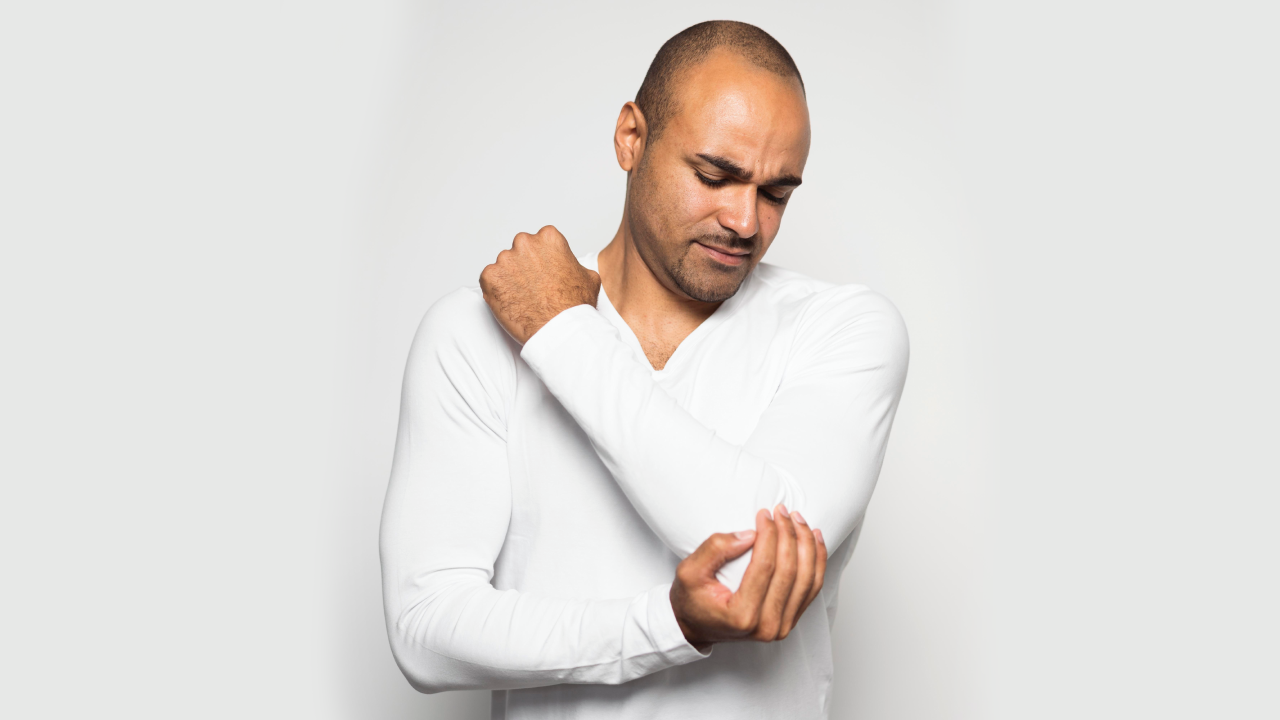
Shoulder discomfort can interfere with simple activities such as reaching for a shelf, carrying groceries, putting on a coat, exercising, or sleeping on one side. Rotator Cuff Tendinitis in Scarborough, ON, refers to irritation affecting one or more tendons connected to the muscles surrounding the shoulder joint.
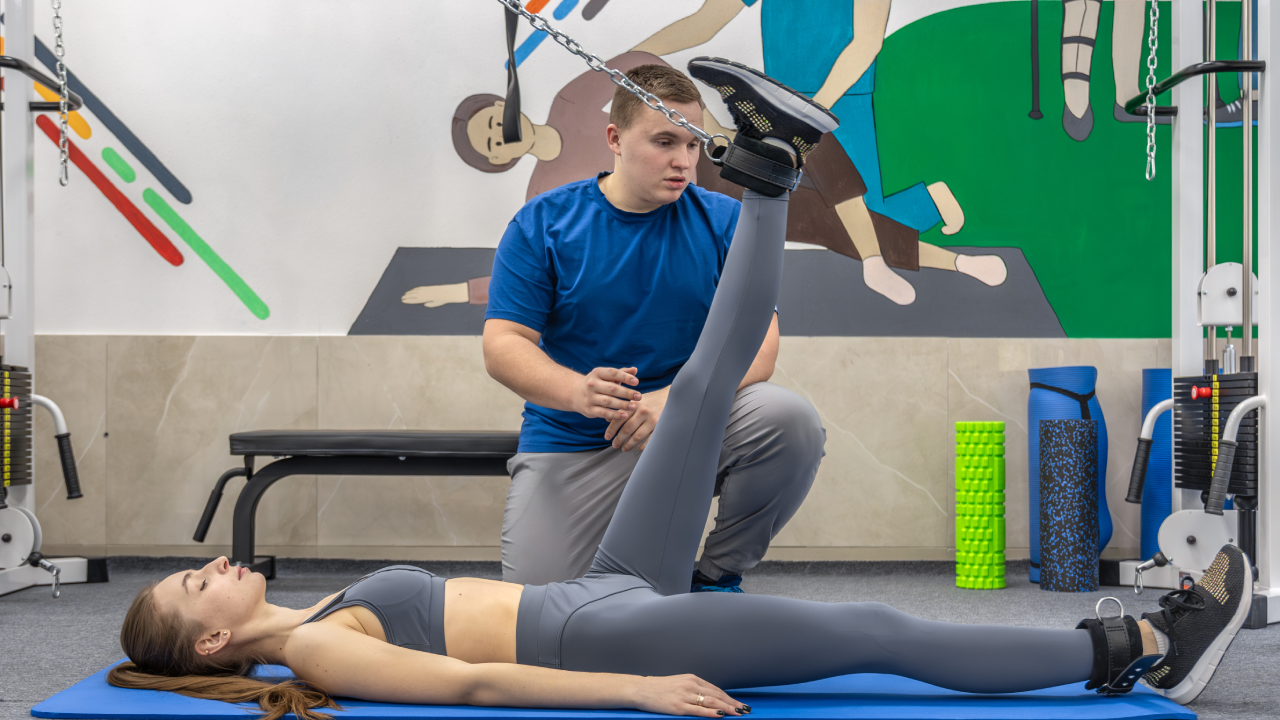
At Spinal Solution and wellness, physiotherapy may help address restricted shoulder movement, reduced strength, altered movement patterns, and difficulties with everyday activities. Care may be suitable for people whose shoulder symptoms developed following repetitive movements, sports, work activities, lifting, or gradual changes in shoulder function.
What Is Rotator Cuff Tendinitis?
The rotator cuff consists of four muscles and their tendons that help stabilize the shoulder and control arm movement. These structures are active when you raise your arm, rotate the shoulder, reach behind your back, lift objects, or perform activities requiring controlled arm movement.
Rotator Cuff Tendinitis in Scarborough, ON, occurs when a rotator cuff tendon becomes irritated. This may happen after repeated shoulder use, increased physical activity, sports participation, occupational demands, or an activity that places greater stress on the shoulder than usual.
The shoulder is capable of moving through a wide range of directions. This mobility depends on coordinated movement between the shoulder joint, shoulder blade, upper arm, neck, and upper back.
Symptoms can range from mild discomfort to more noticeable pain, stiffness, weakness, or restricted movement. Some people mainly notice symptoms during activity, while others may experience discomfort when resting or lying on the affected side.
Common Symptoms of Rotator Cuff Tendinitis
Rotator cuff tendon irritation may be associated with:
- Discomfort around the front or outer part of the shoulder
- Pain when lifting the arm
- Discomfort during overhead movements
- Difficulty reaching behind the back
- Shoulder stiffness
- Reduced arm or shoulder strength
- Difficulty putting on or removing clothing
- Discomfort when sleeping on the affected side
- Pain while lifting or carrying objects
- Clicking, catching, or unusual sensations during movement
- Reduced tolerance for repetitive shoulder activities
Symptoms may become more noticeable with repeated use of the arm. Swimming, throwing sports, painting, construction work, weight training, cleaning, and overhead lifting can place repeated demands on the rotator cuff.
Rotator Cuff Tendinitis vs. Rotator Cuff Tear
Rotator cuff tendinitis and rotator cuff tears are different conditions.
Tendinitis generally refers to irritation involving a tendon, while a tear involves partial or complete disruption of tendon fibres. Both conditions can cause discomfort, weakness, and difficulty moving the arm.
A physical assessment can help determine the factors contributing to your symptoms and whether further medical investigation may be appropriate.
Prompt medical assessment may be appropriate following significant trauma, sudden weakness, a noticeable loss of shoulder function, or other concerning symptoms.
Who May Benefit from Physiotherapy for Rotator Cuff Tendinitis?
Physiotherapy may be considered by people experiencing shoulder symptoms associated with repetitive use, sports, physical work, lifting, or changes in shoulder movement.
Athletes
Sports involving frequent arm movement can repeatedly load the shoulder. Examples include:
- Baseball
- Tennis
- Volleyball
- Swimming
- Badminton
- Golf
- Weightlifting
- Racquet sports
Physiotherapy may include mobility exercises, strengthening, movement-control drills, and gradual preparation for sport-related activities.
Active Adults
Gym sessions, recreational sports, gardening, home improvement projects, and other physical activities can increase the workload placed on the shoulder.
When shoulder symptoms begin limiting these activities, an assessment may help identify movement restrictions, strength deficits, or activity patterns that may be contributing to the problem.
Workers With Repetitive Shoulder Demands
Certain jobs involve frequent reaching, lifting, carrying, pushing, pulling, or overhead work.
Construction workers, painters, warehouse employees, tradespeople, cleaners, maintenance workers, and other physically active workers may experience increased shoulder demands during their workday.
Physiotherapy may include strategies for managing work-related movements and gradually increasing tolerance for physical tasks.
Older Adults
Changes in tendon structure and repeated loading over time can contribute to shoulder tendon problems.
Physiotherapy may focus on maintaining shoulder movement, building strength, and supporting the physical demands associated with household tasks, recreation, and everyday activities.
Problems Associated with Rotator Cuff Tendinitis in Scarborough, ON
People may seek physiotherapy when shoulder symptoms begin interfering with their normal routines.
Rotator cuff tendinitis may make it difficult to:
- Reach items stored on high shelves
- Wash or brush your hair.
- Put on a jacket or coat
- Fasten clothing
- Reach behind your back
- Carry groceries
- Lift household objects
- Complete household chores
- Perform overhead work
- Participate in sports
- Exercise comfortably
- Sleep on the affected side
Shoulder discomfort may also lead someone to use the affected arm less often. Reduced activity can contribute to stiffness, weakness, and decreased tolerance for physical tasks.
Physiotherapy for Rotator Cuff Tendinitis
At Spinal Solution and wellness, physiotherapy for rotator cuff symptoms may involve several components based on the findings from your assessment.
Shoulder Assessment
The initial appointment may include a discussion about your symptoms, daily activities, work requirements, sports participation, previous injuries, and factors that increase or decrease your symptoms.
A physiotherapist may examine:
- Shoulder range of motion
- Muscle strength
- Joint movement
- Shoulder control
- Posture
- Movement patterns
- Shoulder blade mechanics
- Functional activities
- Symptoms during specific movements
These findings can help identify areas that may require attention during physiotherapy.
Mobility Exercises
Restricted shoulder movement may affect reaching, dressing, lifting, grooming, and other everyday activities.
Exercises may address:
- Shoulder rotation
- Arm elevation
- Chest mobility
- Upper-back mobility
- Shoulder blade movement
- General upper-limb mobility
Exercise selection can be adjusted according to your current movement ability and symptoms.
Rotator Cuff Strengthening
The rotator cuff contributes to shoulder stability and controlled arm movement. Strengthening exercises may be introduced progressively according to your physical capacity and symptom response.
Exercises may involve:
- External rotation
- Internal rotation
- Arm elevation
- Shoulder blade control
- Upper-back strengthening
- Functional lifting movements
Resistance, repetitions, and exercise difficulty can be adjusted as your shoulder tolerance changes.
Movement Retraining
The shoulder blade, upper arm, neck, and upper back work together during many arm movements.
Physiotherapy may include controlled movement drills that help you practise coordinated shoulder mechanics during daily activities, exercise, work tasks, or sports.
Activity Modification
Complete rest is not always necessary. In some situations, modifying the way an activity is performed may be more suitable.
This may involve:
- Reducing repetitive overhead movements
- Adjusting lifting loads
- Taking regular movement breaks
- Modifying exercise volume
- Changing work positions
- Reducing repetitive shoulder loading
- Gradually increasing sports activity
The aim is to manage shoulder loading while maintaining appropriate physical activity.
Home Exercise Program
A home exercise routine may complement in-clinic physiotherapy sessions.
Exercises may address shoulder mobility, strength, posture, shoulder blade control, coordination, or functional movement.
Following the recommended routine can help maintain exercise practice between appointments.
How Physiotherapy for Rotator Cuff Tendinitis Works
1. Initial Consultation
Your first appointment begins with a discussion about your shoulder symptoms. You can explain when they started, which movements aggravate them, and how they affect sleep, work, exercise, sports, or household activities.
2. Physical Assessment
The physiotherapist examines shoulder movement, strength, mobility, coordination, and functional tasks. The neck, upper back, and shoulder blade may also be assessed when relevant.
3. Treatment Planning
The findings from the assessment are used to establish a treatment plan based on your current symptoms, physical abilities, and activity requirements.
4. Physiotherapy Treatment
Treatment may include:
- Therapeutic exercises
- Mobility exercises
- Rotator cuff strengthening
- Shoulder blade exercises
- Movement retraining
- Manual therapy
- Activity modification
- Functional exercises
- Home exercises
The techniques selected depend on your assessment findings and response during treatment.
5. Progress Reviews
Your shoulder movement, strength, symptoms, and activity tolerance can be reviewed during follow-up appointments. Exercises may be changed as your physical capacity develops.
6. Activity Progression
As your shoulder tolerates more activity, physiotherapy may shift toward endurance, work movements, sports activities, lifting, and other physical demands relevant to your routine.
Potential Benefits of Physiotherapy for Rotator Cuff Tendinitis
Physiotherapy may support several practical goals when managing rotator cuff symptoms.
Improved Shoulder Mobility
Mobility exercises may help address movement restrictions that interfere with reaching, dressing, lifting, grooming, and other daily activities.
Increased Shoulder Strength
Progressive strengthening can help build the physical capacity required for household activities, employment, exercise, and recreation.
Improved Movement Control
Movement exercises provide opportunities to practice controlled shoulder and shoulder blade mechanics.
Increased Activity Tolerance
Gradual progression of exercise and physical activity can help the shoulder adapt to increasing demands.
Support With Workplace Tasks
For people whose symptoms are associated with work, physiotherapy may address lifting, reaching, positioning, repetitive movements, and other job-related activities.
Return to Recreational Activities
Athletes and active adults may benefit from progressive exercises that prepare the shoulder for movements used in their chosen sport or activity.
Conditions That May Occur Alongside Rotator Cuff Tendinitis
Shoulder symptoms can have several possible causes. Rotator cuff tendon irritation may occur alongside other shoulder conditions, including:
- Subacromial pain
- Impingement-related symptoms
- Rotator cuff tendinopathy
- Bursitis
- Shoulder stiffness
- Rotator cuff tears
- Shoulder instability
- Osteoarthritis
- Post-injury shoulder dysfunction
Because several shoulder conditions can produce similar symptoms, an assessment can help determine which factors may be contributing to your symptoms.
Service Areas
Spinal Solution and wellness serve individuals seeking physiotherapy for shoulder concerns and other musculoskeletal conditions in Scarborough, ON, and nearby communities.
Service areas include:
- Agincourt
- Agincourt South-Malvern West
- Malvern
- Morningside
- West Hill
- Guildwood
- Wexford
- Bendale
- Dorset Park
- Clairlea
- Birch Cliff
- Scarborough Junction
- Port Union
- Don Mills
- East York
- Markham
Frequently Asked Questions
What can cause rotator cuff tendinitis?
Rotator cuff tendinitis may develop from repetitive shoulder use, overhead activities, sports, lifting, physical work, or gradual changes in tendon structure. A sudden increase in activity can also increase the load placed on the tendon.
What does physiotherapy for rotator cuff tendinitis include?
Physiotherapy may include a physical assessment, mobility exercises, strengthening, movement-control exercises, manual therapy, activity modification, functional exercises, and a home exercise routine.
How long can rotator cuff tendinitis symptoms last?
The timeframe varies between individuals. Factors such as symptom duration, physical activity, shoulder strength, mobility, tendon irritation, work requirements, and exercise participation can influence how symptoms change over time.
Can I exercise with rotator cuff tendinitis?
Often, some physical activity can continue with suitable modifications. Movements that significantly increase symptoms may need to be reduced or changed temporarily. A physiotherapist can assess your current tolerance and discuss appropriate exercise levels.
Can rotator cuff tendinitis affect sleep?
Yes. Symptoms may become more noticeable when lying on the affected shoulder. Some people may also experience discomfort when changing position or moving the arm during sleep.
Can physiotherapy help with shoulder weakness?
Physiotherapy can include progressive exercises for the rotator cuff, shoulder blade muscles, upper back, and surrounding areas. Exercise difficulty can be adjusted according to your current strength and tolerance.
Is imaging required for rotator cuff tendinitis?
Imaging is not required in every case. A healthcare professional can determine whether imaging or referral is appropriate based on your symptoms, injury history, physical assessment, and clinical findings.
When should I seek medical assessment?
Medical assessment is recommended following significant trauma, sudden loss of shoulder function, substantial weakness, visible deformity, or symptoms accompanied by other concerning signs. Persistent symptoms that interfere with normal activities should also be assessed.
Can rotator cuff tendinitis return?
Symptoms can return when shoulder loading increases faster than the tendon can adapt. Maintaining appropriate strength, mobility, and gradual activity progression may help manage future shoulder demands.
How often will I need physiotherapy?
Appointment frequency varies according to symptom severity, symptom duration, activity requirements, treatment goals, and your response to physiotherapy. Your physiotherapist can discuss an appropriate schedule following your initial assessment.
Why Choose Spinal Solution and wellness?
Spinal Solution and wellness provide physiotherapy and rehabilitation services for musculoskeletal concerns in Scarborough, ON.
For rotator cuff symptoms, physiotherapy may focus on:
- Physical assessment
- Shoulder mobility
- Rotator cuff strength
- Shoulder blade control
- Functional movement
- Exercise progression
- Activity modification
- Home exercises
- Monitoring changes over time
The clinic can also assess whether your symptoms may require referral to another healthcare professional or additional investigation.
Each shoulder complaint can present differently. Assessment findings can help identify movement restrictions, strength concerns, activity-related factors, and other issues that may be associated with your symptoms.
Related Services
People experiencing shoulder concerns may also require physiotherapy for other musculoskeletal issues.
Related services may include:
- Shoulder physiotherapy
- Sports physiotherapy
- Manual therapy
- Exercise therapy
- Post-injury rehabilitation
- Work injury rehabilitation
- Neck physiotherapy
If you are unsure which service may suit your symptoms, discuss your concerns with the clinic when arranging an appointment.
Get Started
If shoulder symptoms are affecting your work, exercise, sleep, sports participation, or everyday activities, Rotator Cuff Tendinitis in Scarborough, ON, can be assessed through physiotherapy at Spinal Solution and wellness.
Your first appointment can include an assessment of your shoulder movement, strength, mobility, symptoms, and daily activity demands. Following the assessment, your physiotherapist can explain the findings and discuss suitable treatment options.
Address: 5995 Steeles Ave E, Scarborough, ON M1V 5P6, Canada
Phone: +1 416-307-1076
Contact Spinal Solution and wellness in Scarborough, ON, to arrange a physiotherapy assessment for rotator cuff symptoms.