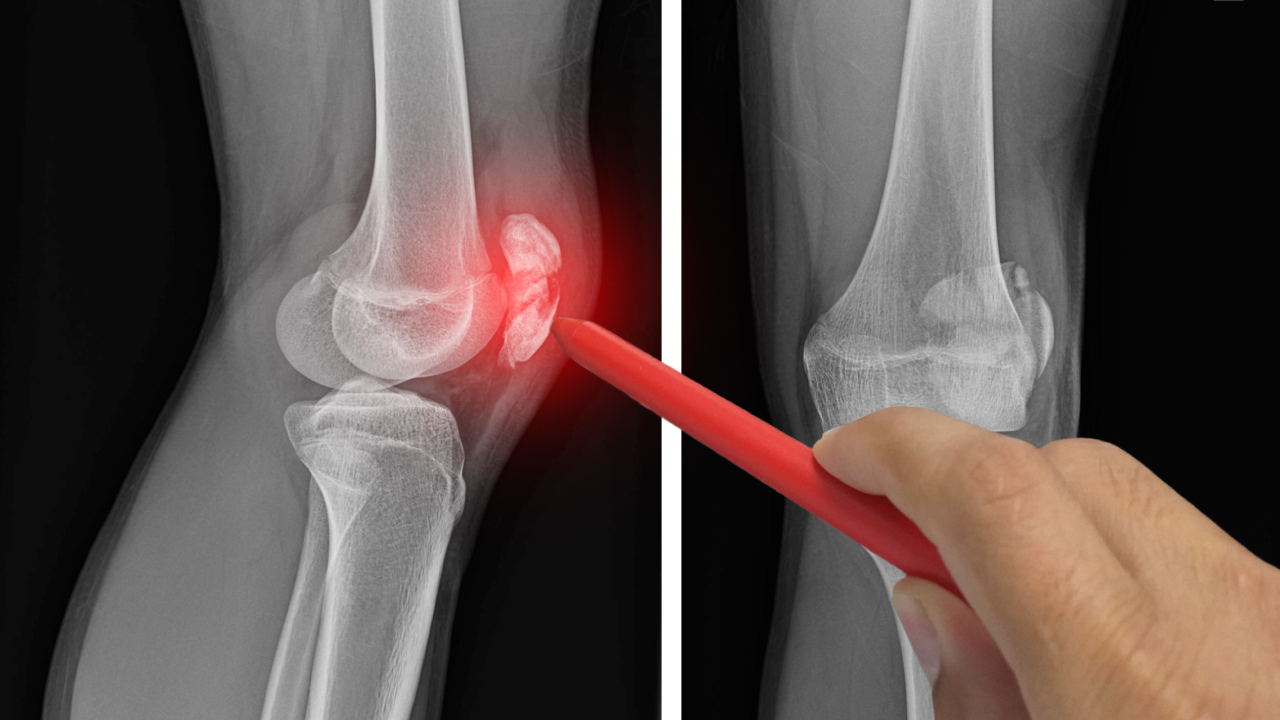
Runner’s Knee in Scarborough, ON
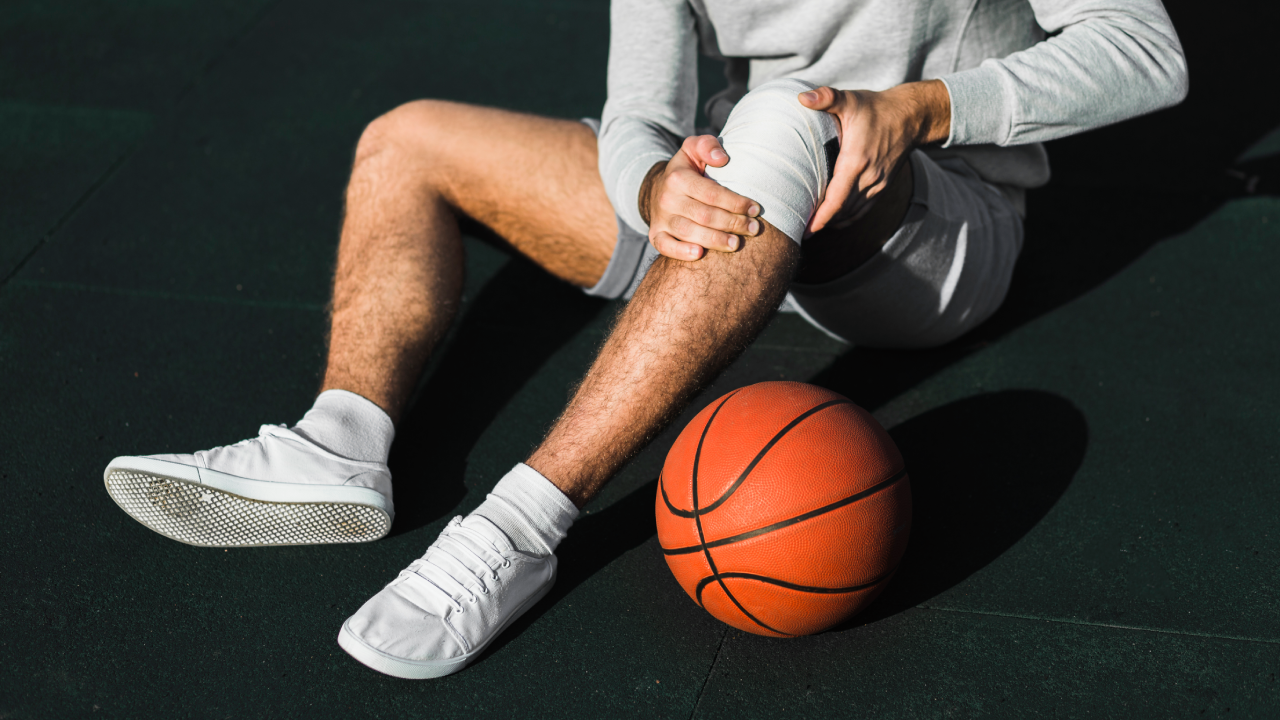
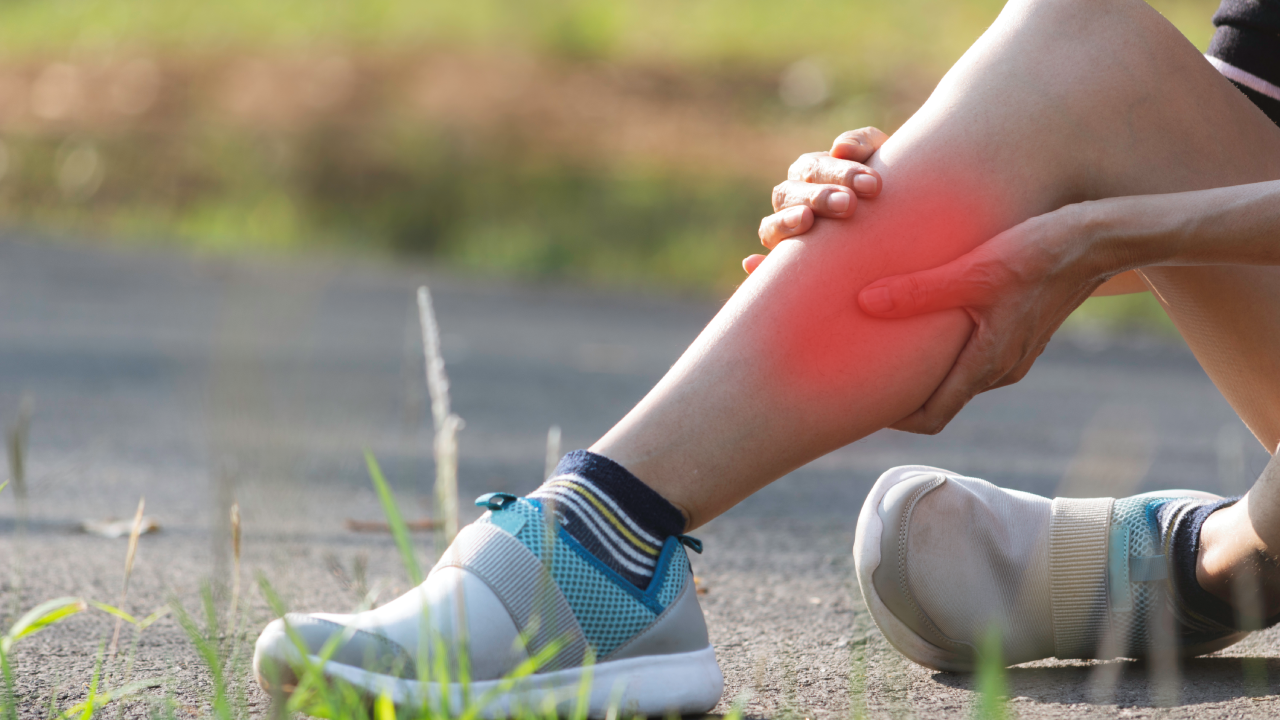
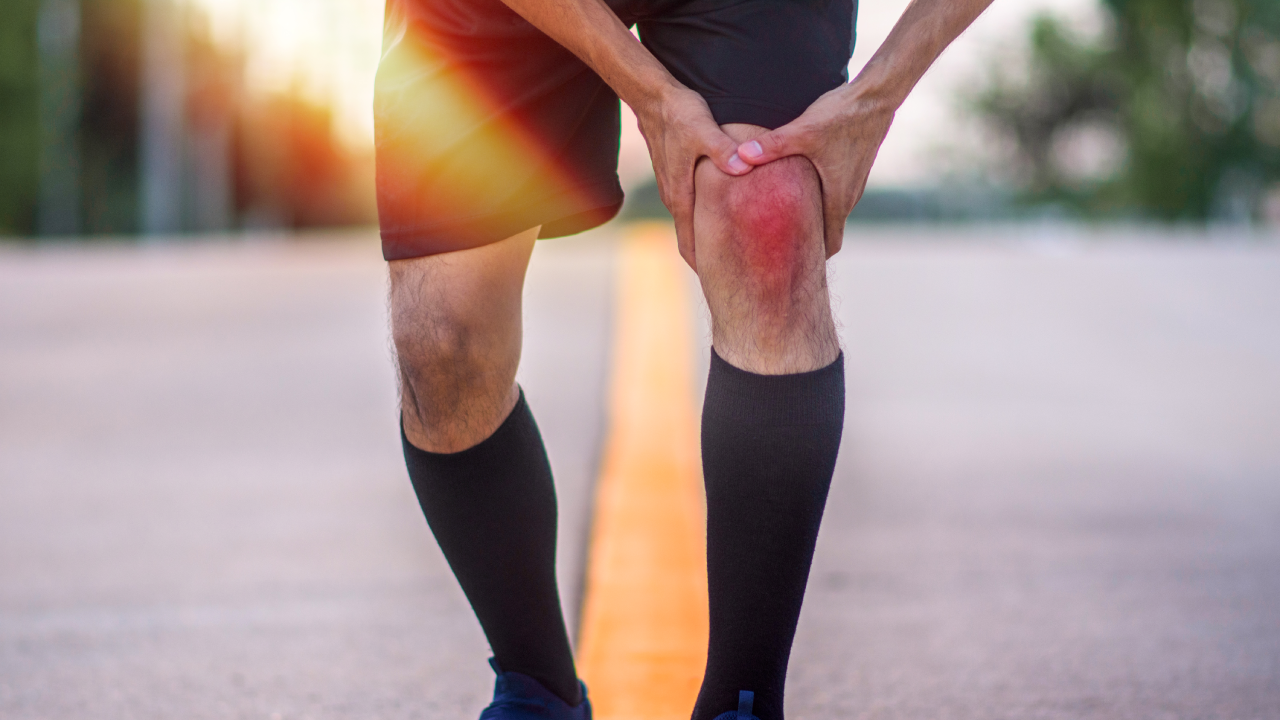
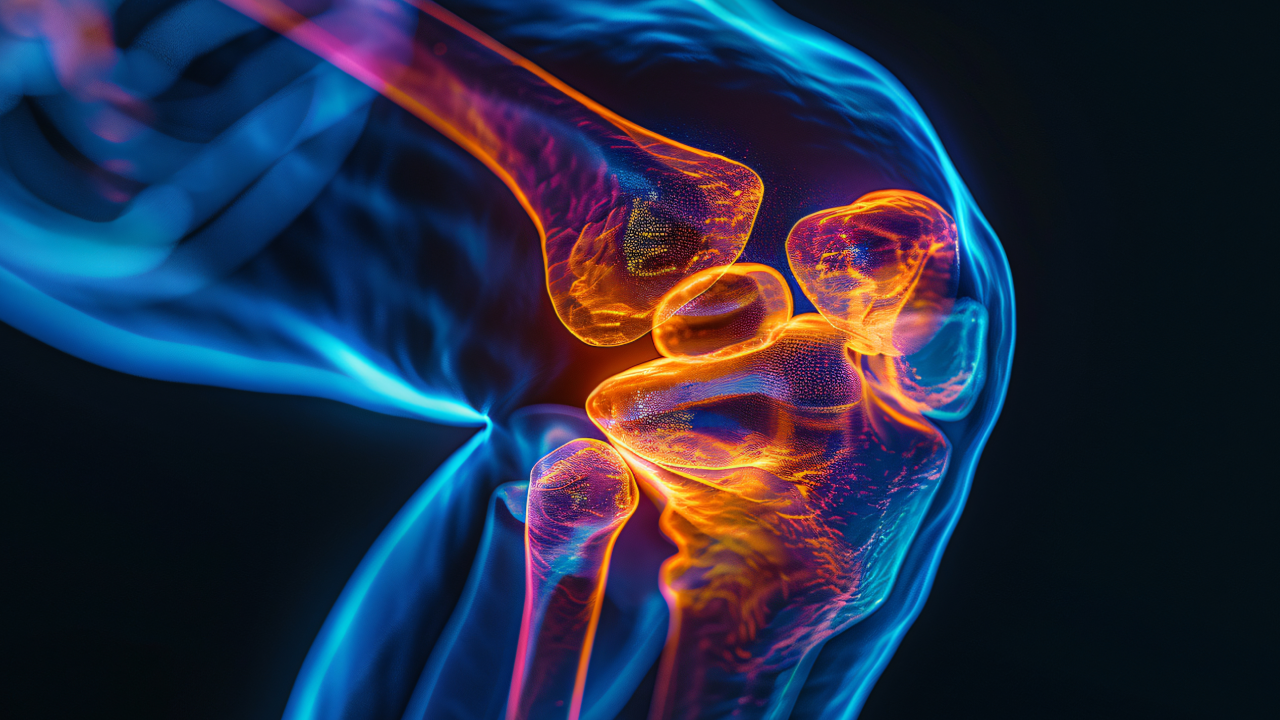
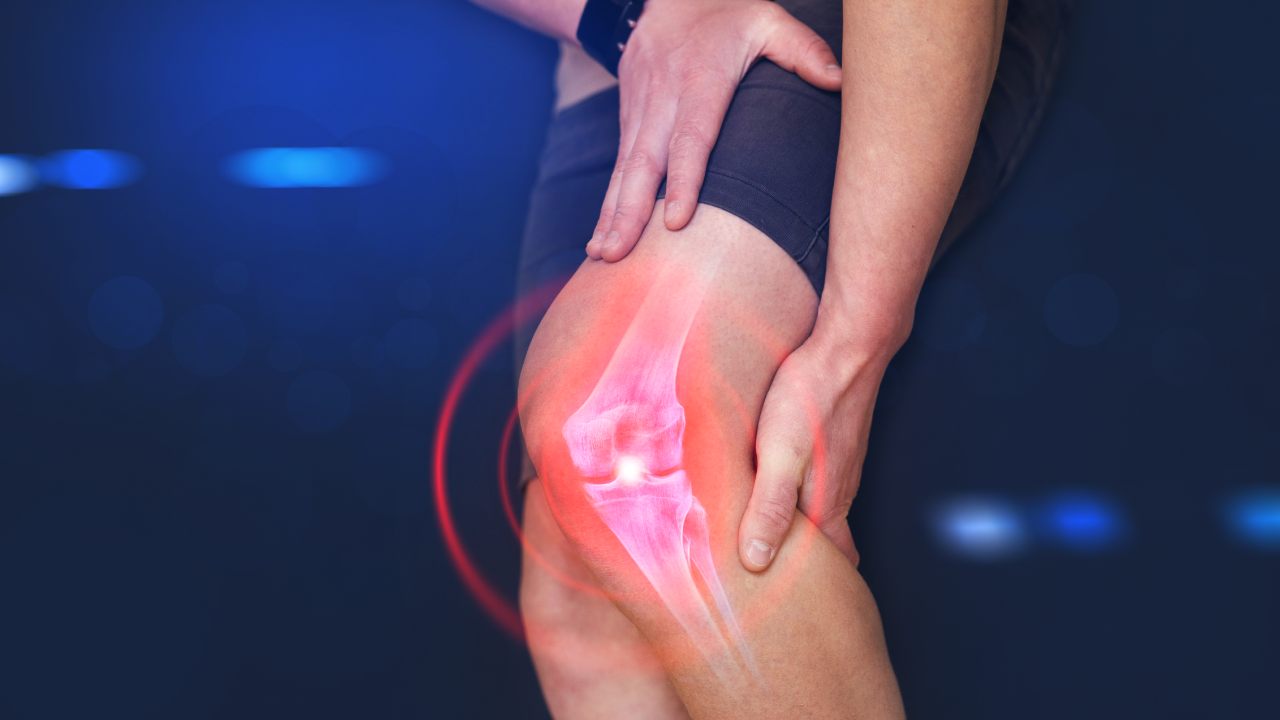
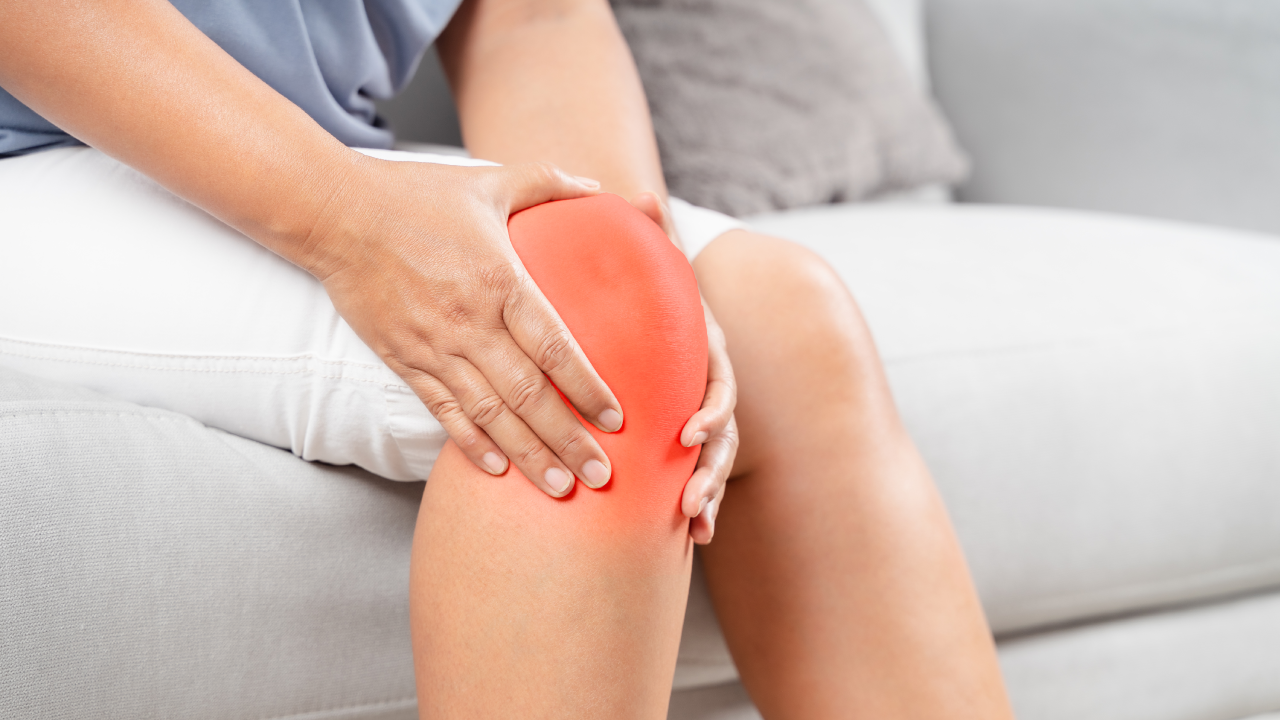
“Runner’s knee” is a common term for discomfort around or behind the kneecap. It may become noticeable while running, walking, climbing stairs, squatting, jumping, cycling, or performing other activities that repeatedly load the knee. At Spinal Solution and Wellness, we work with people seeking care for Runner’s Knee in Scarborough, ON, and surrounding communities.
Knee symptoms can develop gradually or appear after changes in running distance, pace, terrain, footwear, training frequency, or general activity. Because contributing factors can differ from person to person, an assessment can help identify movement patterns, strength concerns, mobility limitations, and activity-related factors associated with your symptoms.
What Is Runner’s Knee?
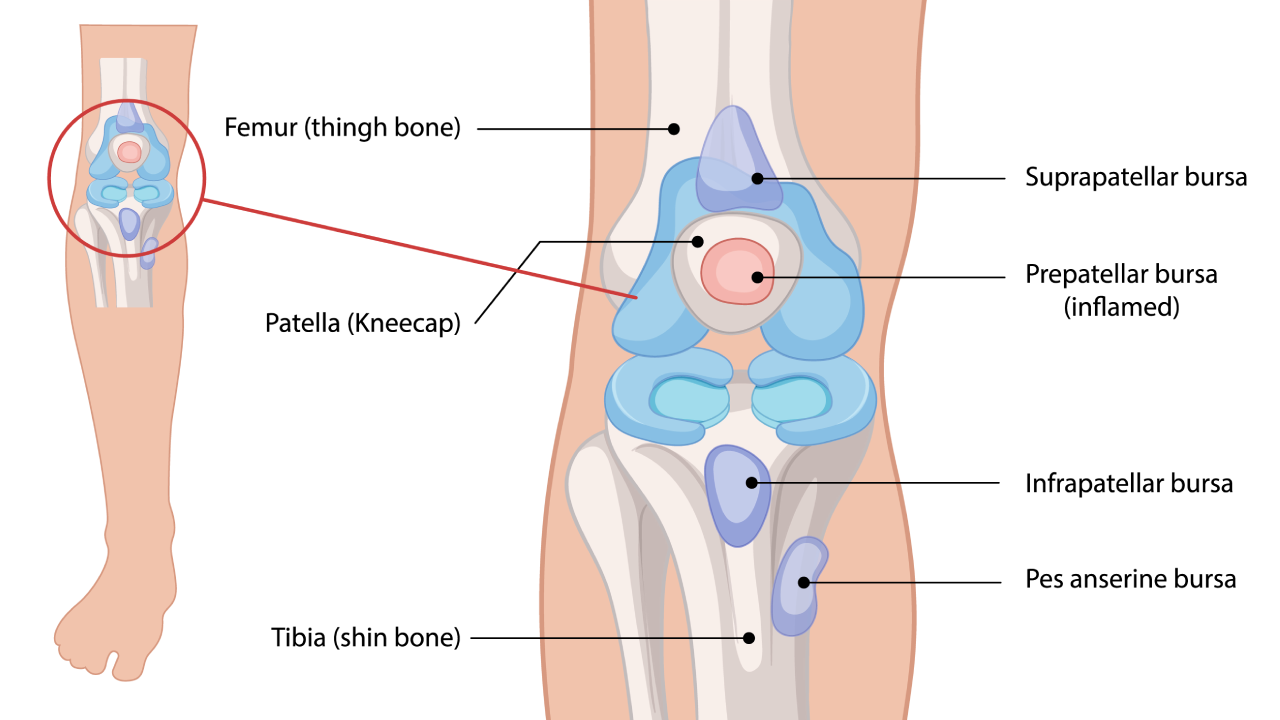
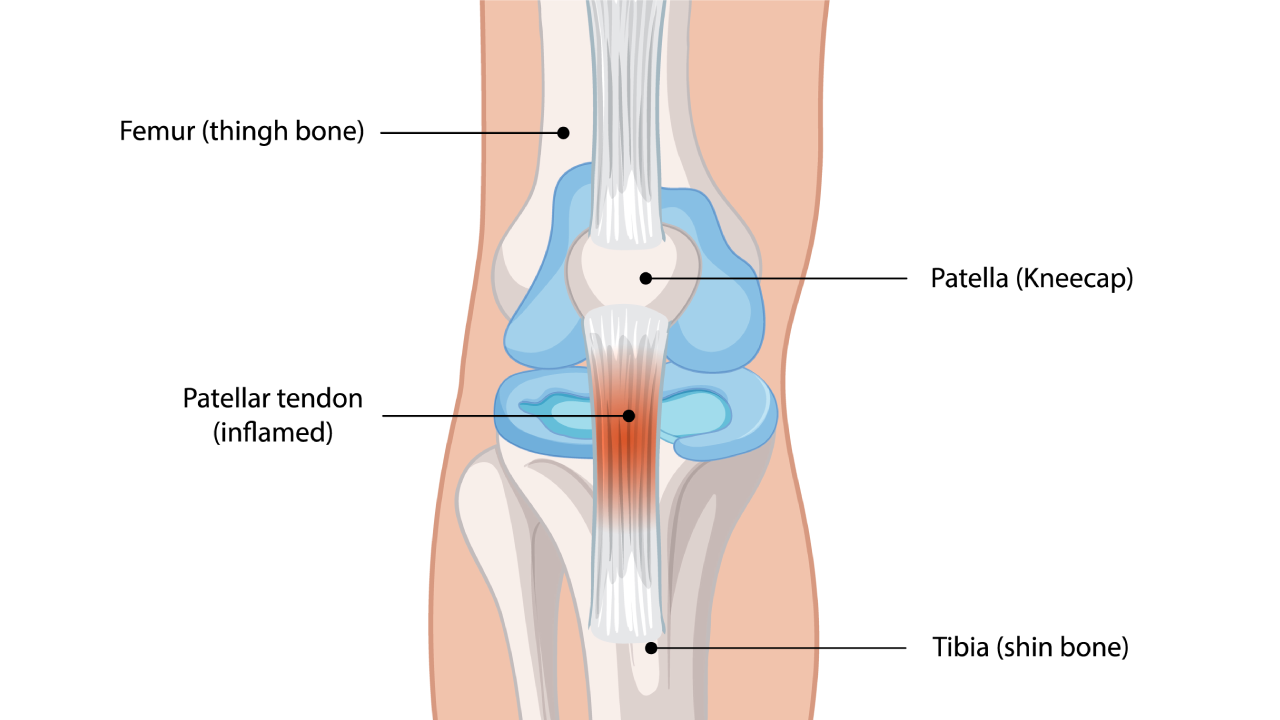
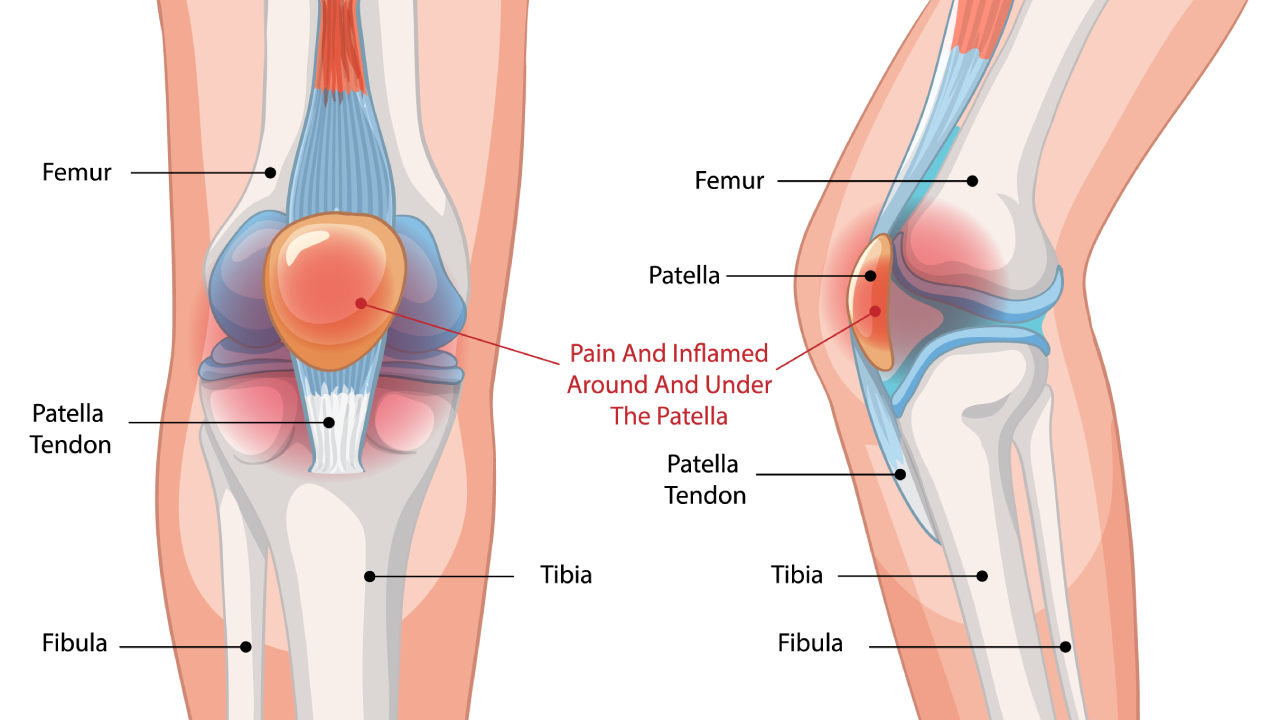
Runner’s knee is commonly associated with patellofemoral pain, a condition involving discomfort around the kneecap and the area where the kneecap moves against the thigh bone.
Despite its name, running is not required for this condition to occur. Cyclists, hikers, athletes, gym users, and people who frequently climb stairs or perform squats may also develop similar symptoms.
The kneecap moves within a groove at the lower end of the thigh bone. Repeated bending and straightening of the knee places ongoing demands on this area. Changes in activity levels, muscle capacity, movement patterns, or training volume may affect how the knee responds.
Common symptoms can include:
- Discomfort around or behind the kneecap
- Knee discomfort while running
- Symptoms when walking downstairs
- Discomfort during squats or lunges
- Symptoms after sitting with the knee bent for an extended period
- Stiffness around the knee
- Discomfort after increasing running distance
- Symptoms after increasing workout frequency
- A feeling of pressure around the kneecap
- Discomfort following prolonged physical activity
Some people notice symptoms while exercising, while others notice them afterward. The pattern may also change depending on workload, recovery time, and everyday movement.
If you are searching for Runner’s Knee in Scarborough, ON, identifying the factors associated with your symptoms can help determine appropriate next steps.
Who Can Develop Runner’s Knee?
Runner’s knee can affect people with many different activity levels. Symptoms may appear following a sudden increase in exercise or a change in the type of physical activity you perform.
Runners
Increasing mileage, introducing hills, changing running surfaces, increasing speed, or returning to running after a break can increase demands on the knee.
Recreational Athletes
Sports that involve running, jumping, quick stops, and changes in direction can place repeated demands on the knees and surrounding muscles.
Gym Users
Squats, lunges, step-ups, leg exercises, and high-volume workouts may aggravate existing knee symptoms in some individuals.
Active Adults
Walking, hiking, cycling, stair climbing, and other regular activities can also contribute to symptoms associated with patellofemoral pain.
People Returning to Exercise
Returning suddenly to a previous level of physical activity after a period of reduced exercise may increase the workload placed on the lower body.
Problems Associated with Runner’s Knee
Knee symptoms can affect more than running or exercise. They may also interfere with daily activities and make certain movements uncomfortable.
Common challenges include:
- Difficulty maintaining a regular running routine
- Reduced tolerance for stairs
- Discomfort during squats
- Difficulty completing longer walks
- Avoiding recreational activities
- Reduced confidence during exercise
- Symptoms that return following physical activity
- Difficulty increasing training volume
- Stiffness after prolonged sitting
- Changes in movement because of knee discomfort
Recurring symptoms should not simply be ignored. Continuing to increase physical activity while symptoms remain may make it difficult to identify the factors affecting the knee.
At Spinal Solution and Wellness, assessment considers the relationship between symptoms, movement, strength, mobility, activity levels, and everyday demands.
What May Contribute to Runner’s Knee?
There is not always one single cause of knee discomfort. Several factors may interact and influence how the knee responds to physical activity.
Sudden Training Changes
Rapid increases in running distance, speed, frequency, or workout intensity can increase the workload placed on the knee.
Muscle Strength
Strength around the hips, thighs, knees, ankles, and lower legs can influence how the lower limb manages repeated movement.
Movement Patterns
The way the hip, knee, ankle, and foot work together may affect how forces are distributed during running, walking, squatting, and other activities.
Limited Mobility
Reduced mobility around the hip, ankle, or other areas of the lower limb may influence movement during physical activities.
Recovery
Performing demanding workouts without sufficient recovery time can increase the overall workload on the body.
Activity Technique
Changes in running mechanics, exercise form, or movement habits may be associated with symptoms in some people.
There is no single movement pattern that applies to everyone. Assessment focuses on factors that may be relevant to your symptoms and activities.
What Does Care for Runner’s Knee Include?
Care depends on assessment findings, symptom patterns, physical abilities, and the activities you want to resume. At Spinal Solution and Wellness, care may involve several components.
Physical Assessment
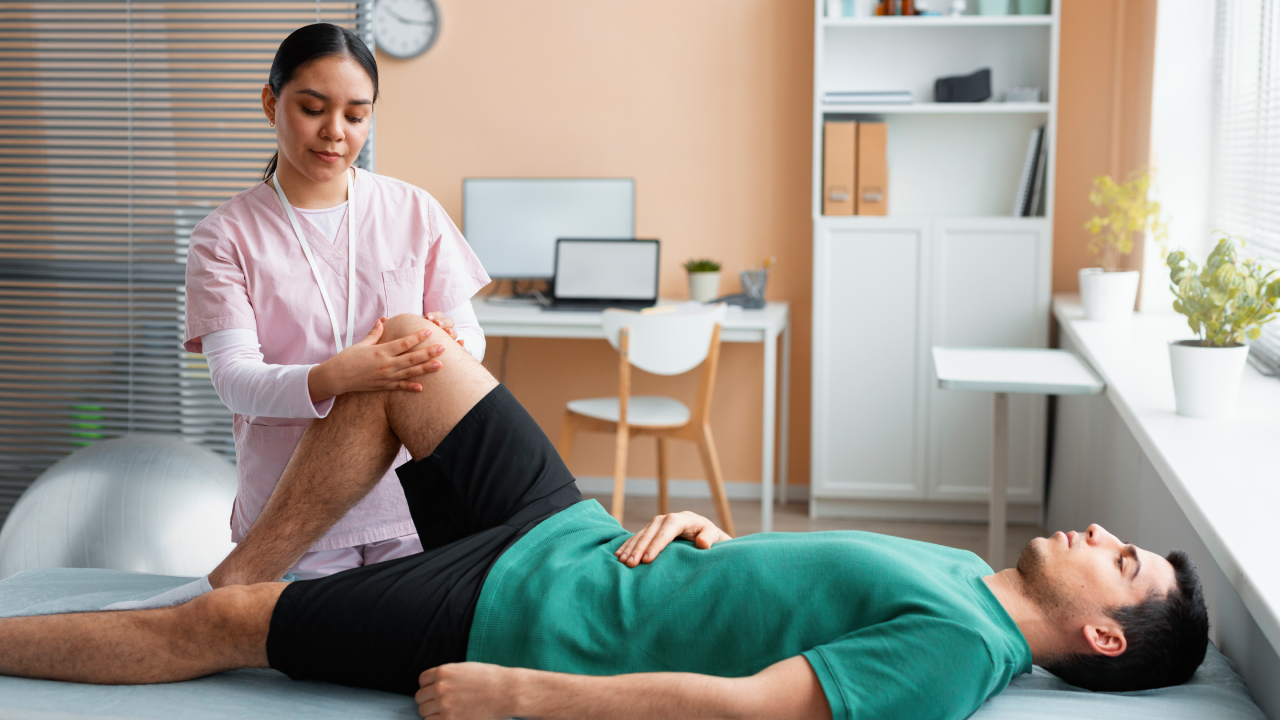
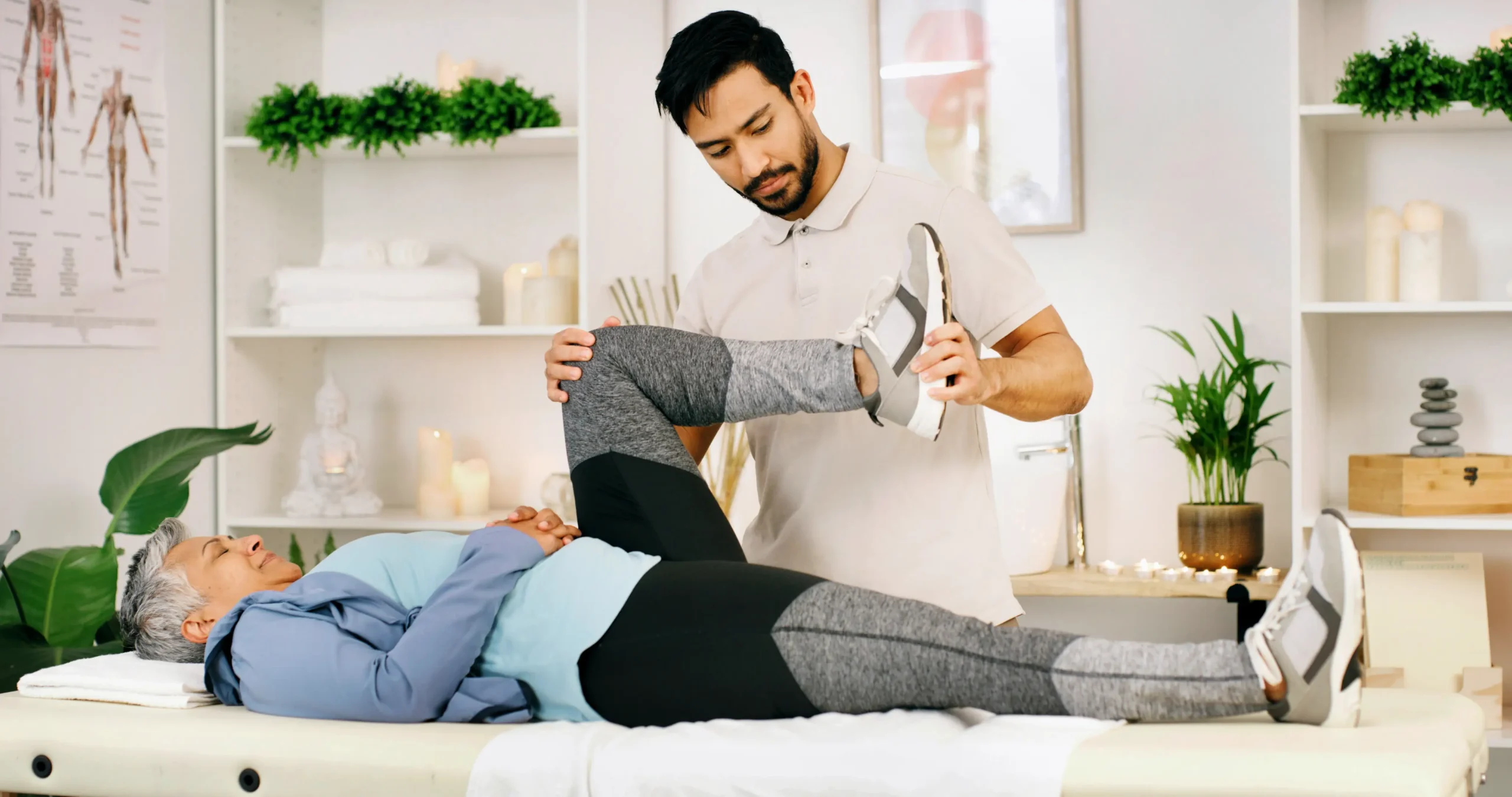
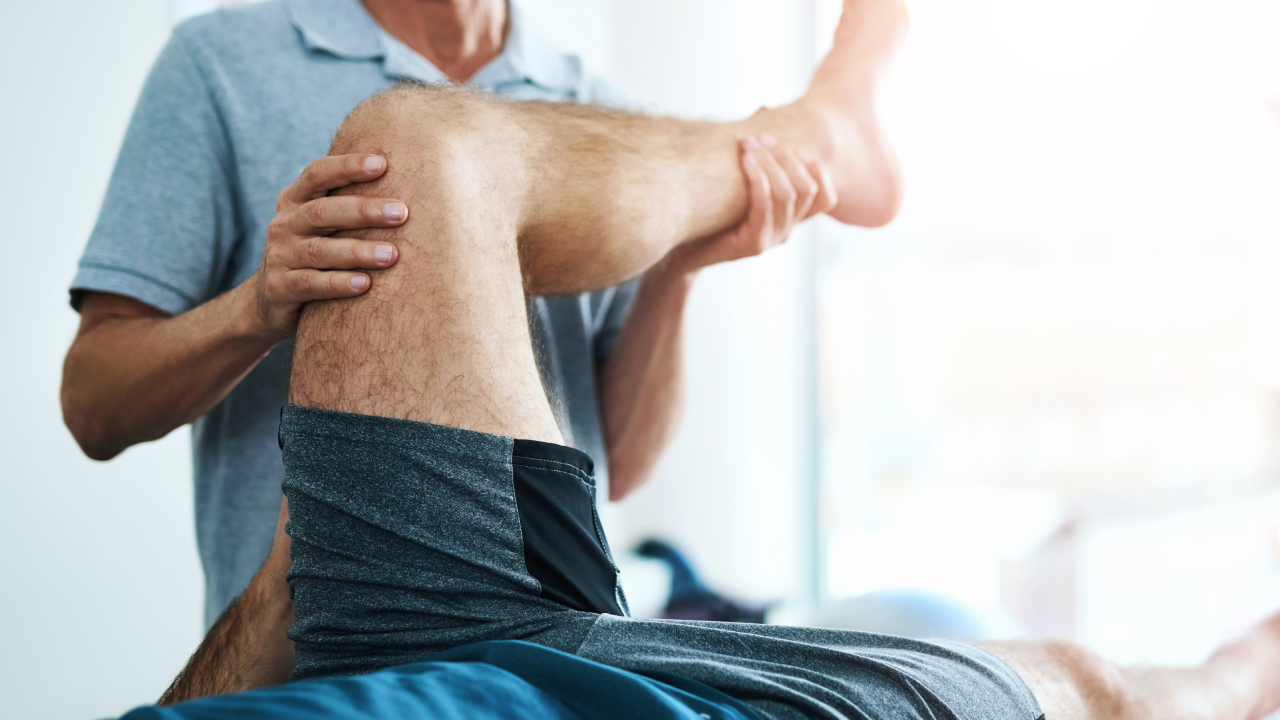
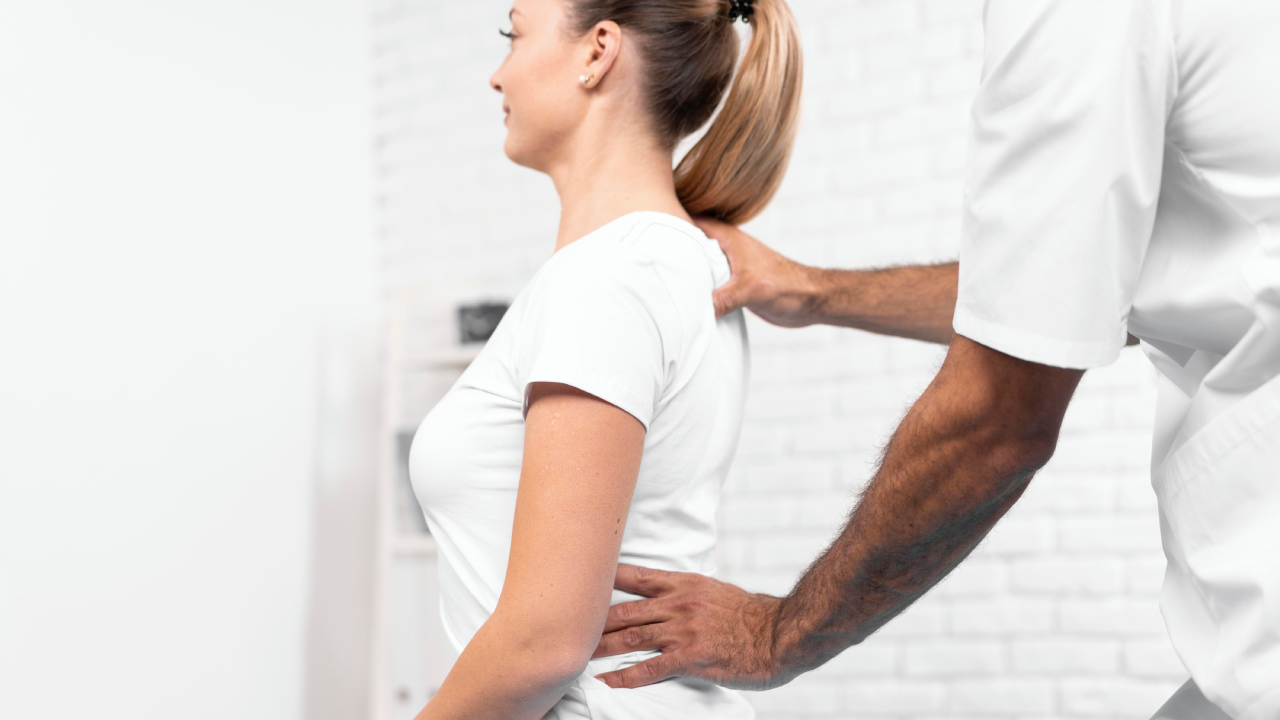
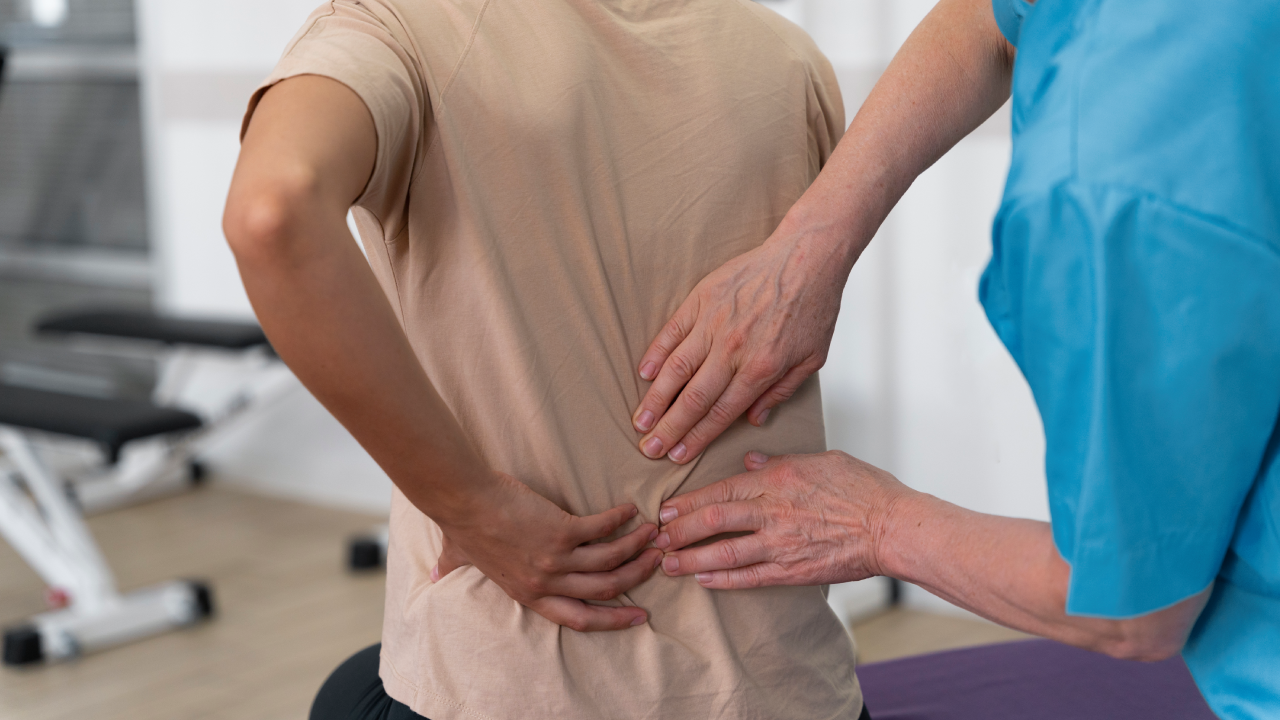
Your clinician reviews your symptoms, activity history, training changes, previous injuries, and daily requirements. Relevant movements may also be assessed, such as walking, squatting, stepping, or running-related tasks.
Strength Assessment
Strength around the hip, thigh, knee, ankle, and lower leg may be assessed when relevant to your symptoms.
Mobility Assessment
Mobility in areas that influence lower-limb movement, including the hip and ankle, may be examined.
Exercise Planning
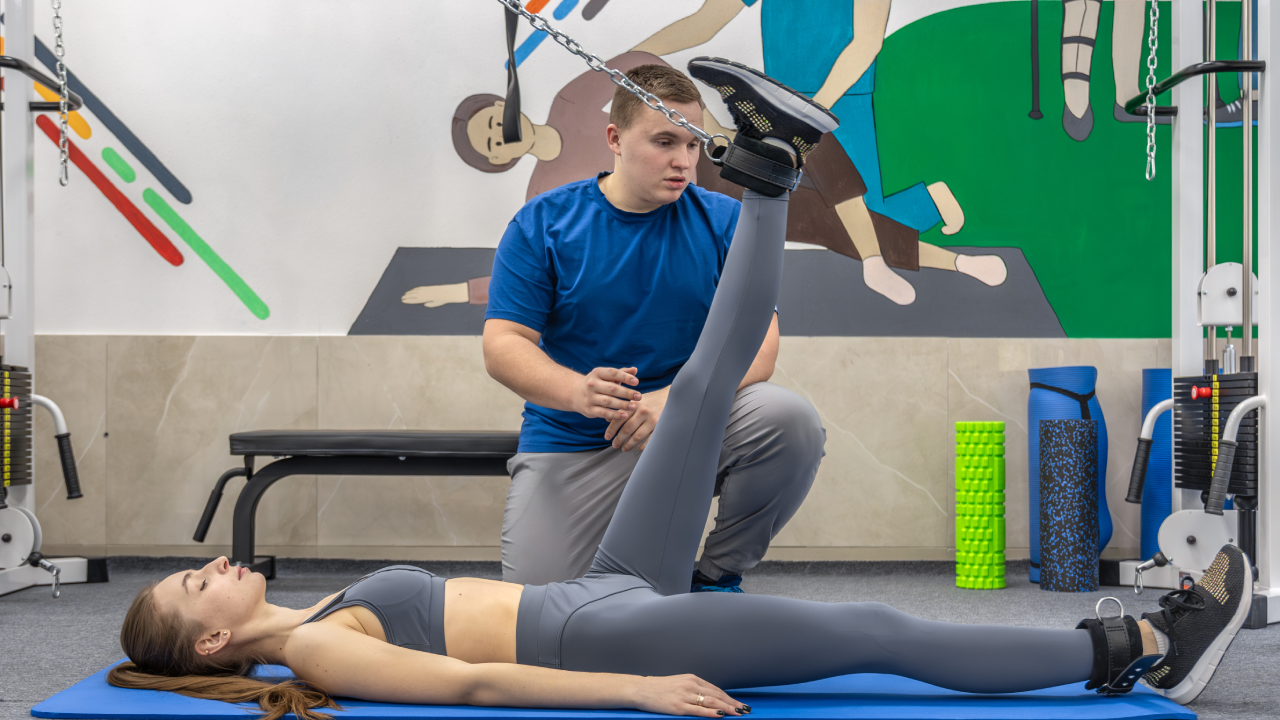
Exercises may be selected to address strength, movement control, mobility, and tolerance to physical loading.
Activity Modification
You may not need to stop all physical activity. Adjustments to volume, frequency, intensity, rest periods, or exercise selection may help manage the demands placed on the knee.
Running Support
For runners, discussions may include training volume, progression, recovery periods, running surfaces, footwear considerations, and other factors related to your routine.
How the Process Works
If you are seeking Runner’s Knee in Scarborough, ON, the process generally begins with an assessment to identify factors associated with your symptoms.
1. Consultation
We discuss where you feel discomfort, when your symptoms began, which activities bring them on, and how they affect your routine.
2. Assessment
Relevant movement, strength, mobility, and activity factors are reviewed.
3. Care Plan
The assessment findings are used to establish a practical plan based on your current abilities and activity goals.
4. Exercise and Activity Work
Exercises may focus on strength, movement control, mobility, and gradual tolerance to physical loading.
5. Progress Review
Your response to exercises and activities is monitored as you progress. Exercises and activity levels may be adjusted according to changes in symptoms and function.
6. Return to Activity
For runners and athletes, care can gradually shift toward resuming desired activities while monitoring how the knee responds to increased workloads.
Potential Benefits of Addressing Runner’s Knee
Appropriate care may help you work toward practical activity goals such as
- Returning to regular walking
- Managing stairs with greater ease
- Resuming gym workouts
- Returning to running
- Gradually increasing exercise capacity
- Building lower-limb strength
- Developing confidence with movement
- Identifying factors linked with recurring symptoms
- Limiting unnecessary interruptions to your normal routine
Outcomes vary because knee symptoms can arise from different factors. Previous injuries, activity demands, training volume, physical capacity, and consistency with the recommended plan can all influence progress.
Who We Serve in Scarborough
Spinal Solution and Wellness serves people in Scarborough and surrounding communities who are dealing with musculoskeletal concerns affecting exercise, work, sports, recreation, or everyday movement.
People seeking care for Runner’s Knee in Scarborough, ON, may contact the clinic after:
- Starting a new running program
- Increasing weekly mileage
- Returning to a sport
- Beginning gym training
- Preparing for a race
- Developing knee symptoms during daily activities
- Having recurring symptoms following previous care
- Reducing physical activity because of knee discomfort
You do not have to participate in competitive sports to seek an assessment. If knee symptoms are interfering with an activity that matters to you, speaking with a qualified clinician can help clarify possible next steps.
Frequently Asked Questions
What does Runner’s Knee feel like?
Runner’s knee commonly involves discomfort around or behind the kneecap. Symptoms may occur during running, stair climbing, squatting, jumping, or after sitting with the knee bent for an extended period.
Can Runner’s Knee happen without running?
Yes. Although the term is associated with runners, similar patellofemoral symptoms can occur in people who cycle, hike, play sports, attend a gym, or regularly perform activities involving repeated knee bending.
Should I stop running if my knee hurts?
The appropriate activity level depends on the severity and pattern of your symptoms. Some people may need to temporarily reduce running volume or intensity, while others may continue with adjustments. An assessment can help determine which changes may be appropriate.
How long does Runner’s Knee take to improve?
The timeframe differs between individuals. Factors such as symptom duration, activity demands, contributing factors, previous injuries, and response to changes in exercise and loading can influence the timeframe.
Can exercise help Runner’s Knee?
Exercise is commonly included when managing patellofemoral pain. Depending on assessment findings, exercises may address strength, movement control, mobility, and gradual loading.
Do I need a referral?
Referral requirements may depend on your circumstances, insurance coverage, and healthcare provider. Contact Spinal Solution and Wellness before your appointment if you have questions about referral requirements.
Can I return to running after Runner’s Knee?
Many people work toward returning to running after developing patellofemoral symptoms. A gradual progression can allow the body to adapt to increasing workloads while symptoms are monitored.
What happens during the first appointment?
The first appointment generally includes a discussion about your symptoms, activity history, and daily demands, followed by an assessment of relevant physical and movement factors. Your clinician can then discuss the findings and possible next steps.
Service Areas
Spinal Solution and Wellness serves people seeking care for Runner’s Knee in Scarborough, ON, as well as surrounding communities across the eastern Greater Toronto Area.
Our local service area includes:
- Agincourt
- Agincourt South-Malvern West
- Malvern
- Morningside
- West Hill
- Guildwood
- Wexford
- Bendale
- Dorset Park
- Clairlea
- Birch Cliff
- Scarborough Junction
- Port Union
- Don Mills
- East York
- Markham
If travelling to the clinic is difficult, contact our team to ask about current appointment options and available services.
Why Choose Spinal Solution and Wellness?
Choosing a clinic for knee care involves considering how symptoms are assessed, how physical findings relate to your activities, and whether your progress is reviewed throughout care.
At Spinal Solution and Wellness, our approach focuses on:
- Discussing your symptoms and activity requirements
- Assessing relevant movement and physical factors
- Connecting assessment findings with daily and athletic activities
- Including exercise and movement-based strategies when appropriate
- Monitoring progress throughout care
- Adjusting activity recommendations as circumstances change
For runners, this can include looking beyond the knee itself and considering lower-limb movement patterns, training workload, recovery, and activity demands.
Related Services
Knee symptoms may occur alongside other musculoskeletal concerns. Depending on your assessment, related services at Spinal Solution and Wellness may include:
- Physiotherapy
- Rehabilitation exercises
- Manual therapy
- Sports injury care
- Mobility-focused care
- Movement assessment
If you are unsure which service may suit your symptoms, contact the clinic and describe what you are experiencing. The team can explain the appointment options available.
When Should You Seek Care?
Consider arranging an assessment if knee symptoms:
- Continue returning after activity
- Interfere with running or exercise
- Make stairs difficult
- Affect walking or everyday tasks
- Continue despite reducing activity
- Become more frequent
- Cause you to change how you move
- Prevent you from returning to a sport or activity
Seek urgent medical attention following severe knee pain after a significant injury, an obvious deformity, inability to bear weight, substantial swelling, fever with a hot or swollen joint, or other signs that may indicate a serious injury or illness.
Get Started
Knee discomfort can interfere with running, exercise, stair climbing, and everyday movement. Rather than guessing which activity changes or exercises may be suitable, an assessment can provide more information about the factors associated with your symptoms.
If you are searching for Runner’s Knee in Scarborough, ON, Spinal Solution and Wellness can assess your symptoms, discuss your activity goals, and explain possible next steps based on the findings.
Phone: +1 416-307-1076
Address: 5995 Steeles Ave E, Scarborough, ON M1V 5P6, Canada
Contact Spinal Solution and Wellness in Scarborough, ON, to schedule an assessment and discuss your knee symptoms.