

Pinched Nerve in Scarborough, ON
A pinched nerve in the neck can affect much more than just the area around it. When a cervical nerve becomes irritated or compressed, symptoms may travel toward the shoulder, arm, wrist, or hand. Depending on the affected nerve, you may notice tingling, numbness, weakness, stiffness, aching, or discomfort that changes when you move your neck.
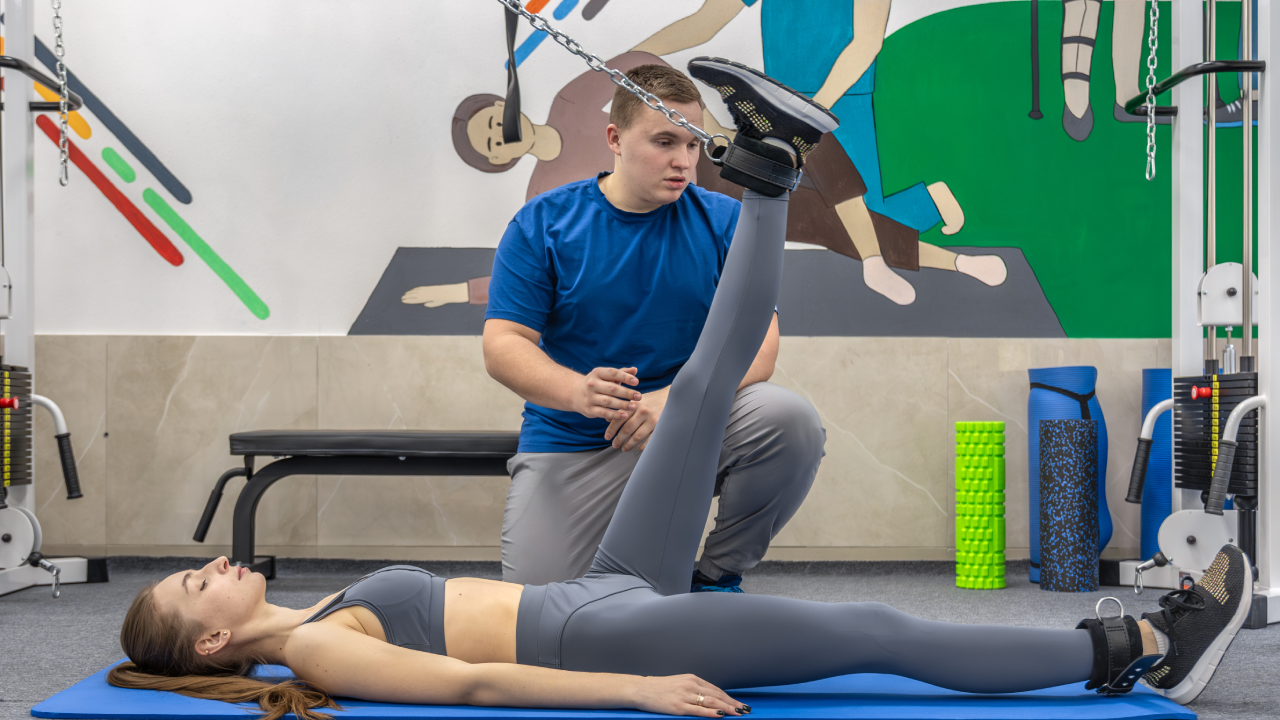
At Spinal Solution and wellness, we assess your symptoms, movement, physical condition, and daily activities to determine factors that may be contributing to your condition. Our clinic provides physiotherapy care for people dealing with a Pinched Nerve in Scarborough, ON, whether symptoms appeared gradually, developed after an injury, or followed prolonged sitting, repetitive tasks, exercise, or other activities.
What Is a Pinched Nerve in the Neck?
A pinched nerve in the neck, often referred to as cervical nerve compression or cervical radiculopathy, occurs when a nerve exiting the cervical spine becomes irritated or compressed.
The cervical spine consists of seven vertebrae. Discs located between many of these vertebrae help absorb forces and support spinal movement. Nerves leave the spinal column through openings between the vertebrae before travelling toward the shoulders, arms, wrists, and hands.
Several factors may contribute to irritation or compression around a cervical nerve, including:
- Bulging or herniated discs
- Age-related changes within the cervical spine
- Reduced space around a nerve opening
- Changes affecting the cervical joints
- Muscle tightness
- Poor sitting or standing posture
- Repetitive neck movements
- Sudden physical injury
- Whiplash
- Other forms of neck trauma
The symptoms can differ depending on the nerve involved. One person may mainly notice neck and shoulder discomfort, while another may feel sensations extending down the arm and into the hand.
Who May Benefit from Physiotherapy for a Pinched Nerve?
Physiotherapy may be appropriate for adults experiencing neck symptoms together with shoulder or arm complaints when a cervical nerve issue has been identified or suspected following assessment.
You may consider an assessment if you:
- Spend several hours each day at a desk
- Frequently work on a computer or mobile device
- Perform repetitive lifting or overhead tasks
- Have been involved in a motor vehicle collision
- Developed neck symptoms after physical activity
- Notice tingling or numbness travelling into an arm
- Have neck stiffness that restricts movement
- Have been told that a cervical disc or joint may be affecting a nerve
- Are returning to regular activities following a neck injury
- Notice changes in arm strength or coordination
The appropriate form of care depends on the cause, duration, and severity of your symptoms. A clinical assessment can help determine whether physiotherapy is suitable or whether another type of medical assessment is needed.
Common Problems Associated with a Pinched Nerve
Cervical nerve irritation can produce different symptoms depending on the location and extent of the problem.
Common complaints may include:
- Neck aching or discomfort
- Shoulder symptoms
- Discomfort extending into the arm
- Tingling or pins-and-needles sensations
- Numbness affecting the arm or hand
- Restricted neck movement
- Muscle tightness
- Reduced arm strength
- Difficulty remaining in one position for extended periods
- Symptoms that change when turning or extending the neck
Symptoms may affect one side of the body and, in some cases, may occur on both sides.
If you develop sudden or progressively increasing weakness, substantial loss of sensation, difficulty walking, coordination problems, or changes involving bladder or bowel control, seek urgent medical attention.
Assessment and Physiotherapy Care for a Pinched Nerve
Clinical Assessment
Your first appointment involves a review of your symptoms, medical history, daily activities, and movement patterns. Depending on your presentation, the assessment may include:
- Cervical movement testing
- Shoulder and arm movement checks
- Muscle strength assessment
- Sensory testing
- Reflex testing when appropriate
- Postural assessment
- Review of previous injuries
- Review of available imaging or medical reports
The findings help identify factors that may be contributing to your symptoms and determine whether physiotherapy is an appropriate option.
Exercise and Movement-Based Care
Your physiotherapy program may include exercises that address neck movement, shoulder mobility, upper-back movement, and muscular strength.
Depending on your assessment, exercises may involve:
- Gentle cervical mobility movements
- Neck stabilization exercises
- Shoulder blade strengthening
- Upper-back mobility exercises
- Postural exercises
- Nerve mobility movements
- Progressive strengthening for the arm and shoulder
Exercises can be adjusted according to your symptoms, movement ability, strength, and activity requirements.
Manual Therapy
Hands-on treatment may be included when considered suitable for your condition. Techniques may focus on the neck, upper back, shoulder, or surrounding soft tissues.
The type and intensity of hands-on treatment depend on your symptoms and clinical findings.
Activity and Posture Changes
Everyday habits can influence neck and arm symptoms. Your physiotherapist may discuss practical changes involving:
- Desk arrangement
- Monitor position
- Sitting posture
- Sleeping position
- Lifting habits
- Mobile device use
- Workstation breaks
- Exercise routines
- Repetitive work activities
These adjustments can help you manage daily tasks while your symptoms are being addressed.
What to Expect During the Process
1. Initial Consultation
You will discuss when your symptoms began, what activities affect them, and how they influence work, sleep, exercise, and everyday tasks.
2. Physical Assessment
Your neck and upper-limb movement, strength, sensation, and other relevant physical factors will be assessed.
3. Care Planning
The assessment findings are reviewed with you, followed by discussion about suitable physiotherapy options and treatment goals.
4. Physiotherapy Sessions
Depending on your condition, sessions may include therapeutic exercises, manual therapy, movement training, posture education, and activity recommendations.
5. Progress Review
Your symptoms, movement, strength, and activity tolerance can be reviewed throughout the course of care. Exercises and treatment methods may be modified as your condition changes.
6. Activity Progression
As your symptoms change, the focus may move toward improving strength, mobility, activity tolerance, and strategies for managing future flare-ups.
Potential Benefits of Physiotherapy for a Pinched Nerve
Physiotherapy may address several physical and functional factors associated with cervical nerve problems.
Possible outcomes may include:
- Increased neck mobility
- Improved shoulder and upper-back movement
- Increased muscle strength
- Improved posture and movement habits
- Greater tolerance for everyday activities
- Improved tolerance for sitting and computer work
- Increased confidence with exercise and movement
- Practical strategies for managing recurring symptoms
Progress differs from person to person. Factors such as the underlying cause, duration of symptoms, severity, general health, activity level, and response to care can influence the rate of change.
Conditions and Symptoms We Address Alongside Pinched Nerve
At Spinal Solution and wellness, physiotherapy may also be appropriate for conditions and symptoms that can occur alongside cervical nerve concerns, including:
- Neck discomfort
- Cervical radiculopathy
- Cervical disc problems
- Whiplash-related neck symptoms
- Shoulder discomfort
- Upper-back stiffness
- Posture-related neck symptoms
- Muscle strains
- Nerve-related arm symptoms
- Limited cervical movement
Because neck and arm symptoms can have several possible causes, an assessment is important before deciding on an appropriate course of care.
Frequently Asked Questions
What does a pinched nerve in the neck feel like?
A pinched nerve may produce neck discomfort accompanied by tingling, numbness, burning sensations, or symptoms that travel toward the shoulder, arm, wrist, or hand. Some people may also notice reduced strength.
Can physiotherapy help with a pinched nerve?
Physiotherapy may help some people with cervical nerve problems by addressing movement, strength, posture, mobility, and daily activity habits. The appropriate approach depends on what is causing the symptoms and how severe they are.
How long can a pinched nerve take to improve?
The timeframe varies between individuals. Mild cases may change within a relatively short period, while symptoms related to disc problems or significant nerve compression may take longer. An assessment can provide more information based on your symptoms and physical findings.
Do I need imaging for a pinched nerve?
Imaging is not necessary for every case. A physician or other qualified healthcare provider may recommend imaging when symptoms are persistent, severe, or associated with significant neurological changes, or when another condition needs to be investigated.
Can a pinched nerve cause numbness in the arm?
Yes. Cervical nerves carry sensation toward different parts of the arm and hand. Irritation or compression of one of these nerves can result in numbness, tingling, or altered sensation.
Can I exercise with a pinched nerve?
Some forms of exercise may be appropriate, depending on your symptoms. Activities that increase your symptoms may need temporary modification. Your physiotherapist can assess your movement and suggest suitable exercises based on your condition.
When should I seek medical attention?
Seek prompt medical assessment if you develop significant or worsening weakness, major sensory changes, difficulty with balance or coordination, or changes in bladder or bowel control. Sudden or severe symptoms should receive urgent medical attention.
Physiotherapy for Pinched Nerve in Scarborough
Spinal Solution and wellness provide physiotherapy care for people seeking help with a Pinched Nerve in Scarborough, ON.
Our local service area includes communities throughout and around Scarborough, including:
- Agincourt
- Agincourt South-Malvern West
- Malvern
- Morningside
- West Hill
- Guildwood
- Wexford
- Bendale
- Dorset Park
- Clairlea
- Birch Cliff
- Scarborough Junction
- Port Union
- Don Mills
- East York
- Markham
If you live or work in one of these communities and are experiencing neck symptoms that extend toward your shoulder, arm, wrist, or hand, you can contact Spinal Solution and wellness to arrange an assessment.
Why Choose Spinal Solution and wellness?
Spinal Solution and wellness focus on musculoskeletal and spine-related concerns through physical assessment, therapeutic exercise, movement training, manual therapy when appropriate, and education about daily activities.
When you visit us for a Pinched Nerve in Scarborough, ON, we begin by assessing your individual symptoms rather than assuming that every cervical nerve problem has the same cause.
Your clinician can review your symptoms, physical findings, activity requirements, and previous treatment before discussing suitable next steps.
The aim is to provide care that reflects your current physical condition and day-to-day needs.
Related Services
If your neck symptoms involve other parts of the body, you may also wish to explore related services at Spinal Solution and wellness, including:
- Physiotherapy
- Neck pain physiotherapy
- Back pain physiotherapy
- Shoulder physiotherapy
- Sports injury physiotherapy
- Postural assessment
- Exercise-based rehabilitation
- Manual therapy
- Mobility and movement training
Get Started
Neck symptoms that extend into the shoulder, arm, wrist, or hand may be associated with cervical nerve irritation or other conditions. A physical assessment can help identify factors that may be contributing to your symptoms and determine suitable next steps.
To schedule an assessment for a Pinched Nerve in Scarborough, ON, contact Spinal Solution and wellness.
Phone: +1 416-307-1076
Address: 5995 Steeles Ave E, Scarborough, ON M1V 5P6, Canada
During your appointment, your symptoms, movement, strength, and relevant neurological function can be assessed before suitable physiotherapy options are discussed.