

Hip Bursitis in Scarborough, ON
Hip bursitis can make routine activities such as walking, climbing stairs, getting out of a chair, exercising, or sleeping on one side difficult. At Spinal Solution and Wellness, we provide physiotherapy care for people experiencing hip bursitis and other movement-related hip concerns.
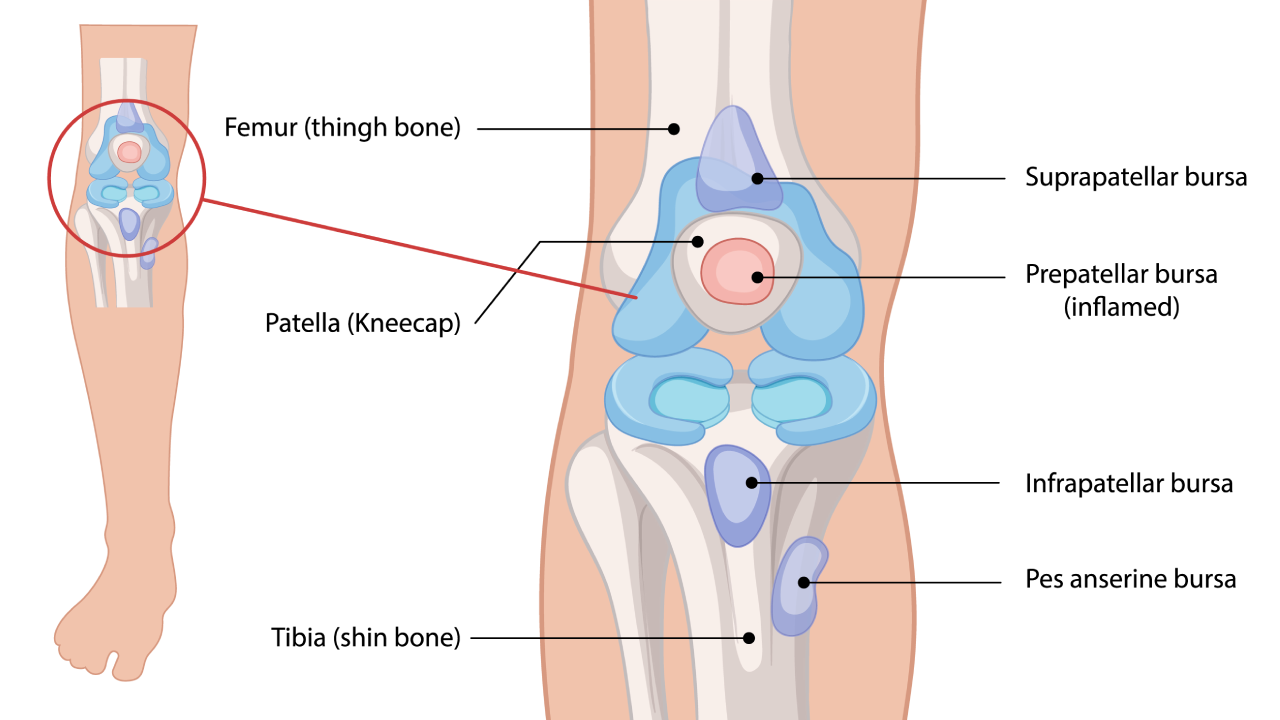
Hip Bursitis in Scarborough, ON, may occur when a bursa surrounding the hip becomes irritated. A bursa is a small fluid-filled sac that helps reduce friction between tissues during movement. Repetitive pressure, sudden activity changes, muscle weakness, altered movement mechanics, or an impact to the hip can contribute to symptoms.
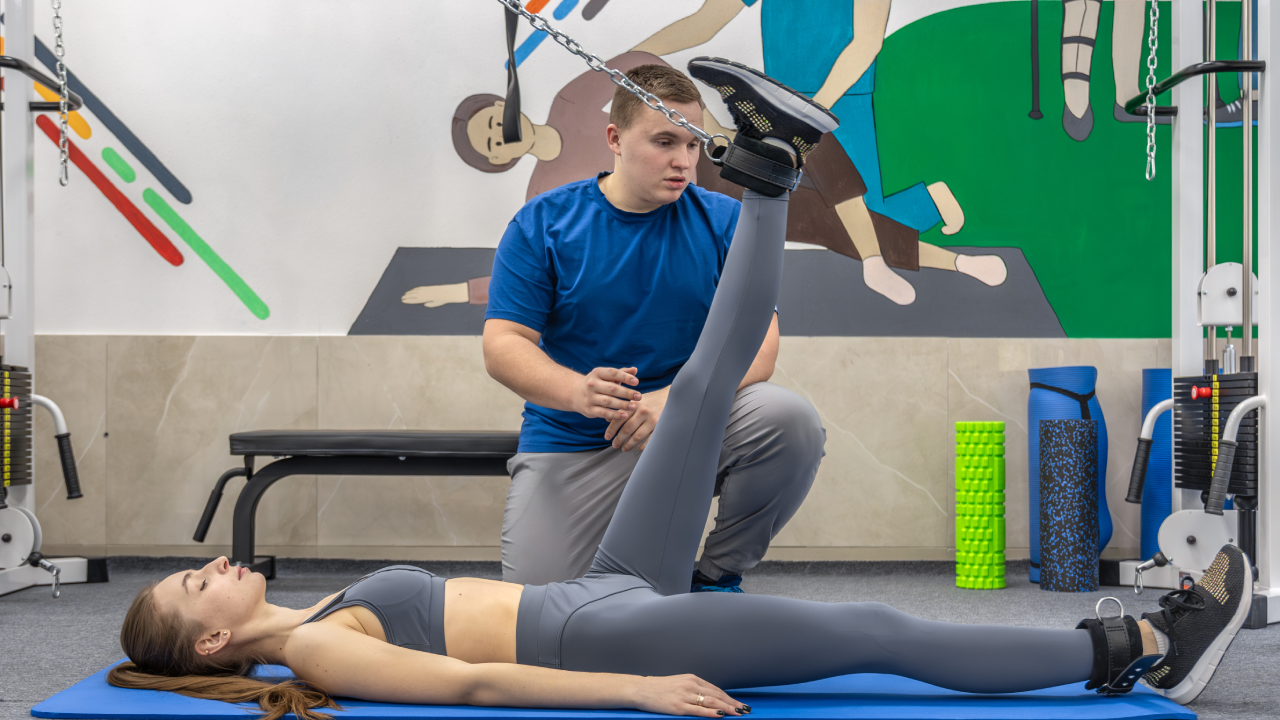
Our physiotherapy team evaluates hip movement, muscle function, activity habits, and related areas that may contribute to your symptoms. Depending on the assessment, care may include therapeutic exercises, manual therapy, mobility exercises, activity adjustments, and movement education.
What Is Hip Bursitis?
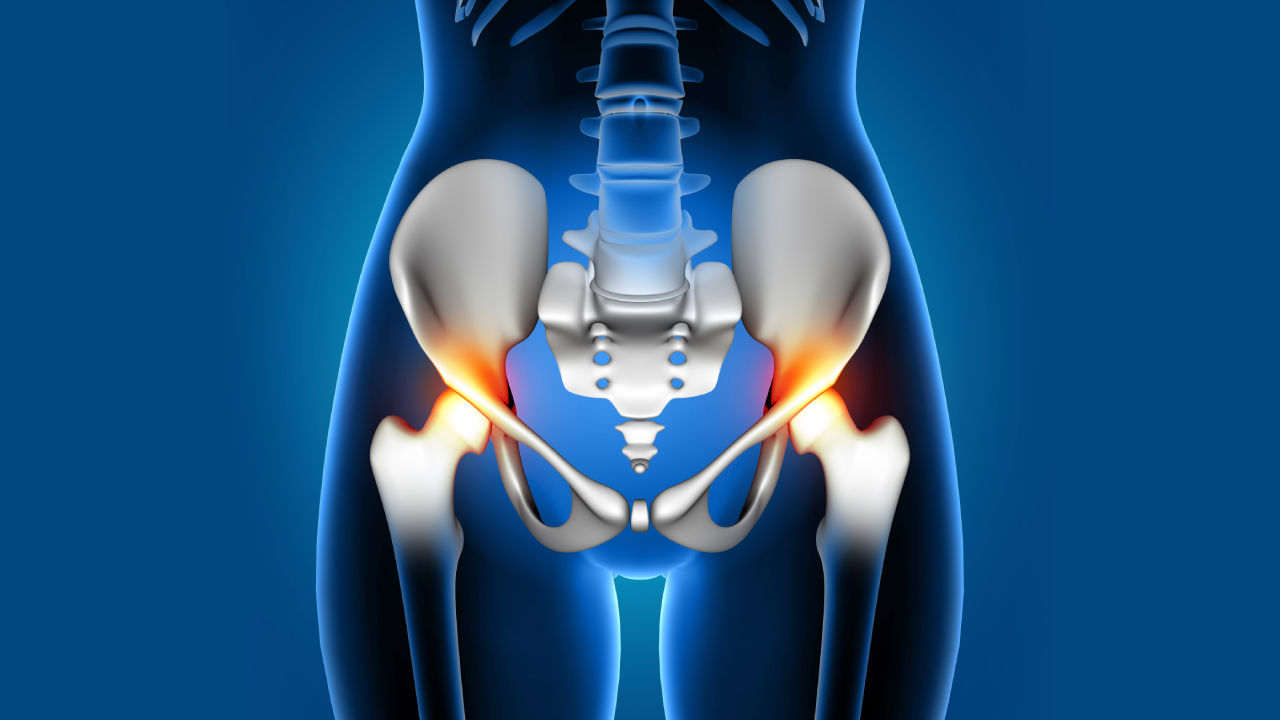
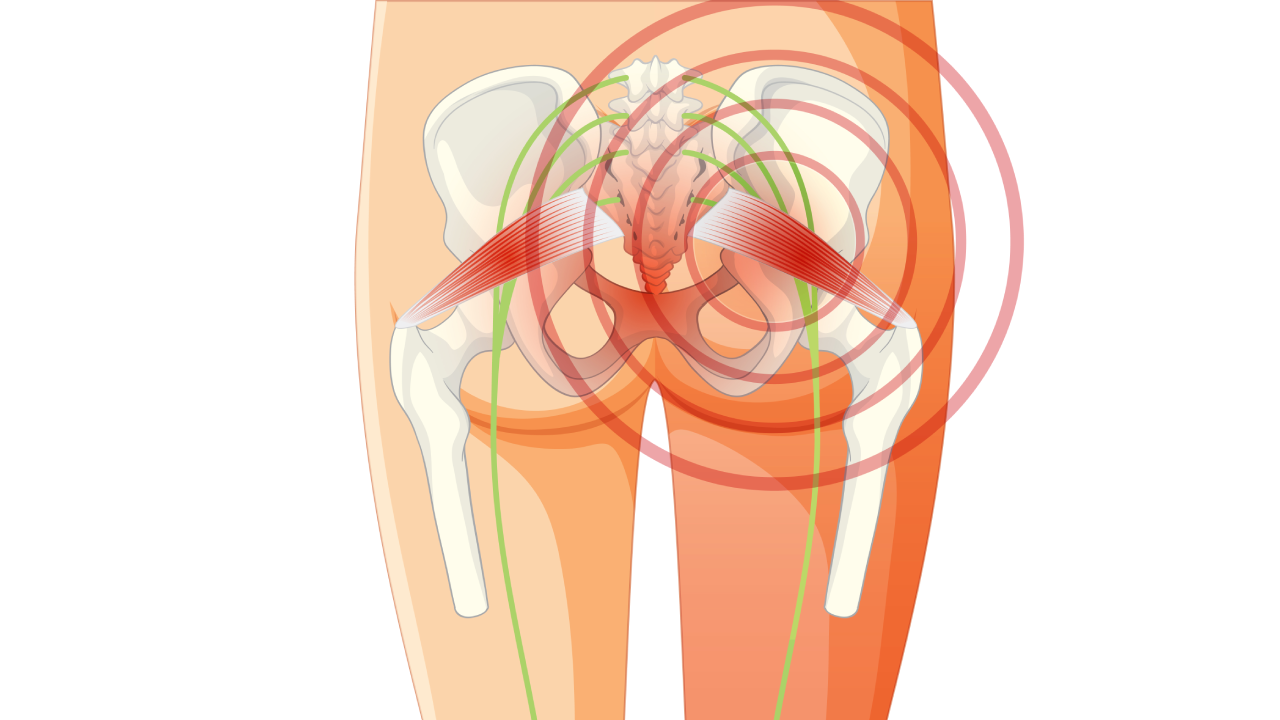
Hip bursitis refers to irritation or inflammation involving a bursa around the hip. One commonly affected area is the trochanteric bursa, which sits near the outer portion of the hip close to the greater trochanter.
The bursa provides cushioning between structures such as muscles, tendons, and bone. Repeated compression or irritation in this region can result in discomfort and sensitivity.
Common signs may include:
- Discomfort along the outer side of the hip
- Tenderness when pressure is placed on the hip
- Difficulty lying on the affected side
- Discomfort during prolonged walking or standing
- Difficulty climbing stairs
- Symptoms when rising from a chair
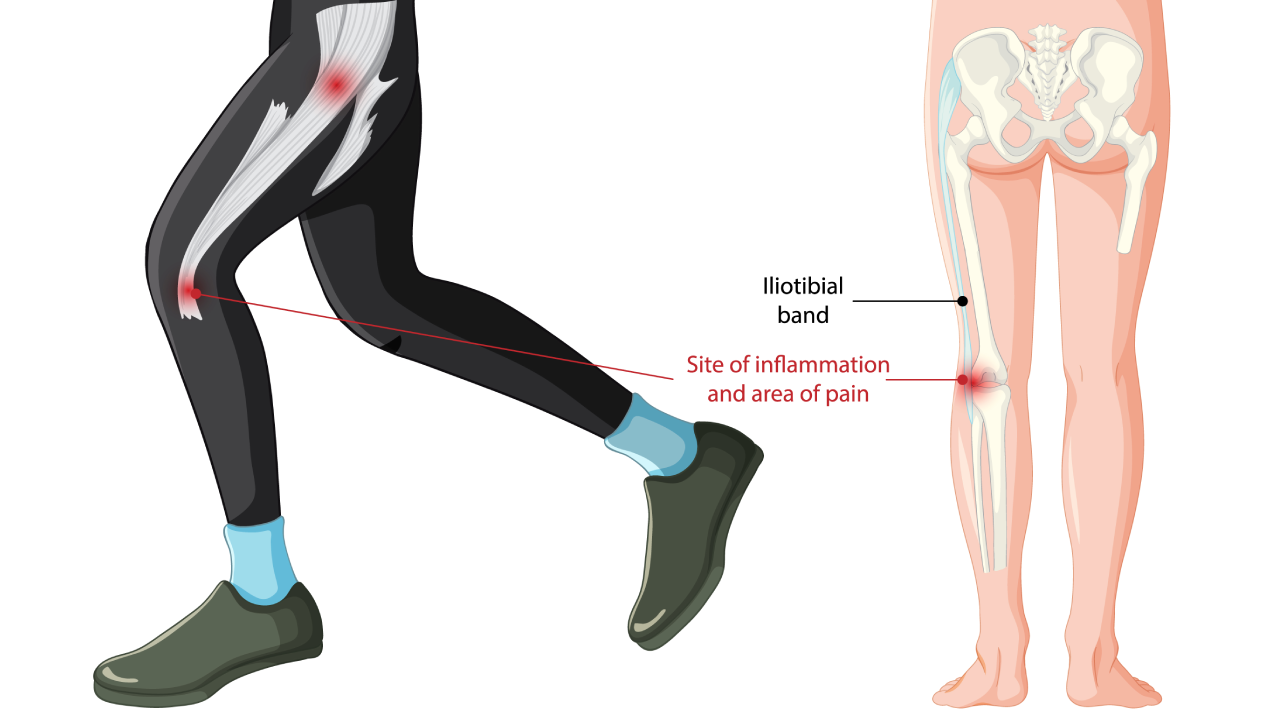
- Discomfort during running or exercise
- Hip stiffness after sitting or resting
Hip bursitis may occur together with other conditions involving the hip, pelvis, tendons, or lower back. A physiotherapy assessment can help identify factors that may be contributing to your symptoms.
What Causes Hip Bursitis?
Several factors can contribute to hip bursitis. Sometimes symptoms begin after a specific event, such as a fall or sudden increase in exercise. In other situations, they develop gradually.
Repetitive Hip Movement
Running, cycling, stair climbing, and certain work activities involve repeated hip movement. A rapid increase in these activities can place additional demands on the tissues surrounding the hip.
Prolonged Pressure
Sleeping on one side or spending extended periods placing pressure on the outer hip can aggravate an already sensitive area.
Sudden Activity Changes
Increasing walking, running, gym sessions, sports, or other forms of exercise too quickly can increase the workload placed on the hip.
Muscle Weakness
Reduced strength in the hip, pelvis, and surrounding muscles can influence how the leg and pelvis move during everyday and athletic activities.
Previous Injury
A direct blow or fall involving the outer hip can irritate tissues around the bursa.
Movement Mechanics
Changes in walking, running, posture, or lower-limb movement may increase stress around the outer hip.
Who May Benefit from Physiotherapy for Hip Bursitis?
Physiotherapy may be appropriate when hip symptoms interfere with work, exercise, sleep, walking, or everyday activities.
Active Adults
Runners, cyclists, recreational athletes, and gym participants may develop hip symptoms following changes in training frequency, intensity, or volume.
Office Workers
Extended periods of sitting can contribute to stiffness and movement changes. Some people notice symptoms when standing after sitting for a prolonged period.
Older Adults
Changes in muscle strength, mobility, balance, and activity levels may influence how the hip responds to everyday movement.
Physically Active Workers
Occupations involving walking, lifting, climbing, standing, or repeated movements can place additional demands on the hip.
People Returning to Exercise
Returning to physical activity after a period of reduced activity can increase hip loading, particularly when exercise volume rises quickly.
Problems Physiotherapy Can Address
When looking for Hip Bursitis in Scarborough, ON, many people need help with more than discomfort around the hip. Physiotherapy can examine the physical and movement factors associated with the condition.
Care may focus on:
- Limited hip mobility
- Reduced hip and leg strength
- Walking difficulties
- Discomfort while using stairs
- Difficulty changing positions
- Reduced exercise tolerance
- Difficulty sleeping on one side
- Movement patterns that increase hip loading
- Reduced lower-limb stability
- Difficulty returning to recreational activities
The assessment focuses on potential contributing factors rather than looking only at the location of the symptoms.
Assessment for Hip Bursitis
A physiotherapy assessment starts with a discussion about your symptoms, daily activities, previous injuries, exercise routine, and current limitations.
Your physiotherapist may evaluate:
- Hip range of motion
- Hip and leg strength
- Walking mechanics
- Functional movements
- Balance
- Lower-limb alignment
- Tenderness around the hip
- Activities that increase or decrease symptoms
The assessment may also examine whether symptoms could be associated with another condition involving the hip, pelvis, knee, or lower back.
If your symptoms indicate that medical assessment or diagnostic imaging may be appropriate, your physiotherapist can recommend consultation with the relevant healthcare professional.
Treatment for Hip Bursitis
Treatment varies according to your symptoms, physical findings, activity level, and daily requirements. At Spinal Solution and Wellness, physiotherapy care may include several components.
Therapeutic Exercise
Exercises may focus on building strength in the hip, pelvis, core, and lower limb. Depending on your assessment, movements may target the gluteal muscles, hip stabilizers, and leg muscles.
Exercise difficulty can be progressed as your movement capacity changes.
Hip Mobility Exercises
When restricted mobility contributes to altered movement, mobility exercises may be included. These may address the hip and surrounding regions according to your assessment findings.
Manual Therapy
Hands-on techniques may be used when appropriate to address restricted movement and muscle or soft-tissue tension.
Activity Modification
Activities that repeatedly aggravate the hip may need temporary adjustments. This does not always mean stopping physical activity.
Your physiotherapist can help determine appropriate changes to activity duration, frequency, intensity, or movement patterns.
Movement Education
Learning how different movements affect your hip can help you make practical changes at home, at work, during exercise, and while participating in recreational activities.
Progressive Strength Training
As your activity tolerance develops, exercises may progress toward movements that reflect your usual routine. These may include stair exercises, walking drills, running progressions, gym movements, or sport-related activities when appropriate.
How Physiotherapy for Hip Bursitis Works
The physiotherapy process at Spinal Solution and Wellness may include several stages.
1. Initial Consultation
You discuss when your symptoms started, activities that affect them, previous injuries, and how the condition is affecting your routine.
2. Physical Assessment
Your physiotherapist examines hip movement, strength, functional movement, walking mechanics, and other relevant areas.
3. Treatment Planning
Assessment findings are used to establish a physiotherapy plan based on your symptoms, physical findings, and activity requirements.
4. Treatment Sessions
Sessions may include therapeutic exercise, mobility work, manual therapy, movement education, and activity modification.
5. Progress Review
Your response to treatment is monitored during follow-up visits. Exercises and activities may be adjusted as your physical capacity changes.
6. Return to Regular Activities
The program may gradually progress toward your usual work duties, exercise routine, sports, and daily activities.
Benefits of Physiotherapy for Hip Bursitis
Physiotherapy may support practical goals such as
- Building hip strength
- Increasing movement tolerance
- Improving walking capacity
- Developing confidence with stairs
- Increasing exercise tolerance
- Improving movement mechanics
- Developing hip and pelvic control
- Reducing disruption to everyday activities
- Supporting a gradual return to physical activity
Results can vary between individuals. The timeframe may depend on symptom duration, contributing factors, activity levels, and how your condition responds to treatment.
Exercises Commonly Used for Hip Bursitis
Exercise selection depends on your assessment findings and current activity tolerance. Exercise categories may include:
- Glute strengthening
- Hip abduction exercises
- Hip extension exercises
- Core strengthening
- Functional leg strengthening
- Balance exercises
- Mobility exercises
- Walking progression
- Activity-specific exercises
Exercises should be performed according to the instructions provided by your physiotherapist. A movement suitable for one person may not be appropriate for another.
When Should You Seek Physiotherapy?
Consider arranging a physiotherapy assessment when hip symptoms interfere with your regular activities or continue despite changes to your activity level.
Physiotherapy may be worth considering when:
- Hip discomfort continues for several days or weeks.
- Walking becomes difficult.
- Stairs increase your symptoms
- Sleeping on one side becomes uncomfortable.
- Exercise becomes difficult.
- Symptoms return whenever activity increases.
- You have reduced your usual activities because of hip symptoms.
- You are unsure whether your symptoms are coming from the hip.
Sudden severe pain, an inability to put weight through the leg, significant swelling, fever, or symptoms following a major injury may require prompt medical assessment.
Frequently Asked Questions
What does hip bursitis feel like?
Hip bursitis commonly causes discomfort along the outer side of the hip. The area may feel tender when touched or when lying on the affected side. Walking, stair climbing, running, and prolonged standing can also increase symptoms.
Can physiotherapy help hip bursitis?
Physiotherapy can assess factors associated with hip symptoms and address areas such as strength, mobility, movement patterns, and activity tolerance. Treatment varies according to each person’s assessment findings.
How long does hip bursitis take to improve?
The timeframe varies between individuals. Some cases may settle within a relatively short period, while persistent symptoms may require a longer period of activity adjustment and progressive exercise.
Can I exercise with hip bursitis?
In many situations, some physical activity can continue with appropriate modifications. Your physiotherapist can help determine which activities and movements are suitable according to your symptoms and assessment.
Should I stop running if I have hip bursitis?
If running increases your symptoms, temporary adjustments may be appropriate. These may include reducing distance, frequency, speed, hills, or other training demands.
Can hip bursitis return?
Hip symptoms may return when contributing factors remain present or activity levels increase rapidly. Strength exercises, movement training, and gradual activity progression may help manage future loading.
Is hip bursitis the same as arthritis?
No. Hip bursitis involves irritation of a bursa, whereas arthritis involves changes that affect a joint. Several conditions can cause hip symptoms, so an assessment can help identify possible causes.
Can hip bursitis affect sleep?
Yes. Direct pressure on the affected side can increase sensitivity around the outer hip and make sleeping uncomfortable.
Do I need imaging for hip bursitis?
Not every case requires imaging. A physiotherapy or medical assessment can help determine whether diagnostic imaging may be appropriate based on your symptoms and clinical findings.
Service Areas
If you are searching for Hip Bursitis in Scarborough, ON, Spinal Solution and Wellness provides physiotherapy assessment and treatment for hip-related movement concerns.
Our clinic serves clients throughout Scarborough and nearby communities, including
- Agincourt
- Agincourt South-Malvern West
- Malvern
- Morningside
- West Hill
- Guildwood
- Wexford
- Bendale
- Dorset Park
- Clairlea
- Birch Cliff
- Scarborough Junction
- Port Union
- Don Mills
- East York
- Markham
Our physiotherapy assessment can examine the hip along with related areas such as the pelvis, lower back, knee, and leg when relevant. This can help identify movement factors associated with your symptoms.
Why Choose Spinal Solution and Wellness?
Spinal Solution and Wellness provides physiotherapy services for musculoskeletal conditions and movement-related concerns in Scarborough, ON.
Our physiotherapy care may include:
- A physical assessment before treatment
- Discussion of daily activities and functional goals
- Exercise-based physiotherapy
- Mobility exercises
- Manual therapy when appropriate
- Activity modification
- Progress monitoring
- Education about movement and exercise
Treatment is adjusted according to physical findings and your response throughout the rehabilitation process.
Related Services
People seeking care for hip bursitis may also require physiotherapy for related concerns, including:
- Hip pain
- Lower back pain
- Knee pain
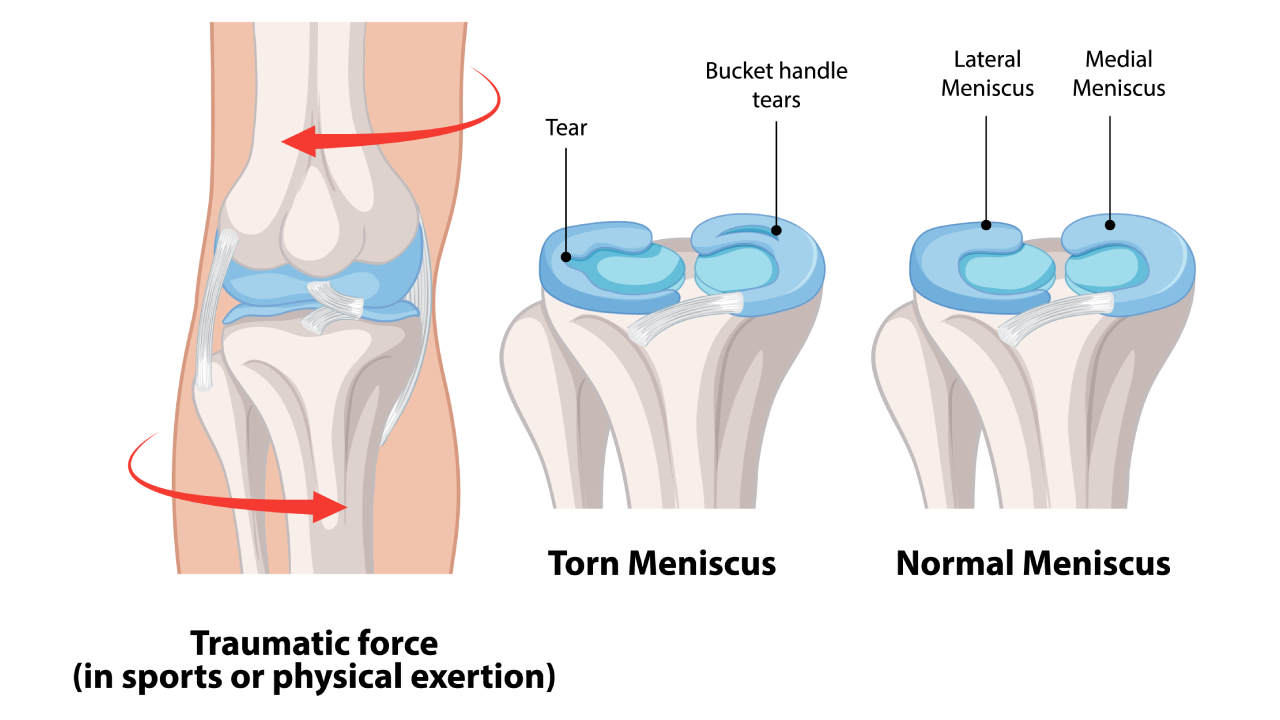
- Sports injuries
- Muscle strains
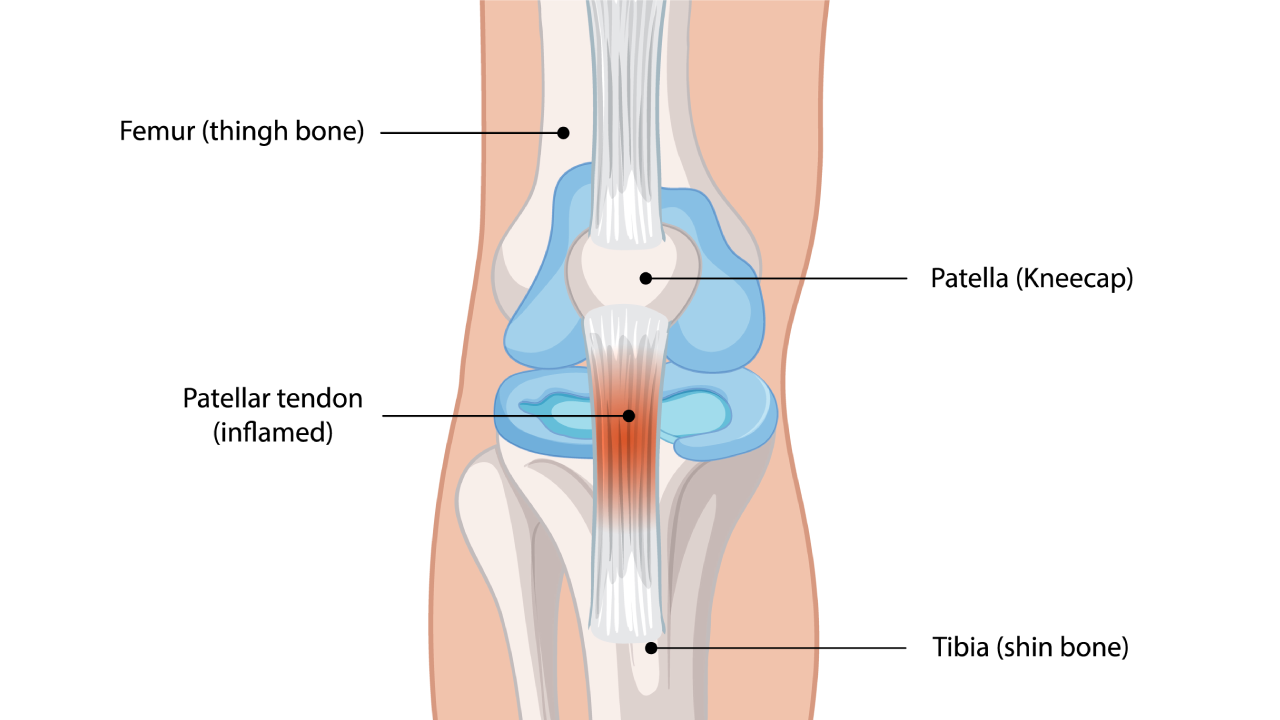
- Tendon problems
- Arthritis-related movement concerns
- Post-injury rehabilitation
- Mobility limitations
- Strength and conditioning
These conditions can overlap, making a physical assessment useful for identifying which areas may need attention.
Get Started
Hip bursitis can interfere with walking, sitting, stair climbing, exercise, work, and sleep. Identifying factors associated with your symptoms can help establish an appropriate physiotherapy plan.
At Spinal Solution and Wellness, we assess hip movement, strength, activity demands, and functional limitations before selecting suitable treatment options.
Phone: +1 416-307-1076
Address: 5995 Steeles Ave E, Scarborough, ON M1V 5P6, Canada
If you are searching for Hip Bursitis in Scarborough, ON, contact Spinal Solution and Wellness to arrange a physiotherapy assessment. Our team can discuss your symptoms, explain the assessment process, and determine whether physiotherapy is appropriate for your situation.