

Ankle Sprains in Scarborough, ON
An ankle sprain can occur suddenly from a missed step, awkward landing, quick turn, uneven surface, or sports-related movement. When the ligaments supporting the ankle are stretched or torn, walking, standing, exercising, and other daily activities may become difficult. For people dealing with Ankle Sprains in Scarborough, ON, identifying the extent of the injury and addressing movement limitations can help support a gradual return to normal activities.
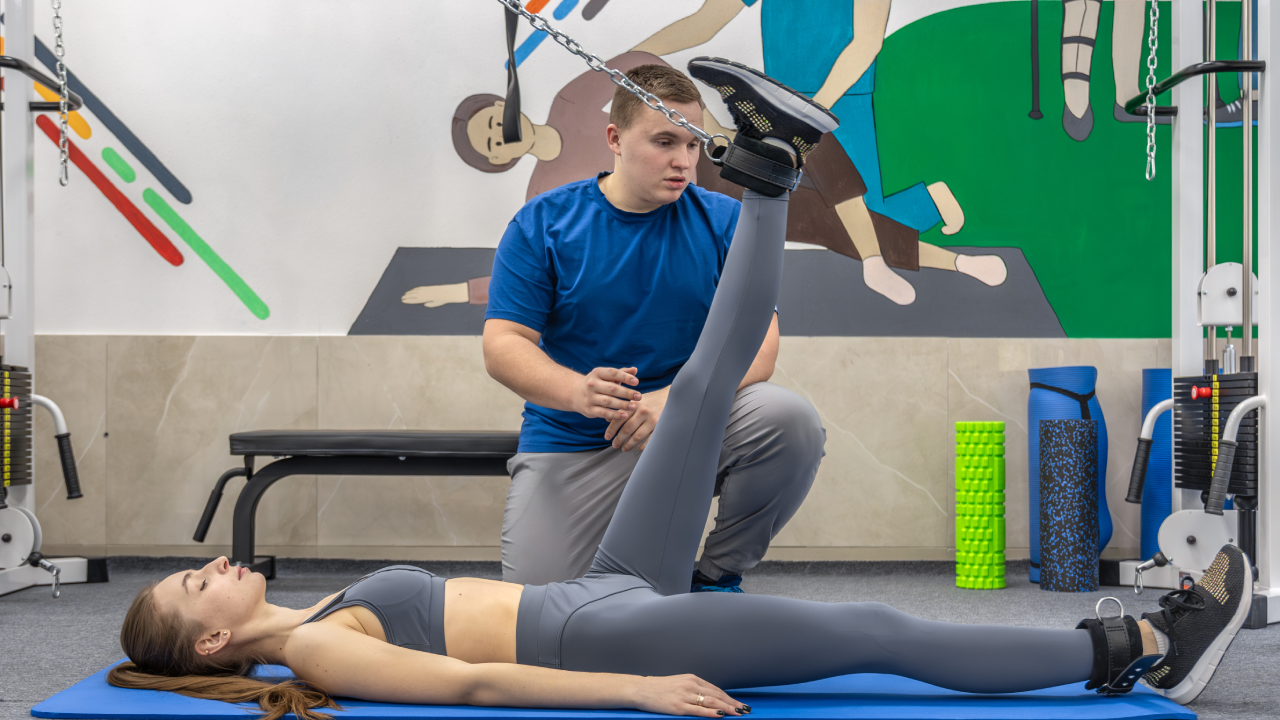
At Spinal Solution and Wellness, we assess the ankle, foot, lower-leg strength, balance, mobility, walking pattern, and functional limitations. Depending on the assessment, physiotherapy may involve therapeutic exercises, strengthening, balance training, hands-on care, activity adjustments, and progressive return-to-activity planning.
What Is an Ankle Sprain?
An ankle sprain occurs when one or more ligaments around the ankle are stretched beyond their usual range or partially or completely torn. Ligaments connect bones and contribute to joint stability.
The ligaments on the outside of the ankle are commonly affected. This can happen when the foot rolls inward while the ankle moves outward. However, the structures involved can vary depending on how the injury occurred and the force placed on the ankle.
Ankle sprains may result from:
- Rolling the ankle while walking or running
- Landing awkwardly after a jump
- Making a sudden change in direction
- Participating in sports
- Walking across uneven ground
- Missing a step
- Tripping or stumbling
- Falling
- Receiving a direct blow to the ankle
- Resuming activity before strength and stability have returned
Symptoms can range from mild tenderness to significant swelling and difficulty putting weight through the affected leg. Some people may also notice bruising, stiffness, restricted movement, or a feeling that the ankle is unstable.
With Ankle Sprains in Scarborough, ON, symptoms may continue even after the initial swelling has decreased. Reduced ankle mobility, weakness, balance problems, and changes in walking mechanics can remain and interfere with work, exercise, recreation, and everyday activities.
Who Can Develop Ankle Sprains?
An ankle sprain can affect people of different ages and activity levels. Participation in competitive sports is not required for an ankle injury to occur.
Athletes and Active Adults
Activities such as basketball, soccer, volleyball, tennis, hockey, running, and other sports involving jumping, pivoting, or rapid direction changes can place considerable demands on the ankle.
Children and Teenagers
Young people can sprain an ankle during sports, school activities, playground activities, or recreational exercise. An assessment can help determine current movement and functional capacity before returning to physical activity.
Workers
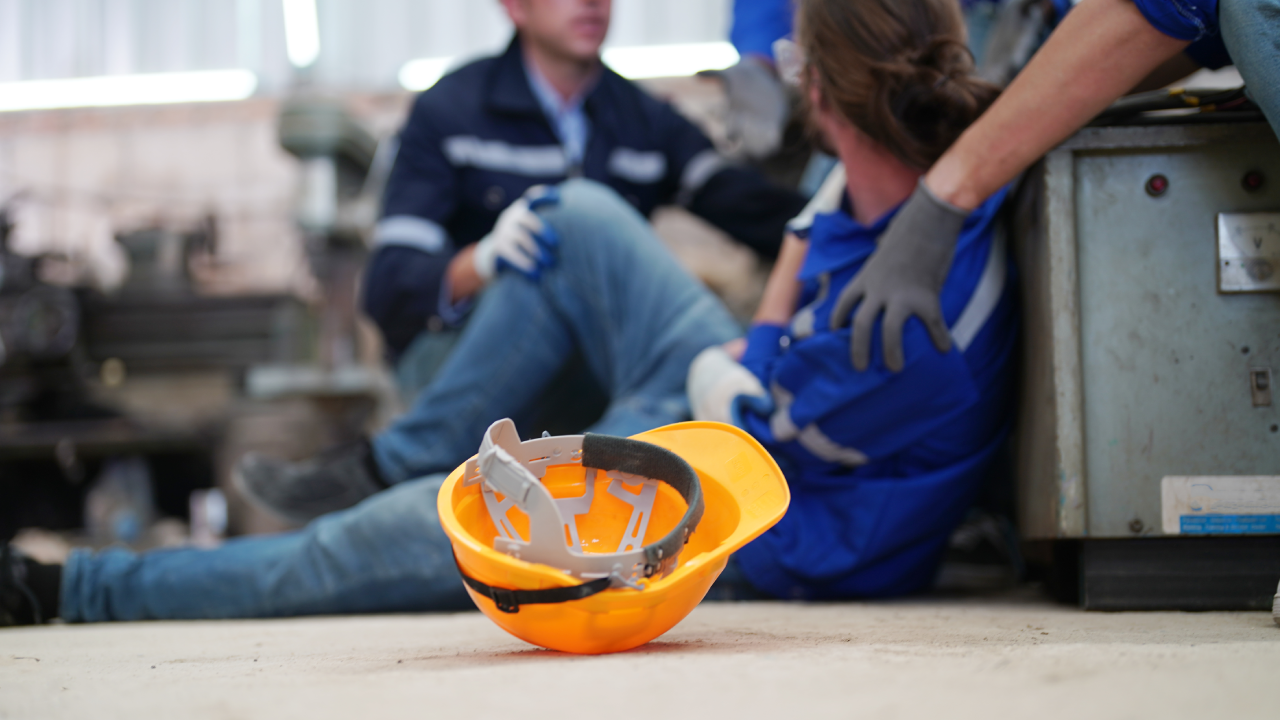
People whose jobs involve standing, walking, climbing ladders, navigating uneven surfaces, or performing physically demanding tasks may find their usual duties difficult after an ankle injury.
Older Adults
Falls and uneven walking surfaces can contribute to ankle sprains. Lower-limb strength and balance may also need attention during rehabilitation.
Recreational Walkers and Runners
An awkward foot placement or uneven surface can cause an ankle injury even during routine walking or recreational running.
Problems Associated With Ankle Sprains
An ankle sprain can affect more than the area around the injured ligament. Changes in movement, strength, balance, and joint mobility may influence how the lower limb functions.
Common concerns include:
- Ankle swelling
- Bruising
- Tenderness
- Difficulty walking
- Limited ankle movement
- Foot or lower-leg weakness
- Difficulty standing on one leg
- Reduced balance
- Trouble using stairs
- Symptoms during running or jumping
- Repeated ankle rolling
- Reduced confidence during physical activity
- Difficulty returning to sport
- Changes in walking mechanics
- An ongoing feeling of ankle instability
A previous ankle sprain may also increase the chance of another injury, particularly when ankle strength, mobility, balance, and coordination have not returned to their previous level.
Physiotherapy Care for Ankle Sprains
Physiotherapy care depends on the severity of the injury, current symptoms, physical findings, lifestyle, work requirements, and activity goals.
Initial Assessment
Your physiotherapist reviews how the injury occurred, current symptoms, previous ankle injuries, activity restrictions, and daily requirements.
The assessment may include:
- Ankle range of motion
- Foot movement
- Lower-leg strength
- Balance
- Walking mechanics
- Joint stability
- Swelling
- Tender areas
- Functional movement
- Ability to bear weight
When symptoms indicate a possible fracture or another significant injury, additional medical assessment may be recommended.
Mobility Exercises
Controlled ankle movement may be introduced when appropriate to maintain or improve mobility. Exercises can progress gradually according to the stage of recovery and the ankle’s response to movement.
Strength Exercises
Strength training may focus on the muscles around the foot, ankle, calf, and lower leg. As strength develops, exercises can progress toward movements that relate to work, recreation, running, or sport.
Balance Training
An ankle ligament injury can affect joint-position awareness and balance. Rehabilitation may therefore include exercises that challenge ankle control.
Examples include:
- Single-leg standing
- Weight-shifting exercises
- Balance on stable surfaces
- Dynamic balance activities
- Direction-change drills
- Sport-related movement exercises
Hands-On Treatment
Where appropriate, hands-on treatment may be used to address joint mobility, surrounding soft-tissue restrictions, and movement limitations identified during the assessment.
Activity Modification
Complete inactivity may not always be necessary. Your physiotherapist can help identify activities that place excessive demand on the ankle and suggest temporary modifications while strength and movement capacity develop.
How Ankle Sprain Rehabilitation Works
1. Consultation
The process begins with a discussion about how the injury occurred, current symptoms, work requirements, daily activities, exercise habits, and previous ankle problems.
2. Physical Assessment
The physiotherapist examines mobility, strength, balance, walking, swelling, stability, and functional movement.
3. Rehabilitation Planning
A rehabilitation plan is established according to the assessment findings, current abilities, and physical demands of your daily routine.
4. Progressive Rehabilitation
Exercises and other treatment methods are introduced according to your presentation. Workload can gradually increase as the ankle becomes capable of handling greater physical demands.
5. Functional Review
Progress may be reviewed through activities such as walking, stair use, single-leg balance, strength exercises, jumping, running, or sport-specific movements.
6. Activity Progression
As ankle function changes, exercises can be adjusted to match your requirements. Athletes may progress toward sport-specific drills, while workers may need movements that reflect workplace duties.
How Physiotherapy May Support Ankle Recovery
Physiotherapy can address several aspects of ankle function following a sprain.
Ankle Mobility
Swelling and injury can restrict ankle movement. Appropriate mobility exercises may help restore functional range of motion.
Lower-Limb Strength
Strength exercises can help the ankle and surrounding muscles manage the demands of walking, standing, exercise, work, and sport.
Balance and Coordination
Balance activities can help develop ankle control during standing, walking, turning, and changing direction.
Gradual Return to Activity
Returning to demanding activities too quickly can place additional stress on an ankle that has not regained sufficient capacity. Progressive activity allows the response of the ankle to be monitored as demands increase.
Reducing Recurring Sprains
Rehabilitation can address factors such as weakness, restricted mobility, balance deficits, and movement-control issues that may contribute to recurring ankle problems.
Daily Function
Improved ankle function can support activities such as walking, climbing stairs, driving, exercising, standing at work, and completing physical duties.
When Should You Seek Care for an Ankle Sprain?
Some ankle injuries are minor, while others may involve a fracture, significant ligament damage, or another condition requiring medical attention.
Consider seeking medical assessment if:
- You cannot place weight on the affected leg.
- The ankle looks deformed.
- Swelling is severe.
- Symptoms are intense.
- Symptoms continue to worsen.
- Numbness or unusual sensations occur.
- The ankle feels significantly unstable
- You have repeated ankle injuries.
- Recovery is not progressing as expected.
A physiotherapy assessment can also be useful when stiffness, weakness, balance problems, or functional limitations remain after the initial injury.
Who We Serve in Scarborough
Spinal Solution and Wellness provides physiotherapy care for people dealing with Ankle Sprains in Scarborough, ON, and surrounding communities.
Our clinic works with:
- Athletes
- Runners
- Recreational exercisers
- Children and teenagers
- Adults
- Older adults
- Office workers
- Tradespeople
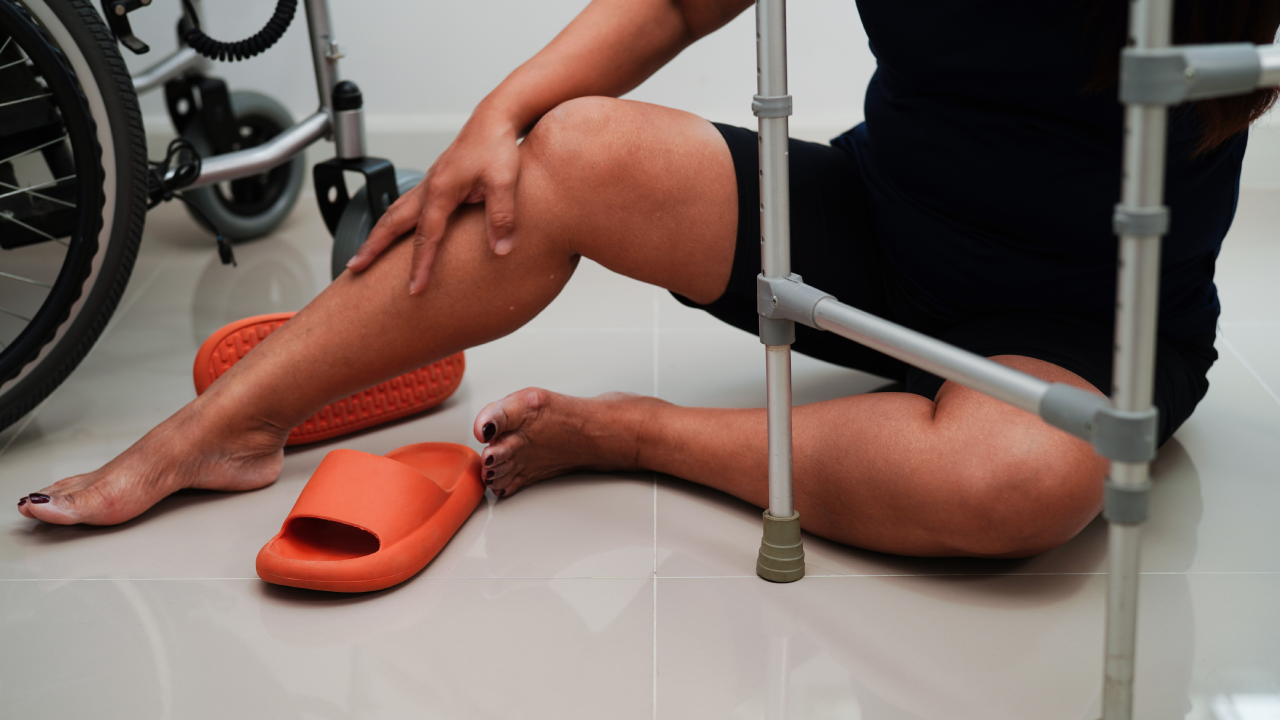
- People recovering after falls
- People with recurring ankle sprains
Care can be adjusted according to your current physical abilities, work requirements, activity level, and functional needs.
Frequently Asked Questions About Ankle Sprains
How long does an ankle sprain take to recover?
Recovery varies according to the severity of the ligament injury, swelling, mobility, strength, and activity requirements. A mild sprain may settle within a shorter period, while a more significant injury can take several weeks or longer.
Can I walk with an ankle sprain?
Some people can walk after a mild sprain, while others may have difficulty putting weight through the affected leg. Walking ability should be considered along with swelling, stability, mobility, and other symptoms.
Should I exercise after an ankle sprain?
Exercise may be introduced when appropriate for the stage of recovery. The type, intensity, and amount of exercise should reflect the condition of the ankle and its response to loading.
Can an ankle sprain happen again?
Yes. A previous ankle sprain can be associated with recurring instability. Rehabilitation can address strength, mobility, balance, coordination, and movement control.
When can I return to sports?
Return to sport depends on ankle strength, balance, mobility, movement control, confidence, and the physical requirements of the sport. Running, jumping, cutting, and other sport-specific movements may need to be assessed before full participation.
Do I need physiotherapy for an ankle sprain?
Not every ankle sprain requires physiotherapy. An assessment may be useful when symptoms are significant, recovery is progressing slowly, movement remains restricted, or ankle sprains occur repeatedly.
What happens during an ankle assessment?
A physiotherapist may review your injury history and examine ankle mobility, strength, balance, walking mechanics, swelling, stability, weight-bearing ability, and functional movement.
Can an ankle sprain affect walking?
Yes. Swelling, weakness, restricted movement, and discomfort can change the way a person walks. Physiotherapy can address these movement changes as the ankle progresses through rehabilitation.
Service Area
Spinal Solution and Wellness serves people searching for Ankle Sprains in Scarborough, ON, as well as individuals from nearby communities.
Our clinic serves people from areas such as
- Agincourt
- Agincourt South-Malvern West
- Malvern
- Morningside
- West Hill
- Guildwood
- Wexford
- Bendale
- Dorset Park
- Clairlea
- Birch Cliff
- Scarborough Junction
- Port Union
- Don Mills
- East York
- Markham
If you are searching for Ankle Sprains in Scarborough, ON, our physiotherapy team can assess your ankle, identify movement and functional limitations, and discuss suitable rehabilitation options.
Why Choose Spinal Solution and Wellness?
Selecting a physiotherapy clinic for ankle rehabilitation involves looking beyond the initial injury. An assessment should consider how the ankle affects walking, work, exercise, sports, and daily activities.
At Spinal Solution and Wellness, rehabilitation may include:
- Review of your injury history
- Physical assessment
- Mobility exercises
- Strength training
- Balance exercises
- Functional movement training
- Activity modification
- Progress reviews
- Return-to-activity planning
Your rehabilitation plan can also be adjusted as your ankle’s strength, mobility, balance, and activity tolerance change.
Related Services
Depending on your symptoms and functional needs, related services may include:
- Sports Physiotherapy
- Physiotherapy for Workplace Injuries
- Manual Therapy
- Exercise Rehabilitation
- Balance Training
- Lower-Limb Rehabilitation
- Gait Assessment
- Injury Prevention Programs
These services may address movement factors involving the ankle, foot, and lower limb.
Get Started
An ankle sprain can interfere with walking, stair use, exercise, work, sport, and other daily activities. If swelling, weakness, stiffness, restricted movement, or instability continues after an injury, an assessment can help identify the factors affecting your function.
If you are searching for Ankle Sprains in Scarborough, ON, contact Spinal Solution and Wellness to arrange an assessment. Our physiotherapy team can review your symptoms, assess ankle function, and discuss appropriate rehabilitation steps.
Phone: +1 416-307-1076
Address: 5995 Steeles Ave E, Scarborough, ON M1V 5P6, Canada
Call Spinal Solution and Wellness today to schedule an appointment for ankle sprain physiotherapy in Scarborough, ON.