Tendon Injuries in Scarborough, ON
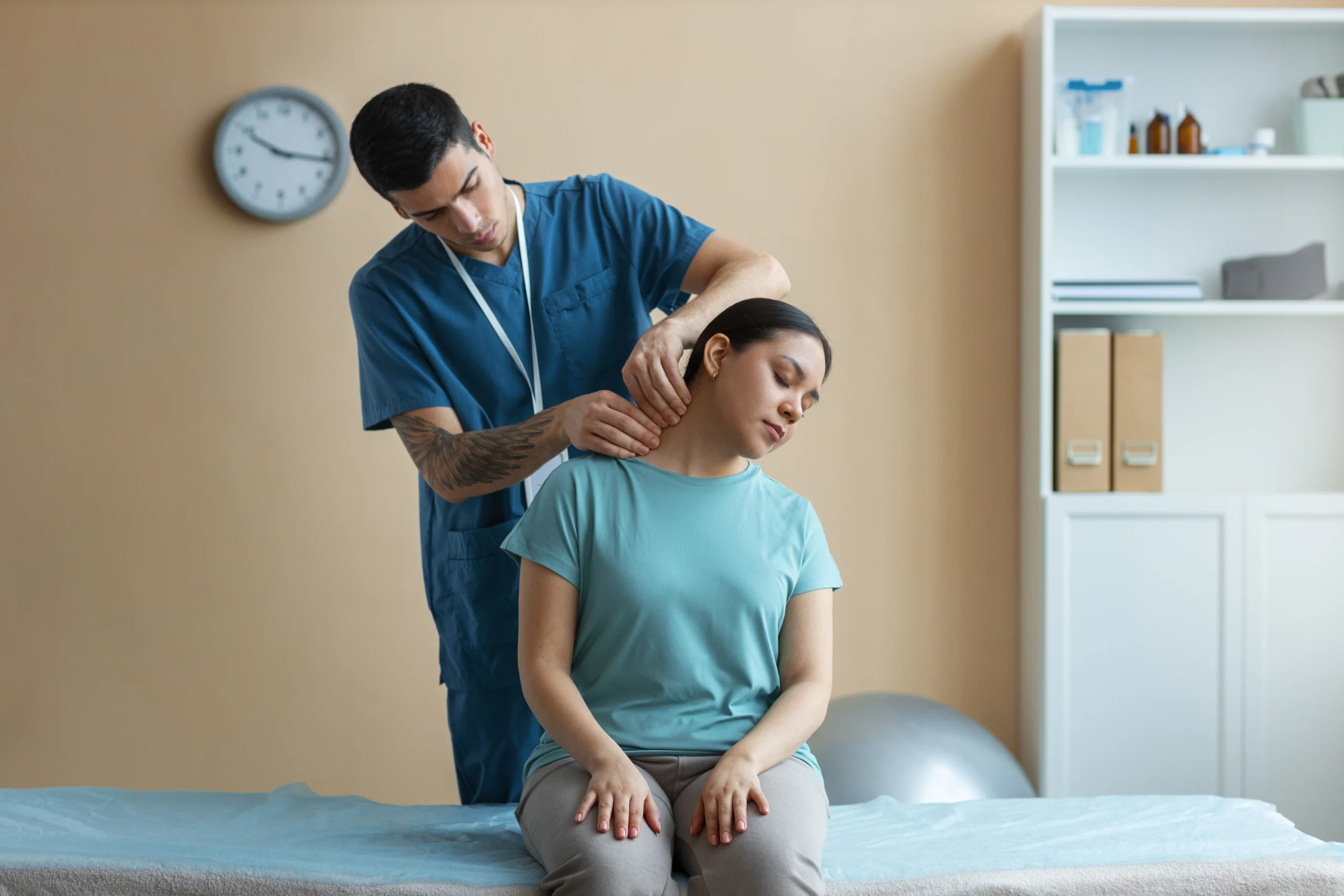
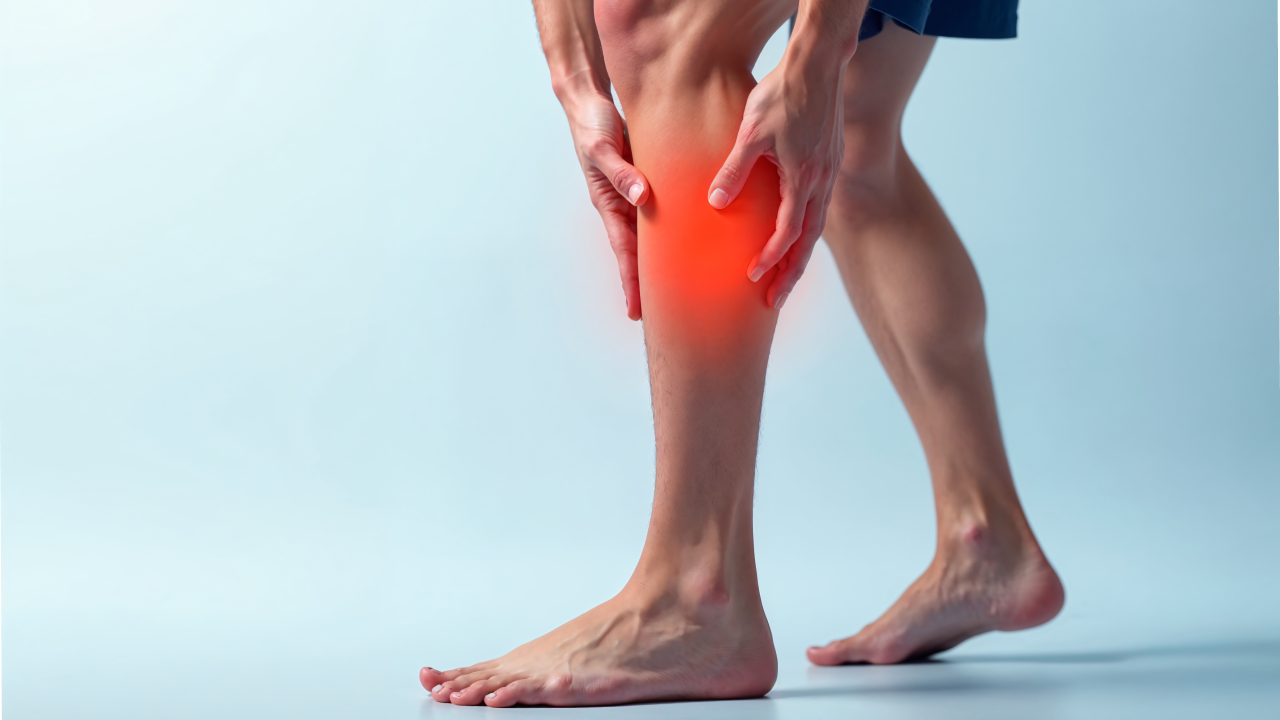
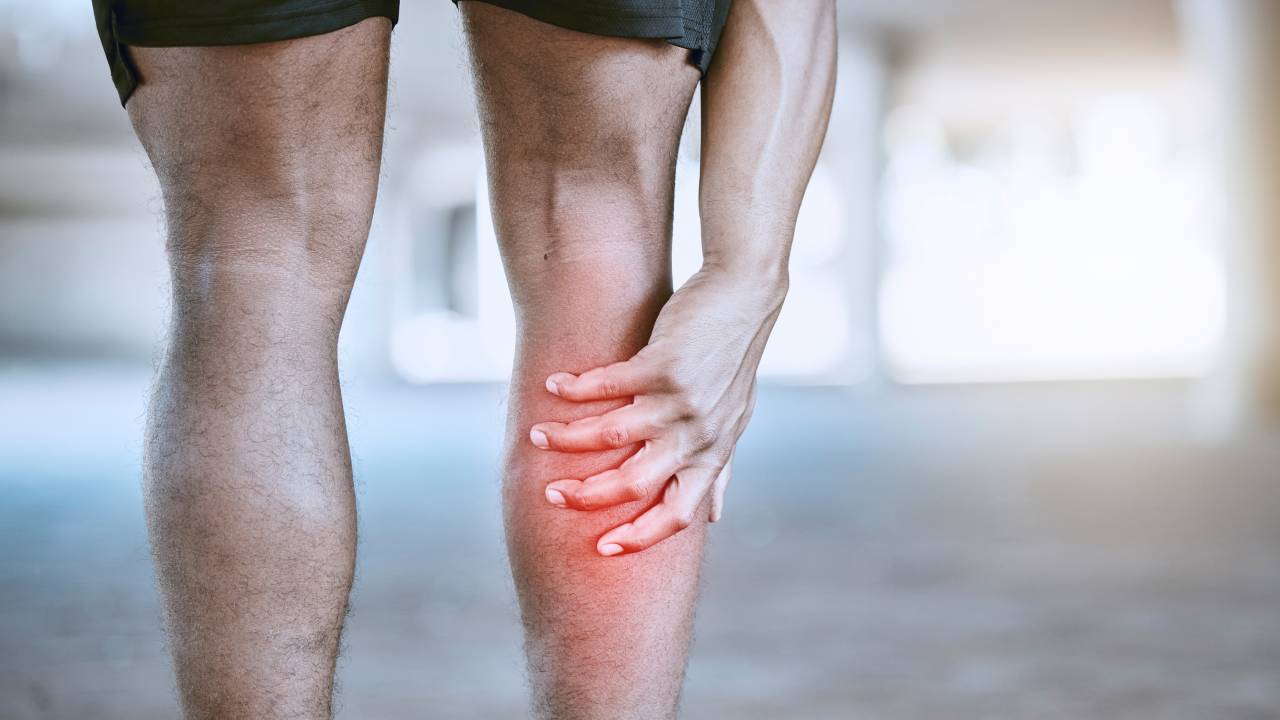
Tendon injuries can affect walking, lifting, reaching, running, exercising, working, and everyday activities. Tendons are strong bands of connective tissue that connect muscles to bones and help transfer force during movement. When a tendon becomes irritated, strained, inflamed, or damaged, routine movements may become uncomfortable or difficult.
At Spinal Solution and Wellness, we assess movement-related concerns and develop rehabilitation plans based on the affected tendon, symptoms, activity level, and functional needs. If you are searching for Tendon Injuries in Scarborough, ON, our clinic can assess your condition and explain suitable rehabilitation options.
What Are Tendon Injuries?
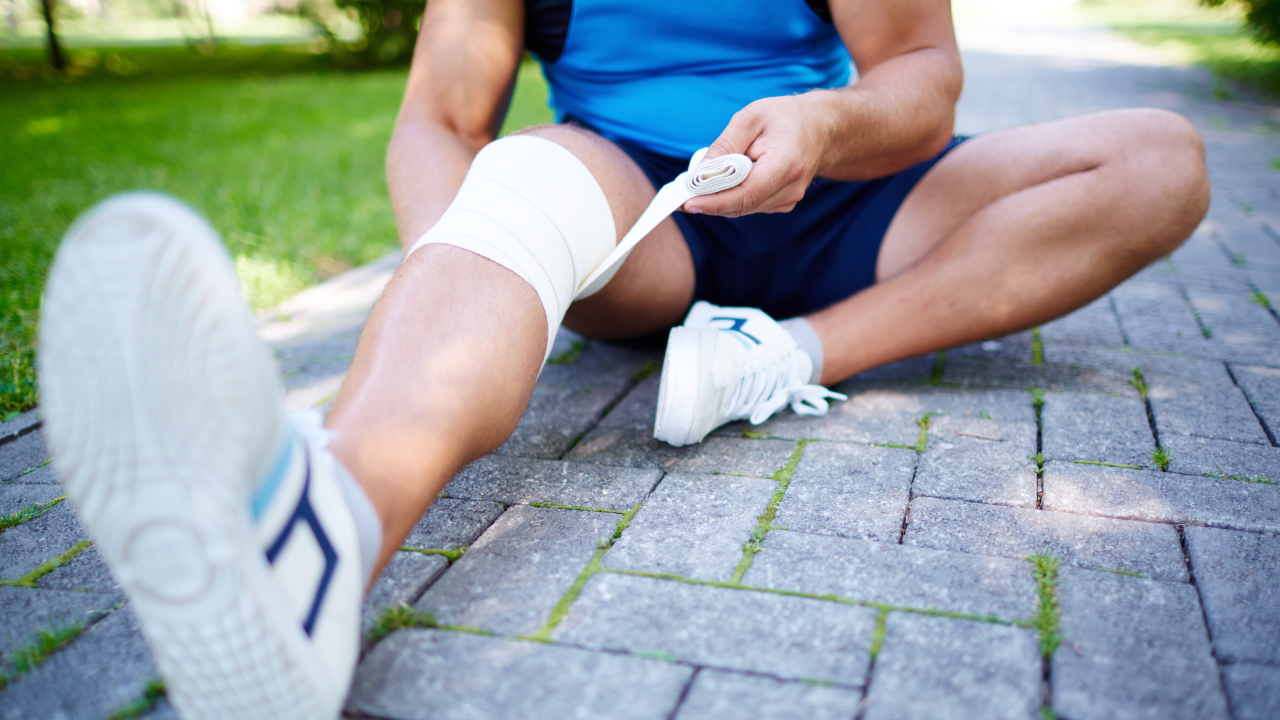
Tendon injuries can occur when a tendon is exposed to more physical load or stress than it can tolerate. This may happen suddenly during a fall, sports activity, lifting task, or forceful movement. Tendon problems may also develop gradually because of repetitive movements or increased activity.
Tendons are located throughout the body. Areas commonly affected include:
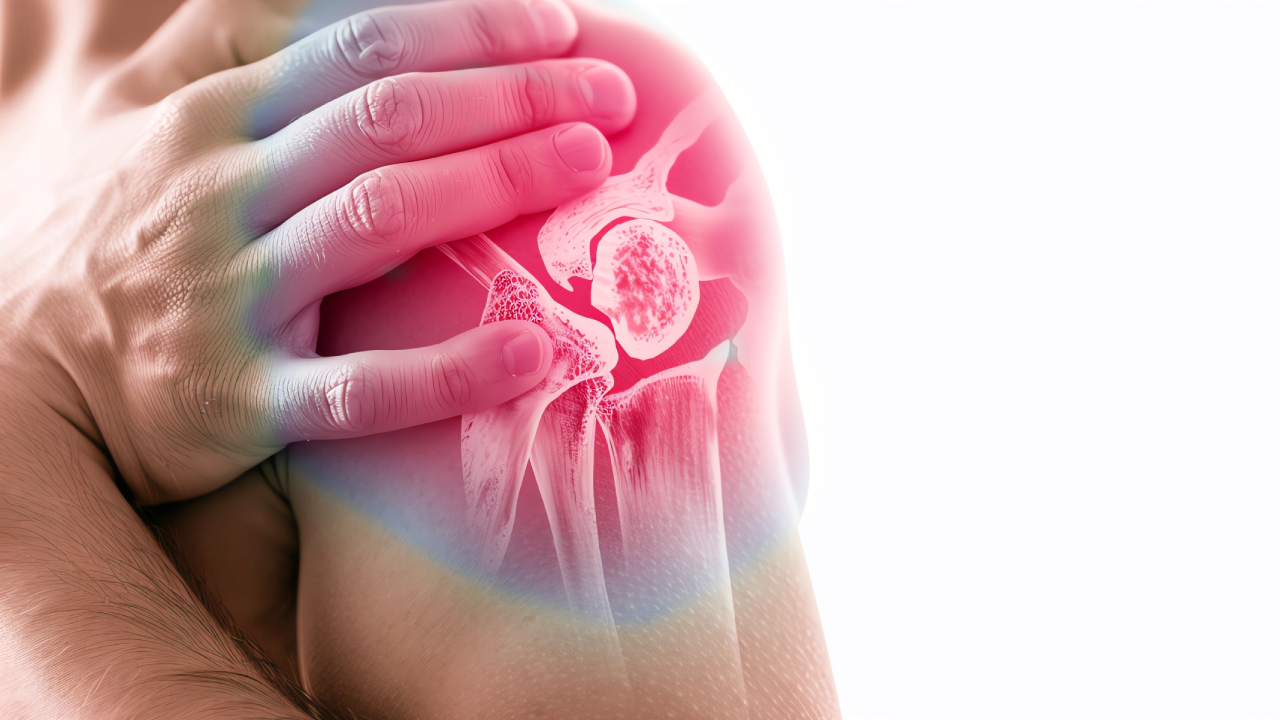
- Shoulder
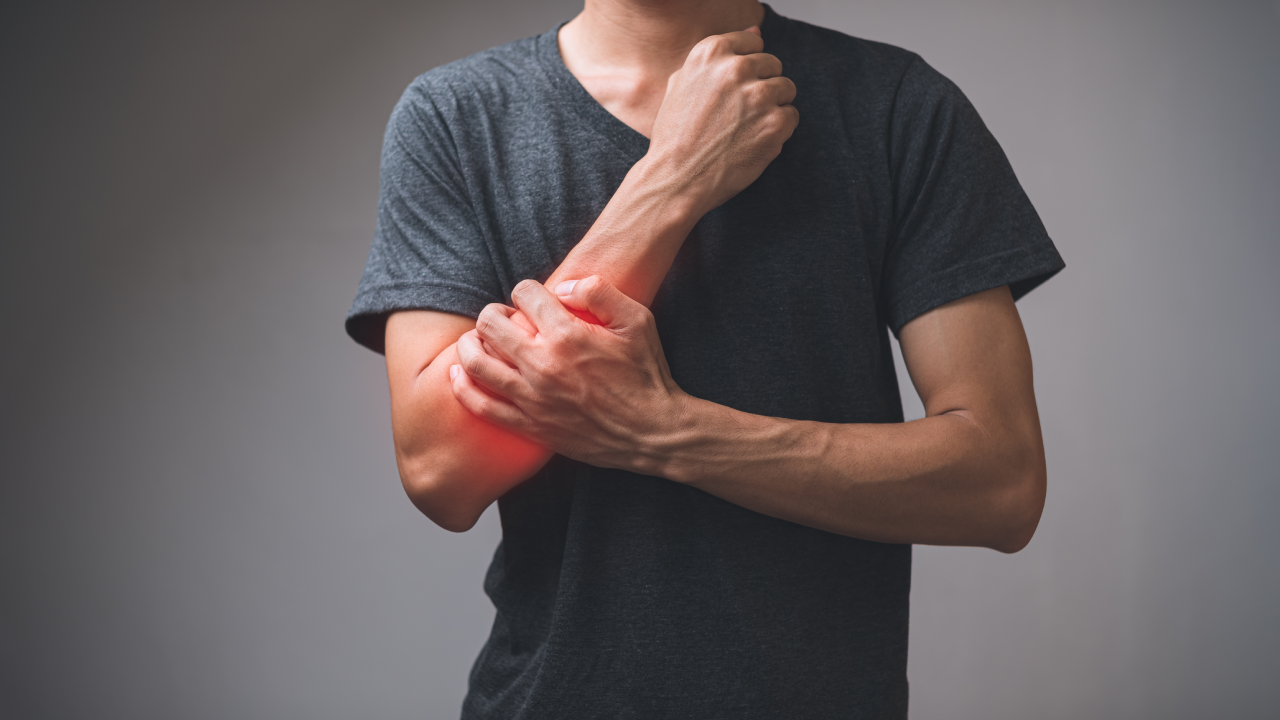
- Elbow
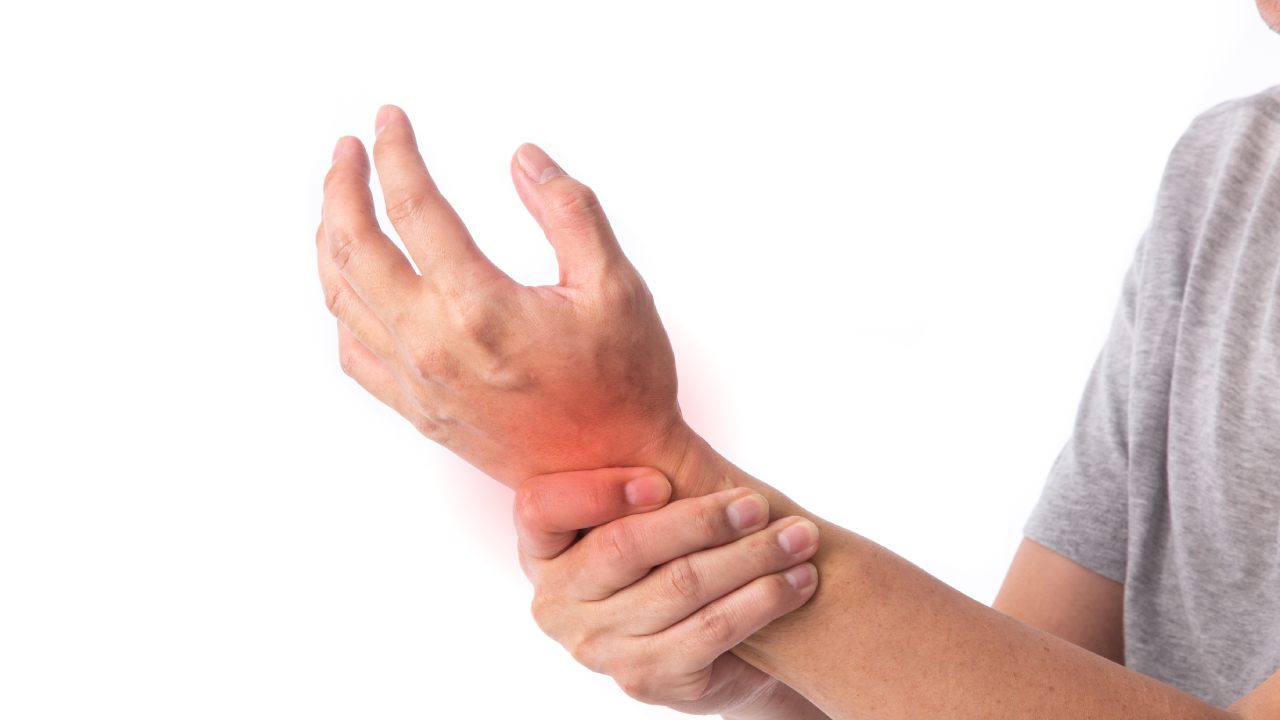
- Wrist
- Hand
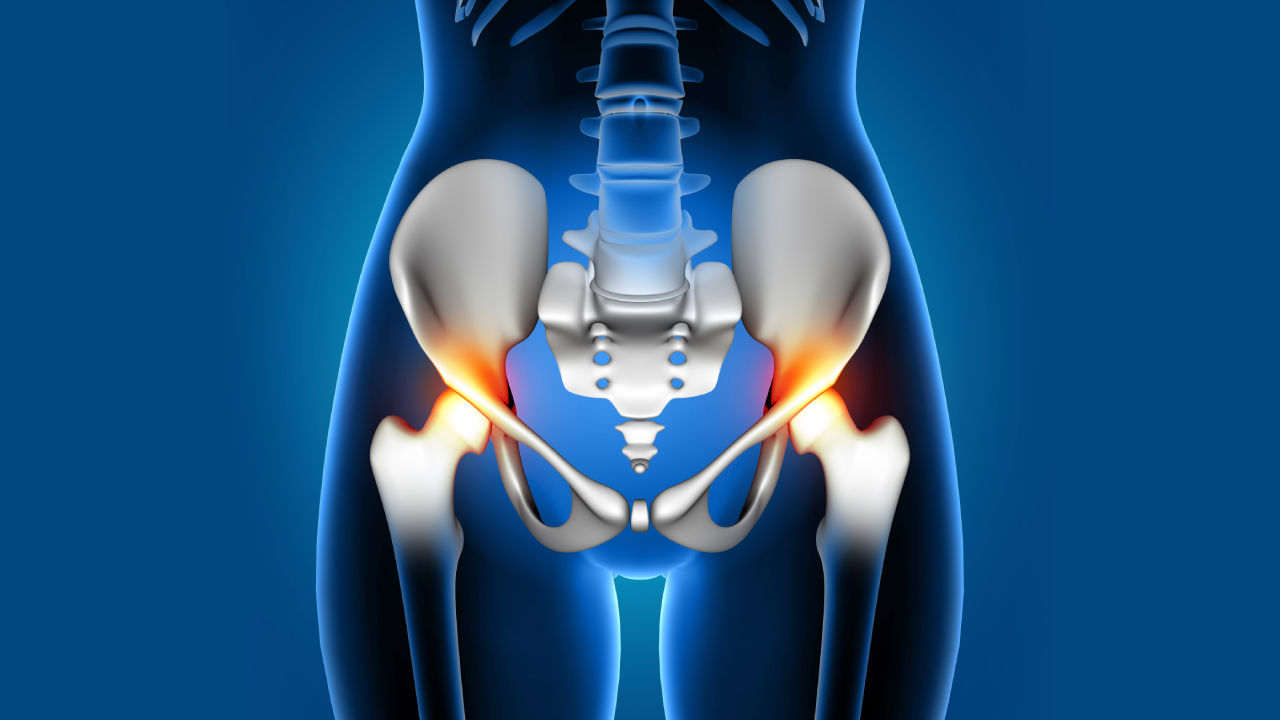
- Hip
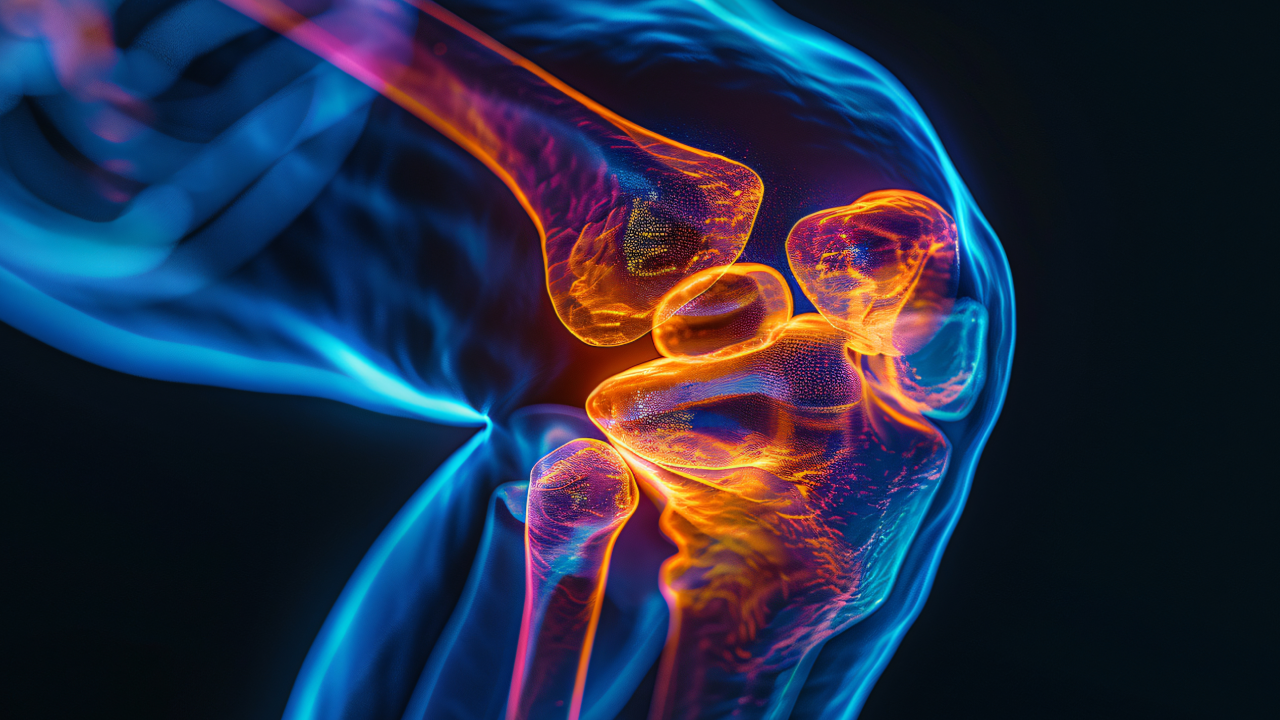
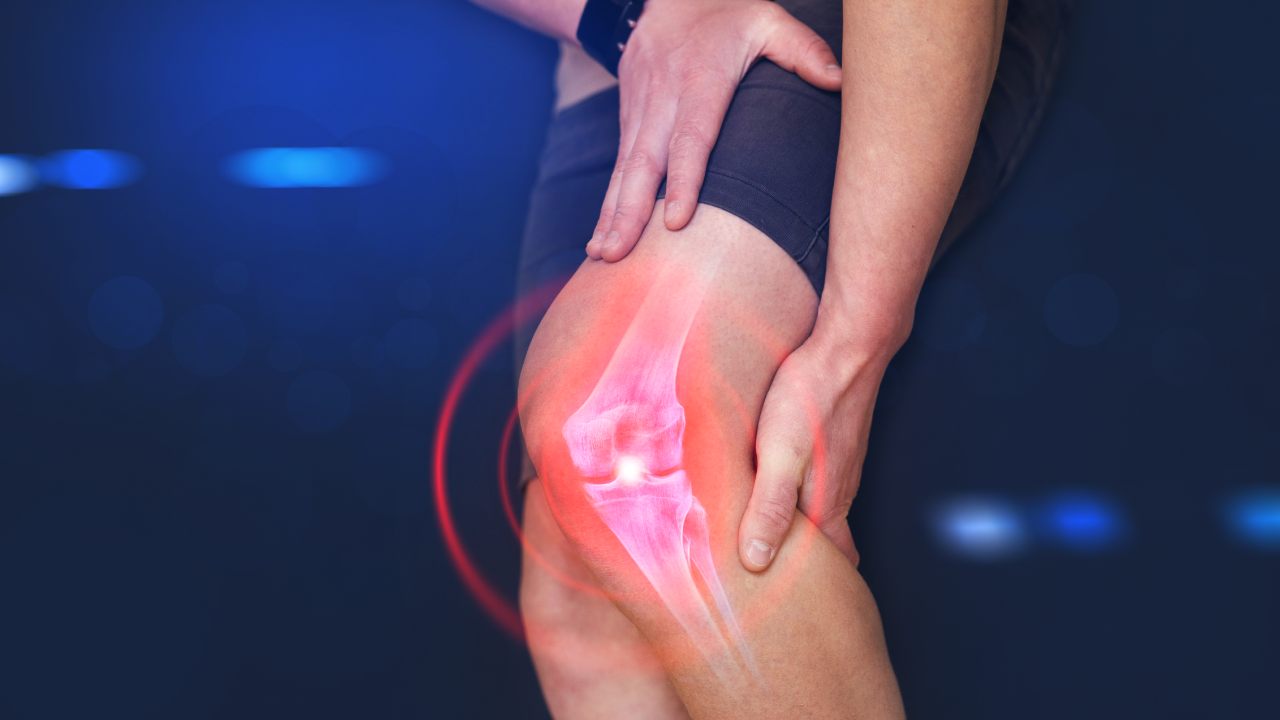
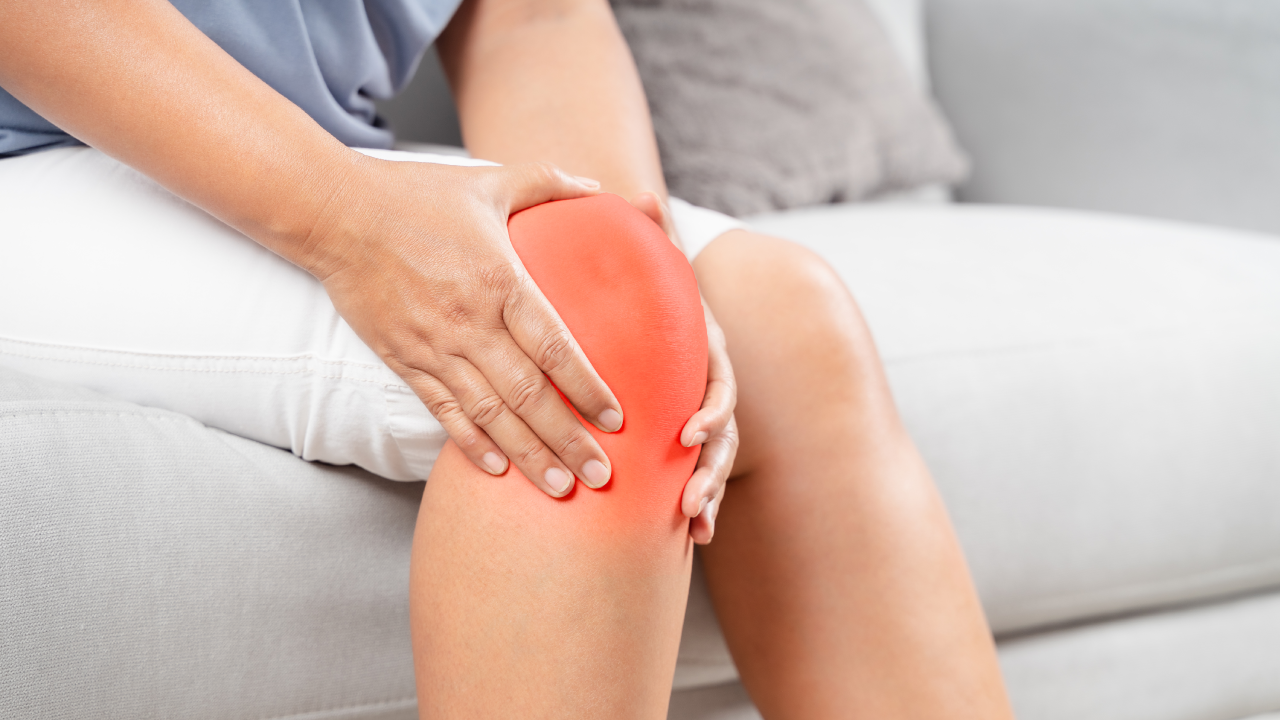
- Knee
- Ankle
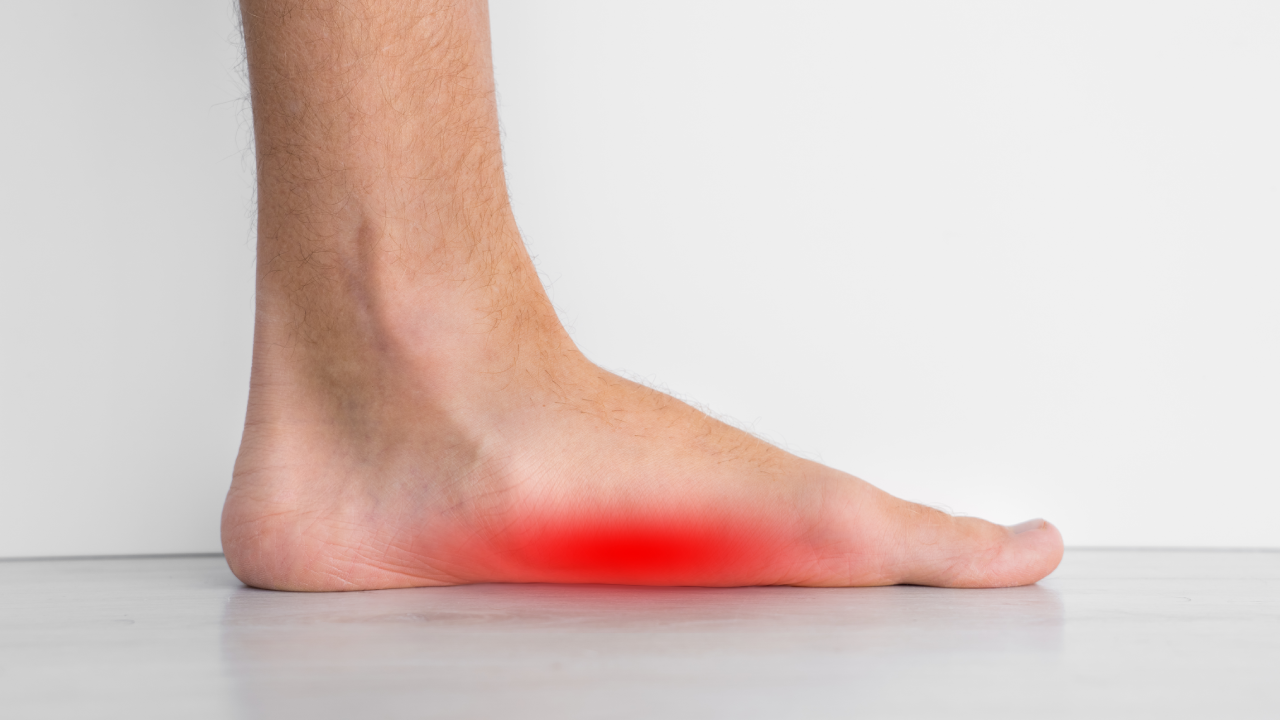
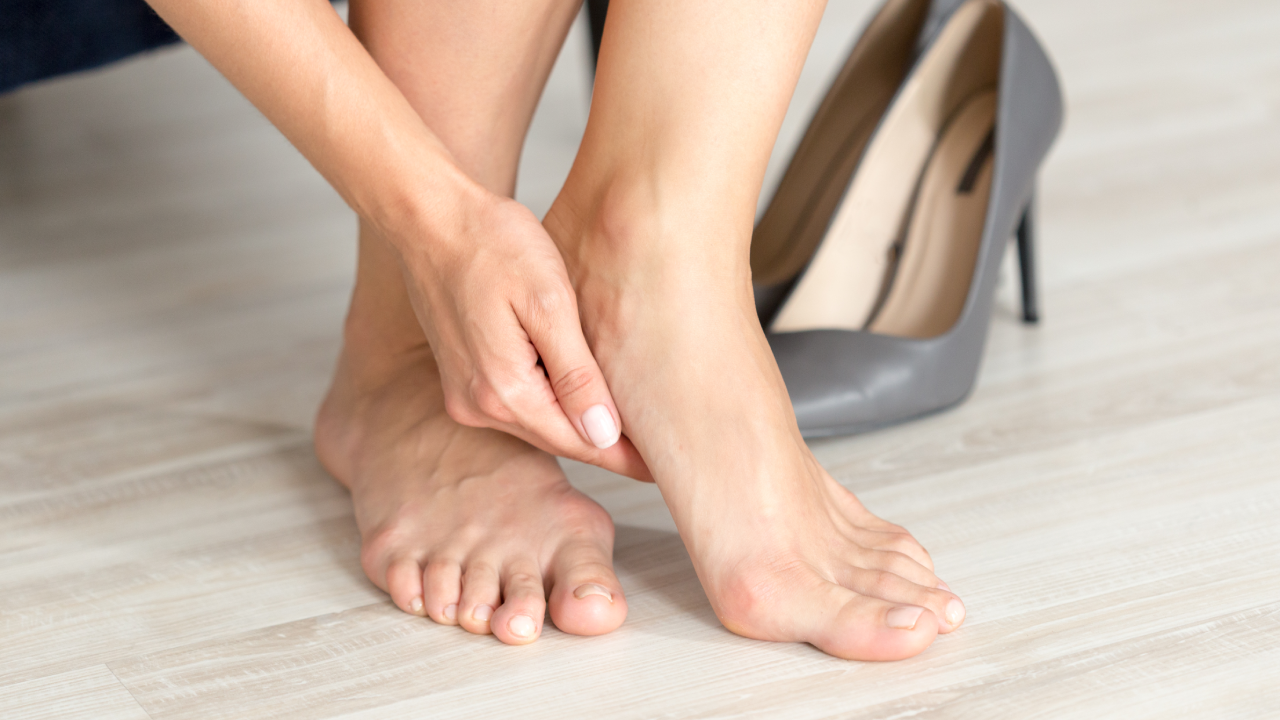
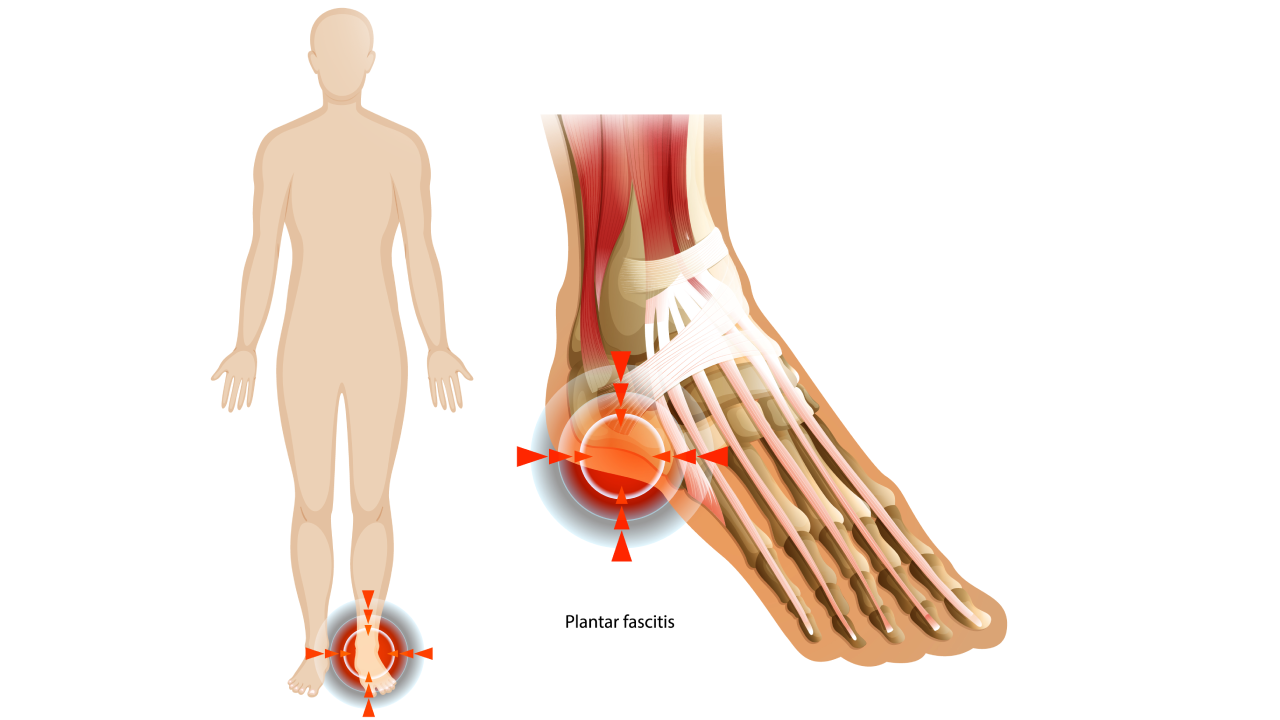
- Foot
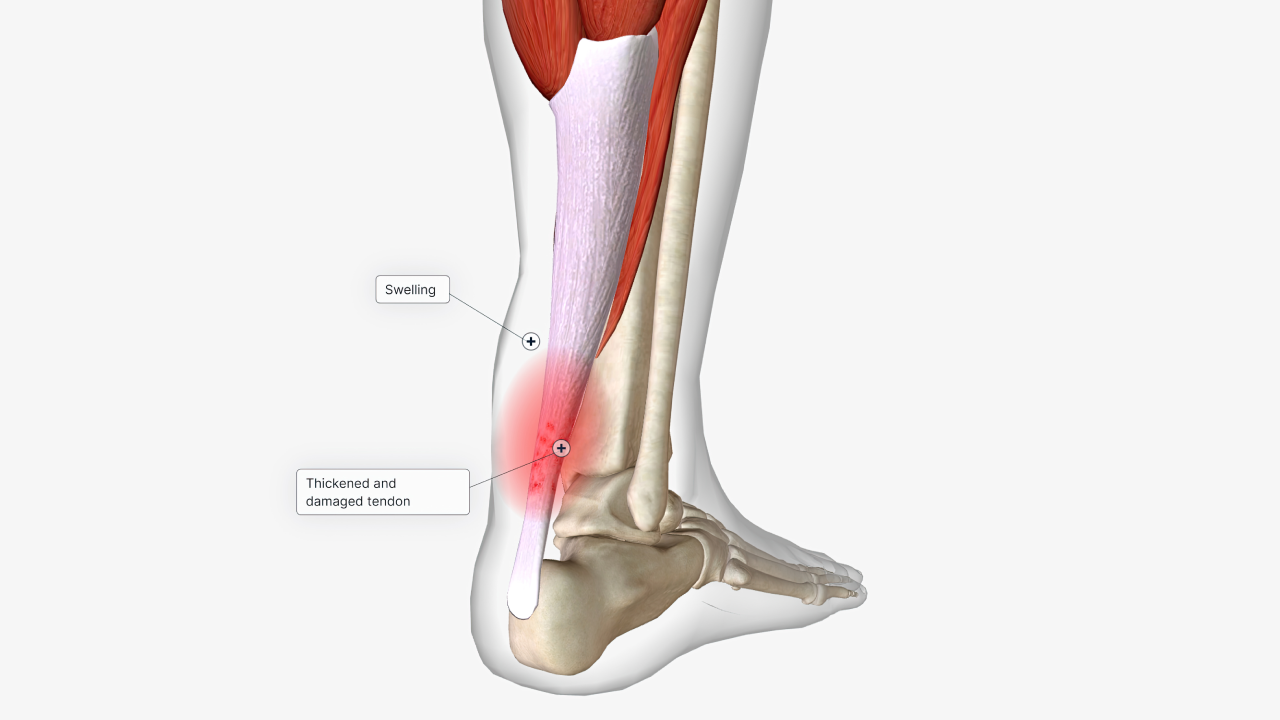
- Achilles tendon
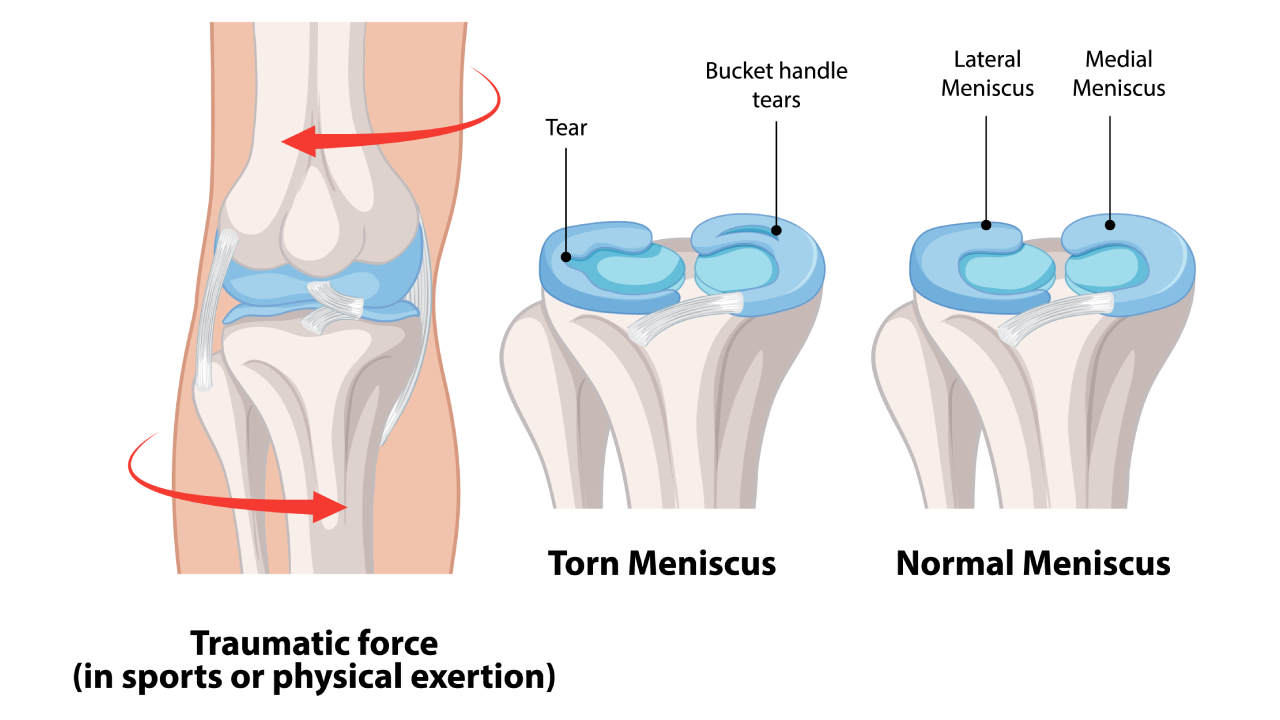
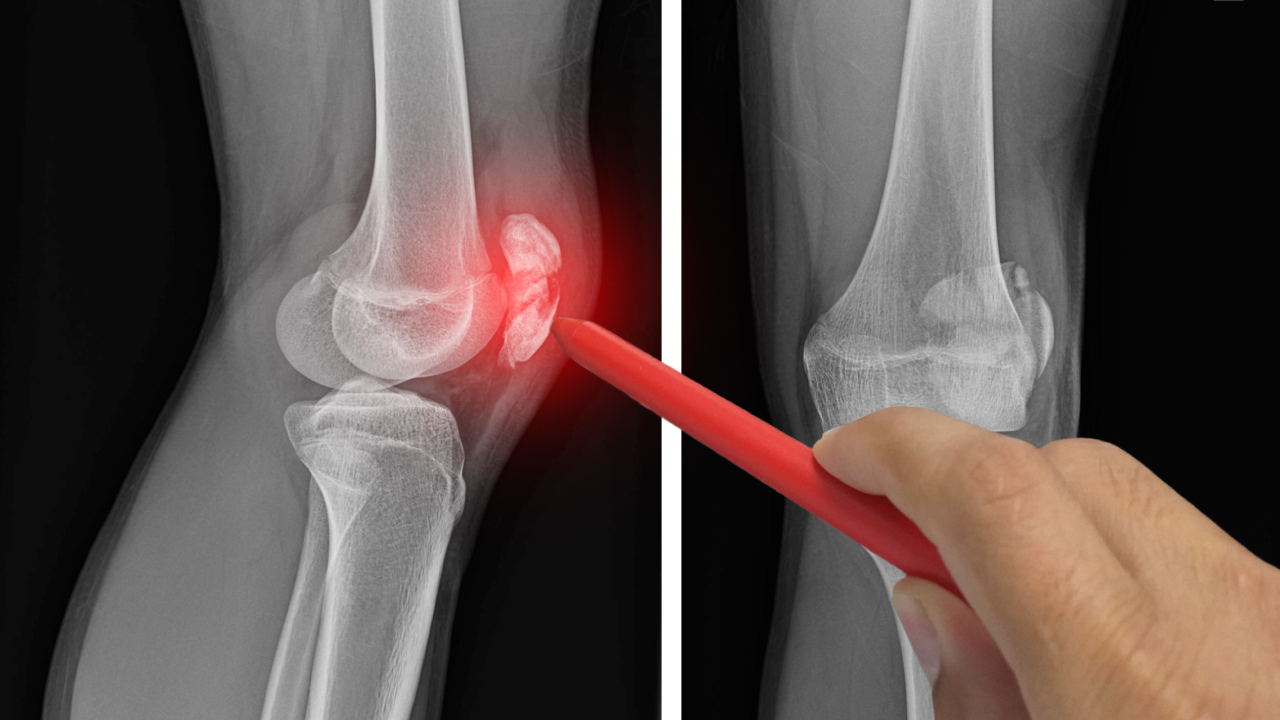
Tendon conditions can range from irritation and overuse problems to partial or complete tears. Some develop after one incident, while others appear gradually following repeated physical demands.
Common tendon conditions include tendinitis, tendinopathy, tendon strains, partial tears, and tendon ruptures. Symptoms and rehabilitation needs depend on the affected area and severity of the condition.
Common Causes of Tendon Problems
Several factors may contribute to tendon problems, including:
- Repetitive movements at work
- Sports and recreational activities
- Rapid increases in training volume
- Poor movement mechanics
- Repeated lifting
- Falls or direct trauma
- Sudden forceful movements
- Muscle weakness
- Restricted joint mobility
- Returning to physical activity too quickly
- Previous tendon problems
Age, occupation, activity level, training habits, and physical condition may also affect how tendons respond to physical demands.
Who May Benefit from Tendon Injury Rehabilitation?
Tendon rehabilitation may be suitable for people experiencing tendon-related symptoms following sports, work, exercise, accidents, or everyday activities.
Athletes and Active Adults
Running, jumping, throwing, swinging, lifting, and repeated training can place considerable stress on tendons. Athletes may develop problems involving the Achilles tendon, patellar tendon, rotator cuff, or elbow.
Workers
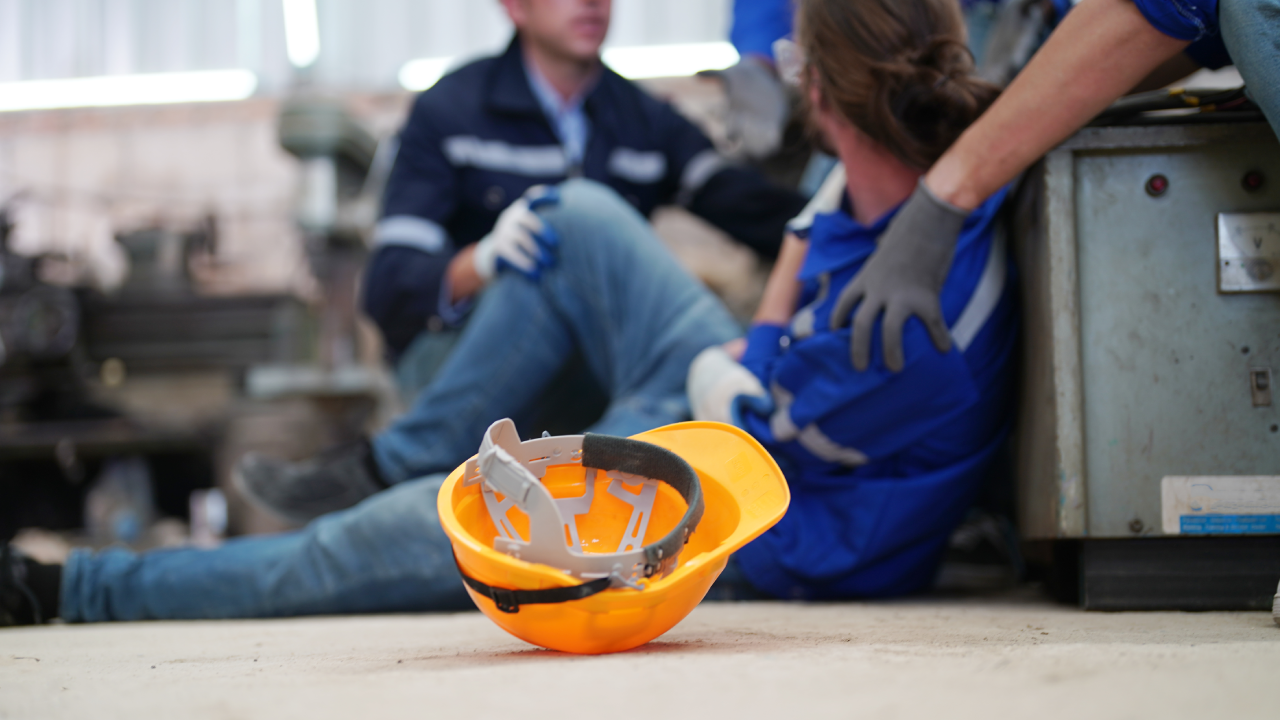
Occupations involving lifting, reaching, gripping, carrying, kneeling, or repeated physical tasks may contribute to tendon problems. Rehabilitation can focus on movement patterns, strength, work tolerance, and a gradual return to job duties.
Older Adults
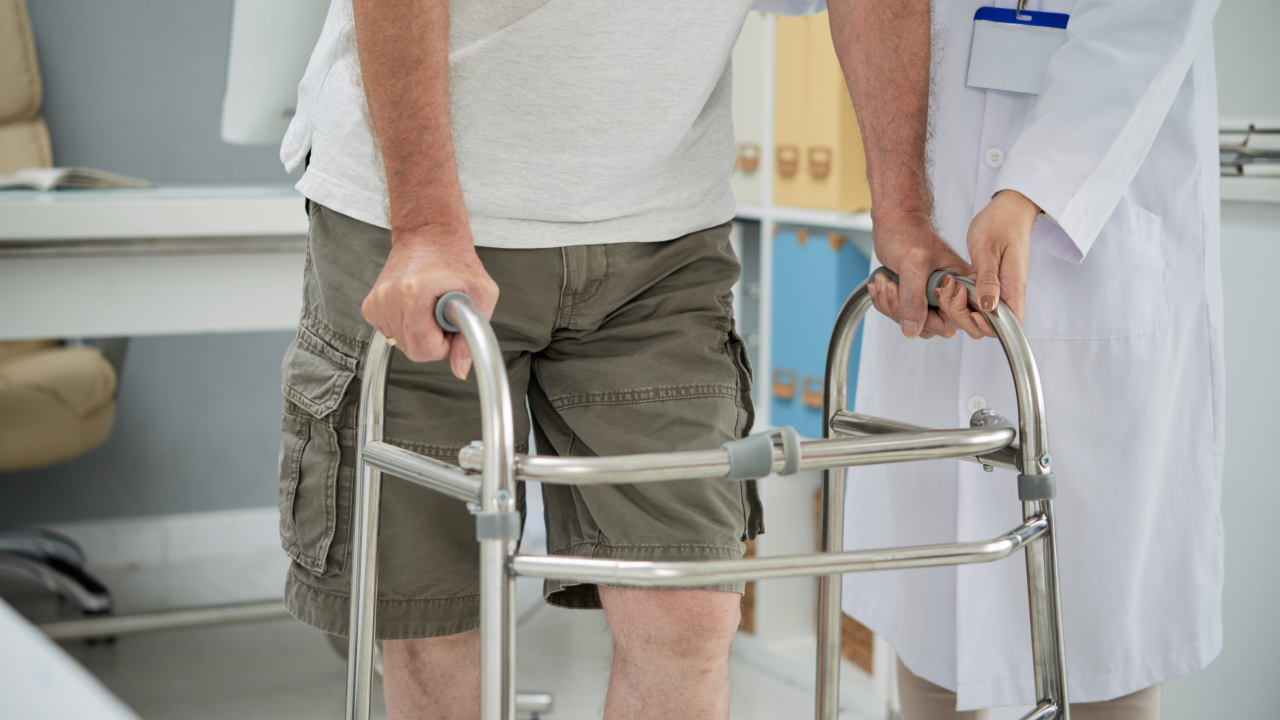
Changes in strength, mobility, balance, and activity levels may influence how tendons respond to physical demands. Rehabilitation can address these factors while taking daily activities into account.
People Returning to Exercise
A sudden return to running, gym workouts, sports, or other physical activities can increase tendon loading. Gradual activity progression can help the body adapt to changing demands.
People Recovering After an Injury
After a tendon strain, tear, or similar injury, rehabilitation may focus on improving movement, strength, coordination, and functional capacity.
Problems Associated With Tendon Injuries
Tendon problems can affect movement and physical activity in several ways. Depending on the affected area, symptoms may include:
- Discomfort during movement
- Tenderness around the tendon
- Swelling
- Stiffness
- Reduced strength
- Difficulty gripping or lifting
- Reduced range of motion
- Discomfort during sports
- Difficulty climbing stairs
- Trouble walking or running
- Symptoms after repetitive activity
- Reduced tolerance for physical work
Some people notice symptoms while active, whereas others notice them afterward or the following morning.
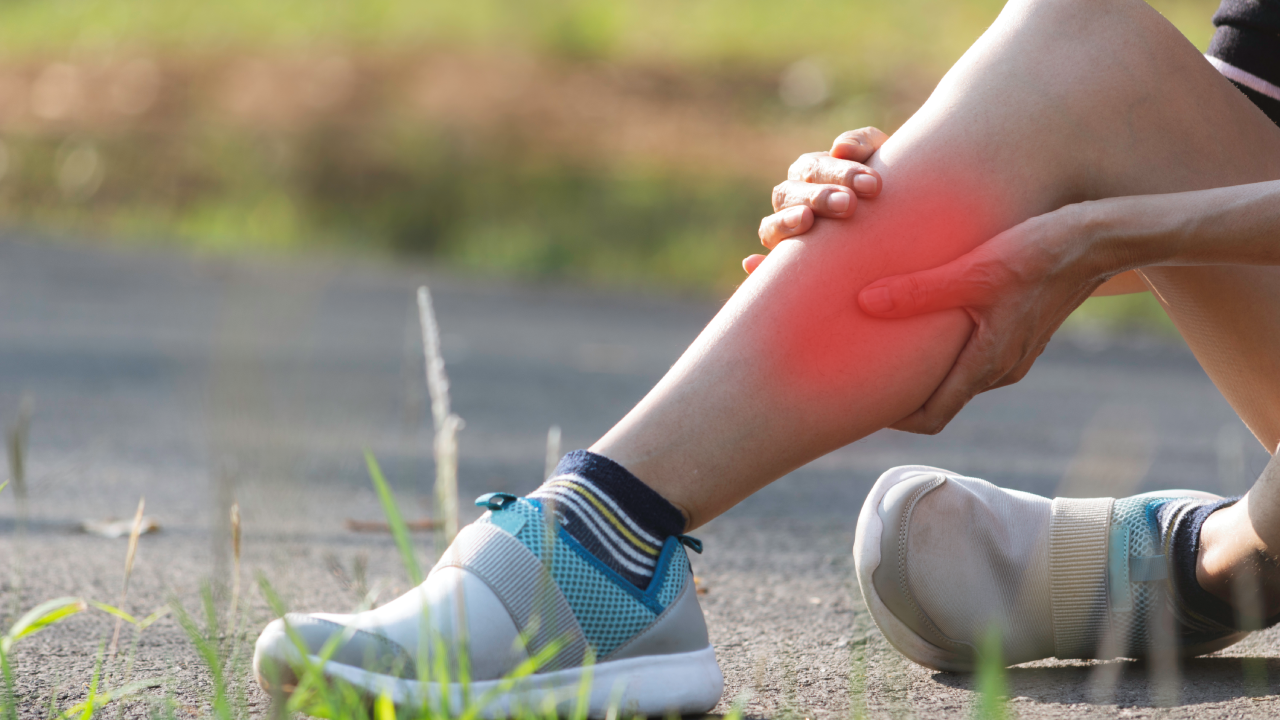
For example, an Achilles tendon condition may affect walking, running, or pushing off the foot. A shoulder tendon problem may make reaching overhead, lifting objects, dressing, or sleeping on one side difficult. Elbow tendon problems may interfere with gripping, typing, lifting, or repeated hand movements.
Common Tendon Injuries We Address
At Spinal Solution and Wellness, rehabilitation may address tendon conditions affecting different parts of the body.
Achilles Tendon Injuries
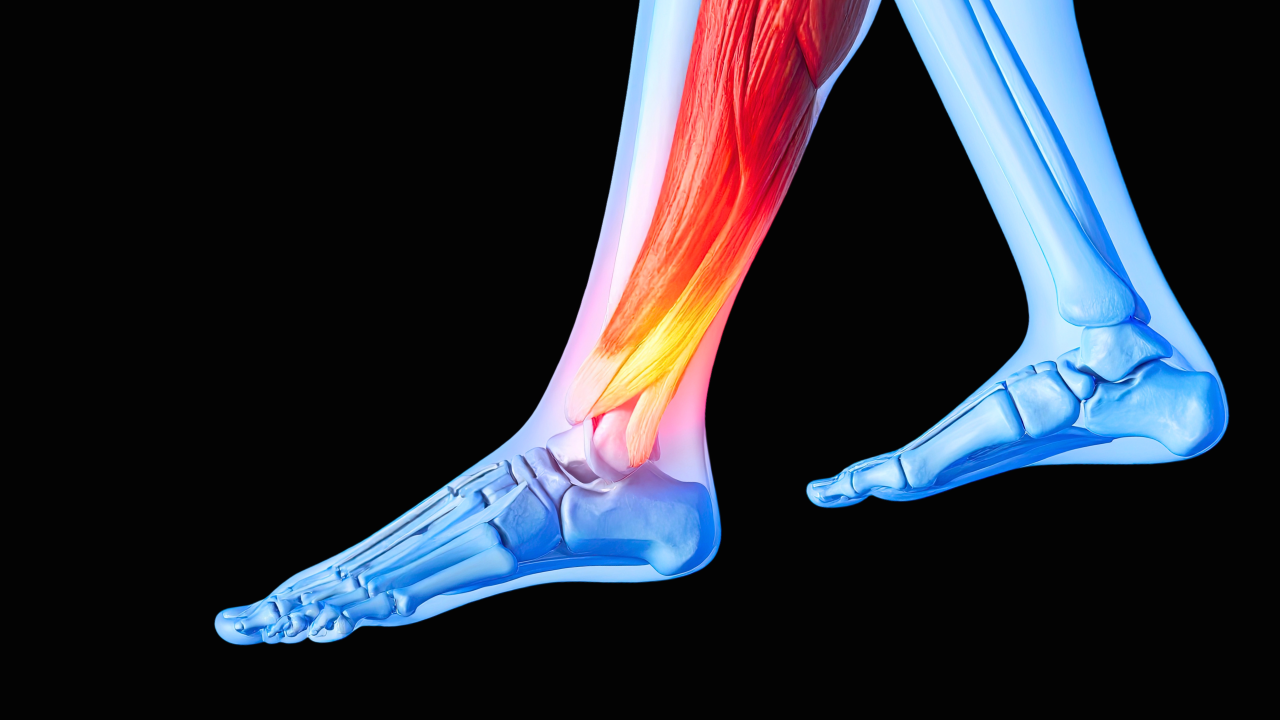
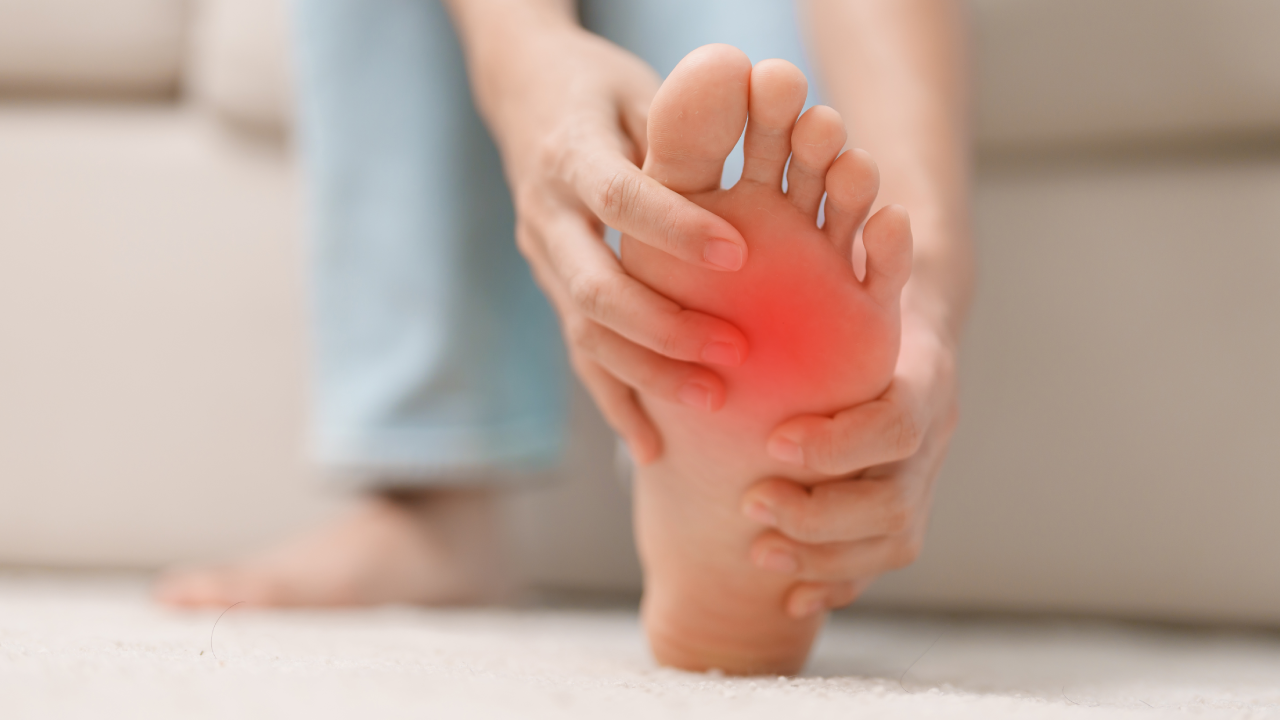
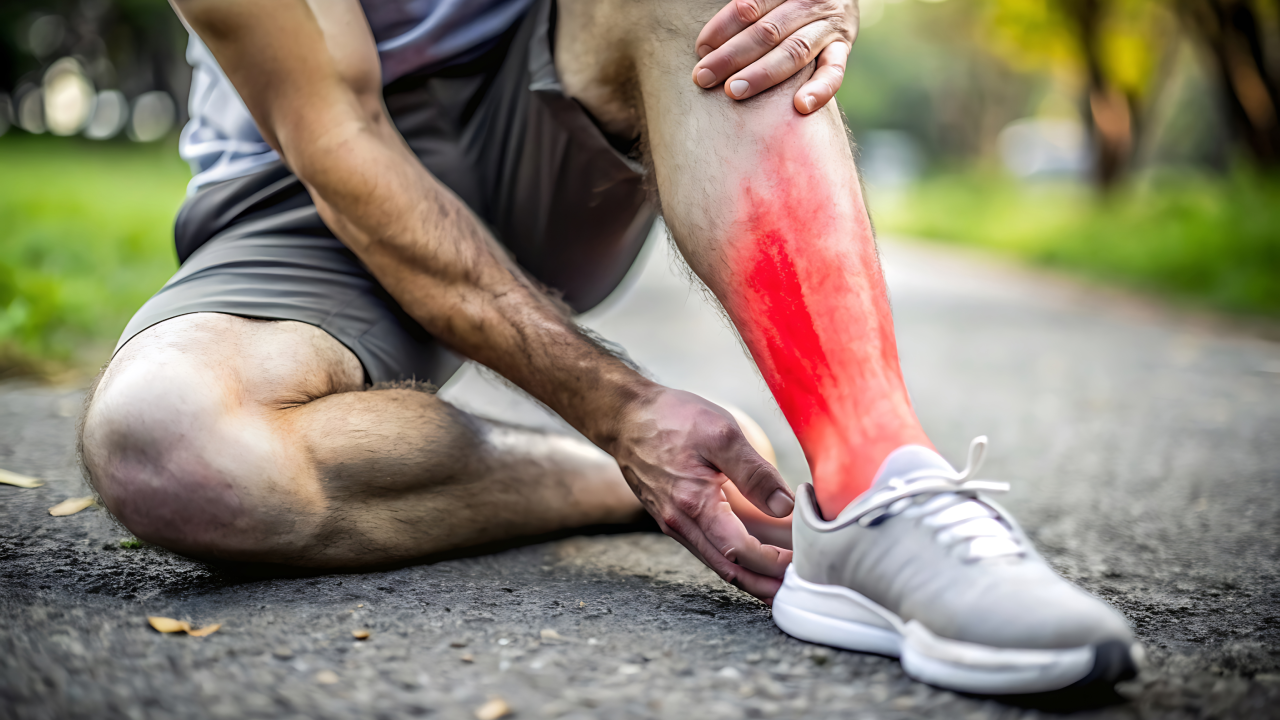
The Achilles tendon connects the calf muscles to the heel bone. Problems in this area may occur among runners, athletes, active adults, and people who increase their activity suddenly.
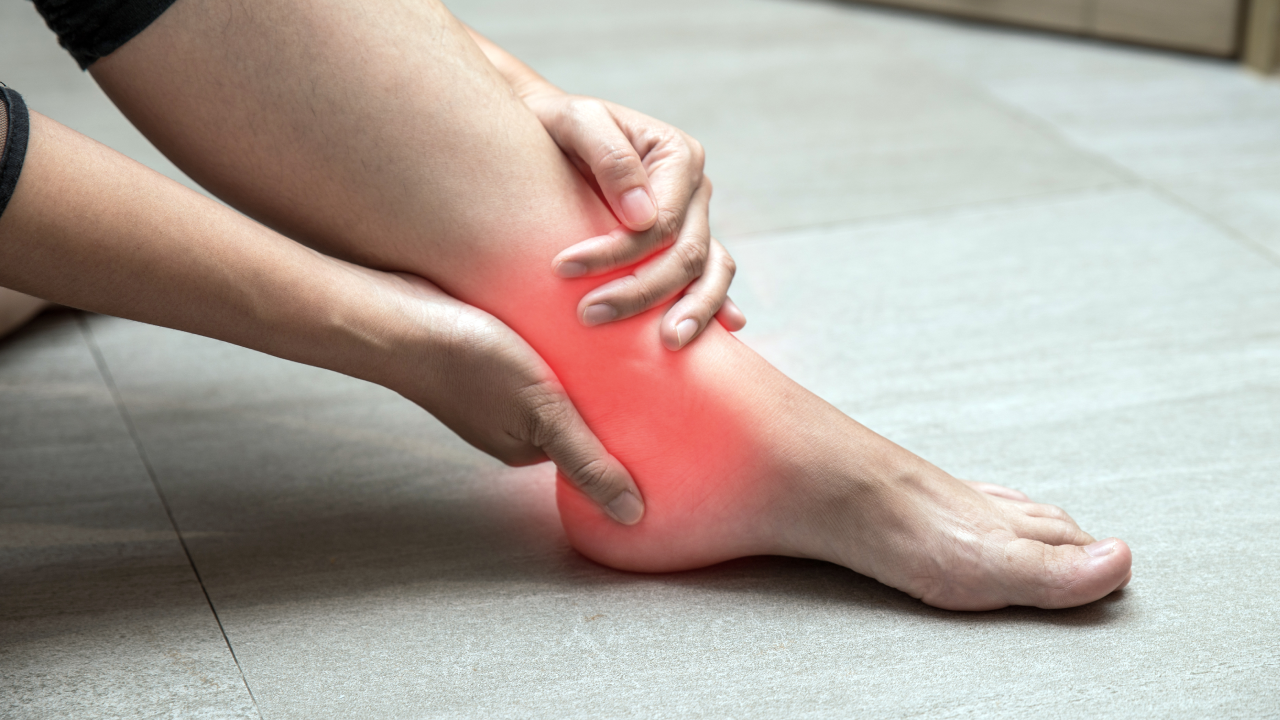
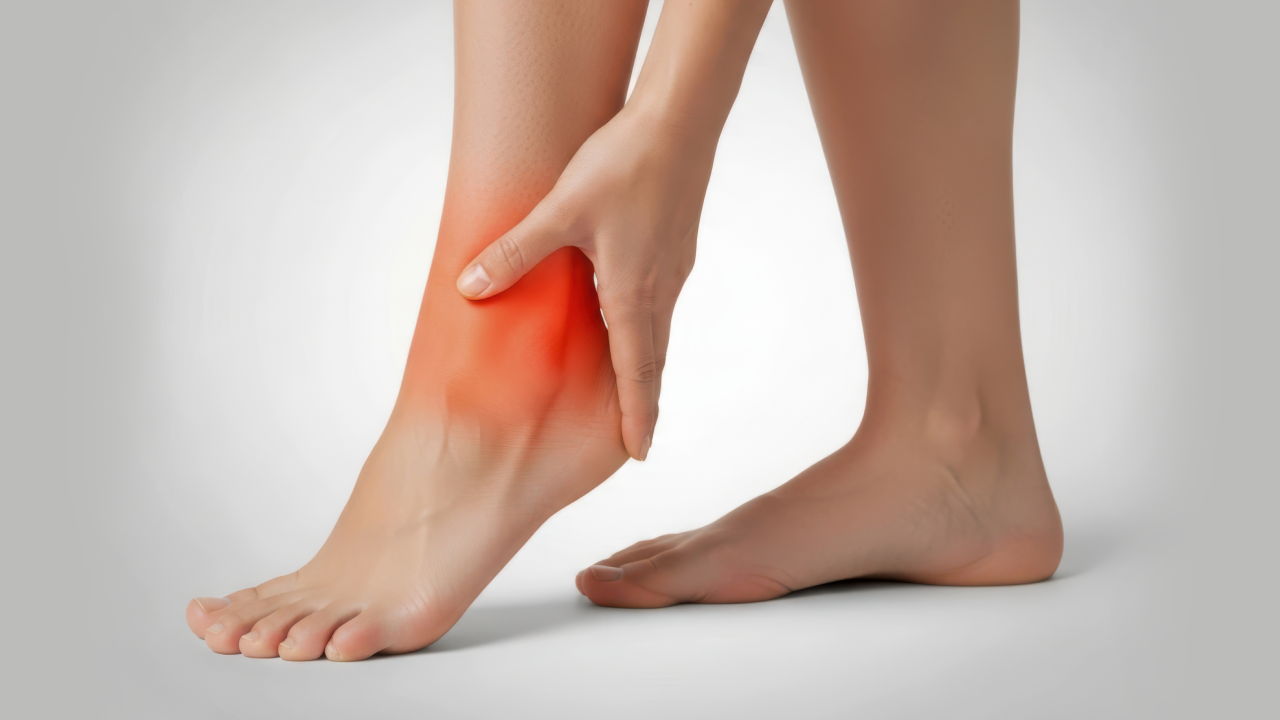
Symptoms may include discomfort around the heel or lower leg, stiffness, swelling, and difficulty running or pushing off the foot.
Rotator Cuff Tendon Injuries
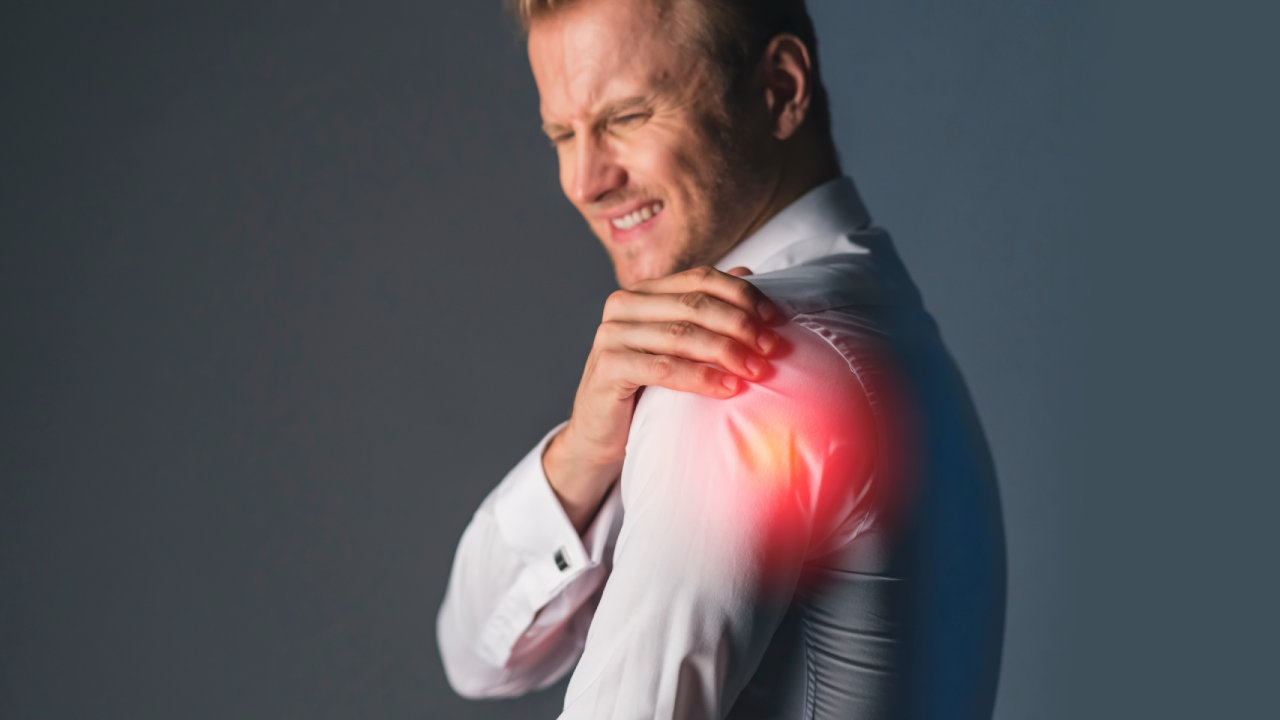
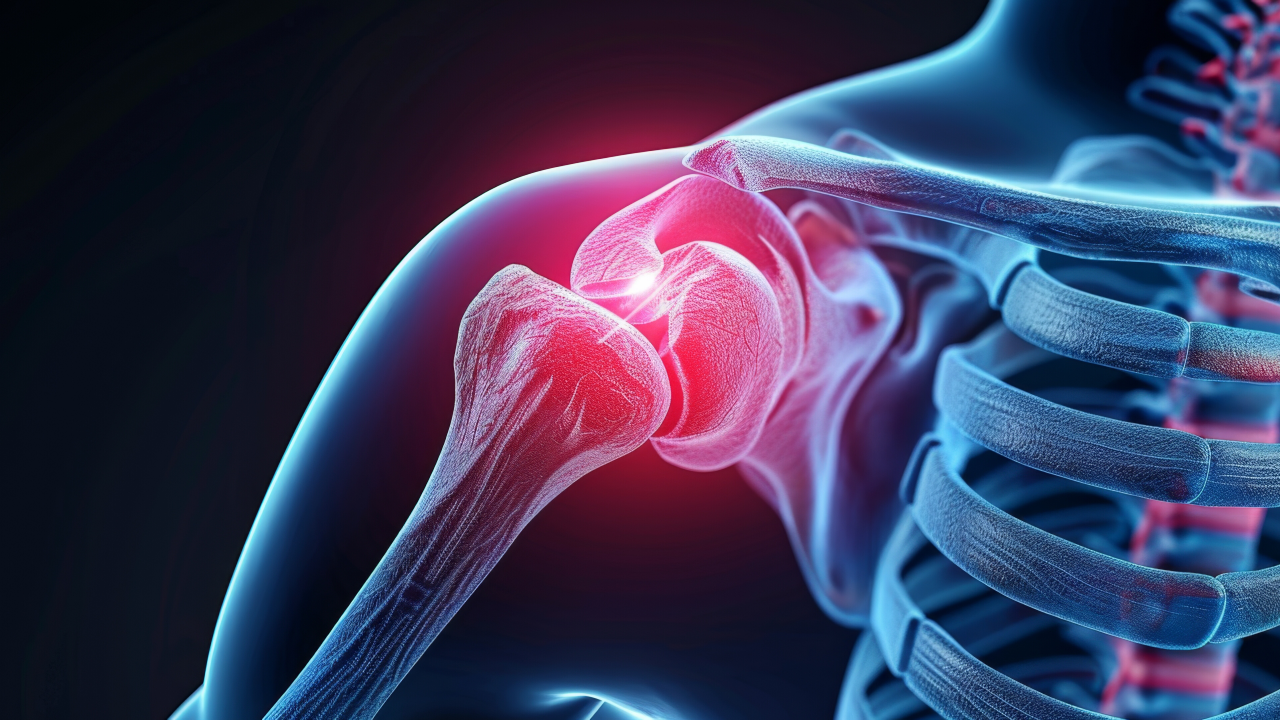
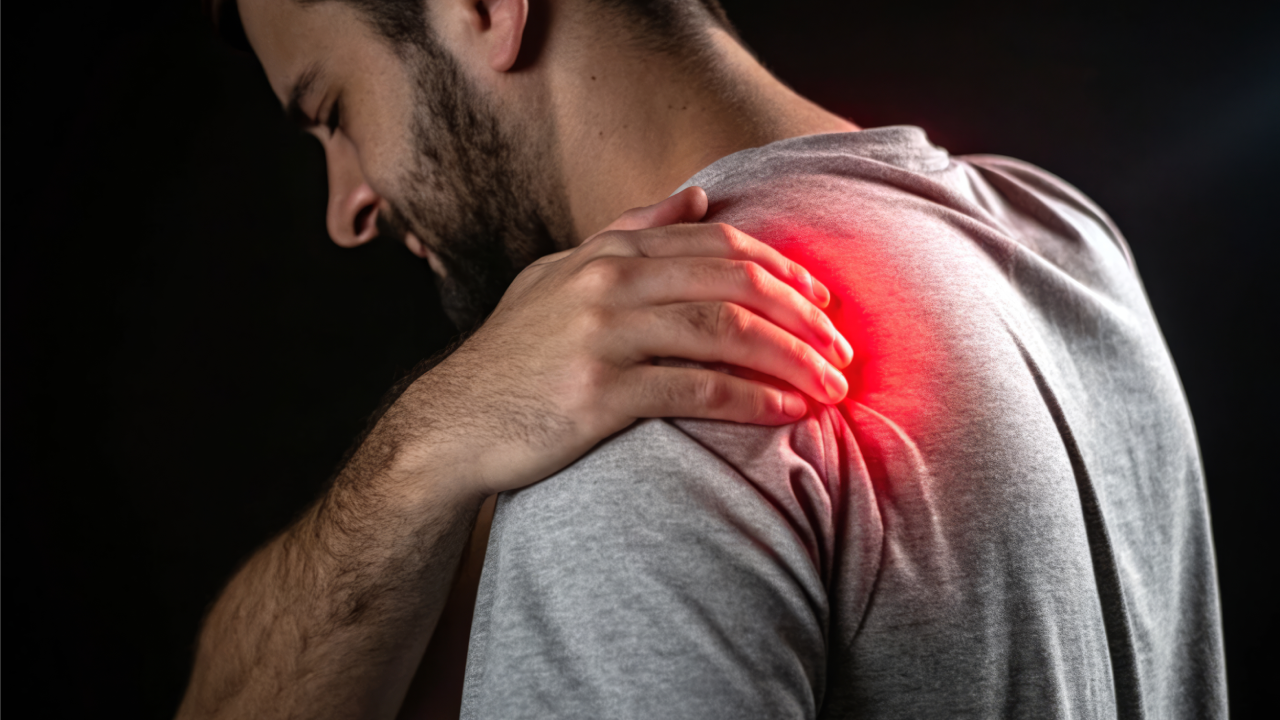
Several tendons in the shoulder contribute to movement and stability. Problems involving these tendons may affect reaching, lifting, dressing, placing objects overhead, or sleeping on the affected side.
Tennis Elbow
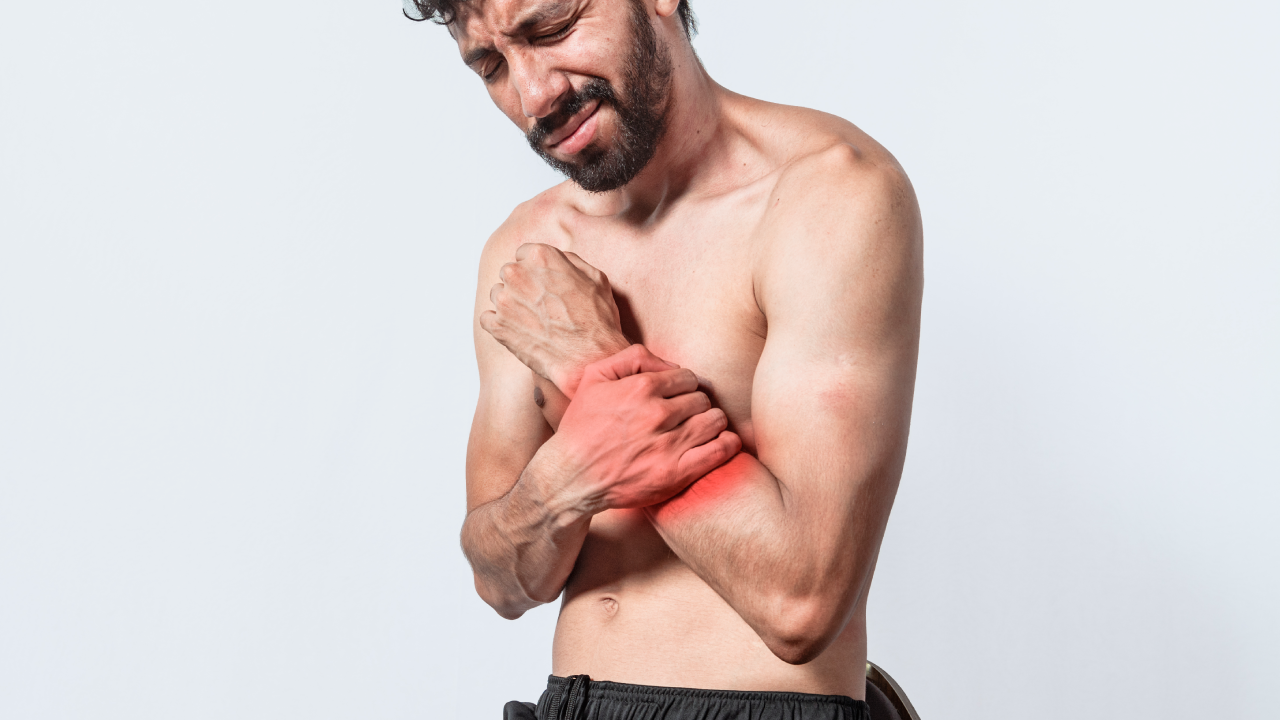
Tennis elbow involves tendons on the outer side of the elbow and may develop from repeated gripping and wrist movements. Despite its name, it can affect people who do not play tennis.
Golfer’s Elbow
Golfer’s elbow affects the tendons on the inner side of the elbow. Repeated gripping, lifting, throwing, or wrist movements may contribute to symptoms.
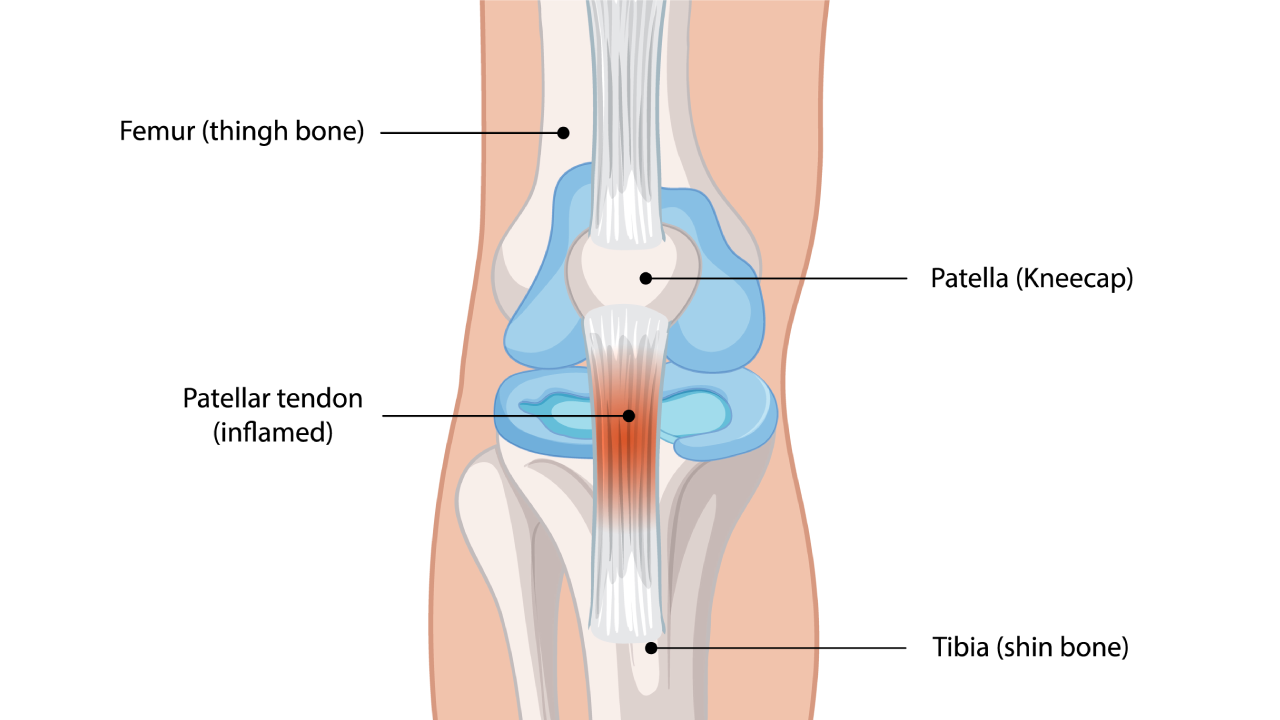
Patellar Tendon Problems
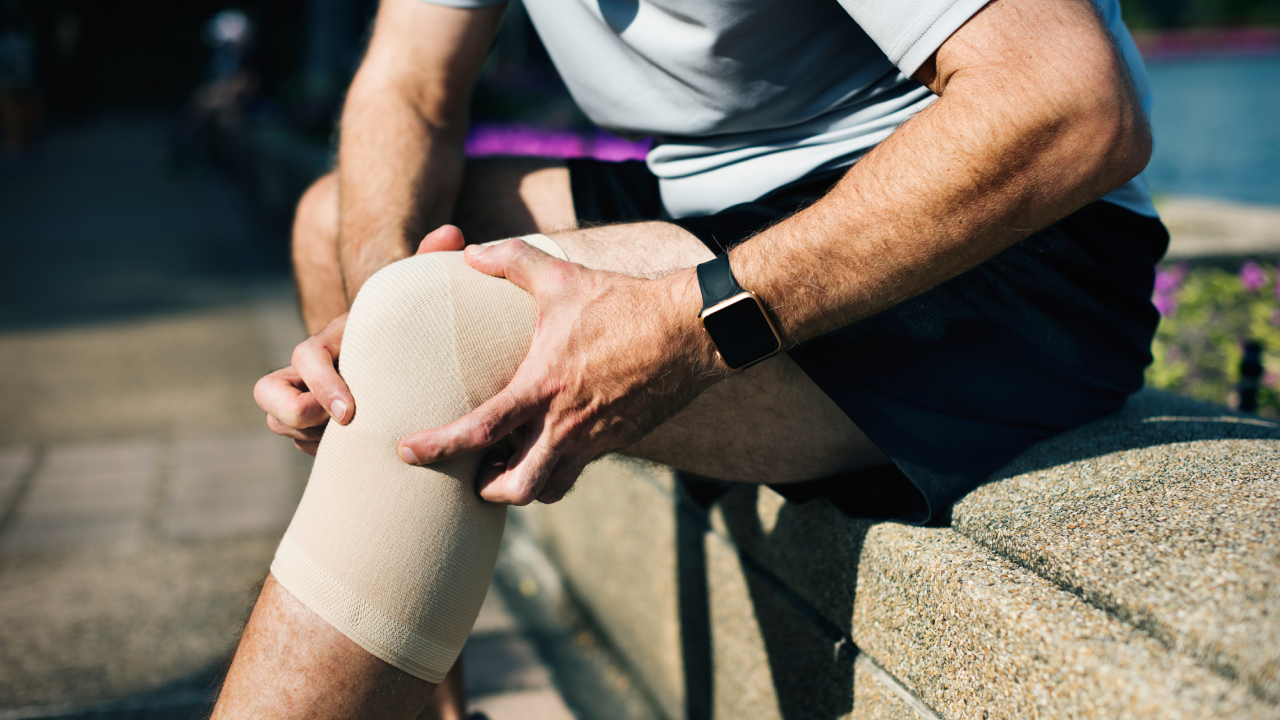
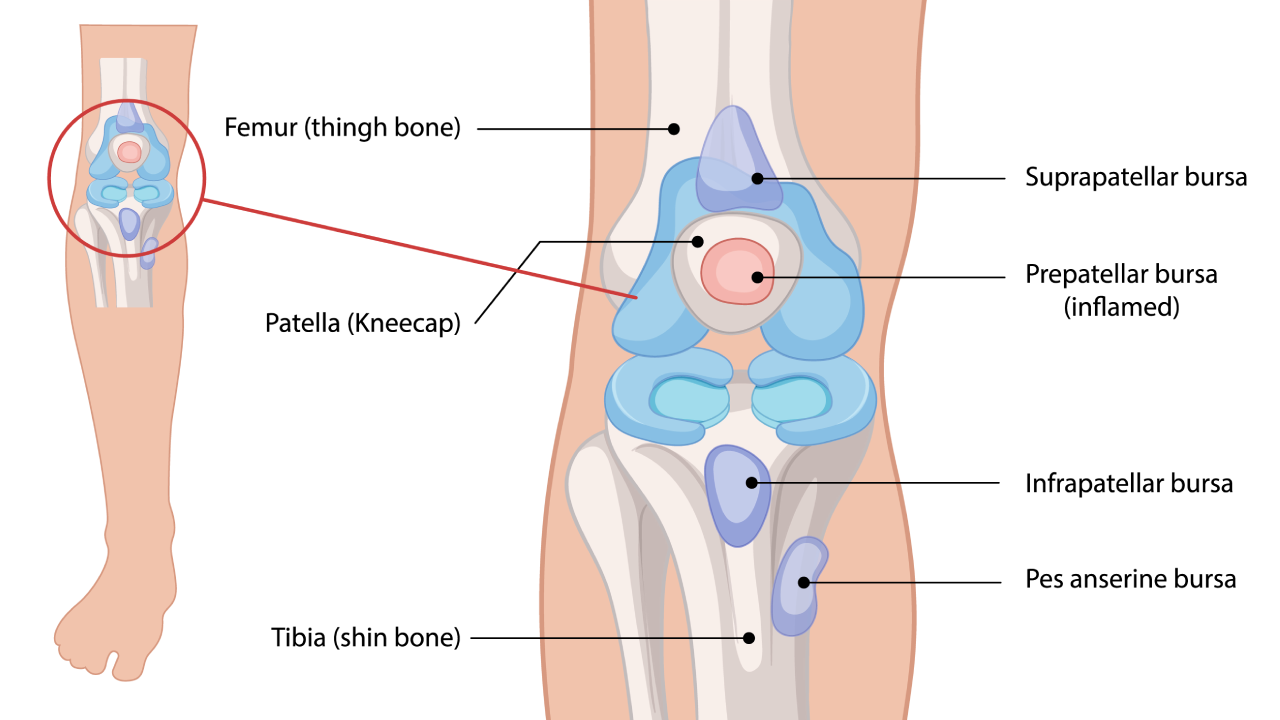
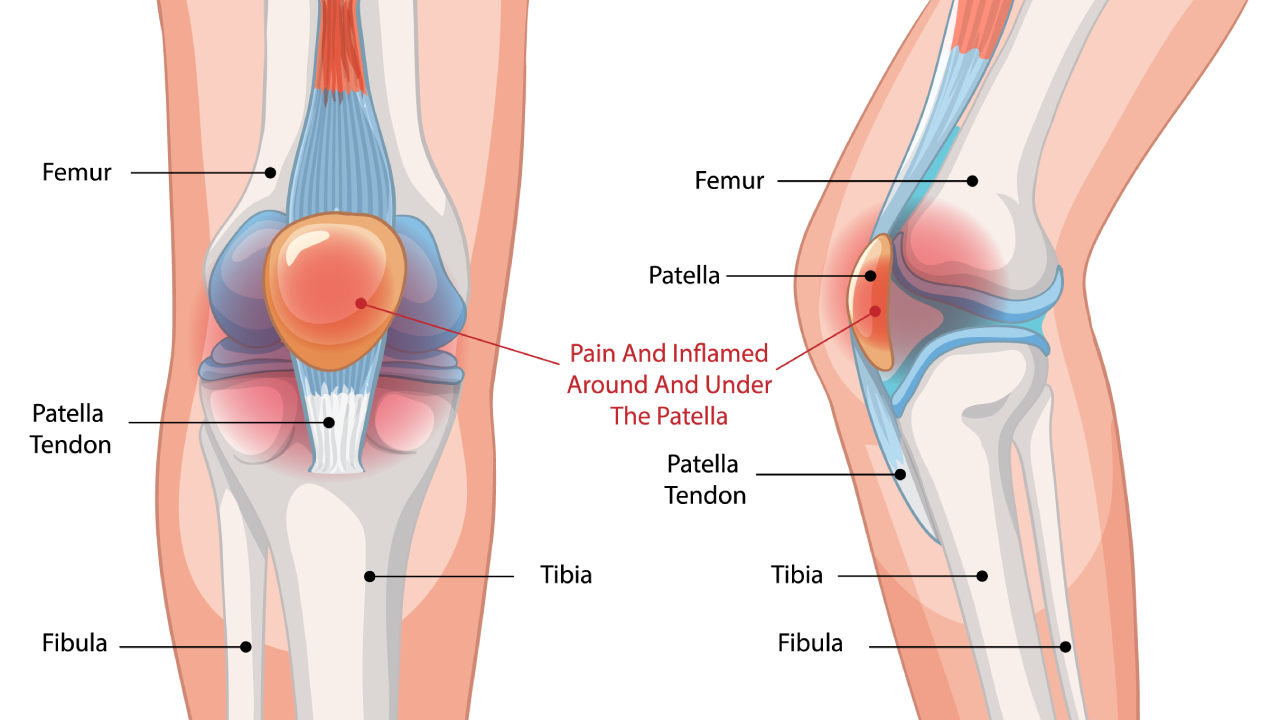
The patellar tendon connects the kneecap to the shinbone. Running, jumping, squatting, and repeated lower-body activities can place substantial load on this tendon.
Wrist and Hand Tendon Problems
Typing, gripping, lifting, tool use, sports, and repeated hand movements may contribute to tendon irritation around the wrist and hand.
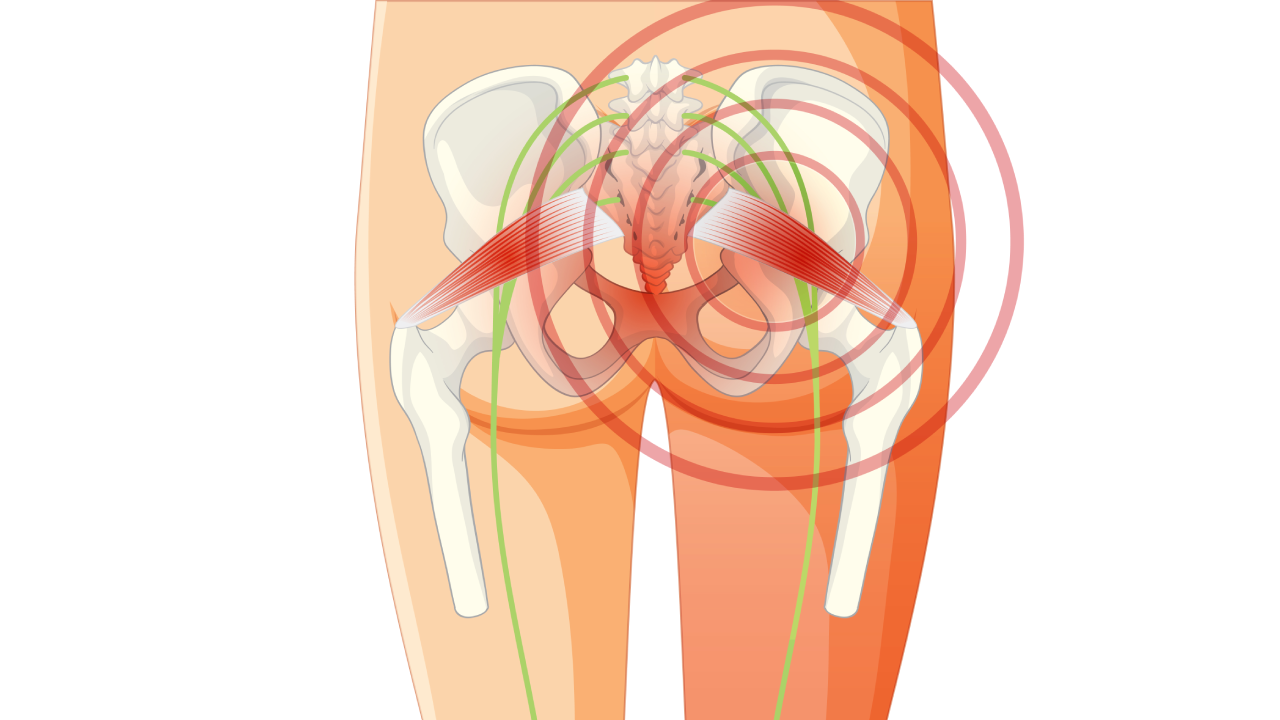
Hip Tendon Problems
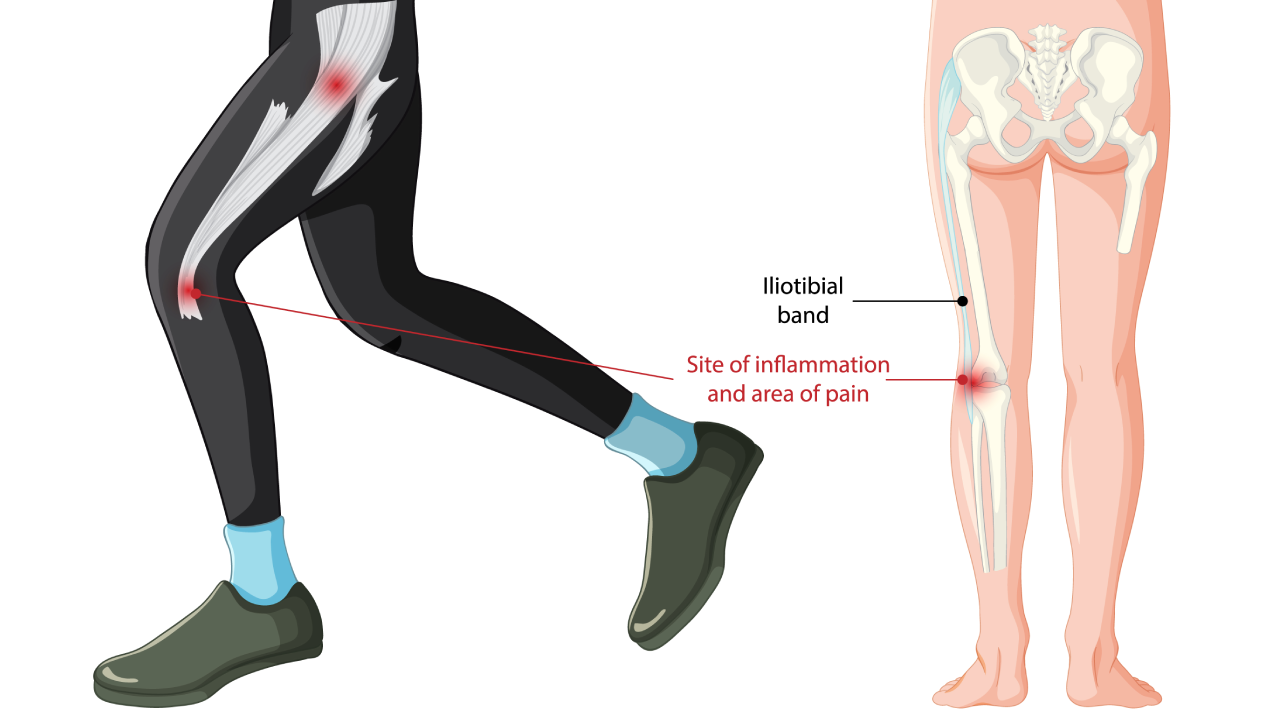
Tendons around the hip may become irritated following repetitive activity, changes in exercise, or altered movement patterns. Symptoms may affect walking, stair climbing, running, or lying on the side.
Key Areas of Tendon Injury Rehabilitation
Rehabilitation varies according to the affected tendon, symptoms, activity demands, and functional requirements.
Movement Assessment
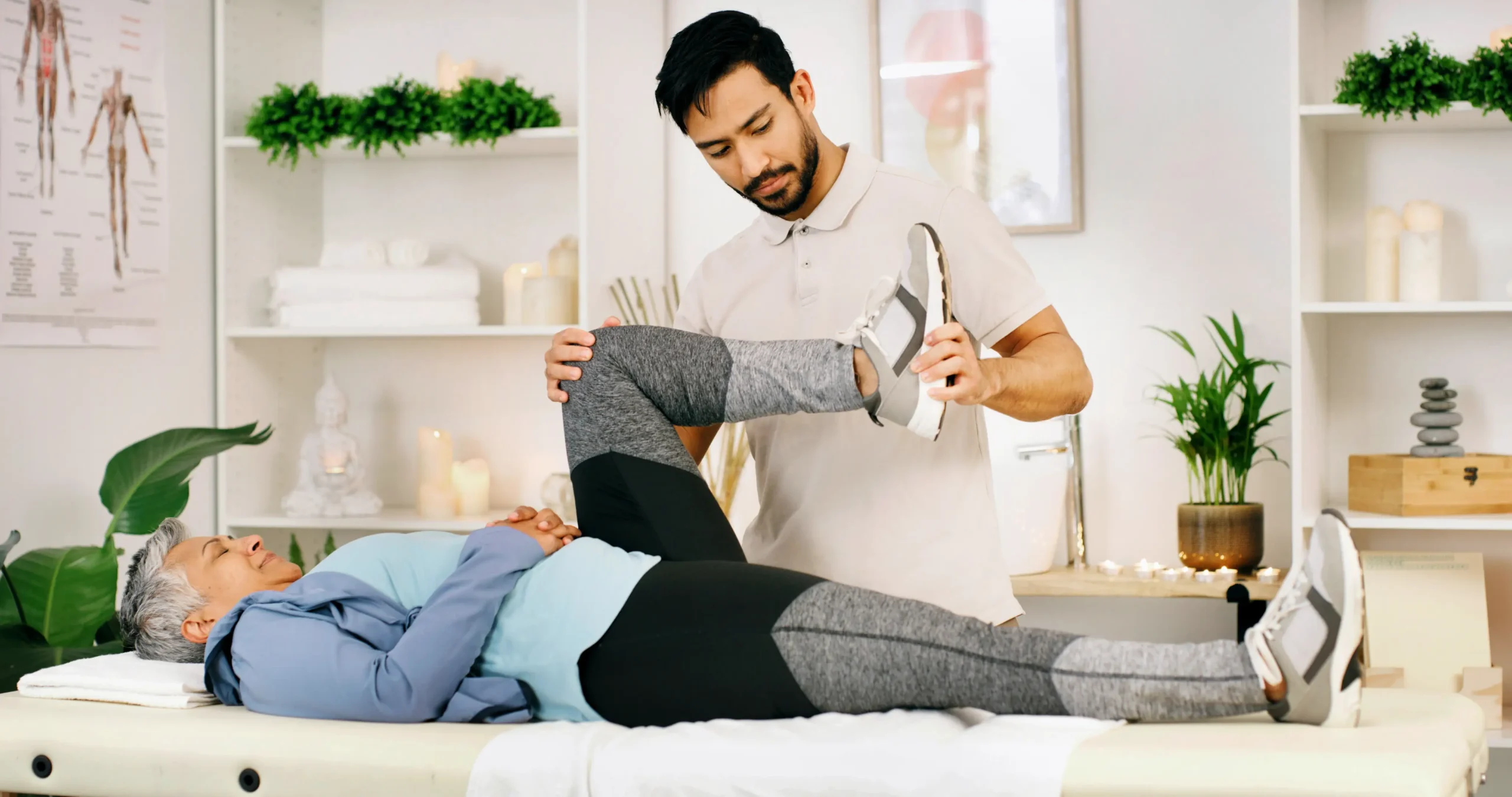
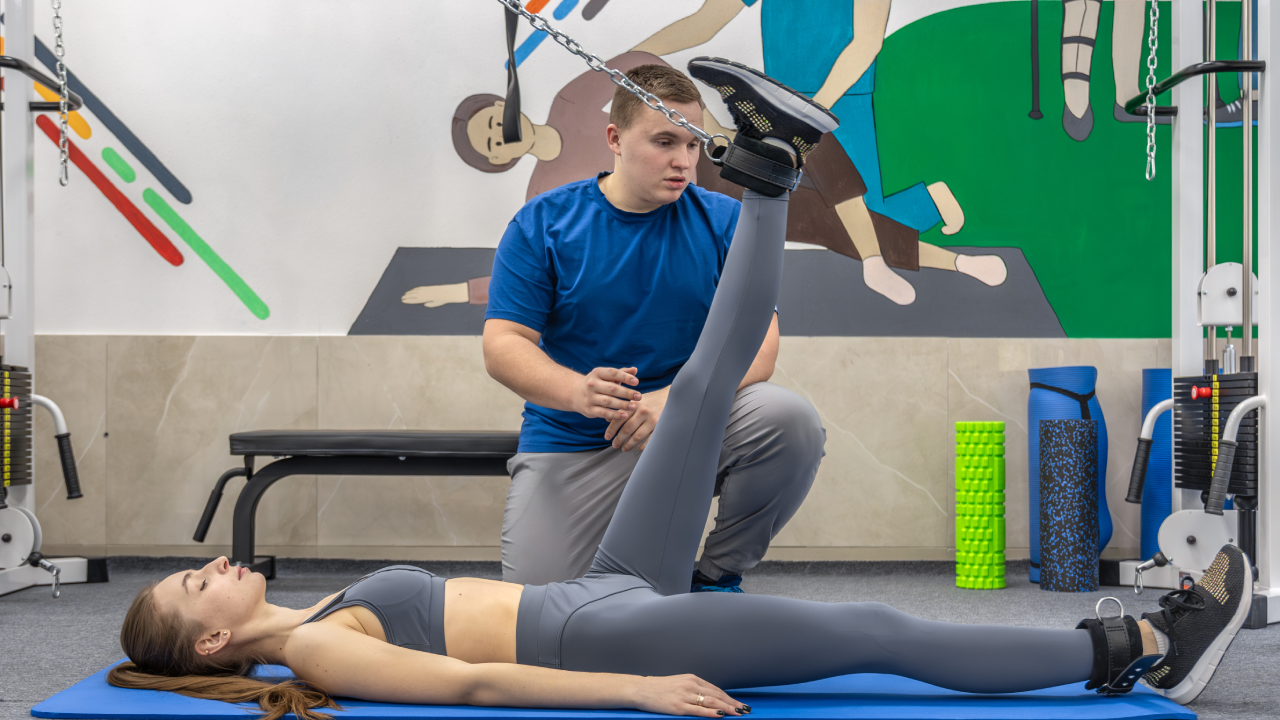
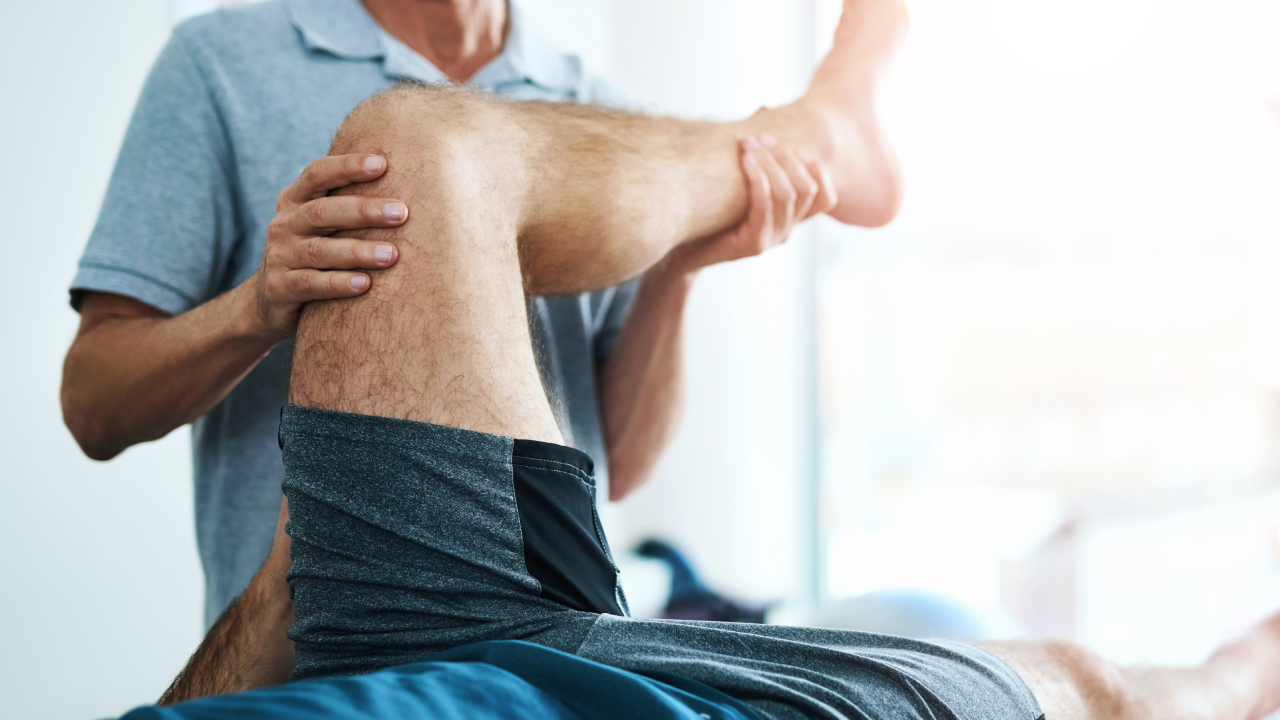
Our team may assess joint movement, muscle strength, flexibility, balance, posture, and movement patterns. This assessment helps identify factors that may contribute to difficulty with specific activities.
Strength Exercises
Progressive strengthening can help the tendon and surrounding muscles adapt to physical demands. Exercises can be adjusted as strength and activity tolerance develop.
Mobility Work
Restricted movement around a joint can influence how physical loads are distributed. Mobility exercises may be included when appropriate.
Load Management
Tendons respond to physical loading over time. A rehabilitation plan may include adjustments to training, work activities, exercise volume, or repetitive movements.
Functional Training
Exercises can relate to activities that matter in daily life, work, sports, or recreation. These may include lifting, walking, stair climbing, reaching, gripping, running, or jumping.
Home Exercise Plans
A home exercise program can support progress between appointments. Exercises may be changed as movement, strength, and activity tolerance develop.
How Tendon Injury Rehabilitation Works
1. Initial Consultation
The process begins with a discussion about your symptoms, when they began, activities that affect them, previous injuries, and your current activity level.
2. Physical Assessment
We assess the affected area along with relevant movement, strength, mobility, and functional patterns.
3. Rehabilitation Planning
Following the assessment, we establish a rehabilitation plan based on your current condition, physical demands, and daily activities.
4. Rehabilitation Sessions
Sessions may include therapeutic exercises, movement training, mobility work, manual techniques, and activity modification when appropriate.
5. Progress Review
Your response to rehabilitation is monitored throughout the process. Exercises and activity levels may be adjusted according to changes in strength, movement, and activity tolerance.
6. Return to Activity
As physical capacity develops, rehabilitation can progress toward work duties, exercise, sports, or other activities relevant to your routine.
Potential Benefits of Tendon Rehabilitation
A structured rehabilitation program can support practical goals such as
- Improved movement
- Increased muscle strength
- Greater activity tolerance
- Improved joint mobility
- More controlled movement
- Greater confidence with physical tasks
- Gradual return to exercise
- Improved ability to perform work duties
- Fewer limitations during everyday activities
The rehabilitation timeline varies from person to person. Factors such as tendon condition, injury severity, duration of symptoms, physical demands, general health, and participation in the rehabilitation plan may influence progress.
Who We Serve in Scarborough
Spinal Solution and Wellness works with people experiencing movement-related concerns in and around Scarborough, Ontario.
Our services may be relevant to:
- Athletes
- Recreational runners
- Gym-goers
- Office workers
- Tradespeople
- Construction workers
- Drivers
- Retail workers
- Older adults
- Active families
- People returning to exercise
- People recovering from workplace injuries
Tendon rehabilitation may also suit people whose work or recreation involves repeated lifting, gripping, reaching, running, jumping, or other physical activities.
Frequently Asked Questions
What causes tendon injuries?
Tendon injuries may result from sudden trauma, repetitive activity, increased training loads, falls, forceful movements, or gradual changes in tendon capacity.
How do I know if I have a tendon injury?
Common signs include localized discomfort, tenderness, swelling, stiffness, weakness, and difficulty performing movements that place load on the affected tendon. A clinical assessment can help determine whether tendon involvement may be contributing to your symptoms.
Can tendon injuries improve without rehabilitation?
Some minor tendon problems may improve through activity modification and time. Persistent or recurring symptoms may require an assessment to identify factors contributing to the condition.
How long does tendon rehabilitation take?
There is no fixed timeline. Progress can vary according to the type of tendon problem, severity, duration of symptoms, activity demands, and response to rehabilitation.
Should I stop exercising if I have tendon pain?
Not necessarily. The appropriate activity level depends on the condition and the activities involved. In many cases, rehabilitation may involve modifying physical load rather than stopping all movement.
Can I return to sports after a tendon injury?
Many people return to sports following an appropriate rehabilitation program. Progression generally involves gradually increasing strength, movement demands, and sport-specific activities.
Do tendon injuries always require surgery?
No. Many tendon conditions can be managed through non-surgical rehabilitation. Some serious injuries, including certain complete tendon ruptures, may require medical assessment and surgical care.
When should I seek medical assessment?
Seek prompt medical assessment after a sudden injury involving significant swelling, loss of function, deformity, a noticeable popping sensation, or an inability to use the affected body part normally.
Service Areas
If you are searching for Tendon Injuries in Scarborough, ON, Spinal Solution and Wellness provides rehabilitation services focused on movement, strength, mobility, and functional activity.
Our clinic serves people with tendon problems affecting the shoulder, elbow, wrist, hip, knee, ankle, foot, and other areas.
Our local service area may include:
- Agincourt
- Agincourt South-Malvern West
- Malvern
- Morningside
- West Hill
- Guildwood
- Wexford
- Bendale
- Dorset Park
- Clairlea
- Birch Cliff
- Scarborough Junction
- Port Union
- Don Mills
- East York
- Markham
We can assess your symptoms, review your activity requirements, and explain rehabilitation options that may suit your situation.
Why Choose Spinal Solution and Wellness?
Spinal Solution and Wellness focuses on rehabilitation for people dealing with musculoskeletal and movement-related concerns.
Our rehabilitation services may include:
- Physical assessment before establishing a rehabilitation plan
- Exercise-based rehabilitation
- Movement and mobility work
- Strength progression
- Functional activity training
- Home exercises
- Progress monitoring
- Activity-specific rehabilitation
Rather than applying the same routine to every person, the rehabilitation plan is based on the affected area, current abilities, symptoms, and functional requirements.
Related Services
Tendon problems may occur alongside other movement or musculoskeletal concerns. Depending on your assessment, related services may include:
- Physiotherapy
- Sports injury rehabilitation
- Manual therapy
- Exercise rehabilitation
- Mobility training
- Strength and conditioning
- Workplace injury rehabilitation
- Post-injury rehabilitation
These services can be considered according to your assessment and rehabilitation needs.
Get Started
Tendon problems can interfere with work, exercise, sports, and everyday movement. Assessing the factors affecting your symptoms can help establish an appropriate rehabilitation plan.
If you are searching for Tendon Injuries in Scarborough, ON, contact Spinal Solution and Wellness to arrange an assessment.
Phone: +1 416-307-1076
Address: 5995 Steeles Ave E, Scarborough, ON M1V 5P6, Canada
Our team can discuss your symptoms, review your movement needs, and explain the next steps for rehabilitation.