Sports Injuries in Scarborough, ON
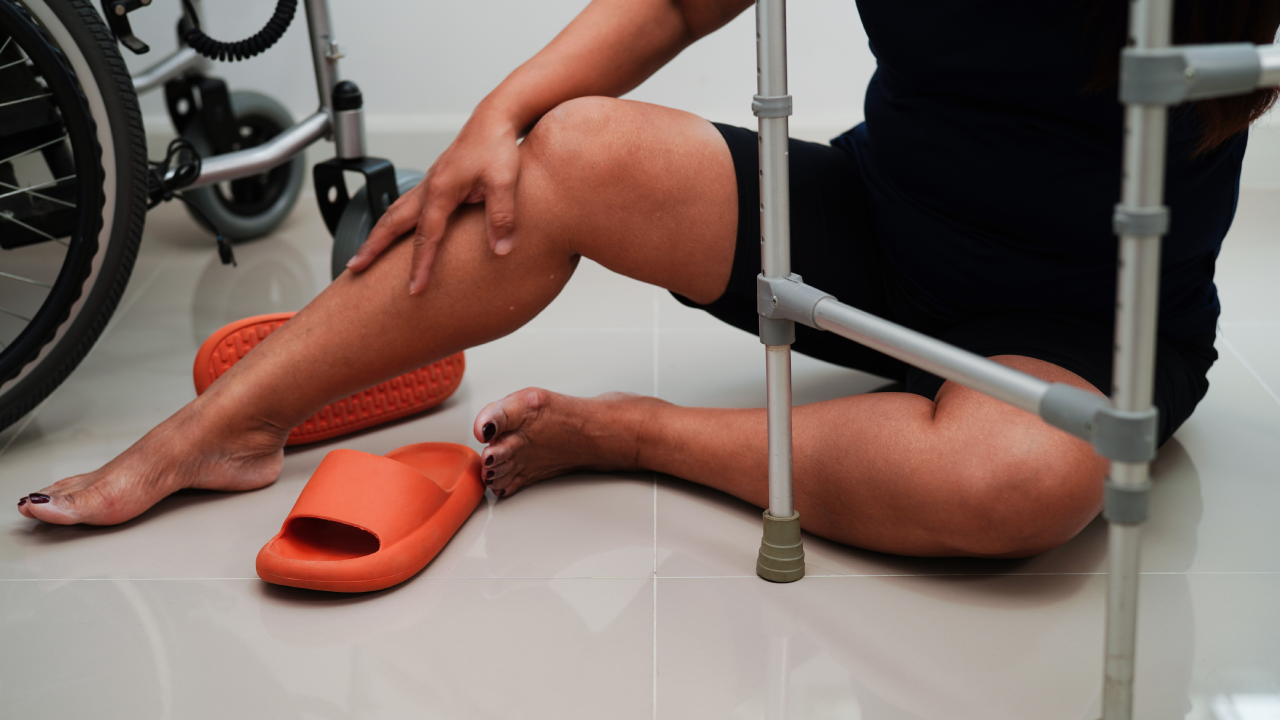
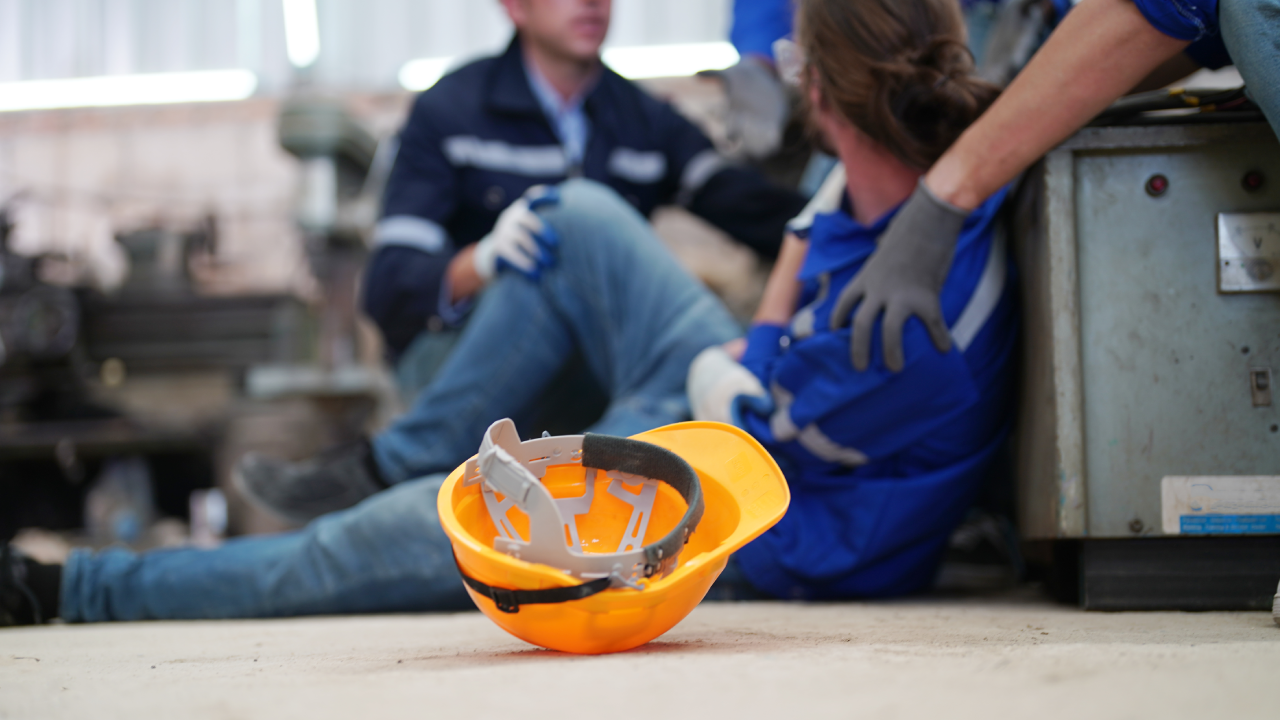
Sports and physical activities place repeated demands on the muscles, joints, tendons, ligaments, and bones. A sudden twist, awkward landing, collision, repetitive movement, or rapid increase in training can result in an injury that affects mobility, exercise, work, and daily activities.
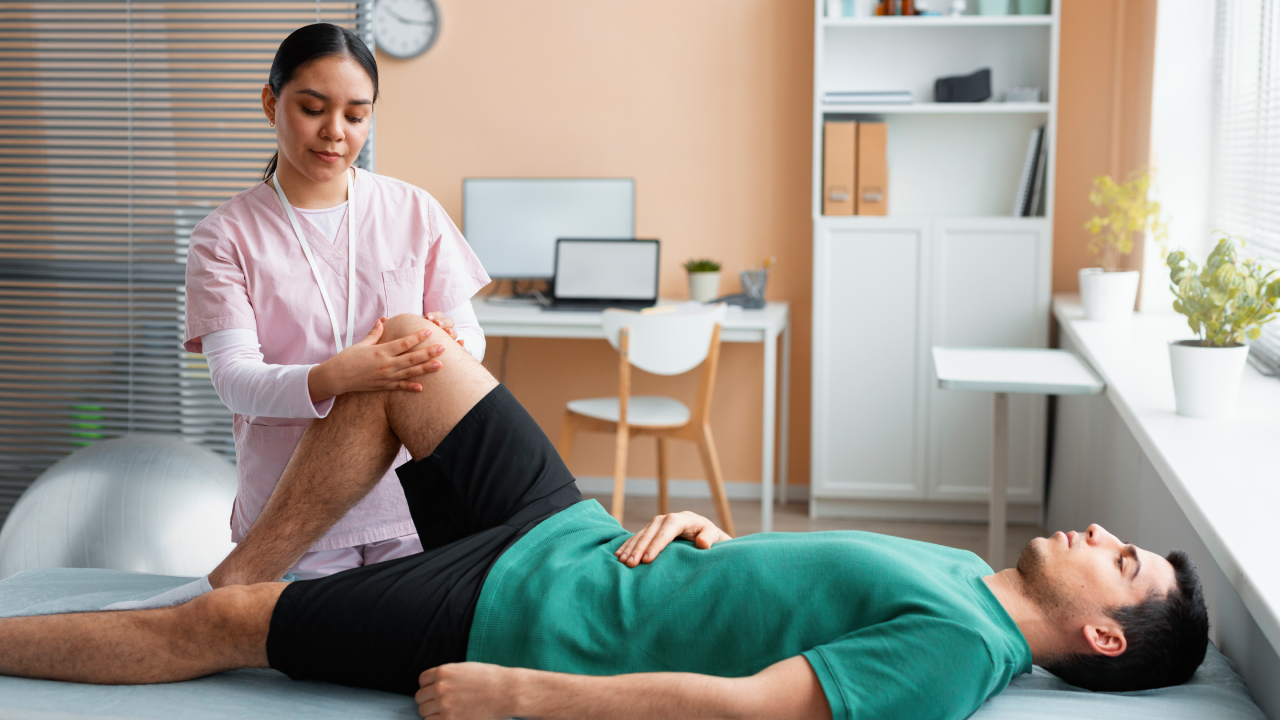
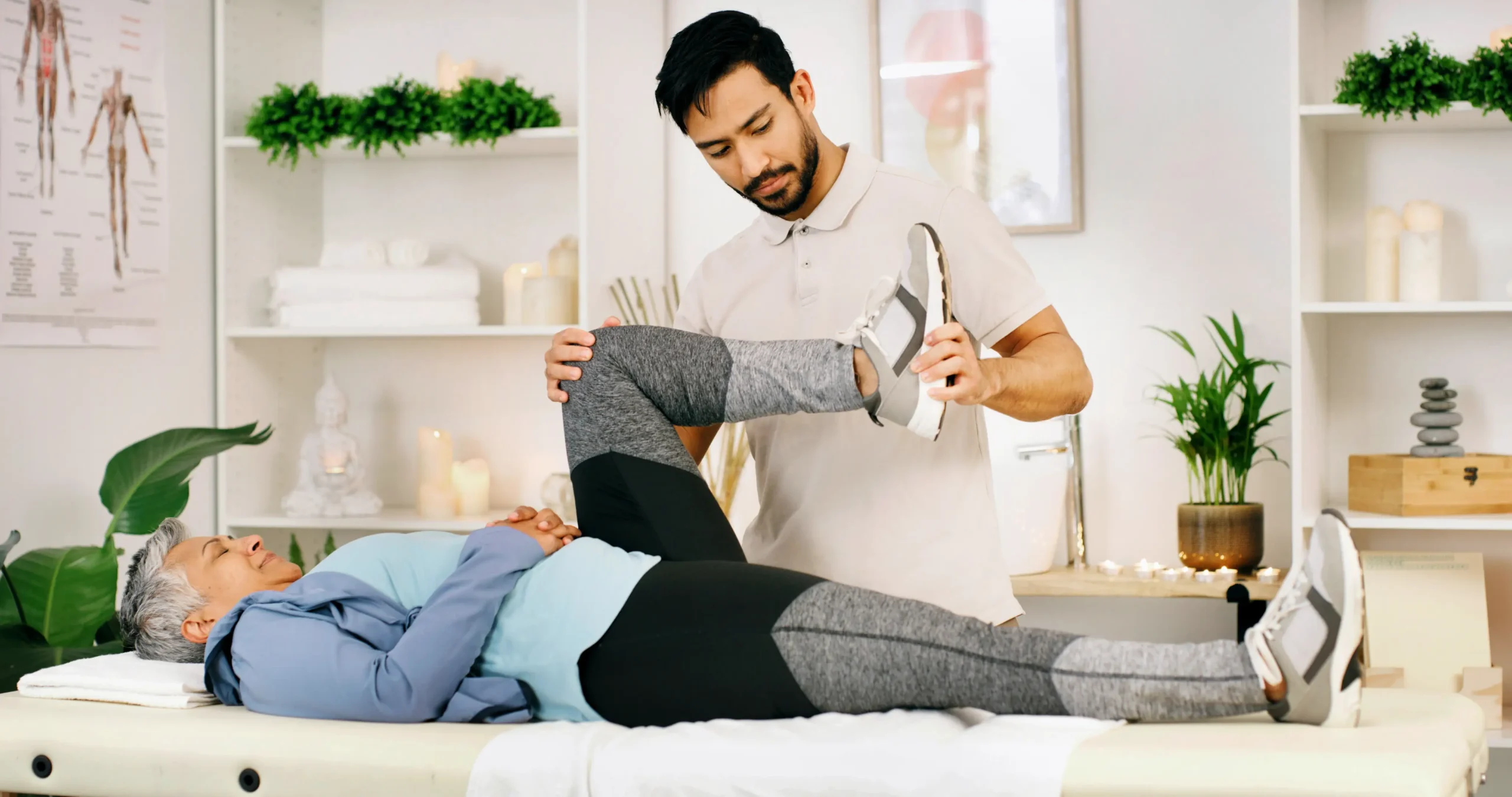
At Spinal Solution and Wellness, we provide physiotherapy and rehabilitation services for people dealing with sports-related injuries. Care begins with an assessment of the affected area and movement patterns, followed by exercises and activity progression based on your condition, physical capacity, and sporting demands.
If you are searching for Sports Injuries in Scarborough, ON, this page explains common sports-related conditions, who may benefit from physiotherapy, what rehabilitation can involve, and when an assessment may be appropriate.
What Are Sports Injuries?
Sports injuries are physical conditions that occur during sports, exercise, training, competition, or recreational activities. They can affect nearly any area of the body.
Some injuries happen suddenly following a fall, collision, rapid change of direction, or awkward movement. Others develop gradually when tissues are repeatedly exposed to physical stress without sufficient recovery.
Common sports-related conditions include:
- Muscle strains
- Ligament sprains
- Tendon injuries
- Joint injuries
- Knee injuries
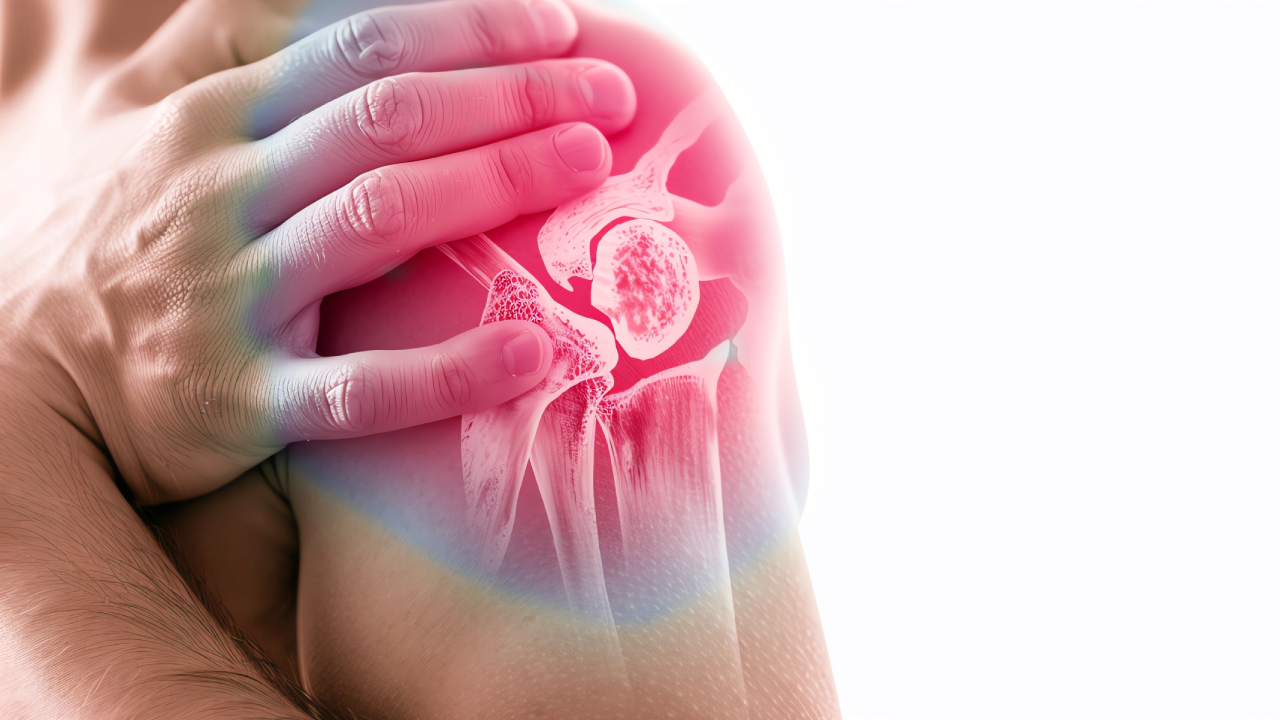
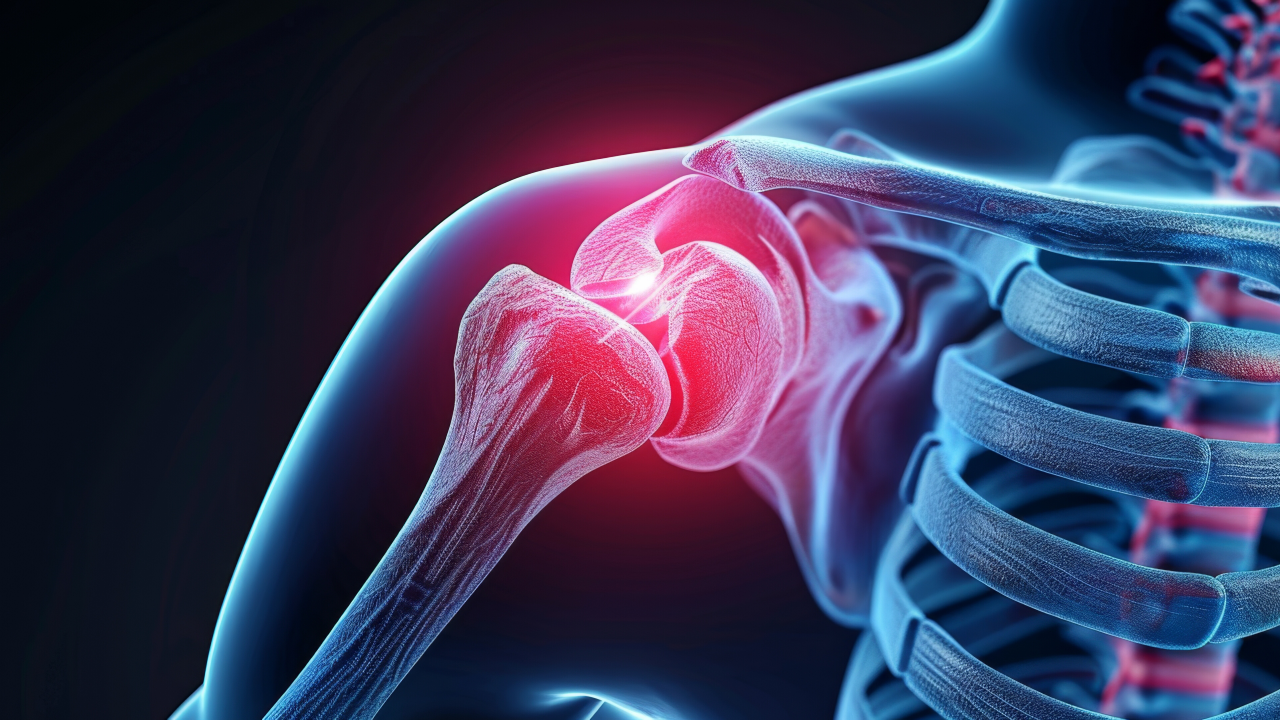
- Shoulder injuries
- Ankle injuries
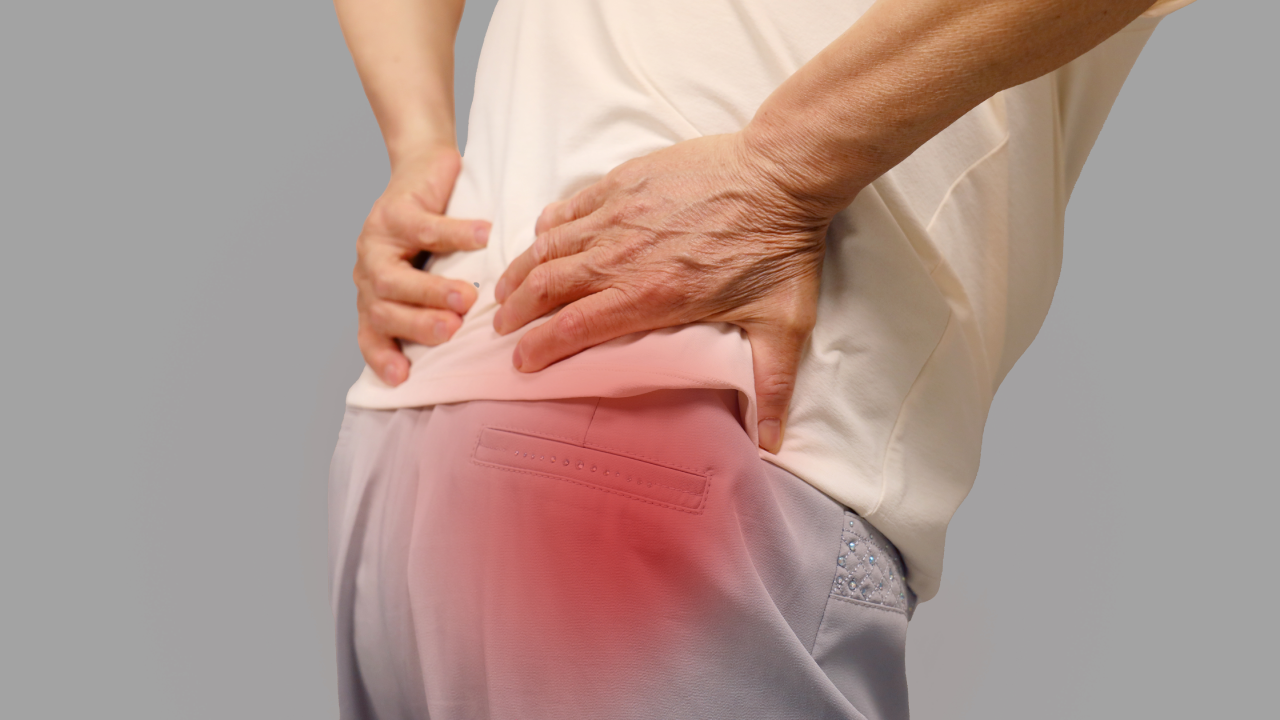
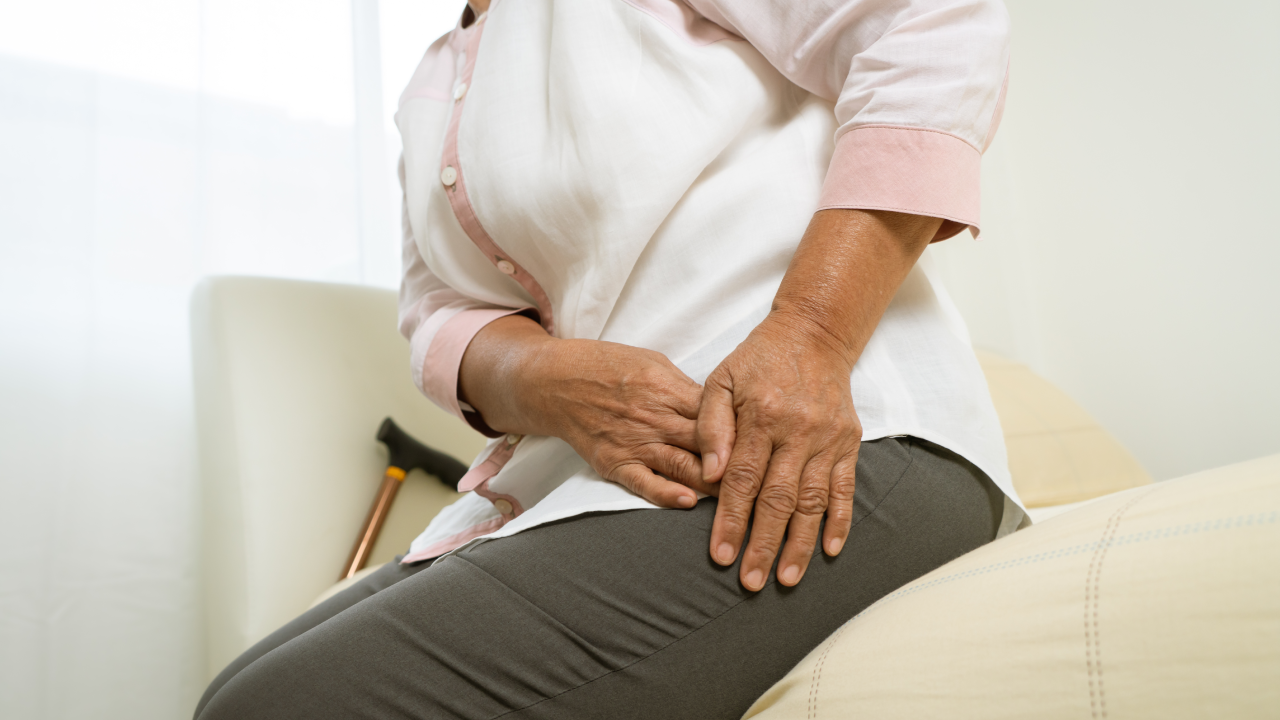
- Hip injuries
- Elbow injuries
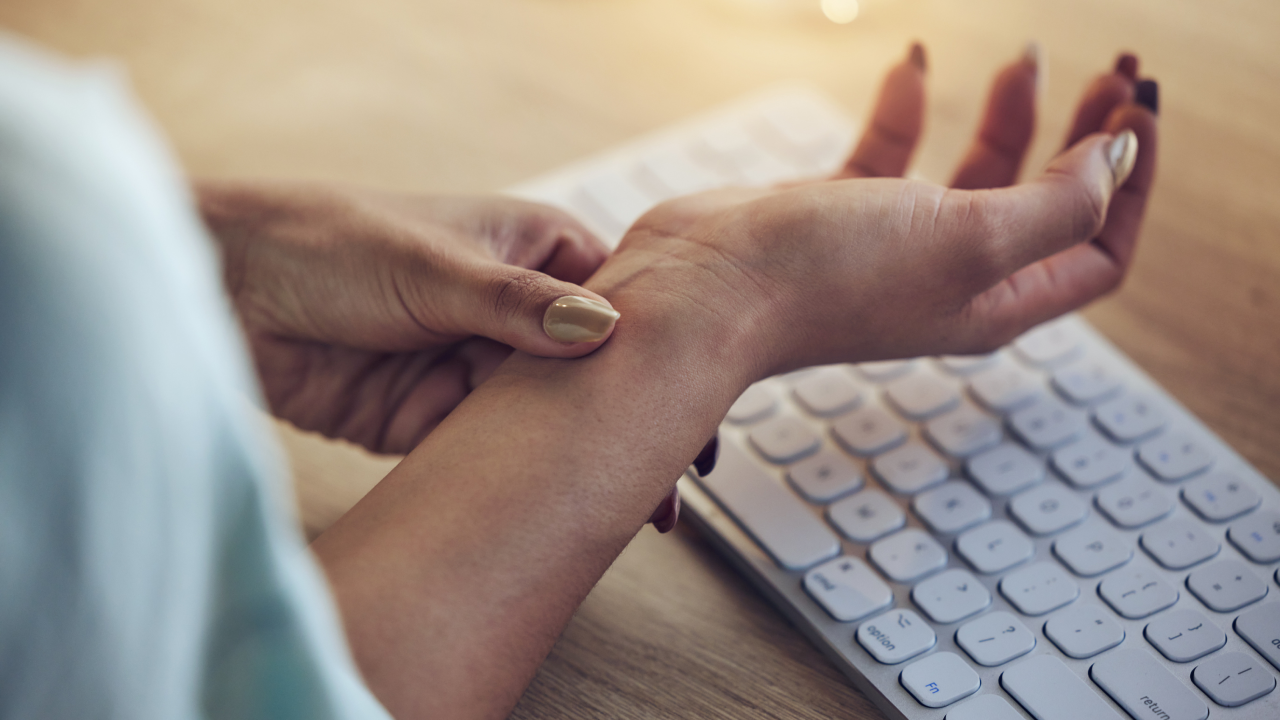
- Wrist injuries
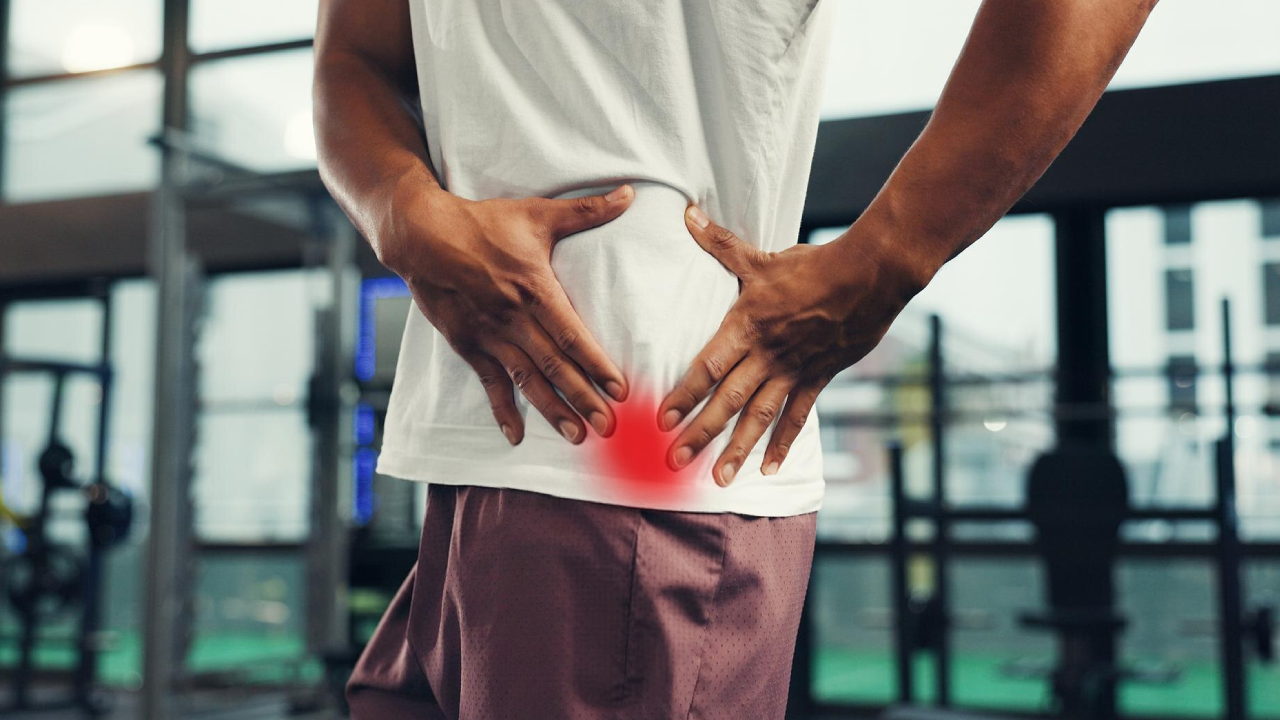
- Back injuries
- Neck injuries
- Sports-related concussions
- Overuse injuries
- Running-related injuries
- Repetitive strain conditions
The severity of an injury can range from mild irritation to a condition that significantly limits movement and activity. Physiotherapy may support recovery by working on mobility, strength, coordination, balance, and movement patterns.
Who May Benefit from Sports Injury Physiotherapy?
Sports injury rehabilitation is not limited to professional athletes. People who participate in recreational sports, gym workouts, running, cycling, dancing, martial arts, school athletics, and other physical activities may also seek physiotherapy following an injury.
Recreational Athletes
Weekend athletes and regular exercisers can develop injuries after suddenly increasing activity, changing exercise routines, allowing insufficient recovery time, or performing unfamiliar movements.
Competitive Athletes
Competitive athletes place significant physical demands on their bodies through regular training and competition. Physiotherapy can address current movement limitations while helping build the strength and control required for a gradual return to sport.
Runners
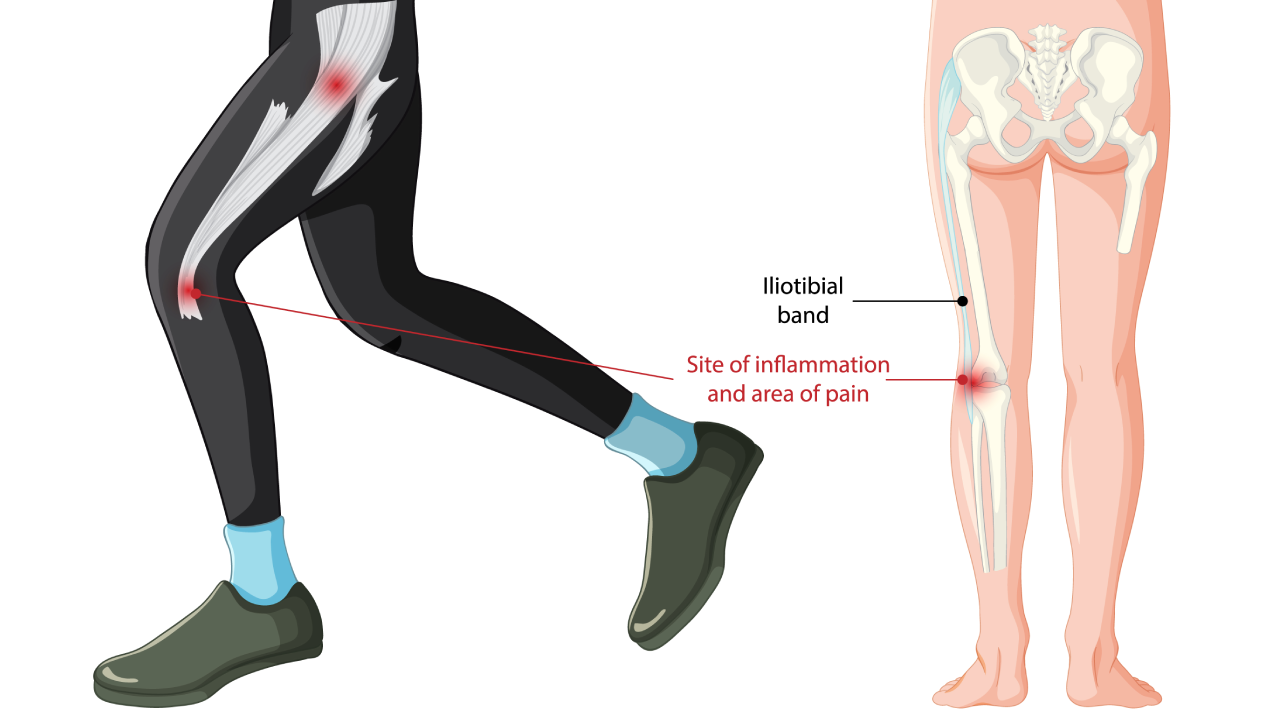
Running repeatedly loads the feet, ankles, knees, hips, and lower back. Conditions such as runner’s knee, shin discomfort, Achilles tendon problems, and muscle strains can interfere with running routines.
Gym Participants
Weightlifting and resistance exercises can contribute to muscle strains, tendon problems, shoulder conditions, and back injuries, particularly when resistance, repetitions, or training frequency increases quickly.
Youth Athletes
Children and teenagers involved in sports may sustain injuries through falls, collisions, repetitive loading, or sudden changes in activity. Assessment can help account for their age, physical development, and sporting demands.
Sports Injury Conditions We Treat
At Spinal Solution and Wellness, physiotherapy services address a range of musculoskeletal sports injuries. The rehabilitation approach depends on the affected area, symptoms, physical findings, activity level, and sporting requirements.
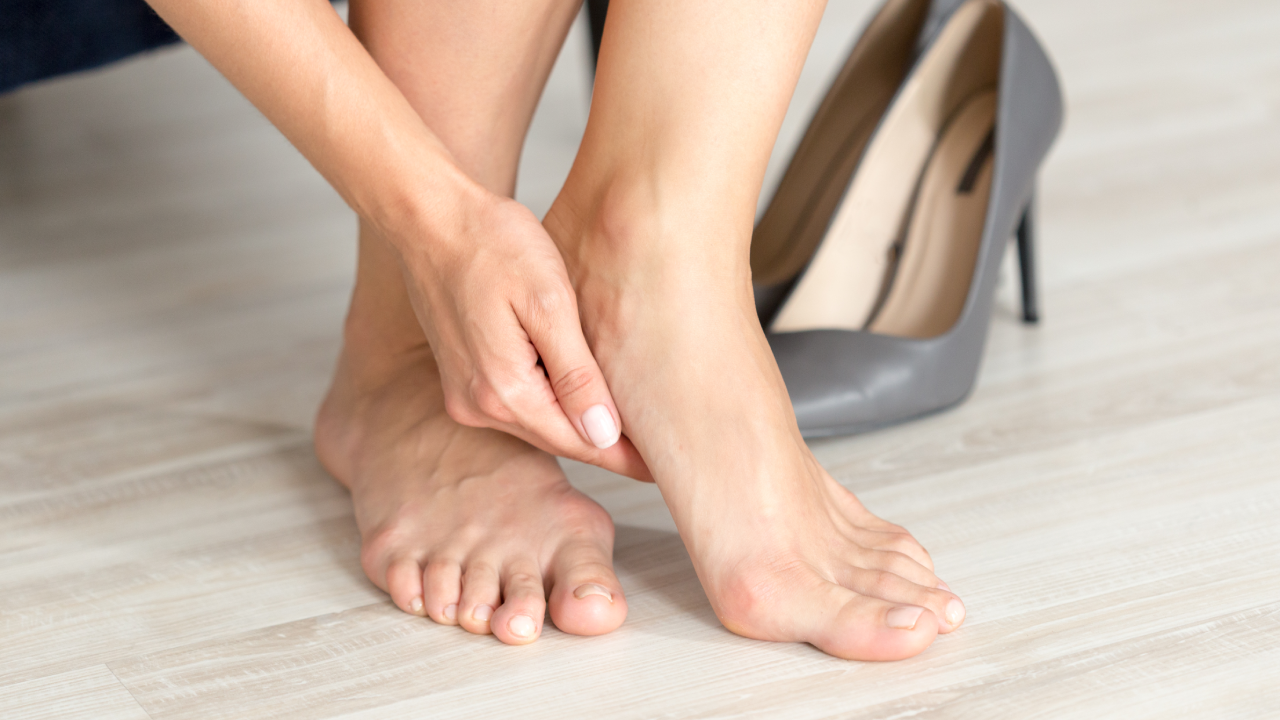
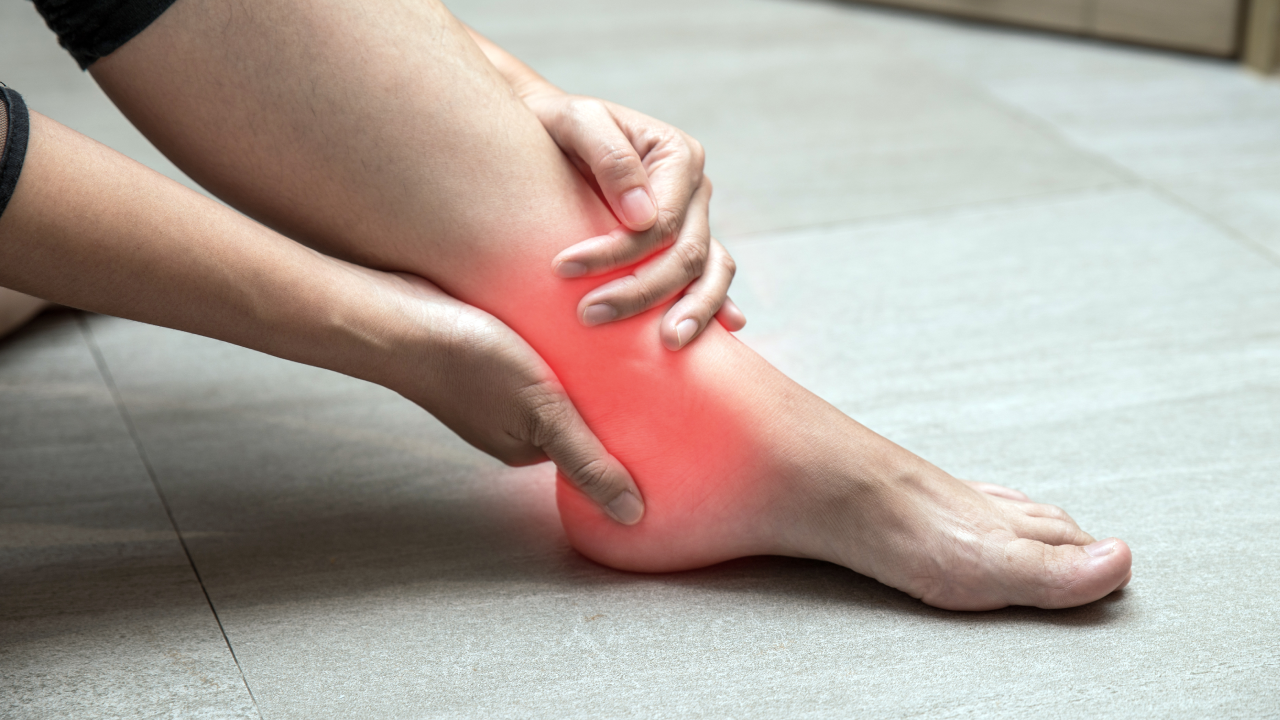
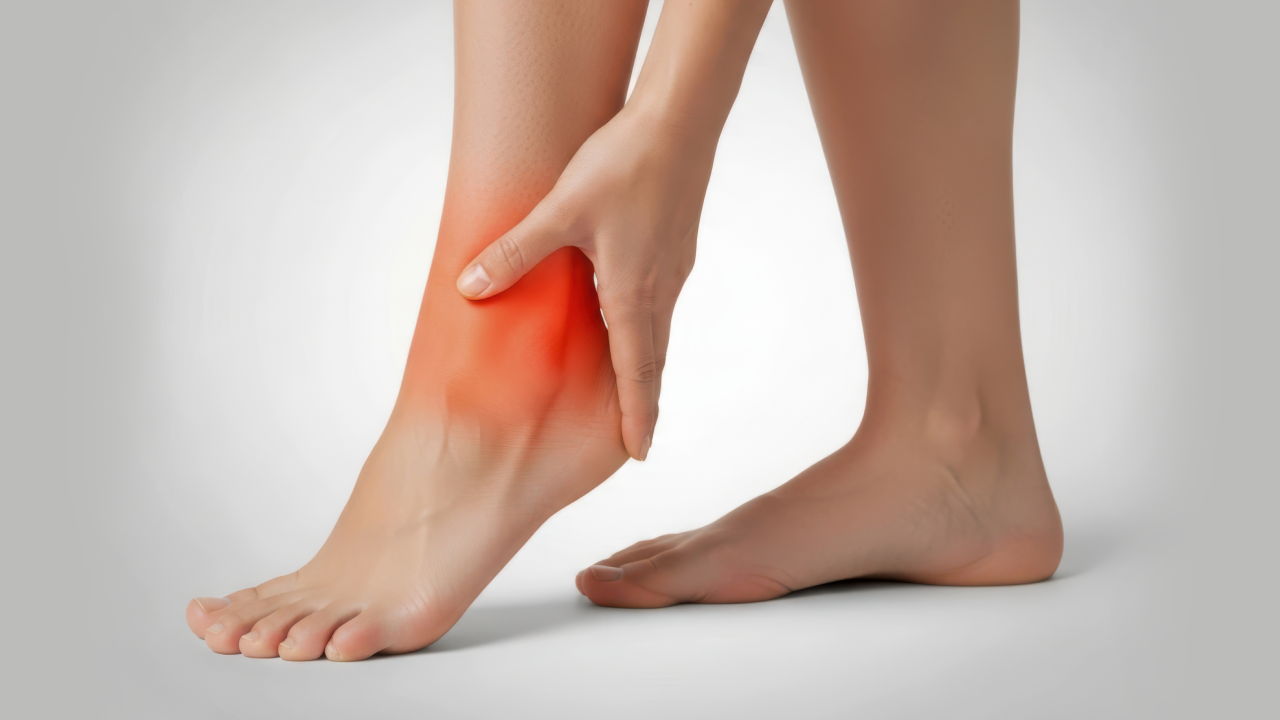
Ankle Sprains
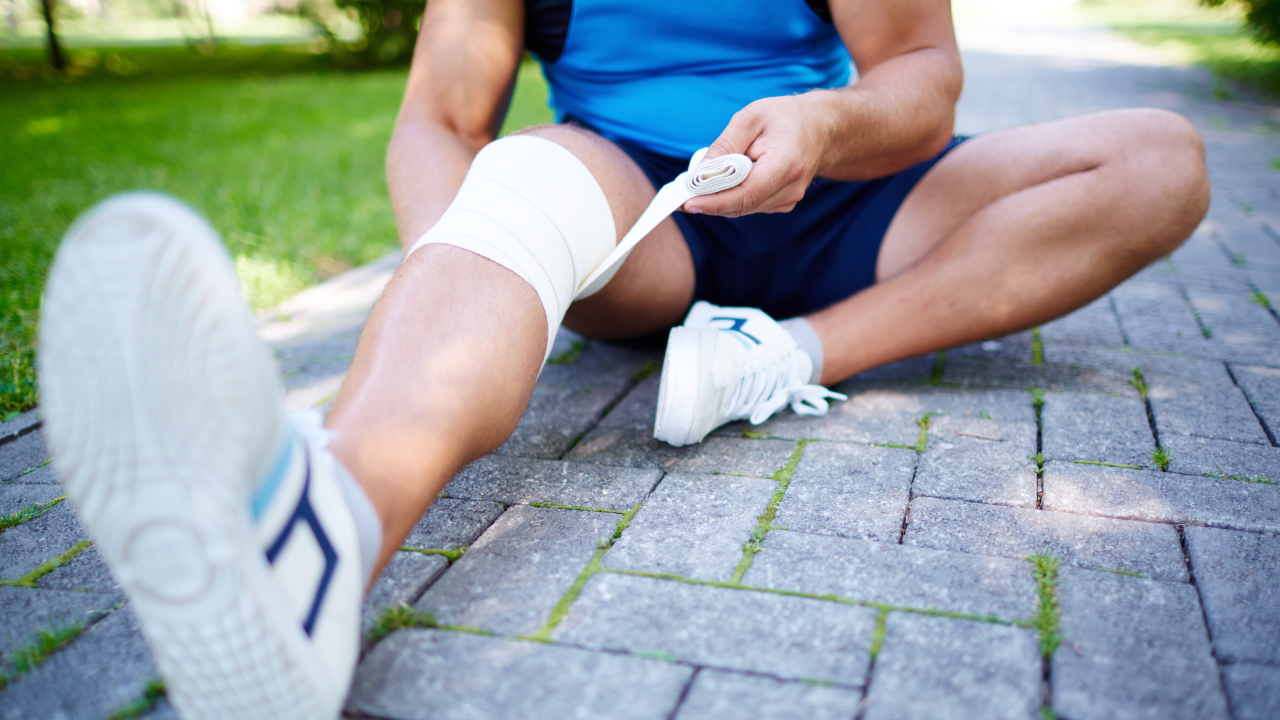
An ankle sprain may occur when the foot rolls or twists beyond its normal range, placing stress on the ligaments surrounding the joint.
Possible symptoms include swelling, tenderness, bruising, reduced ankle movement, and difficulty walking.
Rehabilitation may include mobility exercises, strengthening, balance activities, coordination work, and gradual progression toward regular activity.
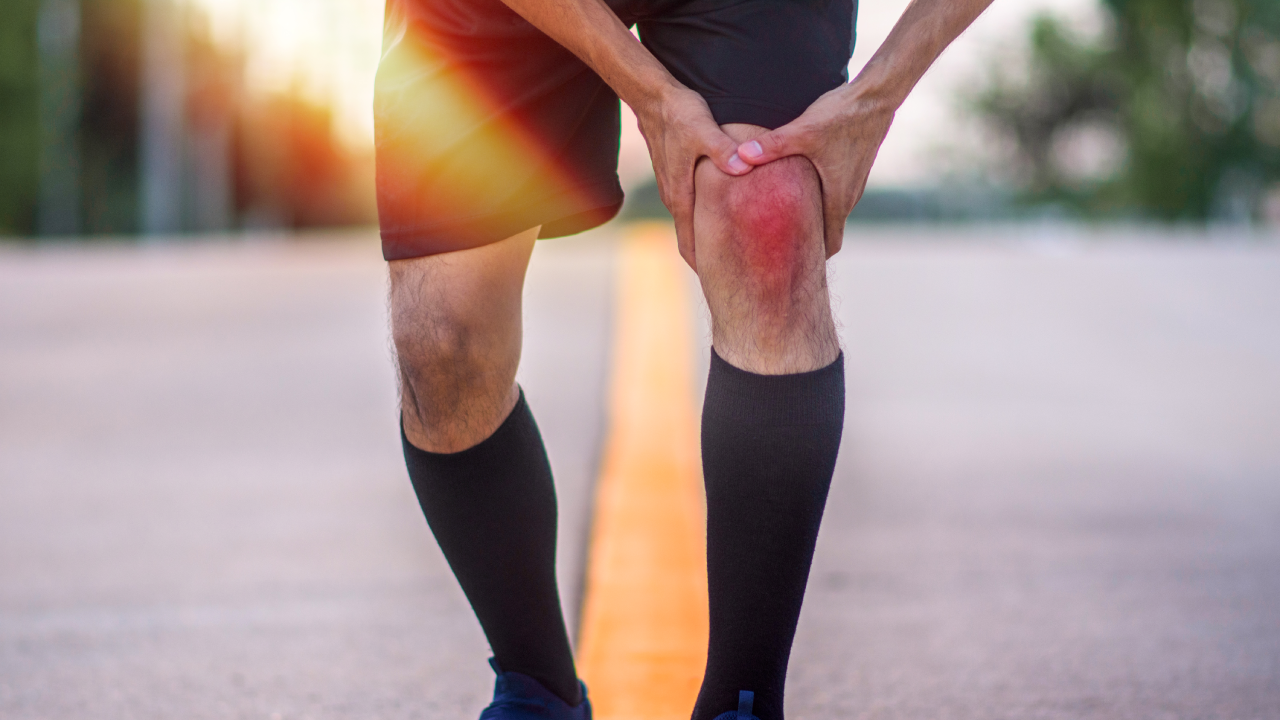
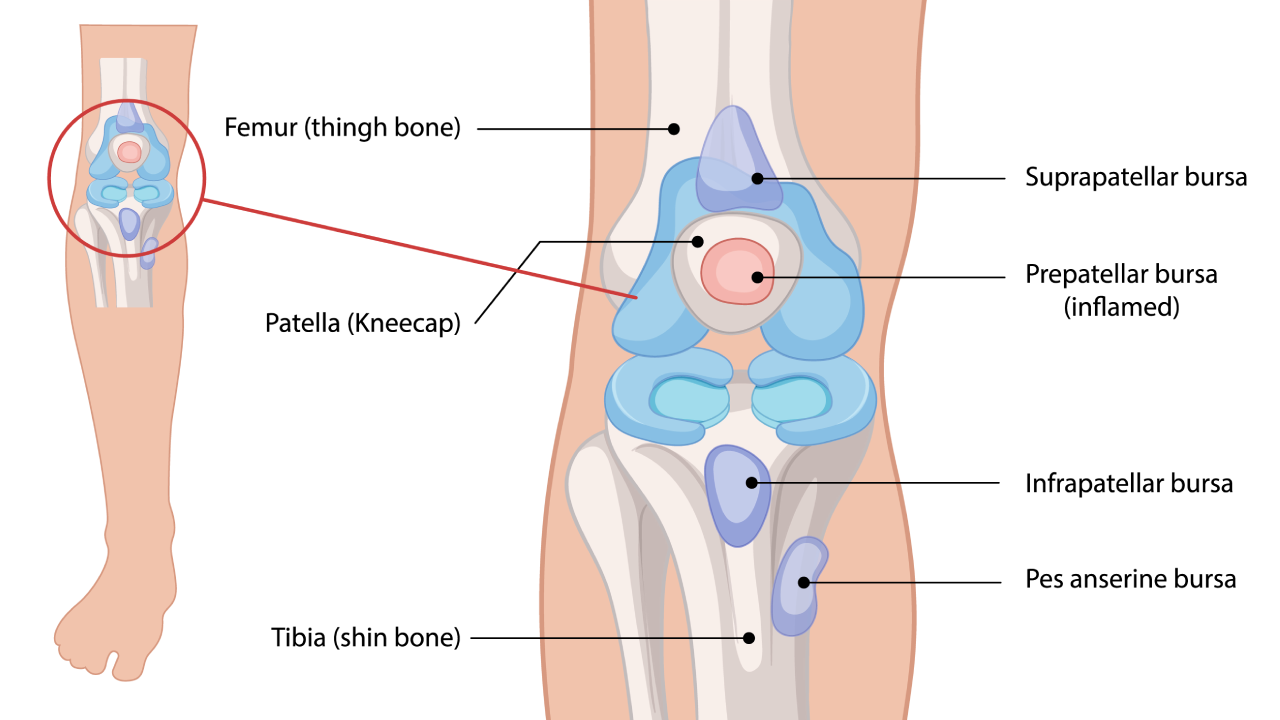
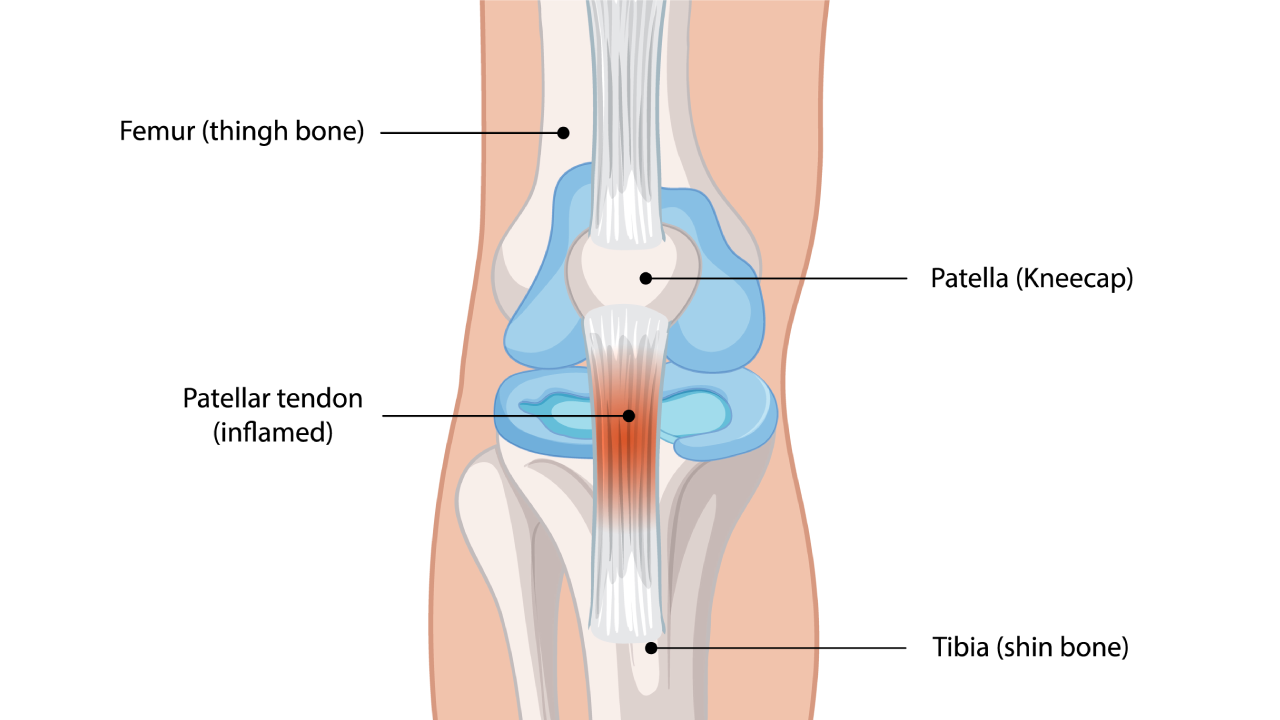
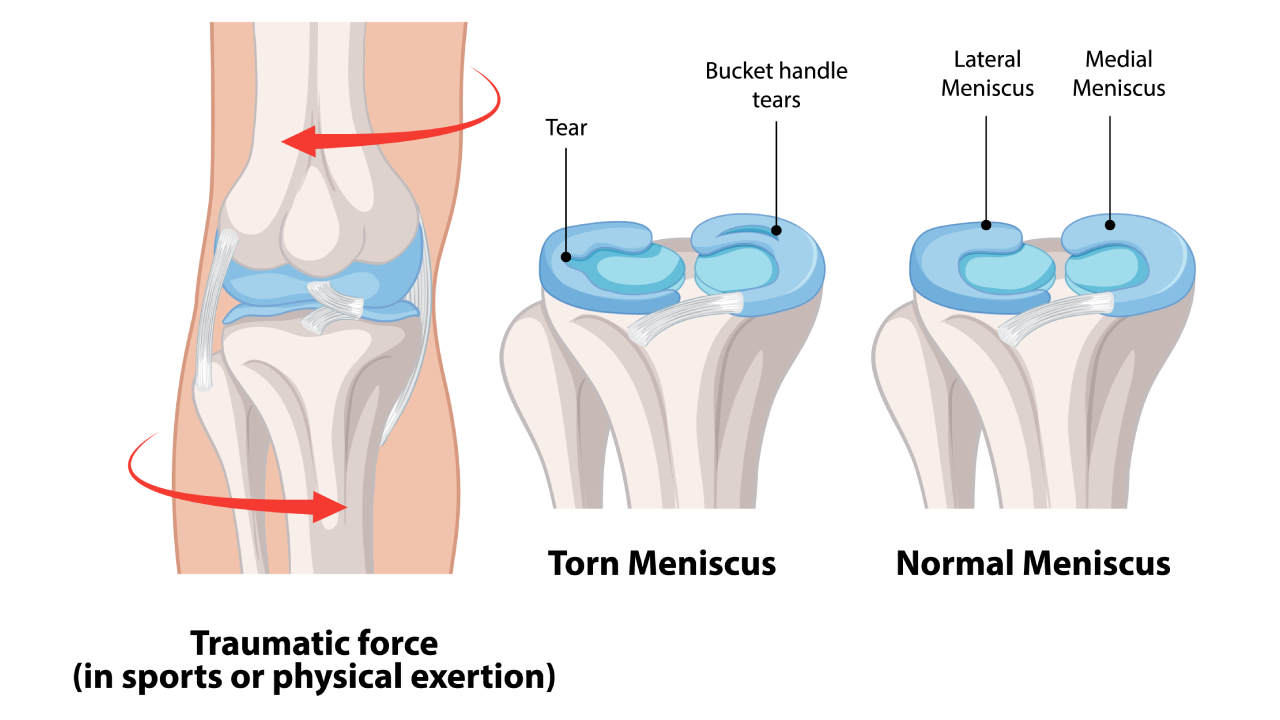
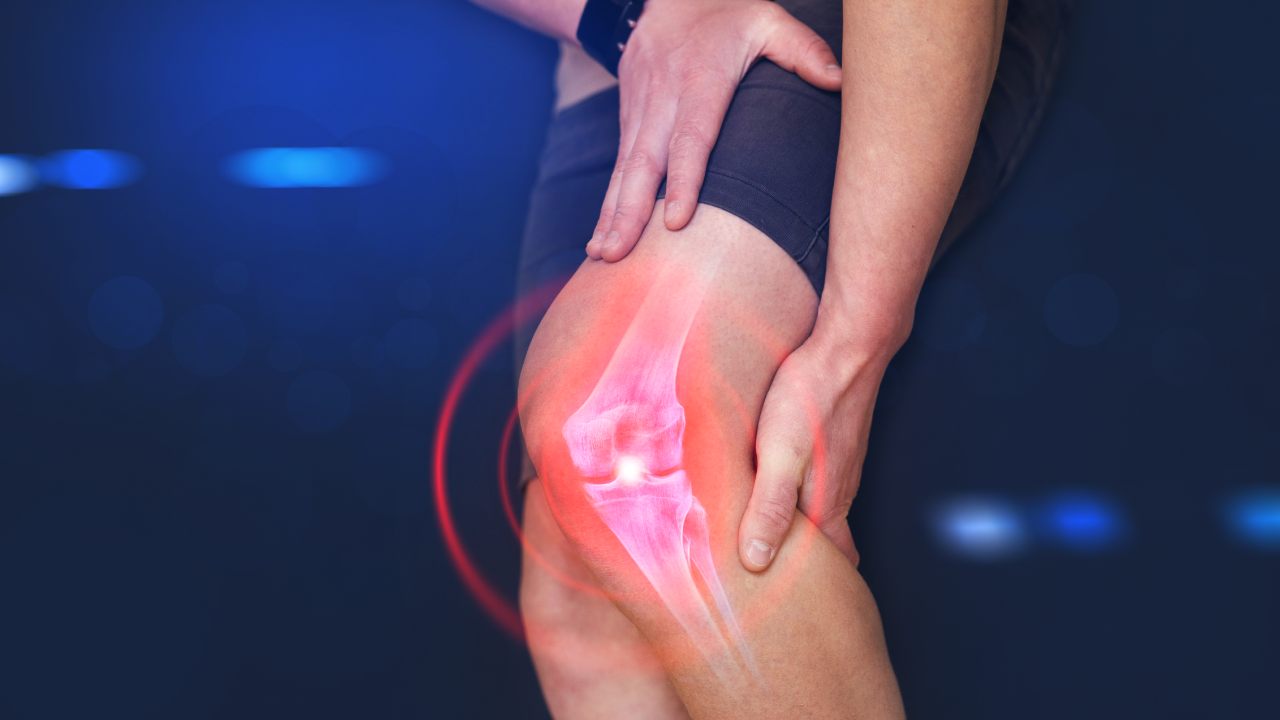
Knee Injuries
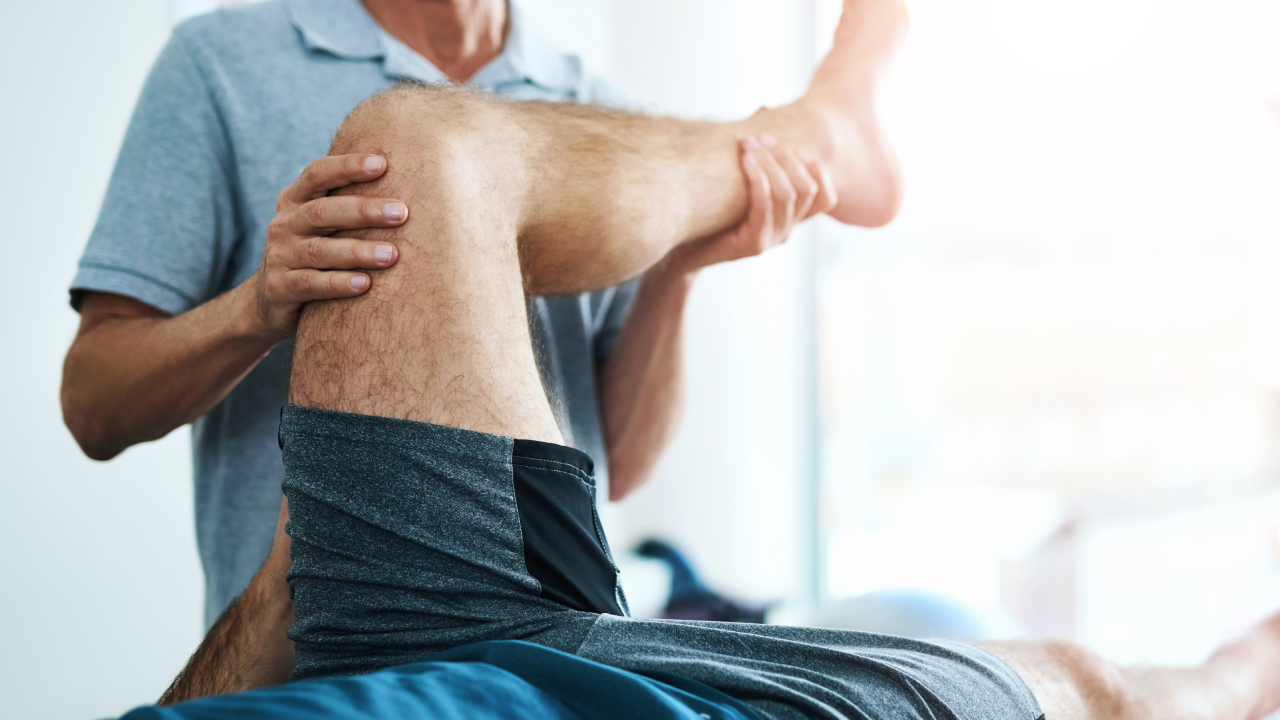
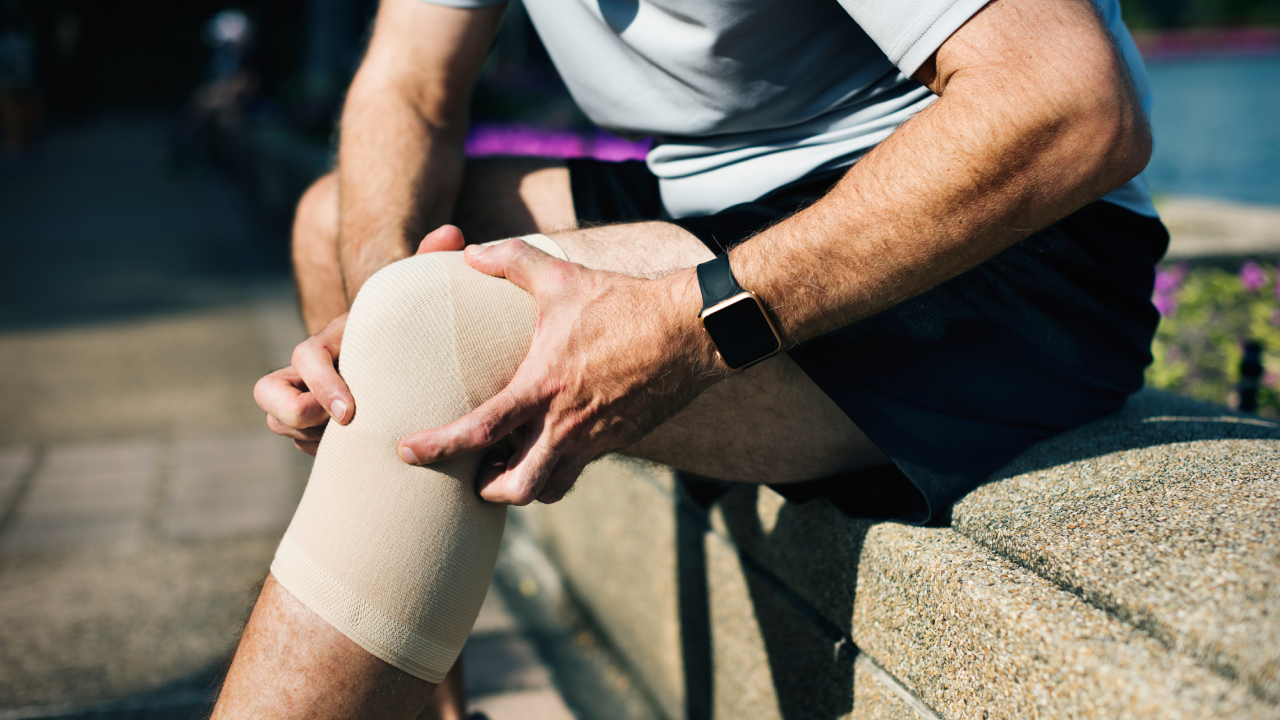
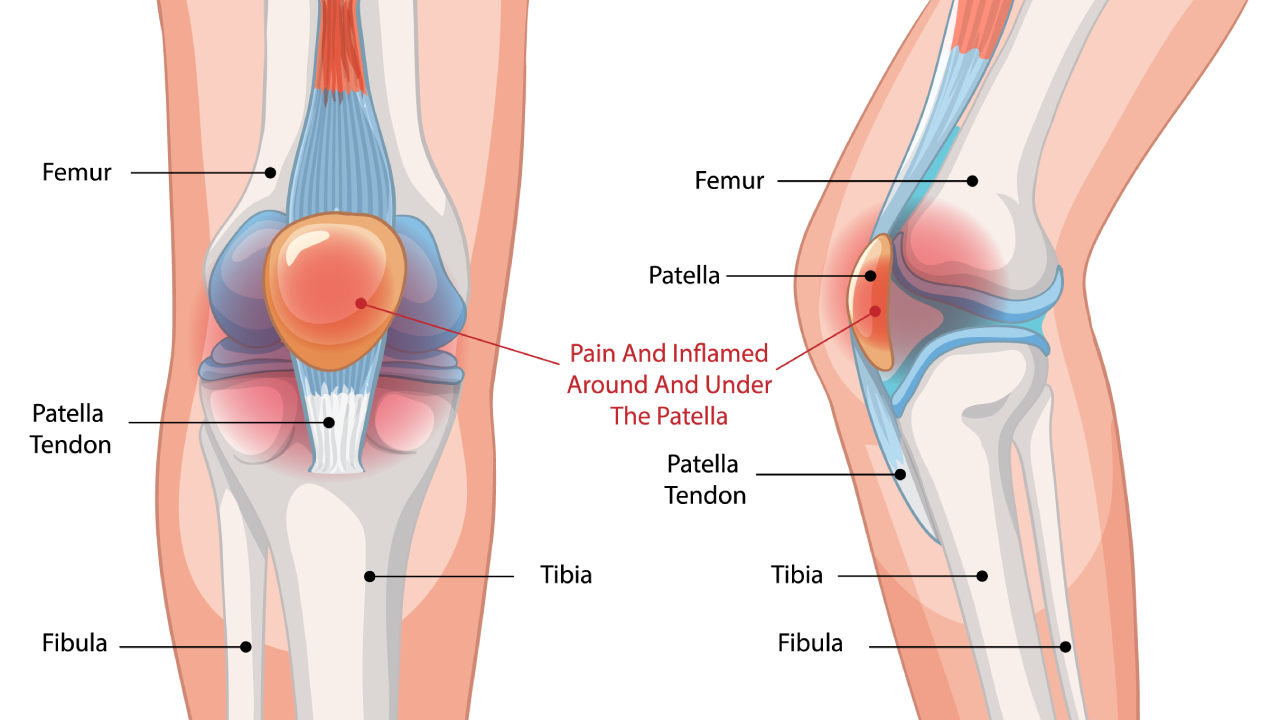
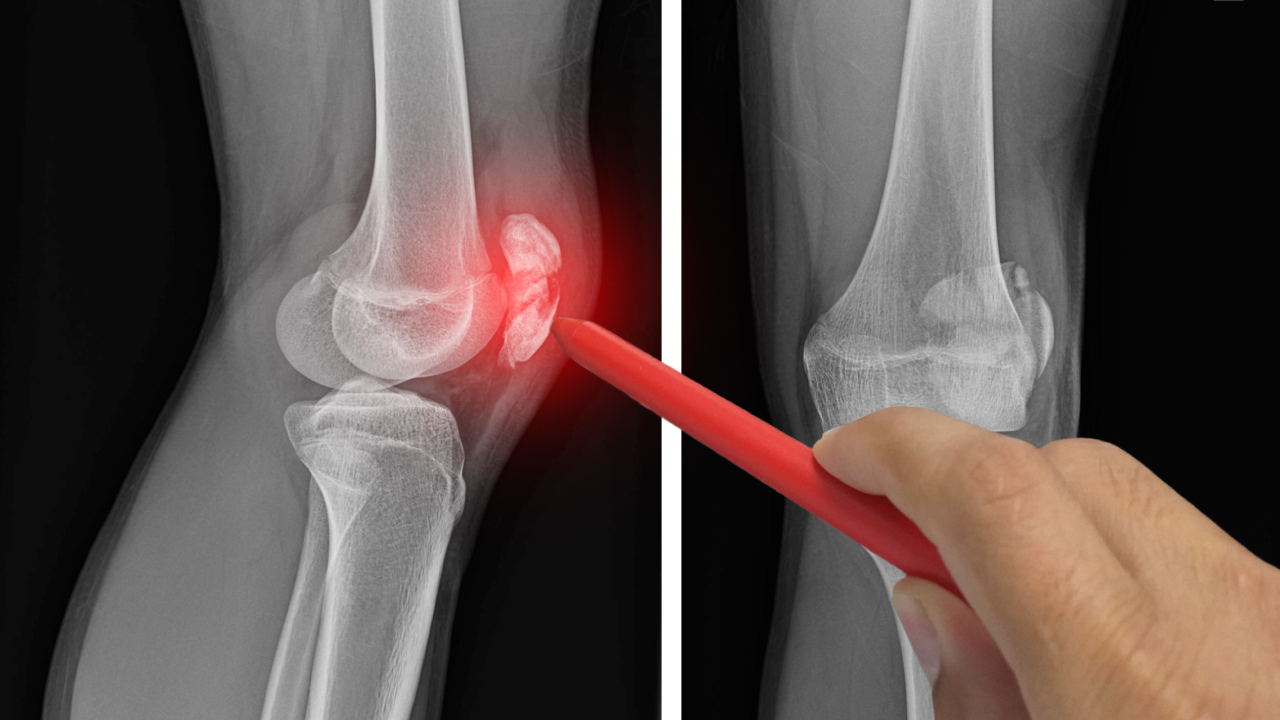
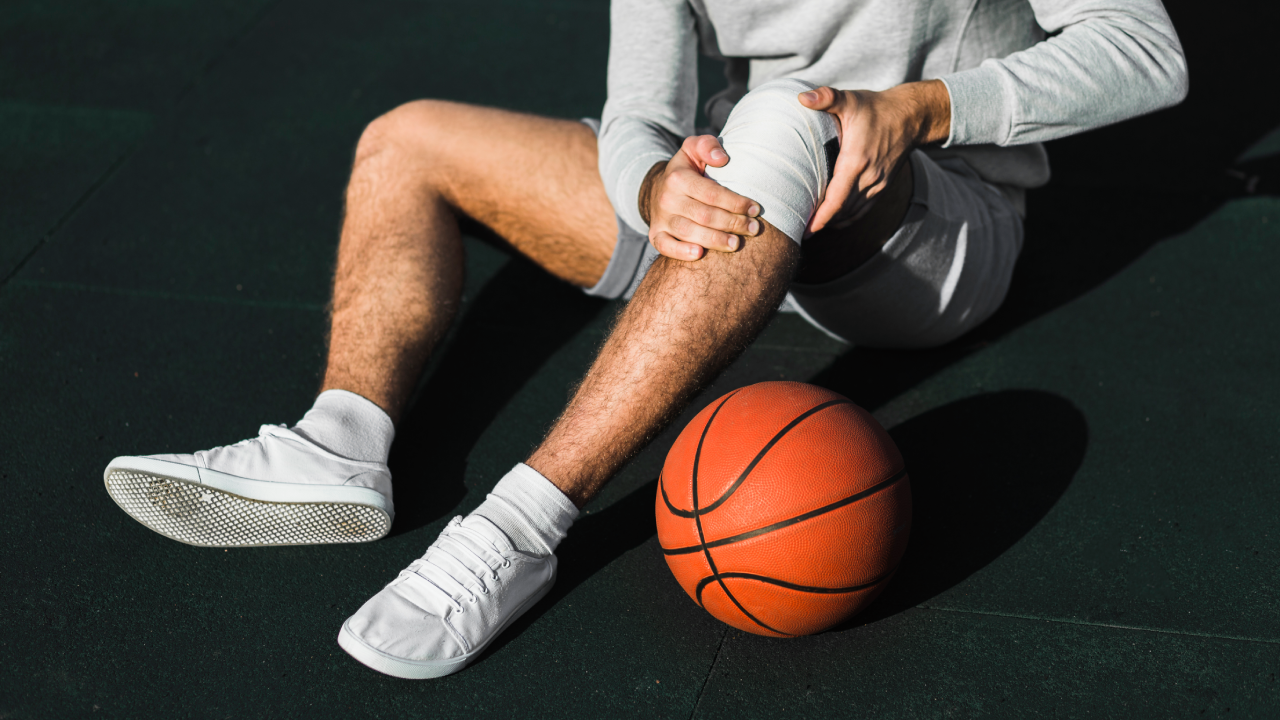
The knee handles substantial loads during running, jumping, squatting, cutting, and landing. Sports can affect the muscles, tendons, ligaments, cartilage, and other structures around the knee.
Common knee conditions include:
- Patellofemoral pain
- Meniscus injuries
- Ligament injuries
- Tendon conditions
- Knee strains
- Overuse-related knee symptoms
- Runner’s knee
Physiotherapy may focus on knee mobility, hip and leg strength, balance, coordination, and controlled progression of physical activity.
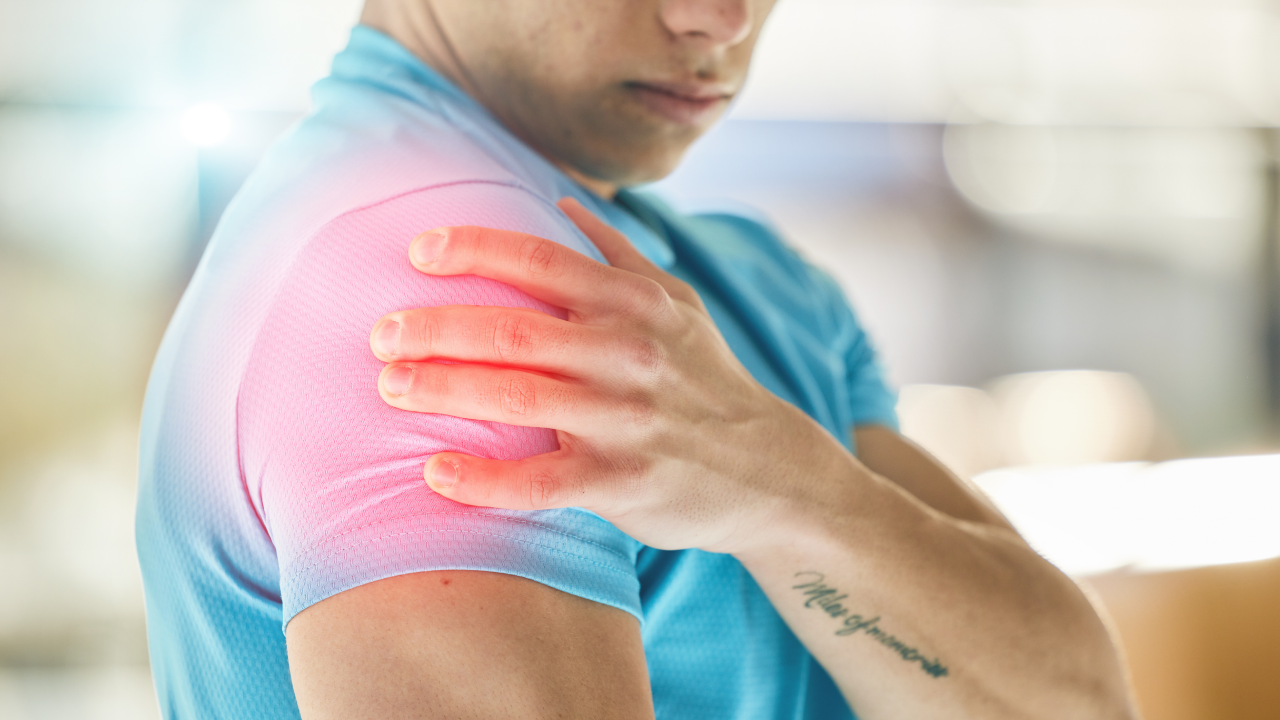
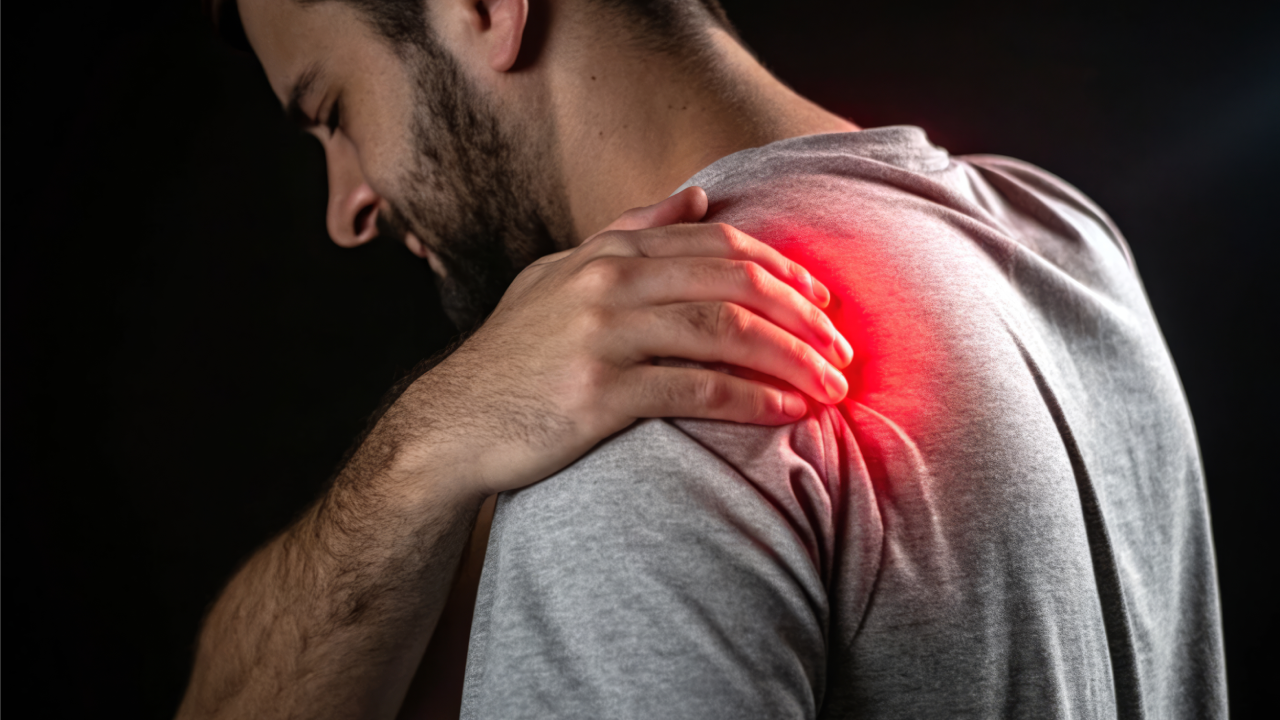
Shoulder Injuries
Throwing, swimming, lifting, racquet sports, and contact sports can place considerable demands on the shoulder.
Shoulder injuries may involve the rotator cuff, muscles, tendons, or joint structures. Rehabilitation can include mobility exercises, strengthening, posture-related exercises, and gradual progression toward sport-specific movements.
Muscle Strains
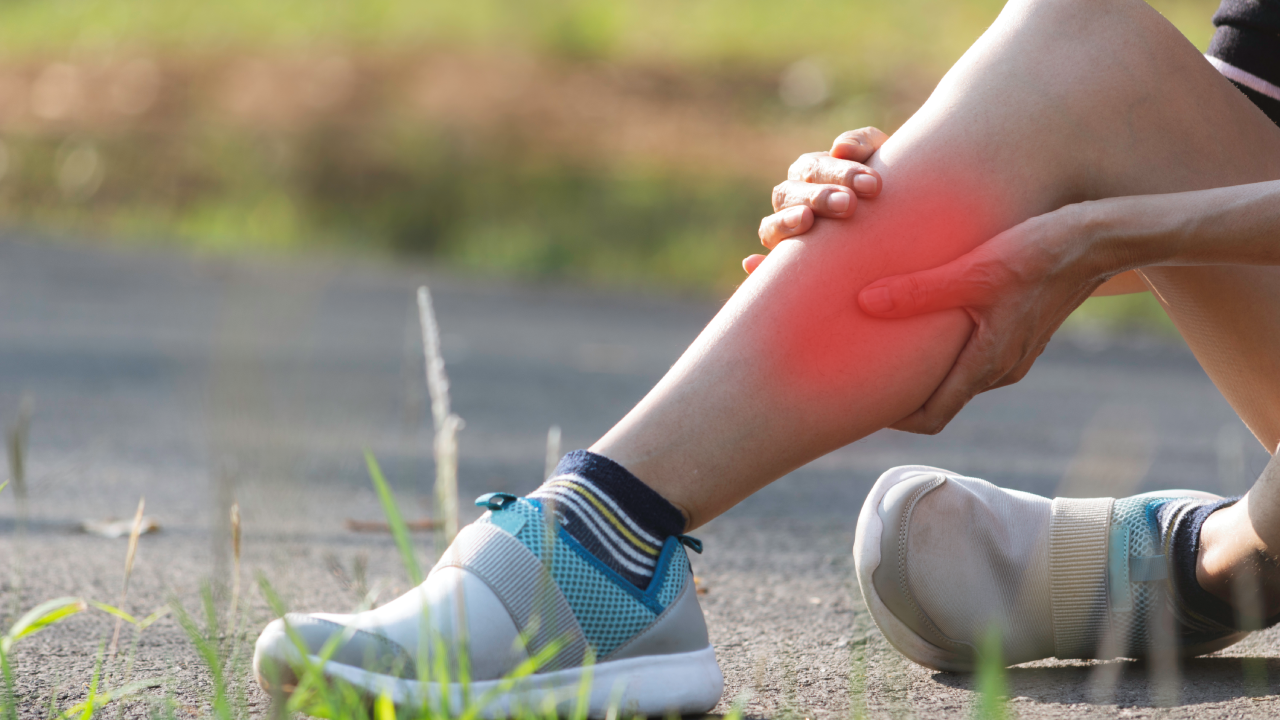
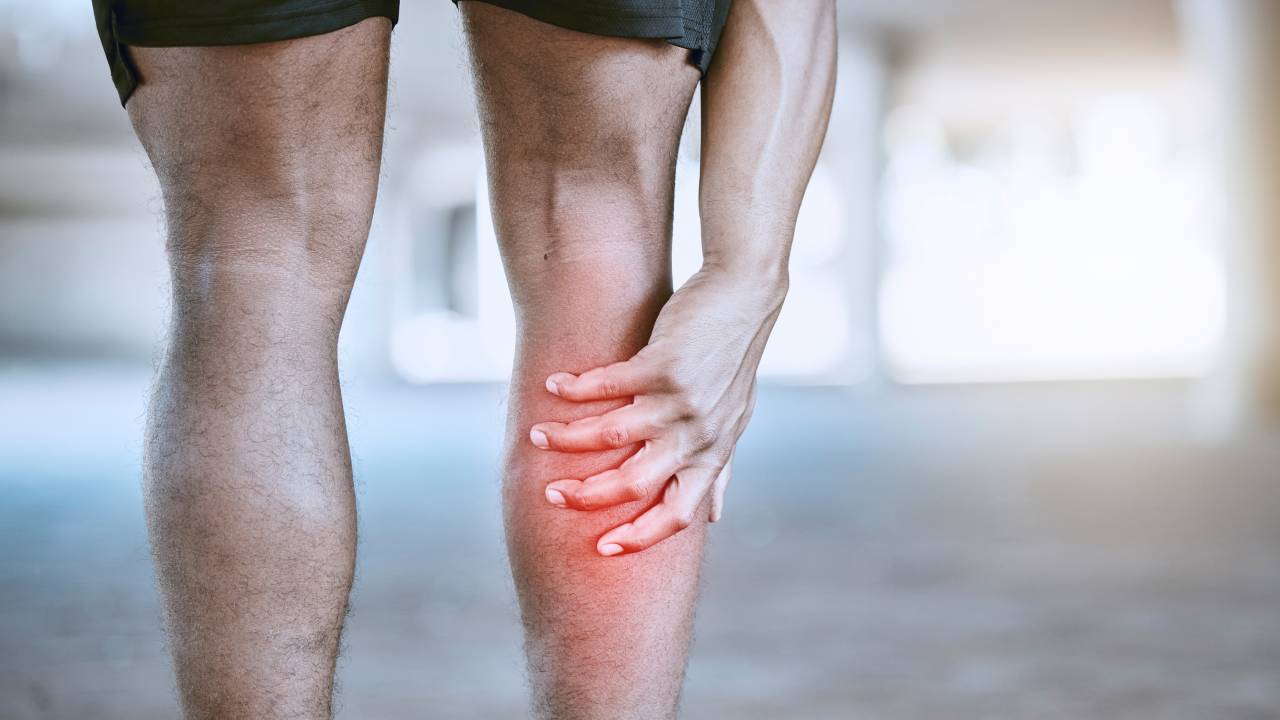
A muscle strain occurs when muscle fibres are overstretched or damaged. Hamstring, quadriceps, calf, groin, and lower-back strains are common among physically active people.
Rehabilitation may involve controlled movement, progressive loading, strengthening, flexibility exercises, and staged progression back to sporting activities.
Hamstring Injuries
Hamstring injuries frequently occur during sprinting, rapid acceleration, jumping, or sudden changes in direction.
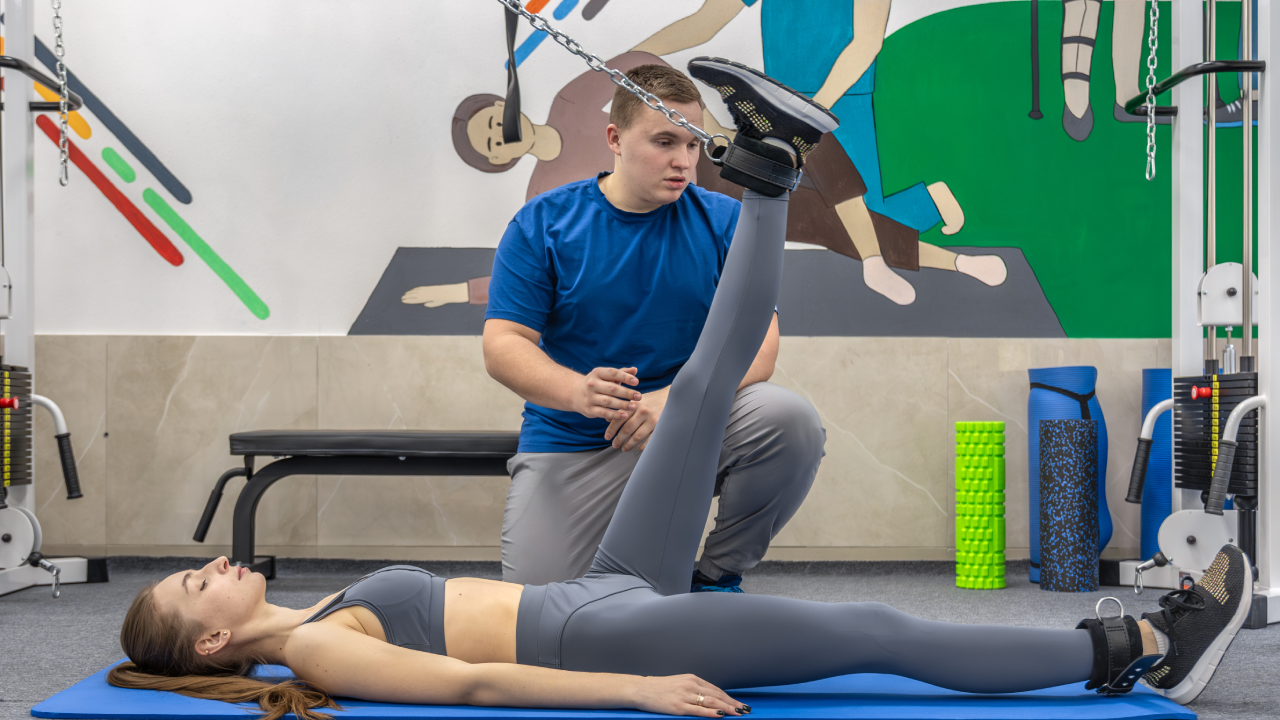
Rehabilitation may focus on restoring strength and control across different ranges of movement. Progression can move from basic exercises to running drills and then sport-specific activities.
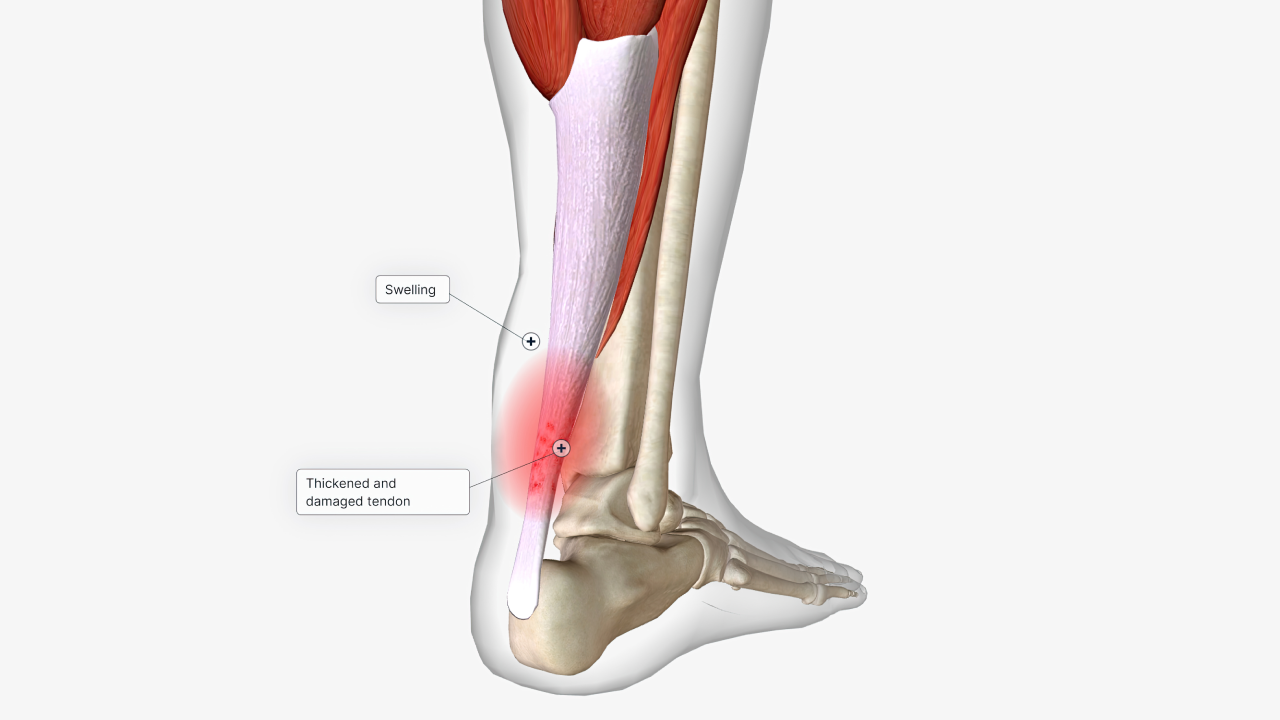
Achilles Tendon Conditions
The Achilles tendon connects the calf muscles to the heel. Running, jumping, and sudden increases in training can place considerable stress on this tendon.
Physiotherapy may include calf strengthening, mobility exercises, activity modification, load management, and gradual progression of running or jumping.
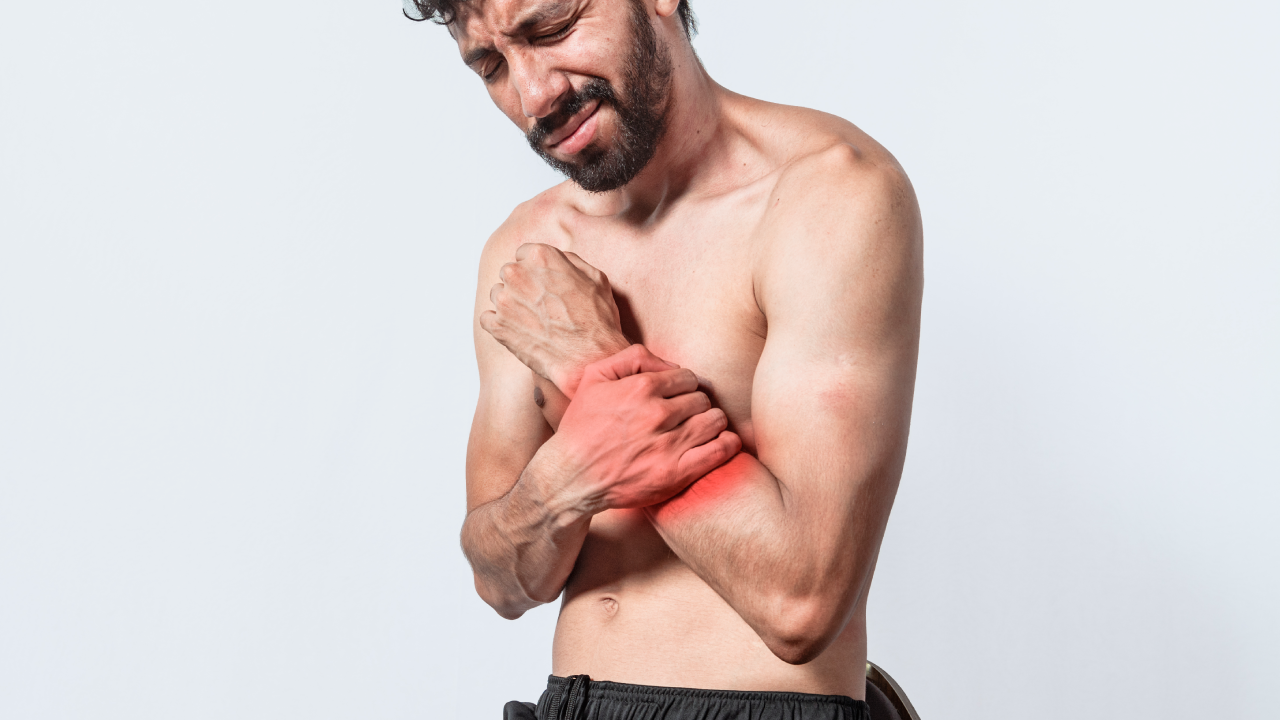
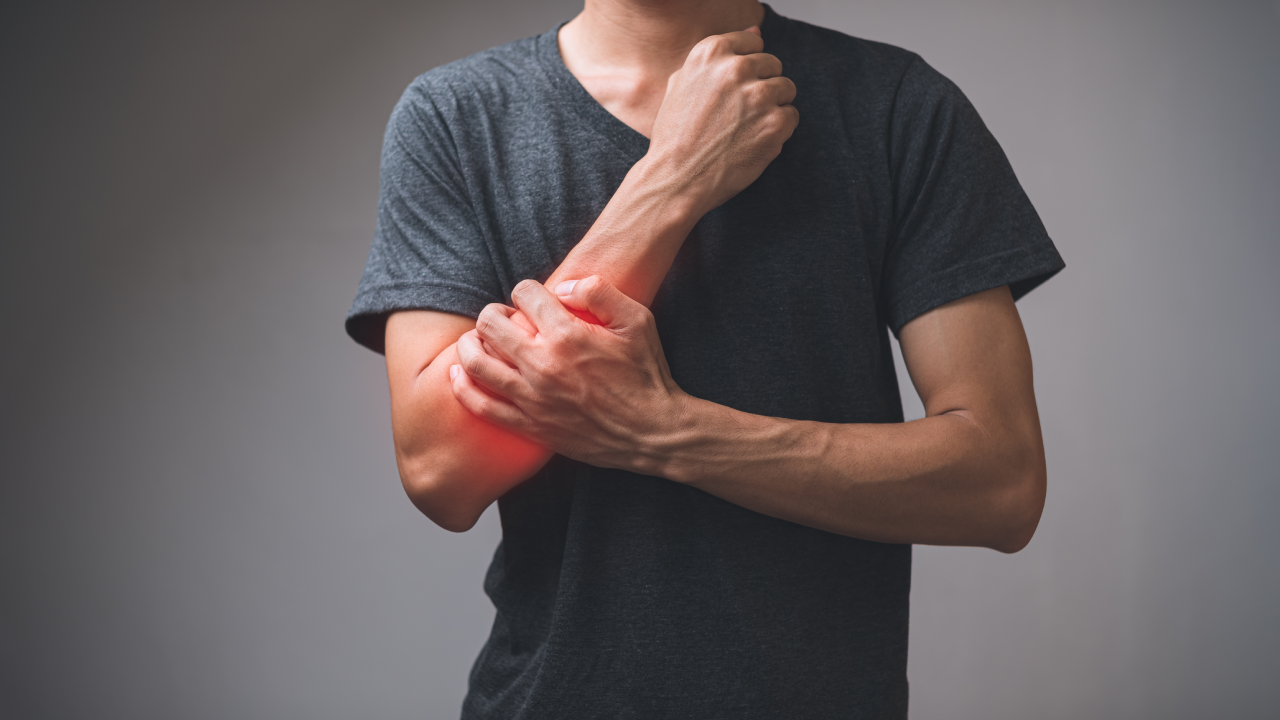
Tennis Elbow
Tennis elbow involves the tendons around the outer part of the elbow. Despite its name, the condition can affect people who do not play tennis.
Repeated gripping, racquet sports, weightlifting, manual work, and other forearm activities can contribute to symptoms.
Golfer’s Elbow
Golfer’s elbow affects the structures around the inner side of the elbow. Repeated gripping, wrist movement, throwing, and lifting may contribute to the condition.
Rehabilitation can include forearm strengthening, mobility exercises, activity modification, and progressive loading.
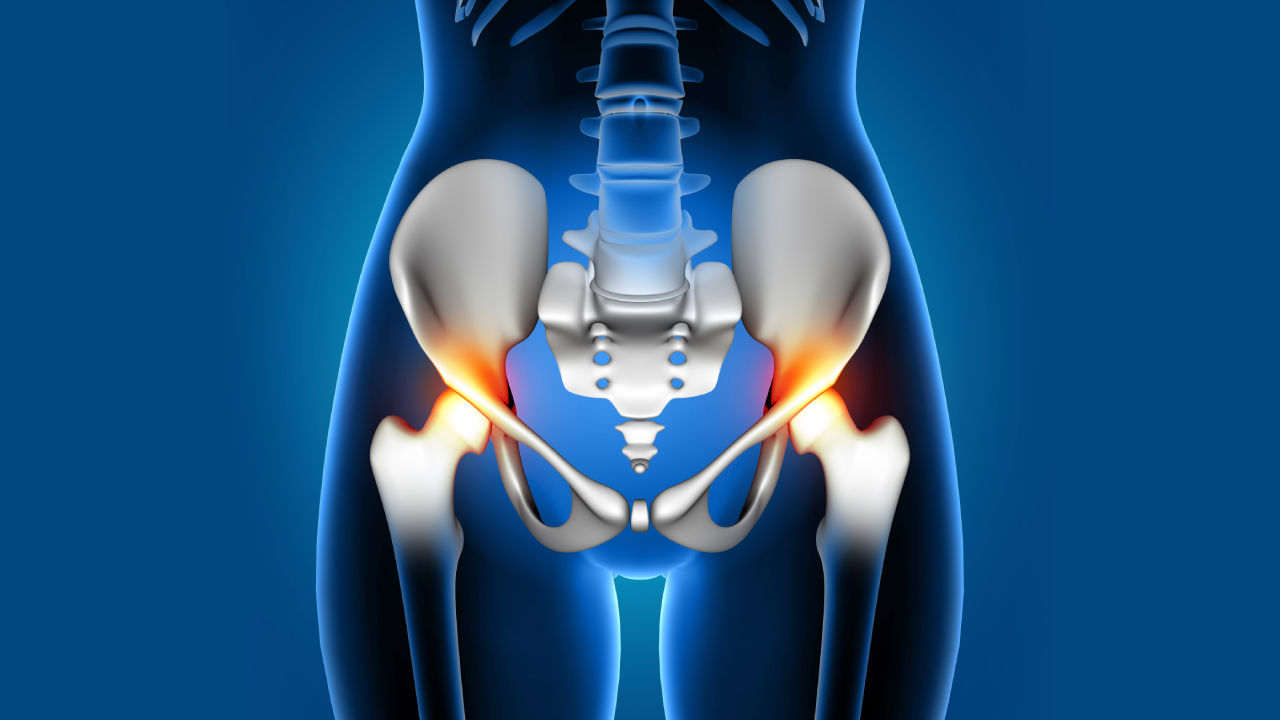
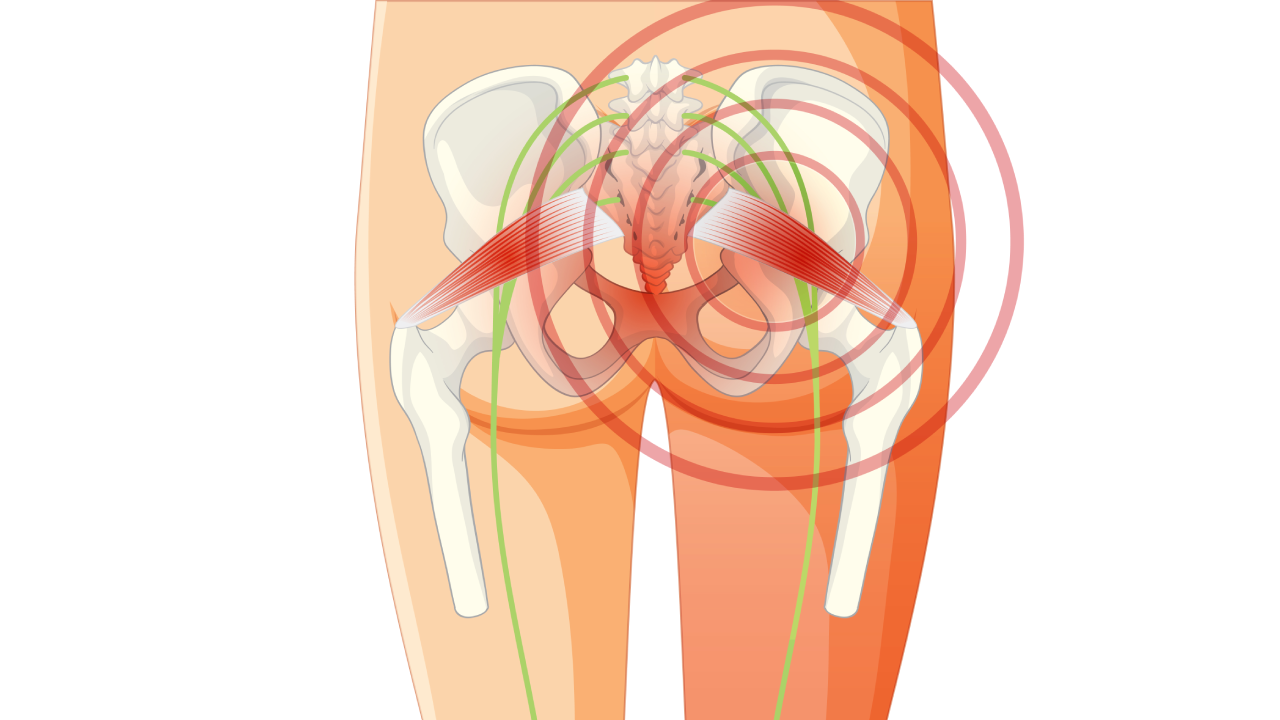
Hip and Groin Injuries
The hip and groin play an important role in running, kicking, jumping, skating, and changing direction.
Athletes may develop muscle strains, tendon conditions, hip-related symptoms, or groin injuries. An assessment can identify movement restrictions and areas that may require rehabilitation.
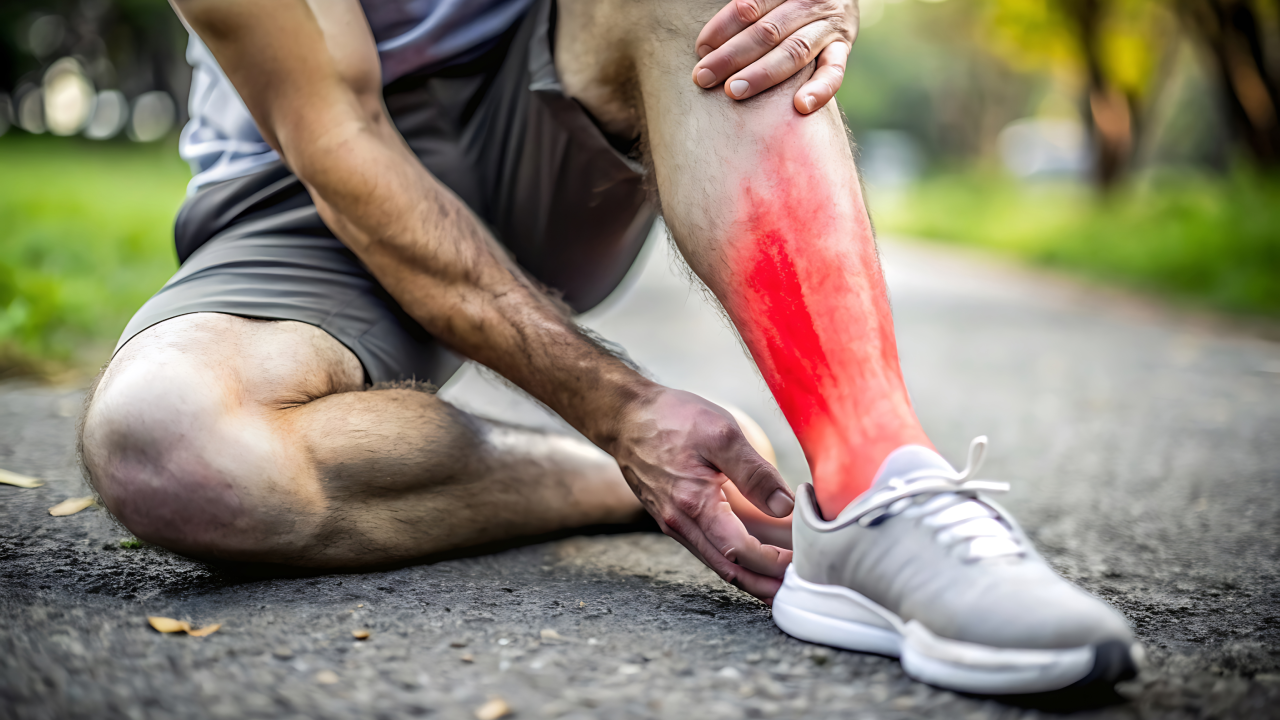
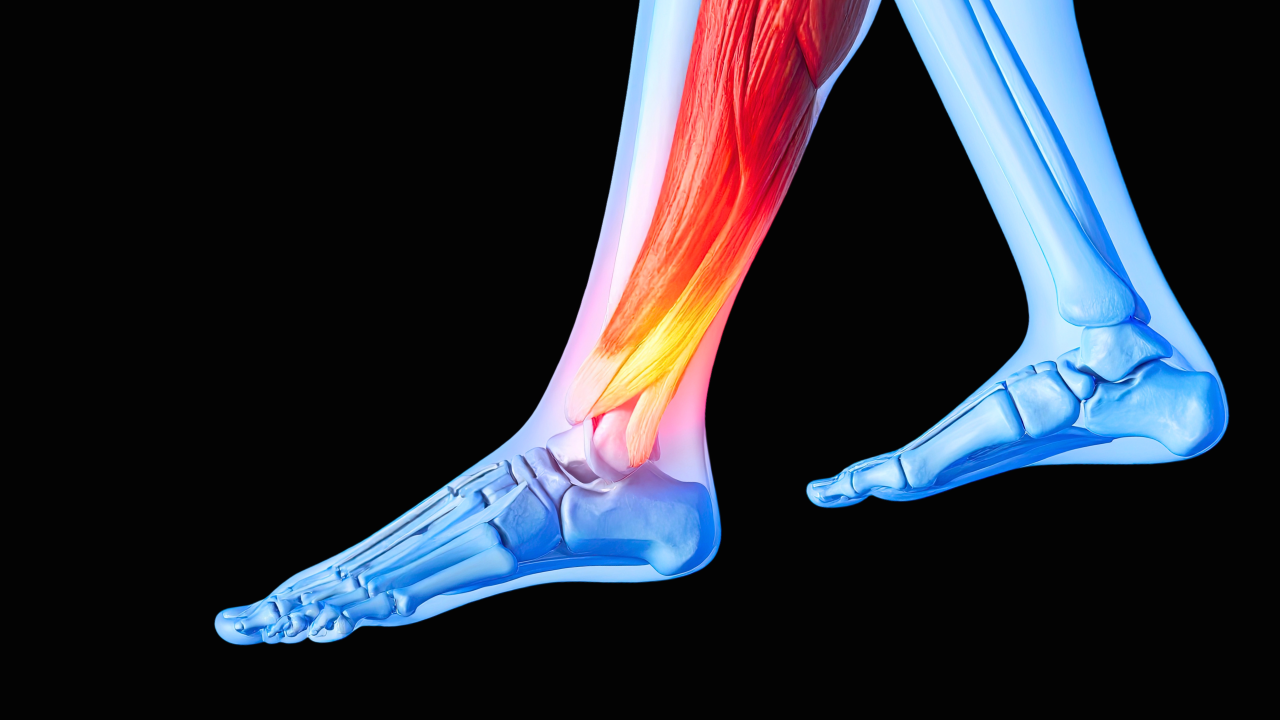
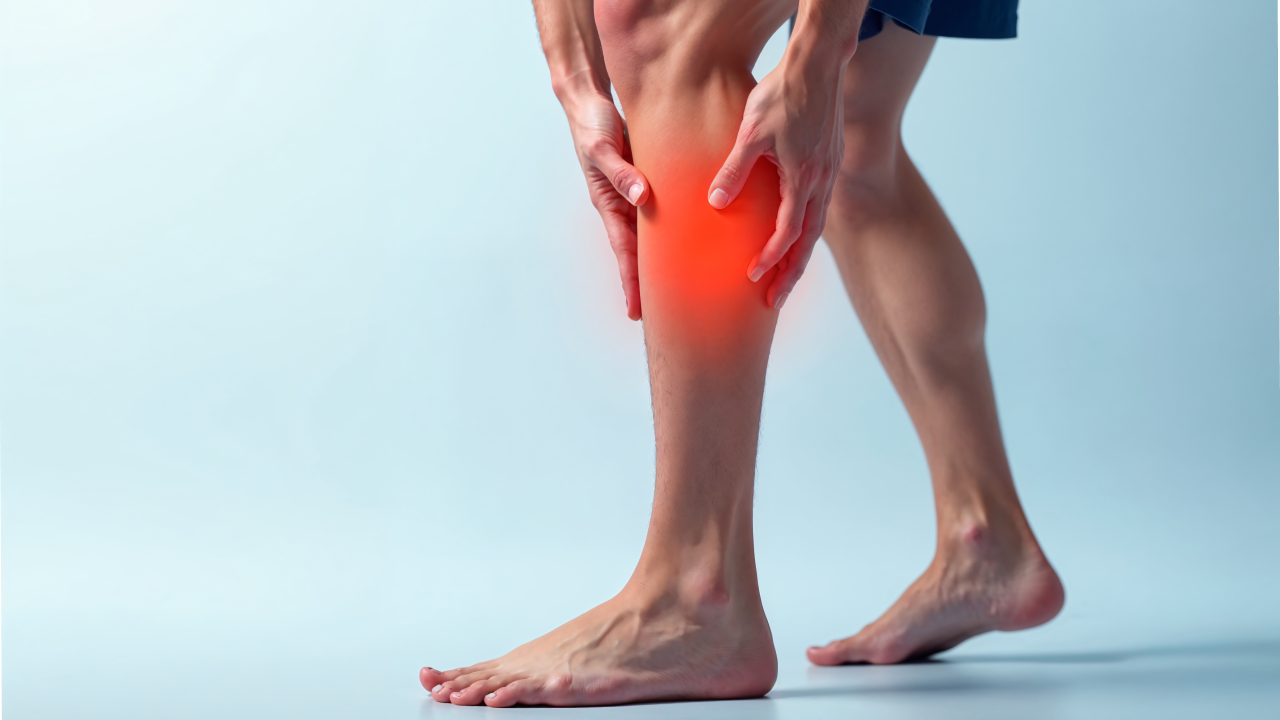
Shin Splints
Shin splints are commonly associated with repetitive running and jumping. Symptoms may develop after increasing running distance, changing training surfaces, or returning to exercise after a break.
Physiotherapy may address lower-leg strength, mobility, running loads, footwear considerations, and gradual training progression.
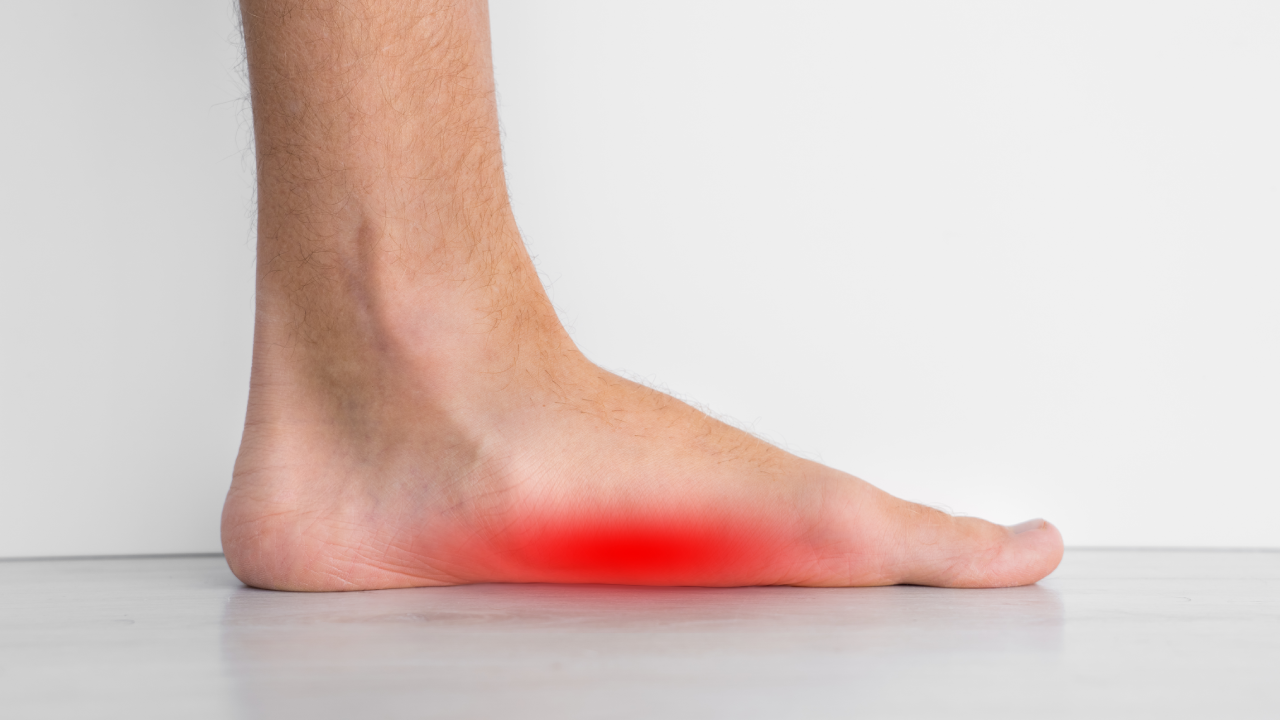
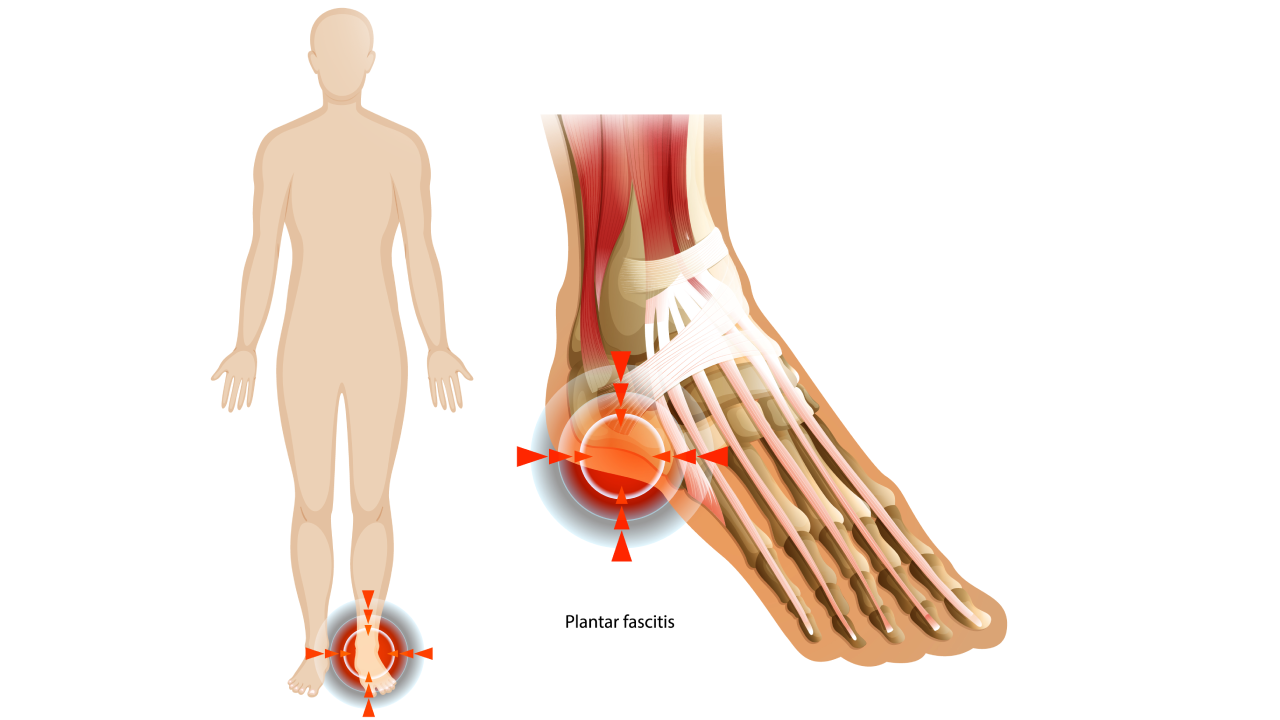
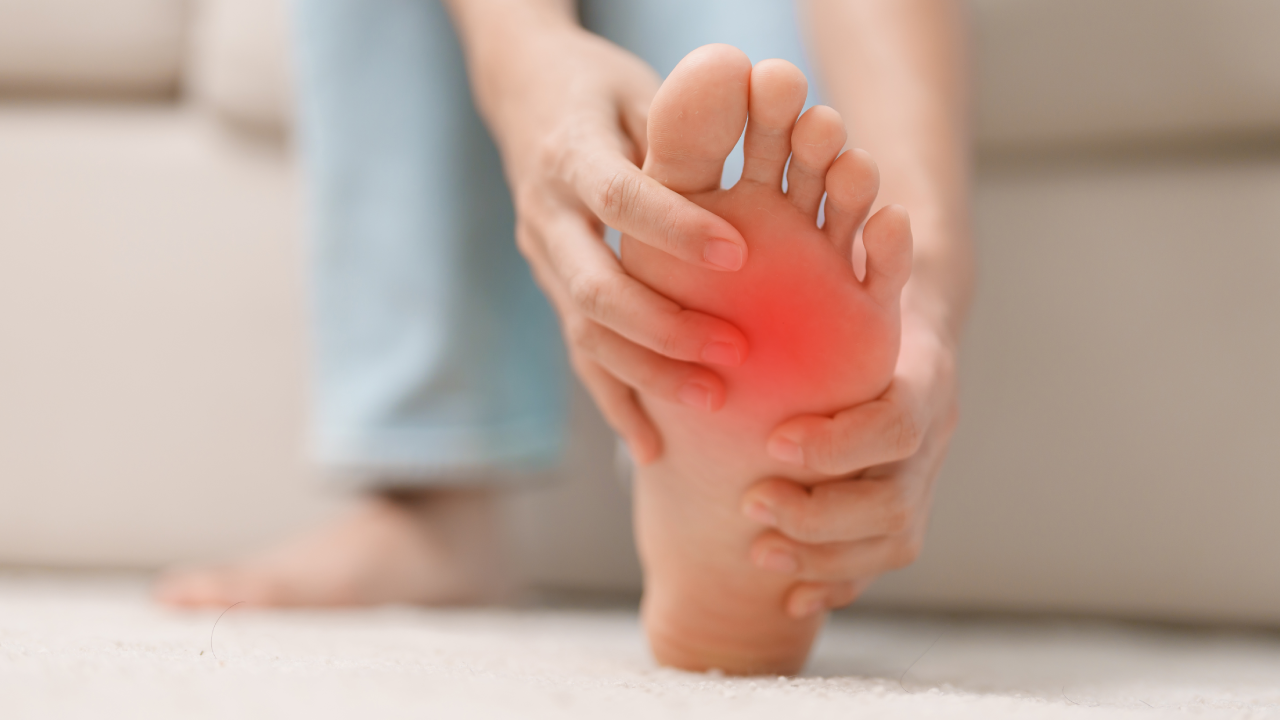
Plantar Fasciitis
Plantar fasciitis can cause discomfort along the bottom of the foot, particularly during the first steps after periods of rest.
Runners and people who spend extended periods standing or walking may develop this condition. Physiotherapy may include foot and calf exercises, mobility work, activity modification, and a gradual return to running.
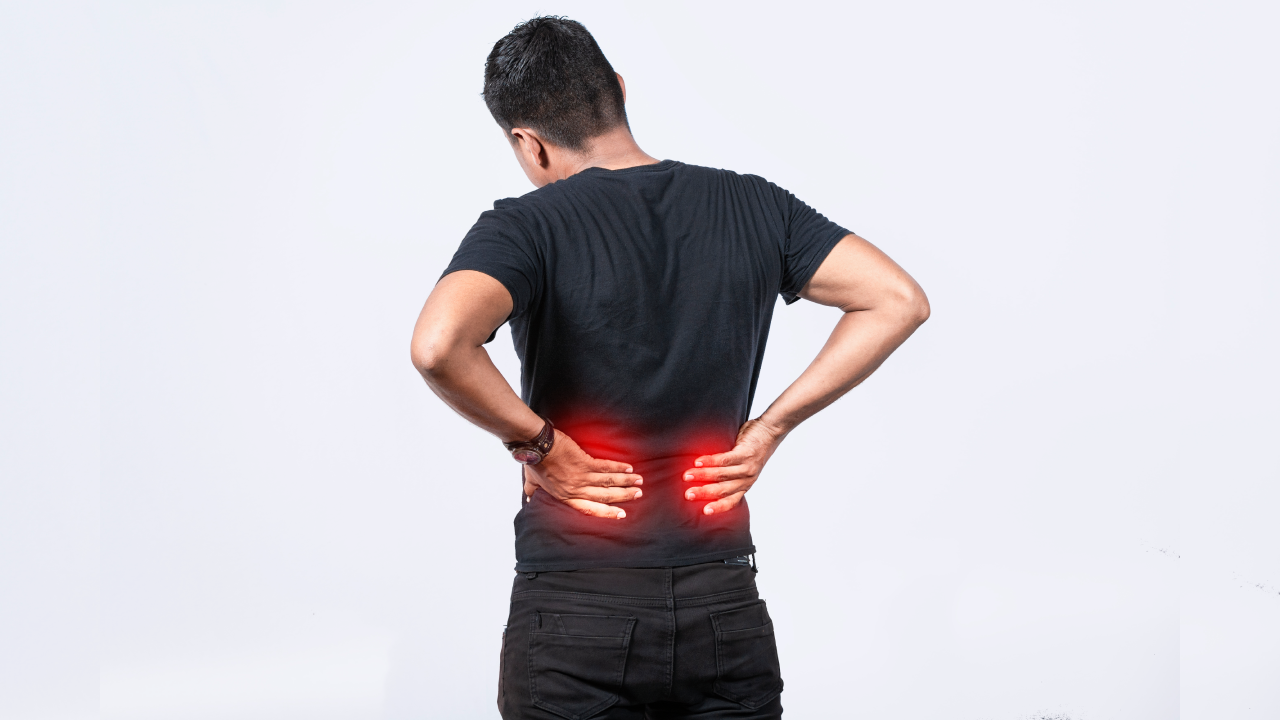
Back Injuries
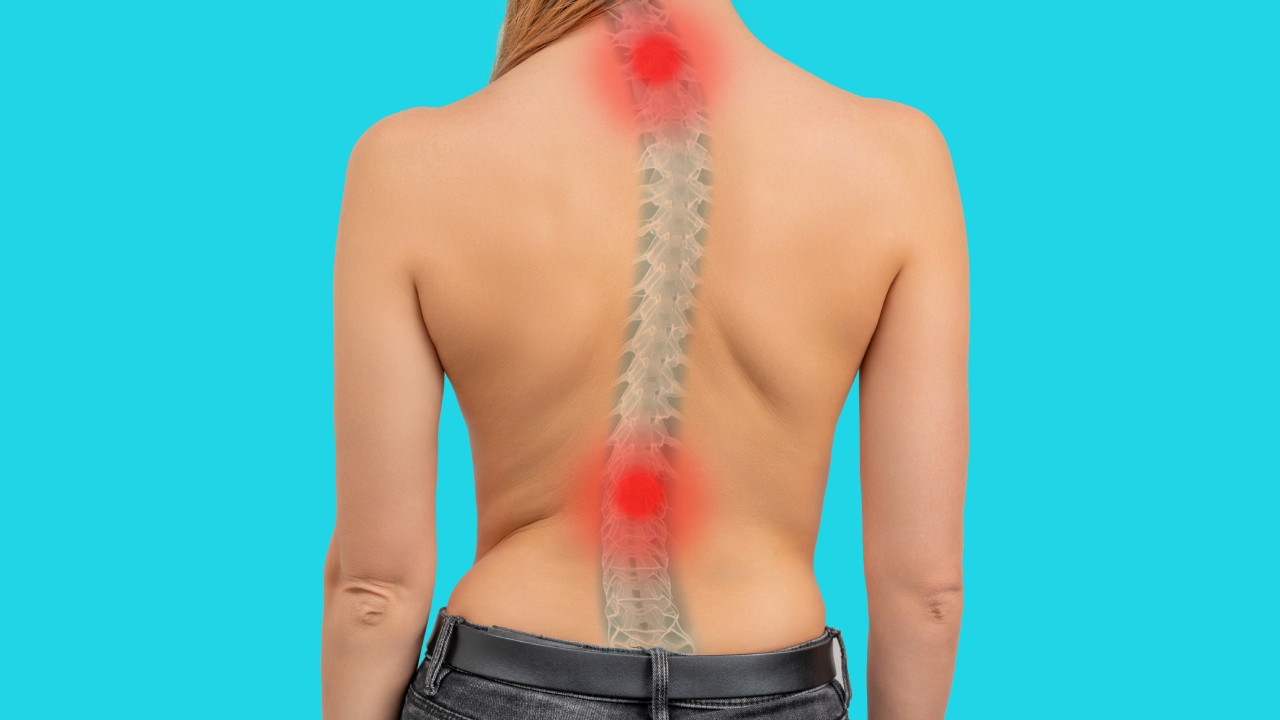
Activities such as weightlifting, hockey, golf, football, and gymnastics can place significant demands on the lower back.
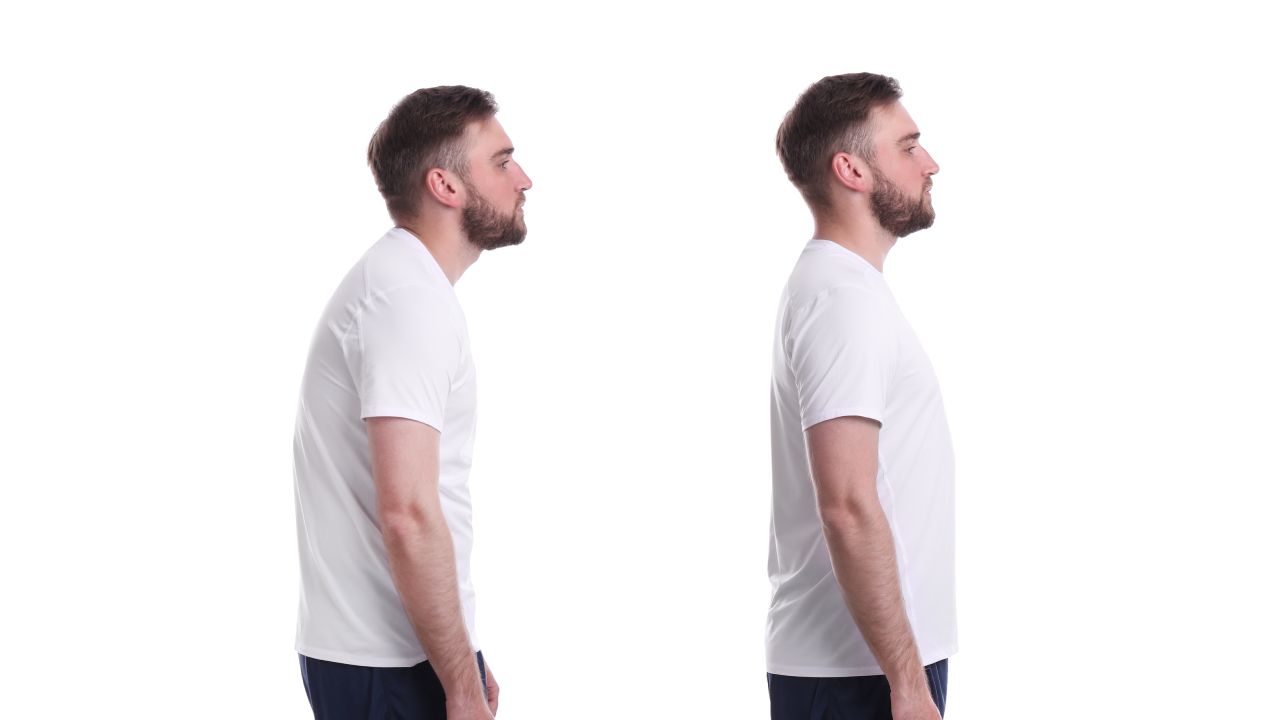
Sports-related back conditions may involve muscles, joints, or other structures. Physiotherapy can address movement patterns, trunk strength, mobility, lifting mechanics, and gradual progression toward physical activity.
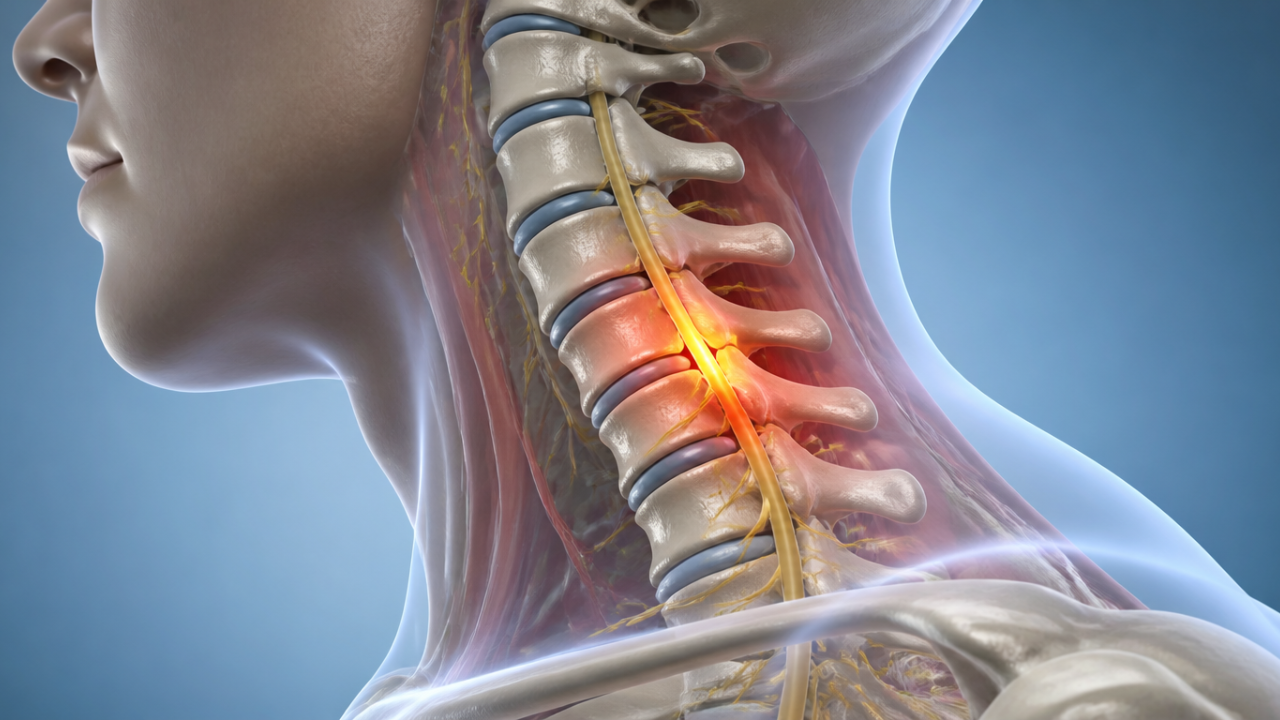
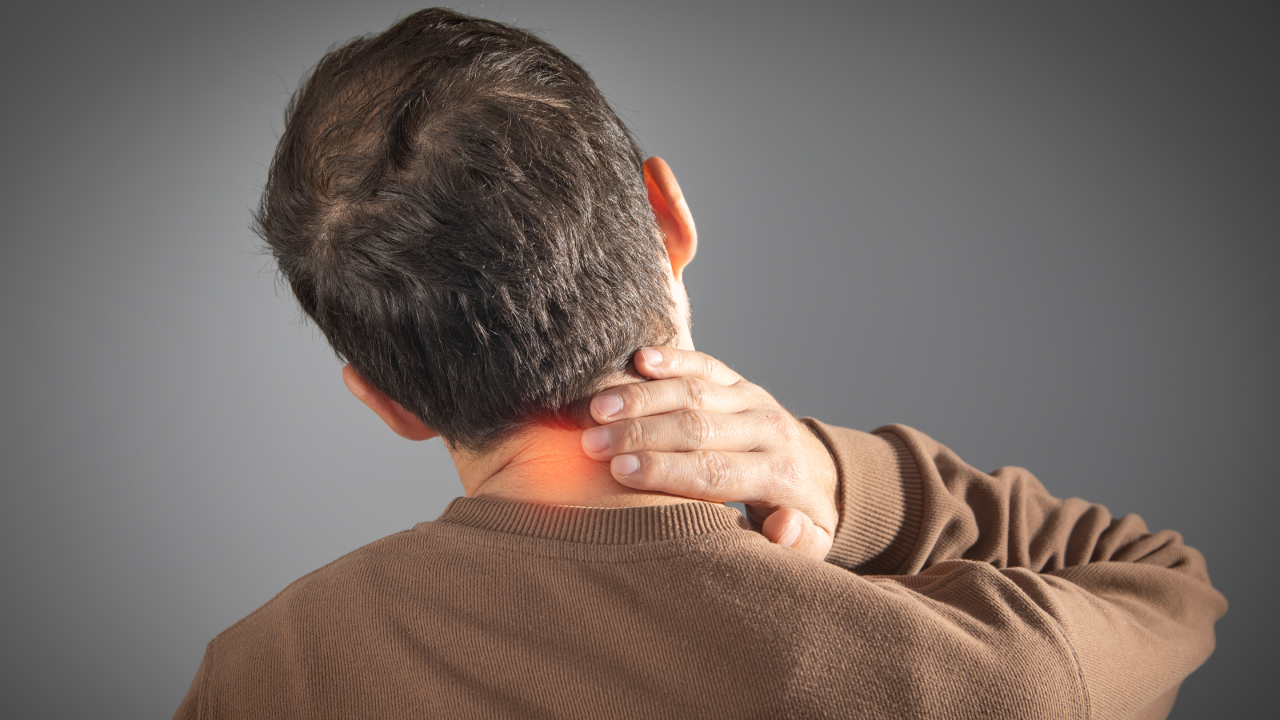
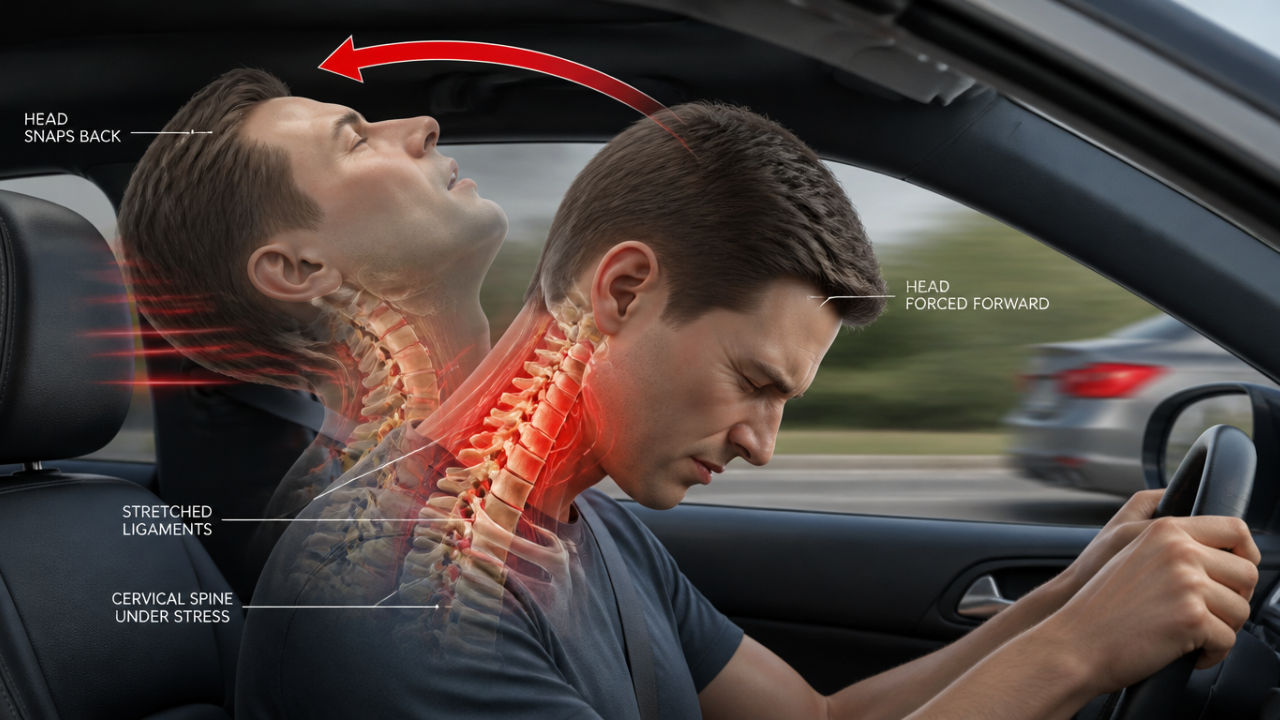
Neck Injuries
Contact sports, falls, rapid movements, and collisions can contribute to neck injuries.
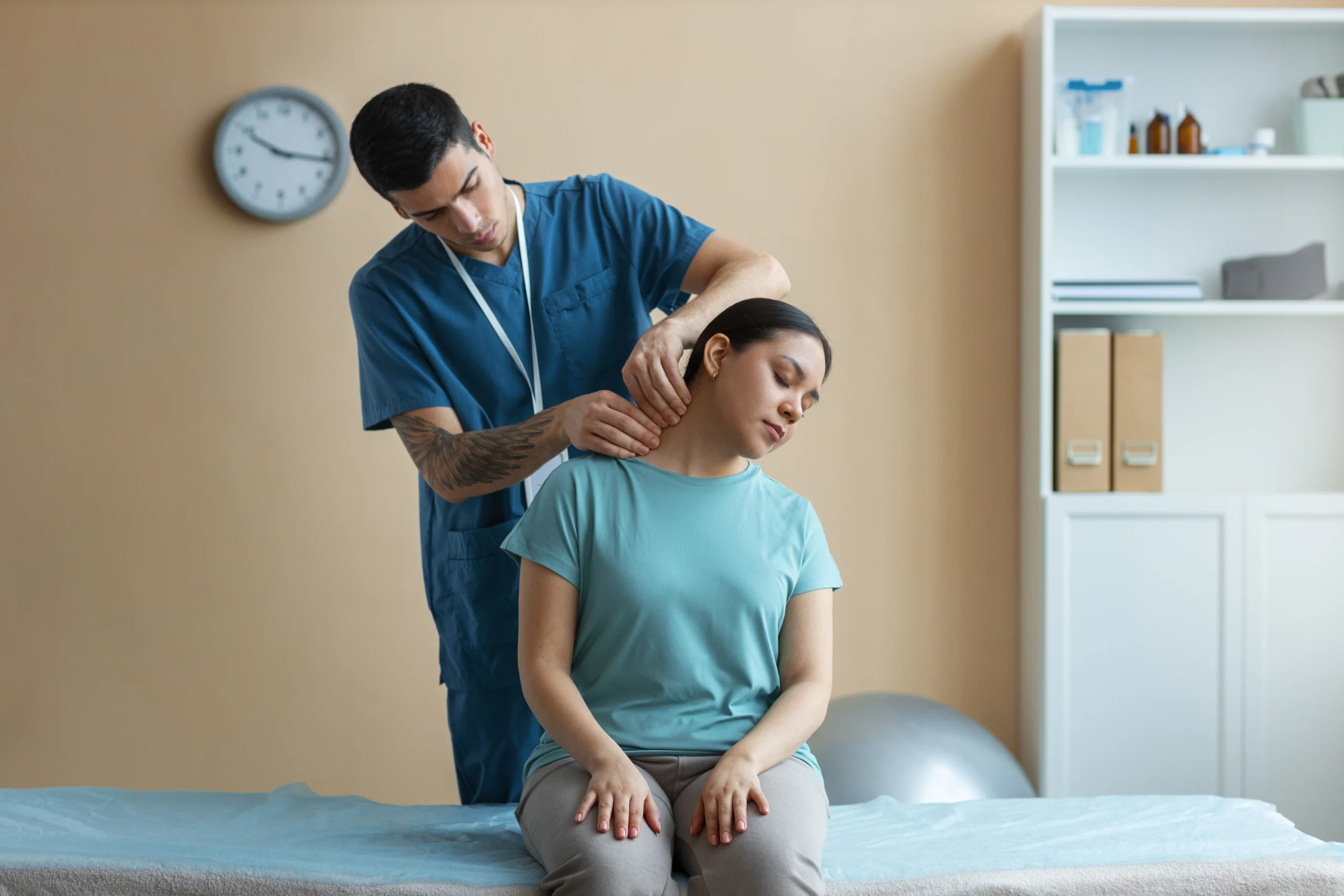
Symptoms may include stiffness, restricted movement, and discomfort during certain activities. A clinical assessment can help determine whether physiotherapy is appropriate or whether further medical assessment is required.
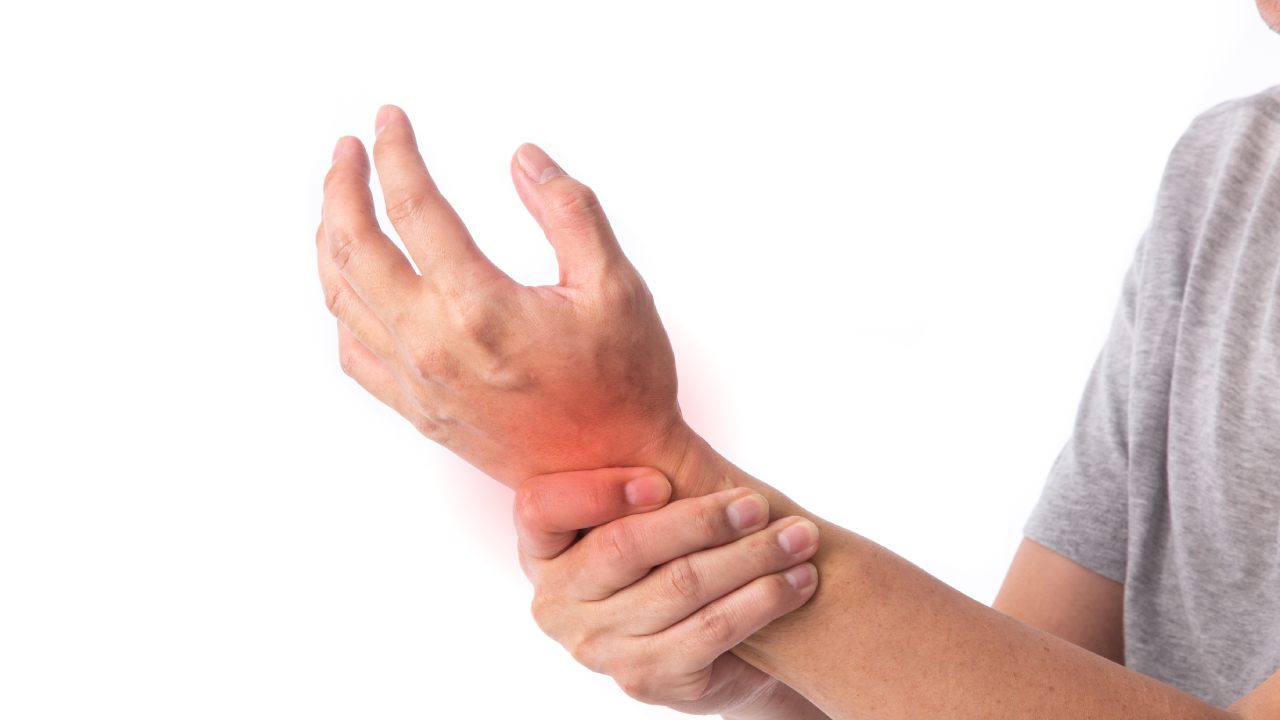
Wrist and Hand Injuries
Falls, gripping, catching, throwing, and impact during sports can affect the wrist and hand.
Common problems include sprains, tendon irritation, stiffness, and reduced grip strength. Rehabilitation may focus on movement, strength, coordination, and functional use of the hand and wrist.
Problems Sports Injury Rehabilitation Can Address
People may seek physiotherapy when an injury begins interfering with training, competition, work, or everyday activities.
Sports rehabilitation may address:
- Reduced joint mobility
- Muscle weakness
- Swelling
- Stiffness
- Reduced balance
- Difficulty walking or running
- Reduced coordination
- Poor movement control
- Changes in sports performance following an injury
- Recurrent injuries
- Difficulty returning to training
- Reduced confidence during movement
Rather than focusing only on the affected area, an assessment can also examine strength, mobility, balance, coordination, and movement patterns.
Key Elements of Sports Injury Rehabilitation
Physical Assessment
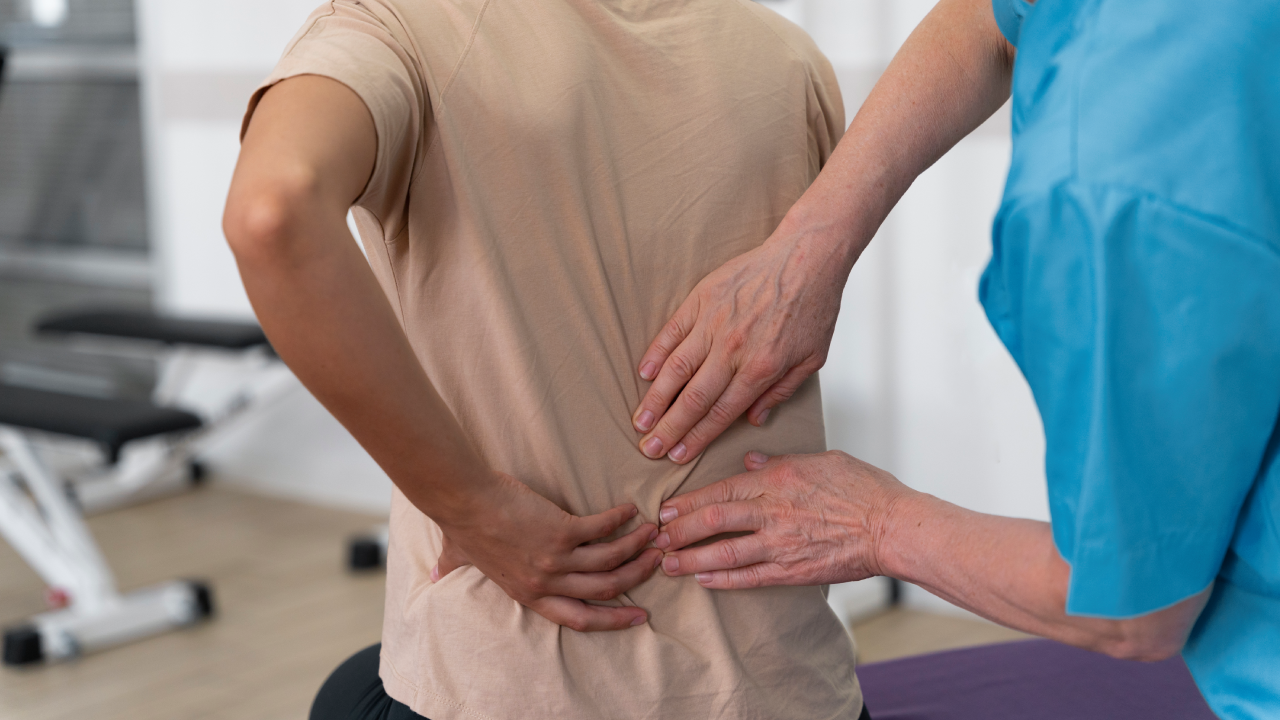
The process starts with an assessment of the affected body region and surrounding structures. Depending on the condition, this may include movement testing, strength assessment, flexibility checks, balance testing, and functional activities.
Exercise-Based Rehabilitation
Exercises are selected according to the condition and stage of recovery. They may include mobility exercises, strengthening, balance activities, coordination drills, and functional movements.
Load Management
Returning to sports too quickly can place excessive stress on tissues. A gradual increase in activity can help match training demands with current physical capacity.
Sport-Specific Training
As recovery progresses, exercises may become more closely related to the movements required in your sport. These can include running, jumping, cutting, throwing, lifting, or balance activities.
Return-to-Sport Planning
Returning to sports may involve several stages. Progress can move from basic movements to functional exercises, training drills, and eventually regular participation.
How Sports Injury Rehabilitation Works
1. Initial Consultation
You discuss your injury, symptoms, sport, training routine, and current activity restrictions with our team.
2. Physical Assessment
Movement, strength, mobility, balance, coordination, and the affected body region are assessed.
3. Rehabilitation Planning
The assessment findings are used to establish a rehabilitation plan based on your condition, physical capacity, and sporting requirements.
4. Exercise and Activity Progression
Your program may include therapeutic exercises, mobility work, strengthening, balance training, functional movements, and gradual increases in activity.
5. Progress Reviews
Your response to rehabilitation is monitored during follow-up appointments. Exercises and activity levels can be adjusted as your physical capacity changes.
6. Return Toward Regular Sport
As you progress, rehabilitation can include strength work, conditioning, movement drills, and sport-specific activities that prepare you for regular participation.
Potential Benefits of Sports Injury Physiotherapy
Sports injury physiotherapy may support:
- Improved joint mobility
- Increased muscle strength
- Improved balance and coordination
- Improved movement control
- Greater tolerance for physical activity
- Gradual return to sport
- Identification of weaknesses linked with recurring problems
- Greater confidence during physical activity
- Appropriate training-load progression
- Improved functional movement
Results vary according to the type and severity of the injury, age, physical condition, training demands, and participation in the rehabilitation program.
Athletes and Activities We Serve
Spinal Solution and Wellness provides sports injury physiotherapy for people participating in activities such as
- Soccer
- Hockey
- Basketball
- Volleyball
- Tennis
- Badminton
- Cricket
- Baseball
- Golf
- Running
- Cycling
- Swimming
- Weightlifting
- CrossFit
- Martial arts
- Dance
- Gym training
- Recreational fitness
- School athletics
Whether you train several times per week or participate occasionally, an injury can affect your movement, routine, and ability to take part in activities you enjoy.
Service Areas
If you are searching for Sports Injuries in Scarborough, ON, Spinal Solution and Wellness serves athletes and active individuals dealing with various sports-related conditions.
Our local service area may include:
- Agincourt
- Agincourt South-Malvern West
- Malvern
- Morningside
- West Hill
- Guildwood
- Wexford
- Bendale
- Dorset Park
- Clairlea
- Birch Cliff
- Scarborough Junction
- Port Union
- Don Mills
- East York
- Markham
Our clinic serves people seeking physiotherapy for conditions affecting muscles, joints, tendons, ligaments, and movement.
Why Choose Spinal Solution and Wellness?
Spinal Solution and Wellness focuses on physiotherapy and rehabilitation for musculoskeletal and movement-related conditions. Our clinical process includes physical assessment, exercise-based rehabilitation, progress reviews, and gradual activity progression.
Rehabilitation plans are based on each person’s physical findings, condition, activity requirements, and goals rather than following the same exercise routine for everyone.
For athletes, rehabilitation may include movements related to running, jumping, lifting, throwing, changing direction, or returning to a particular sport.
Related Services
Depending on your condition and assessment findings, related services may include:
- Physiotherapy
- Sports physiotherapy
- Manual therapy
- Exercise rehabilitation
- Strength and conditioning
- Balance training
- Mobility rehabilitation
- Post-injury rehabilitation
- Return-to-sport rehabilitation
- Work injury rehabilitation
These services may be combined when appropriate for your condition and rehabilitation needs.
Frequently Asked Questions
What sports injuries can physiotherapy treat?
Physiotherapy can address many musculoskeletal sports conditions, including sprains, strains, tendon problems, joint conditions, muscle injuries, running-related injuries, and movement limitations.
When should I see a physiotherapist after a sports injury?
Consider an assessment when symptoms continue, movement becomes restricted, strength decreases, walking or training becomes difficult, or an injury repeatedly returns. Severe injuries may require prompt medical assessment.
Can I continue exercising with a sports injury?
This depends on the injury, its severity, and the activity involved. Some exercises may be modified, while others may need to be paused. A physiotherapist can assess your condition and discuss suitable activity levels.
How long does sports injury rehabilitation take?
Recovery time varies between individuals and conditions. A minor strain may require a shorter rehabilitation period, while ligament injuries, tendon conditions, fractures, or significant muscle injuries may require more time. Progress depends on the injury and how your body responds to rehabilitation.
Do I need a doctor’s referral?
Referral requirements can depend on your circumstances and insurance coverage. Contact our clinic to discuss your situation before booking an appointment.
Can physiotherapy help with recurring sports injuries?
Physiotherapy can assess factors such as strength, mobility, balance, coordination, training loads, and movement patterns that may contribute to repeated injuries.
Get Started
A sports injury can affect more than your training routine. It may change how you walk, work, exercise, sleep, or participate in activities you enjoy.
If you are searching for Sports Injuries in Scarborough, ON, contact Spinal Solution and Wellness to discuss your condition and arrange an assessment. Our team can review your symptoms, assess your movement, and explain suitable next steps.
Phone: +1 416-307-1076
Address: 5995 Steeles Ave E, Scarborough, ON M1V 5P6, Canada
Call Spinal Solution and Wellness today to book a sports injury physiotherapy assessment in Scarborough, ON.