
Plantar Fasciitis in Scarborough, ON
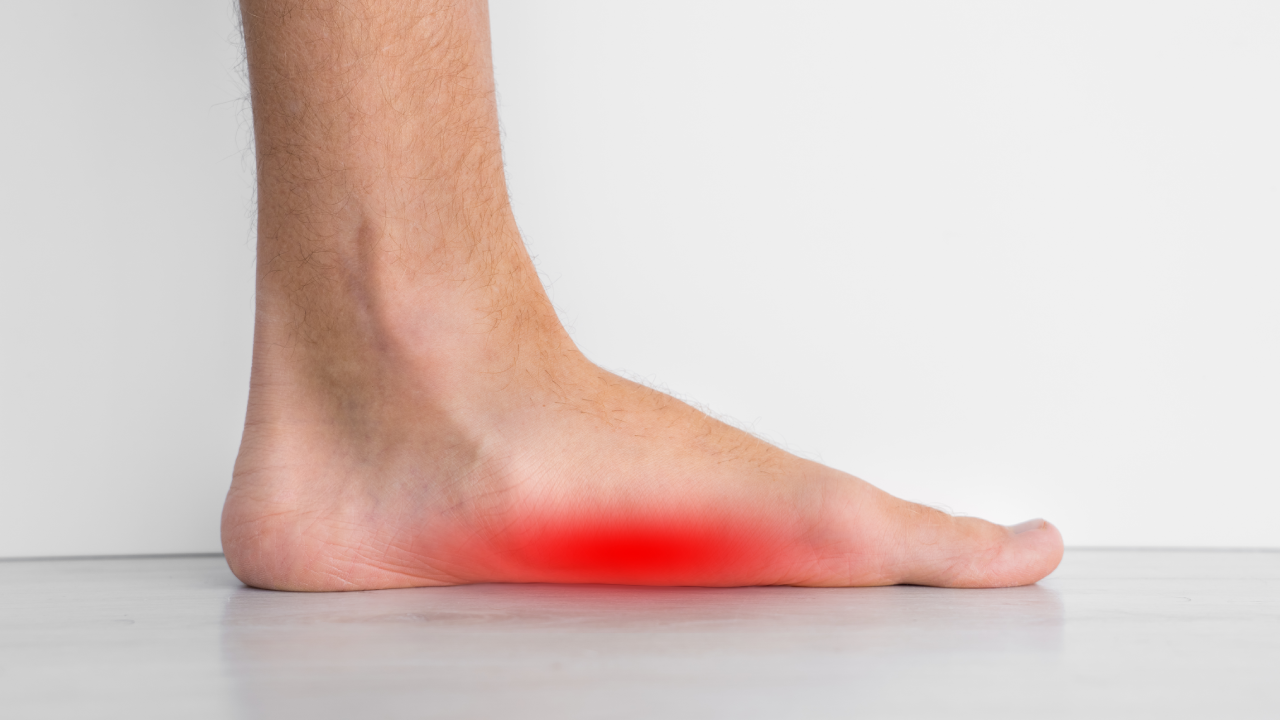
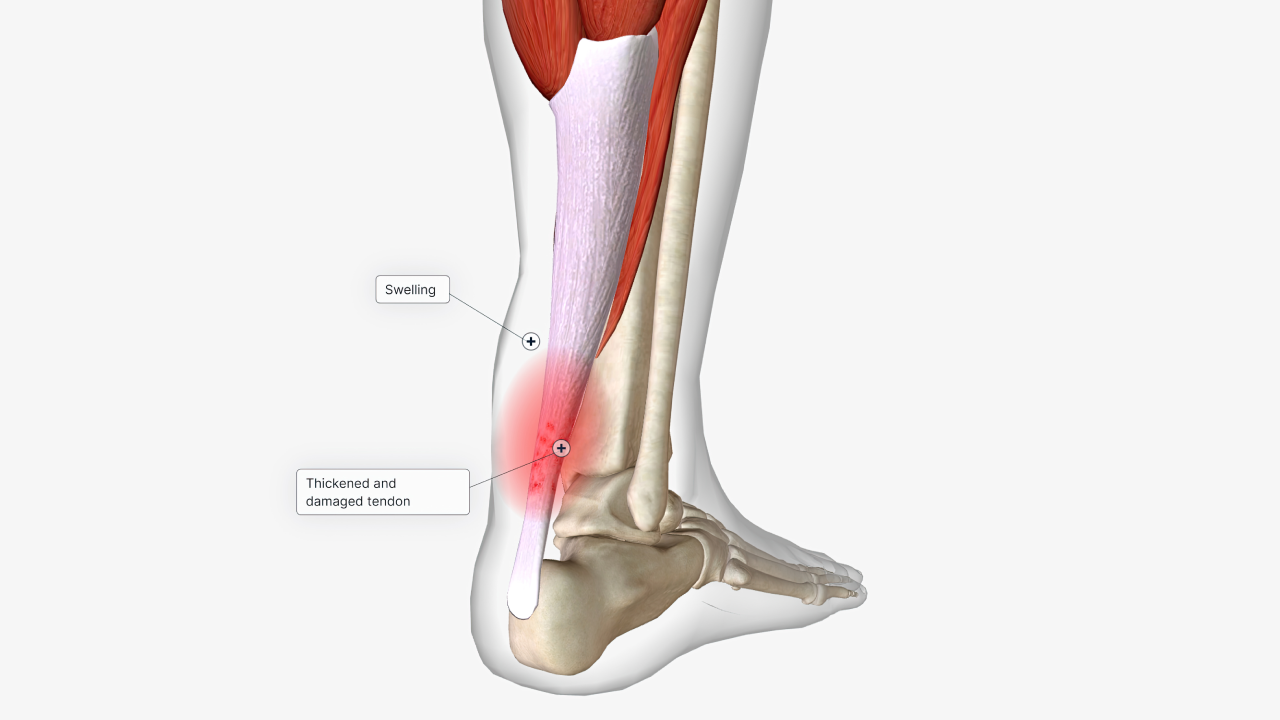
Heel and foot discomfort can interfere with walking, standing, working, exercising, and everyday routines. Plantar fasciitis is a common source of discomfort around the underside of the heel and along the plantar fascia, a strong connective tissue band extending from the heel toward the toes.
At Spinal Solution and Wellness, we assess the physical and activity-related factors that may contribute to symptoms. For people seeking care for Plantar Fasciitis in Scarborough, ON, an assessment may look at foot and ankle movement, muscle strength, flexibility, walking patterns, footwear, exercise habits, and daily activity demands.
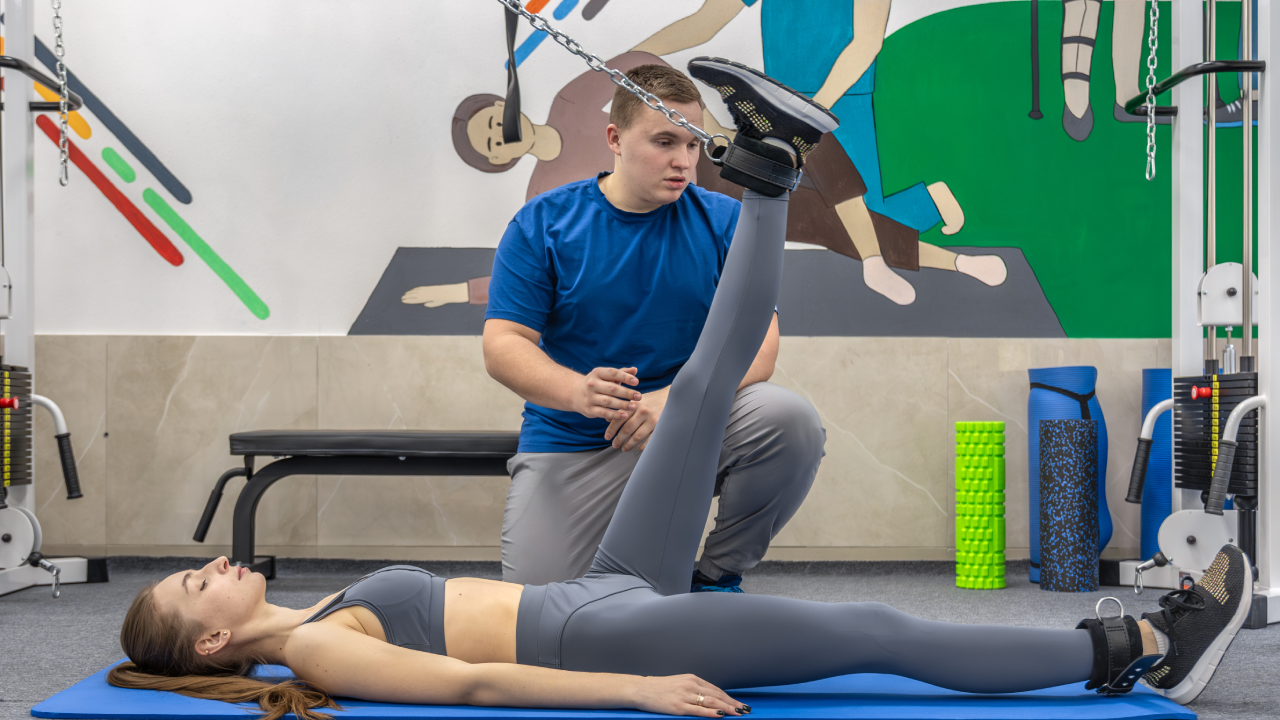
Physiotherapy care may include therapeutic exercises, hands-on techniques, activity adjustments, footwear discussions, movement training, and gradual increases in activity. The care plan is based on the findings from the assessment and the activities that matter to each person.
What Is Plantar Fasciitis?
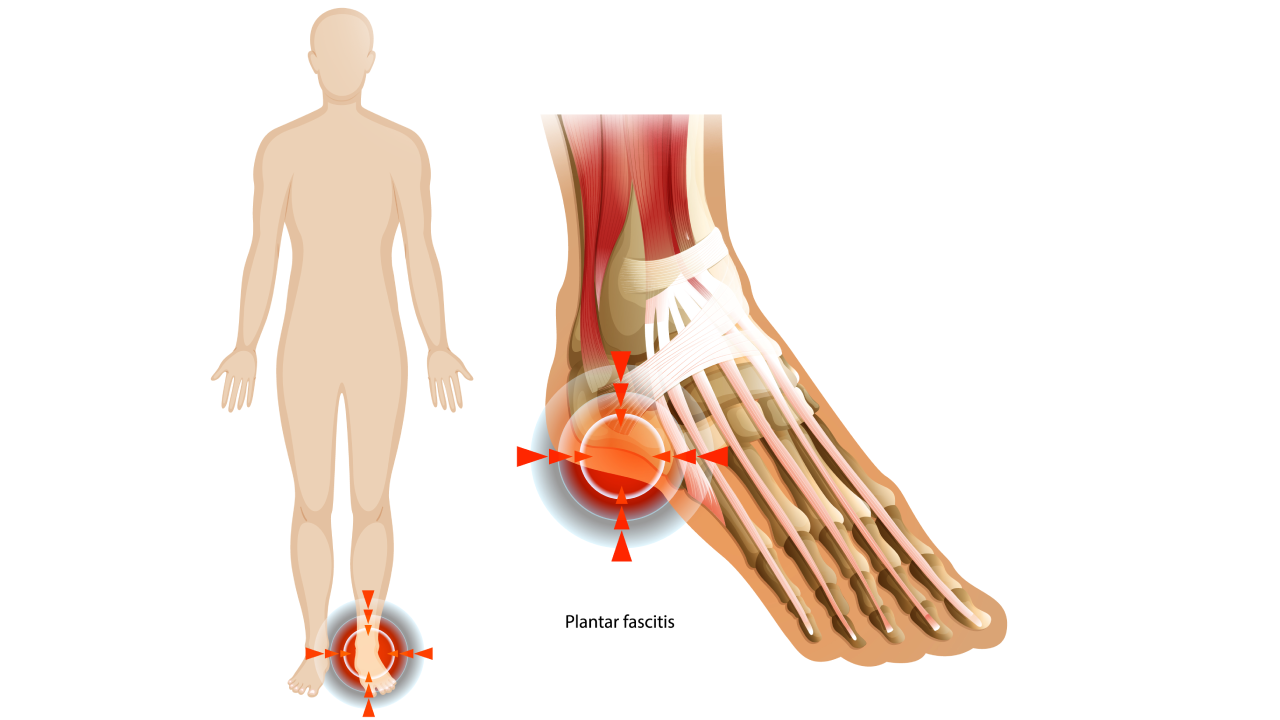
Plantar fasciitis involves changes and irritation within the plantar fascia, the connective tissue that helps support the arch of the foot. This structure absorbs and transfers forces while you walk, run, jump, or stand.
Repeated loading can contribute to symptoms around the heel and underside of the foot. One common sign is heel discomfort during the first few steps after getting out of bed. Symptoms may also appear after sitting for an extended period and then standing.
Some people notice that symptoms decrease after moving for several minutes, only to return during prolonged standing, walking, running, or other weight-bearing activities.
Despite the name, plantar fasciitis does not always result from inflammation alone. The plantar fascia can undergo tissue changes in response to repeated loading over time. Several physical and activity-related factors may be involved.
When providing care for Plantar Fasciitis in Scarborough, ON, Spinal Solution and Wellness may assess:
- Foot and ankle movement
- Calf flexibility
- Ankle mobility
- Foot and lower-limb strength
- Walking mechanics
- Balance
- Footwear
- Exercise and training habits
- Work-related activity
- Daily standing and walking demands
Who Can Develop Plantar Fasciitis?
Plantar fasciitis can affect people across different age groups, occupations, and activity levels. Symptoms may develop gradually or become noticeable after a change in physical activity.
People who may seek physiotherapy care include:
- Runners who increase distance, speed, or training frequency
- People who spend many hours standing at work
- Individuals who walk frequently for work or transportation
- Recreational athletes involved in running or jumping
- People returning to exercise after a period of inactivity
- Individuals with changes in foot or ankle movement
- Workers who spend long periods on firm surfaces
- People whose footwear is not suited to their activities
- Adults with recurring heel or foot discomfort
For example, someone who begins walking several kilometres each day may develop heel symptoms after a few weeks. A warehouse employee may notice discomfort after several hours on their feet, while a recreational runner may develop symptoms after a rapid increase in weekly mileage.
Identifying changes that occurred before symptoms appeared can provide useful information during an assessment.
Problems Associated with Plantar Fasciitis
Plantar fasciitis can affect daily movement as well as physical activity. When a person finds walking uncomfortable, they may alter how they place their foot or shift weight toward another part of the body.
Common concerns may include:
- Heel discomfort during the first steps in the morning
- Symptoms after standing following prolonged sitting
- Discomfort during extended periods of standing
- Symptoms after longer walks
- Foot or heel discomfort during or after running
- Reduced participation in sports
- Difficulty completing physically demanding work shifts
- Changes in walking patterns
- Calf or ankle tightness
- Limited ankle movement
- Foot fatigue after prolonged activity
- Recurring symptoms after exercise
Some people reduce their normal activities because they are concerned about aggravating their foot. Others continue with their usual routine even when symptoms remain.
A physiotherapy assessment can examine the factors associated with these symptoms and identify activities that may need temporary adjustment.
Common Factors That May Contribute to Plantar Fasciitis
Several factors can contribute to plantar fascia symptoms. These may involve physical characteristics, activity levels, footwear, work demands, or changes in training.
Sudden Activity Changes
A rapid increase in walking, running, exercise, sports participation, or training volume can increase the load placed through the foot.
Prolonged Standing
Standing for several hours at work can place repeated demands on the feet, particularly when working on firm flooring.
Calf and Ankle Mobility
Restricted ankle movement can influence how forces are absorbed and transferred through the foot during walking and running.
Foot Mechanics
Changes in arch movement, foot position, or lower-limb mechanics may affect how forces move through the foot.
Training Changes
Suddenly adding more running distance, hills, jumping, gym sessions, or training days can increase foot loading.
Footwear
Worn-out, uncomfortable, or activity-inappropriate footwear may influence how weight and force are distributed through the foot.
Assessment for Plantar Fasciitis
When you visit Spinal Solution and Wellness for Plantar Fasciitis in Scarborough, ON, the assessment begins with questions about your symptoms, activities, work demands, and daily routine.
Your physiotherapist may ask about:
- When the symptoms started
- The exact location of discomfort
- Morning heel symptoms
- Changes in walking or exercise
- Standing requirements at work
- Previous foot or ankle concerns
- Current footwear
- Sports participation
- Activities that increase symptoms
- Activities that decrease symptoms
A physical assessment may then examine:
- Ankle movement
- Calf flexibility
- Foot strength
- Lower-limb strength
- Balance
- Walking mechanics
- Foot movement
- Load tolerance
The purpose is to identify relevant factors associated with your symptoms rather than examining the painful area alone.
Physiotherapy Treatment for Plantar Fasciitis
Physiotherapy care varies according to the assessment findings. Several treatment components may be used depending on your symptoms and activity requirements.
Therapeutic Exercise
Exercises may focus on the calf, foot muscles, ankle, and lower limb. Strengthening can help the foot and leg handle the demands of standing, walking, running, and other activities.
Exercises may include:
- Calf raises
- Foot strengthening
- Calf mobility exercises
- Balance exercises
- Lower-limb strengthening
- Progressive loading exercises
Exercise selection and progression depend on your current symptoms, strength, activity level, and movement patterns.
Manual Physiotherapy Techniques
Hands-on techniques may be used around the foot, ankle, calf, and surrounding tissues when appropriate.
These techniques may be combined with active exercises and movement work as part of the physiotherapy program.
Activity Modification
Complete rest is not always required. Often, the amount and type of physical loading can be adjusted temporarily.
For a runner, this could involve reducing mileage or avoiding hills for a period. For someone who stands at work, the focus may include changing positions and taking suitable breaks when possible.
Footwear Discussion
Your footwear may be reviewed as part of the assessment. Factors such as comfort, fit, wear, and suitability for your daily activities can be considered.
Gradual Return to Activity
As symptoms and physical capacity permit, activity can be increased progressively. This may involve structured increases in walking, running, gym training, or sports participation.
How the Physiotherapy Process Works
1. Initial Consultation
Your first appointment focuses on your symptoms, activity demands, relevant health history, and current goals. You can discuss the activities that have become difficult or uncomfortable.
2. Physical Assessment
Your physiotherapist examines movement, strength, flexibility, balance, foot mechanics, and other relevant physical factors.
3. Care Planning
The assessment findings are used to establish a physiotherapy plan. This may include exercise, hands-on care, movement training, activity changes, and home exercises.
4. Treatment Sessions
Sessions may include therapeutic exercise, manual physiotherapy techniques, movement training, education about activity loading, and home-based exercises.
5. Progress Reviews
Symptoms, strength, movement, and activity tolerance can be reviewed throughout care. Exercises and activity levels may be adjusted as your physical capacity changes.
6. Return to Daily and Athletic Activities
The final stage focuses on gradually increasing work, walking, running, exercise, or sports participation while managing the amount of load placed through the foot.
Practical Goals of Physiotherapy Care
Physiotherapy for plantar fasciitis may help support goals such as
- Building foot and ankle strength
- Increasing useful ankle movement
- Improving tolerance for standing and walking
- Supporting a gradual return to exercise
- Increasing confidence with movement
- Identifying activity patterns linked with symptoms
- Limiting unnecessary changes to walking mechanics
- Establishing a structured home exercise routine
- Supporting gradual increases in physical activity
Progress varies from person to person. Factors such as symptom duration, physical findings, work demands, activity levels, and consistency with the recommended exercises can influence the timeline.
Who We See in Scarborough
Spinal Solution and Wellness works with people from different occupations and activity levels who are seeking physiotherapy care for foot and heel concerns.
Patients may include:
- Office workers
- Retail employees
- Warehouse workers
- Teachers
- Healthcare workers
- Construction workers
- Runners
- Recreational athletes
- Gym members
- Parents with active daily routines
- Physically active older adults
- People returning to exercise
Whether heel symptoms developed after starting a new workout routine or gradually appeared during your workday, the assessment can focus on the physical and activity factors relevant to your situation.
Service Areas Around Scarborough
Accessing physiotherapy close to home or work can make it easier to attend appointments and maintain an exercise routine. Spinal Solution and Wellness serves people seeking care for Plantar Fasciitis in Scarborough, ON, as well as nearby communities.
Our service area may include:
- Agincourt
- Agincourt South-Malvern West
- Malvern
- Morningside
- West Hill
- Guildwood
- Wexford
- Bendale
- Dorset Park
- Clairlea
- Birch Cliff
- Scarborough Junction
- Port Union
- Don Mills
- East York
- Markham
In-person appointment availability depends on the clinic schedule.
Why Choose Spinal Solution and Wellness?
Spinal Solution and Wellness takes a movement-focused approach to physiotherapy. Rather than examining heel symptoms on their own, the team considers how the foot, ankle, calf, lower limb, activity level, footwear, and daily demands may relate to your symptoms.
Care may include:
- One-on-one assessment
- Exercise-based physiotherapy
- Movement assessment
- Foot and ankle strengthening
- Mobility exercises
- Manual physiotherapy techniques
- Activity modification
- Return-to-sport planning
- Home exercise recommendations
- Progress reviews
The goal is to establish a clear physiotherapy plan based on your assessment findings and the activities you want to resume.
Related Services
People with plantar fasciitis may also have concerns involving other areas of movement. Depending on your assessment, related services may include:
- Physiotherapy
- Sports physiotherapy
- Manual therapy
- Exercise therapy
- Orthopaedic physiotherapy
- Lower-limb rehabilitation
- Foot and ankle physiotherapy
- Injury rehabilitation
Your physiotherapist can determine which services are appropriate based on your symptoms and physical findings.
Frequently Asked Questions
What does plantar fasciitis feel like?
Plantar fasciitis commonly causes discomfort around the underside of the heel or along the bottom of the foot. Symptoms are often noticeable during the first few steps after waking or after sitting for a period.
Can physiotherapy help with plantar fasciitis?
Physiotherapy can address factors such as foot strength, calf flexibility, ankle movement, walking mechanics, and activity loading. A physiotherapist can also establish an appropriate exercise progression based on your physical findings.
How long does plantar fasciitis take to improve?
The timeline varies between individuals. Some cases settle over several weeks, while persistent symptoms may require a longer period of activity adjustment and progressive strengthening. Symptom duration, daily activity, physical findings, and exercise consistency can all influence progress.
Should I stop exercising if I have plantar fasciitis?
Not necessarily. The appropriate activity level depends on your symptoms and the type of exercise you perform. A physiotherapist can assess your activities and suggest which movements may need modification while you gradually increase loading.
Is morning heel pain always plantar fasciitis?
No. Morning heel discomfort can have several possible causes. An assessment is needed to determine whether plantar fasciitis fits the symptoms.
Can plantar fasciitis come back?
Yes. Symptoms may return when foot loading increases quickly or contributing factors remain present. Strength, activity management, footwear, and gradual training increases may all be relevant.
What should I bring to my appointment?
Bring information about your symptoms, current activities, exercise routine, work demands, and footwear. Previous reports or imaging related to your foot may also be useful.
When should I seek an assessment?
Consider an assessment when heel or foot symptoms continue, interfere with walking or work, limit exercise, or repeatedly return after physical activity.
Get Started
If heel or foot symptoms are interfering with walking, work, exercise, or everyday activities, a physiotherapy assessment can help identify possible contributing factors and suitable next steps.
For Plantar Fasciitis in Scarborough, ON, contact Spinal Solution and Wellness to schedule an assessment. During your appointment, your symptoms, movement patterns, activity demands, and physical findings can be reviewed so that a suitable physiotherapy plan can be established.
Phone: +1 416-307-1076
Address: 5995 Steeles Ave E, Scarborough, ON M1V 5P6, Canada
Call Spinal Solution and Wellness or contact the clinic to schedule your physiotherapy appointment in Scarborough, ON.