

Ankle Pain in Scarborough, ON
Ankle discomfort can interfere with walking, climbing stairs, standing at work, exercising, playing sports, and many everyday activities. Whether symptoms started after an injury or developed gradually, identifying the factors involved can help determine an appropriate course of care.
At Spinal Solution and Wellness, we assess ankle symptoms by looking at the affected area, movement, strength, activity demands, and the circumstances surrounding the problem. Our physiotherapy and rehabilitation services are intended to address movement limitations and help you work toward improved function.
People searching for Ankle Pain in Scarborough, ON, may be dealing with a recent sprain, recurring ankle problems, stiffness, swelling, tendon irritation, an older injury, or changes in foot and ankle mechanics. Since ankle symptoms can involve muscles, tendons, ligaments, joints, or bones, identifying the source is an important part of the assessment.
What Is Ankle Pain?
Ankle pain describes discomfort occurring in or around the ankle joint. It can develop suddenly following a twist, fall, collision, or awkward landing, or it may appear gradually due to repeated loading, changes in physical activity, footwear, work requirements, or altered movement patterns.
The ankle includes several bones, joints, ligaments, tendons, and muscles that work together to support standing and movement. Problems affecting any of these structures can produce symptoms around the inner, outer, front, or rear portion of the ankle.
Common ankle symptoms may include:
- Aching or soreness
- Sharp discomfort with certain movements
- Swelling around the ankle
- Bruising after an injury
- Stiffness after sleeping or sitting
- Difficulty walking
- Limited ankle movement
- Tenderness when pressure is applied
- Discomfort while running or jumping
- Weakness or a sense of instability
- Increased symptoms after prolonged standing
The location, timing, and nature of symptoms can provide useful information during an assessment. For instance, outer-ankle discomfort following a twisting injury may indicate a ligament sprain, while symptoms around the back of the ankle may involve the Achilles tendon.
Since different conditions can produce similar symptoms, an assessment can help determine which factors may be involved.
Common Ankle Conditions We Address
At Spinal Solution and Wellness, ankle rehabilitation may address a range of injuries, movement limitations, and activity-related problems.
Ankle Sprains
An ankle sprain can happen when the foot rolls, twists, or moves beyond its normal range. The ligaments on the outside of the ankle are commonly affected.
Depending on the severity, a sprain may result in swelling, bruising, tenderness, restricted movement, and difficulty placing weight on the affected foot. Even after the initial symptoms decrease, weakness, reduced balance, or a feeling that the ankle may give way can remain.
Rehabilitation may focus on ankle mobility, muscle strength, balance, coordination, and gradual return to normal activities.
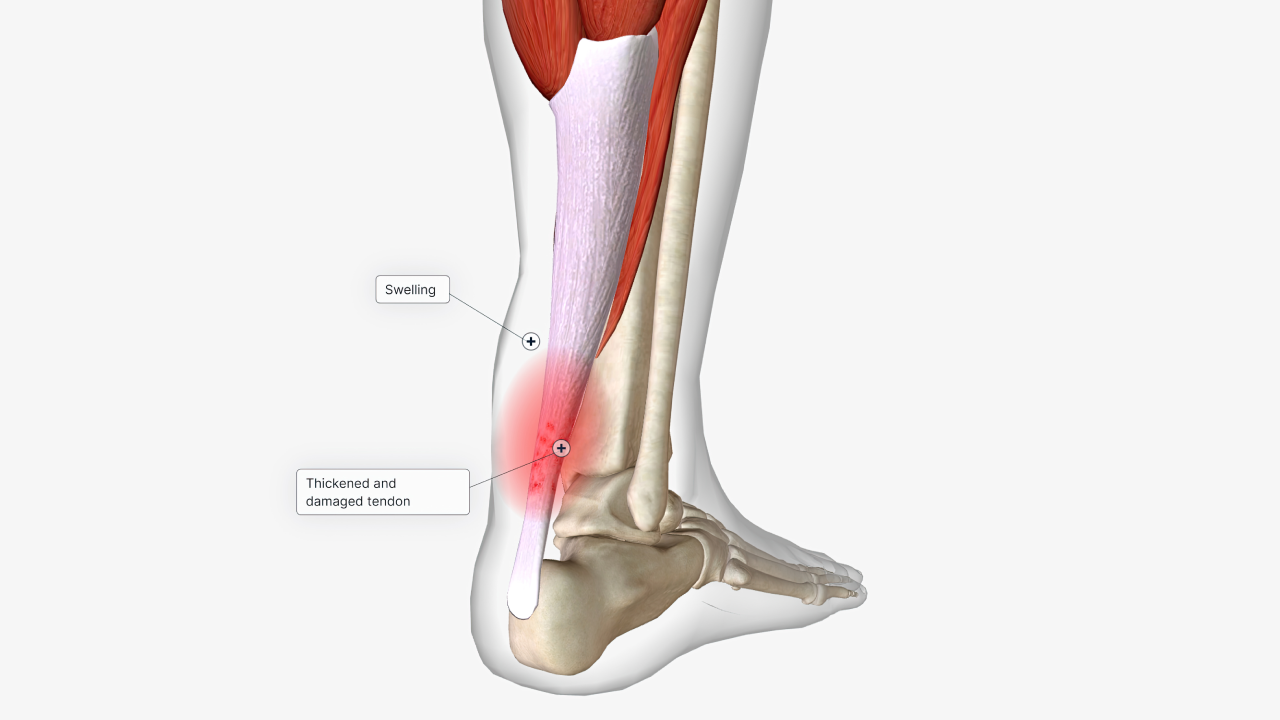
Achilles Tendon Problems
The Achilles tendon connects the calf muscles with the heel bone and plays an important role during walking, running, jumping, and pushing off the ground.
Repeated loading, sudden changes in activity, running volume, or jumping demands may contribute to symptoms around the rear of the ankle and above the heel. Stiffness can sometimes be more noticeable after periods of rest or during the first few steps after getting up.
Care may involve adjusting activities, strengthening the calf and surrounding muscles, and gradually increasing the load placed on the tendon.
Tendon-Related Ankle Problems
Multiple tendons travel around the ankle and contribute to foot and ankle movement. Repetitive activity, sudden increases in exercise, prolonged standing, or altered movement mechanics can contribute to tendon-related symptoms.
Rehabilitation may include activity modification, mobility work, strengthening, movement retraining, and gradual progression toward regular activities.
Ankle Instability
Some people continue to experience ankle instability following one or more previous sprains. They may feel that the ankle could give way while walking on uneven ground, using stairs, changing direction, or participating in sports.
Ankle stability depends on several factors, including ligament function, muscle strength, balance, coordination, joint movement, and the body’s ability to respond to changes in the walking surface.
Rehabilitation may include balance exercises, strengthening, coordination drills, and activities that reflect the demands of daily life or sport.
Ankle Stiffness
Ankle stiffness can occur after an injury, surgery, immobilization, extended rest, or repeated irritation. Limited ankle movement can influence how the foot, knee, and hip work together during walking.
An assessment can identify movement restrictions and help determine which exercises and hands-on methods may be suitable.
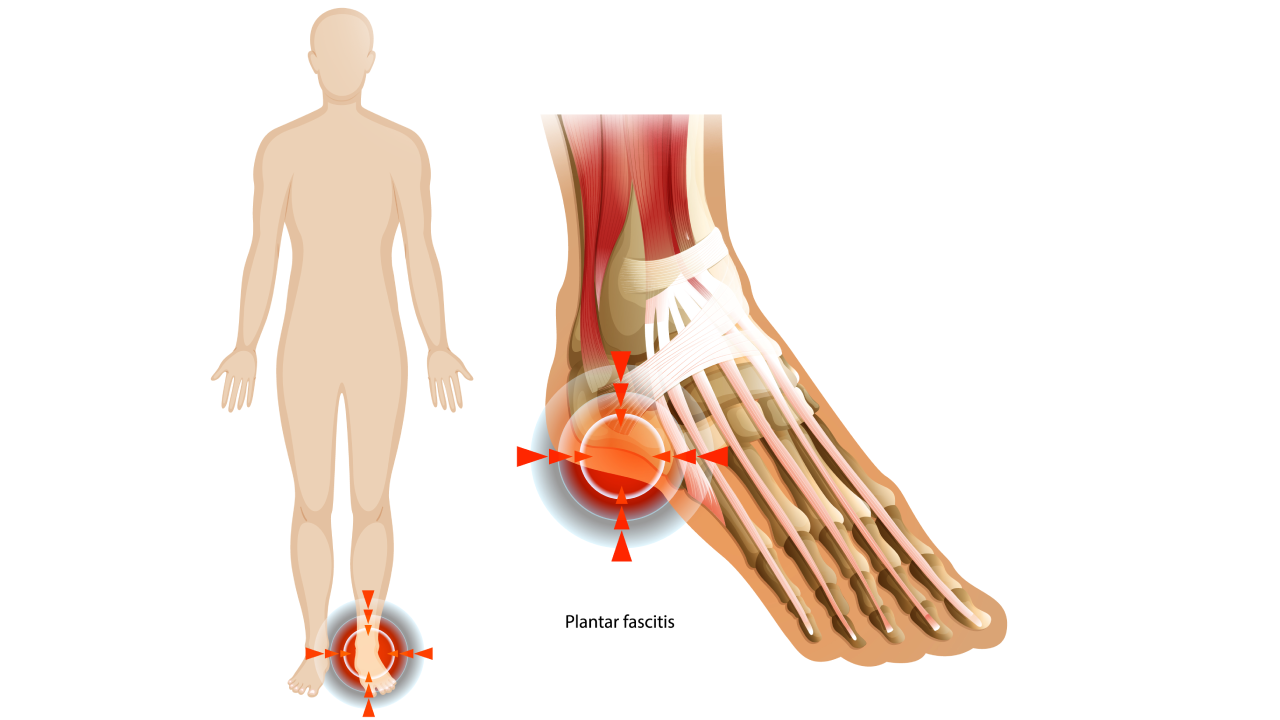
Foot and Plantar Fascia Problems
Symptoms felt around the ankle do not always originate in the ankle itself. Foot structure and movement can affect how forces travel through the foot, ankle, and lower leg.
Issues involving the plantar fascia, foot muscles, or arch may contribute to symptoms elsewhere in the lower limb. Examining the foot, ankle, knee, and walking pattern can help identify factors that may be contributing.
Sports-Related Ankle Injuries
Activities such as basketball, soccer, hockey, tennis, running, and other sports place repeated demands on the ankle. Jumping, landing, cutting, sprinting, and sudden changes in direction can increase stress on the area.
Sports rehabilitation may include movement assessment, strength exercises, balance activities, running progressions, and drills that reflect the physical demands of the sport.
Who May Seek Care for Ankle Problems?
Ankle problems can affect people with different activity levels, occupations, and ages. Rehabilitation may be appropriate for:
- Adults recovering from an ankle injury
- Recreational athletes
- Runners and gym participants
- People returning to exercise after an injury
- Individuals with repeated ankle sprains
- Workers who spend many hours standing or walking
- People with stiffness following immobilization
- Individuals experiencing ankle weakness
- People whose ankle symptoms interfere with everyday activities
For those searching for Ankle Pain in Scarborough, ON, identifying the underlying factors can be more useful than assuming all ankle conditions are the same.
Problems Ankle Rehabilitation May Address
Ankle rehabilitation may focus on functional challenges such as
- Difficulty walking normally
- Restricted ankle flexibility
- Reduced calf or foot strength
- Balance difficulties
- Repeated ankle rolling
- Difficulty using stairs
- Challenges returning to sport
- Symptoms during exercise
- Reduced standing tolerance
- Difficulty managing work duties
- Changes in walking mechanics
- Reduced confidence on uneven surfaces
The focus is placed on the factors identified during the assessment while gradually building movement and activity capacity.
What May Be Included in Ankle Rehabilitation?
Movement Assessment
Your clinician may assess ankle mobility, muscle strength, balance, walking mechanics, and activities that increase your symptoms.
The findings help identify areas that may require attention during rehabilitation.
Exercise Therapy
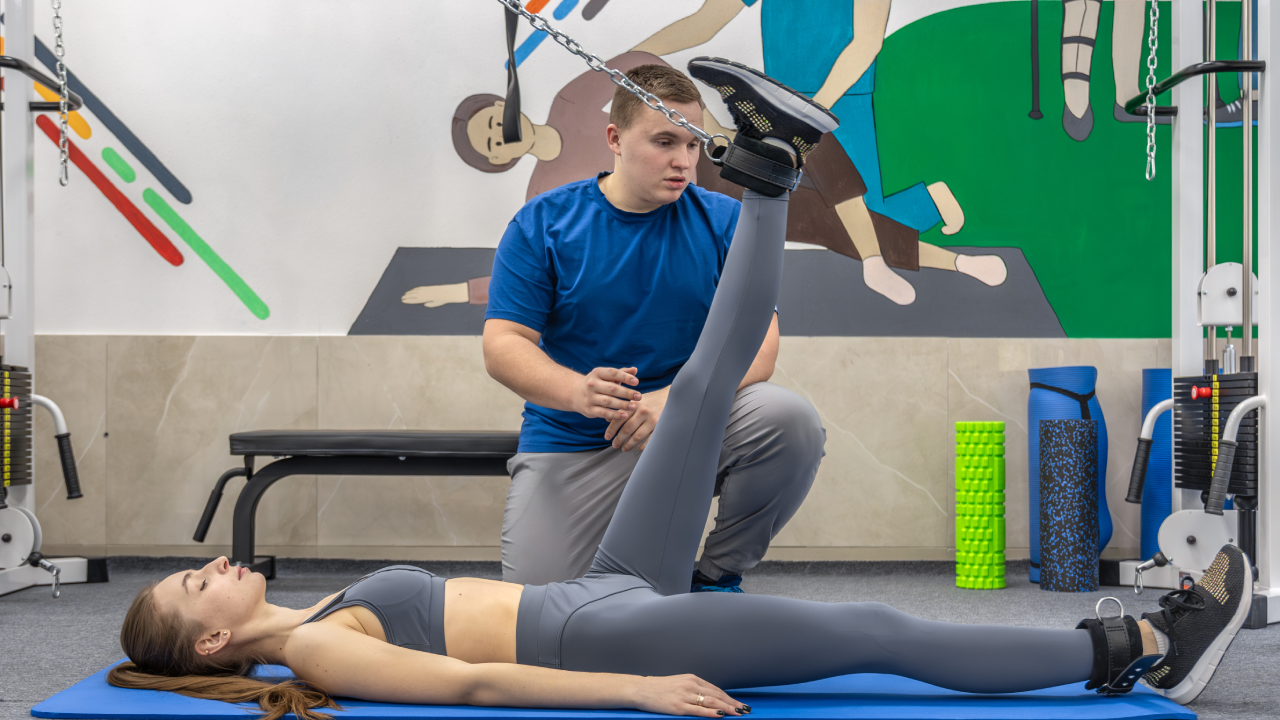
Exercises may target the calf, ankle, foot, and surrounding muscles. Depending on your assessment, this may include mobility exercises, strengthening, balance training, coordination drills, and progressive loading.
Manual Therapy
Hands-on methods may be used when appropriate to address restrictions involving joint or soft-tissue movement. The techniques selected depend on the assessment findings and your circumstances.
Balance and Stability Training
Balance exercises can help improve ankle control during standing, walking, direction changes, and other functional activities.
Activity Progression
Returning to demanding activities too quickly can place additional stress on an injured area. Gradual progression allows activity levels to increase while monitoring symptoms, movement, and tolerance.
Home Exercises
A home exercise program may be recommended to support work completed during clinic sessions. Exercises can be modified as strength, mobility, and activity levels change.
How the Ankle Rehabilitation Process Works
1. Initial Consultation
The process begins with a discussion about your symptoms, when they started, how the problem occurred if there was an injury, and which activities are currently difficult.
2. Physical Assessment
Your clinician may assess ankle movement, strength, balance, walking mechanics, and other factors related to your symptoms.
If the findings indicate that medical assessment or diagnostic imaging may be appropriate, referral can be discussed.
3. Care Planning
The assessment findings are used to establish a rehabilitation plan focused on the areas requiring attention.
4. Rehabilitation Sessions
Sessions may include exercises, movement training, manual therapy, balance work, strengthening, and gradual activity progression depending on your needs.
5. Progress Reviews
Your progress can be monitored as symptoms, movement, strength, and activity tolerance change. Exercises and activities may be adjusted as needed.
6. Continued Activity
As your abilities develop, rehabilitation can shift toward maintaining strength, mobility, balance, and the physical capacity required for your regular activities.
Functional Goals of Ankle Rehabilitation
A rehabilitation program may support goals such as
- Increased ankle mobility
- Improved lower-limb strength
- Improved balance and coordination
- Greater walking tolerance
- More confidence on uneven surfaces
- Easier stair use
- Gradual return to exercise
- Improved movement during sports
- Fewer contributing factors associated with repeated ankle problems
- Greater capacity for physical work demands
Results vary according to the underlying condition, injury severity, activity level, general health, and participation in the recommended rehabilitation program.
When Should You Have Your Ankle Assessed?
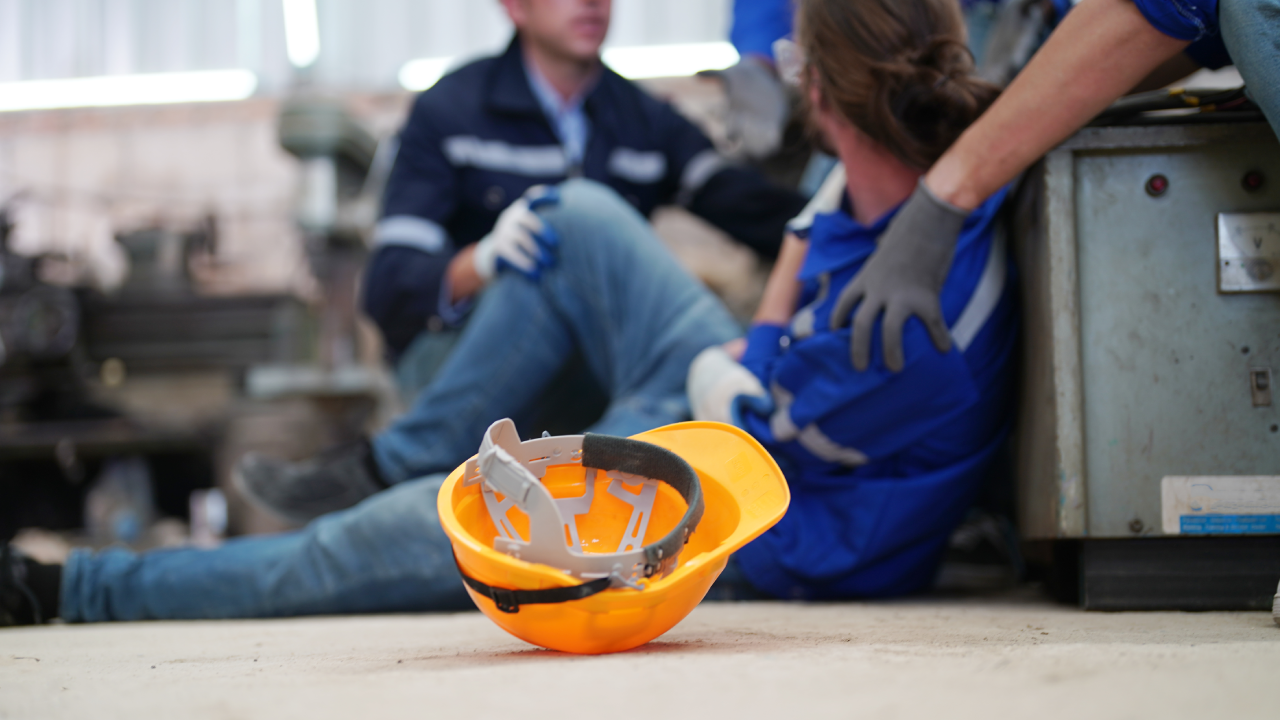
An ankle problem following a significant injury may require prompt medical assessment, particularly if there is severe swelling, visible deformity, inability to bear weight, severe tenderness, or possible fracture.
For less urgent symptoms, an assessment may be appropriate if discomfort continues, repeatedly returns, affects your walking, limits exercise, or does not settle after modifying your usual activities.
If you are searching for Ankle Pain in Scarborough, ON, an assessment can help determine whether physiotherapy and rehabilitation are appropriate or whether another form of medical care should be considered.
Service Areas
Spinal Solution and Wellness serves Scarborough and surrounding communities for ankle-related rehabilitation and movement concerns.
Our local service area may include:
- Agincourt
- Agincourt South-Malvern West
- Malvern
- Morningside
- West Hill
- Guildwood
- Wexford
- Bendale
- Dorset Park
- Clairlea
- Birch Cliff
- Scarborough Junction
- Port Union
- Don Mills
- East York
- Markham
People from nearby Vaughan-area communities may also visit our Scarborough clinic.
Whether ankle symptoms affect walking, exercise, sports, work, or everyday activities, our assessment considers not only the location of the symptoms but also how the ankle and lower limb function during movement.
Why Choose Spinal Solution and Wellness?
Selecting a clinic for ankle rehabilitation starts with knowing what to expect from the assessment and care process.
At Spinal Solution and Wellness, our approach includes:
- Discussion of your symptoms and daily activity demands
- Assessment of movement and functional limitations
- Exercise-based rehabilitation
- Progress reviews throughout care
- Activity-specific exercises when appropriate
- Home exercises when suitable
- Communication about when additional medical assessment may be necessary
Ankle problems can have different causes, so the rehabilitation plan is based on the findings from your assessment and the activities you want to return to.
Related Services
Ankle concerns may sometimes involve other parts of the lower limb. Depending on your assessment, related services may include:
- Physiotherapy
- Rehabilitation exercise
- Manual therapy
- Sports injury rehabilitation
- Mobility training
- Lower-limb rehabilitation
These services can be incorporated when they are relevant to your assessment findings and functional goals.
Frequently Asked Questions
What can cause ankle pain?
Common causes include ankle sprains, tendon problems, overuse, joint irritation, fractures, instability, stiffness, and sports-related injuries. Foot mechanics and lower-limb movement patterns can also play a role.
How long does an ankle injury take to improve?
The timeframe varies according to the type and severity of the injury. A mild sprain may settle within a relatively short period, while significant ligament, tendon, or bone injuries may require a longer rehabilitation period.
Can physiotherapy help after an ankle sprain?
Physiotherapy may help address reduced mobility, weakness, balance difficulties, coordination, and reduced activity tolerance following an ankle sprain.
Should I exercise if my ankle hurts?
This depends on the cause and severity of the symptoms. Some forms of movement may be appropriate, while activities that increase symptoms may need to be reduced temporarily. An assessment can help determine which activities are suitable.
Can ankle problems come back?
Some ankle conditions can recur, particularly when factors such as weakness, reduced balance, movement control, or sudden increases in activity have not been addressed. Rehabilitation may include exercises that target these factors.
Do I need a referral?
Referral requirements depend on your insurance provider and individual circumstances. Contact Spinal Solution and Wellness to discuss what may apply to you.
What happens during an ankle assessment?
Your clinician may ask about your symptoms, injury history, physical activities, work requirements, and previous care. They may then assess ankle movement, strength, balance, walking mechanics, and other relevant functions.
Where can I receive care for Ankle Pain in Scarborough, ON?
Spinal Solution and Wellness provides physiotherapy and rehabilitation services in Scarborough, Ontario. Contact the clinic to discuss your symptoms and arrange an assessment.
Get Started
Ankle symptoms can have different causes, including sprains, tendon problems, stiffness, instability, and activity-related strain. Identifying the factors involved can help determine which rehabilitation strategies may be appropriate.
If ankle symptoms are affecting your walking, exercise, work, sports participation, or daily routine, Spinal Solution and Wellness can assess your condition and discuss suitable rehabilitation options.
Phone: +1 416-307-1076
Address: 5995 Steeles Ave E, Scarborough, ON M1V 5P6, Canada
For Ankle Pain in Scarborough, ON, contact Spinal Solution and Wellness to arrange an assessment and discuss your next steps.