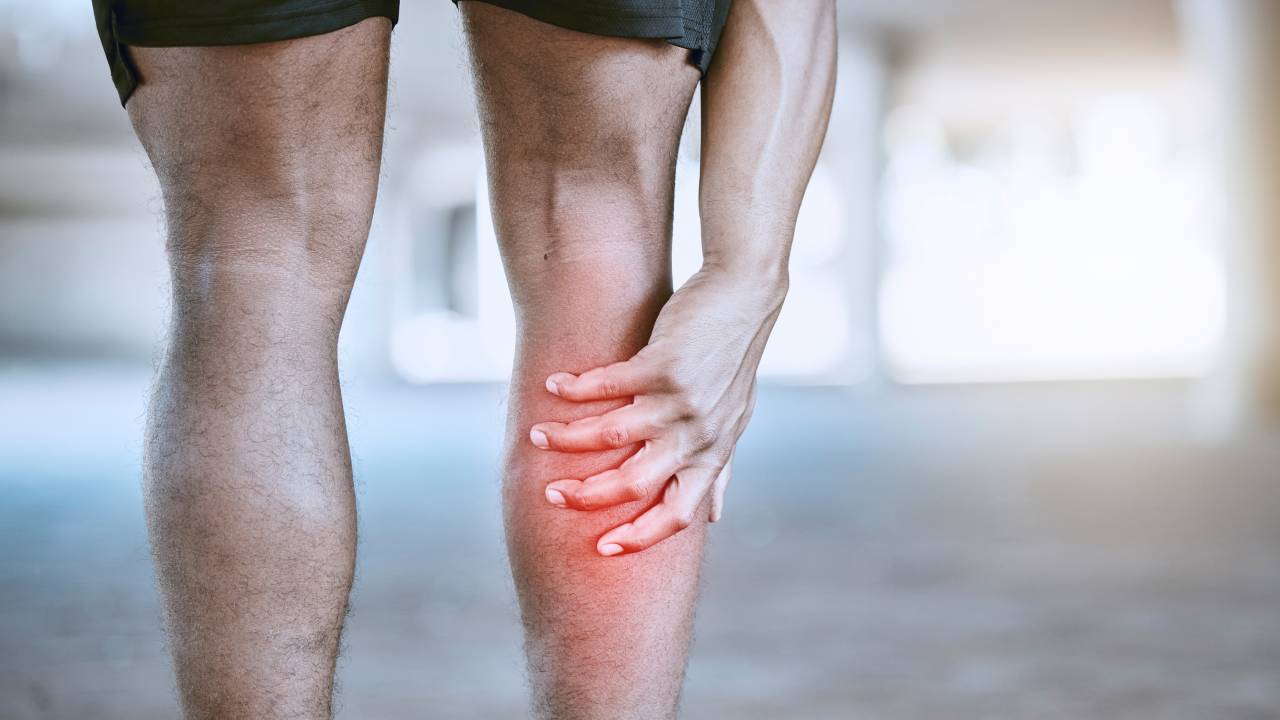
Leg Pain in Scarborough, ON
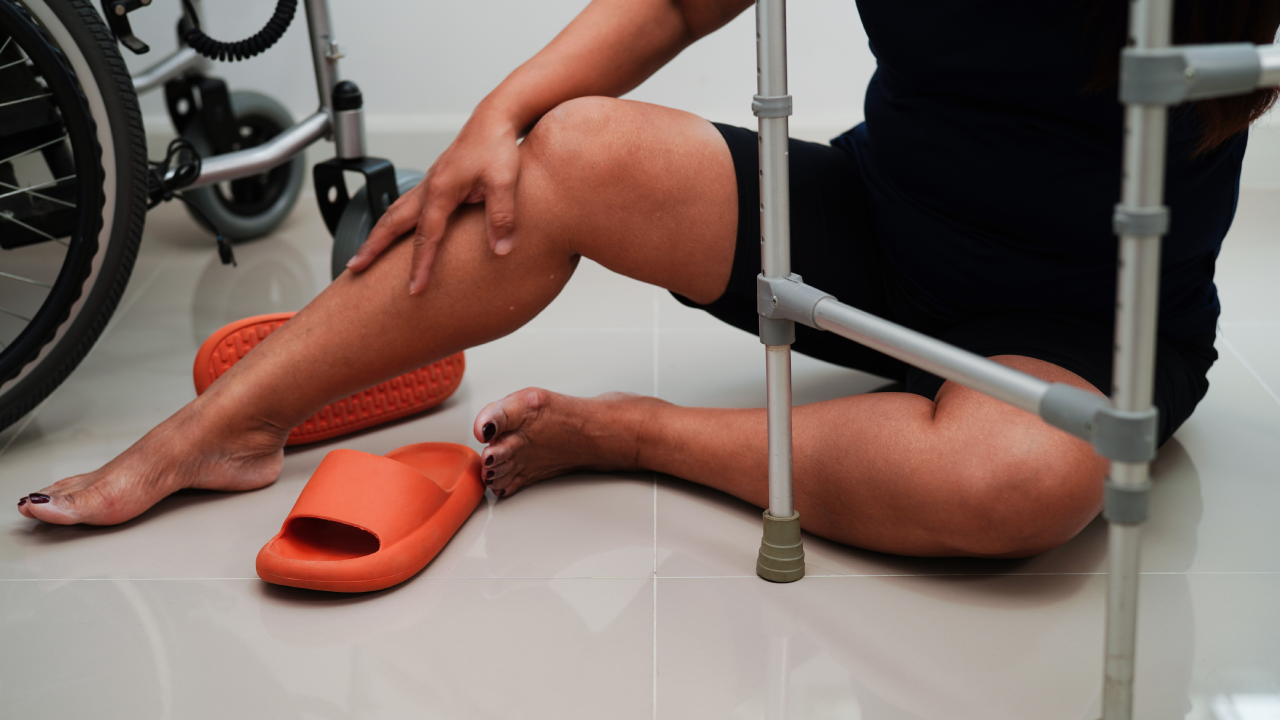
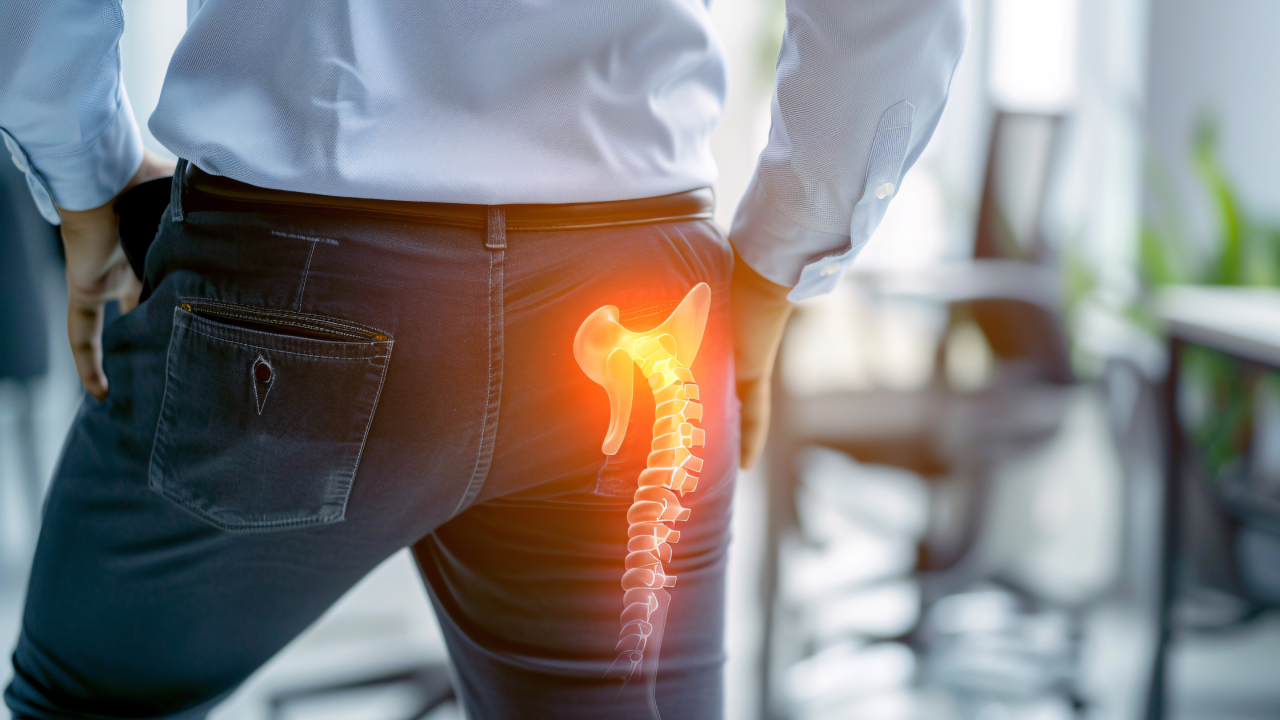
Leg pain can affect walking, standing, sitting, working, exercising, and many routine activities. Symptoms may occur in the thigh, knee, calf, shin, ankle, or foot. They can develop following an injury, repetitive activity, prolonged sitting, physical work, sports, or changes in the way you move. In some cases, symptoms felt in the leg may also be connected to the lower back or nerves.
At Spinal Solution and Wellness, we assess the factors that may be contributing to your symptoms and develop a care plan based on your condition, activity level, and functional needs. If you are searching for Leg Pain in Scarborough, ON, our clinic can assess common musculoskeletal causes and help determine suitable next steps.
What Is Leg Pain?
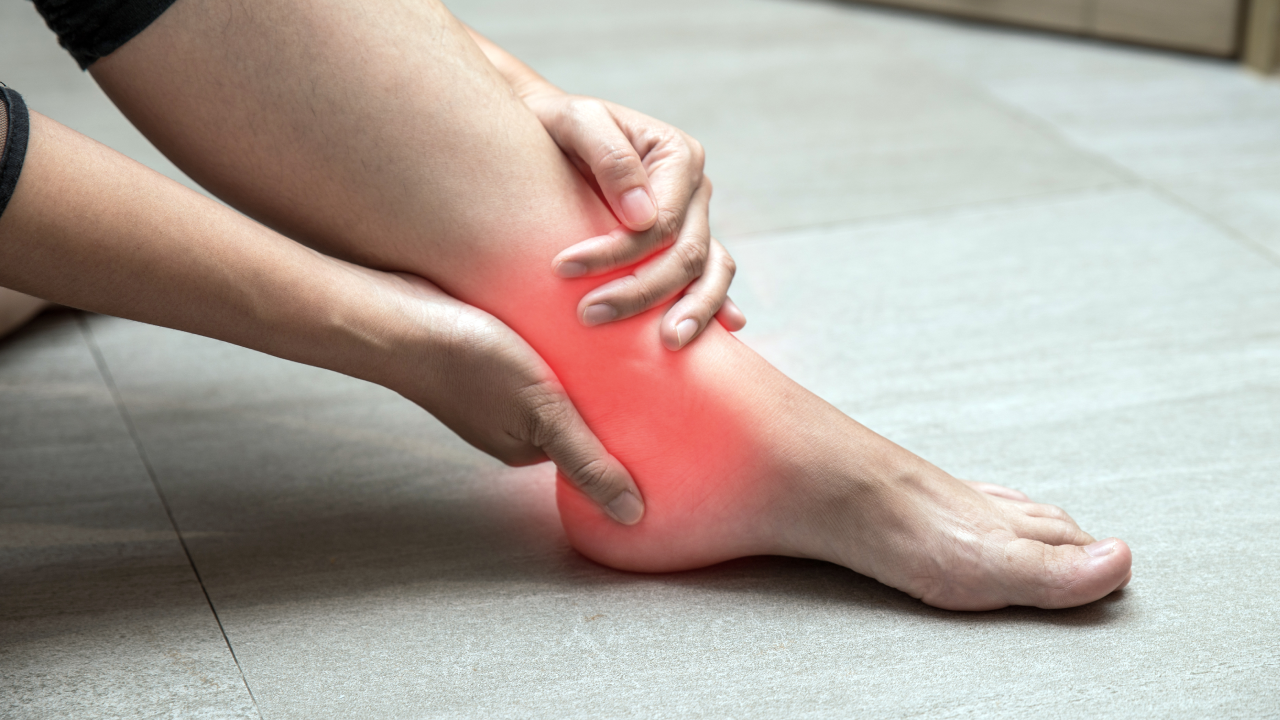
Leg pain refers to discomfort or unusual sensations affecting any area of the lower limb. Symptoms may remain in one location or travel through several areas. Some people notice discomfort mainly during movement, while others may experience symptoms while sitting or resting.
Leg symptoms can feel like:
- Dull aching
- Sharp or stabbing discomfort
- Burning or tingling
- Muscle soreness
- Tightness or stiffness
- Cramping
- Throbbing
- Weakness or heaviness
- Numbness or altered sensation
There are many possible causes of leg symptoms. A muscle strain may lead to localized soreness following physical activity. A joint condition can create discomfort around the knee or ankle. Nerve irritation may produce symptoms that travel from the lower back through the buttock, thigh, calf, or foot.
Since similar symptoms can occur with different conditions, a physical assessment can help identify patterns that may be contributing to your leg problem.
Who Can Develop Leg Pain?
Leg symptoms can affect people across different age groups and activity levels. They are not limited to athletes or people who have experienced a major injury.
You may consider an assessment if you:
- Spend long periods sitting at work
- Stand for extended periods
- Perform physically demanding work
- Participate in recreational sports
- Have recently increased your exercise routine
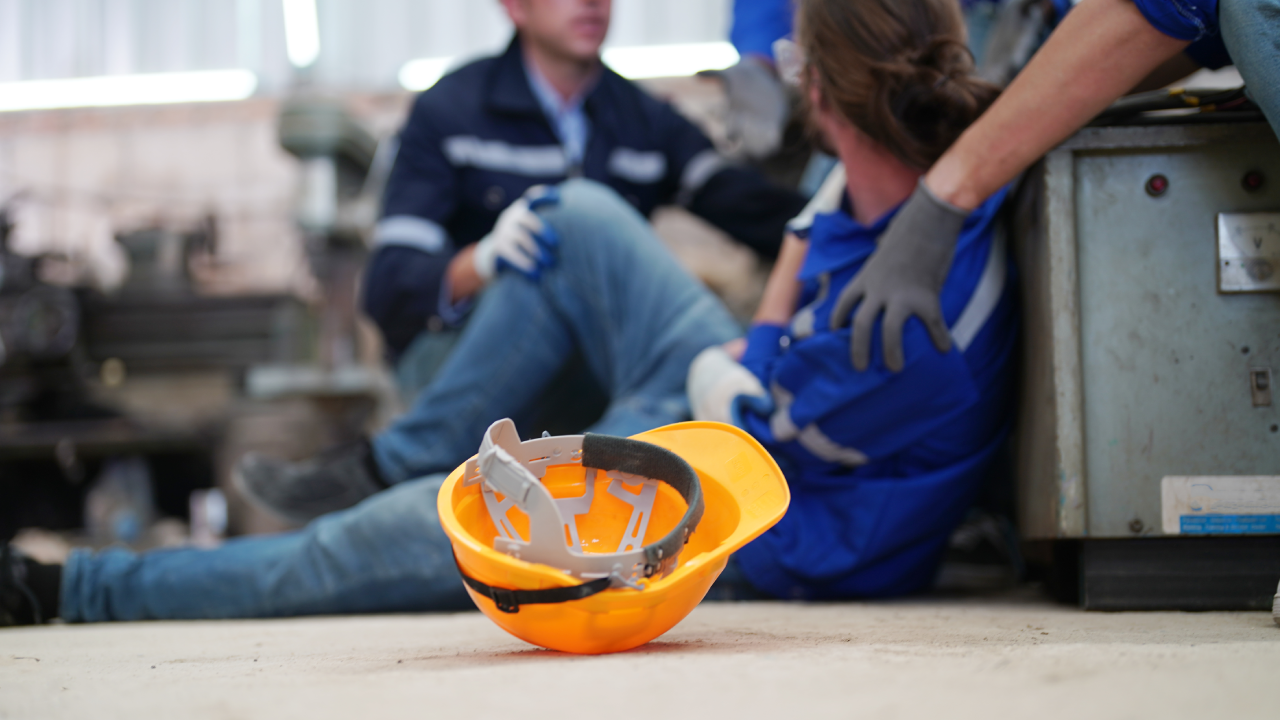
- Have experienced a fall, collision, or other injury
- Deal with recurring muscle tightness
- Notice discomfort while walking or climbing stairs
- Have symptoms that extend from your lower back into your leg
- Experience recurring calf, thigh, knee, or shin discomfort
- Have difficulty returning to regular activities after an injury
For those searching for Leg Pain in Scarborough, ON, identifying when symptoms occur, what makes them worse, and where they travel can help determine the appropriate type of care.
Conditions That May Cause Leg Pain
Leg pain is a symptom rather than a single condition. At Spinal Solution and Wellness, an assessment may consider several musculoskeletal conditions that can contribute to lower-limb symptoms.
Muscle Strains
A muscle strain can occur when muscle fibres are stretched or loaded beyond their current capacity. Strains commonly affect the hamstrings, quadriceps, calves, and other muscles surrounding the leg.
Possible symptoms include soreness, tenderness, tightness, swelling, and discomfort during movement. Muscle strains may occur during running, lifting, sports, sudden movements, or other physical activities.
Sciatica and Nerve-Related Leg Symptoms
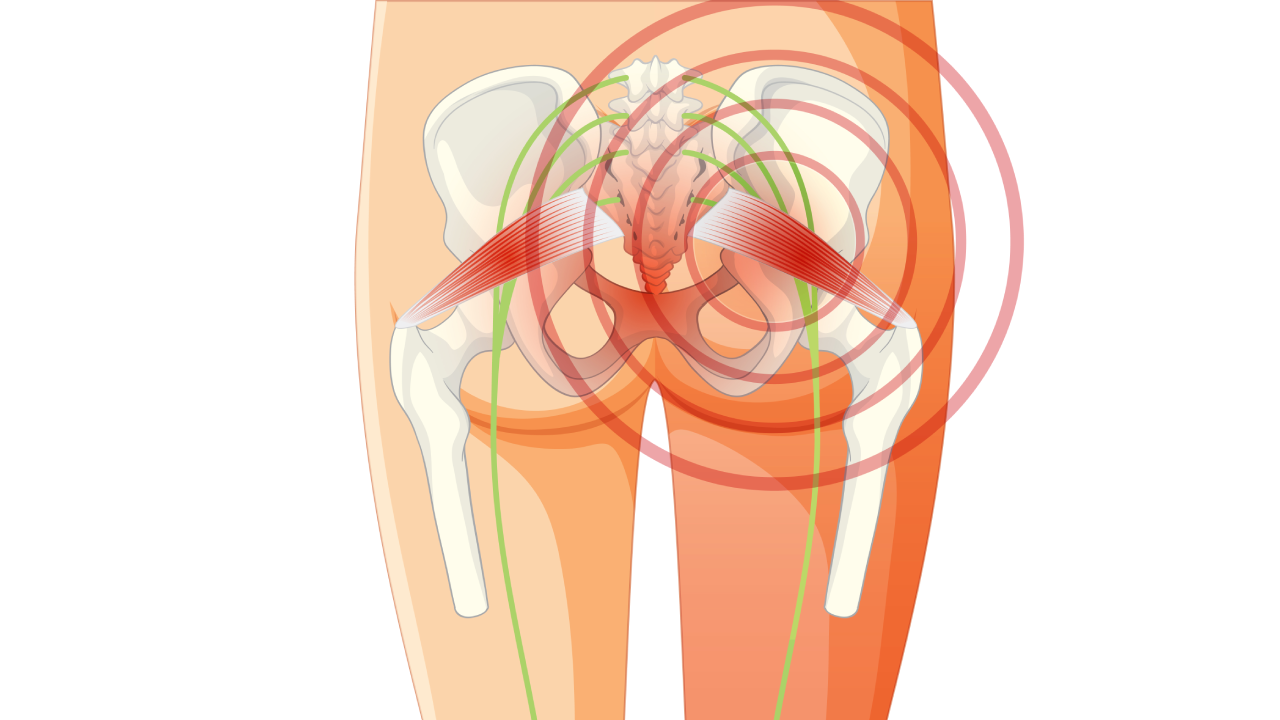
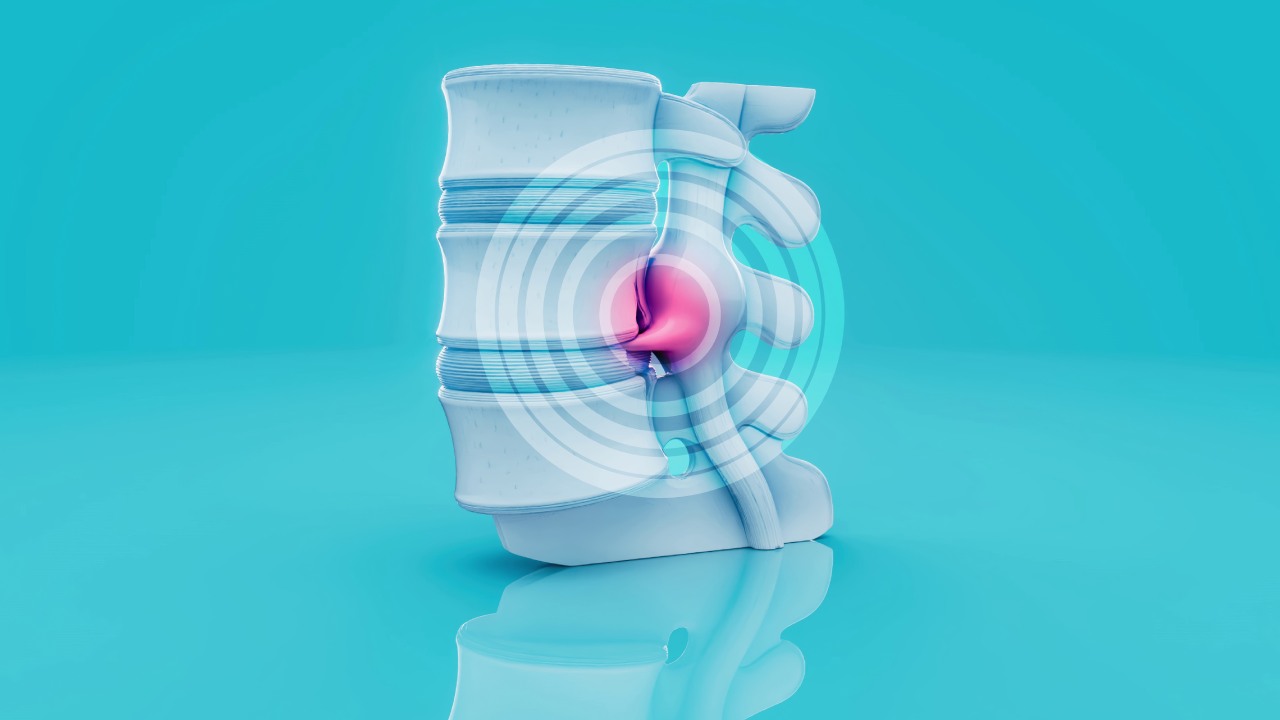
Sciatica refers to symptoms associated with irritation or compression involving the sciatic nerve or related nerve roots. Symptoms may travel from the lower back or buttock into the thigh, calf, or foot.
Some people notice burning, tingling, numbness, or sharp sensations. Symptoms may become more noticeable with prolonged sitting, standing, bending, coughing, or certain movements.
An assessment can examine whether the lower back, hip, or nervous system may be contributing to your symptoms.
Hamstring Problems
The hamstrings are located along the back of the thigh and contribute to walking, running, jumping, and other movements.
Sudden loading, repetitive activity, or an increase in physical demand can contribute to hamstring symptoms. Discomfort may appear while running, bending, climbing stairs, or stretching the back of the thigh.
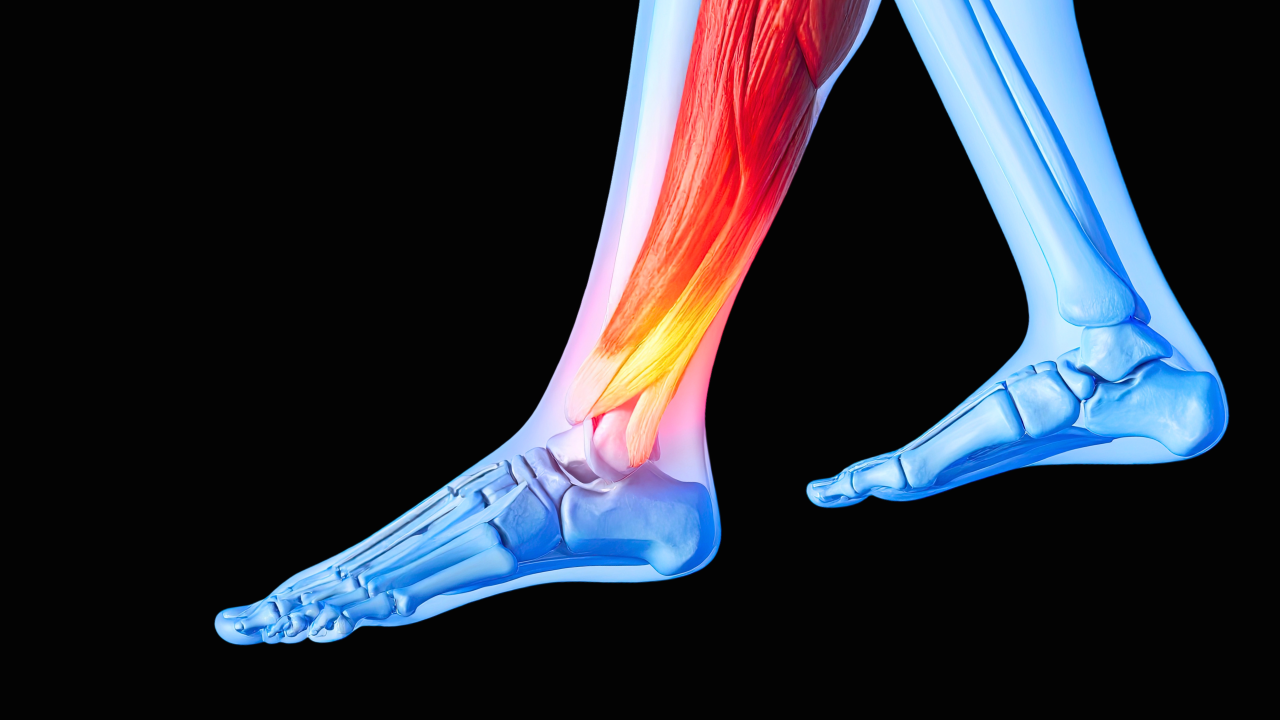
Calf Strains
The calf muscles help control ankle movement and contribute to walking, running, and pushing the foot against the ground.
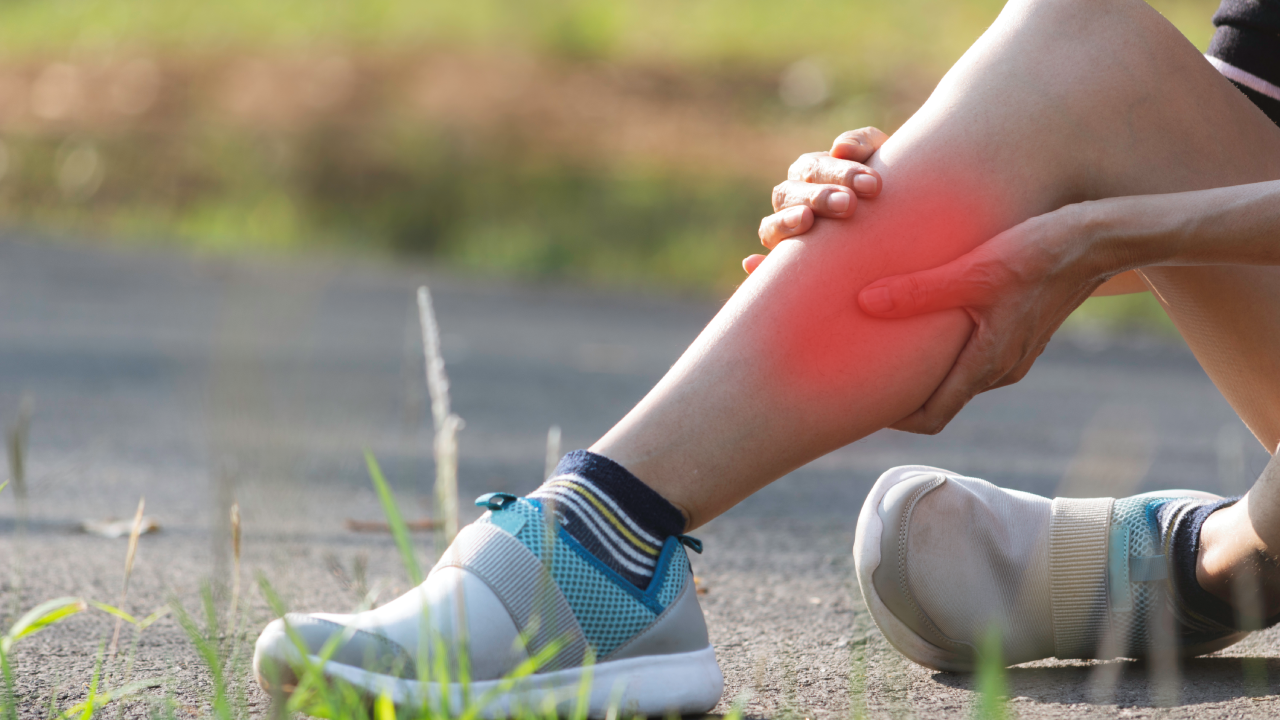
Sprinting, jumping, sudden changes in activity, or forceful movements can contribute to a calf strain. Symptoms may include localized tenderness, tightness, swelling, and discomfort when pushing off with the foot.
Shin Pain
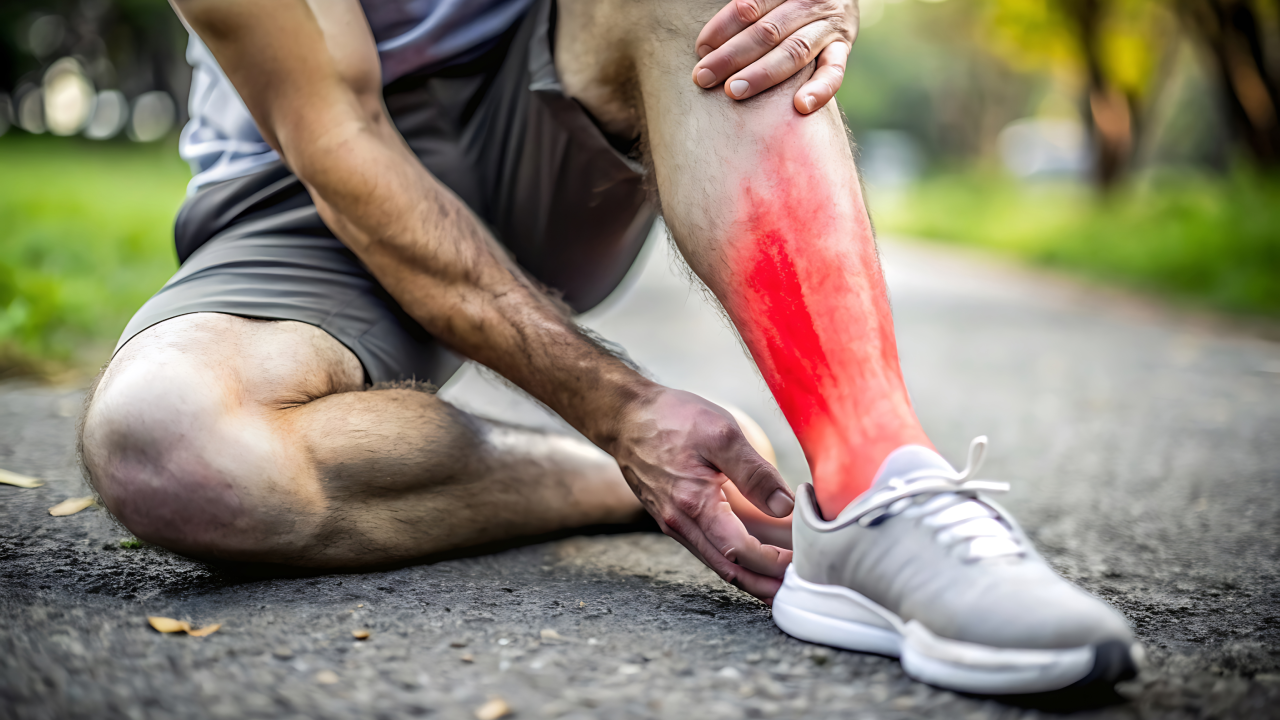
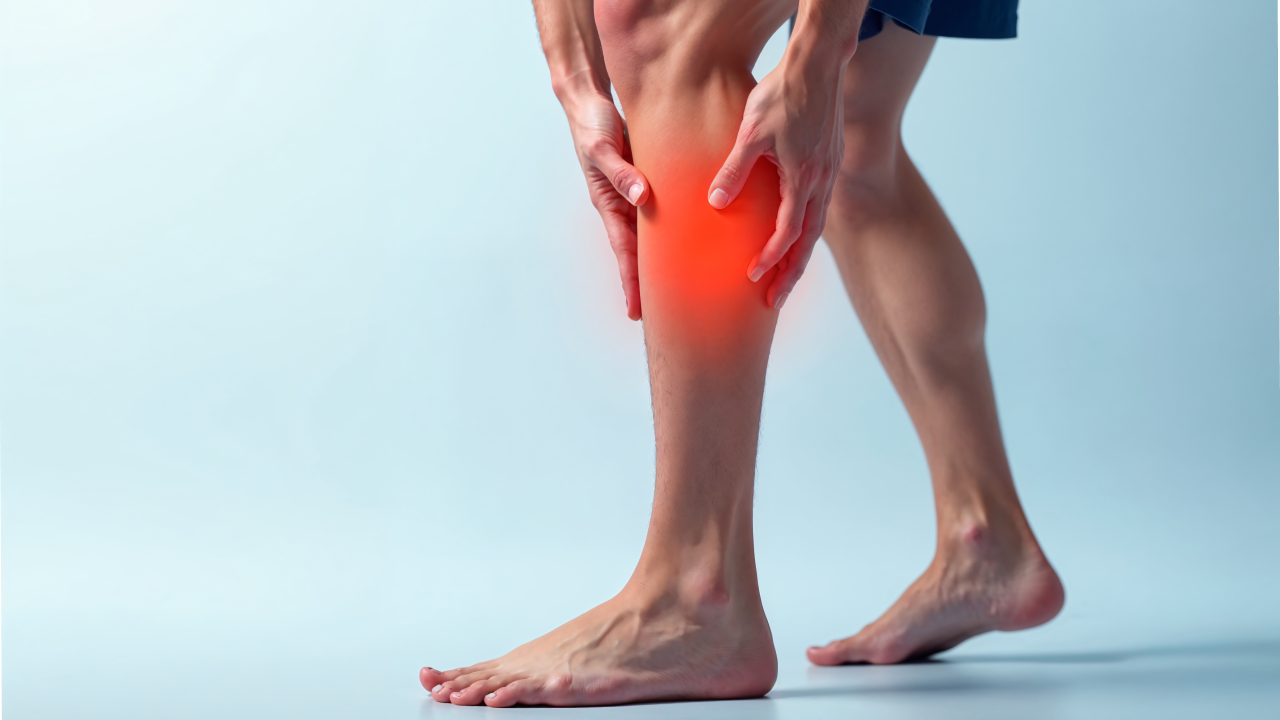
Shin discomfort can occur along the front or inner portion of the lower leg. Repetitive running, jumping, changes in exercise volume, footwear, and movement mechanics may contribute to symptoms.
Since several conditions can cause shin discomfort, symptoms that continue or become more intense should be assessed instead of automatically being attributed to an overuse problem.
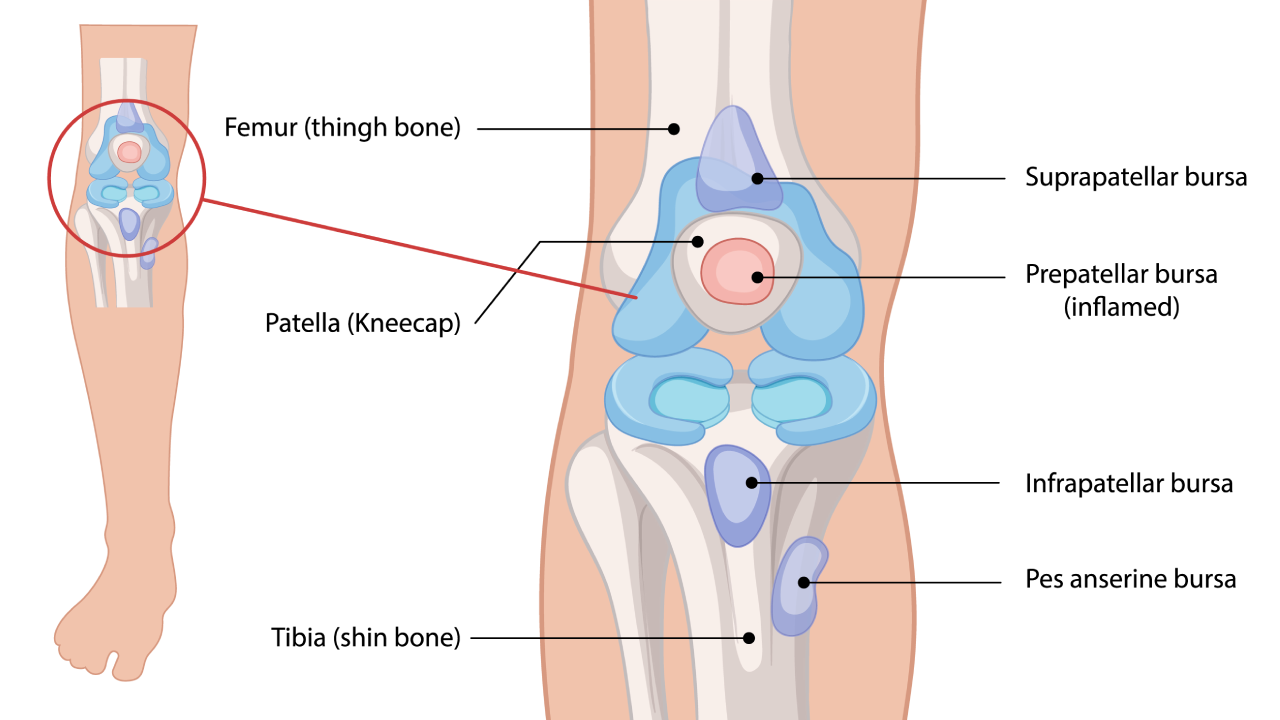
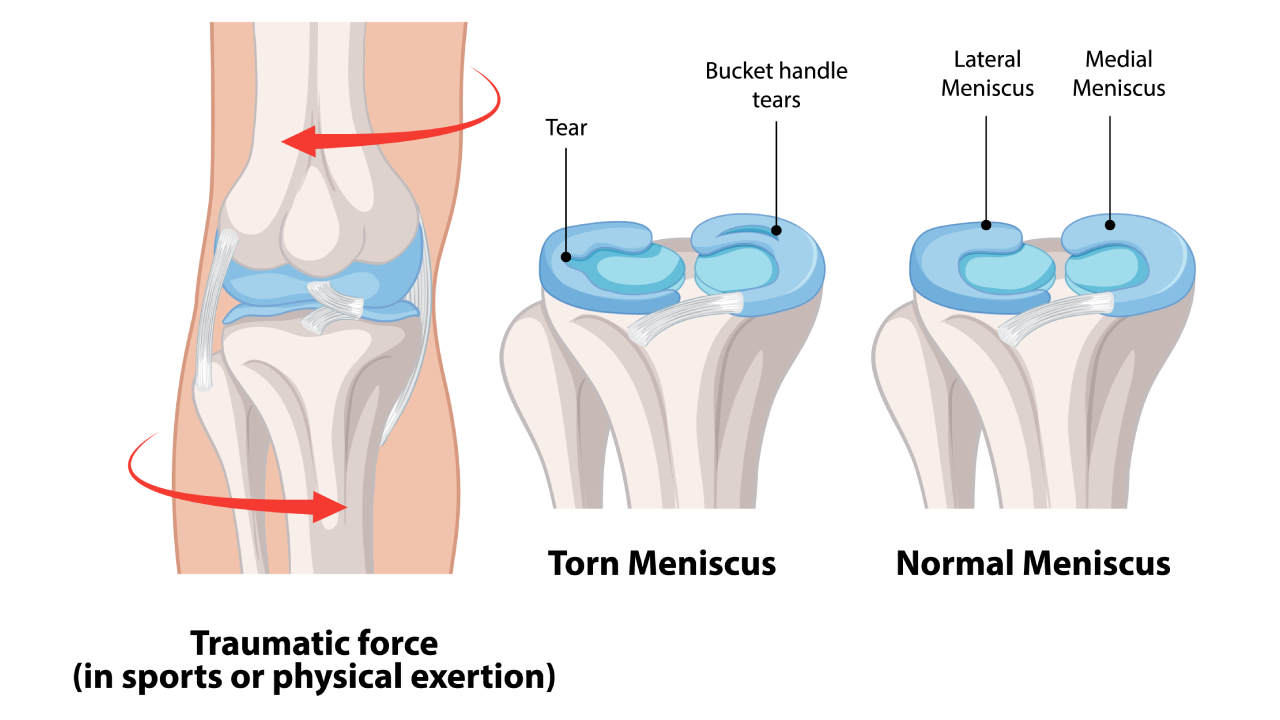
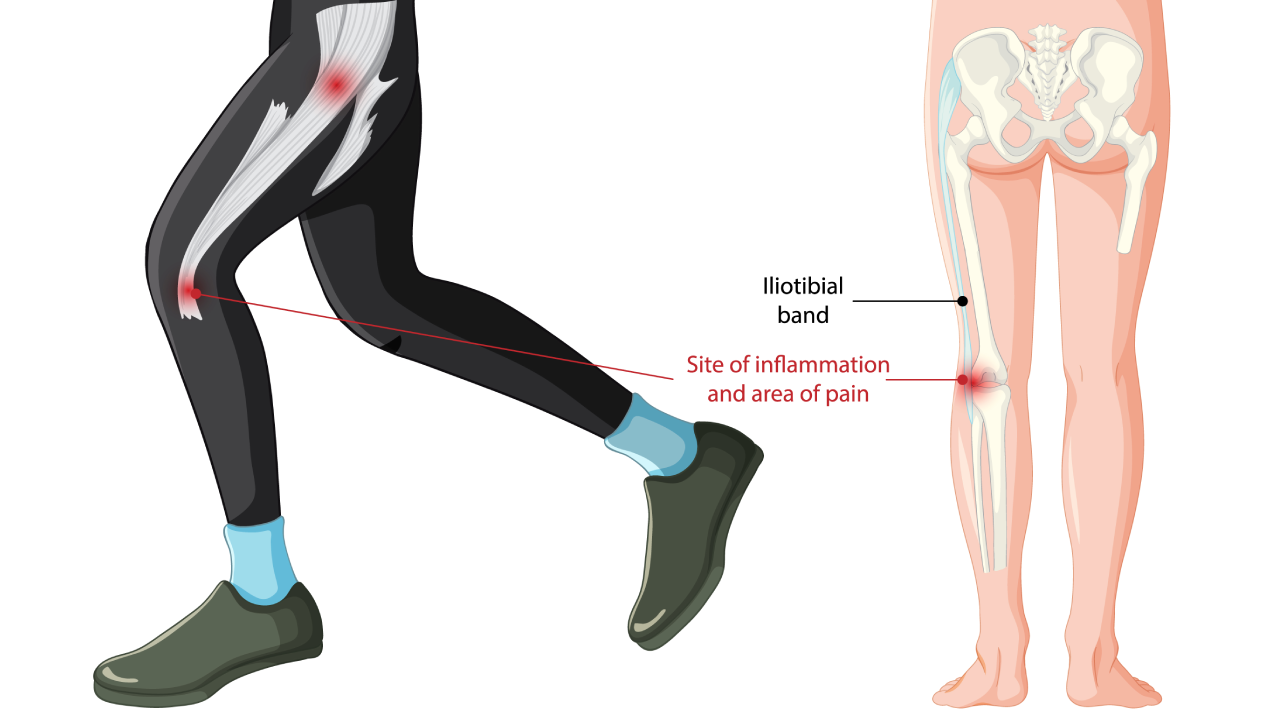
Knee-Related Pain
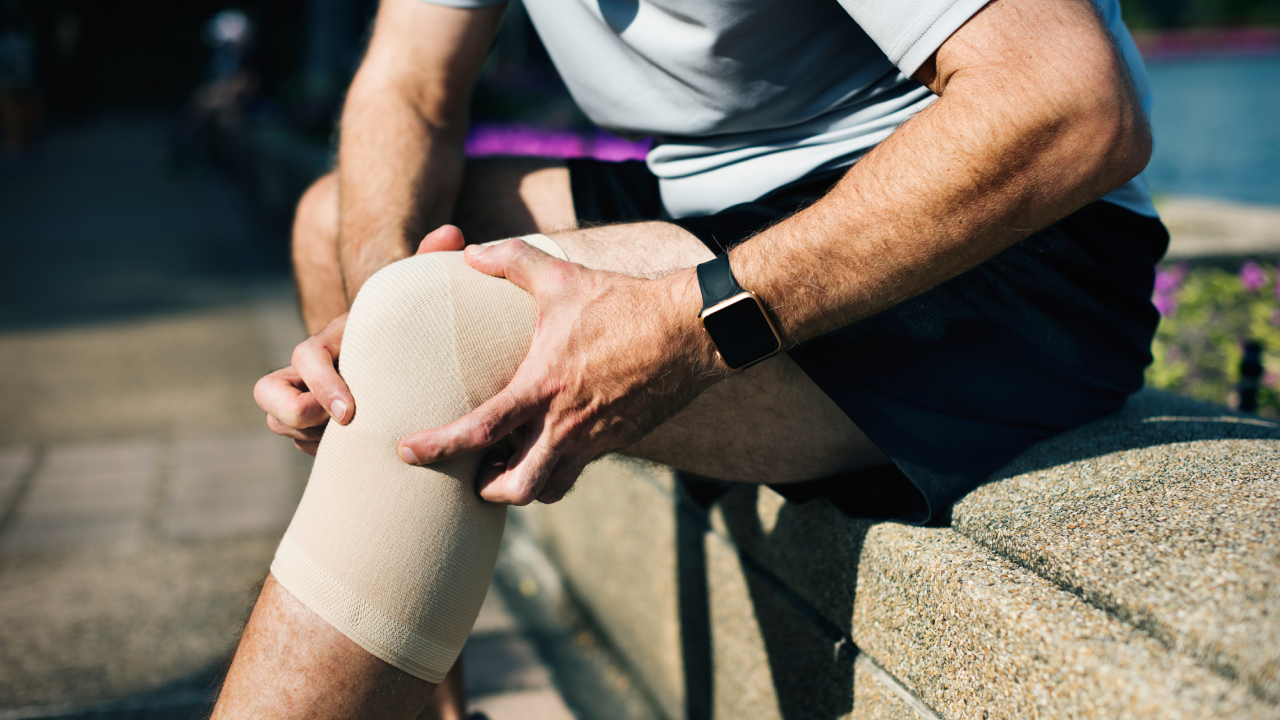
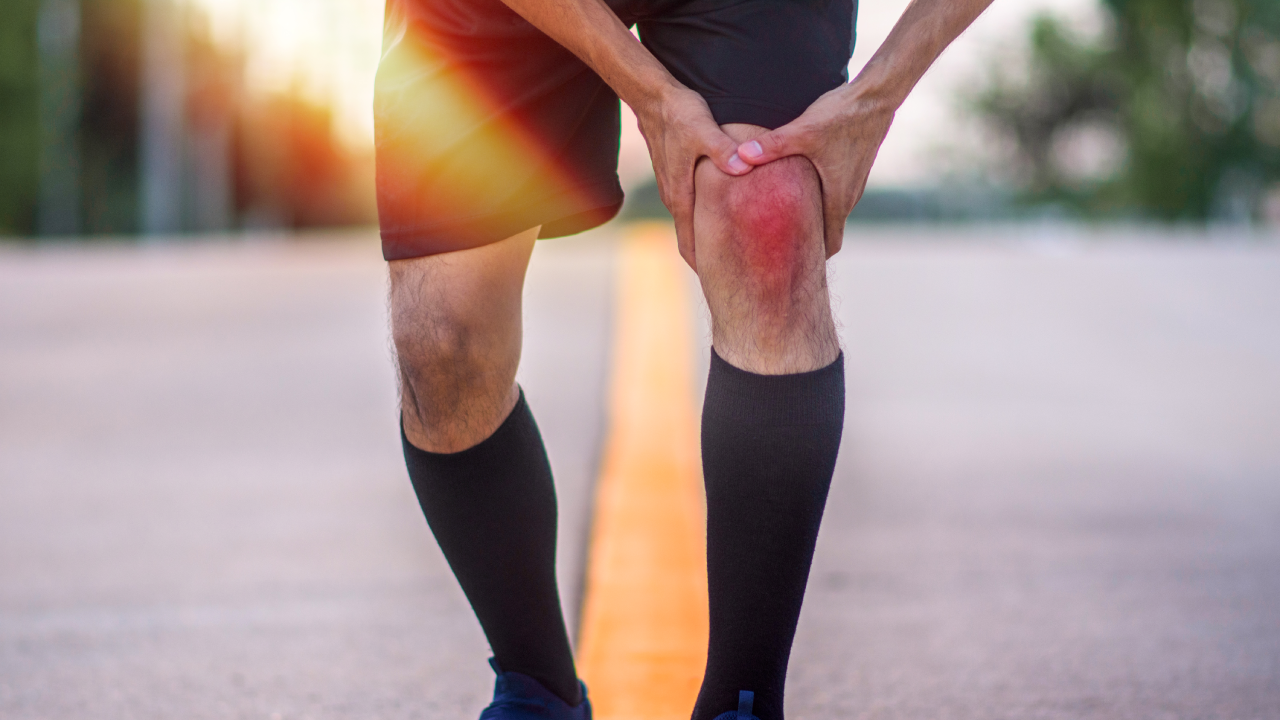
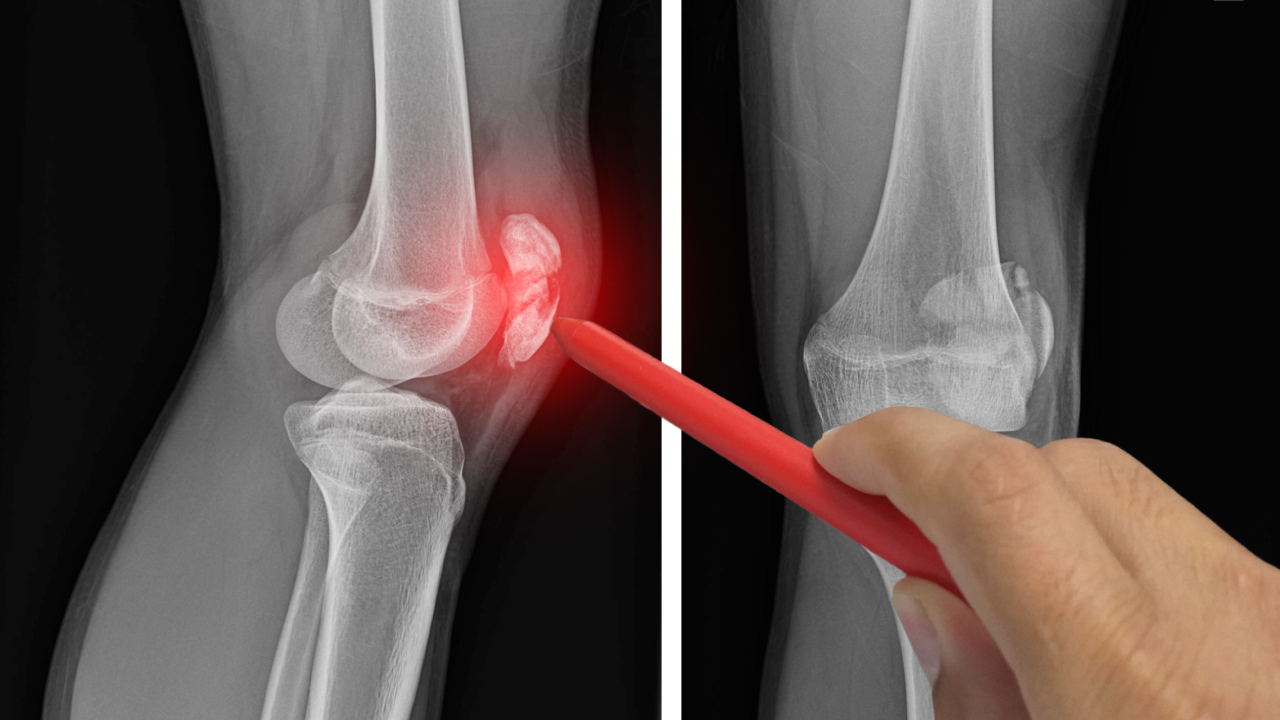
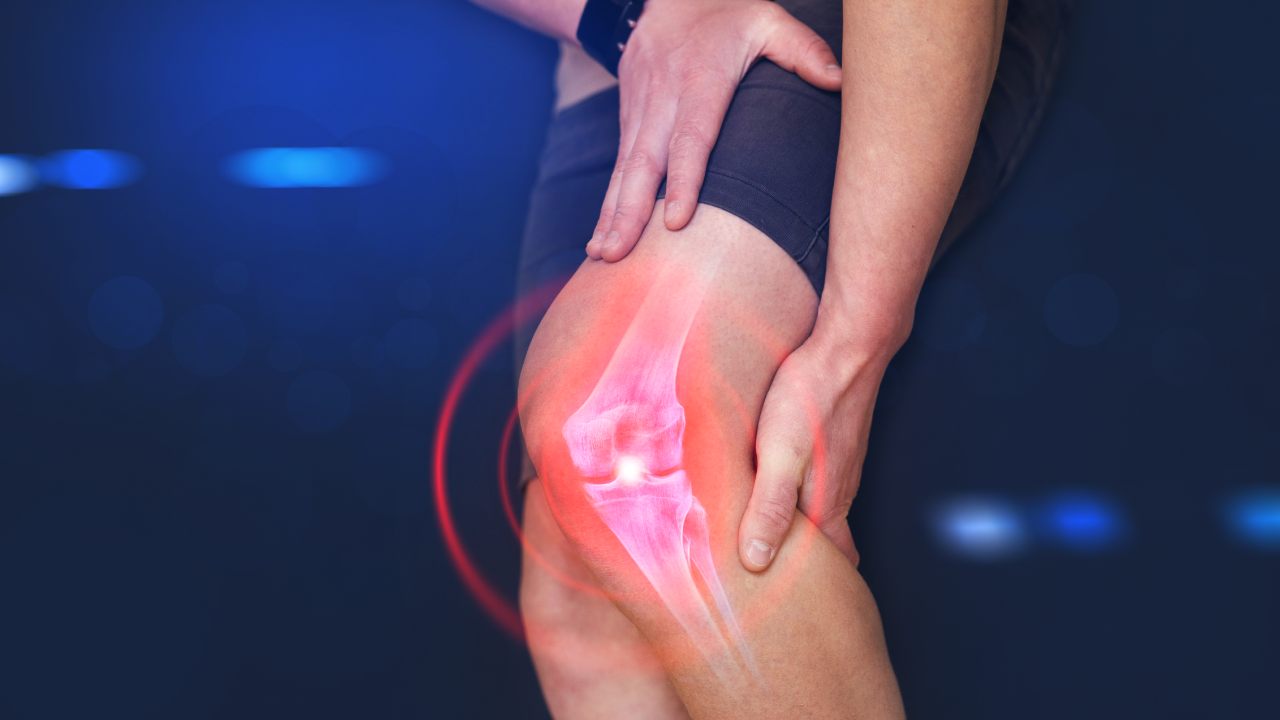
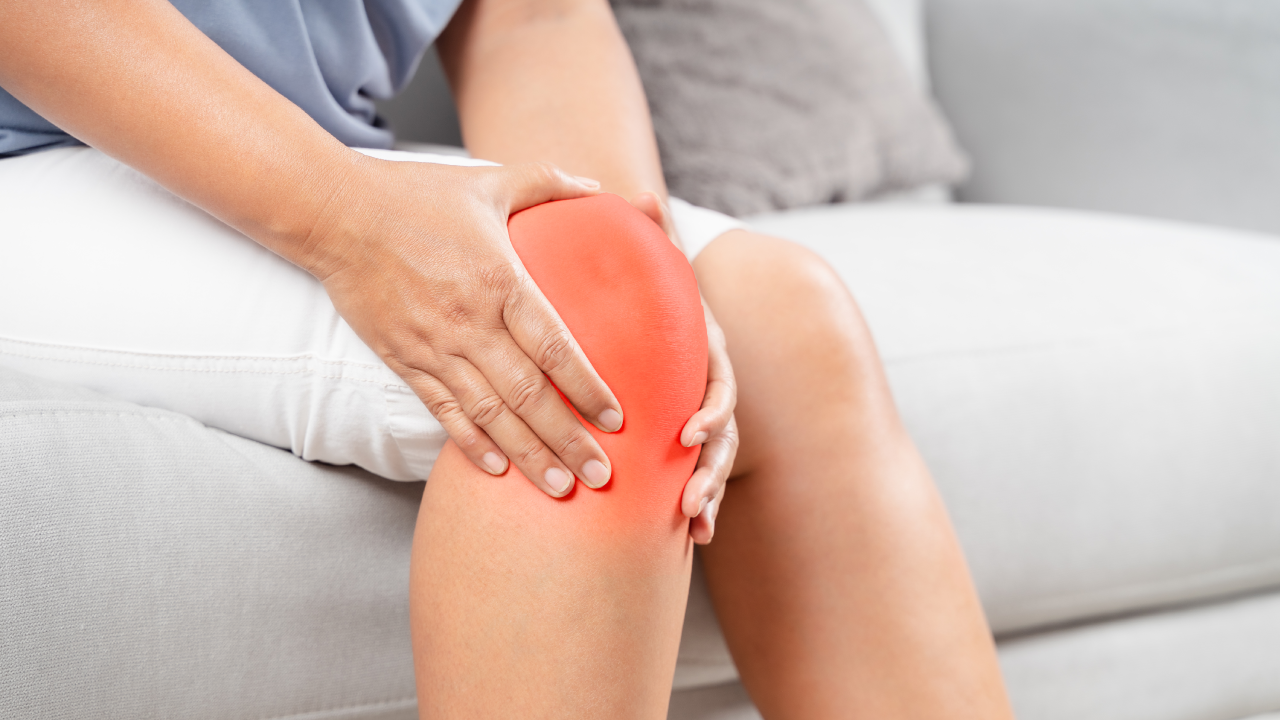
Knee conditions can produce discomfort around the front, back, sides, or inner portion of the joint. Symptoms may occur during walking, squatting, stair climbing, running, or prolonged sitting.
Knee symptoms may involve muscles, tendons, ligaments, cartilage, the joint, or surrounding tissues. An assessment can examine how the knee functions in relation to the hip, ankle, and rest of the lower limb.
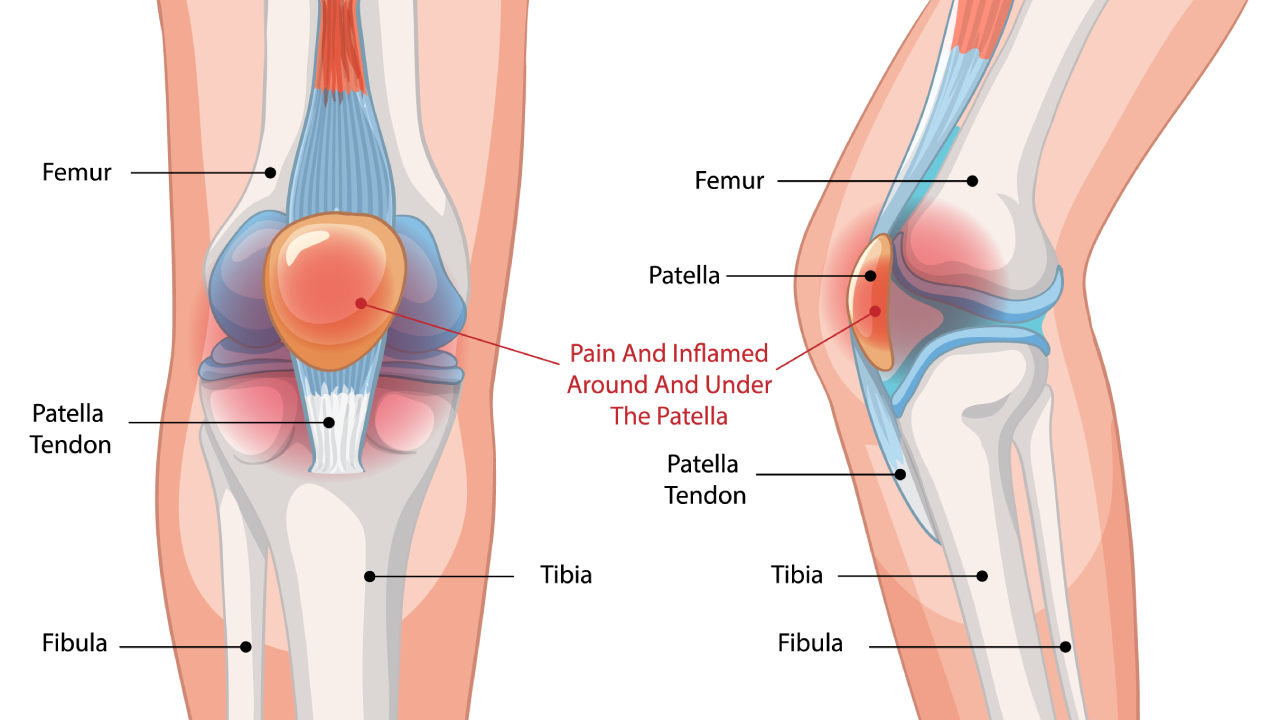
Patellofemoral Pain
Patellofemoral pain refers to discomfort around or behind the kneecap. It may become noticeable during squatting, running, climbing stairs, or sitting for extended periods.
Movement patterns involving the hip, knee, and ankle may contribute to symptoms. An assessment can help identify movement or strength factors that may require attention.
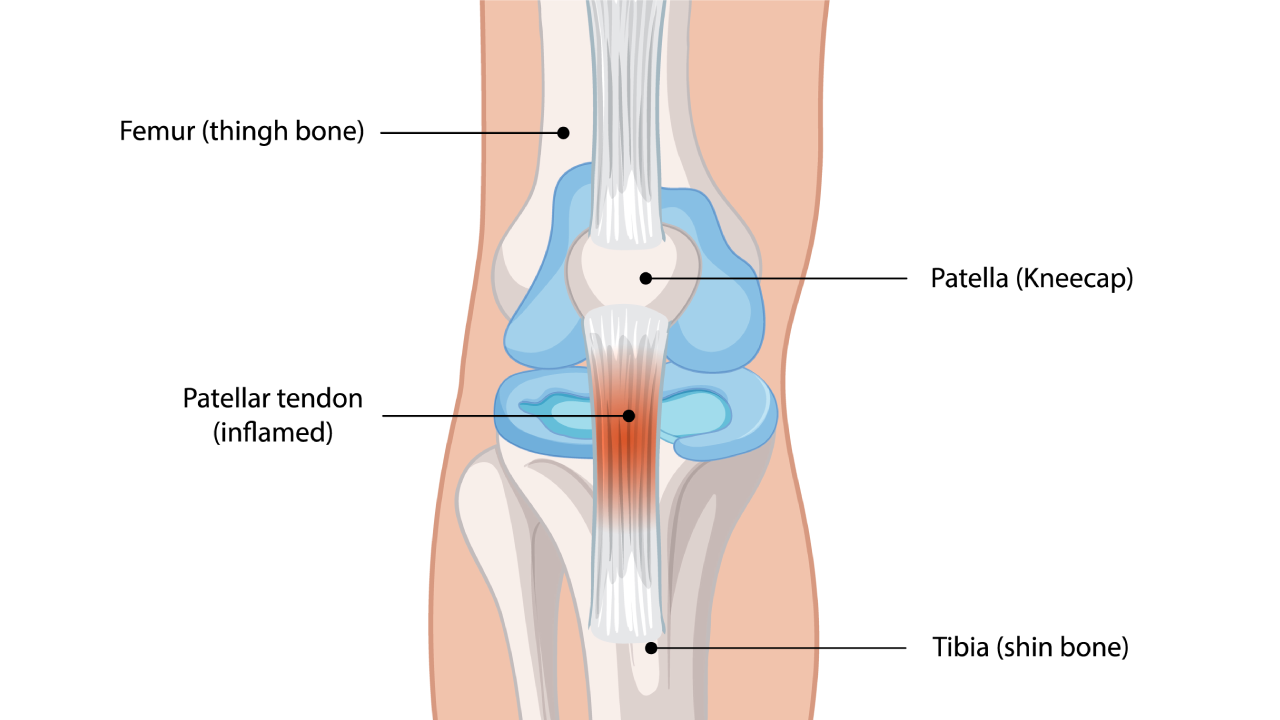
Tendon Problems
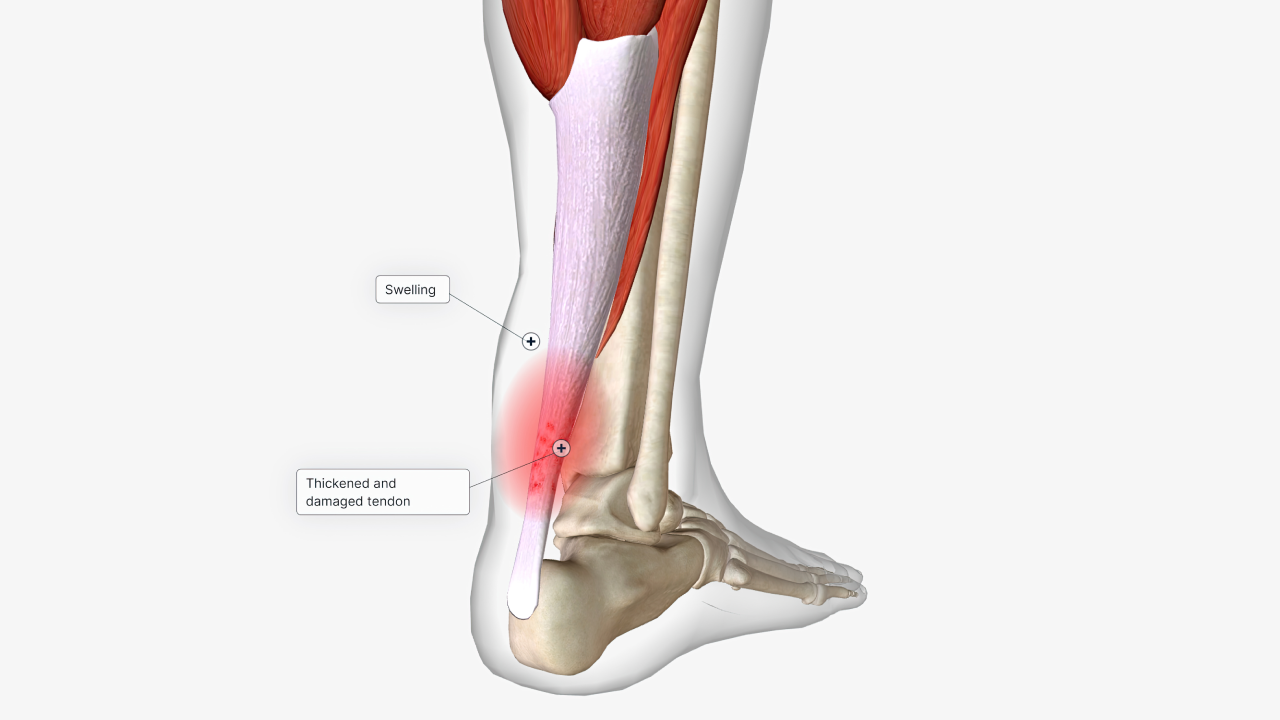
Tendons connect muscles to bones and transfer force during movement. Repeated or increased loading can contribute to tendon-related symptoms.
Common areas include the Achilles tendon, patellar tendon, and tendons around the hip or ankle. Symptoms can include localized tenderness, stiffness, and discomfort during or following activity.
Ankle and Foot Problems
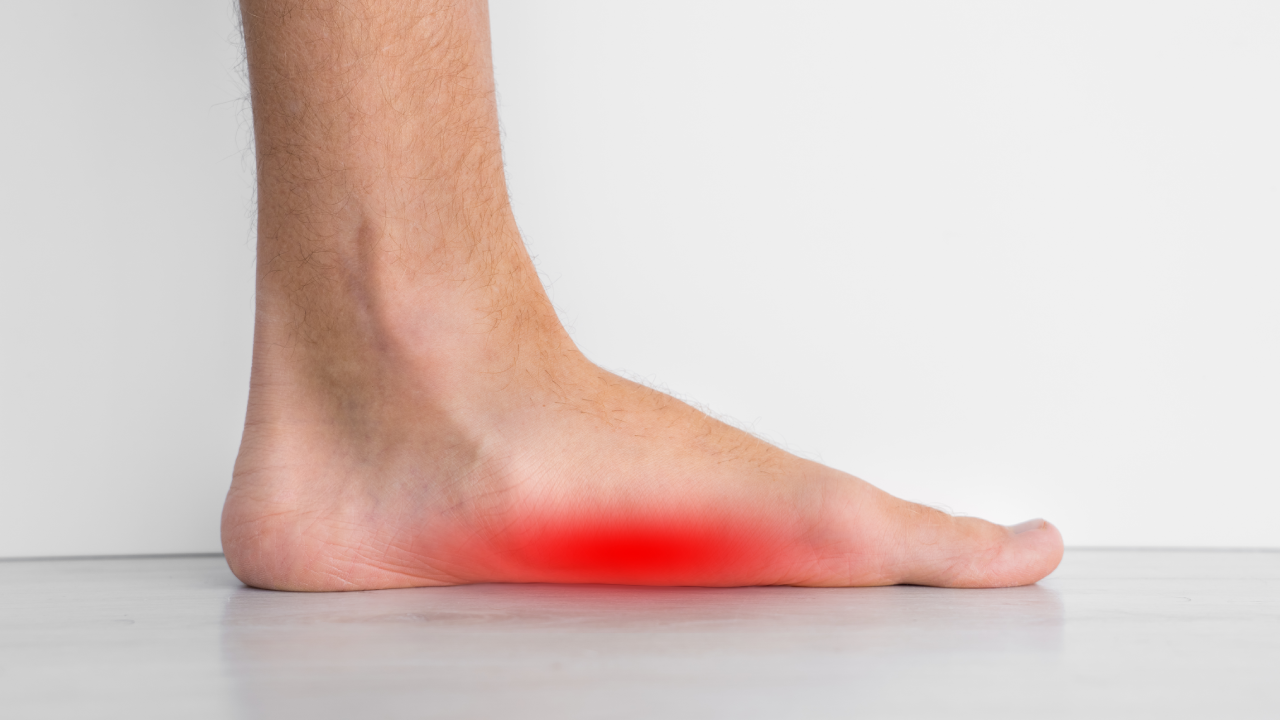
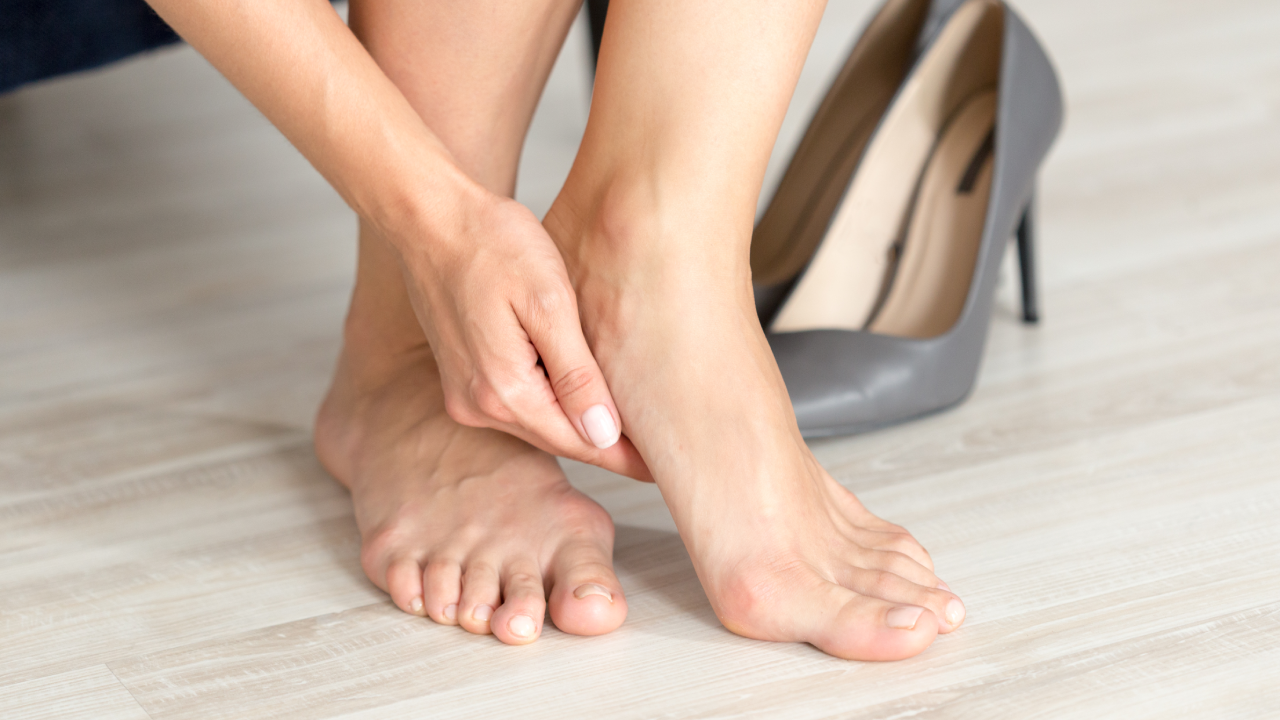
Problems involving the ankle or foot can affect walking mechanics and place additional demands on other areas of the leg.
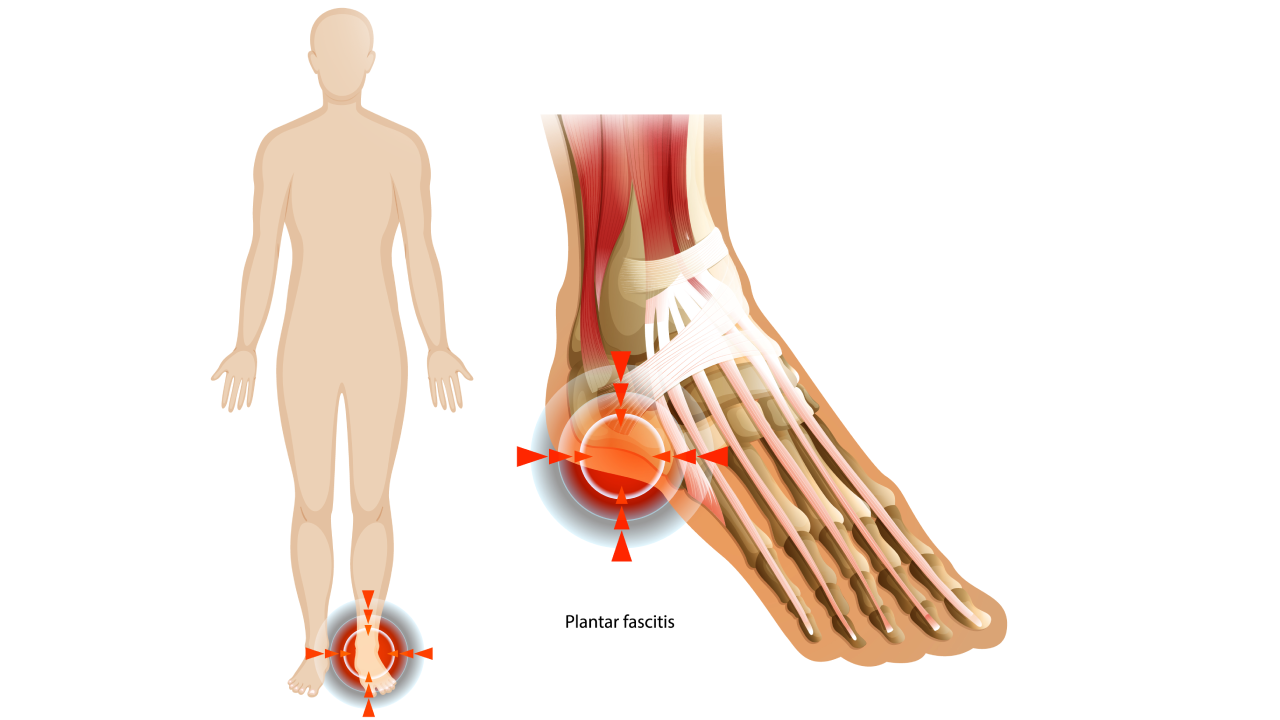
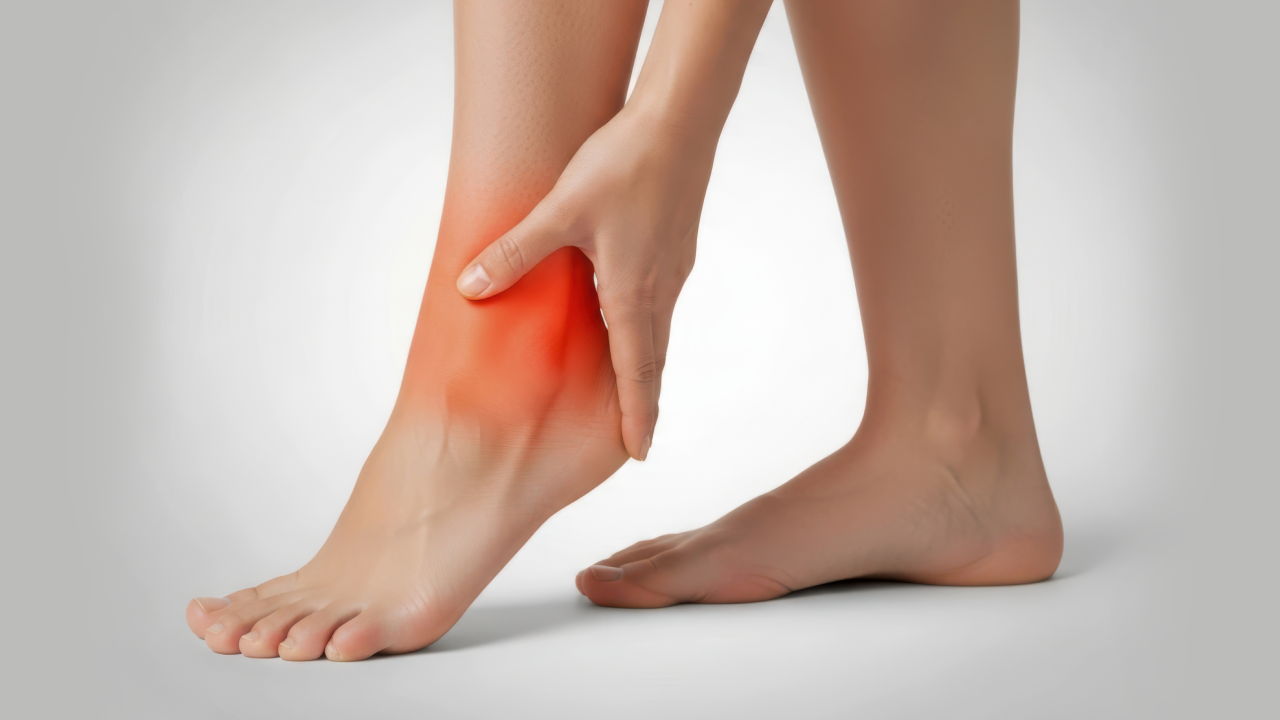
Sprains, tendon irritation, joint stiffness, and other musculoskeletal conditions may contribute to symptoms around the foot, ankle, or lower leg.
Hip-Related Conditions
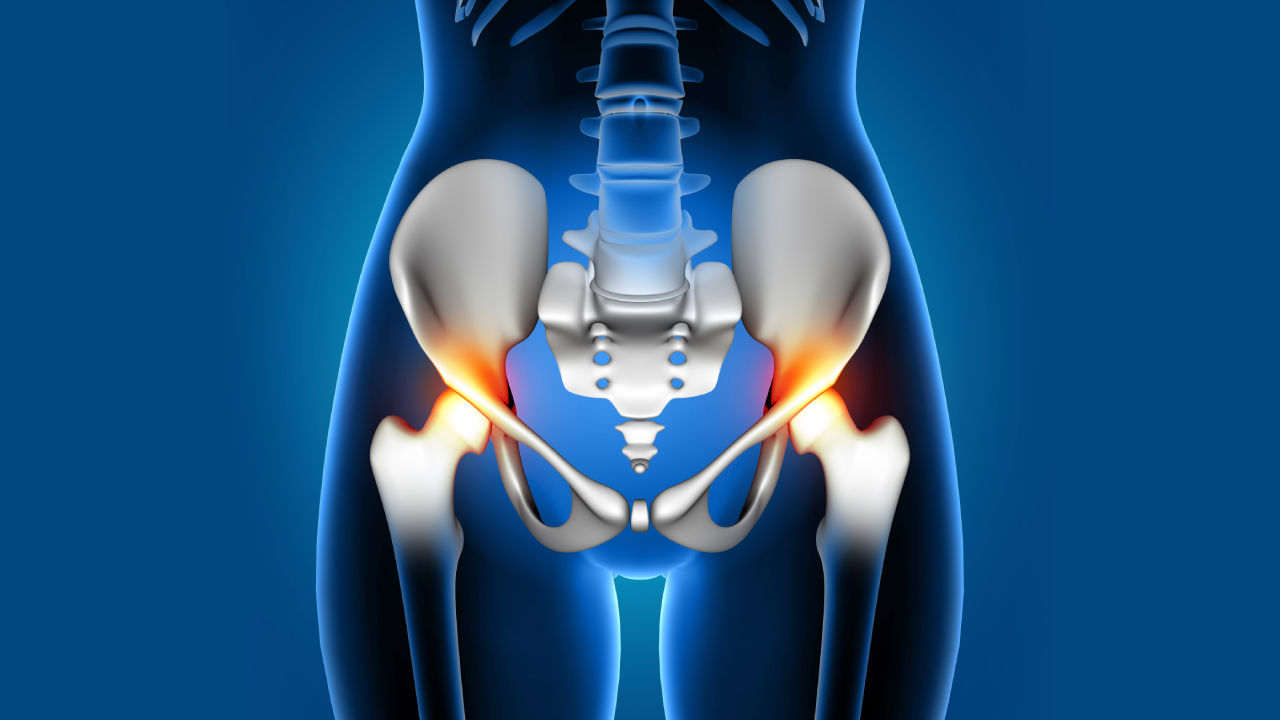
The hip plays an important role in lower-limb movement. Hip problems can sometimes produce symptoms around the thigh, groin, buttock, or knee.
An assessment may examine hip movement together with the knee, ankle, and lower back to identify connections between different areas.
Lower Back-Related Leg Symptoms
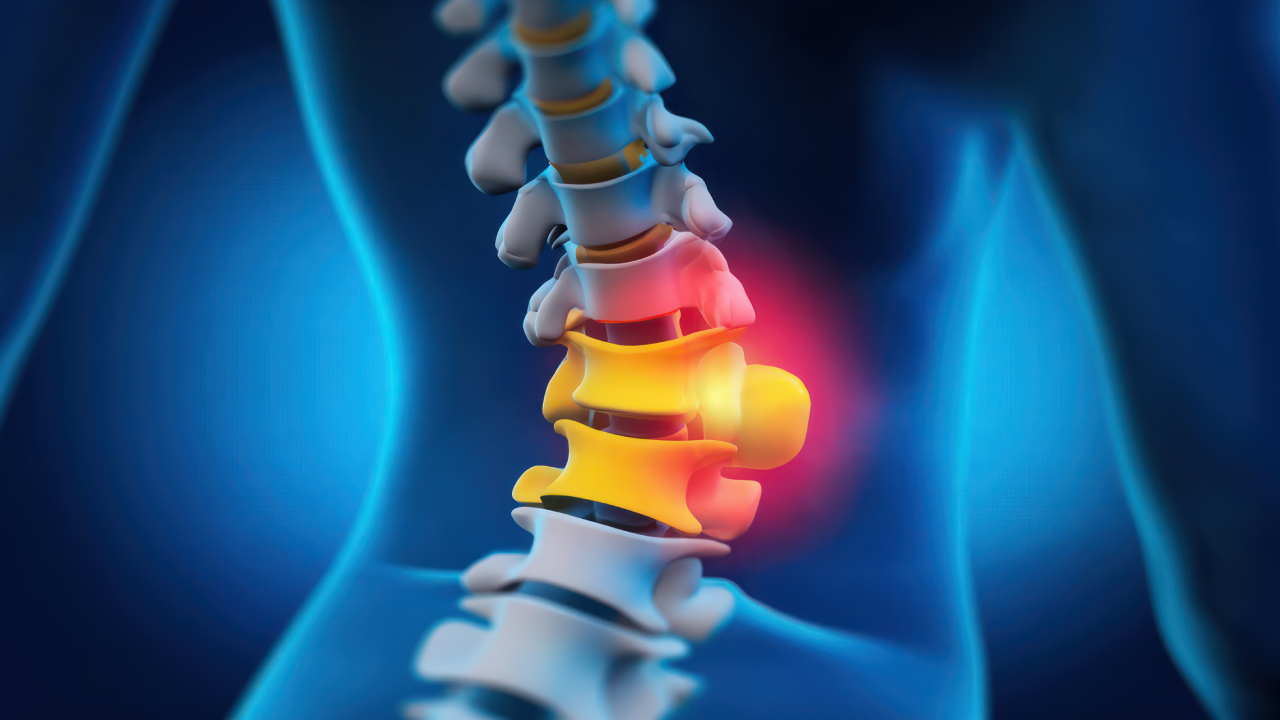
Not every leg symptom originates in the leg. Structures in the lower back can sometimes contribute to symptoms that travel into the buttock, thigh, calf, or foot.
These symptoms may involve nerves, joints, muscles, or several factors at once. A physical assessment can help determine whether the lower back may be contributing to the symptom pattern.
Problems Associated with Leg Pain
Ongoing leg symptoms can interfere with work, exercise, sleep, mobility, and everyday responsibilities. You may notice difficulty with:
- Walking longer distances
- Standing at work
- Sitting through a workday
- Climbing stairs
- Running or exercising
- Getting in and out of a vehicle
- Sleeping comfortably
- Lifting or carrying objects
- Returning to recreational activities
- Completing household tasks
Even mild symptoms can become frustrating when they repeatedly appear during the same activity.
What Our Leg Pain Assessment Includes
At Spinal Solution and Wellness, your assessment may include several components based on your symptoms and functional concerns.
Symptom History
We discuss when your symptoms began, what activities affect them, whether they travel to other areas, and whether there has been an injury or recent change in activity.
Movement Assessment
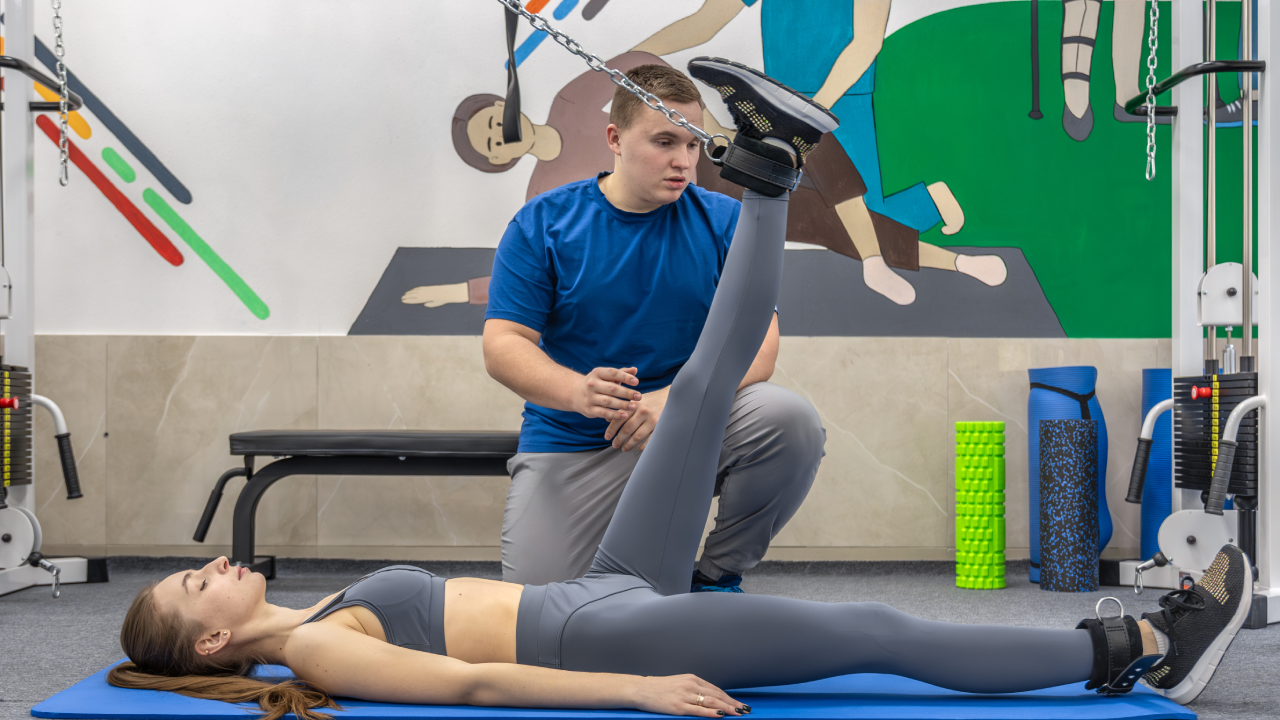
We may examine walking, joint mobility, flexibility, strength, balance, and movement patterns.
Functional Assessment
Your symptoms are considered in relation to activities that are part of your work, exercise routine, sport, and everyday life.
Care Plan
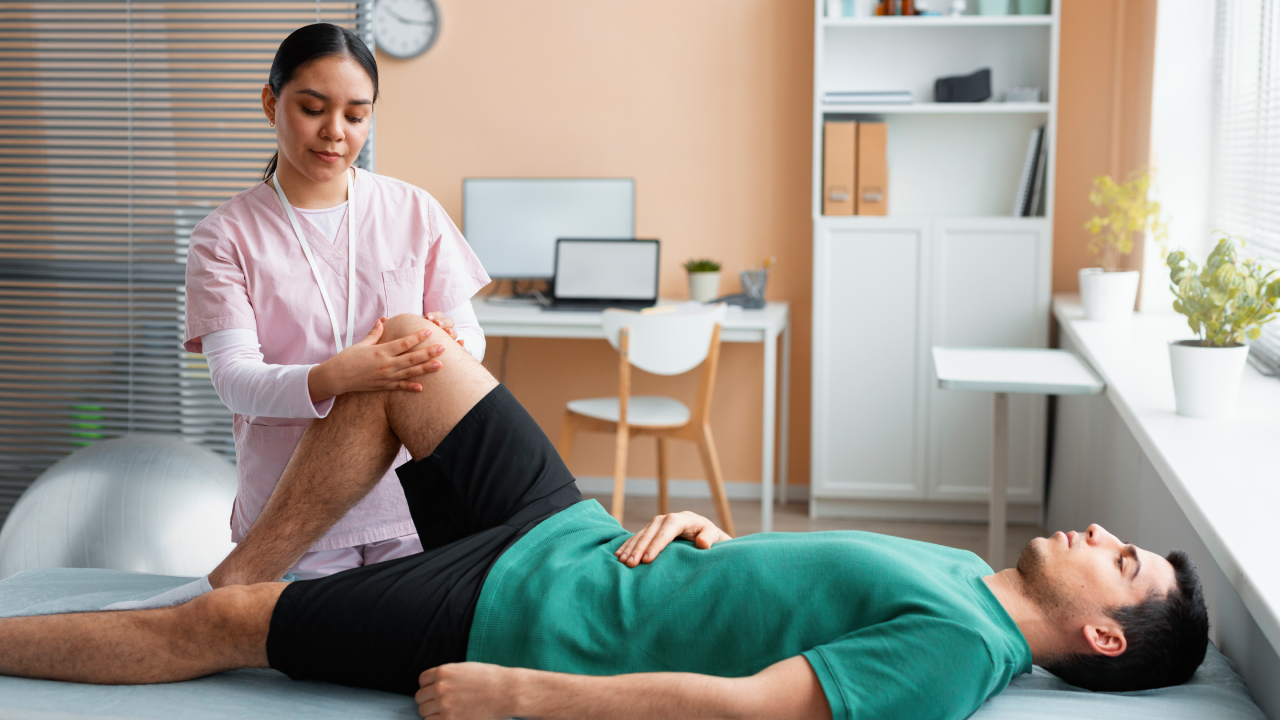
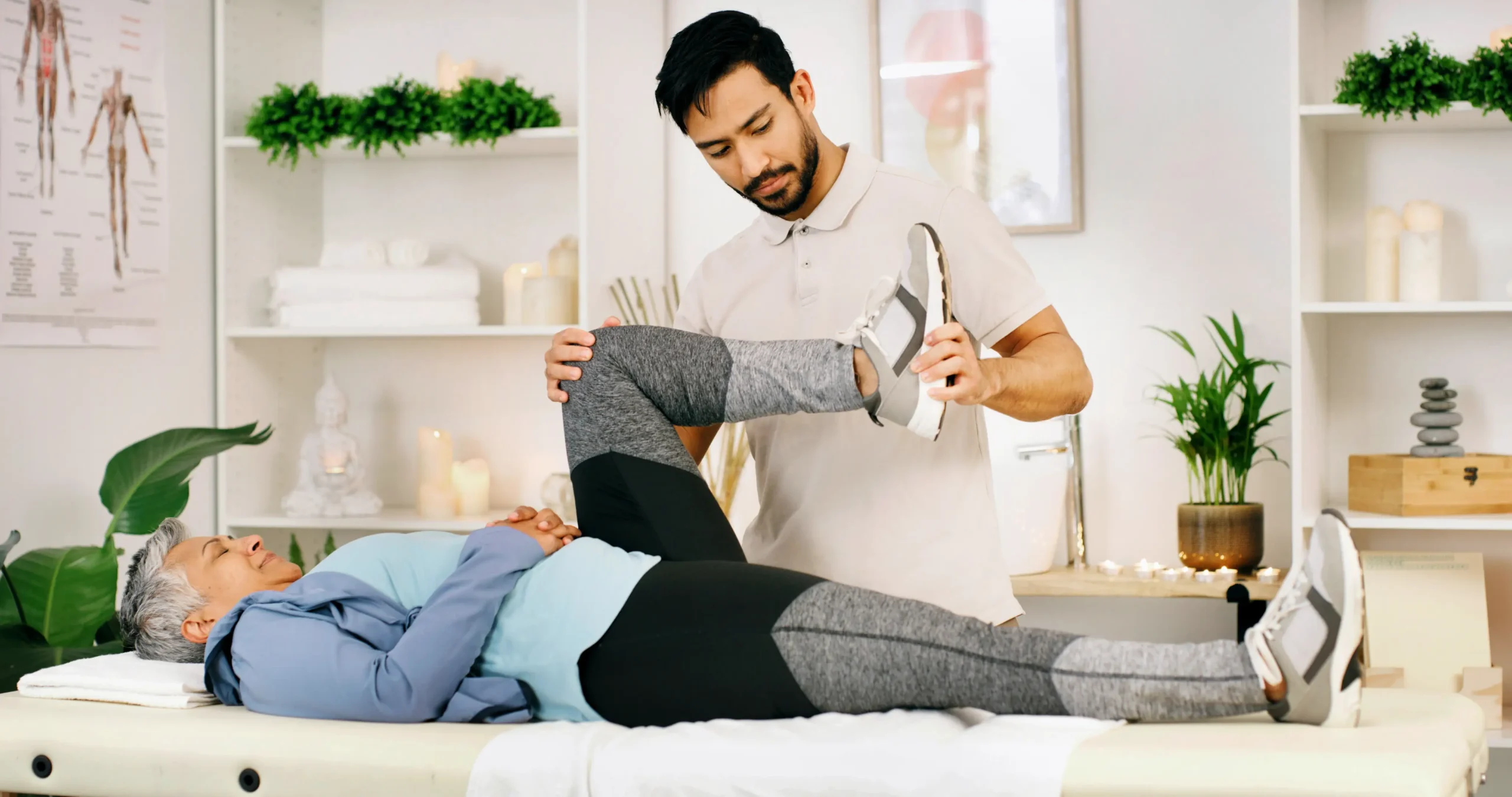
Based on the assessment findings, we can discuss suitable physiotherapy and rehabilitation options. Your plan may include therapeutic exercise, mobility work, manual therapy, movement education, activity modification, strengthening, and other clinically appropriate methods.
How the Process Works
1. Consultation
We begin by discussing your symptoms, concerns, daily activities, physical demands, and goals.
2. Assessment
Relevant areas may be examined, including the lower back, hip, knee, ankle, muscles, joints, strength, mobility, and movement patterns.
3. Planning
The assessment findings are used to establish a structured rehabilitation plan based on your current presentation and functional needs.
4. Treatment and Exercise
Sessions may include therapeutic exercises, mobility activities, manual therapy, strengthening, balance training, and movement-based rehabilitation.
5. Progress Review
Your response to care is monitored throughout the process. Exercises and activities may be adjusted as your function and activity tolerance change.
6. Ongoing Management
As your movement capacity changes, we can discuss strategies that support mobility, strength, physical activity, and participation in everyday tasks.
Potential Benefits of Addressing Leg Pain
An assessment can provide a clearer picture of factors that may be contributing to your symptoms. Depending on the underlying condition, rehabilitation may support:
- Improved movement
- Increased strength
- Greater flexibility
- Improved balance
- Increased tolerance for physical activity
- Fewer movement restrictions
- Improved walking capacity
- A structured return to exercise
- Greater confidence with everyday activities
Progress varies according to the underlying condition, severity, duration, activity demands, general health, and response to rehabilitation.
When Should You Seek Care?
Consider arranging an assessment if leg symptoms persist, return repeatedly, interfere with daily activities, or make exercise difficult.
Certain symptoms require prompt medical assessment rather than routine rehabilitation. Seek urgent medical attention for sudden severe swelling, unexplained swelling accompanied by warmth or redness, chest discomfort, difficulty breathing, sudden major weakness, or other symptoms that appear severe or unusual.
If you have a known medical condition or have recently sustained a significant injury, speak with a qualified healthcare provider about suitable care.
Who We Serve in Scarborough
Spinal Solution and Wellness works with people dealing with musculoskeletal concerns that affect movement, physical activity, work, and daily routines.
Our patients may include:
- Office workers
- Drivers
- Tradespeople
- Parents
- Older adults
- Recreational athletes
- Runners
- Gym participants
- People recovering from injuries
- Individuals returning to activity after periods of reduced movement
If you are looking for Leg Pain in Scarborough, ON, our clinic can assess your symptoms and discuss whether physiotherapy or rehabilitation may be suitable.
Frequently Asked Questions
What causes leg pain?
Common causes include muscle strains, tendon problems, joint conditions, nerve irritation, sports injuries, repetitive loading, and symptoms associated with the lower back. The cause varies from person to person.
Can leg pain come from the back?
Yes. Irritation involving structures in the lower back can sometimes produce symptoms that travel into the buttock and leg. An assessment can help determine whether the back is contributing.
How long does leg pain take to improve?
The timeframe varies from one condition to another. A minor strain may settle over a relatively short period, while persistent or recurring conditions may require a longer rehabilitation period. The underlying cause, severity, activity demands, and response to care can all affect progress.
Do I need physiotherapy for leg pain?
Not every case requires physiotherapy. An assessment can help determine whether physiotherapy is suitable or whether another form of healthcare assessment may be required.
Can I exercise with leg pain?
It depends on the cause and severity of your symptoms. Some conditions may respond to modified activity, while others may require temporary changes to physical loading. Avoiding all movement is not appropriate for every condition.
What should I bring to my appointment?
Bring relevant medical information, details about previous injuries, imaging reports if available, and information about activities that make your symptoms worse or easier to manage.
Can leg pain return after treatment?
Yes. Symptoms can return when contributing factors remain or when physical activity increases faster than the body can adapt. Rehabilitation may include strength, mobility, movement, and activity-management strategies to address these factors.
Service Areas
Spinal Solution and Wellness serves people searching for Leg Pain in Scarborough, ON, along with surrounding communities.
Our local service area may include:
- Agincourt
- Agincourt South-Malvern West
- Malvern
- Morningside
- West Hill
- Guildwood
- Wexford
- Bendale
- Dorset Park
- Clairlea
- Birch Cliff
- Scarborough Junction
- Port Union
- Don Mills
- East York
- Markham
Contact our clinic to confirm availability for your location and condition.
Why Choose Spinal Solution and Wellness?
At Spinal Solution and Wellness, our focus is on assessment, movement, rehabilitation, and practical strategies for musculoskeletal conditions.
For leg problems, we look beyond the location of the symptoms when appropriate. The assessment may consider the lower back, hip, knee, ankle, muscles, joints, strength, mobility, and movement patterns.
Care is based on assessment findings rather than relying on the same exercise or approach for every person. Your rehabilitation plan can be adjusted as your symptoms, movement, strength, and activity demands change.
Our goal is to help you make informed decisions about rehabilitation and participation in work, exercise, sport, and everyday activities.
Related Services
Depending on your symptoms, related rehabilitation services may include:
- Physiotherapy
- Sports injury rehabilitation
- Back pain rehabilitation
- Knee rehabilitation
- Hip rehabilitation
- Ankle rehabilitation
- Post-injury rehabilitation
- Exercise therapy
- Manual therapy
- Mobility training
- Strength and conditioning
Get Started
If leg symptoms are interfering with walking, exercise, work, sleep, or everyday activities, an assessment can help identify possible contributing factors.
For people searching for Leg Pain in Scarborough, ON, Spinal Solution and Wellness provides assessment and rehabilitation services for a range of musculoskeletal conditions.
Phone: +1 416-307-1076
Address: 5995 Steeles Ave E, Scarborough, ON M1V 5P6, Canada
Contact Spinal Solution and Wellness to discuss your symptoms and arrange an appointment in Scarborough, ON.