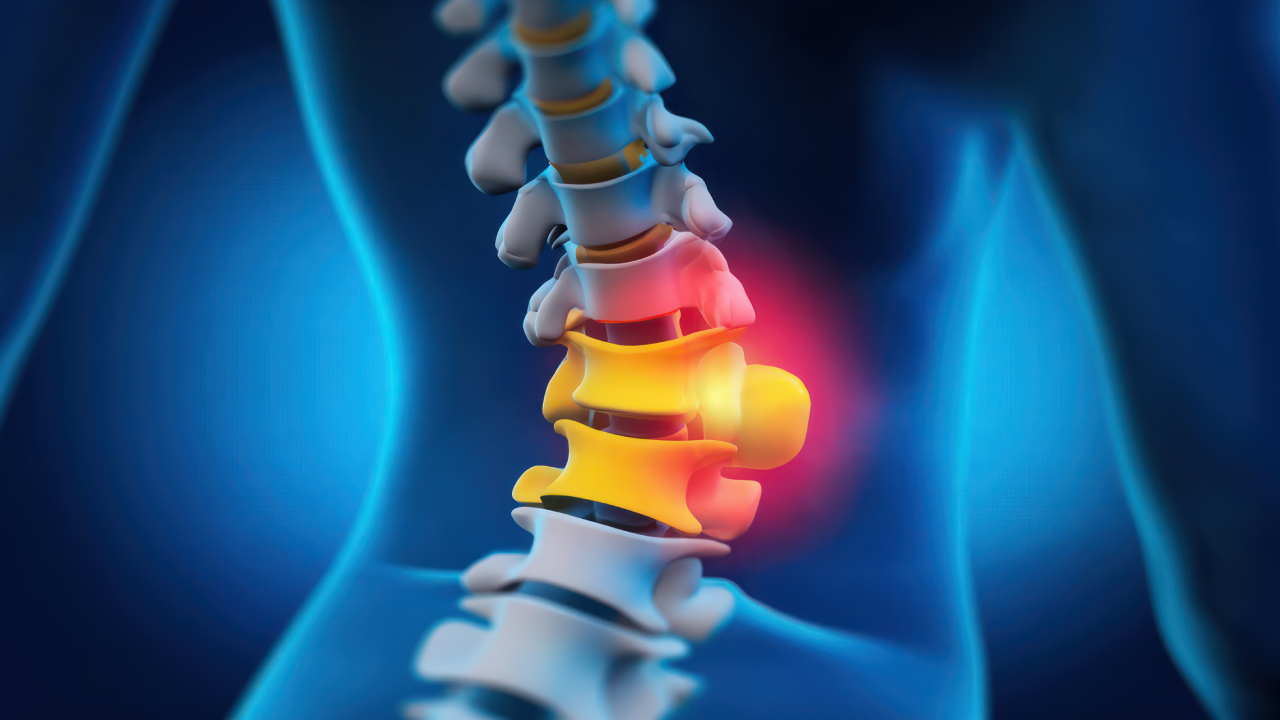


Degenerative Disc Disease in Scarborough, ON
Degenerative disc disease describes changes that may develop in the spinal discs as a person ages or after repeated physical stress, strain, or injury. The discs are positioned between the vertebrae and help absorb forces generated by everyday movement. Changes in disc height, flexibility, or water content may be associated with neck or back discomfort, stiffness, and movement limitations.
At Spinal Solution and wellness, physiotherapy care for degenerative disc disease begins with an assessment of symptoms, spinal movement, physical function, and daily activities. Depending on your presentation, care may involve therapeutic exercises, mobility activities, hands-on physiotherapy techniques, education, and adjustments to everyday activities.
If you are looking for Degenerative Disc Disease in Scarborough, ON, Spinal Solution and wellness can assess your symptoms and help determine suitable physiotherapy care based on your functional needs.
What Is Degenerative Disc Disease?
Degenerative disc disease is a term used for changes that may occur within the spinal discs over time. These changes are often associated with aging, repeated loading, physical stress, or previous injury. Despite the term “disease,” disc changes do not necessarily mean that the spine is rapidly deteriorating.
Each spinal disc contains a softer inner area surrounded by a stronger outer layer. Together, the discs help separate the vertebrae, allow spinal movement, and absorb some of the forces placed on the spine.
As the body ages, spinal discs may gradually lose water content and flexibility. Disc height can change, and small structural changes may develop. Some people have these findings without noticeable symptoms, while others may experience discomfort or difficulty with certain movements.
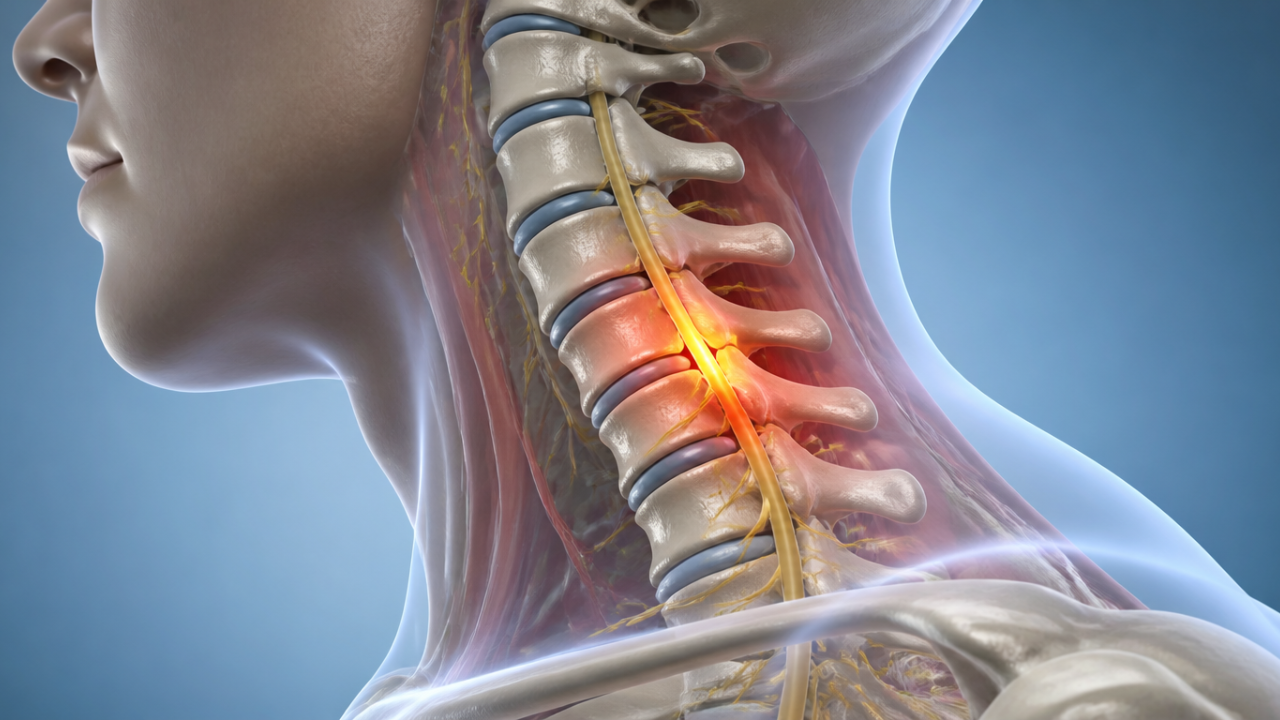
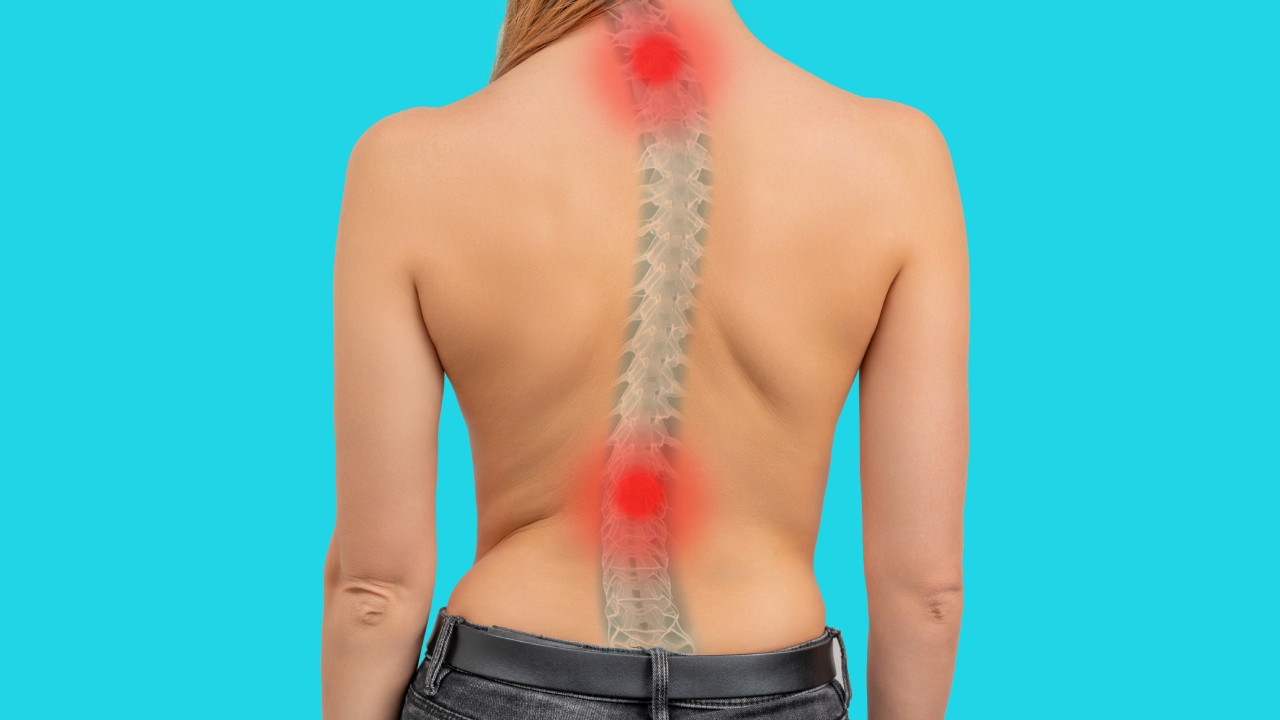
Degenerative changes can affect different regions of the spine, including:
- Cervical spine: The neck region
- Thoracic spine: The middle portion of the back
- Lumbar spine: The lower back
Symptoms can differ according to the affected region and other contributing factors. Some people experience localized aching or stiffness, while others may notice symptoms travelling toward the buttocks, arms, or legs.
A physiotherapy assessment can help determine whether disc-related changes may be contributing to your symptoms or whether other factors should also be considered.
Who May Benefit from Physiotherapy Care?
Physiotherapy may be suitable for adults experiencing symptoms associated with spinal disc changes, especially when those symptoms interfere with movement, work, exercise, or everyday tasks.
An assessment may be worth considering if you experience:
- Recurrent lower back discomfort
- Neck stiffness or discomfort
- Difficulty remaining seated for long periods
- Symptoms during bending or lifting
- Limited spinal movement
- Increased symptoms after particular activities
- Reduced ability to exercise or participate in hobbies
- Symptoms that travel into an arm or leg
For instance, someone who works at a desk for several hours each day may notice increasing back stiffness after prolonged sitting. Someone involved in physical work may notice symptoms while lifting, carrying, bending, or changing positions.
Spinal symptoms do not always originate from disc changes alone. A clinical assessment can help identify the factors that may be affecting your movement and function.
Common Problems Associated with Degenerative Disc Changes
Disc-related changes may occur alongside several physical and functional concerns. These can include:
- Back or neck discomfort
- Stiffness after waking or during activity
- Limited spinal mobility
- Difficulty sitting or standing for extended periods
- Symptoms when bending or lifting
- Reduced exercise participation
- Difficulty with workplace or household tasks
- Symptoms extending toward the arms or legs
- Changes in posture or movement habits
Symptoms can vary considerably from one person to another. Imaging findings may also exist without symptoms, and the appearance of a disc on an X-ray or MRI does not always correspond directly with how a person feels.
For this reason, physiotherapy assessment considers both physical findings and the effect symptoms have on your daily routine.
Physiotherapy Services for Degenerative Disc Disease
Physiotherapy Assessment
Your initial appointment may include a discussion of your symptoms, medical history, work activities, exercise habits, movement limitations, and daily requirements.
The physiotherapist may examine spinal mobility, strength, flexibility, functional movement, and symptom behaviour.
What this involves:
- Review of your current symptoms
- Physical movement assessment
- Functional testing where appropriate
- Discussion of work and activity demands
- Identification of factors that may contribute to your symptoms
The findings can then be used to determine suitable physiotherapy options.
Therapeutic Exercise
Exercise can be incorporated to address strength, mobility, endurance, coordination, and overall movement capacity.
Depending on your assessment, exercises may involve the spine, hips, abdominal and trunk muscles, or other areas that influence movement.
The exercises may be progressed or modified according to your response and functional requirements.
Mobility Exercises
Reduced spinal or surrounding joint movement may make certain daily activities more difficult.
Mobility exercises can be used when appropriate to encourage comfortable movement through suitable ranges. These activities may focus on the spine, hips, shoulders, or other relevant areas.
Manual Physiotherapy Techniques
Hands-on techniques may form part of physiotherapy care when appropriate for your presentation.
They may be combined with active movement and exercise rather than being used as the only component of care.
Activity Modification
Some movements or activities may temporarily increase symptoms. Your physiotherapist can discuss practical ways to adjust how you perform certain tasks.
This may involve modifications for:
- Workplace activities
- Lifting
- Bending
- Exercise
- Household chores
- Sitting
- Standing
- Recreational activities
The goal is to help you remain appropriately active while taking your current symptoms and physical capacity into account.
Home Exercise Program
Exercises may be recommended for completion between clinic appointments.
A home routine can encourage regular movement and allow you to continue working on mobility, strength, and physical capacity outside scheduled sessions.
Progress Reviews
Your symptoms, movement, activity tolerance, and functional abilities can be reviewed throughout physiotherapy care.
Based on your response, exercises and activity recommendations may be changed, progressed, or scaled back as needed.
How Physiotherapy Care for Degenerative Disc Disease Works
1. Initial Consultation
The process begins with a conversation about your symptoms, medical history, work requirements, physical activities, daily routine, and concerns.
2. Physical Assessment
The physiotherapist assesses relevant areas such as spinal movement, strength, flexibility, functional movement, and the way symptoms respond to different activities.
If your presentation indicates that medical assessment is required, you may be advised to consult an appropriate healthcare professional.
3. Care Planning
After the assessment, your physiotherapist explains the findings and discusses suitable care options.
Depending on your needs, this may involve therapeutic exercise, mobility activities, manual techniques, education, and activity adjustments.
4. Active Care
You may participate in clinic-based physiotherapy sessions and exercises that can be completed at home.
The program focuses on gradually developing movement and functional capacity within appropriate limits.
5. Progress Monitoring
Your response to physiotherapy is reviewed throughout the process. Exercises and activity recommendations can be adjusted according to changes in symptoms, strength, mobility, and daily function.
6. Continued Management
As your physical abilities and activity requirements change, your physiotherapy plan can be reviewed. This can help you maintain regular movement and manage recurring spinal symptoms.
Potential Benefits of Physiotherapy
Physiotherapy may address a range of physical and functional concerns associated with spinal disc changes.
Potential areas that may improve include:
- Confidence with everyday movement
- Spinal mobility
- Strength and physical capacity
- Tolerance for daily activities
- Movement during bending and lifting
- Participation in exercise
- Strategies for handling recurring symptoms
- Awareness of activities that influence symptoms
Individual responses vary. Physiotherapy decisions should take into account your symptoms, assessment findings, health history, physical capacity, and daily activities.
Who May Seek Care?
Degenerative disc changes and related spinal symptoms can occur among people with different occupations, ages, and activity levels.
Office Workers
Sitting for extended periods may contribute to stiffness or discomfort for some individuals. Physiotherapy can address movement habits, mobility, strength, and workplace activities.
Physically Active Adults
Exercise and recreational activities can place repeated demands on the spine. Physiotherapy may focus on movement capacity, strength, conditioning, and gradual progression toward preferred activities.
Manual Workers
Jobs involving lifting, carrying, bending, reaching, and repetitive movements can place substantial demands on the back. Physiotherapy may address physical capacity and movement strategies related to workplace tasks.
Older Adults
Age-related changes within the spine are common. Physiotherapy may focus on maintaining mobility, strength, balance, and participation in everyday activities.
People With Recurring Back or Neck Symptoms
When recurring symptoms interfere with work, exercise, sleep, household tasks, or recreational activities, a physiotherapy assessment can help identify contributing factors and appropriate management options.
Frequently Asked Questions
What does degenerative disc disease mean?
Degenerative disc disease refers to changes that may develop within spinal discs, commonly associated with aging and repeated mechanical stress. These changes can occur with or without symptoms.
What symptoms can occur?
Possible symptoms include neck or back discomfort, stiffness, restricted movement, and difficulty with activities such as sitting, bending, lifting, or exercising. Some people may also experience symptoms extending toward an arm or leg.
Can physiotherapy help with degenerative disc disease?
Physiotherapy can address movement restrictions, strength limitations, activity tolerance, and functional difficulties associated with spinal symptoms. The appropriate approach depends on your clinical assessment.
Does everyone need an MRI or X-ray?
No. Imaging is not necessary for every person with back or neck symptoms. A healthcare professional can determine whether imaging is appropriate based on your symptoms, history, physical findings, and other relevant factors.
Can disc degeneration be reversed?
Structural changes within spinal discs are generally not described as something that can simply be reversed. However, physical function and symptoms may be managed through exercise, activity adjustments, education, and other forms of care.
Do I need to stop exercising?
Not necessarily. Many people can remain physically active within appropriate limits. Exercise selection, intensity, and volume should take your symptoms and physical capacity into account.
How many physiotherapy sessions might I need?
The number of appointments varies from person to person. Factors may include how long symptoms have been present, physical findings, work and activity requirements, response to care, and individual goals.
When should I seek medical attention?
Prompt medical assessment is important if back or neck symptoms occur alongside significant weakness, loss of bladder or bowel control, numbness around the groin or inner thighs, fever, unexplained weight loss, major trauma, or other concerning symptoms.
Service Areas
Spinal Solution and wellness provide physiotherapy care in Scarborough, ON, for people dealing with spinal, movement, and musculoskeletal concerns.
The clinic serves clients from Scarborough and surrounding communities, including:
- Agincourt
- Agincourt South-Malvern West
- Malvern
- Morningside
- West Hill
- Guildwood
- Wexford
- Bendale
- Dorset Park
- Clairlea
- Birch Cliff
- Scarborough Junction
- Port Union
- Don Mills
- East York
- Markham
If you are searching for Degenerative Disc Disease in Scarborough, ON, a physiotherapy assessment can be a useful starting point for identifying factors contributing to your symptoms and discussing suitable care options.
Why Choose Spinal Solution and wellness?
Spinal Solution and wellness provide physiotherapy care for people dealing with spinal and musculoskeletal concerns in Scarborough and surrounding communities.
Every person may present differently, even when they have similar disc-related findings. Assessment allows the physiotherapist to consider symptoms, movement patterns, physical capacity, work demands, and everyday activities when discussing care.
Physiotherapy may include:
- Physiotherapy assessment
- Therapeutic exercise
- Mobility activities
- Manual physiotherapy techniques
- Activity modification
- Home exercise recommendations
- Progress reviews
- Education about movement and activity
Care decisions are based on your clinical presentation and how you respond during the physiotherapy process.
Related Services
Depending on your symptoms and assessment findings, related services may include:
- Back Pain Physiotherapy
- Neck Pain Physiotherapy
- Sciatica Physiotherapy
- Posture and Movement Assessment
- Sports Physiotherapy
- Exercise Therapy
- Mobility Training
- Injury Rehabilitation
Your physiotherapist can discuss which services may be appropriate based on your assessment and functional needs.
Get Started
If back or neck symptoms associated with degenerative disc changes are affecting your work, exercise, mobility, or everyday activities, you can arrange a physiotherapy assessment with Spinal Solution and wellness.
During your appointment, you can discuss your symptoms, physical activities, concerns, and functional limitations. Our physiotherapist can assess your presentation and explain suitable care options.
Address: 5995 Steeles Ave E, Scarborough, ON M1V 5P6, Canada
Phone: +1 416-307-1076
Looking for Degenerative Disc Disease in Scarborough, ON? Contact Spinal Solution and wellness to arrange a physiotherapy assessment and discuss your next steps.