

Foot Pain in Scarborough, ON
Foot pain can make everyday movement challenging. Walking, standing at work, climbing stairs, exercising, or taking the first steps after getting out of bed may become uncomfortable when the feet are not functioning well.
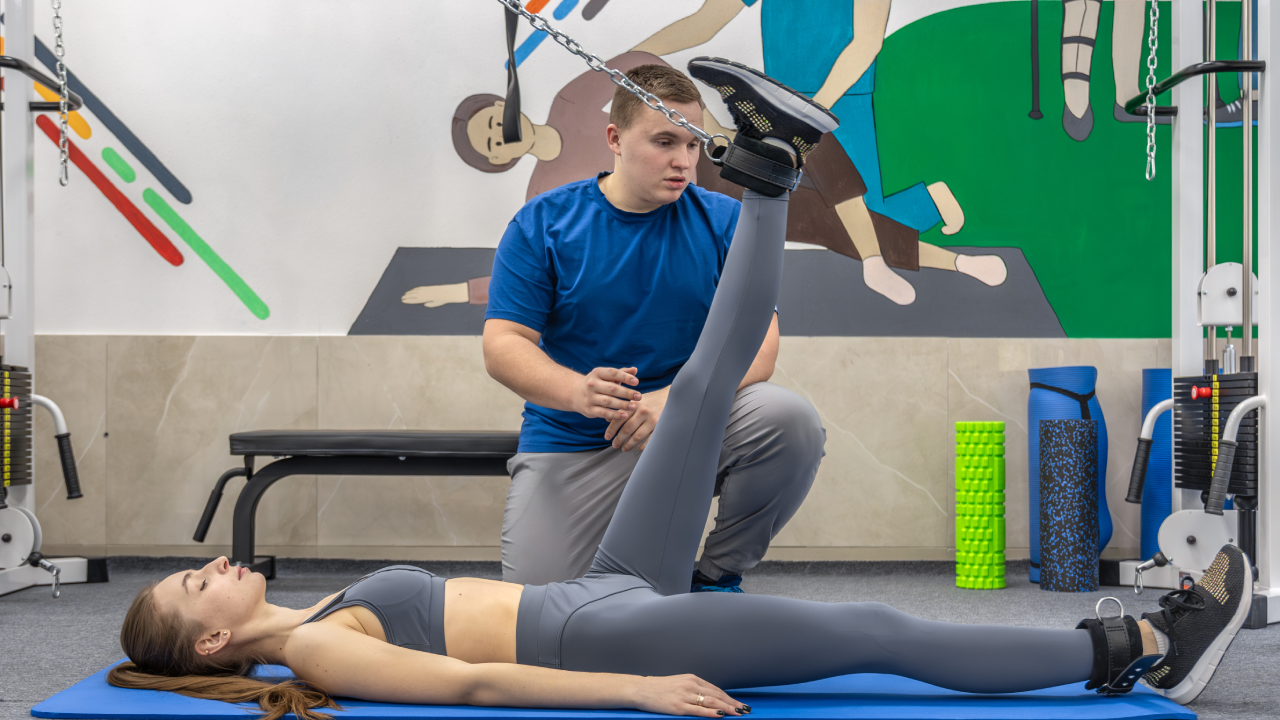
At Spinal Solution and wellness, we assess foot-related symptoms, examine movement patterns, and develop a physiotherapy plan based on your condition, activity level, work requirements, and everyday routine.
If you are searching for Foot Pain in Scarborough, ON, our clinic provides physiotherapy assessment and rehabilitation for a variety of foot, ankle, and lower-limb concerns. We look at more than the area where symptoms are felt and consider factors such as strength, flexibility, footwear, walking mechanics, exercise habits, previous injuries, and activity levels.
What Is Foot Pain?
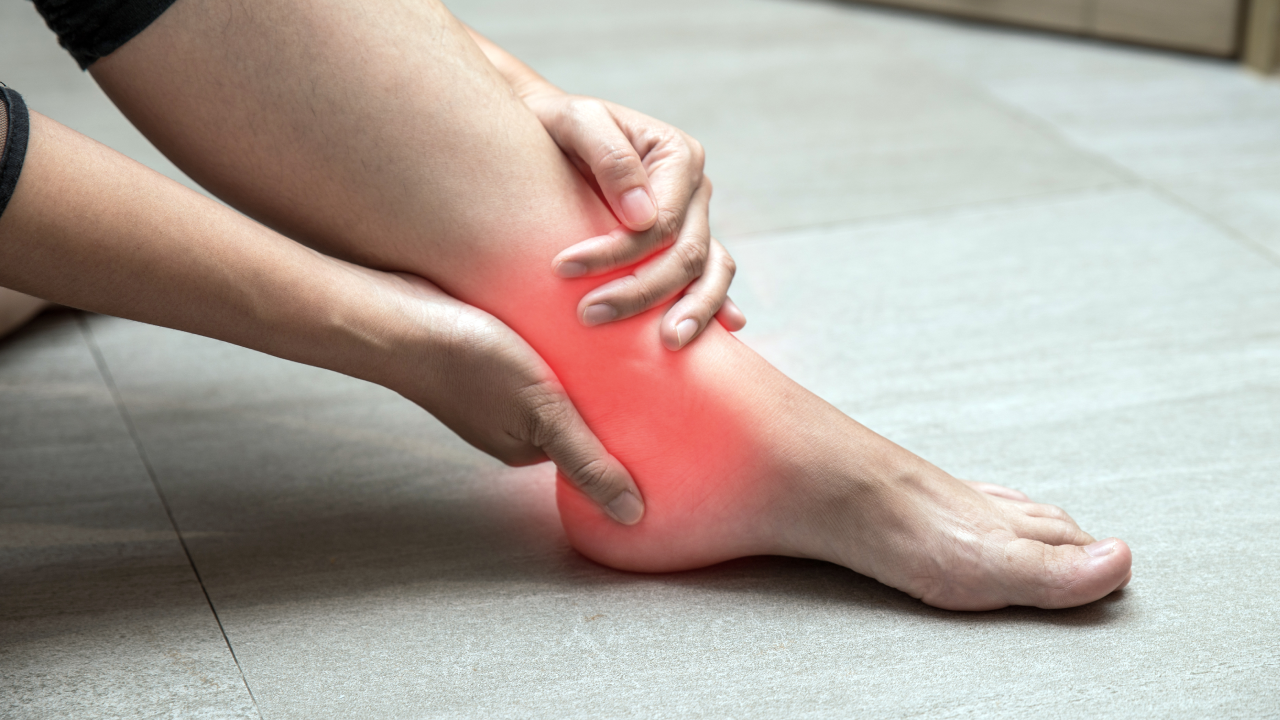
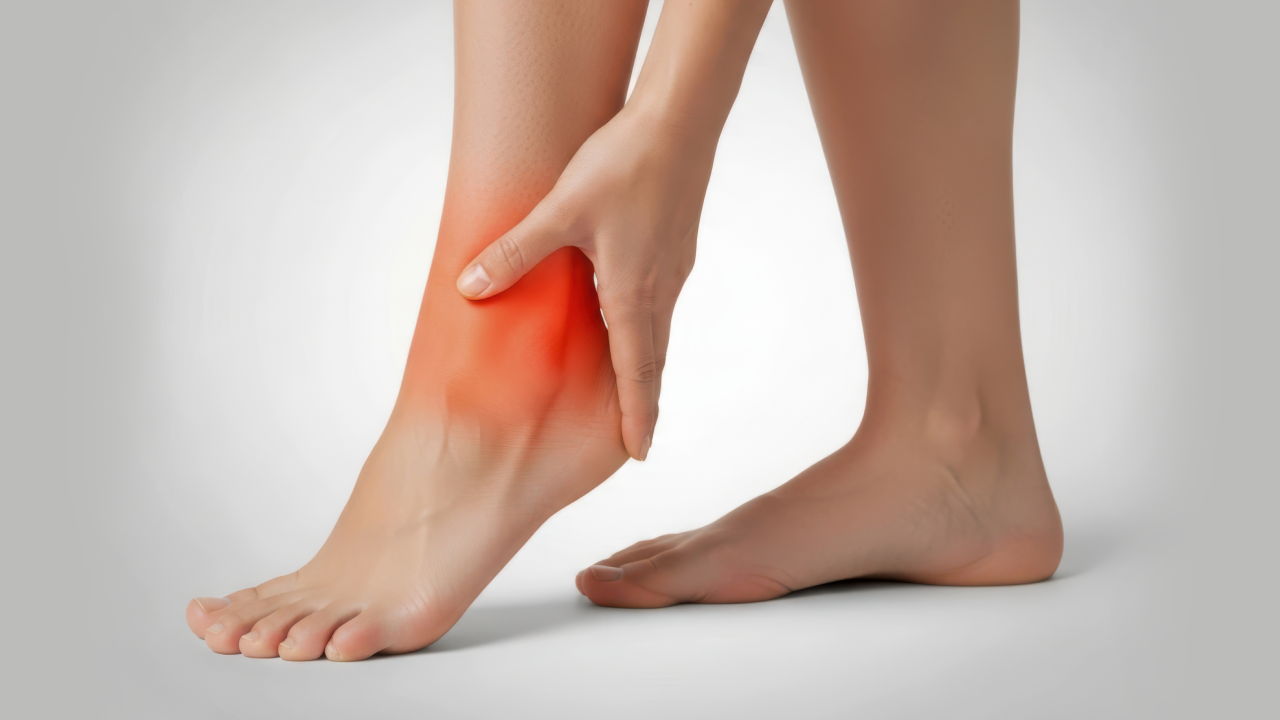
Foot pain describes discomfort affecting one or more areas of the foot, including the heel, arch, toes, sole, or upper surface. Symptoms may develop suddenly following an injury or gradually because of repeated loading and movement.
Some people notice symptoms while walking or running, while others experience discomfort after sitting for a period of time, during their first steps in the morning, or after spending several hours standing.
Foot symptoms can have many possible causes. Common examples include plantar fasciitis, Achilles tendon concerns, ankle sprains, stress-related injuries, bunions, flat feet, metatarsalgia, heel problems, and activity-related conditions.
A physiotherapy assessment can help identify the structures and movement factors that may be contributing to your symptoms. It can also examine whether movement at the ankle, knee, hip, or other areas of the lower limb may be affecting foot mechanics.
Common Signs of Foot Problems
Foot-related symptoms can vary depending on the underlying condition. Common signs may include:
- Heel discomfort during the first steps after waking
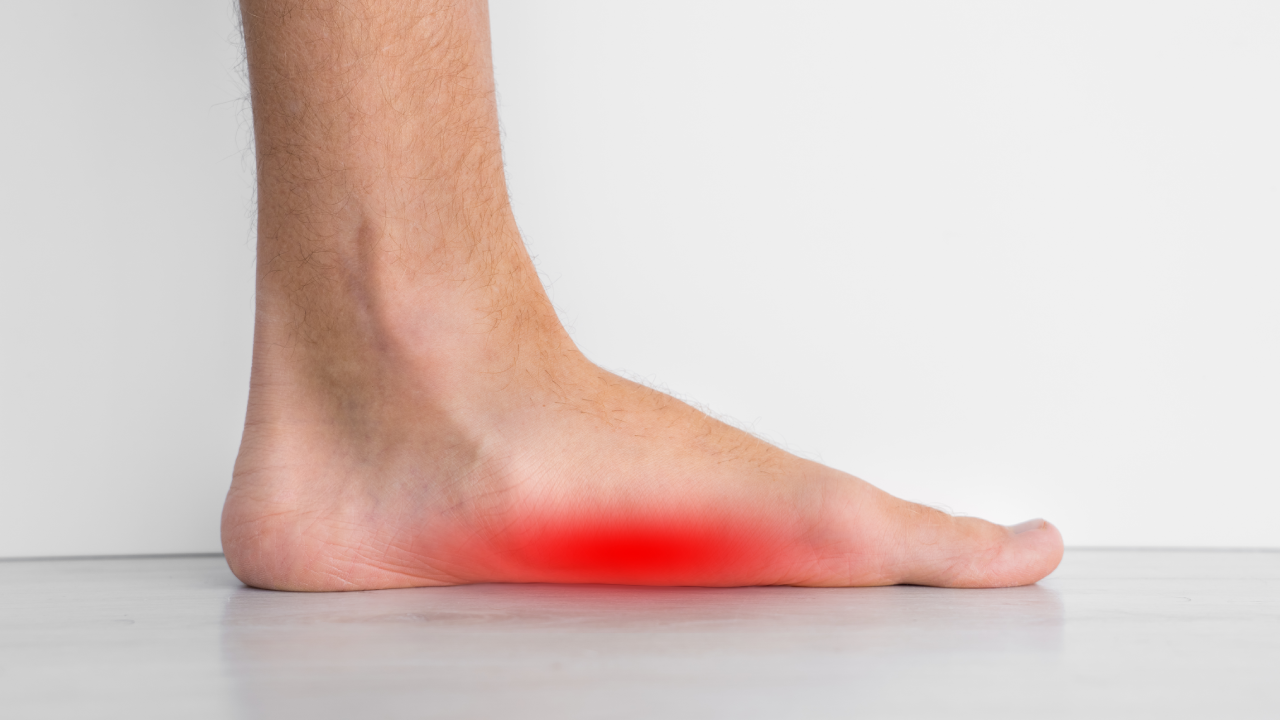
- Aching beneath the arch
- Discomfort around the ball of the foot
- Tenderness near the toes
- Swelling following activity
- Symptoms during running or jumping
- Stiffness after sitting or resting
- Increased discomfort after prolonged standing
- Limited ankle movement
- Changes in walking or running patterns
- Difficulty wearing particular shoes
- Reduced ability to participate in recreational activities
Symptoms that persist, worsen, or interfere with walking and daily routines may warrant a physiotherapy assessment.
Who May Benefit from Foot Physiotherapy?
Foot problems can affect people across different age groups and activity levels. Physiotherapy may be worth considering when foot symptoms begin interfering with work, exercise, recreation, household tasks, or regular movement.
Active Adults
Running, gym sessions, hiking, court sports, and other activities place repeated demands on the feet and ankles. Increasing training volume quickly or changing footwear may also contribute to symptoms.
People Who Stand at Work
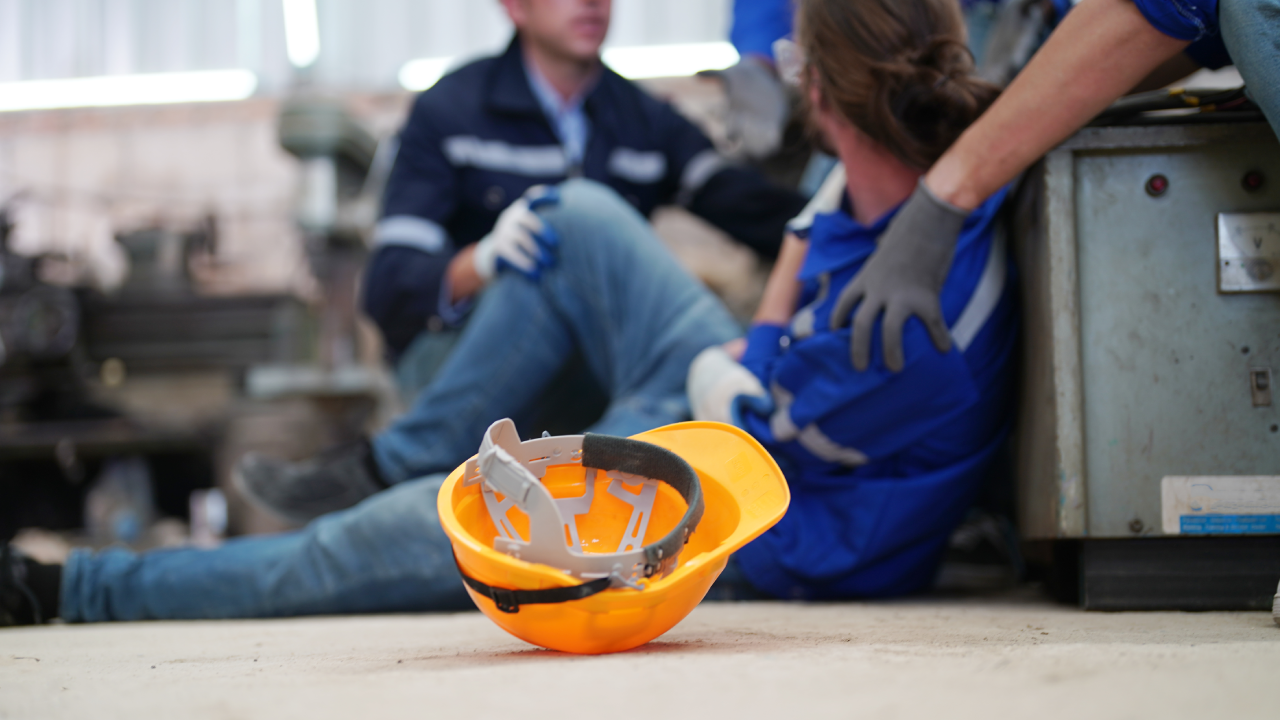
Retail staff, healthcare workers, hospitality employees, warehouse workers, and others who remain on their feet for extended periods may develop foot discomfort from repeated loading.
Runners and Athletes
Running and sports involve impact, acceleration, stopping, jumping, and changes of direction. Foot and ankle symptoms may develop when activity demands increase faster than the body can adapt.
Older Adults
Changes in muscle strength, flexibility, balance, footwear, and walking patterns can influence foot function. Physiotherapy can assess these factors alongside everyday movement requirements.
People Recovering from an Injury
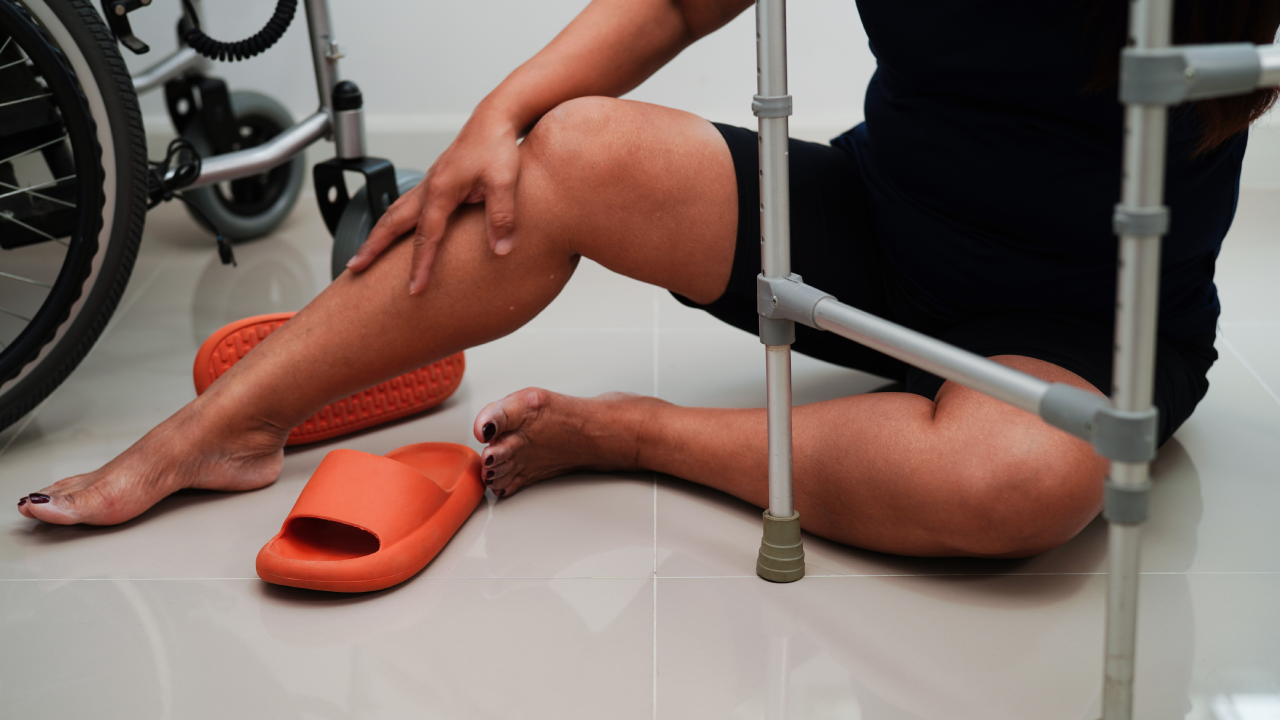
An ankle sprain, fracture, surgical procedure, or another lower-limb injury can change walking mechanics. Rehabilitation can address mobility, strength, balance, and movement limitations during recovery.
Foot Conditions We Assess
At Spinal Solution and wellness, Foot Pain in Scarborough, ON, may be associated with many different conditions. An assessment can help determine whether physiotherapy is appropriate and identify contributing factors.
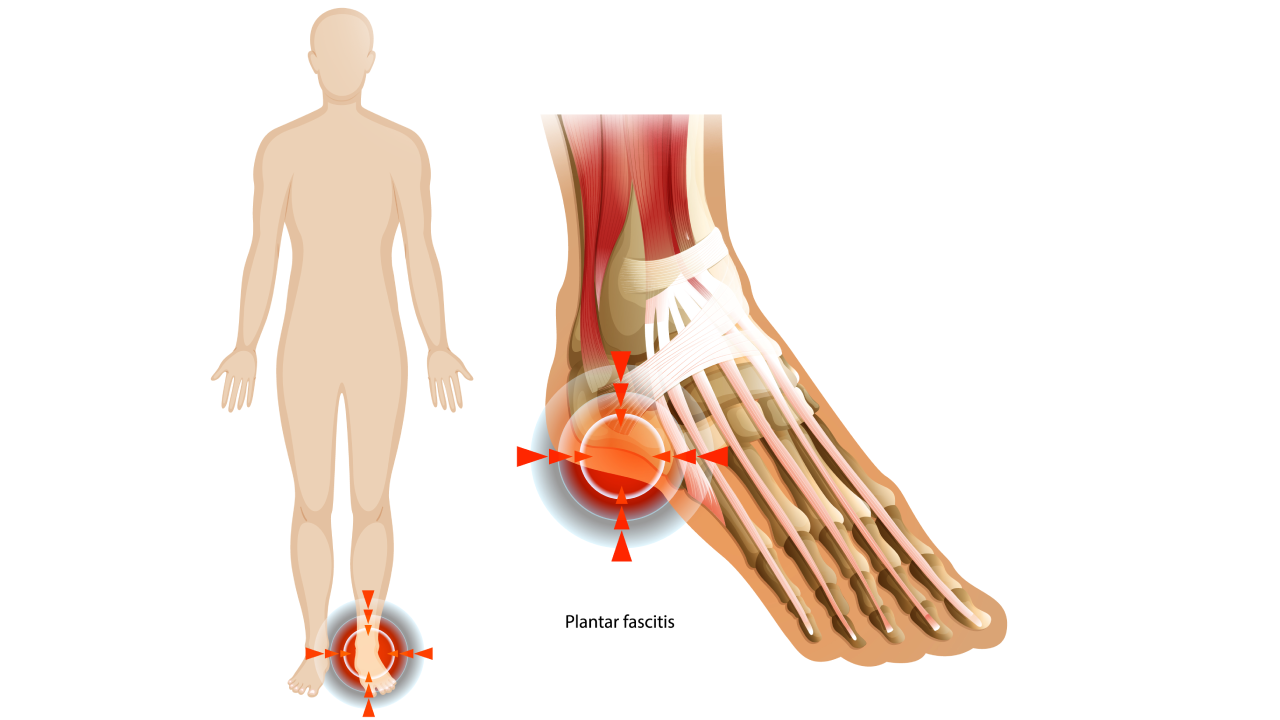
Plantar Fasciitis
Plantar fasciitis often causes discomfort beneath the heel or along the sole. A common pattern involves increased symptoms during the first few steps after sleeping or sitting.
Physiotherapy may include mobility exercises, strengthening, activity adjustments, education, and gradual loading.
Heel Pain
Heel discomfort can have several possible causes, including plantar fascia irritation, Achilles tendon problems, stress-related injuries, and changes in walking mechanics. Identifying possible contributing factors is important when selecting rehabilitation methods.
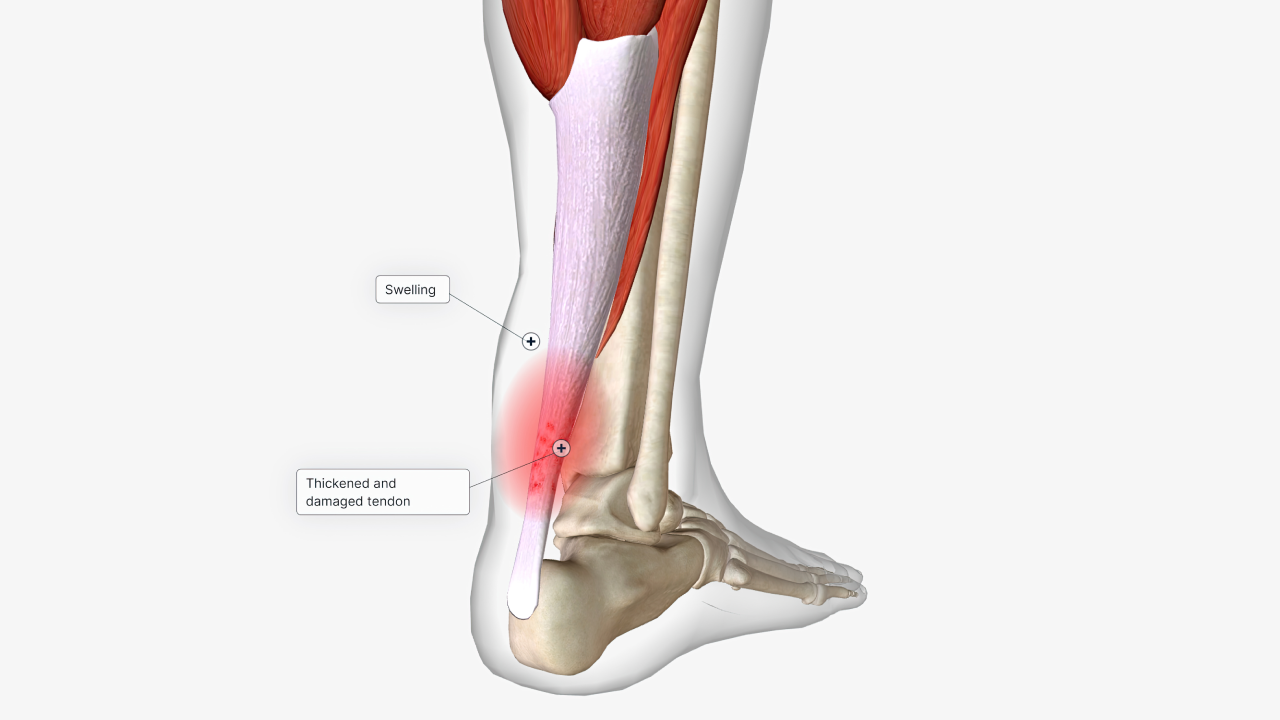
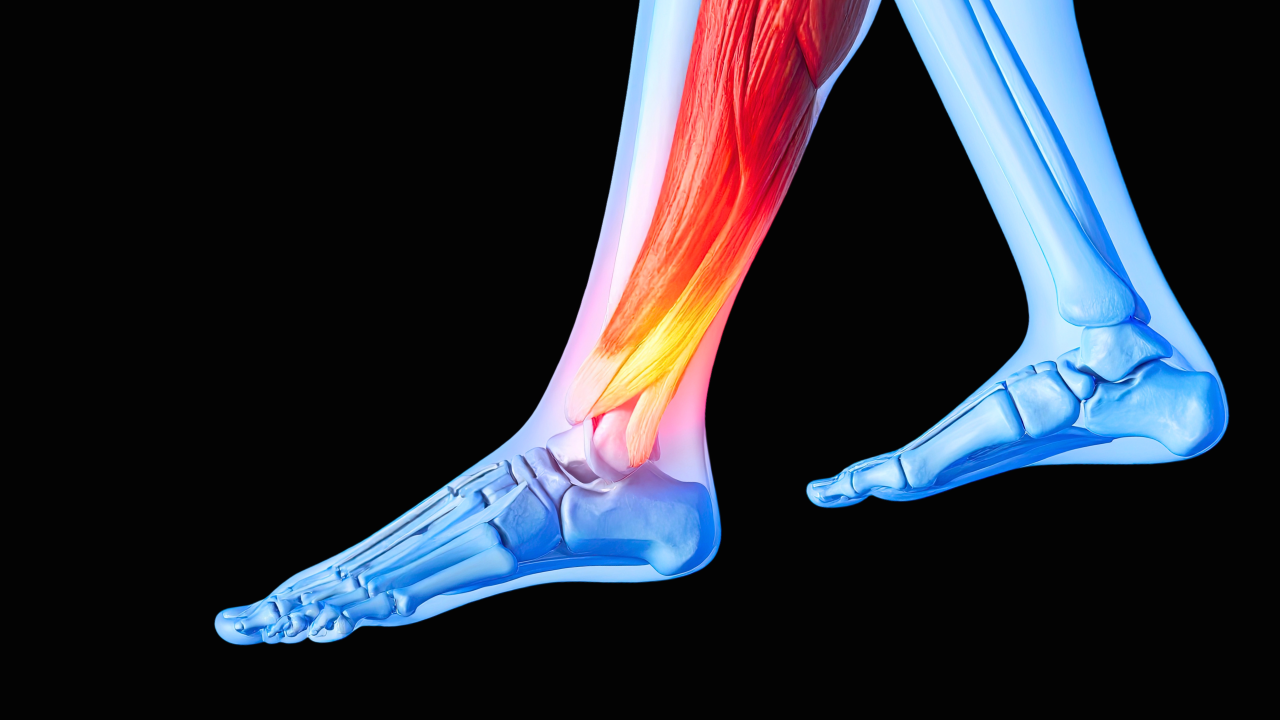
Achilles Tendon Problems
The Achilles tendon connects the calf muscles with the heel bone. Repeated loading from running, jumping, or other activities can contribute to tendon-related symptoms.
Rehabilitation may include progressive calf strengthening, movement work, and adjustments to activity levels.
Flat Feet
Flat feet can be a normal structural feature. However, some people may develop symptoms when activity demands, muscle capacity, or foot mechanics change.
Assessment can examine how the feet and ankles interact with the knees, hips, and surrounding muscles during movement.
Metatarsalgia
Metatarsalgia refers to discomfort around the ball of the foot. Repeated impact, footwear, increased activity, or altered pressure distribution during walking may contribute to symptoms.
Bunions
A bunion involves a change in the position of the big toe and the joint at its base. Physiotherapy may address mobility, strength, footwear considerations, and activity strategies where appropriate.
Ankle Sprains
An ankle sprain can affect walking, balance, strength, and confidence during movement. Rehabilitation may include mobility exercises, balance activities, strengthening, and gradual progression toward normal activities.
Foot and Ankle Stiffness
Limited movement around the foot or ankle can influence walking mechanics and force distribution through the lower limb. Mobility exercises and movement retraining may form part of rehabilitation.
Activity-Related Foot Symptoms
Repeated activity without sufficient adaptation can contribute to foot symptoms. This may occur after increasing running distance, starting a new exercise routine, changing sports, or spending more time standing.
Key Features of Our Foot Physiotherapy Care
Physical Assessment
Our physiotherapy assessment examines the affected area along with related movement patterns. Depending on your presentation, this may include walking mechanics, ankle mobility, muscle strength, balance, joint movement, and functional tasks.
Exercise-Based Rehabilitation
Exercises may help develop strength, mobility, balance, coordination, and tolerance for everyday activities.
Manual Therapy
Where appropriate, hands-on treatment may be incorporated alongside exercise to address joint or soft-tissue mobility.
Activity Modification
Complete rest is not always necessary. Depending on the condition, we can discuss ways to adjust training, work duties, walking volume, or other activities while your body adapts.
Return-to-Activity Planning
For active individuals, rehabilitation can progress from basic movement toward the demands of running, sports, work, fitness, and recreation.
Home Exercise Planning
Exercises may be recommended between appointments to support the work completed during clinic visits and build physical capacity over time.
How the Foot Physiotherapy Process Works
1. Consultation
We begin by discussing your symptoms, when they began, activities that increase or decrease them, previous injuries, work requirements, exercise habits, and current goals.
2. Assessment
A physiotherapist examines relevant movement, strength, flexibility, balance, and functional patterns. These findings help identify factors that may be contributing to your foot symptoms.
3. Rehabilitation Planning
Based on the assessment, we establish a rehabilitation plan suited to your condition and daily routine. The plan can be adjusted as your movement and activity tolerance change.
4. Treatment and Exercise
Depending on your presentation, sessions may include therapeutic exercise, manual therapy, movement education, activity modification, and other physiotherapy methods.
5. Progress Review
Your response to rehabilitation is reviewed during follow-up appointments. Exercises, activity levels, and movement goals can be adjusted according to your progress.
6. Continued Activity Support
As your physical capacity changes, rehabilitation can focus on maintaining strength, mobility, balance, and tolerance for the activities that are important to your daily life.
Potential Benefits of Physiotherapy for Foot Problems
Physiotherapy may provide practical support when managing foot and lower-limb conditions.
- Identifies movement and strength factors associated with symptoms
- Supports a gradual return to walking, work, exercise, or sport
- Develops strength in the foot, ankle, and lower limb
- Addresses mobility limitations
- Works on balance and movement control
- Provides strategies for managing activity levels
- Helps minimize unnecessary interruptions to daily routines
- Supports progression following an injury
- Teaches strategies for managing recurring foot symptoms
Results can vary according to the underlying condition, symptom severity, activity requirements, and participation in the rehabilitation plan.
People We Serve
Spinal Solution and wellness provide physiotherapy care for people with foot and lower-limb concerns throughout Scarborough and nearby communities.
Our services may be suitable for:
- Office workers
- Retail employees
- Healthcare workers
- Construction workers
- Warehouse employees
- Runners
- Recreational athletes
- Gym participants
- Older adults
- Students
- Active families
- People returning to activities following an injury
We also assess foot symptoms that may occur alongside broader lower-limb movement concerns.
Frequently Asked Questions
What can cause foot pain?
Foot symptoms may develop from injuries, repeated loading, tendon problems, plantar fascia irritation, activity changes, footwear, muscle weakness, limited mobility, or altered movement patterns. Several factors may contribute at the same time.
When should I see a physiotherapist for foot pain?
An assessment may be appropriate when symptoms persist, interfere with walking or daily activities, return repeatedly, or make work and exercise difficult.
Can physiotherapy help with plantar fasciitis?
Physiotherapy may include exercise, mobility work, activity modification, education, and gradual loading strategies for people with plantar fascia-related symptoms.
How long can foot rehabilitation take?
The timeframe varies according to the condition and its severity. A minor activity-related problem may require a shorter rehabilitation period, while a significant injury or persistent condition may take longer.
Do all foot problems require imaging?
No. Imaging is not required for every foot condition. A physiotherapy assessment can help determine whether further medical evaluation or diagnostic testing may be appropriate.
Can I keep exercising if my foot hurts?
This depends on the cause and severity of the symptoms. In some cases, activities can be modified rather than stopped completely. A physiotherapist can discuss suitable activity levels based on your assessment.
Can footwear contribute to foot symptoms?
Yes. Footwear can affect pressure, comfort, support, and movement. Footwear factors can be considered alongside other contributors during a physiotherapy assessment.
Can foot problems affect the knee or hip?
Changes in walking or running mechanics can influence how forces move through the ankle, knee, and hip. A lower-limb assessment can examine these connected movement patterns.
Service Areas
Spinal Solution and wellness provide physiotherapy care for people searching for Foot Pain in Scarborough, ON, and surrounding communities.
Our service area includes:
- Agincourt
- Agincourt South-Malvern West
- Malvern
- Morningside
- West Hill
- Guildwood
- Wexford
- Bendale
- Dorset Park
- Clairlea
- Birch Cliff
- Scarborough Junction
- Port Union
- Don Mills
- East York
- Markham
Why Choose Spinal Solution and wellness?
Selecting a physiotherapy clinic involves finding a team that can assess your condition, explain the findings clearly, and structure rehabilitation around your everyday activities.
At Spinal Solution and wellness, our approach includes:
- One-on-one physiotherapy assessment
- Exercise-based rehabilitation
- Movement assessment
- Strength and mobility work
- Functional rehabilitation
- Activity modification
- Return-to-work planning
- Return-to-sport planning
- Progress reviews throughout care
Rather than focusing only on the location of symptoms, we examine how the foot, ankle, knee, hip, and surrounding muscles work together during movement.
Related Services
Foot symptoms may occur alongside other movement or lower-limb concerns. Depending on your assessment, related services may include:
- Physiotherapy
- Sports Physiotherapy
- Manual Therapy
- Exercise Therapy
- Injury Rehabilitation
- Ankle Rehabilitation
- Knee Rehabilitation
- Balance Training
- Mobility Training
- Return-to-Sport Rehabilitation
Your physiotherapist can explain which services may be appropriate after assessing your symptoms and movement patterns.
Get Started
If foot symptoms are interfering with walking, exercise, work, or everyday activities, an assessment can help identify possible contributing factors and determine appropriate next steps.
Contact Spinal Solution and wellness to arrange a physiotherapy assessment for Foot Pain in Scarborough, ON. We can discuss your symptoms, assess relevant movement patterns, and explain suitable physiotherapy options.
Phone: +1 416-307-1076
Address: 5995 Steeles Ave E, Scarborough, ON M1V 5P6, Canada