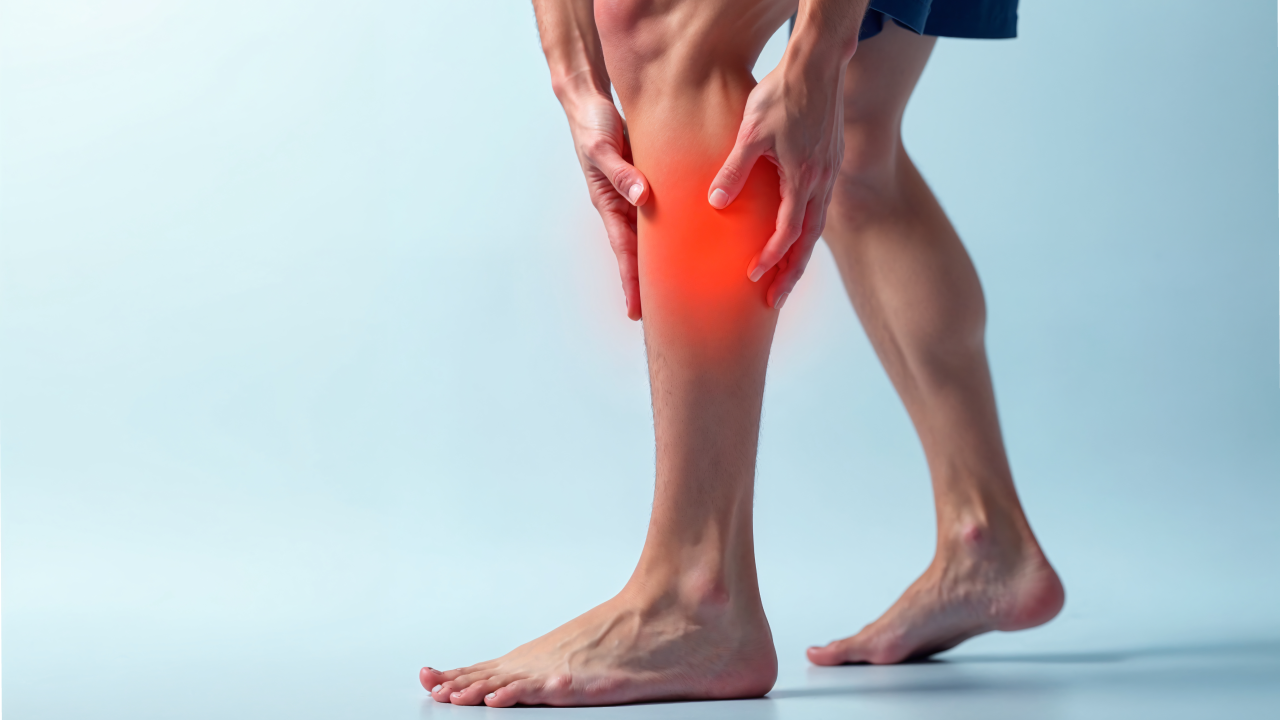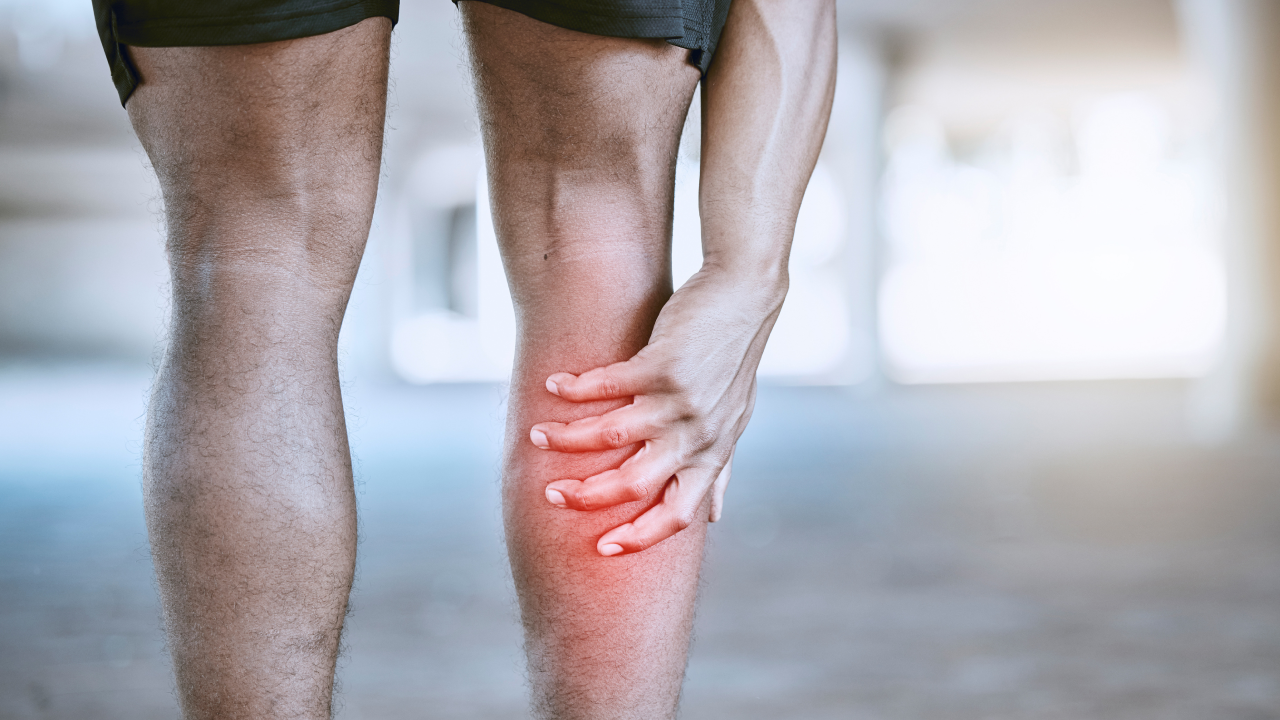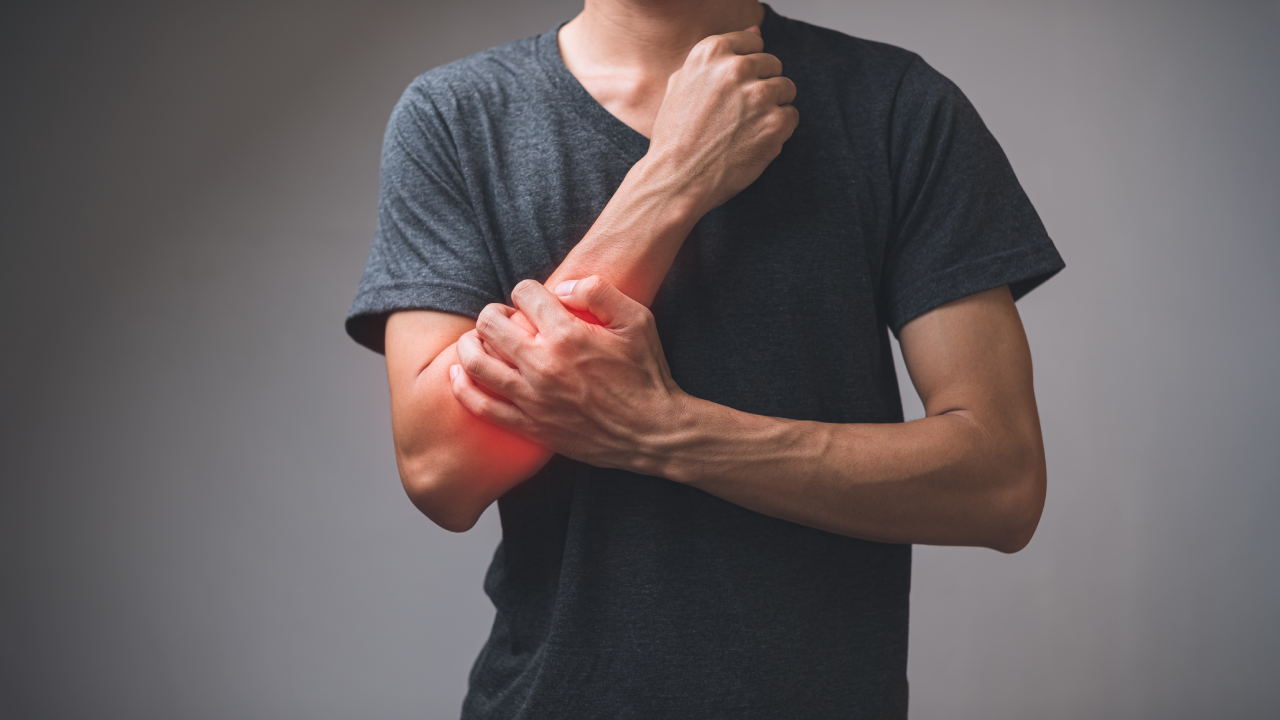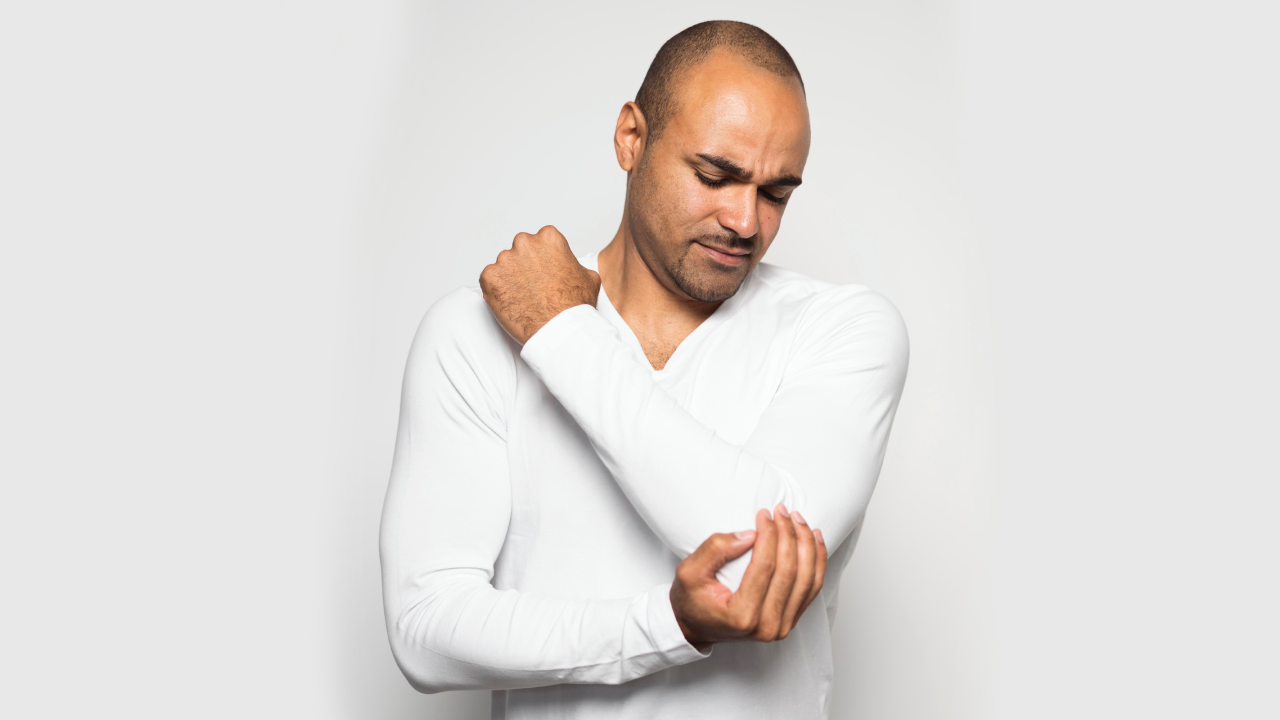
Injury Rehabilitation in Woodbridge, ON
Injuries can affect how you walk, work, exercise, sleep, and carry out everyday activities. At Spinal Solution and Rehab, our Injury Rehabilitation in Woodbridge, ON, focuses on helping people address movement limitations, strength deficits, reduced mobility, and activity-related symptoms following an injury.
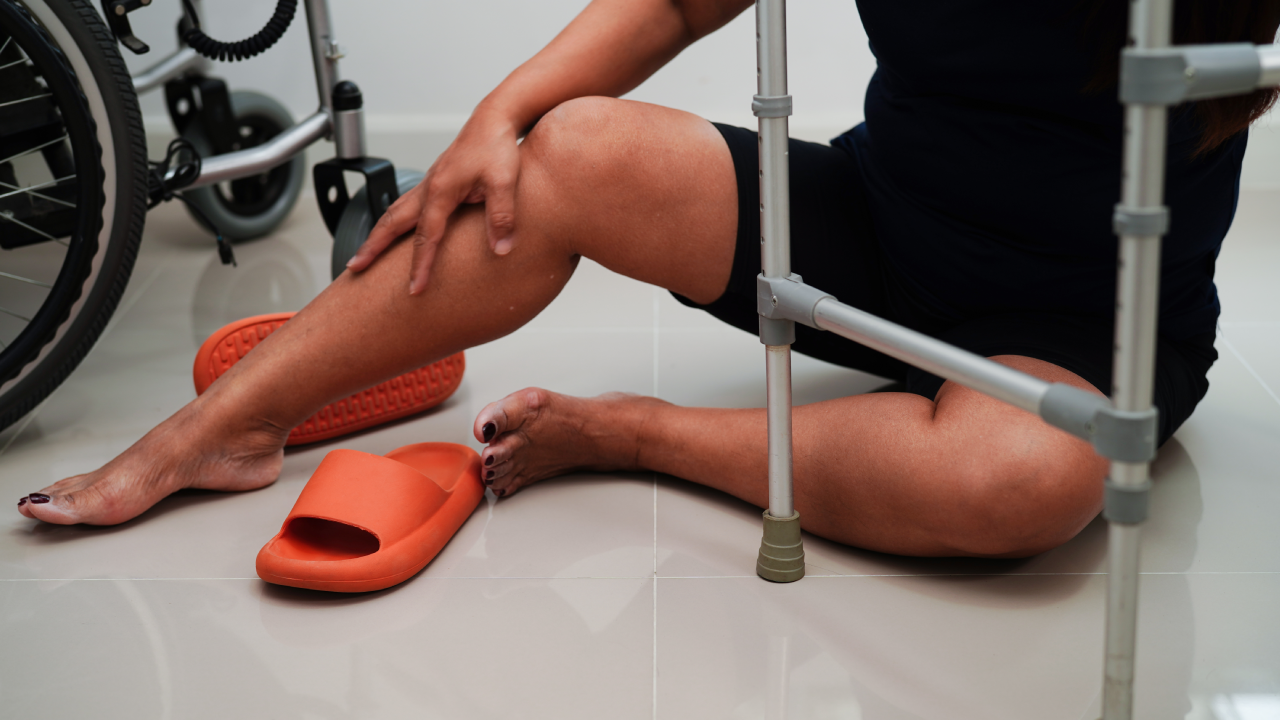
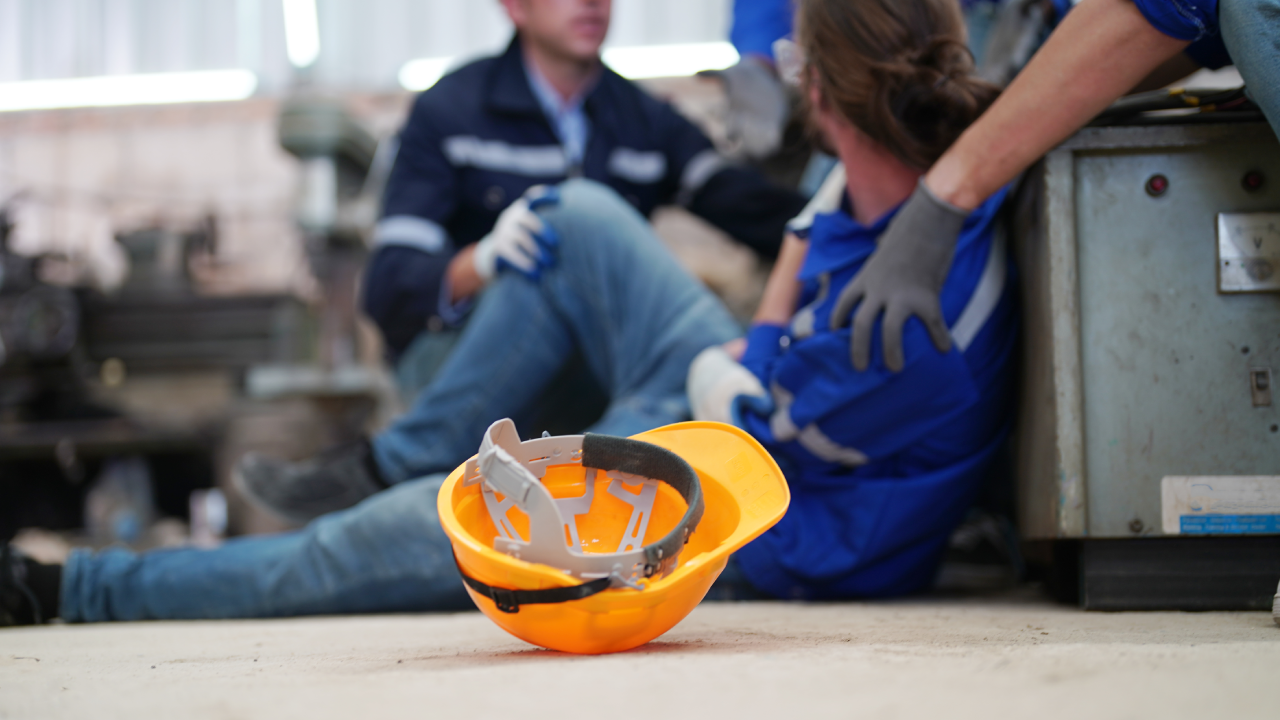
Injury rehabilitation may be appropriate after a sports injury, workplace incident, motor vehicle collision, fall, repetitive strain, or surgical procedure. The rehabilitation plan depends on the affected body area, type of injury, current symptoms, medical history, and activity goals.
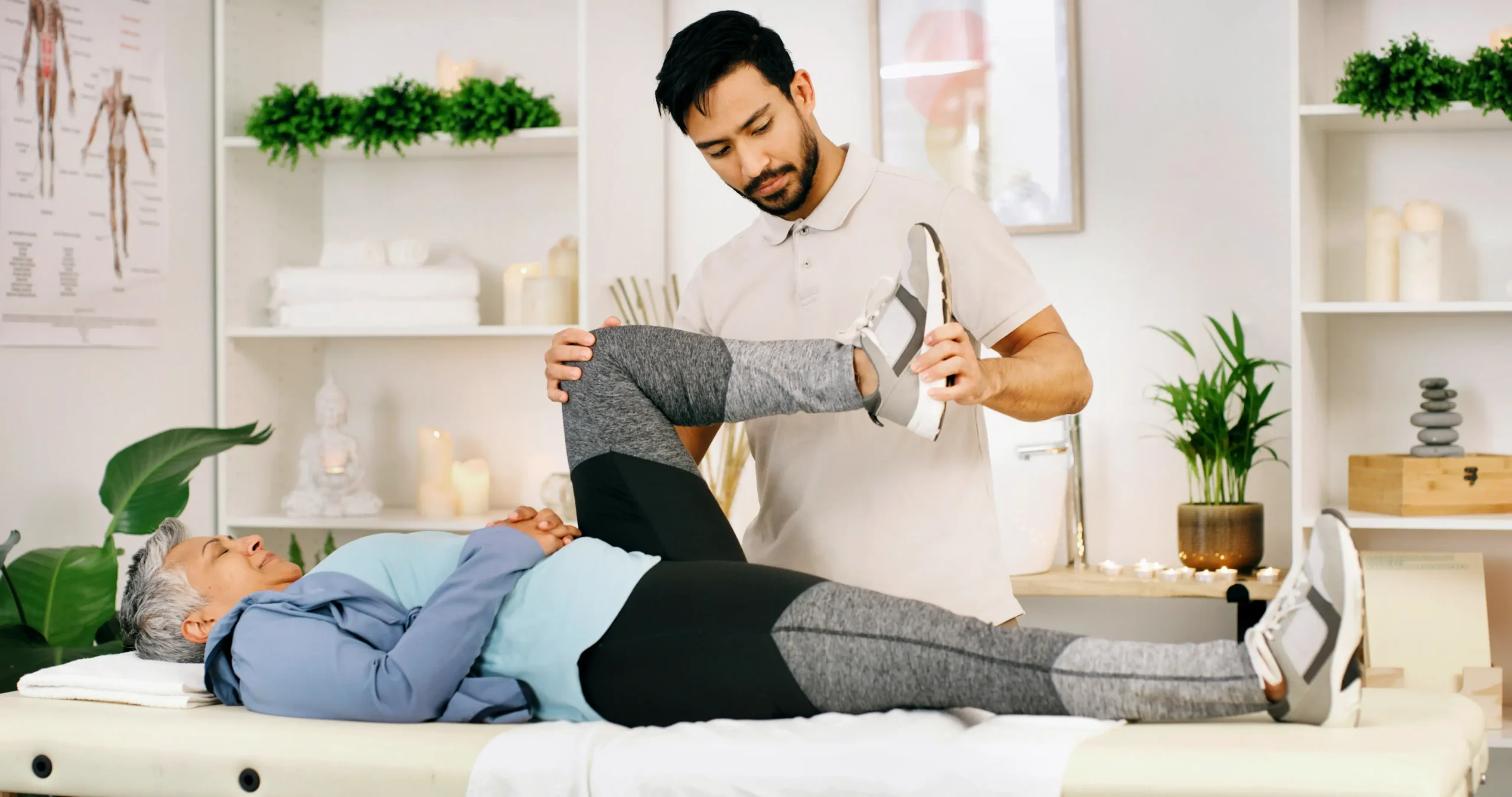
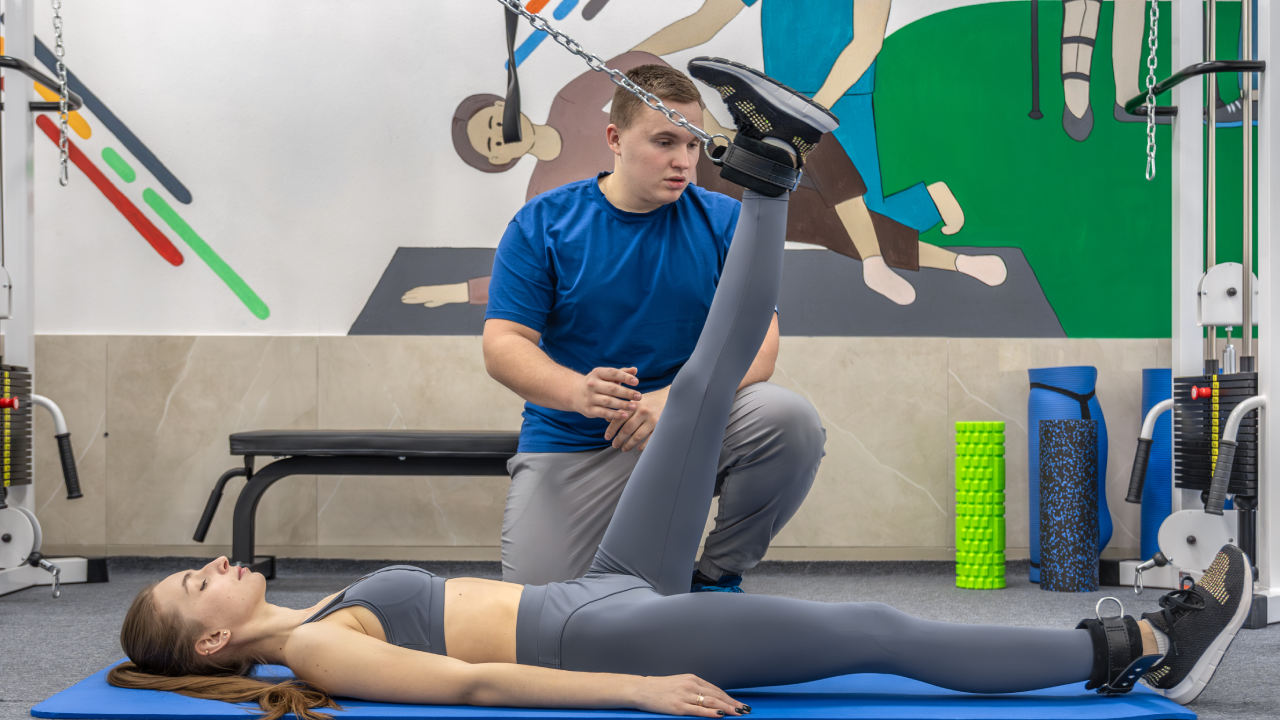
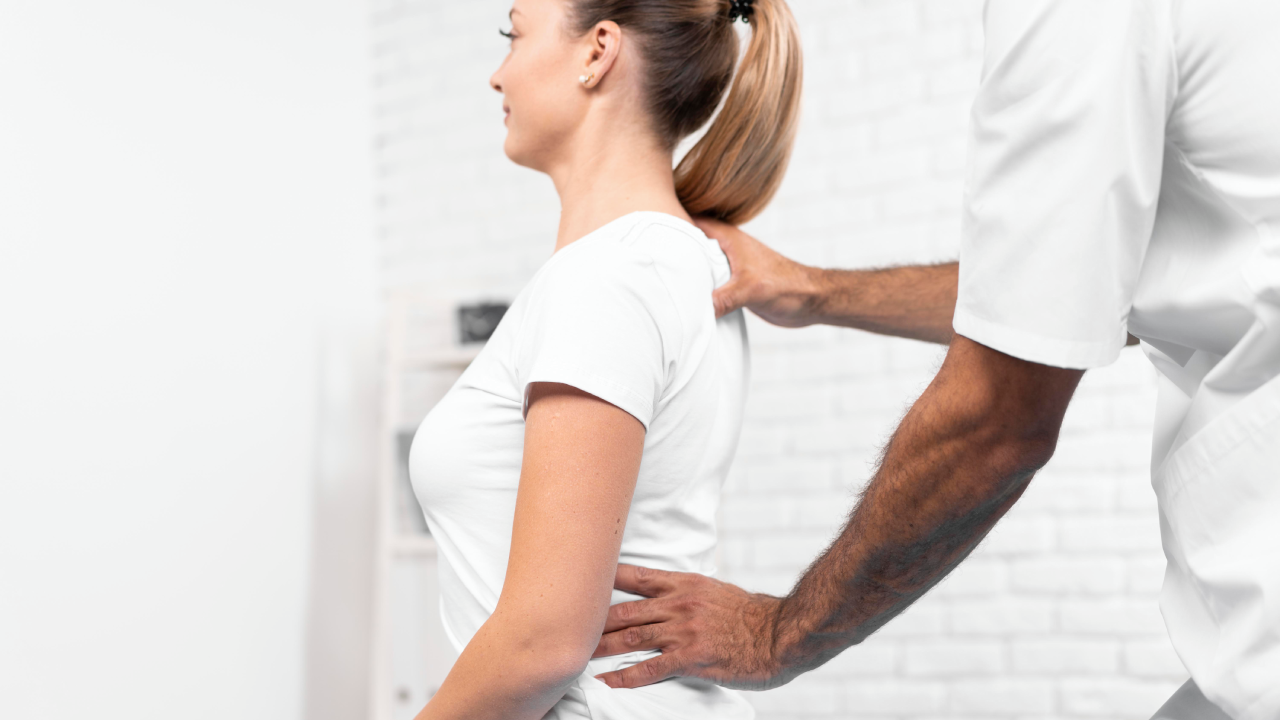
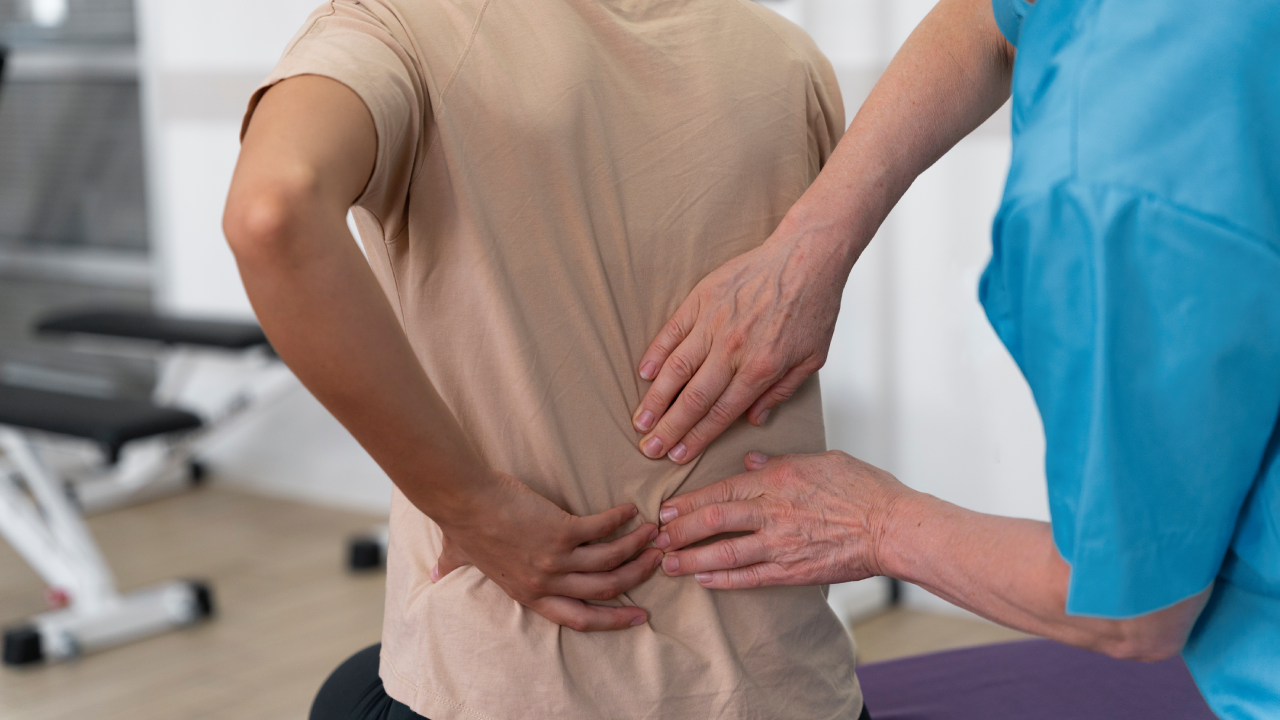
Our approach may include movement assessment, therapeutic exercise, mobility work, strengthening, manual therapy, education, and activity progression when clinically appropriate. The aim is to help you move through daily activities with greater confidence while building capacity for the tasks that matter to you.
What Is Injury Rehabilitation?
Injury rehabilitation is a structured process used to support physical function after an injury or period of reduced activity. It can address muscles, joints, tendons, ligaments, nerves, and movement patterns.
The process can begin shortly after an injury or later when symptoms continue to interfere with normal activities. A physiotherapy assessment helps identify areas such as reduced range of motion, weakness, balance changes, altered movement, or difficulty tolerating specific activities.
Depending on the condition, rehabilitation may include:
- Therapeutic exercises
- Strength and conditioning exercises
- Joint mobility work
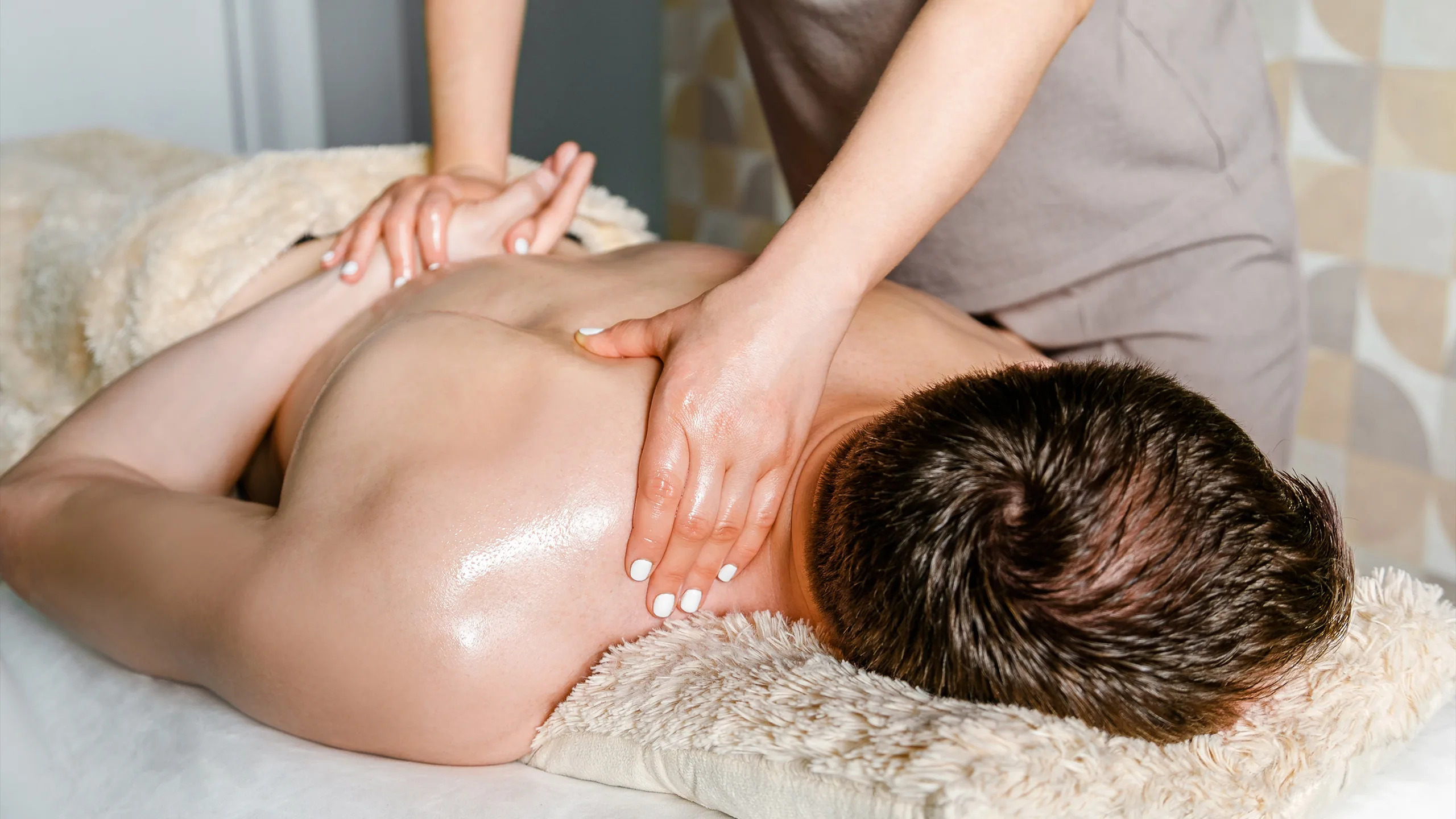
- Soft-tissue and manual techniques
- Balance and coordination exercises
- Movement retraining
- Activity modification
- Workplace or sport-related movement advice
- Gradual return-to-activity planning
- Home exercise programs
At Spinal Solution and Rehab, the rehabilitation plan is based on the findings from your assessment and the demands placed on the injured area.
Conditions We Treat
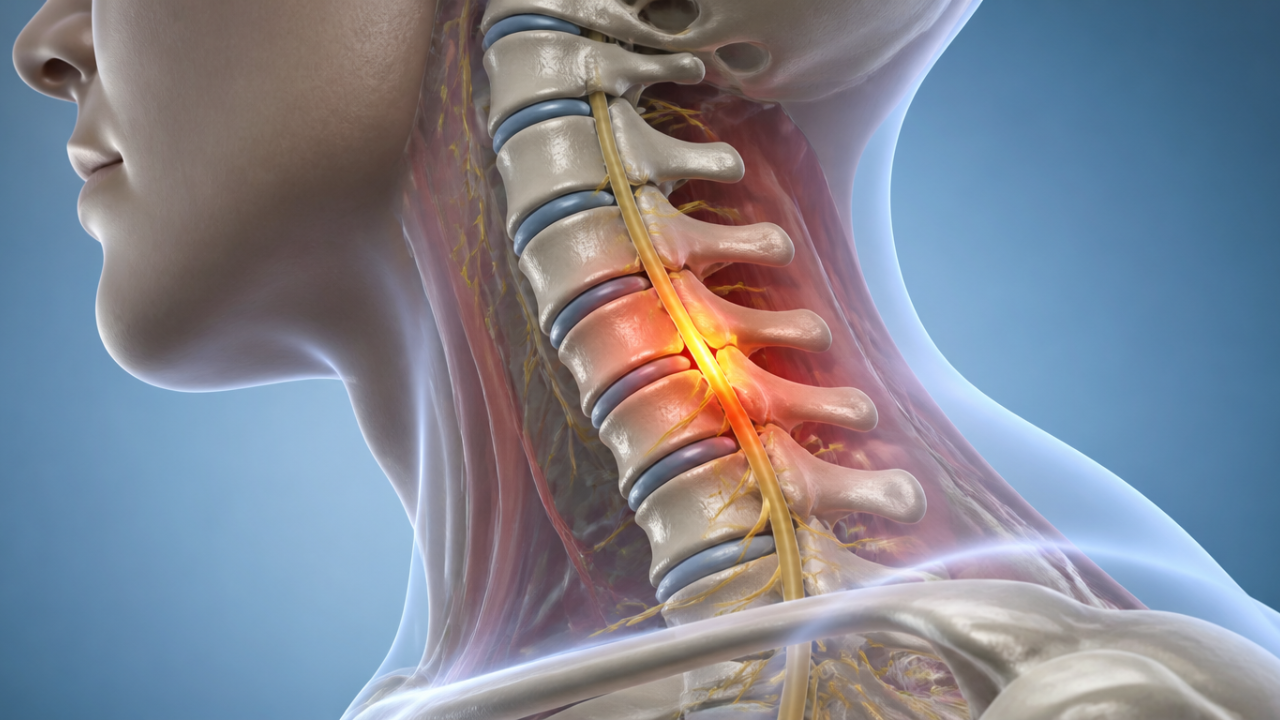
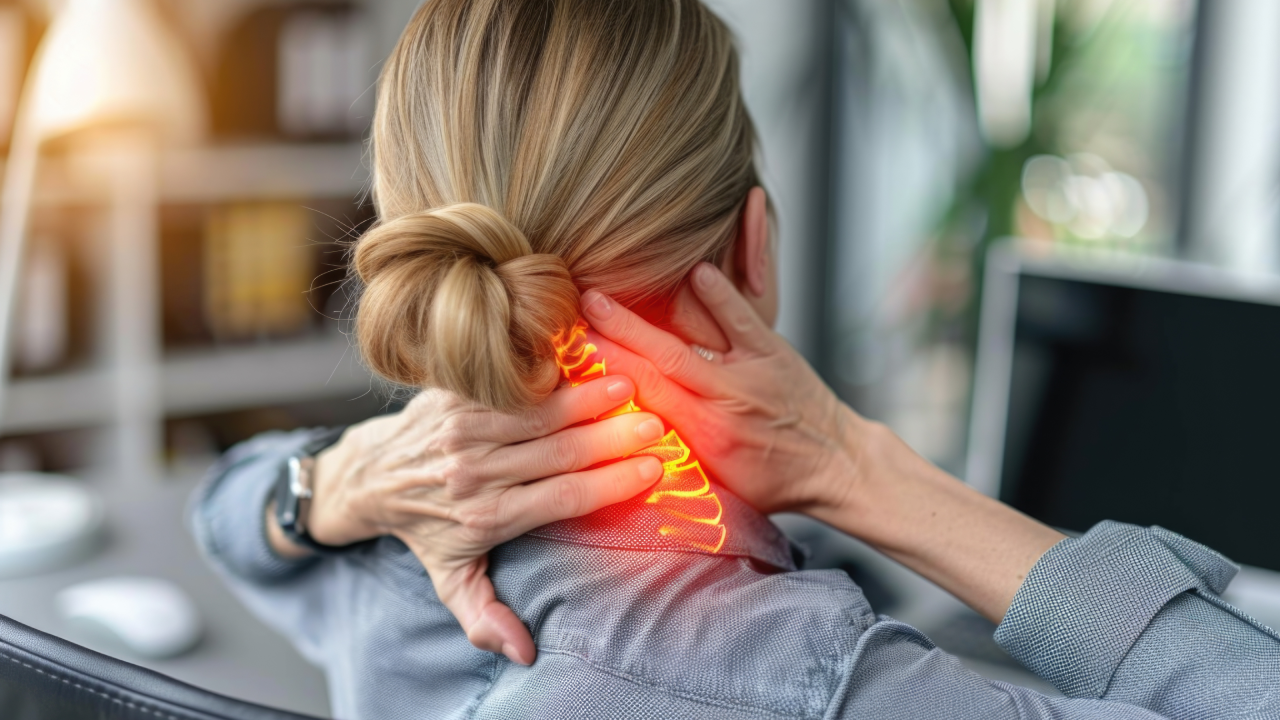
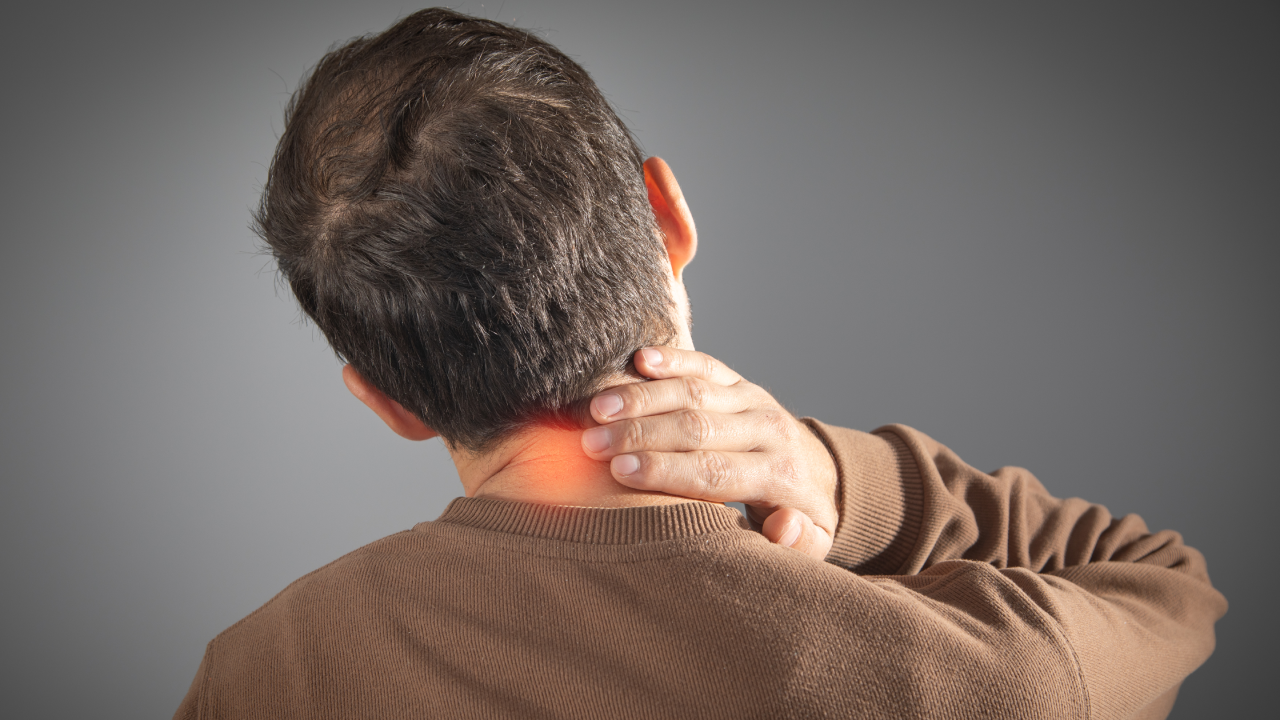
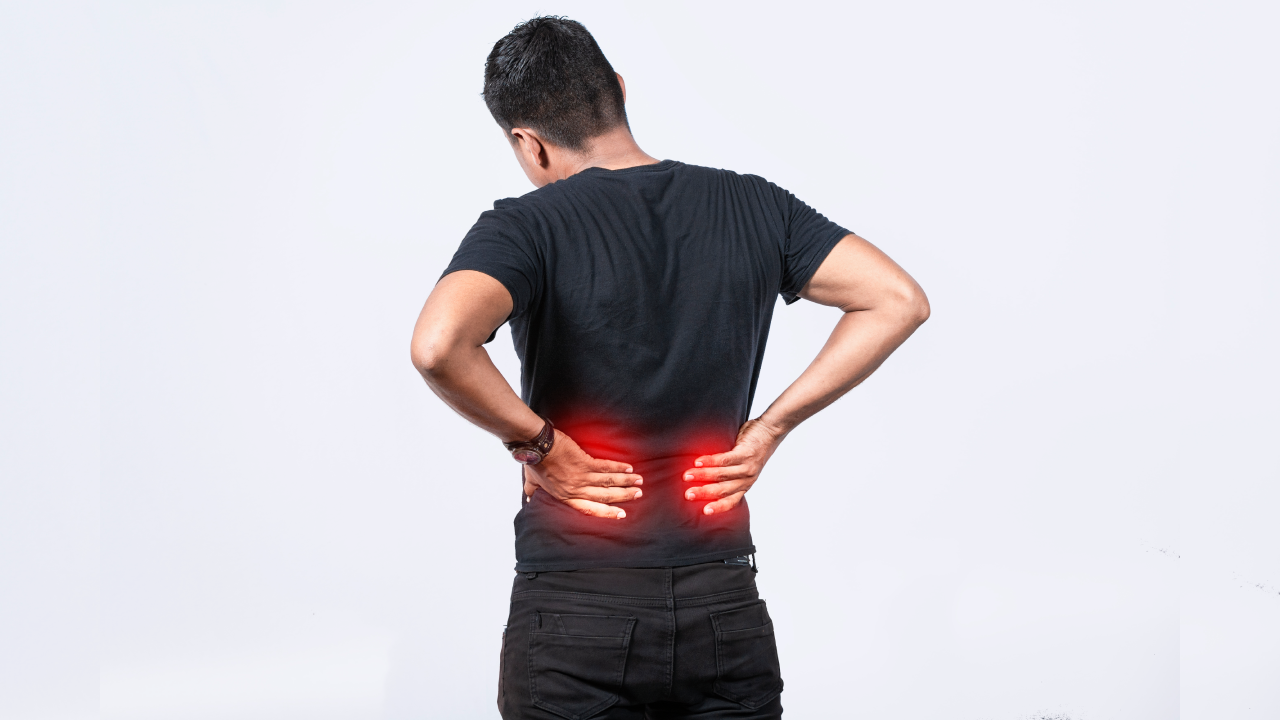
Back and Neck Injuries
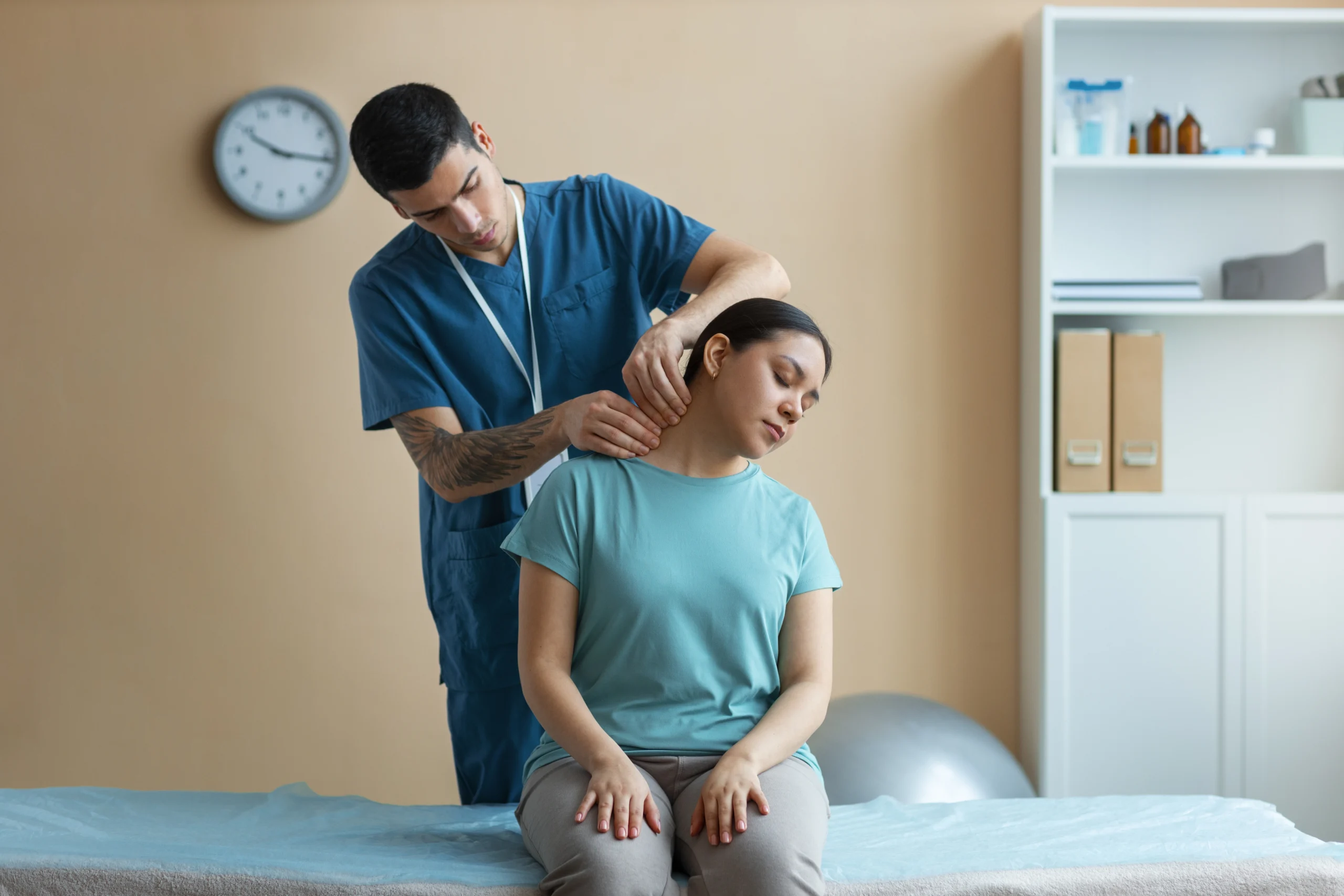
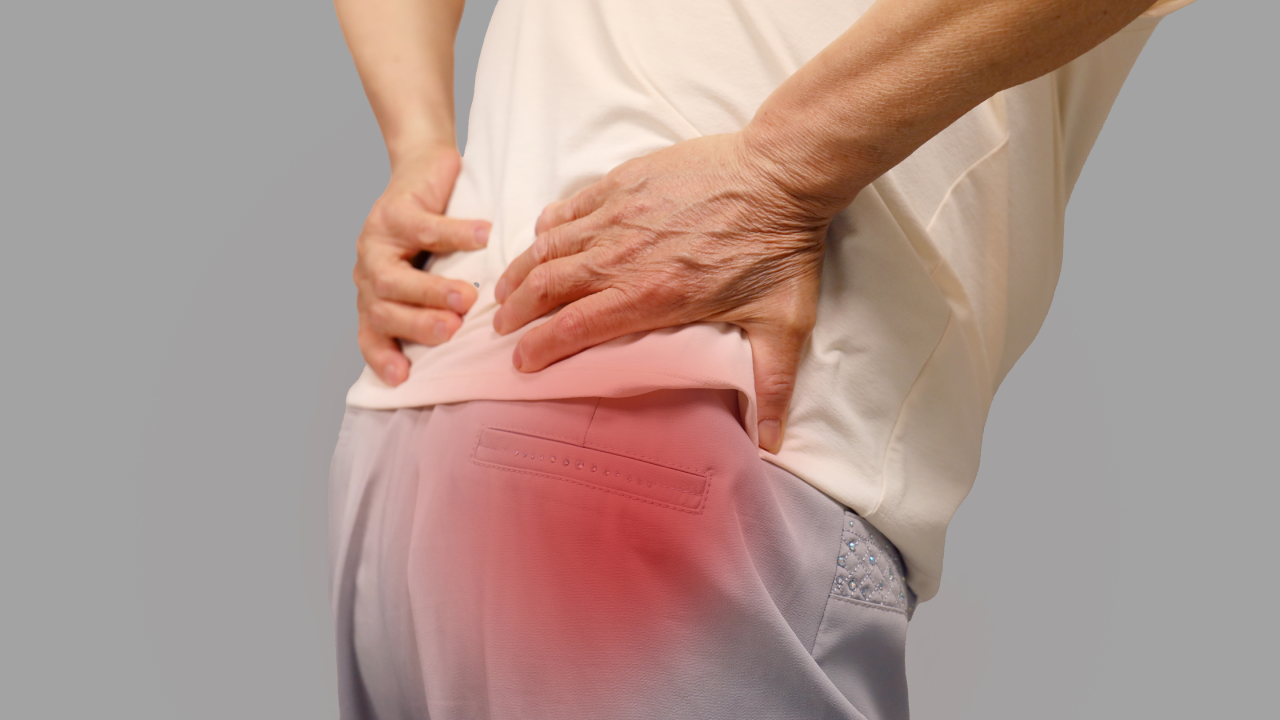
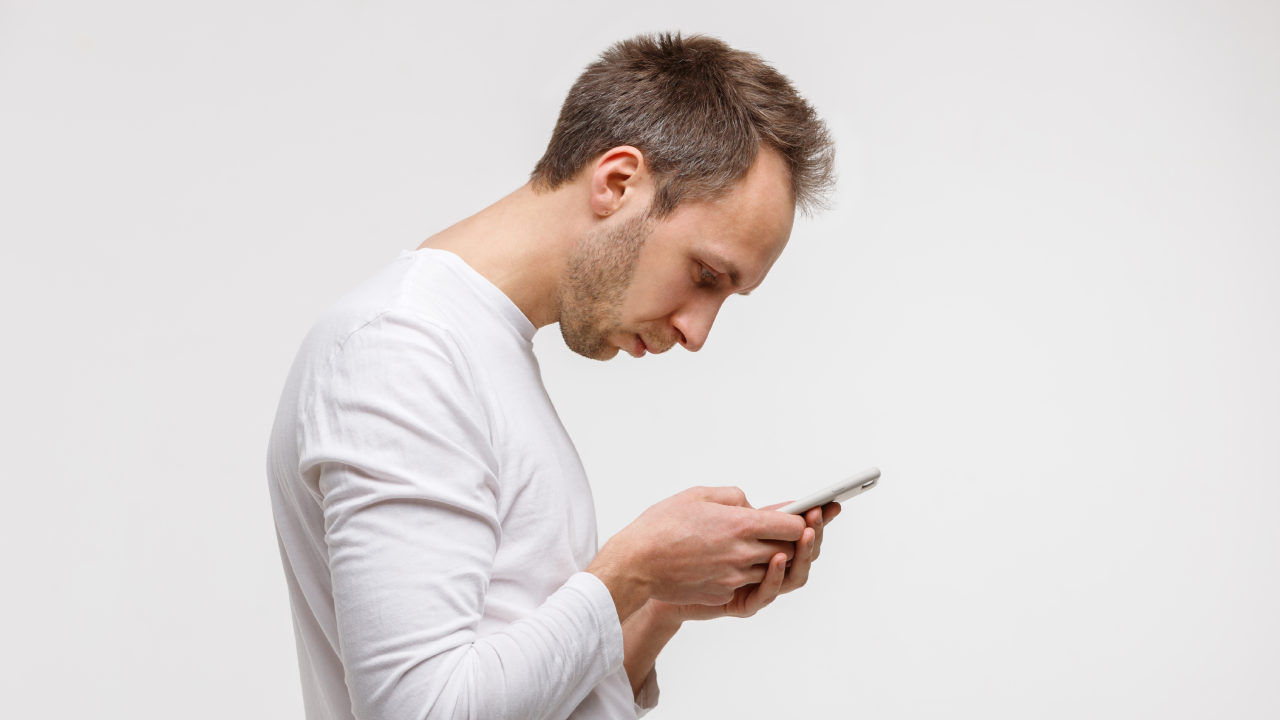
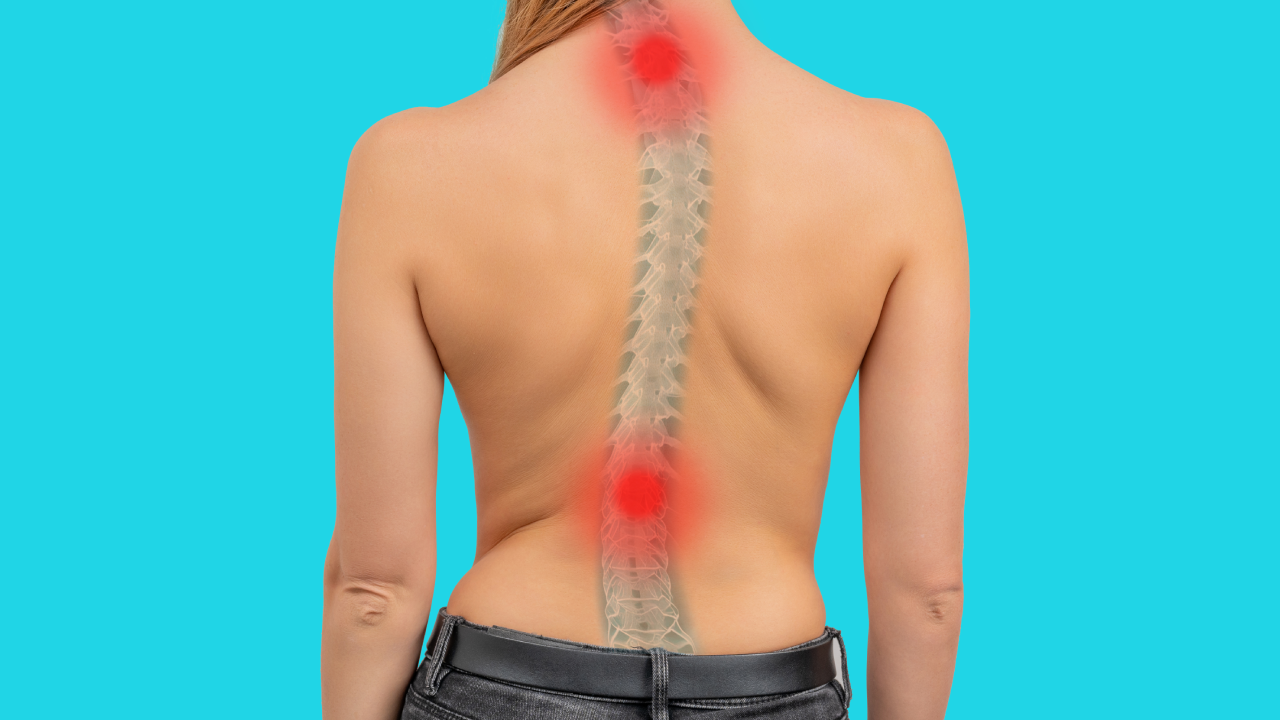
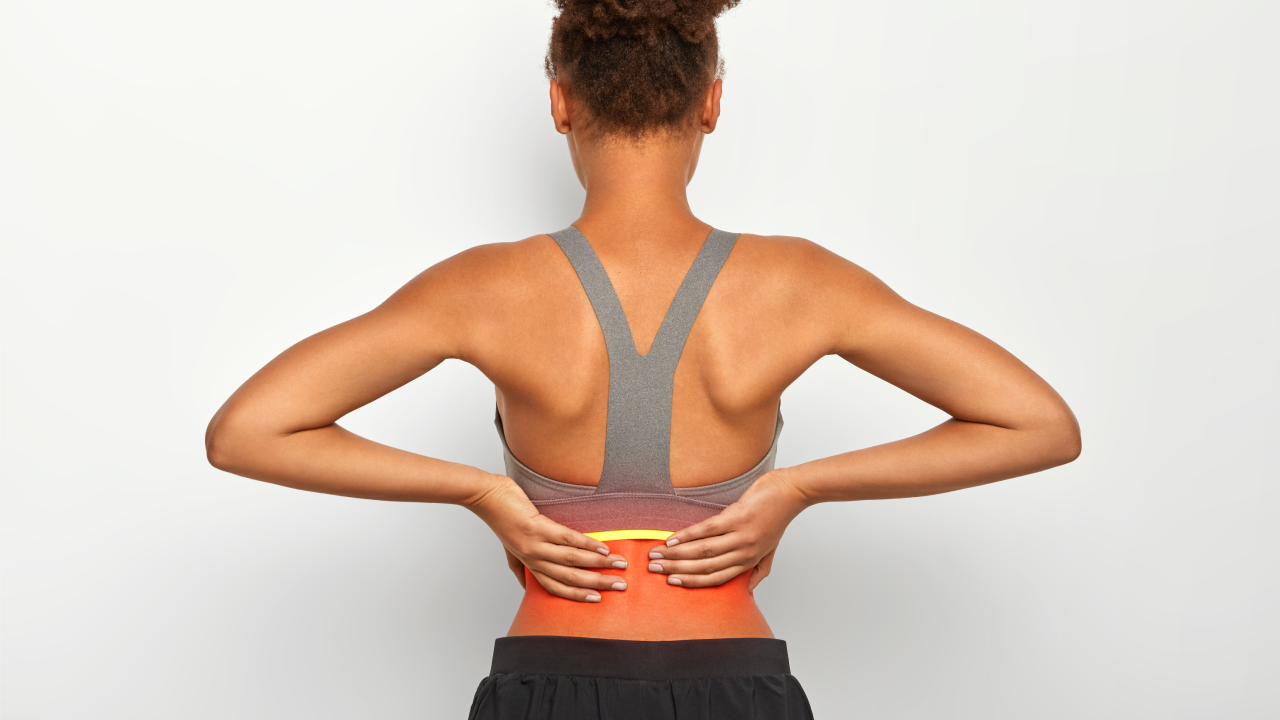
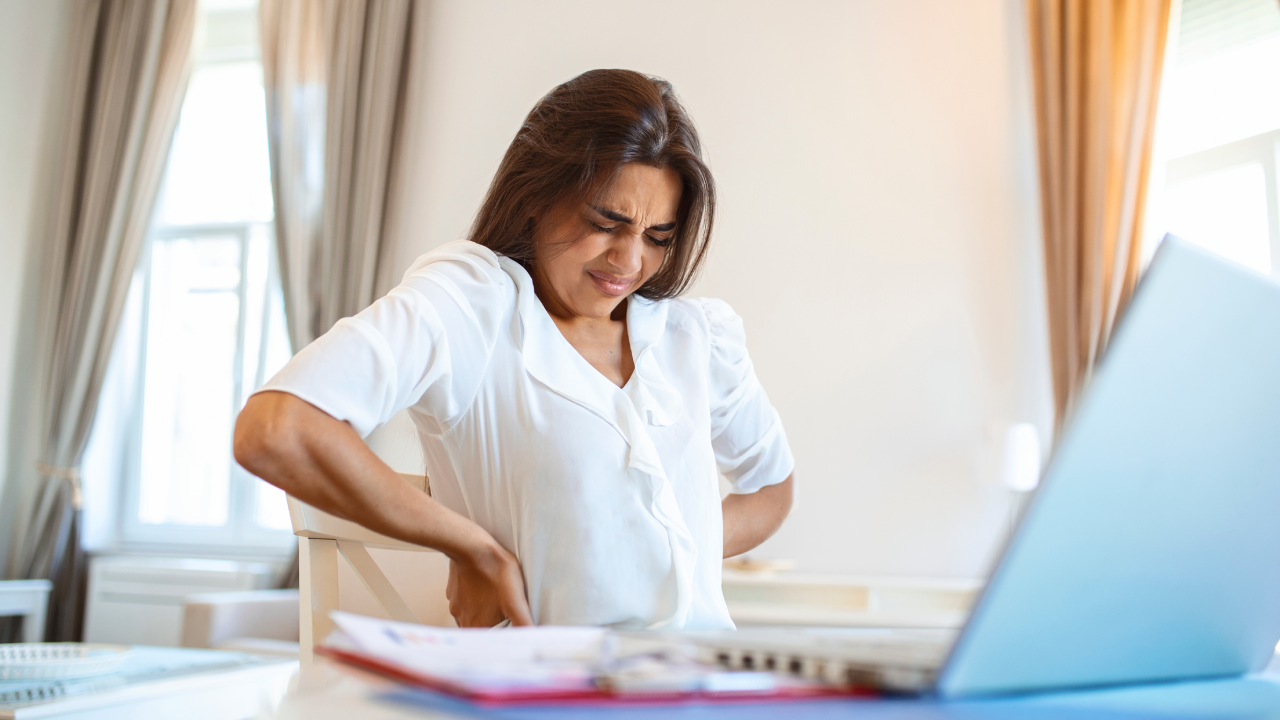
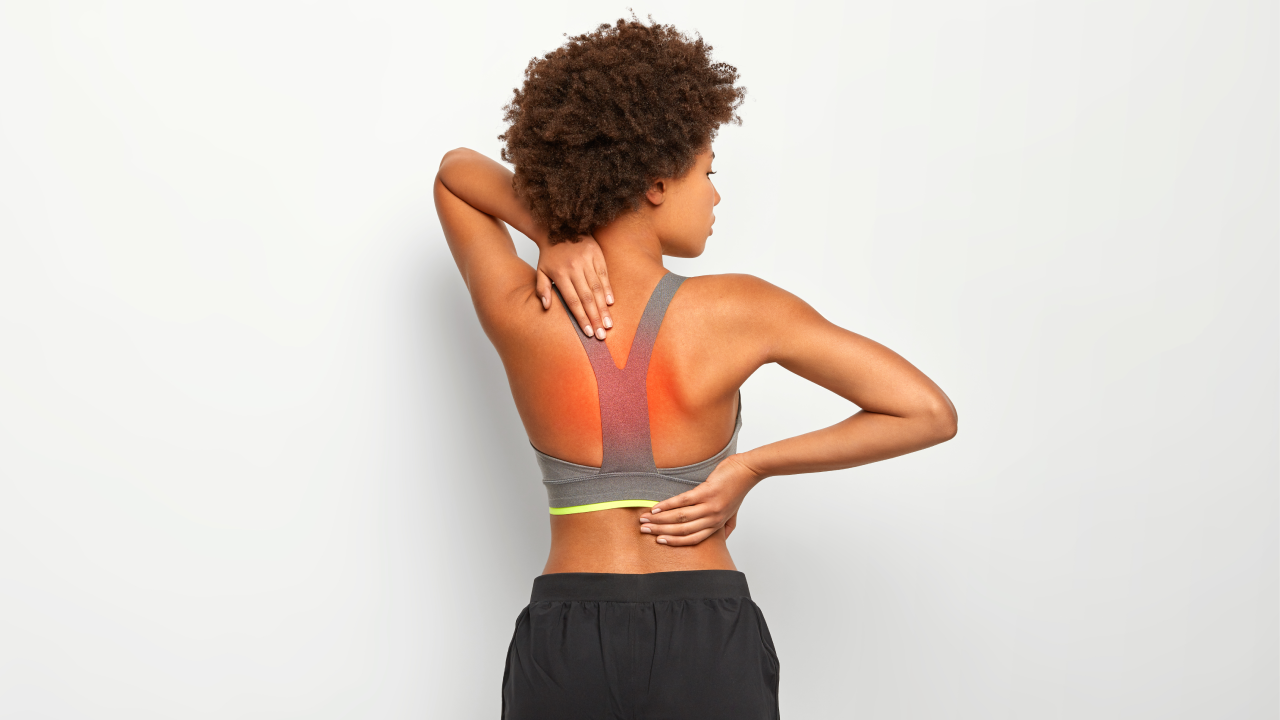
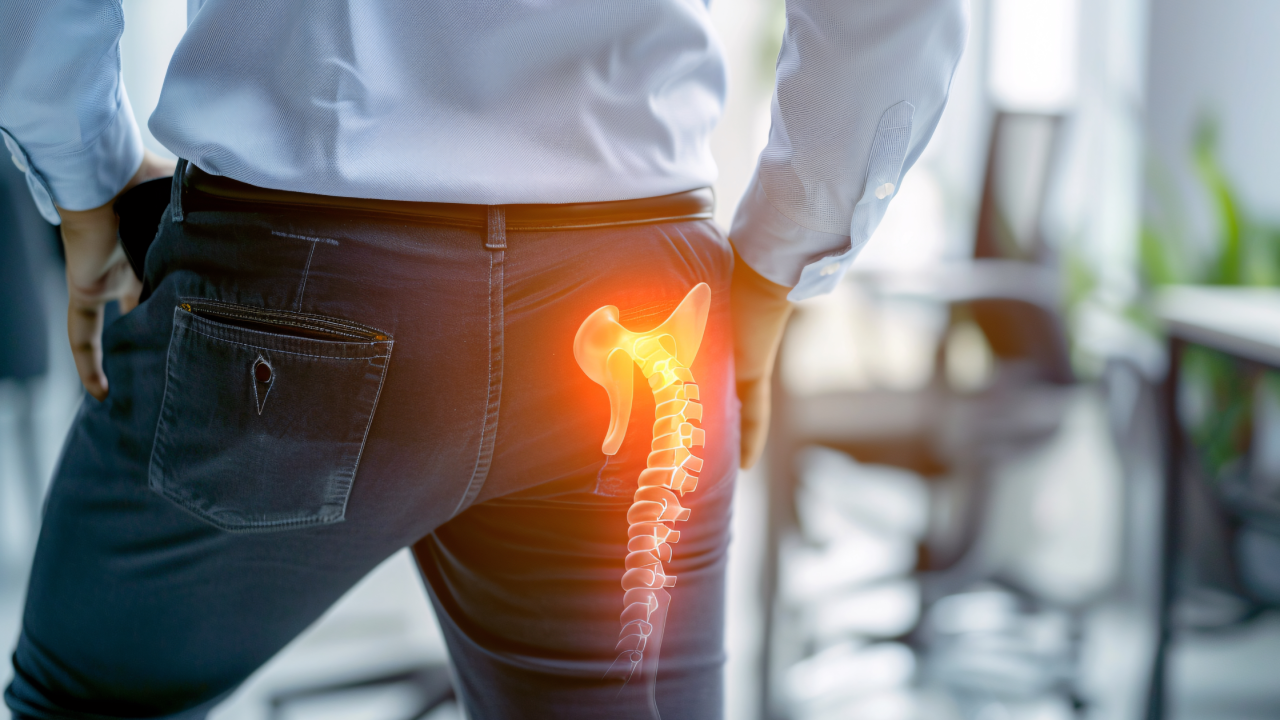
Back and neck injuries can develop after lifting, sudden movements, collisions, falls, prolonged sitting, repetitive work, or sports activities.
Rehabilitation may address:
- Lower back strains
- Upper back injuries
- Neck strains
- Whiplash-related symptoms
- Muscle tightness
- Reduced spinal mobility
- Movement-related discomfort
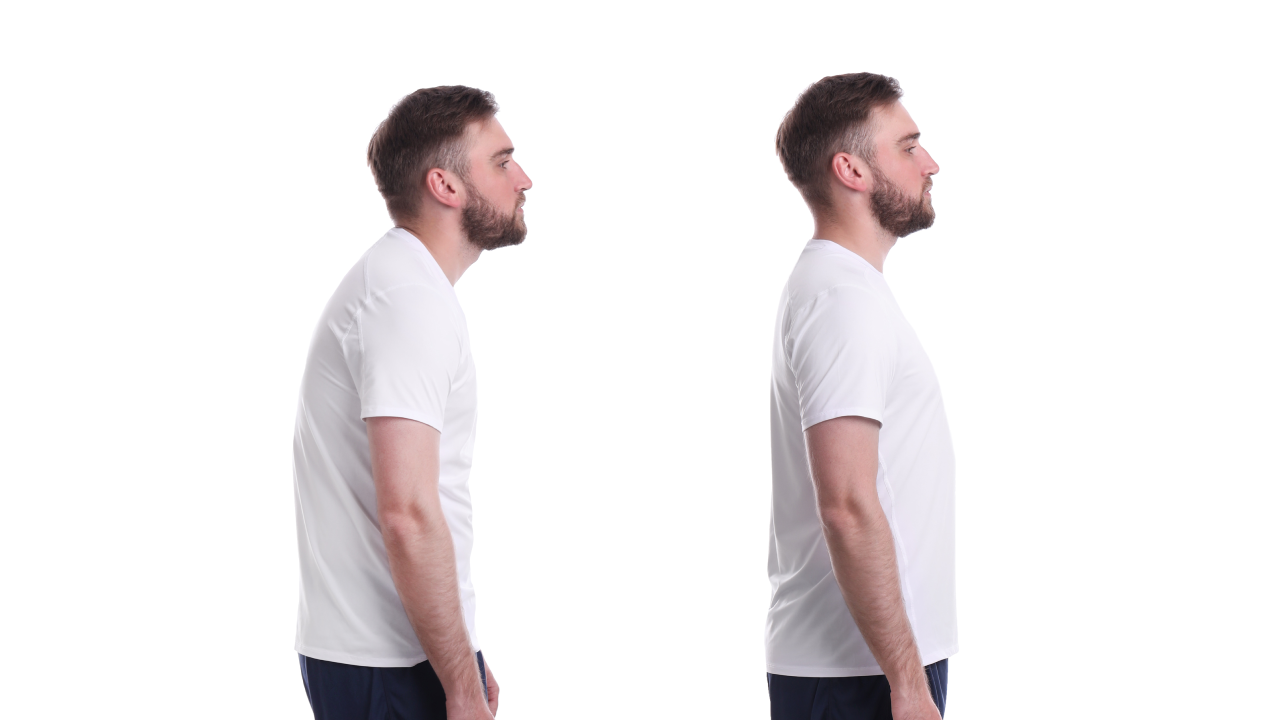
- Postural movement issues
Exercise and movement work can focus on restoring mobility, improving strength, and gradually increasing tolerance for normal activities.
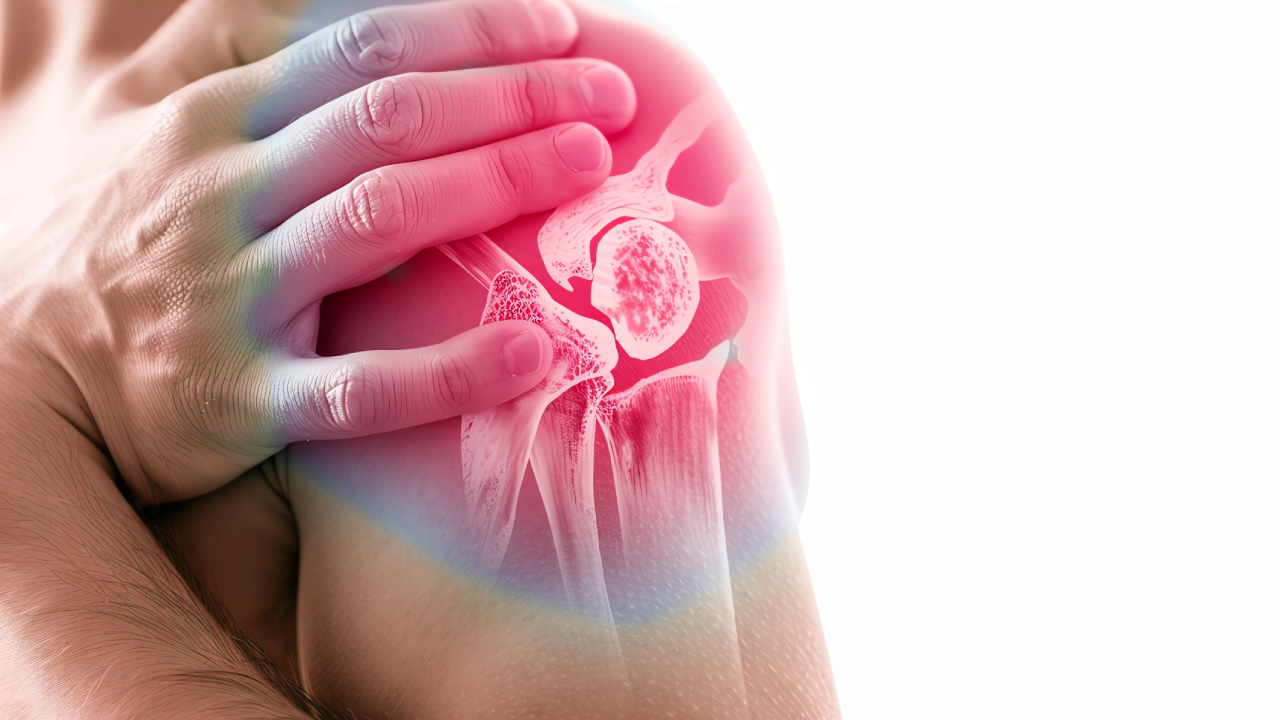
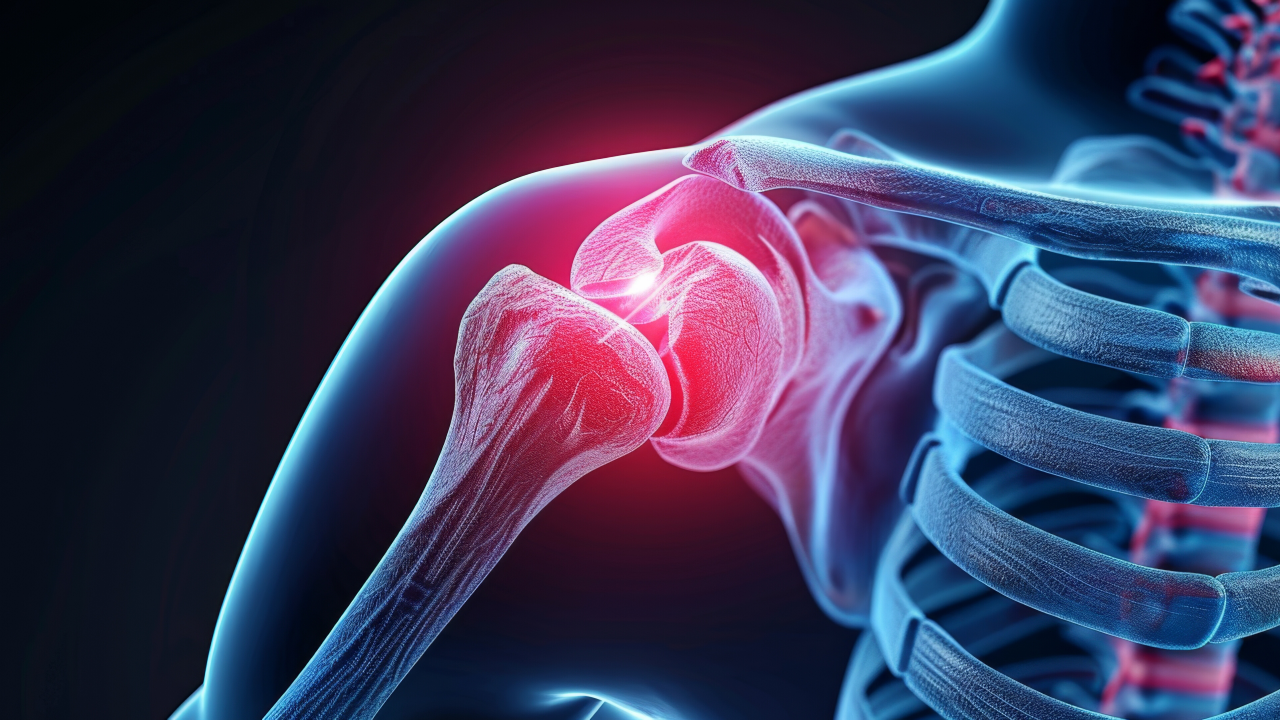
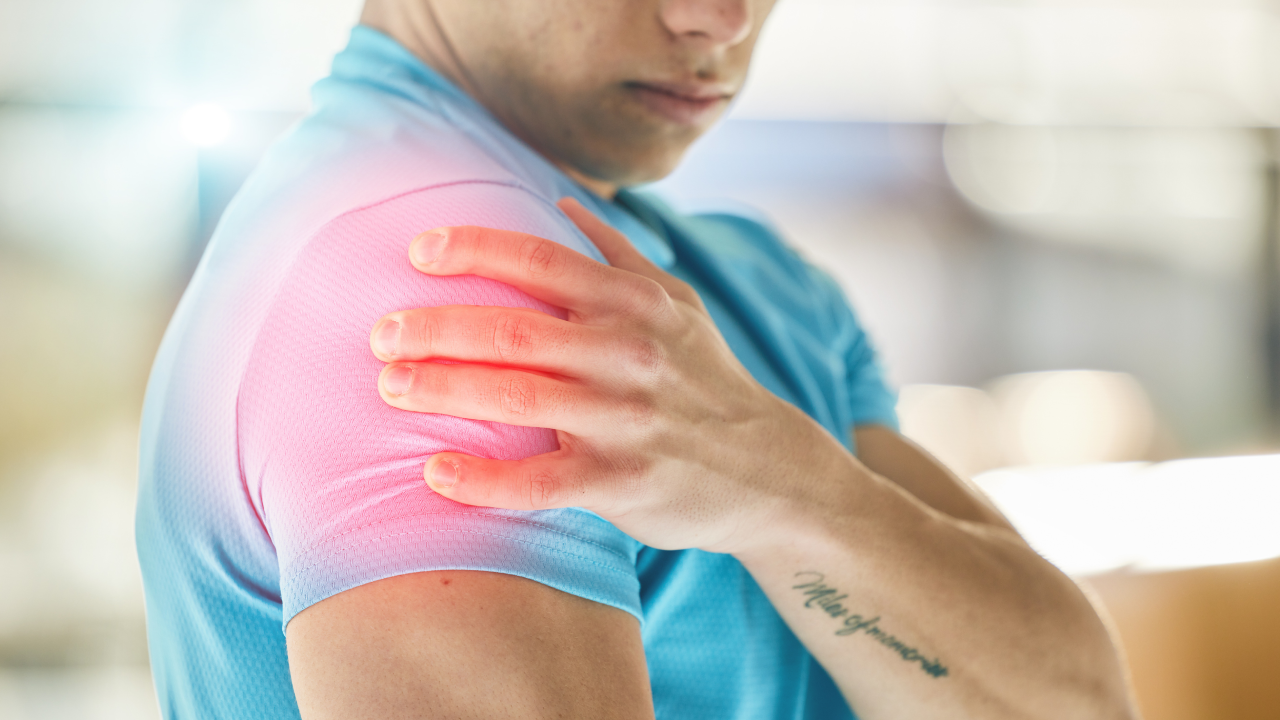
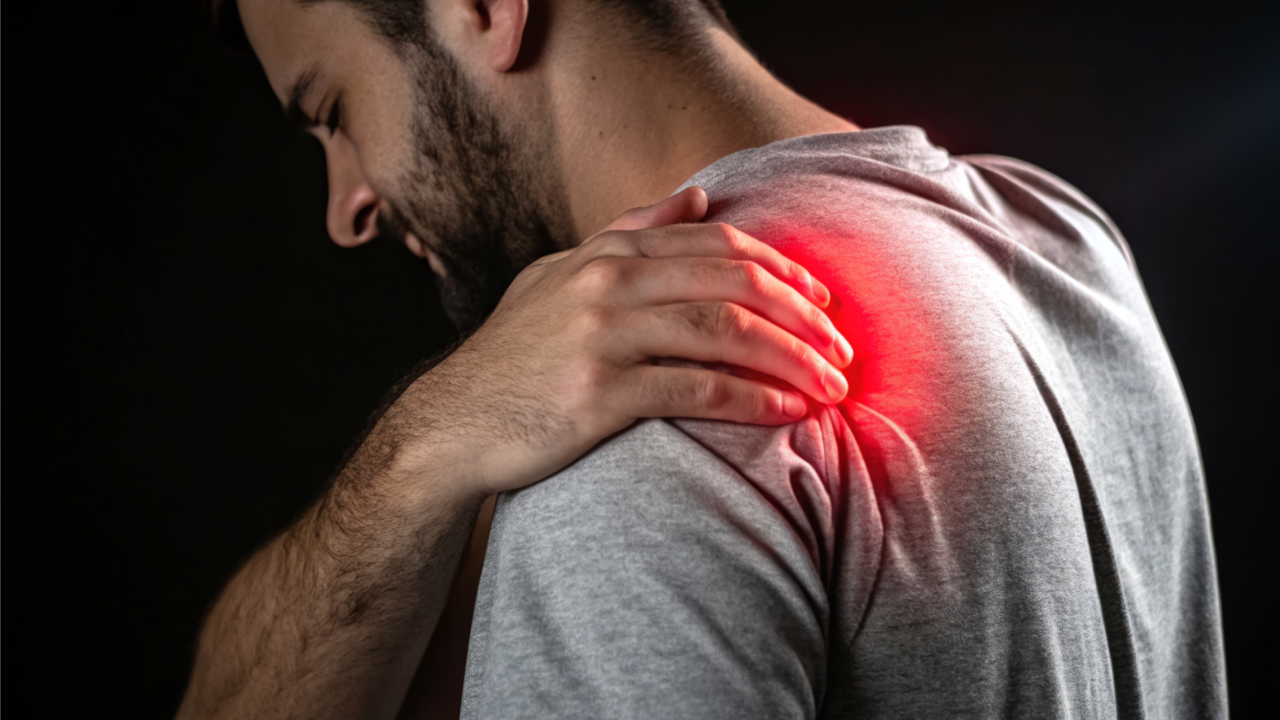
Shoulder Injuries
The shoulder is involved in reaching, lifting, pushing, pulling, throwing, and many workplace tasks. An injury can therefore affect both work and daily routines.
Conditions may include:
- Rotator cuff-related injuries
- Shoulder strains
- Shoulder sprains
- Shoulder impingement-related symptoms
- Shoulder instability
- Frozen shoulder
- Post-surgical shoulder rehabilitation
- Sports-related shoulder injuries
Rehabilitation may involve shoulder mobility, rotator cuff strengthening, scapular control, and progressive loading based on the condition.
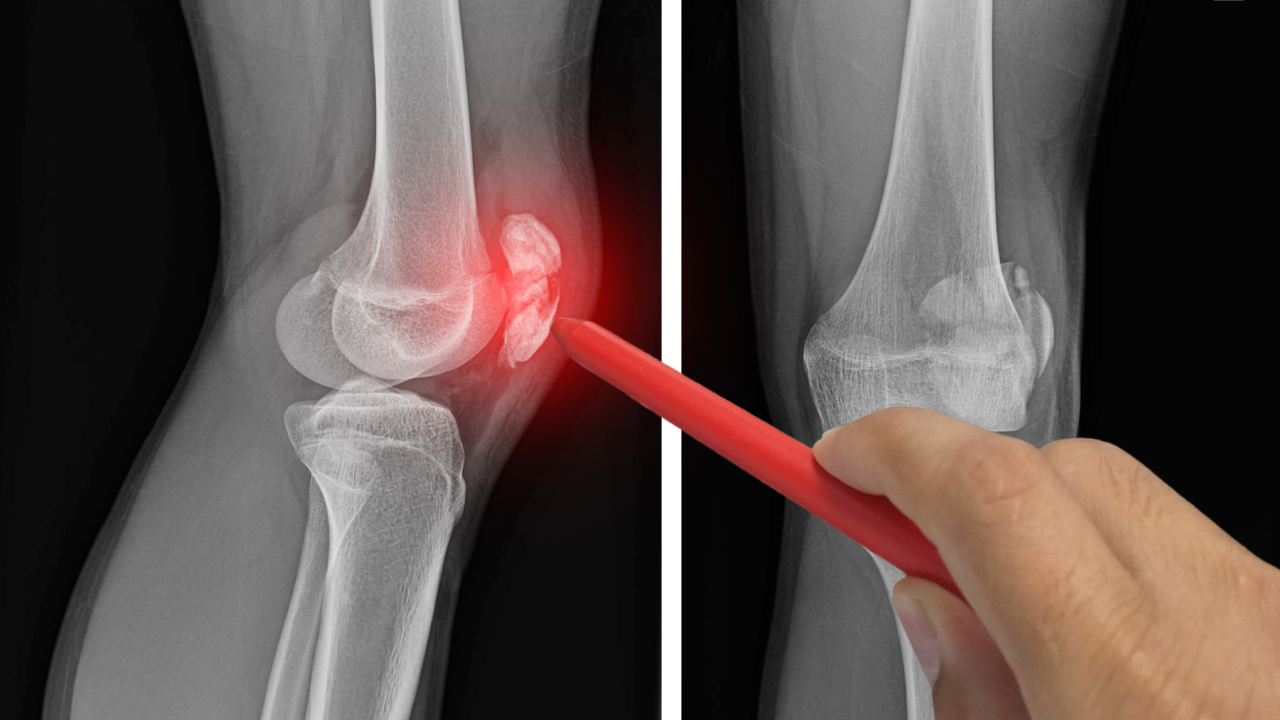
Knee Injuries
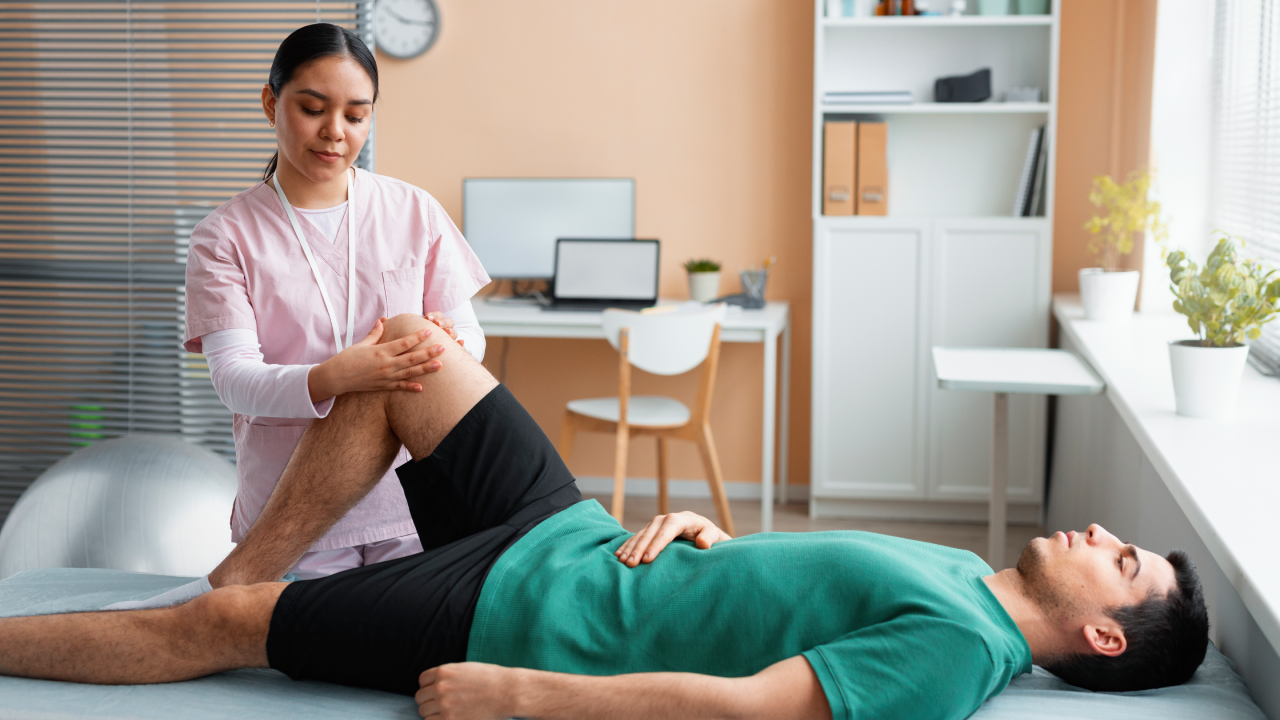
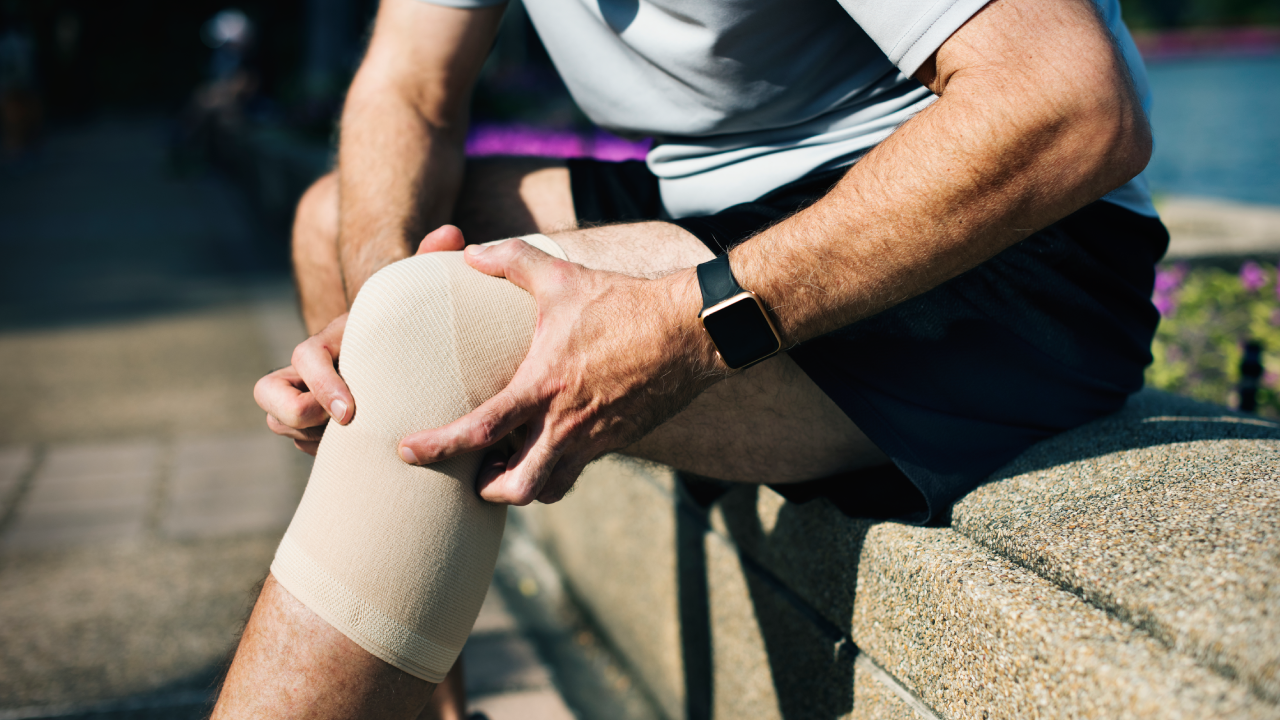
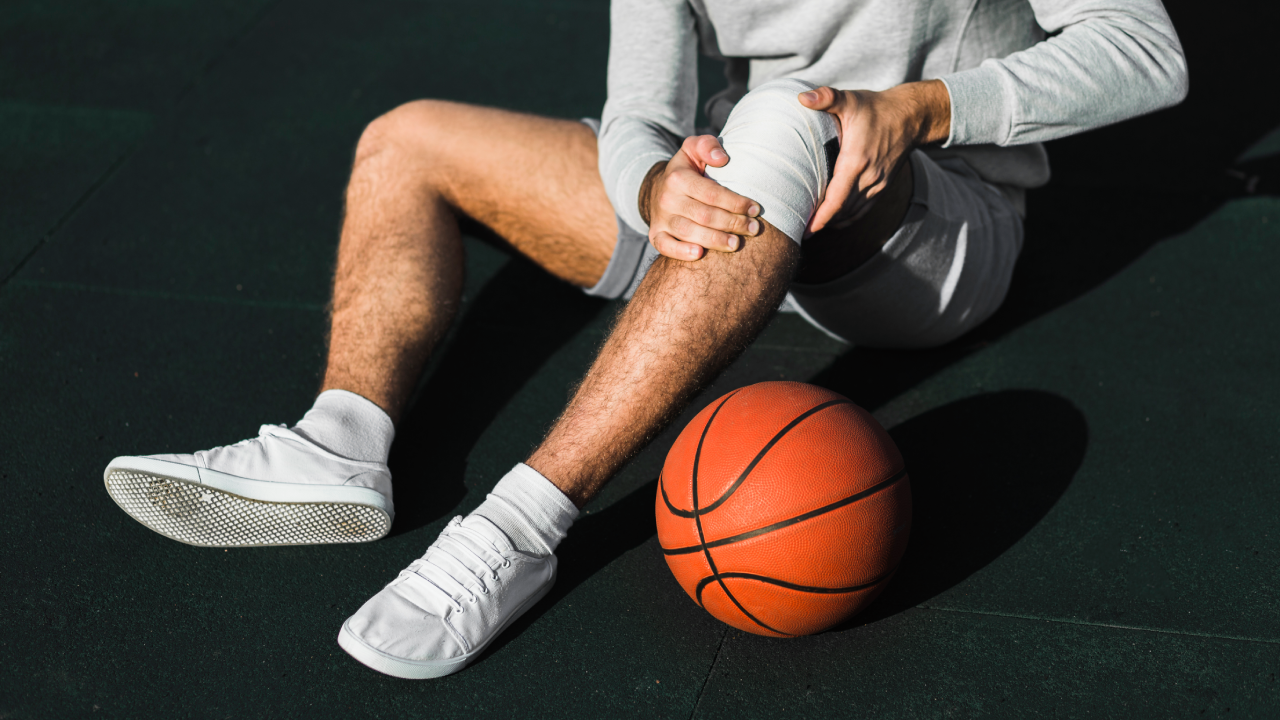
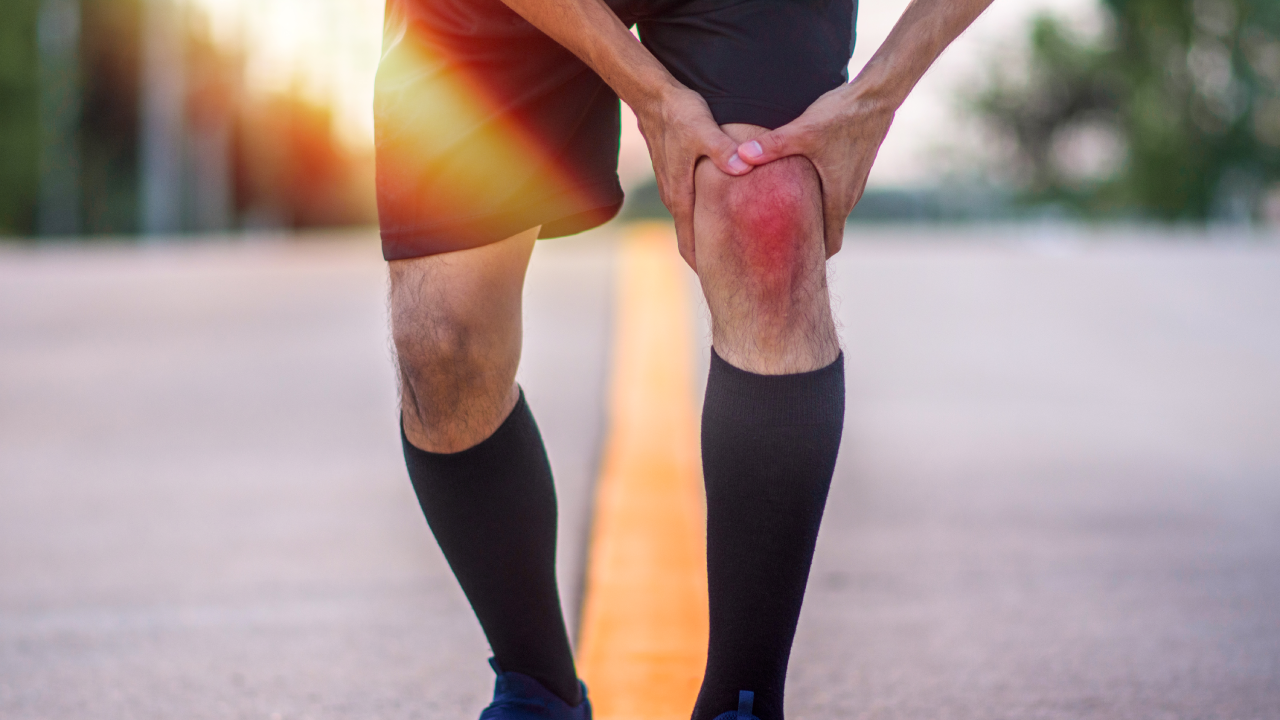
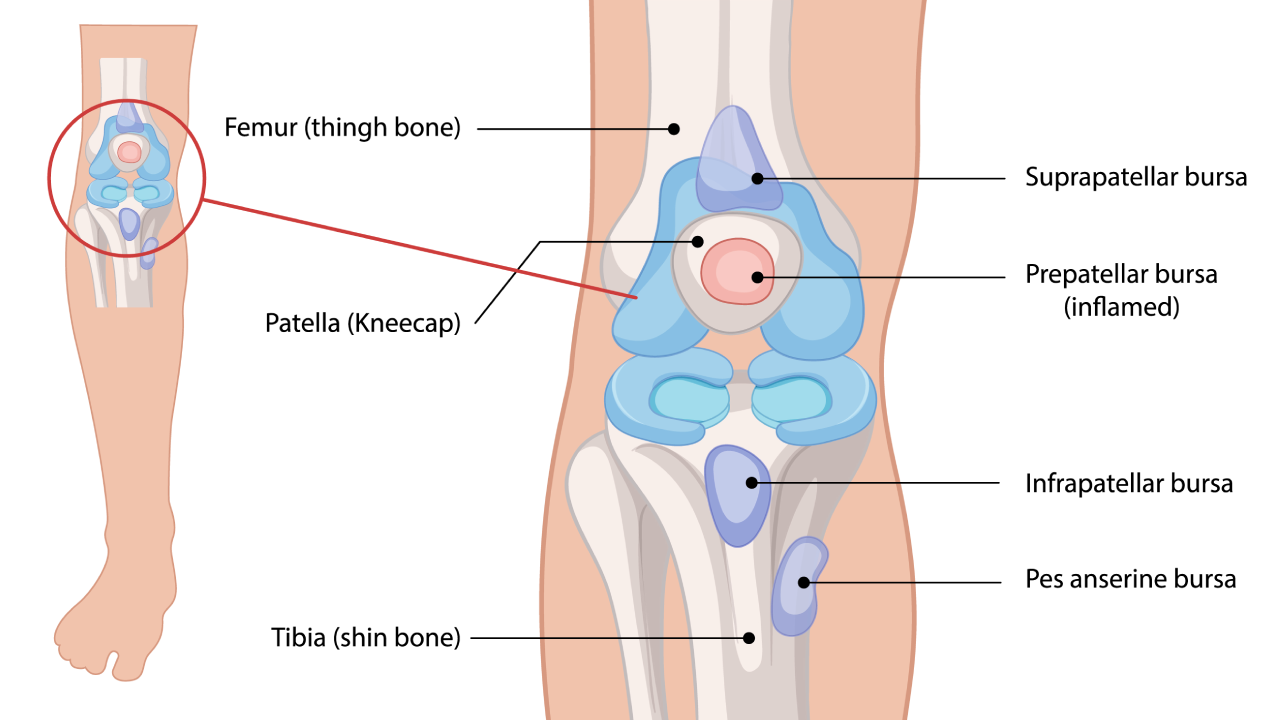
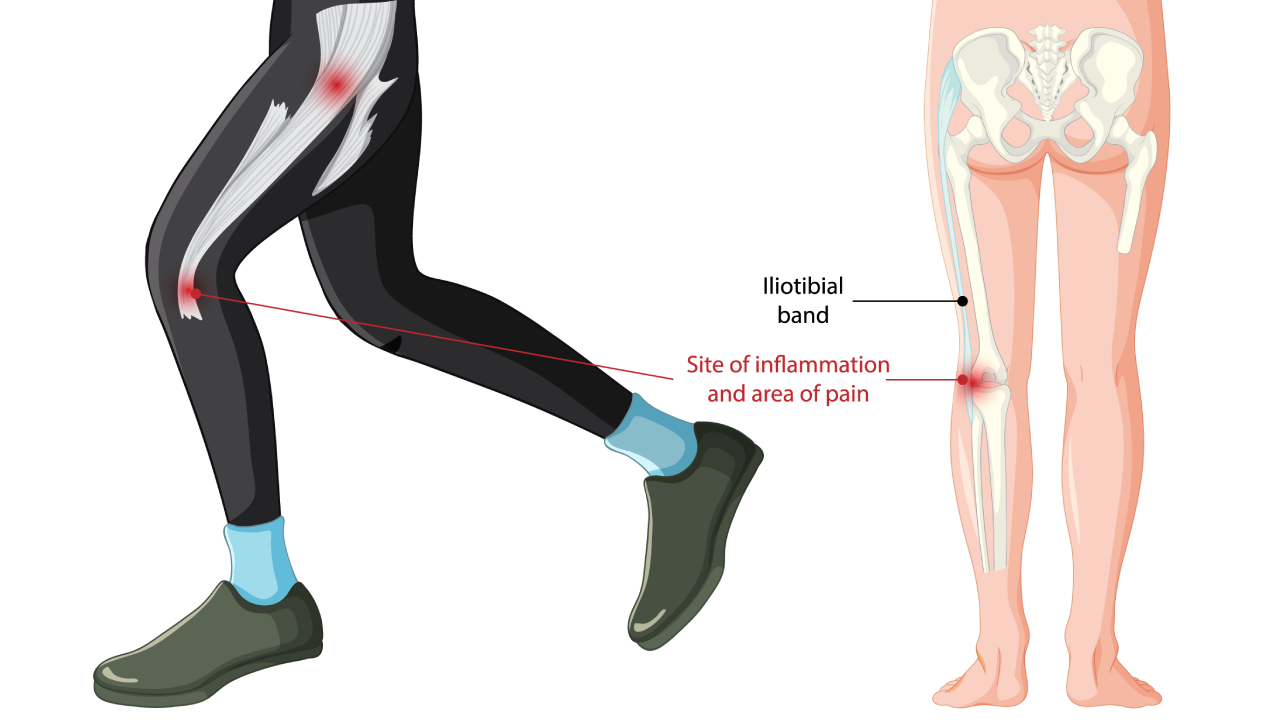
Knee injuries can occur during sports, exercise, workplace activities, falls, or everyday movement. Some people may notice swelling, stiffness, weakness, instability, or difficulty with stairs and squatting.
Conditions may include:
- Knee sprains
- Ligament injuries
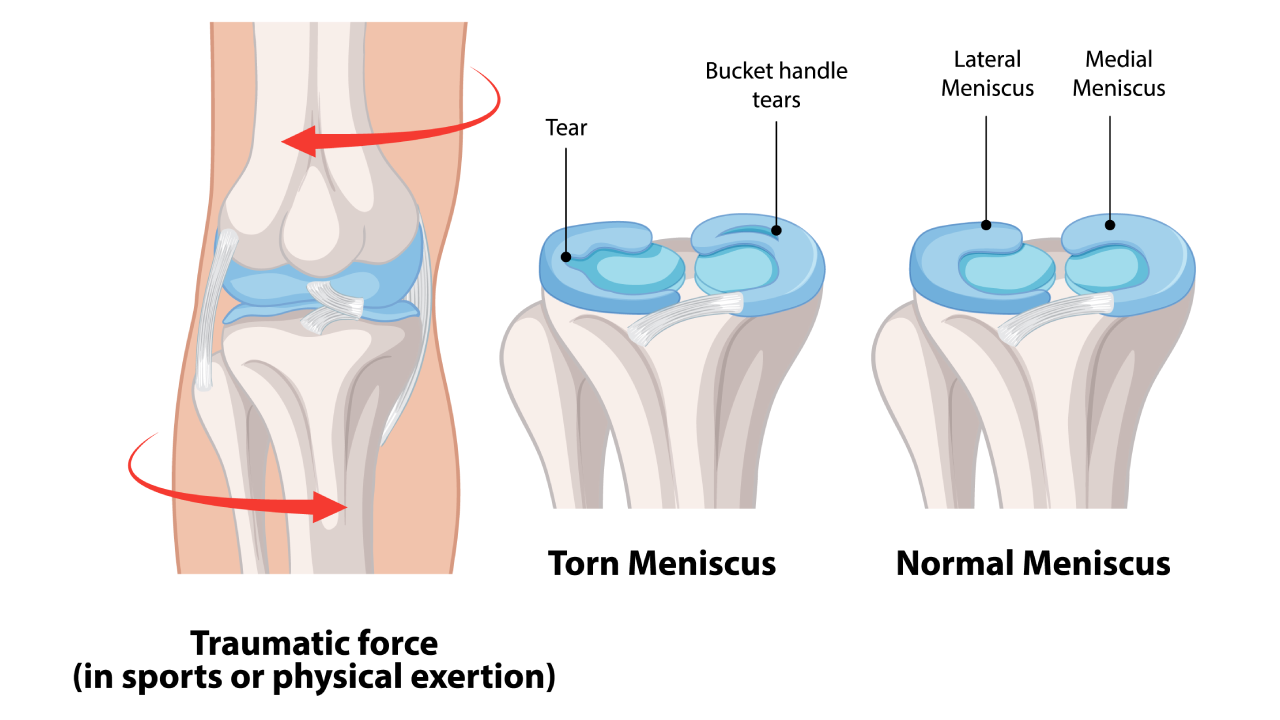
- Meniscus-related injuries
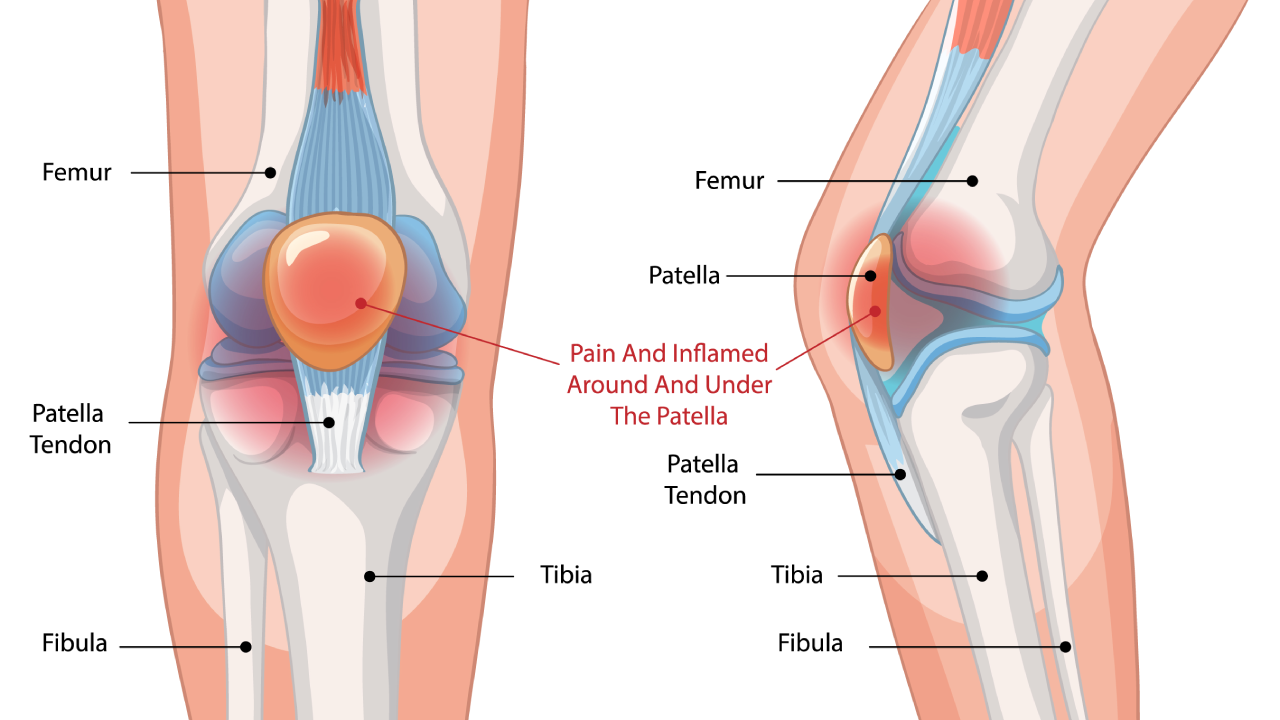
- Patellofemoral pain
- Knee strains
- Post-operative knee rehabilitation
- Sports-related knee injuries
- Movement-related knee problems
A rehabilitation program may include strength work for the quadriceps, hamstrings, hips, and surrounding muscles, along with balance and movement training.
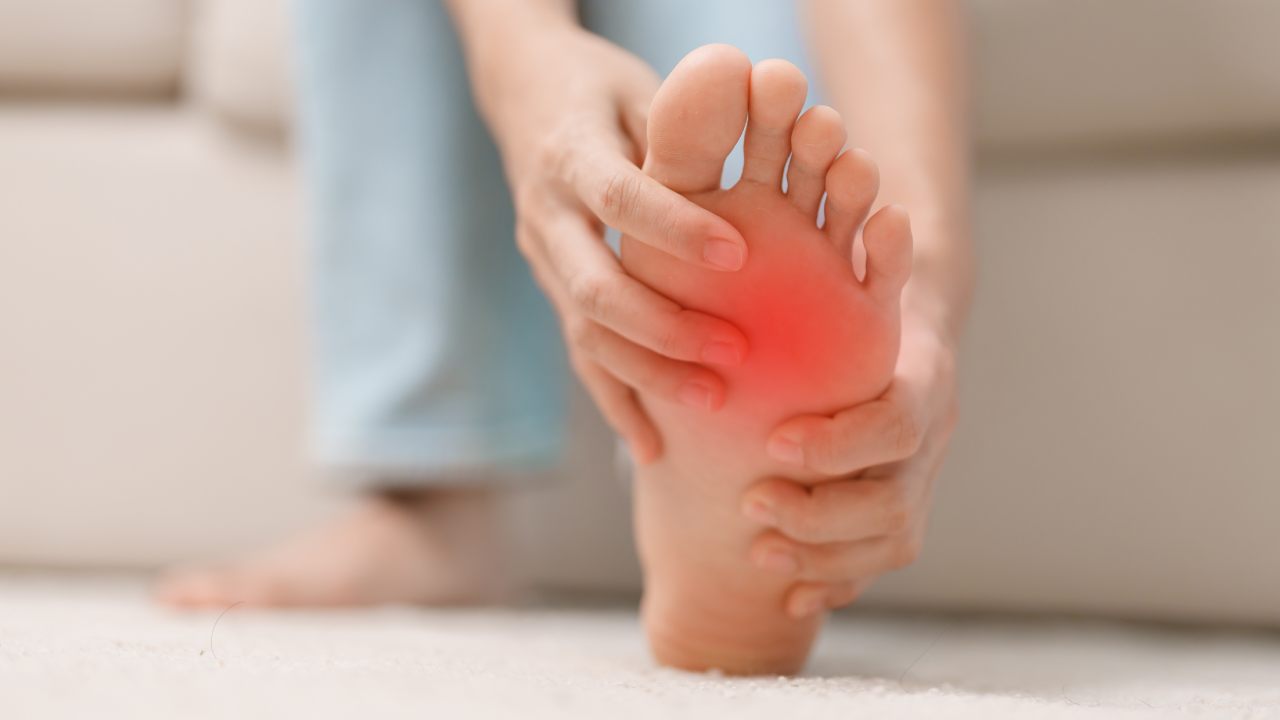
Ankle and Foot Injuries
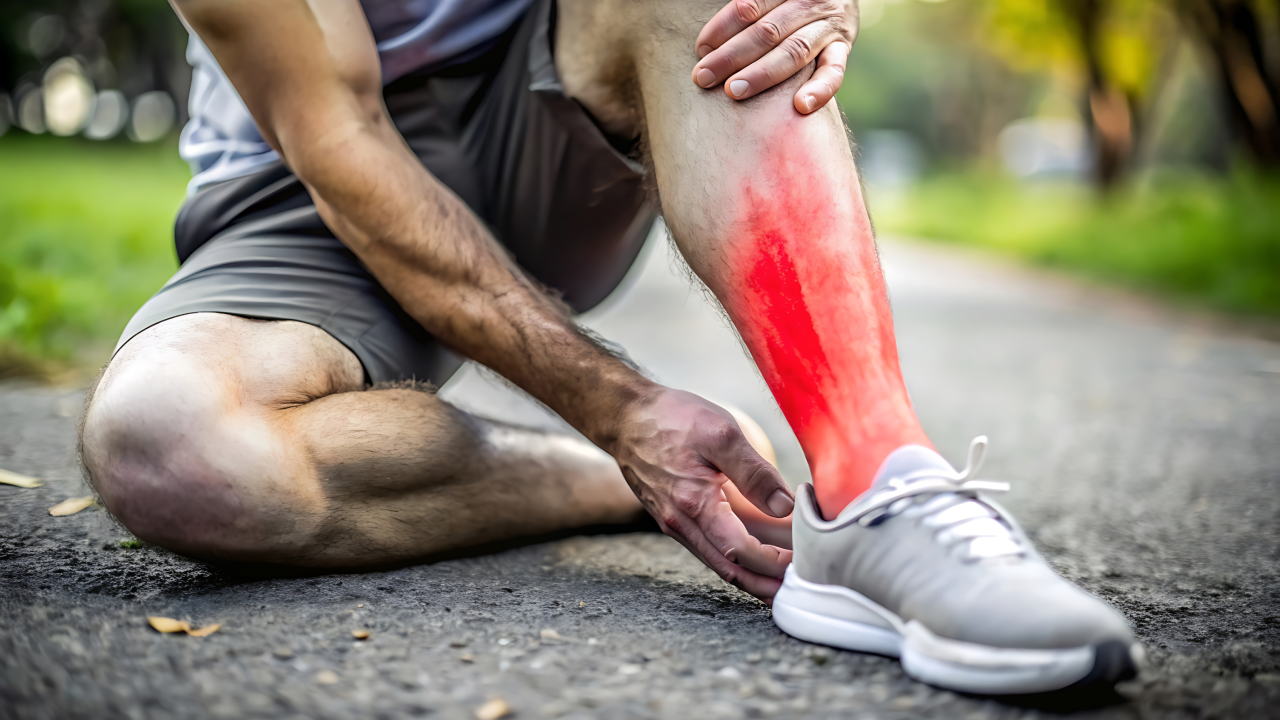
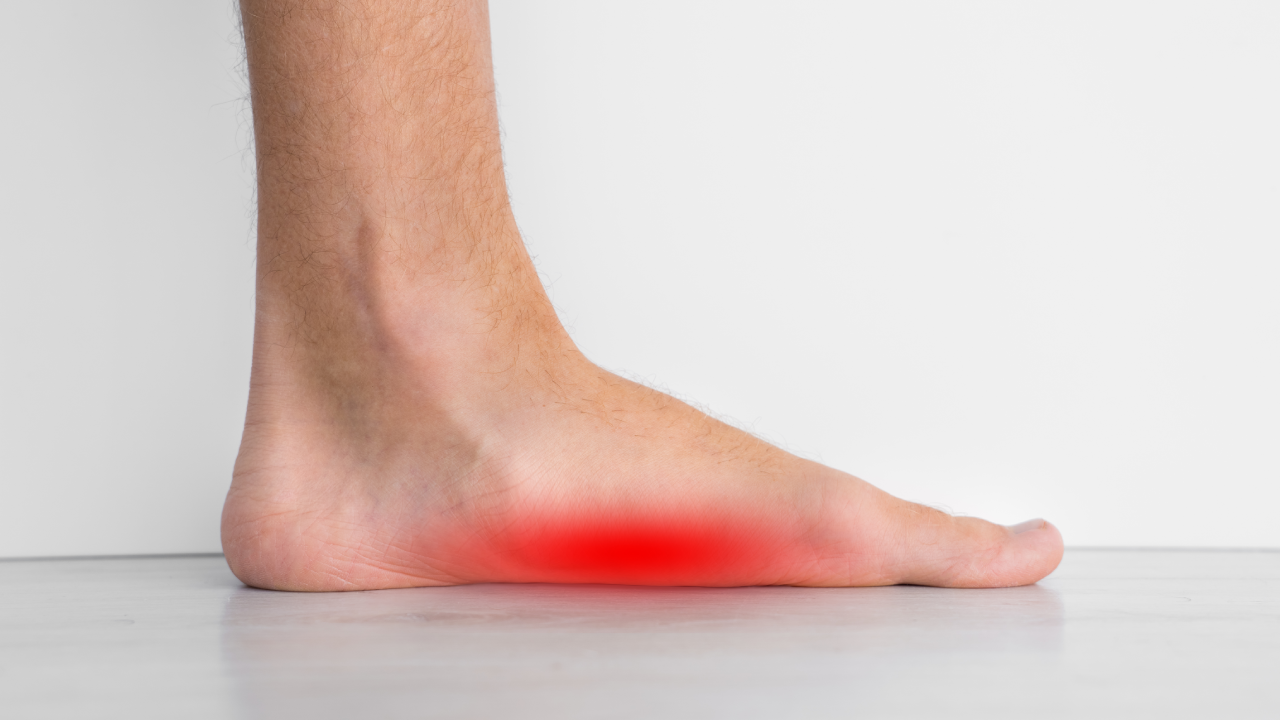
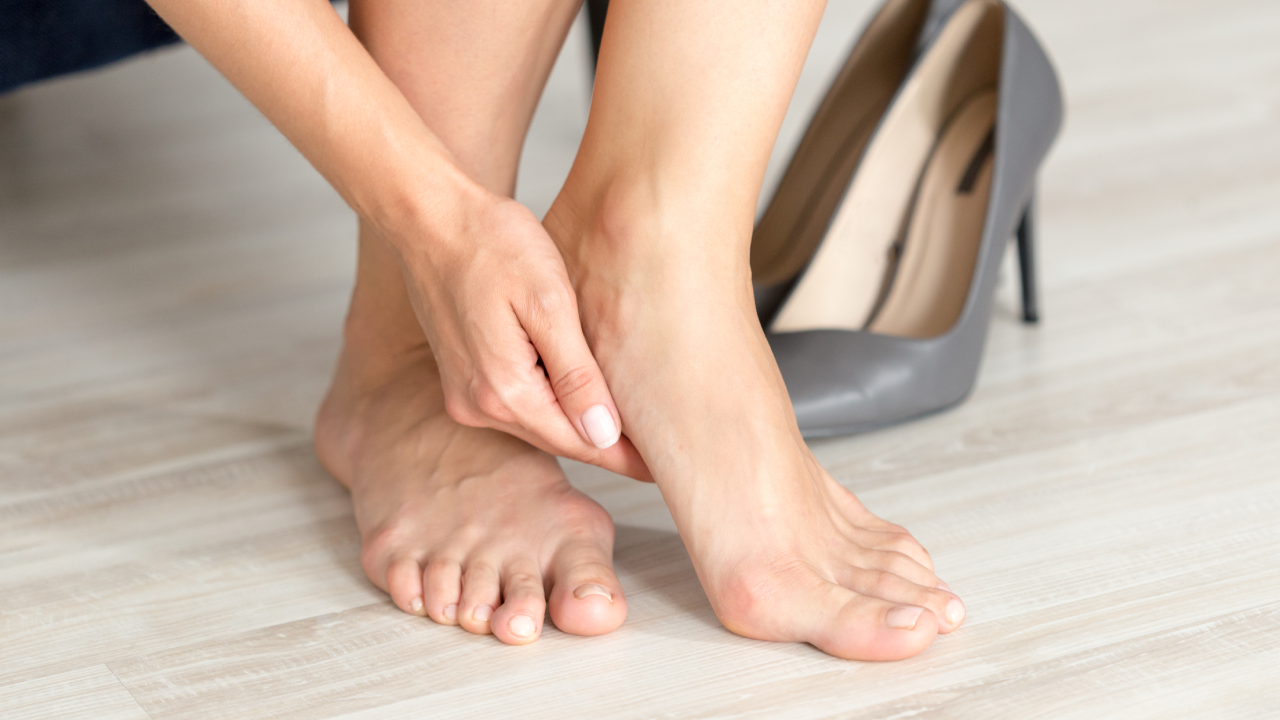
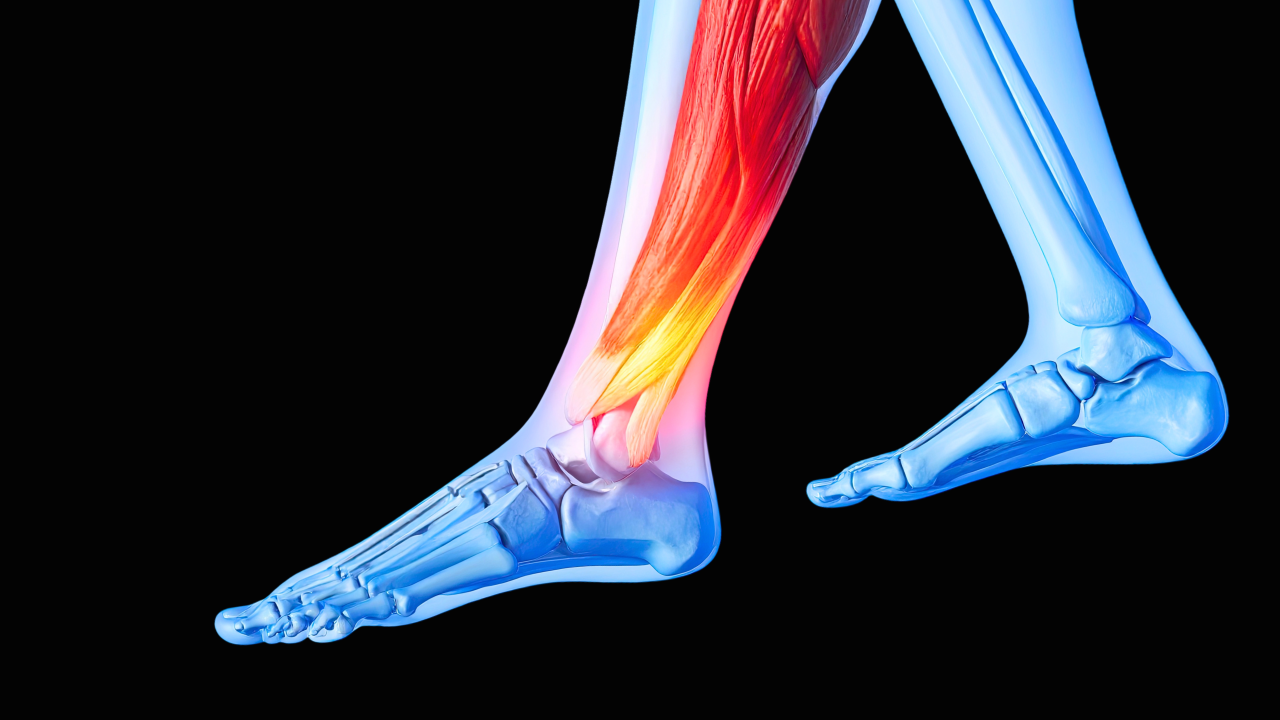
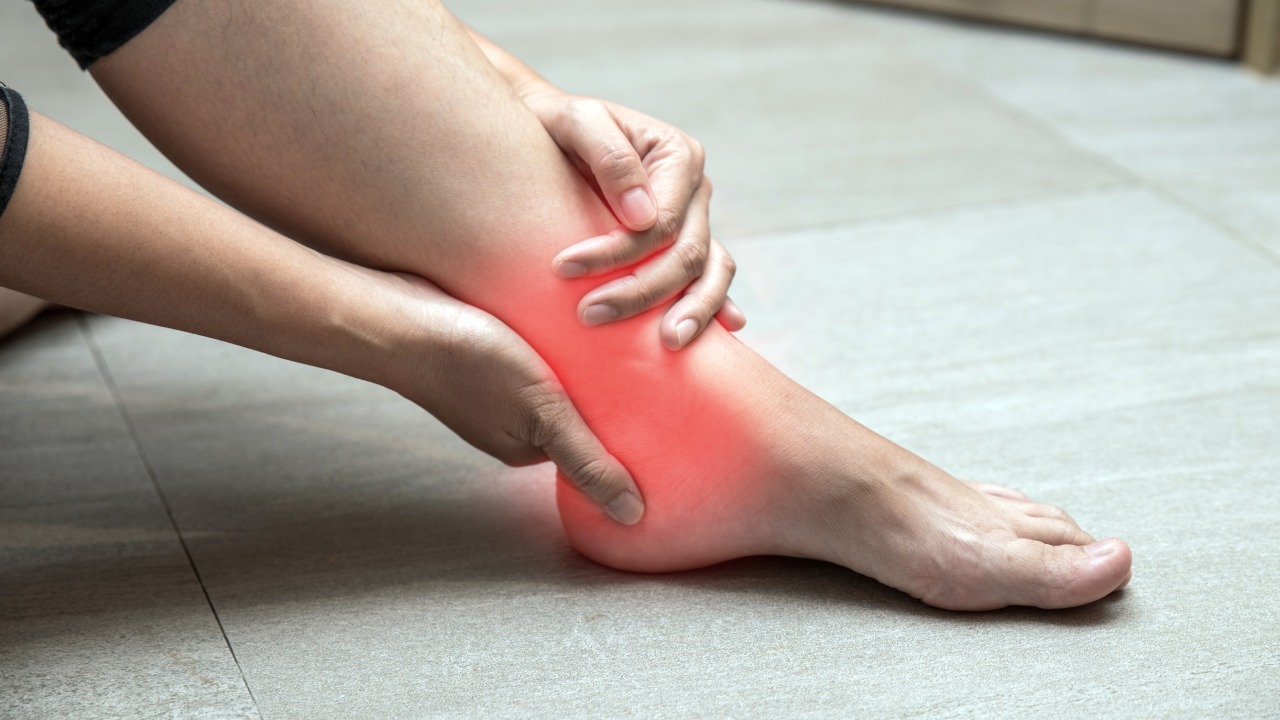
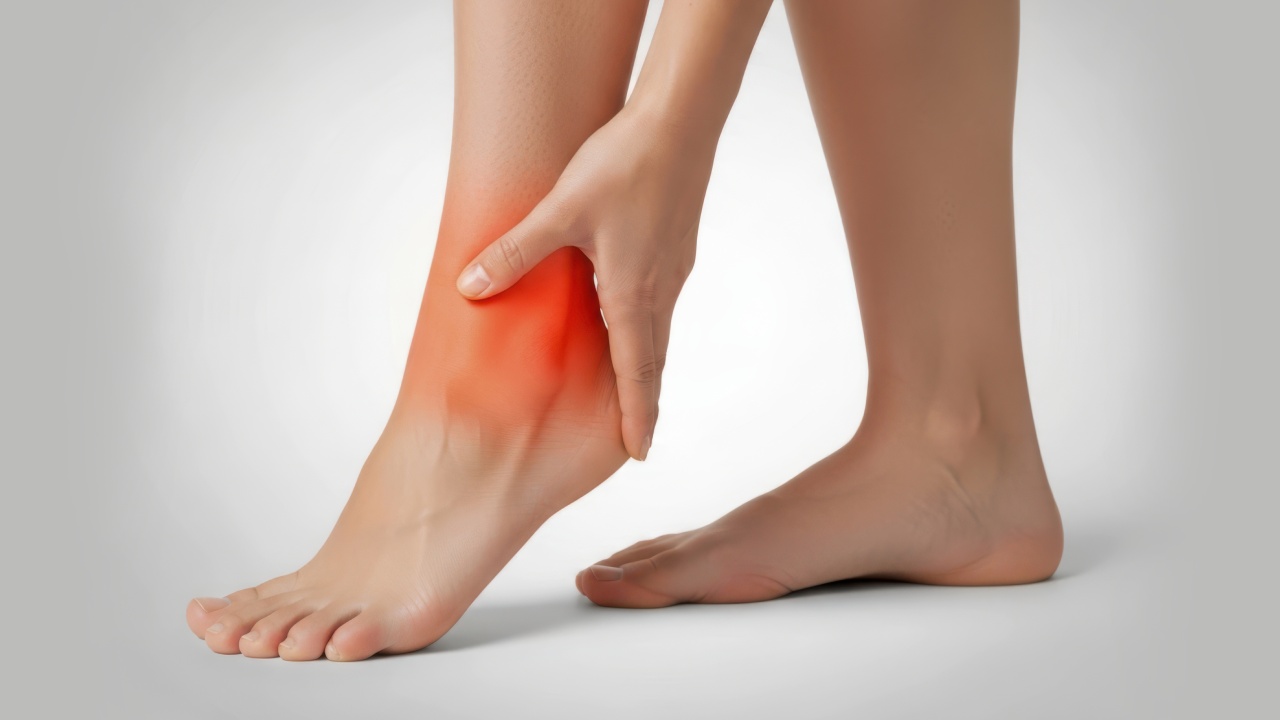
The ankle and foot absorb significant loads while walking, running, jumping, and changing direction. Even a relatively minor injury can affect normal movement.
Common conditions include:
- Ankle sprains
- Ankle strains
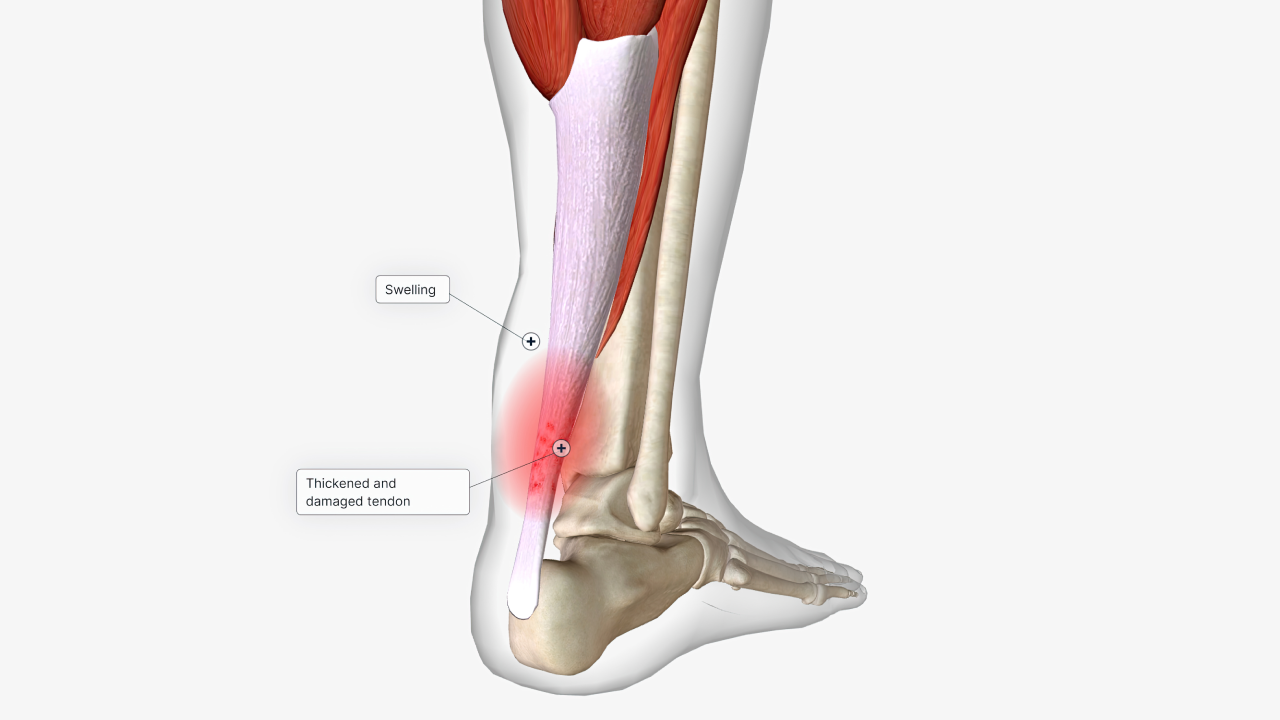
- Achilles tendon injuries
- Foot strains
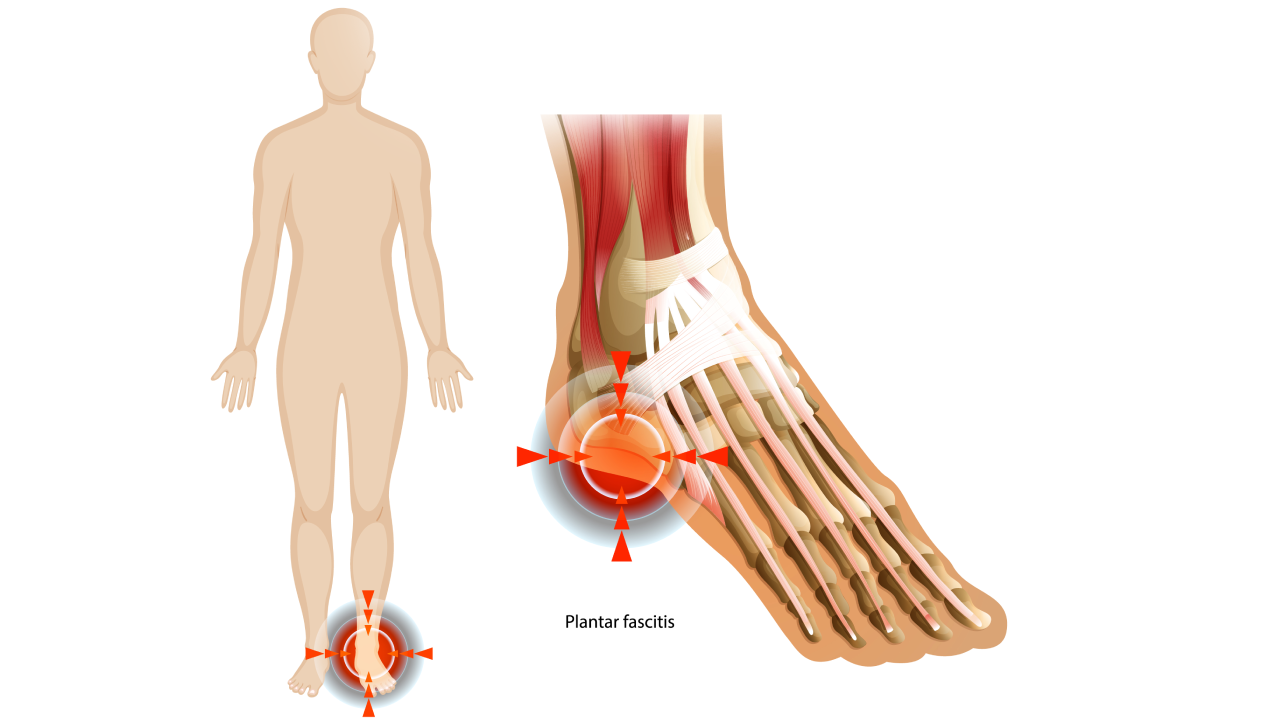
- Plantar fascia-related symptoms
- Post-fracture rehabilitation
- Sports-related foot and ankle injuries
- Balance problems following an ankle injury
Rehabilitation can include mobility exercises, strengthening, balance training, walking drills, and gradual return to physical activity.
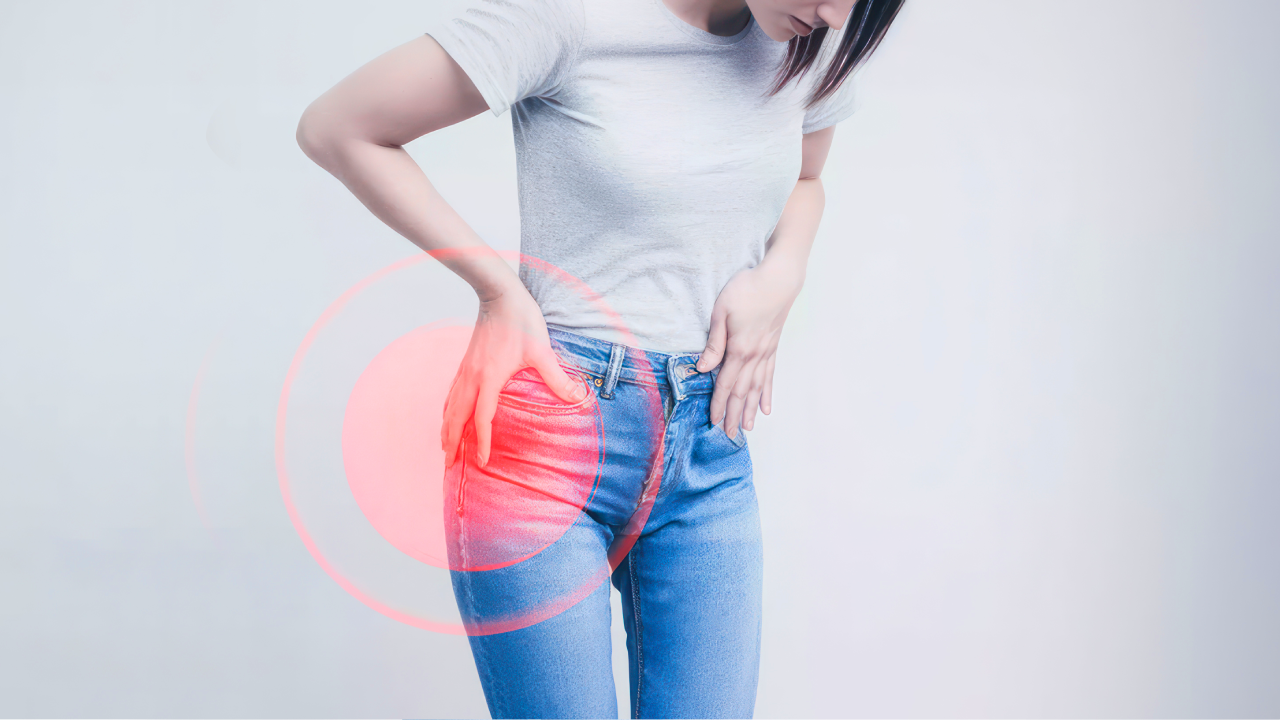
Hip Injuries
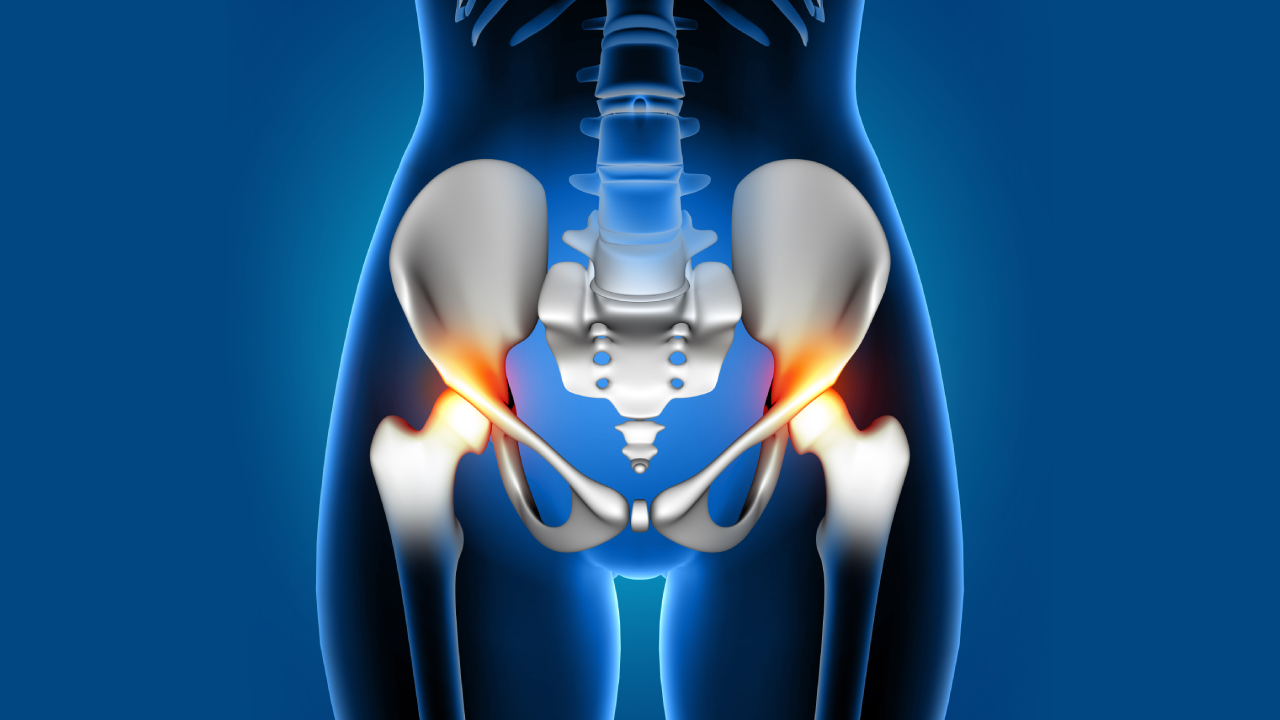
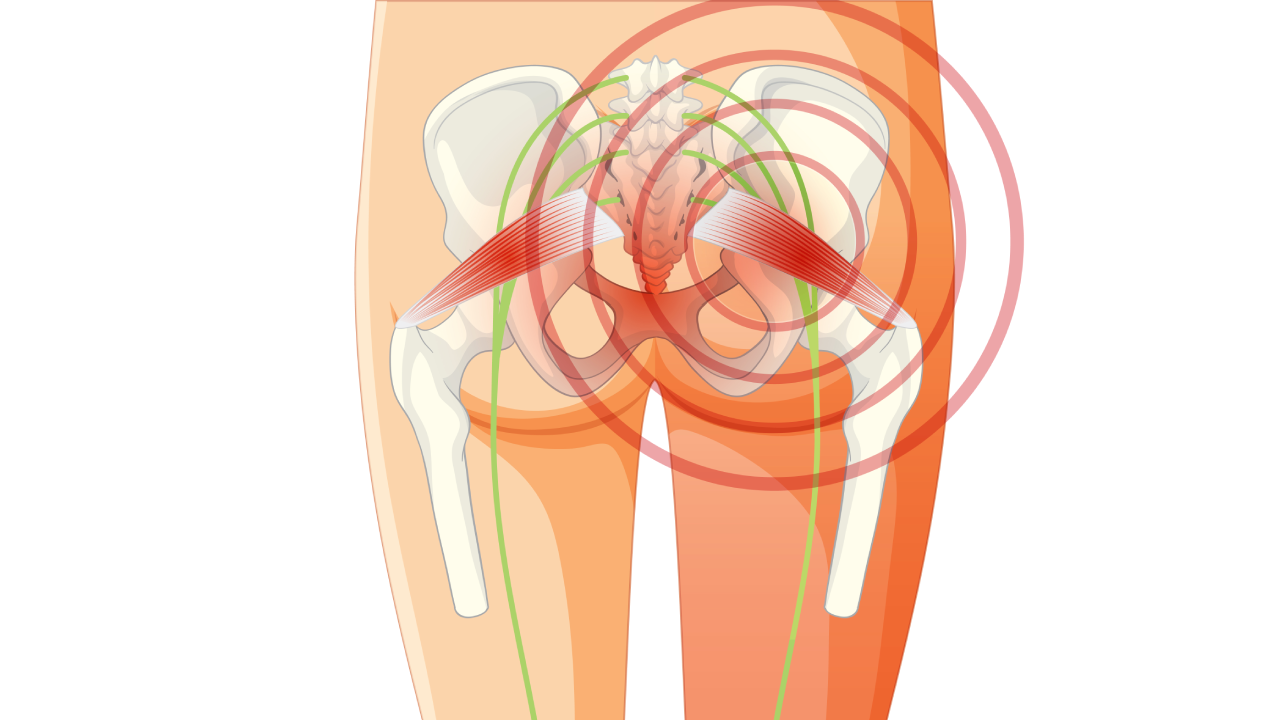
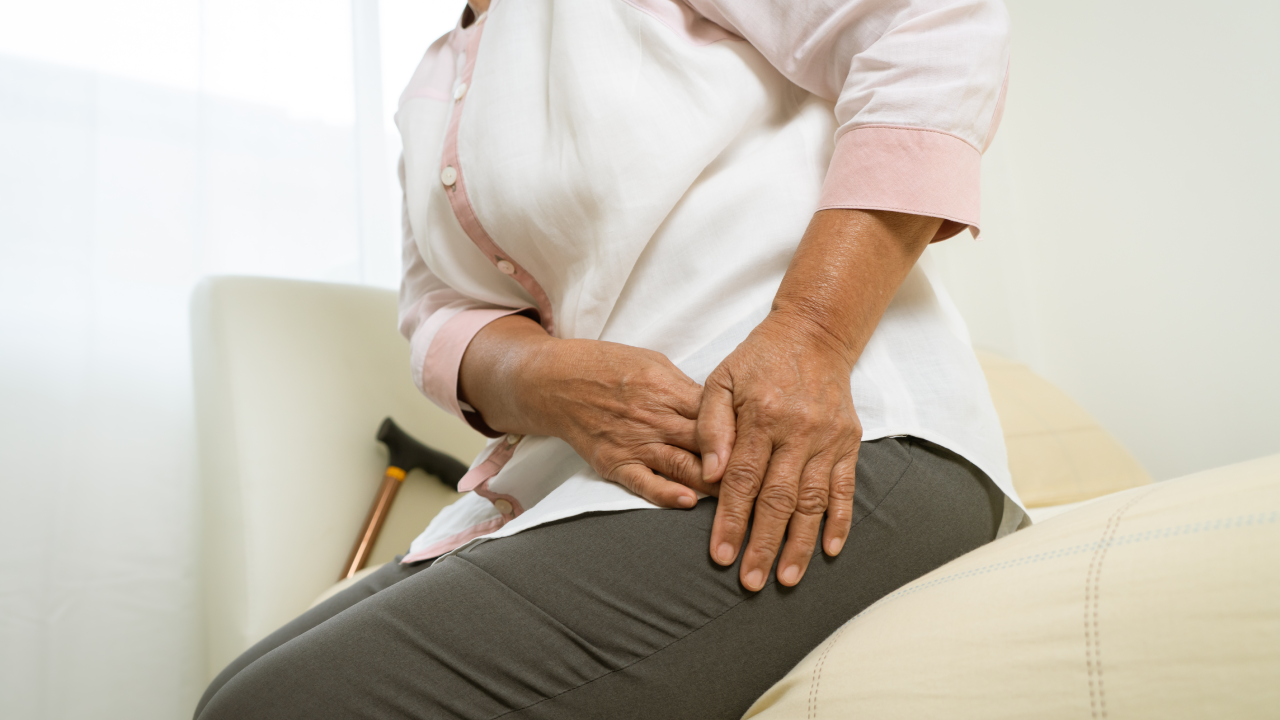
Hip injuries may affect walking, sitting, running, climbing stairs, or changing direction.
Conditions that may require rehabilitation include:
- Hip strains
- Hip flexor injuries
- Muscle injuries around the hip
- Sports-related hip problems
- Post-operative hip rehabilitation
- Movement-related hip symptoms
Rehabilitation may focus on hip mobility, core and lower-body strength, balance, and controlled loading.
Muscle Strains
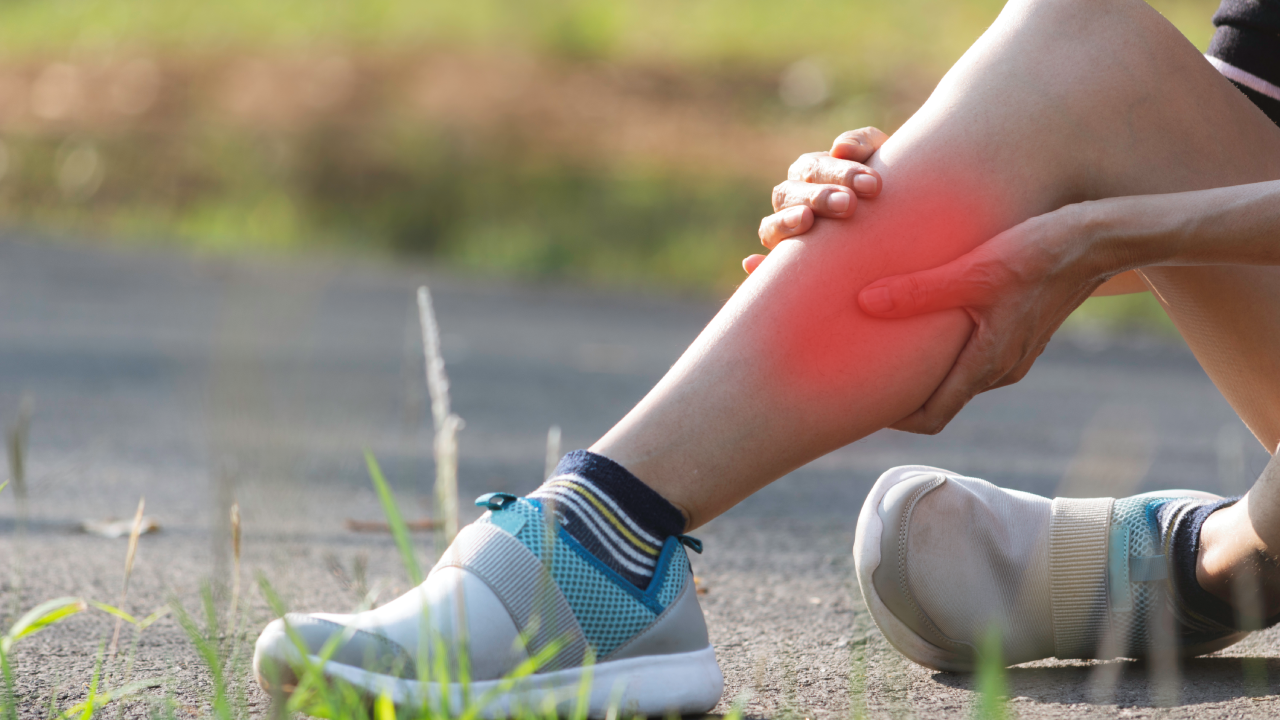
Muscle strains can occur when tissue is placed under more force than it can tolerate at that moment. They are common in sports, exercise, physically demanding work, and sudden movements.
Common areas include:
- Hamstrings
- Quadriceps
- Calves
- Groin
- Lower back
- Shoulder muscles
Rehabilitation usually progresses from comfortable movement to strengthening and activity-specific loading as appropriate.
Ligament Sprains
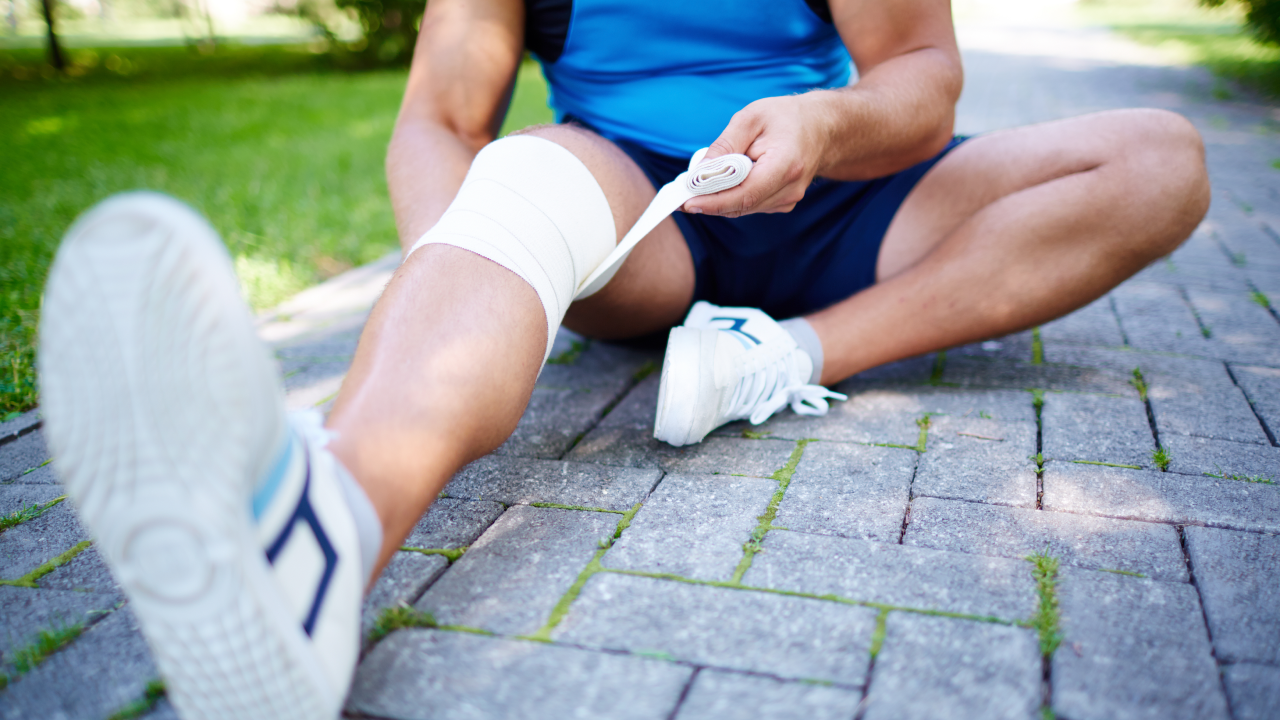
Ligaments connect bones and help provide joint stability. A sprain can occur when a joint moves beyond its usual range.
Examples include:
- Ankle sprains
- Knee ligament sprains
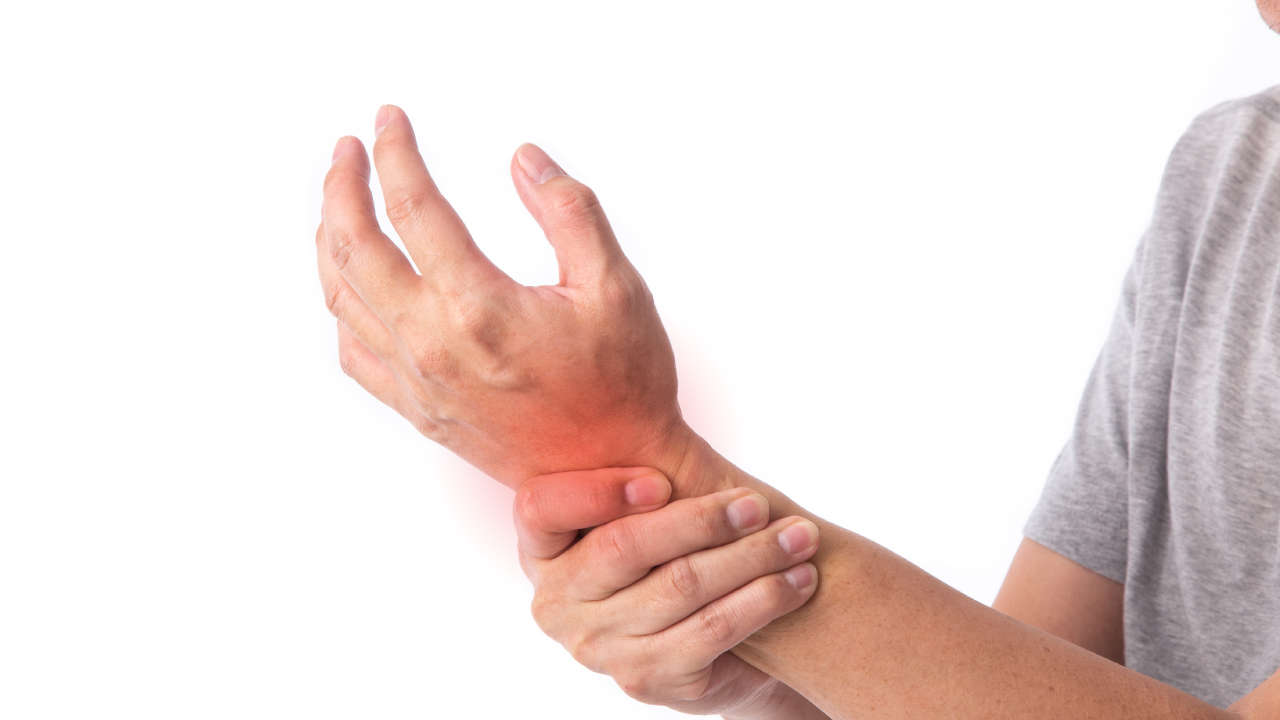
- Wrist sprains
- Shoulder ligament injuries
The rehabilitation process depends on the severity of the injury and whether additional medical assessment is required.
Tendon Injuries
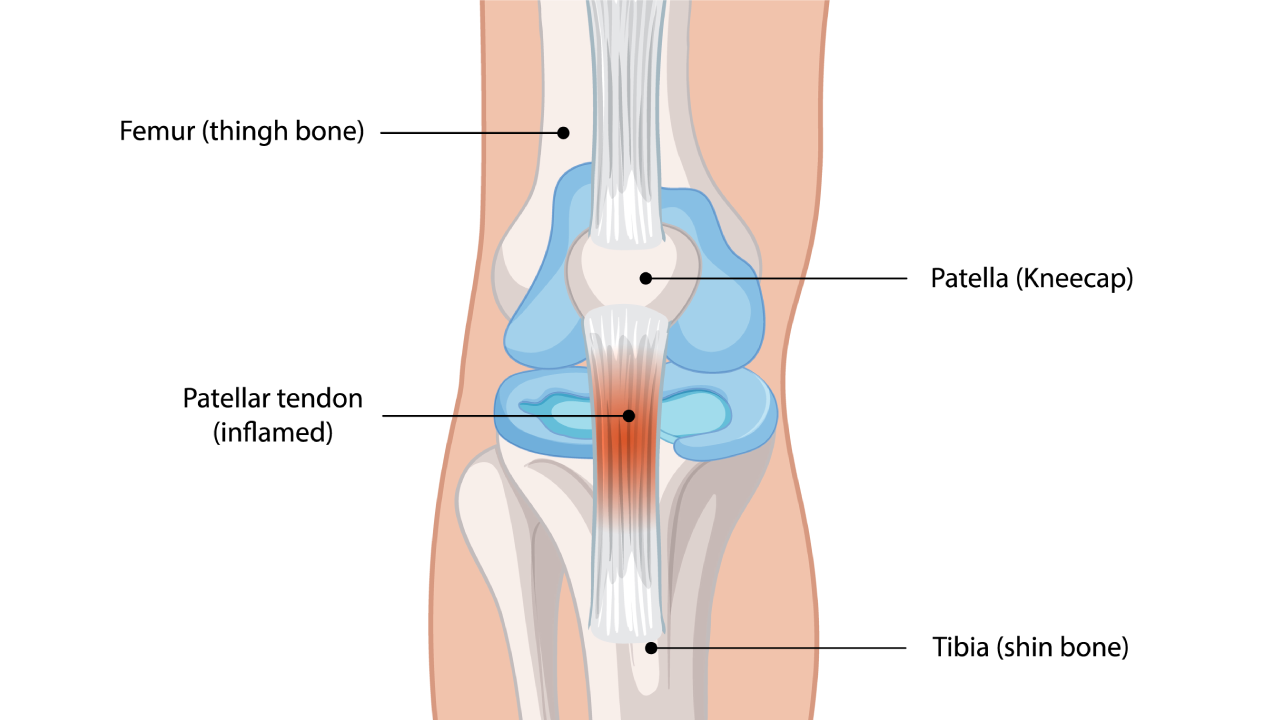
Tendons connect muscles to bones and can become irritated or injured through sudden loading, repetitive activity, or changes in training volume.
Conditions may involve:
- Achilles tendon problems
- Patellar tendon problems
- Rotator cuff tendon issues
- Tennis elbow
- Golfer’s elbow
- Other activity-related tendon conditions
Exercise-based loading is often an important part of tendon rehabilitation. The amount and progression depend on the individual condition.
Sports Injuries
Sports place different demands on the body depending on the activity. Running, hockey, soccer, basketball, cricket, tennis, weight training, and other sports can lead to different injury patterns.
Sports-related rehabilitation may address:
- Sprains
- Strains
- Tendon injuries
- Muscle injuries
- Joint injuries
- Overuse problems
- Post-operative rehabilitation
- Return-to-sport preparation
The rehabilitation process can gradually introduce movements and loading that resemble the person’s sport.
Workplace Injuries
Physical work can involve lifting, carrying, reaching, standing, repetitive movements, or prolonged positions. These demands can contribute to musculoskeletal injuries.
Work-related conditions may include:
- Back strains
- Neck injuries
- Shoulder injuries
- Knee injuries
- Wrist and hand problems
- Repetitive strain injuries
- Muscle and tendon injuries
Rehabilitation may focus on physical capacity, movement patterns, strength, and gradual return to workplace activities.
Motor Vehicle Accident Injuries
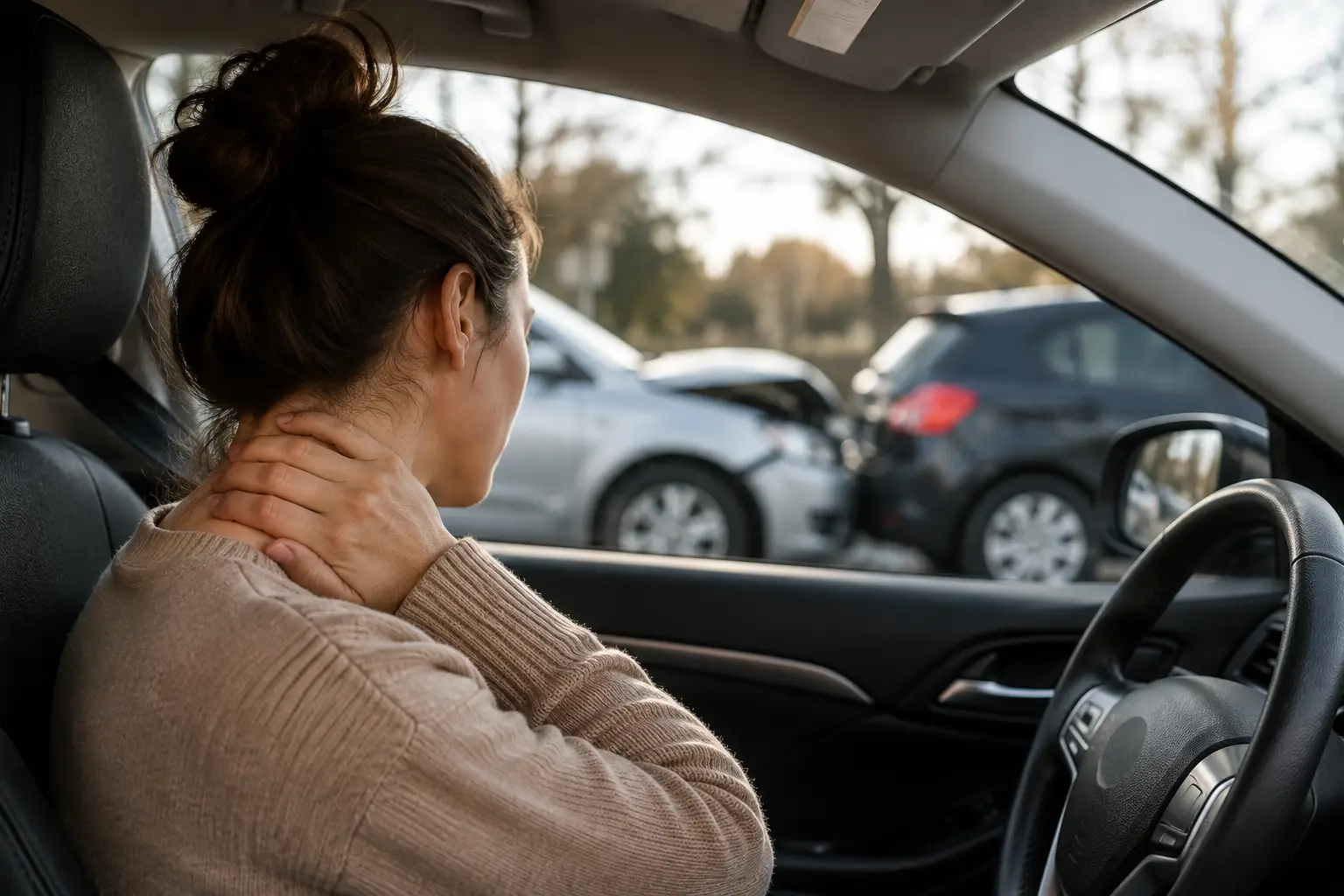
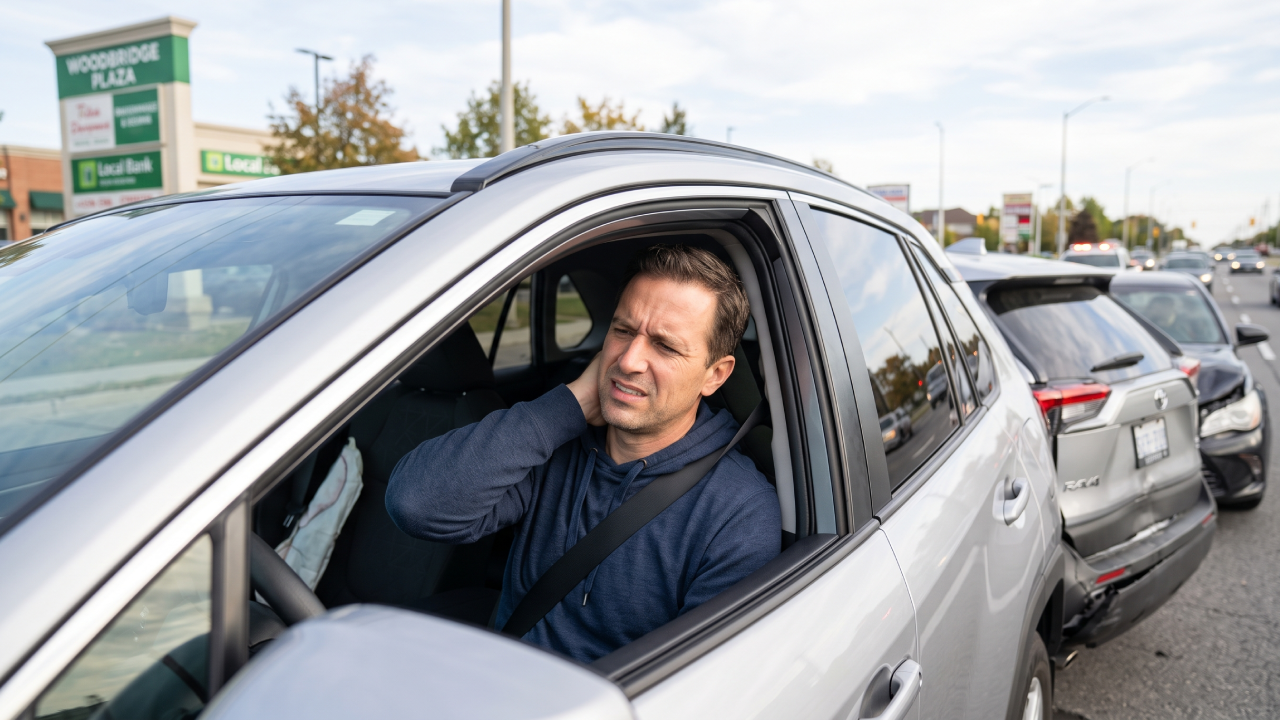
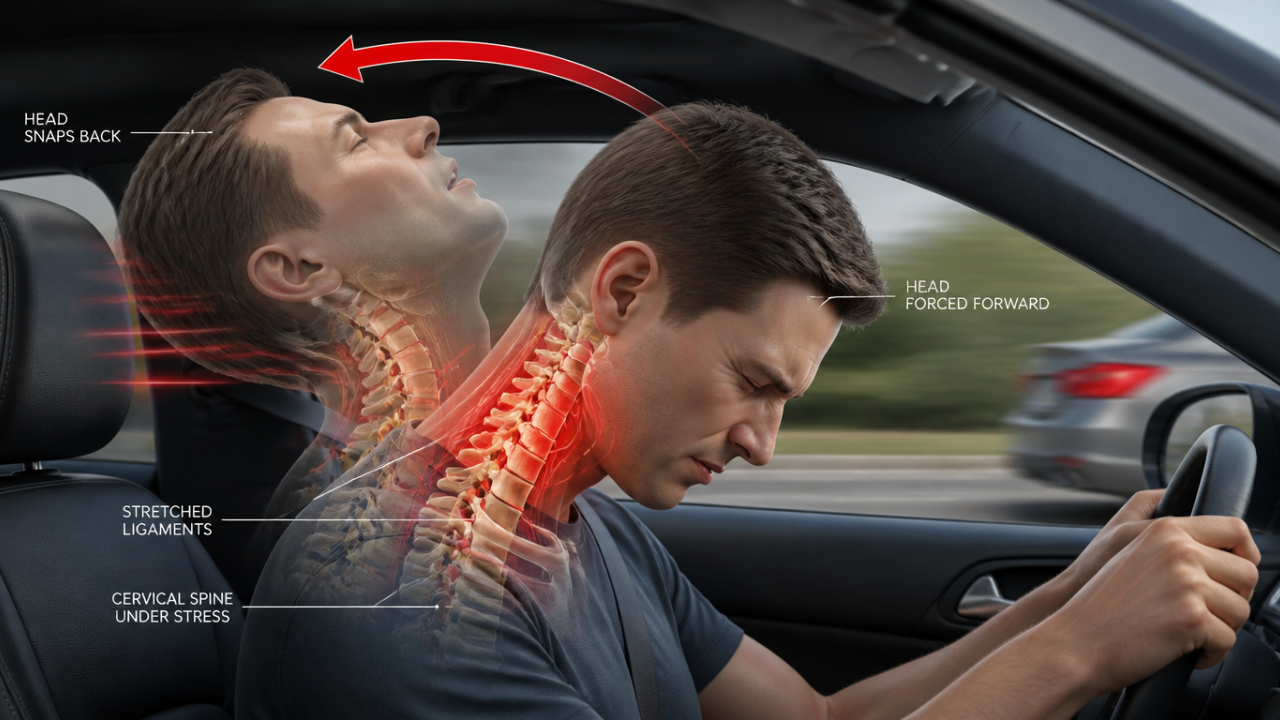
A motor vehicle collision can place sudden forces on the neck, back, shoulders, hips, and other parts of the body.
Possible injuries include:
- Whiplash-associated symptoms
- Neck strains
- Back strains
- Shoulder injuries
- Muscle strains
- Joint injuries
- Reduced mobility
- Movement limitations
After a collision, a medical assessment may be appropriate depending on the nature and severity of the symptoms. Physiotherapy rehabilitation can then address movement, strength, mobility, and activity tolerance when suitable.
Post-Surgical Rehabilitation
Surgery can temporarily affect strength, mobility, coordination, and normal activity levels. Rehabilitation can form part of the recovery process after procedures involving the knee, hip, shoulder, spine, ankle, or other areas.
The program depends on the surgical procedure and the instructions provided by the surgical or medical team.
It may include:
- Mobility exercises
- Strength training
- Balance exercises
- Functional movement practice
- Activity progression
- Home exercises
Repetitive Strain Injuries
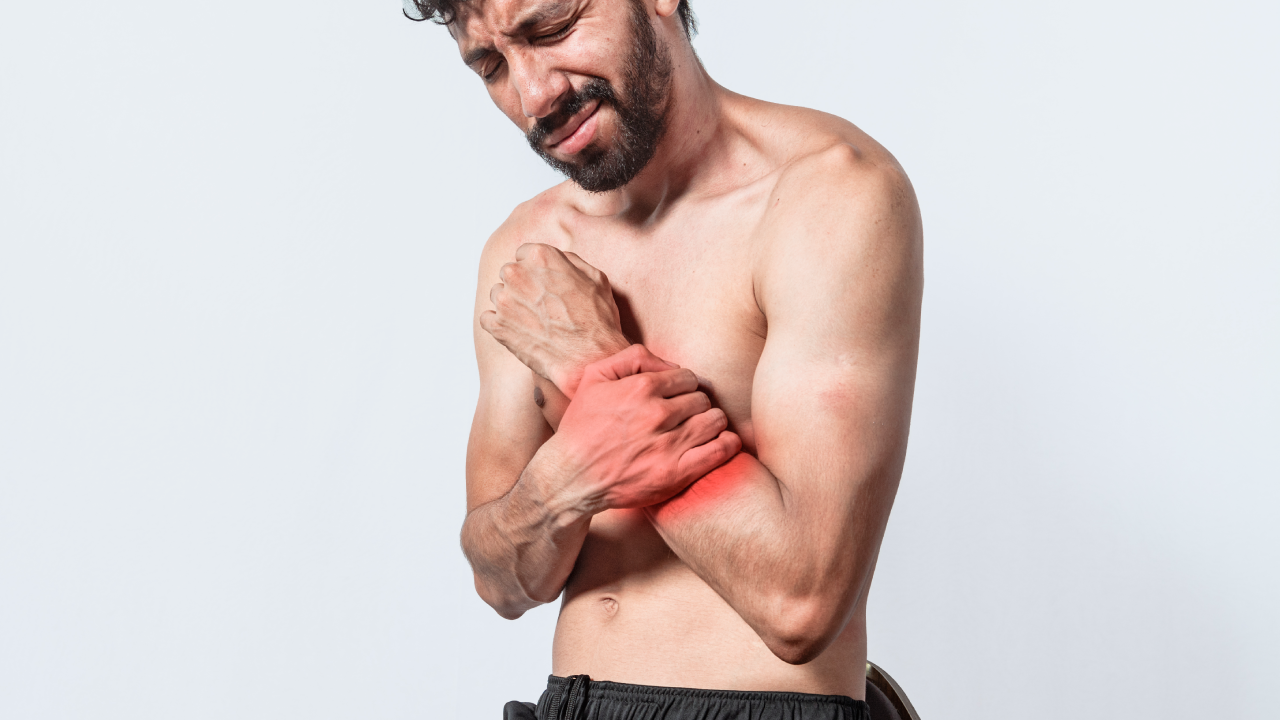
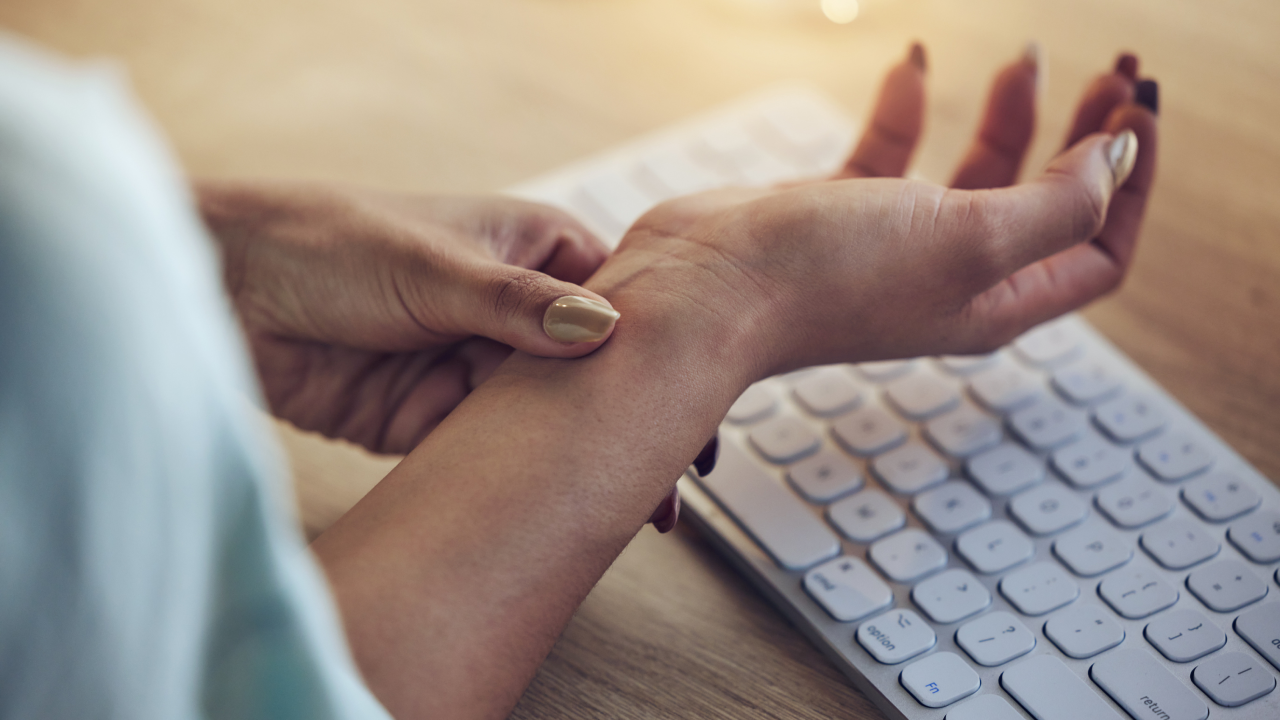
Repeated movements can place stress on muscles, tendons, joints, and other tissues. These problems may develop gradually rather than following one obvious incident.
They can affect:
- Neck
- Shoulders
- Elbows
- Wrists
- Hands
- Back
Rehabilitation may combine exercise, movement education, activity modification, and gradual loading.
Who Can Benefit From Injury Rehabilitation?
Injury rehabilitation may be suitable for people recovering from:
- Sports injuries
- Workplace injuries
- Motor vehicle collisions
- Falls
- Surgical procedures
- Muscle strains
- Joint sprains
- Tendon injuries
- Repetitive activities
- Reduced physical activity
It can also be useful for people who have returned to daily activities but still have difficulty with particular movements.
For example, someone may be able to walk after a knee injury but struggle with stairs. Another person may return to work after a back injury but find lifting difficult. A recreational athlete may be able to jog but not yet tolerate rapid direction changes.
These situations can require different rehabilitation strategies.
Problems Injury Rehabilitation Can Address
At Spinal Solution and Rehab, rehabilitation may address issues such as:
- Reduced joint mobility
- Muscle weakness
- Poor balance
- Reduced coordination
- Difficulty walking
- Difficulty using stairs
- Limited lifting capacity
- Reduced exercise tolerance
- Difficulty returning to sport
- Reduced confidence with movement
- Challenges returning to work
- Reduced tolerance for repetitive activities
The appropriate program depends on the injury and findings from an assessment.
What Is Included?
Physical Assessment
The process begins with an assessment of movement, strength, mobility, functional limitations, and relevant symptoms.
Exercise-Based Rehabilitation
Exercises may be used to build strength, mobility, balance, coordination, and physical capacity.
Manual Therapy
Where clinically appropriate, hands-on techniques may be incorporated alongside active rehabilitation.
Functional Training
Exercises can reflect everyday activities, workplace tasks, or sporting movements when appropriate.
Home Exercise Program
You may receive exercises to perform between appointments. The number and type of exercises depend on your condition and rehabilitation stage.
How Injury Rehabilitation Works
1. Consultation
We discuss the injury, symptoms, relevant medical history, daily activities, work demands, and physical goals.
2. Assessment
Movement, strength, mobility, balance, and functional limitations are assessed according to the condition.
3. Planning
The findings are used to establish a rehabilitation plan based on your current abilities and activity requirements.
4. Implementation
Exercises and other physiotherapy interventions are introduced and progressed according to your response.
5. Review
Progress is reviewed during follow-up appointments. Exercises and activity levels can be adjusted as needed.
6. Ongoing Support
As your physical capacity changes, rehabilitation may shift toward more demanding activities, workplace tasks, recreational activities, or sport-specific movements.
Benefits of Injury Rehabilitation
A structured rehabilitation program may help with:
- Improved movement capacity
- Increased muscle strength
- Greater joint mobility
- Improved balance
- Improved coordination
- Increased activity tolerance
- Greater confidence during movement
- Preparation for workplace tasks
- Preparation for sports activities
- Gradual return to everyday activities
The results vary according to the injury, severity, general health, consistency with the rehabilitation program, and other factors.
Who We Serve
Spinal Solution and Rehab serves people dealing with injuries connected to:
- Sports and recreation
- Workplace activities
- Motor vehicle collisions
- Exercise and fitness
- Household activities
- Falls
- Post-surgical recovery
- Repetitive work
- Everyday movement
Frequently Asked Questions
What does Injury Rehabilitation in Woodbridge, ON, include?
It may include assessment, therapeutic exercise, mobility work, strengthening, balance training, movement education, manual therapy, and functional activity progression.
How soon should rehabilitation begin after an injury?
Timing varies by injury. Some conditions can be assessed soon after the incident, while others require medical assessment first. Follow the instructions provided by your physician or other healthcare provider when applicable.
Do I need a referral?
Referral requirements can vary depending on the circumstances, insurance coverage, and the type of care being sought. Contact Spinal Solution and Rehab to ask about the current process.
How many appointments will I need?
There is no fixed number for every injury. The schedule depends on the condition, severity, progress, activity demands, and rehabilitation goals.
Can rehabilitation help with sports injuries?
Yes. Physiotherapy rehabilitation can address many sports-related injuries through mobility work, strengthening, balance exercises, functional training, and gradual return-to-sport activities.
Can I receive rehabilitation after surgery?
Yes, rehabilitation is commonly used following various orthopedic procedures. The program should follow the restrictions and recommendations provided by the surgical or medical team.
What should I bring to my first appointment?
Bring relevant medical reports, imaging reports if available, a list of current treatments, and information about the injury. Wear clothing that allows the affected body area to be assessed and moved.
When should I seek urgent medical care?
Seek urgent medical attention after a serious injury involving severe symptoms, major trauma, loss of consciousness, significant weakness, difficulty breathing, chest symptoms, suspected fracture, or other symptoms that may indicate an emergency.
Service Area
Spinal Solution and Rehab provides Injury Rehabilitation in Woodbridge, ON, for people in Woodbridge and nearby communities in the Vaughan area.
Our local service area may include:
- Woodbridge
- Vaughan
- Kleinburg
- Maple
- Vellore Village
- Concord
- Nearby Vaughan communities
People searching for injury rehabilitation near Woodbridge may be dealing with sports injuries, workplace injuries, motor vehicle accident injuries, strains, sprains, tendon problems, or post-surgical recovery needs.
For current appointment availability and service details, contact Spinal Solution and Rehab directly.
Why Choose Spinal Solution and Rehab?
Choosing a rehabilitation clinic involves more than looking at the type of treatment available. It is also useful to consider the clinic’s assessment process, communication, appointment structure, and the types of conditions addressed.
At Spinal Solution and Rehab, the rehabilitation process is centred on assessing your current physical abilities and identifying the activities that are difficult due to your injuries.
As your movement, strength, and activity tolerance change, we can adjust your program accordingly.
Rather than treating every injury in the same way, the rehabilitation plan should reflect the affected body area, injury type, current functional limitations, and activity demands.
Related Physiotherapy Services
Depending on your condition, you may also want to explore related services such as:
- Sports Physiotherapy
- Motor Vehicle Accident Rehabilitation
- Workplace Injury Rehabilitation
- Post-Surgical Rehabilitation
- Back and Neck Physiotherapy
- Shoulder Rehabilitation
- Knee Rehabilitation
- Exercise Rehabilitation
- Manual Therapy
- Mobility and Strength Training
Get Started
An injury can affect more than the injured body part. It can change how you work, exercise, sleep, walk, lift, and participate in daily activities.
If you are searching for Injury Rehabilitation in Woodbridge, ON, Spinal Solution and Rehab can assess your condition and discuss appropriate rehabilitation options based on your needs.
Address: 8300 Hwy 27, Woodbridge, ON L4H 0R9
Phone: +1 905-739-3100
Contact Spinal Solution and Rehab to ask about an assessment and the next steps for your injury rehabilitation.