
Chiropractic Care for Seniors: Enhancing Mobility and Quality of Life
Read Article

Muscle tension is a common concern that can affect people of different ages and activity levels. Whether you spend long hours sitting at a desk, perform physically demanding work, participate in sports, or manage daily household responsibilities, your muscles are constantly involved in movement and posture. Over time, repetitive activities, prolonged sitting, physical strain, and stress can contribute to tightness, soreness, and restricted movement.
While occasional muscle stiffness may disappear after rest, recurring tension can interfere with everyday activities. You might notice discomfort when turning your neck, reaching overhead, bending forward, walking, or getting out of bed in the morning. These changes can make simple tasks more challenging and affect your ability to remain physically active.
Recognizing the early signs of muscle tension can help you decide when to seek professional care. Massage Therapy is one approach that may help address muscular tightness, encourage circulation, and support normal movement. Depending on your physical condition and symptoms, a registered massage therapist can assess areas of tension and recommend appropriate techniques.
For individuals in Woodbridge, Spinal Solution & Rehab provides access to rehabilitation and massage services for people experiencing various musculoskeletal concerns. Knowing what symptoms to watch for can help you determine whether massage care may be appropriate for your needs.
Muscle tension does not always appear as noticeable pain. Sometimes, it begins with mild stiffness, reduced flexibility, or tired muscles that do not seem to recover after ordinary activities. Paying attention to these changes can help you recognize when additional care may be worth considering.
Here are seven common signs that may indicate a need to discuss massage care with a qualified healthcare provider.
Neck and shoulder tension is one of the most common complaints among people who spend extended periods working at computers, using mobile devices, or performing repetitive tasks. Maintaining the same position for several hours can place continuous demands on the muscles surrounding the neck and shoulders.
You may notice:
Poor workstation positioning, prolonged screen time, stress, and repetitive movements can contribute to these symptoms. The upper trapezius and surrounding muscles may become particularly tense.
Massage Therapy may help reduce muscular tightness through appropriate pressure and hands-on techniques. A registered massage therapist can assess the affected areas and select techniques according to your comfort, symptoms, and physical condition.
If neck discomfort is accompanied by numbness, tingling, weakness, severe headaches, or symptoms following an accident, seek medical assessment rather than relying on massage alone.
Lower back stiffness can develop from several everyday activities, including prolonged sitting, repeated bending, lifting heavy objects, and maintaining awkward postures. People with desk-based occupations may notice tightness after sitting throughout the workday, while physically active individuals may experience soreness following strenuous tasks.
Common signs include:
The muscles surrounding the lumbar spine play an important role in supporting the body during movement. When these muscles become overworked or tense, everyday movements may feel restricted.
Massage can address surrounding soft tissues and may help reduce the sensation of muscular tightness. However, lower back discomfort can have several causes, including joint problems, disc conditions, and nerve irritation. An appropriate assessment can help determine whether hands-on treatment is suitable.
Have you noticed that reaching overhead, bending down, turning your torso, or stretching your legs feels more difficult than before? Reduced flexibility may sometimes indicate muscular tightness.
Muscles work together with joints, tendons, and ligaments to produce controlled movement. When certain muscle groups remain tense, they may restrict comfortable movement and make ordinary activities feel demanding.
Some common signs include:
Regular physical activity, adequate rest, and appropriate stretching can help maintain mobility. However, persistent restrictions may require additional assessment.
Massage Therapy may help address tight soft tissues and support comfortable movement. A therapist can focus on specific muscle groups based on your symptoms and movement limitations.
It is important to remember that reduced range of motion is not always caused by muscle tension. Joint conditions, inflammation, and previous injuries may also contribute to restricted movement.
Muscle knots are commonly described as small, tight, or sensitive areas within muscle tissue. They may develop in the neck, shoulders, upper back, lower back, and other muscle groups.
You might notice a firm or tender spot when pressing on a particular area. Sometimes, discomfort may spread into nearby regions, making the surrounding muscles feel uncomfortable as well.
Potential contributing factors include the following:
These areas may feel particularly sensitive during movement or when pressure is applied. Some people also notice that tightness becomes more noticeable after sitting or standing for extended periods.
Massage techniques may help address these sensitive areas by applying controlled pressure and working with the surrounding soft tissues. The pressure and approach should always be adjusted according to the individual’s tolerance.
Avoid applying intense pressure to unexplained lumps, swollen areas, or regions with unusual skin changes. Such symptoms should receive medical assessment first.
Muscle soreness is not limited to athletes or people who participate in strenuous exercise. Ordinary activities such as cleaning, gardening, grocery shopping, carrying children, and climbing stairs can place demands on different muscle groups.
If your muscles frequently feel tired or sore after routine tasks, it may indicate that certain areas are being overworked.
You may experience:
Physical activity naturally places stress on muscles. However, repeatedly performing demanding tasks without adequate recovery can contribute to persistent tightness.
Massage may help address muscular soreness and promote relaxation. When combined with appropriate rest, gradual activity progression, and stretching, hands-on care may form part of a broader approach to managing muscular discomfort.
If soreness is unusually severe, accompanied by significant swelling, or persists without an identifiable reason, seek medical advice.
Some headaches are associated with tension in the neck, shoulders, and upper back. Prolonged screen use, poor posture, stress, and sustained muscle contraction may contribute to discomfort around the head and neck.
You may notice:
Tension-type headaches can involve a pressing or tightening sensation around the forehead, temples, or back of the head. However, not every headache is caused by muscular tension.
Massage techniques directed at the neck and shoulder muscles may help reduce associated tightness in some individuals. A therapist can assess whether working on these areas is appropriate based on your symptoms.
Sudden, severe headaches, headaches following a head injury, or headaches accompanied by vision changes, confusion, fever, or weakness require prompt medical attention.
Physical tension and emotional stress can influence each other. During stressful periods, people may unknowingly tighten their shoulders, clench their jaw, or maintain rigid postures throughout the day.
Over time, these habits may contribute to discomfort and difficulty relaxing.
Common signs include:
Stress management, adequate sleep, regular movement, and relaxation activities can help address some contributing factors.
Massage Therapy may encourage relaxation through gentle, controlled pressure and rhythmic movements. It can also provide an opportunity to focus on areas where tension commonly accumulates.
If ongoing stress affects your sleep, mood, or daily functioning, consider speaking with an appropriate healthcare professional about additional support.
Everyday muscle stiffness can develop when muscles remain in one position for extended periods, perform repetitive movements, or experience physical strain. For example, sitting at a desk throughout the day may contribute to tightness in the neck, shoulders, hips, and lower back. Similarly, standing for long hours may place additional demands on the legs and back.
Massage works with the body’s soft tissues through different hands-on methods. Depending on the individual’s needs, a registered massage therapist may use techniques such as gentle gliding movements, kneading, controlled pressure, and targeted soft-tissue work.
Here are several ways massage may help address everyday stiffness:
Massage applies controlled pressure and movement to muscles and surrounding soft tissues. This may help reduce the sensation of tightness in areas affected by repetitive activity or prolonged positioning.
Manual massage techniques can temporarily increase blood flow in the treated areas. Circulation plays an important role in transporting oxygen and nutrients to body tissues.
When muscular tightness contributes to restricted movement, appropriate massage techniques may help improve comfort during everyday activities. This can be particularly relevant for people experiencing stiffness in their shoulders, back, hips, or legs.
Gentle massage movements may encourage relaxation and reduce the sensation of muscular tension. Some individuals find this helpful after physically demanding work or extended periods of sitting.
Massage can be included alongside stretching, strengthening exercises, posture adjustments, and movement-based rehabilitation. Combining these approaches may address different factors contributing to recurring stiffness.
The techniques, pressure, and session duration should depend on your health history, symptoms, and physical response. Massage is not suitable for every condition, so an assessment is important before starting treatment.
Muscle tension can develop for several reasons. Identifying possible contributing factors can help you make practical changes to your daily routine.
Prolonged Sitting: Remaining seated for several hours may contribute to stiffness in the neck, shoulders, hips, and lower back.
Poor Posture: Slouching, leaning forward, and maintaining awkward positions can place additional demands on certain muscle groups.
Repetitive Movements: Repeated lifting, typing, bending, and reaching may cause particular muscles to become overworked.
Physical Overexertion: Increasing exercise intensity too quickly or performing demanding activities without adequate recovery can contribute to soreness and tightness.
Stress: Emotional stress may contribute to unconscious muscle tightening, particularly around the shoulders, neck, and jaw.
Insufficient Movement: Limited daily movement may contribute to stiffness, especially when combined with prolonged sitting.
Inadequate Recovery: Poor sleep, insufficient rest, and demanding schedules may affect how your body responds to everyday physical activities.
Recognizing these factors can help you make changes such as taking movement breaks, adjusting your workstation, gradually increasing exercise, and maintaining a consistent sleep schedule.
For individuals experiencing recurring muscle tension in Woodbridge, arranging an initial appointment can help determine whether massage care is appropriate.
At Spinal Solution & Rehab, the process may involve several important steps:
Initial Discussion: Your therapist will ask about your symptoms, daily activities, medical history, and areas of discomfort.
Physical Assessment: The assessment may include observing posture, checking movement, and identifying areas of muscular tightness.
Treatment Planning: Based on the assessment, the therapist can discuss suitable techniques, pressure levels, and session priorities.
Hands-On Treatment: Depending on your needs, the session may involve different massage movements directed at specific muscle groups.
Aftercare Recommendations: You may receive suggestions about gentle stretching, movement breaks, hydration, and activity adjustments.
Communication is important throughout the session. Let your therapist know if the pressure feels uncomfortable or if you notice unusual symptoms.
Occasional stiffness may improve with movement, rest, and simple adjustments to daily activities. However, recurring or unexplained symptoms should not be ignored.
Consider arranging an assessment if:
Seek prompt medical attention if muscle discomfort is accompanied by sudden weakness, significant swelling, unexplained fever, chest pain, breathing difficulties, or new numbness.
Massage should not replace medical assessment when symptoms may indicate an underlying health condition. Your healthcare provider can help determine the appropriate next steps.
The frequency depends on your symptoms, activity level, health history, and response to treatment. Some individuals may benefit from occasional sessions, while others may require a different schedule based on an assessment. Your registered massage therapist can discuss an appropriate frequency.
Yes, massage may help address muscular tightness around the neck and shoulders. Gentle or targeted techniques can work with affected soft tissues and encourage comfortable movement. However, symptoms involving nerve irritation or underlying joint conditions may require additional assessment.
Massage may be appropriate for some desk-based workers who experience muscular tightness from prolonged sitting. It can be combined with regular movement breaks, workstation adjustments, and stretching to address contributing factors.
Session duration varies depending on the type of service, treatment areas, and individual requirements. Appointments may range from shorter sessions focusing on specific muscle groups to longer sessions involving multiple areas. Your clinic can explain the available appointment durations.
Massage may help address post-exercise muscular tightness and soreness. However, recovery also depends on appropriate rest, hydration, nutrition, and gradual training progression. Severe or unusual symptoms should receive medical assessment.
Recurring muscle tension can affect how you work, move, exercise, and complete everyday responsibilities. From persistent neck and shoulder tightness to lower back stiffness and reduced flexibility, recognizing these signs can help you decide when to seek professional assessment.
Massage Therapy may form part of a broader approach to managing muscular tightness and supporting comfortable movement. Combining appropriate hands-on care with regular physical activity, stretching, posture adjustments, and adequate rest can address several factors associated with everyday muscle tension.
If you are experiencing recurring muscle stiffness or discomfort, contact Spinal Solution & Rehab in Woodbridge to discuss your concerns and arrange an appointment. The clinic can help you explore suitable care options based on your symptoms and physical needs.
Phone: +1 905-739-3100
Address: 8300 Hwy 27, Woodbridge, ON L4H 0R9, Canada

Read Article

Read Article

Read Article

Read Article

Read Article
Read Article
Read Article
Read Article

Read Article
Read Article
Read Article
Read Article
Read Article
Read Article
Read Article
Read Article
Read Article
Read Article
Read Article
Read Article
Read Article
Read Article
Read Article
Read Article
Read Article
Read Article
Read Article
Read Article
Read Article
Read Article
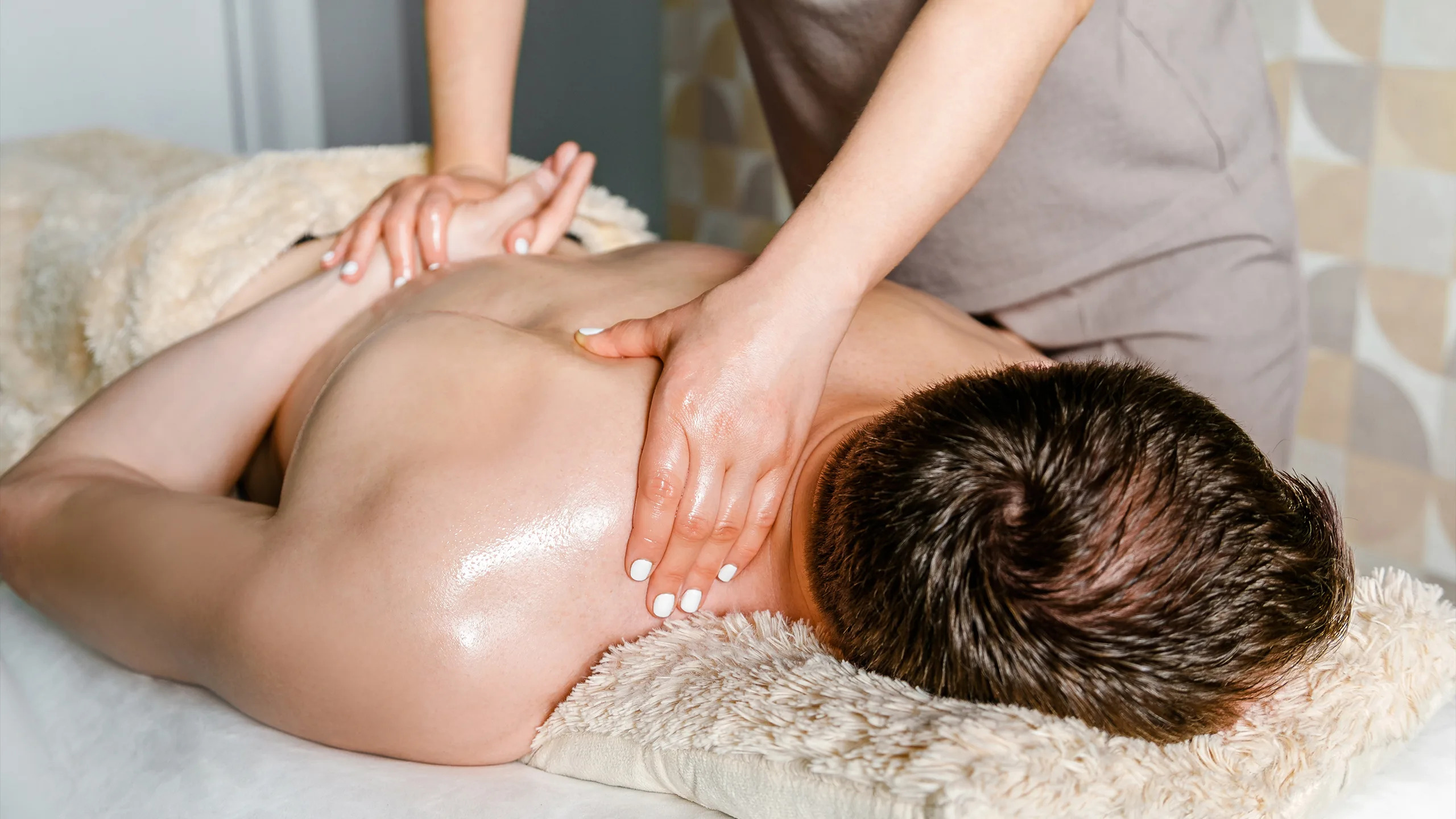
Read Article
Read Article
Read Article
Read Article
Read Article

Therapy is considered as a health care service that involves assessment, treatment, and management of ailments related to muscles and jogs, joints, bones, ligaments, tendons, nerves and the associated movement patterns.
Read More
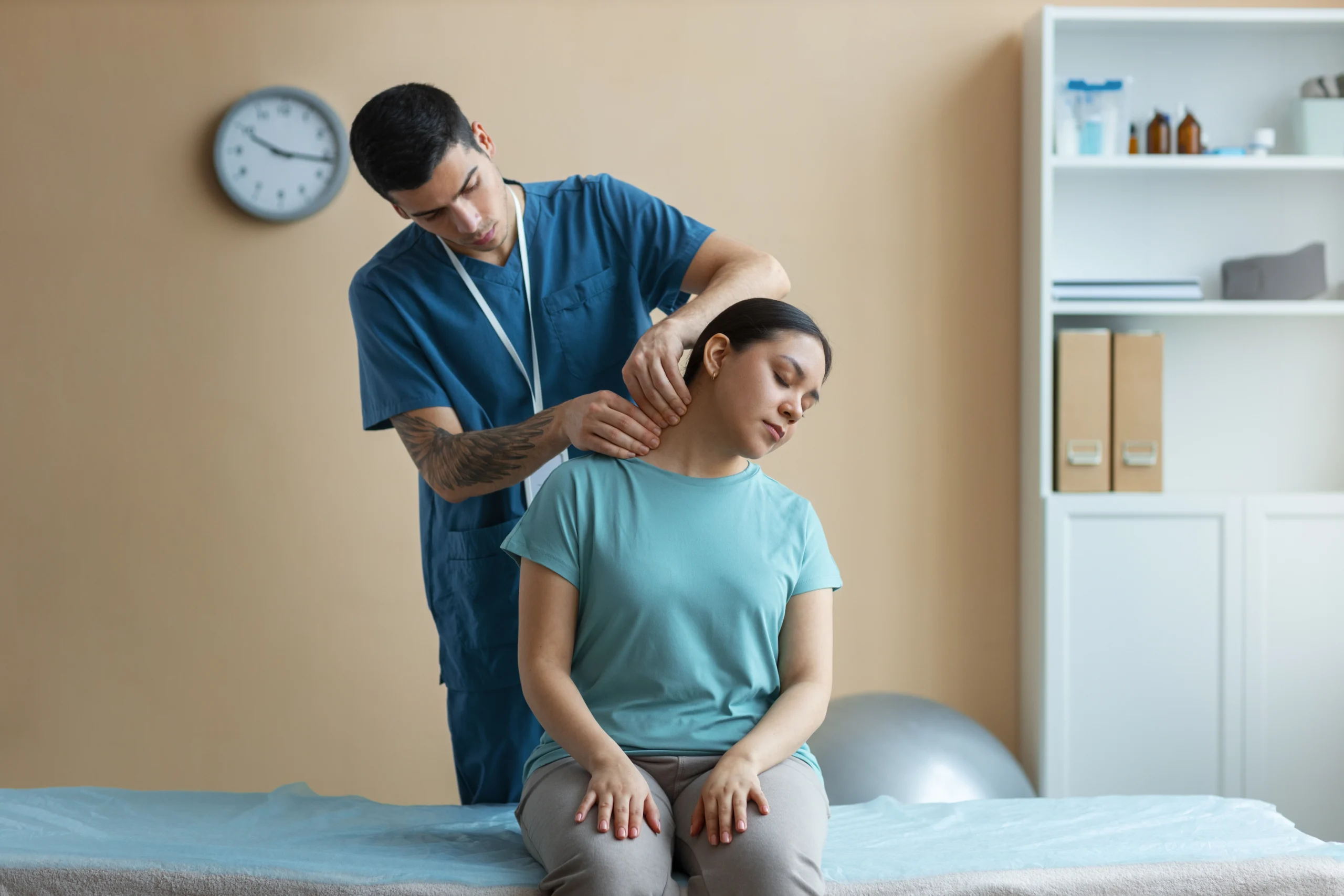
Chiropractic treatment refers to health care provision pertaining to the assessment and treatment of conditions affecting bones, especially those affecting joints and the spine.
Read More

Massage therapy in Woodbridge refers to the treatment of muscles, tendons, ligaments, other soft tissues and fascia by the practitioner.
Read More

MVA rehabilitation refers to assessment and treatment services designed to help individuals recover following a motor vehicle accident.
Read More
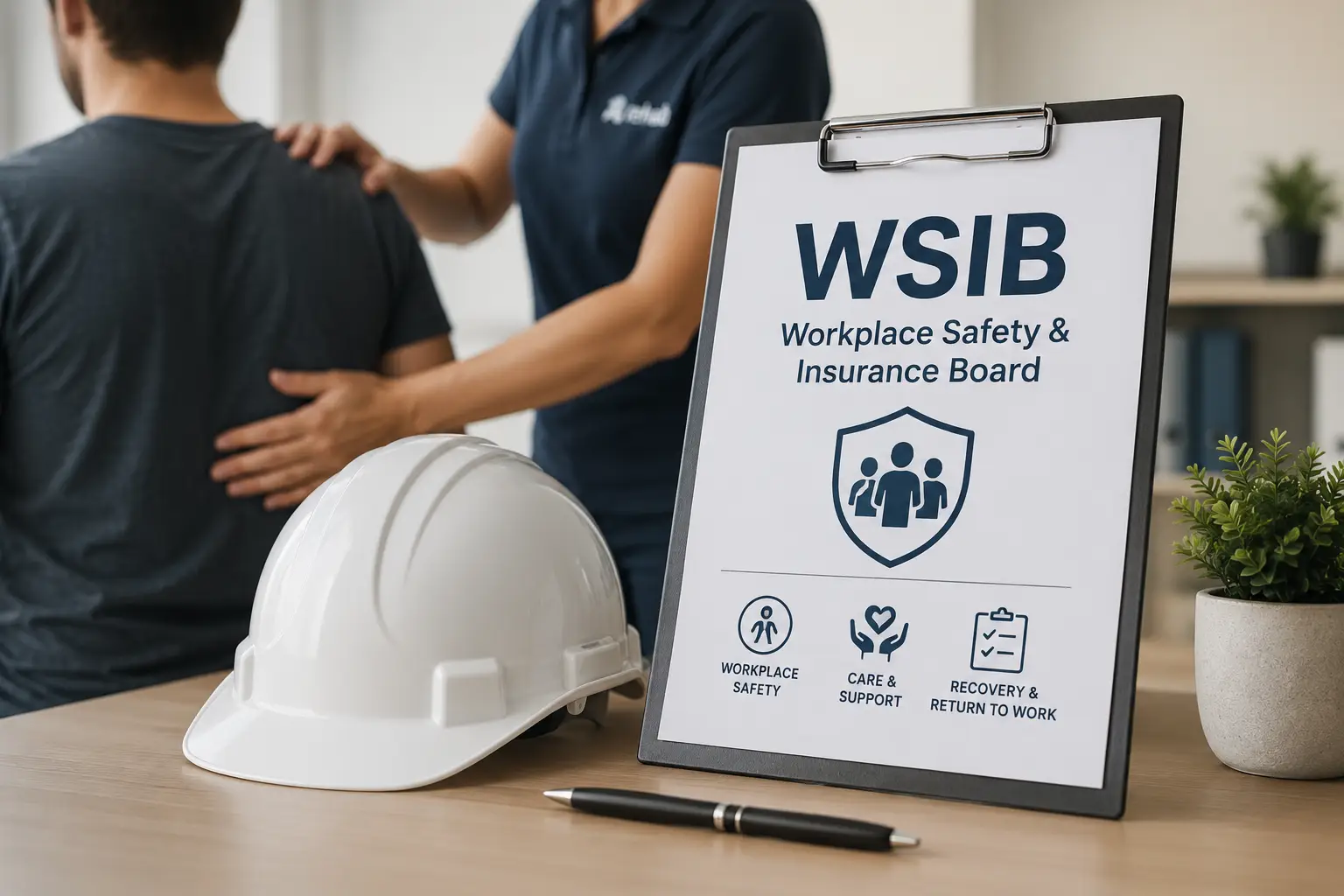
The Workplace Safety and Insurance Board (WSIB) is Ontario's workplace insurance system that provides support to eligible workers who experience work-related injuries or occupational illnesses.
Read More

The term modalities refers to therapeutic techniques and equipment used in rehabilitation to support the body's recovery and improve physical function.
Read More
Do not let pain hinder your life anymore. We are proficient in the field who will help you recover and live your normal life.
Book Now (905) 739-3100