
Motor Vehicle Accident Injuries in Woodbridge, ON
A motor vehicle collision can affect the body in ways that are not always obvious right away. Neck stiffness, headaches, shoulder discomfort, back symptoms, muscle soreness, reduced movement, and other issues may appear hours or days after a crash. At Spinal Solution and Rehab, we work with people dealing with Motor Vehicle Accident Injuries in Woodbridge, ON, with care focused on movement, function, and day-to-day activities.
Our team assesses how an accident has affected your mobility and physical function, then develops a treatment plan based on the findings. Whether symptoms began immediately after a collision or became noticeable later, an assessment can help identify areas that may need attention.
What Are Motor Vehicle Accident Injuries?
Injuries from motor vehicle accidents are physical problems that develop after a collision involving a car, truck, motorcycle, bicycle, or other road vehicle. The force involved in a crash can place stress on muscles, joints, ligaments, tendons, nerves, and other body structures.
Some injuries are obvious at the scene. Others may become noticeable later as swelling, stiffness, muscle tension, or changes in movement develop.
Common examples include:
- Whiplash
- Neck pain and stiffness
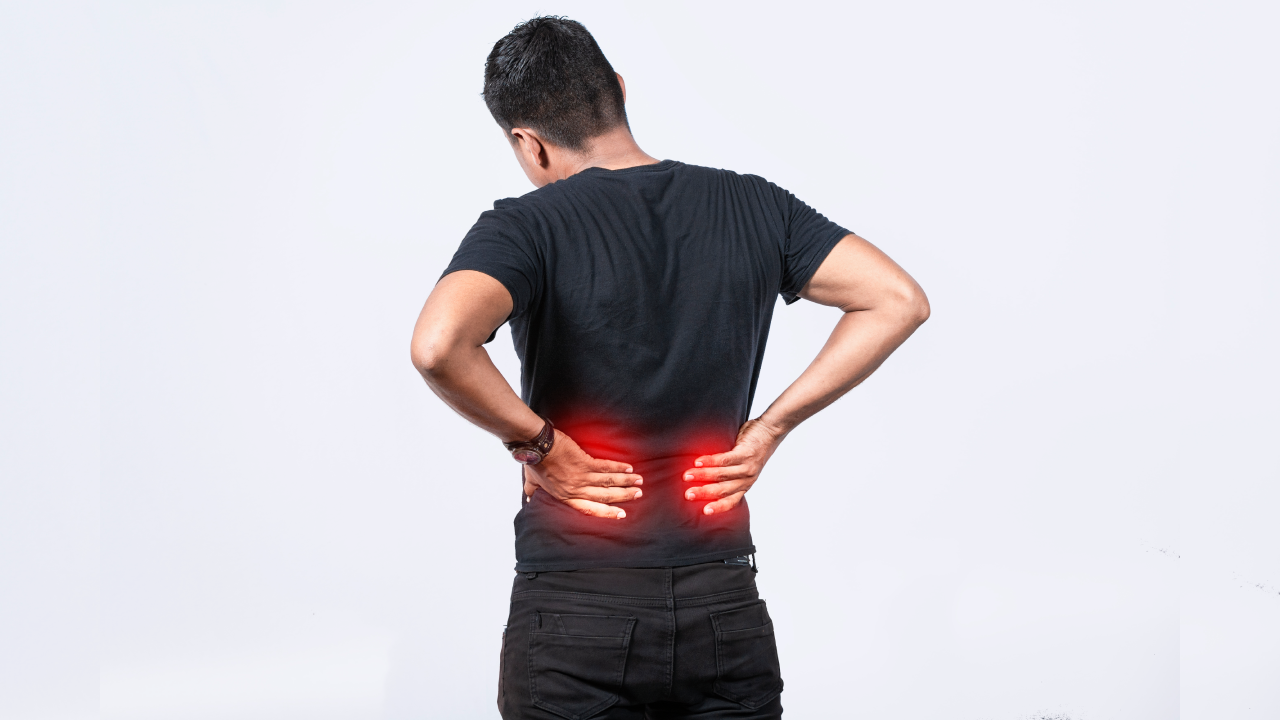
- Back pain
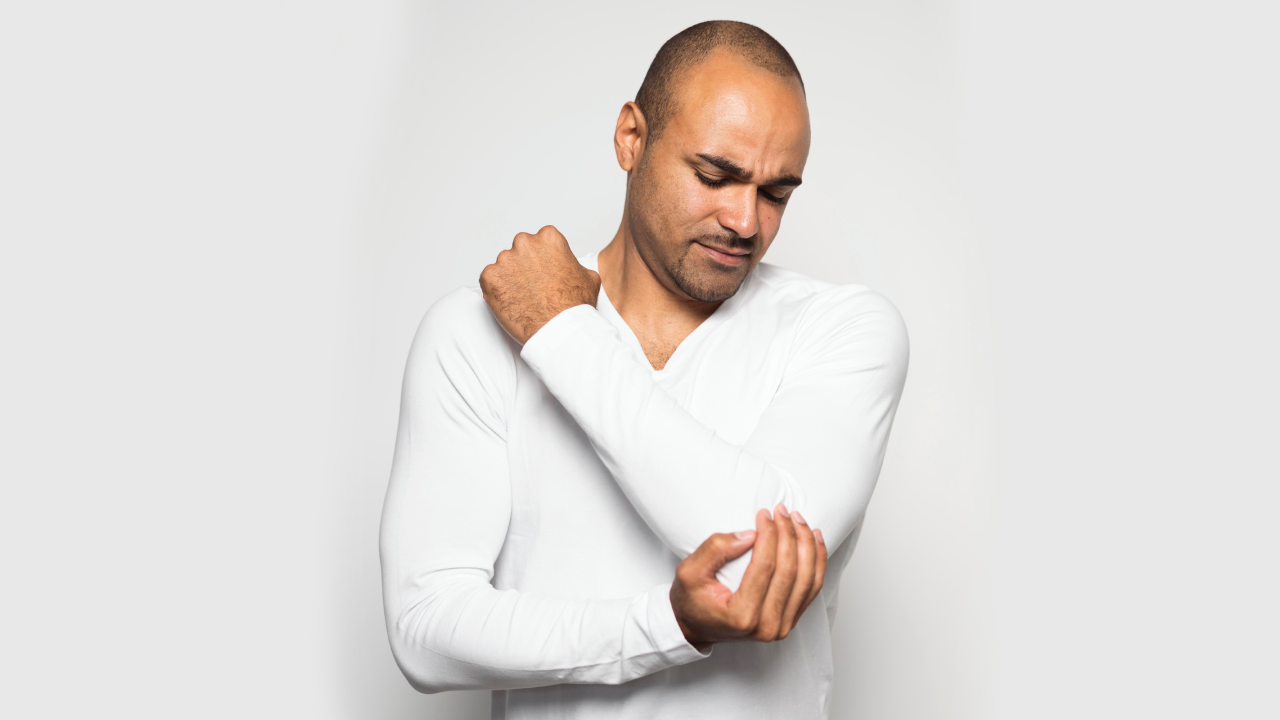
- Shoulder injuries
- Muscle strains
- Joint sprains
- Headaches associated with neck injury
- Reduced range of motion
- Muscle tension
- Nerve-related symptoms
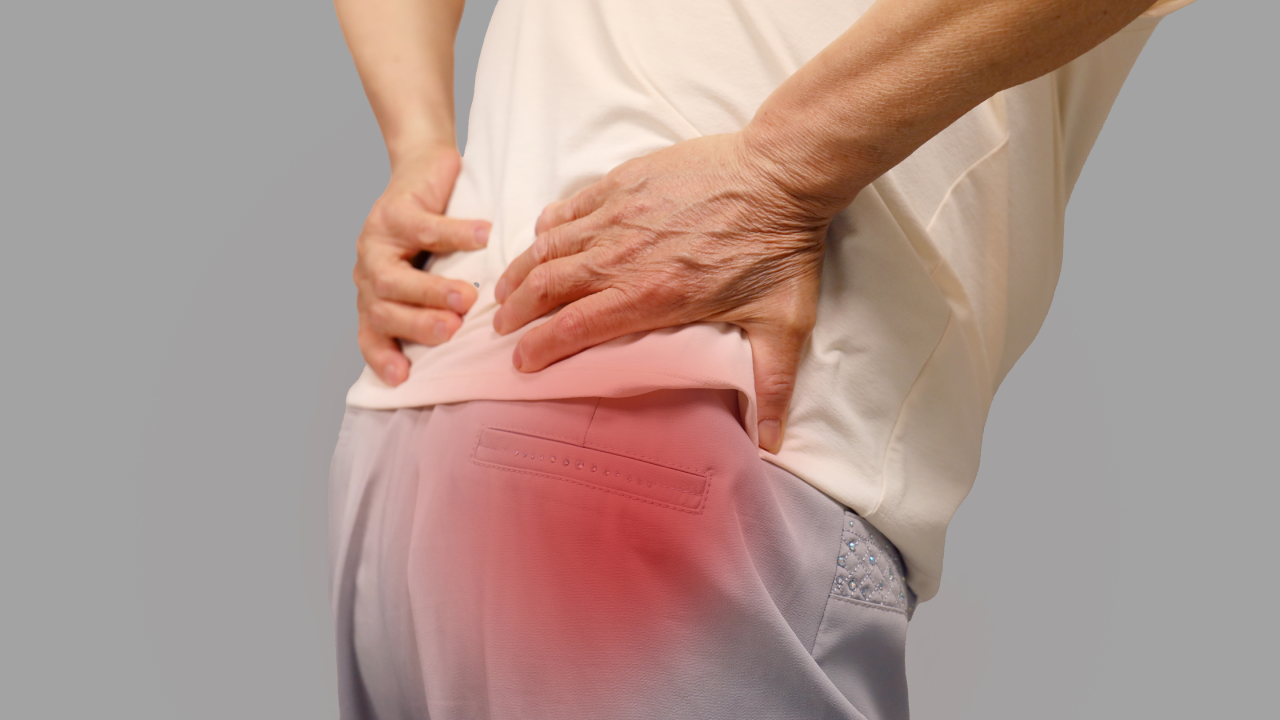
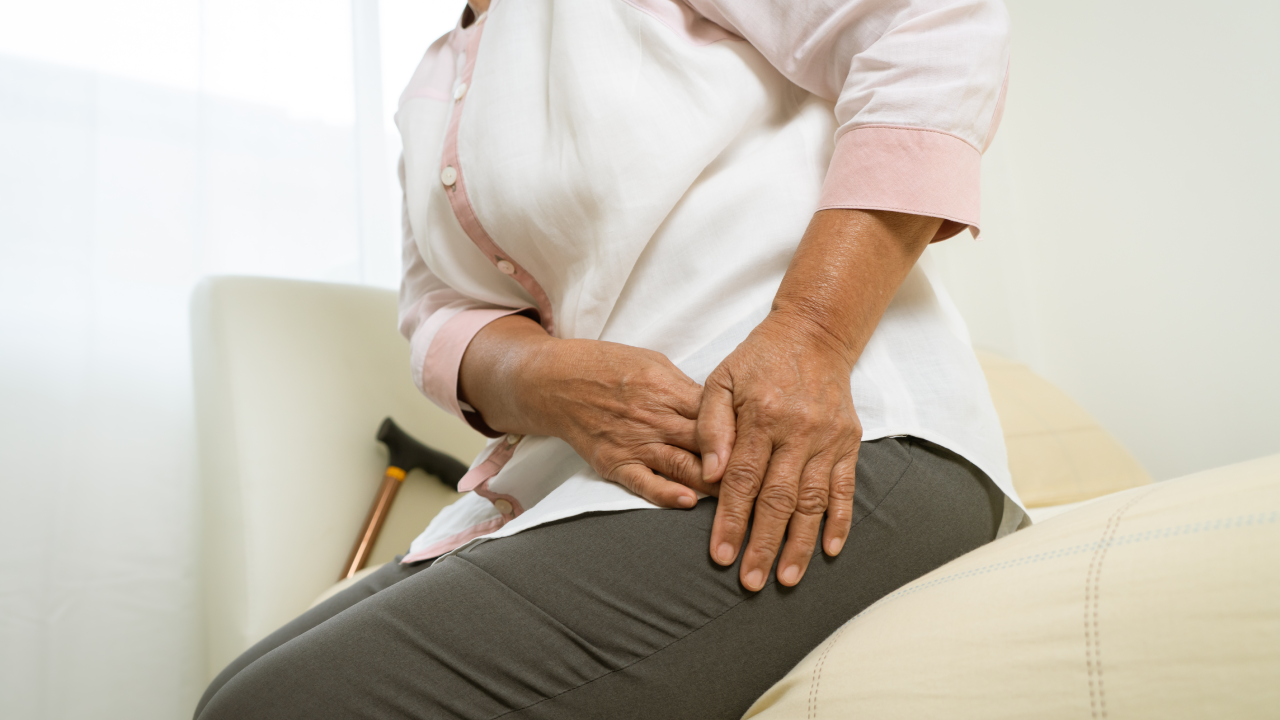
- Hip and pelvic discomfort
- Knee injuries
- Arm and leg injuries
- Balance or movement difficulties
- Soft-tissue injuries
The type and severity of an injury can vary based on factors such as the direction of impact, vehicle speed, body position, use of a seatbelt, previous injuries, and the structures affected during the collision.
At Spinal Solution and Rehab, assessment helps determine which areas are affected and how those issues may be influencing movement and daily activities.
Who Can Benefit From Motor Vehicle Accident Injury Care?
People involved in collisions may experience a wide range of physical symptoms. Some may have a diagnosed injury, while others may notice changes in movement or discomfort after returning home.
Care may be appropriate for people who are dealing with the following issues:
Drivers
Drivers can experience neck, shoulder, back, wrist, or knee problems depending on the position of the body and the nature of the impact.
Passengers
Passengers may experience injuries involving the neck, back, shoulders, hips, or other areas after sudden movement during a collision.
Pedestrians
A pedestrian struck by a vehicle may sustain injuries involving multiple areas of the body and may require assessment as part of their recovery plan.
Cyclists
Cyclists involved in collisions can experience soft-tissue injuries, joint problems, fractures, or movement limitations.
People With Delayed Symptoms
Not every symptom appears immediately. Some people initially feel relatively normal and notice stiffness or discomfort later. An appropriate healthcare professional should assess any new or worsening symptoms.
Conditions We Treat After a Motor Vehicle Accident
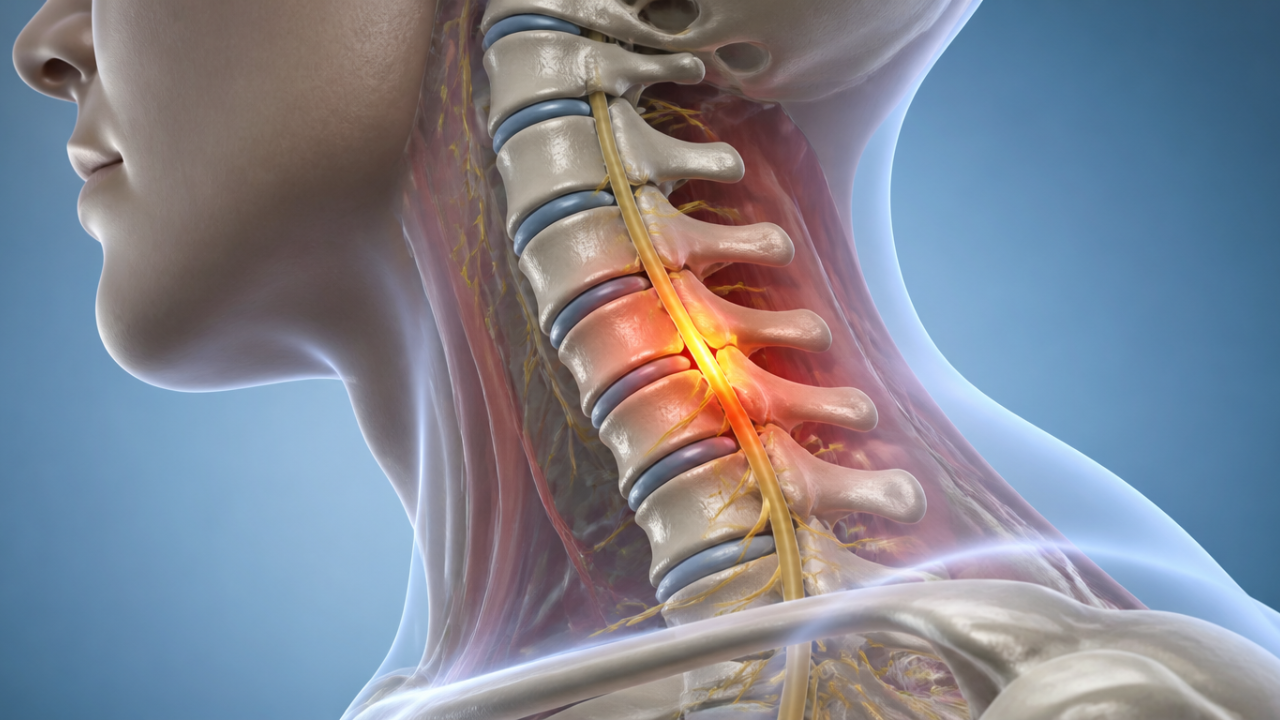
Whiplash
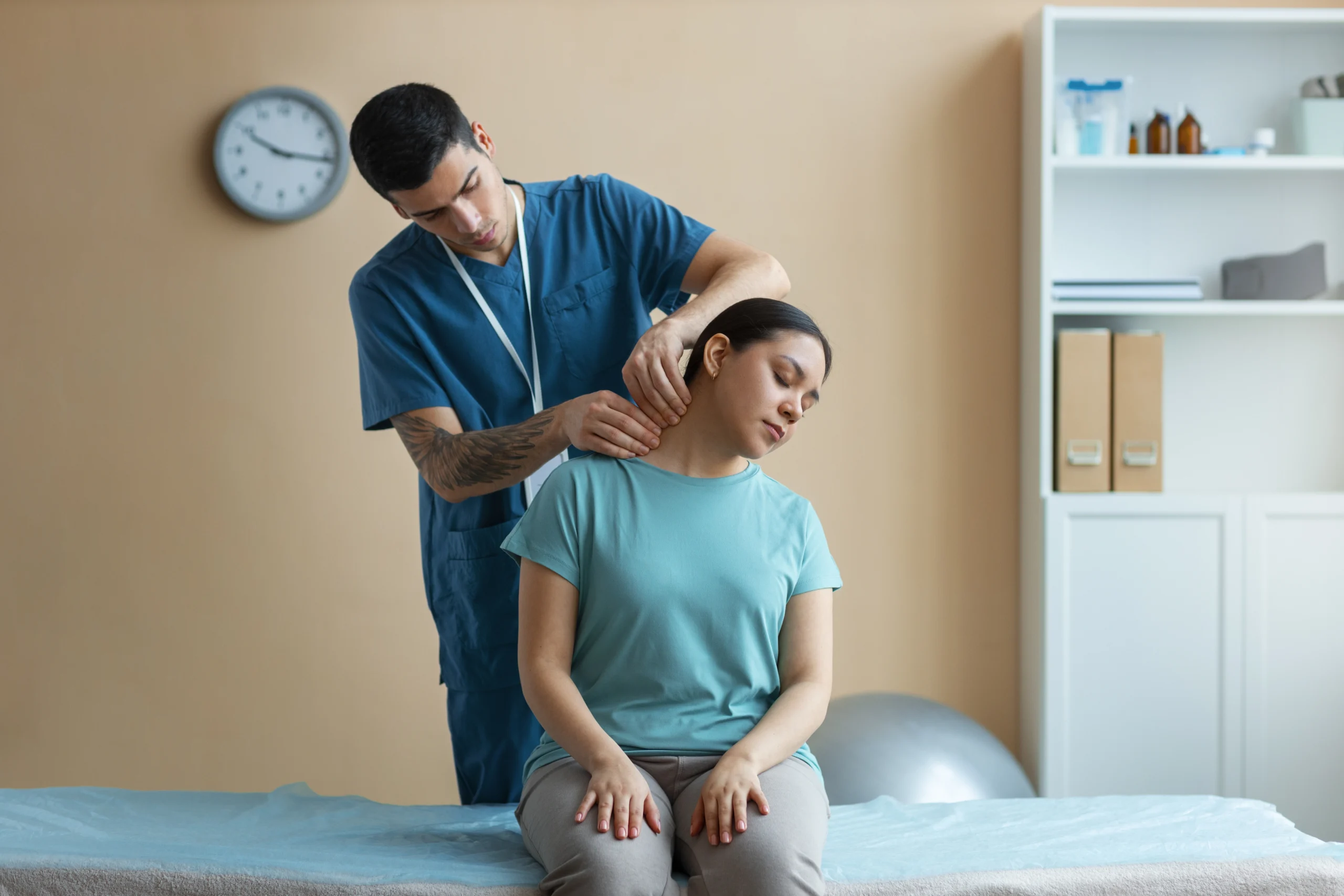
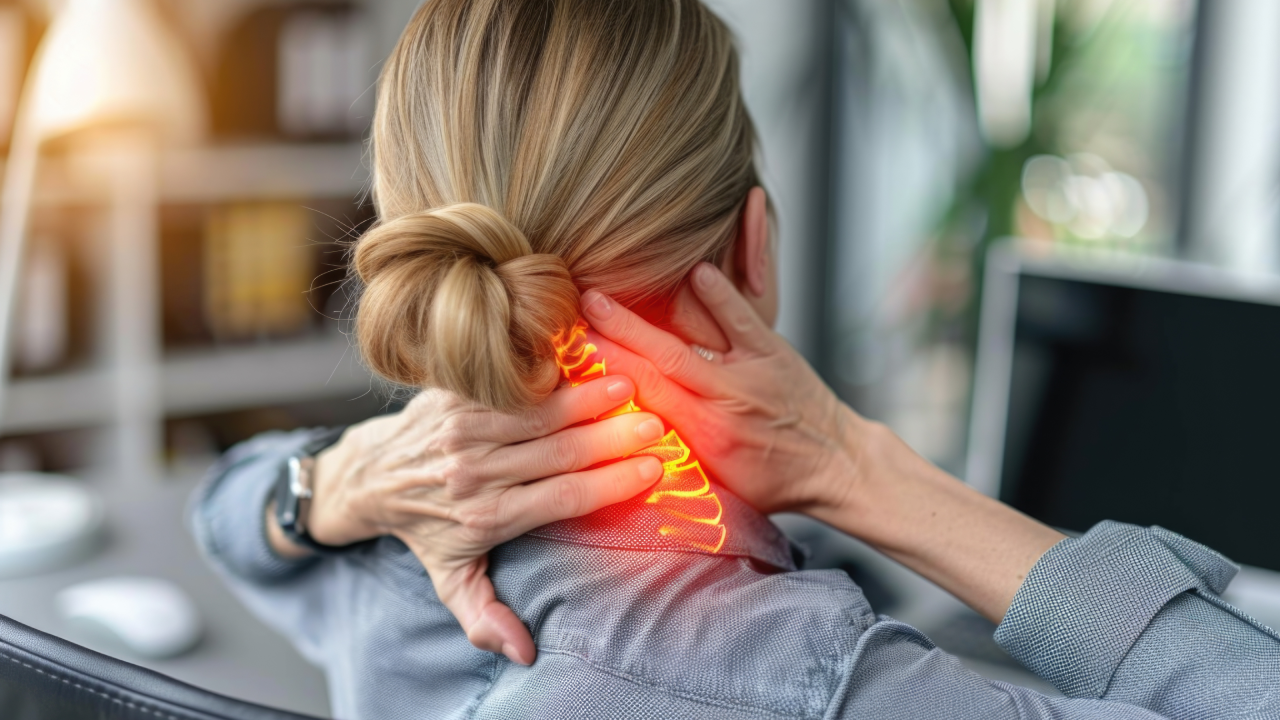
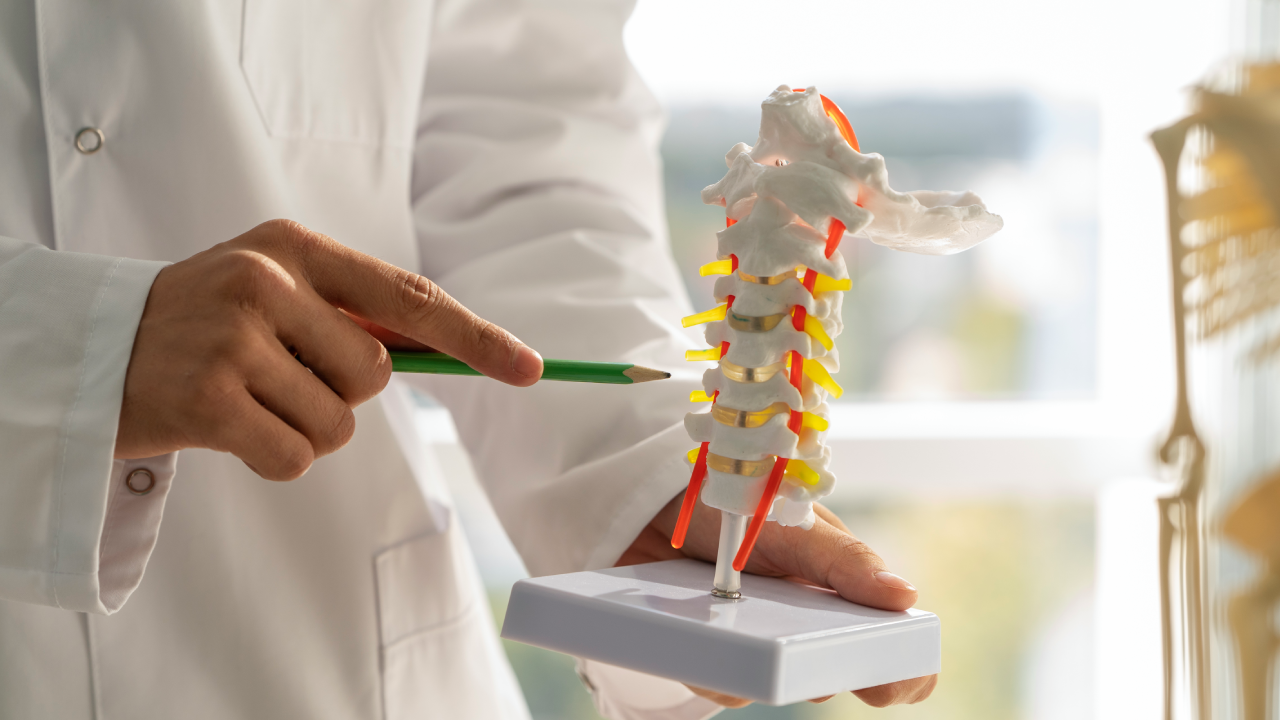
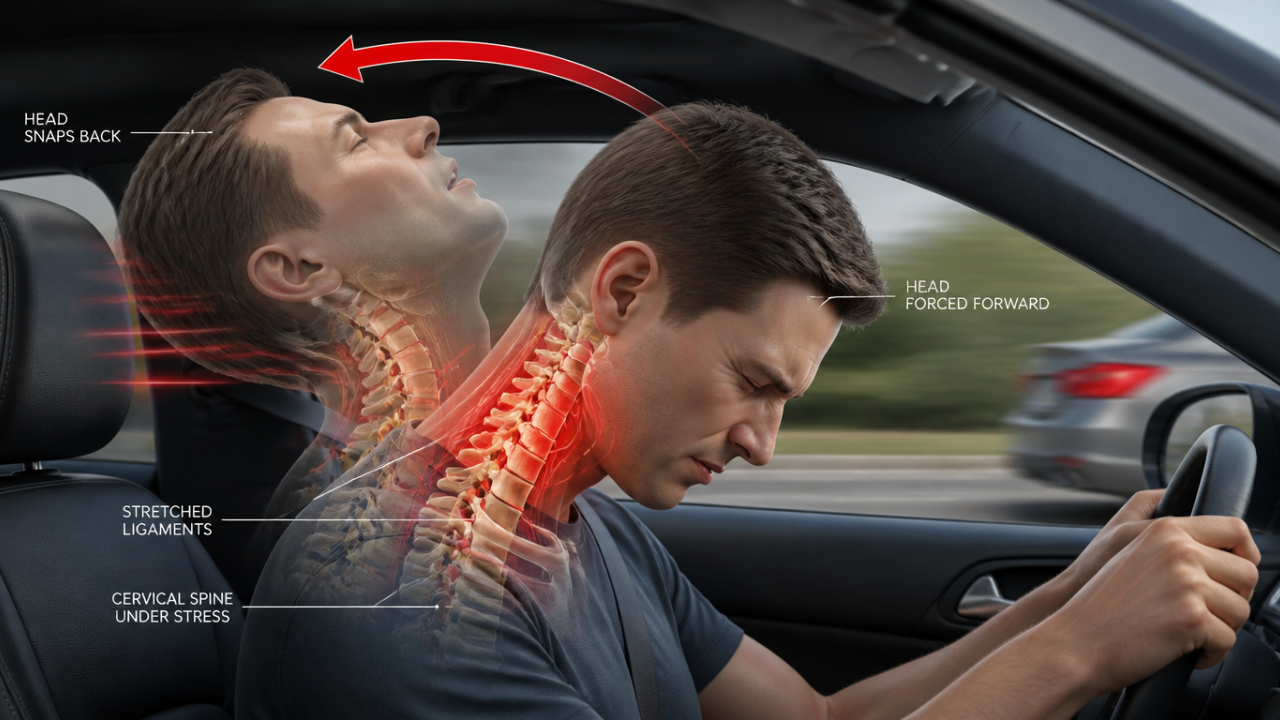
Whiplash commonly occurs when the head and neck move rapidly during a collision. This sudden motion can affect the muscles and other tissues around the cervical spine.
Common symptoms may include:
- Neck stiffness
- Neck discomfort
- Reduced neck movement
- Headaches
- Shoulder tension
- Upper-back discomfort
- Difficulty turning the head
Physiotherapy care may include movement assessment, therapeutic exercises, manual therapy, and other clinically appropriate approaches.
Neck Pain
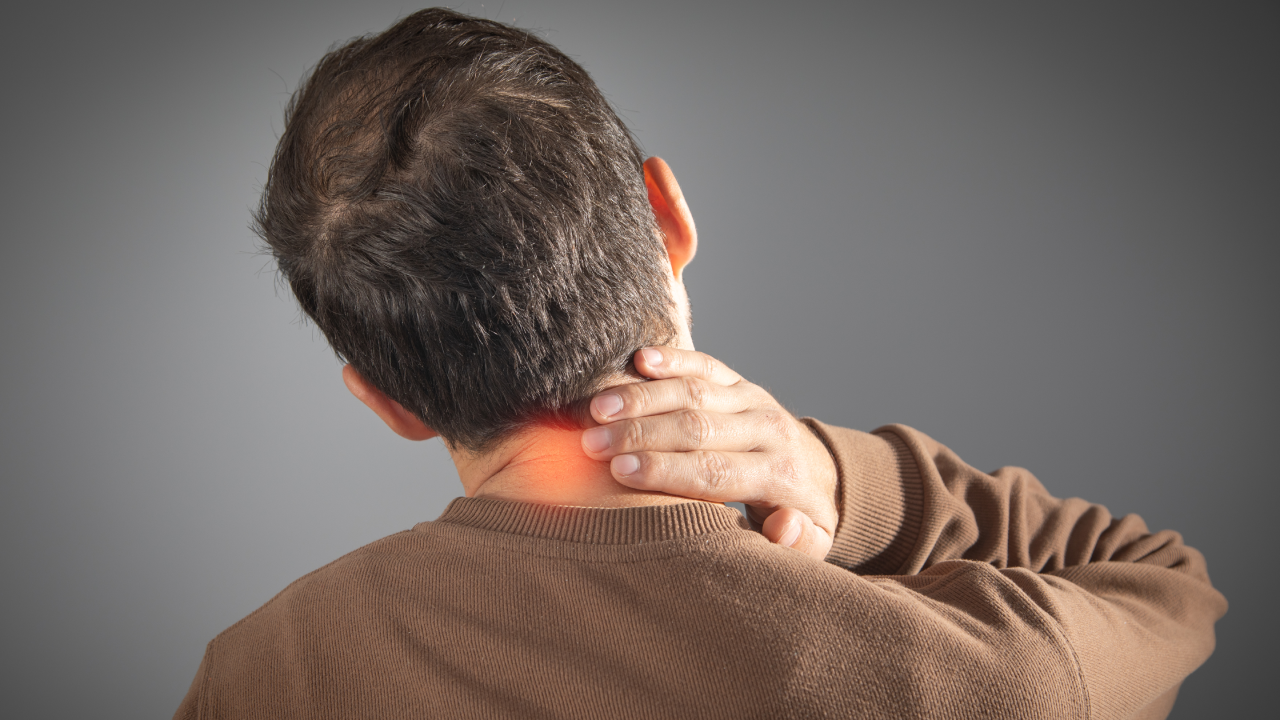
Neck symptoms are common after rear-end collisions and other types of impact. Reduced mobility, muscle tension, and changes in posture can make everyday activities such as driving, working, sleeping, or checking blind spots more difficult.
Treatment focuses on identifying movement limitations and addressing factors contributing to symptoms.
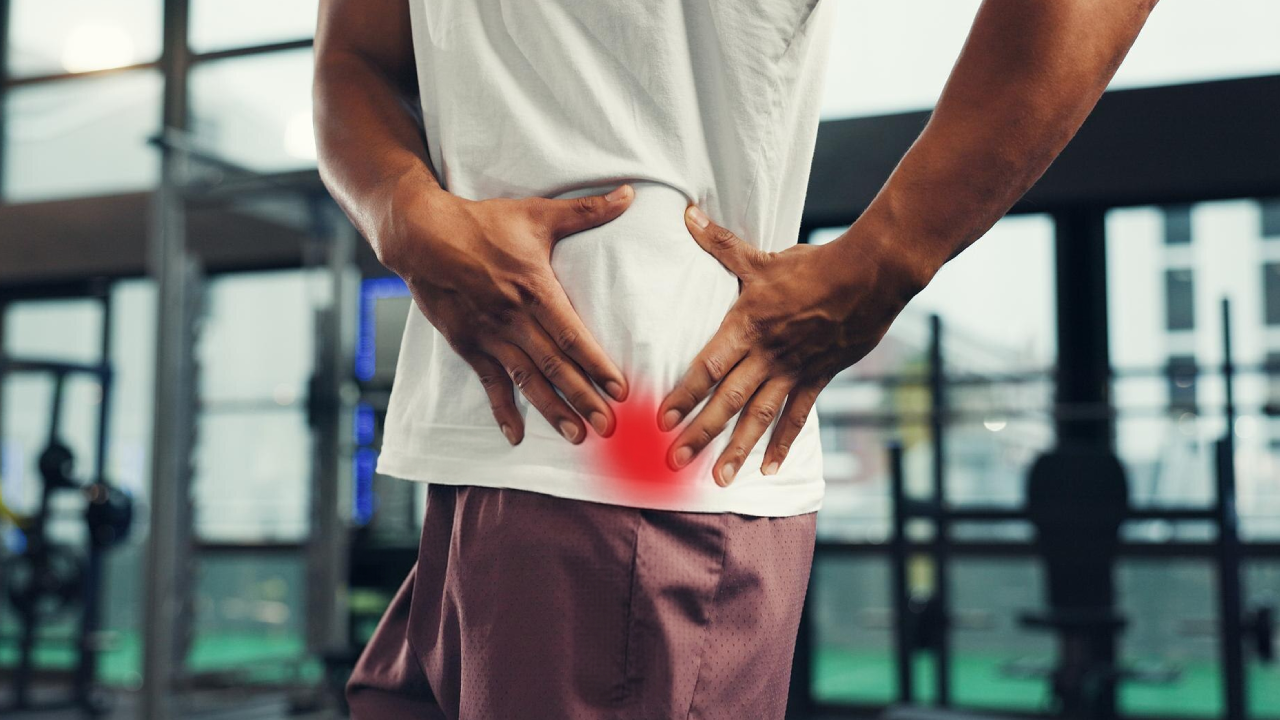
Back Pain
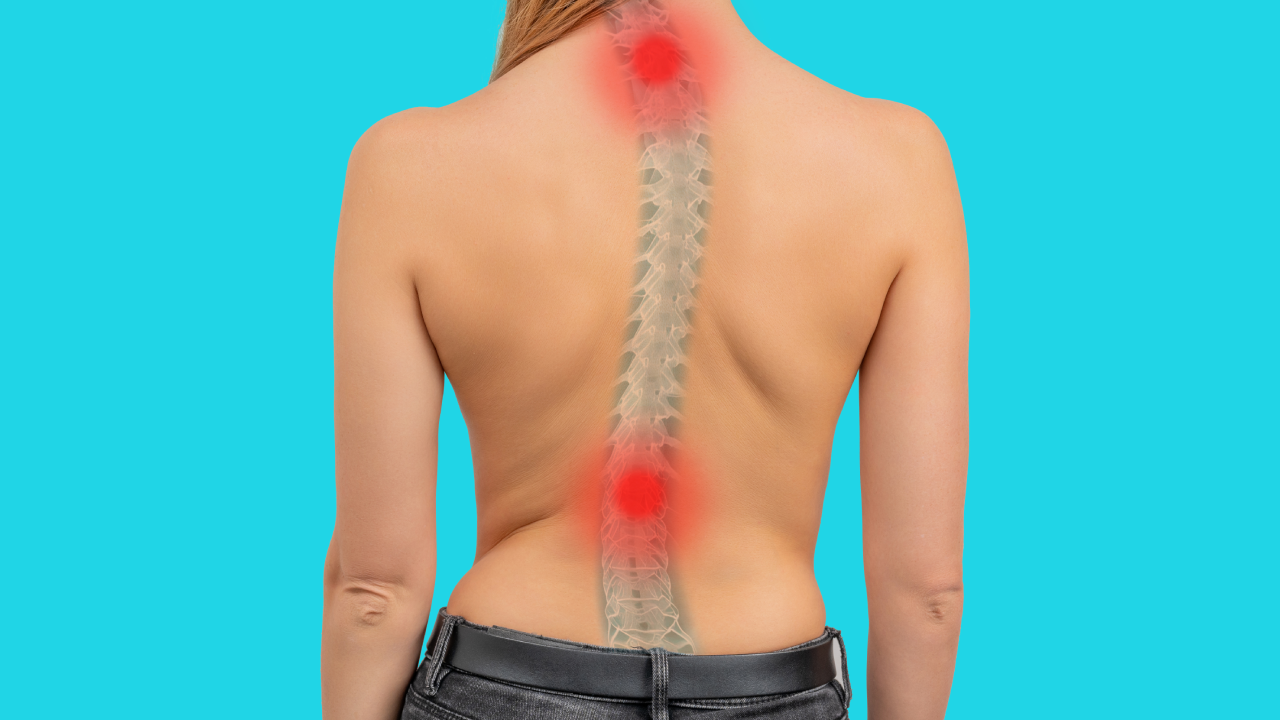
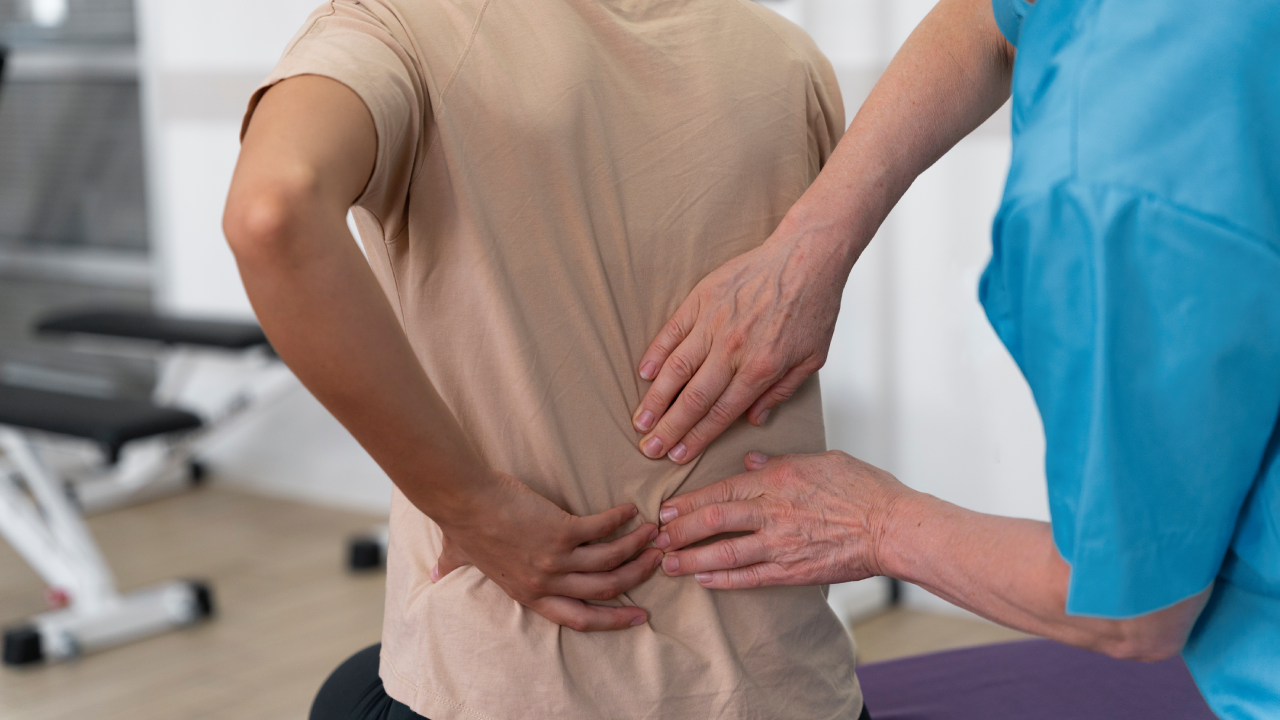
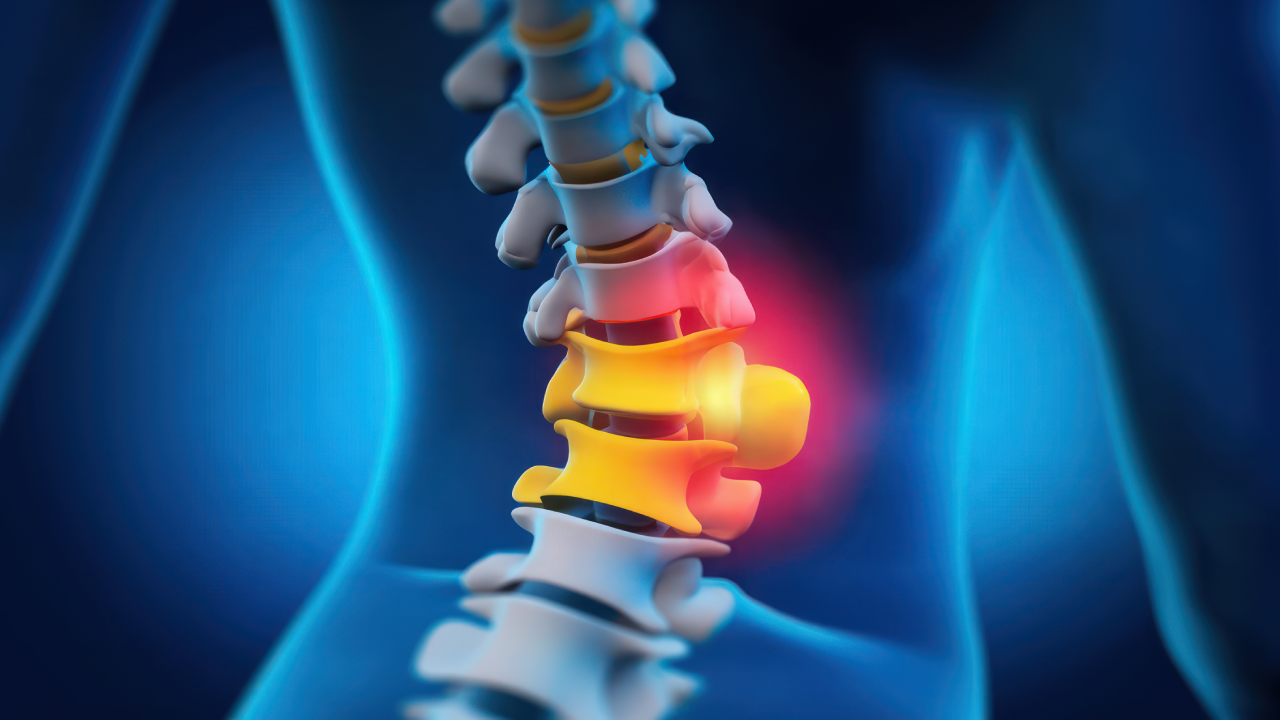
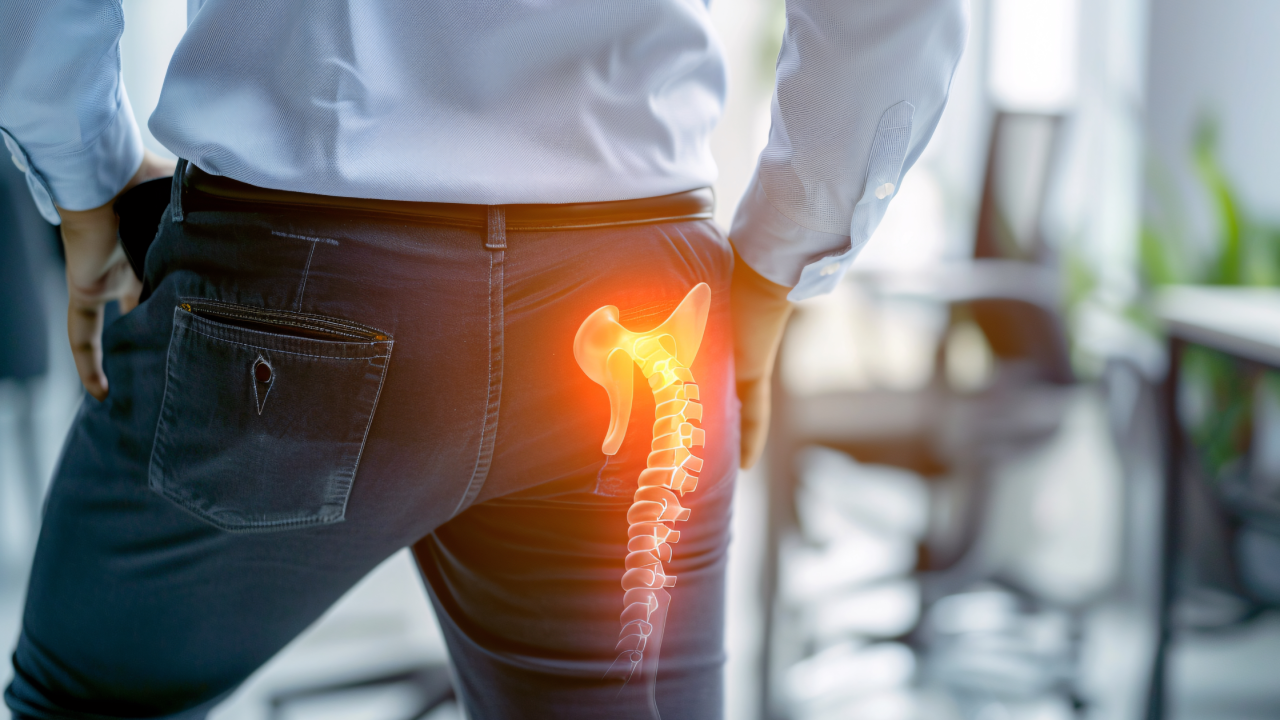
A collision can place sudden force through the spine and surrounding muscles. Lower-back, mid-back, and upper-back symptoms may occur depending on the mechanics of the crash.
Care may involve mobility exercises, strengthening activities, manual therapy, posture work, and a gradual return to normal movement.
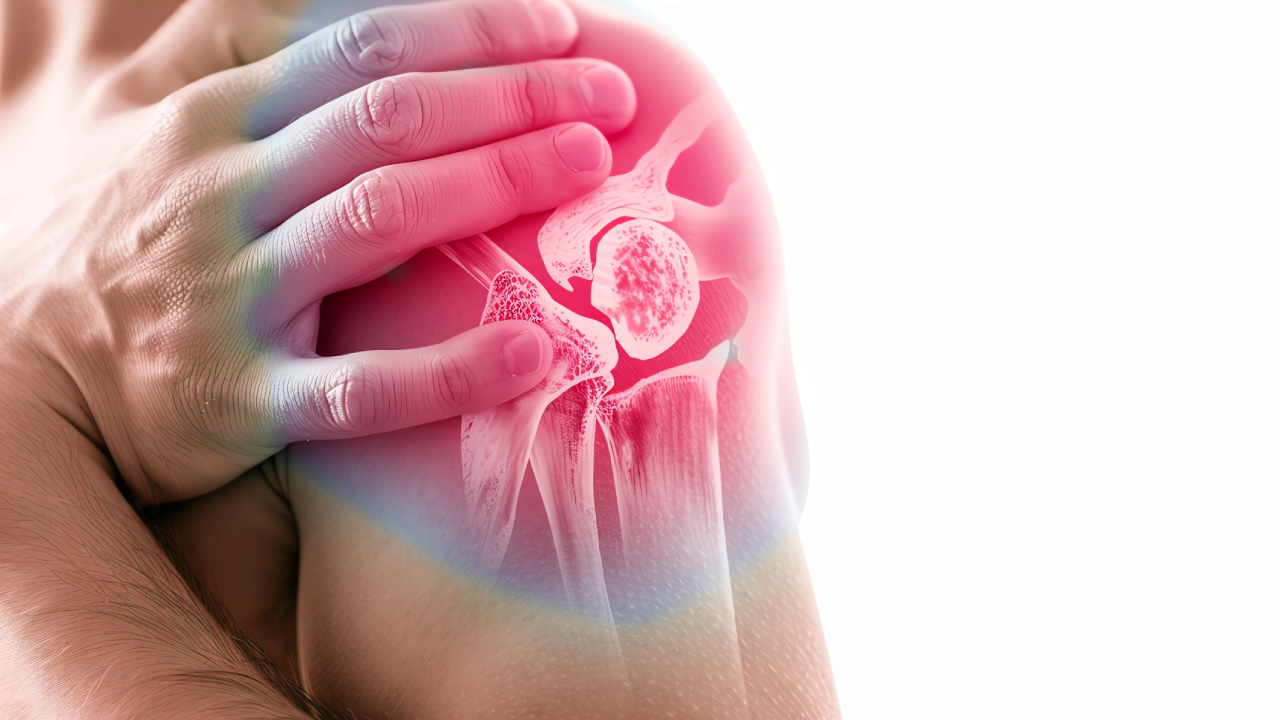
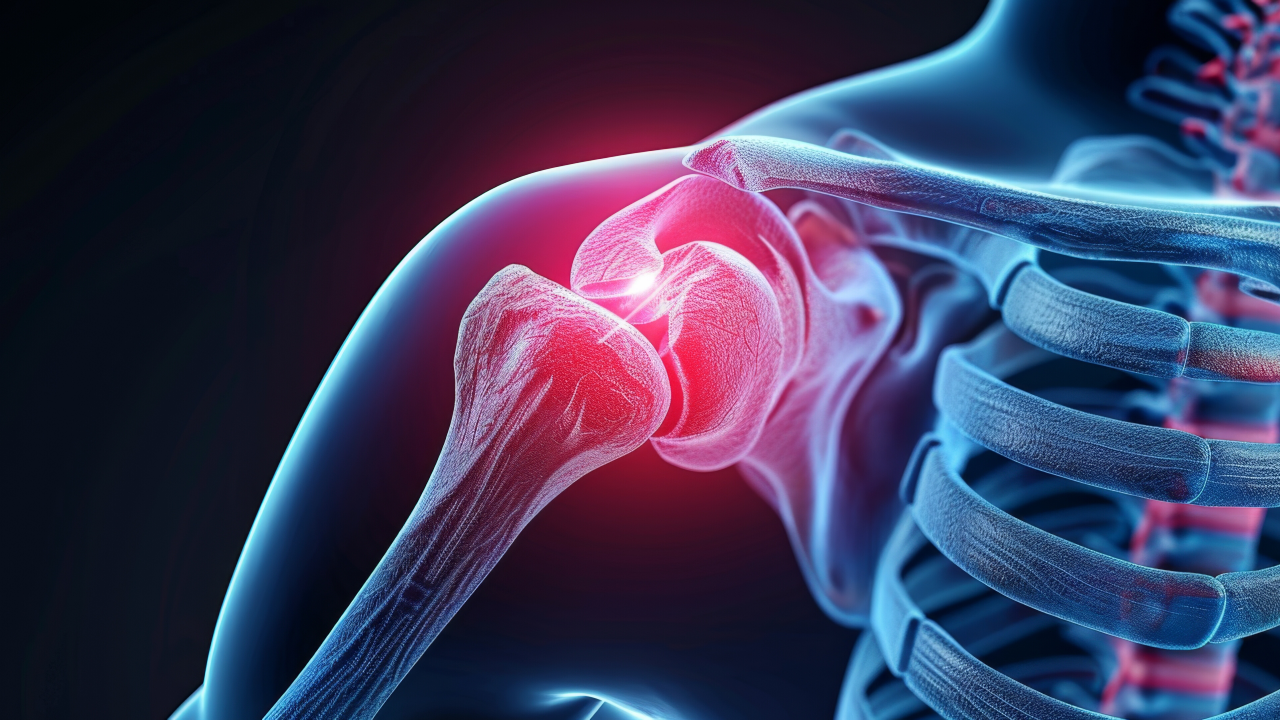
Shoulder Injuries
Seatbelt pressure, sudden body movement, direct impact, or bracing during a collision can all affect the shoulders.
Symptoms may include:
- Shoulder stiffness
- Difficulty raising the arm
- Muscle soreness
- Reduced strength
- Discomfort during reaching
- Limited shoulder movement
An assessment can help determine how shoulder movement has changed following the accident.
Muscle Strains
Sudden forces can cause muscles to stretch beyond their usual capacity. Strains may affect the neck, shoulders, back, hips, arms, or legs.
Treatment may focus on restoring comfortable movement while gradually rebuilding strength and tolerance for normal activities.
Joint Sprains
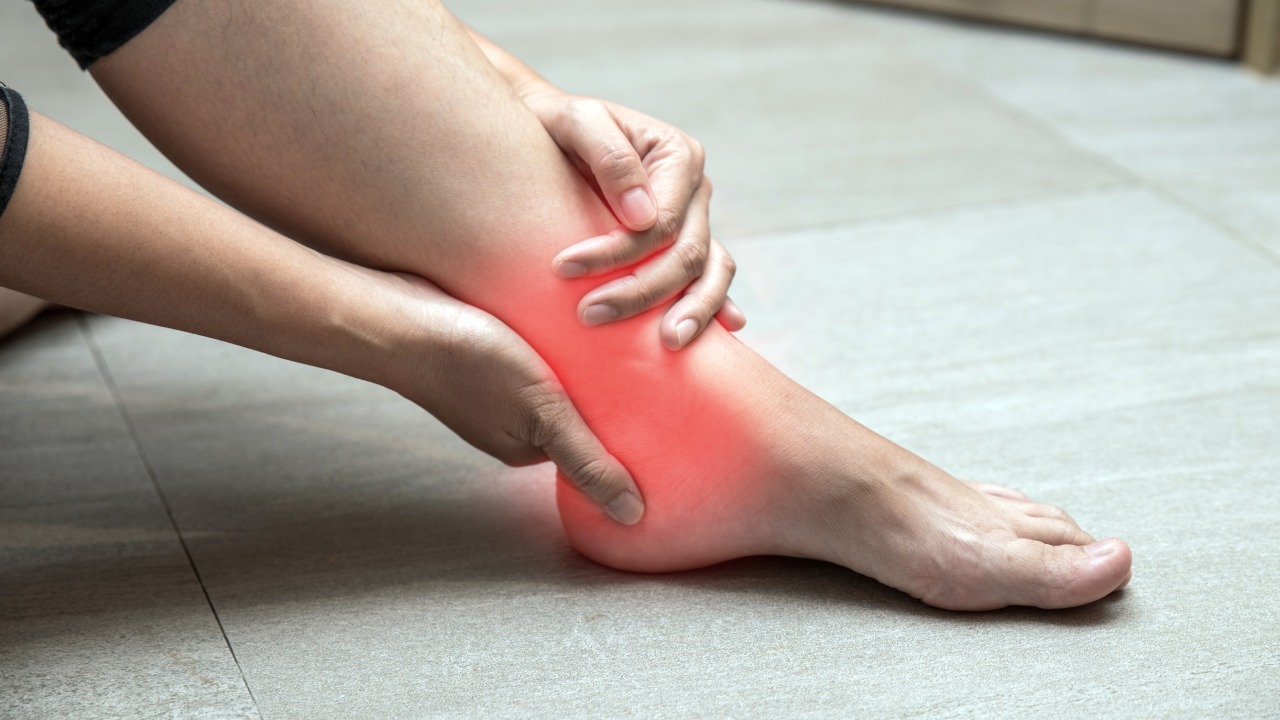
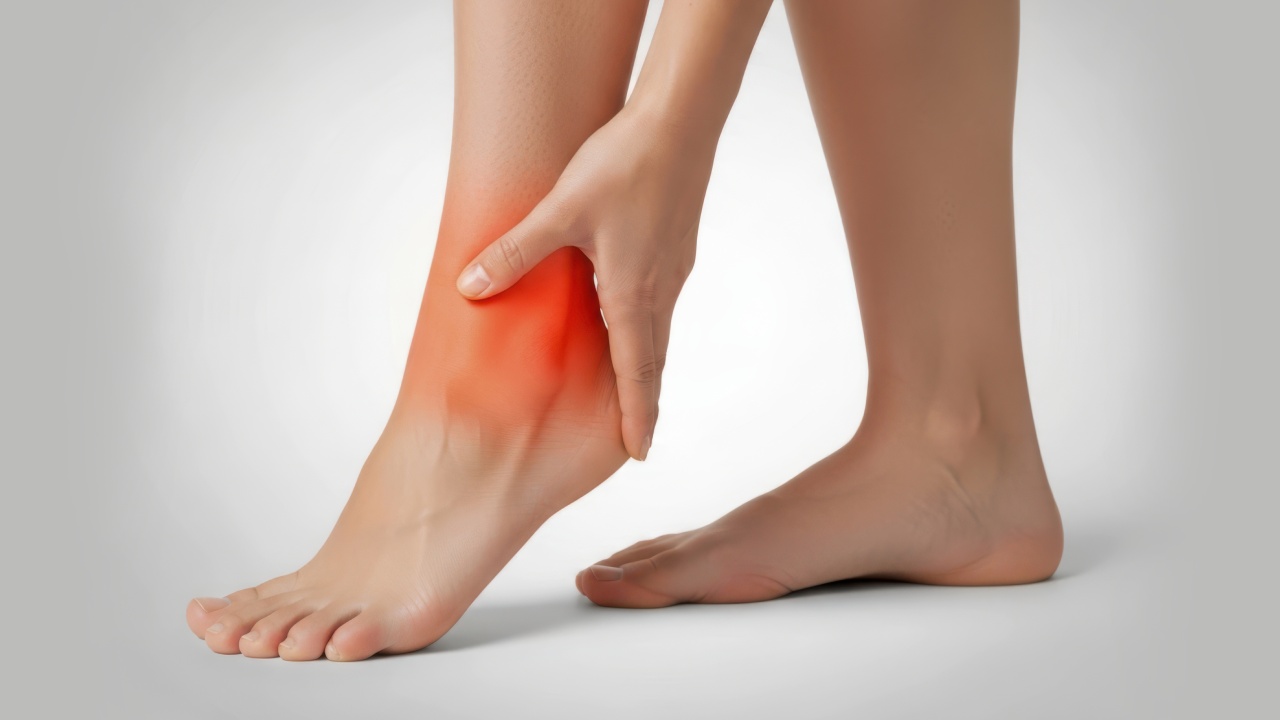
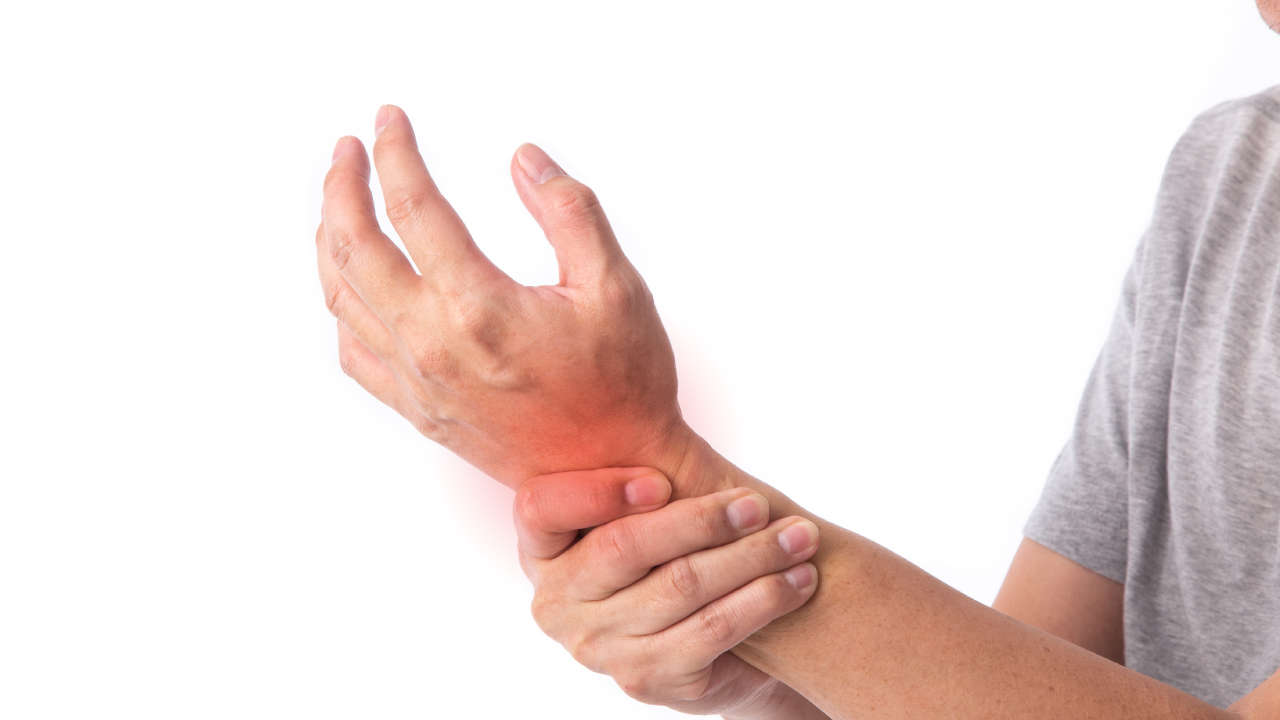
Direct impact, sudden movement, or protective bracing during a collision can affect the arms and legs. Sprains can occur in areas such as the neck, shoulder, wrist, knee, ankle, or other joints.
The treatment approach depends on the joint involved, the severity of the injury, and the person’s current function.
Headaches Related to Neck Problems
Headaches may occur alongside neck injuries after a collision. Neck stiffness and altered movement can sometimes contribute to headache symptoms.
Because headaches can have many causes, assessment is important, particularly when symptoms are new after an accident.
Reduced Range of Motion
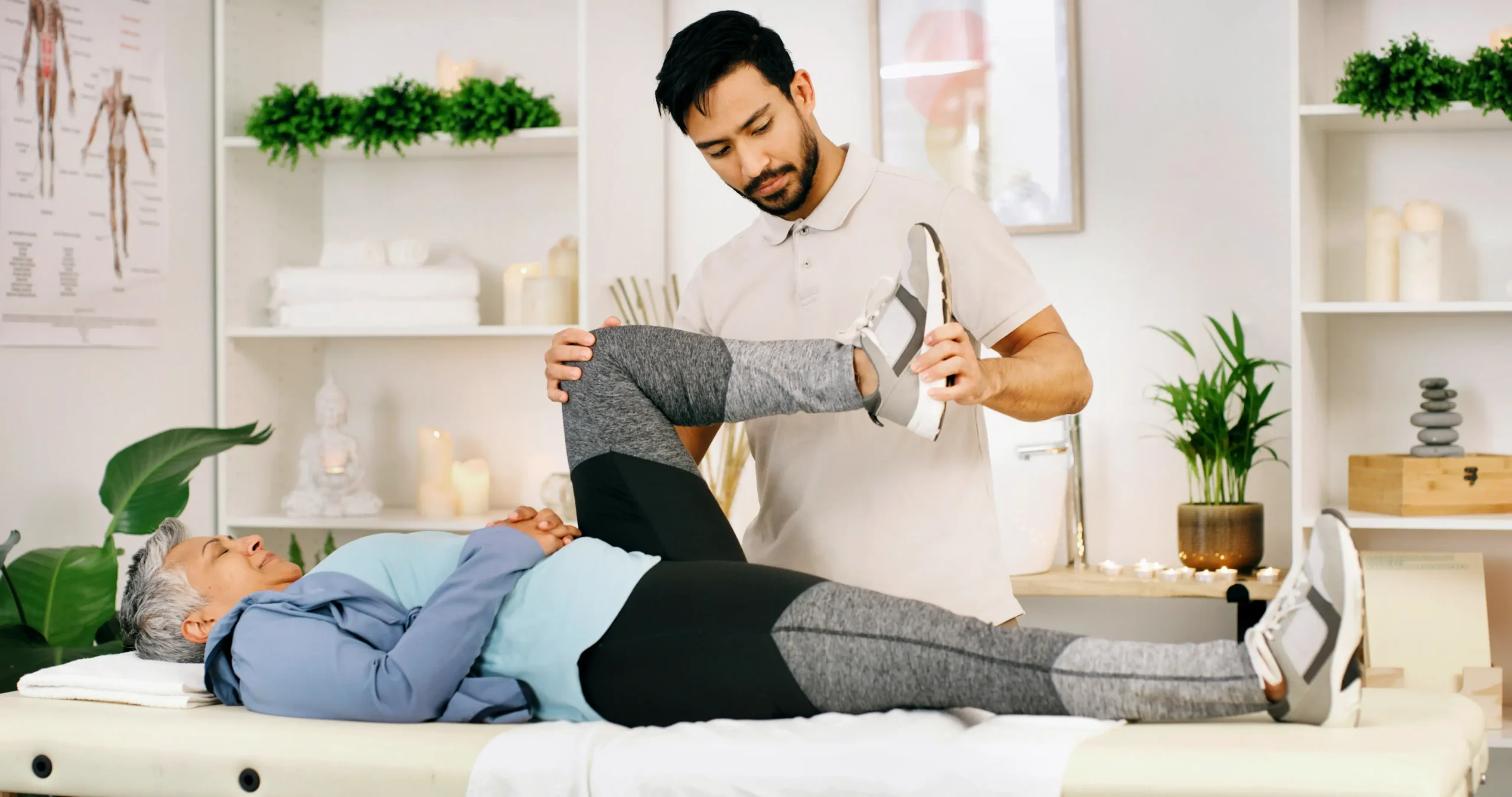
After a crash, people may find it difficult to turn their head, bend their back, raise an arm, squat, walk, or perform other movements as they normally would.
Restoring mobility is often an important part of returning to regular activities.
Muscle Tension
Protective muscle guarding can occur after an injury. This condition may create tightness around the neck, shoulders, upper back, or lower back.
A physiotherapy assessment can examine movement patterns and determine appropriate exercises and hands-on care.
Nerve-Related Symptoms
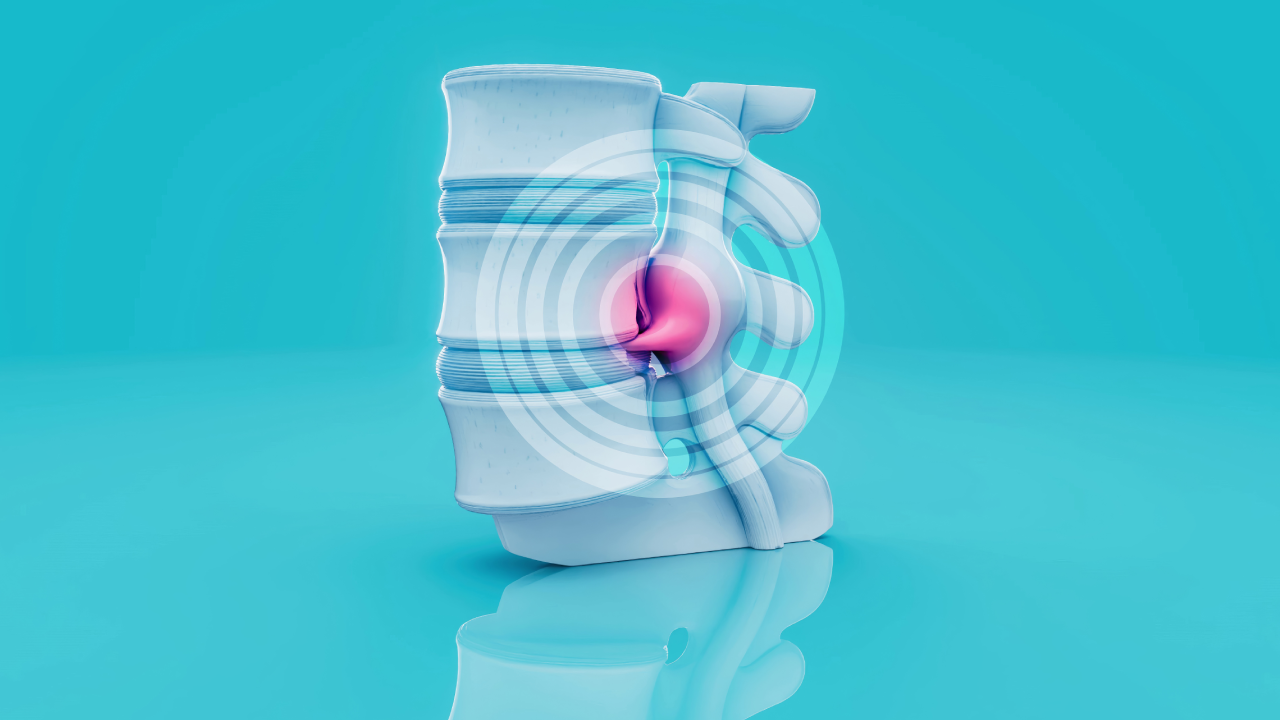
Some accident-related injuries may involve irritation or compression affecting nerves. Symptoms can include tingling, numbness, weakness, or changes in sensation.
These symptoms should be assessed carefully. Severe or rapidly worsening neurological symptoms require prompt medical attention.
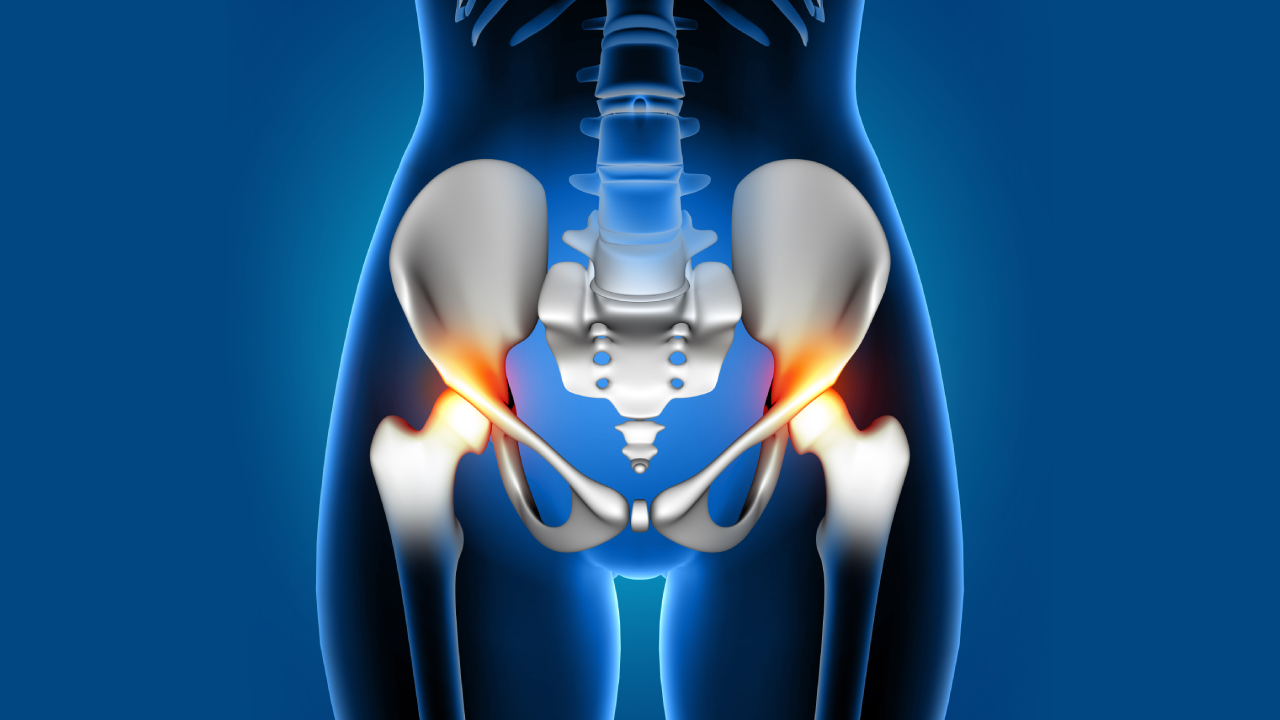
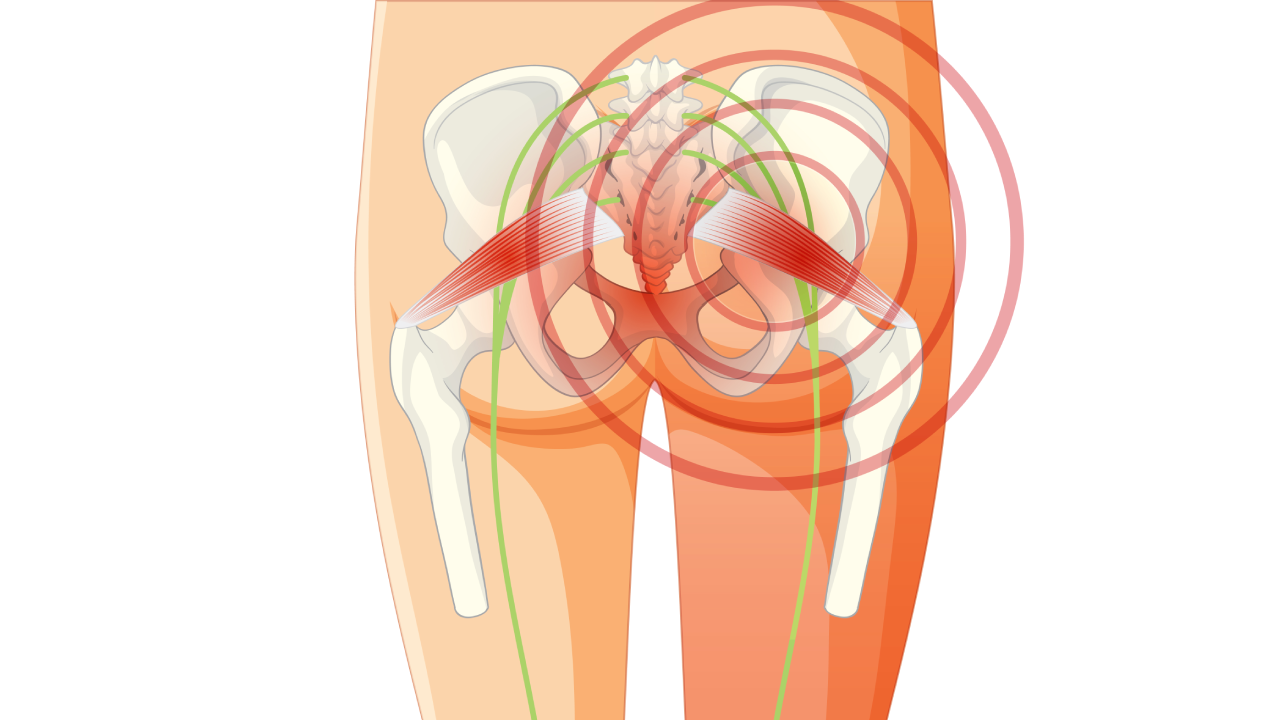
Hip and Pelvic Injuries
The hips and pelvis can be affected by impact, seatbelt positioning, or sudden movement. Symptoms may appear during walking, sitting, getting into a vehicle, or changing position.
Treatment depends on the structures involved and the person’s functional limitations.
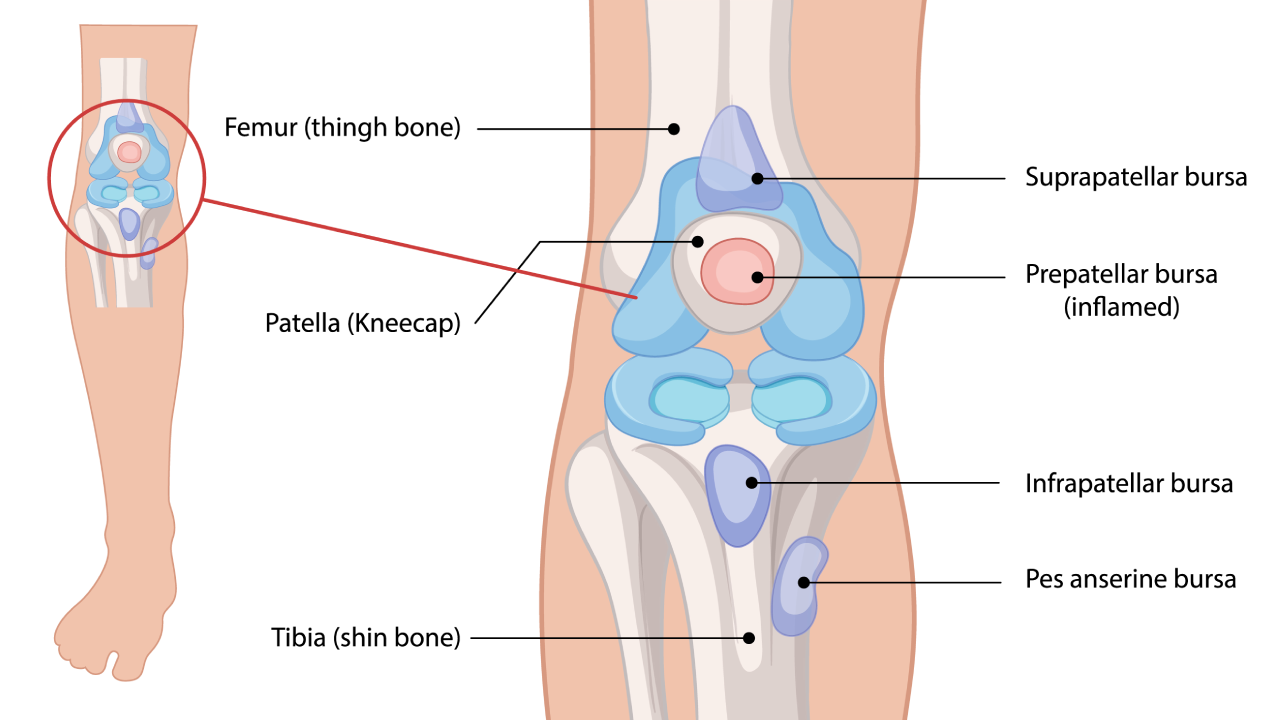
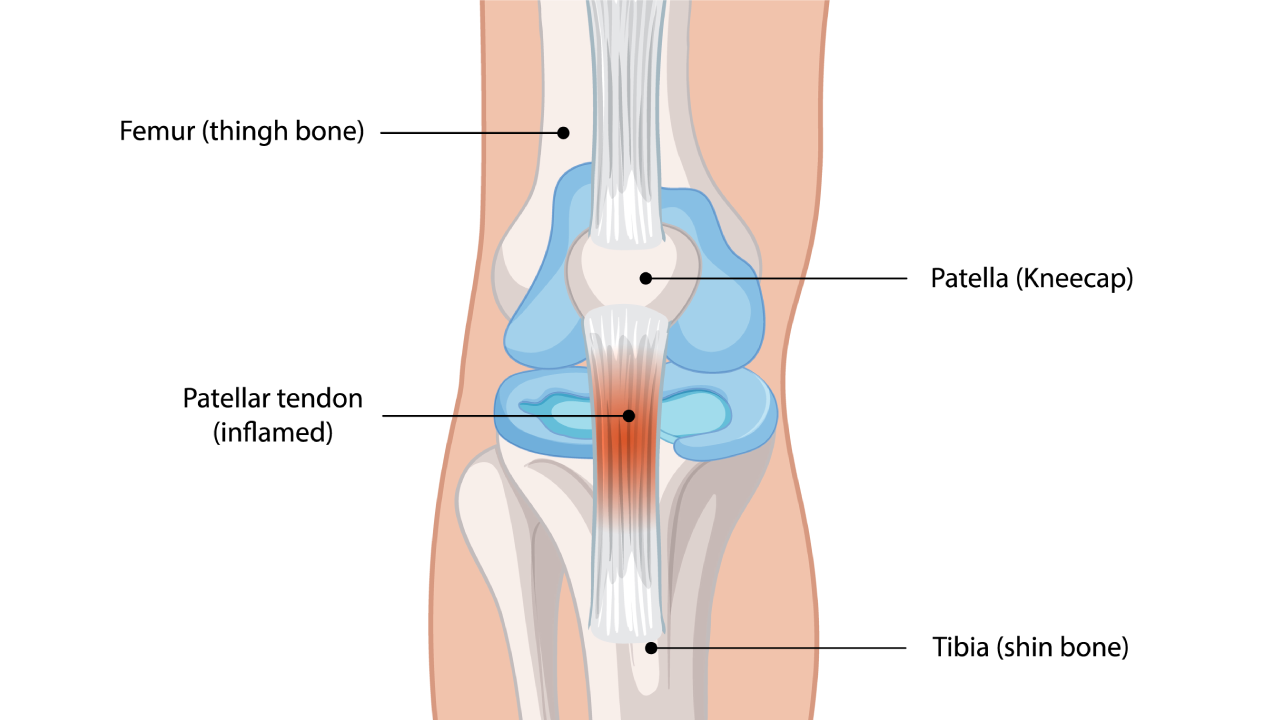
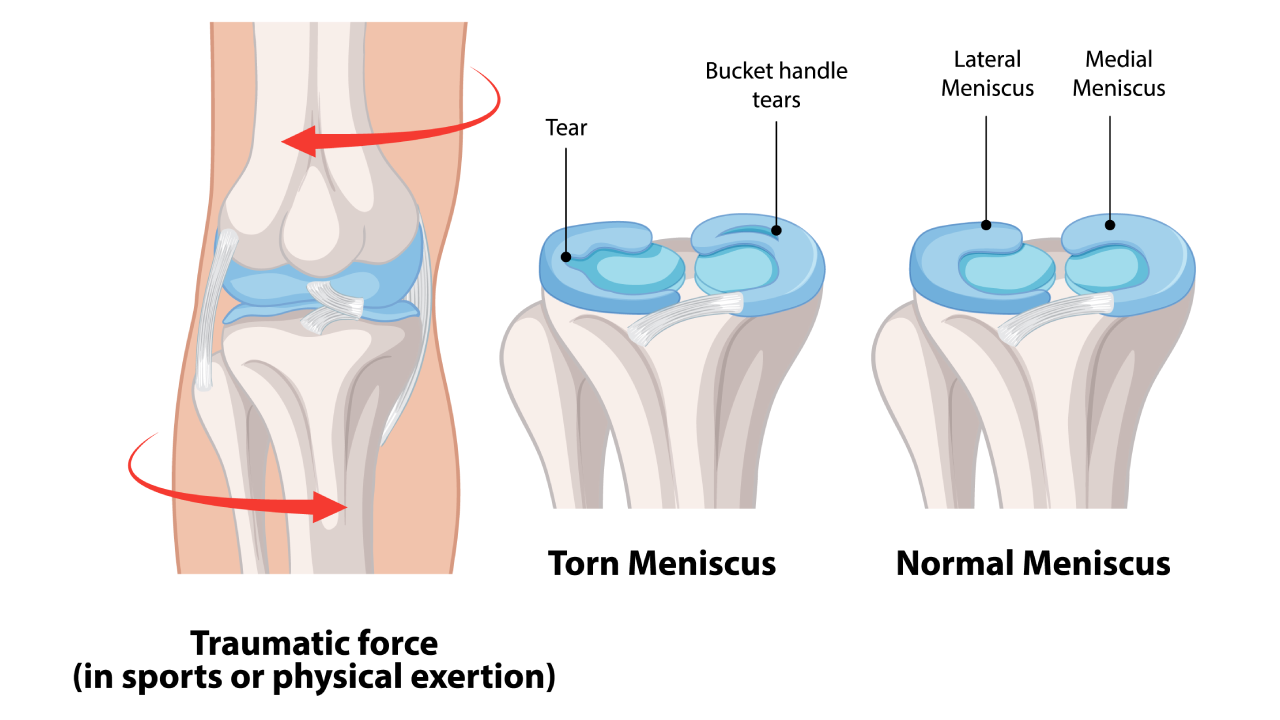
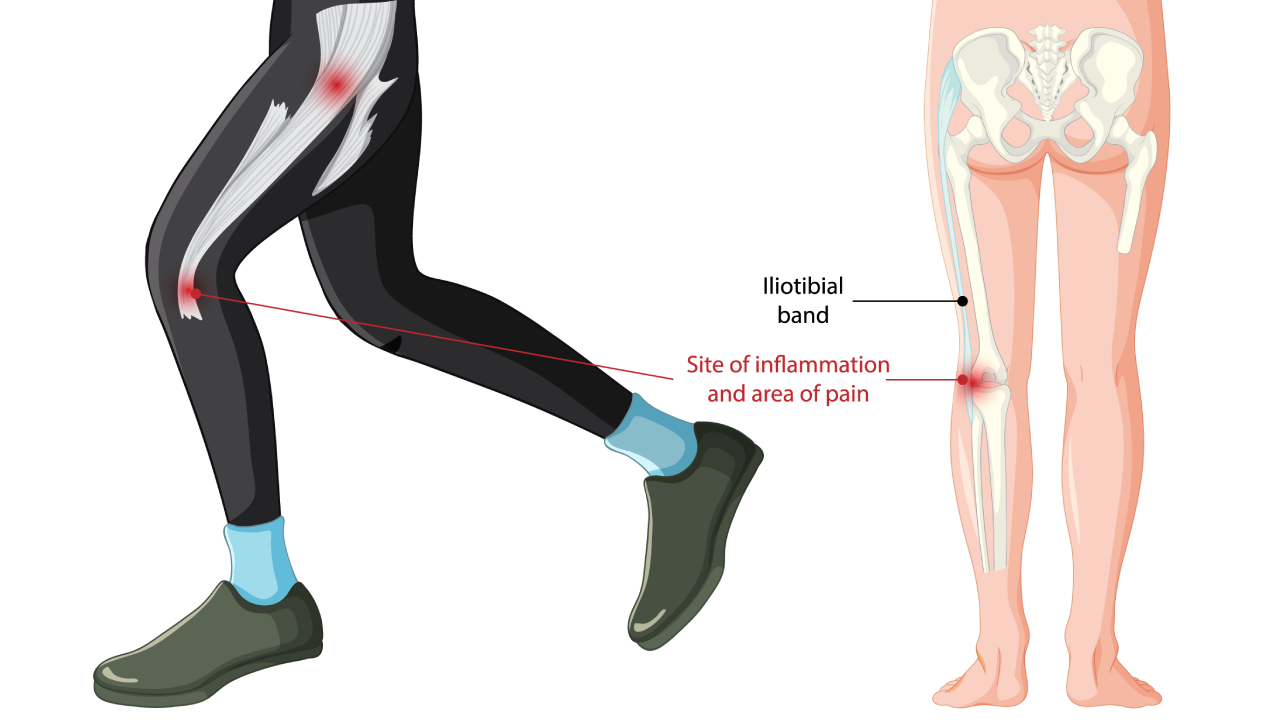
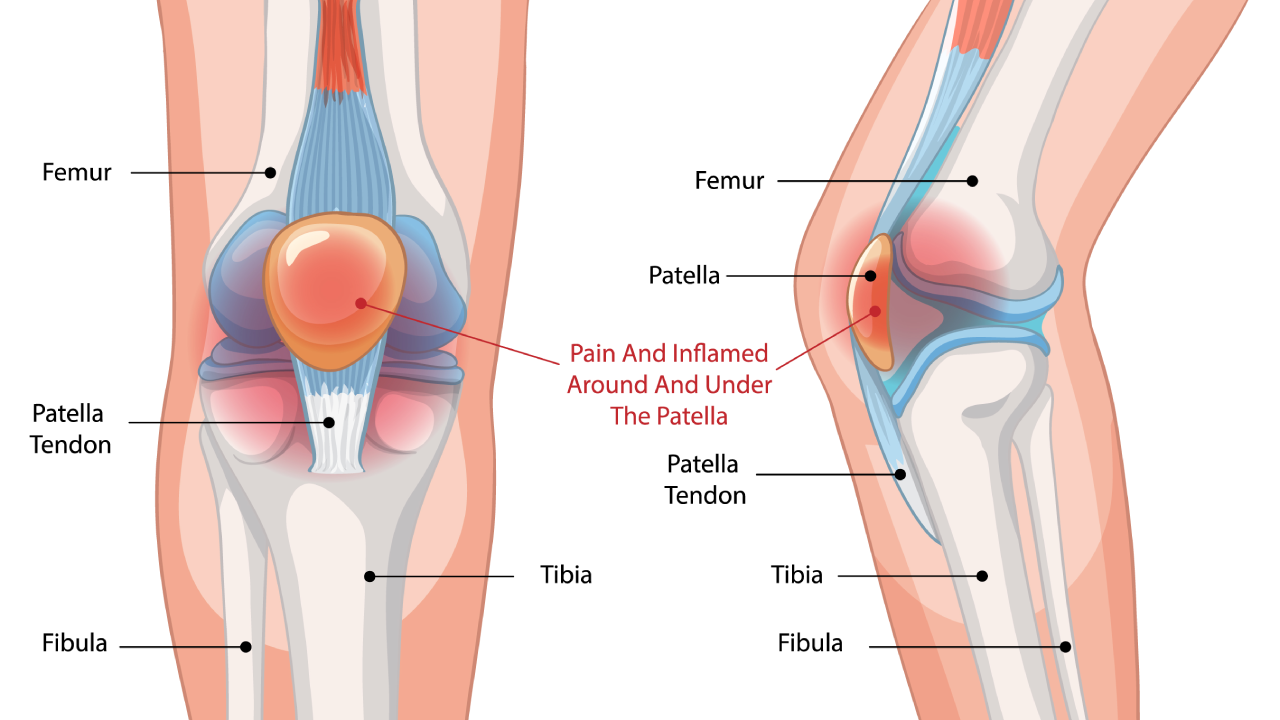
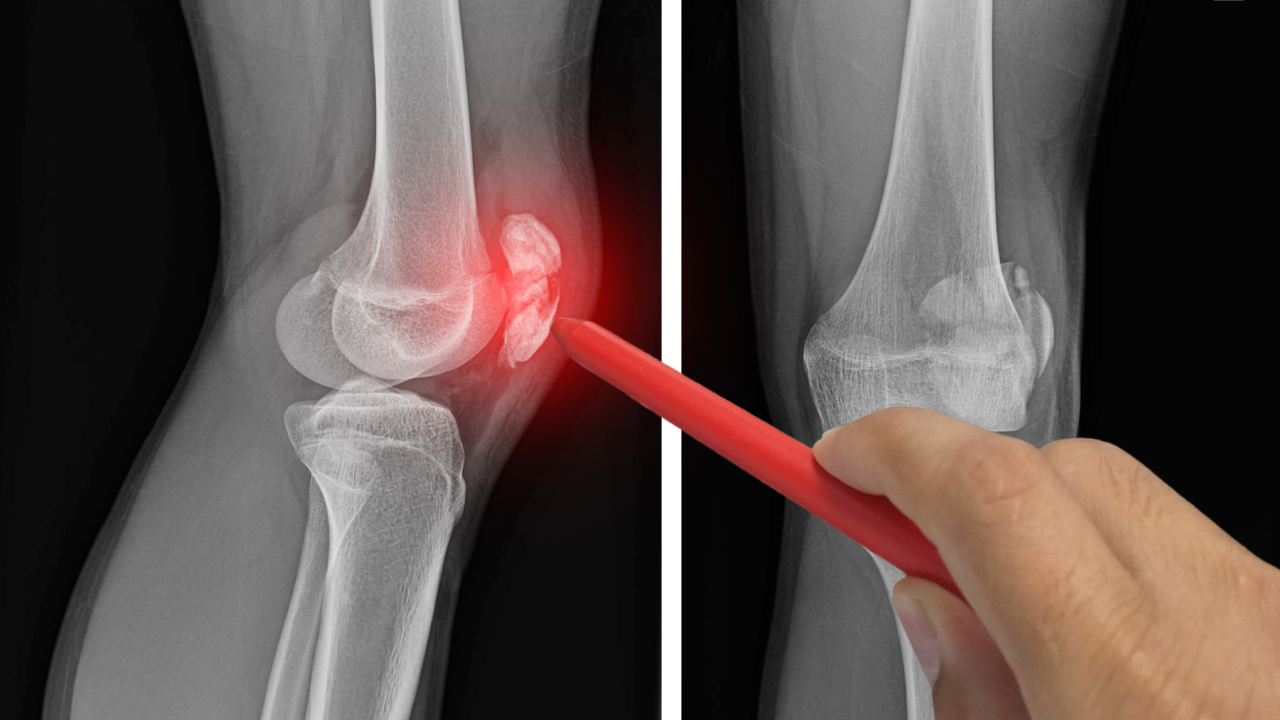
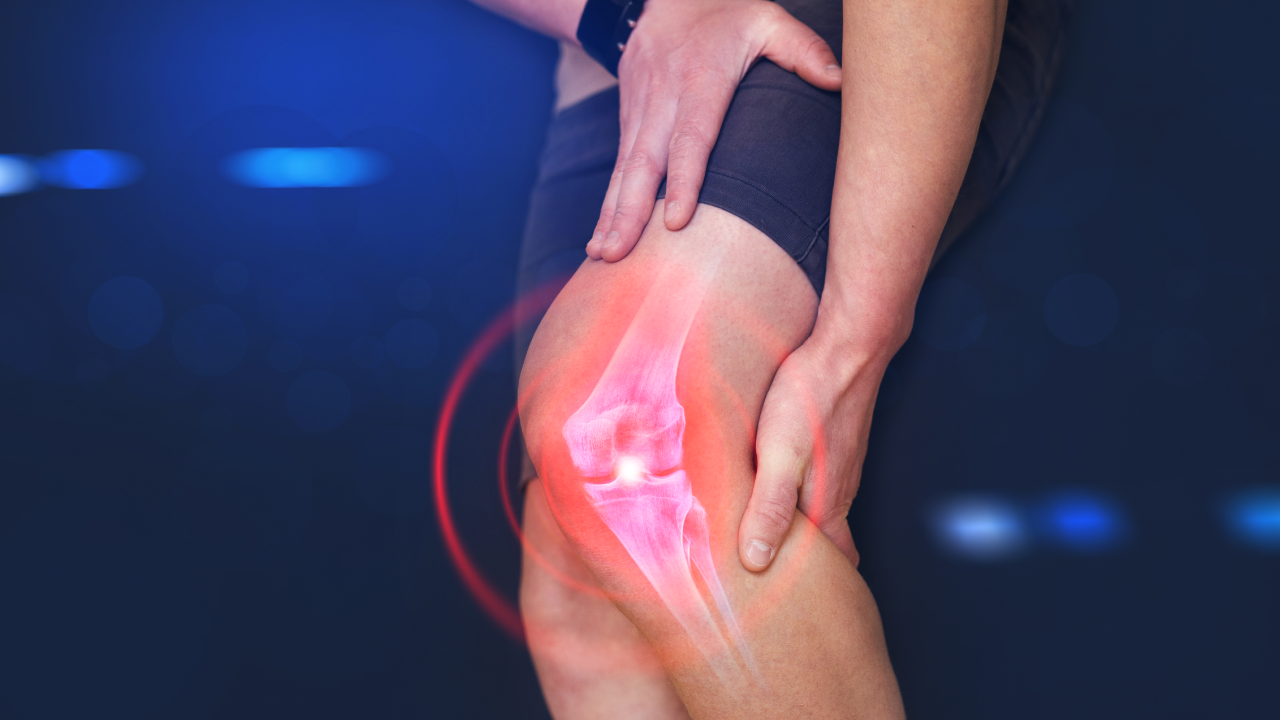
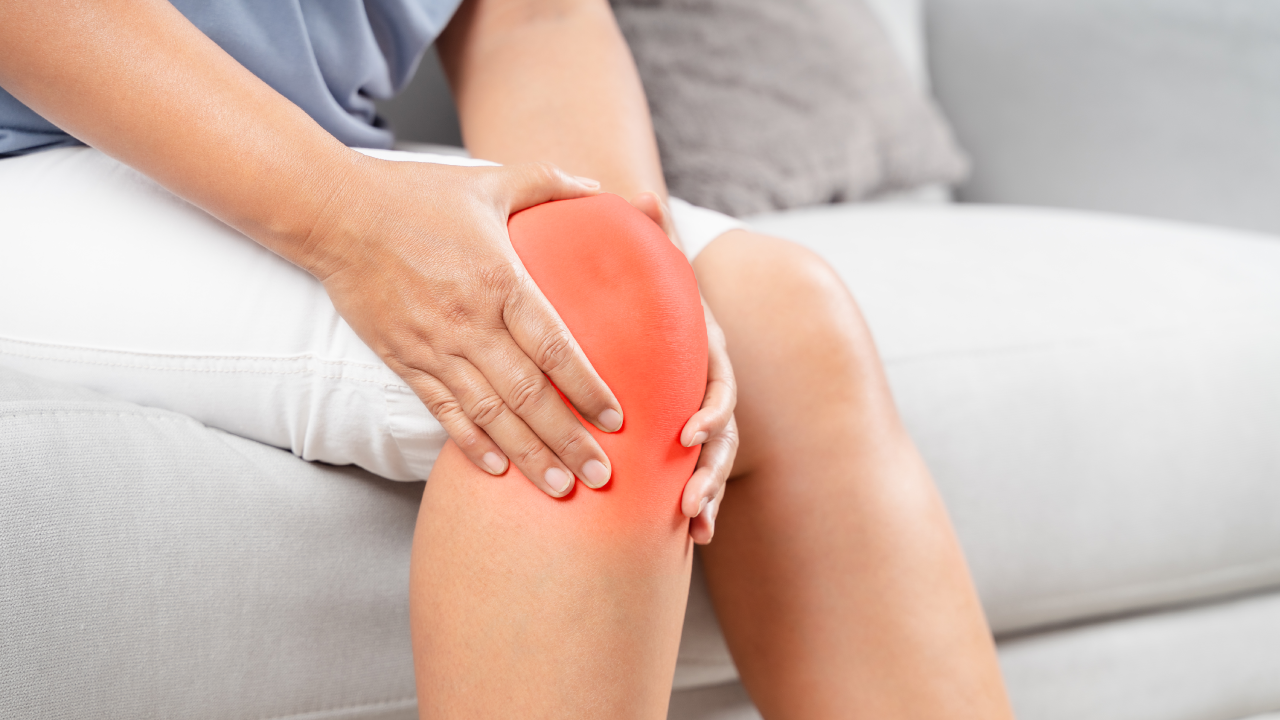
Knee Injuries
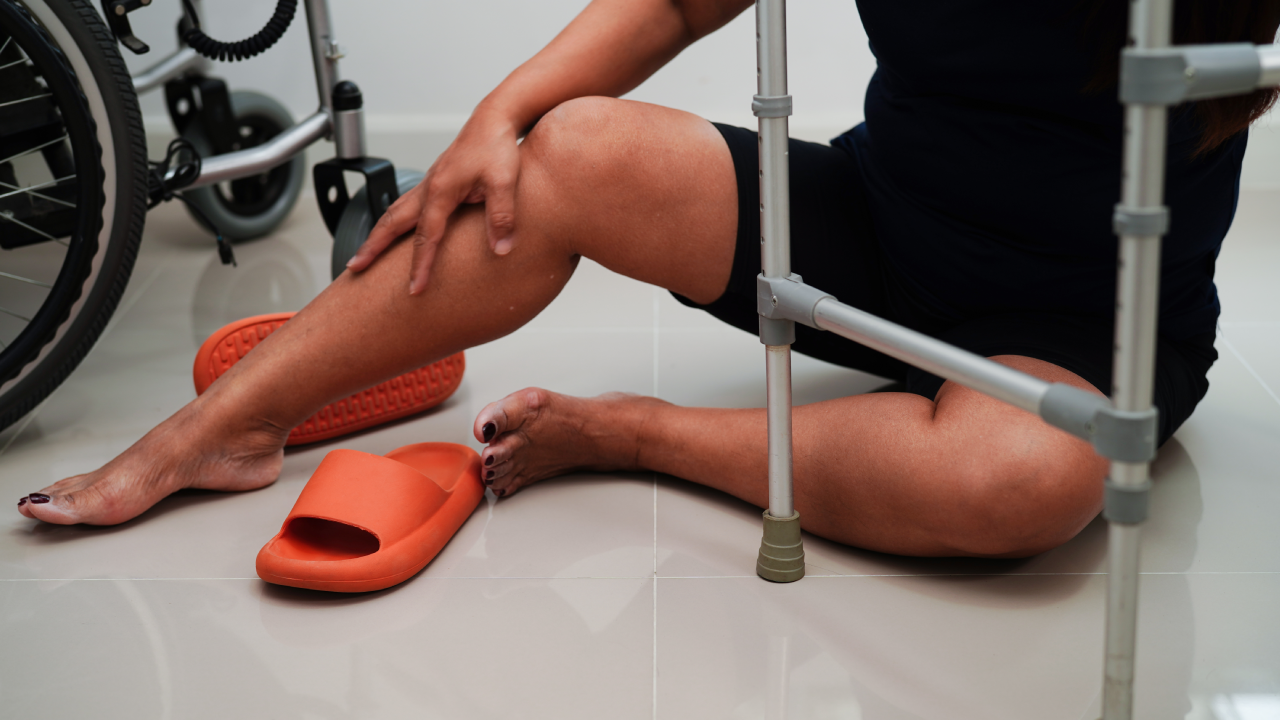
Knees can be affected by direct impact against vehicle components or sudden movement during a crash. Symptoms may include swelling, stiffness, reduced movement, or difficulty walking.
A physical assessment can help identify movement restrictions and determine whether physiotherapy is appropriate.
Arm and Leg Injuries
Arms and legs may be affected by direct impact, sudden movement, or protective bracing during a collision. Symptoms can involve muscles, joints, tendons, or other tissues.
Care can focus on restoring mobility, strength, coordination, and tolerance for daily tasks.
Problems That Motor Vehicle Accident Injury Care Addresses
People often seek physiotherapy after a collision because symptoms begin interfering with ordinary activities.
Common concerns include:
- Difficulty turning the head while driving
- Trouble sitting for extended periods
- Discomfort while working at a desk
- Difficulty sleeping comfortably
- Reduced ability to exercise
- Problems lifting or carrying objects
- Stiffness after sitting or resting
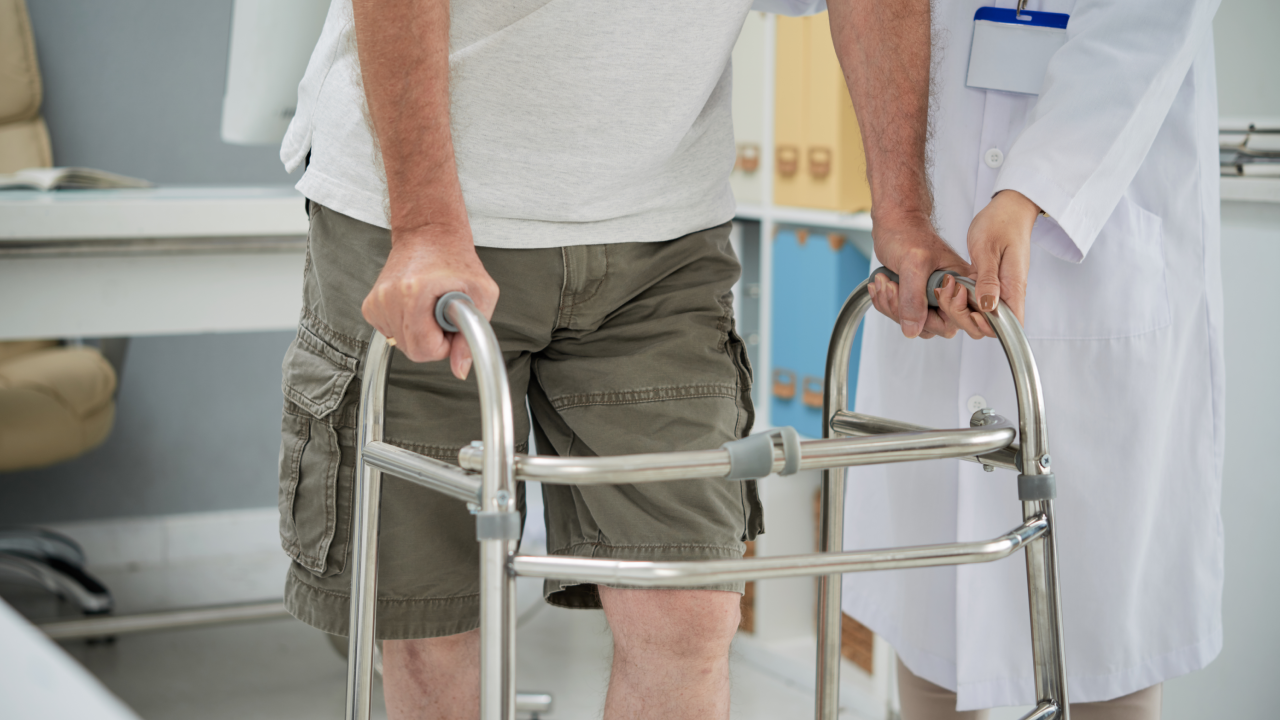
- Difficulty walking or climbing stairs
- Reduced range of motion
- Muscle weakness
- Changes in posture or movement
- Difficulty returning to work or regular routines
The aim of treatment is to address physical limitations while helping the person gradually return to appropriate activities.
What Is Included in Physiotherapy for Motor Vehicle Accident Injuries?
Initial Assessment
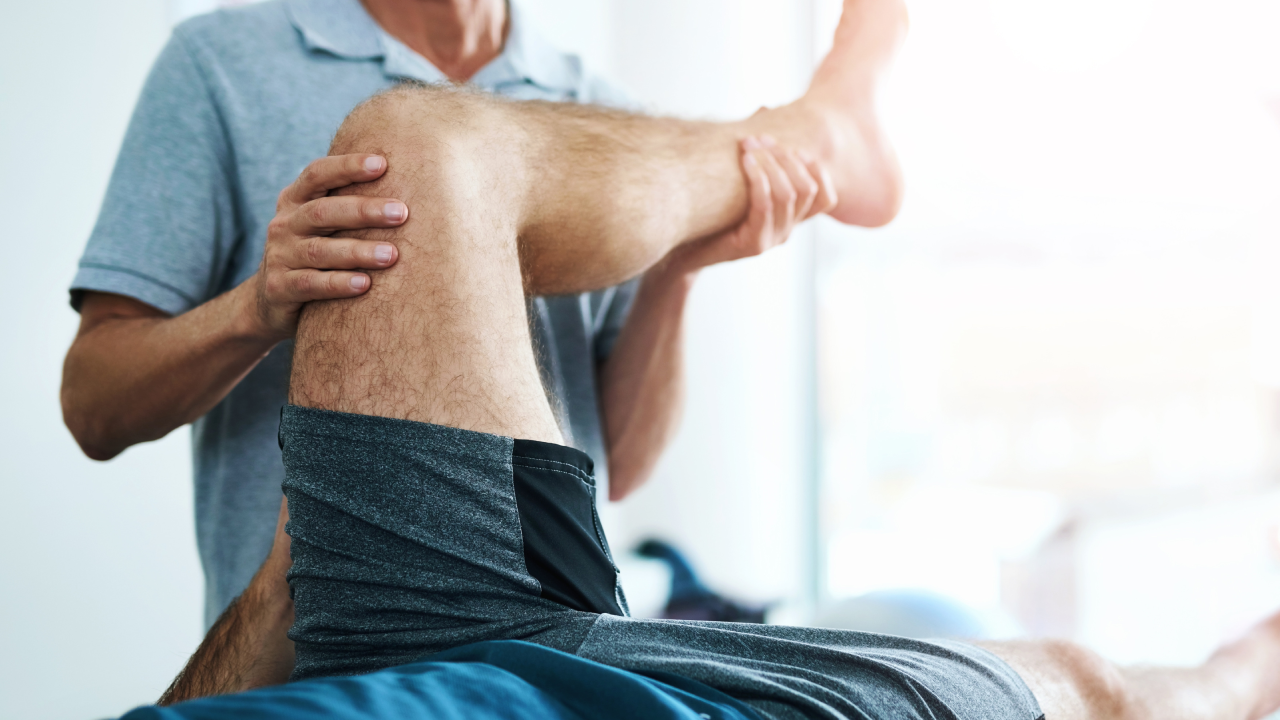
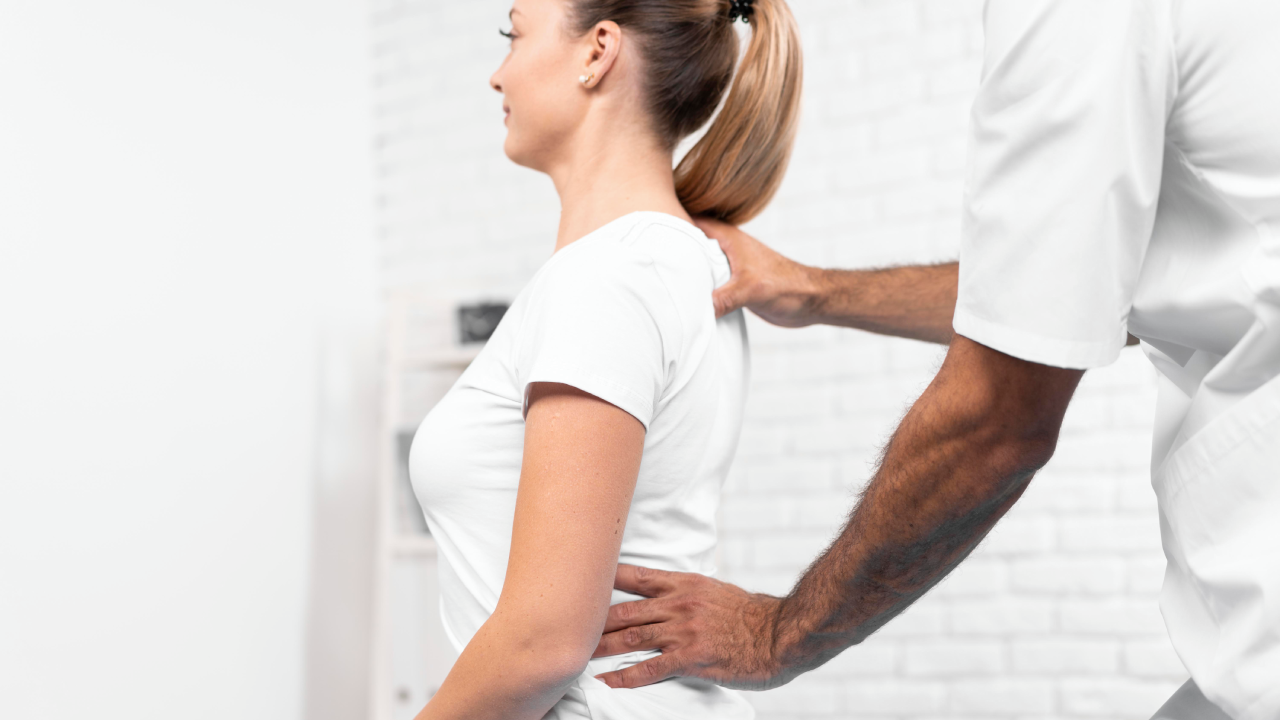
The first appointment may include questions about the collision, current symptoms, previous injuries, daily activities, and functional limitations.
Your physiotherapist may assess:
- Range of motion
- Muscle strength
- Joint movement
- Posture
- Balance
- Walking patterns
- Functional movement
- Areas of tenderness or sensitivity
Treatment Planning
After the assessment, your physiotherapist can explain the findings and discuss an appropriate treatment plan. The plan may change as your condition changes.
Therapeutic Exercise
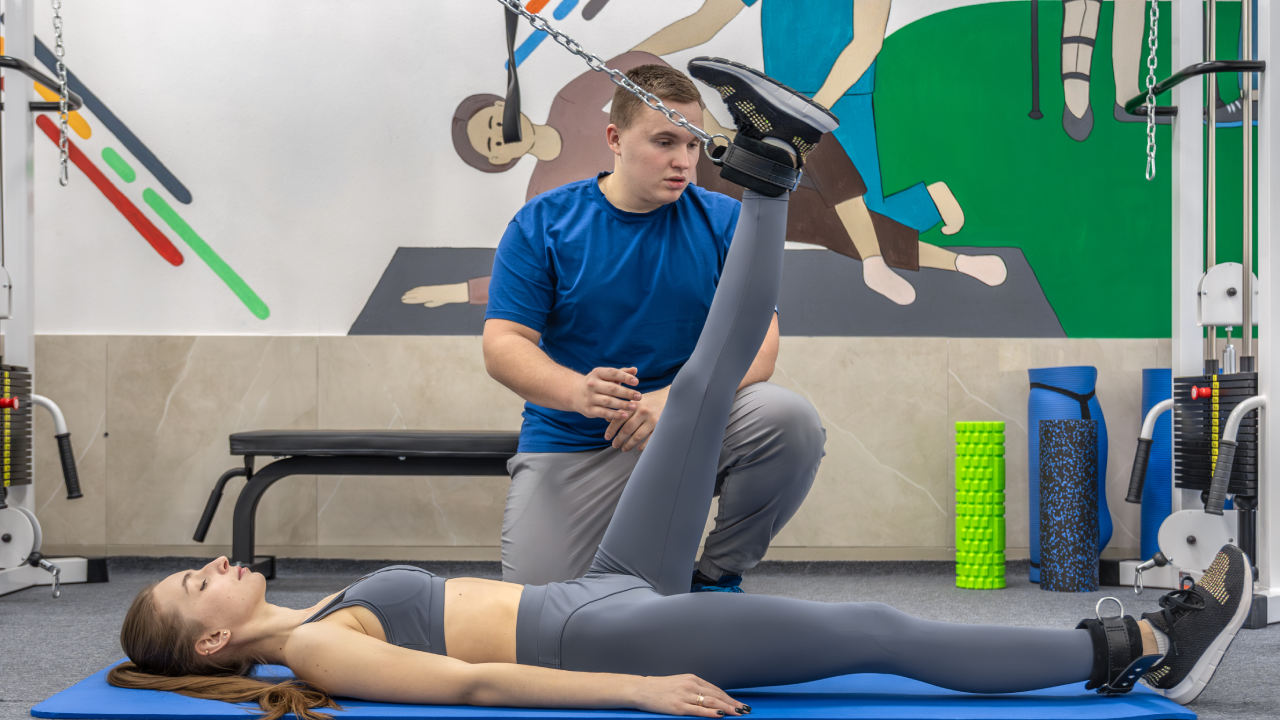
Exercises may focus on mobility, strength, coordination, posture, stability, and functional movement.
The exercises selected depend on the person’s condition and current physical capacity.
Manual Therapy
Hands-on techniques may be used where clinically appropriate to address joint or soft-tissue restrictions and support movement.
Movement Education
You may receive advice about body positioning, activity levels, exercises, and ways to gradually resume normal activities.
Progress Reviews
Your physical function can be reassessed during treatment to see how movement and activity tolerance are changing.
How the Process Works
1. Consultation
Contact Spinal Solution and Rehab to discuss your accident and current concerns.
2. Assessment
A physiotherapist reviews your symptoms, injury history, movement, strength, and functional limitations.
3. Planning
Based on the assessment findings, a treatment plan is established around your current needs and daily activities.
4. Treatment
Treatment may include therapeutic exercise, manual therapy, mobility work, strengthening, and movement education.
5. Review
Your progress is monitored throughout care. Exercises and treatment approaches may be adjusted according to changes in symptoms and function.
6. Ongoing Support
As your function changes, your physiotherapist can provide further exercises and recommendations for returning to regular activities.
Benefits of Physiotherapy After a Motor Vehicle Accident
Physiotherapy can support several practical goals following a collision, including:
- Improved joint mobility
- Increased muscle strength
- Greater movement tolerance
- Improved posture and body mechanics
- Support for returning to daily activities
- Gradual return to exercise
- Improved physical function
- Better tolerance for work-related tasks
- Increased confidence with movement
Results vary from person to person. Your recovery can depend on the type of injury, its severity, your general health, activity level, and other factors.
Who We Treat
At Spinal Solution and Rehab, we provide services for individuals involved in Motor Vehicle Accidents. Injury services can be relevant to people from a range of backgrounds and occupations, including:
- Office workers
- Drivers
- Delivery workers
- Tradespeople
- Healthcare workers
- Retail workers
- Students
- Parents and caregivers
- Athletes
- Seniors
- Self-employed individuals
Our assessment focuses on how the accident has affected your particular activities, whether that means sitting at a desk, driving between appointments, lifting at work, caring for children, or participating in exercise.
Frequently Asked Questions
What are common injuries after a car accident?
Common injuries include whiplash, neck stiffness, back pain, shoulder problems, muscle strains, joint sprains, headaches, reduced mobility, and other soft-tissue injuries.
Can symptoms appear days after a collision?
Yes. Some symptoms may become noticeable later rather than immediately after the accident. If new symptoms develop or existing symptoms worsen, medical assessment may be appropriate.
How soon should I see a physiotherapist after an accident?
The appropriate timing depends on your symptoms and injury. If you have been involved in a collision, a healthcare assessment can help determine what care is appropriate.
Do I need a referral?
Referral requirements can vary depending on the situation and insurance arrangement. Contact Spinal Solution and Rehab to discuss your circumstances before scheduling care.
Can physiotherapy help with whiplash?
Physiotherapy may be used as part of care for whiplash. Treatment can include movement assessment, therapeutic exercise, mobility work, and other approaches based on the individual’s condition.
What should I bring to my appointment?
Bring relevant accident or insurance information, medical reports if available, a list of current concerns, and details about any treatment you have already received.
How long does treatment take?
Treatment duration varies. It depends on the injury, symptoms, functional limitations, progress, and recommendations from your healthcare providers.
Can I return to work while receiving physiotherapy?
Some people continue working during treatment, while others may require temporary changes to their duties. Your healthcare team can discuss activity limitations based on your condition.
What if I have severe symptoms after an accident?
Severe symptoms, loss of consciousness, significant weakness, difficulty breathing, chest pain, severe headache, major bleeding, or other urgent concerns require immediate medical attention rather than waiting for a routine physiotherapy appointment.
Service Areas
Spinal Solution and Rehab serves people seeking physiotherapy care for Motor Vehicle Accident Injuries in Woodbridge, ON.
People from nearby communities may also contact the clinic regarding accident-related physiotherapy, depending on availability and travel distance.
Our local service area may include:
- Woodbridge
- Vaughan
- Kleinburg
- Maple
- Vellore Village
- Concord
- Nearby Vaughan communities
Our location in the Woodbridge area makes access convenient for people living or working nearby.
Why Choose Spinal Solution and Rehab?
Choosing a clinic after a collision starts with finding a team that can assess your physical concerns and explain the next steps clearly.
At Spinal Solution and Rehab, our approach includes:
- One-on-one assessment
- Discussion of your accident history
- Physical movement assessment
- Exercise-based rehabilitation
- Manual therapy where appropriate
- Progress monitoring
- Education about movement and activity
- Communication around functional goals
Our focus is on helping you address physical limitations related to your accident while working toward a gradual return to your regular activities.
Related Services
Depending on your condition, related physiotherapy services may include:
- Physiotherapy
- Sports injury rehabilitation
- Orthopaedic physiotherapy
- Manual therapy
- Therapeutic exercise
- Back rehabilitation
- Neck rehabilitation
- Shoulder rehabilitation
- Postural assessment
- Strength and mobility training
Your physiotherapist can discuss which services may be appropriate after assessing your condition.
Get Started
A motor vehicle collision can leave you unsure about what to do next, particularly when symptoms affect driving, work, exercise, sleep, or everyday movement.
If you are searching for Motor Vehicle Accident Injuries in Woodbridge, ON, Spinal Solution and Rehab can assess your physical concerns and discuss appropriate physiotherapy care.
Address: 8300 Hwy 27, Woodbridge, ON L4H 0R9
Phone: +1 905-739-3100
Contact Spinal Solution and Rehab in Woodbridge, ON, to schedule an assessment and discuss your next steps after a motor vehicle accident.