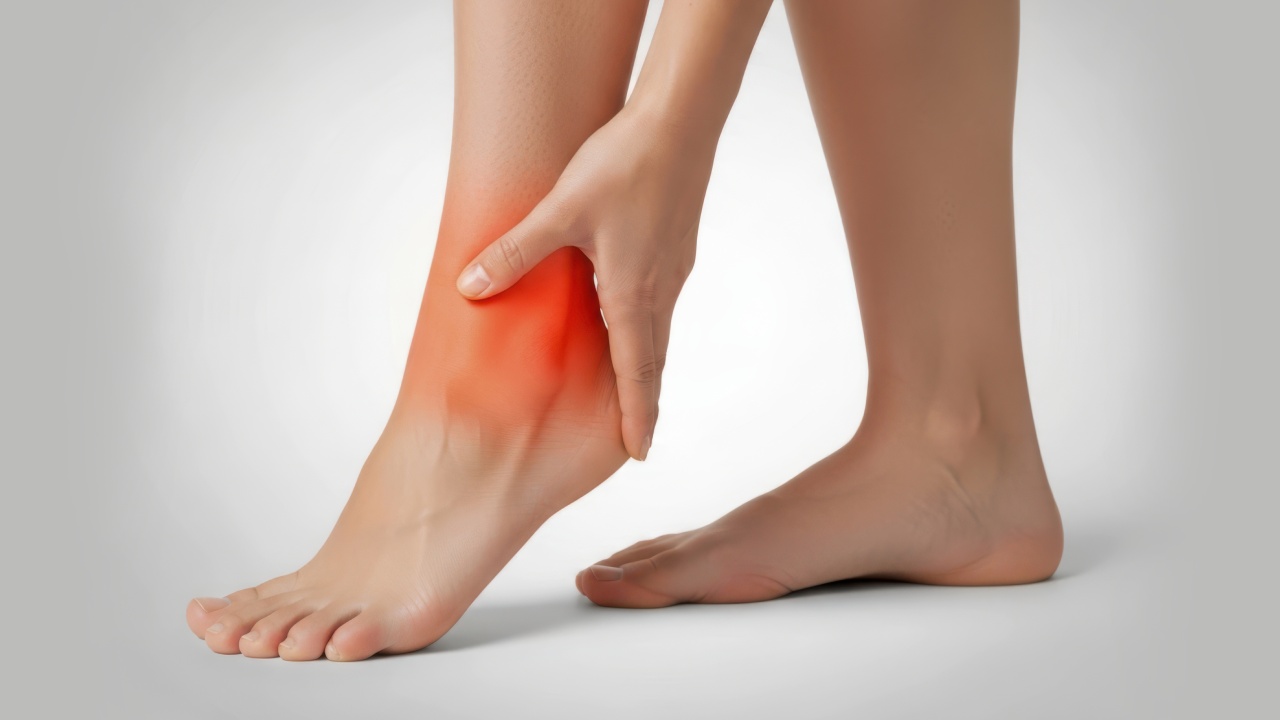
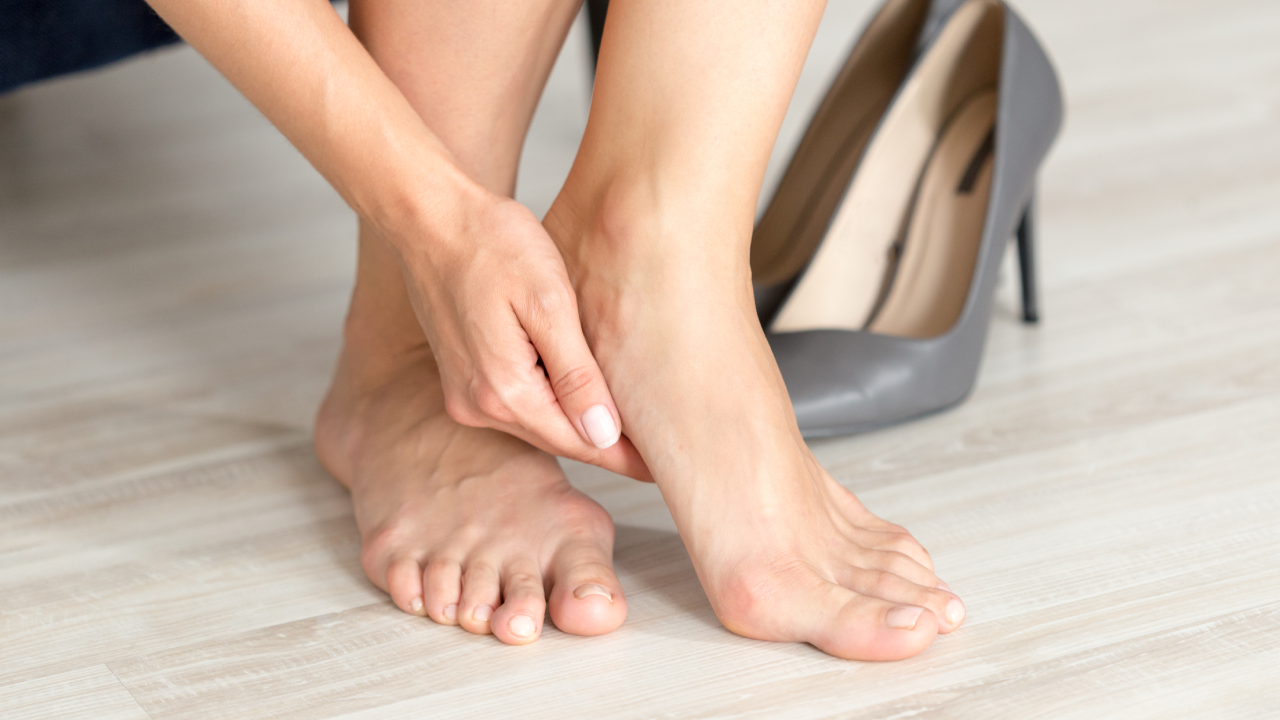
Heel Pain in Woodbridge, ON
Heel pain can make ordinary activities feel difficult. Walking to the car, standing at work, climbing stairs, exercising, or getting out of bed can become uncomfortable when each step places pressure on the heel. At Spinal Solution and Rehab, we assess the factors that may be contributing to heel symptoms and create a care plan based on the findings.
People searching for Heel Pain in Woodbridge, ON, may be dealing with plantar fasciitis, Achilles tendon problems, a heel spur, muscle tightness, changes in foot mechanics, an injury, or another condition affecting the foot and ankle. Identifying the likely source matters because heel symptoms can have different causes.
What Is Heel Pain?
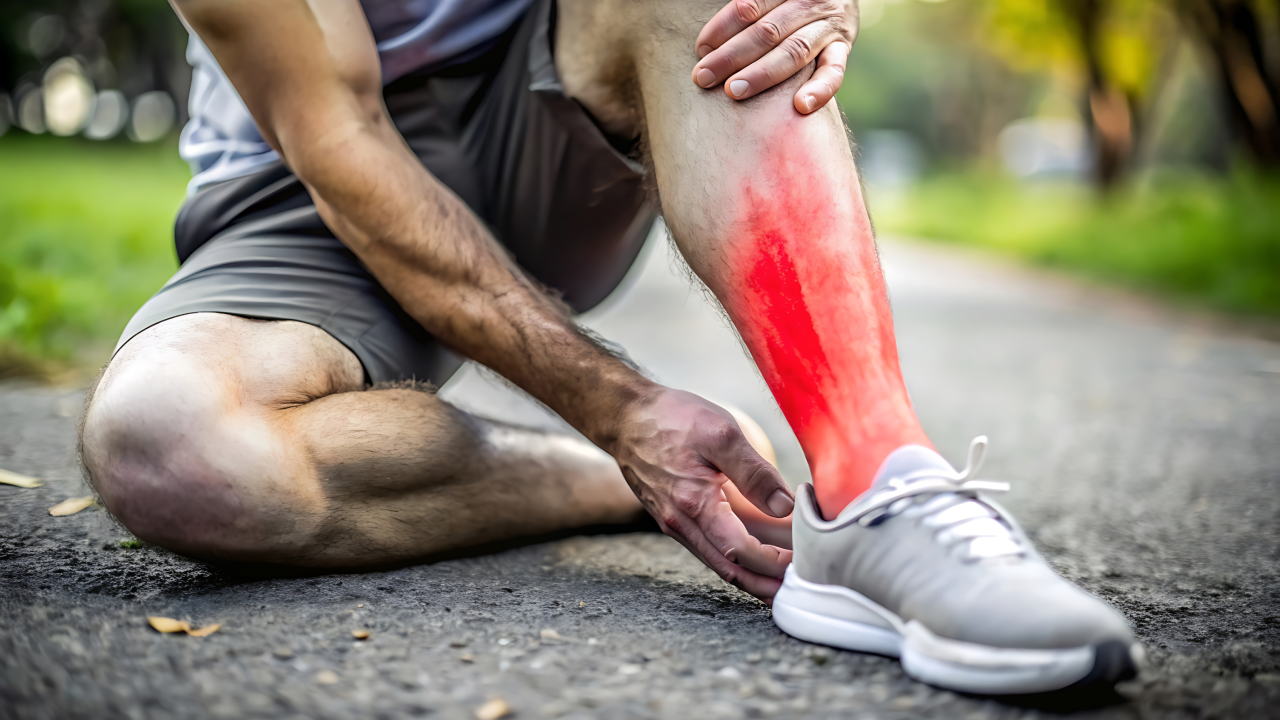
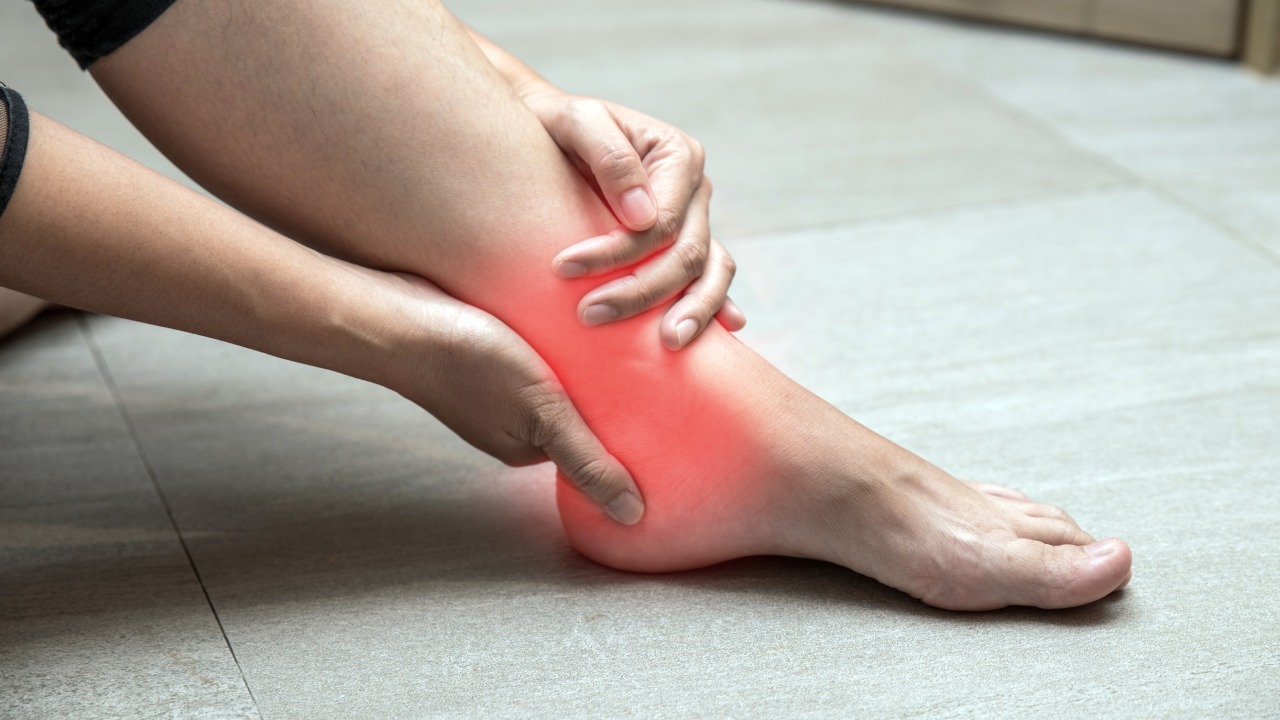
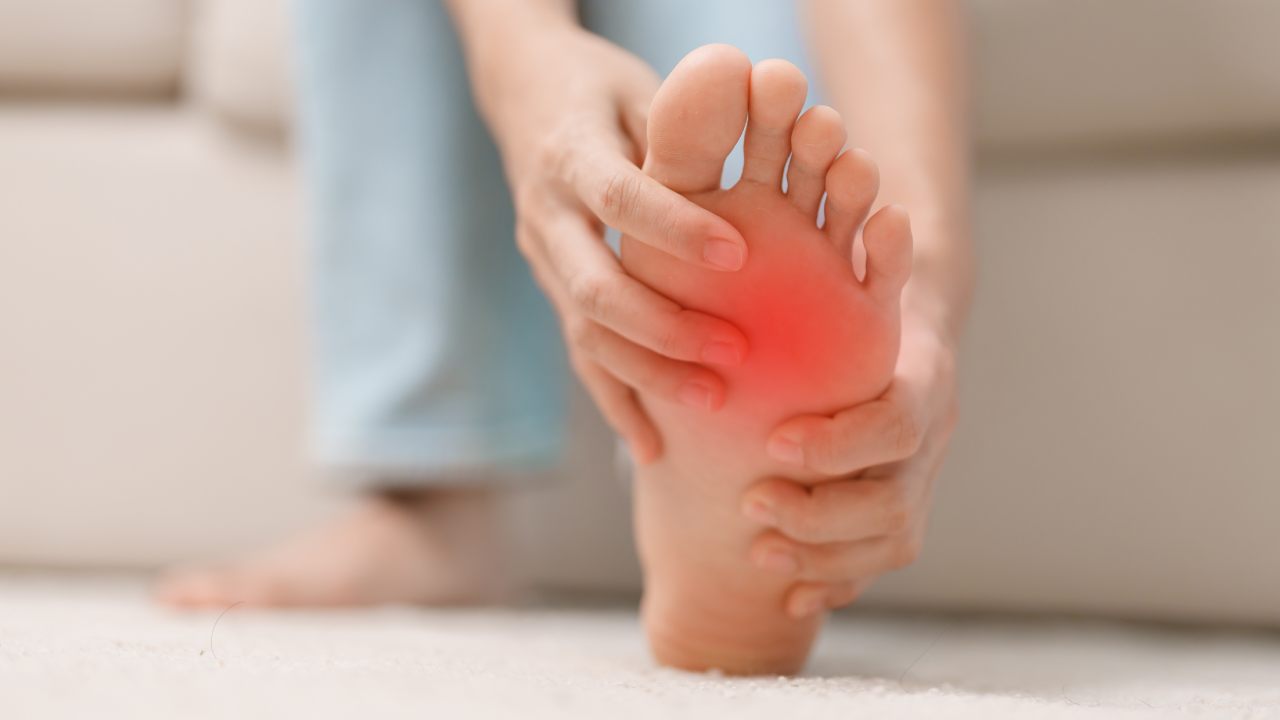
Heel pain refers to discomfort around the underside, back, or sides of the heel. It can appear gradually or start after an injury, a change in activity, prolonged standing, or increased walking and running.
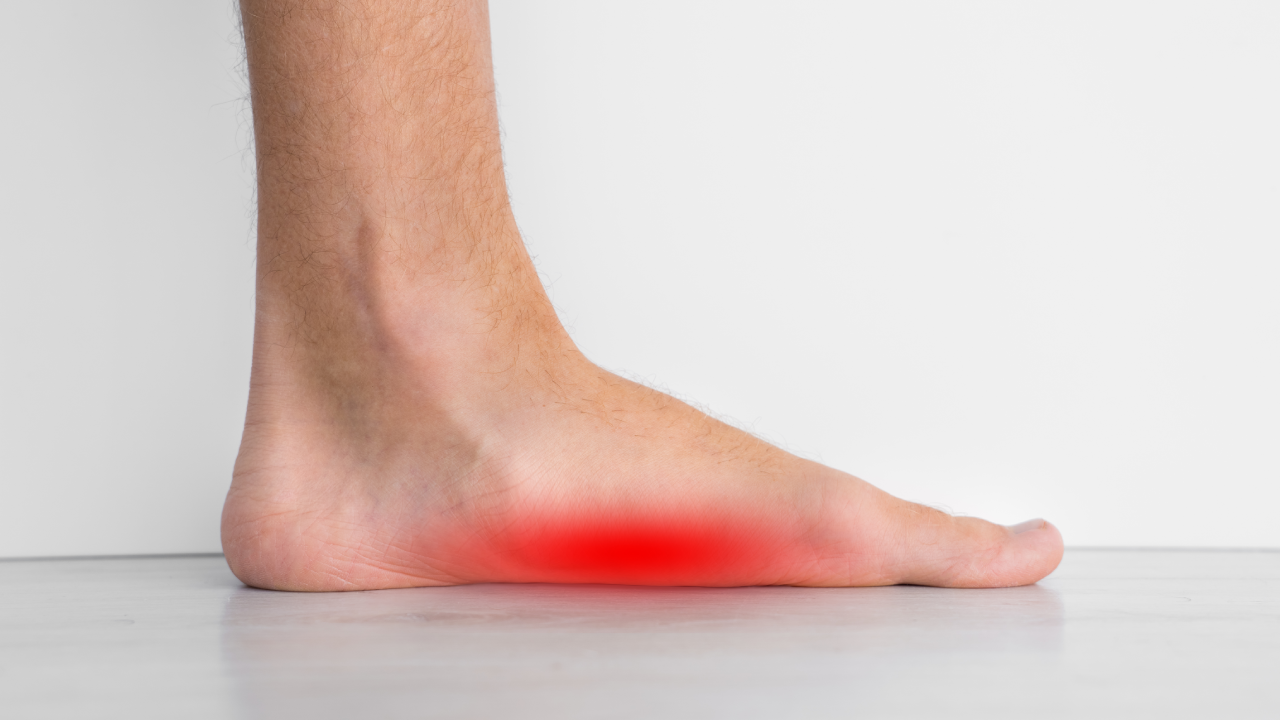
The location and pattern of symptoms can provide useful clues. Pain beneath the heel may be associated with plantar fascia irritation, while discomfort at the back of the heel may involve the Achilles tendon. Other causes can include bursitis, nerve irritation, stress injuries, changes in foot structure, or problems affecting nearby joints and muscles.
Heel symptoms may appear:
- During the first few steps after waking
- After sitting for a prolonged period
- During walking or running
- After increasing exercise volume
- While standing for extended periods
- When climbing stairs
- During sports or recreational activities
- After wearing different footwear
- Following an injury or impact
At Spinal Solution and Rehab, assessment focuses on more than the location of discomfort. Foot movement, ankle mobility, muscle strength, walking patterns, activity levels, footwear, and recent changes in physical activity can all provide relevant information.
Who Can Develop Heel Pain?
Heel symptoms can affect people across different age groups and activity levels. You do not need to be an athlete to develop discomfort around the heel.
People Who Stand for Long Periods
Jobs involving prolonged standing or walking can place repeated stress on the feet and lower legs. Retail workers, healthcare workers, tradespeople, warehouse employees, and other workers may notice symptoms during or after a shift.
Runners and Active Adults
A sudden increase in running distance, frequency, hills, jumping, or other high-impact activity can place additional load on the tissues around the heel.
People Returning to Exercise
Returning to workouts after a period of reduced activity can change the amount of stress placed on the feet. A gradual increase in activity may be easier for the body to accommodate than a sudden jump in training volume.
Older Adults
Changes in mobility, muscle strength, footwear, joint movement, and daily activity can influence how forces move through the foot and ankle.
People With Foot or Lower-Limb Changes
Changes in foot mechanics, ankle mobility, calf flexibility, or lower-limb movement may contribute to recurring heel symptoms in some people.
Common Causes of Heel Pain
Heel discomfort can have several possible causes. A clinical assessment can help determine which factors may be relevant in an individual case.
Plantar Fasciitis
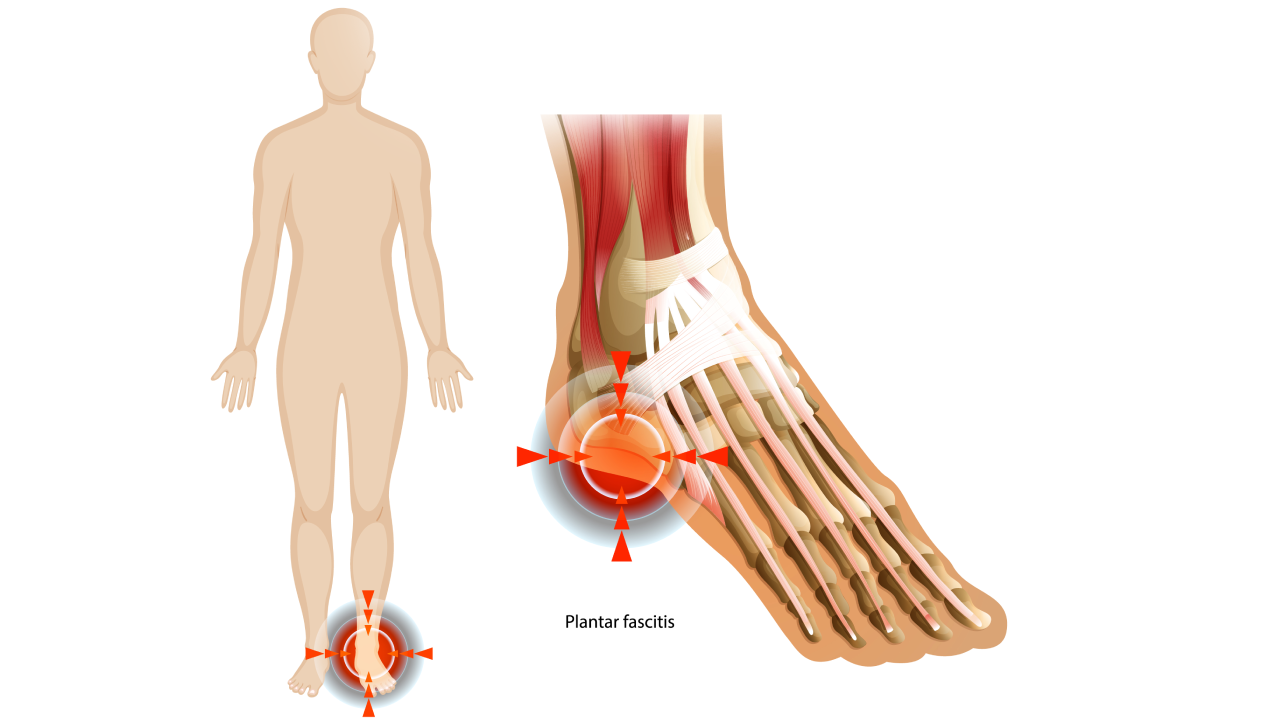
Plantar fasciitis involves irritation and changes affecting the plantar fascia, a strong band of connective tissue running along the bottom of the foot.
A common pattern involves discomfort with the first few steps after waking or after sitting. Symptoms may then change as the person starts moving.
Achilles Tendon Problems
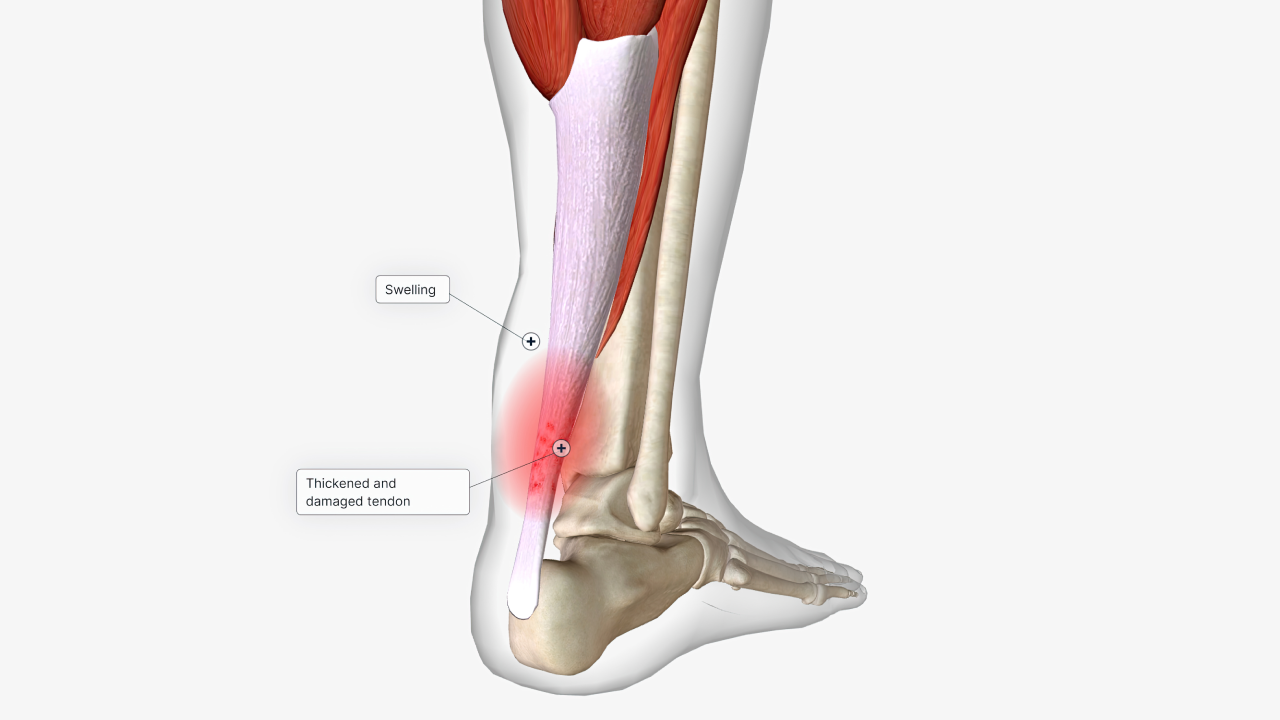
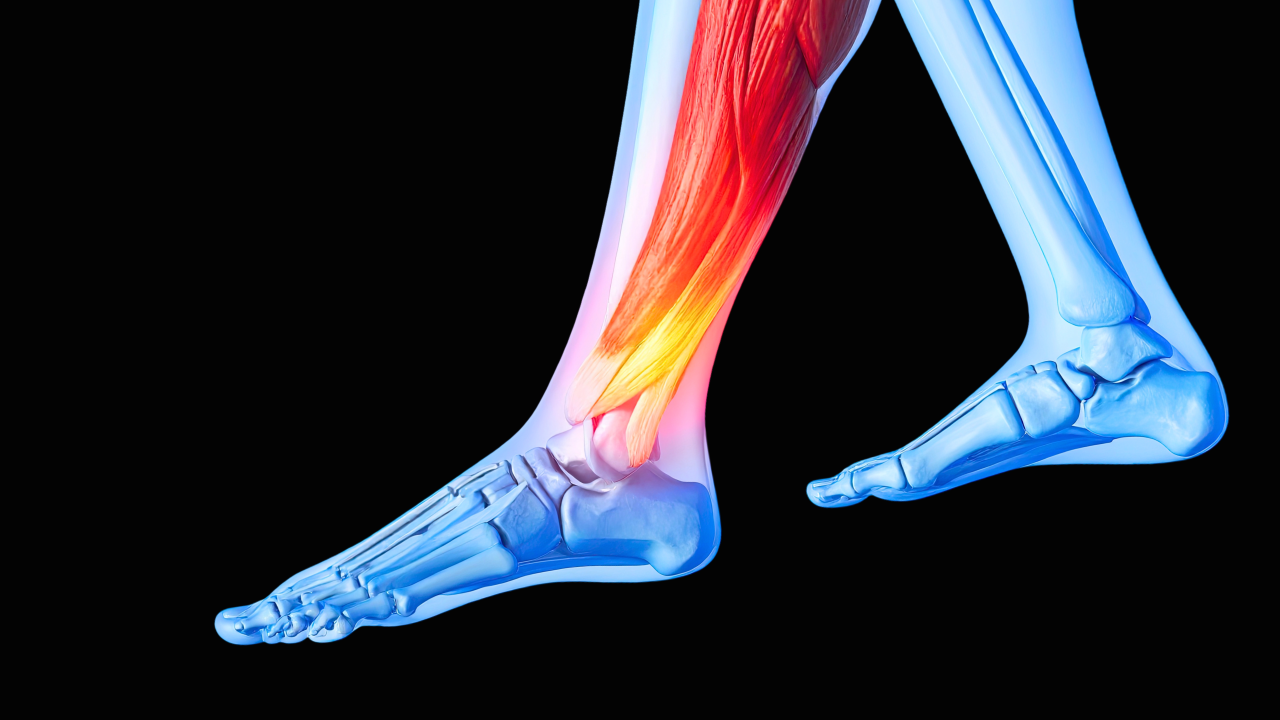
The Achilles tendon connects the calf muscles to the heel bone. Repeated loading can contribute to Achilles tendon symptoms, particularly after changes in running, jumping, walking, or other physical activity.
Discomfort is often felt at the back of the heel or lower part of the tendon.
Heel Spurs
A heel spur is a bony growth that may develop around the heel. Its presence does not automatically mean it is the source of symptoms. Some people have heel spurs without experiencing discomfort.
Calf and Ankle Tightness
Reduced movement around the ankle can change how forces are distributed through the foot during walking and exercise. Calf tightness may also influence ankle movement.
Foot Mechanics
The way the foot moves while standing and walking can affect load distribution. Assessment may look at foot posture, ankle movement, balance, strength, and walking patterns.
Activity-Related Strain
A sudden increase in walking, running, sports, jumping, or standing may increase stress on tissues around the heel.
Injuries
A direct impact, fall, awkward landing, or sports incident may cause heel symptoms. Sudden or severe symptoms following trauma may require medical assessment.
Problems Heel Care May Address
People seeking care for heel symptoms may be dealing with several practical challenges:
- Difficulty walking comfortably
- Discomfort during the first steps in the morning
- Symptoms after sitting for extended periods
- Reduced participation in exercise
- Difficulty standing through a work shift
- Changes in walking patterns
- Reduced ankle movement
- Recurrent symptoms after activity
- Difficulty wearing certain footwear
- Reduced tolerance for stairs or longer walks
- Concern about returning to sport
The aim of assessment is to identify contributing factors and determine whether rehabilitation is appropriate. In some situations, referral to another healthcare provider may be necessary.
What We Assess
At Spinal Solution and Rehab, an assessment for heel symptoms may include several areas.
Symptom History
We ask when the symptoms began, where they are located, what activities affect them, and whether there has been a recent change in work, exercise, footwear, or daily movement.
Foot and Ankle Movement
Ankle range of motion and foot movement can provide information about how the lower limb is functioning.
Strength
Calf, foot, ankle, and lower-limb strength may be assessed to identify areas that could influence movement and load distribution.
Walking and Movement Patterns
Walking, standing, balance, squatting, or other movements may be observed where appropriate.
Activity Review
Running, sports, work duties, walking routines, and other activities can help identify changes in loading that may relate to symptoms.
Clinical Screening
Certain patterns may indicate that further medical assessment is appropriate. When symptoms fall outside the scope of rehabilitation care, referral may be recommended.
How the Process Works
1. Consultation
The first step involves discussing your symptoms, daily activities, work demands, exercise routine, previous injuries, and goals.
2. Assessment
We examine relevant areas such as foot and ankle movement, strength, mobility, balance, and functional movement.
3. Care Planning
The findings are used to establish a rehabilitation plan suited to the condition and your current activity level.
4. Rehabilitation
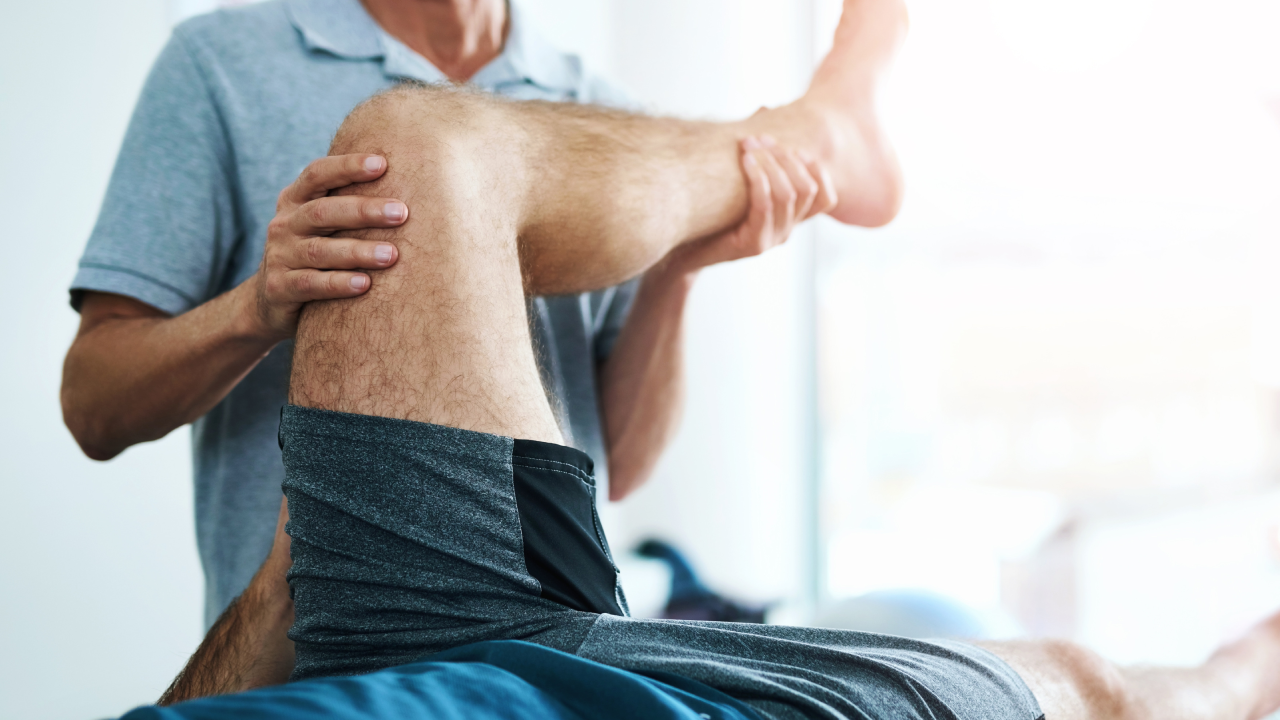
Depending on the assessment, care may include therapeutic exercise, mobility work, manual therapy, movement education, activity modification, and other clinically appropriate approaches.
5. Progress Review
Symptoms, movement, strength, and activity tolerance can be reviewed as care continues. The plan may be adjusted according to your response.
6. Ongoing Self-Management
You may receive exercises or practical recommendations to continue outside the clinic. These can focus on strength, mobility, activity progression, or movement habits.
What Heel Pain Rehabilitation May Help With
A rehabilitation plan may focus on practical goals such as:
- Improving ankle mobility
- Building foot and calf strength
- Increasing tolerance for walking
- Supporting a gradual return to exercise
- Improving movement patterns
- Managing activity levels
- Reducing unnecessary load on irritated tissues
- Improving balance and lower-limb control
- Supporting work-related movement demands
Results vary according to the cause of symptoms, duration, activity levels, overall health, and adherence to the recommended plan. There is no single timeline that applies to every person.
Exercises Commonly Used for Heel Conditions
Exercise selection depends on the assessment. Depending on the condition, a rehabilitation plan may include:
Calf Stretching
Calf mobility exercises may be used when limited ankle movement is identified.
Calf Strengthening
Progressive calf exercises can help build the capacity of muscles and tendons around the ankle.
Foot Strengthening
Exercises involving the muscles of the foot may be included when weakness or reduced control is identified.
Balance Training
Balance exercises may support lower-limb control and coordination.
Gradual Loading
For some tendon or fascia-related conditions, a gradual increase in loading can help the tissues adapt to activity.
Exercises should be selected according to the individual’s condition. A program that is appropriate for one heel condition may not be appropriate for another.
When Should You Seek Assessment?
Consider arranging an assessment if heel symptoms continue, interfere with daily activities, return repeatedly, or affect exercise and work.
Medical assessment may be appropriate when heel pain follows significant trauma, is accompanied by marked swelling, prevents weight-bearing, occurs with numbness or weakness, or appears alongside other concerning symptoms.
If you are unsure about the source of your symptoms, a clinical assessment can help determine the next step.
Frequently Asked Questions About Heel Pain
What causes heel pain?
Possible causes include plantar fasciitis, Achilles tendon problems, changes in foot mechanics, calf tightness, activity-related strain, bursitis, nerve irritation, injuries, and other conditions affecting the foot or ankle.
Why does my heel hurt when I take my first steps in the morning?
Morning heel discomfort is commonly associated with plantar fascia-related symptoms. However, other conditions can produce similar patterns, so assessment is needed to identify the likely cause.
Can heel pain come from the Achilles tendon?
Yes. Achilles tendon problems can cause discomfort at the back of the heel or along the lower portion of the tendon. Symptoms may increase with running, jumping, walking uphill, or other activities that load the tendon.
How long does heel pain take to settle?
The timeline varies. It depends on the underlying cause, symptom duration, activity levels, workload, and response to rehabilitation. Some conditions require several weeks or longer of gradual management.
Should I stop exercising if my heel hurts?
Not necessarily. The appropriate activity level depends on the cause and severity of symptoms. In some cases, modifying activity rather than stopping all movement may be appropriate.
Can footwear contribute to heel symptoms?
Footwear can influence how forces are distributed through the foot. Changes in shoes, prolonged use of worn footwear, or footwear that does not suit a person’s activity may be relevant factors.
Is a heel spur always the cause of pain?
No. A heel spur can be present without symptoms. Its presence does not necessarily establish it as the source of discomfort.
Can physiotherapy help with heel conditions?
Physiotherapy can be used for several heel-related conditions. Depending on the assessment, care may involve exercise, mobility work, manual therapy, movement education, and gradual activity progression.
Service Areas
If you are searching for Heel Pain in Woodbridge, ON, Spinal Solution and Rehab provides rehabilitation services for people dealing with foot, ankle, and lower-limb conditions.
Our clinic can assess how your symptoms relate to movement, strength, mobility, activity, and daily demands. The care plan is based on the findings rather than using the same approach for every person.
Our local service area may include:
- Woodbridge
- Vaughan
- Kleinburg
- Maple
- Vellore Village
- Concord
- Nearby Vaughan communities
Whether your symptoms started after a change in exercise, developed gradually during work, appeared after an injury, or have been returning for months, an assessment can help clarify what may be contributing to the problem.
Why Choose Spinal Solution and Rehab?
Spinal Solution and Rehab focuses on assessment, rehabilitation, movement, and functional goals. Care plans are based on clinical findings and may change as your condition progresses.
Our team works with people dealing with musculoskeletal concerns affecting the spine, joints, muscles, tendons, and related structures. Heel conditions can be assessed within this broader rehabilitation setting when appropriate.
We also recognize that heel symptoms can affect different parts of daily life. A person who stands at work has different movement demands from someone who runs several times a week. Your activities and goals are therefore considered when establishing a rehabilitation plan.
Related Services
Depending on your assessment, other services at Spinal Solution and Rehab may relate to your rehabilitation needs, including:
- Physiotherapy
- Sports rehabilitation
- Manual therapy
- Exercise therapy
- Lower-limb rehabilitation
- Injury rehabilitation
- Mobility training
- Strength and conditioning
Get Started
Persistent heel symptoms can make walking, work, exercise, and everyday activities more difficult. If you are looking for Heel Pain in Woodbridge, ON, the first step is identifying what may be contributing to your symptoms.
Contact Spinal Solution and Rehab to arrange an assessment and discuss your heel symptoms, activity demands, and rehabilitation goals.
Address: 8300 Hwy 27, Woodbridge, ON L4H 0R9
Phone: +1 905-739-3100
Call our clinic or contact our team to find out about appointment availability in Woodbridge, Ontario.