
Shin Splints in Woodbridge, ON
Shin splints can make walking, running, climbing stairs, or returning to exercise uncomfortable. At Spinal Solution and Rehab, we assess the factors that may be contributing to shin discomfort and build a treatment plan around your symptoms, activity level, movement patterns, and goals. Shin Splints in Woodbridge, ON, may develop when the tissues around the shin are exposed to repeated stress, often after changes in running, training, footwear, terrain, or activity levels. Our clinic in Woodbridge, ON, provides assessment and rehabilitation services for people dealing with recurring or recent shin symptoms.
What Are Shin Splints?
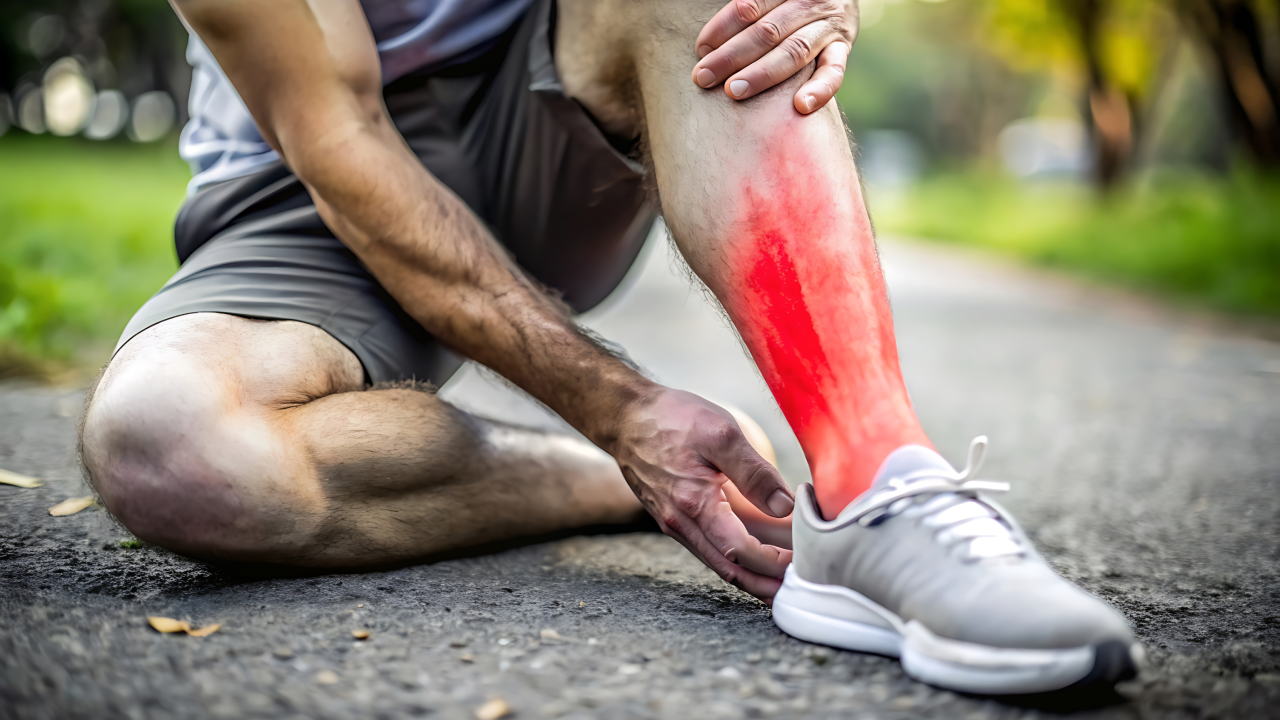
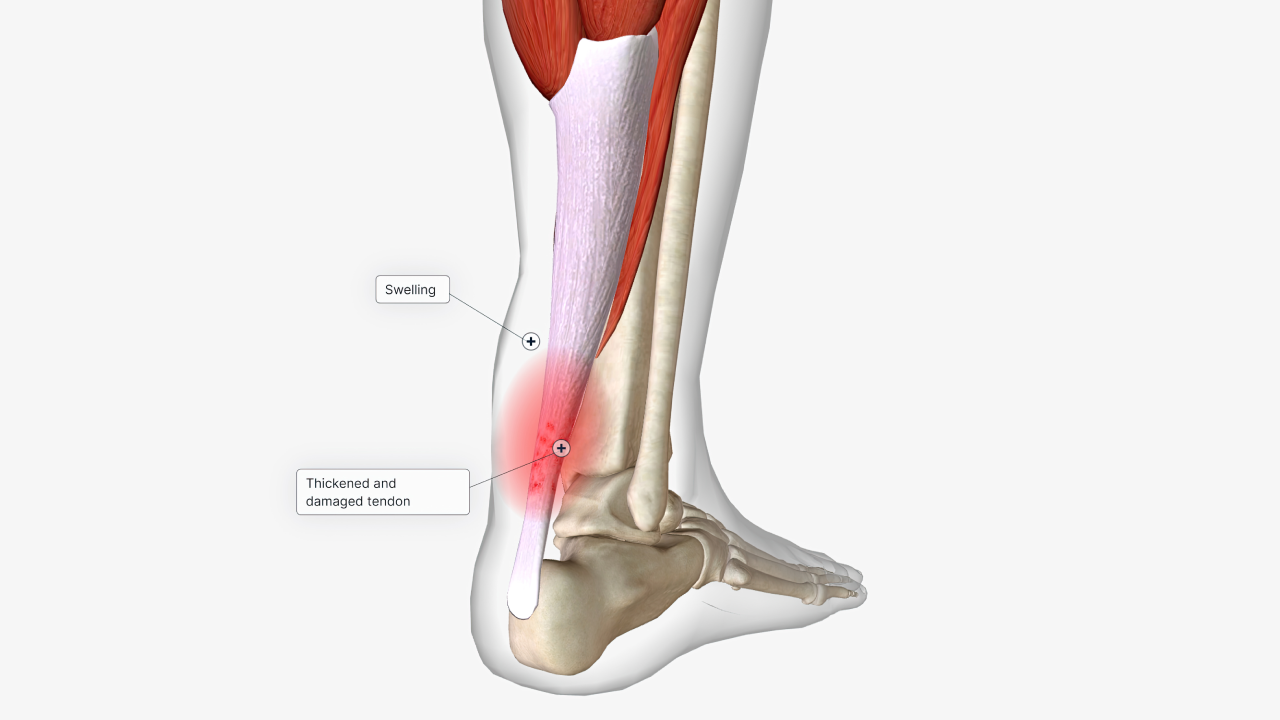
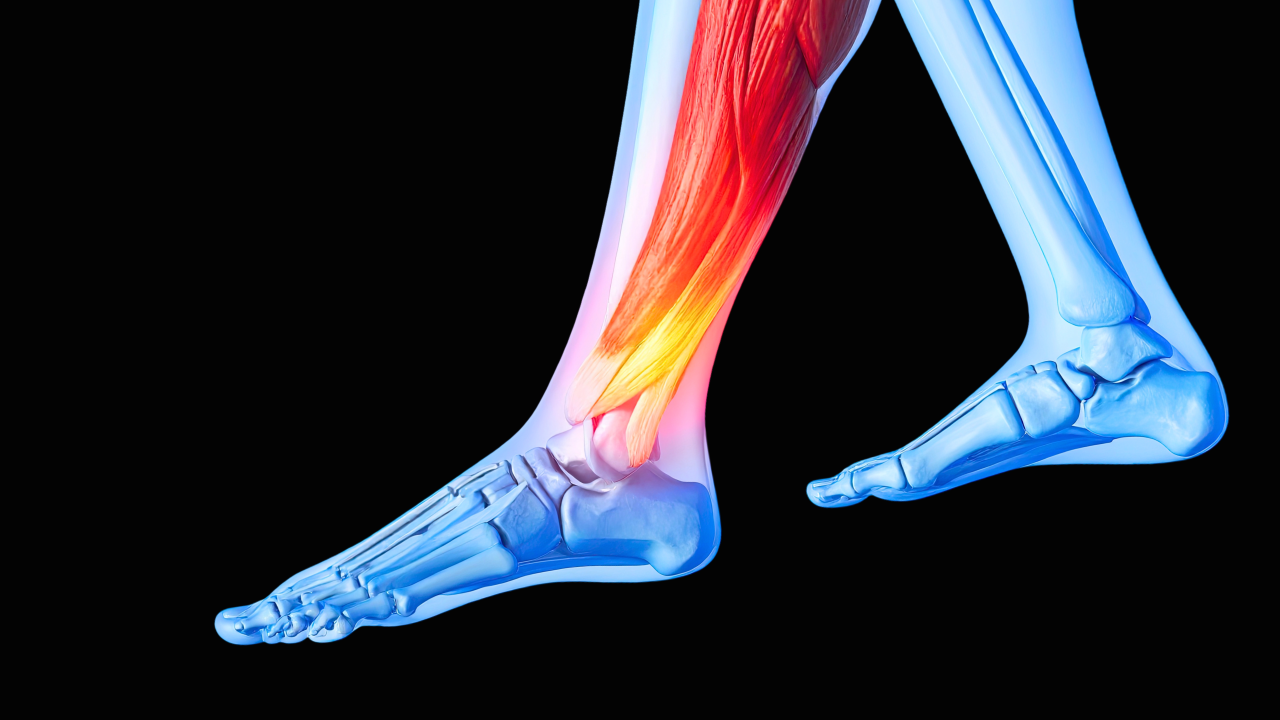
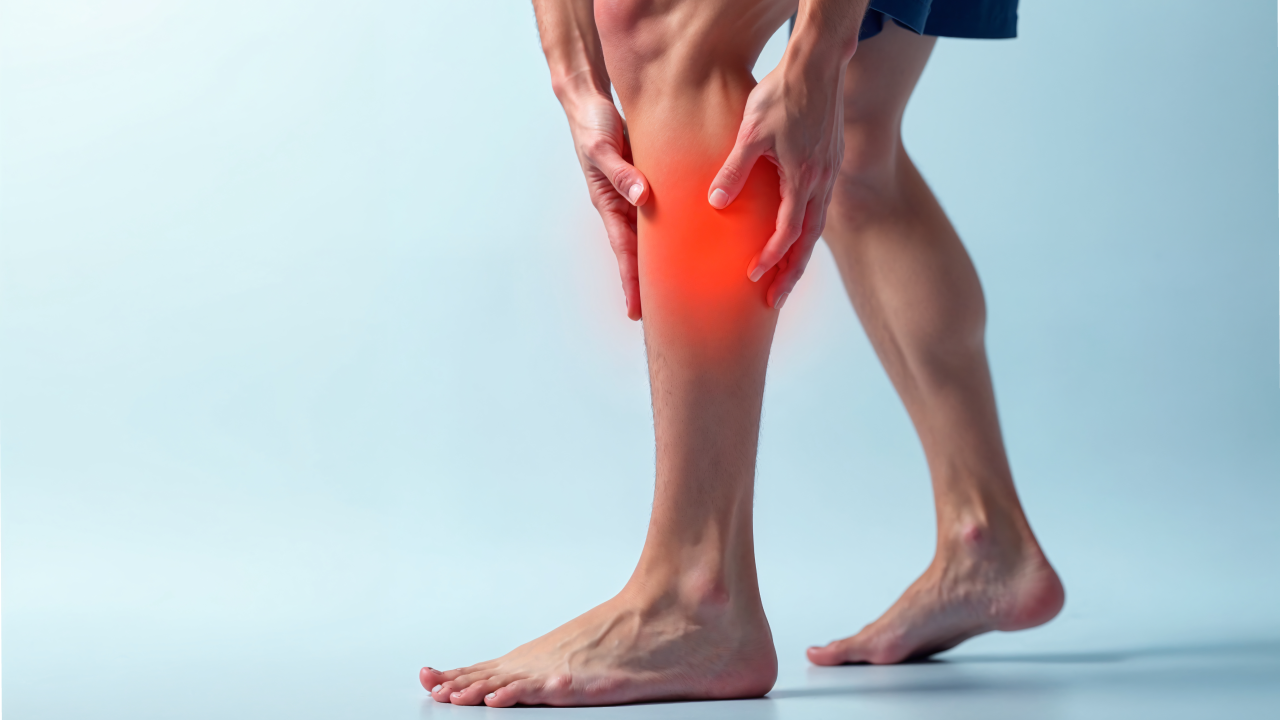
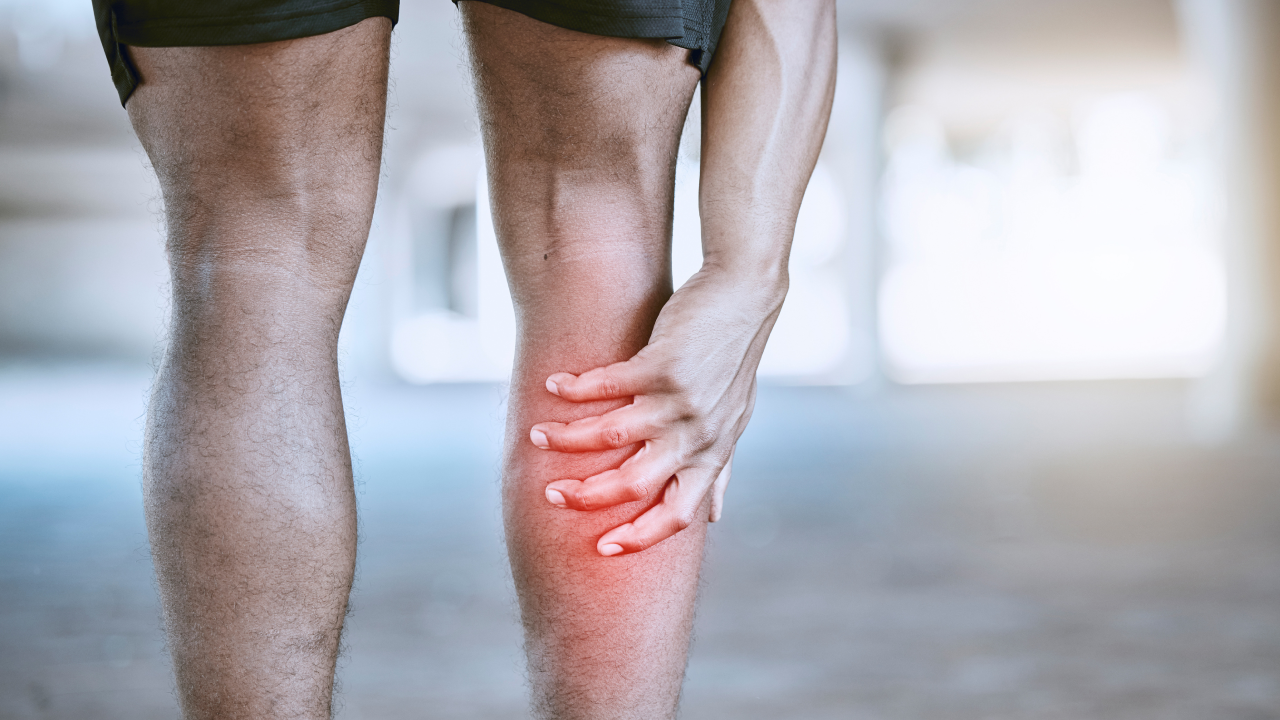
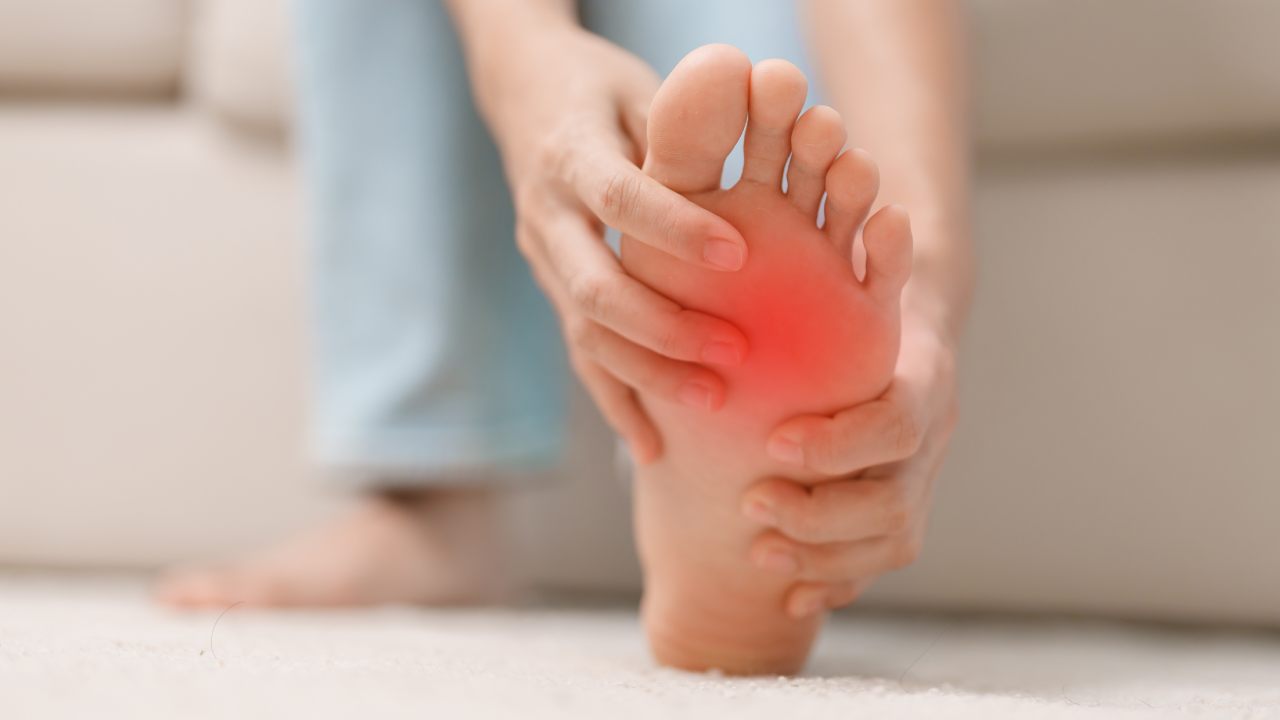
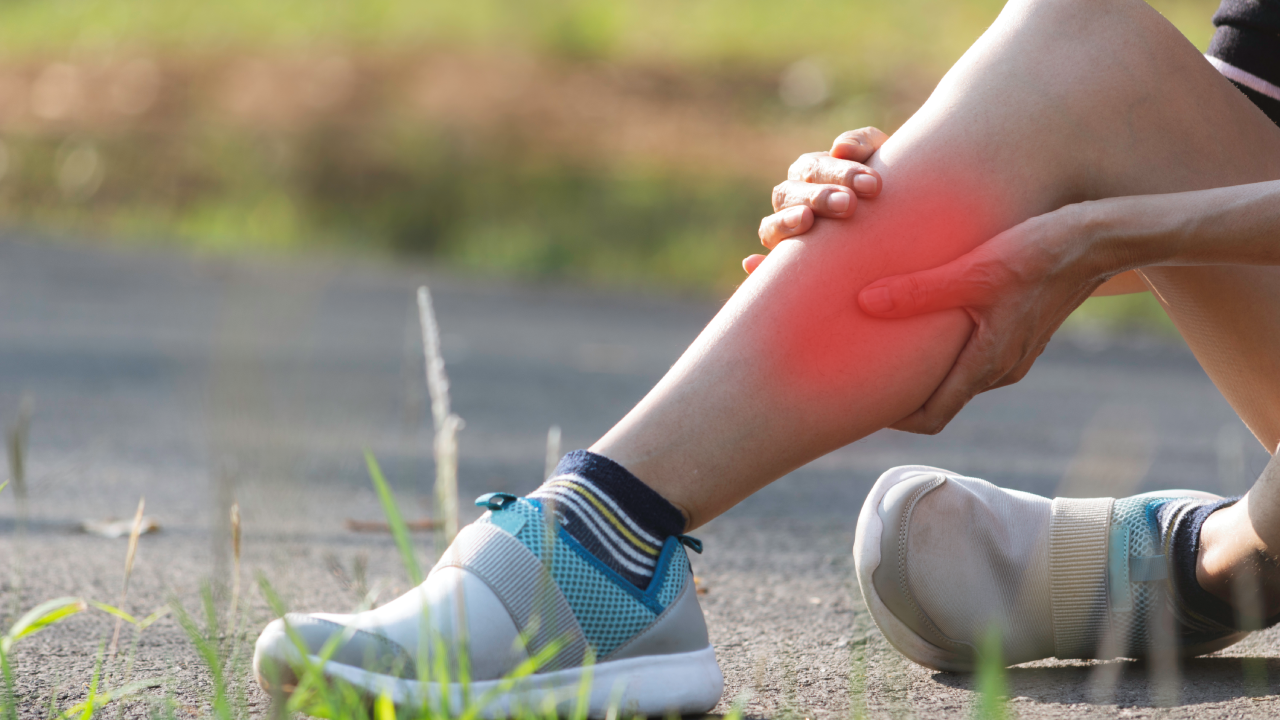
Shin splints is a common term for pain along the inner edge of the shinbone, or tibia. The clinical term often used for this condition is medial tibial stress syndrome (MTSS).
The condition is frequently associated with repetitive loading of the lower leg. Running and jumping can place repeated stress on the muscles, tendons, connective tissues, and bone around the shin. When the amount of activity increases faster than the body can adapt, symptoms may develop.
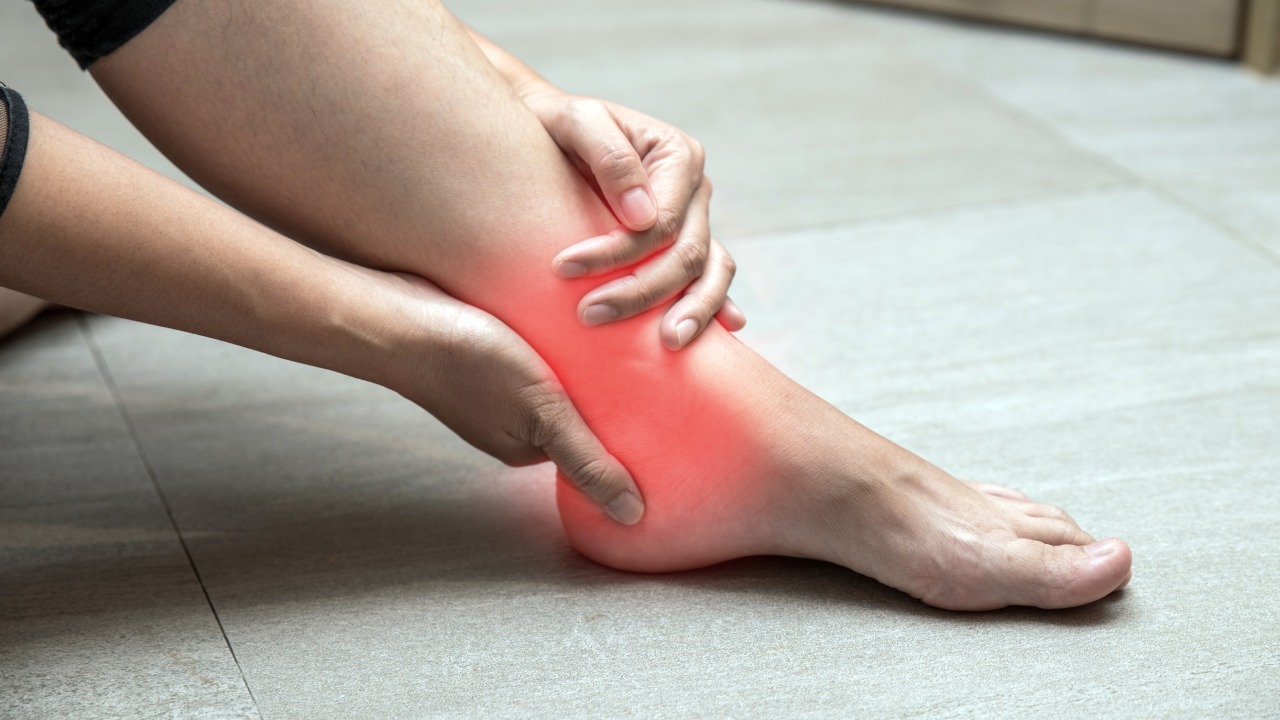
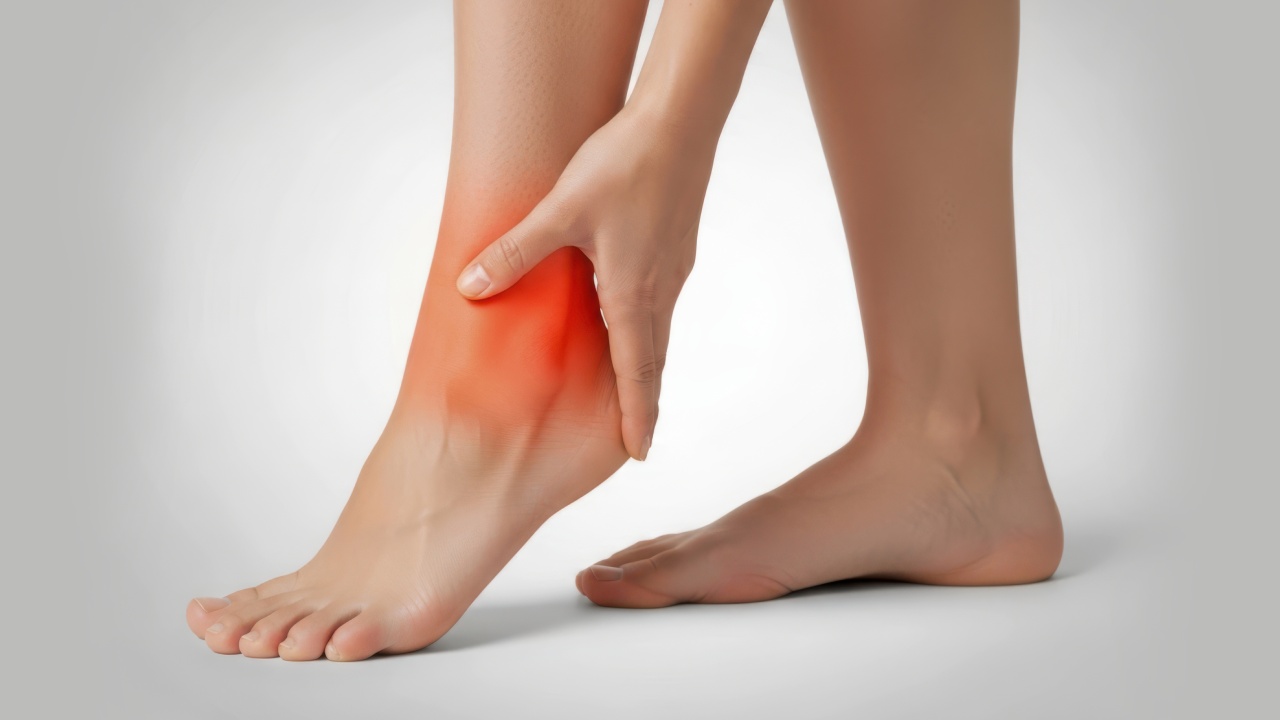
Shin discomfort can range from mild tenderness to pain that becomes noticeable during exercise and may continue afterward. Some people notice symptoms at the beginning of a run that settle as they continue. Others may feel discomfort throughout an activity or afterward.
Several factors can contribute to shin symptoms, including:
- A sudden increase in running distance
- Increased training frequency
- Running on hard or uneven surfaces
- Repeated jumping or high-impact exercise
- Changes in footwear
- Returning to sport after a period of inactivity
- Limited ankle mobility
- Weakness in the lower leg or hip
- Changes in running or walking mechanics
- Excessive training without adequate recovery
Because shin pain can have several possible causes, identifying the source matters. Not every case of shin pain is caused by shin splints. Stress fractures, muscle injuries, tendon problems, and other conditions can also produce discomfort around the lower leg.
Who Can Develop Shin Splints?
Shin splints can affect people across different activity levels. You do not need to be a competitive athlete to develop symptoms.
Runners
Runners may notice shin symptoms after increasing mileage, adding hills, changing running surfaces, or returning to training after a break.
Athletes
Sports involving repeated sprinting, jumping, stopping, and changing direction can place substantial loads on the lower legs. Basketball, soccer, volleyball, tennis, and track athletes may notice shin symptoms during periods of increased training.
People Returning to Exercise
Starting a new workout routine can place unfamiliar demands on the lower legs. A sudden transition from limited activity to frequent walking, jogging, or circuit training may contribute to symptoms.
Recreational Walkers
Longer walks, hiking, or changes in terrain can also increase loading around the shin. Someone who normally walks on flat ground may notice symptoms after adding hills or longer distances.
Workers With High Activity Levels
Jobs involving prolonged standing, frequent walking, stairs, or repeated movement can contribute to lower-leg strain, particularly when activity levels change.
Problems Shin Splints Can Cause
Shin symptoms can affect more than exercise. When discomfort continues, people may begin changing how they walk, avoiding certain activities, or reducing their training.
Common problems include:
- Pain along the inner shin
- Tenderness when pressing the affected area
- Discomfort while running
- Symptoms after exercise
- Pain when jumping
- Reduced running distance
- Difficulty returning to sport
- Changes in walking or running patterns
- Reduced participation in recreational activities
- Concern about whether the symptoms indicate a more serious injury
Ignoring recurring shin symptoms can make it harder to determine what is causing them. Continuing the same activity at the same intensity may also keep placing stress on the affected tissues.
Shin Splints Assessment at Spinal Solution and Rehab
At Spinal Solution and Rehab, assessment begins with questions about when the symptoms started, what activities increase them, and whether your routine has changed.
We may discuss:
- Recent changes in exercise
- Running distance and frequency
- Training surfaces
- Footwear
- Previous lower-leg injuries
- Daily activity
- Pain location
- Symptom timing
- Activities that increase or decrease symptoms
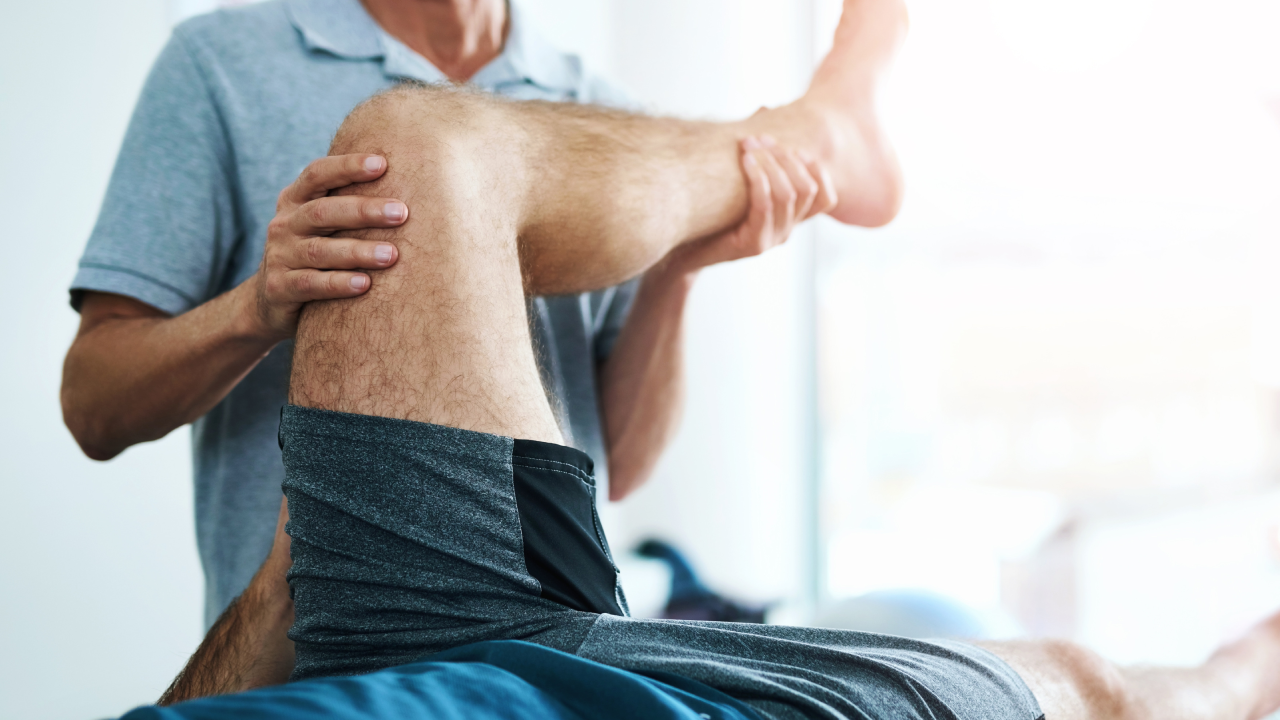
A physical assessment may also look at movement, walking, running mechanics, ankle mobility, lower-leg strength, hip control, and other factors that may influence how force moves through the leg.
The purpose is to create a clearer picture of what may be contributing to your symptoms.
If the presentation suggests a condition outside the usual pattern of shin splints, referral for further medical assessment may be appropriate.
What Treatment for Shin Splints May Include
Treatment depends on the findings from your assessment. No single exercise or approach is suitable for every case.
Activity Modification
Temporary changes to training may help reduce repeated loading while symptoms settle. This does not necessarily mean stopping every form of movement.
Your activity may be adjusted according to symptom severity and the demands of your normal routine.
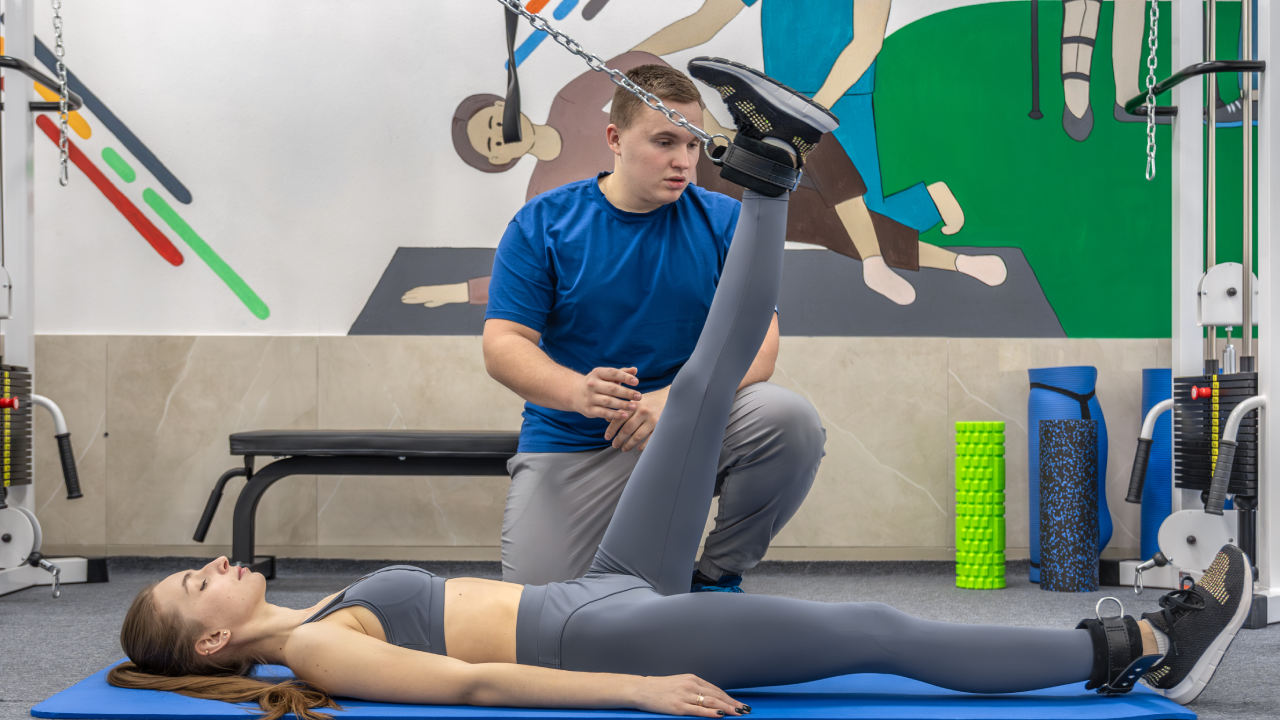
Exercise Therapy
Exercises may focus on the muscles and movement patterns involved in lower-leg loading.
Depending on your assessment, a program may include:
- Calf strengthening
- Tibialis muscle exercises
- Foot and ankle strengthening
- Balance exercises
- Hip strengthening
- Controlled loading exercises
- Gradual return-to-running drills
The aim is to build tolerance gradually rather than placing a sudden workload on the affected area.
Mobility Work
Restricted ankle movement can influence how the lower leg handles load. Mobility exercises may be included when limited movement is identified during assessment.
These may involve the ankle, calf, foot, or nearby joints.
Running and Movement Assessment
For runners and athletes, movement patterns may be reviewed to identify factors that could be contributing to repeated stress.
This may include looking at:
- Running cadence
- Stride pattern
- Foot placement
- Lower-leg control
- Hip movement
- Training volume
- Surface changes
Gradual Return to Activity
Returning to running or sport too quickly can cause symptoms to return. A gradual progression can help the body adapt to increasing workloads.
The progression may involve changes in:
- Duration
- Distance
- Intensity
- Frequency
- Terrain
- Sport-specific demands
The exact sequence depends on your symptoms and activity requirements.
How the Shin Splints Process Works
1. Consultation
We begin by discussing your symptoms, daily activities, exercise routine, and recent changes in physical demands.
2. Assessment
Your movement, strength, mobility, symptom location, and activity tolerance are assessed to identify factors that may be contributing to the problem.
3. Treatment Planning
Based on the assessment, we establish a rehabilitation plan that matches your current condition and activity requirements.
4. Rehabilitation
Your program may include exercise therapy, mobility work, activity adjustments, movement training, and gradual loading.
5. Progress Review
Your symptoms and functional ability are reviewed as you progress. Exercises or activity levels can be adjusted when appropriate.
6. Return to Activity
The final stage focuses on gradually returning to running, sport, work, or other activities while monitoring how your lower leg responds to increased demands.
Benefits of Addressing Shin Splints
Seeking care for recurring shin symptoms can help you identify factors contributing to the problem and make informed decisions about activity.
Potential outcomes of a structured rehabilitation program include:
- Improved lower-leg strength
- Increased tolerance for physical activity
- Improved ankle mobility
- Greater control during movement
- A gradual return to running
- Improved ability to participate in sport
- Reduced disruption to daily activities
- Greater awareness of training loads
- A clearer plan for managing recurring symptoms
The timeline varies from person to person. Symptoms, activity level, training demands, and the presence of contributing factors can all influence progress.
Shin Splints and Different Activities
Running
Running places repetitive forces through the feet, ankles, and lower legs. Increasing mileage or intensity quickly can raise the workload on these structures.
Basketball
Basketball includes repeated jumping, landing, sprinting, and directional changes. These movements can place substantial demands on the lower legs.
Soccer
Soccer combines running, acceleration, deceleration, kicking, and rapid changes in direction. Changes in training volume may contribute to shin symptoms.
Hiking
Hills, uneven ground, and longer distances can alter the workload placed on the lower legs.
Gym Training
Treadmill running, jumping exercises, weighted lower-body movements, and high-volume circuits can all contribute to increased lower-leg loading.
Frequently Asked Questions About Shin Splints
What do shin splints feel like?
Shin splints commonly cause aching or tenderness along the inner portion of the shin. Symptoms may appear during activity, afterward, or when pressure is applied to the area.
How long do shin splints take to settle?
The timeframe varies based on symptom severity, activity demands, contributing factors, and how the condition responds to changes in workload and rehabilitation.
Can I keep running with shin splints?
Continuing to run depends on your symptoms and assessment findings. In some cases, reducing distance or intensity may be appropriate. If running causes increasing symptoms, a temporary change in activity may be needed.
Are shin splints the same as a stress fracture?
No. Shin splints and stress fractures are different conditions. A stress fracture involves a small crack or significant bone stress. Persistent, severe, or very localized pain should be assessed by an appropriate healthcare professional.
Can shin splints come back?
Yes. Symptoms can return when training loads increase rapidly or contributing factors remain unchanged. A gradual increase in activity and attention to strength, mobility, footwear, and training volume may help reduce recurrence.
Do I need to stop exercising?
Not necessarily. Depending on your symptoms, lower-impact activities may be possible while your tolerance for higher-impact movement is rebuilt.
Can physiotherapy help with shin splints?
Physiotherapy can address strength, mobility, movement patterns, activity levels, and gradual loading. The appropriate approach depends on your assessment.
When should I seek assessment for shin pain?
Consider assessment when shin pain persists, repeatedly returns, interferes with activity, becomes more intense, or does not improve after reducing the activity that triggers it.
Service Areas
If you are searching for Shin Splints in Woodbridge, ON, Spinal Solution and Rehab provides assessment and rehabilitation services for people dealing with lower-leg symptoms.
Our local service area may include:
- Woodbridge
- Vaughan
- Kleinburg
- Maple
- Vellore Village
- Concord
- Nearby Vaughan communities
Shin symptoms may be connected to training changes, movement patterns, strength, mobility, footwear, surfaces, or activity volume. Identifying these factors can help determine what should change during rehabilitation.
Why Choose Spinal Solution and Rehab?
At Spinal Solution and Rehab, care begins with an assessment rather than assuming every case of shin pain has the same cause.
Our approach focuses on:
- Your current symptoms
- Your physical activity
- Your work demands
- Your exercise routine
- Your movement patterns
- Your strength and mobility
- Your return-to-activity goals
We explain the findings and discuss the next steps so you can make informed decisions about your rehabilitation.
Whether shin symptoms appeared after starting to run, increasing training, returning to sport, or changing your daily activity, the first step is identifying what may be contributing to the problem.
Related Services
People dealing with shin splints may also benefit from services that address related movement and musculoskeletal concerns.
Related services at Spinal Solution and Rehab may include:
- Physiotherapy
- Sports injury rehabilitation
- Exercise therapy
- Manual therapy
- Mobility assessment
- Lower-limb rehabilitation
- Injury prevention programs
- Rehabilitation for running-related injuries
These services can be considered based on the findings from your assessment.
Get Started
Shin pain can make everyday movement and physical activity difficult to manage. If your symptoms keep returning or are affecting your running, walking, work, or sport, an assessment can help clarify what may be contributing to them.
For Shin Splints in Woodbridge, ON, contact Spinal Solution and Rehab to discuss your symptoms and arrange an assessment.
During your first visit, we can review your symptoms, activity history, movement patterns, and current physical demands. From there, we can discuss the next steps for rehabilitation and a gradual return to your usual activities.
Address: 8300 Hwy 27, Woodbridge, ON L4H 0R9
Phone: +1 905-739-3100
Contact Spinal Solution and Rehab in Woodbridge, ON, to schedule your appointment.