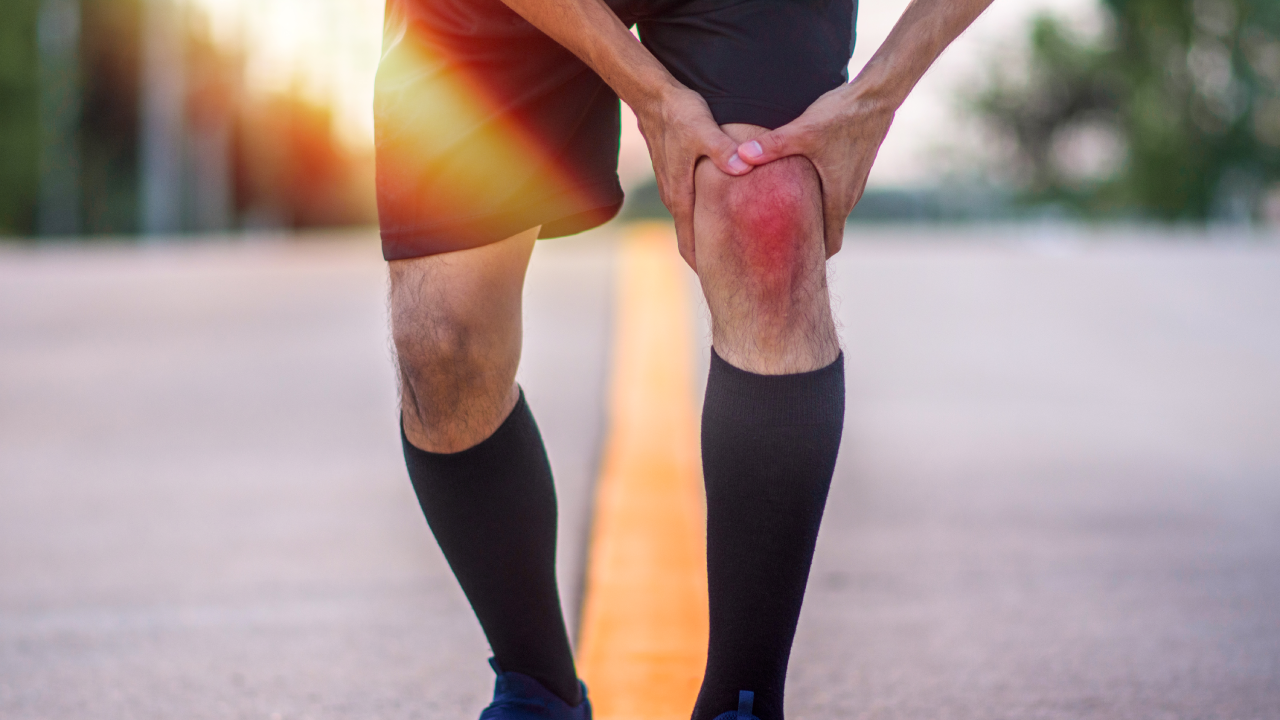
Sports-Related Knee Injuries in Woodbridge, ON
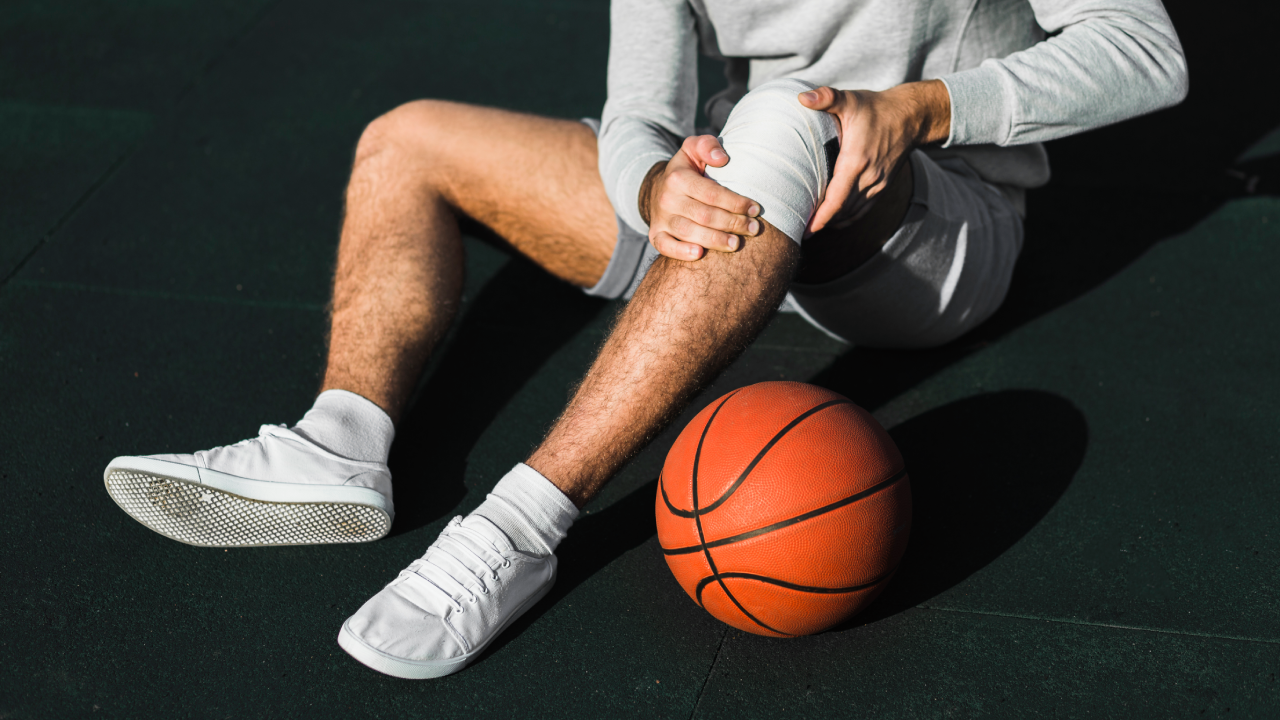
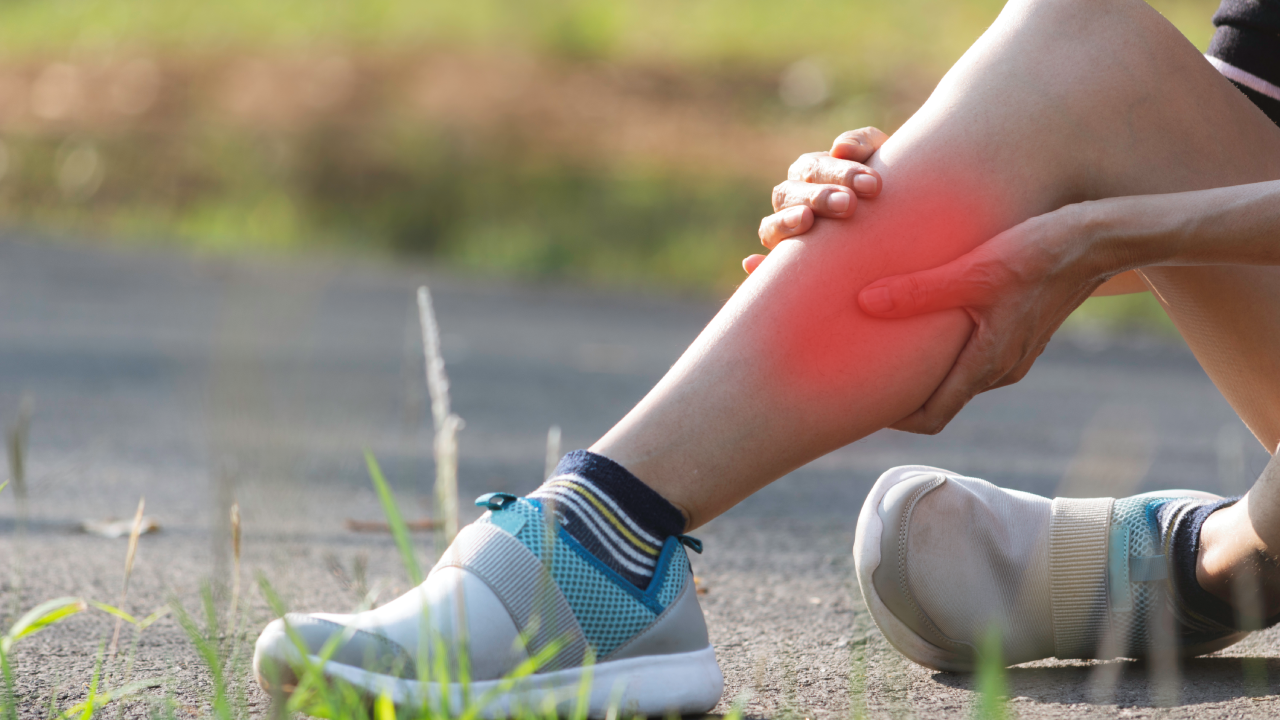
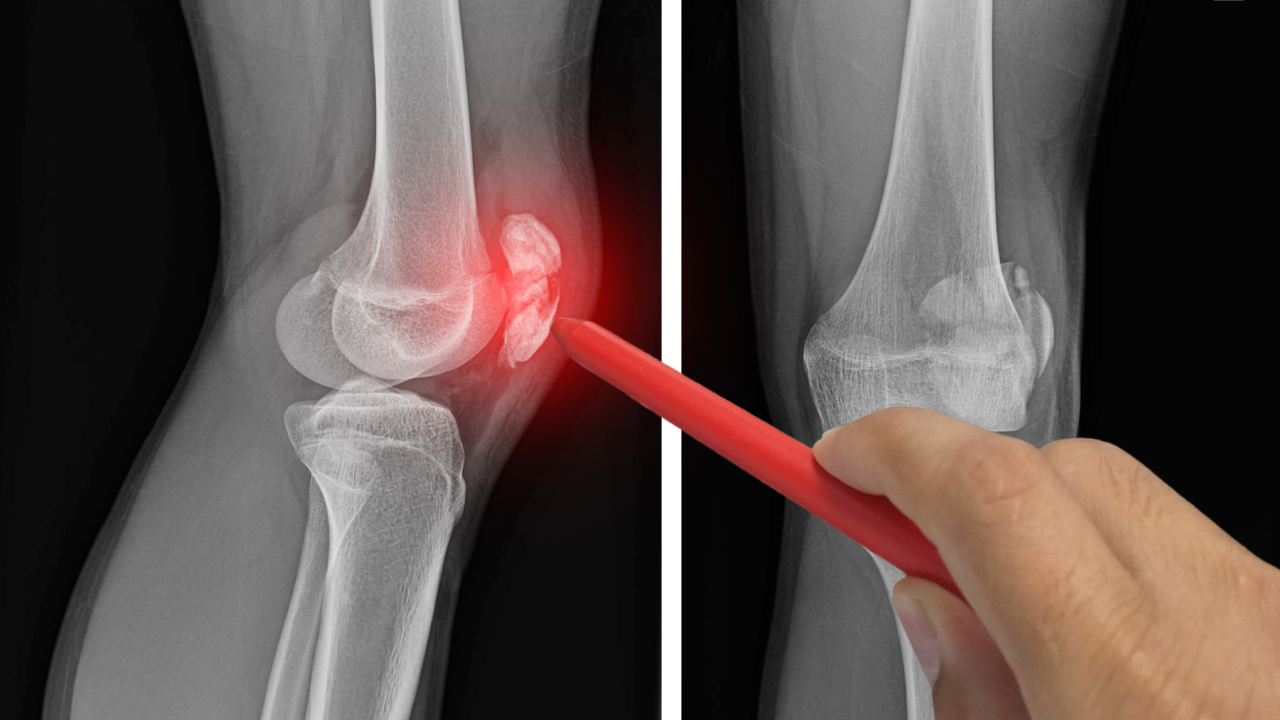
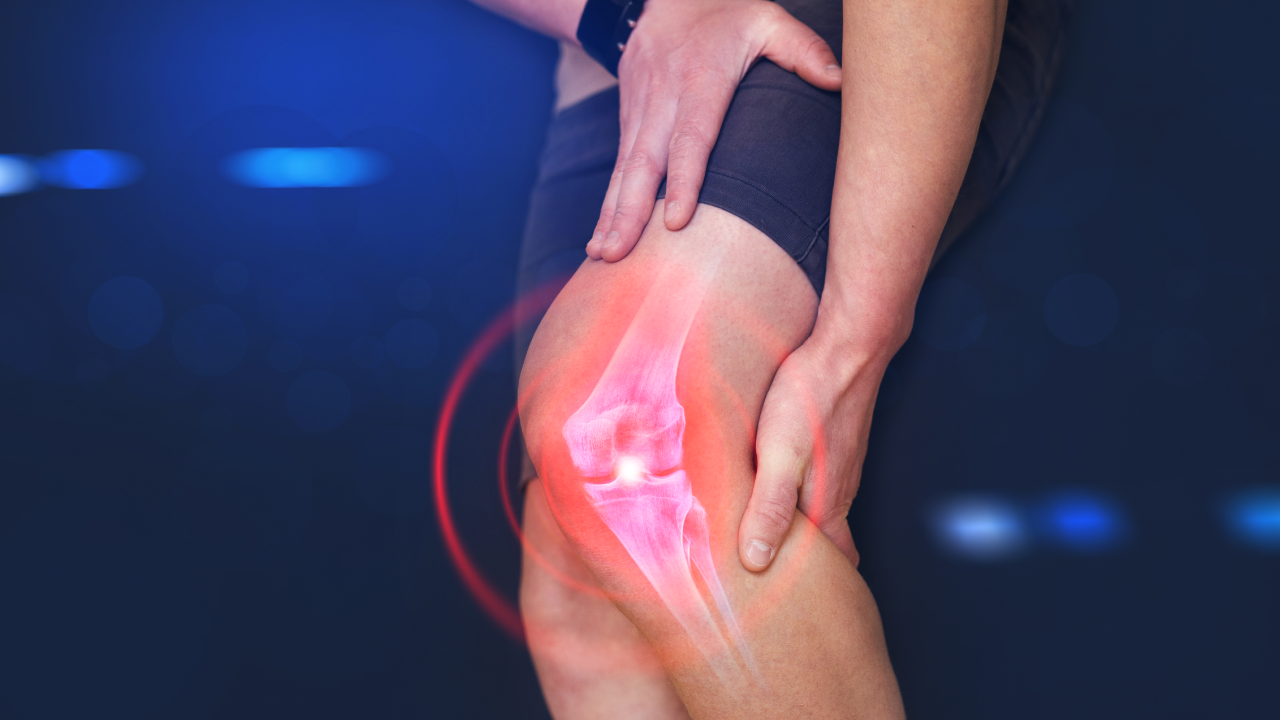
Knee injuries can interrupt training, competition, work, and everyday movement. A sudden twist during soccer, a landing after a jump, repeated running, or contact during hockey can place stress on the muscles, tendons, ligaments, cartilage, and other structures around the knee. At Spinal Solution and Rehab, we assess movement patterns and physical symptoms to help identify factors that may be contributing to a sports-related knee problem.
If you are searching for sports-related knee injuries in Woodbridge, ON, our clinic provides assessment and rehabilitation services for athletes and active individuals. Care may involve exercise therapy, mobility work, strength training, movement retraining, manual techniques, and a gradual return to sport based on the person’s condition and activity demands.
What Are Sports-Related Knee Injuries?
Sports-related knee injuries are problems affecting the knee that occur during athletic activity, exercise, training, or recreational movement. They can happen because of a sudden incident, repeated stress, poor landing mechanics, direct contact, changes in training volume, or a combination of factors.
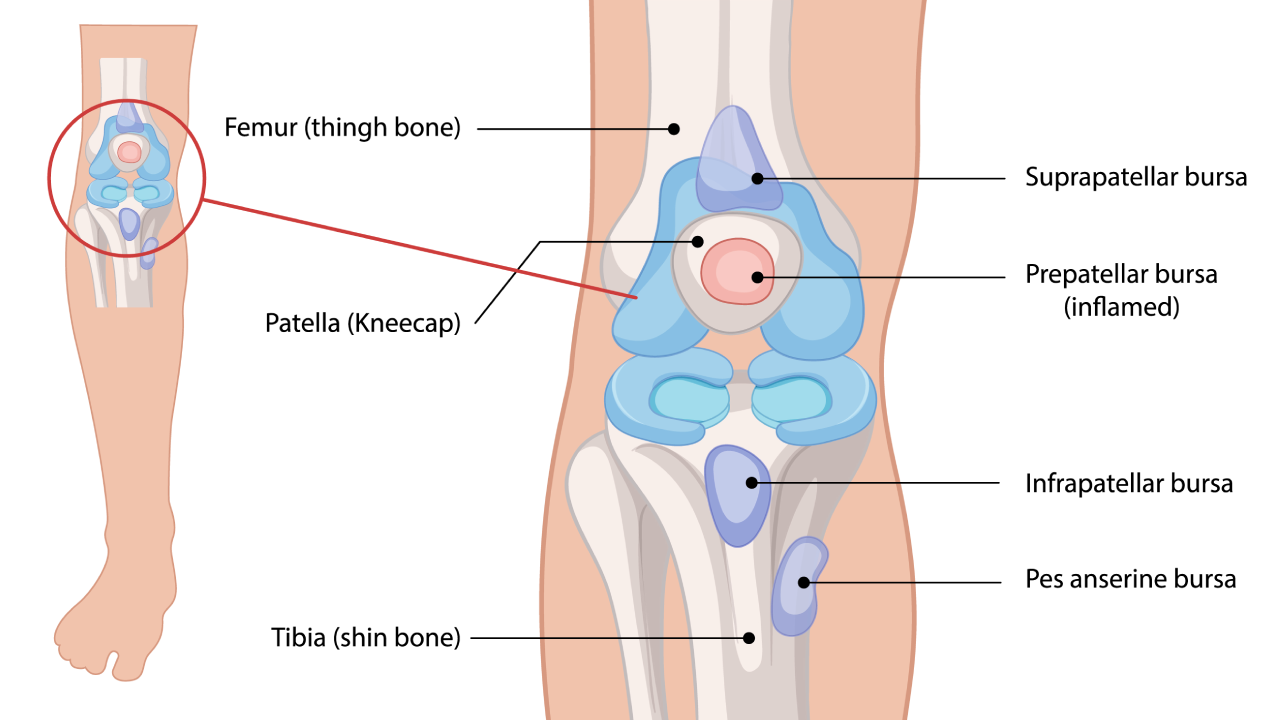
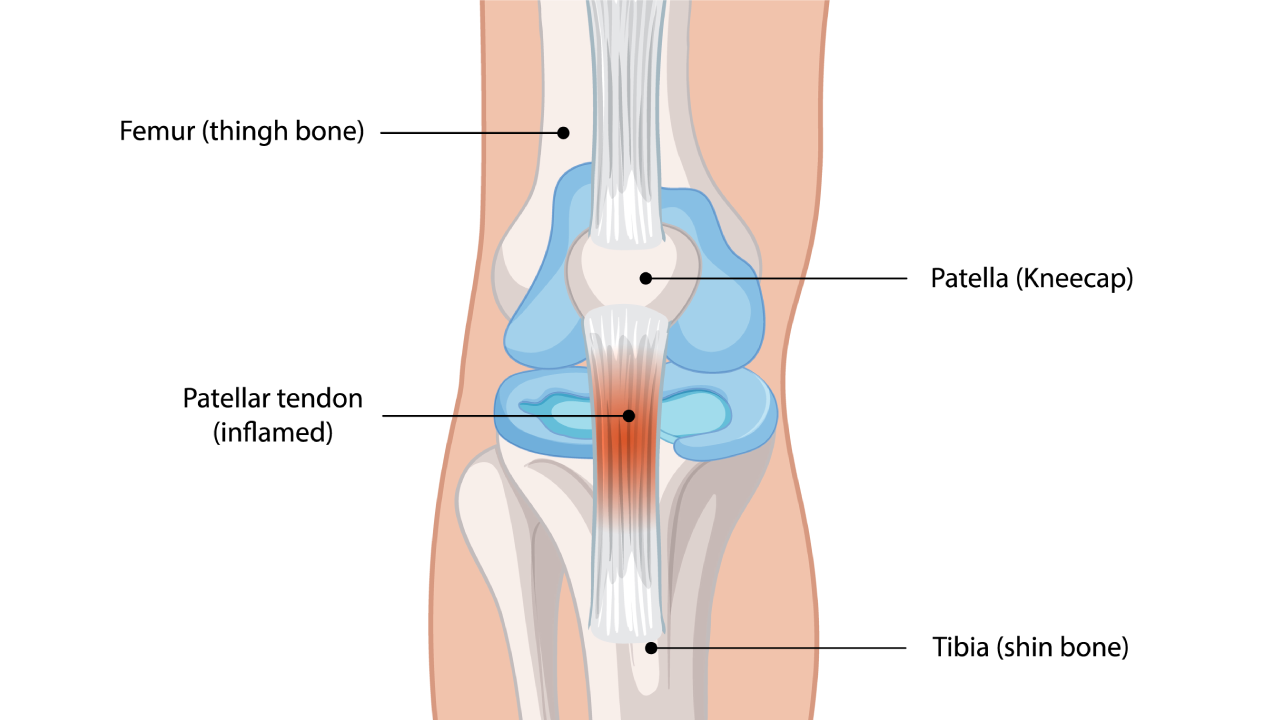
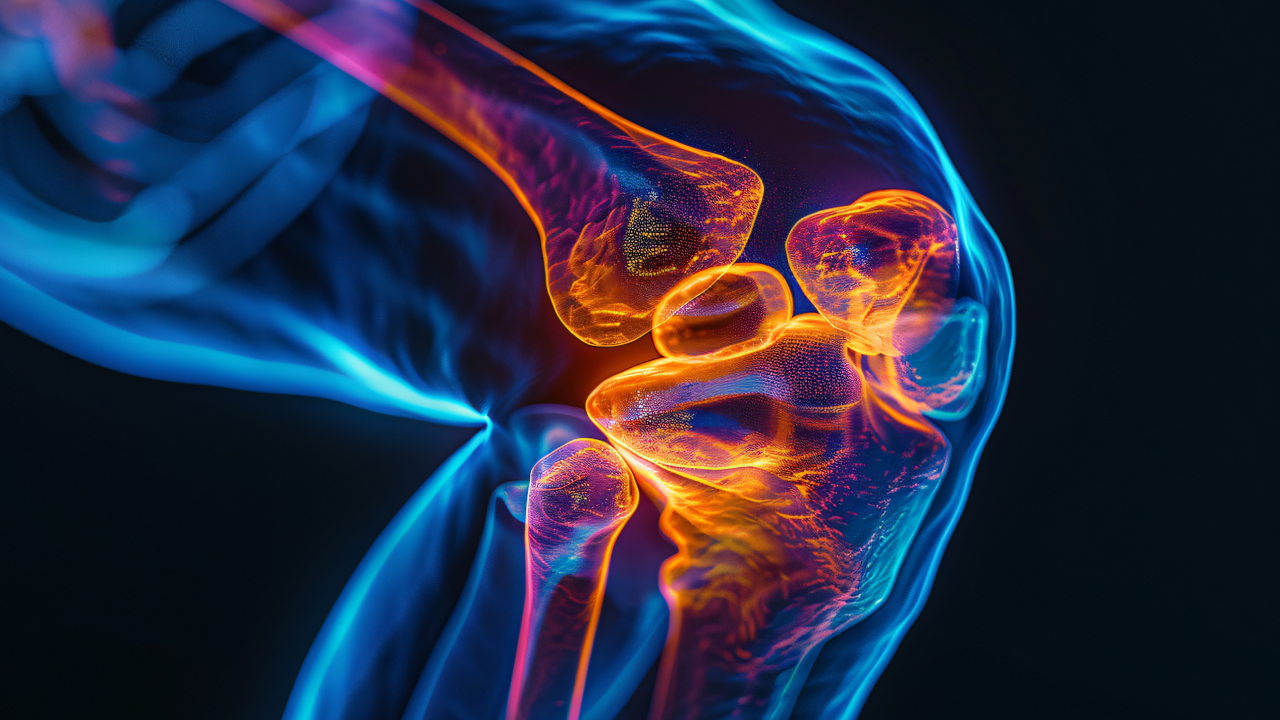
The knee connects the thigh bone, shin bone, and kneecap while relying on surrounding muscles, tendons, ligaments, and cartilage to support movement. Activities such as sprinting, jumping, pivoting, cutting, kicking, and rapid changes of direction can place considerable demands on these structures.
Some knee problems appear immediately after an incident. Others develop gradually, with discomfort becoming noticeable during or after activity.
Common sports-related knee conditions include:
- Anterior cruciate ligament injuries
- Medial collateral ligament injuries
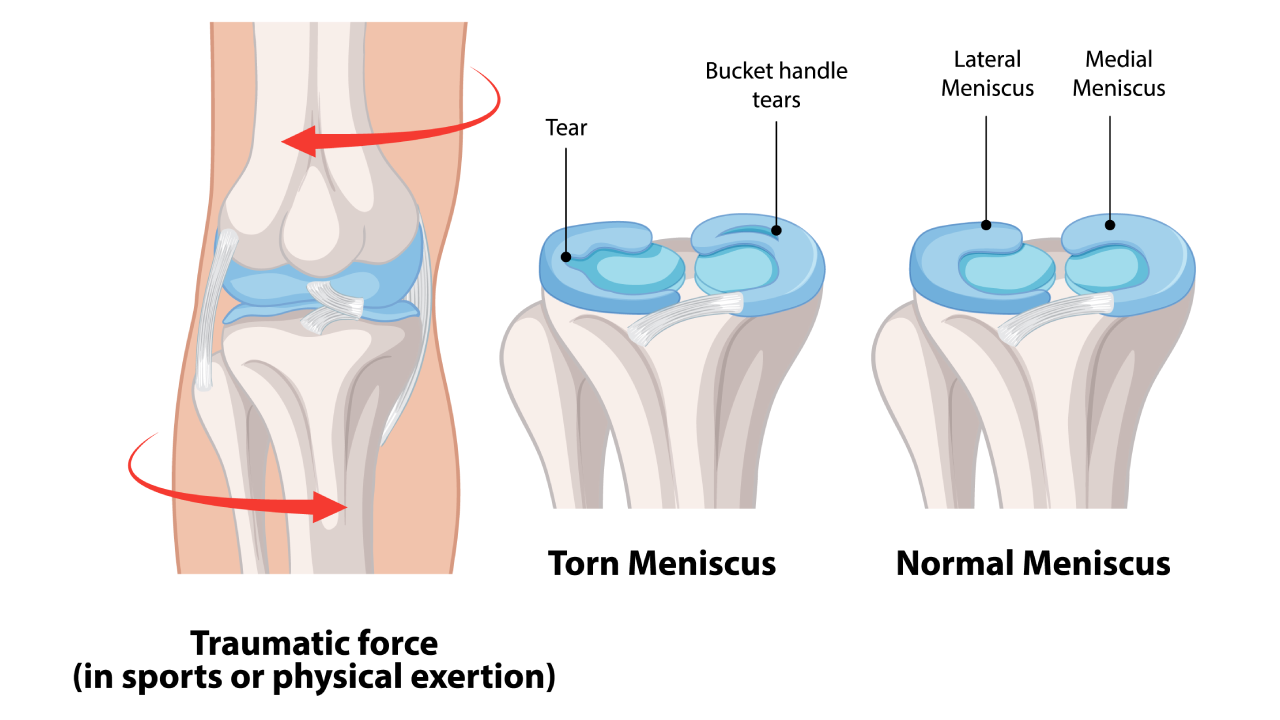
- Meniscus injuries
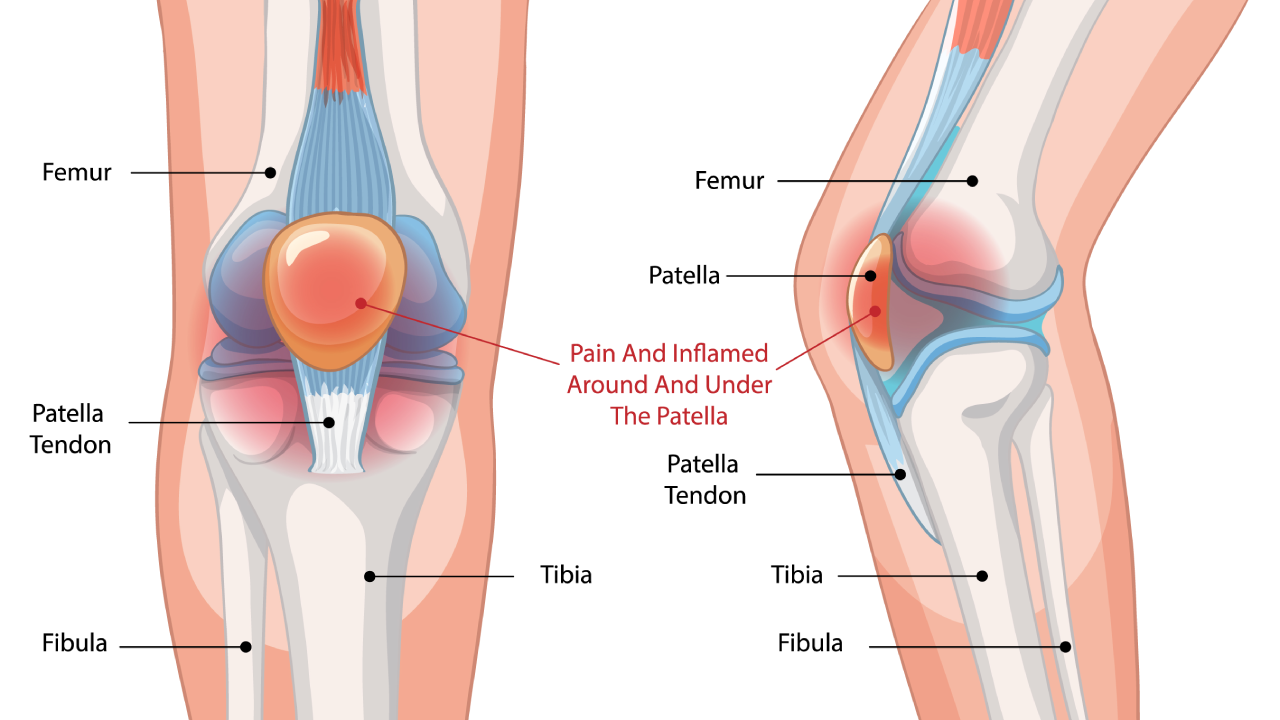
- Patellofemoral pain
- Patellar tendon problems
- Quadriceps tendon problems
- Knee sprains and strains
- Overuse-related knee problems
- Kneecap instability
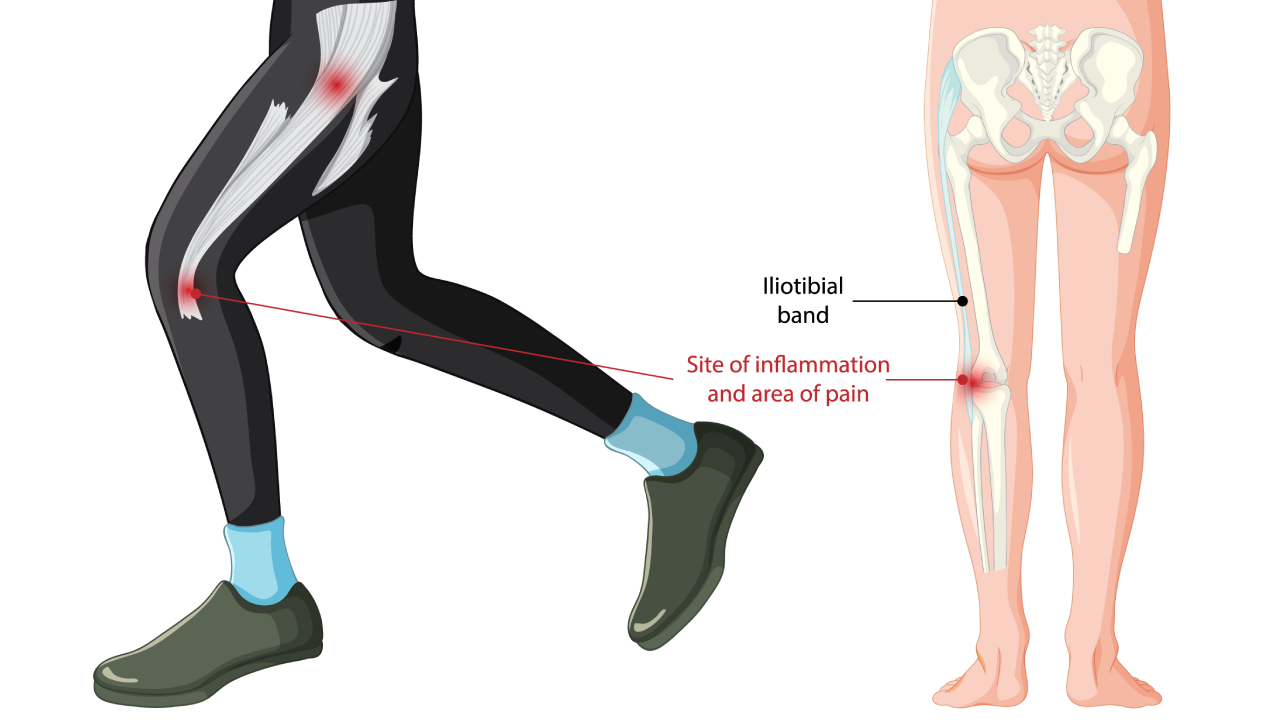
- Iliotibial band-related symptoms
- Post-surgical knee conditions
- Knee problems associated with running and jumping
The symptoms and severity can vary from one person to another. Some people notice swelling or instability, while others mainly report discomfort when running, squatting, climbing stairs, jumping, or changing direction.
Who Can Benefit From Care for Sports-Related Knee Injuries?
Knee rehabilitation is not limited to professional athletes. Anyone who participates in physical activity can develop a knee problem.
At Spinal Solution and Rehab, care may be relevant for:
Youth Athletes
Growing athletes may participate in soccer, basketball, hockey, volleyball, gymnastics, track, or other sports that involve running and jumping. Knee symptoms can interfere with training and school activities, making appropriate assessment important.
Recreational Athletes
Adults who play sports on weekends or participate in gym-based training may develop knee symptoms after a sudden increase in activity or a specific incident.
Competitive Athletes
Athletes involved in frequent training may face repetitive loading and demanding movement patterns. Rehabilitation can focus on strength, mobility, control, and gradual progression toward sport-specific activity.
Runners
Running places repetitive loads through the lower limbs. Changes in distance, speed, terrain, footwear, or training frequency may coincide with the onset of knee symptoms.
Post-Surgical Patients
People recovering after procedures involving the knee may require structured rehabilitation to restore movement, strength, coordination, and functional capacity.
Problems Sports Knee Rehabilitation Can Address
People often seek care when knee symptoms begin affecting their ability to participate in normal activities or sports.
Common concerns include:
- Knee discomfort during running
- Pain when jumping or landing
- Difficulty using stairs
- Swelling after physical activity
- Reduced knee movement
- Weakness around the thigh or hip
- A feeling of instability
- Difficulty squatting
- Discomfort during lunges
- Trouble changing direction
- Reduced confidence during sport
- Symptoms that return after training
- Reduced athletic performance because of knee limitations
A knee problem may also affect movement elsewhere. For example, changes in knee motion can influence the hip, ankle, or overall movement pattern. Assessment can help identify these relationships and determine which areas require attention.
Severe swelling, inability to bear weight, significant deformity, or a major traumatic injury may require prompt medical assessment. Rehabilitation should complement appropriate medical care when a serious injury is suspected.
Key Features and Services
Knee Movement Assessment
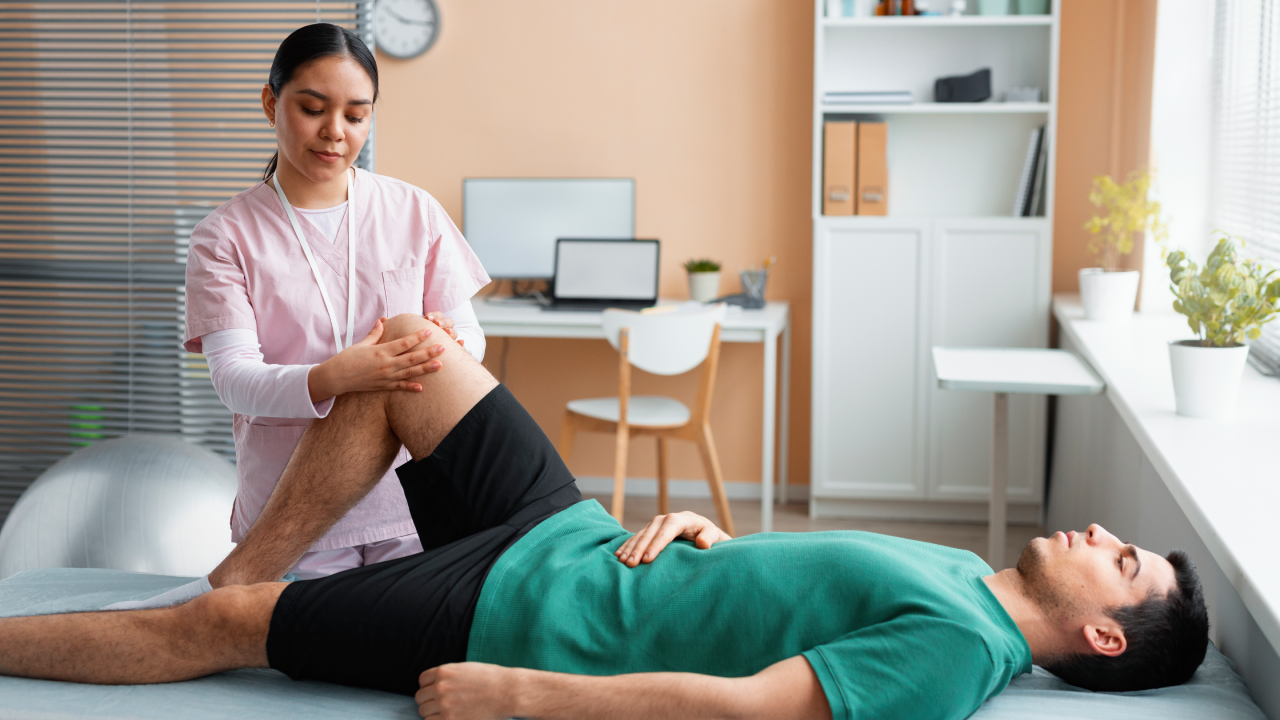
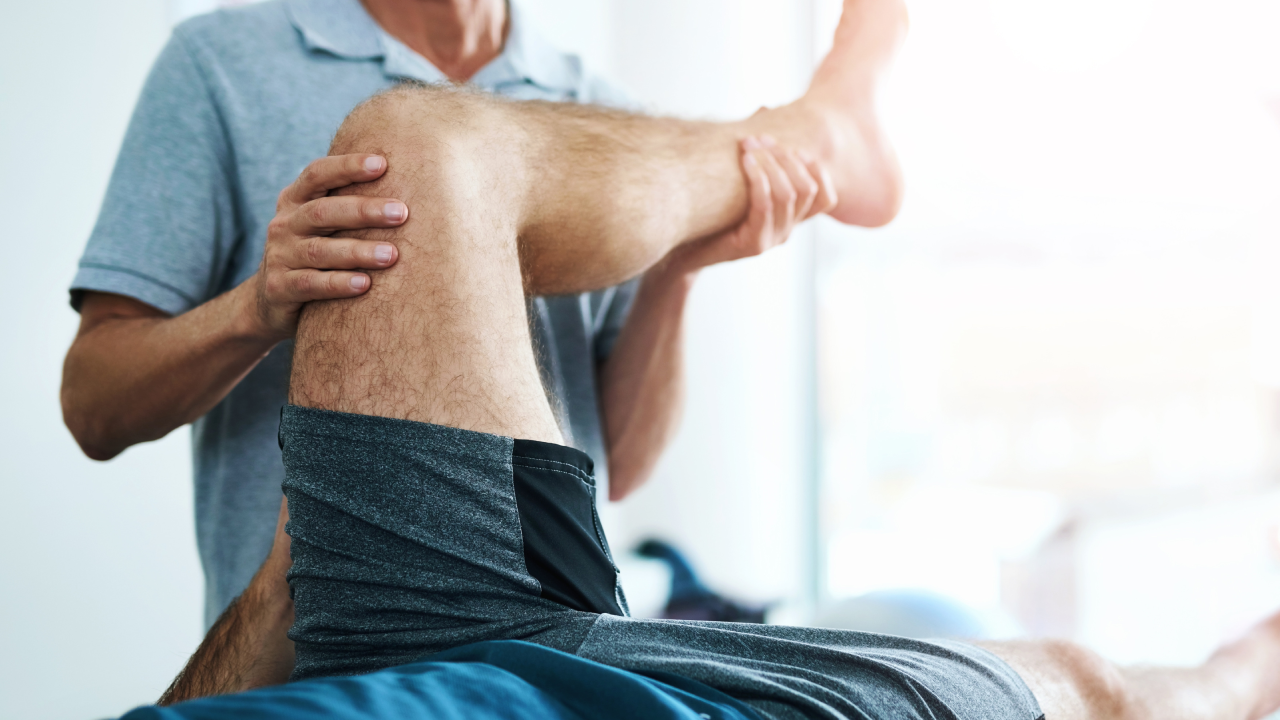
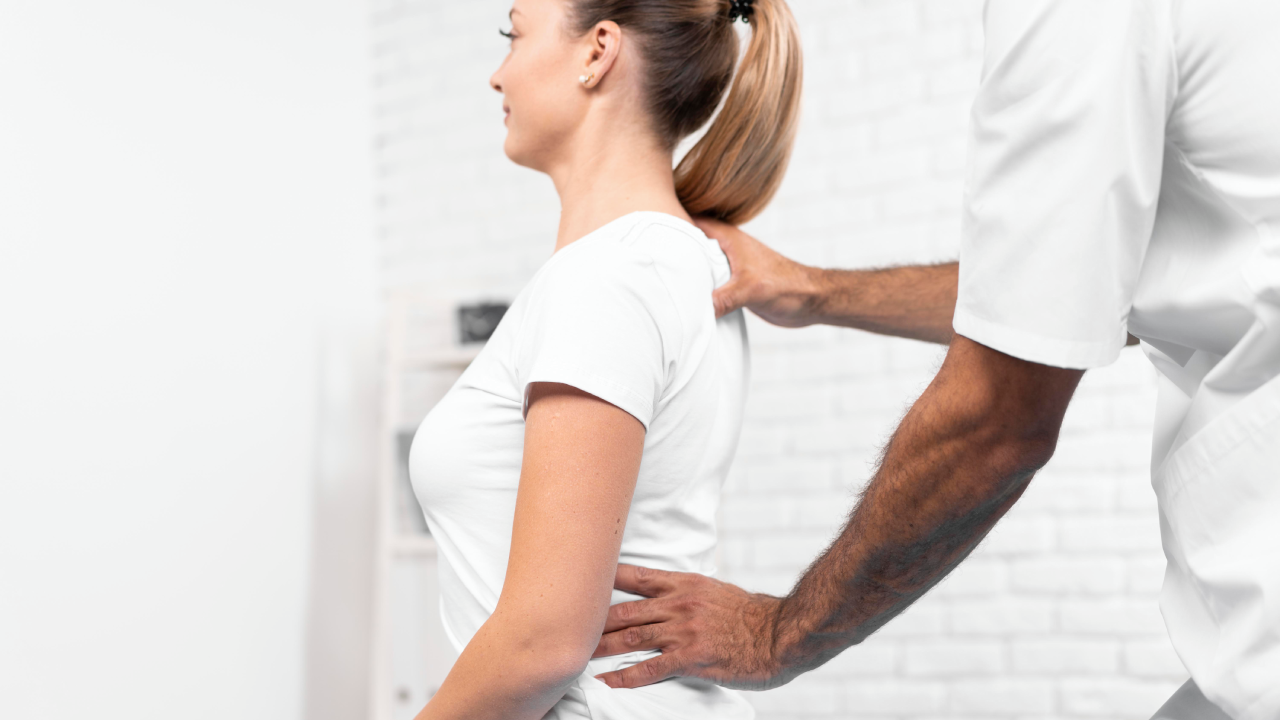
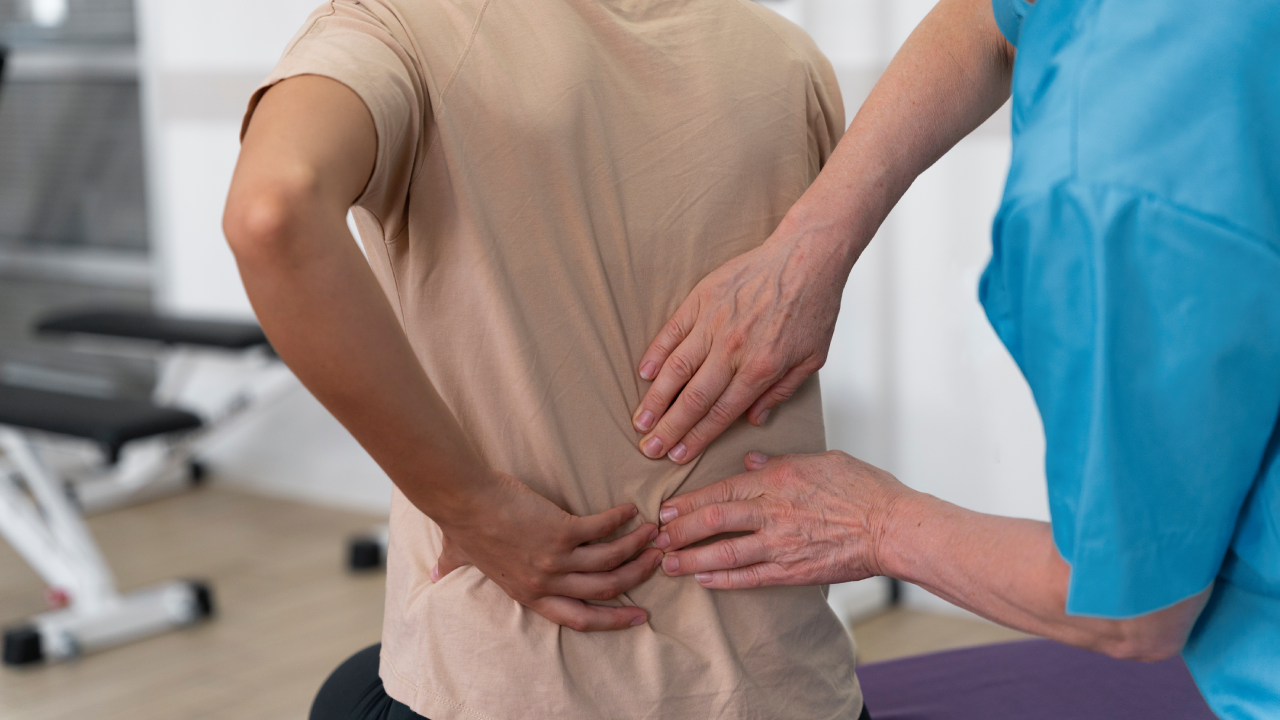
Assessment may include observation of walking, squatting, lunging, balance, single-leg movement, and sport-related tasks where appropriate.
This can help identify movement limitations, strength differences, mobility restrictions, and factors that may influence knee loading.
Strength Training
The muscles around the hip, thigh, knee, and lower leg contribute to lower-limb control. Exercise programs may include progressive strengthening based on the person’s current capacity.
Exercises can involve:
- Squats
- Step-ups
- Lunges
- Bridges
- Calf raises
- Resistance exercises
- Single-leg movements
- Balance exercises
The exercise selection and difficulty can change as physical capacity improves.
Mobility Work
Restricted movement in the knee, hip, ankle, or surrounding tissues can affect how a person performs athletic movements. Mobility exercises may be included when appropriate.
Movement Retraining
Some athletes need to work on how they land, squat, accelerate, decelerate, or change direction. Movement retraining can help develop control during these activities.
Sport-Specific Progression
Returning to walking comfortably is different from returning to competitive sport. A rehabilitation plan may gradually progress from basic movement to running, jumping, cutting, agility, and sport-specific drills.
Post-Injury Conditioning
After a period away from sport, physical capacity may have decreased. Conditioning can help rebuild strength, endurance, coordination, and tolerance for activity.
How the Process Works
1. Consultation
The process begins with a discussion about your knee symptoms, sporting activities, training routine, previous injuries, and current limitations.
2. Assessment
Our team evaluates relevant movement patterns and physical factors. The assessment may include range of motion, strength, balance, functional movement, and sport-related tasks.
3. Planning
Based on the assessment, we establish rehabilitation goals and determine which exercises and activities are appropriate for your current stage.
4. Implementation
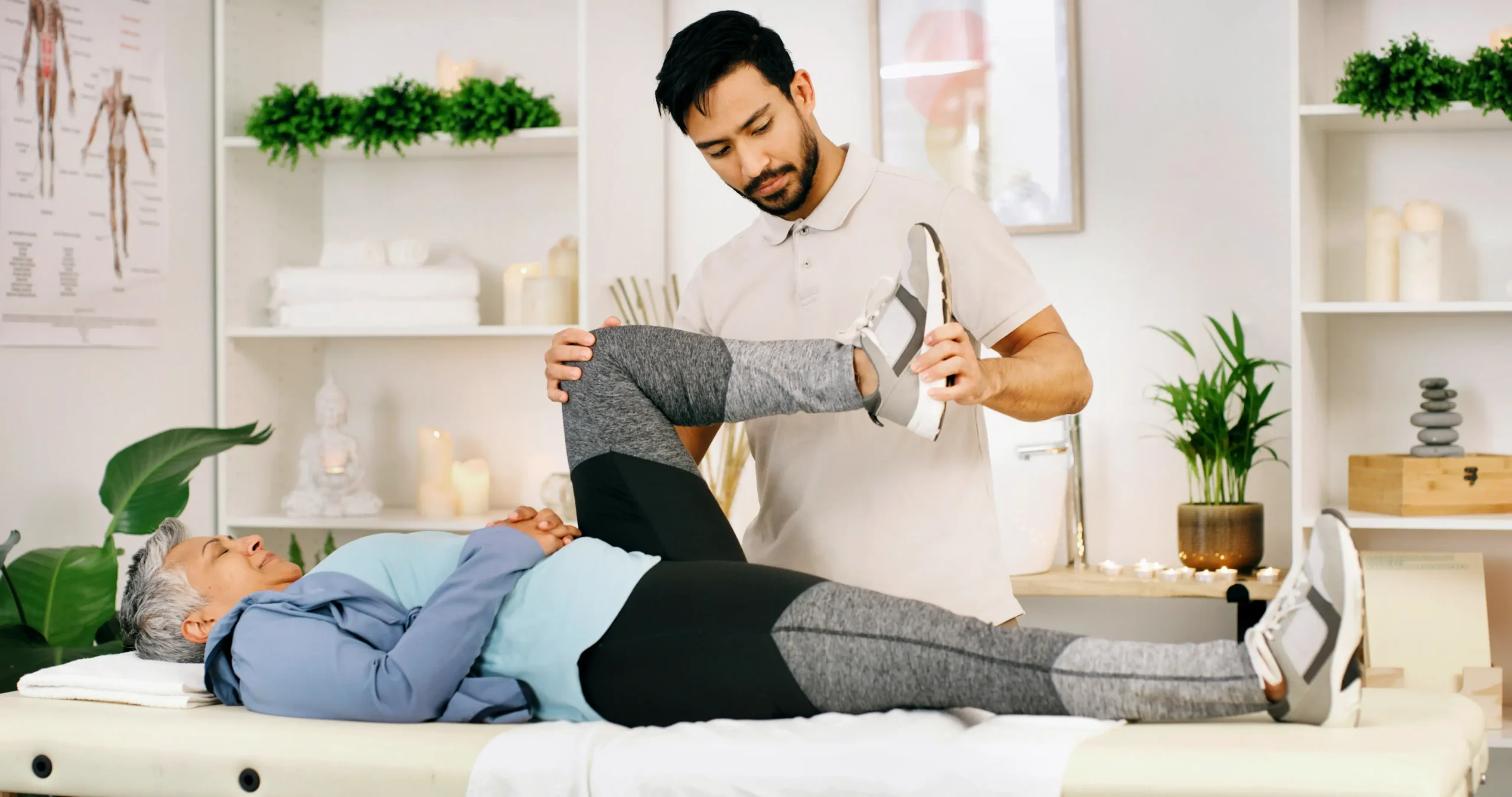
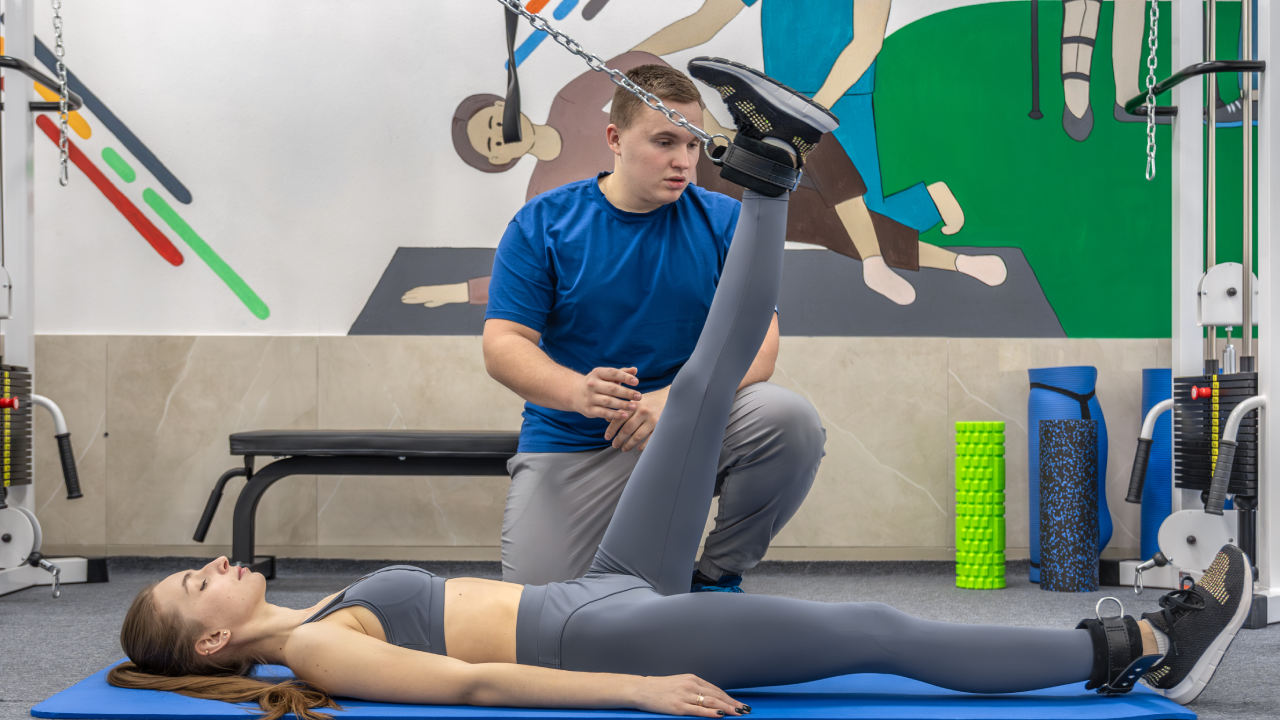
Rehabilitation may include supervised exercises, mobility work, manual techniques, movement training, balance activities, and progressive strengthening.
5. Review
Progress is reviewed as activity tolerance changes. Exercises may be modified according to symptoms, strength, movement quality, and functional demands.
6. Ongoing Support
As you progress, rehabilitation can shift toward higher-level activities such as running, jumping, agility, direction changes, and sport-specific drills when appropriate.
Benefits of Sports Knee Rehabilitation
A structured rehabilitation program can support several practical goals.
Improved Strength
Progressive exercise can help develop strength in the muscles involved in lower-limb movement.
Greater Movement Control
Balance and movement exercises can help athletes practice controlled knee and hip movement during functional activities.
Increased Activity Tolerance
Gradual loading can help the body adapt to increasing physical demands.
Support for Return to Sport
Rehabilitation can provide a staged pathway from basic movements toward sport-specific activity.
Improved Confidence
After an injury, some athletes become hesitant during jumping, cutting, or running. Gradual progression can help them practice these movements in a controlled setting.
Reduced Training Disruption
Addressing symptoms early may help prevent an athlete from repeatedly modifying or stopping activities without knowing what is contributing to the problem.
Sports and Activities We Work With
Knee injuries can occur across many sports and recreational activities, including:
- Soccer
- Hockey
- Basketball
- Volleyball
- Tennis
- Badminton
- Running
- Track and field
- Cycling
- Gym training
- Cross-training
- Martial arts
- Dance
- Gymnastics
- Skiing
- Snowboarding
- Recreational fitness
The physical demands differ between sports. A soccer player may need frequent cutting and kicking movements, while a runner may place greater emphasis on repetitive loading and endurance. Rehabilitation can account for the demands of the activity you want to return to.
Common Questions About Sports-Related Knee Injuries
What are common sports-related knee injuries?
Common examples include ACL injuries, MCL injuries, meniscus problems, patellofemoral pain, patellar tendon problems, knee sprains, kneecap instability, and overuse-related conditions.
When should I seek physiotherapy for a sports knee injury?
Consider an assessment when knee symptoms persist, interfere with training or daily activities, repeatedly return, or affect your confidence during movement. A significant injury, major swelling, deformity, or inability to bear weight should receive prompt medical assessment.
Can I continue playing sports with knee pain?
That depends on the cause and severity of the symptoms. Continuing an activity that significantly increases symptoms may not be appropriate. An assessment can help determine which movements may need temporary modification.
How long does knee rehabilitation take?
The timeline varies according to the type of injury, severity, previous injuries, treatment history, physical condition, and sporting demands. Minor problems may require a shorter period, while ligament injuries or post-surgical rehabilitation may require a longer progression.
Will I need imaging?
Not every knee problem requires imaging. A clinician can assess your symptoms and determine whether further medical investigation may be appropriate.
Can knee rehabilitation help after ACL surgery?
Rehabilitation is commonly part of recovery following ACL surgery. The process may involve restoring movement, rebuilding strength, improving balance, developing functional control, and progressing toward running and sport-specific activity.
Can I return to running after a knee injury?
Running may be reintroduced when appropriate based on your symptoms, strength, movement control, and rehabilitation stage. Progression should be gradual rather than based only on a fixed number of days.
What should I bring to my appointment?
Bring information about your injury, current symptoms, sporting activities, previous knee injuries, and any relevant medical or surgical reports. If you have imaging reports, bringing them can also be useful.
Service Areas
Spinal Solution and Rehab serves people in Woodbridge and surrounding communities who need physiotherapy for sports-related knee problems. Our clinic can work with athletes involved in school sports, recreational activities, competitive athletics, gym training, and running.
Our local service area may include:
- Woodbridge
- Vaughan
- Kleinburg
- Maple
- Vellore Village
- Concord
- Nearby Vaughan communities
If you are searching for Sports-Related Knee Injuries in Woodbridge, ON, Spinal Solution and Rehab can assess your condition and discuss appropriate rehabilitation options.
Why Choose Spinal Solution and Rehab?
Choosing a clinic for knee rehabilitation involves more than looking at the type of treatment available. It is useful to consider whether the clinic assesses your current abilities, tracks changes over time, and connects rehabilitation with the activities you want to resume.
At Spinal Solution and Rehab, the process centres on assessment, exercise-based rehabilitation, movement work, and progressive activities. The program can be adjusted as your physical capacity changes.
Our approach may include:
- Functional movement assessment
- Progressive strengthening
- Mobility exercises
- Balance and coordination work
- Sport-specific progression
- Post-surgical rehabilitation
- Activity modification
- Return-to-sport planning
Each program should reflect the person’s symptoms, physical capacity, injury history, and activity demands rather than relying on the same routine for every knee problem.
Related Services
Sports-related knee rehabilitation may connect with other physiotherapy services, depending on your condition and goals.
Related areas may include:
- Sports Physiotherapy
- Physiotherapy
- Post-Operative Rehabilitation
- Manual Therapy
- Exercise Therapy
- Strength and Conditioning
- Running Assessment
- Injury Rehabilitation
- Mobility Training
- Balance Training
Get Started
Knee symptoms can make running, jumping, squatting, stairs, and sports more difficult. Instead of guessing which exercises to perform or repeatedly stopping activity without a clear plan, an assessment can help identify the factors involved.
If you are looking for Sports-Related Knee Injuries in Woodbridge, ON, contact Spinal Solution and Rehab to discuss your symptoms and arrange an assessment.
During your appointment, our team can review your current condition, physical activity, injury history, and rehabilitation goals. From there, we can discuss suitable next steps for returning to the activities that matter to you.
Address: 8300 Hwy 27, Woodbridge, ON L4H 0R9
Phone: +1 905-739-3100
Contact Spinal Solution and Rehab in Woodbridge, ON, to arrange your sports knee assessment.