Patellofemoral Pain Syndrome in Woodbridge, ON
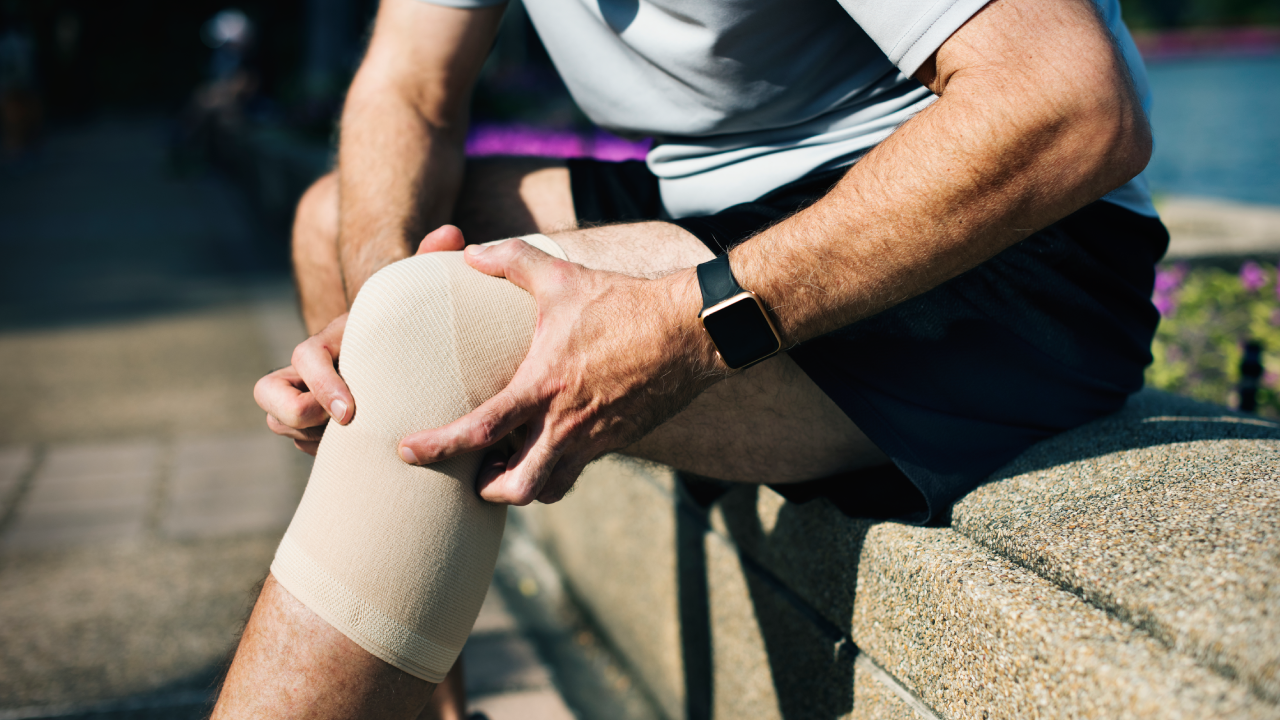
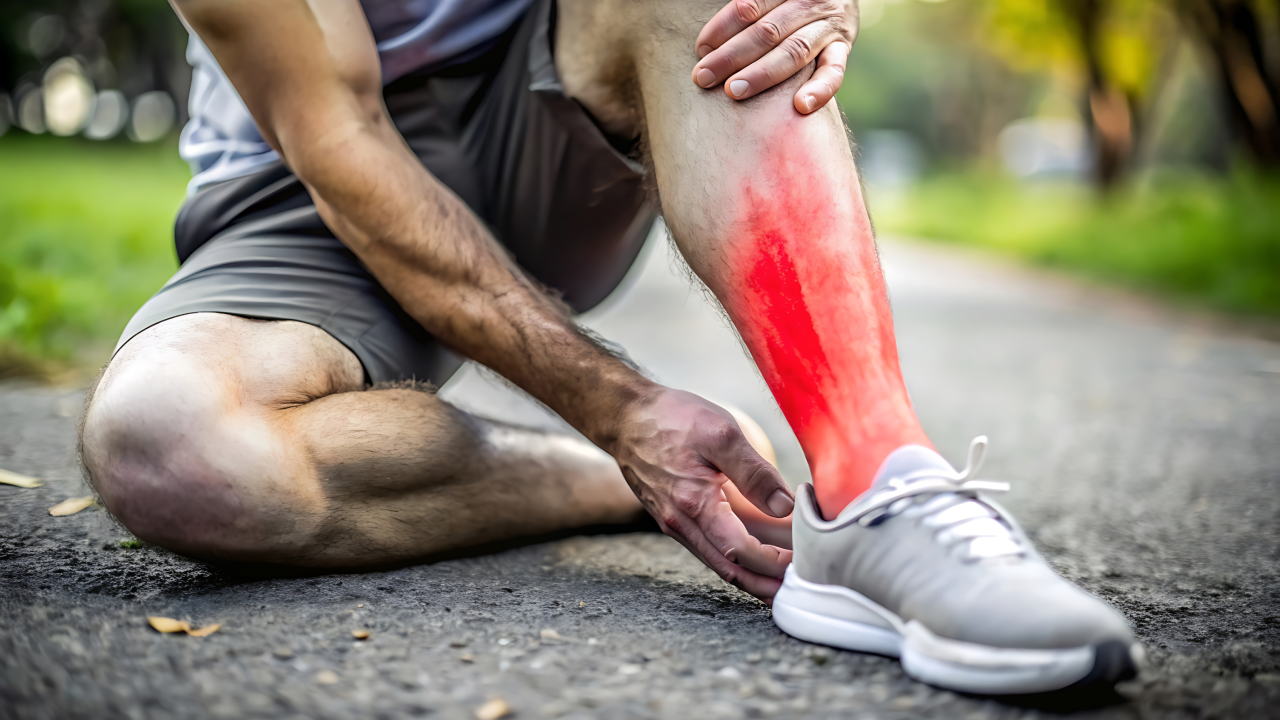
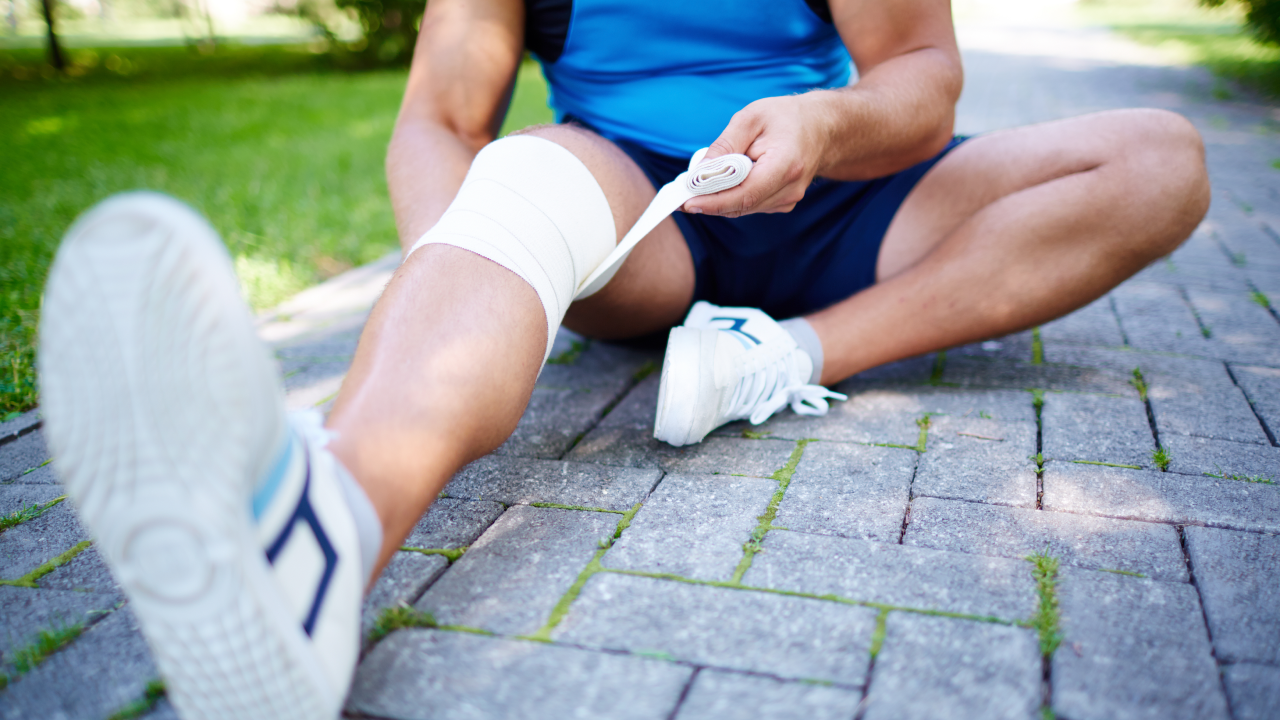
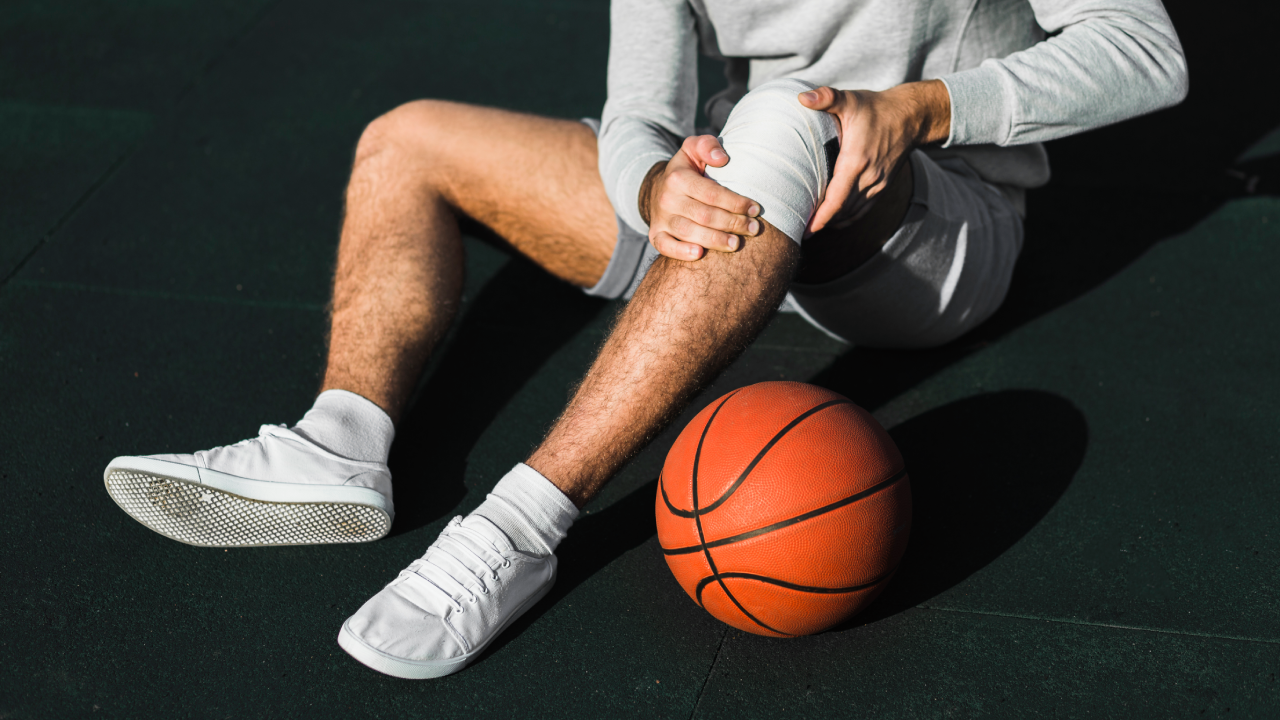
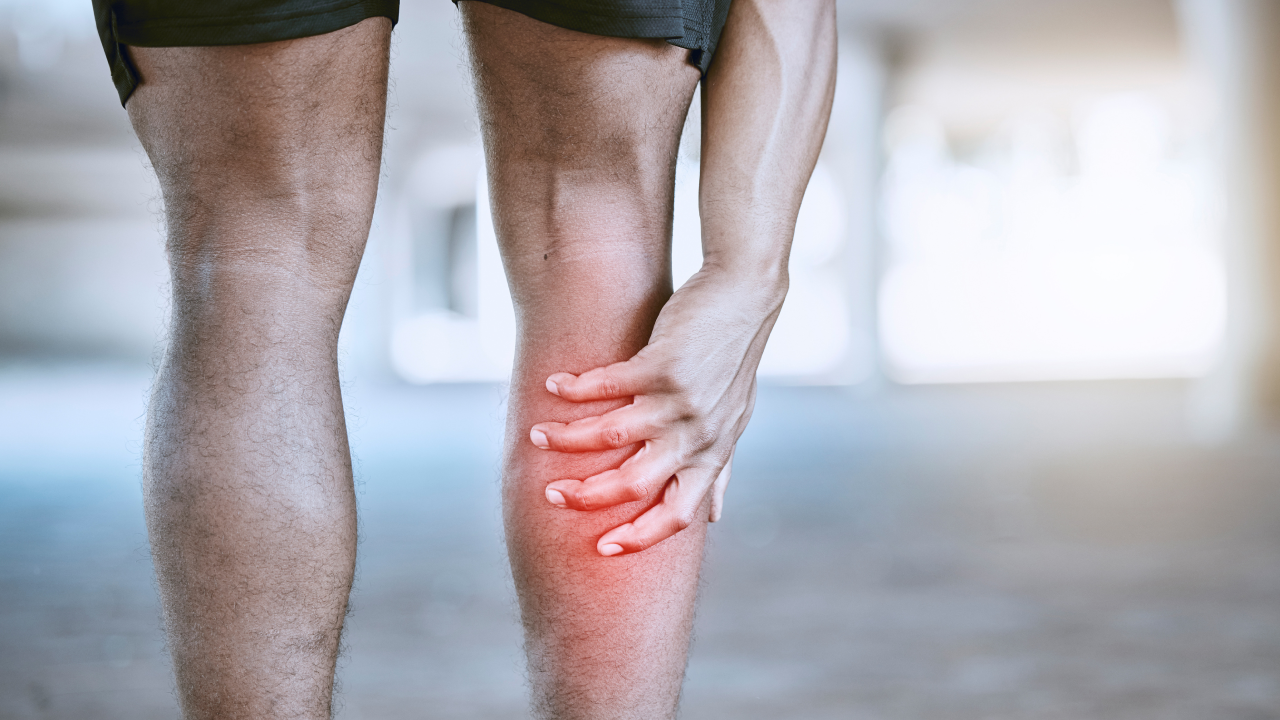
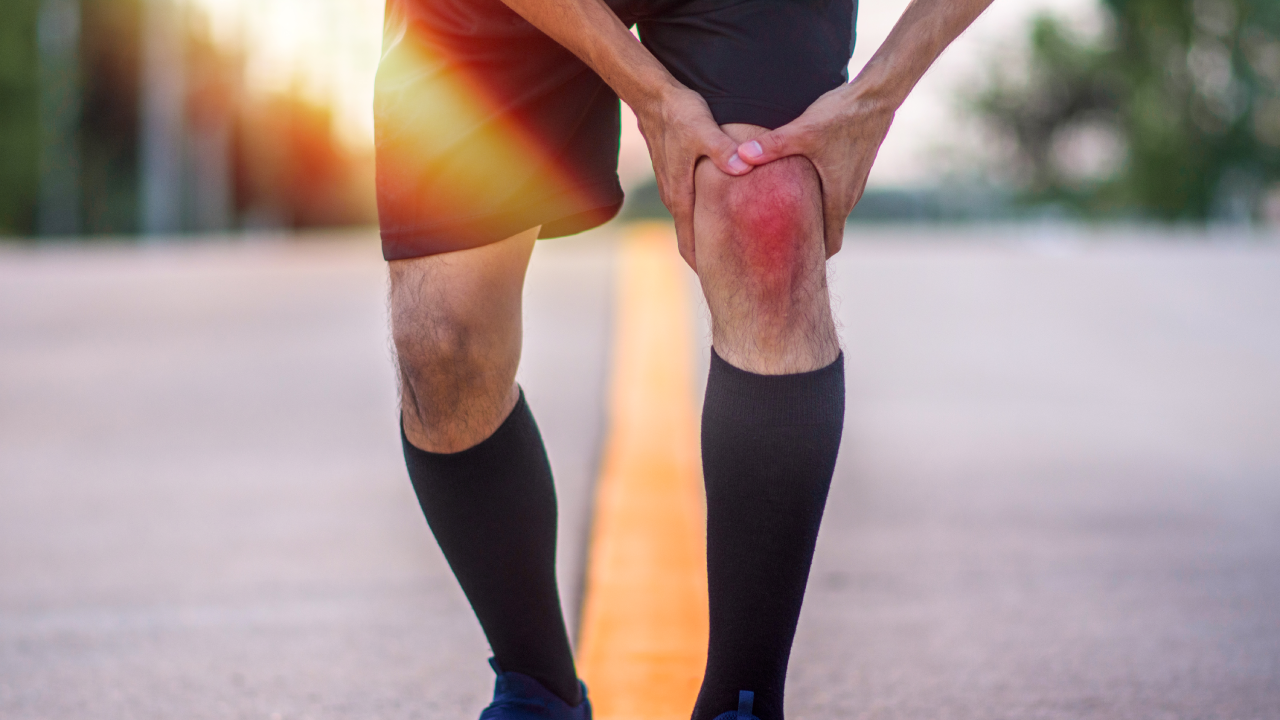
Knee pain can make everyday activities feel different. Walking downstairs, getting up from a chair, squatting, running, cycling, or sitting for a long period may bring discomfort around or behind the kneecap. One possible cause is Patellofemoral Pain Syndrome in Woodbridge, ON, a common condition involving pain around the front of the knee and the area where the kneecap moves against the thigh bone.
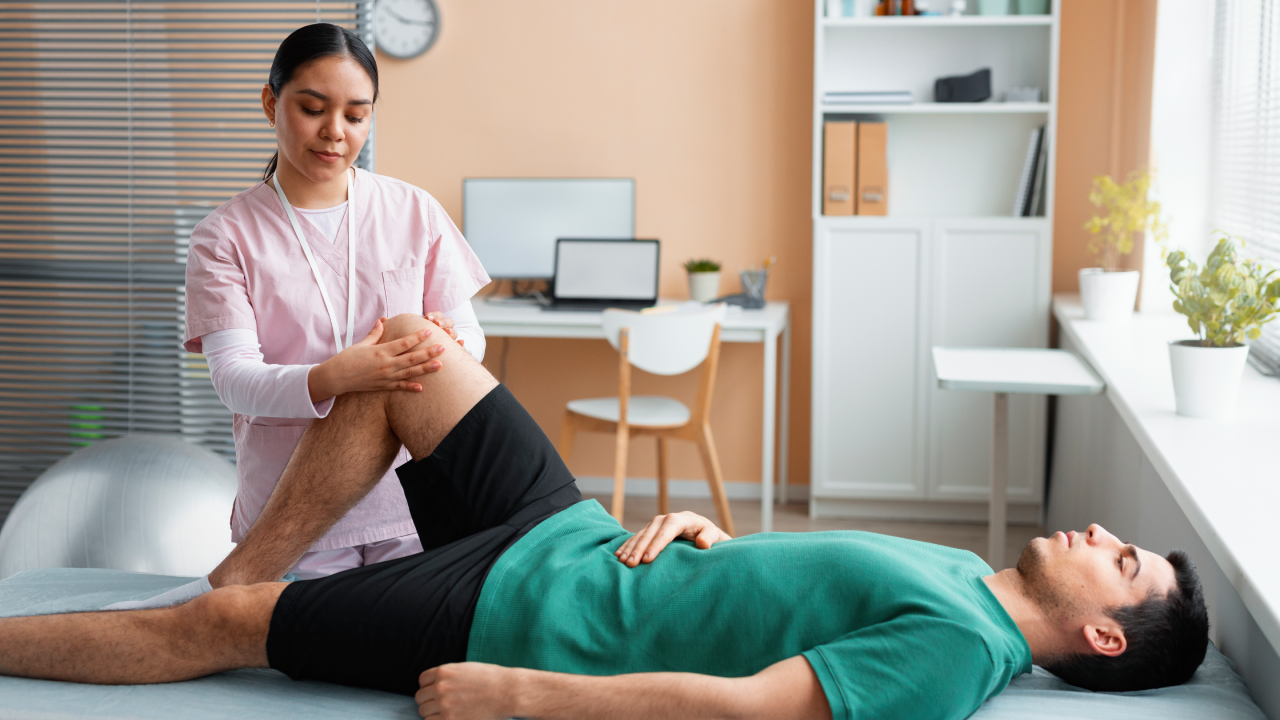
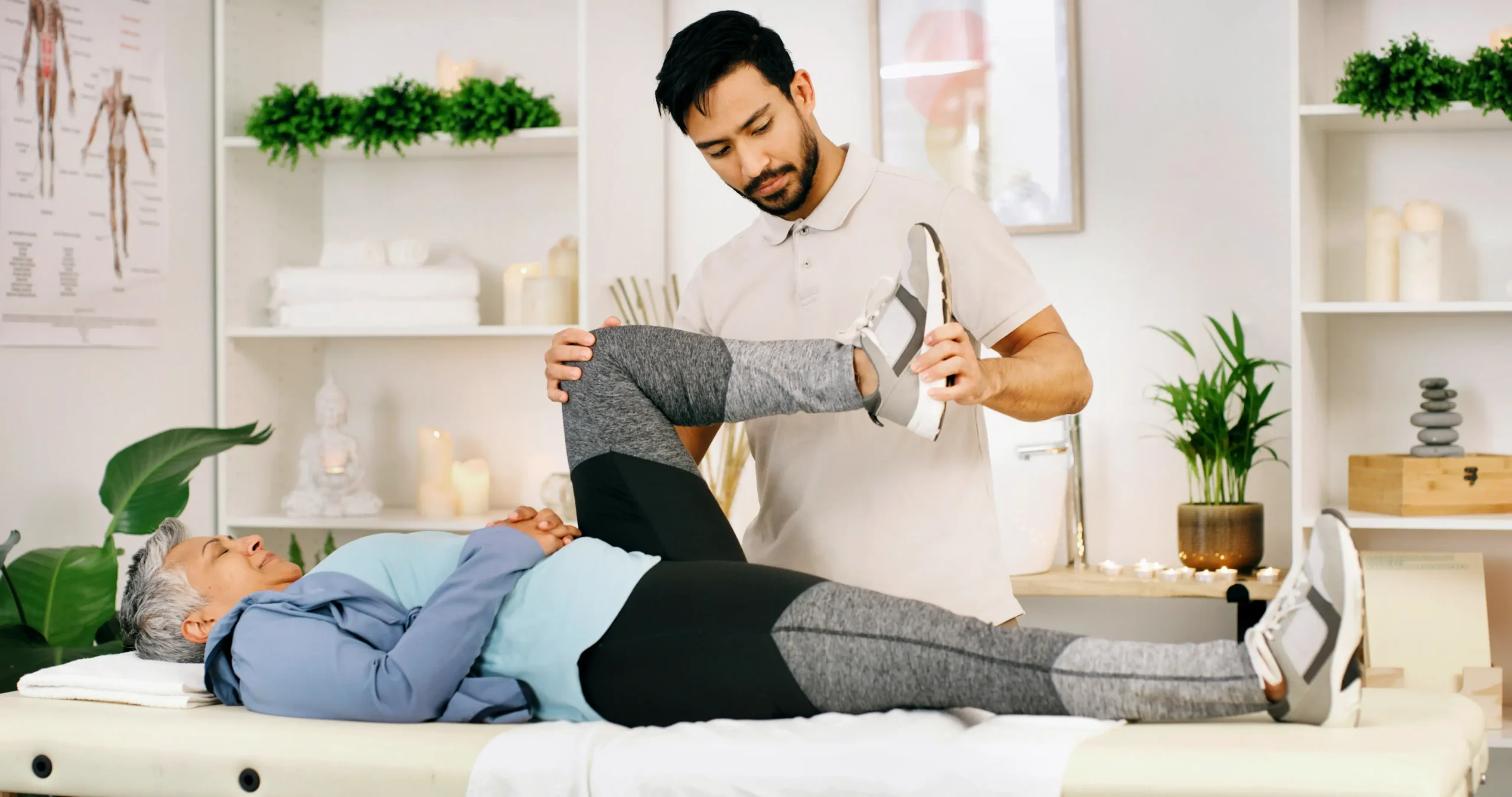
At Spinal Solution and Rehab, we assess knee symptoms by looking at movement, strength, flexibility, activity levels, and factors that may be contributing to irritation around the kneecap. Care may include exercise-based rehabilitation, movement education, manual therapy, activity modification, and a gradual return to daily or athletic activities.
What Is Patellofemoral Pain Syndrome?
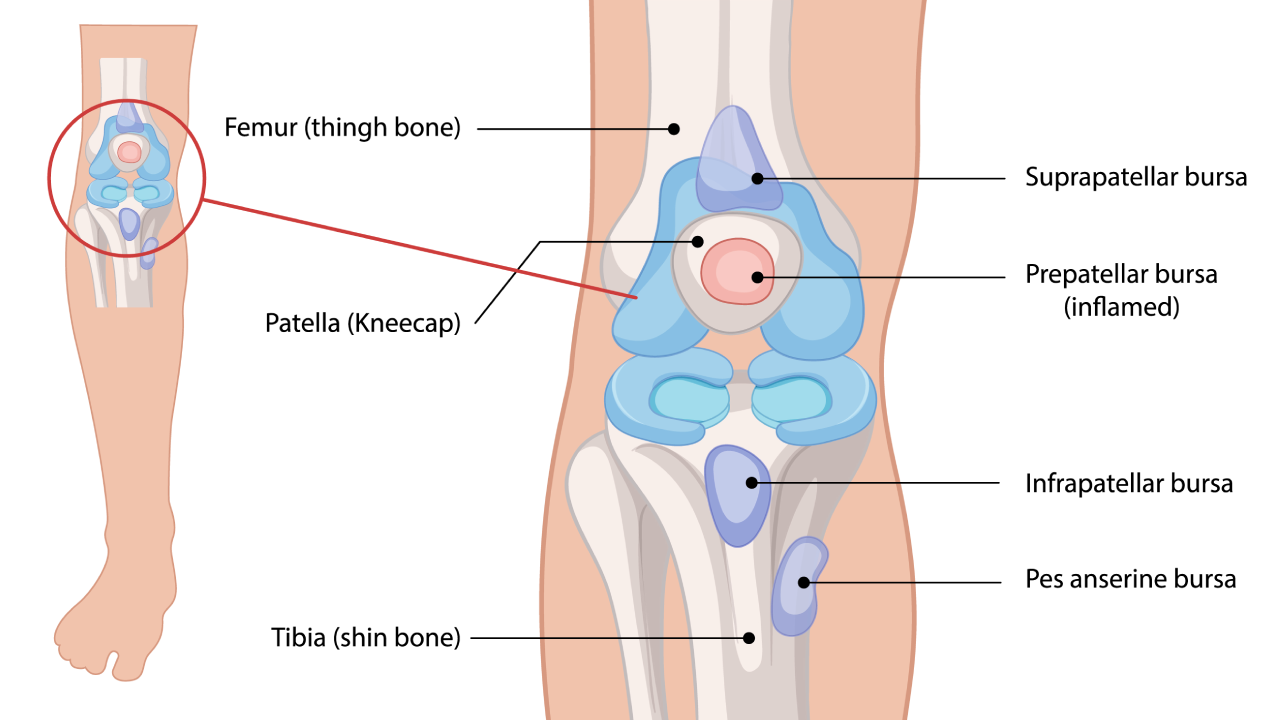
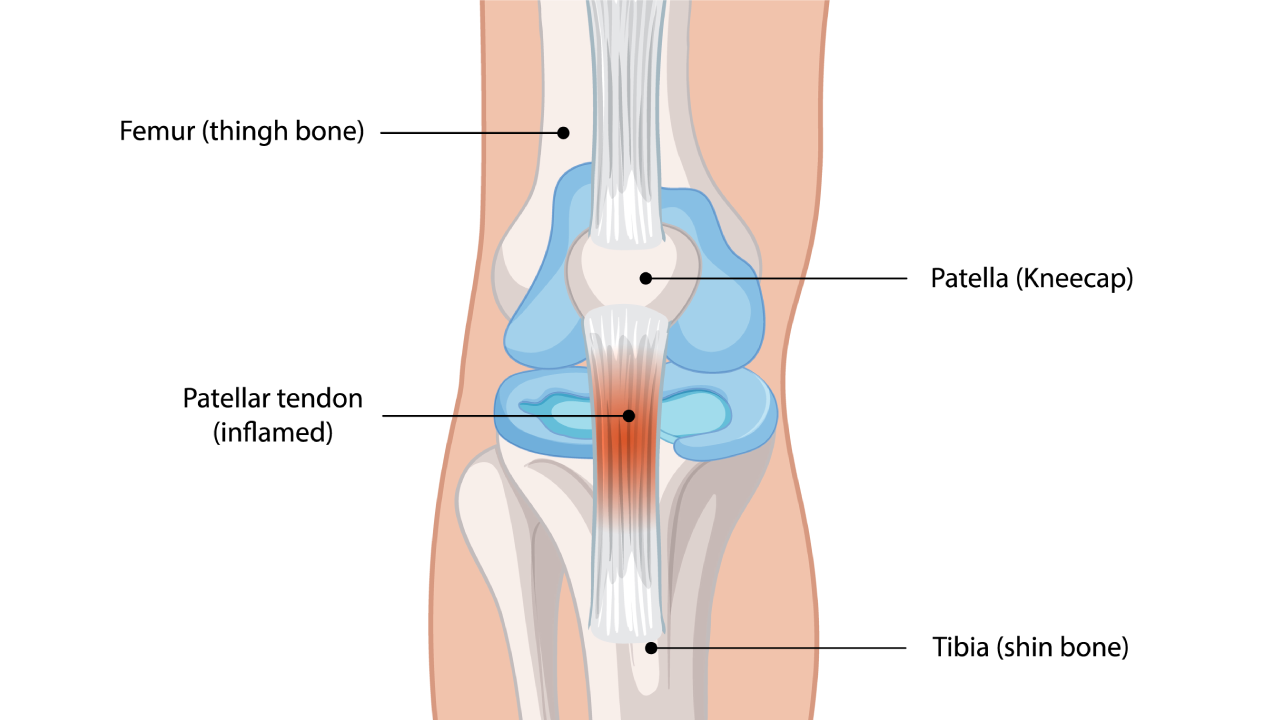
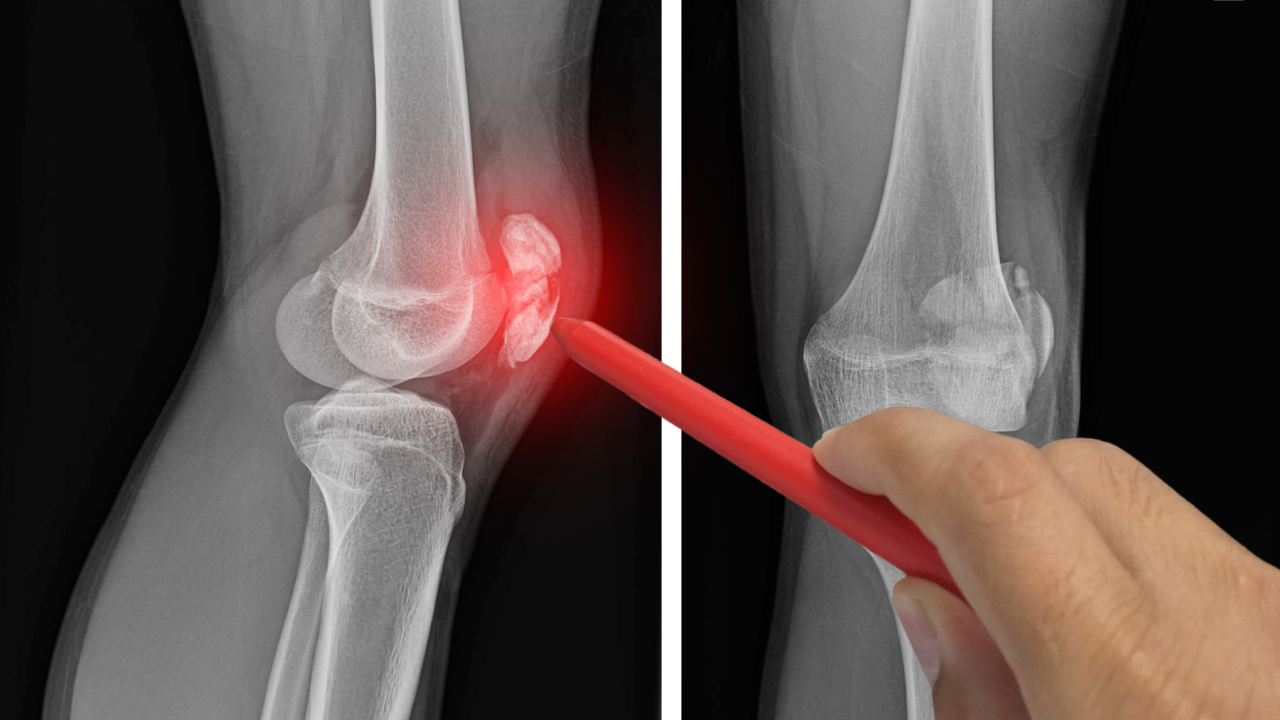
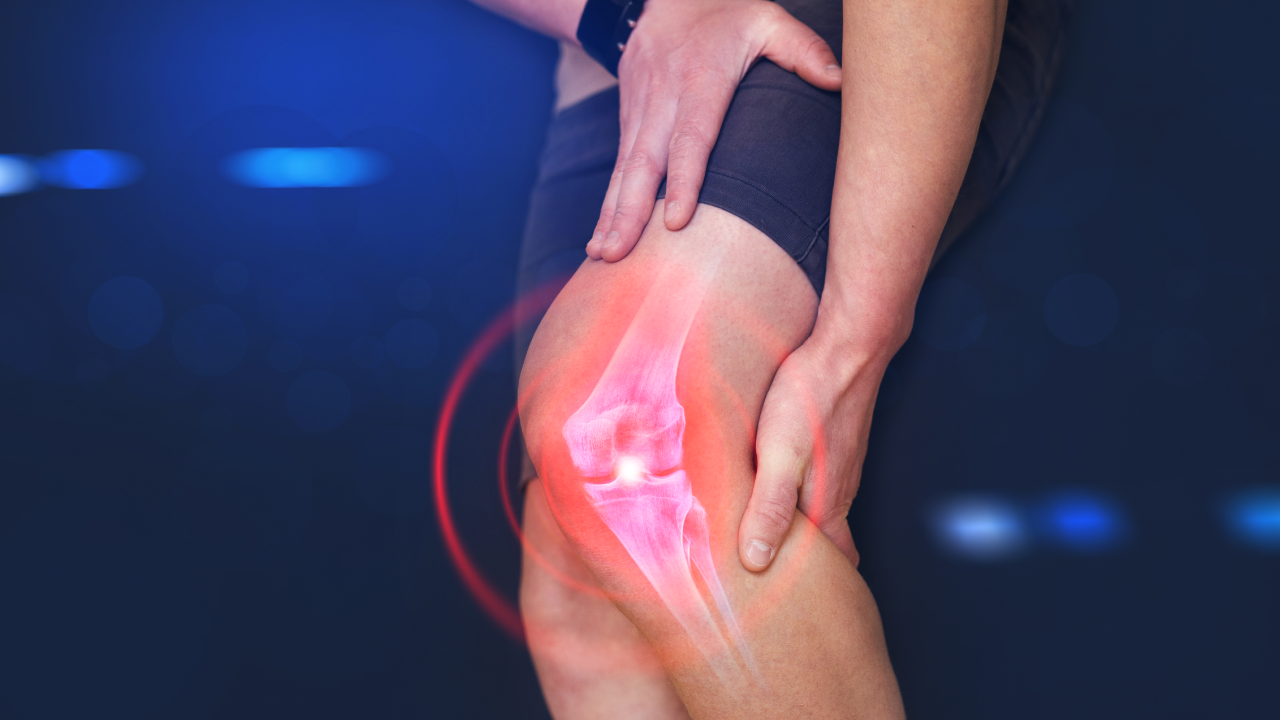
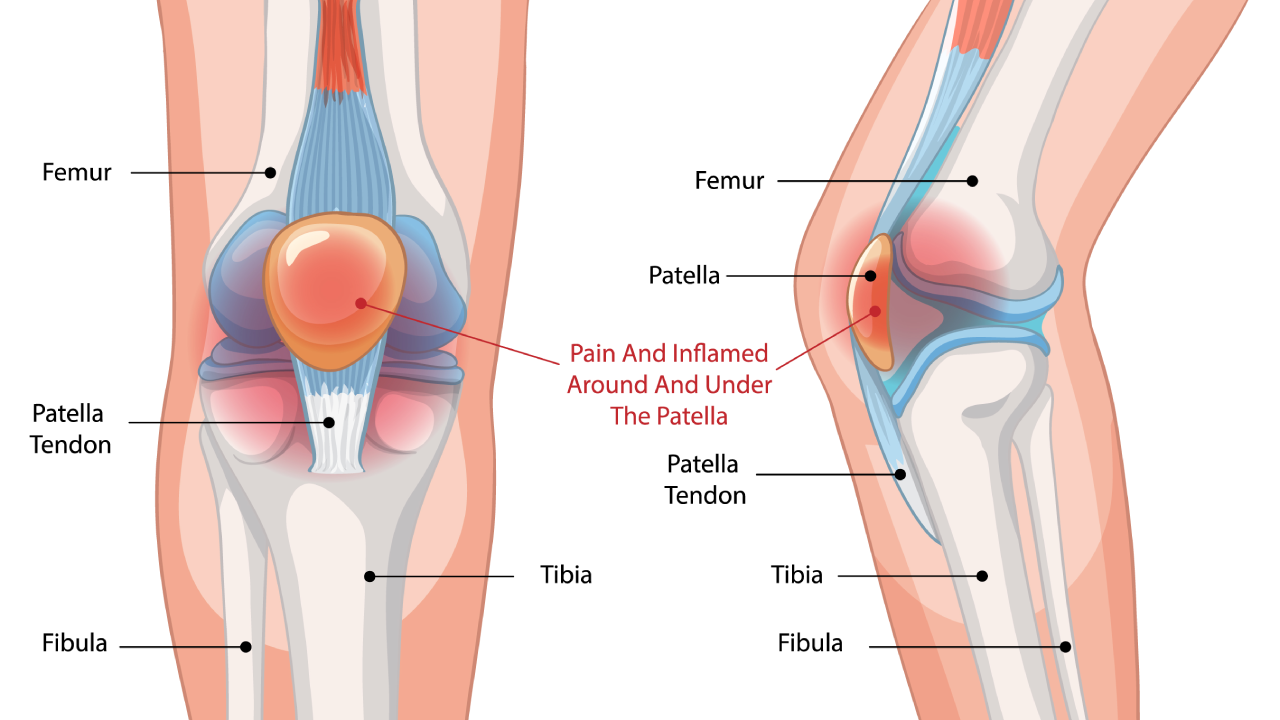
Patellofemoral Pain Syndrome, often called PFPS, refers to pain around the front of the knee, particularly near or behind the kneecap. The patellofemoral joint is formed where the patella, or kneecap, meets the femur, which is the thigh bone.
The kneecap moves within a groove at the lower end of the femur as the knee bends and straightens. This movement occurs during activities such as walking, climbing stairs, squatting, jumping, running, and standing from a seated position.
PFPS can develop when the tissues around the knee become irritated or when repeated loading exceeds what the knee can currently tolerate. It may also be associated with changes in activity, muscle strength, movement patterns, training volume, or lower-limb mechanics.
There is not always one single cause. A person may notice symptoms after increasing running distance, starting a new sport, changing a workout routine, spending more time climbing stairs, or returning to exercise after a period of reduced activity.
Common symptoms include:
- Pain around or behind the kneecap
- Discomfort when walking downstairs
- Knee pain during squatting
- Symptoms after prolonged sitting
- Pain during running or jumping
- A grinding or clicking sensation in some cases
- Discomfort when rising from a chair
- Symptoms that increase with repeated knee bending
The condition can affect active adults, recreational athletes, students, workers, and people whose daily routines place repeated demands on their knees.
Who Can Develop Patellofemoral Pain Syndrome?
PFPS can affect people across different age groups and activity levels. It is often seen in people who perform repeated movements involving the knee, although symptoms can also occur in people who are less physically active.
Runners and Athletes
Running, jumping, cycling, basketball, soccer, volleyball, and other activities can place repeated loads through the knee. A sudden increase in training volume may contribute to symptoms.
Gym-Goers
Changes in squatting, lunging, leg pressing, or jumping routines may increase knee loading. Poorly managed increases in training frequency or intensity may also play a role.
People Returning to Exercise
Someone returning to exercise after several weeks or months away may notice knee symptoms when activity increases quickly.
Students and Office Workers
Sitting with the knee bent for extended periods may aggravate symptoms in some people. This can become noticeable during long classes, meetings, computer sessions, or travel.
Adults With Repeated Stair Use
Frequent stair climbing can increase the demand placed on the patellofemoral joint. People who regularly use stairs at work or home may notice symptoms during these activities.
Problems Associated With Patellofemoral Pain Syndrome
People seeking care for PFPS may report several difficulties that affect their routines.
Difficulty Using Stairs
Going downstairs can place considerable demand on the knee. Some people notice pain when stepping down, even though walking on level ground feels manageable.
Pain During Squats
Squatting requires coordinated movement from the hip, knee, and ankle. Symptoms may appear when repeatedly bending the knee under load.
Discomfort During Running
Running involves repeated impact and knee movement. Symptoms may become more noticeable as distance or speed increases.
Pain After Sitting
Some people develop discomfort after sitting with the knee bent for an extended period. Standing after a long period of sitting may temporarily increase symptoms.
Reduced Exercise Participation
Knee symptoms may lead someone to reduce gym sessions, sports, running, cycling, or recreational activities.
Changes in Movement
A person may unconsciously alter the way they walk, squat, climb stairs, or exercise because of knee discomfort. These changes can affect other parts of the lower limb.
Assessment at Spinal Solution and Rehab
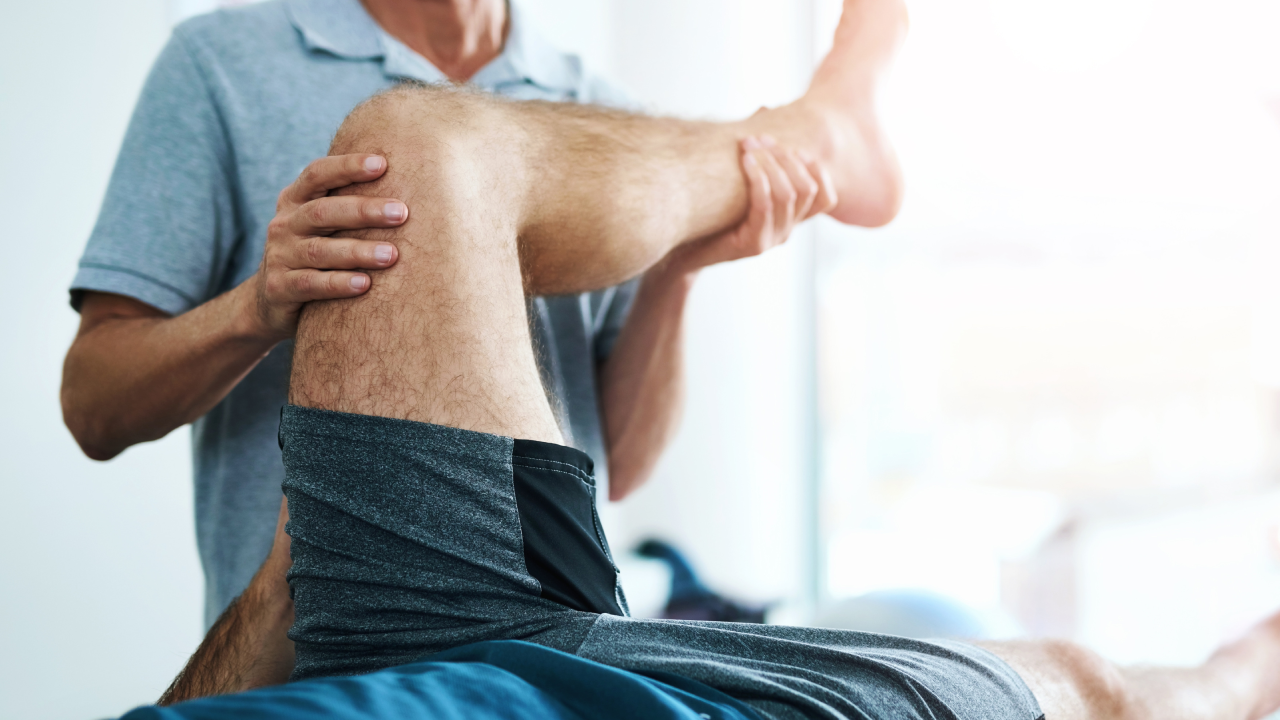
Assessment begins with a discussion about your symptoms, daily activities, exercise routine, previous injuries, and when the knee problem started.
Our team may examine:
- Knee movement
- Hip and lower-limb strength
- Flexibility
- Squatting mechanics
- Walking patterns
- Single-leg movements
- Stair-related movement
- Running-related factors when appropriate
- Activity levels and recent training changes
The assessment also considers whether the symptoms fit PFPS or whether another knee condition may need medical assessment.
Knee pain can have several causes. For this reason, a clinical assessment is important rather than assuming that every case of front-of-knee pain is PFPS.
Care and Rehabilitation for Patellofemoral Pain Syndrome
Management usually focuses on helping the knee tolerate everyday and physical activity while addressing factors that may contribute to symptoms.
Exercise Therapy
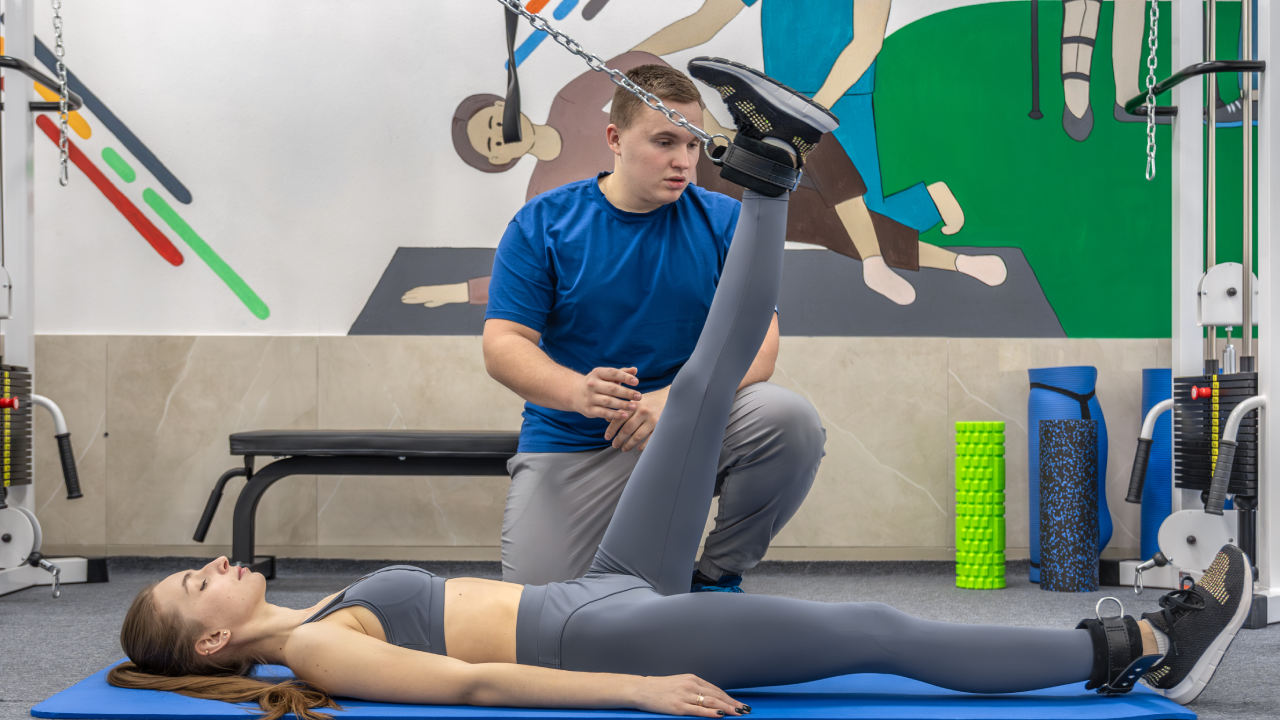
Exercise can be used to build strength and improve control around the hip and knee. Depending on the assessment, exercises may include:
- Quadriceps strengthening
- Hip strengthening
- Gluteal strengthening
- Step exercises
- Squats
- Lunges
- Single-leg exercises
- Functional movement drills
Exercises are progressed according to symptoms, strength, activity demands, and functional goals.
Activity Modification
Completely stopping movement is not always necessary. Instead, the amount and type of activity may be adjusted while the knee builds tolerance.
For example, a runner may temporarily reduce mileage or modify hills and speed work. Someone training in a gym may change exercise volume or depth during periods of increased symptoms.
Movement Training
Movement patterns can be assessed during activities that reproduce symptoms. The goal is to identify practical changes that may reduce unnecessary stress on the knee while maintaining useful movement.
Manual Therapy
Hands-on treatment may be used alongside exercise when appropriate. Depending on the assessment, treatment can focus on surrounding muscles and joints to support movement and exercise participation.
Gradual Return to Sport
Athletes often need a staged approach when returning to running, jumping, cutting, or sport-specific drills.
Training loads can be increased gradually while monitoring how the knee responds during and after activity.
How the Process Works
1. Consultation
We begin by discussing your knee symptoms, daily routine, exercise habits, work demands, and activity goals.
2. Assessment
A physical assessment examines knee function, strength, mobility, movement, and activity-related symptoms.
3. Planning
Based on the findings, we establish a rehabilitation plan that fits your current abilities and daily demands.
4. Rehabilitation
Exercises and other treatment methods are introduced according to the findings. The program can be adjusted as your knee tolerance changes.
5. Review
Progress is monitored through symptoms, movement quality, strength, and functional activities such as stairs, squats, running, or sports.
6. Ongoing Support
As activity levels increase, exercises can be progressed to match changing demands. The aim is to help you return to regular activities with an appropriate level of knee capacity.
Practical Benefits of Knee Rehabilitation
A structured rehabilitation program can help with several practical goals.
Improved Knee Strength
Strength work can increase the capacity of muscles involved in knee and hip movement.
Greater Activity Tolerance
Gradual loading can help the knee adapt to walking, stairs, exercise, running, or sport.
Improved Movement Control
Exercises can help develop control during squatting, stepping, landing, and other functional movements.
Increased Confidence With Activity
Knowing how to adjust activity levels can make it easier to return to exercise without repeatedly making large changes to your routine.
Better Exercise Planning
A rehabilitation plan can provide a framework for progressing training while monitoring knee symptoms.
Conditions and Activities We Address
At Spinal Solution and Rehab in Woodbridge, our physiotherapy services may be relevant to people dealing with:
- Patellofemoral Pain Syndrome
- Front-of-knee pain
- Knee strain
- Knee stiffness
- Exercise-related knee symptoms
- Running-related knee problems
- Sports-related knee issues
- Difficulty with stairs
- Pain during squatting
- Reduced knee strength
- Reduced lower-limb movement control
If symptoms are caused by another condition, assessment findings can help determine whether physiotherapy is appropriate or whether further medical evaluation is needed.
Frequently Asked Questions
What does Patellofemoral Pain Syndrome feel like?
PFPS commonly causes pain around or behind the kneecap. Symptoms may increase with stairs, squatting, running, jumping, or prolonged sitting.
Can Patellofemoral Pain Syndrome affect runners?
Yes. Running creates repeated loading through the lower limb. Changes in mileage, speed, hills, training frequency, footwear, or running surfaces may coincide with symptom development.
Should I stop exercising if my knee hurts?
Not necessarily. The appropriate activity level depends on the cause and severity of symptoms. Some people can continue modified exercise while gradually increasing knee loading.
Can physiotherapy help with PFPS?
Physiotherapy may help by addressing strength, movement, activity loading, and exercise tolerance. Treatment varies according to assessment findings.
How long does rehabilitation take?
There is no fixed timeline. Recovery can vary based on symptom duration, activity demands, strength, training load, and how the knee responds to rehabilitation.
Do I need imaging?
Not every person with PFPS requires imaging. A physiotherapy or medical assessment can help determine whether imaging or further investigation is appropriate.
Can I return to running?
Many people can return to running through gradual progression. Running volume, intensity, frequency, and terrain may need to be adjusted during rehabilitation.
When should I seek medical assessment?
Seek medical assessment when knee pain follows significant trauma, the knee becomes markedly swollen, it locks, repeatedly gives way, or symptoms are severe or worsening.
Service Areas
If you are searching for Patellofemoral Pain Syndrome in Woodbridge, ON, Spinal Solution and Rehab provides physiotherapy assessment and rehabilitation for knee-related conditions.
Our clinic serves people in Woodbridge and nearby communities who may be dealing with knee symptoms related to exercise, sport, work, or everyday movement.
Our local service area may include:
- Woodbridge
- Vaughan
- Kleinburg
- Maple
- Vellore Village
- Concord
- Nearby Vaughan communities
The clinic can assess your symptoms, identify factors associated with your knee problem, and develop a rehabilitation plan based on your current function and activity needs.
Why Choose Spinal Solution and Rehab?
Spinal Solution and Rehab focuses on assessment, movement, rehabilitation, and practical exercise strategies for musculoskeletal conditions.
Our approach involves:
- Discussing your symptoms and activity demands
- Assessing movement and physical function
- Identifying factors that may contribute to knee symptoms
- Using exercise-based rehabilitation where appropriate
- Monitoring progress during rehabilitation
- Adjusting exercises as your function changes
- Supporting a gradual return to regular activities
The goal is to make the rehabilitation process relevant to what you actually need to do, whether that means walking comfortably, using stairs, returning to the gym, running, or participating in sport.
Related Physiotherapy Services
Depending on your symptoms and assessment findings, related services may include:
- Knee physiotherapy
- Sports physiotherapy
- Physiotherapy for running injuries
- Lower-limb rehabilitation
- Strength and conditioning
- Exercise therapy
- Manual therapy
- Post-injury rehabilitation
- Mobility assessment
These services can be considered when symptoms involve more than the patellofemoral joint or when another movement-related issue is identified.
Get Started
Knee discomfort during stairs, squats, running, or sitting can make everyday activities harder to manage. If you are looking for Patellofemoral Pain Syndrome in Woodbridge, ON, Spinal Solution and Rehab can assess your symptoms, review your movement, and discuss suitable physiotherapy options.
Address: 8300 Hwy 27, Woodbridge, ON L4H 0R9
Phone: +1 905-739-3100
Contact Spinal Solution and Rehab today to book an assessment and discuss your knee concerns with our team.