Knee Pain in Woodbridge, ON
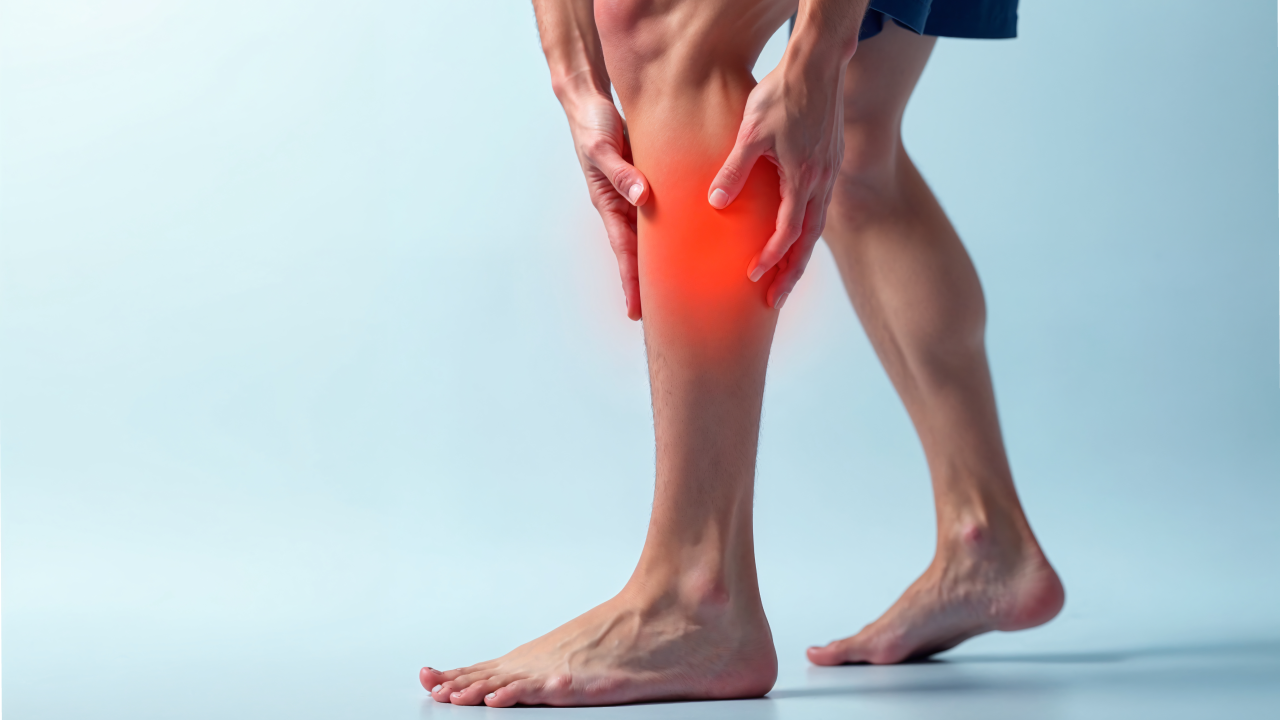
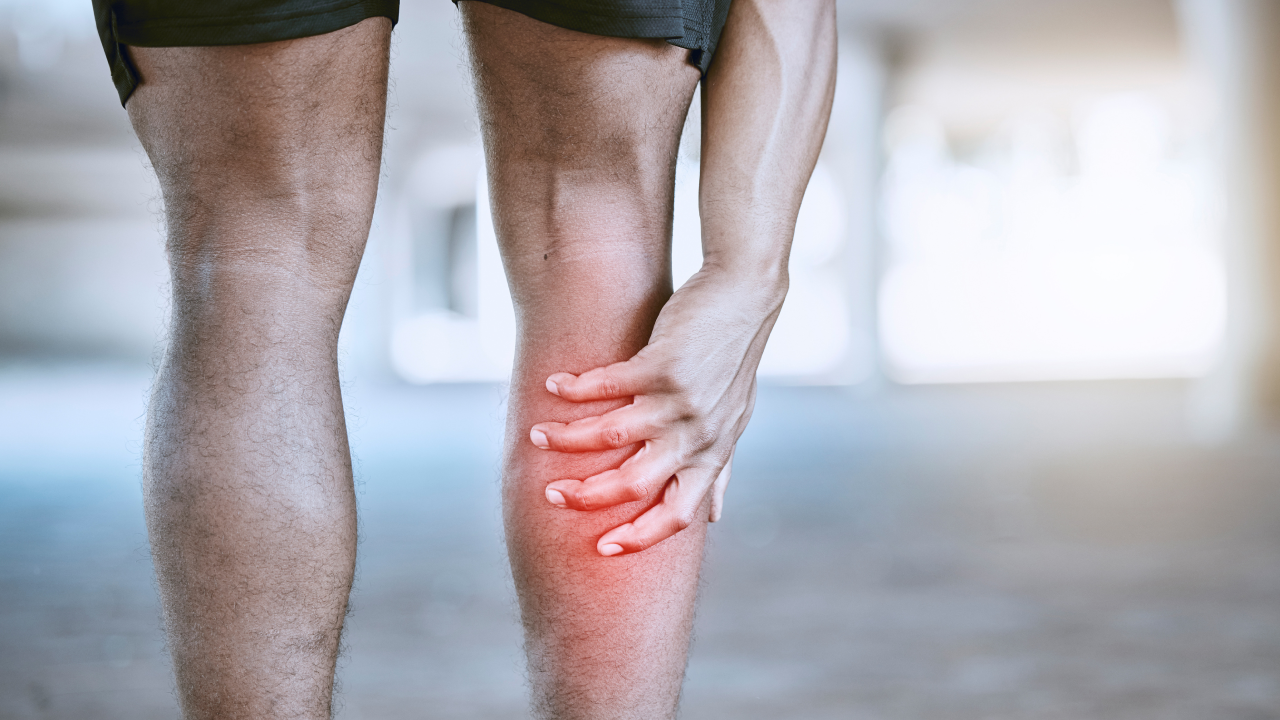
Knee pain can make ordinary activities such as walking, climbing stairs, standing from a chair, or getting through a workout more difficult. At Spinal Solution and Rehab, we assess knee symptoms and look at the factors that may be contributing to them. Our approach considers movement, strength, flexibility, joint function, previous injuries, work demands, sports activity, and daily habits.
People searching for Knee Pain in Woodbridge, ON, may be dealing with discomfort that began after an injury, developed gradually, or returned after a previous problem. Knee symptoms can have many causes, so an assessment can help identify what may be contributing to the issue and whether rehabilitation is appropriate.
What Is Knee Pain?
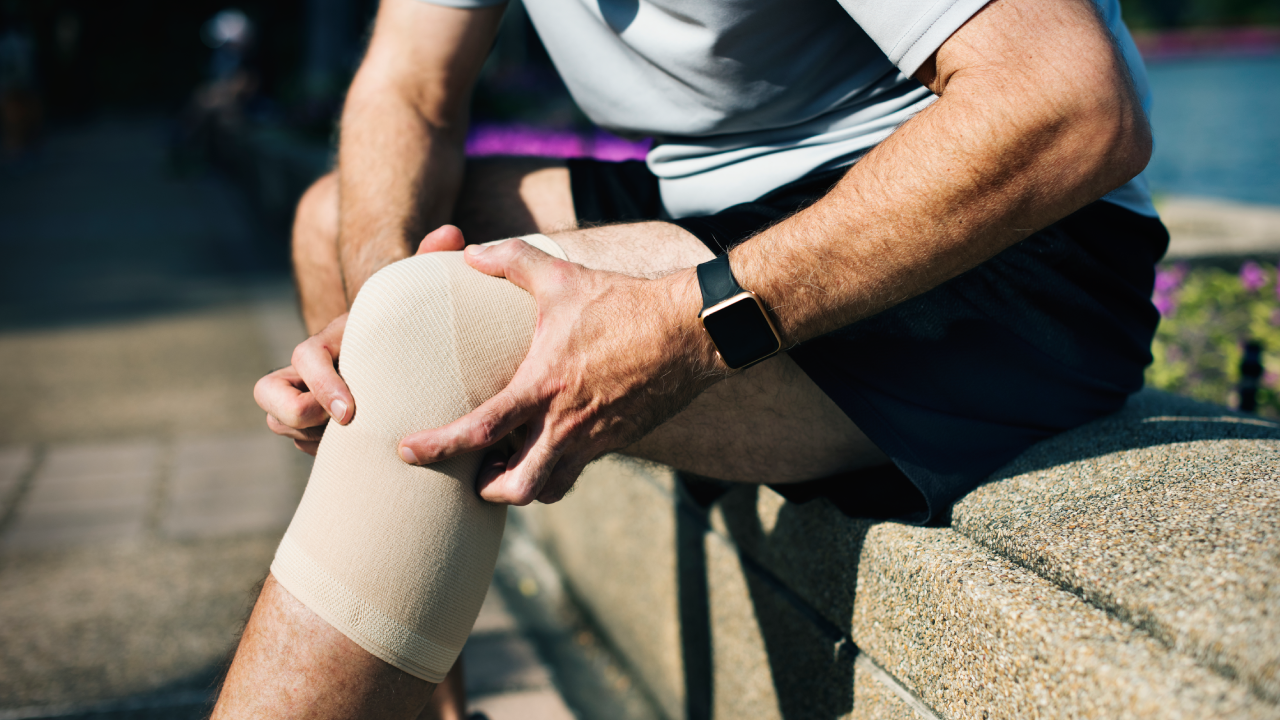
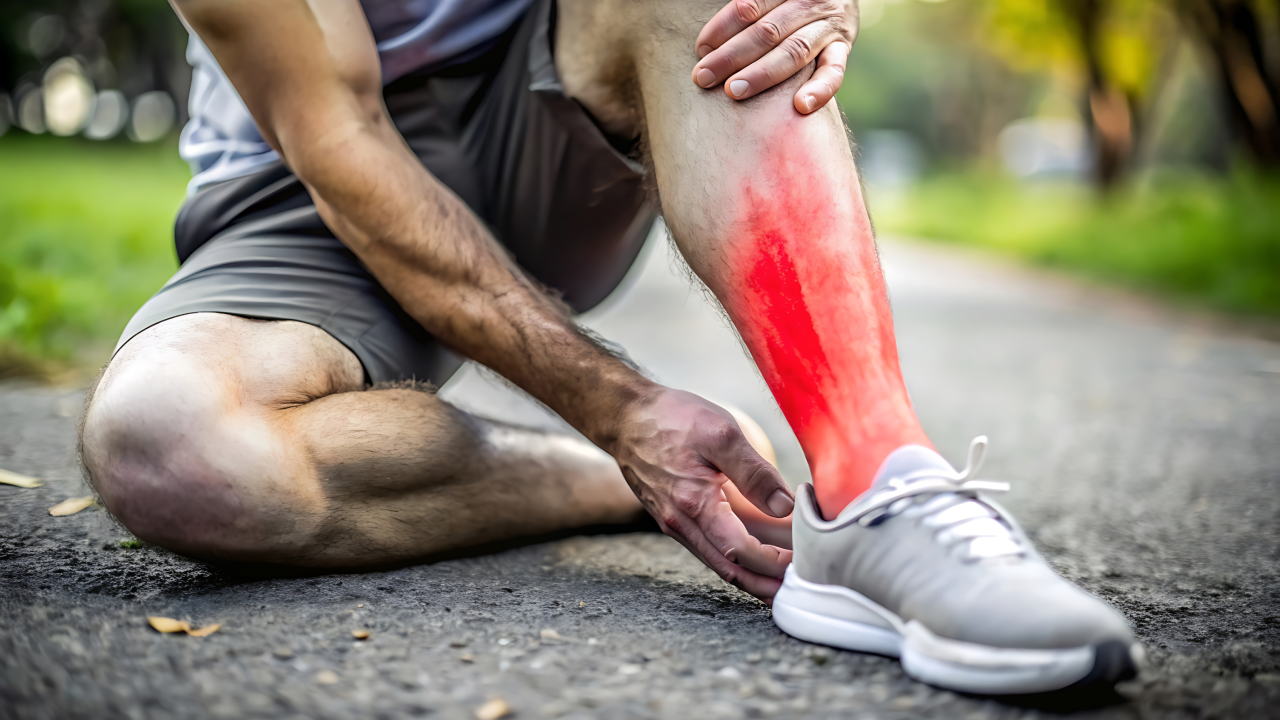
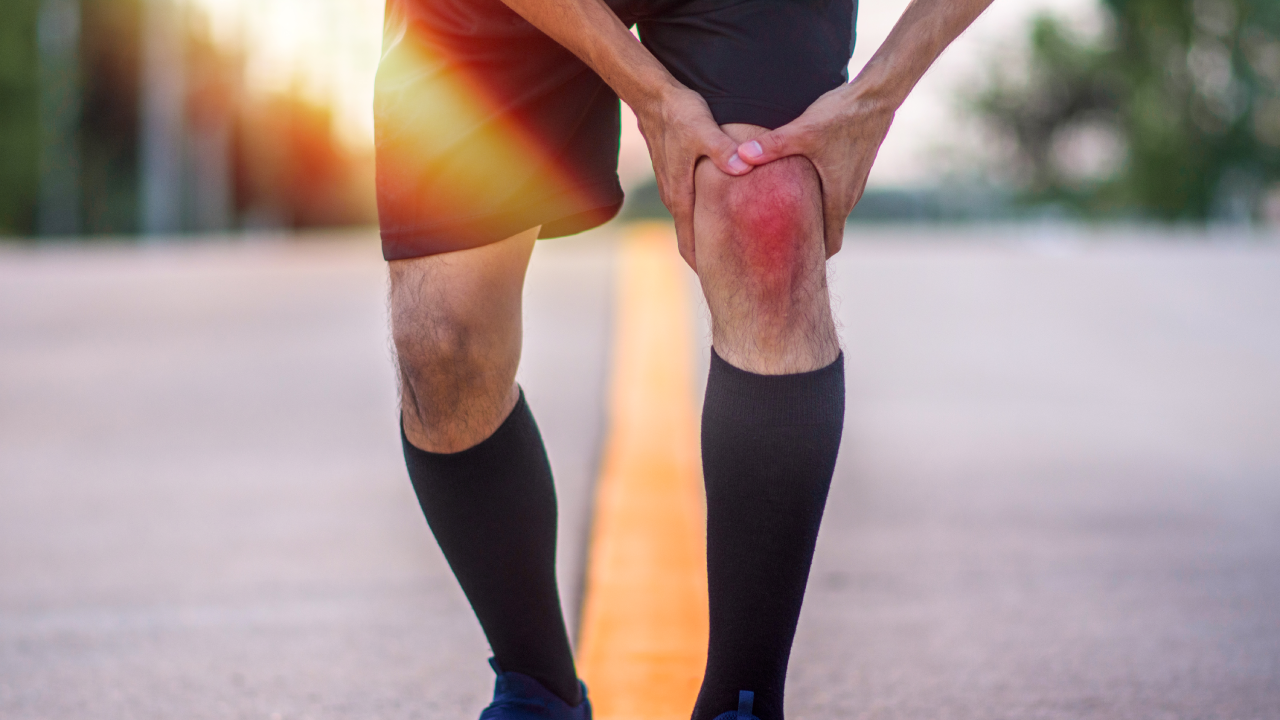
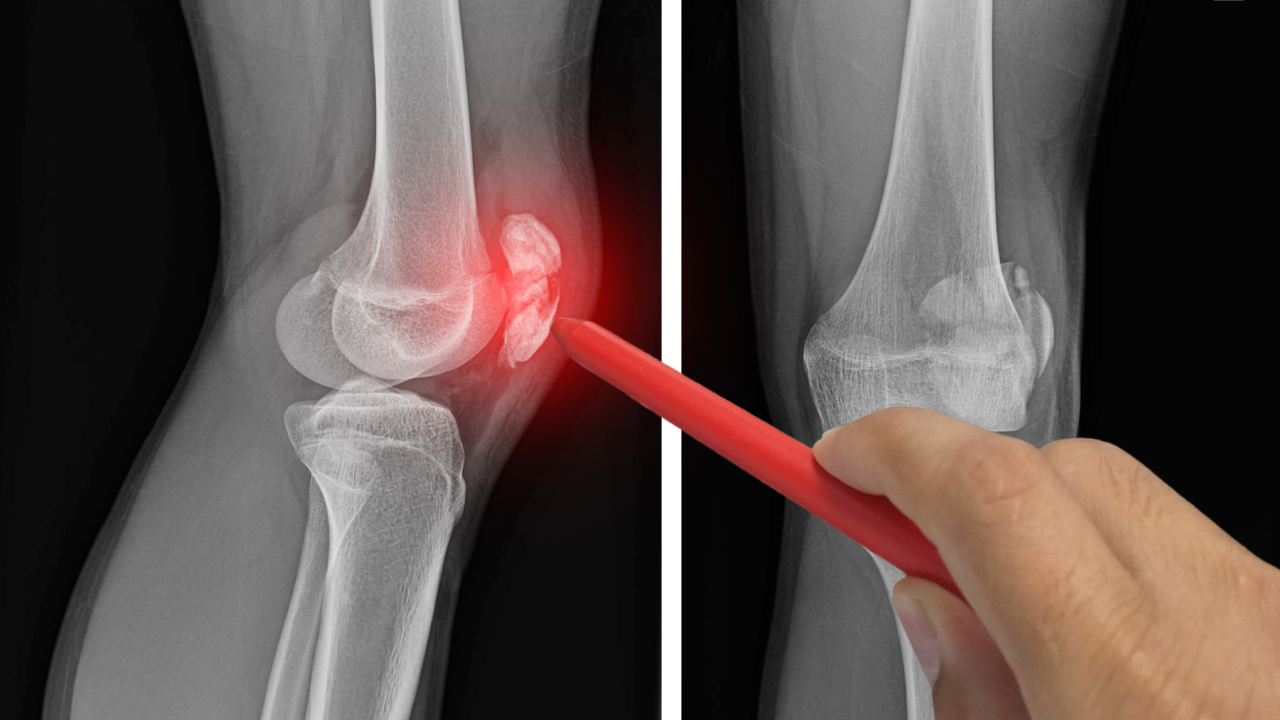
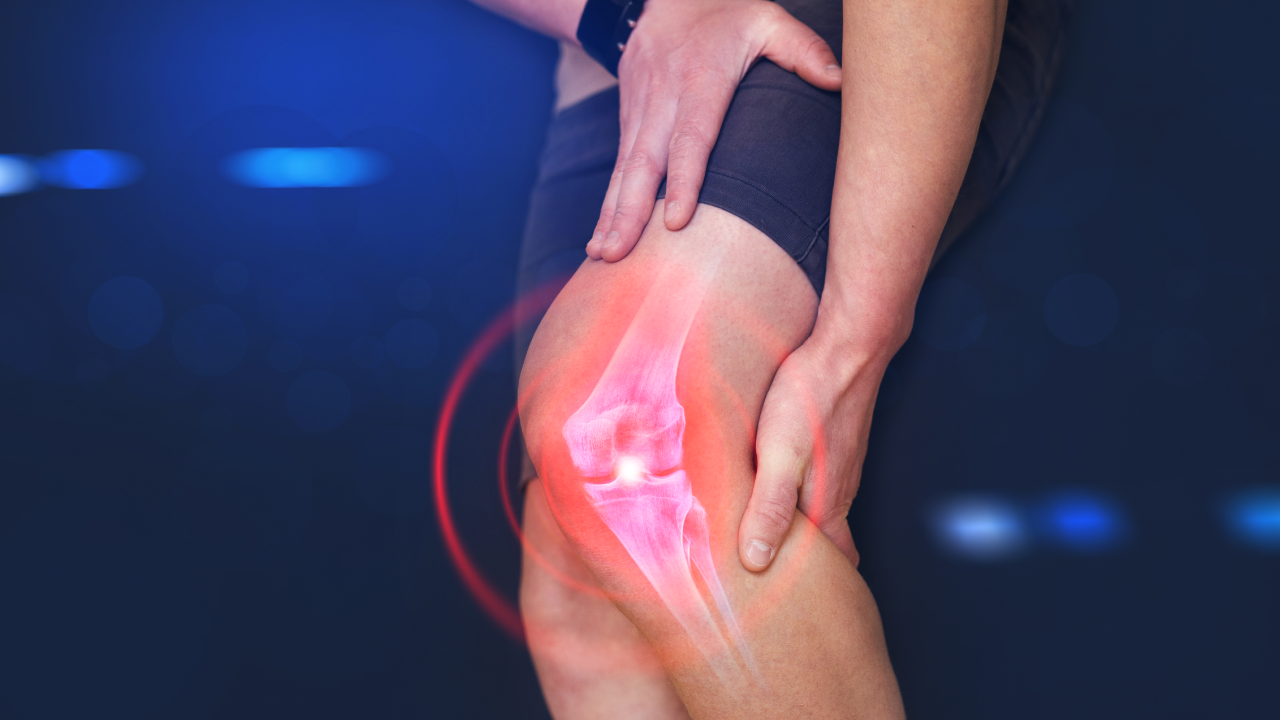
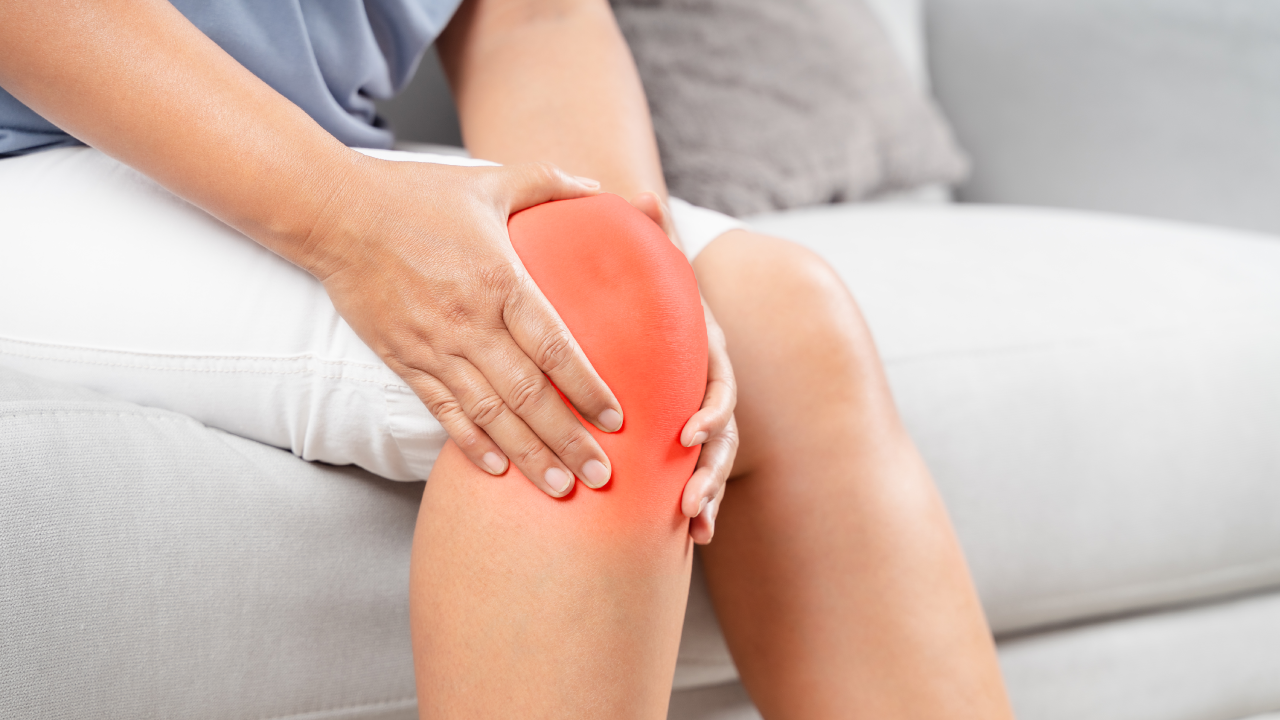
Knee pain refers to discomfort felt around or within the knee joint. It can appear at the front, back, inside, or outside of the knee. Some people notice symptoms only during movement, while others may feel discomfort while sitting, standing, or resting.
The knee is a complex joint involving bones, cartilage, ligaments, tendons, muscles, and other surrounding tissues. Because several structures work together during movement, symptoms in one area may be associated with changes elsewhere in the leg or body.
Knee symptoms may include:
- Aching or soreness
- Sharp discomfort during movement
- Stiffness after sitting
- Swelling around the knee
- Difficulty bending or straightening the knee
- Clicking or popping
- A feeling of weakness
- Difficulty using stairs
- Discomfort while walking or running
- Reduced tolerance for exercise
- Trouble getting up from a chair
- A feeling that the knee may give way
The location, timing, severity, and pattern of symptoms can provide useful information during an assessment.
Conditions We Treat
At Spinal Solution and Rehab, knee rehabilitation may be appropriate for several conditions affecting the knee and surrounding structures. The exact approach depends on the findings from an assessment.
Knee Osteoarthritis
Knee osteoarthritis involves changes within the joint that can be associated with pain, stiffness, swelling, and reduced movement. Symptoms may become noticeable during walking, stairs, squatting, or prolonged standing.
Rehabilitation may focus on maintaining joint movement, building strength around the knee and hip, improving movement patterns, and helping you manage activities that place demand on the joint.
Patellofemoral Pain
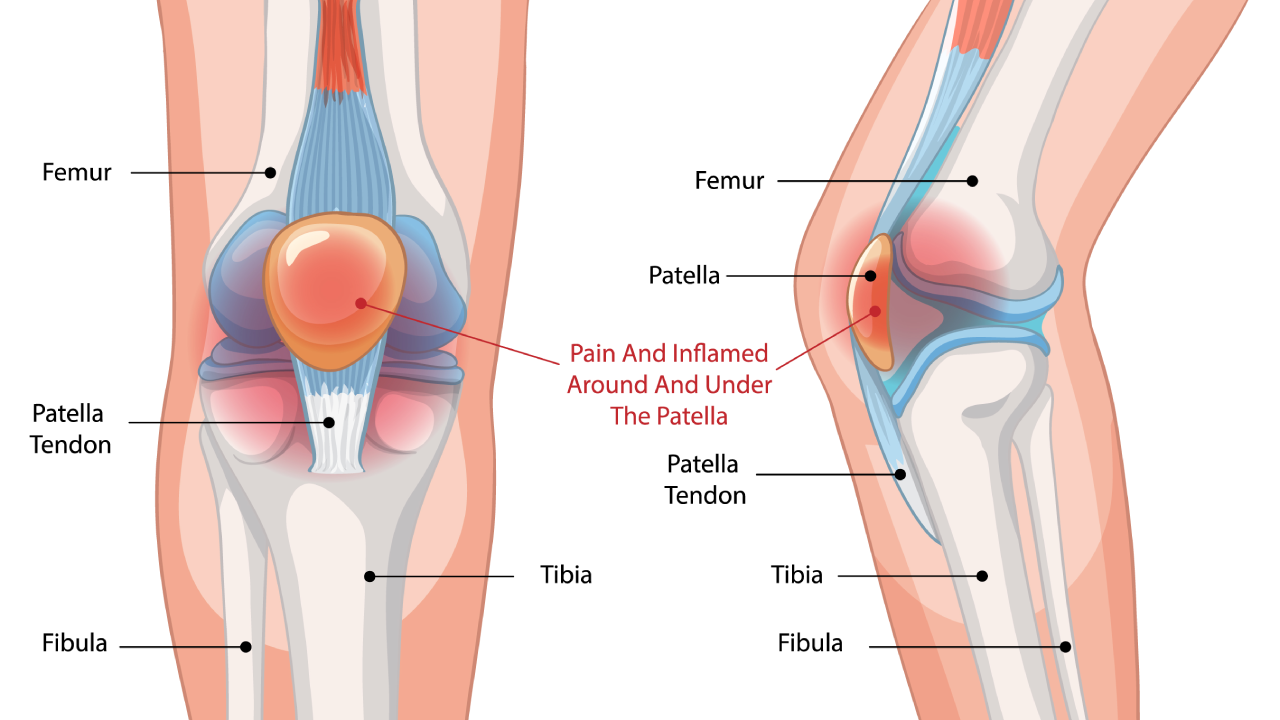
Patellofemoral pain involves discomfort around or behind the kneecap. It may become noticeable during stairs, squatting, running, jumping, or sitting for extended periods.
Assessment may examine knee alignment, hip strength, lower-limb movement, activity levels, and other factors that may contribute to symptoms.
Meniscus Injuries
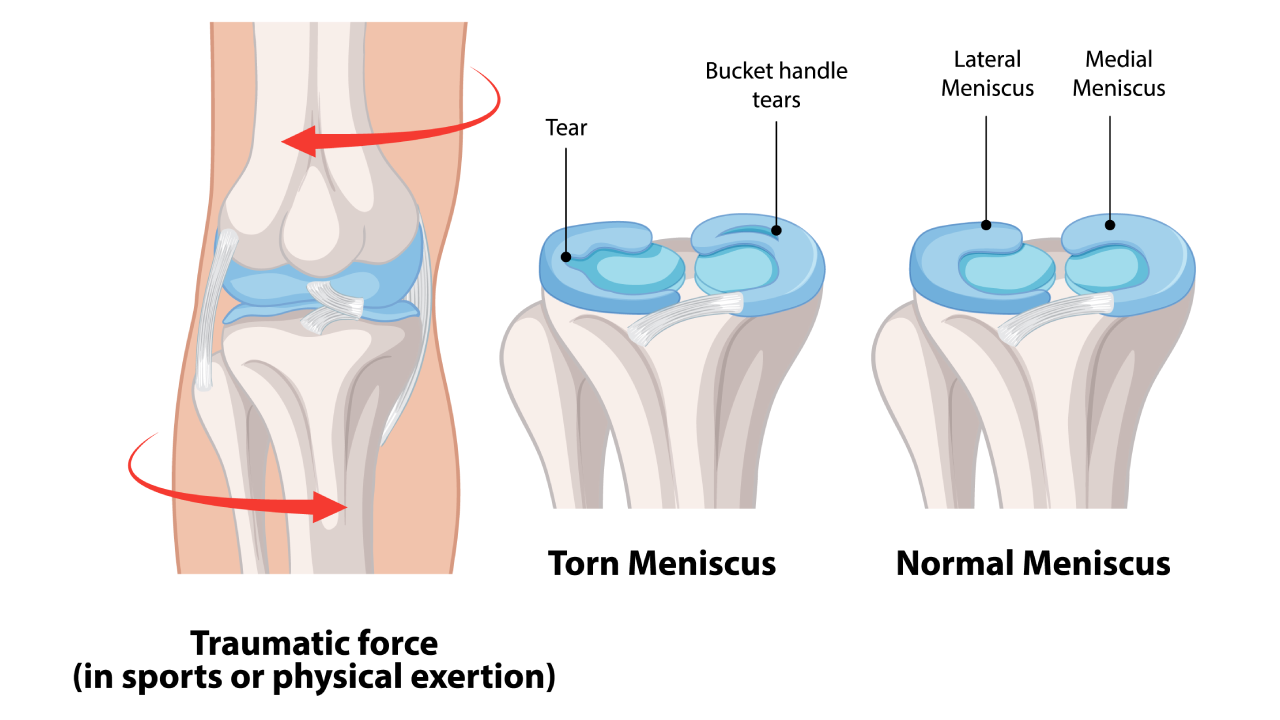
The menisci are pieces of cartilage located inside the knee joint. A meniscus injury can occur during twisting movements, sports, falls, or other incidents. Some people notice pain, swelling, stiffness, clicking, or difficulty moving the knee.
Rehabilitation depends on the nature and severity of the injury. In some cases, physiotherapy may be part of recovery following medical assessment or surgery.
ACL Injuries
The anterior cruciate ligament, commonly called the ACL, helps provide stability within the knee. An ACL injury can occur during sports or sudden changes in direction.
Symptoms can include swelling, instability, reduced movement, and difficulty placing weight through the affected leg. Rehabilitation may be used before or after surgery, depending on the circumstances.
MCL and LCL Injuries
The medial collateral ligament and lateral collateral ligament help support the sides of the knee. Injuries can occur after a direct impact, sudden movement, or sports-related incident.
A rehabilitation program may address movement, strength, balance, and gradual return to normal activities.
Tendon Problems
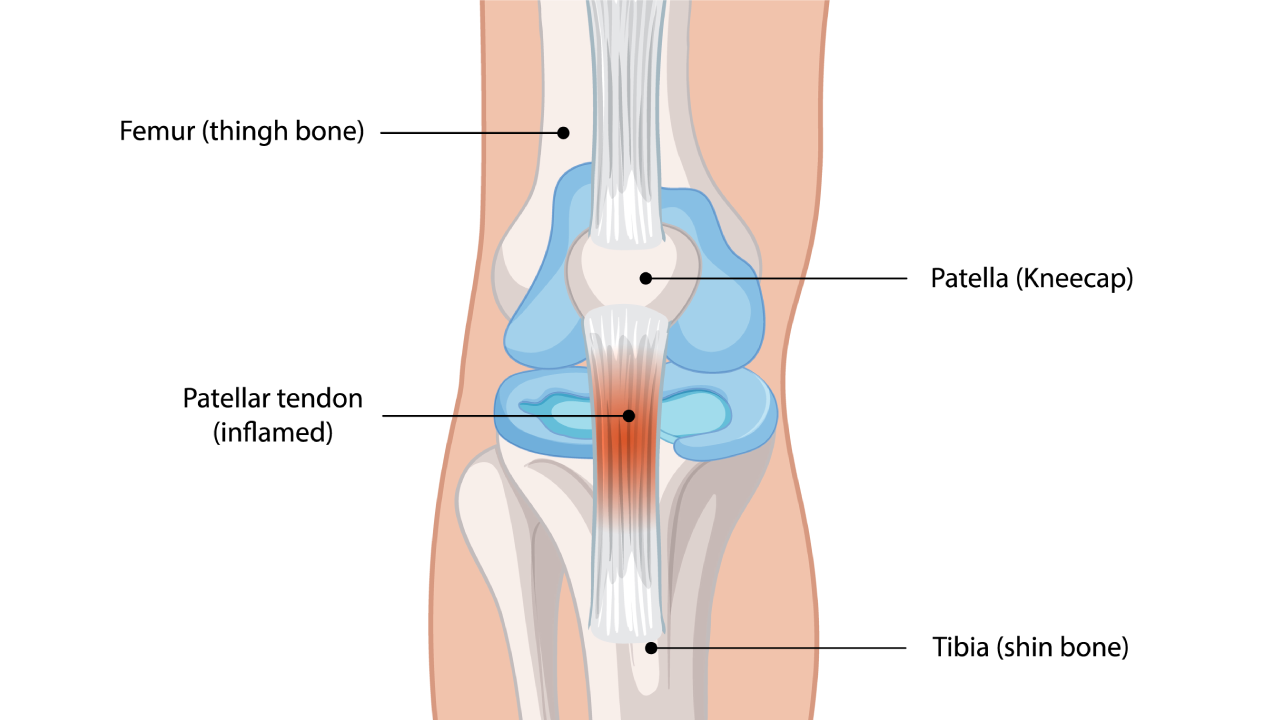
Tendons connect muscles to bones. The patellar tendon, located below the kneecap, can become irritated following repeated jumping, running, squatting, or other activities.
Symptoms may include discomfort below the kneecap and increased symptoms during activities that load the tendon. Rehabilitation commonly involves controlled strengthening and gradual changes in activity.
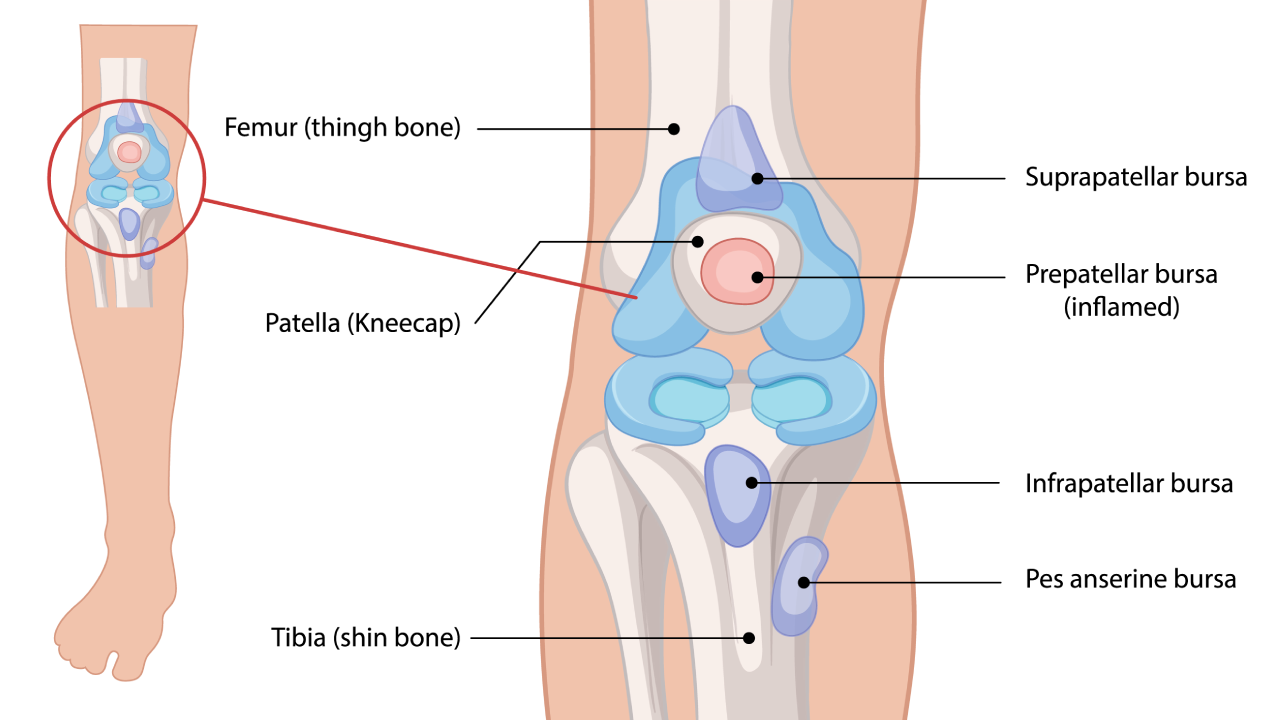
Bursitis
Bursae are small fluid-filled sacs that reduce friction around joints. Irritation of a bursa around the knee can cause localized swelling and discomfort.
The appropriate approach depends on the location and suspected cause of the irritation.
Runner’s Knee
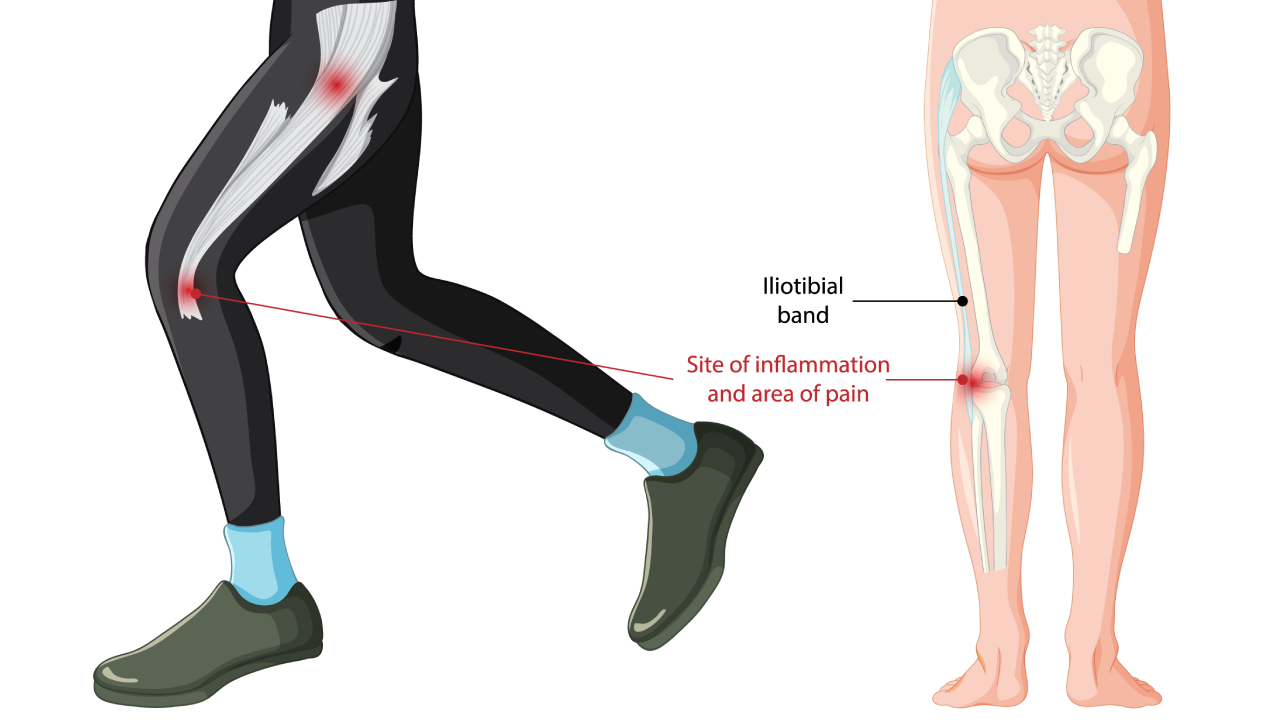
Runner’s knee is commonly used to describe pain associated with running and repetitive lower-limb activity. Symptoms may occur around the kneecap or outer portion of the knee.
A physiotherapy assessment can examine training volume, running mechanics, strength, mobility, footwear, recovery habits, and other contributing factors.
Jumper’s Knee
Jumper’s knee generally refers to patellar tendinopathy, which affects the tendon connecting the kneecap to the shinbone. It is often associated with repeated jumping and high-load activities.
Rehabilitation may involve progressive loading, strength work, activity modification, and a gradual return to sport.
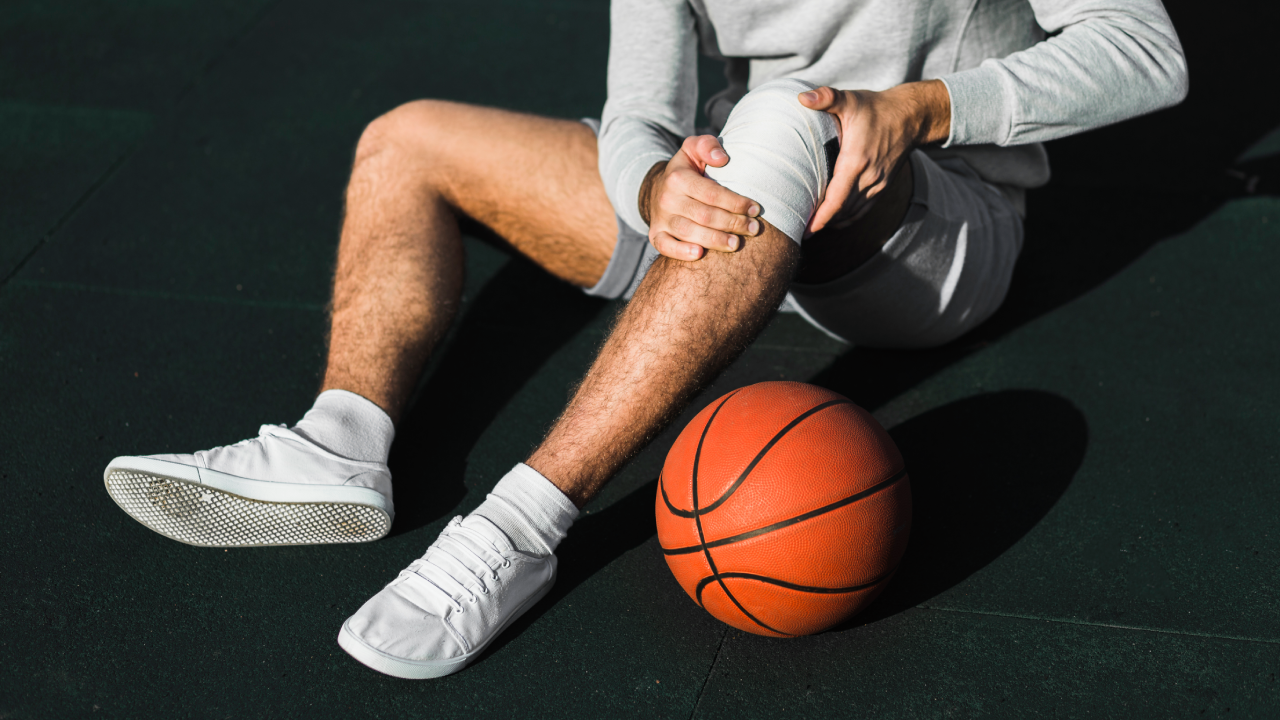
Knee Injuries From Sports
Football, basketball, hockey, soccer, volleyball, running, skiing, and other activities can place substantial demands on the knee.
Sports-related knee problems may involve ligaments, tendons, cartilage, muscles, or combinations of these structures. Rehabilitation can focus on restoring movement and strength while gradually preparing the knee for sport-specific demands.
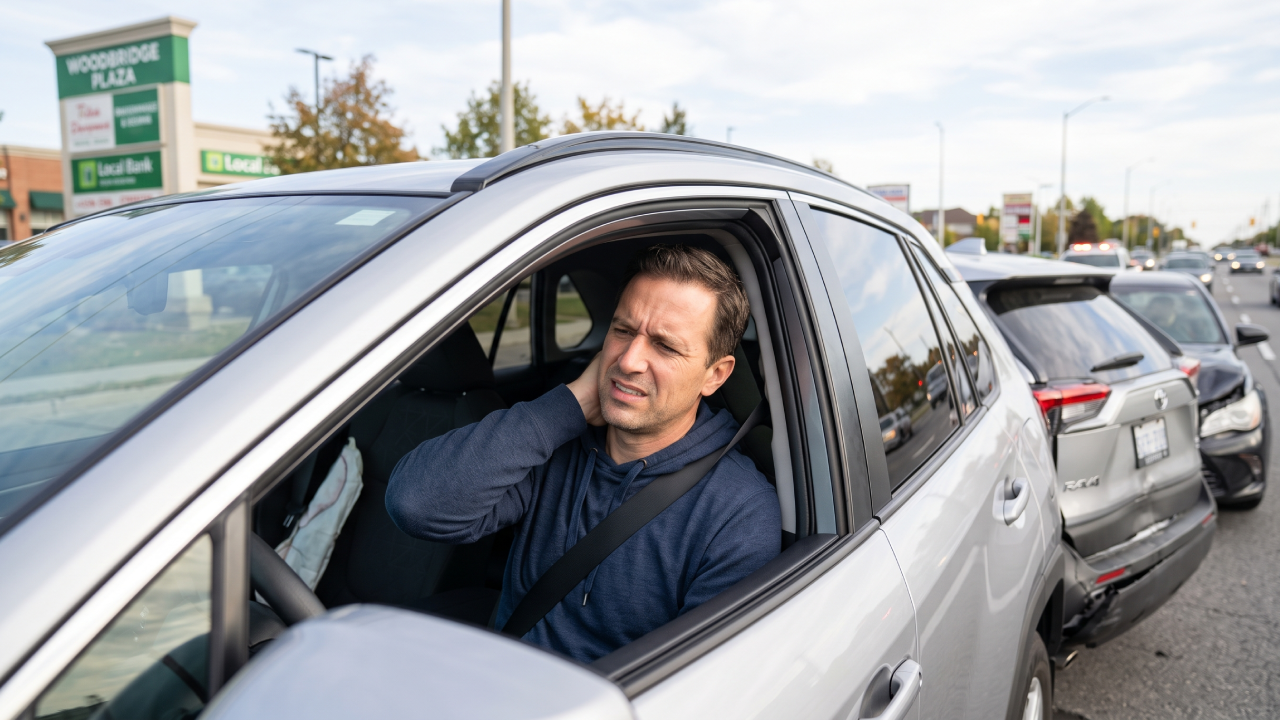
Knee Pain After a Motor Vehicle Accident
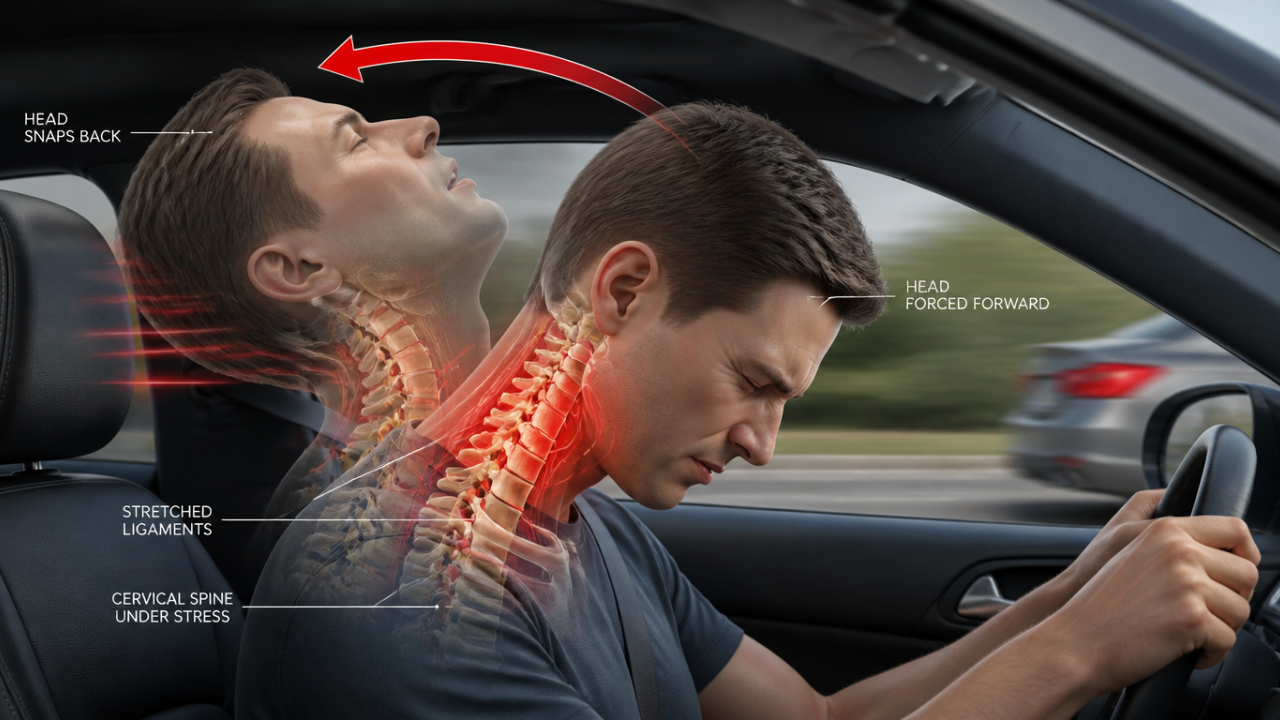
A motor vehicle collision can place sudden forces through the knee and surrounding tissues. Symptoms may appear immediately or develop later.
Depending on the circumstances, rehabilitation may address stiffness, reduced movement, weakness, walking difficulties, and other functional problems following an accident.
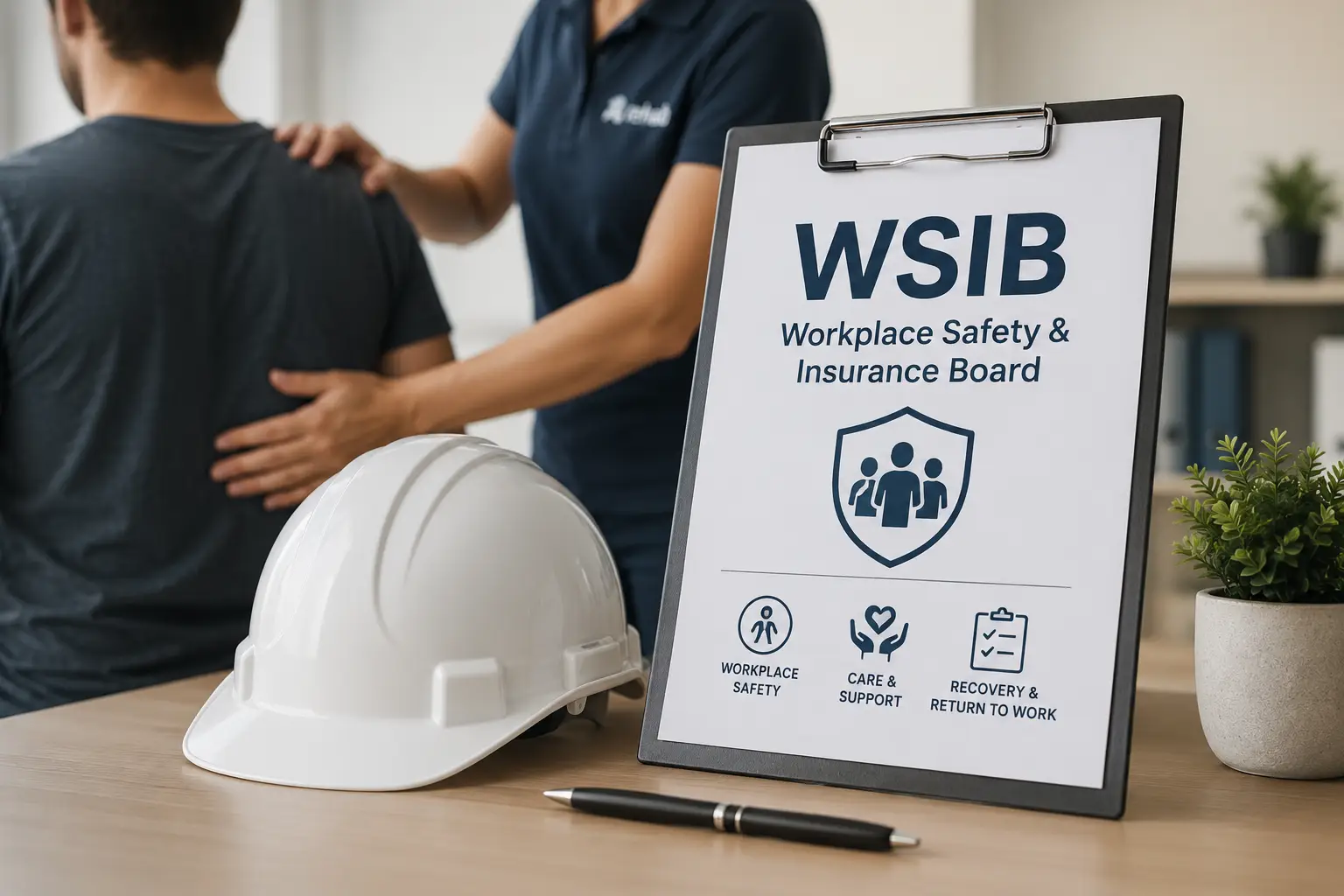
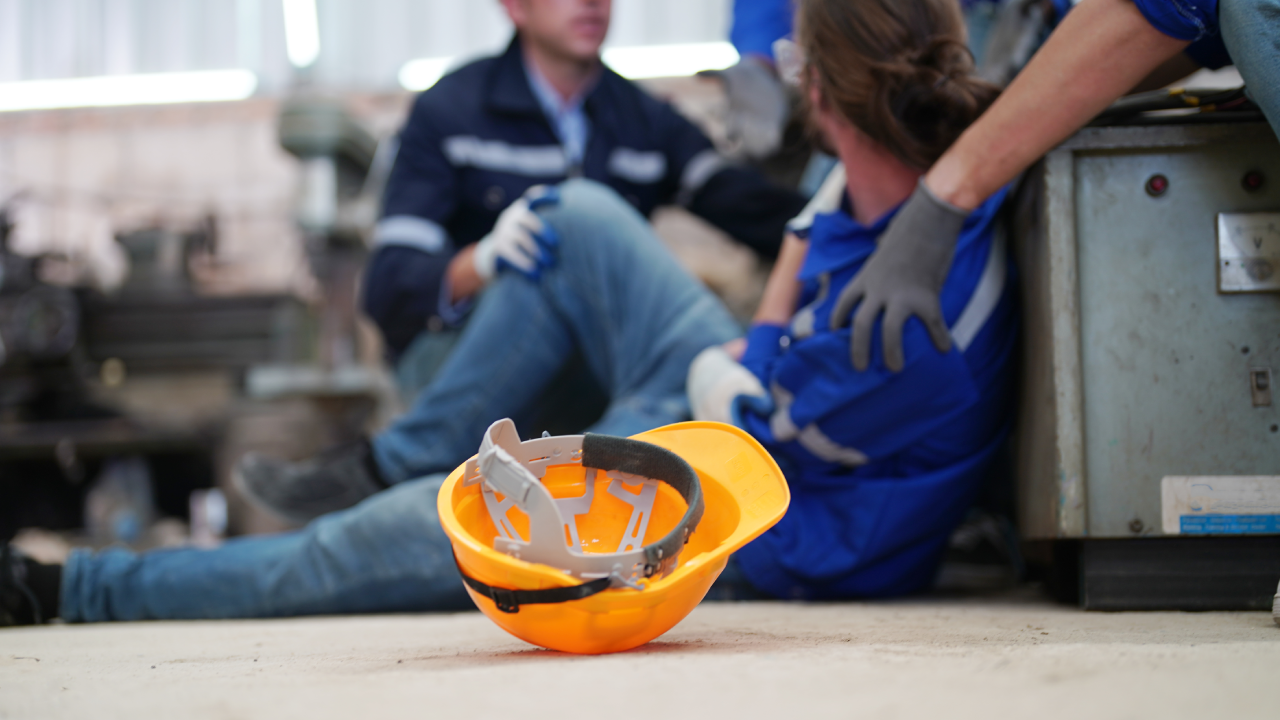
Knee Pain After a Workplace Injury
Work can involve lifting, kneeling, climbing, prolonged standing, walking, or repetitive movement. These demands may contribute to knee symptoms or aggravate an existing problem.
Rehabilitation may focus on functional movement and gradually returning to workplace duties when appropriate.
Knee Pain After Surgery
Knee surgery may be performed for several reasons, including ligament reconstruction, meniscus procedures, joint replacement, or other structural problems.
Post-operative physiotherapy can help address movement, strength, swelling, balance, and functional activities according to the surgical plan and instructions from the treating medical team.
Who Can Seek Care for Knee Pain?
Knee rehabilitation may be relevant for:
- Adults with recurring knee discomfort
- Older adults with age-related joint changes
- Runners and recreational athletes
- Competitive athletes
- People returning to exercise
- Workers with physically demanding jobs
- People recovering after knee surgery
- Individuals recovering from sports injuries
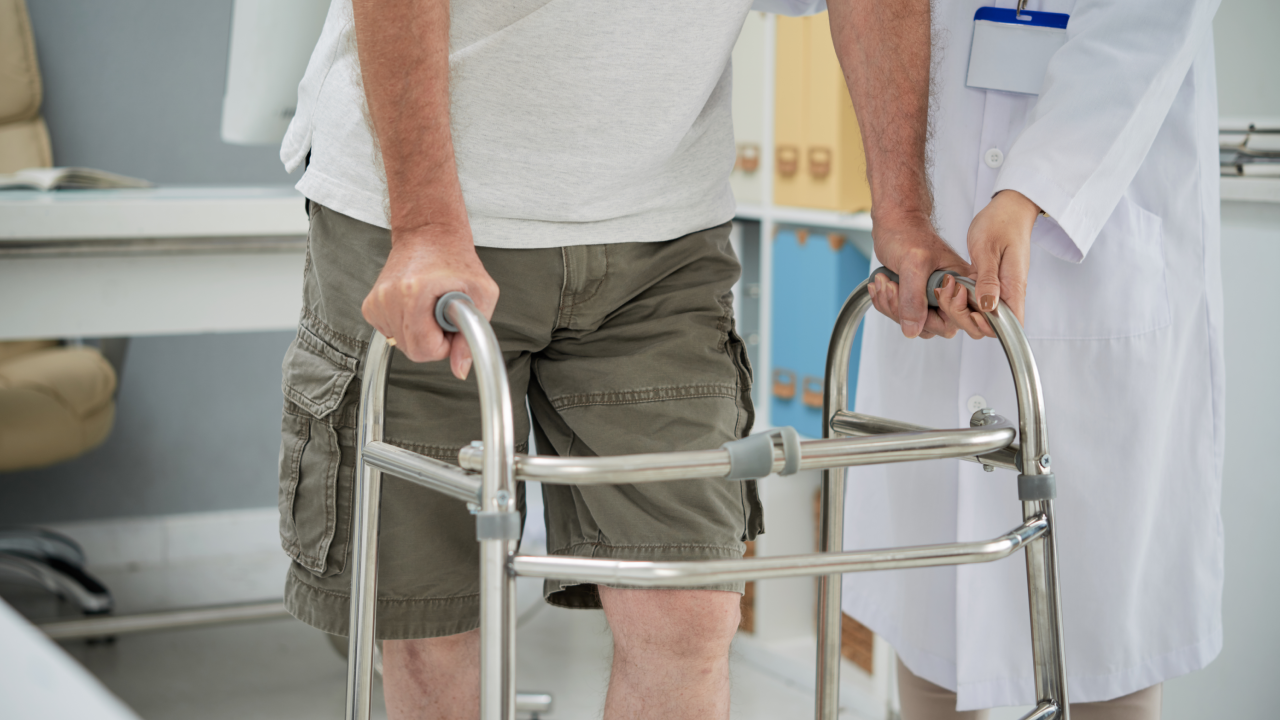
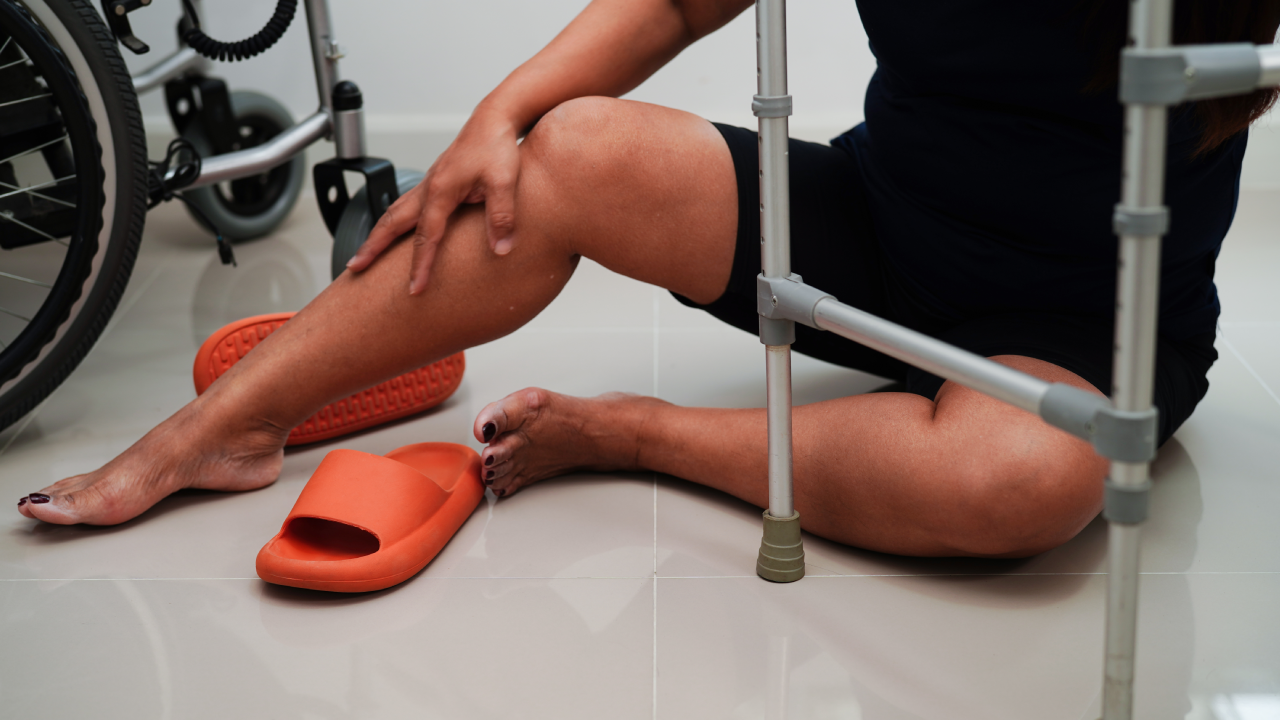
- People with mobility difficulties
- Individuals dealing with knee symptoms after an accident
For children and teenagers, knee symptoms should be assessed with age, growth, activity level, and the nature of the problem in mind.
Problems Knee Rehabilitation Can Address
People often seek physiotherapy when knee symptoms begin affecting daily activities.
Common concerns include:
- Difficulty walking
- Trouble climbing or descending stairs
- Reduced ability to squat
- Difficulty getting up from a chair
- Reduced exercise tolerance
- Stiffness after sitting
- Weakness around the knee
- Balance difficulties
- Reduced sports performance
- Difficulty returning to work
- Fear of certain movements
- Recurring symptoms after physical activity
Knee symptoms do not always come from the knee alone. Hip strength, ankle movement, lower-limb mechanics, training patterns, footwear, workload, and previous injuries may also be considered.
What Is Included in Knee Physiotherapy?
Initial Assessment
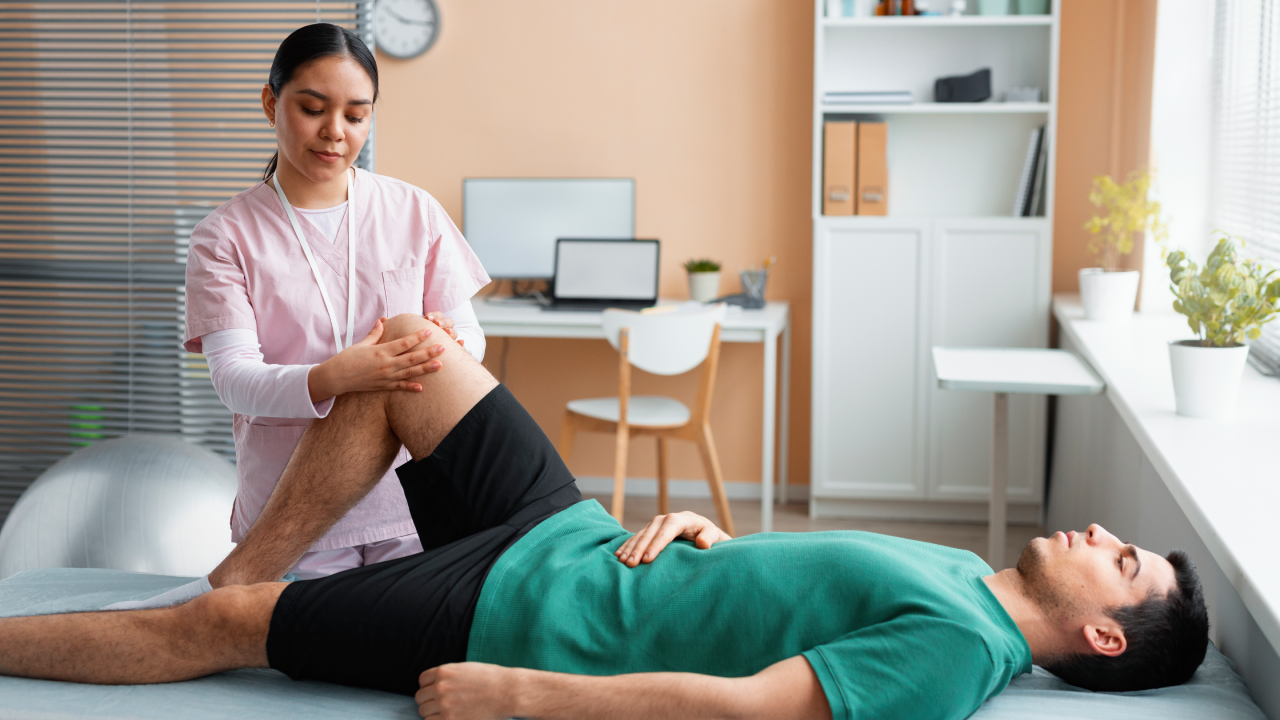
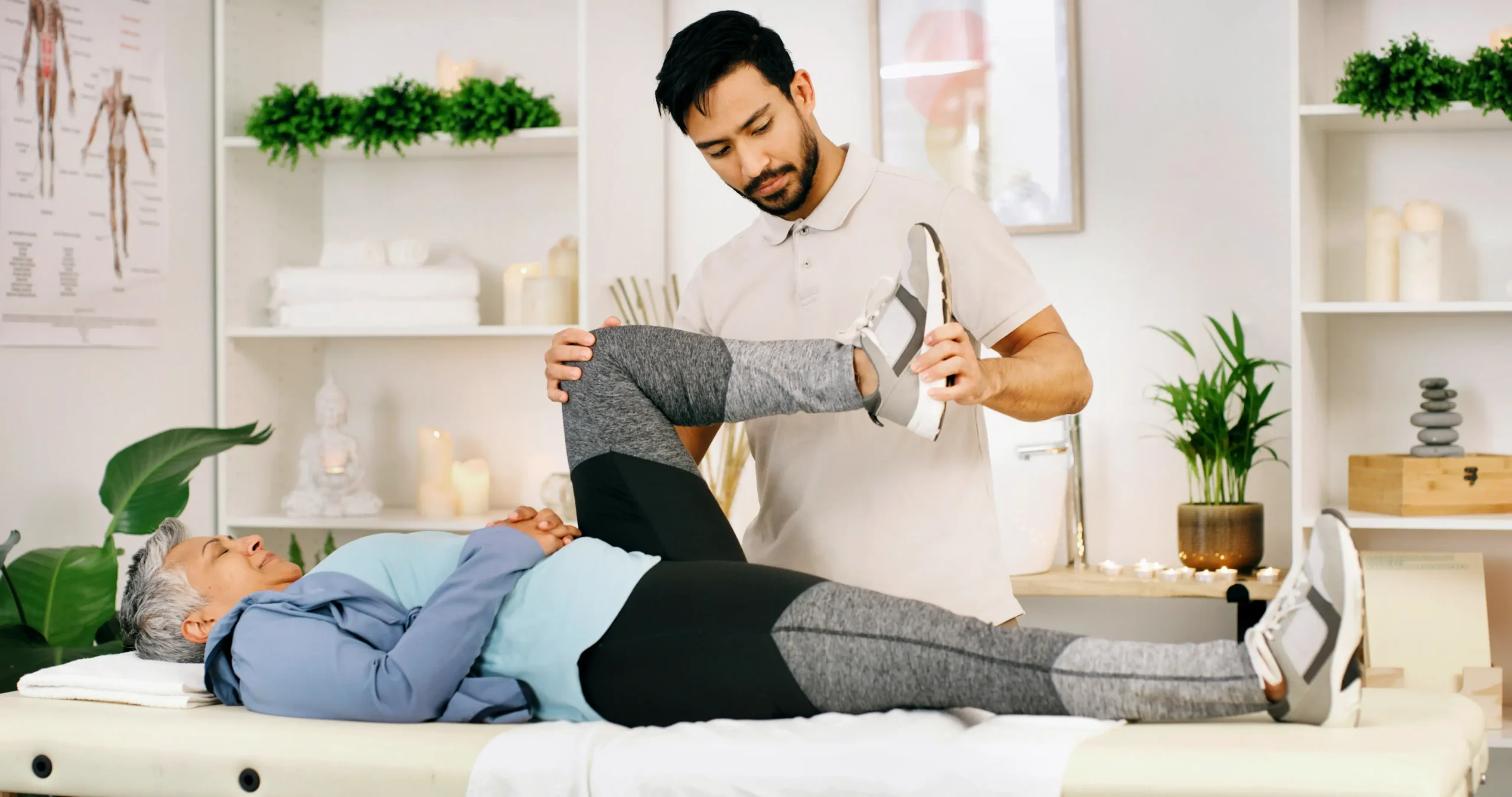
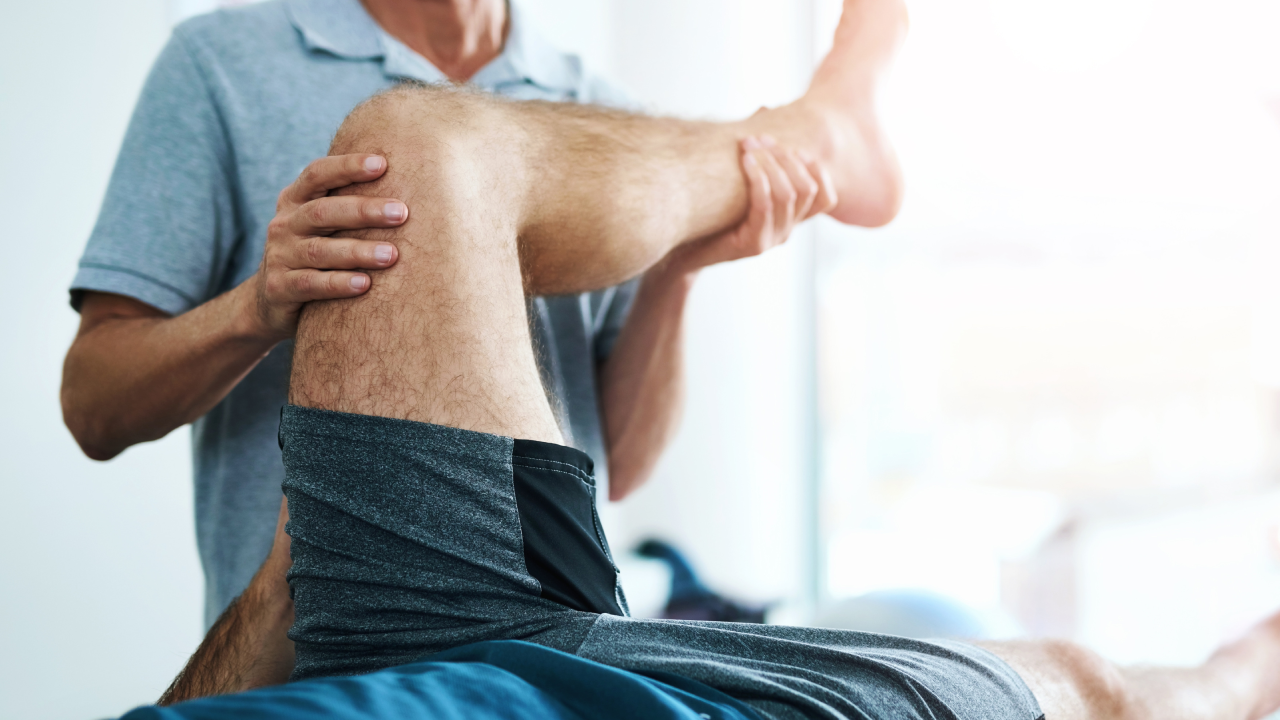
The first stage involves discussing your symptoms, activity levels, previous injuries, medical history, and daily demands. Physical assessment may include knee movement, strength, balance, walking, and functional tasks.
Movement Assessment
Your walking, squatting, stair movement, or other relevant activities may be assessed to identify movement patterns associated with your symptoms.
Exercise Program
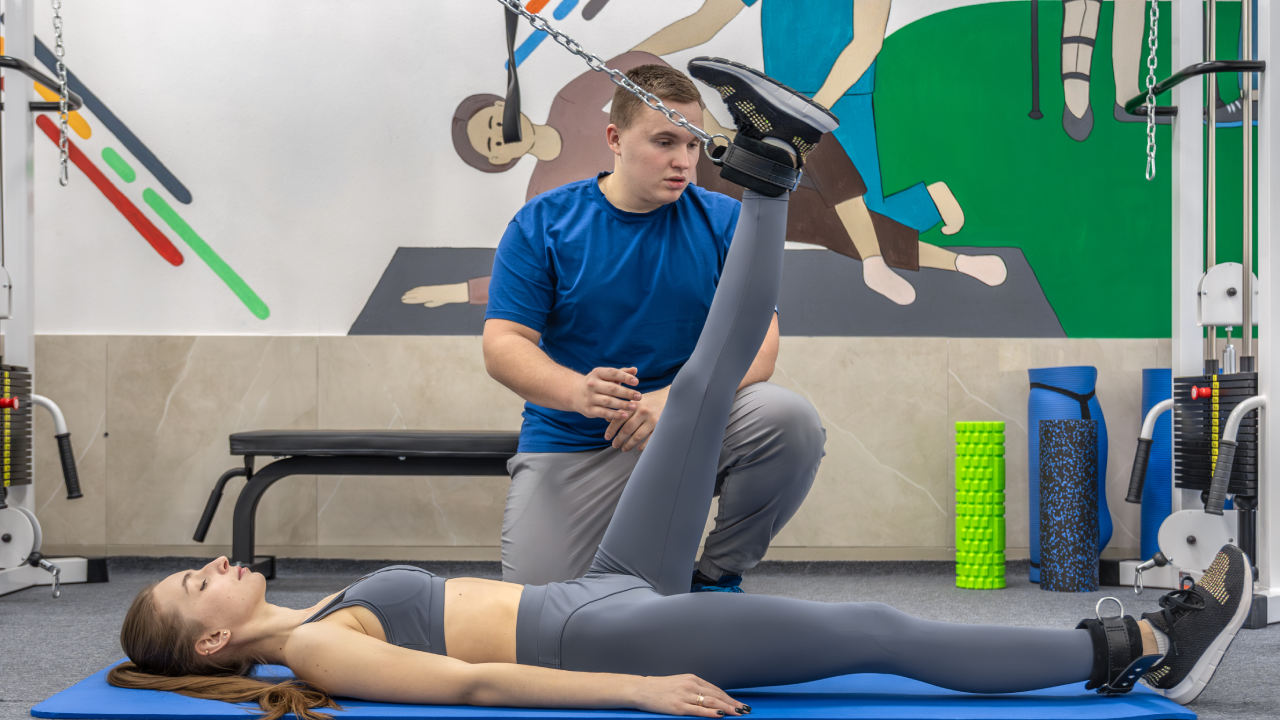
Exercises may be selected according to your current abilities and rehabilitation goals. These can include strengthening, mobility work, balance exercises, and functional movements.
Activity Planning
If certain activities are aggravating symptoms, the rehabilitation plan may include changes to frequency, intensity, duration, or technique.
Progress Monitoring
Your response to treatment and exercise can be reviewed over time. Exercises may be adjusted as strength, movement, and activity tolerance change.
How the Knee Rehabilitation Process Works
1. Consultation
We begin by discussing why you are seeking care and how your knee symptoms affect daily life, work, exercise, or sport.
2. Assessment
Our physiotherapy team evaluates relevant movement, strength, flexibility, balance, and functional abilities.
3. Planning
The findings are used to establish a rehabilitation plan based on your symptoms, activity demands, and goals.
4. Rehabilitation
Sessions may include therapeutic exercises, movement training, manual therapy where appropriate, and education about activity management.
5. Review
Your progress is checked regularly. Exercises and activities can be adjusted according to your response.
6. Ongoing Support
As your function changes, the program can progress toward work, recreational activity, exercise, or sport.
Benefits of Knee Physiotherapy
Physiotherapy may help people:
- Improve knee movement
- Build strength around the knee and hip
- Improve balance
- Increase tolerance for daily activities
- Develop safer movement habits
- Prepare for a return to exercise
- Support recovery after surgery
- Improve confidence with functional movements
- Manage activity levels during rehabilitation
- Prepare for sport-specific demands
Results vary according to the condition, severity, health status, activity level, and consistency with the rehabilitation plan.
Who We See in Woodbridge
Spinal Solution and Rehab provides care for people from different backgrounds and activity levels. Knee rehabilitation may be relevant for:
- Office workers
- Construction workers
- Retail employees
- Drivers
- Parents
- Recreational athletes
- Competitive athletes
- Older adults
- People returning to fitness
- Individuals recovering after surgery
- People involved in workplace or motor vehicle injuries
Frequently Asked Questions About Knee Pain
What causes knee pain?
Knee symptoms can result from injuries, joint changes, tendon problems, ligament injuries, cartilage problems, repetitive loading, muscle weakness, movement changes, or other conditions. An assessment can help determine what factors may be involved.
When should I seek physiotherapy for knee pain?
Consider an assessment when symptoms interfere with walking, stairs, work, exercise, sleep, or everyday activities, or when symptoms continue despite changes in activity.
Can physiotherapy help knee osteoarthritis?
Physiotherapy can help address strength, mobility, functional movement, and activity management in people with knee osteoarthritis. The appropriate plan depends on the individual.
Can I exercise with knee pain?
Some forms of exercise may be appropriate, while others may need modification. The right activity depends on the cause and severity of the symptoms.
How long does knee rehabilitation take?
There is no single timeline. Recovery can depend on the condition, injury severity, surgery status, activity level, age, and response to rehabilitation.
Do I need a referral?
Referral requirements can vary depending on your circumstances and insurance coverage. You can contact Spinal Solution and Rehab to ask about the process.
Can knee physiotherapy help after surgery?
Yes. Physiotherapy is commonly used during recovery from several knee procedures. The program should follow the surgeon’s instructions and the stage of recovery.
What should I bring to my first appointment?
Bring relevant medical information, imaging reports if available, a list of current concerns, and information about previous injuries or treatment.
Service Areas
If you are searching for Knee Pain in Woodbridge, ON, Spinal Solution and Rehab is located in Woodbridge and serves people dealing with knee symptoms from injuries, joint conditions, sports, work, surgery, and everyday activity.
Our local service area may include:
- Woodbridge
- Vaughan
- Kleinburg
- Maple
- Vellore Village
- Concord
- Nearby Vaughan communities
Our clinic can assess your knee concerns and explain the findings in clear terms. From there, we can discuss whether physiotherapy is appropriate and what the next steps may involve.
Why Choose Spinal Solution and Rehab?
Spinal Solution and Rehab focuses on rehabilitation for musculoskeletal and movement-related concerns. Our team assesses the factors affecting function rather than looking at knee symptoms in isolation.
Care may involve:
- A detailed physical assessment
- Exercise-based rehabilitation
- Movement assessment
- Strength and mobility work
- Functional training
- Education about activity management
- Progress reviews
- Rehabilitation following injury or surgery
The approach is adjusted according to the person’s condition, activity demands, and rehabilitation goals.
Related Services
Knee symptoms may occur alongside other movement concerns. Depending on your situation, related services may include:
- Physiotherapy
- Sports rehabilitation
- Post-operative rehabilitation
- Motor vehicle accident rehabilitation
- Workplace injury rehabilitation
- Manual therapy
- Therapeutic exercise
- Mobility and strengthening programs
When to Seek Medical Attention
Some knee symptoms require prompt medical assessment. Seek medical care when there is severe swelling, significant deformity, inability to bear weight, major trauma, sudden loss of movement, fever with a hot or swollen joint, or other concerning symptoms.
Physiotherapy is not a substitute for emergency or medical care when a serious injury or illness may be present.
Get Started
Knee symptoms can affect walking, work, exercise, stairs, sport, and everyday routines. Identifying the factors contributing to the problem can help determine what type of care may be appropriate.
If you are looking for Knee Pain in Woodbridge, ON, contact Spinal Solution and Rehab to discuss your symptoms and arrange an assessment.
Address: 8300 Hwy 27, Woodbridge, ON L4H 0R9
Phone: +1 905-739-3100
Our team can review your concerns, assess your movement and function, and explain the next steps based on the findings.