
Frozen Shoulder in Woodbridge, ON
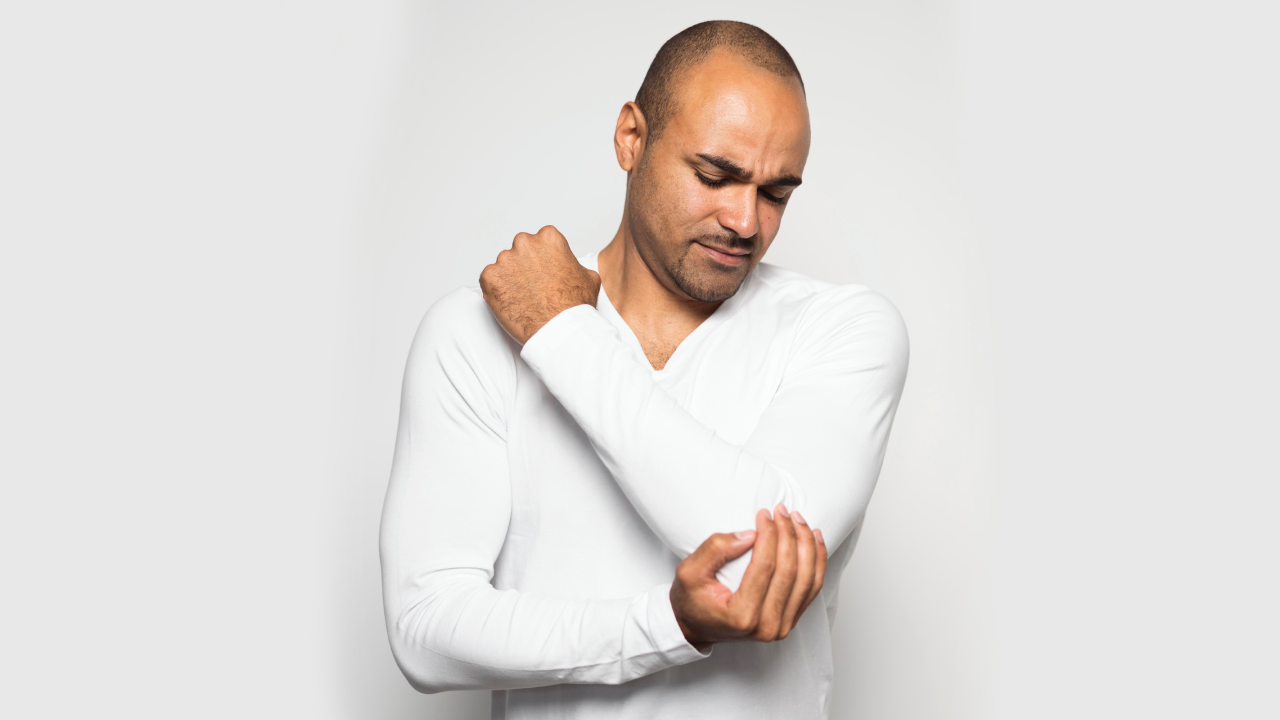
A frozen shoulder can make ordinary movements feel difficult. Reaching into a cupboard, putting on a jacket, lifting an arm, or sleeping on one side may become uncomfortable. At Spinal Solution and Rehab, we provide physiotherapy care for people dealing with frozen shoulder in Woodbridge, ON, with treatment focused on mobility, strength, daily function, and gradual recovery.
Frozen shoulder, also called adhesive capsulitis, affects the capsule surrounding the shoulder joint. The capsule can become irritated, thickened, and less flexible. As the condition progresses, shoulder movement may become increasingly limited.
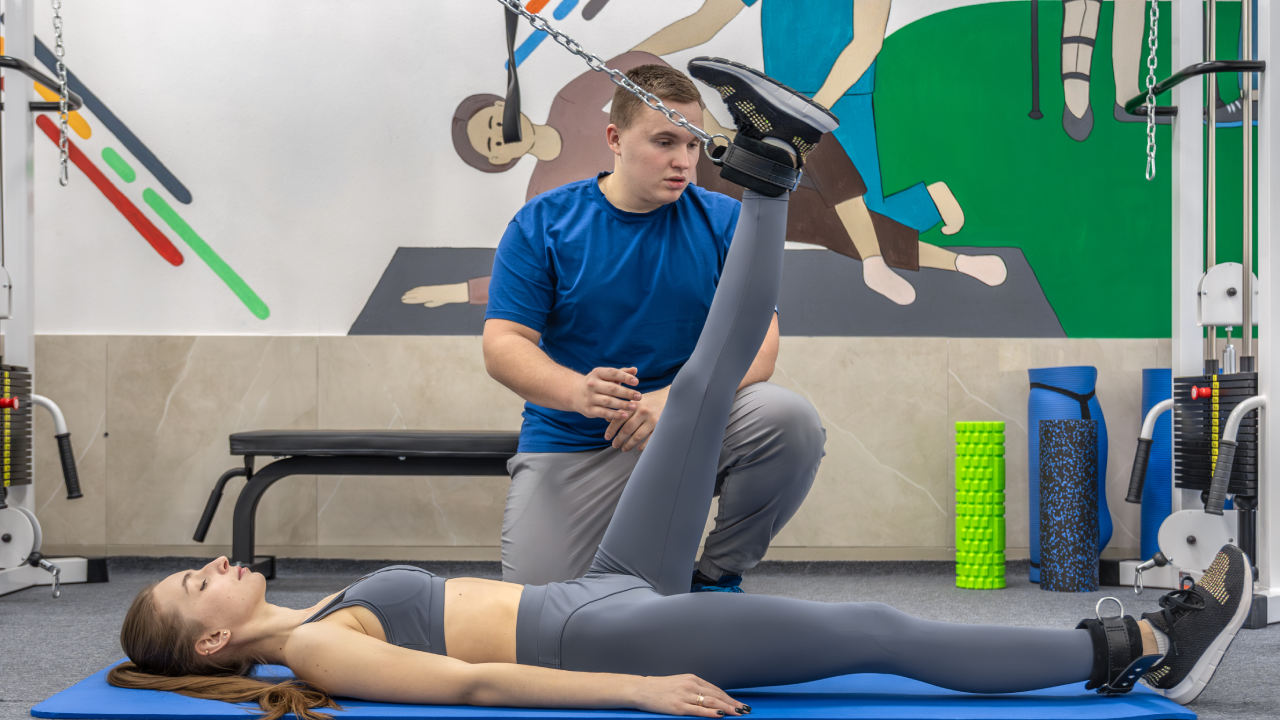
Our physiotherapy team assesses the shoulder, reviews your symptoms and movement patterns, and creates a treatment plan based on your current needs. Treatment may include mobility exercises, manual therapy, stretching, strengthening, posture work, and advice for managing activities at home.
What Is Frozen Shoulder?
Frozen shoulder is a condition in which the shoulder joint becomes stiff and painful, with movement becoming progressively restricted. It can affect one shoulder or, in some cases, both shoulders at different times.
The shoulder joint normally allows a wide range of movement. The joint capsule surrounds the joint and helps provide stability. With frozen shoulder, the capsule may become inflamed and contract. This condition can make movements such as reaching overhead, rotating the arm, or reaching behind the back increasingly difficult.
Frozen shoulder commonly develops gradually. Symptoms may continue for months and can pass through different stages.
The Freezing Stage
During the early stage, discomfort may increase while shoulder movement starts becoming limited. Activities such as reaching, dressing, bathing, or sleeping can become more difficult.
The Frozen Stage
During this stage, discomfort may settle somewhat, but stiffness can become more noticeable. The shoulder may feel restricted in several directions, particularly when the arm is raised or rotated.
The Thawing Stage
Movement may gradually return during this stage. Progress can vary from person to person, and rebuilding shoulder strength and movement may take time.
Physiotherapy can be used throughout these stages to address movement restrictions, strength changes, activity limitations, and functional concerns.
Common Signs of Frozen Shoulder
Frozen shoulder does not always feel the same for everyone. Common symptoms include:
- Shoulder stiffness
- Aching around the shoulder
- Discomfort may also extend to the upper arm.
- Difficulty raising the arm
- Difficulty reaching behind the back
- Difficulty reaching across the body
- Reduced shoulder rotation
- Trouble putting on or removing clothing
- Difficulty reaching shelves
- Discomfort while sleeping
- Reduced ability to perform household or work activities
Some people notice symptoms gradually rather than after one clear injury. Others may notice shoulder problems after a period of reduced movement.
A physiotherapy assessment can help determine whether your symptoms are consistent with frozen shoulder or whether another shoulder condition needs to be considered.
Who Can Benefit From Frozen Shoulder Physiotherapy?
Physiotherapy for frozen shoulder may be appropriate for adults experiencing shoulder stiffness, restricted movement, or difficulty with everyday activities.
You may consider an assessment if:
- Your shoulder movement has gradually decreased.
- Reaching overhead has become difficult.
- You cannot comfortably reach behind your back.
- Dressing has become challenging.
- Shoulder stiffness is affecting work.
- Sleeping positions are becoming difficult
- Your shoulder has become stiff after a period of reduced activity.
- You have had a previous shoulder injury.
- Your shoulder movement remains limited after another treatment or procedure.
People with diabetes and certain other health conditions may have a greater likelihood of developing frozen shoulders. If you have an existing health condition, tell your physiotherapist during the assessment.
Problems Frozen Shoulder Treatment Addresses
Frozen shoulder can affect much more than just shoulder movement. The restriction can interfere with work, exercise, personal care, household tasks, and sleep.
Physiotherapy may address issues such as:
Restricted Shoulder Movement
Limited movement can make simple activities challenging. Treatment can focus on gradually improving available movement without forcing the joint.
Shoulder Stiffness
Stiffness may affect several directions of movement. A physiotherapist can evaluate the most restricted movements and choose appropriate exercises.
Difficulty With Daily Activities
Putting on a shirt, washing your hair, reaching for an item, or fastening clothing may become difficult. Treatment can focus on movements that relate to these activities.
Reduced Shoulder Strength
Limited use of the arm can contribute to weakness. Once appropriate movement is available, strengthening exercises can help rebuild shoulder and upper-limb capacity.
Sleep Disruption
Some people find certain sleeping positions uncomfortable. Your physiotherapist can discuss positioning and activity adjustments that may make nighttime movement easier.
What Does Frozen Shoulder Treatment Include?
At Spinal Solution and Rehab, treatment can include several components based on your assessment.
Physiotherapy Assessment
The first appointment includes a review of your symptoms, medical history, shoulder movement, strength, posture, and functional limitations.
Your physiotherapist may assess:
- Active shoulder movement
- Passive shoulder movement
- Shoulder rotation
- Arm elevation
- Strength
- Joint mobility
- Functional movements
- Factors that may contribute to your symptoms
The assessment helps establish a starting point for care.
Mobility Exercises
Gentle mobility exercises can help maintain and gradually increase available shoulder movement.
Exercises may focus on:
- Shoulder elevation
- External rotation
- Internal rotation
- Arm movements across the body
- Supported shoulder movements
- Controlled stretching
Exercise intensity should match your current stage and tolerance.
Manual Therapy
Manual therapy may be used to address joint and soft-tissue restrictions. Techniques can include gentle joint mobilization and soft-tissue work where appropriate.
The purpose is to support movement and complement an exercise program.
Strength Exercises
As shoulder movement improves, strengthening may become part of treatment. Exercises can focus on the rotator cuff, shoulder blade muscles, upper arm, and surrounding areas.
The program can progress gradually as your movement and capacity change.
Home Exercise Program
A home program can help maintain the work completed during appointments. Your physiotherapist can explain exercise technique, frequency, and progression.
Consistently following the recommended routine can help maintain shoulder mobility between appointments.
Activity Advice
Your physiotherapist may discuss ways to modify certain activities while keeping the shoulder active. The goal is to avoid unnecessary aggravation while maintaining appropriate movement.
How Frozen Shoulder Physiotherapy Works
1. Consultation
You begin by discussing your shoulder symptoms, when they started, how they affect daily activities, and what movements are currently difficult.
2. Assessment
Your physiotherapist evaluates shoulder movement, strength, joint mobility, and functional limitations.
3. Treatment Planning
The findings are used to establish a physiotherapy plan based on your current presentation and treatment goals.
4. Treatment
Your sessions may include mobility work, manual therapy, stretching, strengthening, and movement training.
5. Progress Review
Shoulder movement and function can be reviewed throughout care. Exercises may be changed as your condition develops.
6. Ongoing Home Care
You may receive exercises and activity recommendations to continue between appointments.
Benefits of Physiotherapy for Frozen Shoulder
Physiotherapy may help you work toward practical improvements such as:
- Increased shoulder mobility
- Improved arm movement
- Greater shoulder strength
- Easier completion of household activities
- Improved ability to dress and reach
- Greater confidence with shoulder movement
- Improved participation in work and exercise
- Better movement control
- Reduced dependence on activity modifications
Recovery time varies. Frozen shoulder can take several months to progress through its stages, so treatment plans may change as your symptoms and movement change.
What Can Cause Frozen Shoulder?
The exact cause is not always clear. Frozen shoulder can occur without a clear injury, which is known as primary frozen shoulder.
It can also develop after an event that reduces shoulder movement. This condition is sometimes referred to as secondary frozen shoulder.
Possible factors include:
- Previous shoulder injury
- Shoulder surgery
- Prolonged shoulder immobilisation
- Reduced arm movement
- Certain metabolic conditions
- Some endocrine conditions
- Age-related changes
A physiotherapy assessment can help identify factors that may be contributing to restricted movement.
Frozen Shoulder and Everyday Activities
A stiff shoulder can affect many parts of daily life.
At Work
Desk work, manual work, lifting, reaching, and repetitive arm movements may become difficult depending on your symptoms and occupation.
At Home
Shoulder movement may become restricted when cooking, cleaning, reaching into cabinets, carrying objects, and performing household maintenance.
During Exercise
Activities such as swimming, weight training, racquet sports, and overhead exercise may become difficult.
During Personal Care
Washing your hair, reaching behind your back, putting on a coat, and fastening clothing can become challenging.
Physiotherapy can focus on movements that relate directly to the activities you want to resume.
Frequently Asked Questions About Frozen Shoulder
What is frozen shoulder?
Frozen shoulder, or adhesive capsulitis, is a condition involving shoulder stiffness and restricted movement. The capsule surrounding the shoulder joint can become irritated, thickened, and contracted.
How long does frozen shoulder last?
The duration varies. Frozen shoulder can progress through freezing, frozen, and thawing stages, with the overall course sometimes lasting many months.
Can physiotherapy help with frozen shoulder?
Physiotherapy can help address restricted movement, stiffness, weakness, and activity limitations. Treatment may include mobility exercises, manual therapy, stretching, strengthening, and home exercises.
Should I keep moving my shoulder?
Often, appropriate movement is useful. However, forcing painful movement may aggravate symptoms. Your physiotherapist can recommend movements suited to your condition.
Can frozen shoulder happen after an injury?
Yes. A frozen shoulder may develop after an injury or period of reduced shoulder movement.
Can frozen shoulder affect sleep?
Yes. Shoulder discomfort and restricted movement can make certain sleeping positions difficult.
What exercises are used for a frozen shoulder?
Exercises vary according to your movement restrictions and stage of the condition. They may include supported shoulder movements, rotation exercises, stretching, mobility work, and strengthening.
How often should I attend physiotherapy?
Frequency depends on your symptoms, movement restrictions, goals, and home exercise routine. Your physiotherapist can discuss an appropriate schedule after assessment.
Can I exercise with a frozen shoulder?
Some forms of exercise may remain appropriate, while others may need modification. A physiotherapist can help identify movements that fit your current shoulder capacity.
When should I seek an assessment?
Consider an assessment if shoulder stiffness or discomfort is affecting daily activities, work, sleep, exercise, or your ability to move the arm normally.
Service Areas
Spinal Solution and Rehab offers physiotherapy care for frozen shoulder patients physiotherapy care for frozen shoulder in Woodbridge, ON. Our clinic serves people in Woodbridge and nearby Vaughan communities who are dealing with restricted shoulder movement and related activity limitations.
If shoulder stiffness is affecting your routine, an assessment can help identify the nature of the problem and the next steps.
Why Choose Spinal Solution and Rehab?
Spinal Solution and Rehab provides physiotherapy and rehabilitation services for musculoskeletal conditions affecting movement and daily function.
For frozen shoulder care, our approach includes:
- A physical assessment before treatment
- Review of your symptoms and daily activities
- Shoulder mobility assessment
- Strength and movement assessment
- Exercise-based care
- Manual therapy when appropriate
- Home exercise recommendations
- Progress reviews during treatment
Treatment is adjusted according to your shoulder movement, symptoms, activity demands, and progress.
Related Physiotherapy Services
If shoulder symptoms are affecting other areas of movement, related services may also be relevant, including:
- Physiotherapy
- Sports injury rehabilitation
- Shoulder rehabilitation
- Manual therapy
- Exercise therapy
- Post-injury rehabilitation
Get Started
If shoulder stiffness is making everyday movements difficult, Spinal Solution and Rehab can assess your condition and discuss appropriate physiotherapy care.
During your appointment, we can review your symptoms, evaluate shoulder movement, identify functional limitations, and discuss the next steps.
Address: 8300 Hwy 27, Woodbridge, ON L4H 0R9
Phone: +1 905-739-3100
Contact Spinal Solution and Rehab to book an assessment for Frozen Shoulder in Woodbridge, ON.