Hip Pain in Woodbridge, ON
Hip discomfort can make everyday movements feel difficult. Irritated or restricted hips can make walking, climbing stairs, sitting for long periods, getting out of a chair, or exercising uncomfortable.
At Spinal Solution and Rehab, we assess hip-related concerns and create care plans based on the source of your symptoms, your movement patterns, and your daily activities. Hip Pain in Woodbridge, ON, can develop from an injury, repetitive strain, muscle weakness, joint changes, sports activity, or problems affecting nearby areas such as the lower back or pelvis.
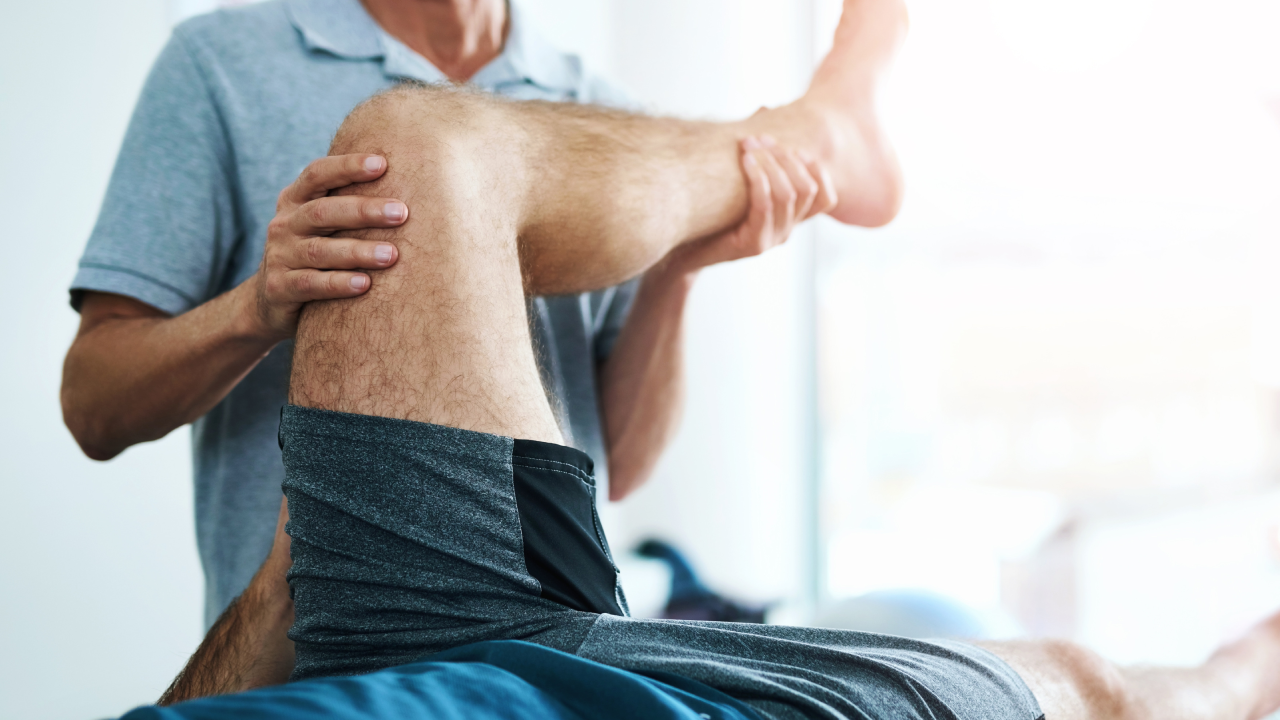
Our clinic in Woodbridge works with people dealing with new or recurring hip symptoms. Care may include movement assessment, therapeutic exercises, hands-on care, mobility work, strengthening, and activity recommendations based on your condition.
What Is Hip Pain?
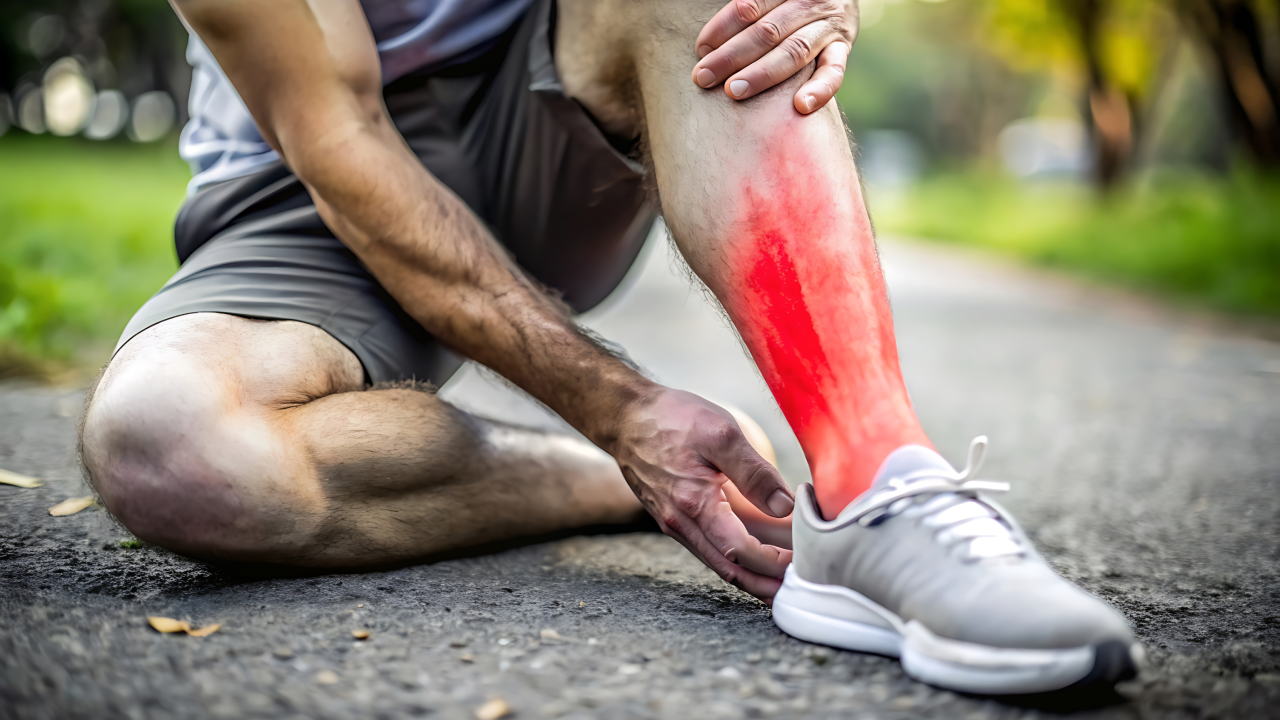
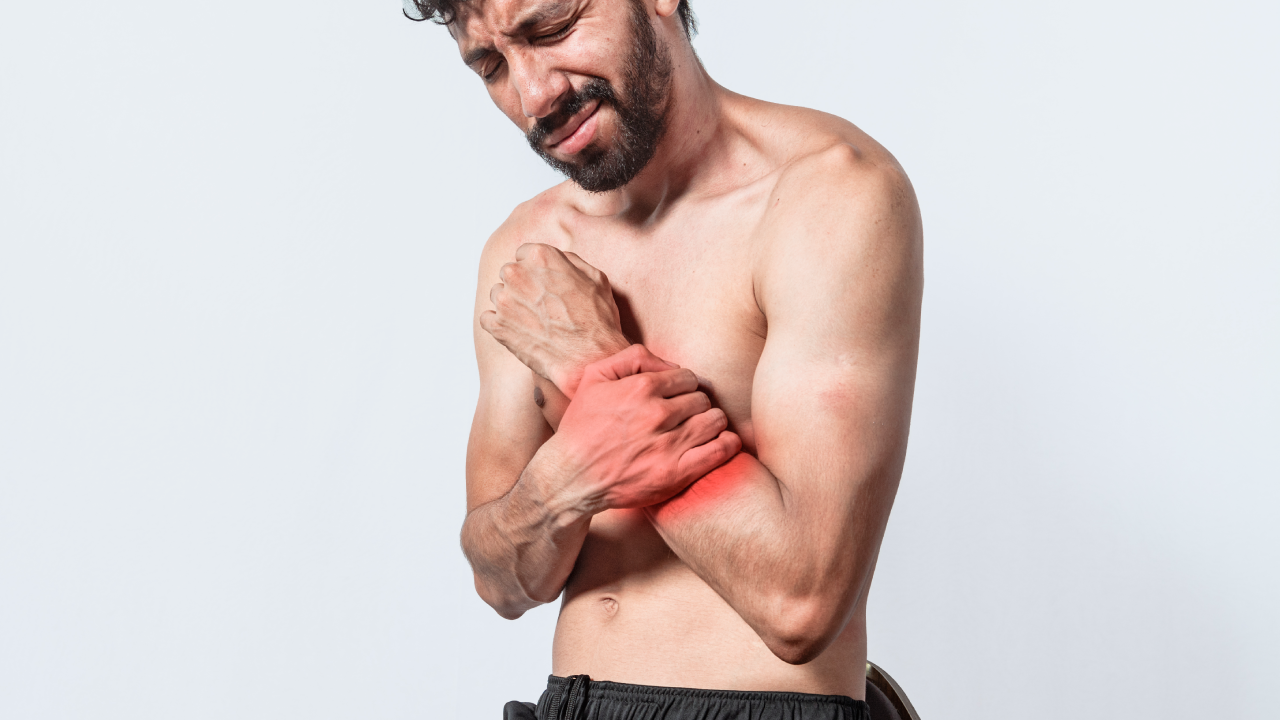
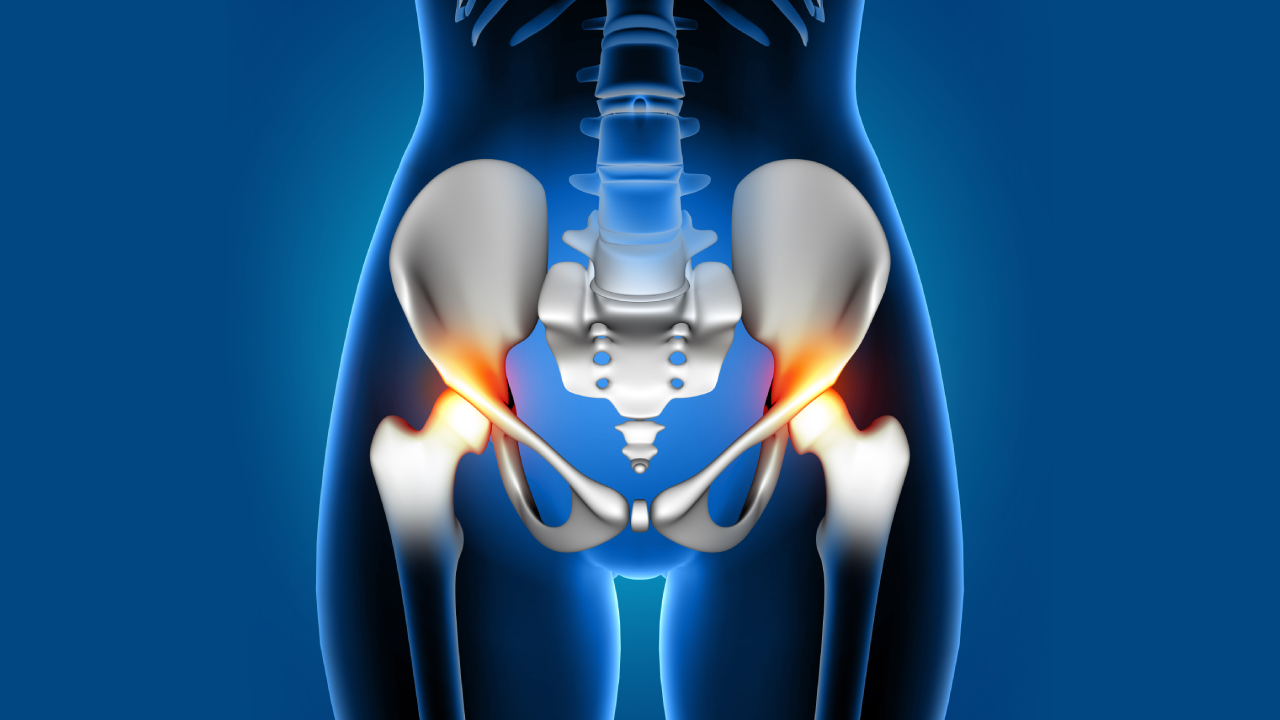
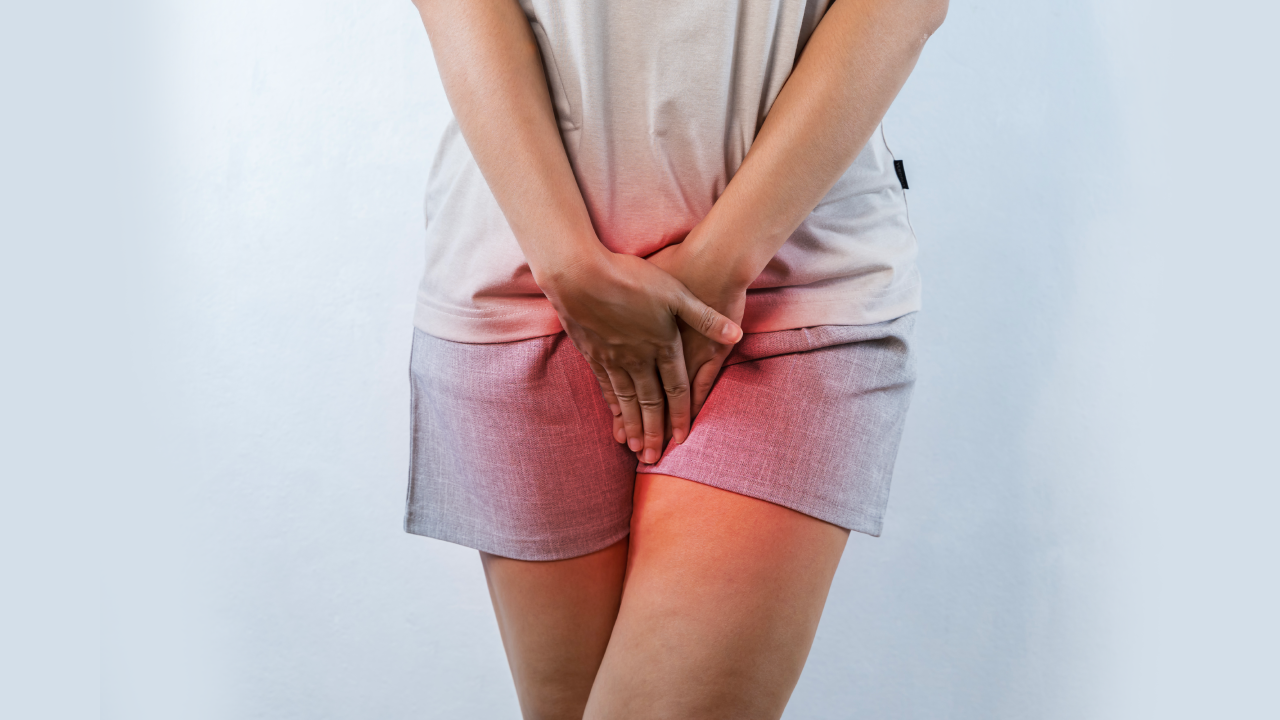
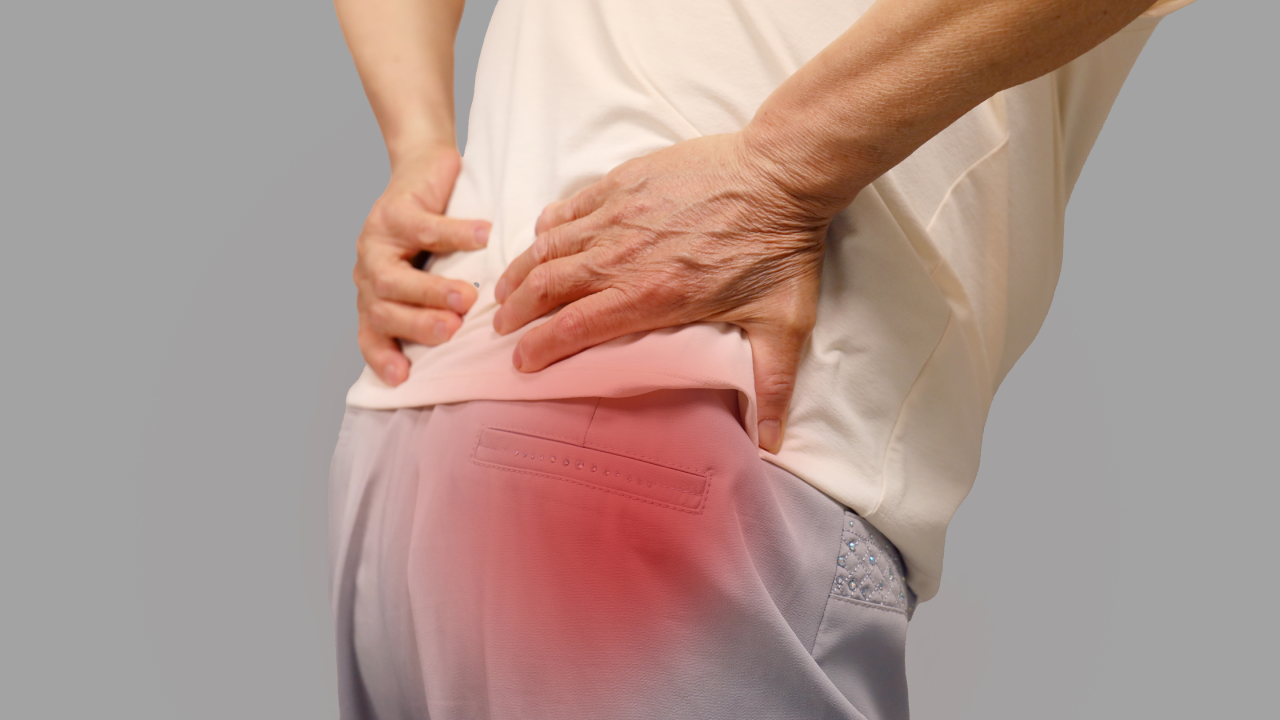
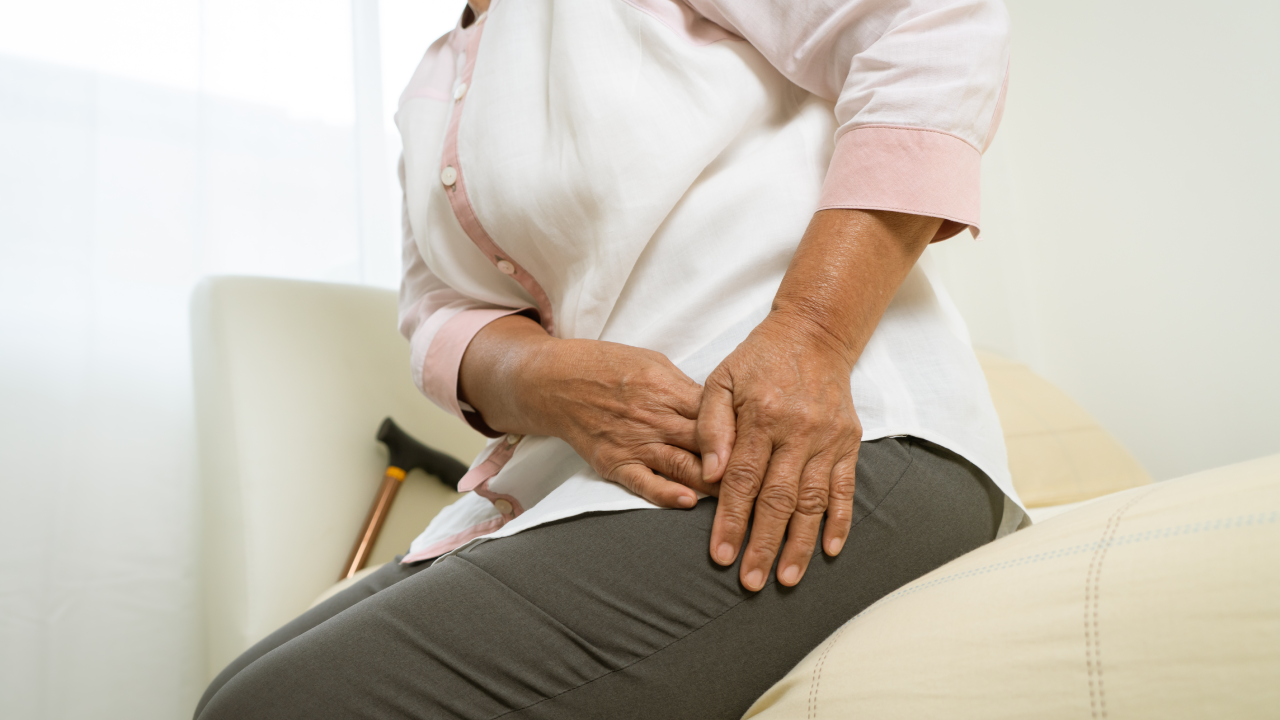
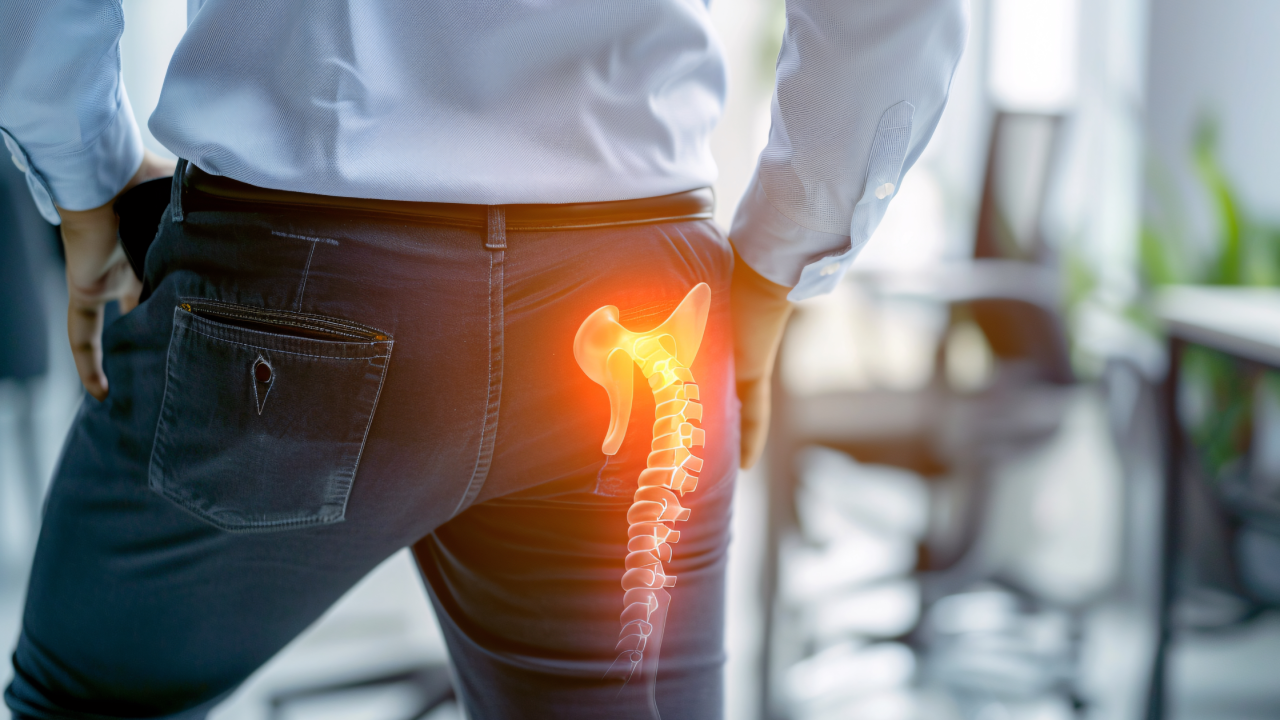
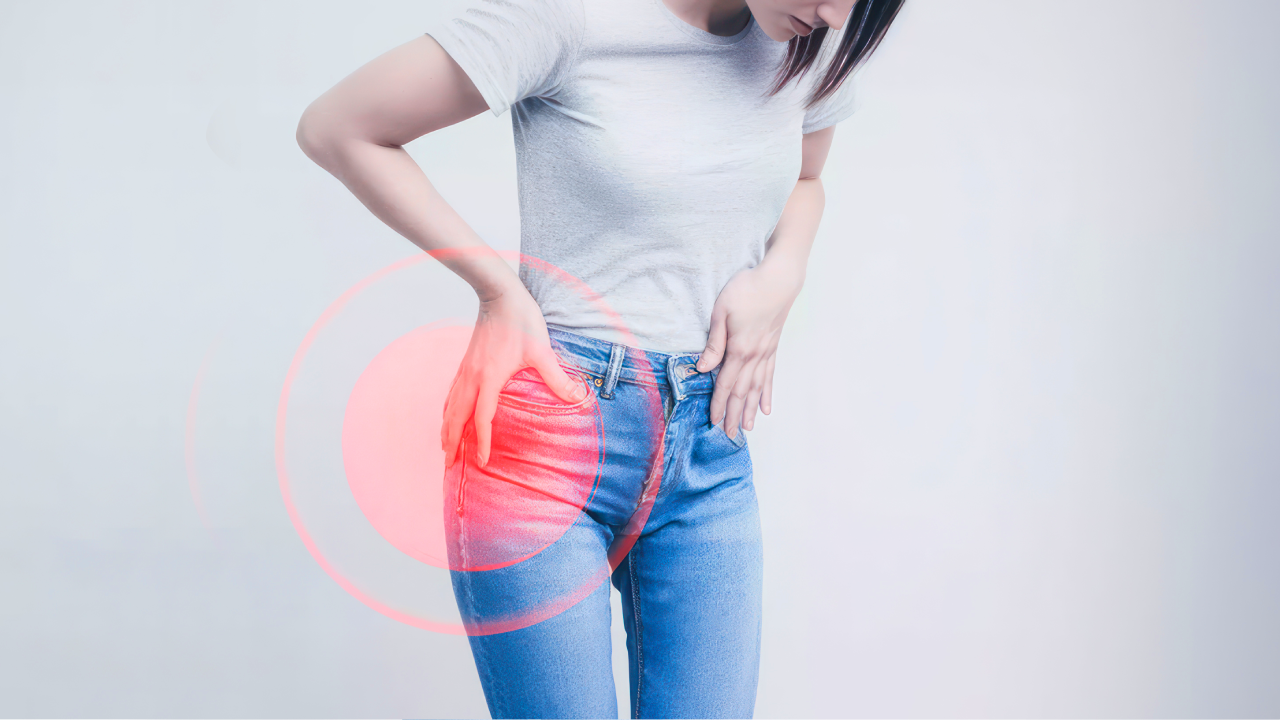
Hip pain refers to discomfort around the hip joint, groin, outer hip, buttock, or nearby areas. The sensation may remain in one location or travel into the thigh, lower back, or leg.
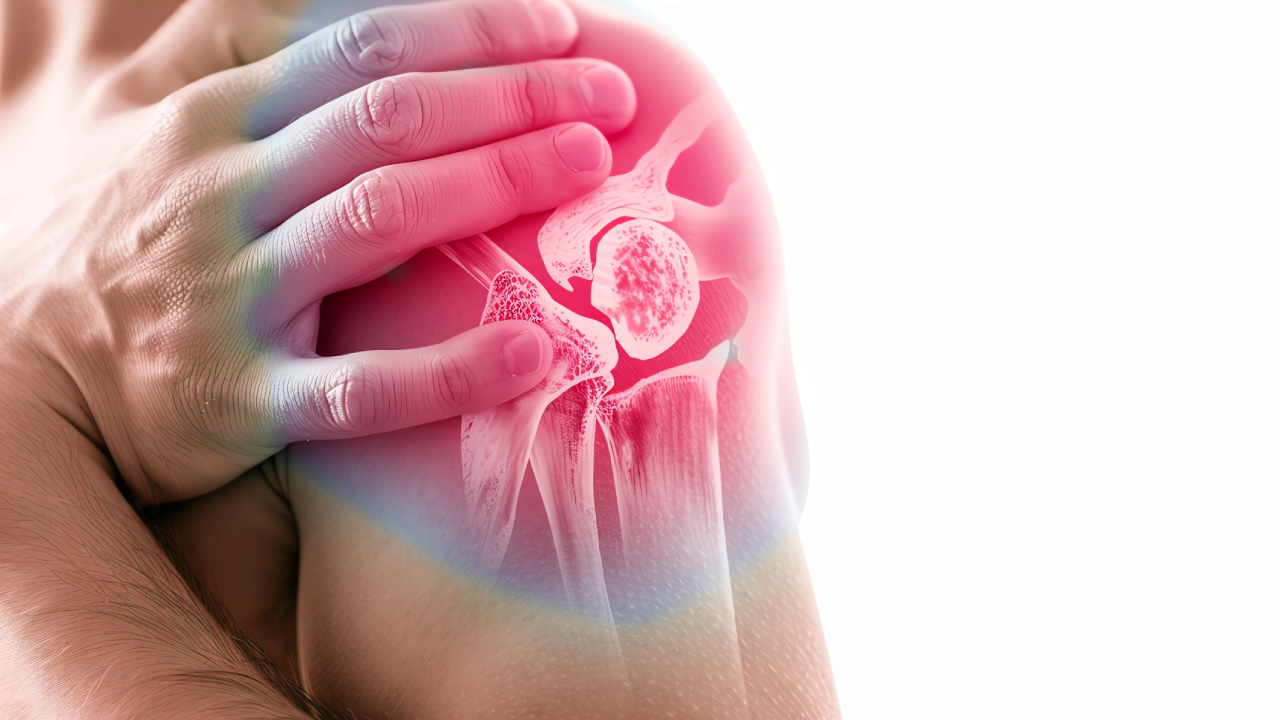
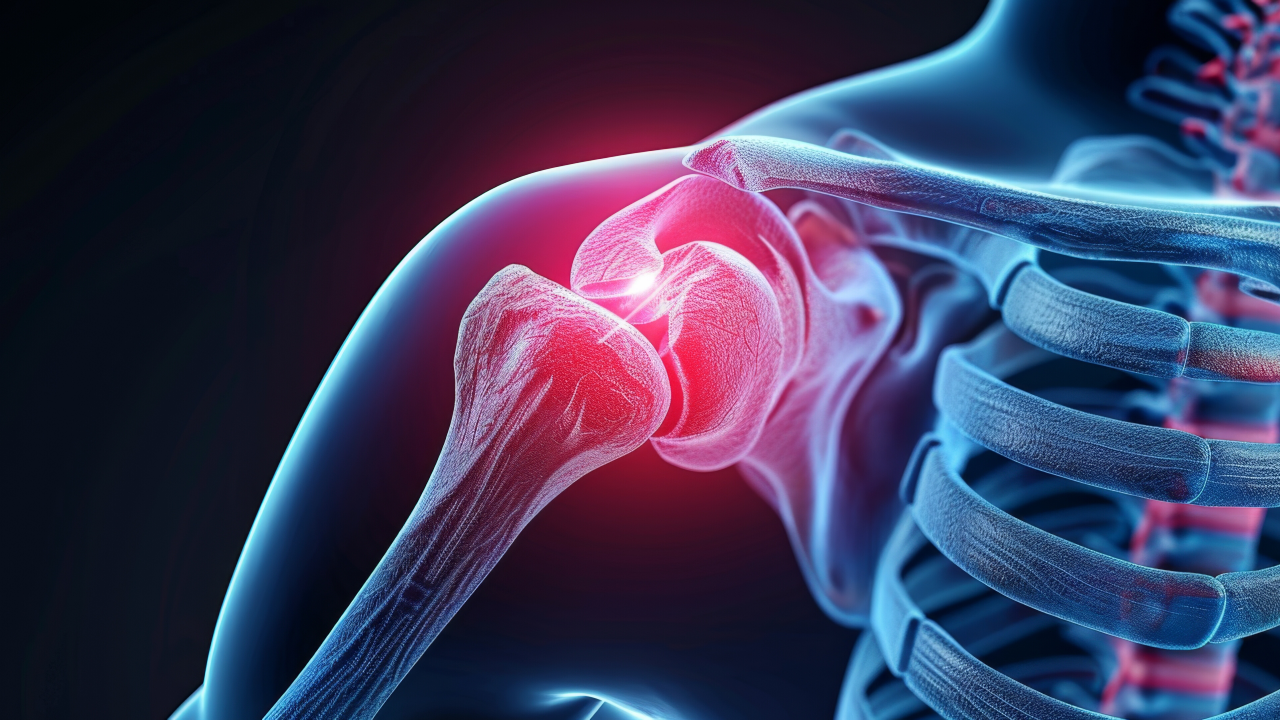
The hip is a ball-and-socket joint that connects the thigh bone to the pelvis. It supports body weight and contributes to walking, running, bending, turning, and many other movements.
Hip symptoms can have many causes. Some develop suddenly after a fall, sports injury, awkward movement, or direct impact. Others appear gradually because of repetitive activity, reduced mobility, muscle weakness, changes within the joint, or prolonged sitting.
The location and nature of symptoms can provide useful clues. For example, discomfort around the outer hip may have different causes than discomfort felt deep in the groin. Pain that appears while walking may also require a different assessment from symptoms that occur mainly when sitting or lying on one side.
For this reason, identifying the contributing factors is an important part of care.
Common Hip Conditions We Treat
At Spinal Solution and Rehab, our hip-related care may address a range of conditions and movement problems.
Hip Strain
A hip strain occurs when muscles or tendons around the hip are overstretched or irritated. It may happen after lifting, running, changing direction, exercising, or making a sudden movement.
Symptoms can include tenderness, stiffness, reduced strength, and discomfort during specific movements.
Hip Flexor Strain
The hip flexors help bring the thigh toward the body. Repetitive kicking, running, cycling, sports, or sudden acceleration can place considerable demand on these muscles.
A hip flexor strain may cause discomfort at the front of the hip or upper thigh, particularly when lifting the leg.
Hip Bursitis
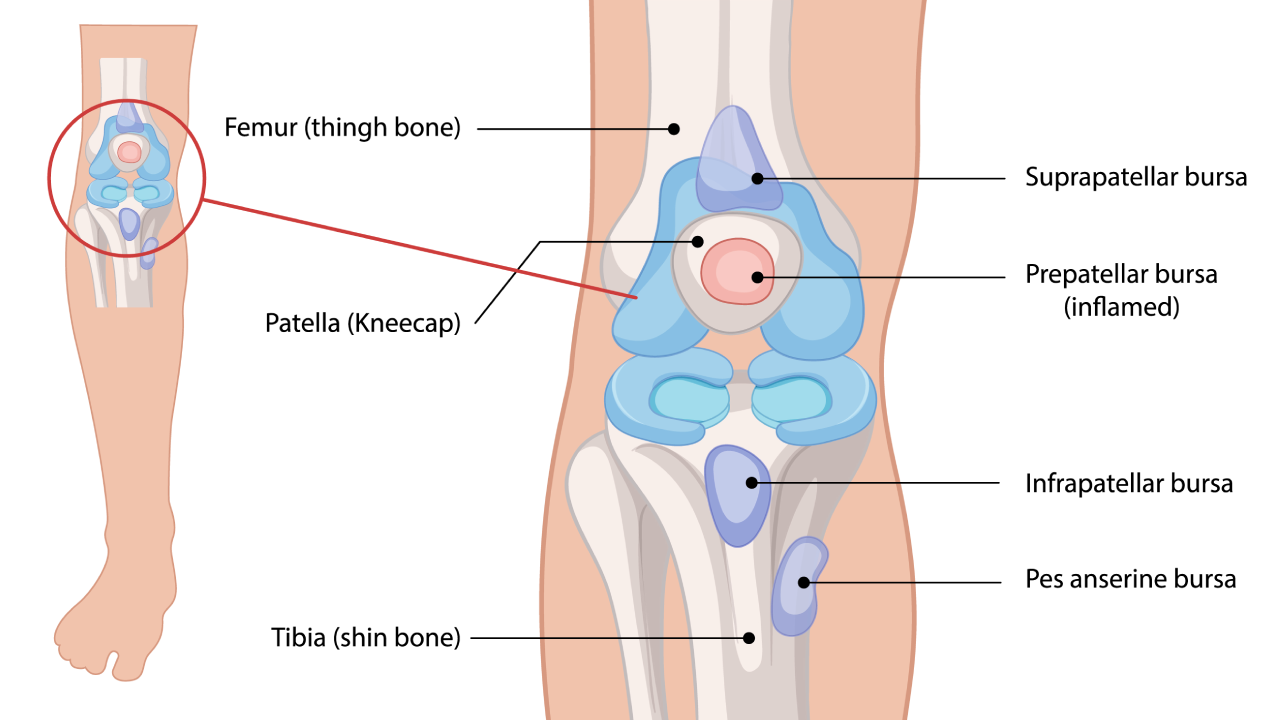
Bursae are small fluid-filled sacs that help reduce friction around joints. Irritation of a bursa near the hip can cause discomfort in the outer part of the hip.
Symptoms may become noticeable when walking, climbing stairs, lying on the affected side, or standing after prolonged sitting.
Greater Trochanteric Pain Syndrome
Greater trochanteric pain syndrome involves discomfort around the outer hip and may involve irritation of the structures surrounding the greater trochanter.
Activities such as walking, running, climbing stairs, and lying on one side may aggravate symptoms.
Hip Osteoarthritis
Osteoarthritis involves changes to the structures within a joint over time. In the hip, it can contribute to stiffness, reduced movement, and discomfort during activities such as walking or getting in and out of a vehicle.
Hip osteoarthritis may develop gradually rather than following one specific injury.
Hip Tendon Problems
Tendons connect muscles to bones and help transfer force during movement. Repetitive loading can irritate hip tendons and contribute to ongoing symptoms.
Treatment may focus on gradually restoring strength and tolerance to activity.
Hip Labral Problems
The labrum is a ring of cartilage around the hip socket. Irritation or injury involving this structure may contribute to groin discomfort, clicking, catching, or restricted movement.
An assessment can help determine whether further medical investigation may be appropriate.
Hip Impingement
Hip impingement occurs when certain hip movements cause contact between parts of the ball and socket. Some people may notice groin discomfort, stiffness, or reduced hip movement.
Symptoms can become more noticeable during activities involving repeated hip flexion and rotation.
Hip Pain After a Sports Injury
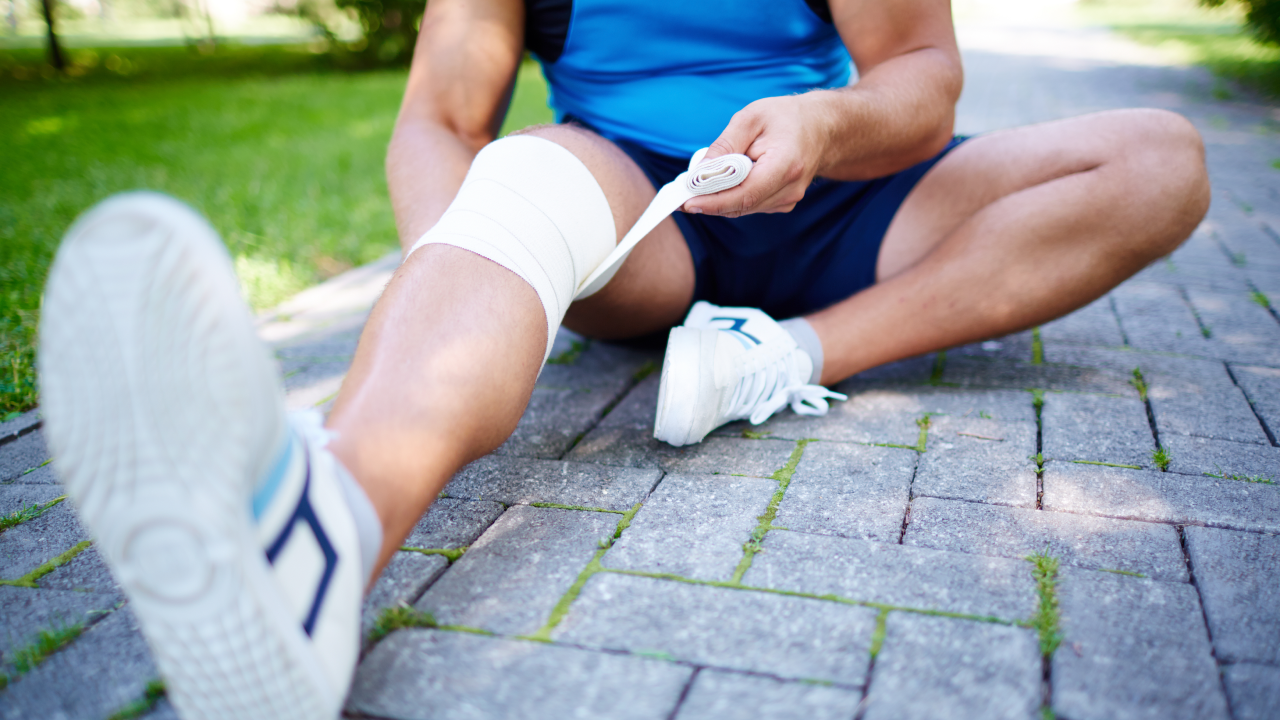
Sports involving running, jumping, pivoting, kicking, or rapid changes in direction can place significant demands on the hip.
Symptoms may arise after football, hockey, basketball, soccer, tennis, running, weight training, or other physical activities.
Hip Pain After a Fall
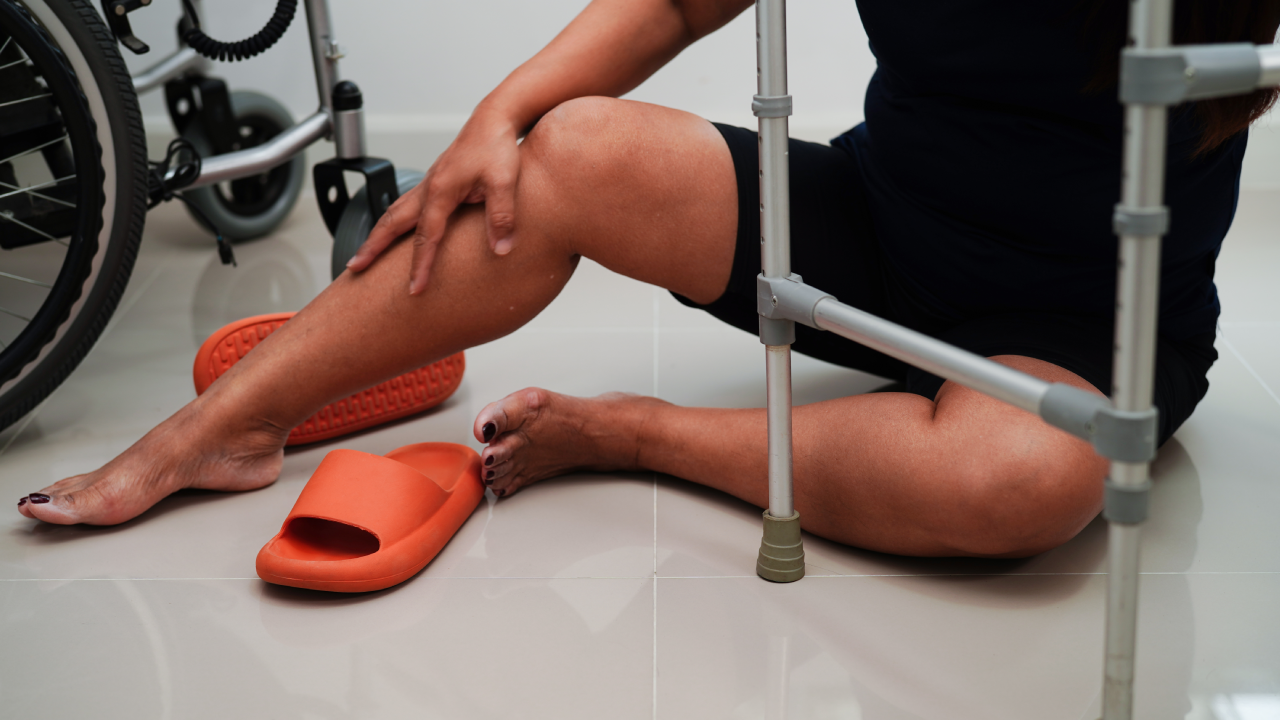
A fall can affect muscles, tendons, joints, or surrounding tissues. Even when there is no obvious fracture, persistent symptoms should be assessed.
Sudden severe hip pain, an inability to put weight through the leg, major swelling, or an obvious deformity requires prompt medical assessment.
Who Can Benefit From Hip Pain Care?
Hip-related care may be appropriate for people dealing with:
- Hip discomfort during walking
- Symptoms while climbing stairs
- Stiffness after sitting
- Discomfort when getting out of a chair
- Pain during exercise or sports
- Hip symptoms after an accident or fall
- Recurrent muscle strains
- Reduced hip mobility
- Weakness around the hip and pelvis
- Discomfort when sleeping on one side
- Symptoms that interfere with work or daily activities
- Hip symptoms accompanied by lower-back or pelvic discomfort
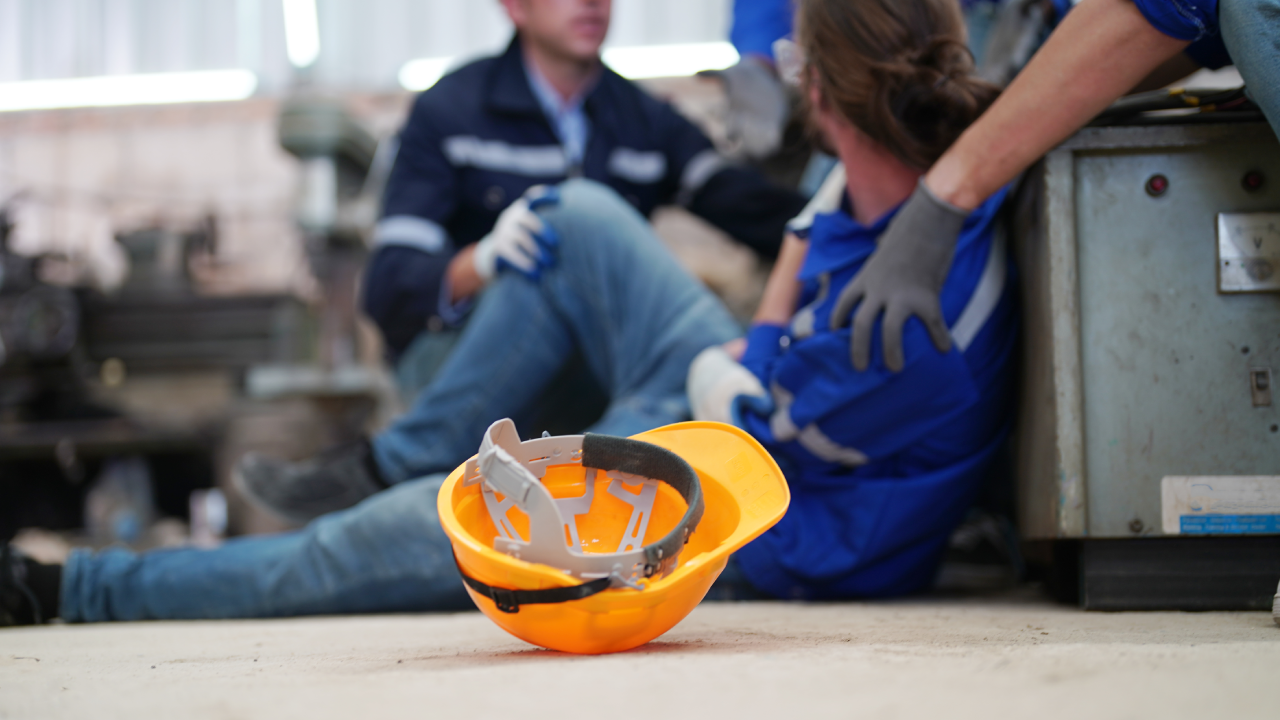
People with physically demanding jobs may also develop hip symptoms from repeated lifting, standing, walking, bending, or climbing.
Problems Hip Care Can Address
Hip symptoms can affect much more than the hip itself. When movement becomes uncomfortable, people may begin changing how they walk, stand, sit, or exercise.
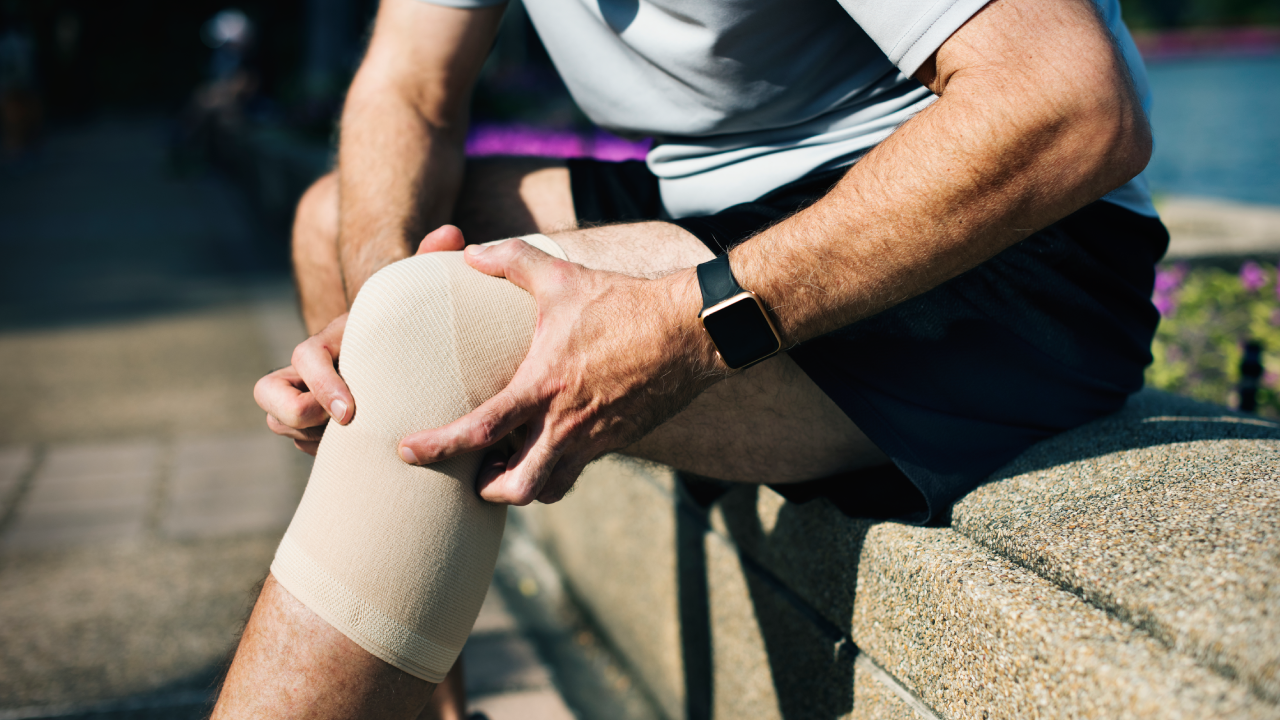
This can contribute to additional strain around the lower back, knee, pelvis, or opposite leg.
Care may focus on problems such as:
- Limited hip range of motion
- Reduced leg or hip strength
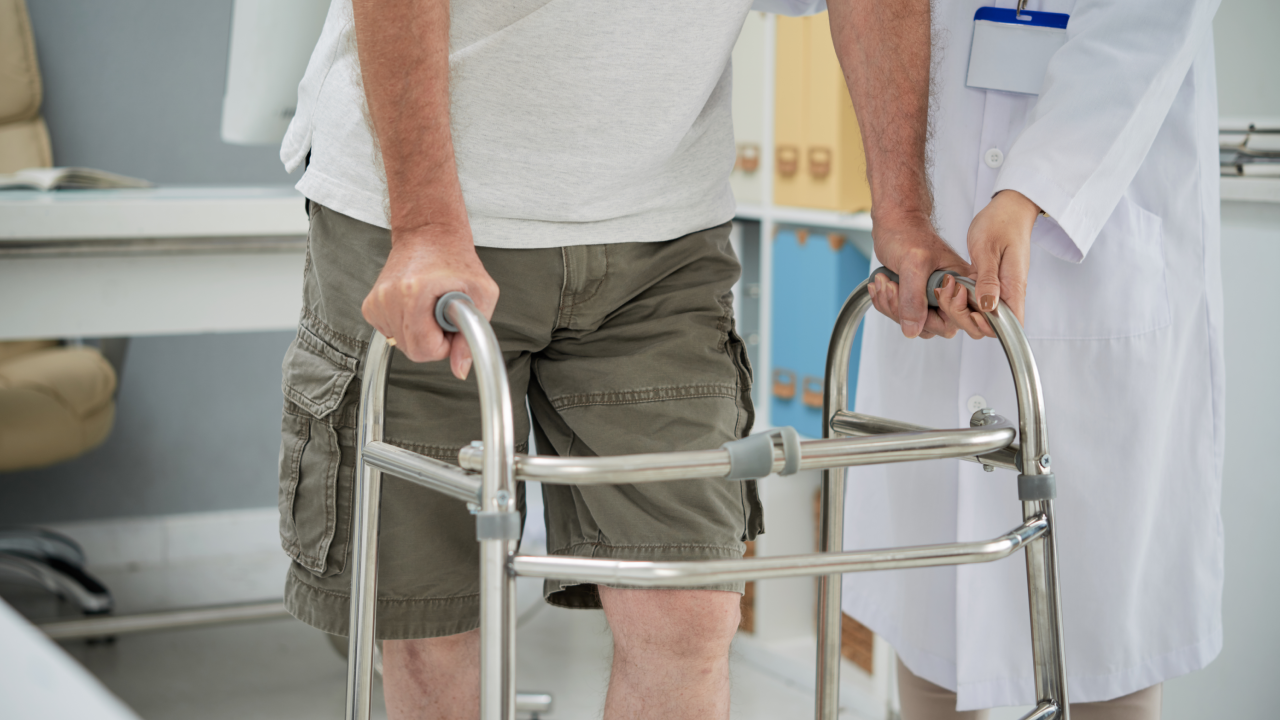
- Difficulty walking
- Trouble climbing stairs
- Reduced exercise tolerance
- Discomfort during sports
- Stiffness after inactivity
- Difficulty sitting for extended periods
- Problems getting in and out of a vehicle
- Difficulty sleeping on one side
- Repeated hip symptoms after physical activity
What Hip Pain Care May Include
Movement Assessment
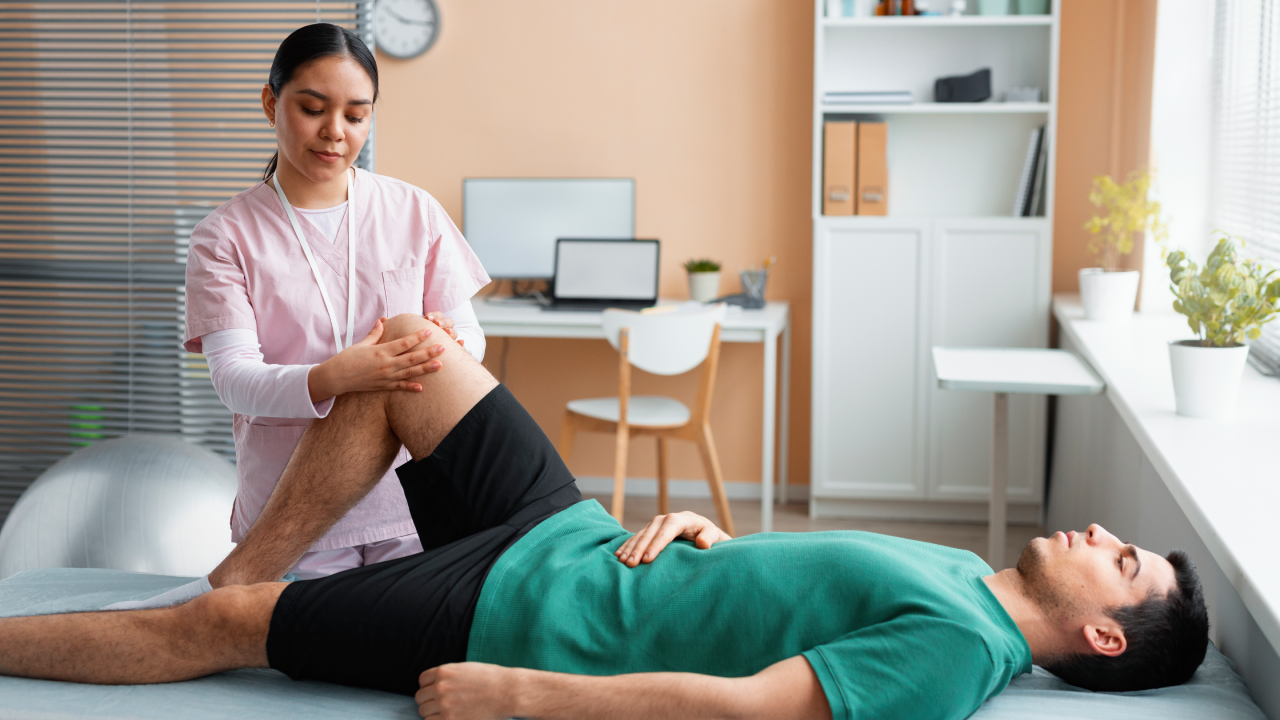
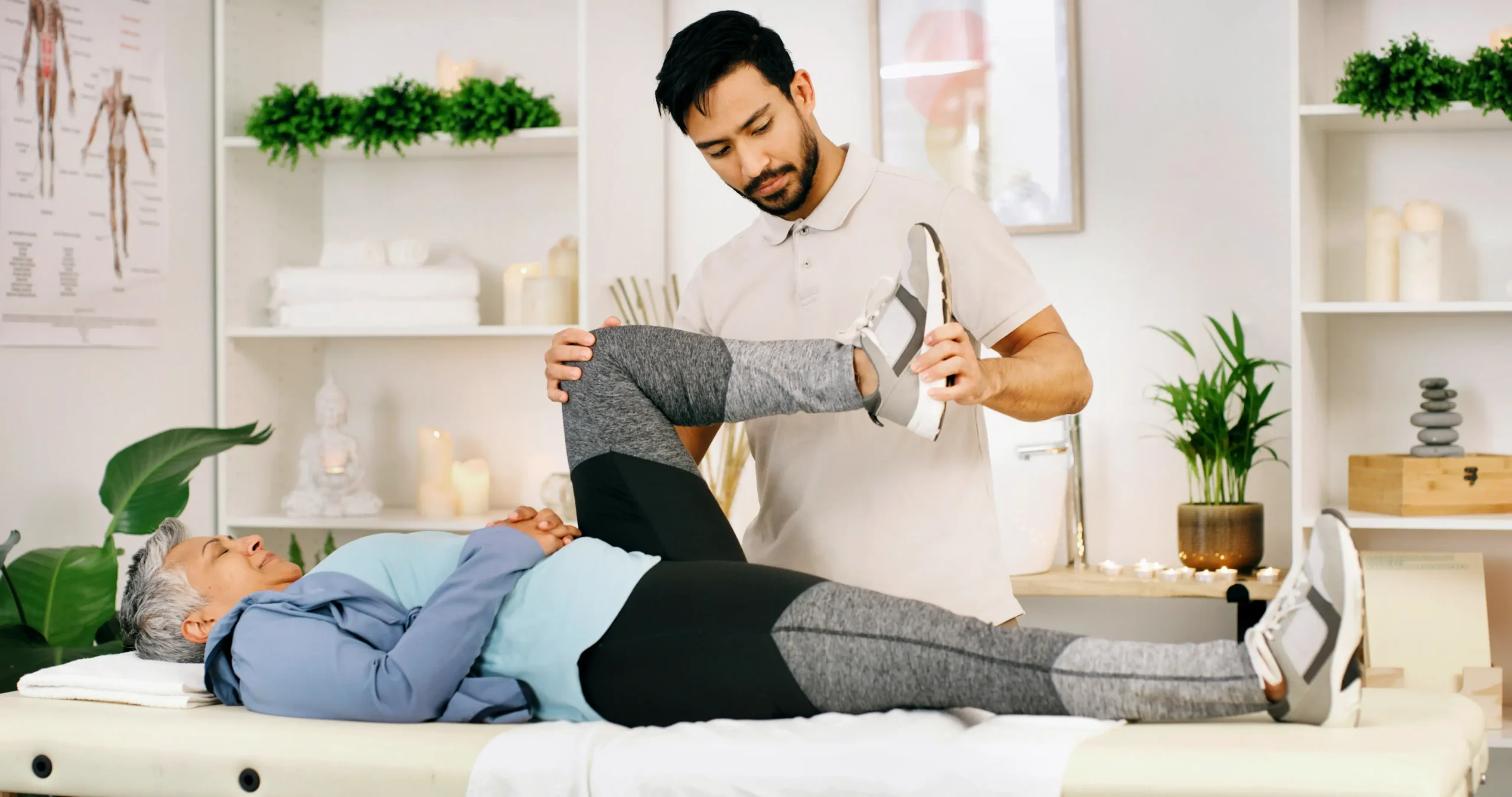
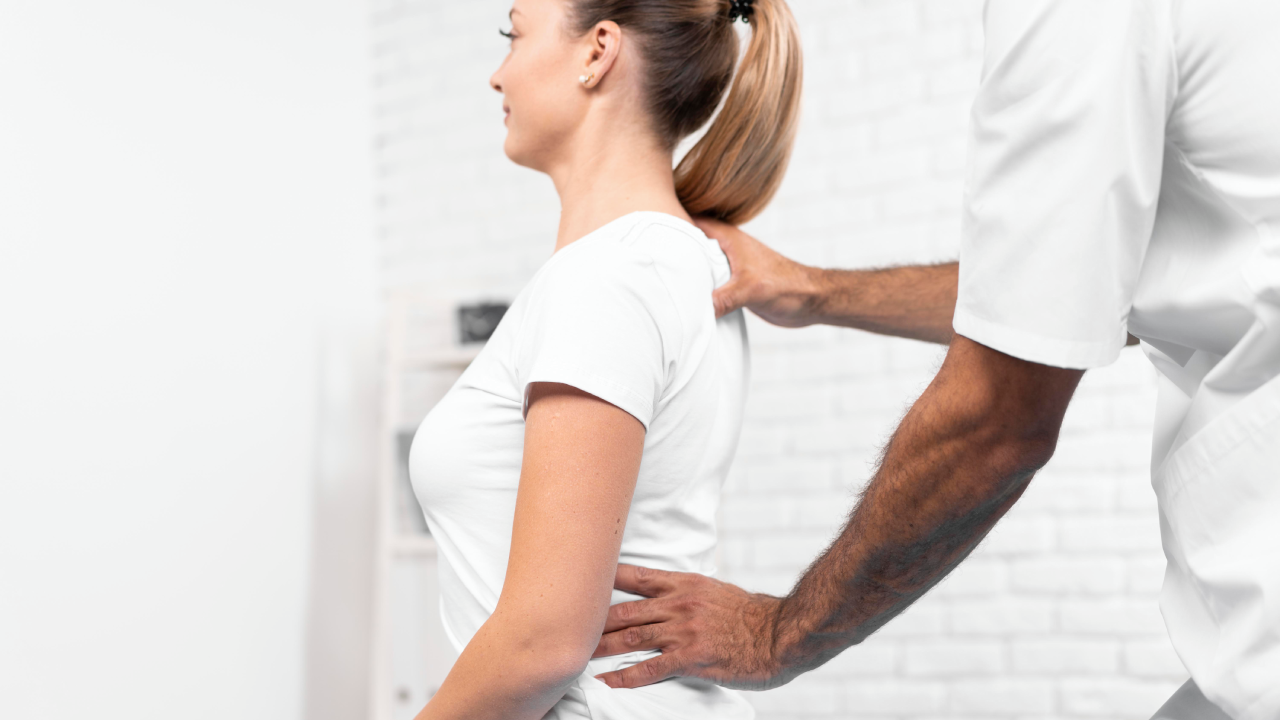
We assess how the hip, pelvis, lower back, and legs move. This may include checking mobility, strength, balance, walking patterns, and movements that reproduce symptoms.
Therapeutic Exercise
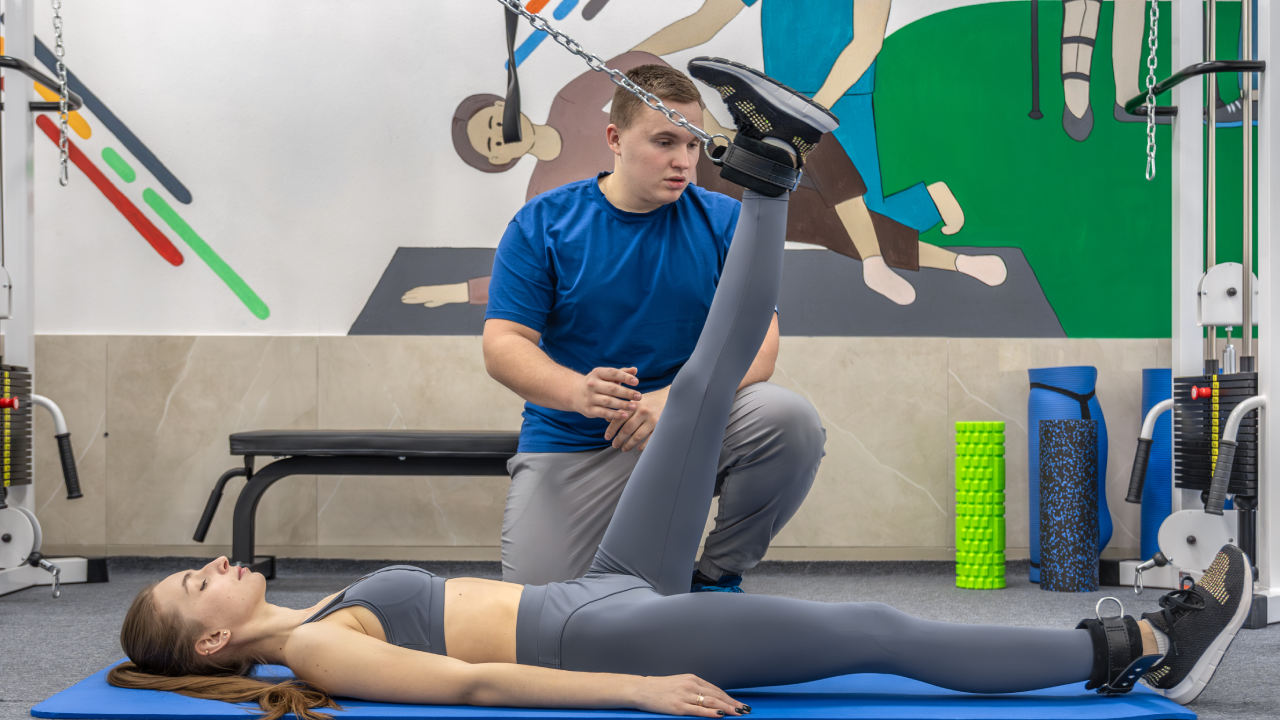
Exercises may be used to build strength, mobility, coordination, and tolerance for everyday activities. Your program can be adjusted as your movement capacity changes.
Hip Strengthening
The muscles around the hip and pelvis contribute to stability during walking, running, lifting, and other activities. Strength work may focus on the glutes, hip flexors, abductors, adductors, and surrounding muscle groups.
Mobility Work
Restricted hip movement can affect how the body performs everyday tasks. Mobility exercises may focus on movements that are relevant to your symptoms and activity requirements.
Hands-On Care
Hands-on methods may be used alongside exercise and movement work when appropriate. The exact approach depends on your assessment findings.
Activity Modification
You may not need to stop every activity when dealing with hip symptoms. Instead, certain movements, workloads, training volumes, or positions may need temporary adjustments.
Home Exercises
A home program can help you continue working on mobility, strength, and movement between appointments.
How the Process Works
1. Initial Consultation
We begin by discussing your symptoms, when they started, what makes them worse or easier, and how they affect your daily routine.
2. Physical Assessment
Your hip and surrounding areas are assessed through movement, mobility, strength, and functional tests.
3. Care Planning
The findings are used to determine which areas should be addressed and what type of exercises or treatment methods may be appropriate.
4. Treatment
Your sessions may include exercise, mobility work, hands-on methods, and activity adjustments according to your condition.
5. Progress Review
Your movement and activity tolerance can be reviewed over time. Exercises may be changed as your abilities develop.
6. Ongoing Care
Some people need short-term support following an injury, while others may require continued work for recurring or degenerative conditions.
Practical Benefits of Hip Care
Addressing hip problems can help you work toward practical movement goals, such as:
- Walking with greater ease
- Improving hip mobility
- Building strength around the hip and pelvis
- Returning to exercise
- Resuming recreational activities
- Managing physical work demands
- Improving movement confidence
- Reducing movement restrictions
- Developing safer exercise habits
- Improving tolerance for everyday activities
The timeline varies according to the cause, severity, duration, general activity level, and response to care.
Hip Pain in Woodbridge, ON, for Different Lifestyles
Hip symptoms can affect people with very different routines.
Office Workers
Extended sitting can contribute to stiffness and changes in movement patterns. Hip mobility and movement breaks may form part of a care plan.
Active Adults
Running, gym training, cycling, hiking, and recreational sports can repeatedly stress the hip.
Athletes
Athletes may require focused work on strength, mobility, movement control, and gradual return to sport.
Older Adults
Age-related joint changes may contribute to stiffness and reduced mobility. Exercise can help maintain strength and physical function.
Physically Active Workers
Construction workers, warehouse employees, tradespeople, delivery workers, and others may place repeated loads through the hips during lifting, carrying, bending, and walking.
Frequently Asked Questions
What causes hip pain?
Common causes include muscle strains, tendon irritation, bursitis, joint changes, sports injuries, falls, movement problems, and hip impingement. Symptoms may also be connected with the lower back or pelvis.
When should I seek care for hip pain?
Consider an assessment when symptoms persist, interfere with daily activities, return repeatedly, or limit exercise and work. Sudden severe symptoms following trauma require prompt medical evaluation.
Can hip pain come from the lower back?
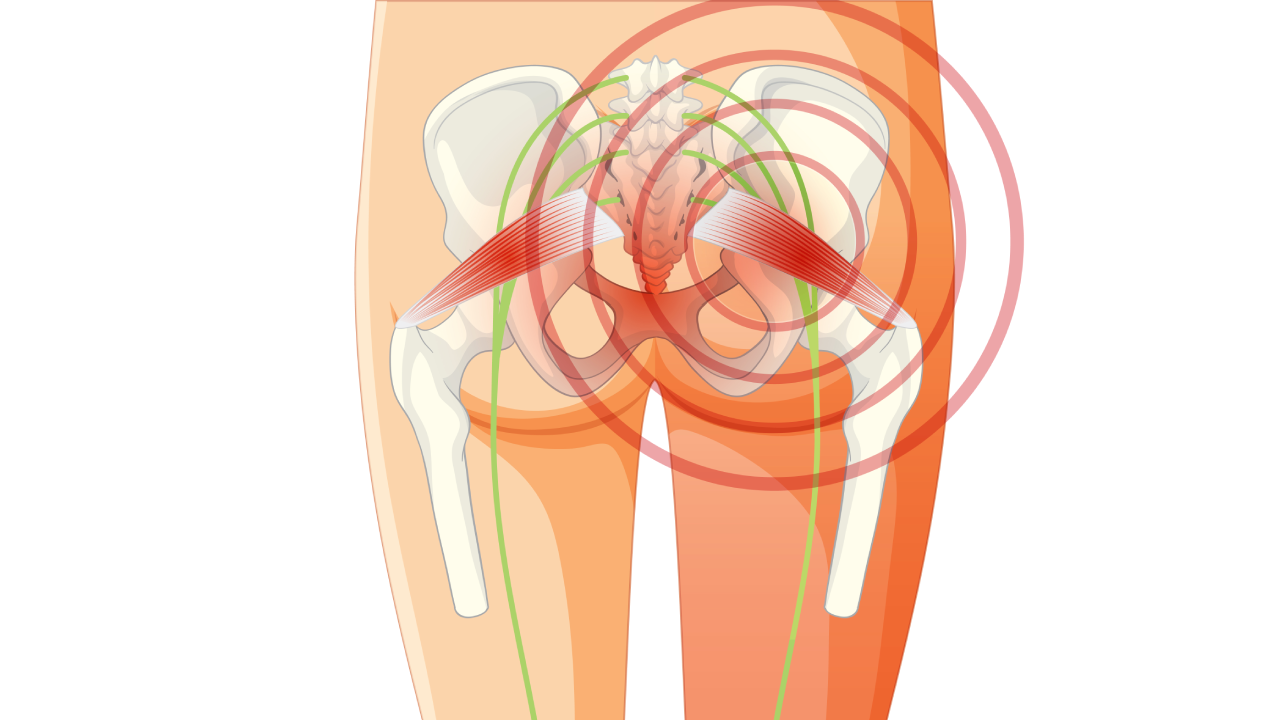
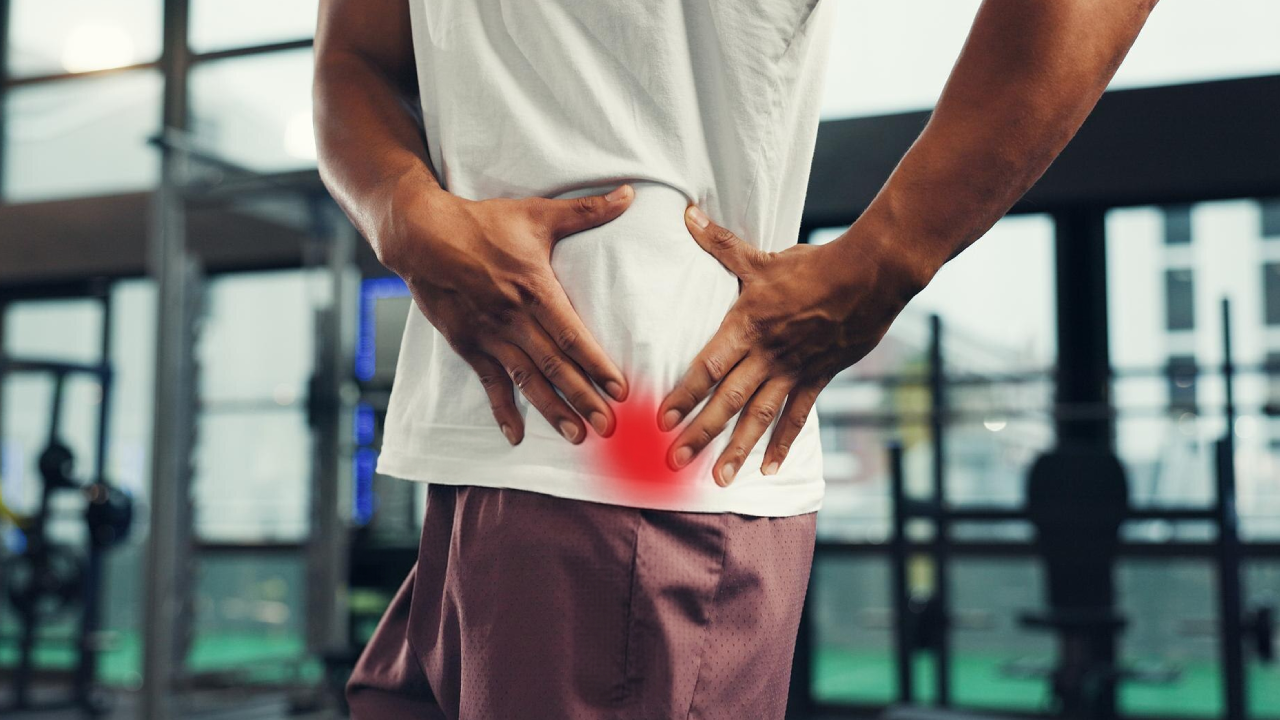
Yes. The lower back, pelvis, and hip work together during movement. Symptoms felt around the hip may sometimes originate from another area.
Can physiotherapy help with hip pain?
Physiotherapy can address movement, strength, mobility, coordination, and activity tolerance. The appropriate approach depends on the cause of your symptoms.
How long does hip pain take to improve?
There is no single timeline. A recent muscle strain may follow a different course from osteoarthritis, a tendon problem, or a long-standing movement issue.
Can I exercise with hip pain?
That depends on the cause and severity of the symptoms. Some activities may be appropriate, while others may need temporary modification.
Do I need imaging for hip pain?
Not every hip problem requires imaging. If your assessment suggests the need for further investigation, we will refer you to a suitable medical provider.
What happens during the first appointment?
Your symptoms and activity history are discussed first. A physical assessment then examines movement, strength, mobility, and functional limitations. Findings are used to plan the next steps.
Service Area
Spinal Solution and Rehab provides hip-related care in Woodbridge, Ontario, and serves people from nearby Vaughan-area communities.
If you are searching for Hip Pain in Woodbridge, ON, our clinic can assess your symptoms and discuss appropriate next steps based on your condition.
Why Choose Spinal Solution and Rehab?
Spinal Solution and Rehab focuses on musculoskeletal care involving movement, physical function, and rehabilitation.
Rather than treating every hip complaint in the same way, our assessment looks at the specific symptoms, movement limitations, activity demands, and contributing areas involved.
Our approach may include exercise, mobility work, hands-on care, strengthening, and activity recommendations when appropriate.
We also recognize that hip symptoms can affect work, exercise, recreation, sleep, and everyday movement. Care is therefore centred around practical functional goals and the activities that matter to you.
For factual information about your particular condition, an in-person assessment can help determine what may be contributing to your symptoms.
Related Services
Depending on your symptoms, hip care may also connect with other areas of rehabilitation, including:
- Physiotherapy
- Lower-back rehabilitation
- Knee rehabilitation
- Sports injury rehabilitation
- Mobility training
- Strength and conditioning
- Injury rehabilitation
- Exercise-based rehabilitation
Get Started
If hip symptoms are interfering with walking, exercise, work, sleep, or daily movement, the next step is an assessment.
Spinal Solution and Rehab can discuss your symptoms, assess your movement, and explain the available care options.
Address: 8300 Hwy 27, Woodbridge, ON L4H 0R9
Phone: +1 905-739-3100
If you are looking for Hip Pain in Woodbridge, ON, contact Spinal Solution and Rehab to schedule an appointment and discuss your hip concerns with our team.