Compression Stocking Clinic Scarborough
Compression stockings are designed to provide graduated compression to the lower legs, helping support healthy blood flow and manage swelling during everyday activities. They can be useful for people who spend long periods standing or sitting, experience leg heaviness or swelling, or have been advised by a healthcare professional to use compression as part of their care.
At Spinal Solution & Wellness, we provide compression stocking options as part of the supportive care available at our Scarborough physiotherapy clinic. Rather than simply choosing a stocking based on appearance or size, we can help you understand the level of compression, fit, material, and style that may be appropriate for your needs.

What Are Compression Stockings?
Compression stockings are specially designed garments worn around the lower leg and, depending on the style, the foot, ankle, calf, or thigh. They apply controlled pressure to the limb. Most therapeutic compression stockings provide graduated compression, meaning the pressure is generally greatest around the ankle and gradually decreases higher up the leg.
This design is intended to support the normal movement of blood through the veins toward the heart. When the lower legs are inactive for extended periods, fluid can accumulate and the legs may feel heavy, tight, or swollen. Compression garments can provide external support that complements movement and other recommended care strategies.
Compression stockings are available in different compression levels, lengths, materials, colours, and designs. The appropriate option depends on why you are using compression, your measurements, your daily activities, and whether a healthcare professional has recommended a particular compression level.
How Compression Stockings Can Support Your Legs
Compression stockings are commonly used as part of a broader approach to managing lower-leg swelling and circulation-related concerns.
Depending on the individual’s circumstances, compression may help:
- Support healthy venous circulation
- Reduce or manage lower-leg swelling
- Minimize feelings of heaviness or tiredness in the legs
- Provide additional support during prolonged standing
- Provide support during long periods of sitting or travel
- Complement an exercise or mobility program
- Support the legs during daily activities
- Make certain work routines more comfortable
It is important to understand that compression stockings are not a universal solution for every type of leg problem. Their suitability depends on the individual’s health, circulation, symptoms, and reason for wearing them.
That is why choosing the correct product matters.
Why Proper Fit Matters
A compression stocking should provide consistent compression without creating unnecessary discomfort.
A stocking that is too loose may not provide the intended level of support. On the other hand, a stocking that is too tight, incorrectly sized, or poorly positioned may cause discomfort, skin irritation, numbness, or other problems.
Proper sizing can involve measurements such as the circumference of the ankle and calf, and sometimes additional measurements depending on the stocking style. Swelling can also affect measurements, which is one reason professional guidance can be helpful.
At Spinal Solution & Wellness, our approach is centred on helping patients understand their options rather than treating compression stockings as a one-size-fits-all product.
We can discuss factors such as:
- Your reason for considering compression
- The areas requiring coverage
- Your daily routine
- How long you expect to wear the stockings
- The level of compression recommended for you
- Your preferred stocking length
- Material and comfort considerations
- Ease of putting on and removing the garment
- Whether a particular design suits your lifestyle
This practical approach helps you make a more informed decision.
Different Types of Compression Stockings
Compression stockings are available in several styles. The right design depends on the area that needs coverage and how the garment will be used.
- Knee-High Compression Stockings: Knee-high stockings extend from the foot to just below the knee. They are a common option when compression is primarily needed around the foot, ankle, and lower calf. Their shorter design can also make them easier for some people to put on and remove compared with longer garments.
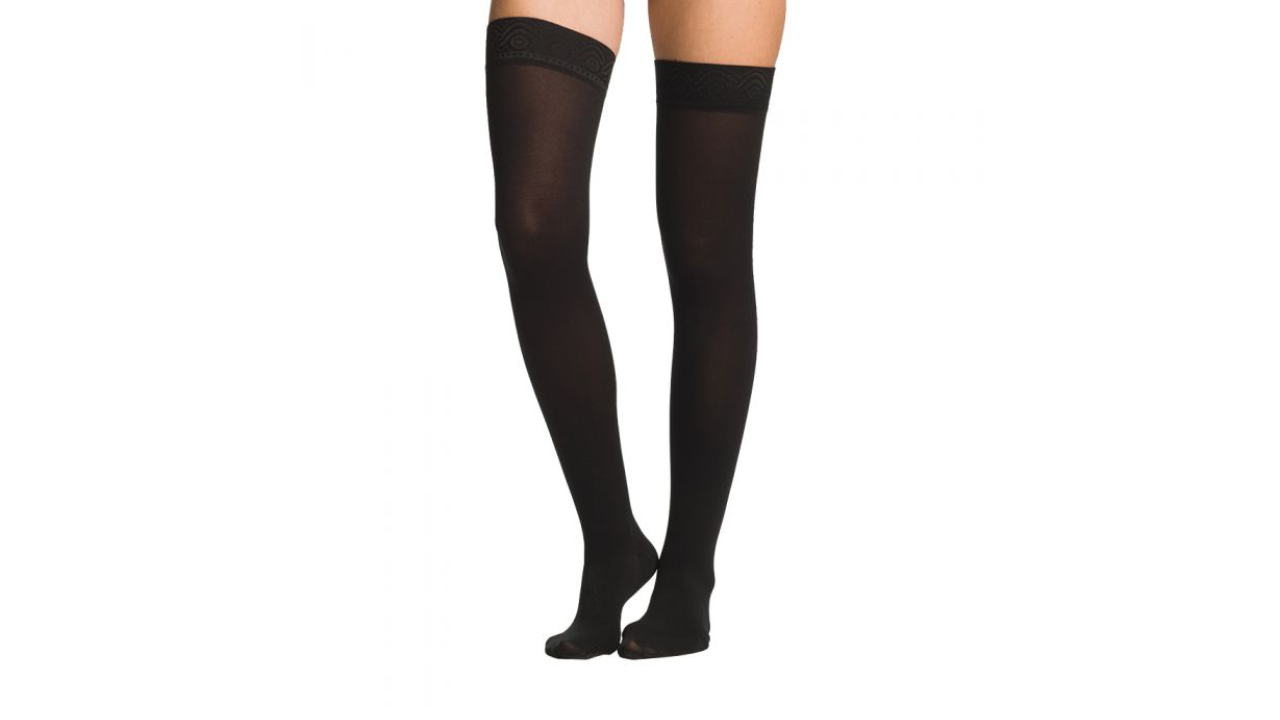
- Thigh-High Compression Stockings: Thigh-high stockings extend above the knee and provide compression through the thigh. They may be considered when compression is required beyond the lower leg.
- Compression Pantyhose: These garments provide compression over a larger portion of the legs and may be appropriate for specific situations where longer coverage is required.
- Compression Socks: Compression socks can resemble conventional socks while providing graduated compression. They are available in different lengths and materials and may be convenient for people who want compression incorporated into their everyday clothing.
The best choice is not necessarily the longest or strongest stocking. The goal is to use an appropriate garment for the individual’s needs.
Who May Consider Compression Stockings?
Compression stockings may be considered by people with different lifestyles and care needs.
They may be useful for individuals who:
- Spend much of the day on their feet
- Sit for extended periods at work
- Travel for long periods
- Experience occasional lower-leg swelling
- Feel heaviness or fatigue in their legs
- Have been advised to use compression by a healthcare professional
- Want additional support while maintaining an active routine
People recovering from certain procedures or dealing with particular vascular or lymphatic conditions may also be advised to use compression garments.
However, medical conditions affecting circulation require appropriate professional assessment before using compression. Compression is not suitable for everyone, particularly in certain arterial circulation problems and other circumstances where compression could be unsafe.
If you have a diagnosed medical condition, have significant or unexplained swelling, or have been specifically instructed to use a certain compression level, follow the recommendations of your physician or qualified healthcare provider.
Compression Stockings in Scarborough and Physiotherapy Care
Compression stockings can sometimes form one part of a broader physiotherapy or wellness plan.
For example, a person experiencing lower-leg swelling may benefit from a combination of appropriate movement, exercise, positioning, activity modification, and compression where suitable. The stocking itself is only one component of the overall approach.
Our care focuses on understanding how your symptoms and daily activities affect your mobility and comfort. Where compression is appropriate, we can help you understand how the garment may fit into your routine.
This may include discussing:
- Appropriate use during daily activities
- Wearing and removal techniques
- General care and maintenance
- Activity considerations
- Fit and comfort
- When you should speak with another healthcare professional
- How compression can complement an existing exercise or mobility plan
This patient-centred approach helps ensure that the product is considered within the bigger picture rather than as an isolated purchase.
When Should You Wear Compression Stockings?
The recommended wearing schedule depends on why you are using compression and the guidance provided by your healthcare professional.
For some people, compression may be most useful during periods of prolonged standing or activity. Others may be advised to wear their stockings during particular parts of the day.
If you have been prescribed compression stockings, follow the instructions provided by your physician, physiotherapist, vascular specialist, or other healthcare professional.
Avoid assuming that wearing a higher compression level for longer periods will automatically provide better results. More compression is not necessarily better. The appropriate level is the important consideration.
Caring for Your Compression Stockings
Proper maintenance can help preserve the condition and elasticity of compression garments.
Follow the manufacturer’s washing and care instructions. In general, compression stockings should be handled carefully and checked regularly for signs of wear.
Look for:
- Loss of elasticity
- Thinning material
- Holes or tears
- Changes in the stocking’s shape
- Excessive stretching
- Rough or damaged areas
A worn garment may no longer provide the intended compression.
Avoid making alterations to the stocking yourself, as changing its structure can affect how pressure is distributed.
Signs That Your Compression Stockings May Not Be Suitable
Compression stockings should not cause significant pain, numbness, unusual colour changes, or worsening symptoms.
Remove the garment and seek appropriate medical advice if you experience concerning symptoms such as:
- Significant discomfort
- Numbness or tingling
- Unusual coldness in the foot
- Marked colour changes
- Skin irritation or injury
- Increasing swelling
- New or worsening symptoms
Sudden or severe swelling, particularly when accompanied by symptoms such as chest pain or shortness of breath, requires urgent medical attention rather than self-management with compression stockings.
If you are uncertain whether compression is appropriate for you, speak with a qualified healthcare professional before purchasing or using a therapeutic compression garment.
Why Choose Spinal Solution & Wellness?
Choosing compression stockings is about more than finding a product that fits around your leg. Understanding the reason for compression, selecting an appropriate option, and using it correctly can all affect your experience.
At Spinal Solution & Wellness, our care is grounded in a physiotherapy and wellness setting where mobility, function, comfort, and individual needs are considered together.
Our team takes time to understand your concerns and can help you make sense of the available compression options. We believe patients should have clear information so they can make decisions that fit their health needs and everyday routines.
Our clinic is conveniently located at:
Spinal Solution & Wellness
5995 Steeles Ave E
Scarborough, ON M1V 5P6
Canada
Phone: 416-307-1076
Email: info@spinalsolution.ca
Frequently Asked Questions About Compression Stockings
Are compression stockings only for people with medical conditions?
No. Compression garments may be used in different situations, including prolonged standing, sitting, travel, or activity. However, the appropriate compression level and whether compression is suitable depends on the individual.
Can I choose any compression level?
It is better not to select a therapeutic compression level solely based on personal preference. If you have a medical condition or have been advised to use compression, follow the recommendation of your healthcare professional.
Can compression stockings help with swollen legs?
Compression may help manage certain types of lower-leg swelling, but swelling has many possible causes. Persistent, unexplained, sudden, or one-sided swelling should be assessed by an appropriate healthcare professional rather than treated solely with compression.
How tight should compression stockings feel?
Compression stockings should feel supportive and snug, but they should not cause significant pain, numbness, tingling, or concerning colour changes. Correct sizing is important.
Can I wear compression stockings all day?
Some people are advised to wear compression stockings for much of the day, while others may have different recommendations. Your wearing schedule should depend on the reason for compression and professional guidance.
How often should compression stockings be replaced?
Replacement depends on the garment, frequency of use, washing practices, and condition. When the material loses its elasticity or becomes damaged, it may be time to replace the garment.
Get Help Choosing the Right Compression Stocking
The right compression stocking should match your needs, measurements, activity level, and recommended level of compression. Rather than guessing based on size or choosing the strongest option available, professional guidance can help you make a more informed choice.
If you are considering compression stockings and would like to discuss your options, Spinal Solution & Wellness can help you understand how compression may fit into your overall care.
Visit us at 5995 Steeles Ave E, Scarborough, Ontario, or contact our clinic at 416-307-1076 or info@spinalsolution.ca.