
Chiropractic Care for Seniors: Enhancing Mobility and Quality of Life
Read Article
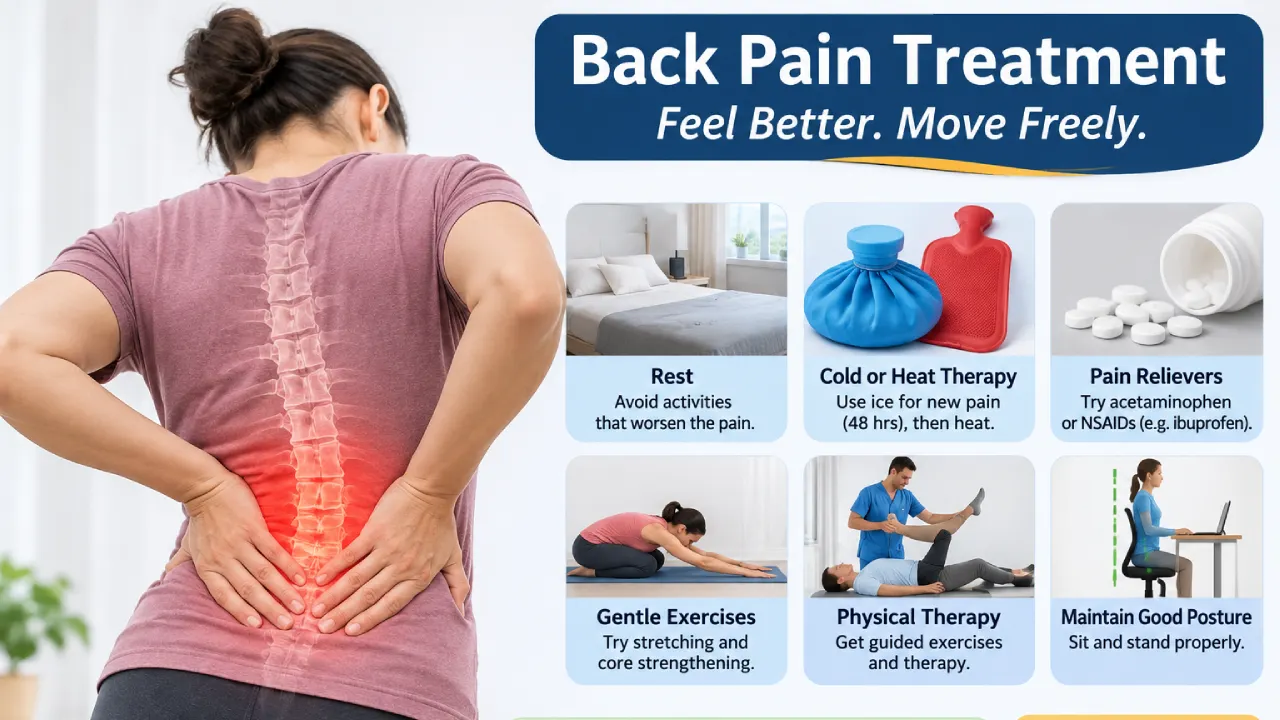
Back pain can affect almost every aspect of daily life. Simple activities such as walking, bending, sitting, standing, lifting groceries, or getting out of bed may become challenging when the back feels stiff or uncomfortable. Whether discomfort develops gradually due to prolonged sitting, repetitive movements, poor posture, muscle strain, or an injury, it can interfere with everyday responsibilities and physical activities.
The spine plays an important role in supporting the upper body, maintaining balance, and allowing coordinated movement. It works alongside muscles, joints, ligaments, and nerves to help the body perform different physical tasks. When any of these structures become irritated or strained, movements that once felt natural may become difficult.
Seeking appropriate Back Pain Treatment can help individuals address the factors contributing to their discomfort while working towards improved mobility and physical function. Physiotherapy-based care, therapeutic exercises, movement assessments, and other clinical approaches may help manage back-related concerns and support spinal health.
For residents of Scarborough, finding suitable care can be an important step towards managing recurring back discomfort and maintaining an active lifestyle. Spinal Solution and Wellness provides care focused on spinal health, movement, and everyday physical function.
In this blog, we explore seven ways back-related care can support daily movement, why early attention matters, and how individuals can take practical steps towards maintaining a healthier back.
Flexibility plays an important role in everyday movement. Your back needs to bend, rotate, extend, and maintain different positions throughout the day. Whether you are reaching for something on a shelf, tying your shoes, turning while driving, or picking up an object, your spine and surrounding muscles work together to make these movements possible.
Back stiffness can develop due to several factors, including prolonged sitting, limited physical activity, muscle tightness, repetitive movements, and age-related changes. When the muscles surrounding the spine become tight, even simple movements may feel restricted.
Back Pain Treatment may include gentle mobility exercises, stretching activities, and guided movement practices that address stiffness and encourage comfortable spinal movement.
Depending on an individual’s condition, a physiotherapy professional may recommend activities such as:
These activities can help maintain movement within a comfortable range. They may also encourage individuals to become more aware of their posture and movement patterns.
It is important to remember that flexibility exercises should match an individual’s physical abilities. Movements that increase discomfort should be stopped and discussed with a qualified healthcare professional.
With appropriate exercises and gradual progression, individuals can work towards performing everyday activities with greater ease.
Posture affects how the spine distributes pressure throughout the day. Sitting at a desk, looking down at a mobile phone, standing for extended periods, or carrying heavy bags can influence the way the back and surrounding muscles function.
Poorly supported sitting positions and prolonged static postures may contribute to muscle fatigue and back discomfort. For example, sitting for several hours without changing positions can place continuous demands on certain muscles and joints.
Back Pain Treatment can address posture-related concerns by helping individuals identify movement habits that may contribute to recurring discomfort.
A physiotherapy assessment may examine:
Based on the assessment, individuals may receive recommendations for making practical adjustments to their daily routines.
Some useful posture habits include:
Maintain comfortable sitting positions: Keep your feet supported and adjust your chair so that your lower back receives adequate support.
Change positions regularly: Avoid remaining seated or standing in one position for extended periods. Short movement breaks can help reduce stiffness.
Position screens appropriately: Keep computer screens near eye level to reduce unnecessary forward leaning.
Distribute weight evenly: When standing, avoid placing all your body weight on one leg for extended periods.
Use proper lifting movements: Bend through your hips and knees when lifting objects rather than relying entirely on your lower back.
These adjustments may help reduce unnecessary strain and encourage healthier movement habits at work and home.
Your core muscles play an important role in spinal stability. These muscles include the abdominal muscles, deep trunk muscles, pelvic floor muscles, and muscles surrounding the lower back.
Together, they help maintain balance, control movement, and support the spine during different physical activities.
When these muscles lack adequate strength or coordination, certain movements may place additional demands on other structures surrounding the spine.
A structured back pain treatment program may include exercises that focus on developing core strength and improving muscular coordination.
Examples of exercises that may be included are
The choice of exercises depends on the individual’s physical condition, movement limitations, and tolerance for activity.
For instance, someone who spends most of the day sitting may need to work on trunk endurance and hip strength. Someone who regularly lifts objects at work may benefit from exercises that encourage coordinated movement between the hips, abdomen, and back.
Strengthening exercises should progress gradually. Starting with manageable movements and increasing activity according to physical tolerance can help prevent unnecessary strain.
Stronger and more coordinated muscles can support activities such as walking, climbing stairs, carrying household items, and maintaining comfortable sitting and standing positions.
Walking is one of the most common physical activities people perform. It involves coordination between the spine, pelvis, hips, knees, ankles, and surrounding muscles.
Back discomfort can sometimes change the way a person walks. Individuals may take shorter steps, avoid rotating their upper body, or shift their weight to one side to reduce discomfort.
These changes may place additional demands on other areas of the body.
Appropriate Back Pain Treatment may include walking assessments, controlled movement exercises, and gradual activity progression to address limitations that affect walking.
A physiotherapy professional may assess:
Depending on the findings, a suitable activity program may include short walking sessions, balance exercises, hip strengthening, and gentle mobility activities.
Individuals who have difficulty walking for extended periods may begin with shorter distances and gradually increase their activity as tolerated.
It is also important to wear supportive footwear, choose comfortable walking surfaces, and avoid suddenly increasing physical activity.
For Scarborough residents who enjoy walking in neighbourhood parks, shopping areas, or along local trails, maintaining spinal mobility and lower-body strength can support participation in these everyday activities.
Muscle tightness is a common concern among individuals who experience recurring back discomfort. It may develop due to prolonged sitting, repetitive movements, physical strain, limited activity, or protective muscle tension associated with an injury.
The muscles around the lower back, hips, and pelvis work together to support the spine. When these muscles become tight or sensitive, bending, turning, standing, and walking may become uncomfortable.
Back Pain Treatment may involve different approaches to address muscle tension and movement restrictions.
Depending on the assessment, these approaches may include:
Manual therapy: Gentle hands-on techniques may be used by qualified practitioners to address certain movement restrictions and soft-tissue concerns.
Therapeutic stretching: Controlled stretching may help address tight muscles around the hips, thighs, and lower back.
Mobility exercises: Gentle movements can encourage comfortable movement through the spine and surrounding joints.
Heat applications: Heat may help some individuals manage muscle stiffness and prepare for gentle movement.
Movement education: Learning how to move during everyday activities can help individuals avoid unnecessary strain.
It is important to recognize that not every person with back discomfort requires the same approach. The underlying cause, severity of symptoms, medical history, and physical abilities should all be considered.
A suitable care plan should focus on addressing the individual’s movement limitations while encouraging safe participation in everyday activities.
Back discomfort does not only affect exercise or recreational activities. It can also interfere with household responsibilities, workplace tasks, and personal routines.
Activities such as cleaning, cooking, gardening, carrying laundry, lifting children, and sitting through meetings may become difficult when the back feels stiff or uncomfortable.
For individuals with physically demanding occupations, repeated bending, lifting, twisting, and prolonged standing can place additional demands on the spine.
Back Pain Treatment may help individuals identify activity-related challenges and develop practical strategies for managing everyday movements.
For example:
At home:
At work:
People who work remotely or spend extended hours at a computer may also benefit from reviewing their workstation arrangement.
These practical adjustments can help reduce unnecessary physical demands and encourage more comfortable movement throughout the day.
The goal is not to avoid all physical activity. Instead, individuals should learn how to manage their activities according to their abilities while gradually building movement tolerance.
Regular physical activity plays an important role in maintaining spinal health. It supports muscle strength, joint mobility, coordination, balance, and general physical fitness.
However, individuals experiencing recurring back discomfort may become less active because they are concerned that movement could increase their symptoms.
Avoiding physical activity for extended periods can contribute to muscle weakness, reduced endurance, and stiffness.
A suitable Back Pain Treatment plan may encourage gradual participation in physical activities while considering the individual’s symptoms and physical capabilities.
Depending on the condition, activities may include:
Consistency is important when developing healthy movement habits. Individuals do not necessarily need lengthy exercise sessions to remain active. Short periods of movement throughout the day can contribute to overall physical activity.
For example, taking a short walk after prolonged sitting, performing gentle mobility exercises in the morning, or incorporating regular movement breaks during work can help reduce extended periods of inactivity.
Individuals should increase activity gradually and avoid movements that cause significant or worsening symptoms.
Building a manageable activity routine can support physical conditioning and encourage continued participation in everyday responsibilities.
Back discomfort can sometimes begin with mild stiffness or occasional soreness. People may ignore these symptoms, assuming they will disappear without attention. However, recurring or persistent discomfort may indicate an underlying issue that needs assessment.
Seeking early Back Pain Treatment can help identify potential contributing factors before movement limitations become more disruptive.
Here are several reasons why early attention matters.
Back discomfort can develop due to muscle strain, joint irritation, disc-related conditions, nerve involvement, posture-related concerns, or other medical conditions.
A clinical assessment can help identify possible causes and determine whether further medical investigation is required.
When back discomfort continues, individuals may begin avoiding certain movements. Over time, reduced activity can contribute to stiffness and decreased muscular endurance.
Early assessment can help identify these limitations and establish suitable movement activities.
Recognizing posture-related concerns early can help individuals make practical changes to their sitting, standing, bending, and lifting habits.
These adjustments may reduce unnecessary strain during everyday activities.
Fear of movement may cause some individuals to avoid physical activity altogether. However, prolonged inactivity can contribute to reduced strength and mobility.
Appropriate professional advice can help individuals identify safe ways to remain active.
Early attention allows individuals to learn more about their spinal health, physical limitations, and activity requirements.
Developing consistent movement habits, maintaining muscular strength, and addressing recurring concerns can support spinal function as individuals continue with their daily routines.
Important: Back discomfort accompanied by new leg weakness, numbness around the groin or saddle area, or loss of bladder or bowel control requires urgent medical assessment. Severe pain following a significant accident, fever, or unexplained weight loss also warrants prompt medical attention.
Occasional back soreness may occur after physical activity or prolonged sitting. However, certain symptoms indicate that professional assessment may be appropriate.
Consider seeking an assessment if you notice:
A healthcare professional can assess your symptoms, review your medical history, and determine an appropriate course of action.
The purpose of an assessment is to identify possible contributing factors rather than simply focusing on where discomfort occurs.
Managing back discomfort often requires attention to more than one aspect of physical function. Muscle strength, flexibility, posture, movement coordination, and daily activity habits can all influence spinal health.
Spinal Solution and Wellness in Scarborough focuses on helping individuals address back-related concerns and work towards improved physical function.
Depending on individual assessment findings, care may involve approaches such as:
Each person’s back-related concerns can differ. Factors such as age, occupation, activity level, medical history, and the nature of the symptoms may influence the type of care required.
Individuals should receive an assessment before starting exercises or hands-on approaches, particularly when symptoms are persistent or associated with other health concerns.
Whether you spend long hours sitting at work, perform physically demanding tasks, participate in recreational activities, or manage household responsibilities, paying attention to spinal health can support your ability to remain active.
Back discomfort can develop due to several factors, including muscle strain, poor posture, prolonged sitting, repetitive movements, lifting heavy objects, disc-related conditions, joint irritation, and age-related spinal changes.
In some cases, underlying medical conditions may also contribute to back symptoms. A healthcare professional can assess the possible cause and recommend appropriate next steps.
Back-related care may include mobility exercises, strengthening activities, posture education, and manual therapy where appropriate. These approaches can help address stiffness, movement restrictions, and muscular weakness.
The aim is to support comfortable participation in everyday activities such as walking, sitting, standing, bending, and lifting.
Yes, appropriate exercise can support spinal health by maintaining muscle strength, flexibility, coordination, and physical endurance.
Activities such as walking, gentle stretching, core strengthening, and controlled mobility exercises may be included in an exercise program. However, the type and intensity of exercise should depend on the individual’s condition and physical abilities.
Consider seeking professional care when discomfort persists, repeatedly returns, interferes with everyday activities, or affects your ability to walk, bend, sit, or stand.
Symptoms such as new leg weakness, saddle numbness, or bladder and bowel changes require urgent medical attention.
Individuals looking for care in Scarborough can contact Spinal Solution and Wellness to inquire about available services and assessment options.
The clinic can discuss your concerns, review your needs, and help determine which services may be appropriate for your situation.
Back discomfort can make everyday activities challenging, but ignoring recurring symptoms may lead to additional movement limitations. Paying attention to posture, maintaining physical activity, strengthening supporting muscles, and seeking professional assessment, when necessary, can all contribute to spinal health.
From walking and sitting to bending, lifting, and completing household responsibilities, comfortable movement plays an important role in maintaining an active lifestyle.
If back discomfort is affecting your daily routine, consider contacting Spinal Solution and Wellness in Scarborough to discuss your concerns and available care options.
Phone: +1 416 307-1076
Address: 5995 Steeles Ave E, Scarborough, ON M1V 5P6, Canada
Read Article
Read Article
Read Article
Read Article
Read Article
Read Article
Read Article
Read Article
Read Article
Read Article
Read Article
Read Article
Read Article
Read Article
Read Article
Read Article
Read Article
Read Article
Read Article
Read Article
Read Article
Read Article
Read Article
Read Article
Read Article
Read Article
Read Article
Read Article
Read Article
Read Article

Read Article
Read Article
Read Article
Read Article
Read Article

Therapy is considered as a health care service that involves assessment, treatment, and management of ailments related to muscles and jogs, joints, bones, ligaments, tendons, nerves and the associated movement patterns.
Read More

Chiropractic treatment refers to health care provision pertaining to the assessment and treatment of conditions affecting bones, especially those affecting joints and the spine.
Read More

Massage therapy in Scarborough refers to the treatment of muscles, tendons, ligaments, other soft tissues and fascia by the practitioner.
Read More

MVA rehabilitation refers to assessment and treatment services designed to help individuals recover following a motor vehicle accident.
Read More
The Workplace Safety and Insurance Board (WSIB) is Ontario's workplace insurance system that provides support to eligible workers who experience work-related injuries or occupational illnesses.
Read More

The term modalities refers to therapeutic techniques and equipment used in rehabilitation to support the body's recovery and improve physical function.
Read More
Take the first step today by reserving your slot with our Scarborough care team today so we can build a customized, hands-on treatment strategy that gets you back to moving, working, and thriving.
Book Now (416) 307-1076